
 PCB
PCB FPC
FPC Rigid-Flex
 FR-4
FR-4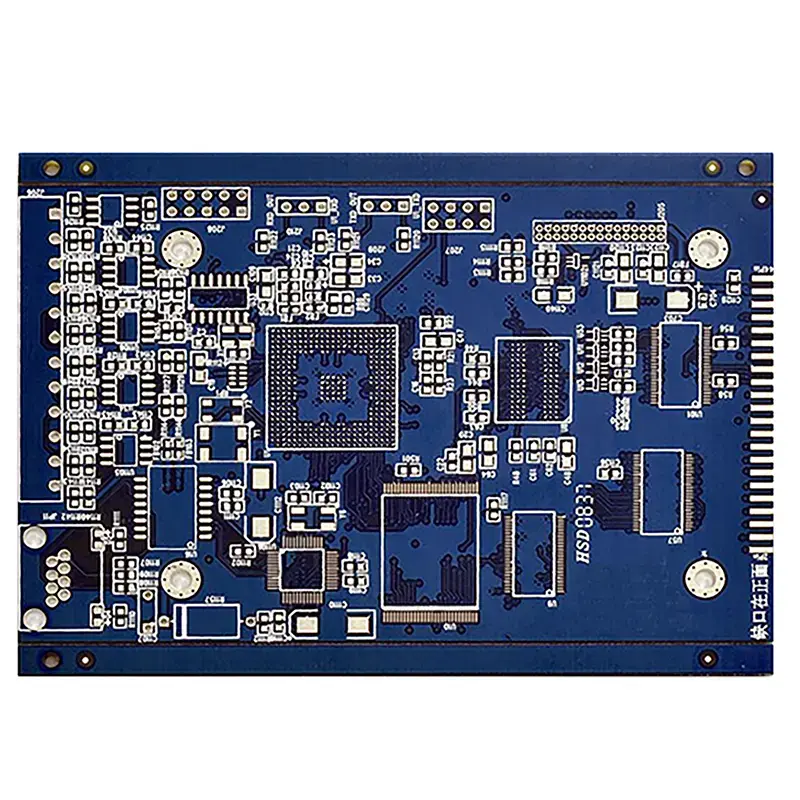 HDI PCB
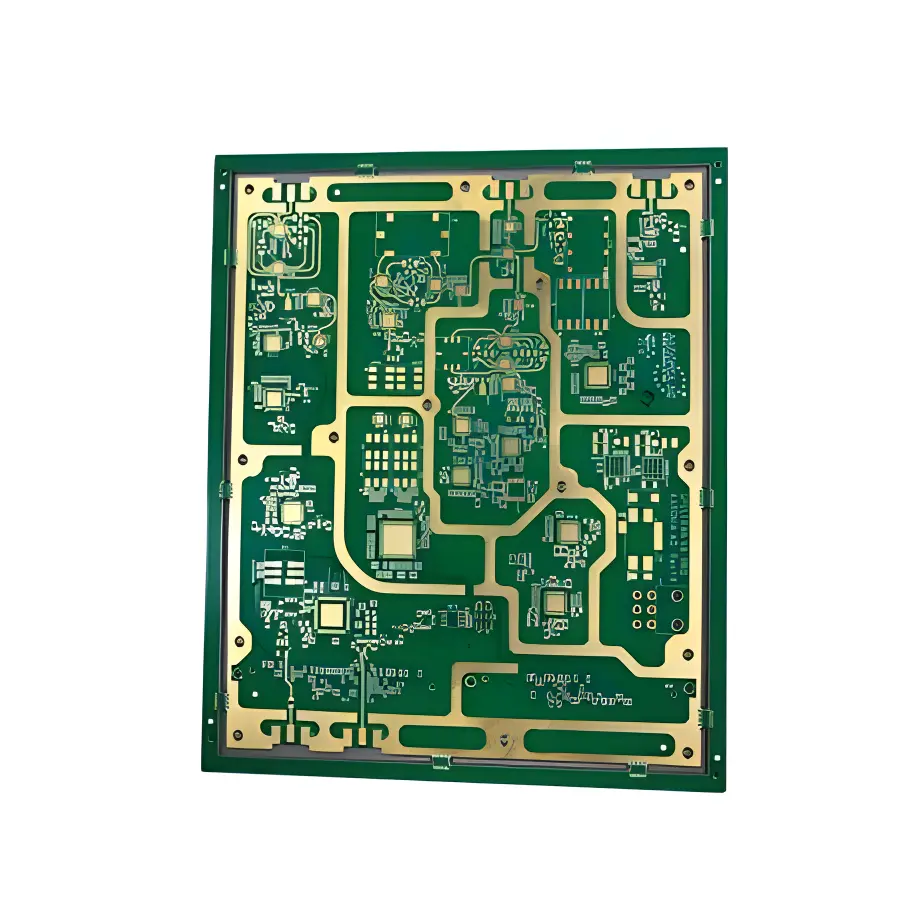 Rogers High-Frequency Board
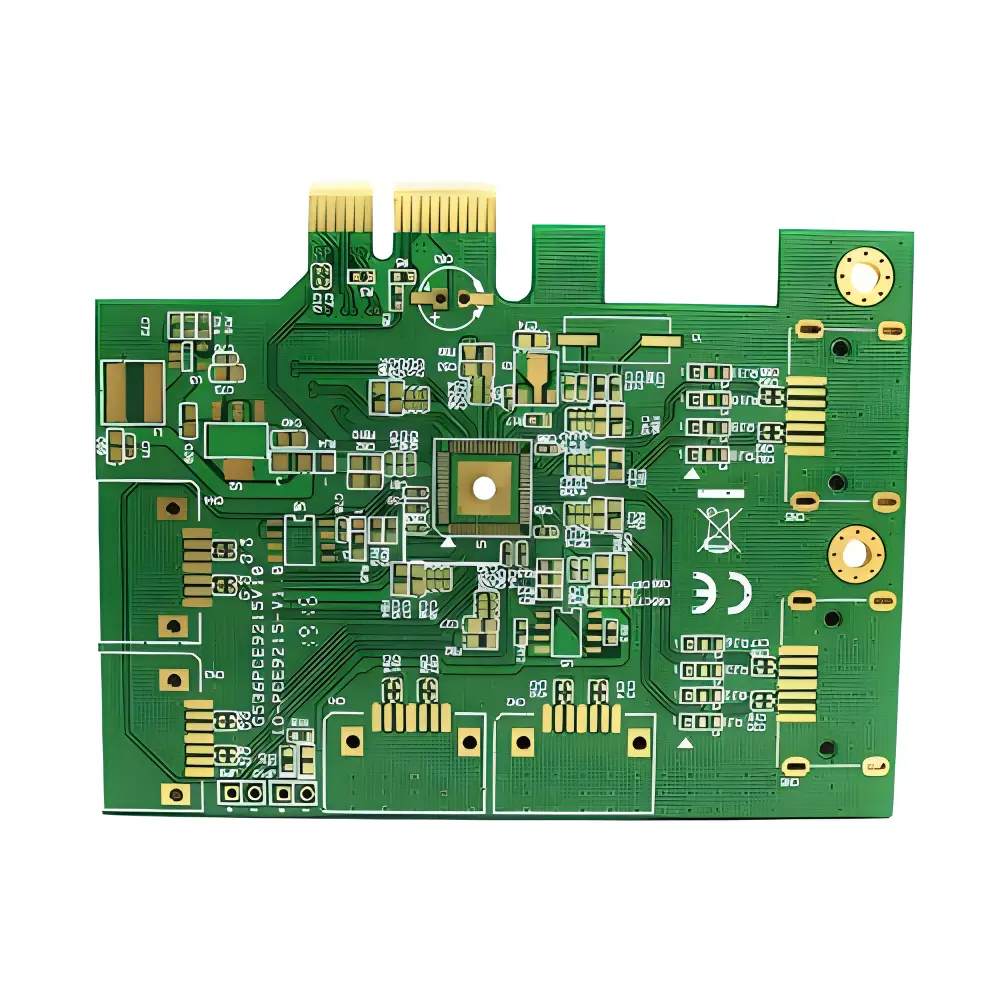 PTFE Teflon High-Frequency Board
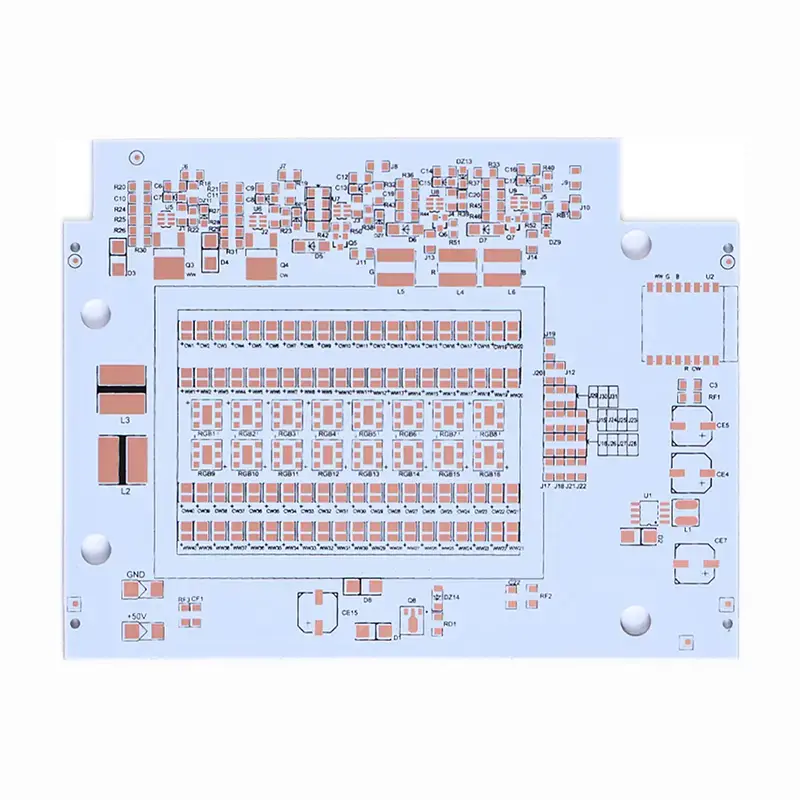 Aluminum
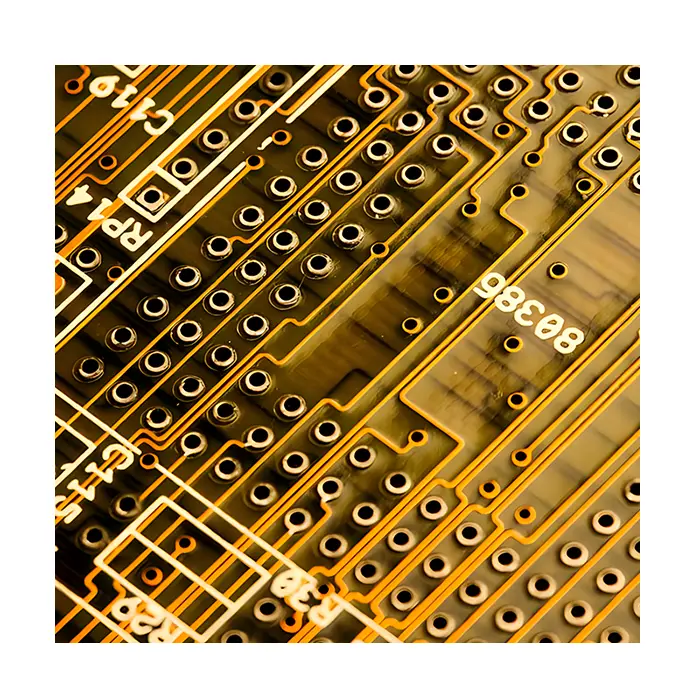 Copper Core
 PCB Assembly
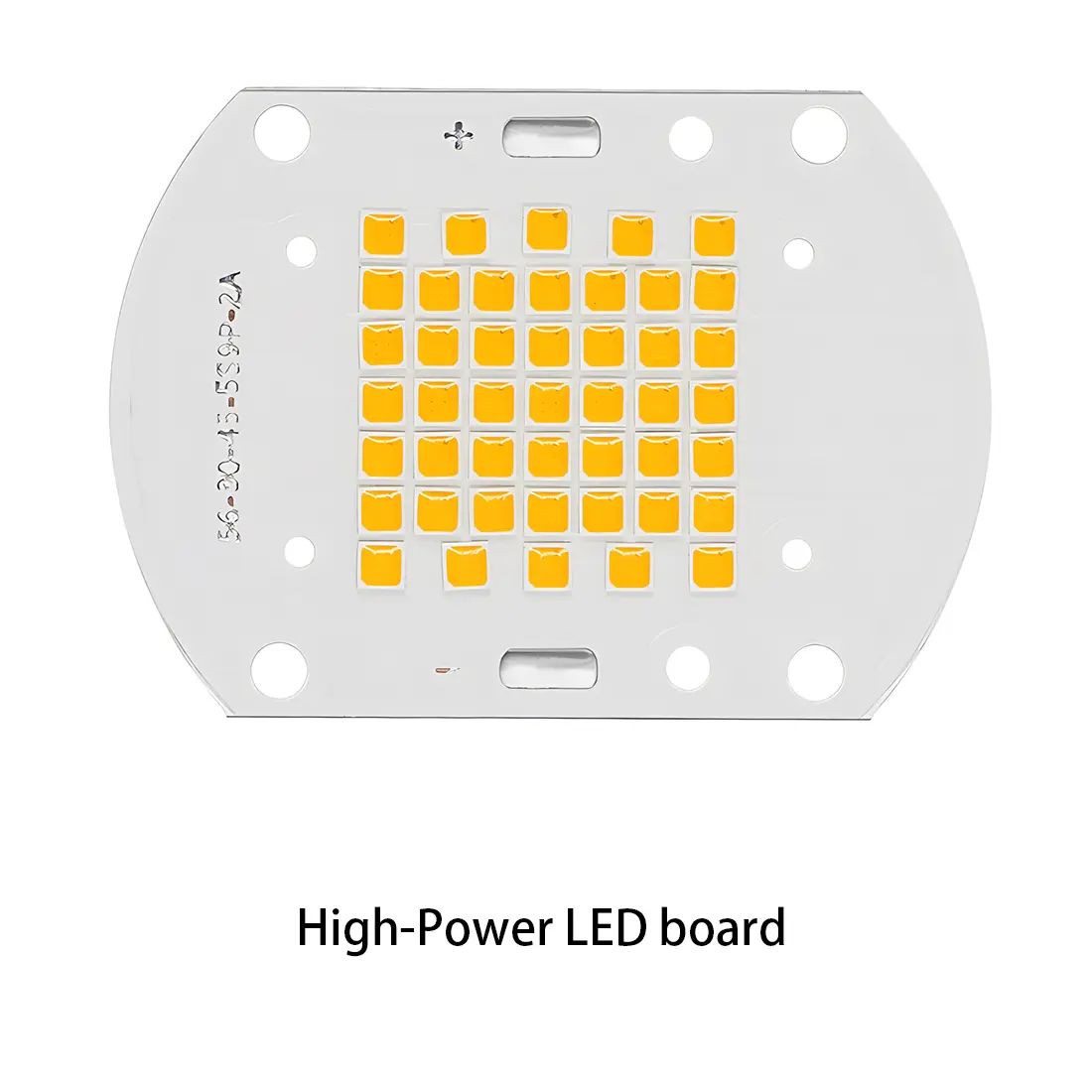 LED light PCBA
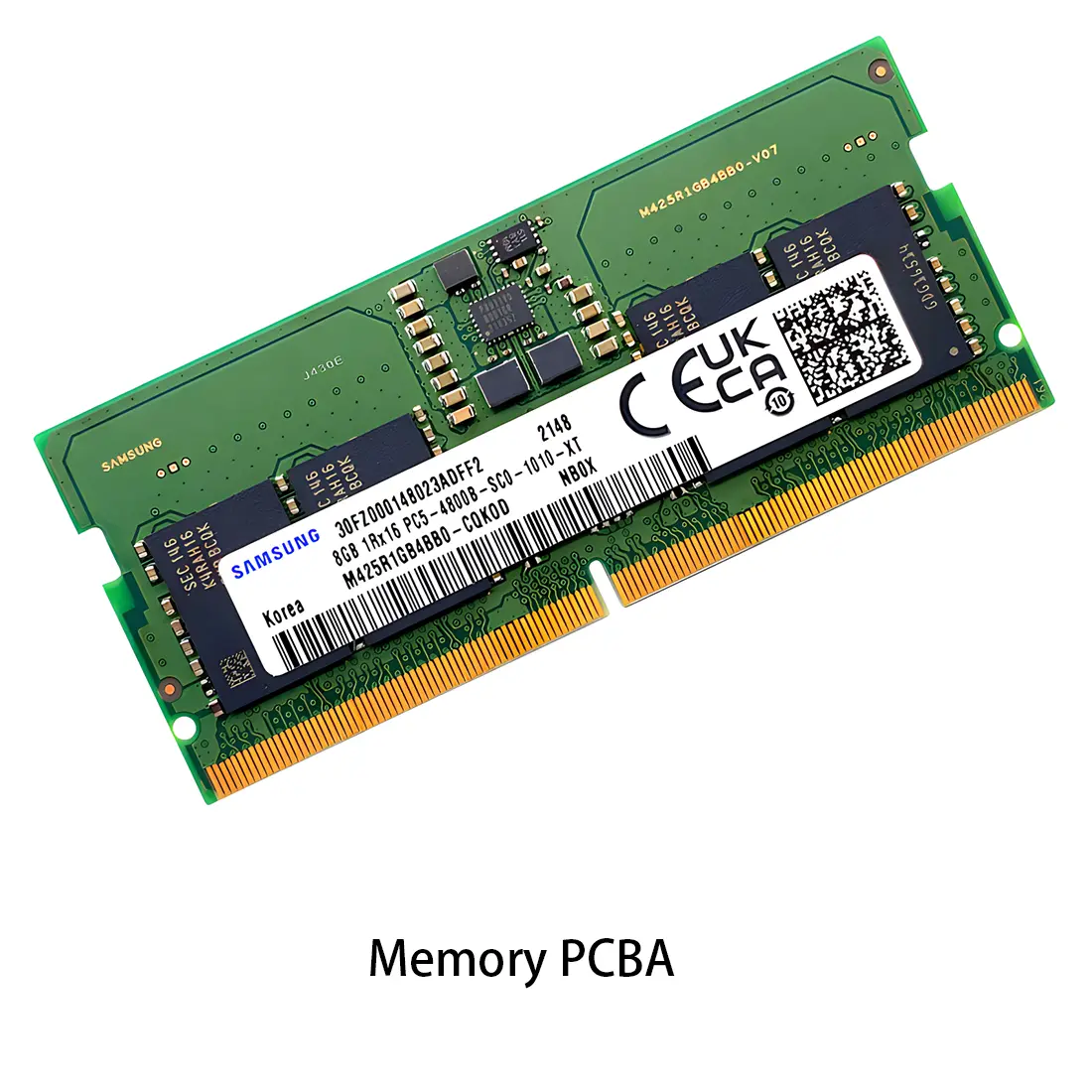 Memory PCBA
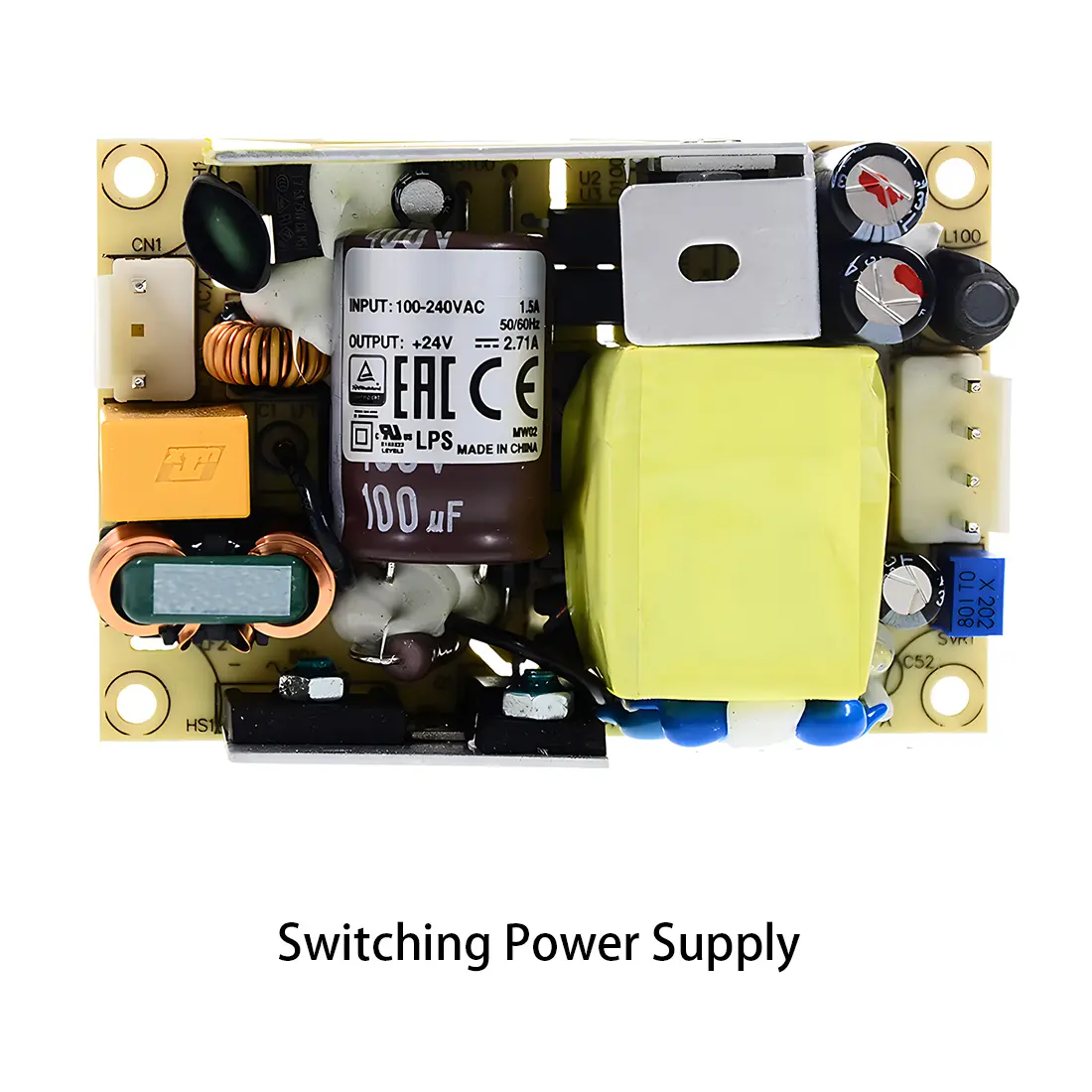 Power Supply PCBA
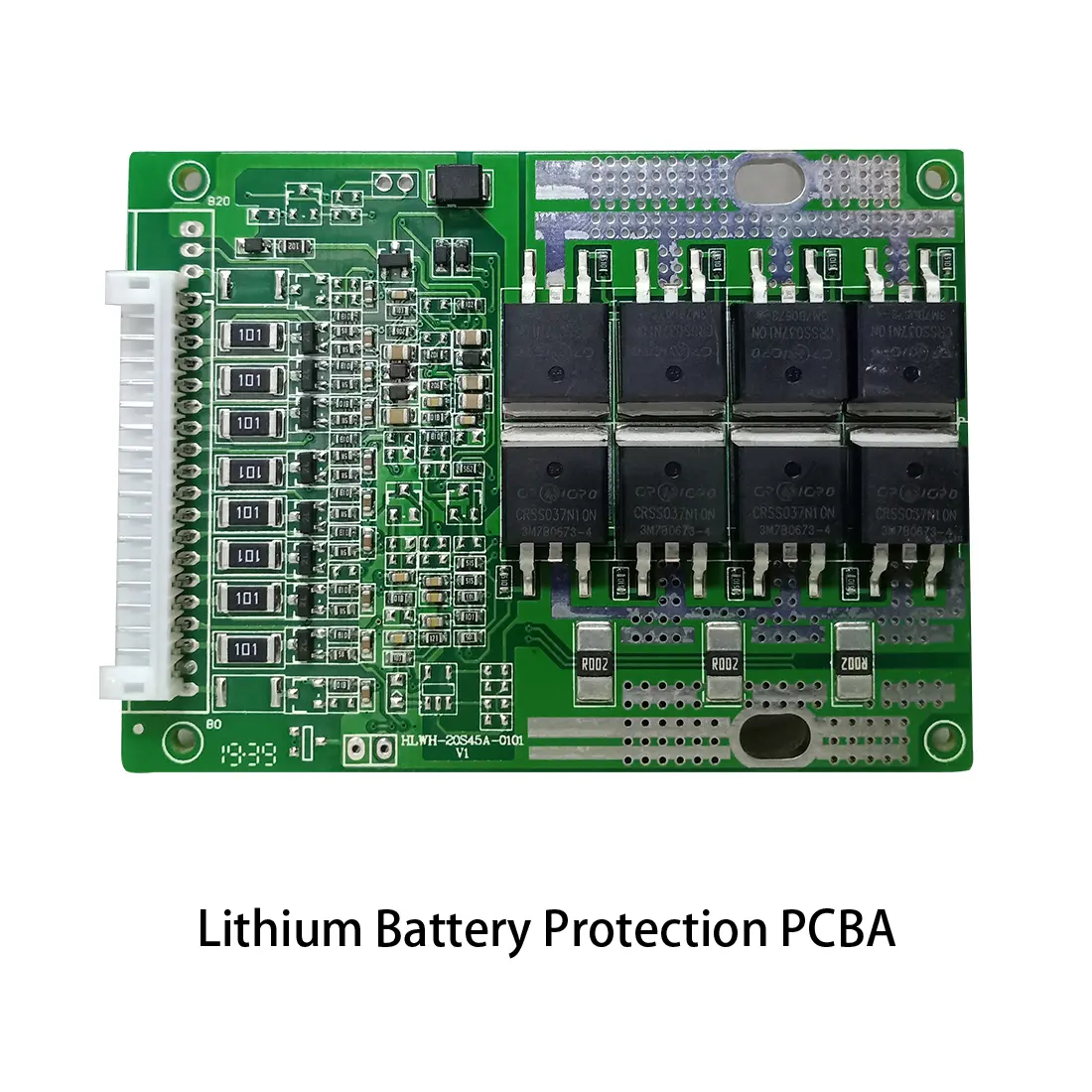 New Energey PCBA
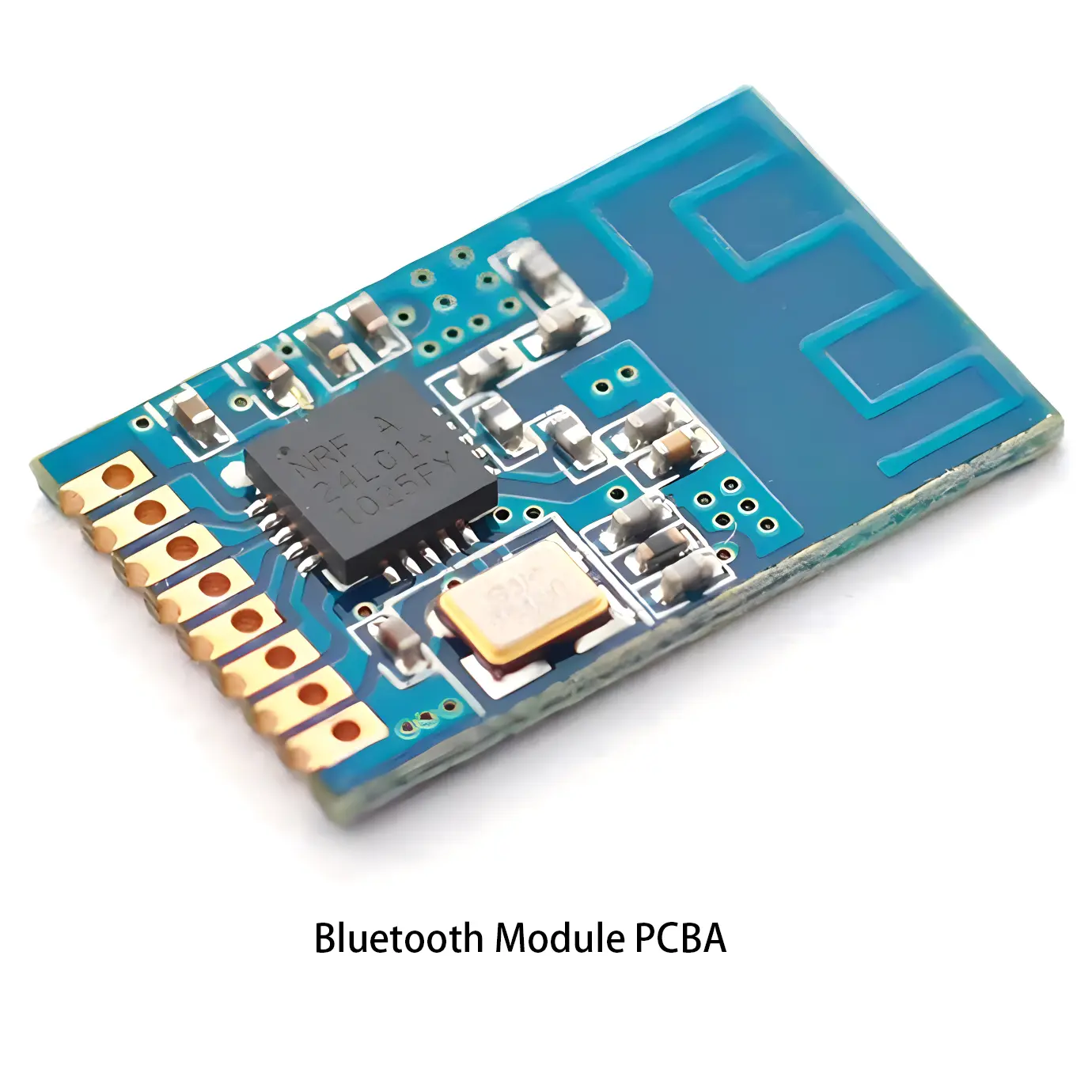 Communication PCBA
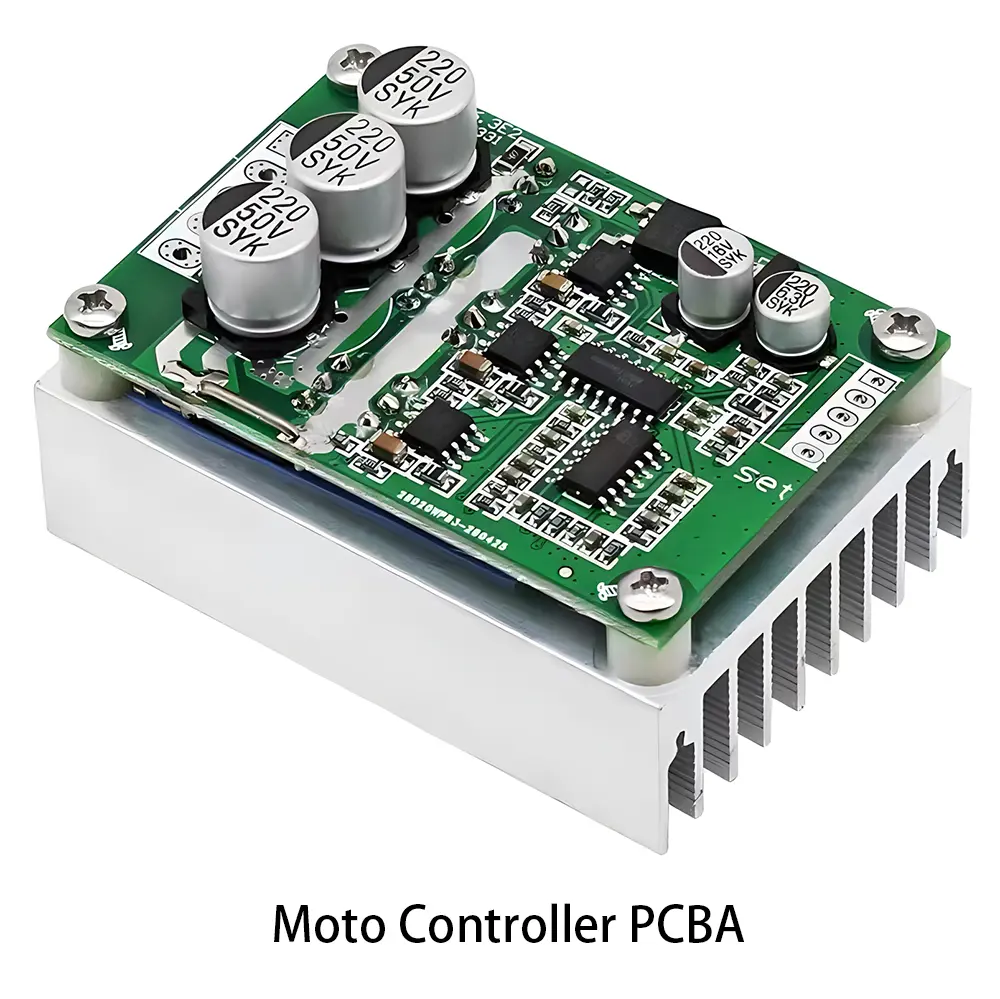 Industrial Control PCBA
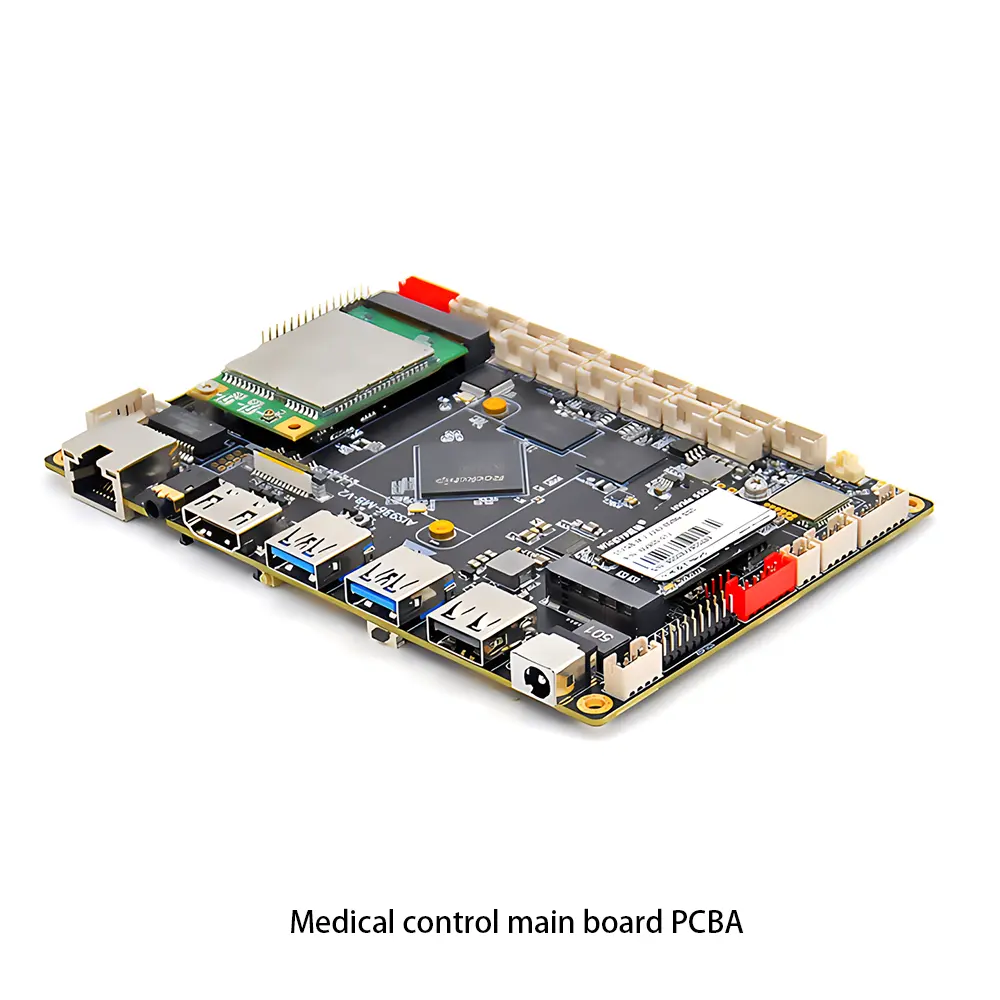 Medical Equipment PCBA
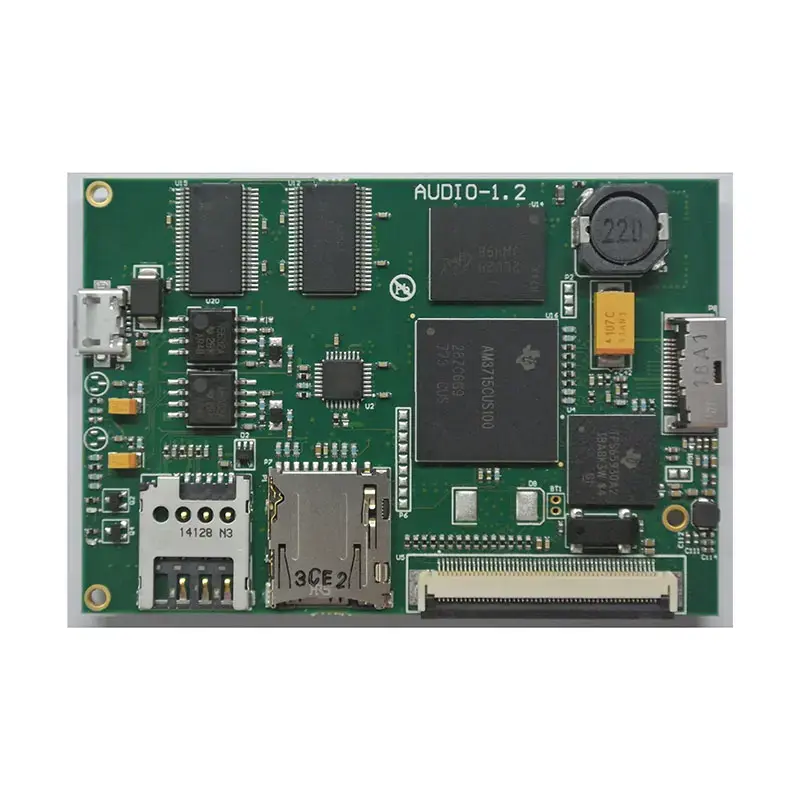 Testing Service
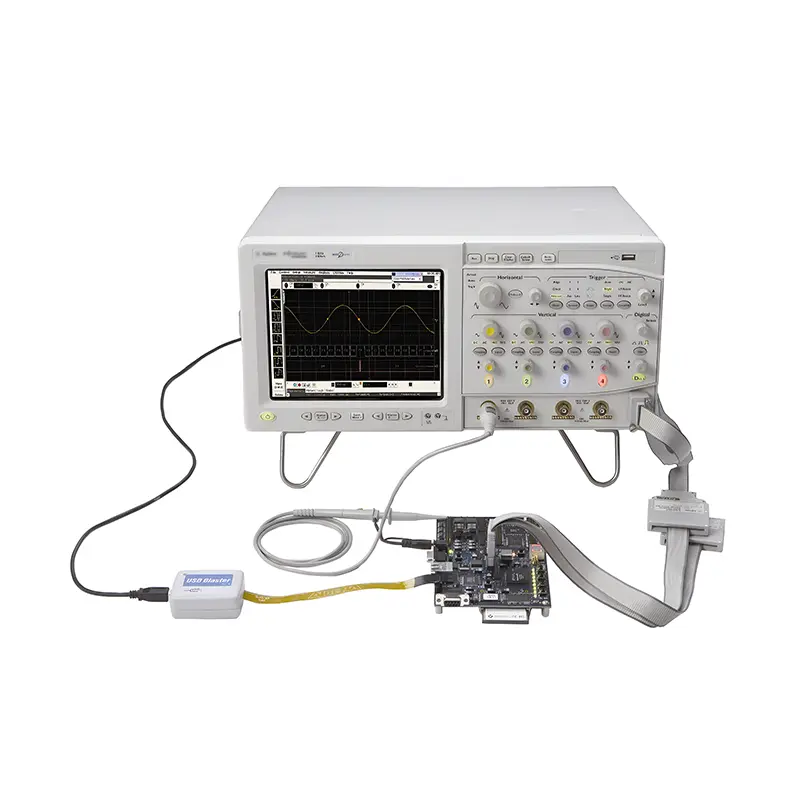 PCBA Testing Service
 Certification Application
 RoHS Certification Application
 REACH Certification Application
 CE Certification Application
 FCC Certification Application
 CQC Certification Application
 UL Certification Application
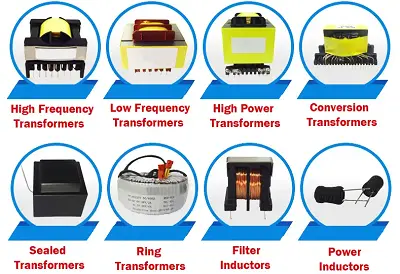 Transformers, Inductors
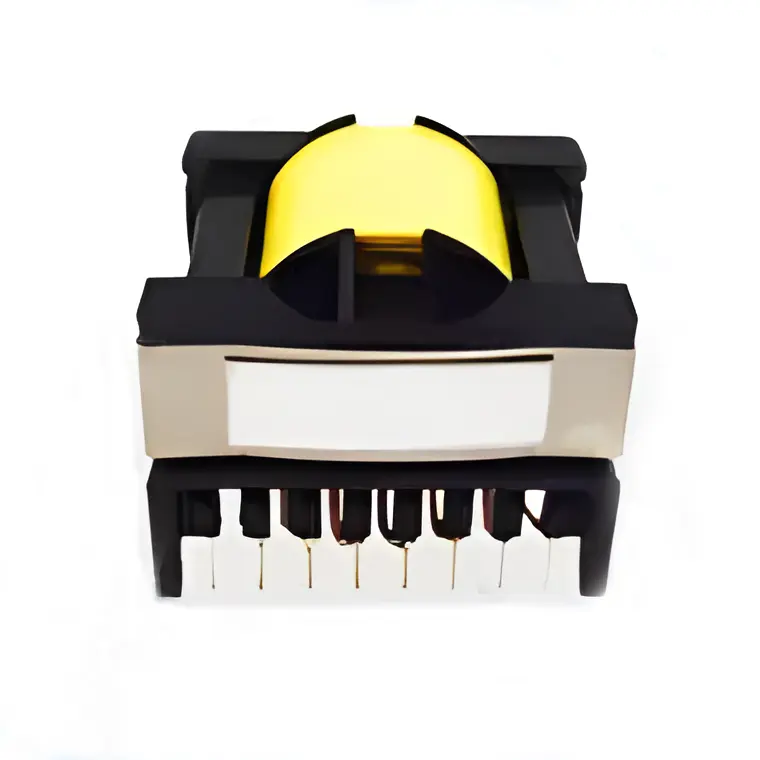 High Frequency Transformers
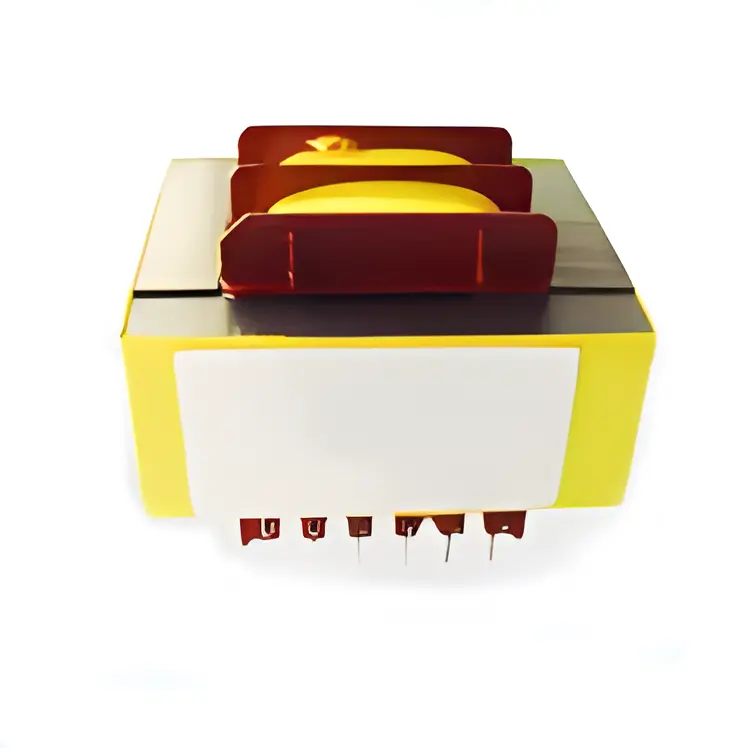 Low Frequency Transformers
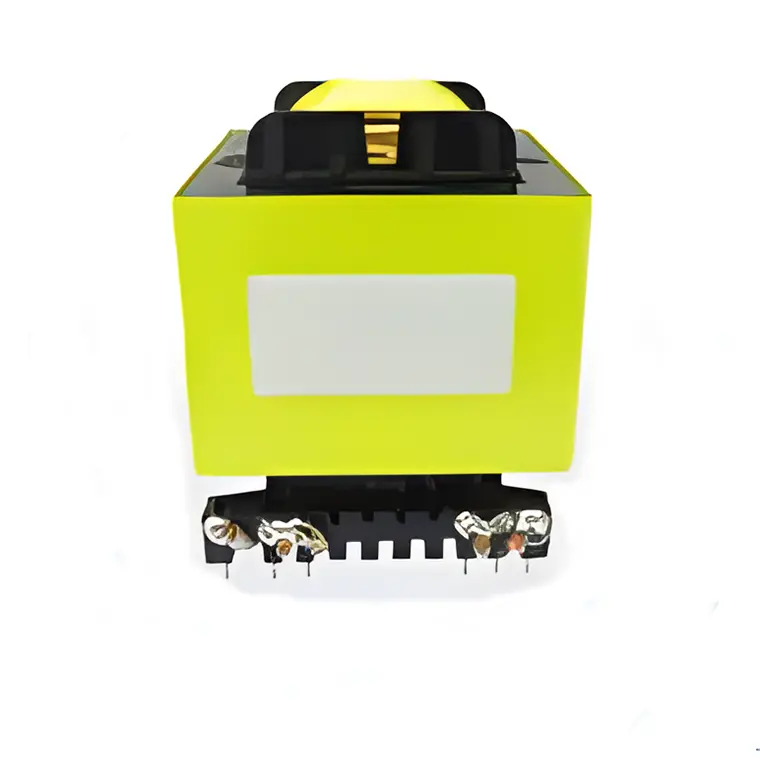 High Power Transformers
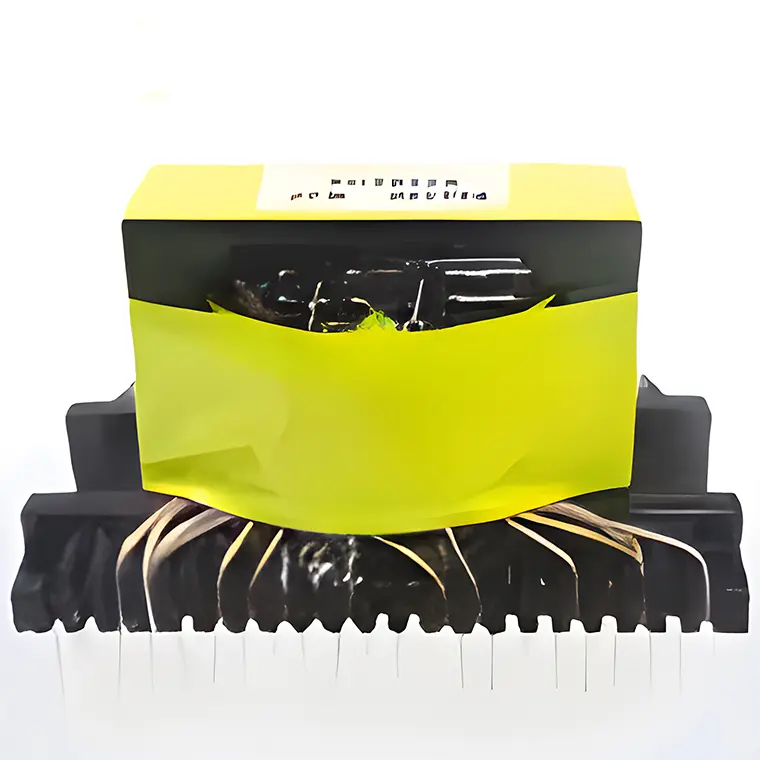 Conversion Transformers
 Sealed Transformers
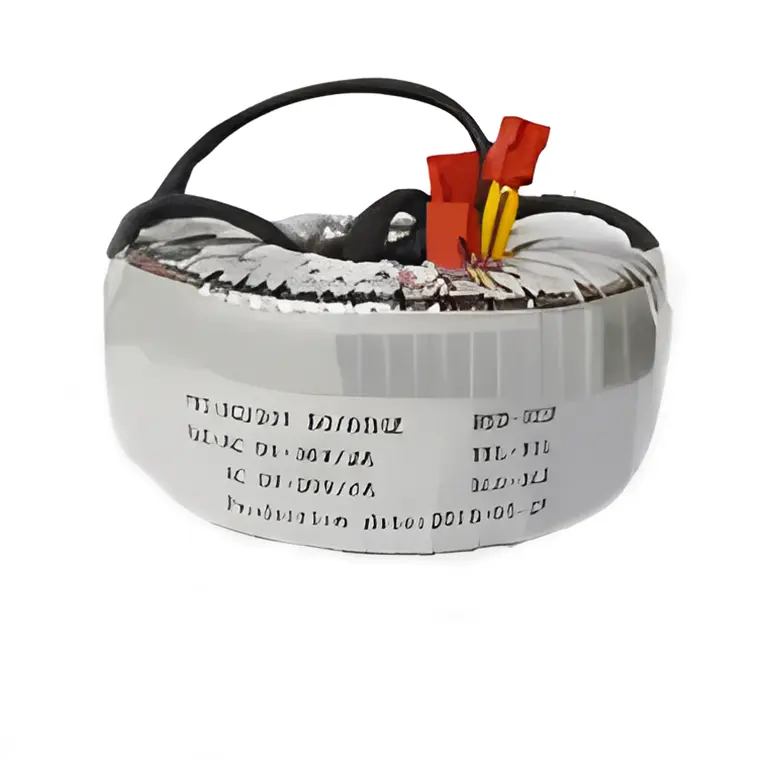 Ring Transformers
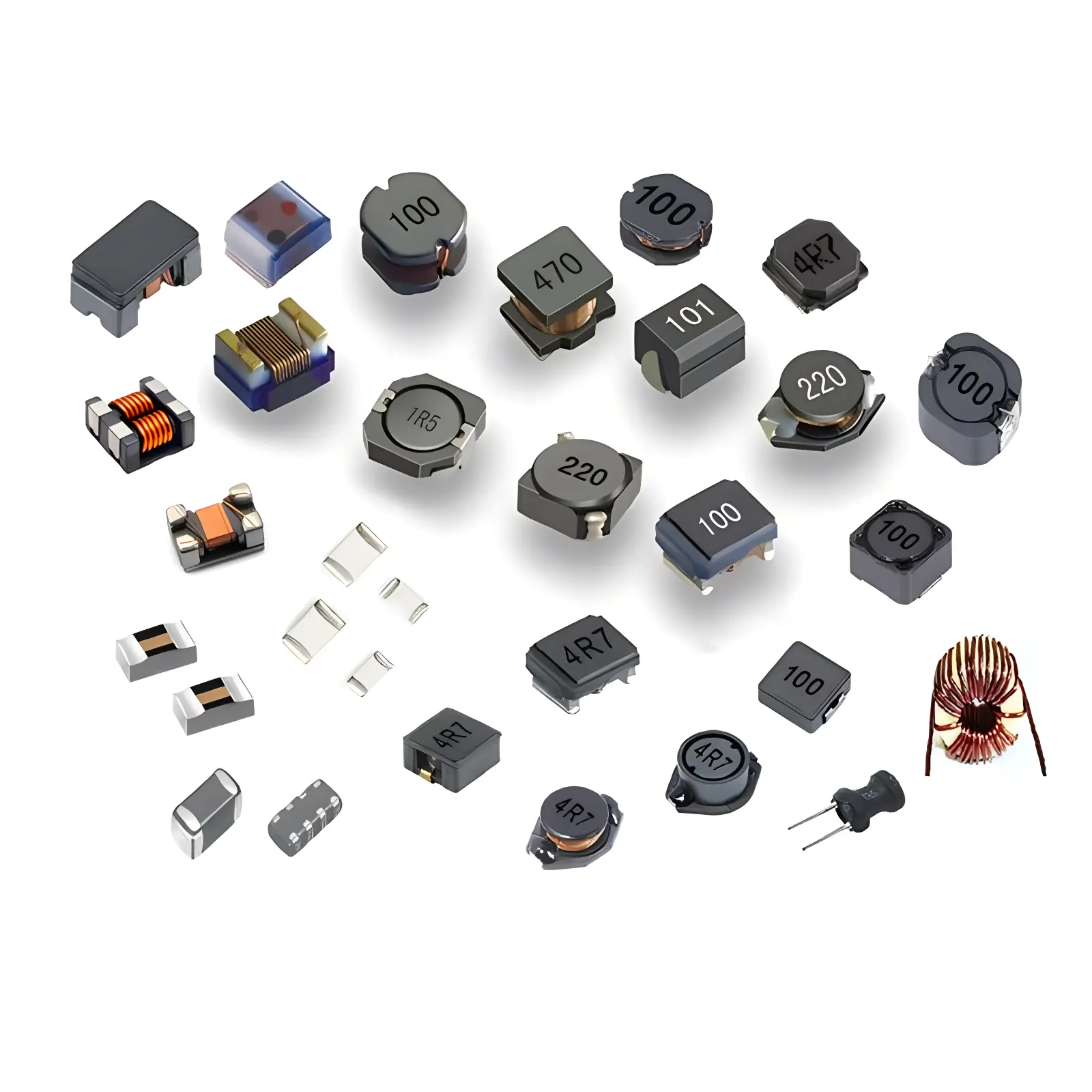 Inductors
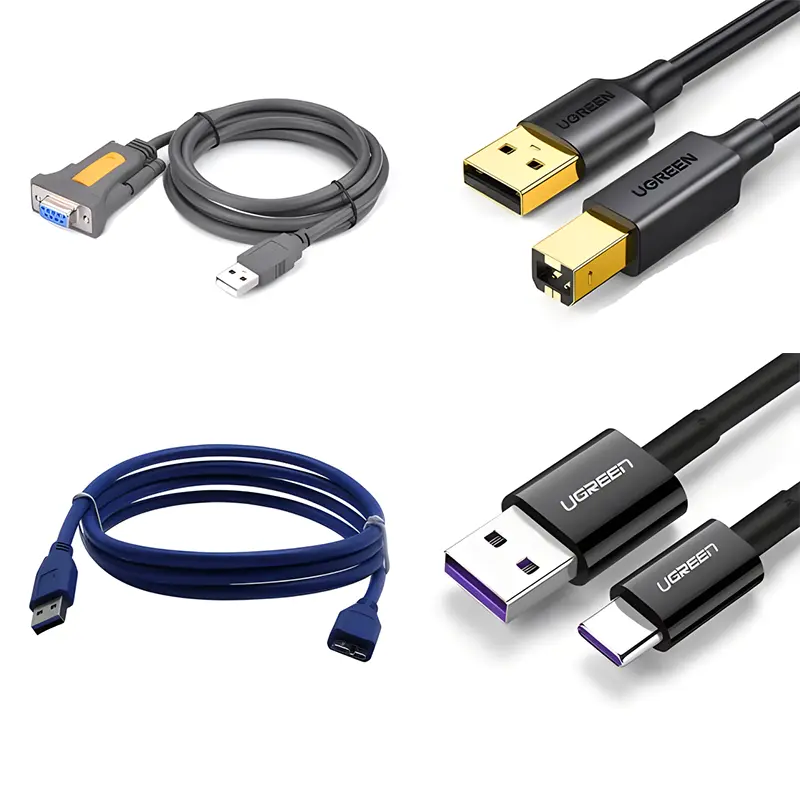 Wires,Cables Customized
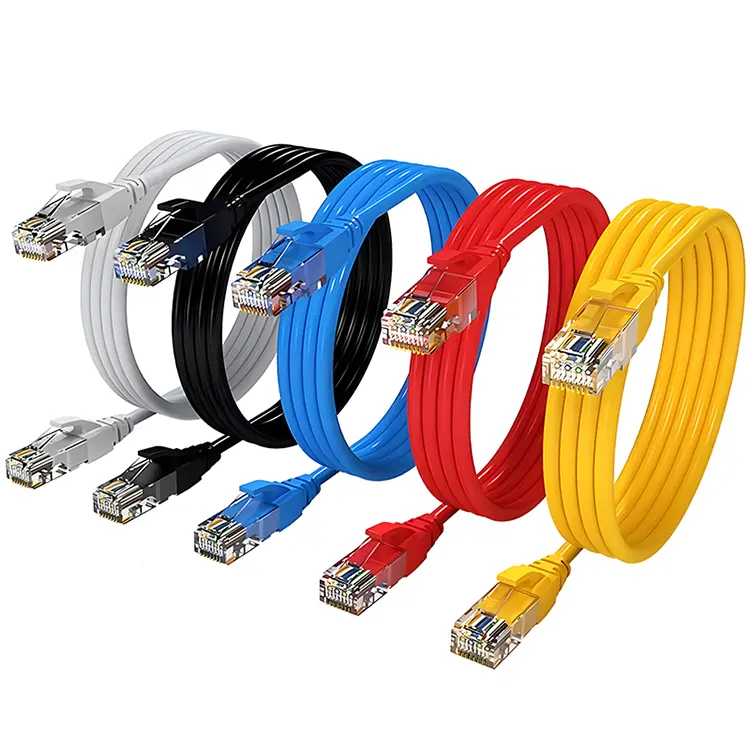 Network Cables
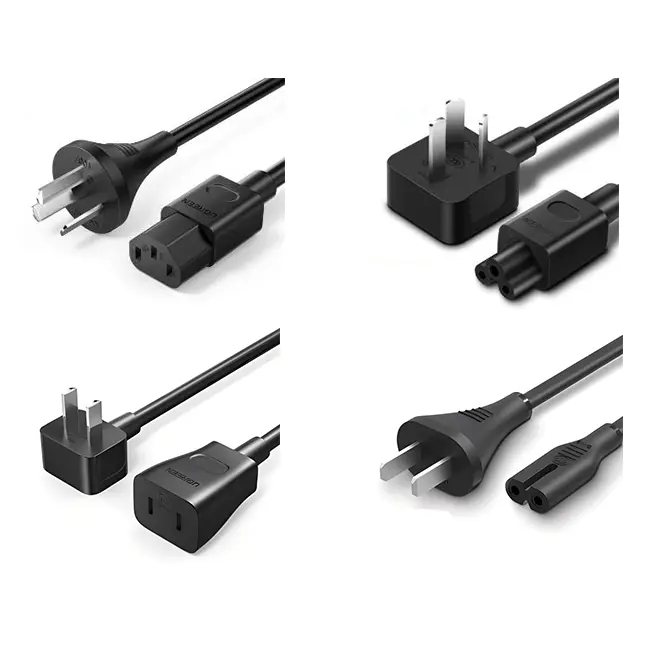 Power Cords
 Antenna Cables
 Coaxial Cables
 Net Position Indicator
 Solar AIS net position indicator
 Capacitors
 Connectors
 Diodes
 Embedded Processors & Controllers
 Digital Signal Processors (DSP/DSC)
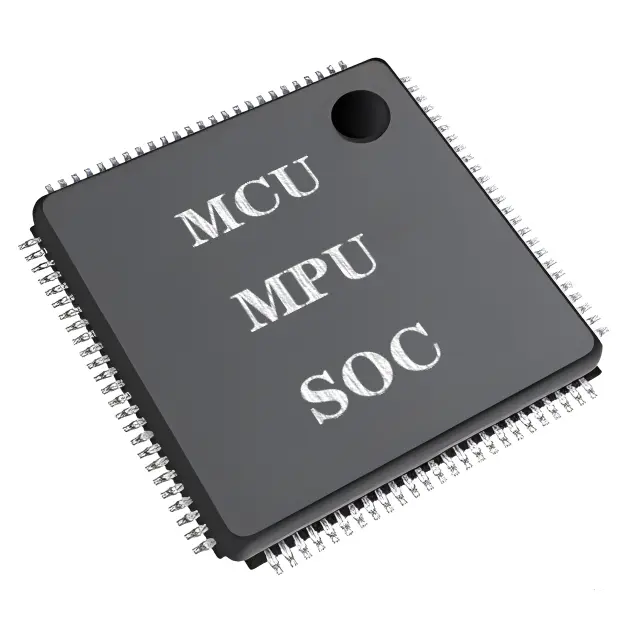 Microcontrollers (MCU/MPU/SOC)
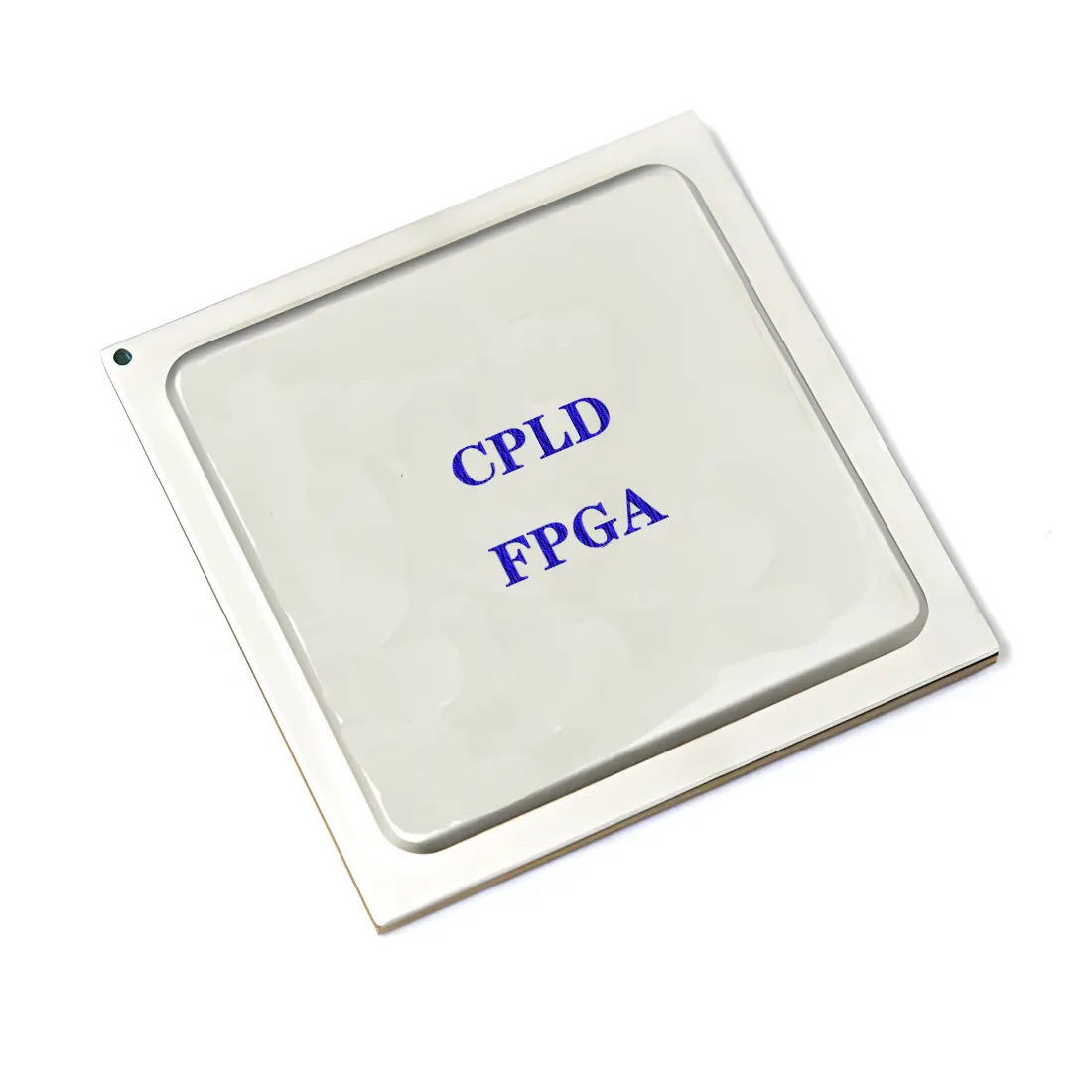 Programmable Logic Device(CPLD/FPGA)
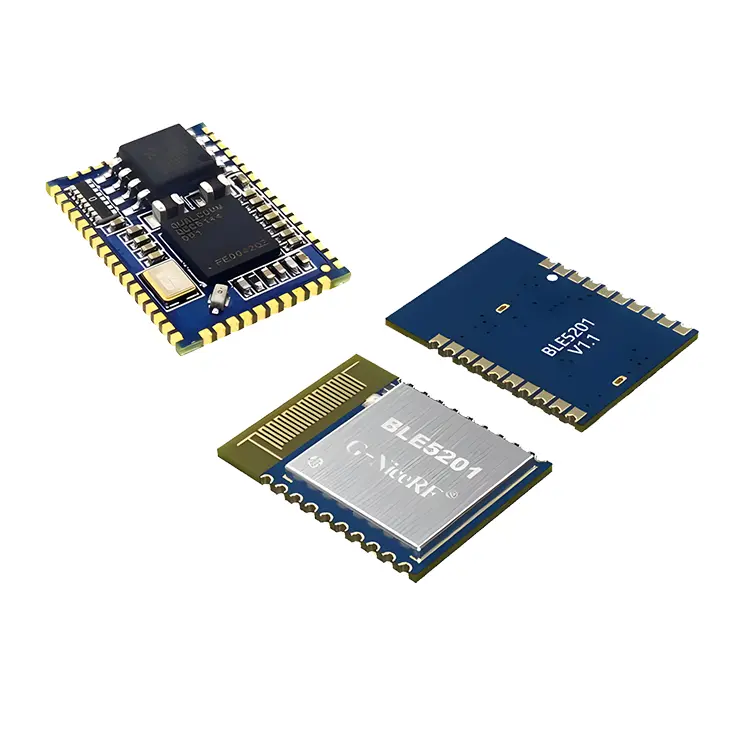 Communication Modules/IoT
 Resistors
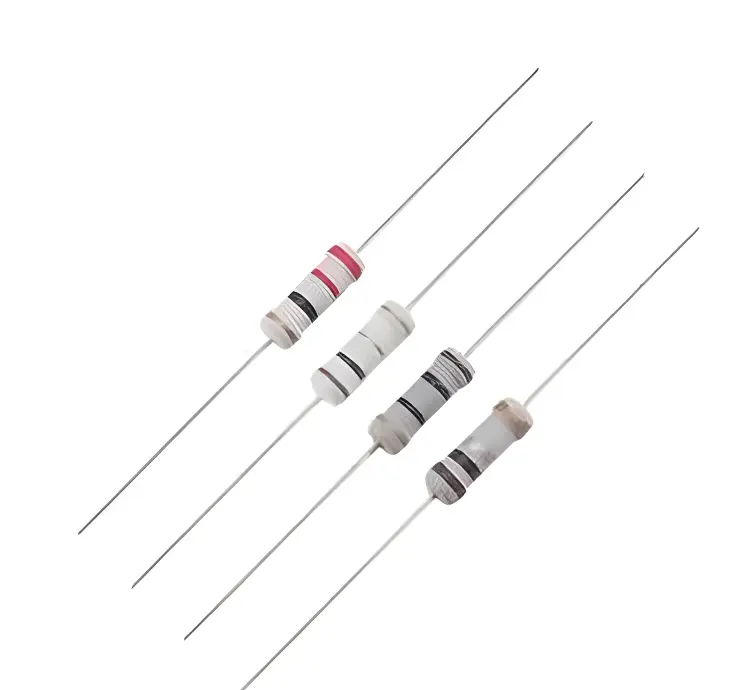 Through Hole Resistors
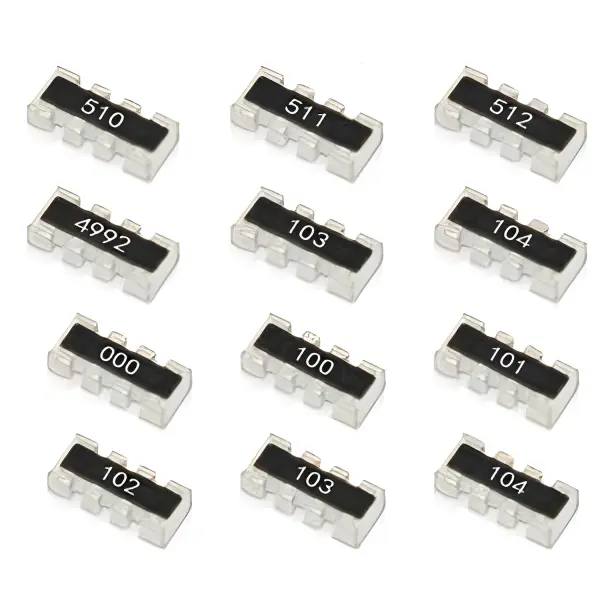 Resistor Networks, Arrays
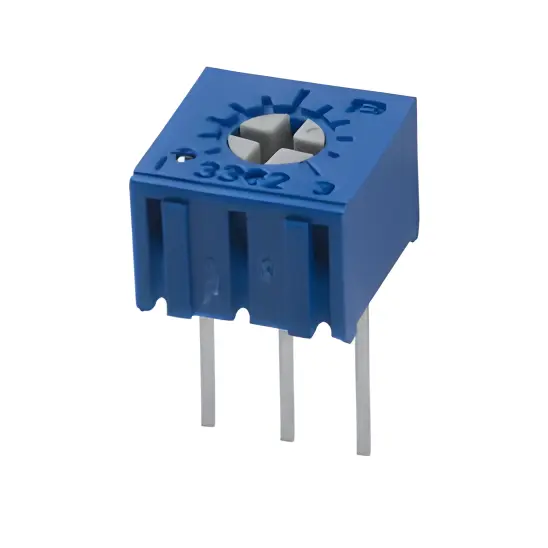 Potentiometers,Variable Resistors
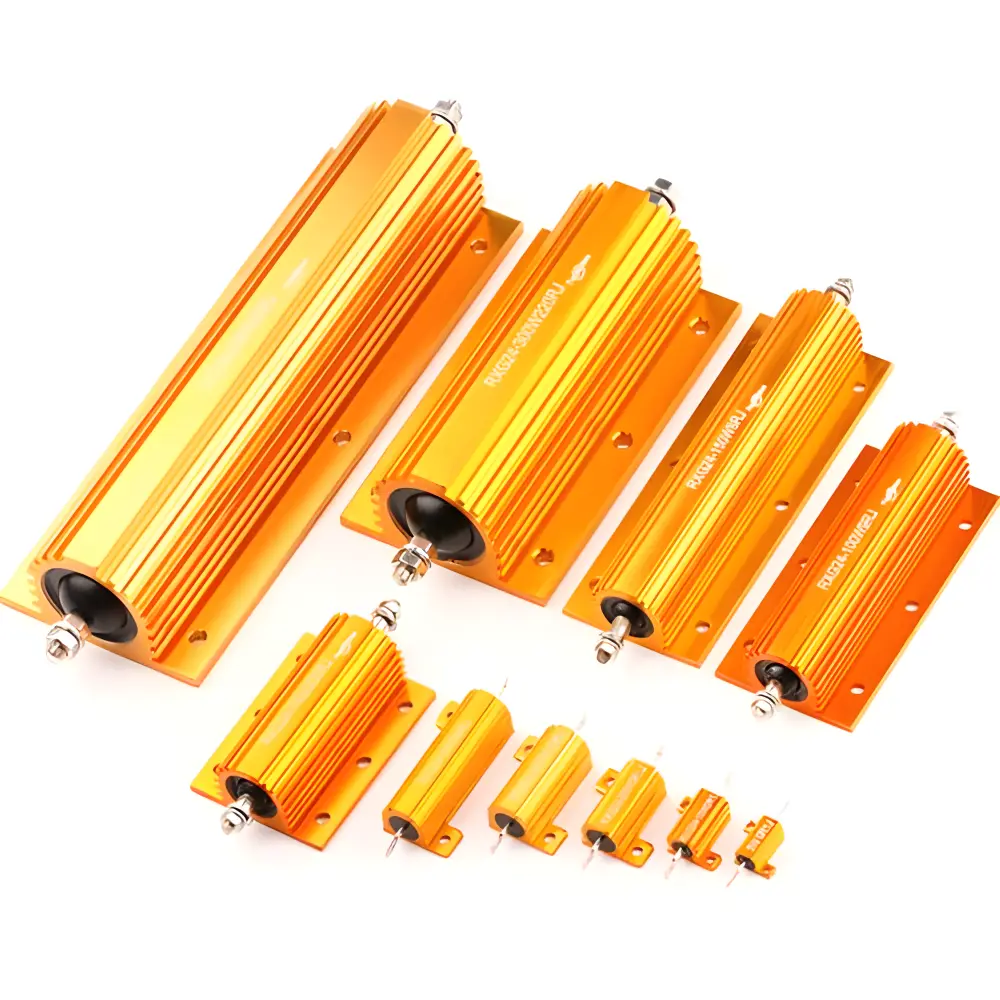 Aluminum Case,Porcelain Tube Resistance
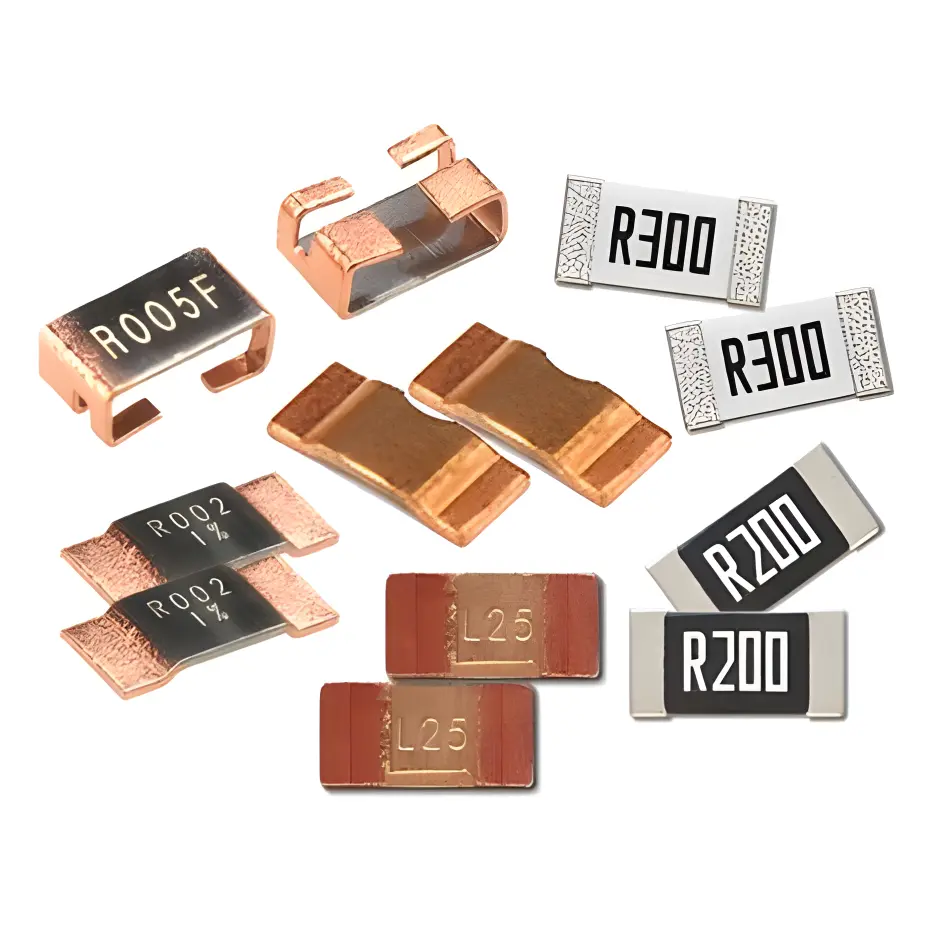 Current Sense Resistors,Shunt Resistors
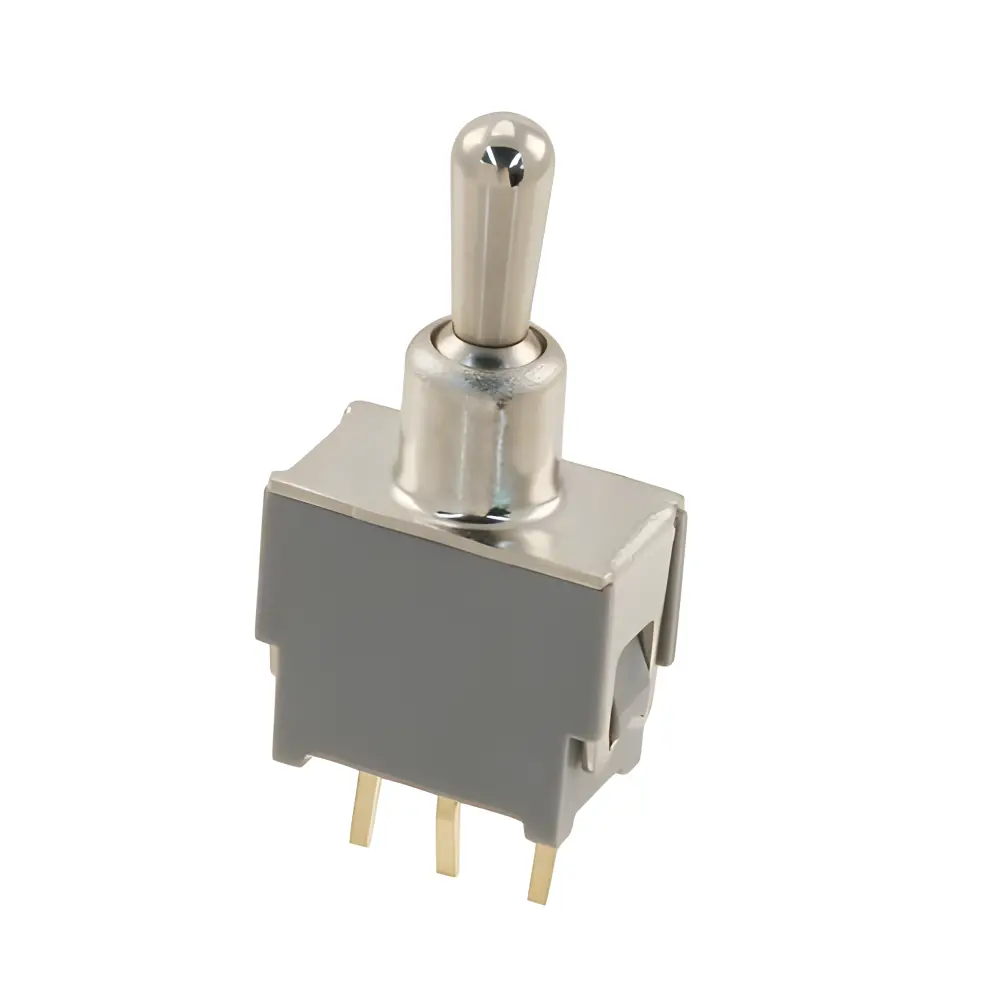 Switches
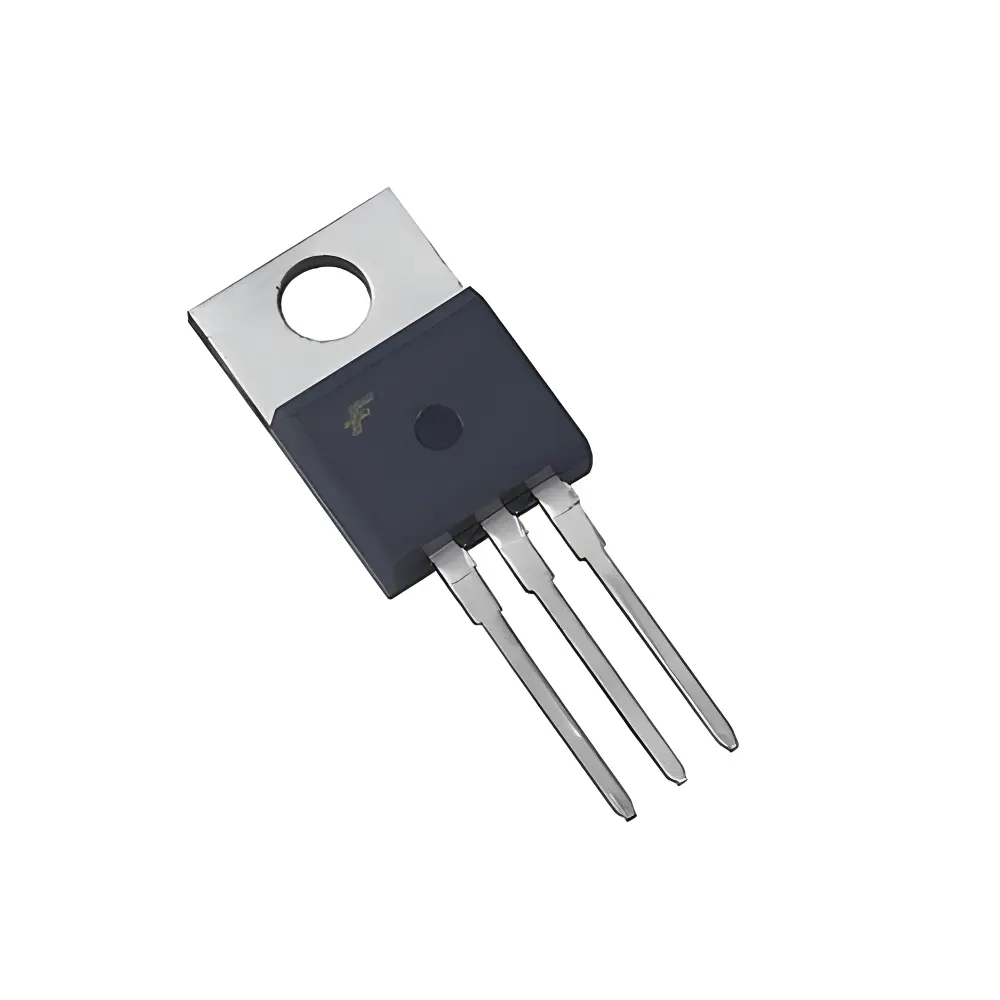 Transistors
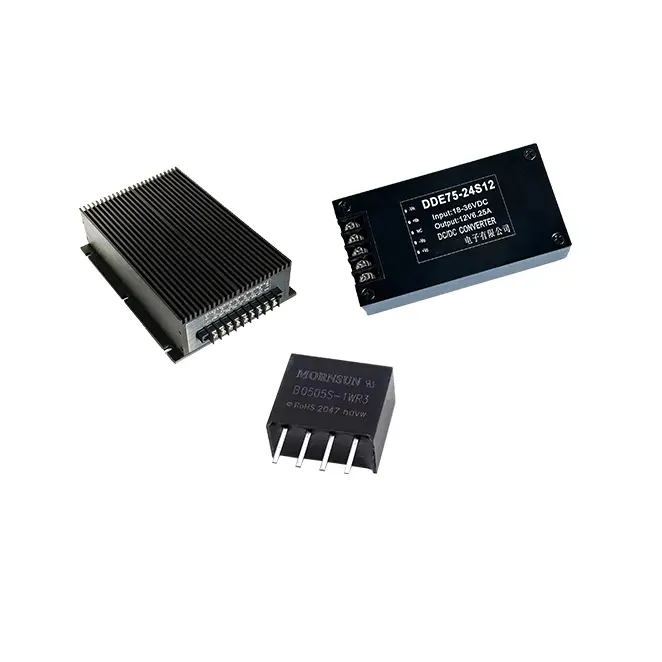 Power Modules
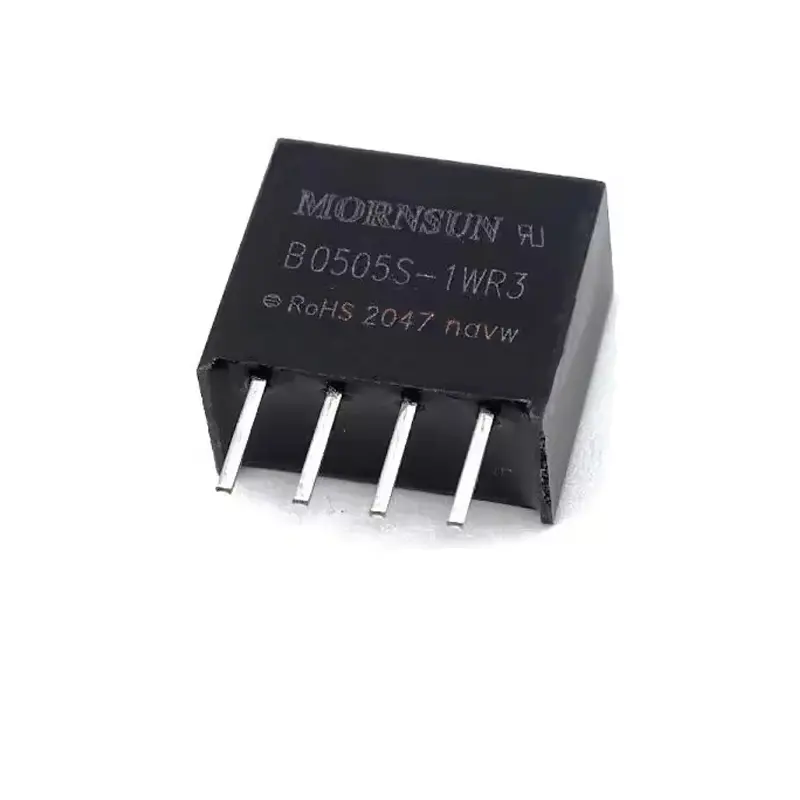 Isolated Power Modules
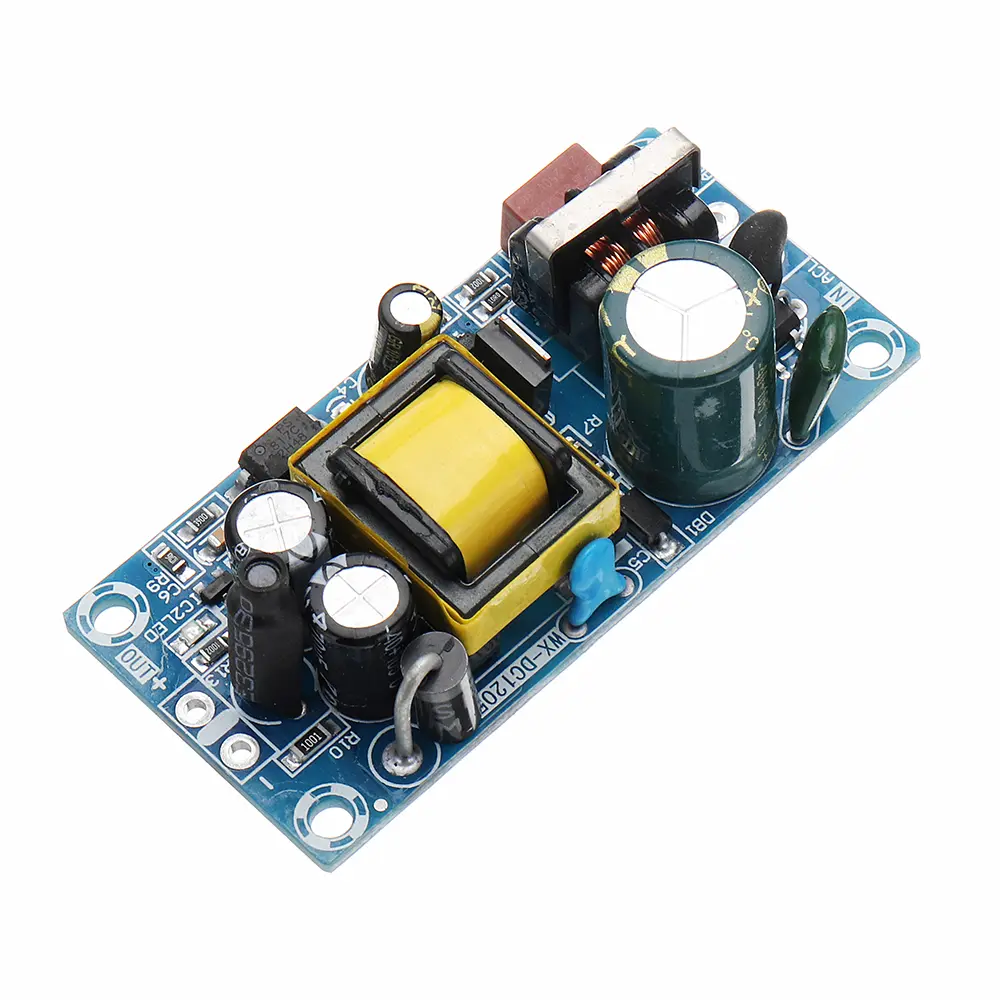 AC-DC Power Modules
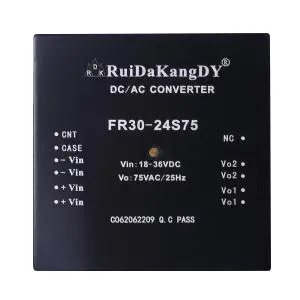 DC-AC Module(Inverter)
 RF and Wireless
Impact of Storage Conditions (Temperature and Humidity) on Subsequent Processing Quality of Conventional Copper-Clad Laminates
2025-11-29
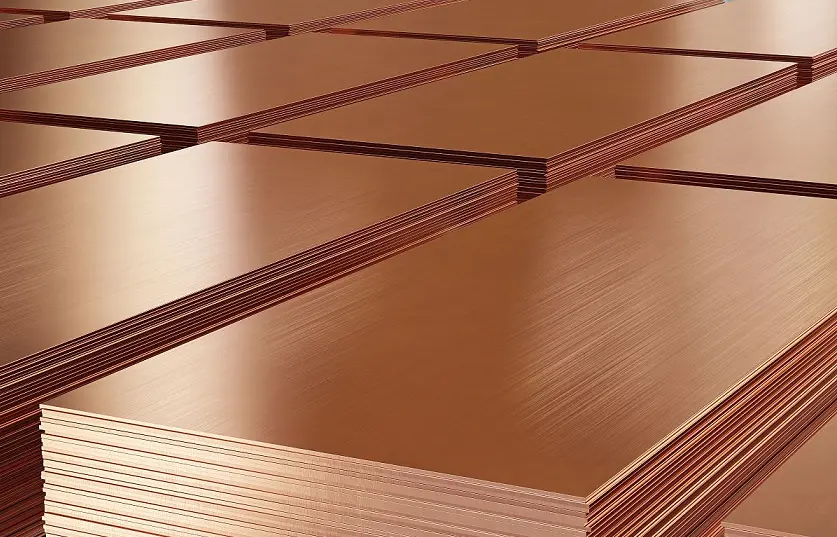
Conventional copper-clad laminates (CCLs)—composed of a dielectric substrate (e.g., FR-4, CEM-1) and copper foil bonded via adhesive resin—are the foundational material for PCB manufacturing. Their storage conditions, particularly temperature and humidity, directly affect material stability, resin properties, and copper foil adhesion. Improper storage leads to a range of processing defects, including delamination, copper foil oxidation, drill bit breakage, and signal integrity degradation, which compromise PCB peRFormance and production yield. This article comprehensively analyzes how temperature and humidity fluctuations influence CCL quality, defines optimal storage parameters, and outlines mitigation strategies to ensure consistent processing outcomes, aligned with IPC-4101 and industry best practices.
1. Fundamentals of Conventional Copper-Clad Laminates
Before exploring storage impacts, it is essential to understand CCL composition and key properties relevant to processing:
- Substrate types: FR-4 (epoxy resin + glass fiber cloth, the most common), CEM-1 (epoxy + cellulose paper), and CEM-3 (epoxy + glass fiber mat/paper). FR-4 dominates due to its excellent mechanical strength and thermal stability.
- Copper foil: Electro-deposited (ED) copper (1oz/35μm, 2oz/70μm) with a surface roughness (Ra) of 1.5–3μm to enhance adhesion to the resin substrate.
- Key properties for processing:
- Resin glass transition temperature (Tg): 120–170°C for standard FR-4; determines heat resistance during lamination and soldering.
- Copper adhesion strength: ≥1.5 N/mm (per IPC-4101); critical to prevent foil peeling during etching or drilling.
- Moisture absorption rate: ≤0.15% (24-hour immersion at 23°C); excess moisture degrades resin properties.
CCL storage conditions directly alter these properties, creating hidden defects that manifest during Pcb Processing.
2. Impact of Storage Temperature on CCL Processing Quality
Storage temperature influences resin curing state, copper foil adhesion, and substrate dimensional stability—all of which affect subsequent PCB manufacturing steps.
2.1 High Temperature Storage (>30°C)
Prolonged storage above 30°C accelerates resin degradation and physical property changes:
- Resin post-curing: Epoxy resin in CCL undergoes slow post-curing at high temperatures, increasing its cross-linking density. This raises the substrate’s hardness and brittleness, leading to:
- Drilling defects: Hardened resin requires higher drilling force, causing drill bit wear (lifespan reduced by 30–50%) and burrs on hole walls (>0.05mm). Excessive brittleness also leads to "delamination at the drill hole" (DHD), where the resin-copper interface separates around the hole.
- Etching challenges: Post-cured resin has reduced chemical reactivity, slowing the etching rate of resin between copper traces. This results in "resin smearing"—residual resin on etched copper edges, which impairs solderability.
- Copper foil oxidation acceleration: High temperatures increase the rate of copper oxidation (2Cu + O₂ → 2CuO), forming a thick oxide layer (>0.5μm) on the foil surface. This oxide layer:
- Reduces adhesion strength: Oxide weakens the bond between copper and resin, causing foil peeling during lamination or component placement (adhesion strength drops to <1.0 N/mm).
- Impairs solderability: Oxidized copper fails to wet uniformly during soldering, leading to cold solder joints and poor electrical connectivity.
- Dimensional instability: High temperatures cause uneven thermal expansion of the substrate and copper foil (substrate CTE: 15–20 ppm/°C; copper CTE: 16.5 ppm/°C). This creates internal stress, resulting in CCL warpage (>0.75mm/m). Warped CCLs cause alignment errors during PCB lamination (registration accuracy >0.1mm) and component placement.
2.2 Low Temperature Storage (<5°C)
Storage below 5°C is less common but equally problematic, especially for moisture-sensitive CCLs:
- Moisture condensation: When cold CCLs are removed from storage, ambient moisture condenses on the surface and penetrates the substrate-copper interface. This condensed moisture:
- Causes delamination during lamination: During PCB lamination (140–180°C), condensed moisture vaporizes, creating pressure between layers and leading to delamination (voids >0.1mm²).
- Degrades resin insulation: Moisture absorption increases the substrate’s dielectric constant (Dk) from 4.5 to >5.0, degrading signal integrity for high-frequency PCBs.
- Resin brittleness at low temperatures: Epoxy resin becomes brittle below its glass transition temperature (Tg). Handling cold CCLs increases the risk of edge chipping and microcracks in the substrate, which propagate during drilling and cause hole wall roughness.
2.3 Optimal Temperature Range: 15–25°C
Storage at 15–25°C balances resin stability and copper protection:
- Resin stability: This range inhibits post-curing and resin degradation, maintaining the substrate’s flexibility and chemical reactivity for processing.
- Copper oxidation control: Low oxygen diffusion at 15–25°C limits oxide layer growth to <0.1μm, preserving adhesion and solderability.
- Dimensional stability: Minimal thermal expansion ensures CCL flatness (warpage <0.3mm/m) and registration accuracy during PCB manufacturing.
3. Impact of Storage Humidity on CCL Processing Quality
Humidity is the most critical storage factor for CCLs, as moisture absorption directly degrades resin-copper adhesion and substrate properties.
3.1 High Humidity Storage (>65% RH)
Humidity above 65% RH causes significant moisture absorption, leading to multiple processing defects:
- Moisture absorption in resin: Epoxy resin is hygroscopic, absorbing moisture from the air. For FR-4, 7 days of storage at 85% RH increases moisture content from 0.1% to >0.3%. This absorbed moisture:
- Delamination during lamination: As mentioned earlier, moisture vaporizes during lamination, creating voids and delamination between CCL layers. For multi-layer PCBs, this defect rate increases from <2% to >15% at 85% RH storage.
- Reduced mechanical strength: Moisture plasticizes the resin, decreasing the substrate’s flexural strength by 20–30% (from 500 MPa to <400 MPa). This leads to CCL cracking during punching or routing.
- Copper corrosion: High humidity accelerates galvanic corrosion at the copper-resin interface, especially if the CCL surface has residual acids from manufacturing. Corrosion products (Cu₂(OH)₃Cl) weaken the adhesive bond, causing copper foil to peel during etching (peel strength <0.8 N/mm).
- Resin degradation: Moisture reacts with epoxy resin to break cross-links (hydrolysis), reducing Tg by 10–15°C. Lower Tg makes the substrate prone to thermal deformation during soldering, leading to PCB warpage.
3.2 Low Humidity Storage (<30% RH)
While low humidity prevents moisture absorption, it introduces other risks:
- Copper foil oxidation: Dry air increases oxygen diffusion, leading to the formation of a thin but brittle oxide layer (SnO for tin-plated copper foils). This oxide layer is prone to flaking during handling, creating conductive debris that causes short circuits in PCBs.
- Substrate brittleness: Low humidity dries out the resin, increasing its brittleness. This makes the CCL susceptible to edge damage during cutting and drilling, with microcracks forming in 10–15% of stored panels.
3.3 Optimal Humidity Range: 40–60% RH
Storage at 40–60% RH minimizes moisture absorption while preventing copper oxidation:
- Moisture control: At this RH range, CCL moisture content remains <0.15% (even after 30 days of storage), eliminating delamination risks during lamination.
- Copper protection: Moderate humidity inhibits both oxidation and corrosion, preserving copper adhesion strength (>1.4 N/mm) and solderability.
- Resin stability: No hydrolysis or plasticization occurs, maintaining Tg and mechanical strength within specification.
4. Additional Storage Factors Influencing CCL Quality
Beyond temperature and humidity, other storage conditions compound the impact on processing quality:
4.1 Storage Duration
- Short-term storage (<1 month): Minimal property changes if stored at 15–25°C/40–60% RH. CCLs can be processed directly without pre-treatment.
- Medium-term storage (1–3 months): Slight moisture absorption and oxide growth. Pre-processing steps (e.g., baking at 80°C for 2 hours) are recommended to remove moisture.
- Long-term storage (>3 months): Significant resin post-curing and copper oxidation. Requires extended baking (100°C for 4 hours) and surface cleaning (mild acid treatment) to restore processability. Per IPC-4101, CCLs should not be stored for more than 6 months under standard conditions.
4.2 Stacking and Handling
- Proper stacking: Store CCLs horizontally on flat pallets, with maximum stack height <100mm (to avoid bending). Use interleaving paper (kraft paper or polyethylene film) between panels to prevent copper-to-copper abrasion and moisture trapping.
- Avoid direct contact with floors/walls: Use pallets or racks to keep CCLs 10–15cm above the floor and 50cm away from walls, preventing moisture absorption from concrete or damp surfaces.
- Gentle handling: Avoid dropping or bending CCLs, as mechanical stress creates microcracks that propagate during drilling.
4.3 Packaging
- Sealed packaging: For long-term storage or shipment, package CCLs in moisture-barrier bags (MBBs) with desiccants (silica gel, ≥5g per kg of CCL) and humidity indicators (to monitor RH inside the bag). Vacuum-sealed MBBs extend storage life to 12 months.
- Labeling: Mark packages with storage instructions (temperature/humidity range) and manufacturing date to ensure FIFO (first-in, first-out) usage.
5. Mitigation Strategies for Suboptimal Storage
If CCLs are stored under suboptimal conditions, the following pre-processing steps can mitigate defects:
5.1 Moisture Removal: Baking
- Baking parameters: For CCLs stored at >65% RH, bake at 80–100°C for 2–4 hours (temperature and time depend on thickness: 1.6mm FR-4 requires 100°C for 3 hours). Baking removes absorbed moisture, restoring resin properties.
- Cooling after baking: Allow baked CCLs to cool to room temperature in a dry environment (40–60% RH) to prevent reabsorption of moisture.
5.2 Copper Surface Treatment
- Oxide removal: For oxidized copper foil, use a dilute acid solution (3–5% sulfuric acid) at 25°C for 30–60 seconds to etch the oxide layer. Rinse with deionized water and dry immediately.
- Adhesion enhancement: Apply a thin layer of coupling agent (e.g., silane) to the copper surface to re-strengthen the resin-copper bond.
5.3 Dimensional Correction
- Warpage flattening: For warped CCLs, use a press (10–15kg/cm² pressure) at 80°C for 1 hour to restore flatness. This reduces alignment errors during PCB lamination.
6. Quality Validation of Stored CCLs
Before processing, validate stored CCLs using the following tests to ensure quality:
- Moisture content test: Per IPC-TM-650 2.6.2.1, measure moisture content by weighing CCLs before and after baking. Moisture content >0.15% indicates excessive absorption.
- Copper adhesion test: Per IPC-TM-650 2.4.8, perform a peel test to measure copper foil adhesion strength. Values <1.2 N/mm require surface treatment.
- Dimensional stability test: Measure CCL warpage using a flatness gauge. Warpage >0.5mm/m requires flattening.
- Resin Tg measurement: Use differential scanning calorimetry (DSC) to measure Tg. A Tg reduction of >10°C indicates resin degradation.
Conventional copper-clad laminates require strict storage conditions—15–25°C temperature and 40–60% relative humidity—to maintain processing quality. Deviations from this range cause resin post-curing, copper oxidation, moisture absorption, and dimensional instability, leading to defects like delamination, drill burrs, copper peeling, and warpage. High temperatures (>30°C) accelerate resin hardening and copper oxidation, while high humidity (>65% RH) induces moisture-related delamination and corrosion. Low temperatures (<5°C) and humidity (<30% RH) cause condensation and brittleness, respectively.
To ensure consistent CCL quality, manufacturers must implement controlled storage environments, proper stacking/packaging, and FIFO inventory management. For CCLs stored under suboptimal conditions, pre-processing steps like baking, oxide removal, and flattening can mitigate defects. By adhering to these storage and validation practices, PCB manufacturers can reduce processing defect rates from >15% to <2%, improve production yield, and ensure the reliability of final electronic products. This is particularly critical for high-reliability applications such as automotive electronics, aerospace systems, and medical devices, where CCL quality directly impacts long-term performance.