
 PCB
PCB FPC
FPC Rigid-Flex
 FR-4
FR-4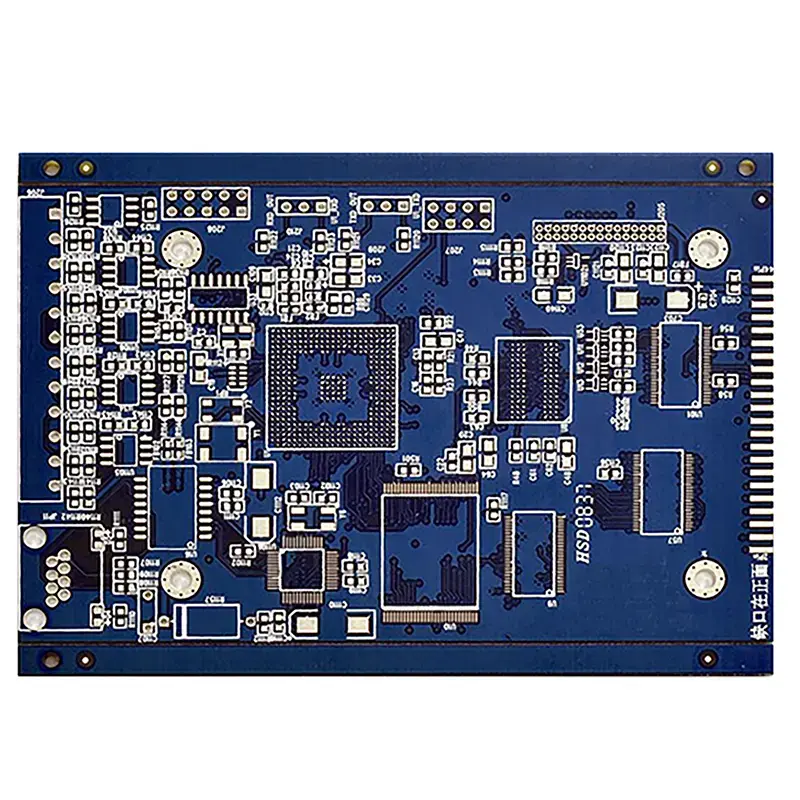 HDI PCB
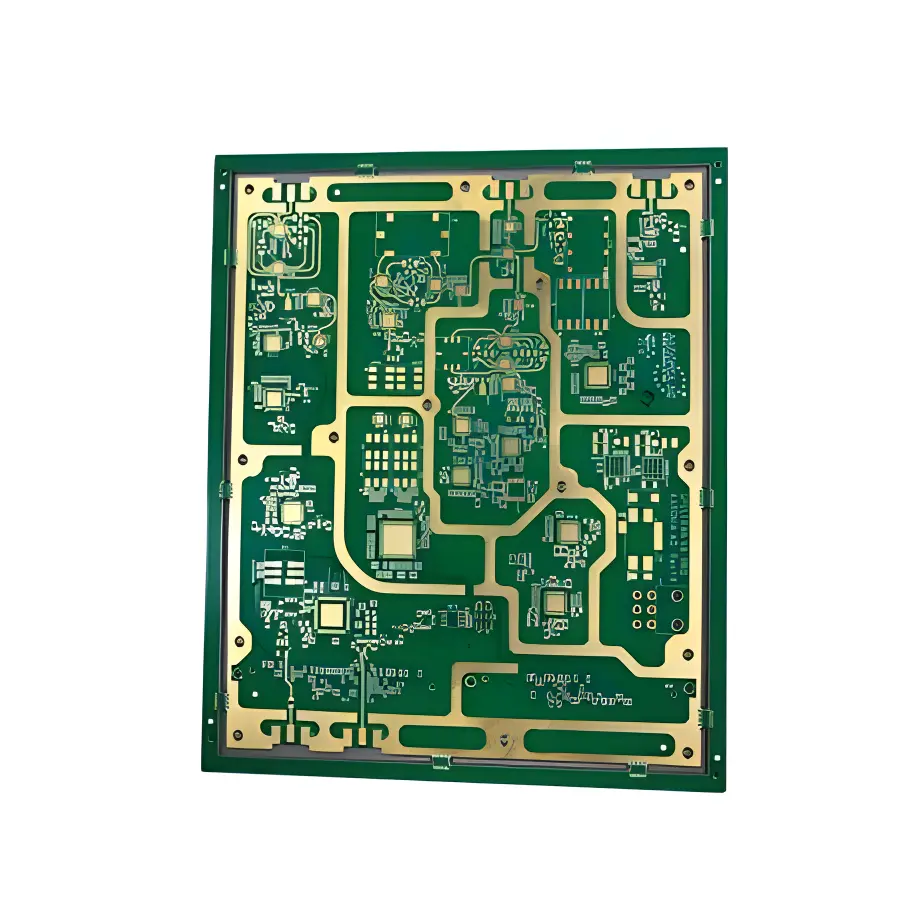 Rogers High-Frequency Board
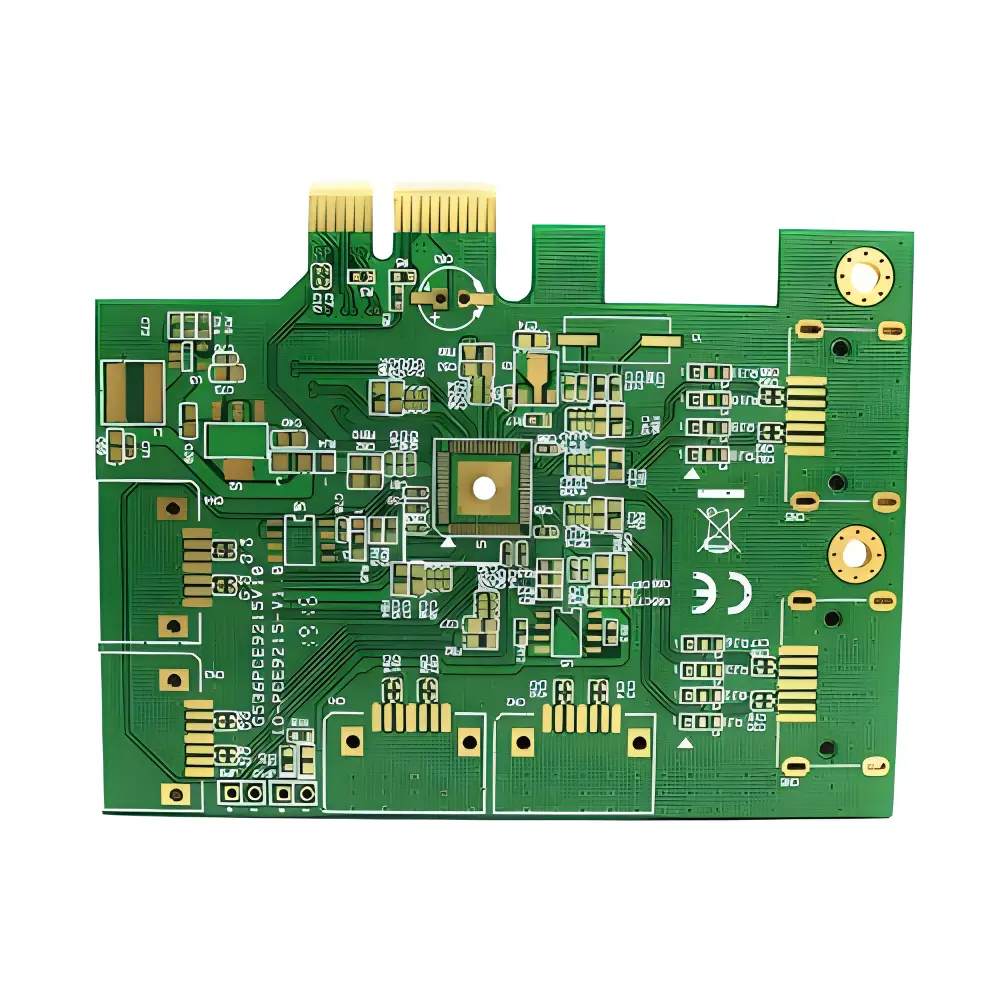 PTFE Teflon High-Frequency Board
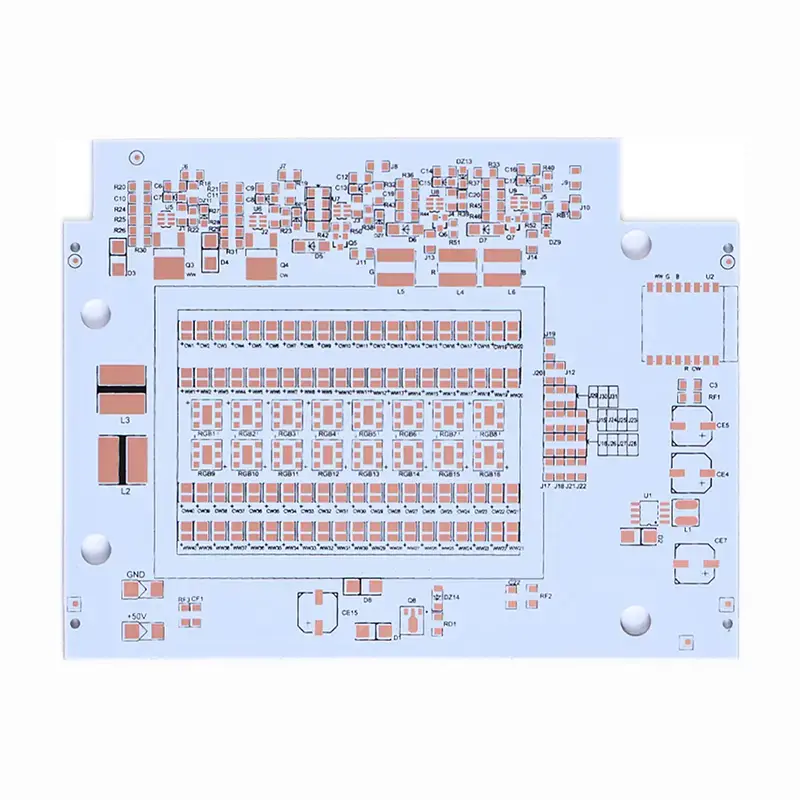 Aluminum
 Copper Core
 PCB Assembly
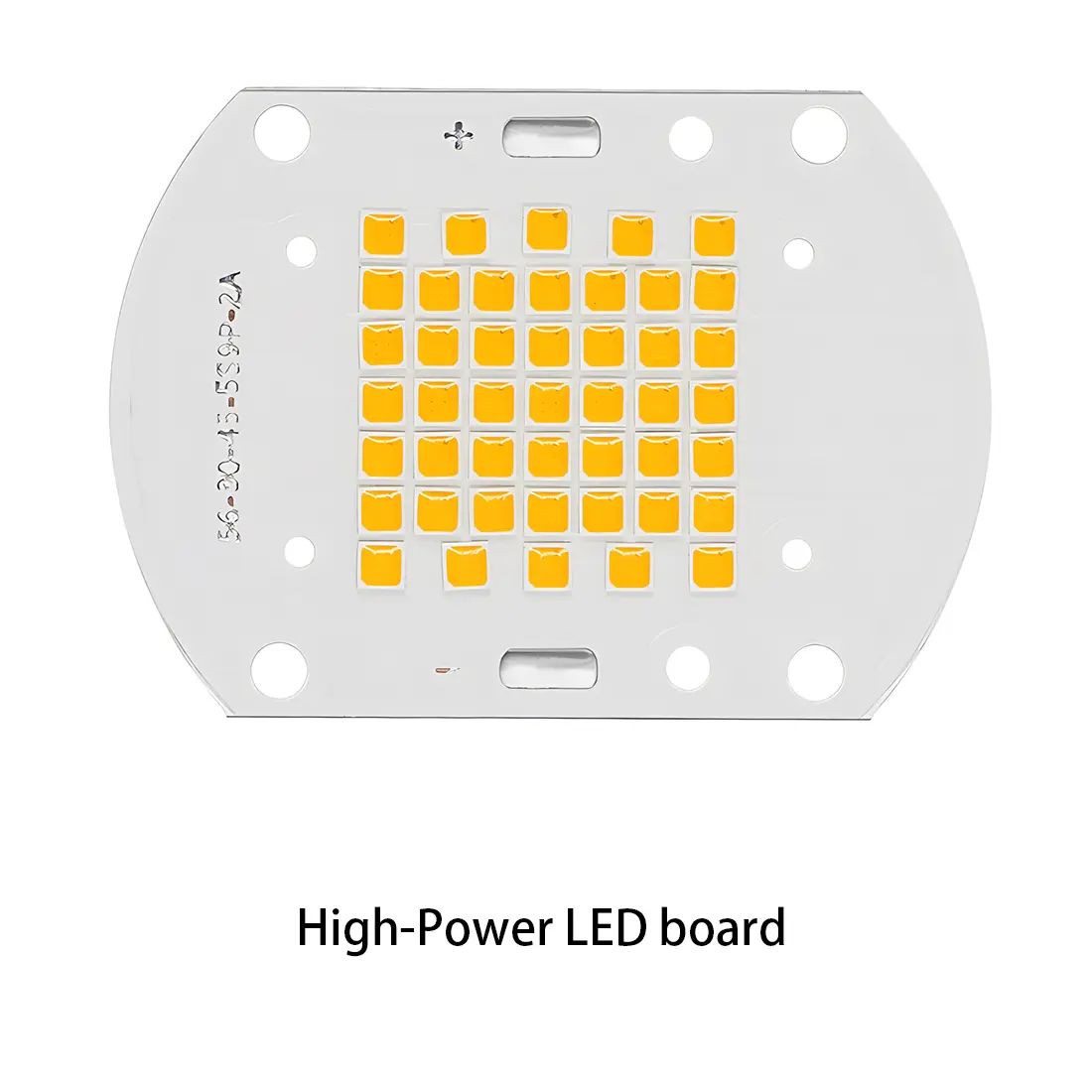 LED light PCBA
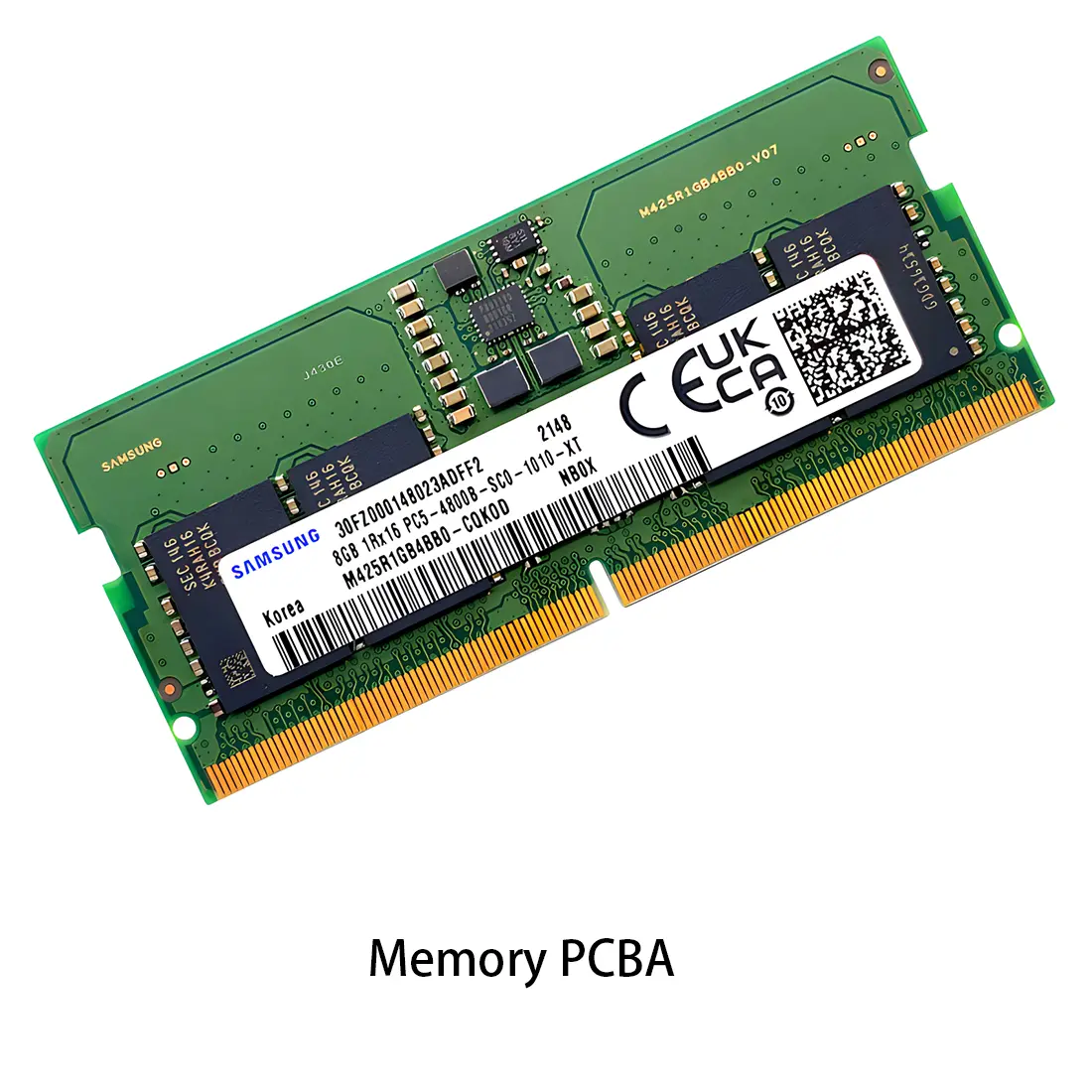 Memory PCBA
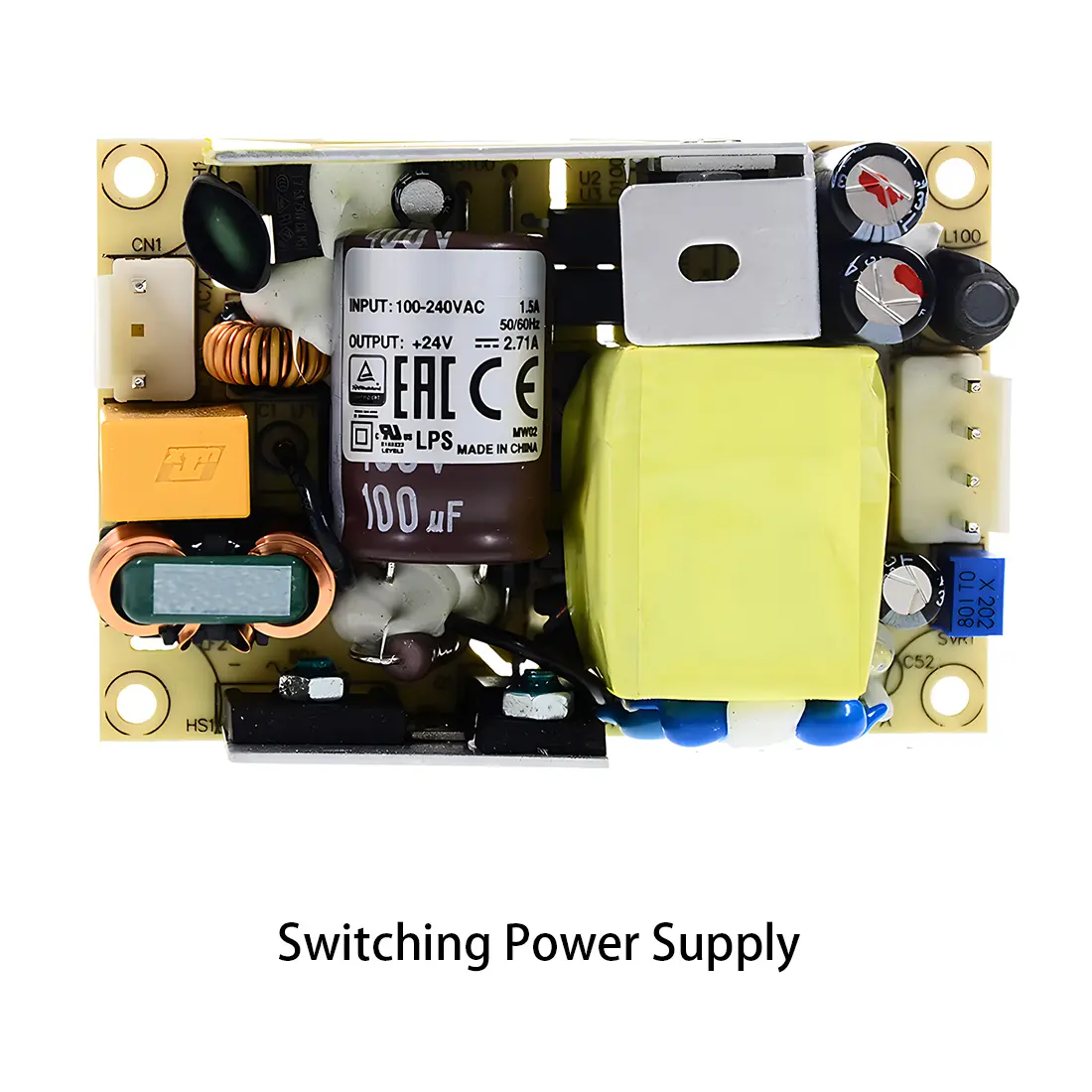 Power Supply PCBA
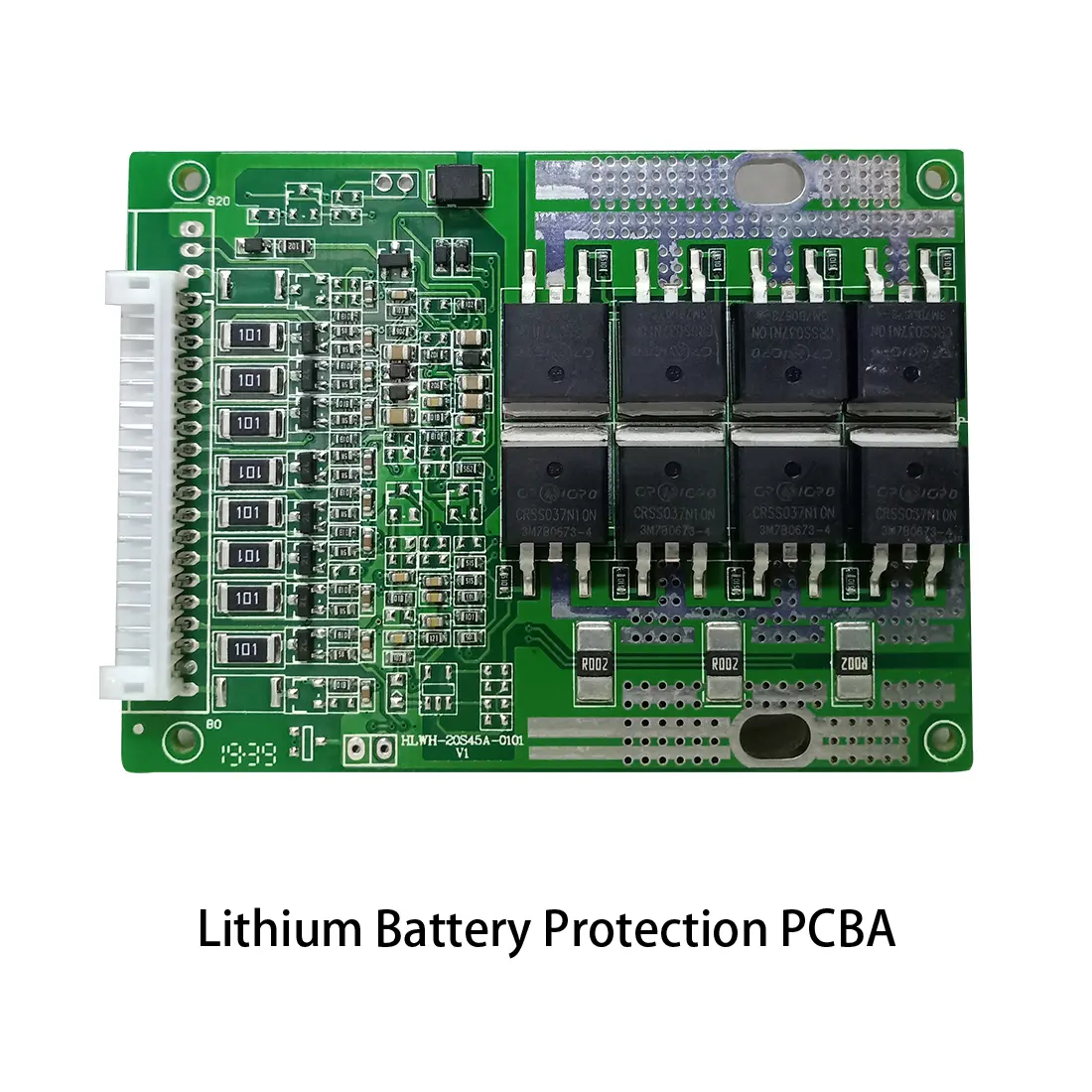 New Energey PCBA
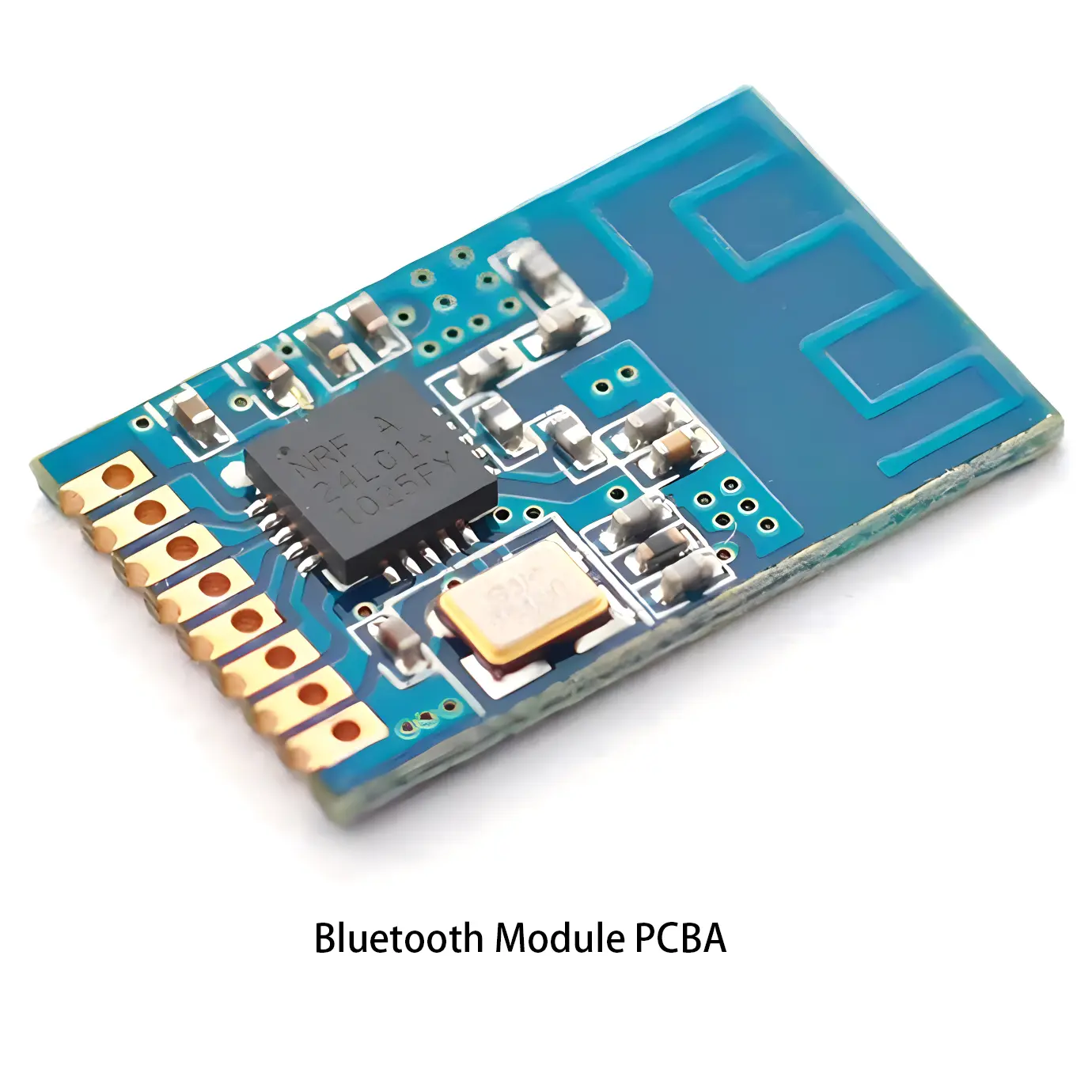 Communication PCBA
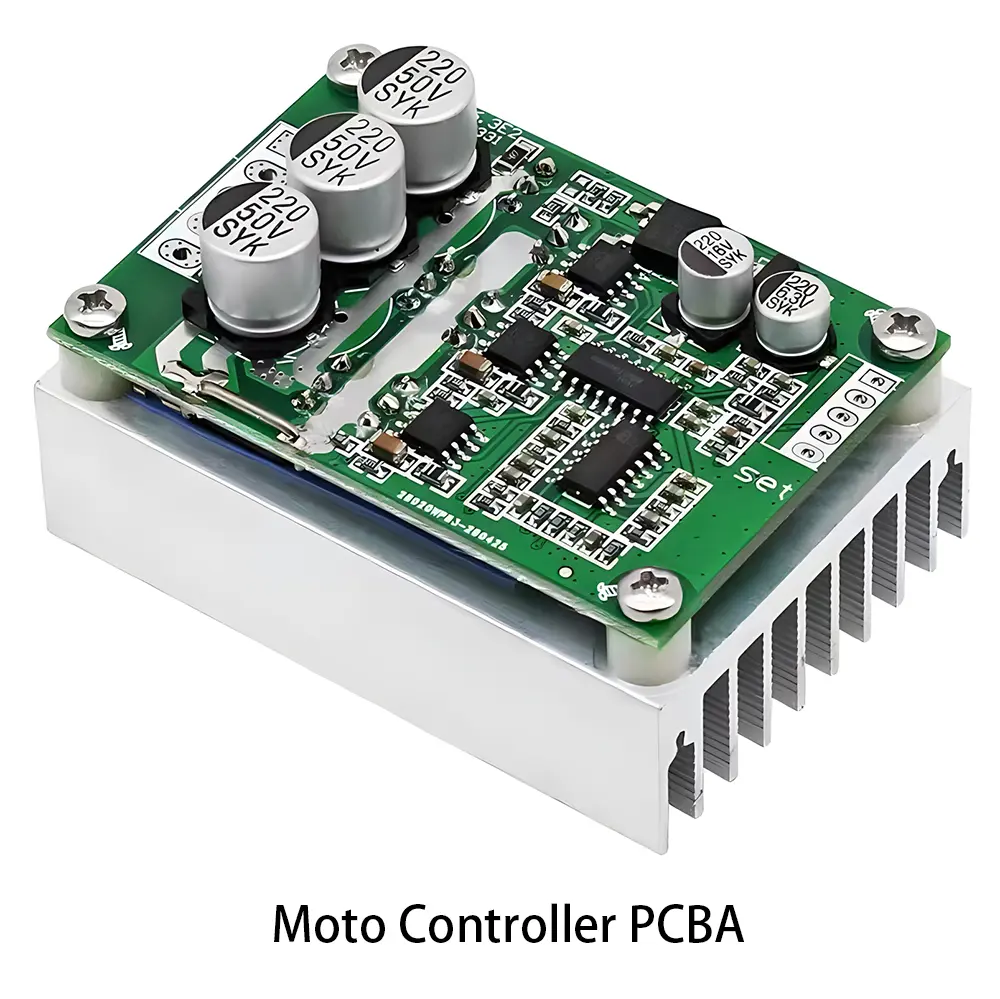 Industrial Control PCBA
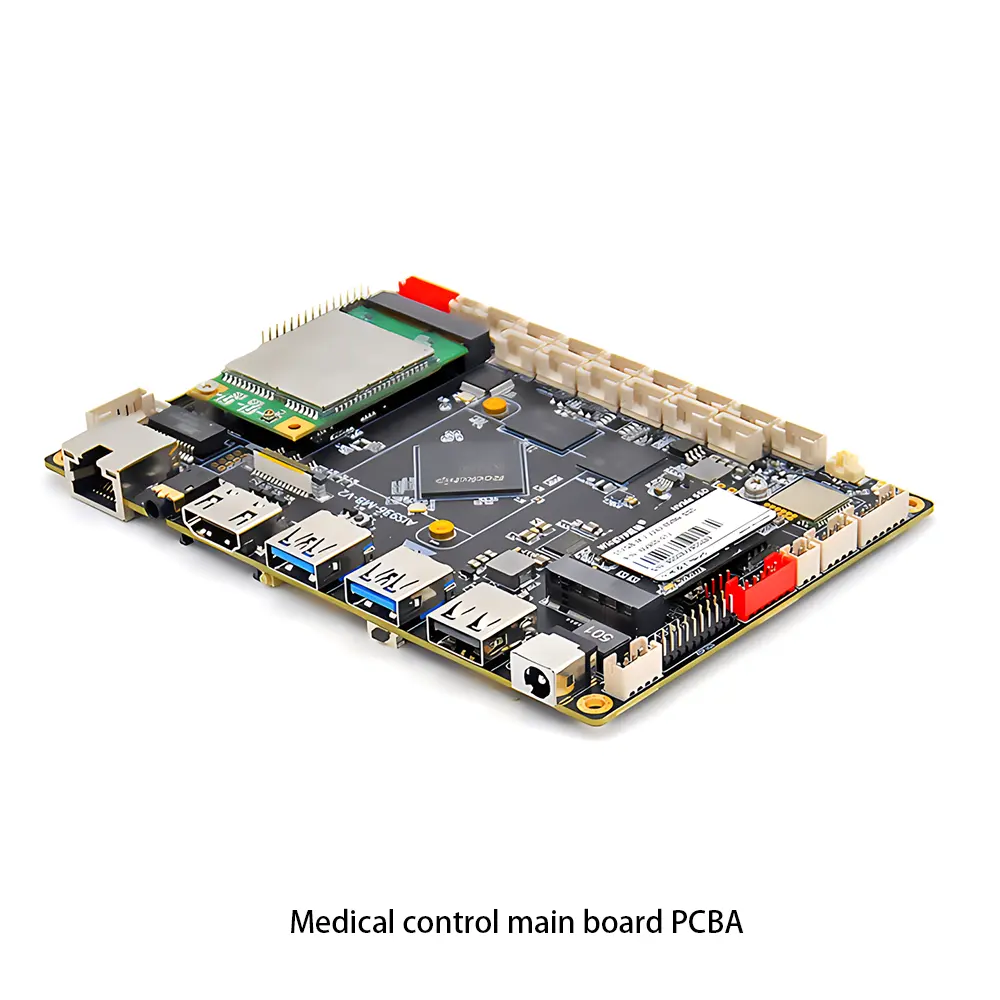 Medical Equipment PCBA
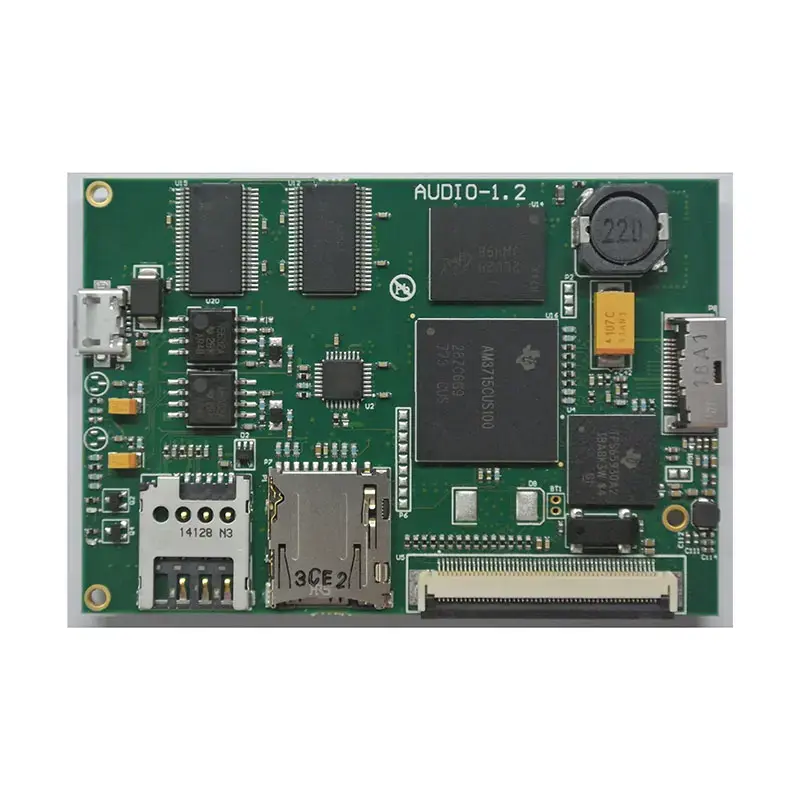 Testing Service
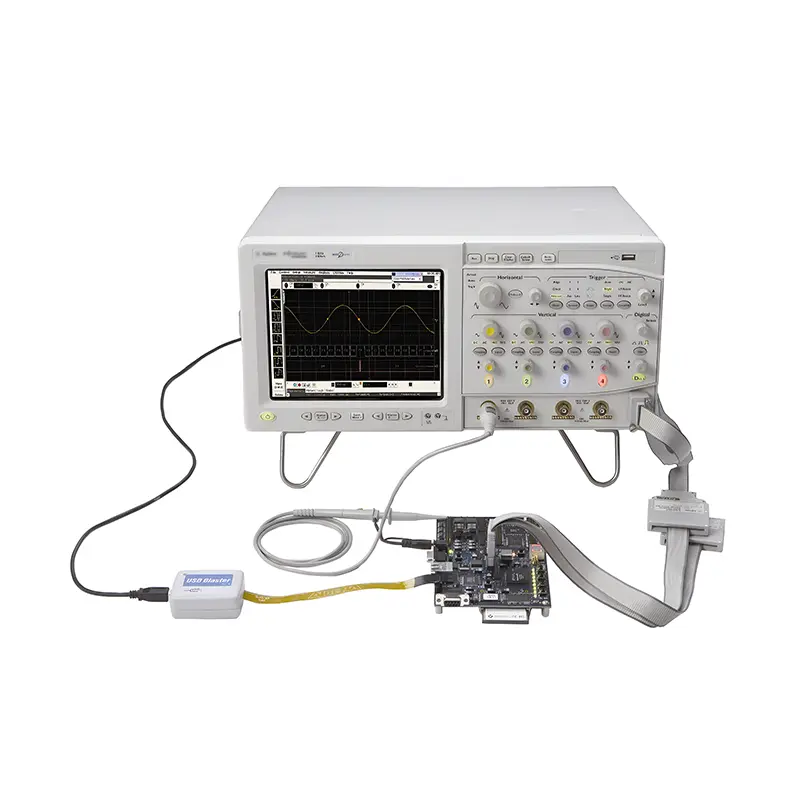 PCBA Testing Service
 Certification Application
 RoHS Certification Application
 REACH Certification Application
 CE Certification Application
 FCC Certification Application
 CQC Certification Application
 UL Certification Application
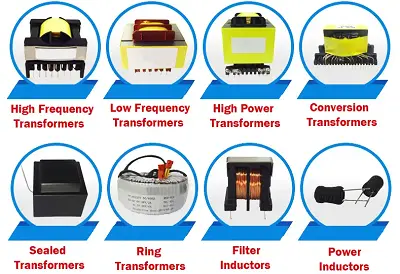 Transformers, Inductors
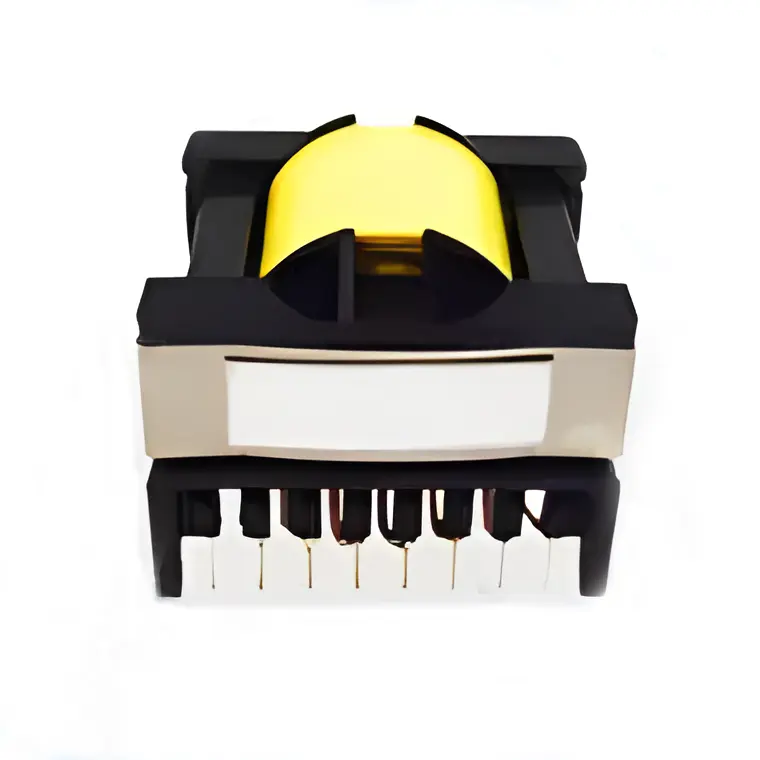 High Frequency Transformers
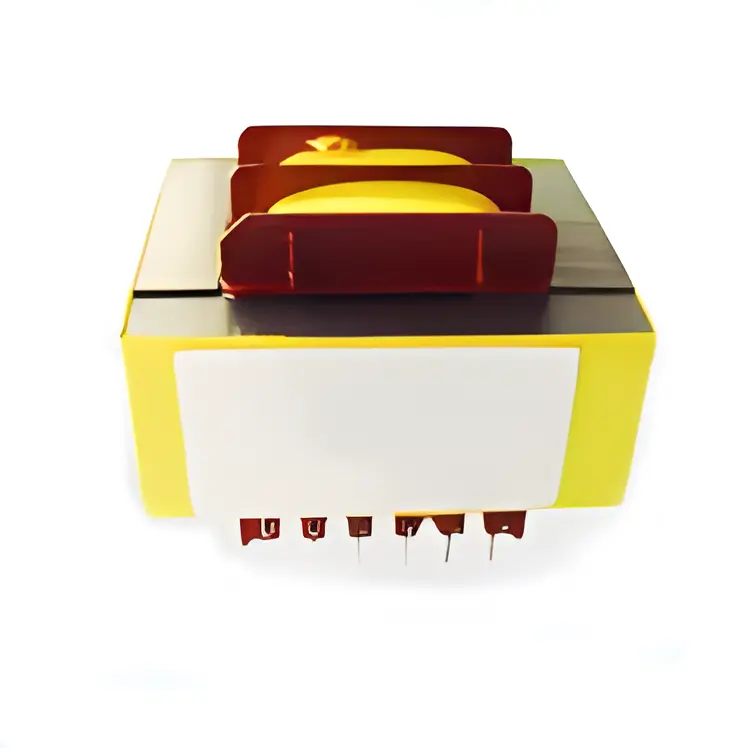 Low Frequency Transformers
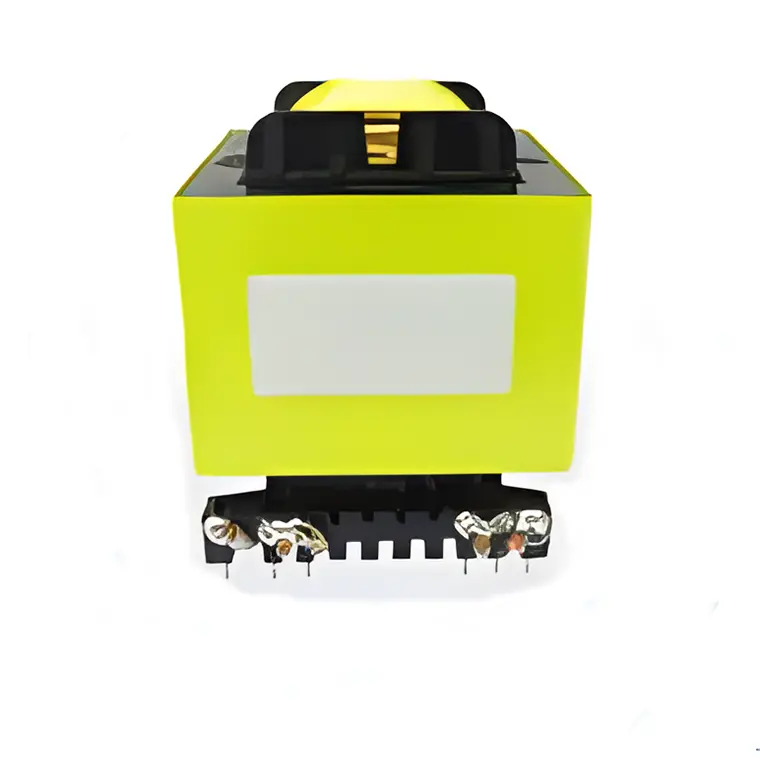 High Power Transformers
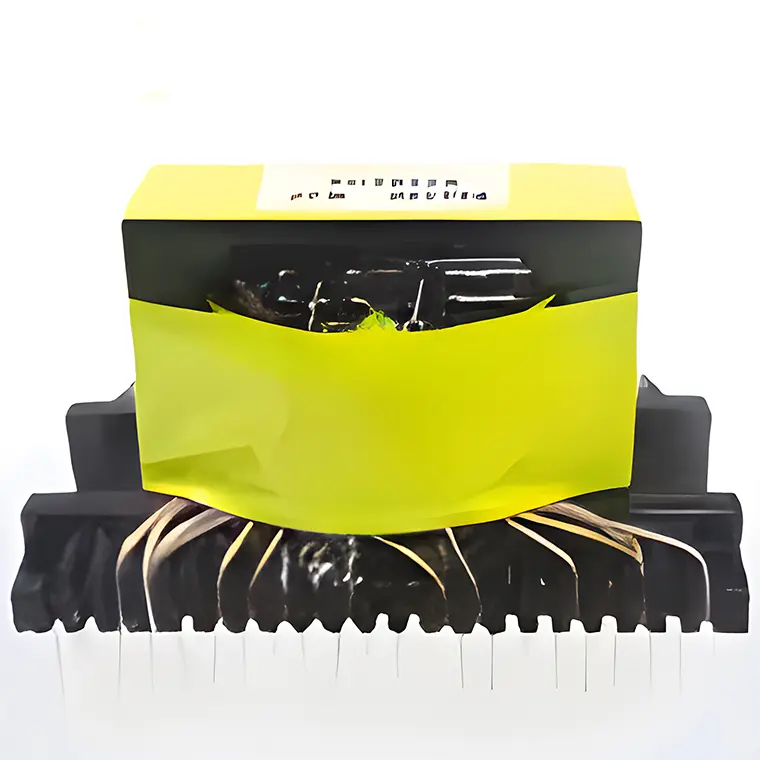 Conversion Transformers
 Sealed Transformers
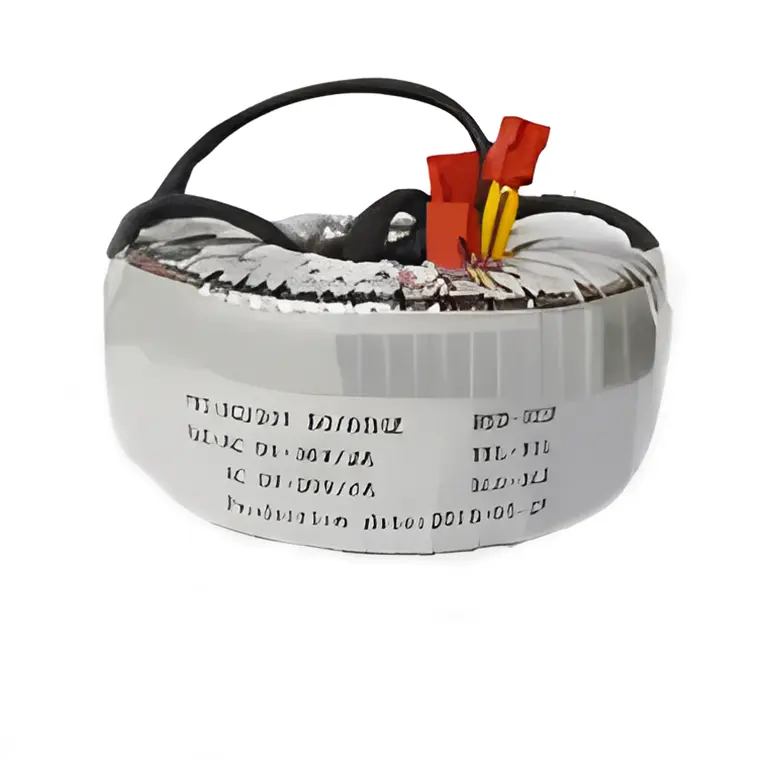 Ring Transformers
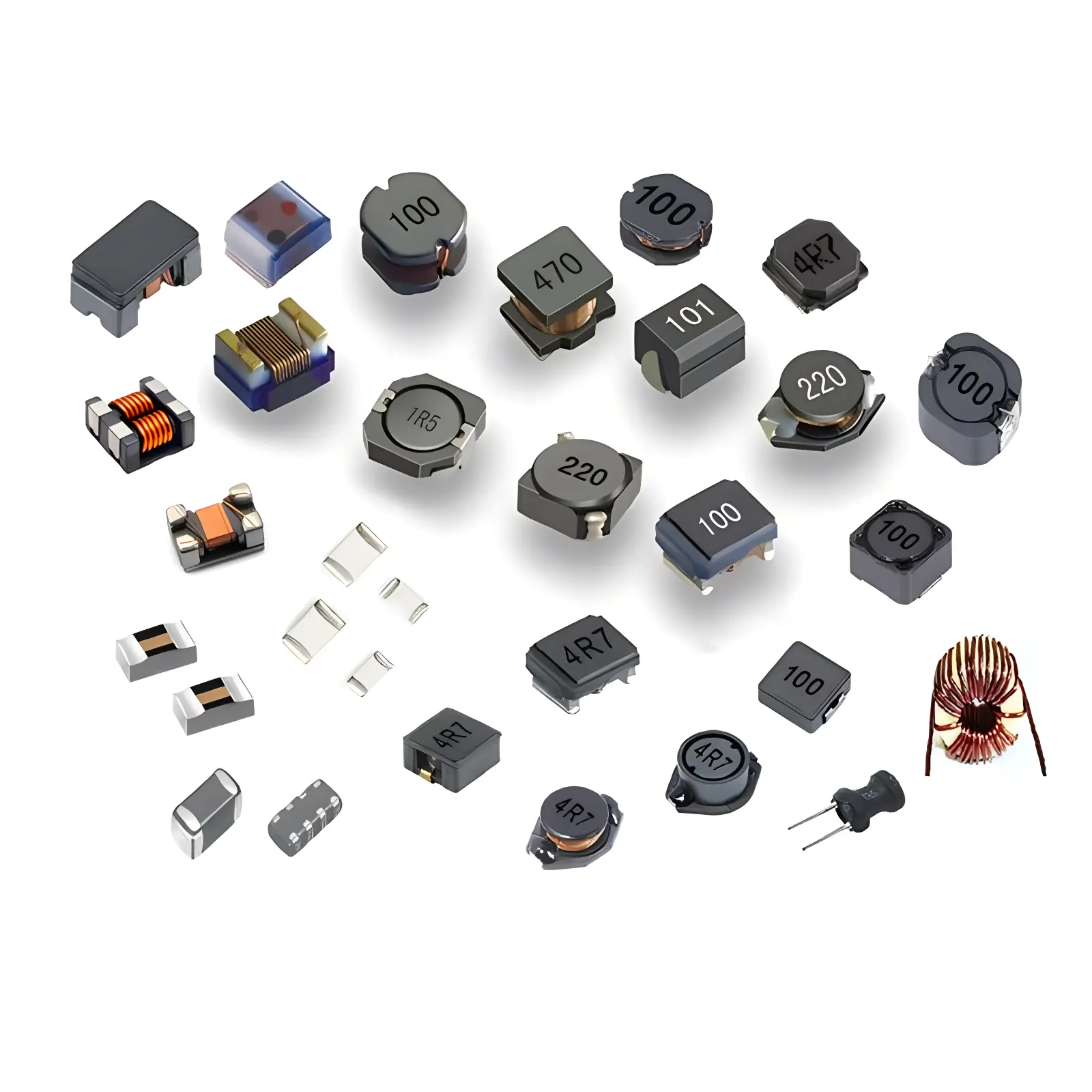 Inductors
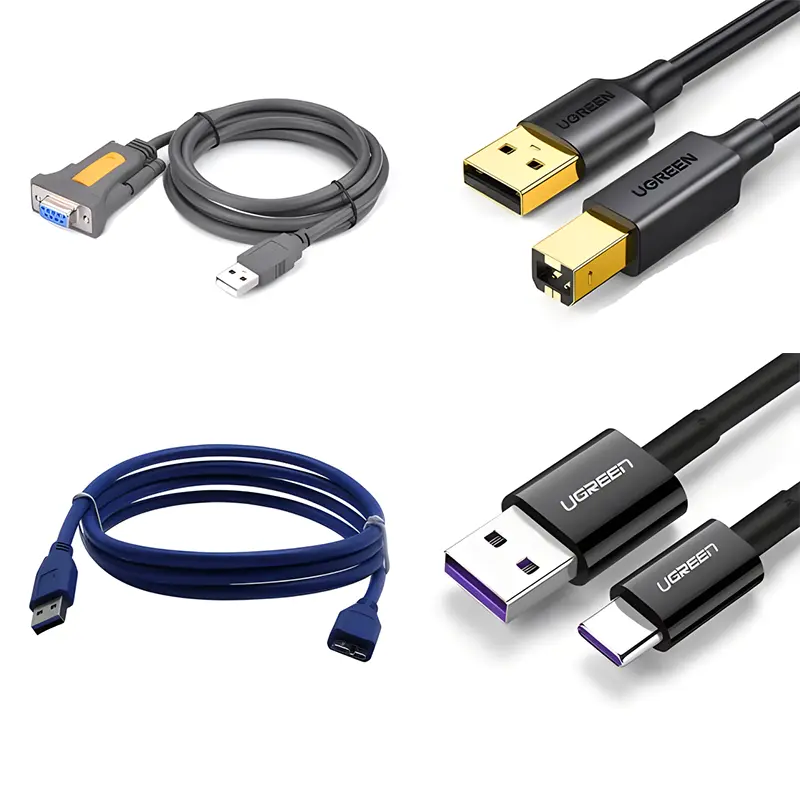 Wires,Cables Customized
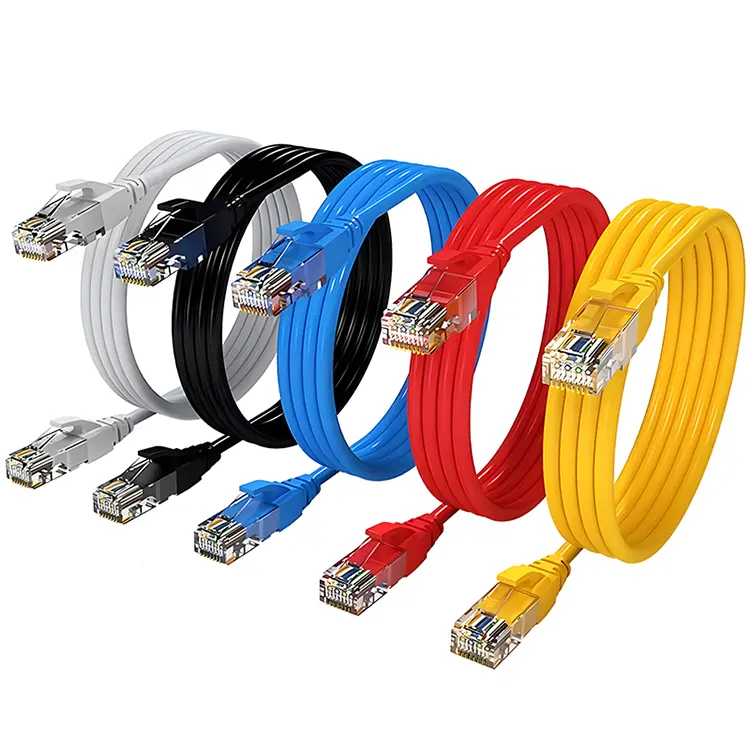 Network Cables
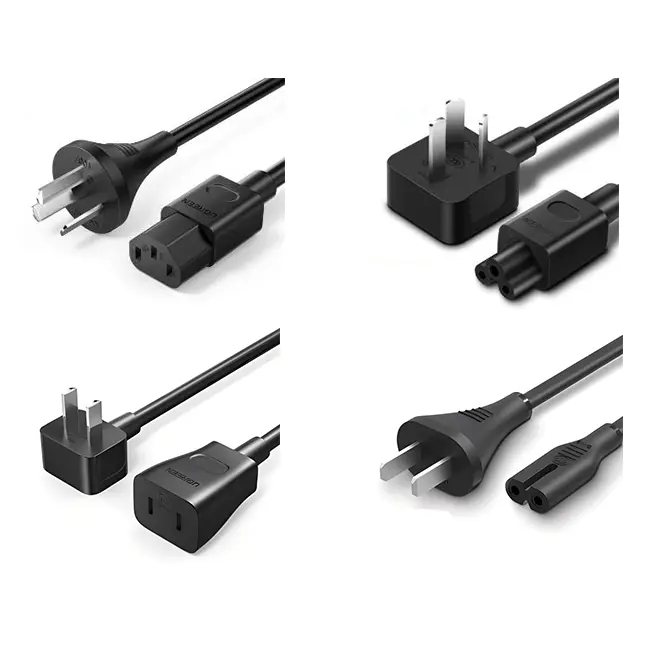 Power Cords
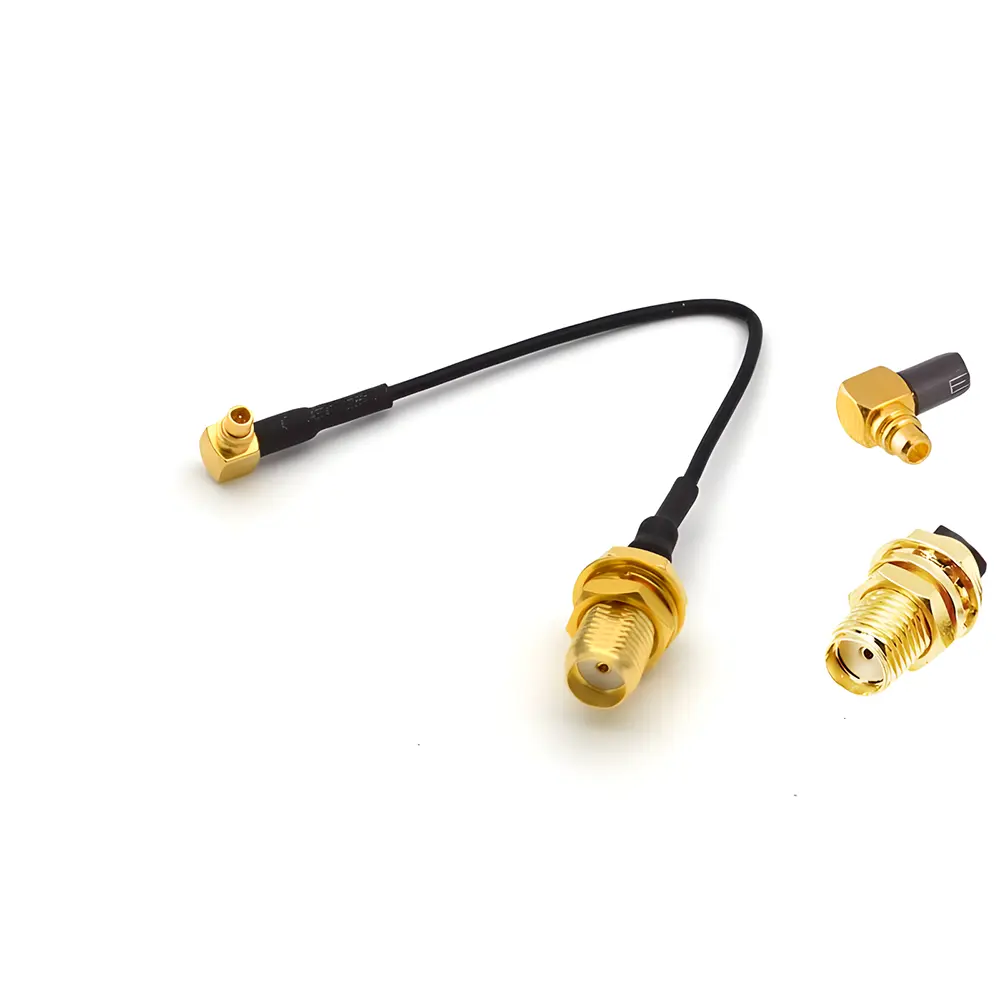 Antenna Cables
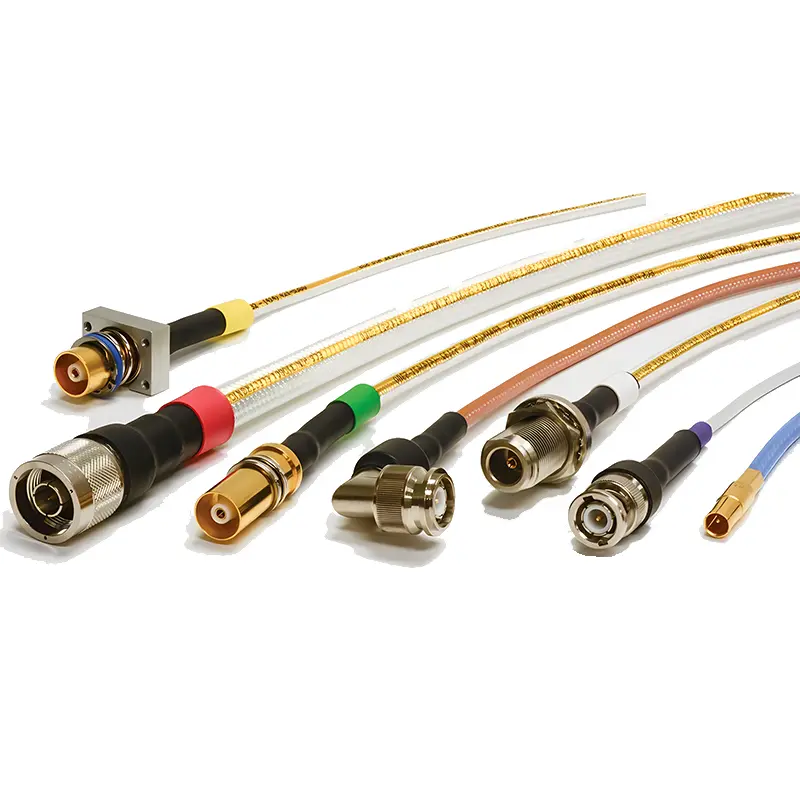 Coaxial Cables
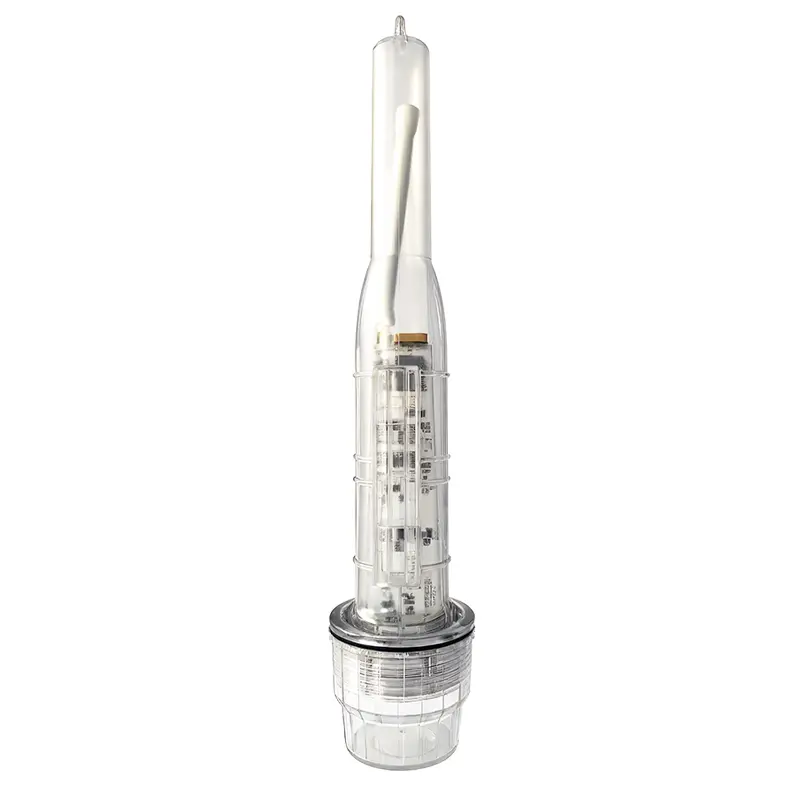 Net Position Indicator
 Solar AIS net position indicator
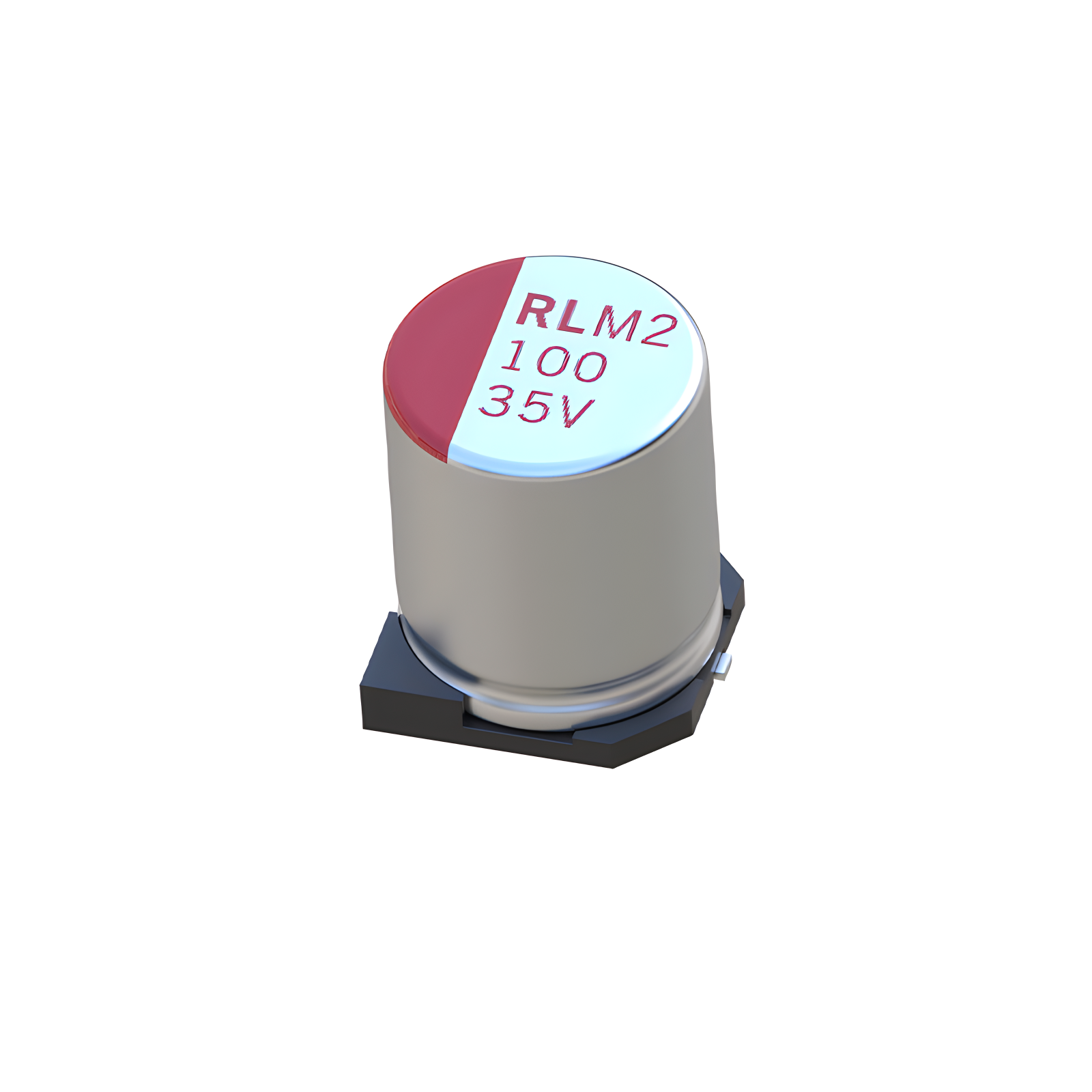 Capacitors
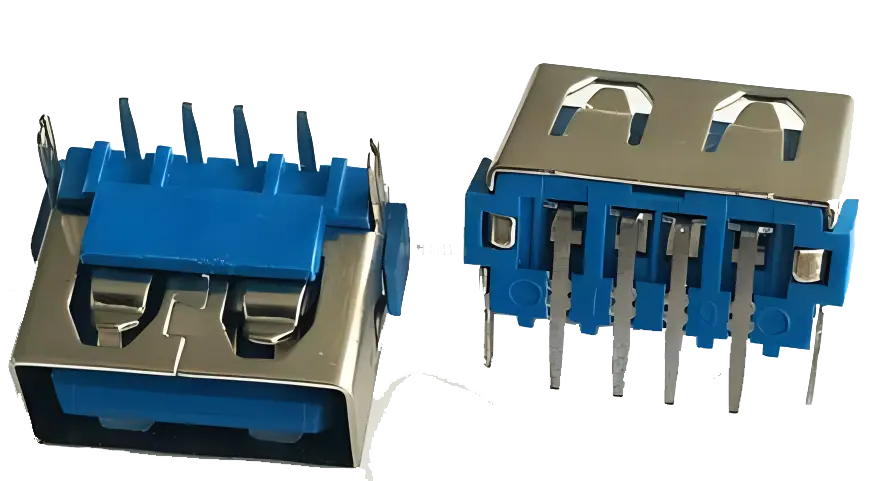 Connectors
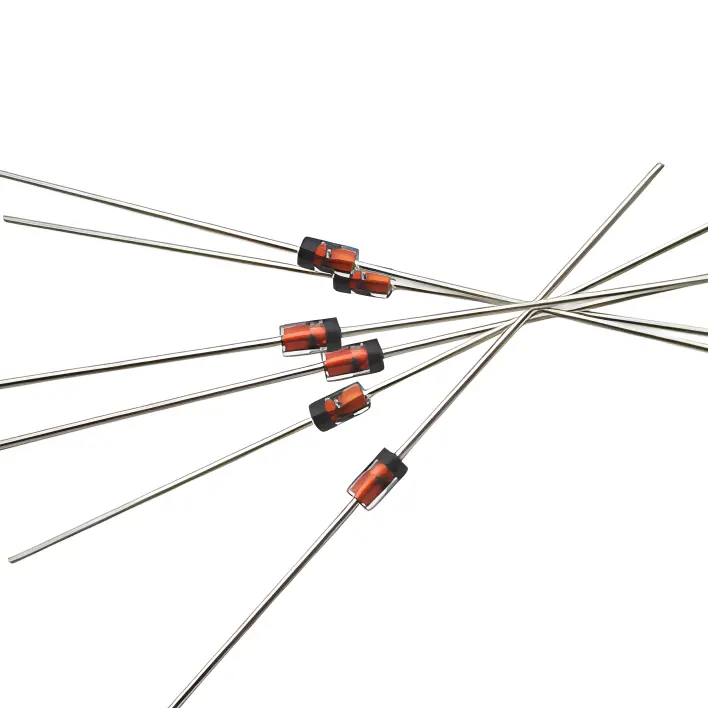 Diodes
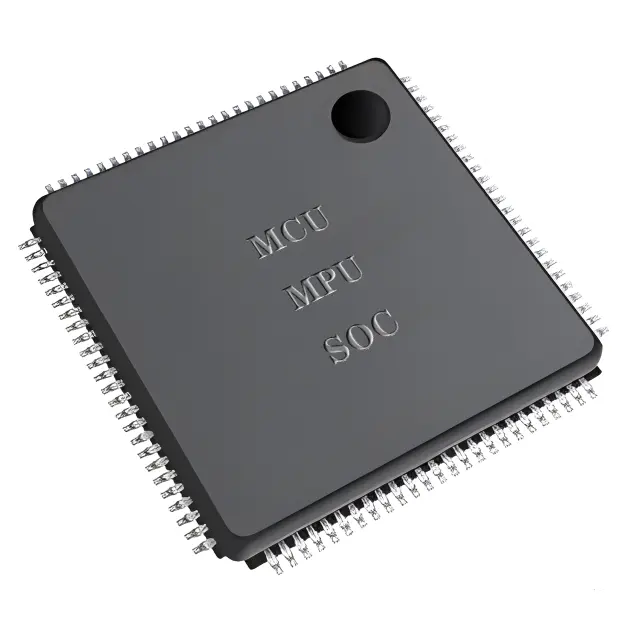 Embedded Processors & Controllers
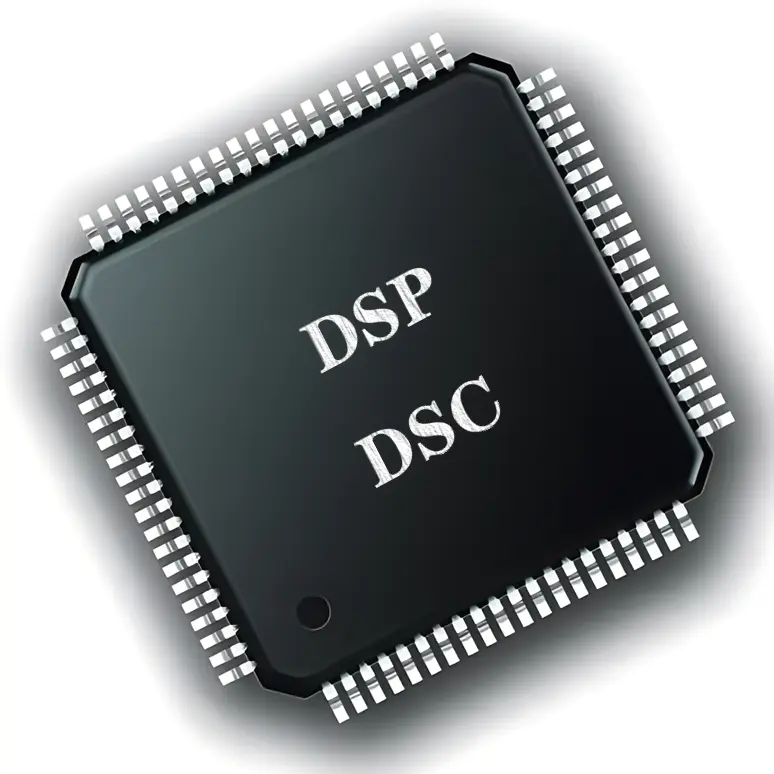 Digital Signal Processors (DSP/DSC)
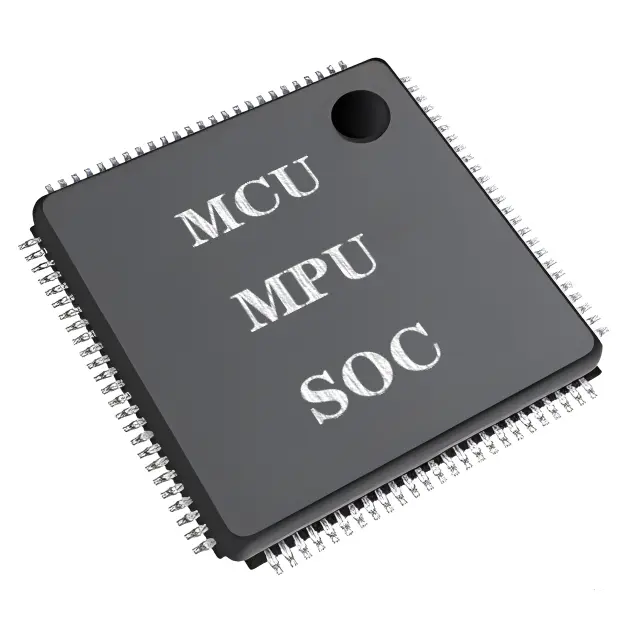 Microcontrollers (MCU/MPU/SOC)
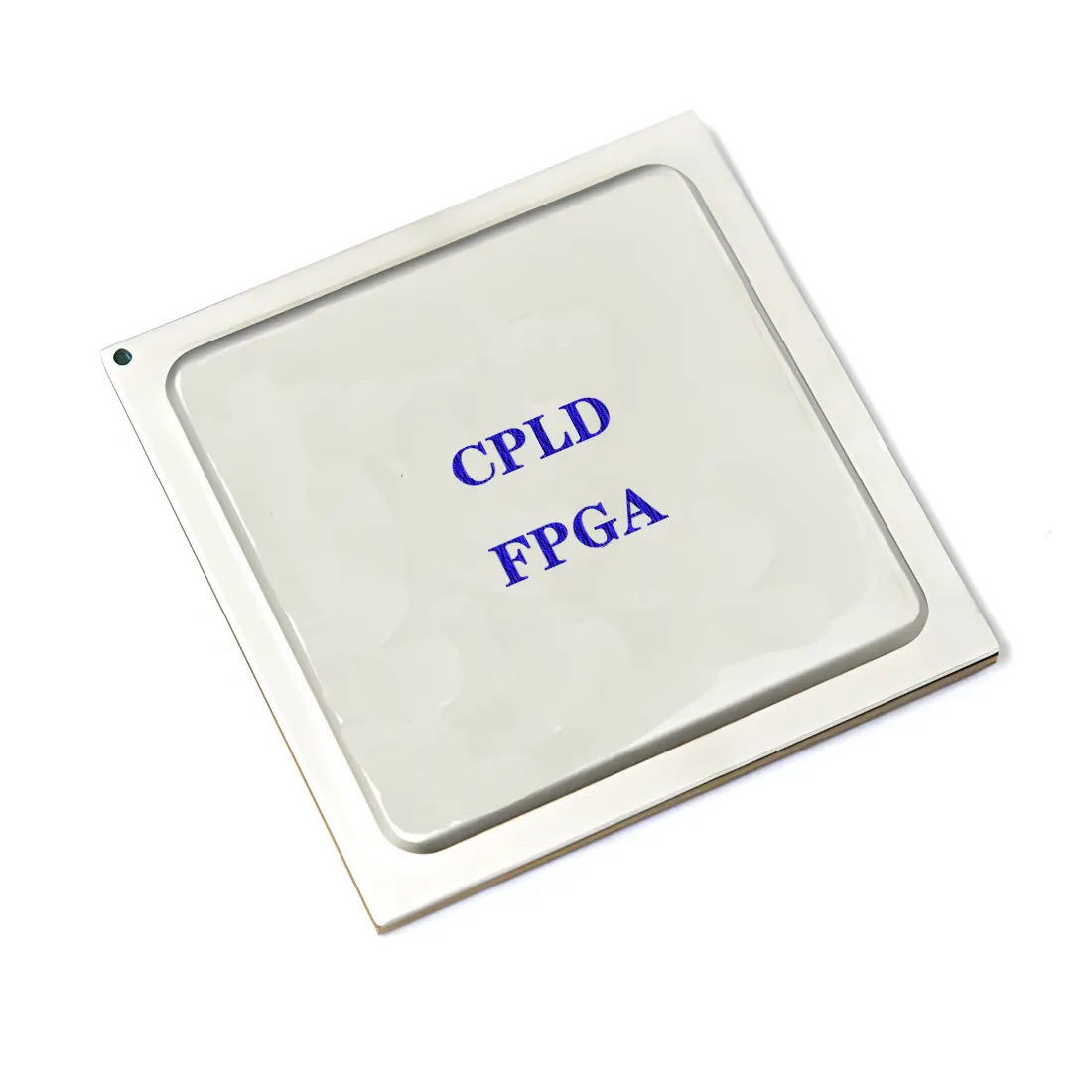 Programmable Logic Device(CPLD/FPGA)
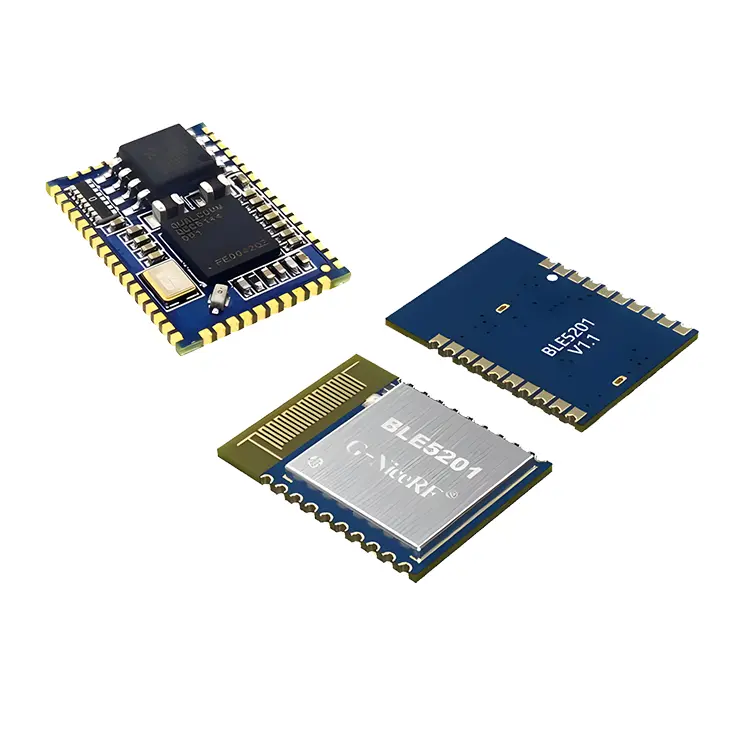 Communication Modules/IoT
 Resistors
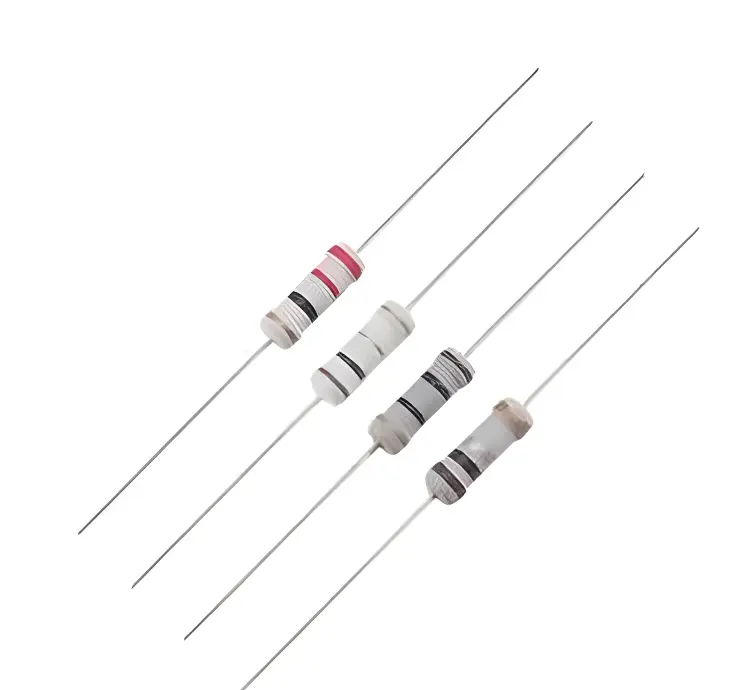 Through Hole Resistors
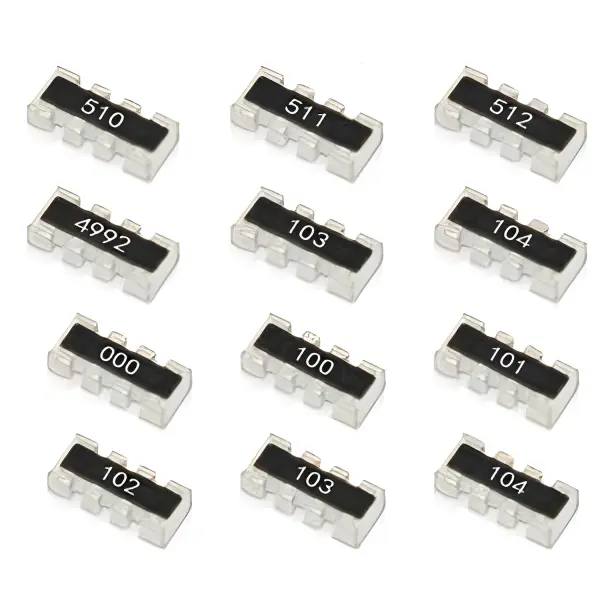 Resistor Networks, Arrays
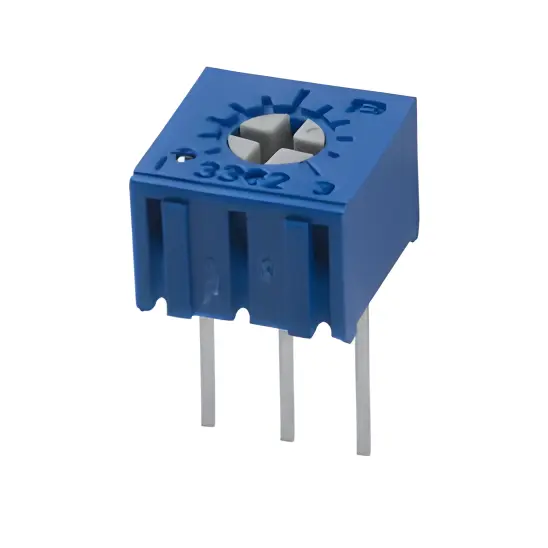 Potentiometers,Variable Resistors
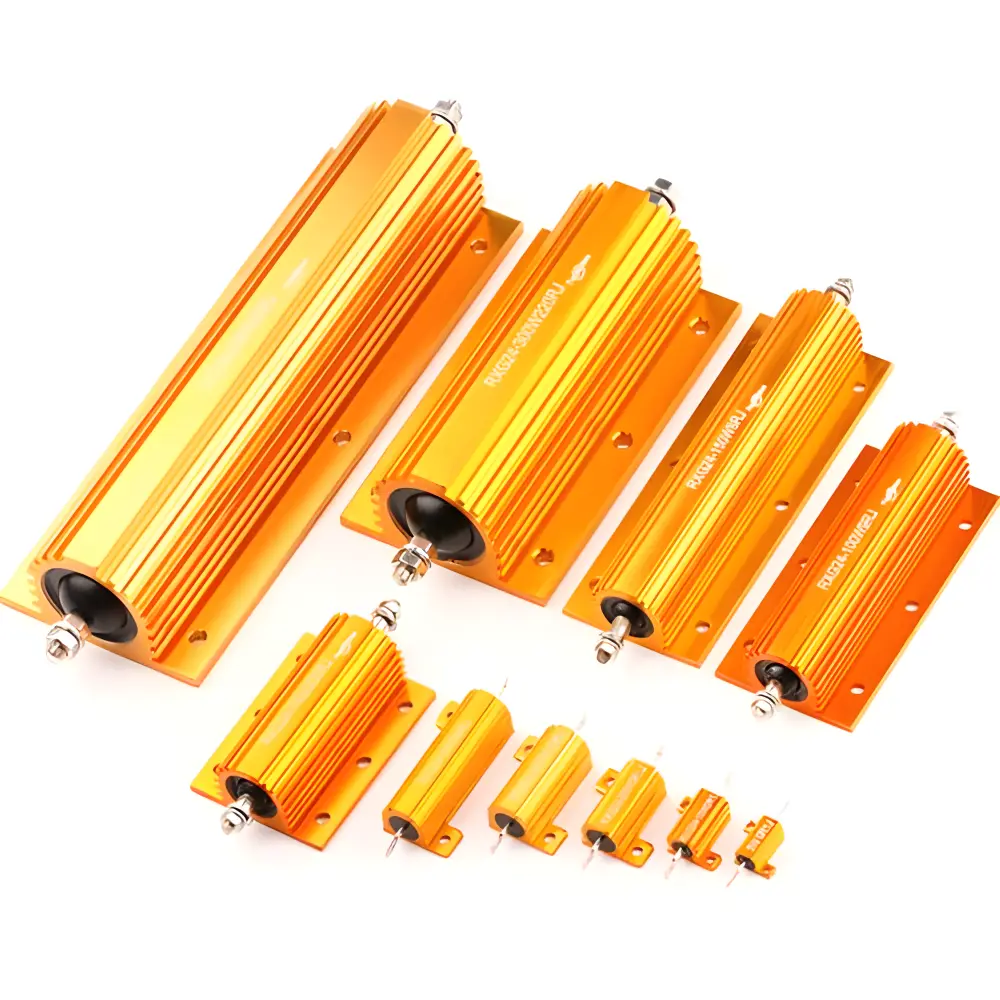 Aluminum Case,Porcelain Tube Resistance
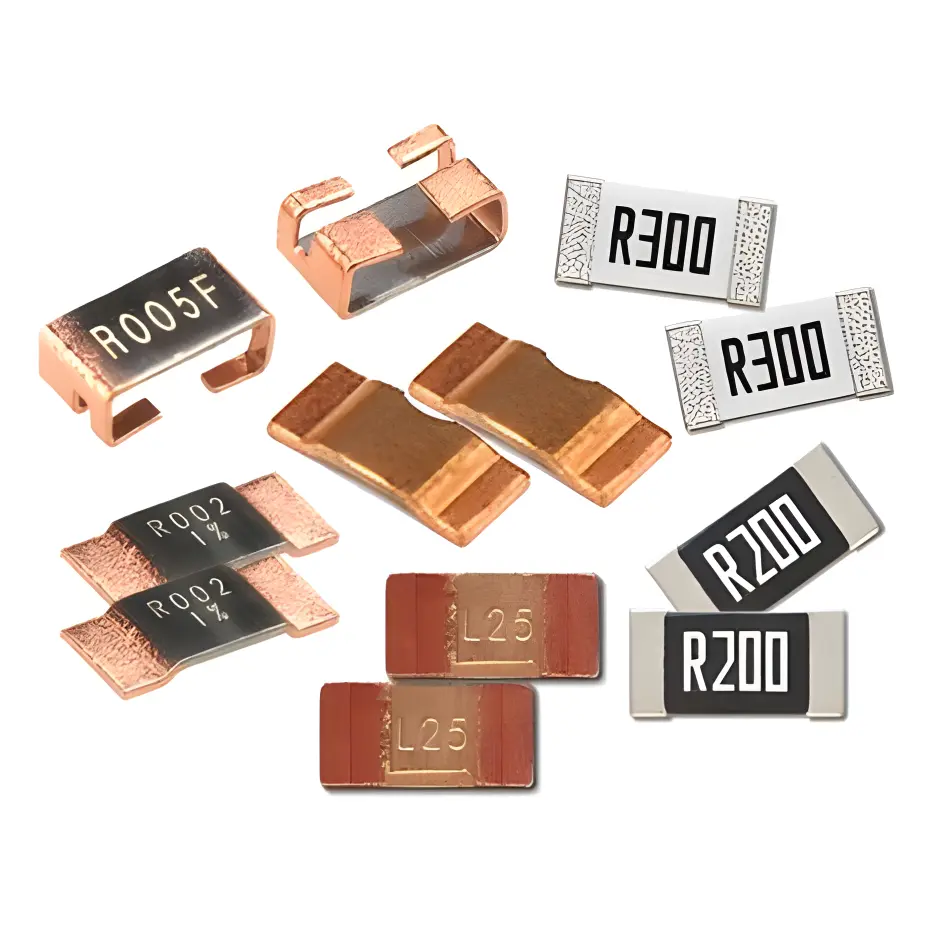 Current Sense Resistors,Shunt Resistors
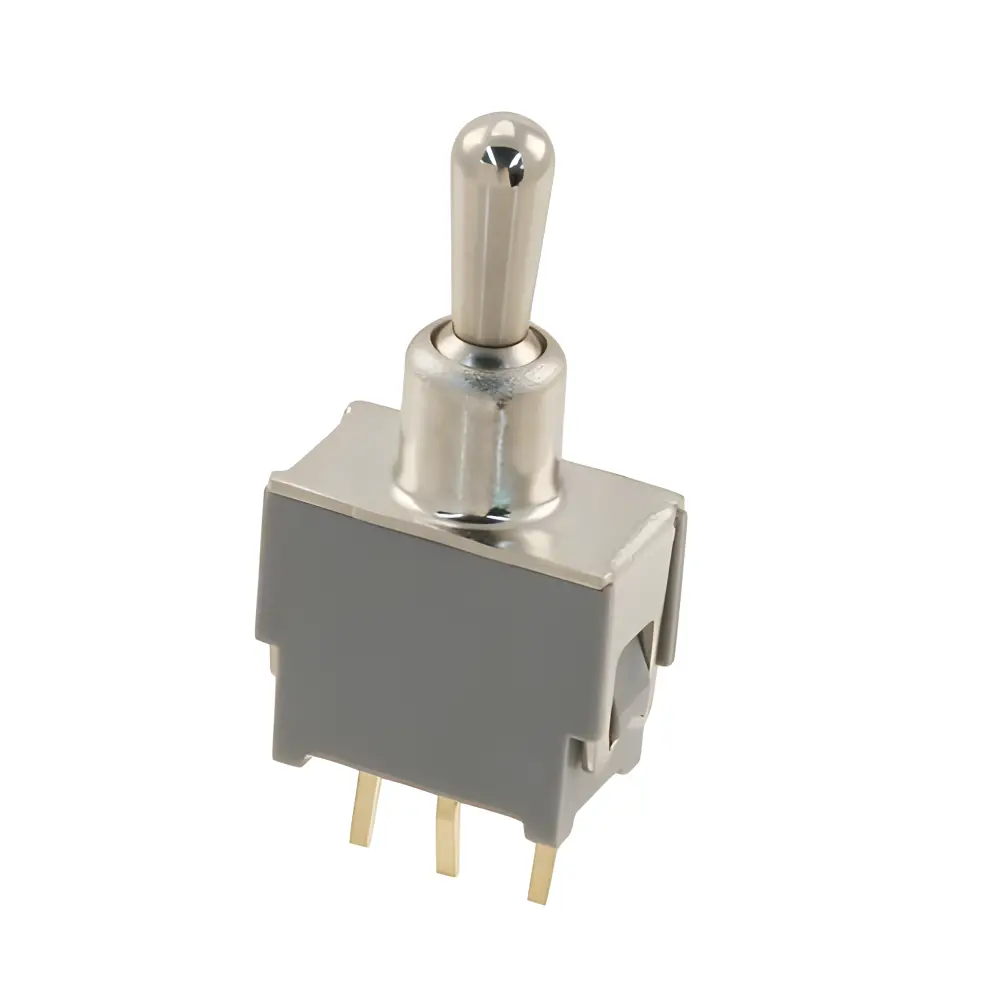 Switches
 Transistors
 Power Modules
 Isolated Power Modules
 AC-DC Power Modules
 DC-AC Module(Inverter)
 RF and Wireless
Recovery Time for Copper Clad Laminate (CCL) After Low-Temperature Storage (<5°C) to Prevent Lamination Bubbles
2025-11-06
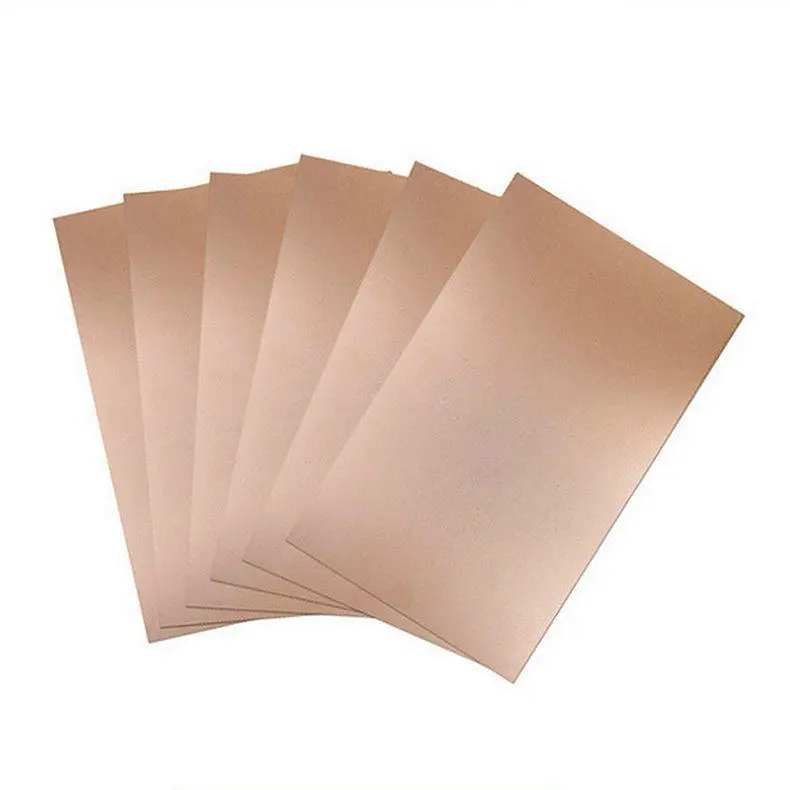
Copper Clad Laminate (CCL) is the core material of printed Circuit Boards (PCBs), and its storage and preprocessing directly affect the quality of PCB lamination. When CCL is stored in a low-temperature environment (<5°C) for an extended period, temperature differences and moisture condensation can easily occur during subsequent lamination, leading to bubbles—one of the most common defects in PCB manufacturing. To avoid this, CCL must be allowed to recover to room temperature before lamination, and the recovery time is determined by multiple key factors. This article details the recommended recovery time ranges, influencing variables, and practical control measures based on industry standards (e.g., IPC-4101) and manufacturing experience.
1. Why Low-Temperature Storage Requires Recovery Time
Low-temperature storage disrupts the thermal and moisture balance of CCL, making recovery a critical preprocessing step:
- Temperature gradient elimination: CCL stored at <5°C has a significantly lower temperature than the lamination environment (typically 140–180°C for FR-4). Direct lamination creates an extreme temperature gradient, causing rapid expansion of the resin matrix and copper foil. This uneven expansion generates internal stress, leading to voids or bubbles at the inteRFace between layers.
- Moisture condensation prevention: Cold CCL surfaces attract moisture from the ambient air when exposed to room temperature. If this condensed moisture is not fully evaporated during recovery, it will vaporize into steam under lamination heat and pressure, becoming trapped between layers to form bubbles.
- Resin state stabilization: Low temperatures make CCL resin brittle and less fluid. Recovery time allows the resin to return to a stable, viscous state, ensuring uniform flow and adhesion during lamination.
2. Recommended Recovery Time Ranges
The recovery time refers to the duration for CCL (after being removed from low-temperature storage) to reach room temperature (20–25°C) and eliminate internal moisture. Based on CCL type, thickness, and storage conditions, the industry-recognized recommended ranges are as follows:
2.1 Standard FR-4 CCL (Most Common PCB Material)
FR-4 (glass fiber-reinforced epoxy resin) is the most widely used CCL, with recovery time primarily dependent on thickness:
- Thin CCL (≤0.8mm): Requires 4–8 hours of recovery. For example, 0.4mm and 0.6mm FR-4 sheets have smaller thermal mass, so they absorb heat quickly and evaporate surface moisture faster.
- Medium-thick CCL (1.0–2.0mm): Needs 8–12 hours. Thicker cores have higher thermal inertia, and moisture is more likely to be trapped in the middle layer, requiring longer time for temperature equilibration and moisture evaporation.
- Thick CCL (>2.0mm): Requires 12–24 hours. For 3.2mm or 6.4mm thick FR-4 (used in industrial control or high-power PCBs), the internal temperature and moisture are difficult to eliminate, so extended recovery is necessary.
2.2 High-Temperature Resin CCL (e.g., PI, PPO, BT)
CCLs with high-temperature-resistant resins (used in automotive, aerospace, or high-frequency applications) have different moisture absorption and thermal conductivity properties:
- PI (Polyimide) CCL: Requires 6–16 hours. PI resin has higher moisture absorption (≈1.5–2.0% at 23°C/50% RH) than FR-4, so more time is needed to release trapped moisture.
- BT (Bismaleimide Triazine) CCL: Needs 8–14 hours. BT resin has good moisture resistance but lower thermal conductivity, prolonging the internal temperature balance time.
- PPO (Polyphenylene Oxide) CCL: Requires 5–10 hours. PPO has low moisture absorption (≈0.1–0.3%) and moderate thermal conductivity, allowing shorter recovery compared to PI and BT.
2.3 Special Storage Conditions: Extended Low-Temperature Exposure
If CCL is stored at ultra-low temperatures (<-10°C) or for long periods (>3 months at <5°C), the recovery time must be extended by 50–100%:
- For example, FR-4 CCL stored at -15°C for 6 months: thin sheets (≤0.8mm) need 8–12 hours, medium-thick sheets (1.0–2.0mm) need 12–18 hours, and thick sheets (>2.0mm) need 24–36 hours.
- Ultra-low-temperature storage increases moisture absorption and deepens resin brittleness, requiring more time to restore material stability.
3. Key Factors Influencing Recovery Time
The recommended recovery time is not fixed; it adjusts based on four core factors:
3.1 CCL Thickness and Structure
- Thicker CCL has higher thermal mass, so heat penetrates more slowly into the core. A 3.2mm FR-4 sheet takes twice as long to recover as a 0.8mm sheet of the same type.
- Multilayer CCL (e.g., double-sided or multi-core CCL) has more interfaces between copper foil and resin, which trap moisture and slow temperature transfer, increasing recovery time by 20–30% compared to single-core CCL.
3.2 Ambient Recovery Conditions
- Temperature and humidity: Recovery should occur in a controlled environment (20–25°C, 40–60% RH). Higher humidity (>65% RH) increases surface condensation, requiring 10–20% longer recovery; lower humidity (<35% RH) accelerates moisture evaporation, shortening time by 5–15%.
- Air circulation: Good ventilation (e.g., using fans or cleanroom air systems) promotes heat exchange and moisture removal, reducing recovery time by 15–25%. Stagnant air prolongs the process due to slow heat and moisture transfer.
3.3 Packaging State During Recovery
- CCL should be unpacked before recovery. Sealed packaging traps condensed moisture inside, making it impossible to evaporate and leading to bubbles even after prolonged storage.
- For vacuum-packaged CCL, open the packaging only when placed in the recovery environment to avoid sudden moisture absorption. After unpacking, spread the sheets separately (not stacked tightly) to ensure uniform air contact.
3.4 Copper Foil Thickness
- CCL with thicker copper foil (e.g., 2oz/70μm vs. 1oz/35μm) has higher thermal conductivity but also higher thermal mass. Recovery time for 2oz copper-clad FR-4 is 10–15% longer than 1oz, as the thicker copper layer slows internal temperature equilibration.
4. Practical Verification Methods for Sufficient Recovery
To ensure CCL is fully recovered (avoiding over-reliance on time), use the following verification methods:
- Temperature measurement: Use a contact thermometer to check the CCL core temperature. When it matches the ambient temperature (±1°C), the thermal balance is achieved.
- Moisture test: For critical applications (e.g., high-reliability PCBs), use a moisture analyzer to measure CCL moisture content. A content ≤0.15% indicates sufficient moisture removal.
- Visual inspection: Check for surface condensation or fogging. A dry, clear surface with no moisture traces confirms effective recovery.
5. Best Practices for CCL Storage and Recovery
To minimize recovery time and ensure lamination quality, follow these guidelines:
- Store CCL in a controlled environment (15–30°C, 40–60% RH) whenever possible. Avoid low-temperature storage unless necessary.
- If low-temperature storage is unavoidable, seal CCL with moisture-proof packaging (e.g., aluminum foil bags with desiccants) to reduce moisture absorption.
- During recovery, spread CCL sheets with a gap of ≥5mm between them to ensure air circulation. Avoid stacking more than 10 sheets at once.
- For urgent production, use low-humidity ovens (30–40°C, <30% RH) to accelerate recovery, reducing time by 30–50% (e.g., 1.6mm FR-4 from 10 hours to 5–7 hours). Avoid high temperatures (>45°C) to prevent resin degradation.
The recovery time for CCL after low-temperature storage (<5°C) to avoid lamination bubbles varies by material type, thickness, and storage conditions. For standard FR-4 CCL, the recommended time ranges from 4–24 hours (thinner sheets require less time); for high-temperature resin CCL (PI, BT, PPO), it is 5–16 hours; and for extended ultra-low-temperature storage, it needs to be extended by 50–100%. Key influencing factors include CCL thickness, ambient humidity/air circulation, packaging state, and copper foil thickness. By adhering to these time guidelines and verifying recovery through temperature/moisture tests, PCB manufacturers can effectively prevent lamination bubbles and ensure product reliability.