
 PCB
PCB FPC
FPC Rigid-Flex
 FR-4
FR-4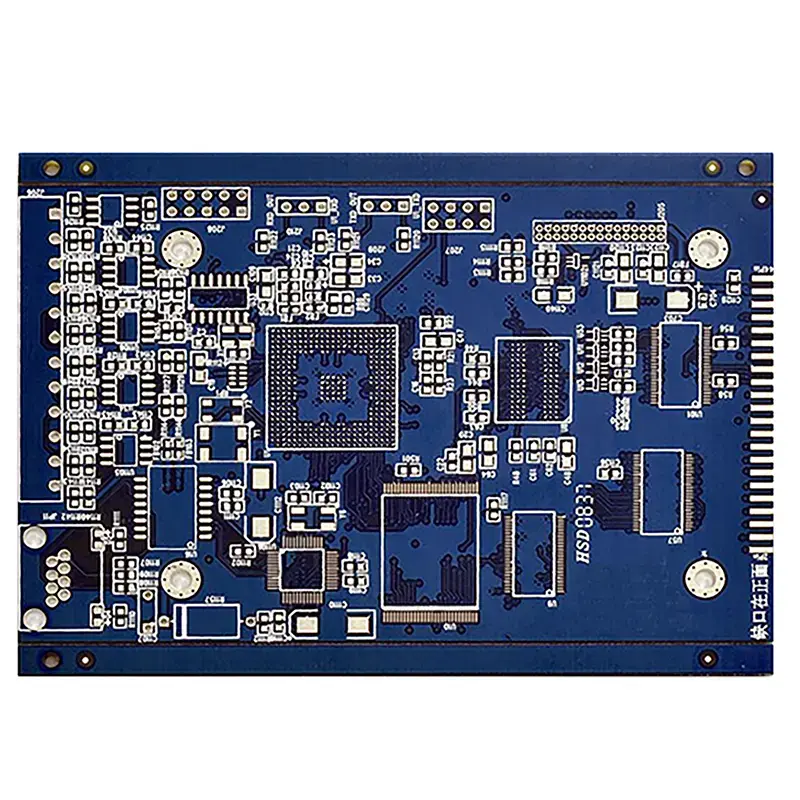 HDI PCB
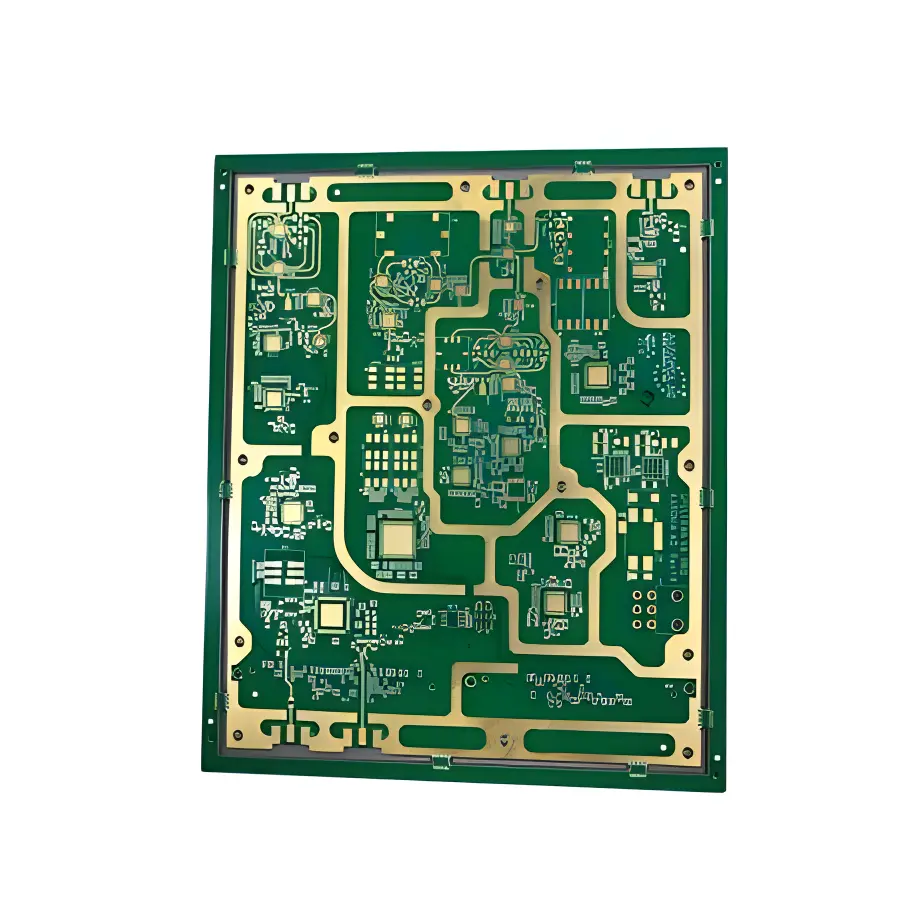 Rogers High-Frequency Board
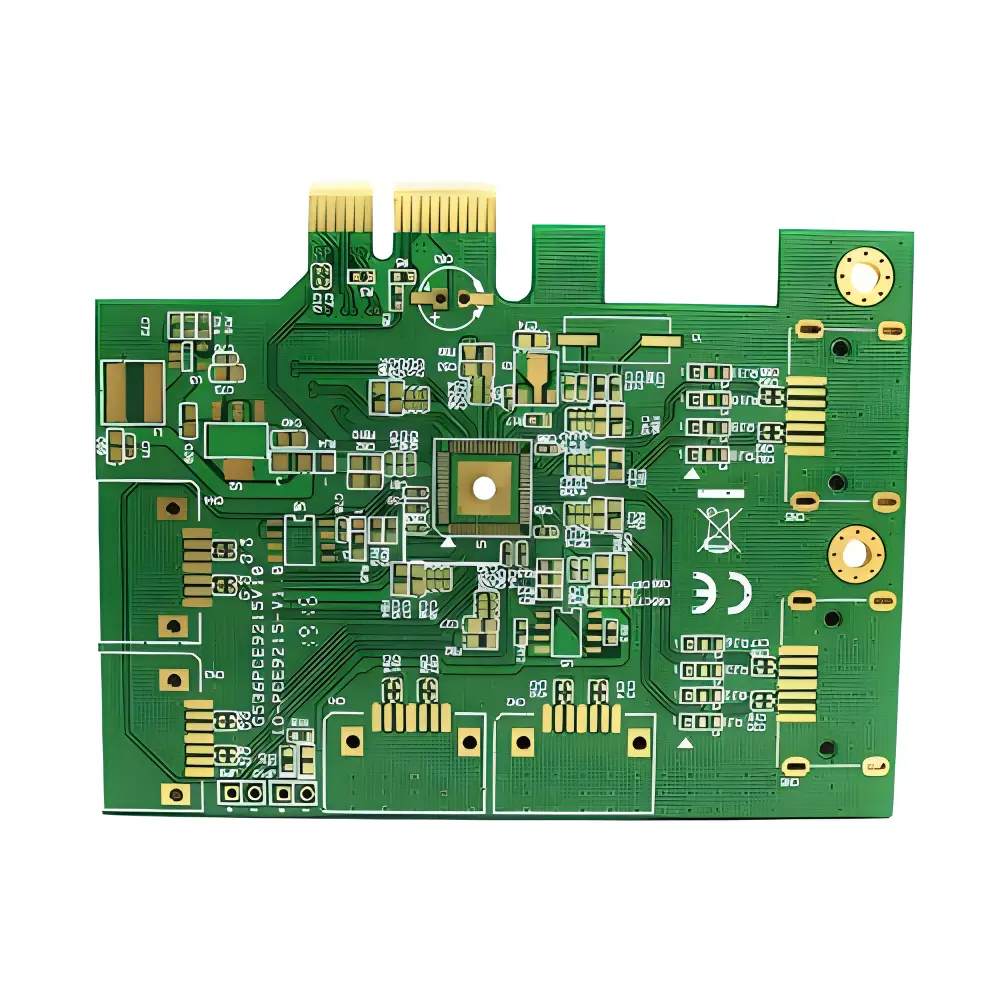 PTFE Teflon High-Frequency Board
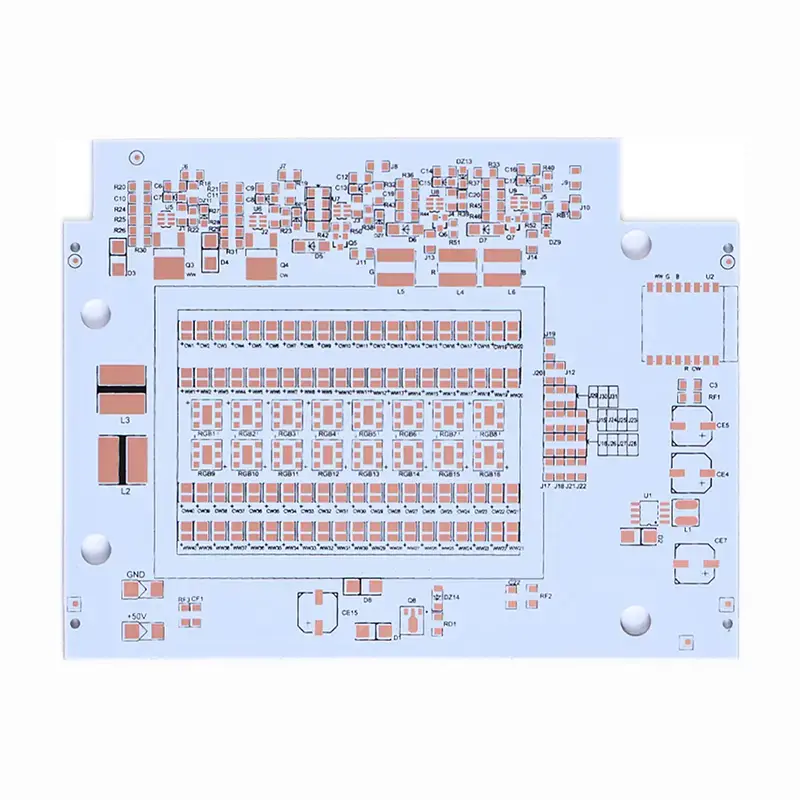 Aluminum
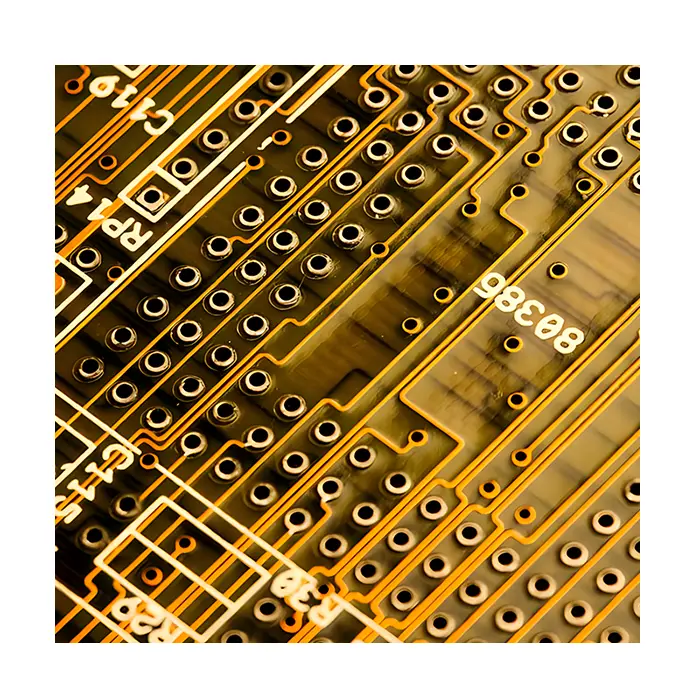 Copper Core
 PCB Assembly
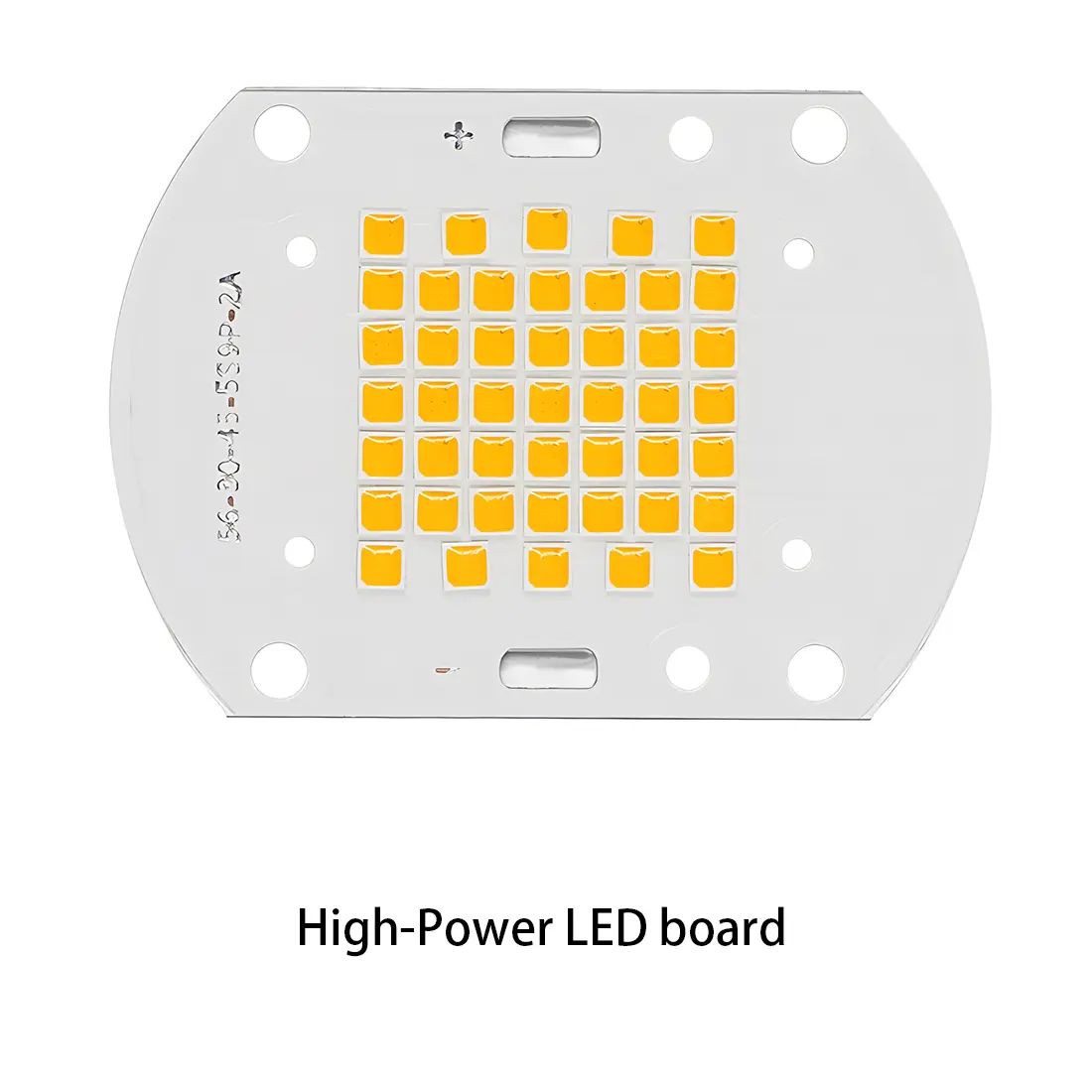 LED light PCBA
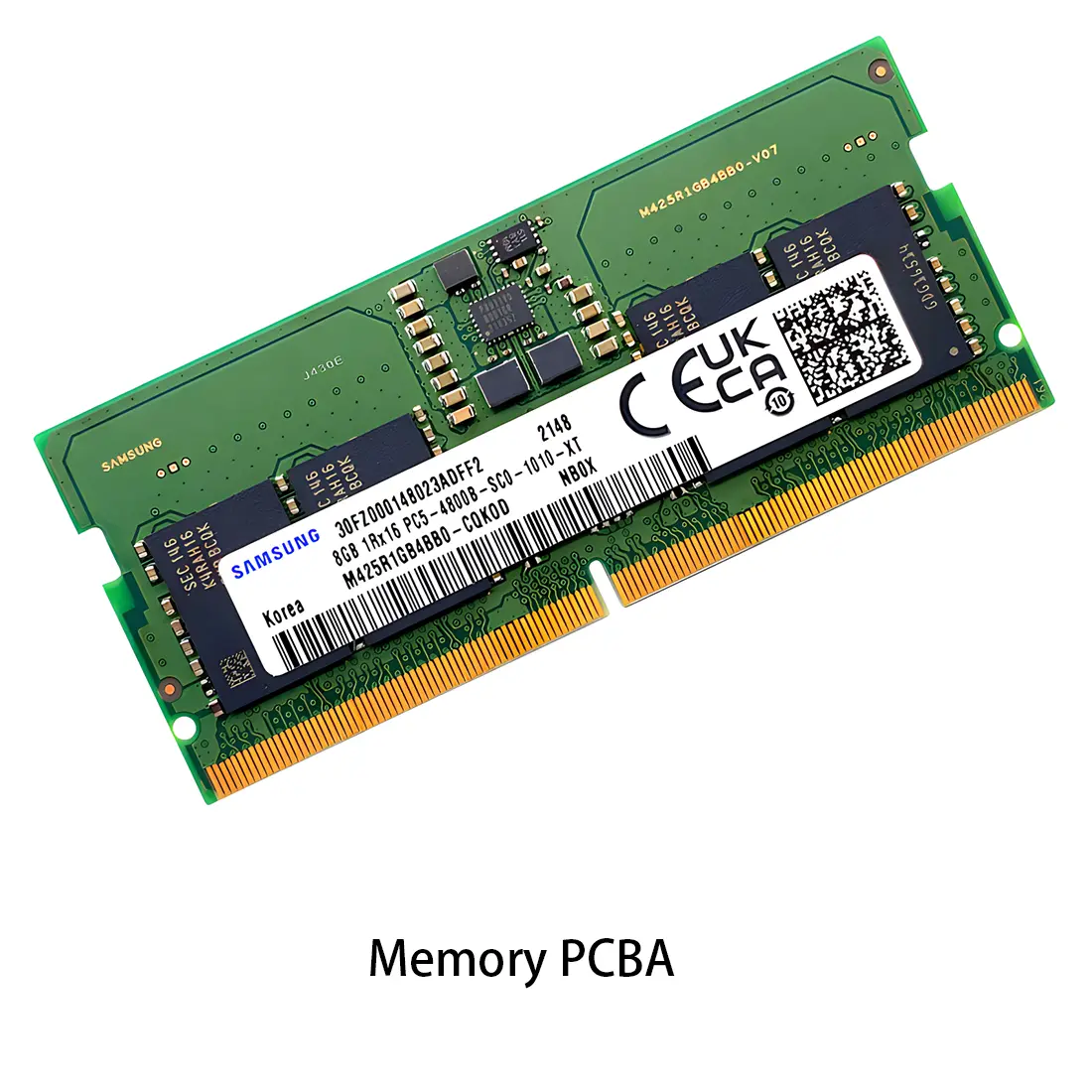 Memory PCBA
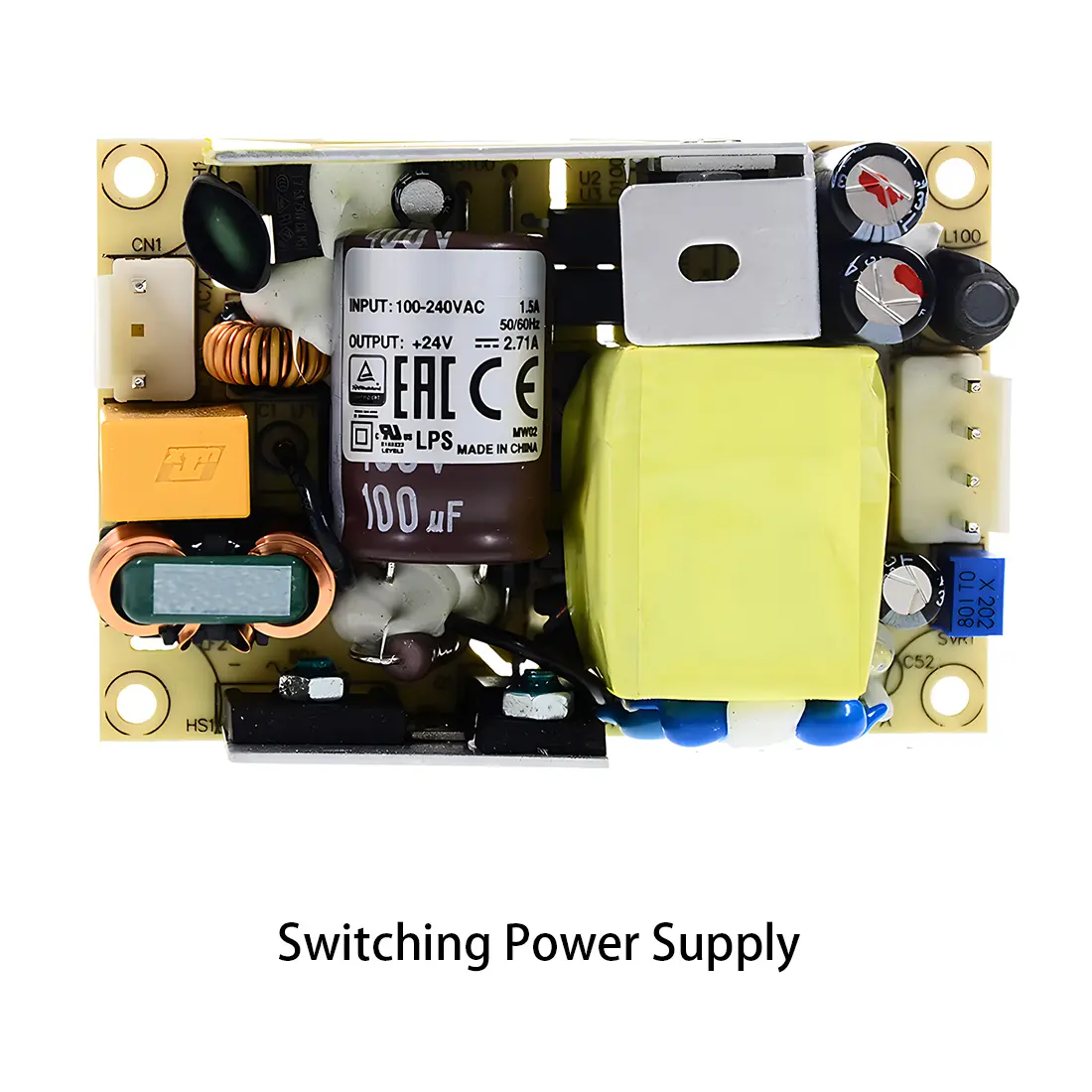 Power Supply PCBA
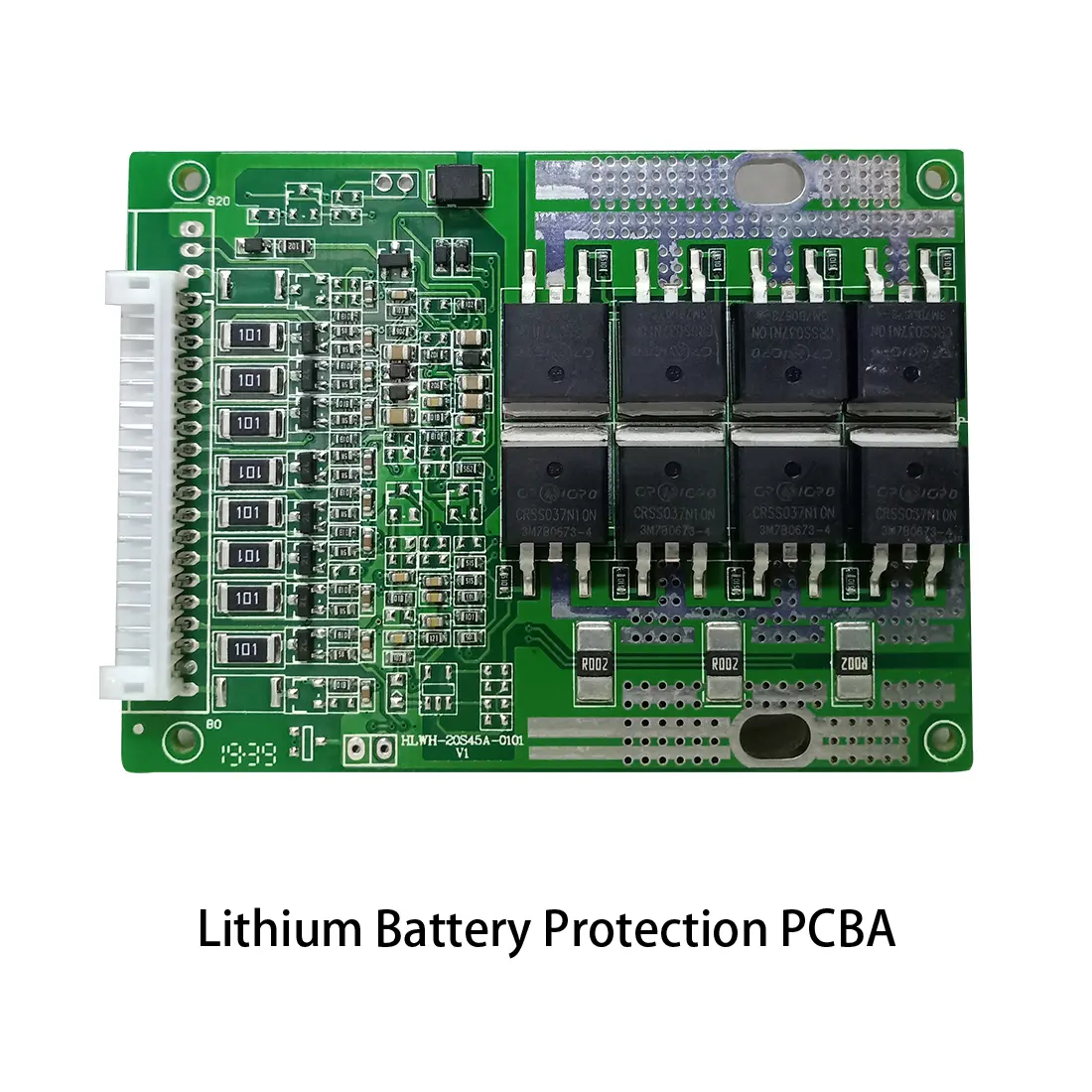 New Energey PCBA
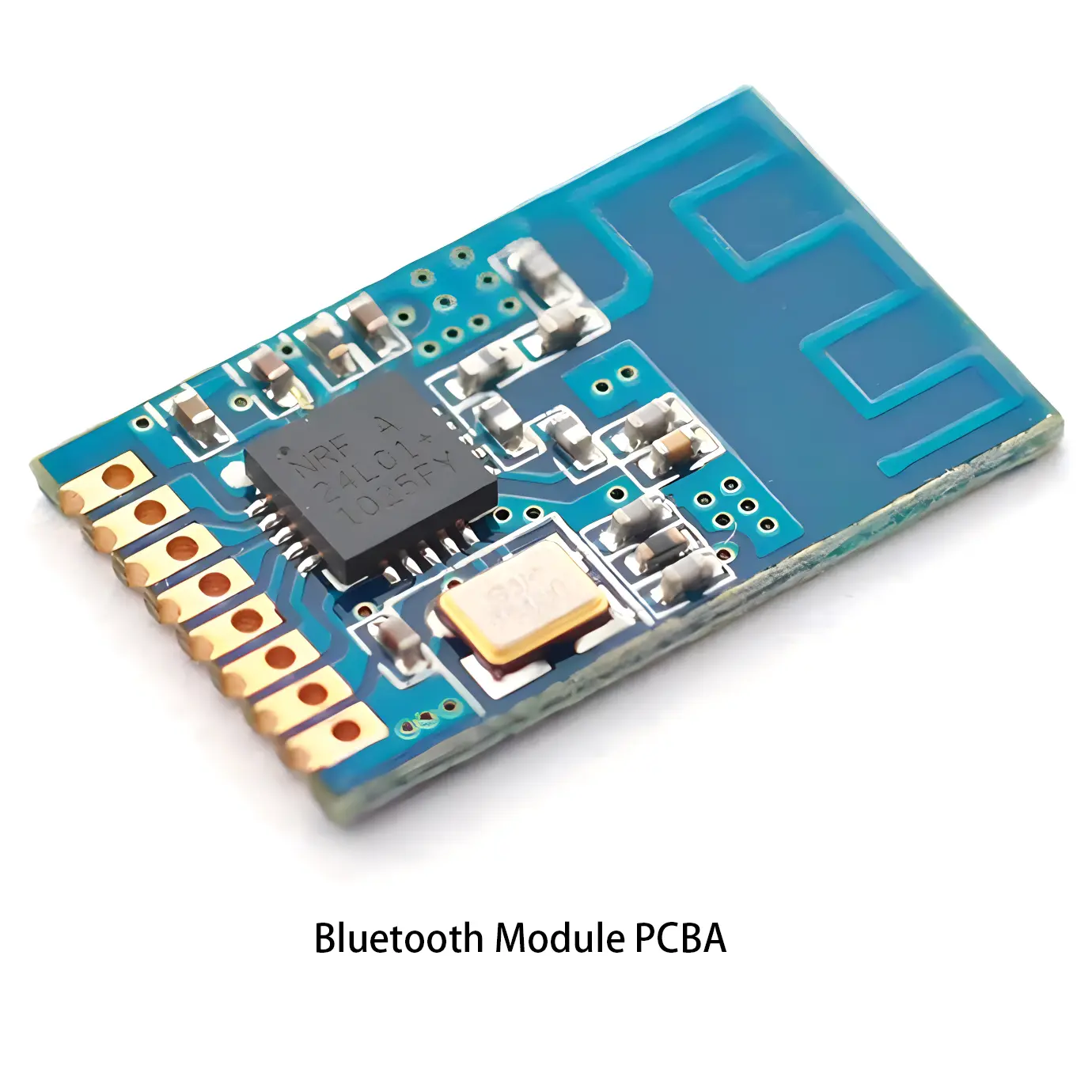 Communication PCBA
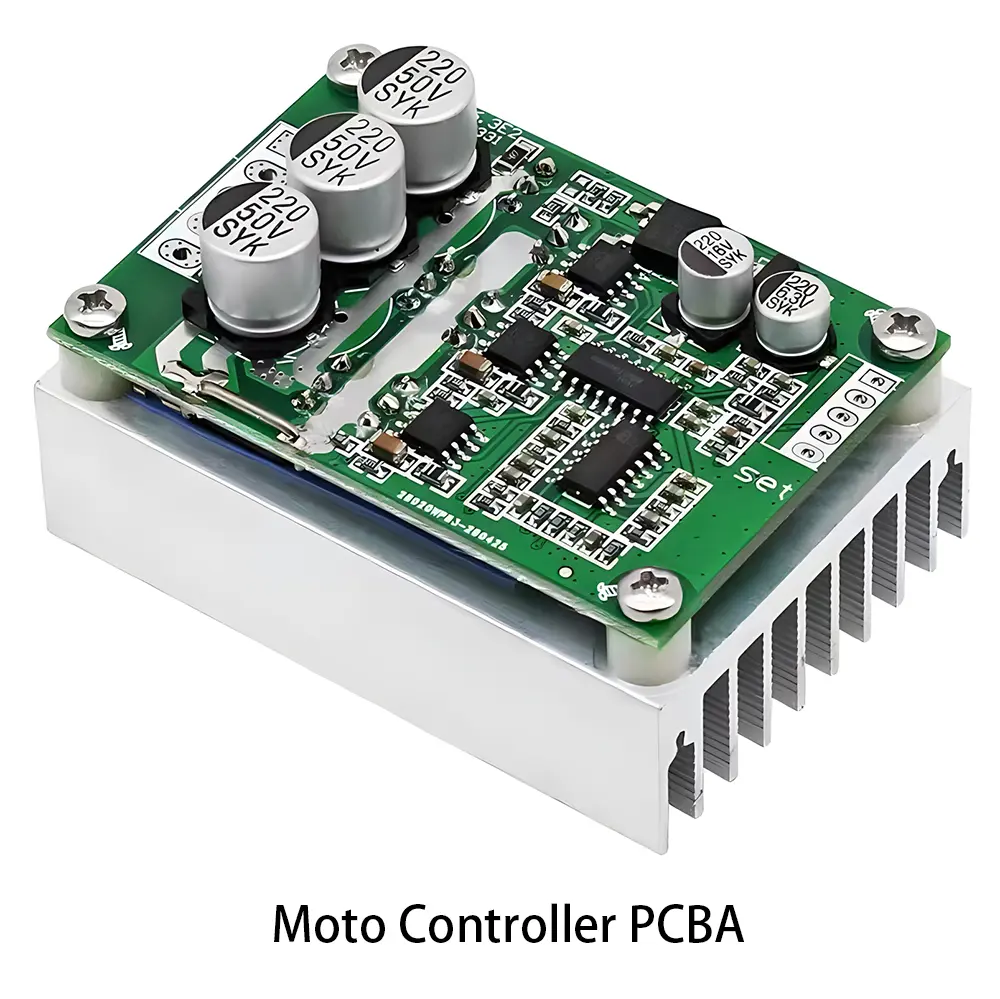 Industrial Control PCBA
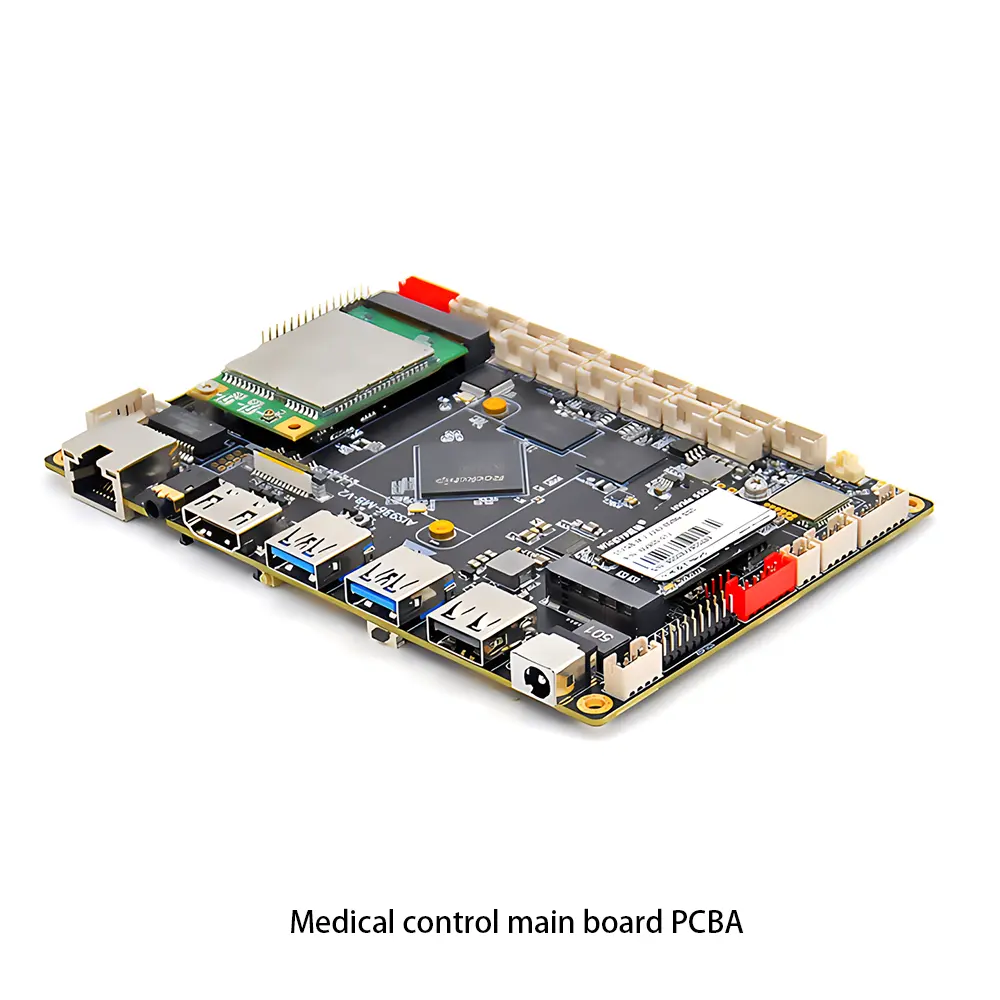 Medical Equipment PCBA
 Testing Service
 PCBA Testing Service
 Certification Application
 RoHS Certification Application
 REACH Certification Application
 CE Certification Application
 FCC Certification Application
 CQC Certification Application
 UL Certification Application
 Transformers, Inductors
 High Frequency Transformers
 Low Frequency Transformers
 High Power Transformers
 Conversion Transformers
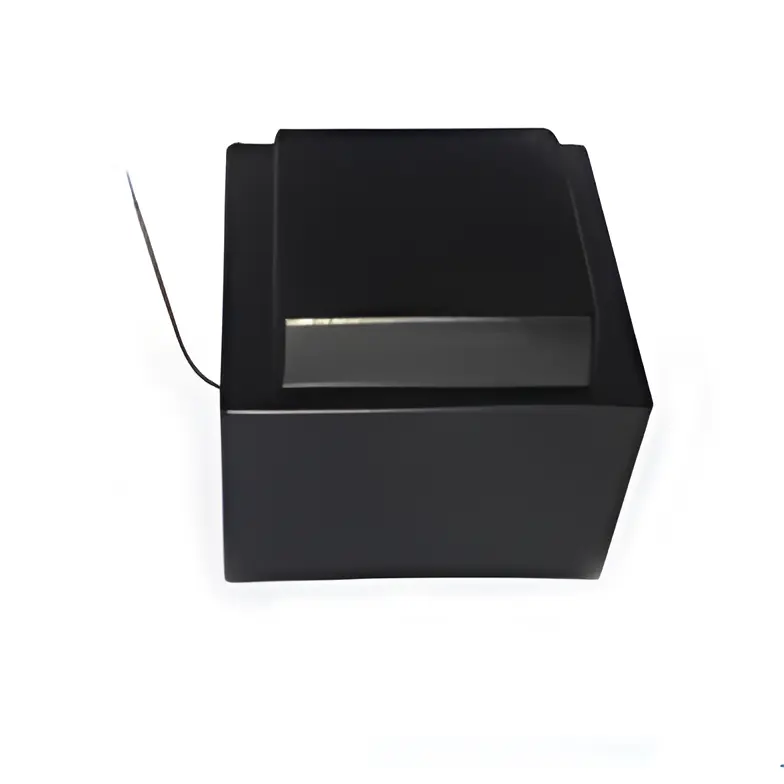 Sealed Transformers
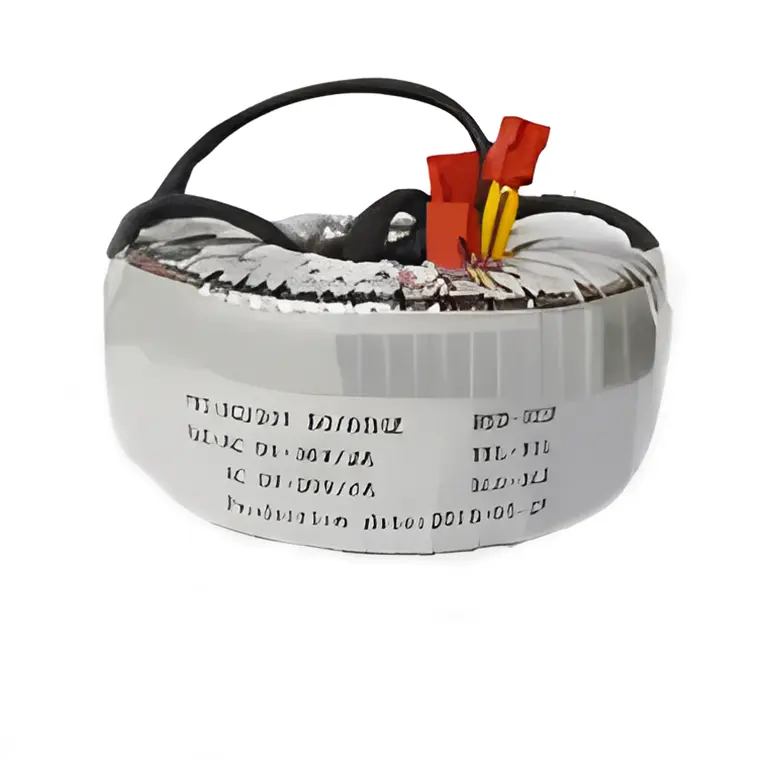 Ring Transformers
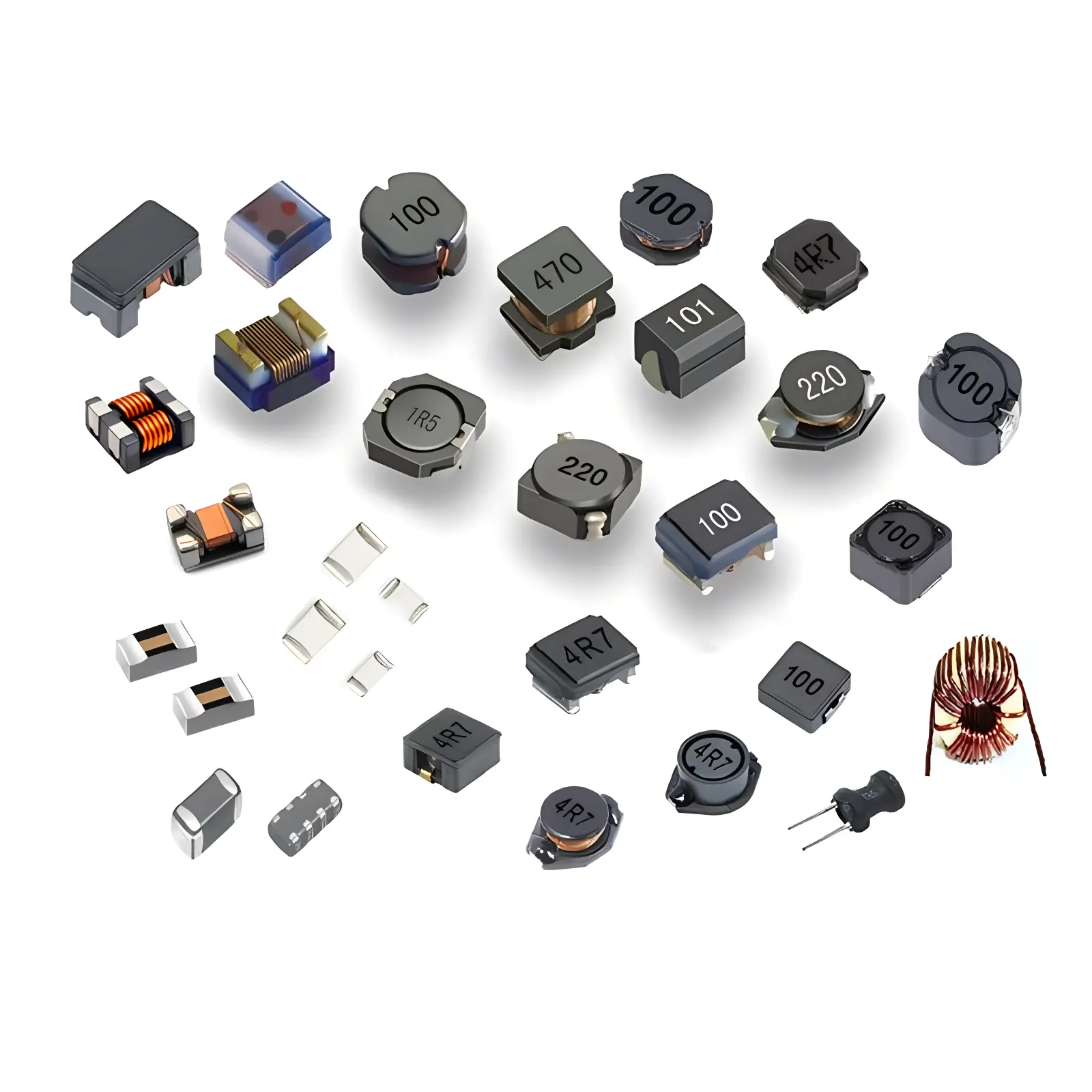 Inductors
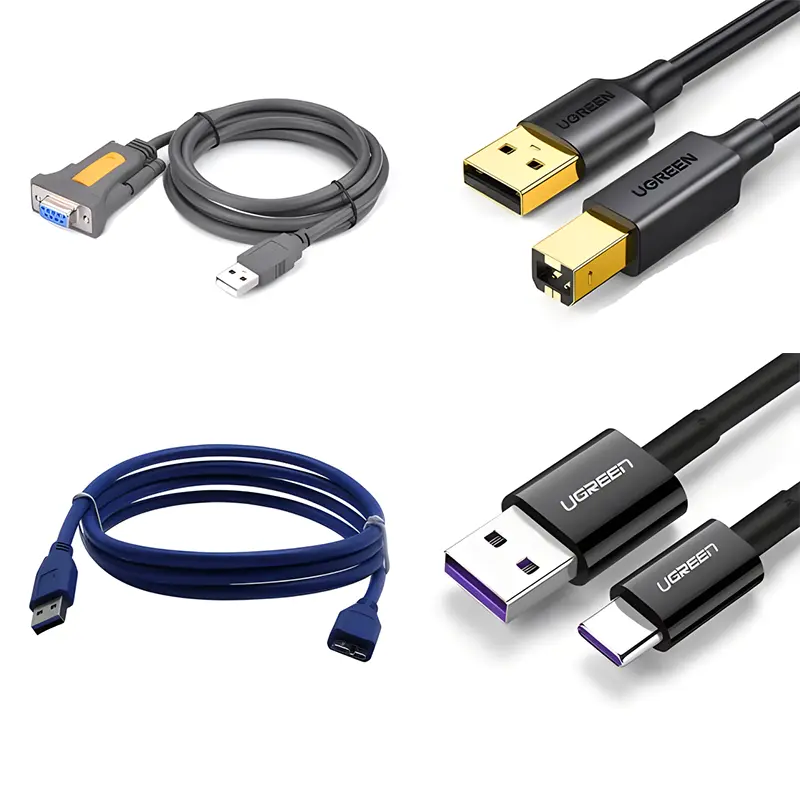 Wires,Cables Customized
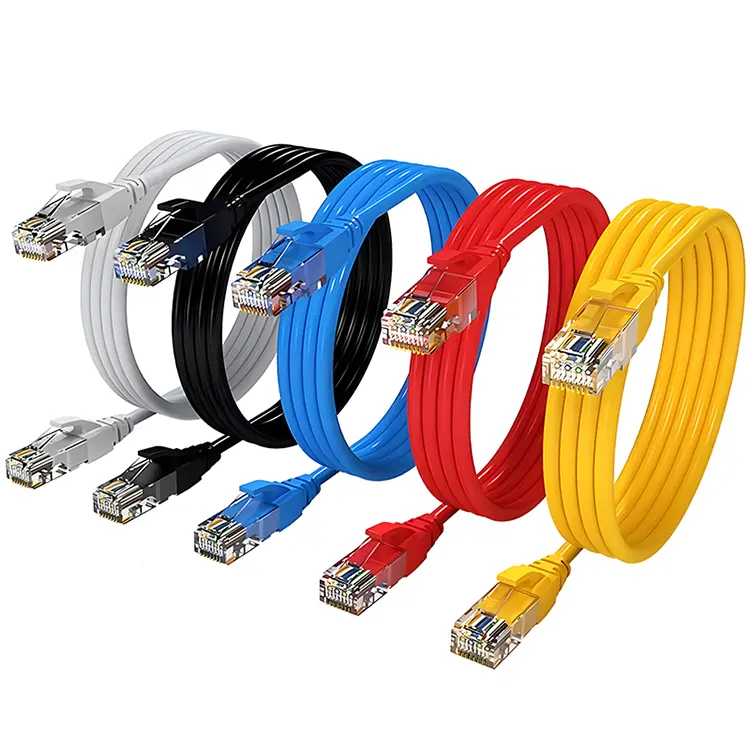 Network Cables
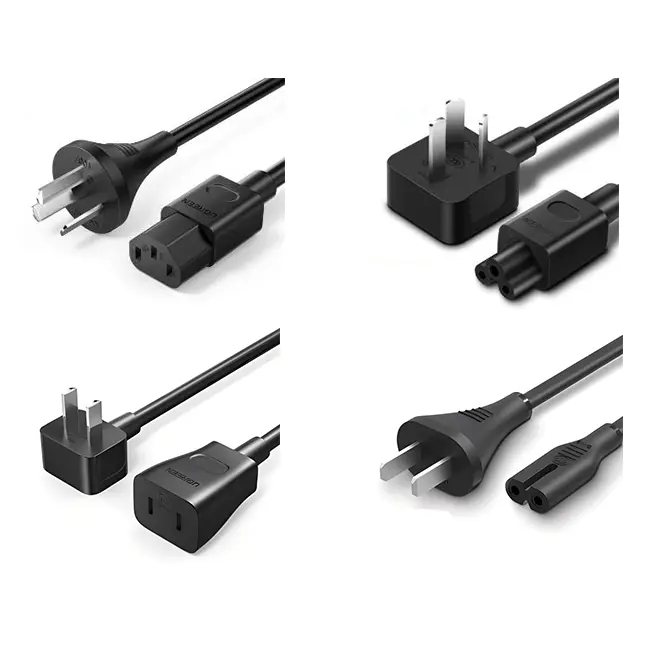 Power Cords
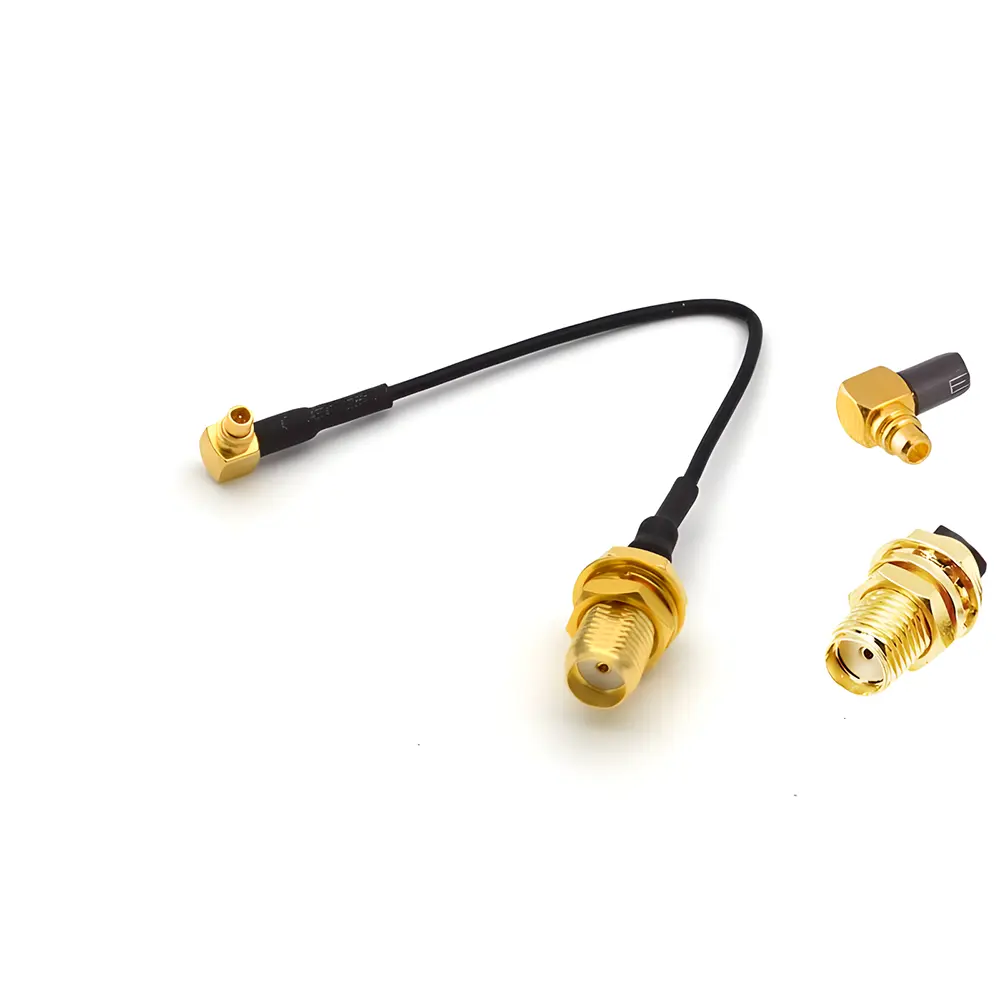 Antenna Cables
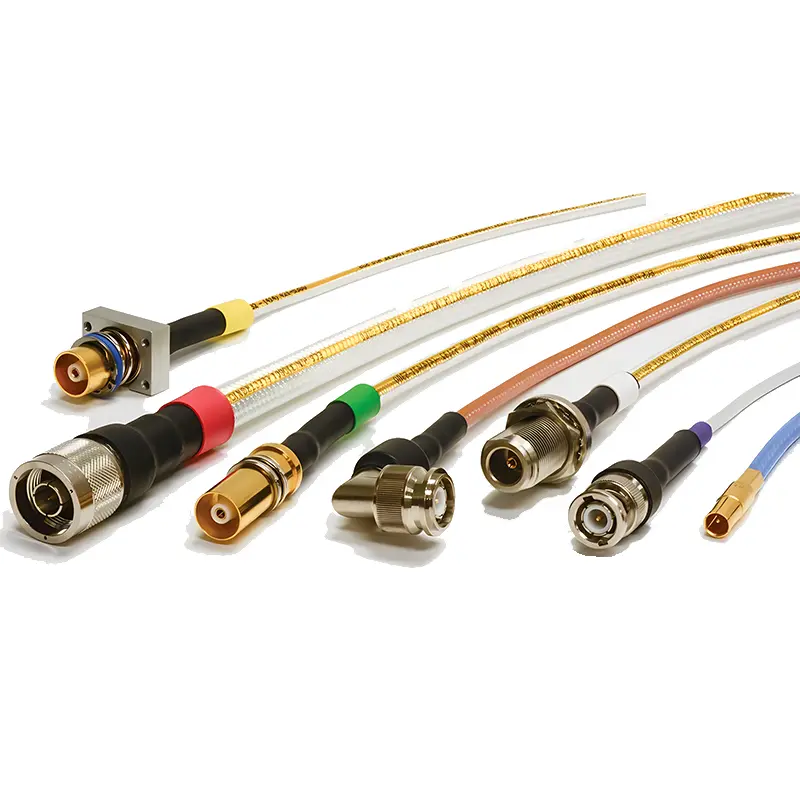 Coaxial Cables
 Net Position Indicator
 Solar AIS net position indicator
 Capacitors
 Connectors
 Diodes
 Embedded Processors & Controllers
 Digital Signal Processors (DSP/DSC)
 Microcontrollers (MCU/MPU/SOC)
 Programmable Logic Device(CPLD/FPGA)
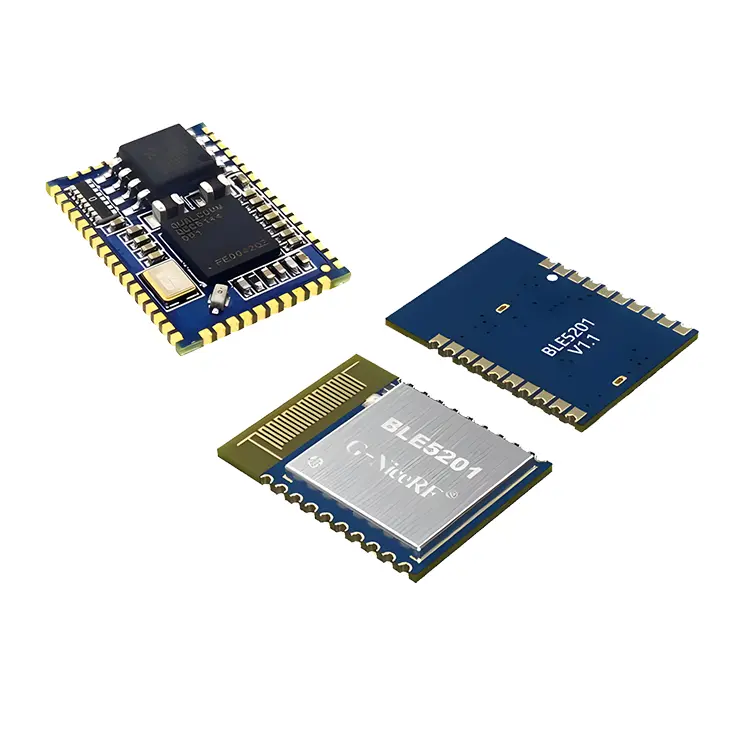 Communication Modules/IoT
 Resistors
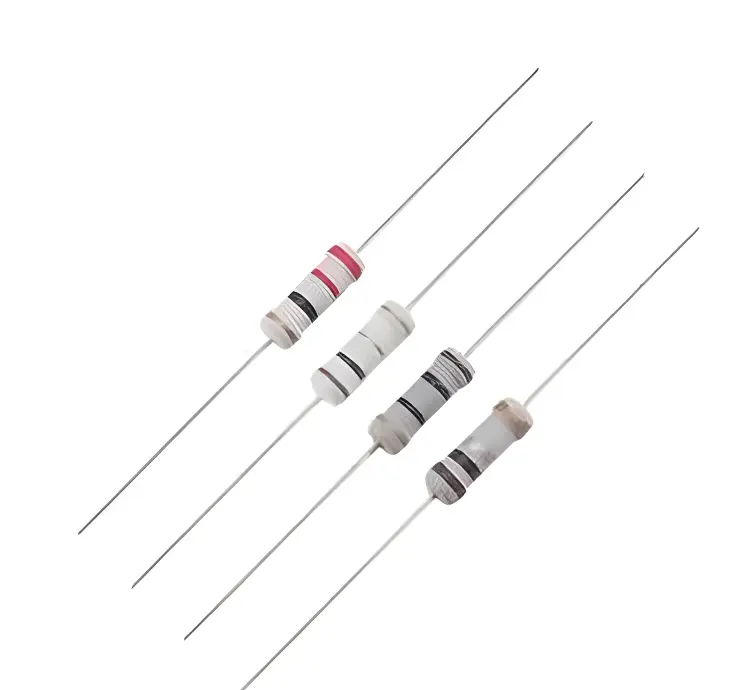 Through Hole Resistors
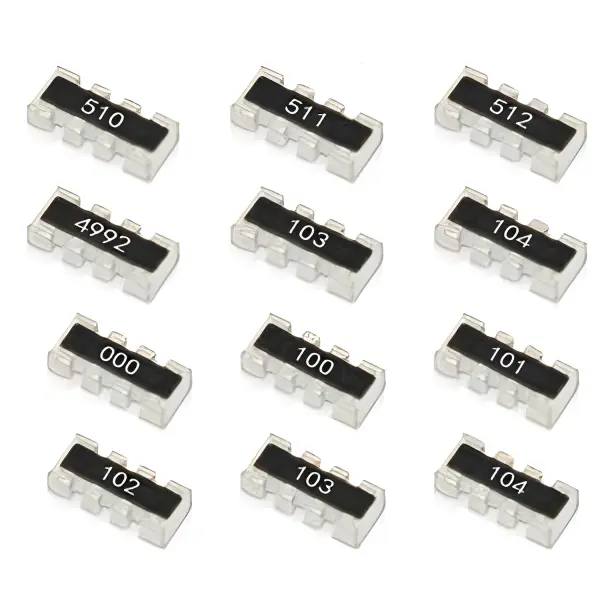 Resistor Networks, Arrays
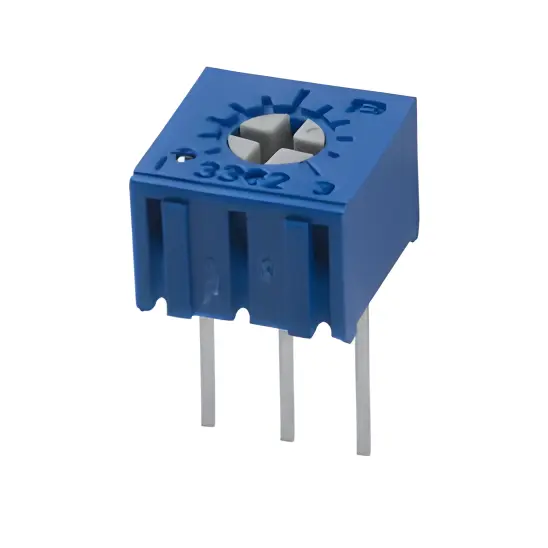 Potentiometers,Variable Resistors
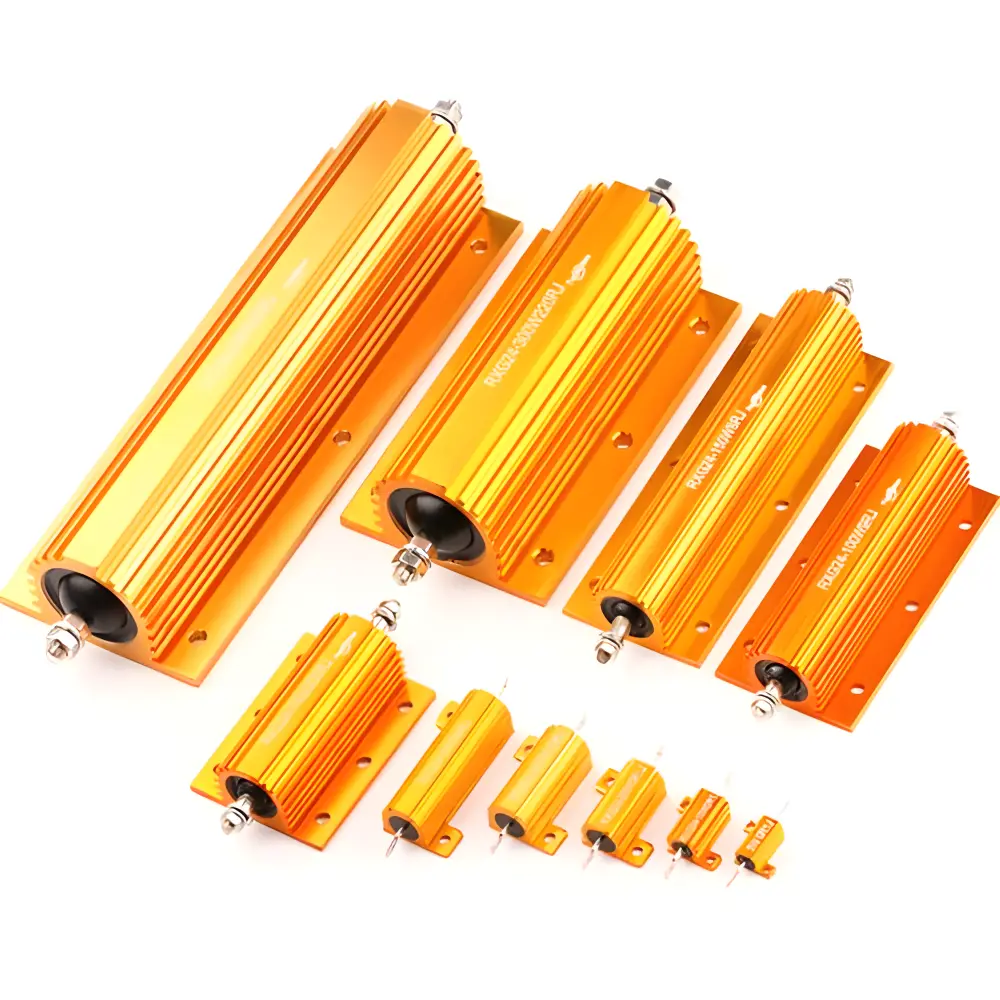 Aluminum Case,Porcelain Tube Resistance
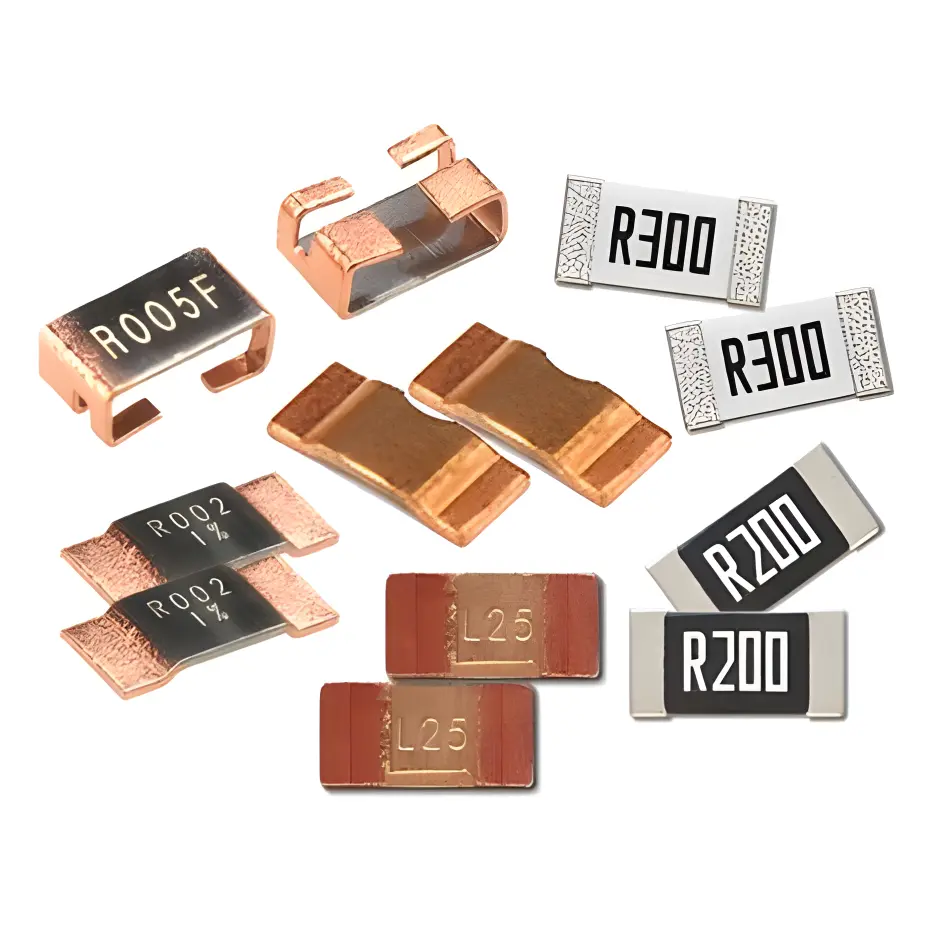 Current Sense Resistors,Shunt Resistors
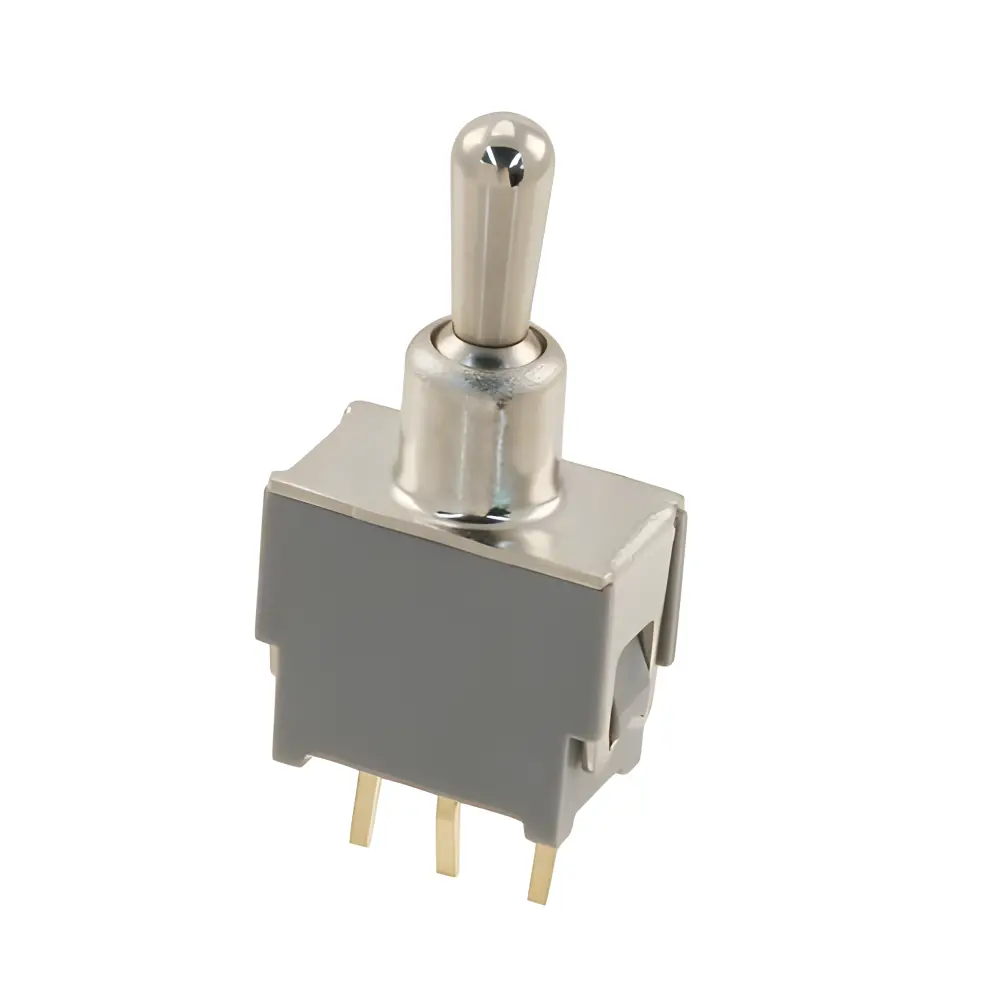 Switches
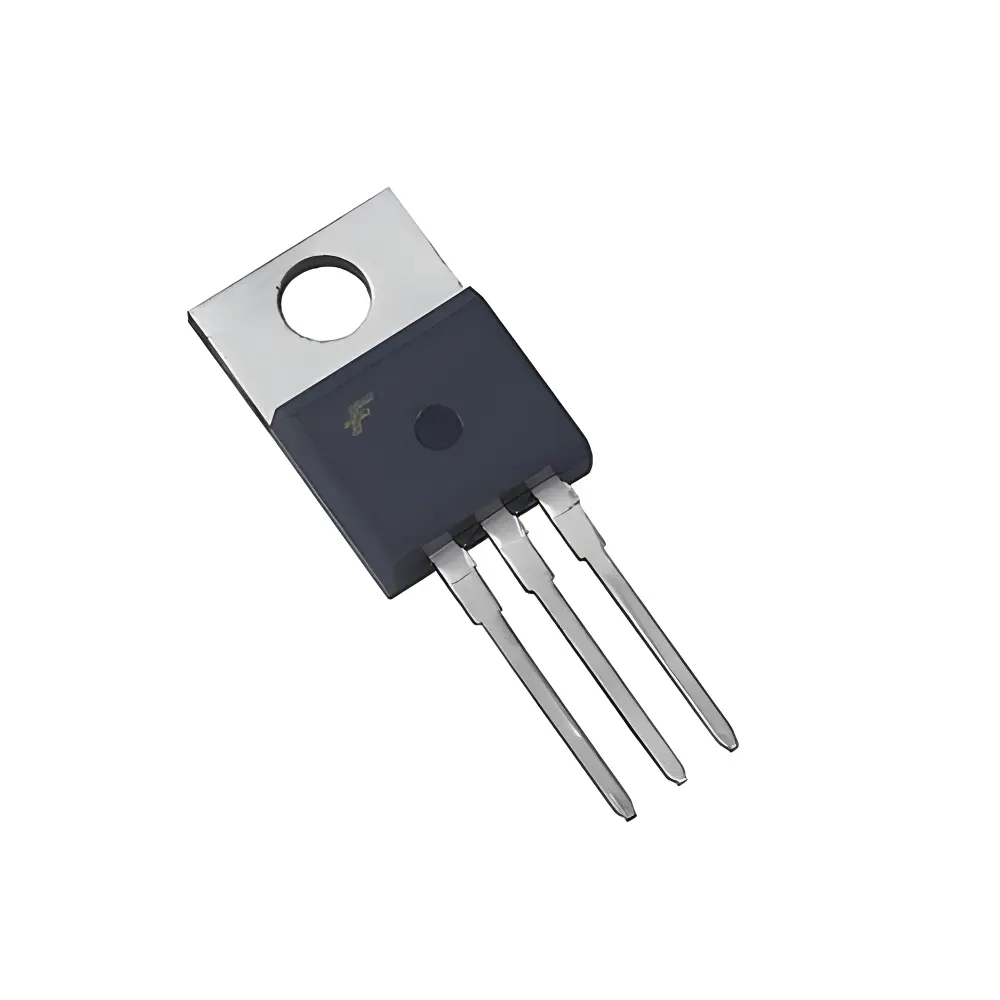 Transistors
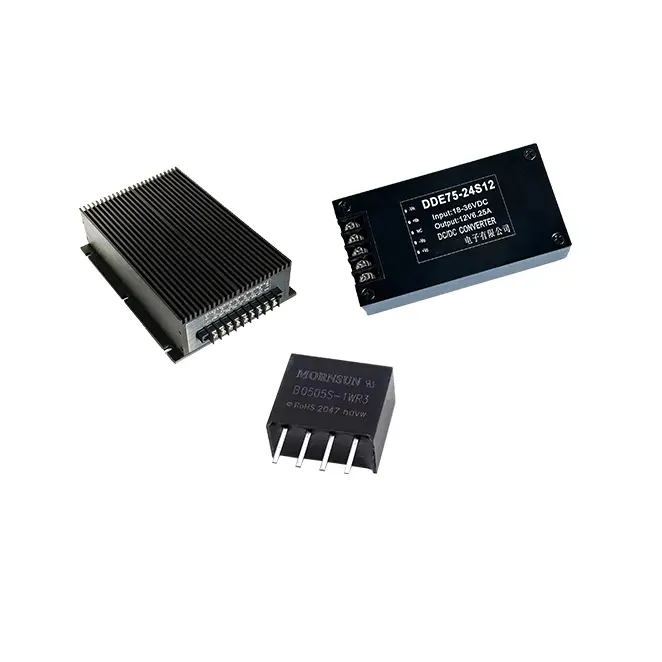 Power Modules
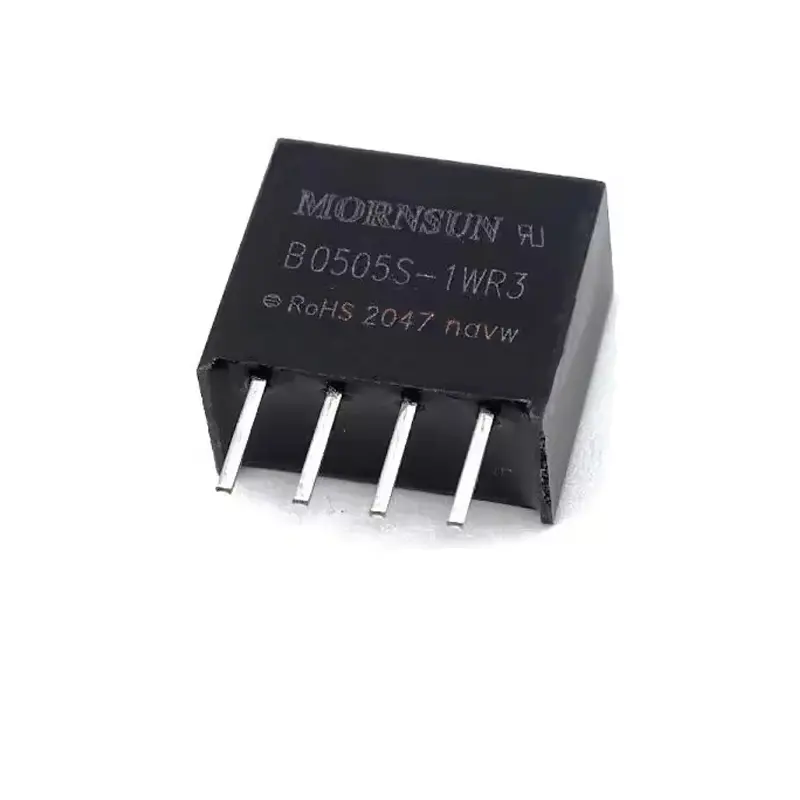 Isolated Power Modules
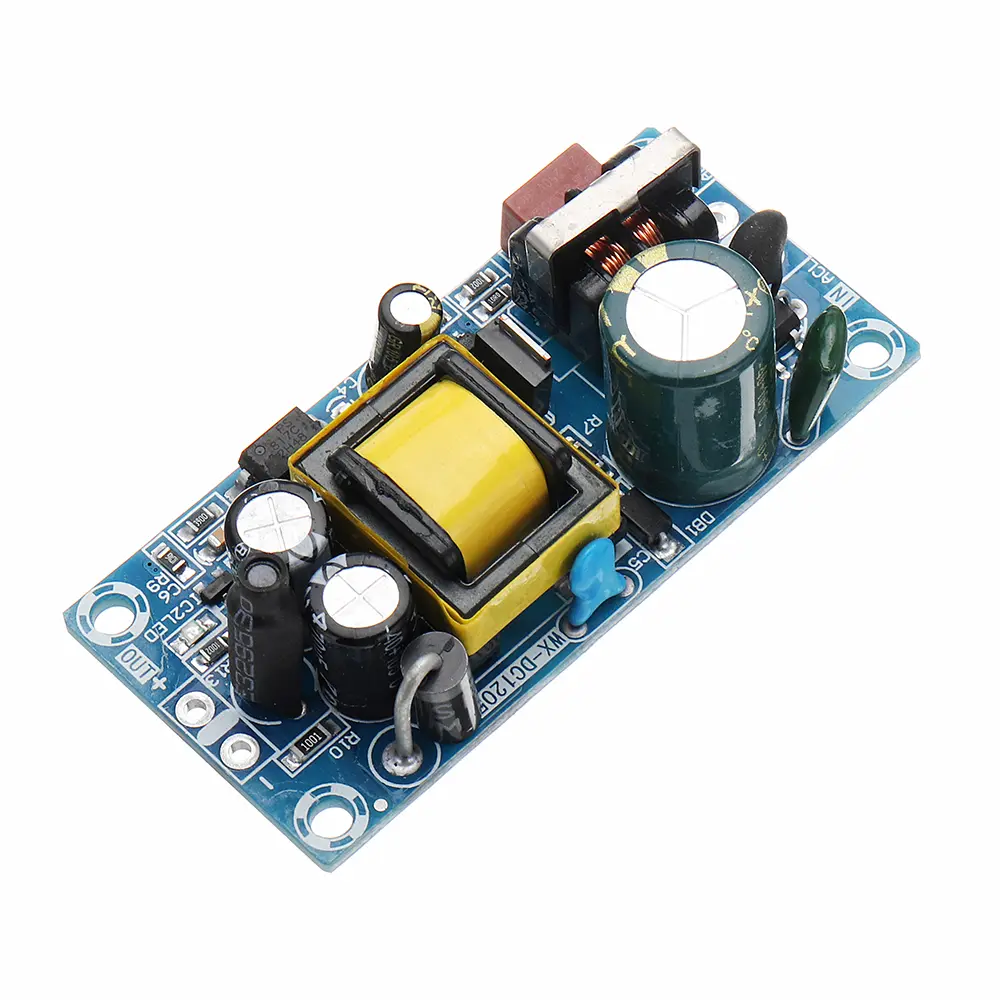 AC-DC Power Modules
 DC-AC Module(Inverter)
 RF and Wireless
Controlling Impedance Continuity of Coaxial Connectors in RF Module Assembly
2025-09-15
Core Significance of Impedance Continuity for RF Modules
In radio frequency (RF) modules, coaxial connectors are key interface components for signal transmission between the module and external systems (such as antennas and test instruments), and their impedance continuity directly determines the transmission quality of RF signals. RF signals (especially when the frequency ≥1GHz) are extremely sensitive to impedance mutations. Impedance discontinuity will lead to signal reflection (deterioration of return loss RL), increased insertion loss (IL), and signal distortion, which will seriously affect the communication distance, receiving sensitivity, and anti-interference ability of the module in severe cases.
Industry standards usually require that the impedance matching error of coaxial connectors in RF modules is ≤±5% (for example, the actual impedance of a connector with a standard impedance of 50Ω should be controlled within 47.5-52.5Ω), and the return loss is ≥-15dB@2GHz (high-end applications require ≥-20dB@6GHz). Therefore, in the entire process of RF module assembly, systematic control measures are needed to ensure the impedance continuity of coaxial connectors and avoid impedance mutations caused by design, process or material factors.
2. Core Influencing Factors of Coaxial Connector Impedance Continuity
The impedance of a coaxial Connector is determined by its structural parameters, and the core formulas are:
For air dielectric coaxial structure: Z₀ = (60/√εᵣ) × ln(D/d) For filled dielectric coaxial structure: Z₀ = (138/√εᵣ) × log₁₀(D/d) Among them, εᵣ is the relative dielectric constant of the medium, D is the inner diameter of the outer conductor, and d is the outer diameter of the inner conductor.
In RF module assembly, impedance continuity is mainly affected by the following factors:
- Connector's own structural deviation: Excessive tolerance of inner/outer conductor size, fluctuation of dielectric constant of dielectric material (such as PTFE medium εᵣ deviation >±0.02), inner conductor eccentricity (eccentricity >0.01mm), etc.
- PCB interface design defects: Impedance mismatch between connector pad and PCB transmission line, design error of transmission line width/pitch, impedance mutation caused by via structure.
- Installation process deviation: Welding gap between connector and PCB (>0.1mm), installation eccentricity (>0.05mm), structural deformation caused by improper tightening torque.
- Environmental factor influence: Thermal expansion of materials caused by temperature change (such as structural deformation caused by CTE difference of metal conductors), change of medium εᵣ caused by humidity.
3. Full-Process Control Methods for Impedance Continuity
3.1 Connector Selection and Pretreatment Control
In the selection stage, the impedance consistency of the connector itself should be ensured from the source:
- Impedance accuracy selection: Priority is given to high-precision grade coaxial connectors. For example, SMA connectors should select "precision grade" (impedance tolerance ±2%) instead of "commercial grade" (±5%). For millimeter-wave applications (≥24GHz), it is recommended to use low-loss connectors such as 2.92mm and 1.85mm, which have stricter structural tolerance control (inner conductor diameter tolerance ≤±0.005mm).
- Dielectric material screening: Select dielectric materials with stable dielectric constant, such as polytetrafluoroethylene (PTFE, εᵣ=2.08±0.02) and ceramics (Al₂O₃, εᵣ=9.8±0.1), and avoid using rubber or plastic media with large dielectric constant fluctuations. Suppliers are required to provide εᵣ test reports of dielectric materials, and the sampling deviation of each batch should be ≤±0.03.
- Pretreatment inspection: Before assembly, use an impedance tester (such as Agilent N1930A) to perform single-ended impedance testing on the connector. The frequency covers the module's working frequency band (such as 1-6GHz) to ensure that the impedance value is within the design range; at the same time, check whether the inner conductor is eccentric and the outer conductor is deformed. The defective rate should be controlled at <0.5%.
3.2 PCB Interface Design and Processing Control
The PCB interface is the transition link between the connector and the internal circuit of the module, and its design directly affects the impedance continuity:
- Transmission line impedance matching design: According to the connector impedance (usually 50Ω), use electromagnetic simulation software (such as CST, HFSS) to design PCB transmission line parameters. For microstrip lines, the relationship between line width W, substrate thickness H, and dielectric constant εᵣ needs to be accurately calculated (example: for FR-4 substrate (εᵣ=4.4) and H=1.6mm, the 50Ω microstrip line width W≈3.0mm), and the line width tolerance is controlled at ±0.05mm.
- Via and pad optimization: The connector pad should transition smoothly with the transmission line to avoid "steps" or "corners". If via connection is required, adopt "impedance matching via" design — the via diameter d and anti-pad diameter D satisfy: D=2×(d+Z₀×√εᵣ/100). Example: The anti-pad diameter D of a 50Ω via (d=0.8mm, εᵣ=4.4) is approximately 3.5mm, which reduces the impedance mutation caused by via parasitic inductance.
- PCB processing accuracy control: The transmission line etching accuracy should be ≤±5μm, and the surface roughness Ra≤0.5μm; the pad flatness deviation ≤0.02mm to avoid welding gaps caused by pad depression. After processing, use TDR (Time Domain Reflectometer) to test the impedance curve of the PCB interface, and the reflection coefficient ρ should be ≤0.05 (corresponding to return loss ≥-26dB).
3.3 Assembly Process and Installation Control
During installation, structural deformation of the connector caused by mechanical stress should be avoided:
- Positioning and alignment: Use tooling fixtures to position the connector to ensure that the coaxiality deviation between the connector center and the PCB transmission line center is ≤0.03mm. For surface mount (SMT) coaxial connectors, a visual positioning system (accuracy ±0.01mm) is used for auxiliary alignment during mounting to avoid impedance offset caused by eccentricity.
- Welding process optimization: The reflow soldering temperature curve should match the temperature resistance requirements of the connector (for example, SMA connectors usually have a temperature resistance ≥260℃), and the soldering time is controlled at 30-60 seconds to avoid connector medium deformation caused by high temperature. The amount of solder should be moderate, the pad wetting rate ≥95%, and there should be no cold soldering or bridging — cold soldering will increase the contact impedance, and bridging will cause impedance mutation.
- Tightening torque control: For threaded connection connectors (such as SMA, N-type), the tightening torque should be strictly in accordance with the supplier's requirements (for example, the torque of SMA connectors is usually 0.8-1.2N·m). Too small torque will lead to poor contact, and too large torque will deform the connector outer conductor, change the inner/outer conductor spacing D/d, and then cause impedance offset (when the torque deviation is ±0.2N·m, the impedance deviation can reach ±3Ω).
3.4 Shielding and Environmental Protection Control
External environment and electromagnetic interference will indirectly affect impedance stability:
- Electromagnetic shielding design: A metal shielding cover (such as brass material, thickness ≥0.2mm) is set around the connector, and the grounding resistance of the shielding cover is ≤0.1Ω to reduce the interference of external electromagnetic radiation on the connector impedance. The gap between the shielding cover and the connector is ≤0.1mm to avoid gap radiation.
- Temperature and humidity control: After the module is assembled, a temperature cycle test (-40℃~85℃, 100 cycles) should be carried out. During the test, a network analyzer is used to monitor the impedance change of the connector in real time, and the change rate should be ≤±2%. For high-humidity environment applications, apply moisture-proof glue (such as silicone rubber, dielectric constant εᵣ=2.8±0.1) at the junction of the connector and PCB to prevent moisture from entering and causing changes in medium εᵣ.
- Mechanical stress protection: Adopt stress relief design at the connector leads (such as adding plastic brackets or flexible cables) to avoid force deformation of the connector caused by vibration and impact during module installation or use, and ensure the relative position stability of the inner and outer conductors.
4. Testing and Verification Methods for Impedance Continuity
Ensure that the impedance continuity meets the standards through multi-dimensional testing:
4.1 Single-Ended Impedance Test
Use an impedance analyzer or TDR, and the test frequency range covers 1.5 times the module's working frequency band (for example, if the module works at 2.4GHz, the test frequency is 1-4GHz). During the test, connect one end of the connector to the test port and the other end to a matching load (50Ω), and record the impedance value distribution — it is required that more than 90% of the test points have impedance within 47.5-52.5Ω, and the peak impedance deviation is ≤±3Ω.
4.2 Return Loss and Insertion Loss Test
Test the S parameters of the connector with a vector network analyzer (VNA, such as Keysight N5227A):
- Return Loss (S₁₁): Within the module's working frequency range, S₁₁ should be ≤-15dB (≤-20dB for high-end applications). If there is a peak value of S₁₁>-10dB, it indicates an obvious impedance mutation, and the welding or PCB design should be checked.
- Insertion Loss (S₂₁): At 2GHz, the insertion loss should be ≤0.3dB; at 6GHz, it should be ≤0.5dB. Excessive loss may be caused by poor contact or increased dielectric loss.
4.3 Impedance Verification After Environmental Reliability Test
After the module undergoes reliability tests such as temperature cycle, damp heat (85℃/85%RH, 500 hours), and vibration (10-2000Hz, 10G acceleration), it is necessary to re-test the impedance, return loss and insertion loss to ensure:
- Impedance change rate ≤±3%;
- Return loss attenuation ≤2dB;
- Insertion loss increment ≤0.2dB.
5. Common Problems and Solutions
| Common Problems | Causes | Solutions |
|---|---|---|
| Return loss exceeds standard (S₁₁>-10dB) | Impedance mismatch between connector and PCB transmission line; excessive welding gap; inner conductor eccentricity | Redesign PCB transmission line parameters; rework welding to ensure no gap; replace connectors with inner conductor eccentricity ≤0.005mm |
| Impedance drift after temperature cycle | Excessive CTE difference between connector and PCB; medium material εᵣ changes with temperature | Select low CTE connectors (such as titanium alloy shell, CTE≈8ppm/℃); replace ceramic dielectric connectors with better temperature stability |
| Impedance mutation after tightening | Excessive torque causes deformation of outer conductor; poor contact between inner conductor and center pin | Use a torque wrench to strictly control the tightening torque; check the inner conductor contact point to ensure no oxidation or deformation |