In the conventional lamination process of PCBs, prepreg (abbreviated as PP) is an intermediate dielectric material made by impregnating glass fiber cloth with epoxy resin and drying it. Its core function is to fill the gaps in the laminate (e.g., between copper foil and substrate, or pores in glass fiber cloth) through "resin flow" (melting and flowing of resin when heated during lamination), and finally cure to form an insulating layer that bonds the substrate layers together.
Resin flow amount refers to the percentage of the mass of melted and flowing resin from the prepreg relative to its initial resin mass during lamination (the conventional industry control range is 20%-40%). It is a critical indicator determining lamination quality:
- Insufficient resin flow (<20%): Resin cannot fill the laminate gaps and glass fiber pores, easily leading to resin starvation (local resin deficiency in the insulating layer) or voids (air in gaps not displaced by resin);
- Excessive resin flow (>40%): Excessive resin loss results in insufficient thickness of the insulating layer, or excess resin adhering to lamination steel plates/location pins, causing edge oveRFlow, dimensional deviation, and even affecting subsequent processes.
Resin flow is jointly determined by the prepreg’s intrinsic properties and lamination process parameters. Key variables requiring targeted control include:
- Resin content: The initial resin mass ratio of PP (typically 45%-55%) directly determines resin flow potential—higher resin content means more flowable resin and greater resin flow; conversely, insufficient resin content (e.g., PP with <42% resin content) easily leads to resin starvation due to low flow.
- Softening point and gel time: A lower softening point (temperature at which resin starts to melt, typically 80-100℃) and longer gel time (time from resin melting to curing, typically 120-180 seconds at 171℃) result in a wider resin flow window, making resin flow easier to control. If the softening point is too high (>105℃), resin melts inadequately, significantly reducing resin flow.
- Storage conditions: Moisture absorption by PP reduces resin fluidity (evaporating moisture also generates voids). If stored in an environment with humidity >60% or for more than 3 months (without sealing), resin flow may decrease by 10%-15%. Strict adherence to "sealed refrigeration (5-25℃) and use within 48 hours of opening" is required.
- Temperature profile:
- Heating rate (typically 2-5℃/min): Excessively fast heating causes uneven local heating of resin, with the surface curing first to form a "shell" that traps internal resin (reducing flow) and generates voids; excessively slow heating prolongs resin flow time, leading to excessive flow.
- Soaking temperature (typically 170-190℃): Below 170℃, resin cures incompletely, resulting in prolonged flow time (excessive flow); above 190℃, resin gels rapidly, shortening the flow window (insufficient flow).
- Pressure profile:
- Pressure application timing: Pressure must be gradually increased (typically from 5kg/cm² to 20-40kg/cm²) when resin enters the "flow phase" (temperature reaches 120-140℃). Applying pressure too early squeezes unmelted resin (excessive flow), while applying it too late fails to expel air from gaps (forming voids).
- Holding pressure: Insufficient pressure (<15kg/cm²) prevents resin from filling small gaps (resin starvation); excessive pressure (>45kg/cm²) causes over-squeezing of resin (excessive flow), especially for thin PP (thickness <0.1mm).
- Soaking time: Typically 60-90 minutes, which must match the gel time—too short (<50 minutes) results in incomplete resin curing (sufficient flow but potential later delamination); too long (>120 minutes) causes over-curing, reducing flow and making the insulating layer brittle.
- Number and thickness of PP layers: The total thickness of PP in the laminate must match the substrate thickness (e.g., for a 1.6mm finished board, total PP thickness is usually 0.8-1.0mm). Too few layers (e.g., a single thick PP sheet) easily causes local resin starvation due to uneven resin distribution; too many layers (e.g., more than 5 thin PP sheets) leads to cumulative excessive flow and edge overflow.
- Copper foil distribution density: Excessively high local copper foil coverage (e.g., >80% for power layers) hinders resin flow, reducing flow in that area (resin starvation); conversely, resin in copper-free blank areas flows excessively (excessive flow). "Flow guide strips" (copper strips guiding resin flow) are needed to balance distribution.
- Board edge reserved space: A 5-10mm "resin overflow area" must be reserved at the PCB edge during lamination. Insufficient reservation traps excess resin, squeezing to form voids; excessive reservation causes excessive resin loss and internal resin starvation.
Based on the above factors, a control system must be established from "material selection-parameter setting-structure optimization" to stabilize resin flow at 20%-40%:
- Select specifications based on requirements:
- For high-density PCBs (fine circuits, small apertures): Choose PP with 50%-55% resin content and 150-180 seconds gel time (e.g., FR-4 type 7628 PP) to ensure sufficient resin and long flow time for filling small holes and circuit gaps;
- For thick substrates (>2.0mm): Choose PP with 45%-48% resin content and 90-95℃ softening point (e.g., 2116 PP) to avoid excessive flow causing thickness deviation.
- Moisture-proof preprocessing: Opened PP must be baked in a 120℃ oven for 2-4 hours (1 hour per 1mm thickness) to remove absorbed moisture (preventing voids from moisture evaporation during lamination) and restore resin fluidity (resin flow can increase by 5%-8% after baking).
- Temperature profile optimization:
- Adopt "segmented heating": Room temperature → 80℃ (preheating, 3℃/min) → 140℃ (flow phase, 2℃/min) → 180℃ (soaking curing, 4℃/min) to avoid local overheating or rapid curing;
- Adjust soaking temperature by PP type: For PP with high resin content (55%), select 170-175℃ (prolong flow time); for PP with low resin content (45%), select 185-190℃ (accelerate curing to control flow).
- Pressure profile matching:
- Pressure increase rhythm: Start increasing pressure when temperature reaches 120℃ (5kg/cm² → 10kg/cm², 5-minute interval), rAISe to 25-30kg/cm² when temperature reaches 140℃ (hold for 30 minutes), and further raise to 35-40kg/cm² when temperature reaches 170℃ (hold until soaking ends);
- Pressure compensation: For areas with dense copper foil, locally increase pressure (e.g., by 5kg/cm²) to guide resin flow to these areas and avoid resin starvation.
- Soaking time calibration: Determine via "gel time test"—test a small PP sample at 171℃ to measure gel time, then set soaking time to 2-3 times the gel time (e.g., 60 minutes for 150-second gel time) to ensure full resin curing and controllable flow.
- PP layer number and thickness matching: Use a combination of "thick PP + thin PP" (e.g., 1 sheet of 7628 PP + 2 sheets of 2116 PP) with total resin content controlled at 48%-52%, ensuring sufficient flow while avoiding uneven resin distribution in single-layer PP;
- Flow guide strip and vent hole design: Add 1-2mm wide copper flow guide strips (parallel to the board edge) at the edges of dense copper areas to guide resin flow; pre-drill 0.5mm vent holes (1 per 10cm²) for small holes <0.3mm in diameter to help expel gap air and reduce voids;
- Board edge overflow area control: Set the overflow area based on PCB size (e.g., 8mm for 100mm×100mm boards) and place "resin-absorbing cotton" in the overflow area to absorb excess resin, preventing excessive loss or internal resin accumulation.
- Real-time resin flow detection: Place "resin flow test pieces" (small samples of the same PP specification) at the edge of lamination steel plates. After lamination, weigh to calculate resin flow (resin flow = (initial mass - residual mass)/initial mass × 100%). If deviating from 20%-40%, adjust parameters promptly (e.g., increase soaking temperature by 5℃ if flow <20%; decrease holding pressure by 5kg/cm² if flow >40%);
- Defect troubleshooting: After lamination, if voids occur, first check pressure application timing (whether too late) and PP moisture protection (whether moisture-absorbed); if resin starvation occurs, check resin content (whether too low) and pressure distribution (whether local pressure is insufficient).
5. Summary of Heating Rate and Pressure Coordination:
| Process Stage | Temperature Range | Pressure Strategy | Purpose |
| Preheat & Melt | Room Temp → Resin Gel Point | Low Pressure or Staged Pressure | Allow resin to flow slowly, expelling air and volatiles |
| Gel & Cure | Gel Point → Cure Peak Temp | Ramp to Full Pressure | Compact the stack, promote full cure, control thickness |
| Cooling | Peak Temp → Room Temp | Maintain Pressure | Prevent board warpage |
- Consequence: Resin flow is within 20%-40%, but resin starvation still occurs in local dense copper areas;
- Mitigation: Combine "visual inspection + cross-sectional analysis" to ensure no local gaps in the insulating layer and uniform resin coverage on glass fiber cloth.
- Consequence: Excessive resin flow (>45%), causing severe edge overflow and insufficient insulating layer thickness;
- Mitigation: Resin content must match laminate thickness—50%-52% resin content is sufficient for filling 1.6mm boards.
- Consequence: Rapid curing shrinkage of resin generates internal stress, indirectly causing voids or delamination;
- Mitigation: Adopt "segmented cooling" (180℃ → 120℃ at 5℃/min; 120℃ → room temperature at 8℃/min) to reduce internal stress.
In conventional lamination, controlling prepreg resin flow essentially involves "balancing resin fluidity and curing speed," with the core goal of enabling resin to fully fill gaps and expel air before curing, while avoiding excessive loss. Practical operation must follow the four-step principle of "adaptive material selection-precise parameter setting-structural optimization-process monitoring" to stabilize resin flow at 20%-40%. Ultimately, this achieves void-free and resin-starvation-free lamination quality, ensuring the PCB’s insulating performance and mechanical strength.

 PCB
PCB FPC
FPC Rigid-Flex
 FR-4
FR-4 HDI PCB
 Rogers High-Frequency Board
 PTFE Teflon High-Frequency Board
 Aluminum
 Copper Core
 PCB Assembly
 LED light PCBA
 Memory PCBA
 Power Supply PCBA
 New Energey PCBA
 Communication PCBA
 Industrial Control PCBA
 Medical Equipment PCBA
 Testing Service
 PCBA Testing Service
 Certification Application
 RoHS Certification Application
 REACH Certification Application
 CE Certification Application
 FCC Certification Application
 CQC Certification Application
 UL Certification Application
 Transformers, Inductors
 High Frequency Transformers
 Low Frequency Transformers
 High Power Transformers
 Conversion Transformers
 Sealed Transformers
 Ring Transformers
 Inductors
 Wires,Cables Customized
 Network Cables
 Power Cords
 Antenna Cables
 Coaxial Cables
 Net Position Indicator
 Solar AIS net position indicator
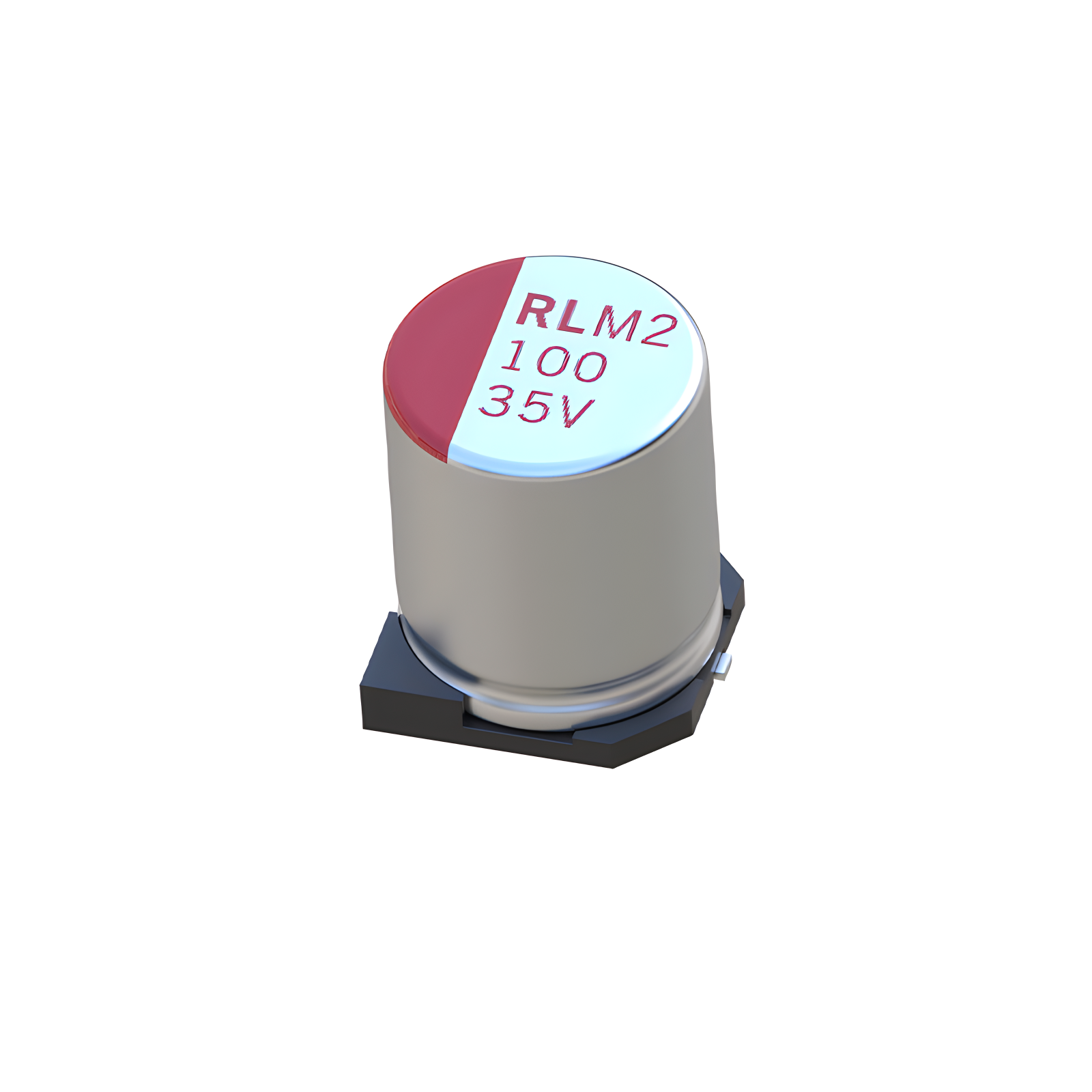 Capacitors
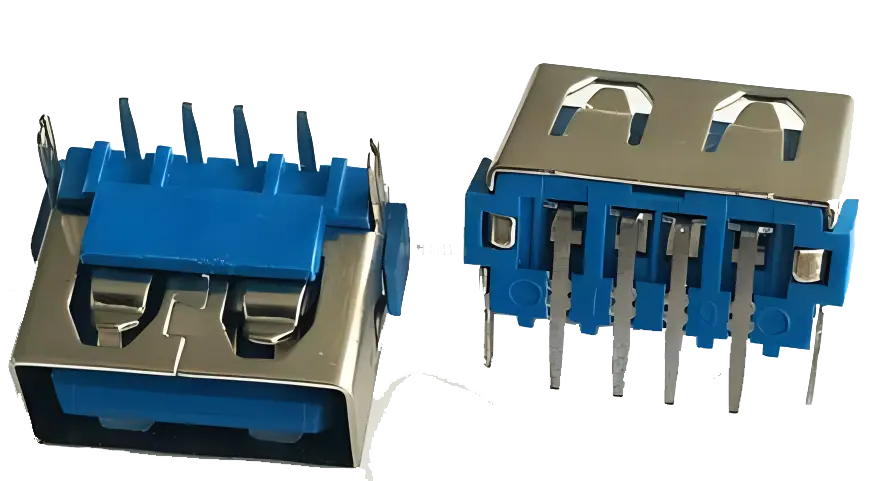 Connectors
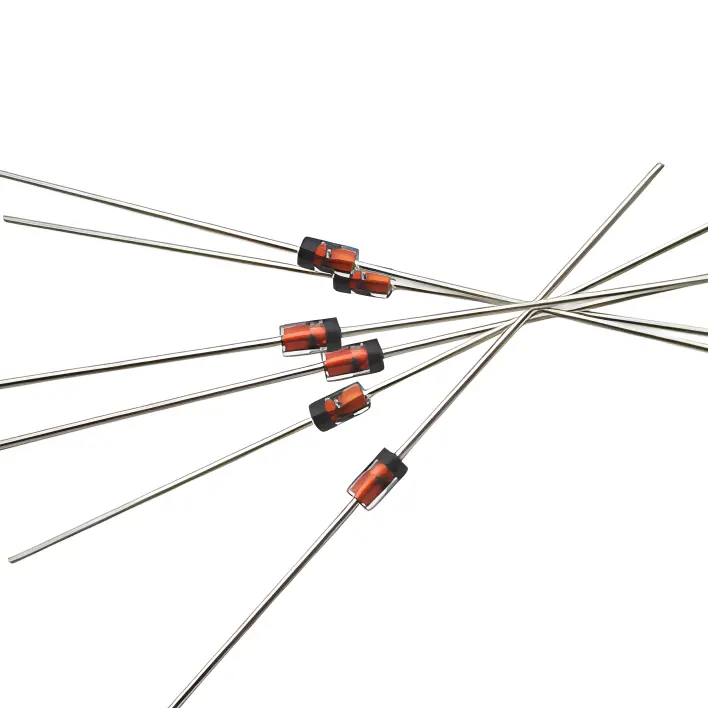 Diodes
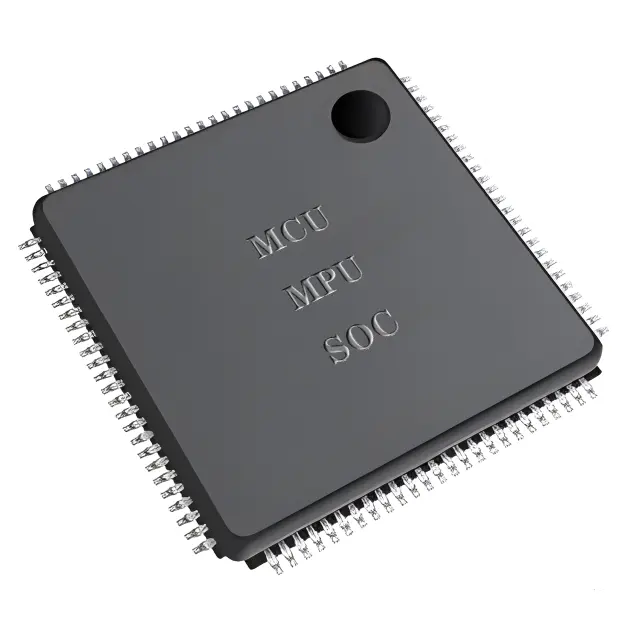 Embedded Processors & Controllers
 Digital Signal Processors (DSP/DSC)
 Microcontrollers (MCU/MPU/SOC)
 Programmable Logic Device(CPLD/FPGA)
 Communication Modules/IoT
 Resistors
 Through Hole Resistors
 Resistor Networks, Arrays
 Potentiometers,Variable Resistors
 Aluminum Case,Porcelain Tube Resistance
 Current Sense Resistors,Shunt Resistors
 Switches
 Transistors
 Power Modules
 Isolated Power Modules
 AC-DC Power Modules
 DC-AC Module(Inverter)
 RF and Wireless