
 PCB
PCB FPC
FPC Rigid-Flex
 FR-4
FR-4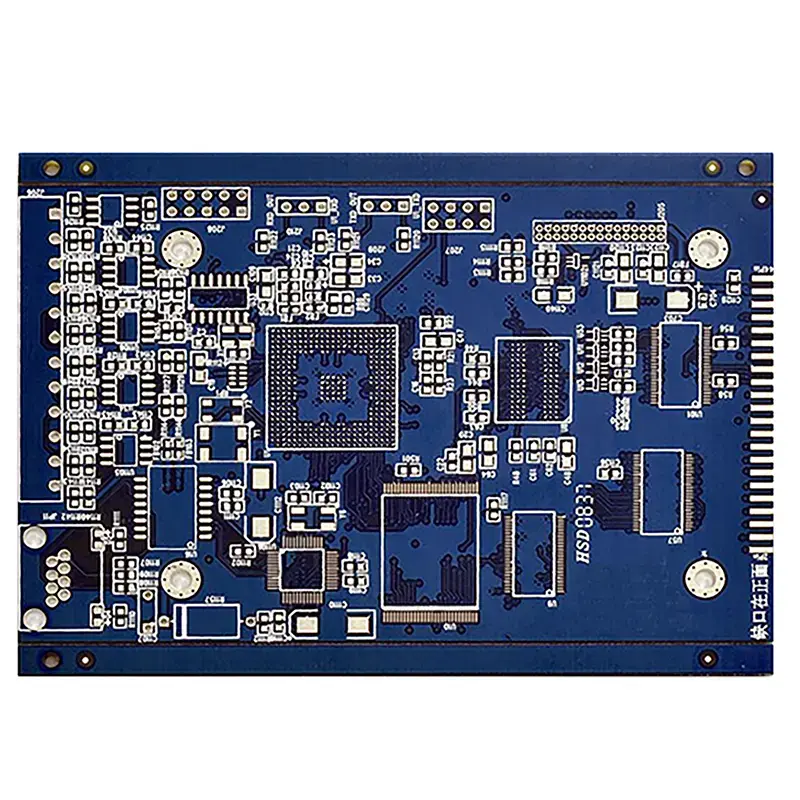 HDI PCB
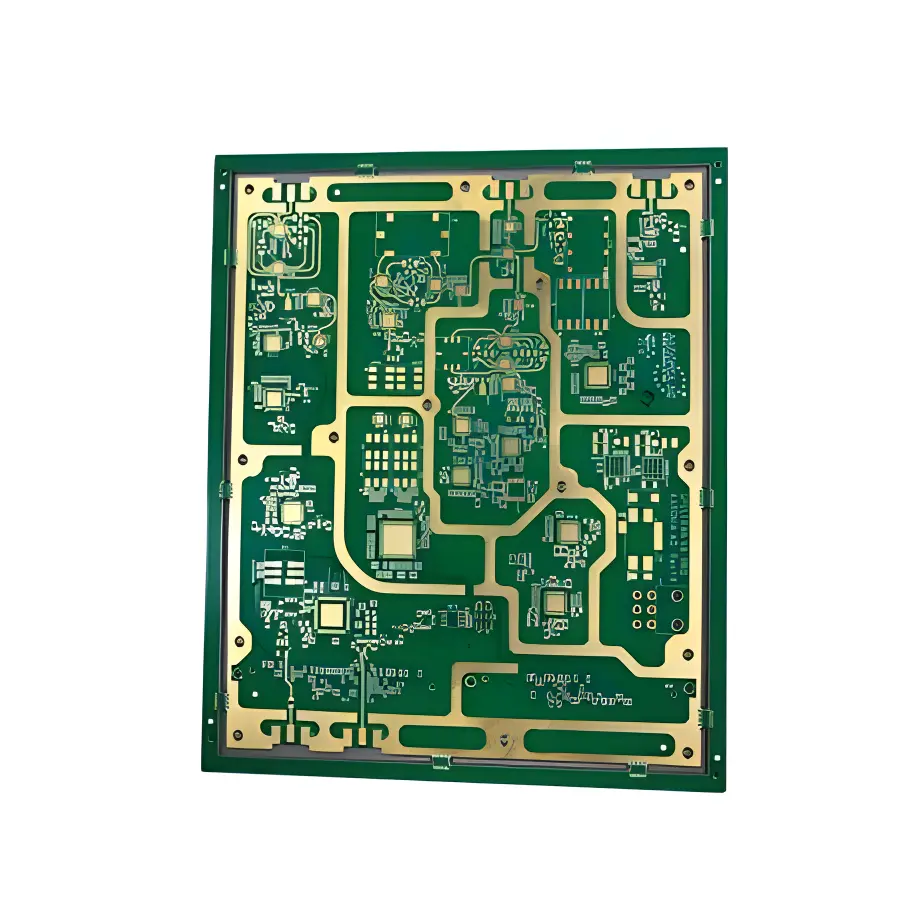 Rogers High-Frequency Board
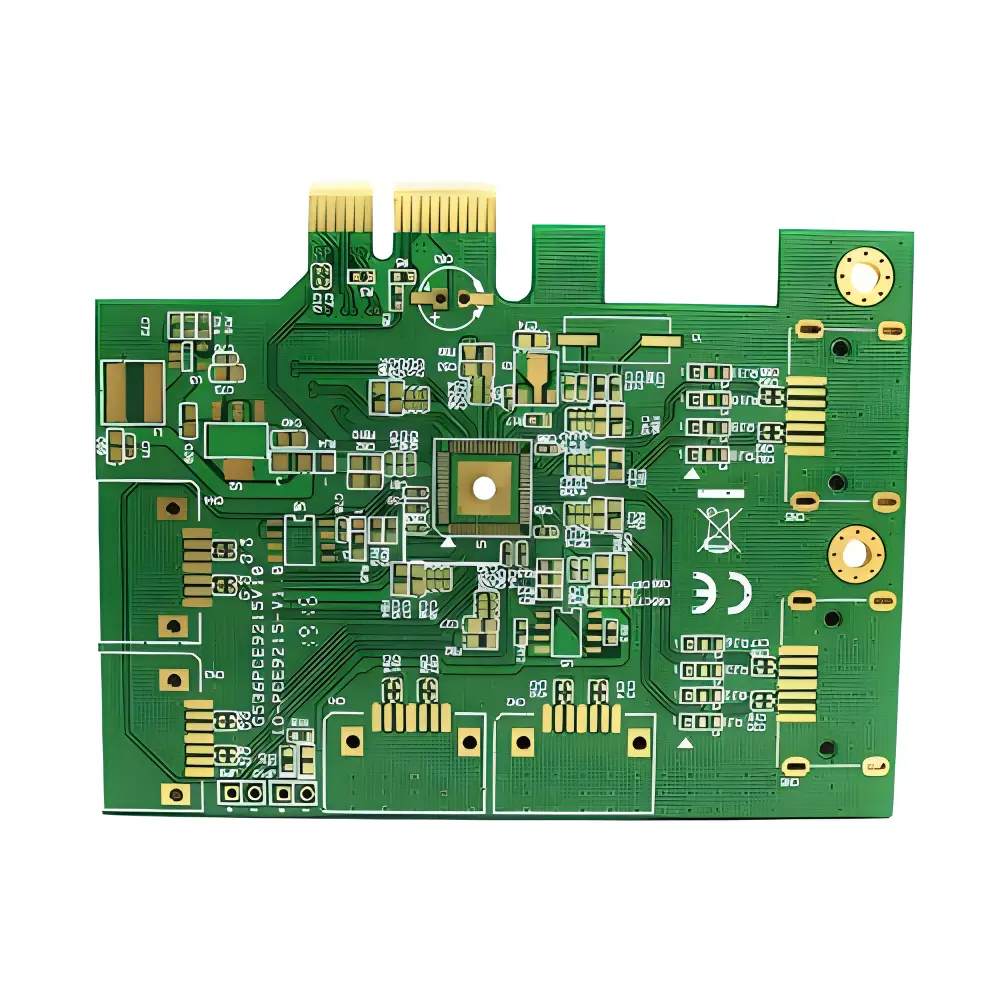 PTFE Teflon High-Frequency Board
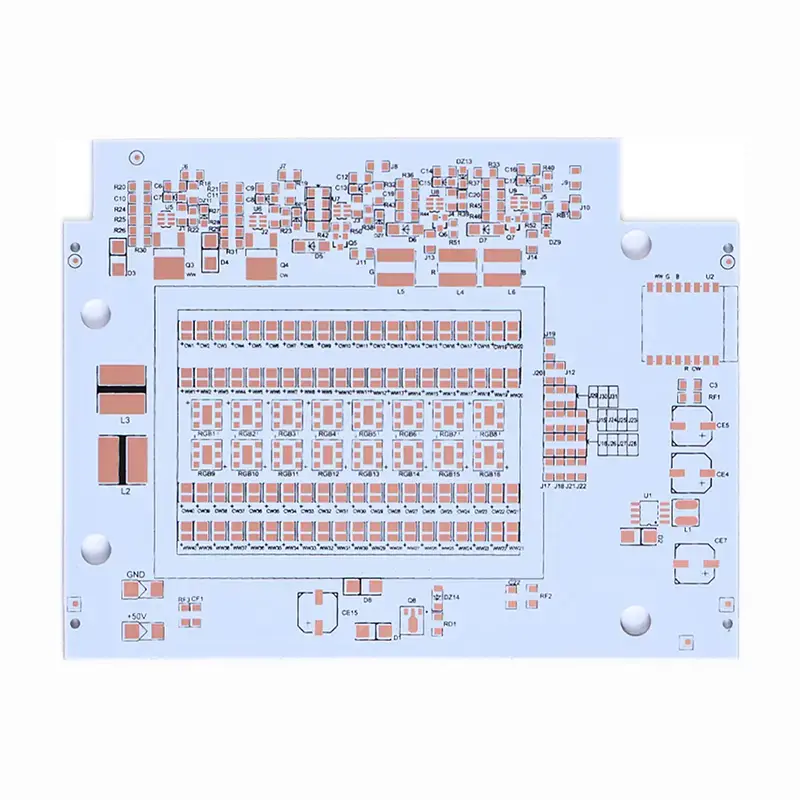 Aluminum
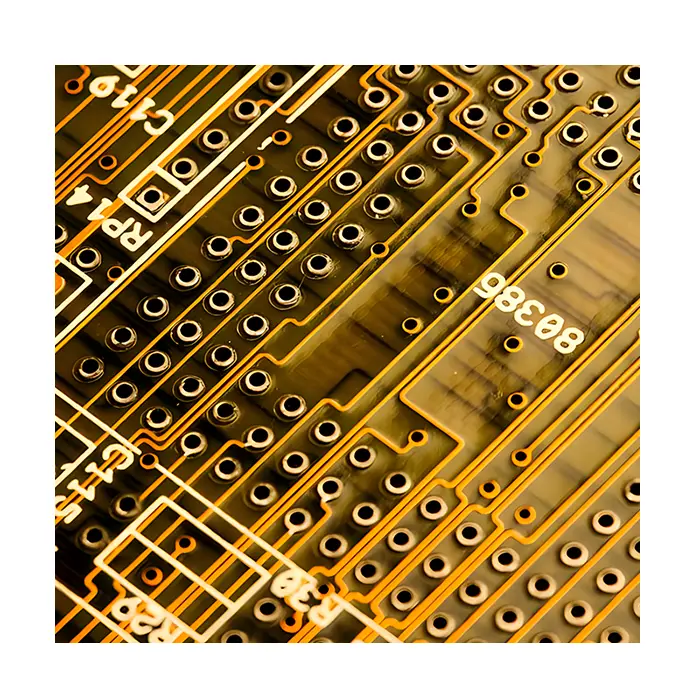 Copper Core
 PCB Assembly
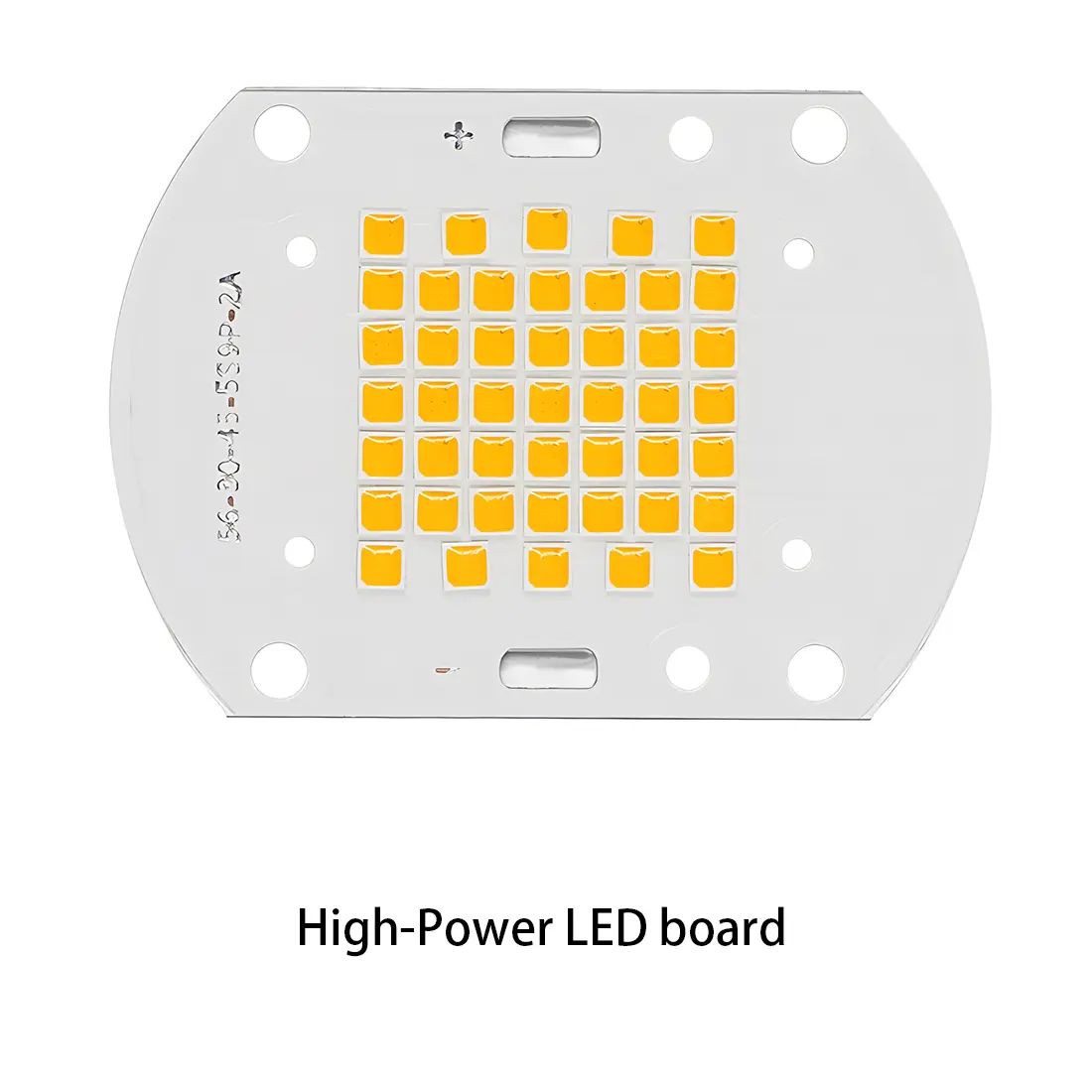 LED light PCBA
 Memory PCBA
 Power Supply PCBA
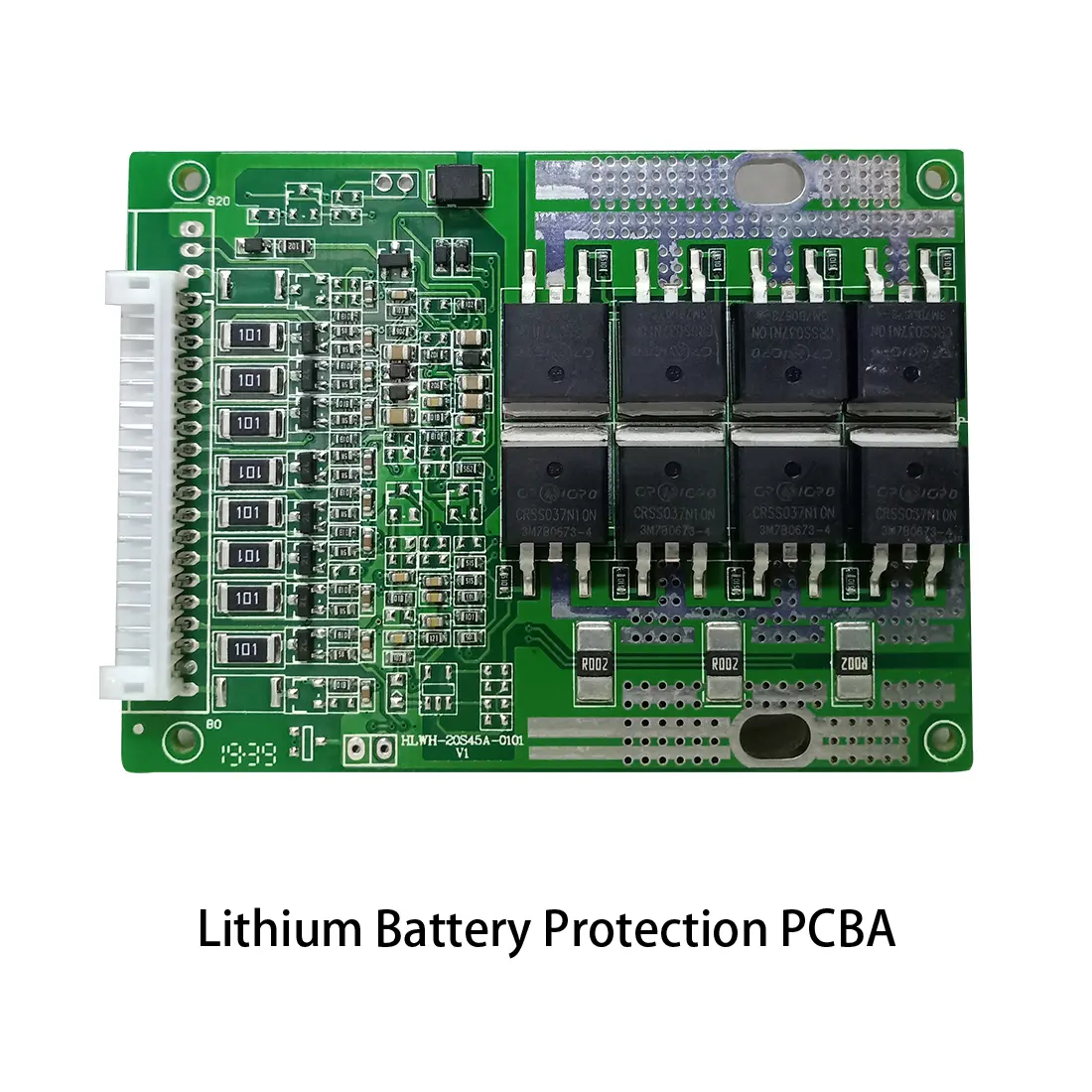 New Energey PCBA
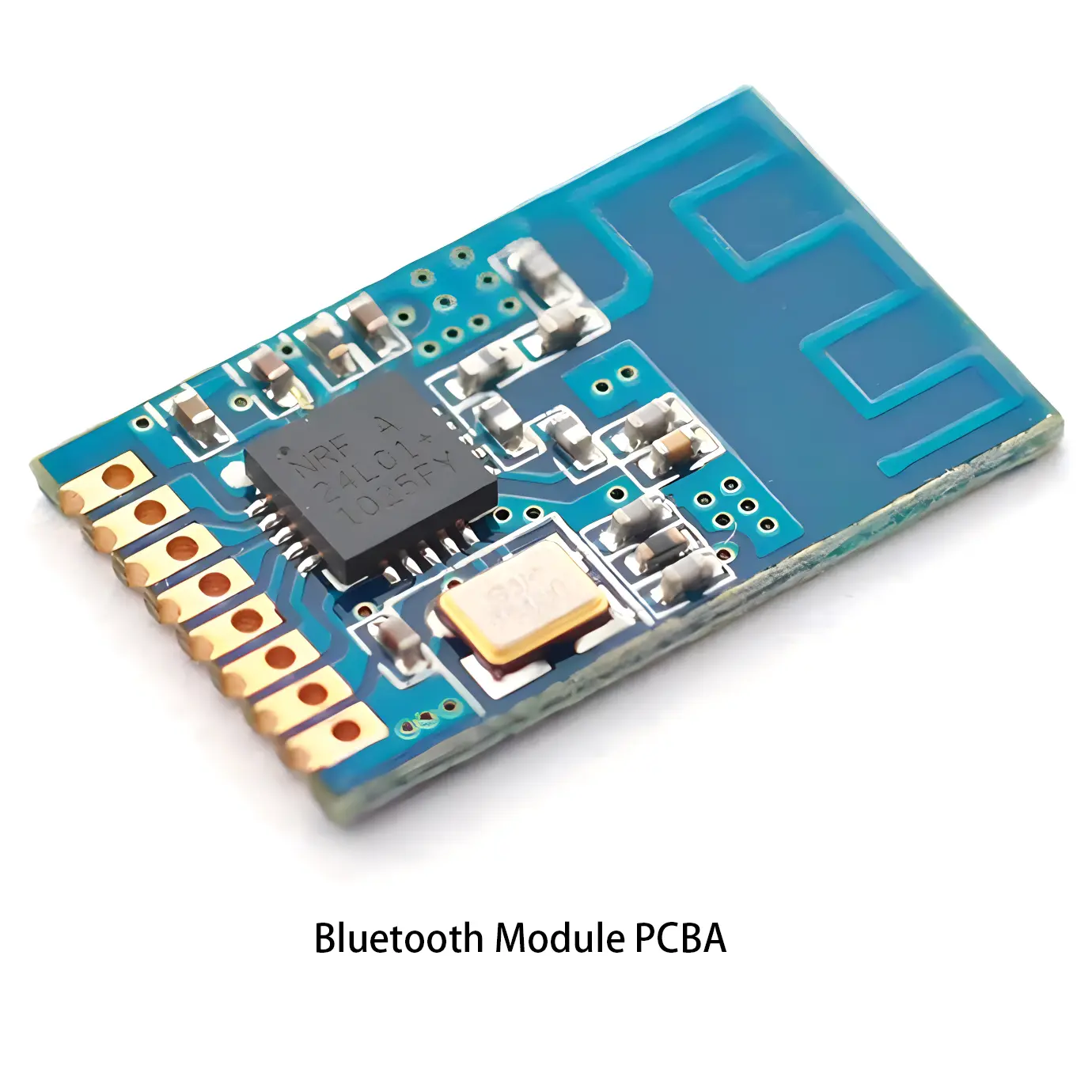 Communication PCBA
 Industrial Control PCBA
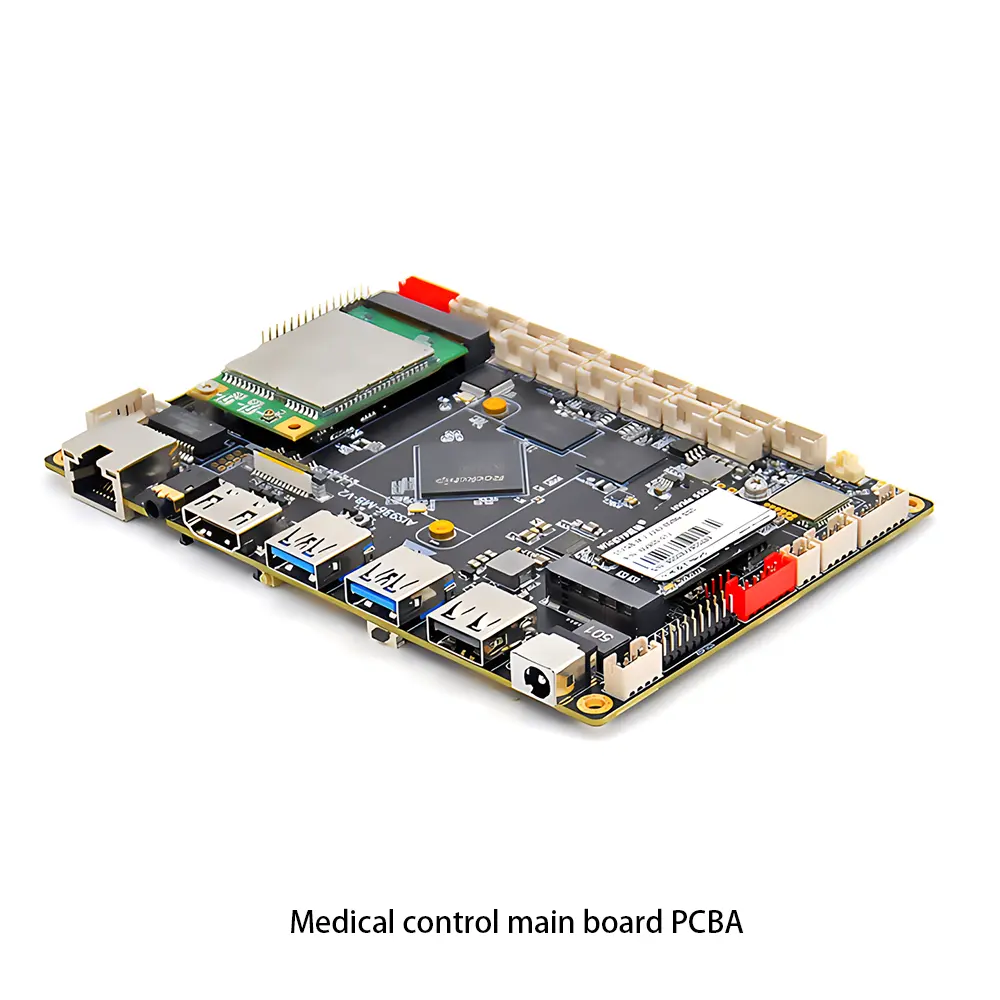 Medical Equipment PCBA
 Testing Service
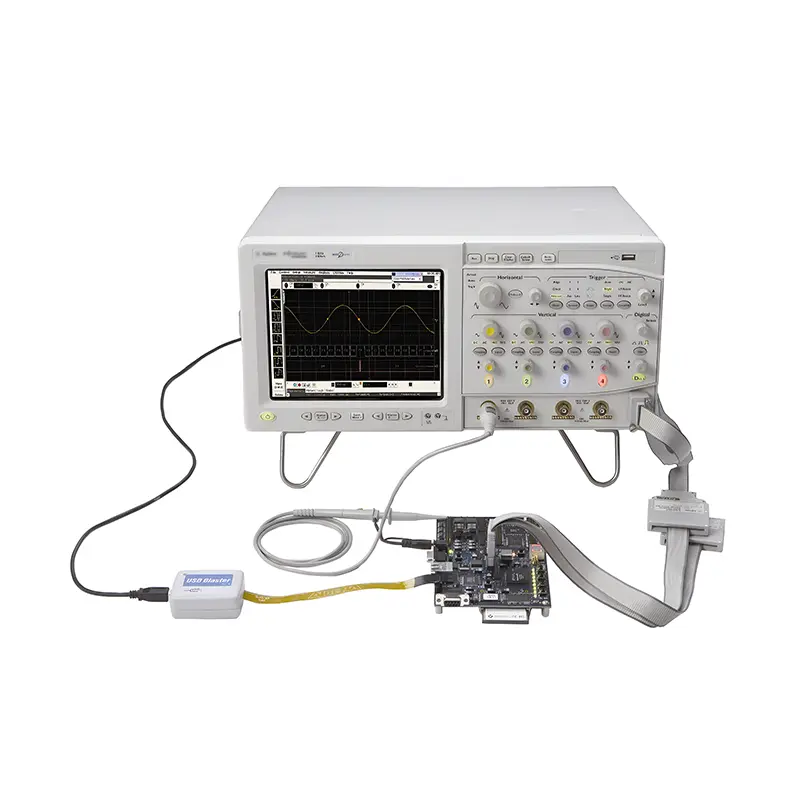 PCBA Testing Service
 Certification Application
 RoHS Certification Application
 REACH Certification Application
 CE Certification Application
 FCC Certification Application
 CQC Certification Application
 UL Certification Application
 Transformers, Inductors
 High Frequency Transformers
 Low Frequency Transformers
 High Power Transformers
 Conversion Transformers
 Sealed Transformers
 Ring Transformers
 Inductors
 Wires,Cables Customized
 Network Cables
 Power Cords
 Antenna Cables
 Coaxial Cables
 Net Position Indicator
 Solar AIS net position indicator
 Capacitors
 Connectors
 Diodes
 Embedded Processors & Controllers
 Digital Signal Processors (DSP/DSC)
 Microcontrollers (MCU/MPU/SOC)
 Programmable Logic Device(CPLD/FPGA)
 Communication Modules/IoT
 Resistors
 Through Hole Resistors
 Resistor Networks, Arrays
 Potentiometers,Variable Resistors
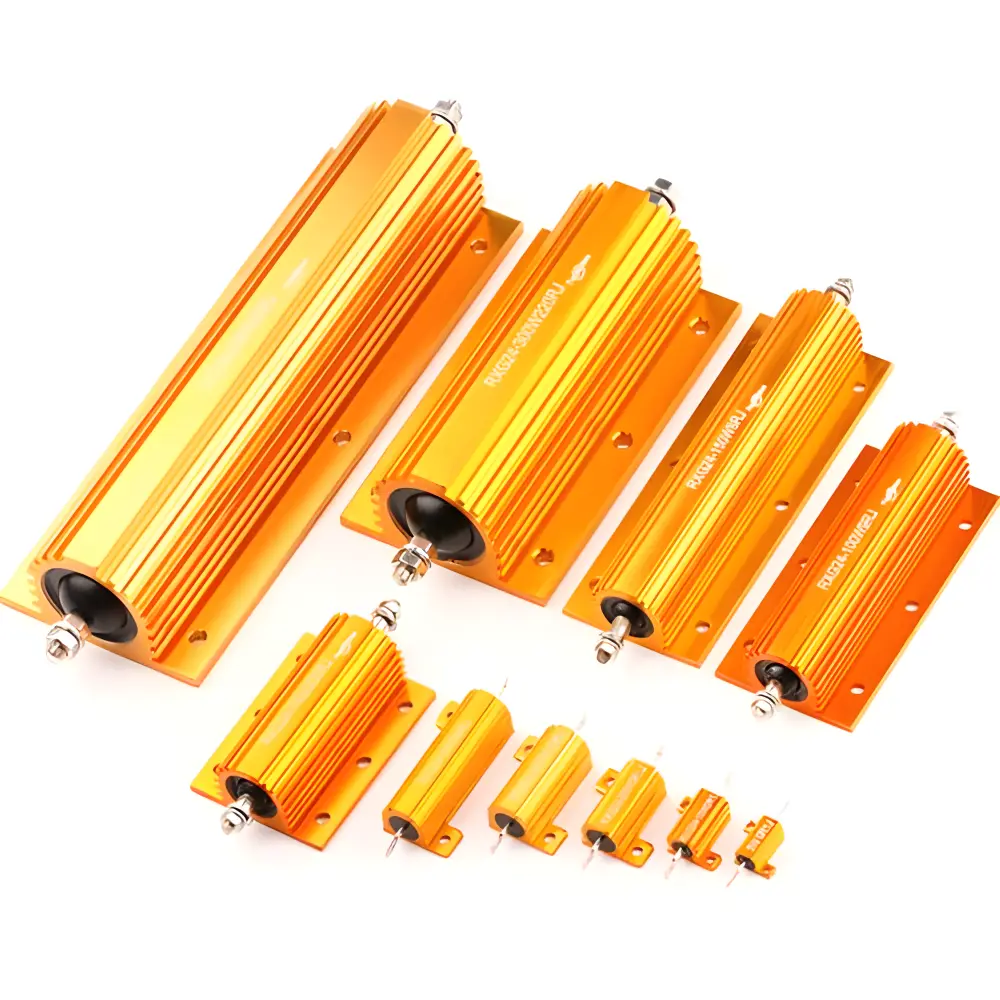 Aluminum Case,Porcelain Tube Resistance
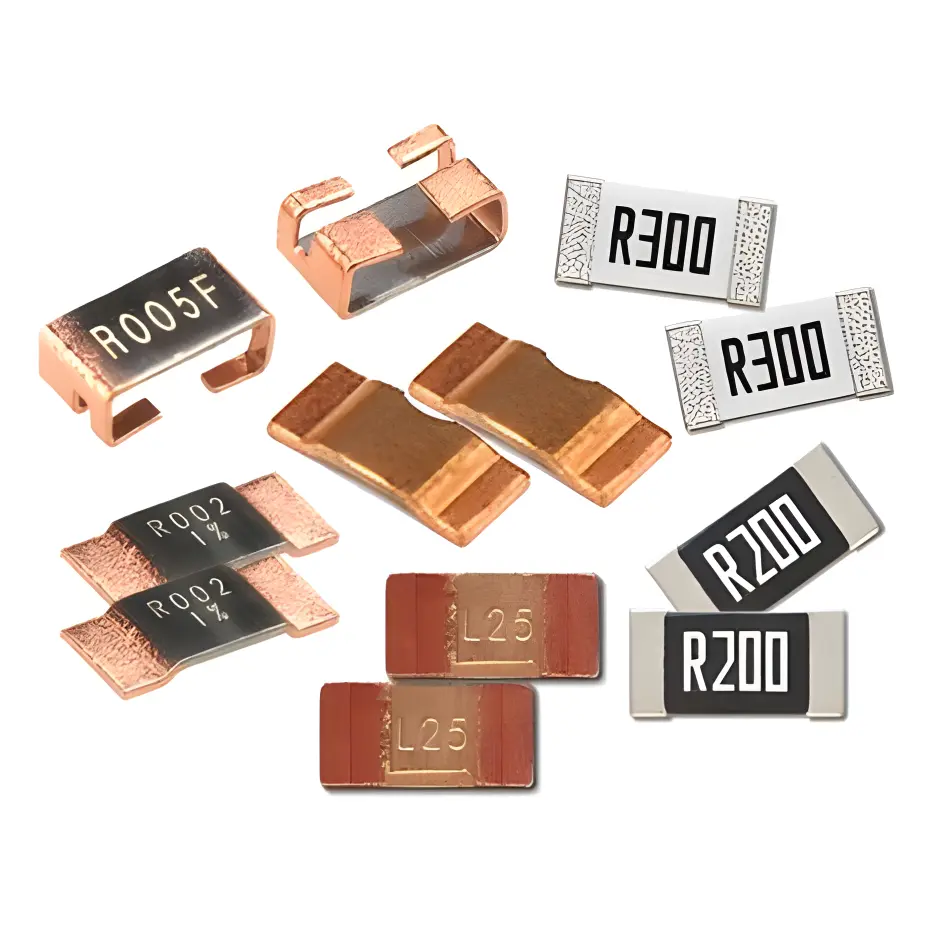 Current Sense Resistors,Shunt Resistors
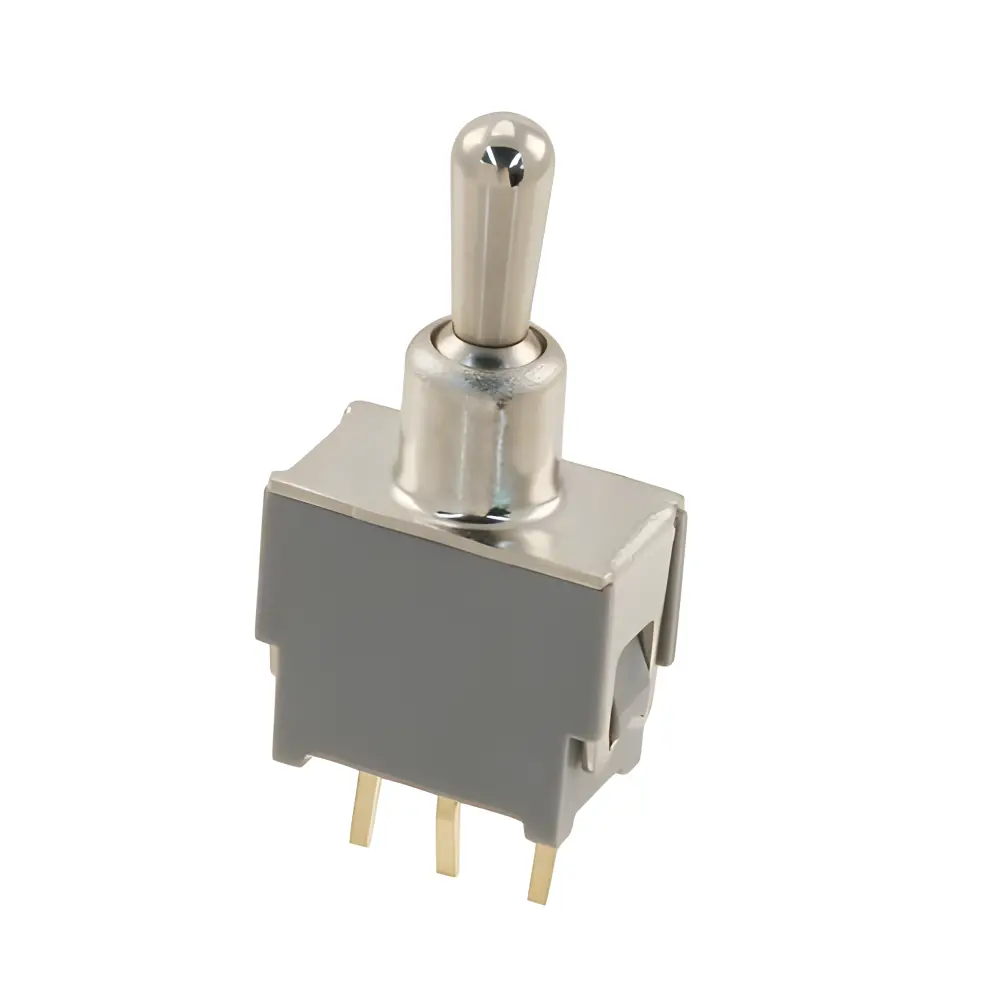 Switches
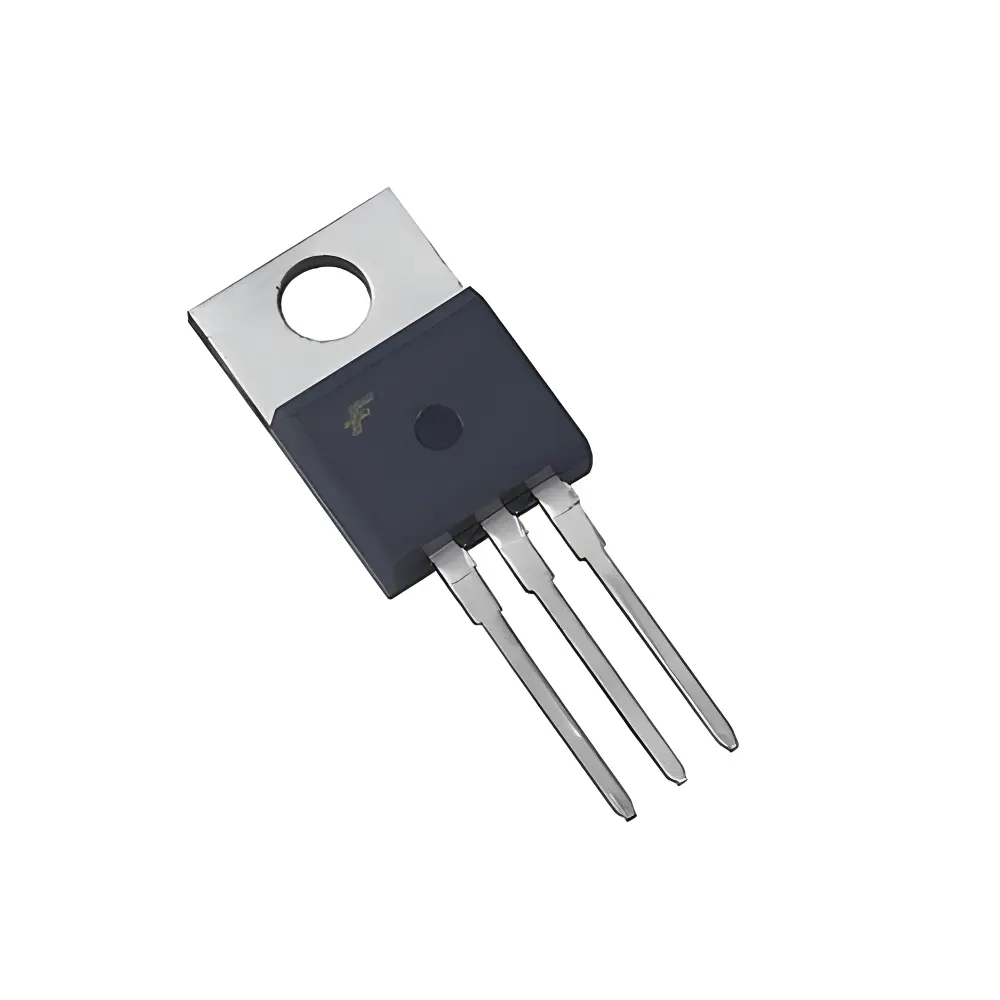 Transistors
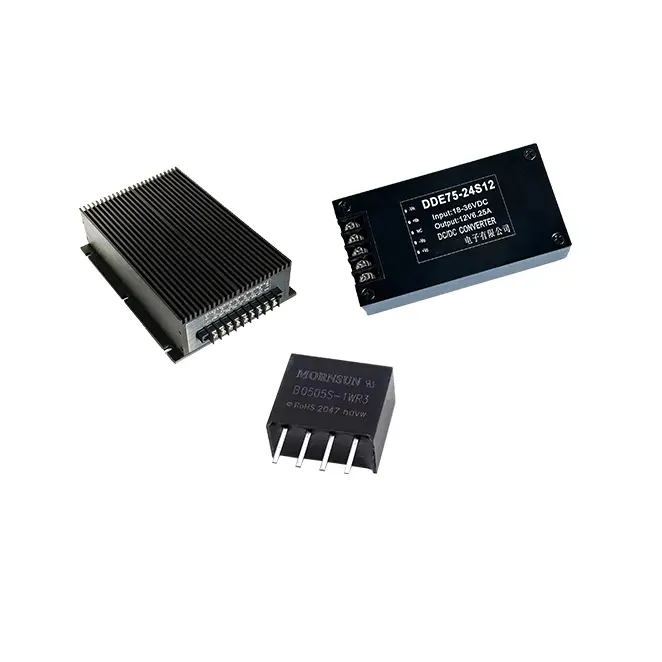 Power Modules
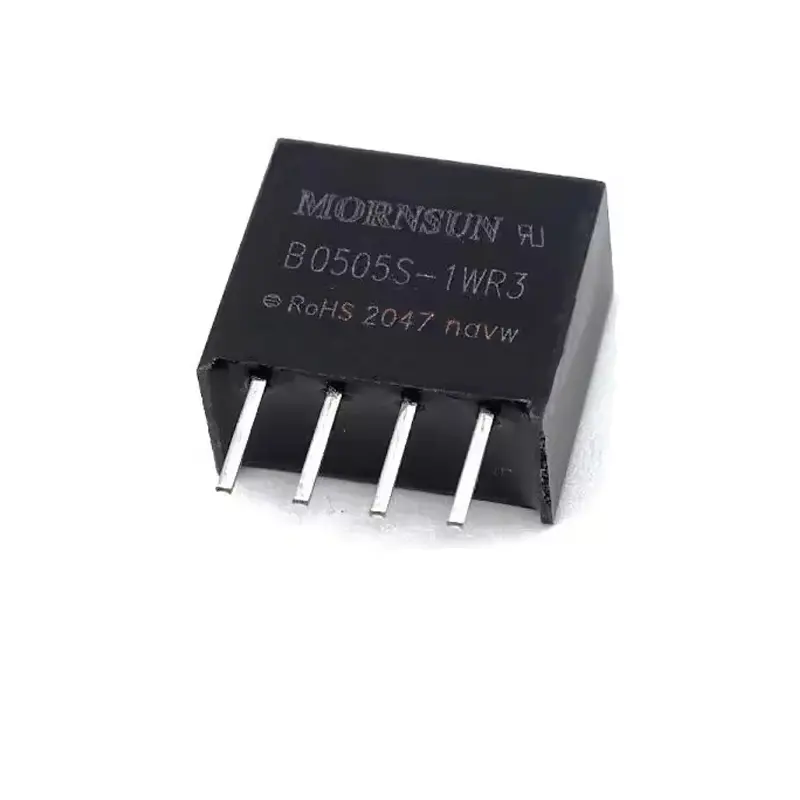 Isolated Power Modules
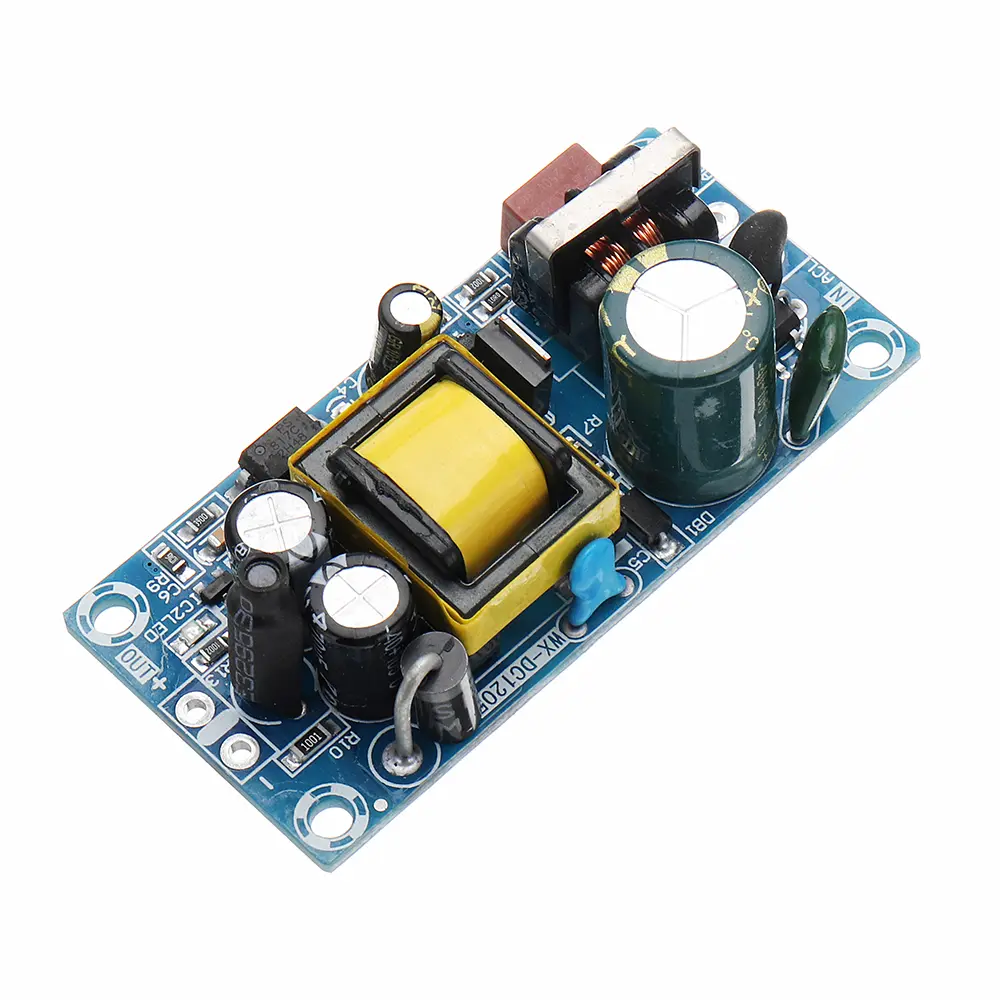 AC-DC Power Modules
 DC-AC Module(Inverter)
 RF and Wireless
Optimal Connecting Bridge Width in PCB Panel Design to Ensure Edge Burrs <0.05mm After Separation
2025-11-20
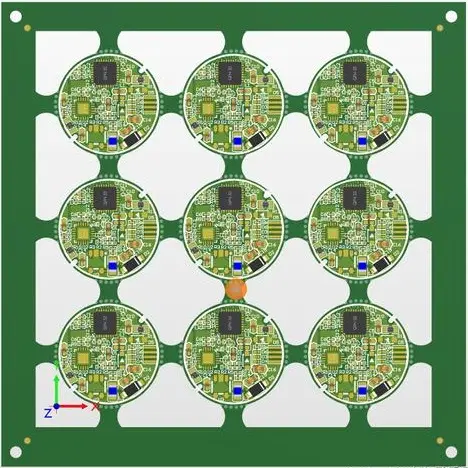
In PCB manufacturing, panel design (combining multiple Small Pcbs into a single production panel) balances production efficiency, handling stability, and post-separation quality. The connecting bridge— the narrow structure linking adjacent PCBs or small boards to the process rail— directly impacts separation ease and edge burr formation. Controlling burrs to less than 0.05mm is critical for applications requiring precise fit (e.g., automotive electronics, medical devices) and avoiding short circuits or component damage. This article details the optimal connecting bridge widths for different separation processes, influencing factors, and supplementary design strategies to achieve burr-free edges (<0.05mm), aligned with industry standards like IPC-A-600 and practical manufacturing data.
1. Core Principles: How Connecting Bridge Width Affects Burr Formation
Burrs form when material (PCB substrate or copper foil) is torn or squeezed during separation, rather than cleanly fractured. The connecting bridge width regulates stress distribution and separation mechanics:
- Narrow bridges (<0.5mm): Lack sufficient structural integrity, leading to uneven stress concentration during separation. This causes substrate tearing and copper foil stretching, resulting in burrs exceeding 0.08mm. Narrow bridges also risk premature breakage during handling (e.g., transportation, assembly), increasing production SCRap.
- Overly wide bridges (>3.0mm): Require excessive force for separation, compressing the substrate and copper foil. The material deforms instead of fracturing cleanly, forming thick, jagged burrs (0.06–0.1mm) and potential edge chipping.
- Optimal width range: Balances structural stability and clean fracture. It ensures controlled stress distribution, allowing the bridge to break along the intended line with minimal material deformation, thus limiting burrs to <0.05mm.
2. Optimal Connecting Bridge Width by Separation Process
The ideal bridge width varies by separation method (V-Cut, stamp hole, routing), as each process applies different forces and fracture mechanics:
2.1 V-Cut Separation (Most Common for Regular-Shaped PCBs)
V-Cut creates a V-shaped groove along the bridge, reducing the residual material thickness to 1/3 of the total board thickness (e.g., 0.5±0.1mm for 1.6mm PCBs).
- Optimal width: 0.8–1.0mm for standard 1.6mm FR-4 PCBs. This width provides sufficient strength (load-bearing ≥3–5N) to withstand handling while ensuring clean separation.
- Burr performance: When paired with a V-Cut angle of 30–45° and feed speed of 300–400mm/min, burrs are consistently <0.03mm, well below the 0.05mm threshold.
- Adjustments for board thickness:
- Thin boards (≤1.0mm): 0.5–0.8mm width (thinner substrates require less force, avoiding over-stress).
- Thick boards (≥2.0mm): 1.2–1.5mm width (additional material supports higher separation force without tearing).
2.2 Stamp Hole (Breakaway Tab) Separation (Irregular-Shaped PCBs)
Stamp holes use a row of small holes (0.6–1.0mm diameter, 1.0–1.5mm spacing) with narrow connecting ribs between them.
- Optimal rib width: 0.3–0.5mm (the "bridge" between adjacent holes). This design concentrates stress at the hole edges, enabling clean fracture.
- Burr performance: The hole-guided fracture minimizes material tearing, resulting in burrs <0.02mm— the lowest among all methods.
- Key note: Ensure the total bridge length (hole row length) is 3–5mm, with at least 2–3 ribs per bridge to maintain handling strength.
2.3 Routing (Milling) Separation (High-Precision PCBs)
Routing uses a rotating mill to cut through the bridge, suitable for high-reliability applications requiring ultra-smooth edges.
- Optimal bridge width: 1.5–2.0mm for manual routing; 2.0–3.0mm for automated routing. The wider bridge stabilizes the panel during high-speed milling (30,000–60,000 RPM).
- Burr performance: When using TiAlN-coated mills and 微量润滑 (MQL), burrs are <0.04mm. Pairing with a post-routing deburring step reduces burrs to <0.02mm.
- Critical parameter: Maintain a milling feed speed of 1.0–2.5m/min to avoid copper foil tearing— a common cause of excessive burrs.
2.4 Hybrid Separation (V-Cut + Connecting Bridge)
Combines V-Cut grooves with spaced connecting bridges to balance efficiency and edge quality.
- Optimal bridge width: 1.0–1.2mm, placed every 10mm along the V-Cut line.
- Burr performance: The V-Cut reduces separation force, while the bridge ensures structural stability, resulting in burrs <0.03mm. This method is ideal for large panels (>500mm×500mm) prone to warpage.
3. Key Factors Adjusting the Optimal Width
The baseline width ranges above must be adjusted based on three critical factors to maintain burrs <0.05mm:
3.1 PCB Substrate Material
- Standard FR-4: Adhere to the recommended widths (V-Cut: 0.8–1.0mm; stamp hole: 0.3–0.5mm).
- High Tg FR-4 (Tg≥170℃): Increase width by 0.2–0.3mm (e.g., V-Cut: 1.0–1.3mm). High Tg materials are more brittle, requiring wider bridges to prevent edge chipping.
- Metal Substrates (Aluminum/Copper Core): Narrow width by 0.1–0.2mm (e.g., stamp hole: 0.2–0.4mm). Metallic cores conduct force evenly, reducing burr formation.
3.2 Copper Foil Thickness
- Thin copper (≤35μm/1oz): Use the lower end of the width range (e.g., V-Cut: 0.5–0.8mm). Thin copper is less prone to tearing.
- Thick copper (≥70μm/2oz): Increase width by 0.3–0.5mm (e.g., V-Cut: 1.1–1.5mm). Thick copper requires more force to fracture, and wider bridges prevent stretching-induced burrs.
3.3 Separation Method (Manual vs. Automated)
- Manual separation: Use narrower widths (e.g., V-Cut: 0.8–1.0mm; stamp hole: 0.3–0.4mm) to reduce required force.
- Automated separation (depanelizer): Use wider widths (e.g., V-Cut: 1.0–1.2mm; routing: 2.0–3.0mm) to withstand machine-induced pressure and vibration.
4. Supplementary Design Strategies to Minimize Burrs
Optimal width alone is insufficient— combine with these design and process tweaks to ensure burrs <0.05mm:
- Add pre-fracture features: For V-Cut bridges, drill 0.3–0.5mm micro-holes at bridge ends to guide stress and prevent irregular tearing.
- Copper foil relief: Remove copper foil 0.5–1.0mm from the bridge edge. Copper is more prone to burrs than substrate, so isolating it reduces metal protrusions.
- Bridge placement: Avoid locating bridges near high-speed signal traces (keep ≥5mm distance) to prevent stress-induced trace damage and burr-related short circuits.
- Tool maintenance: Use sharp V-Cut blades (edge radius ≤0.01mm) and replace milling tools every 20 panels to ensure clean cutting.
- Post-separation deburring: For critical applications, use 800–1000 grit sandpaper or dedicated deburring tools to remove residual micro-burrs.
5. Quality Control and Validation
To confirm burrs meet the <0.05mm requirement:
- Visual inspection: Use a 50x microscope to measure burr height at 3–5 points per bridge (focus on copper and substrate edges).
- Mechanical testing: Verify separation force (3–5N for V-Cut bridges, 5–8N for routing bridges) to ensure it aligns with optimal width design.
- Environmental testing: Subject separated PCBs to thermal cycling (-40°C to 125°C) for 500 cycles. Burrs should not grow or detach, which could cause short circuits.
To ensure edge burrs <0.05mm after PCB panel separation, the connecting bridge width must be tailored to the separation process: 0.8–1.0mm for V-Cut, 0.3–0.5mm (rib width) for stamp holes, and 1.5–3.0mm for routing. Adjustments for substrate type, copper thickness, and separation method (manual/automated) refine this range for consistent results. Pairing optimal width with pre-fracture features, copper relief, and proper tool maintenance further reduces burrs to meet high-reliability standards. By aligning design with manufacturing mechanics, engineers can balance production efficiency, handling stability, and edge quality— critical for PCB performance in demanding applications.