
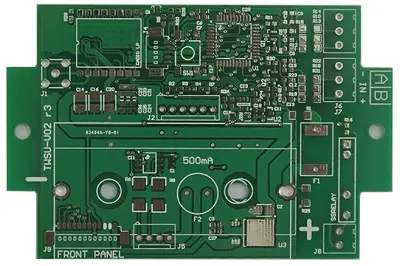
 PCB
PCB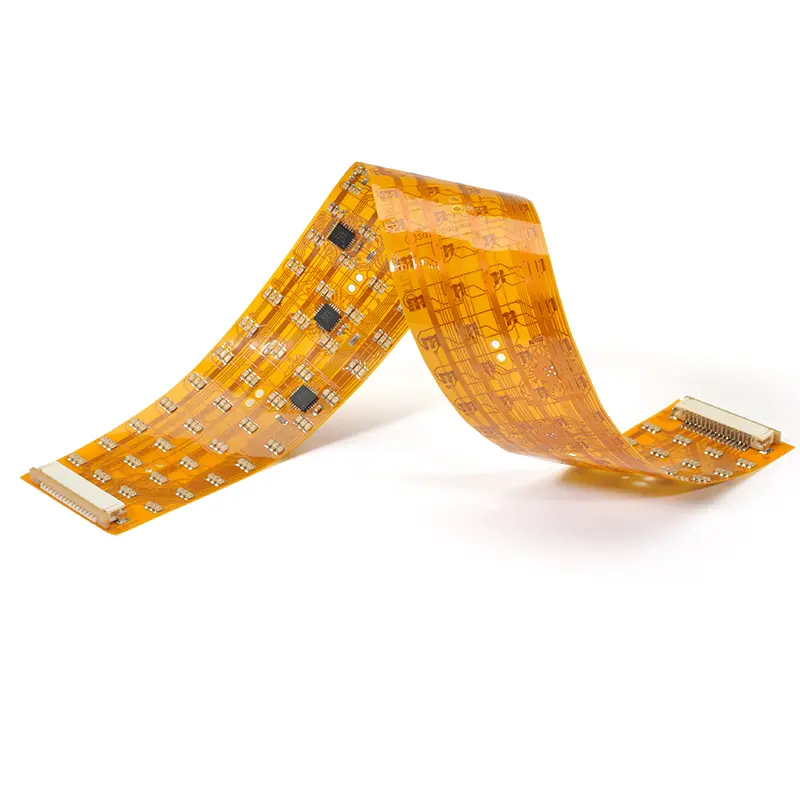 FPC
FPC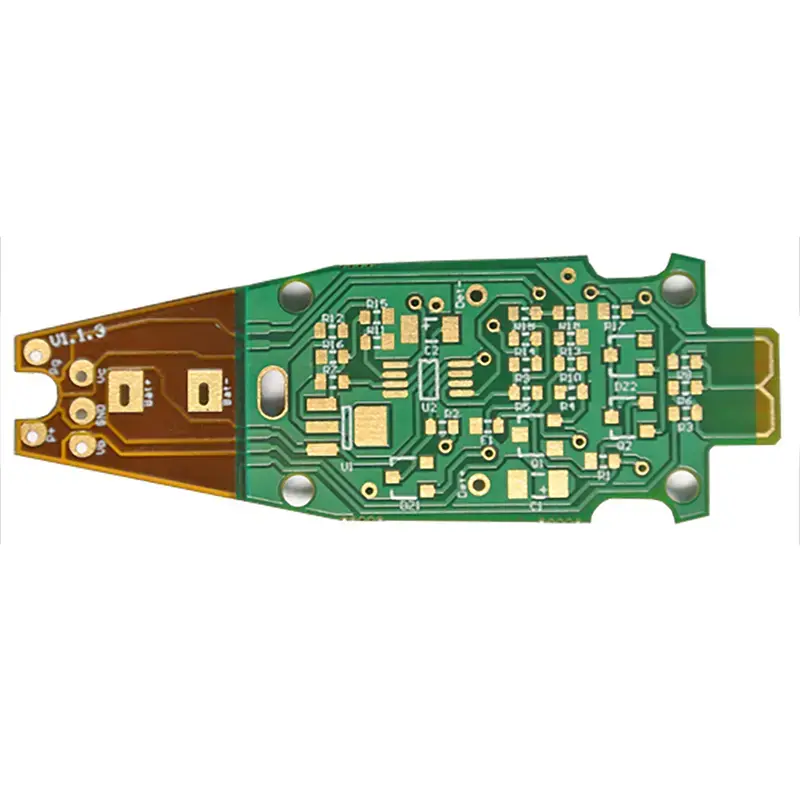 Rigid-Flex
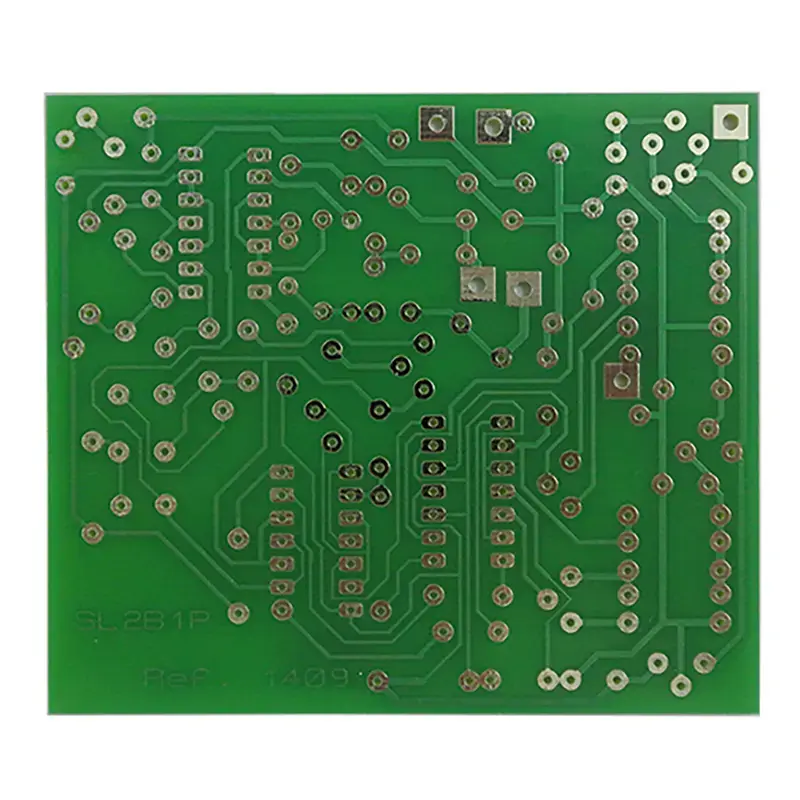 FR-4
FR-4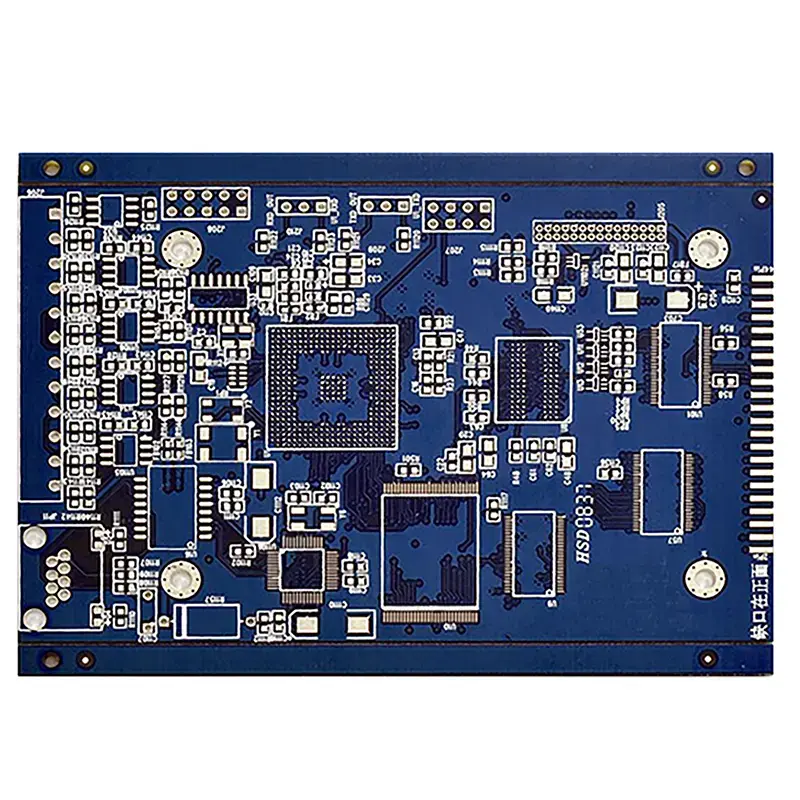 HDI PCB
 Rogers High-Frequency Board
 PTFE Teflon High-Frequency Board
 Aluminum
 Copper Core
 PCB Assembly
 LED light PCBA
 Memory PCBA
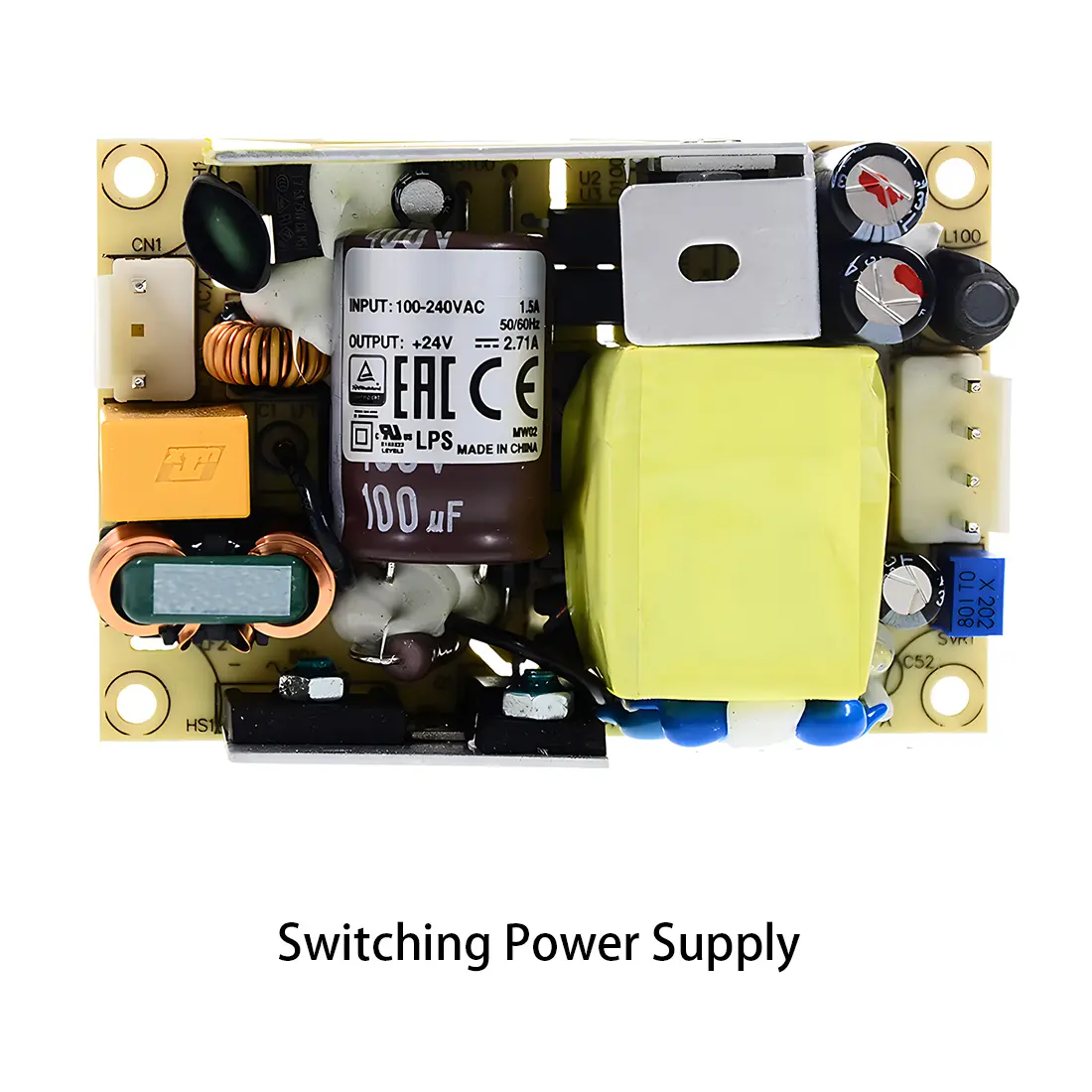 Power Supply PCBA
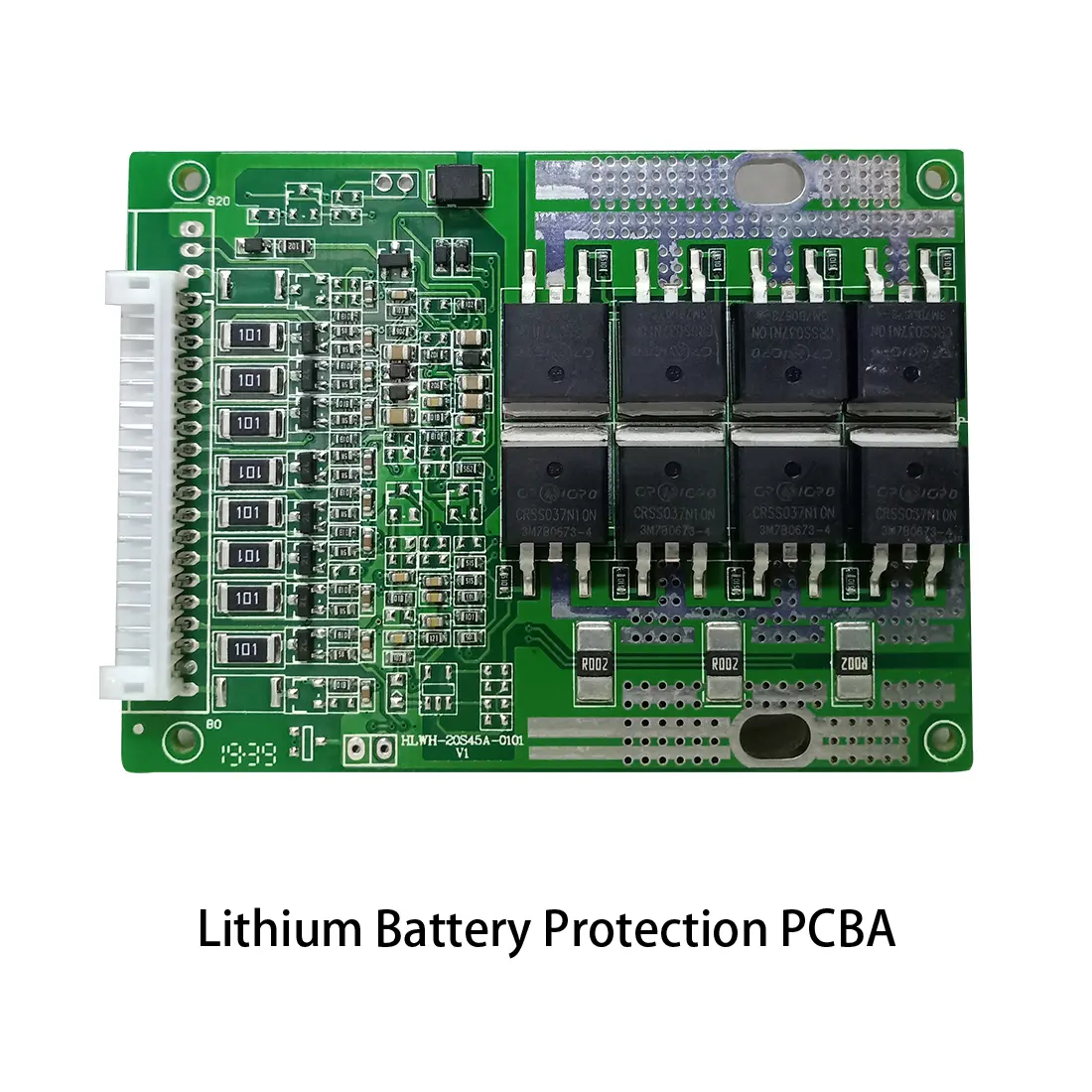 New Energey PCBA
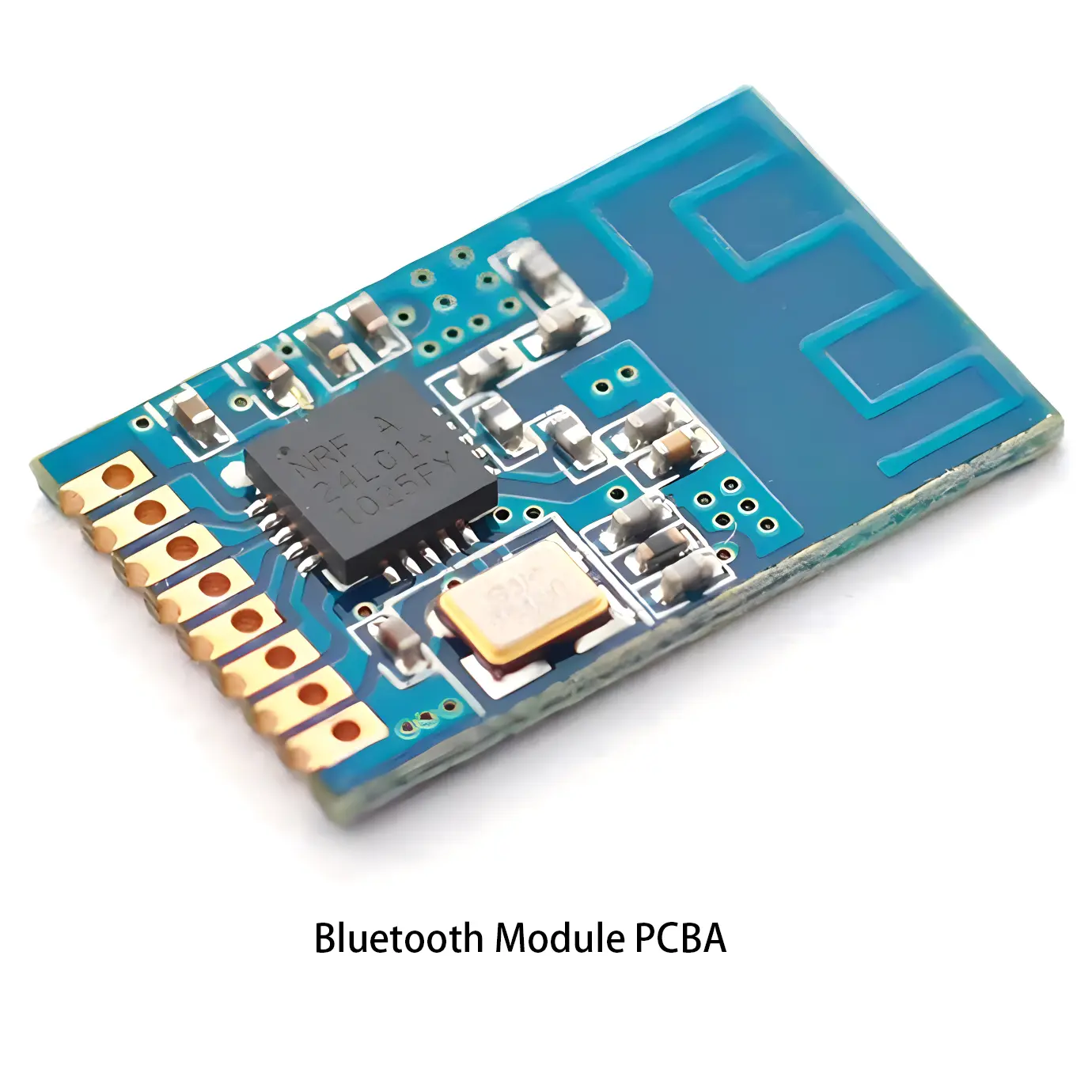 Communication PCBA
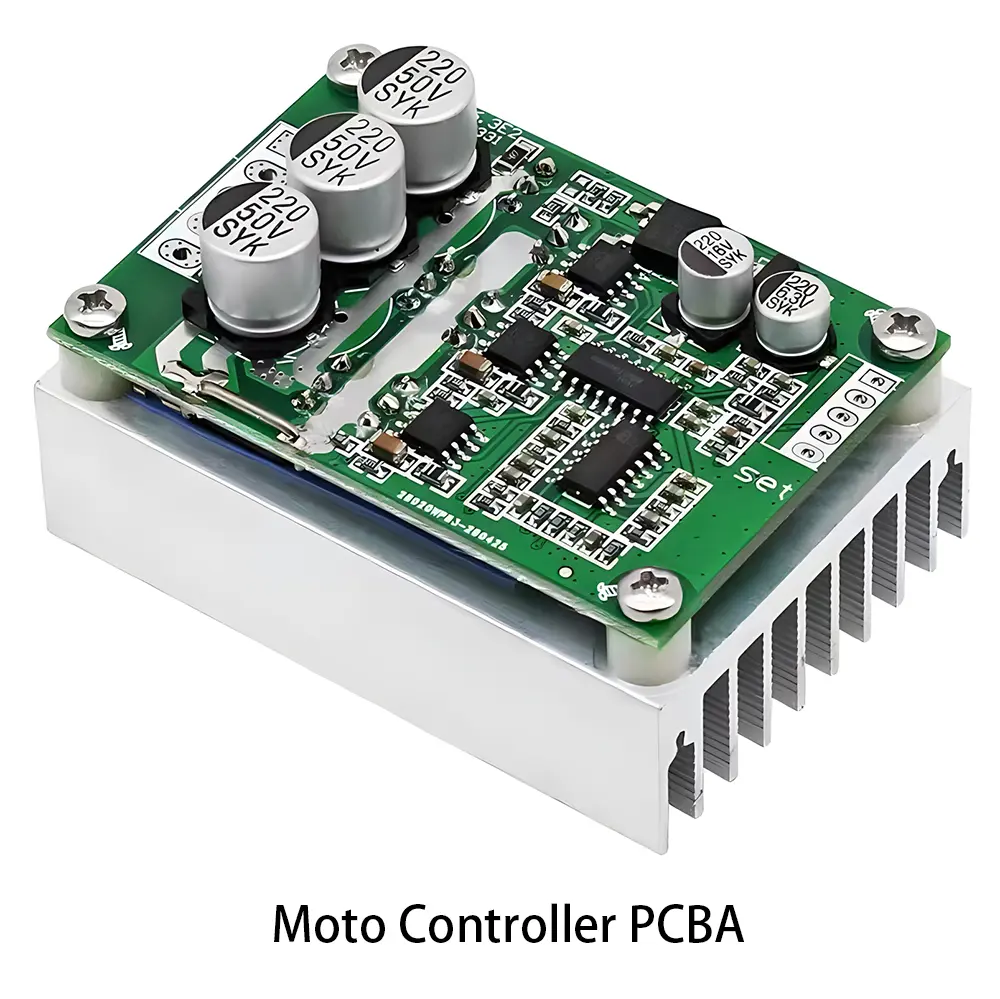 Industrial Control PCBA
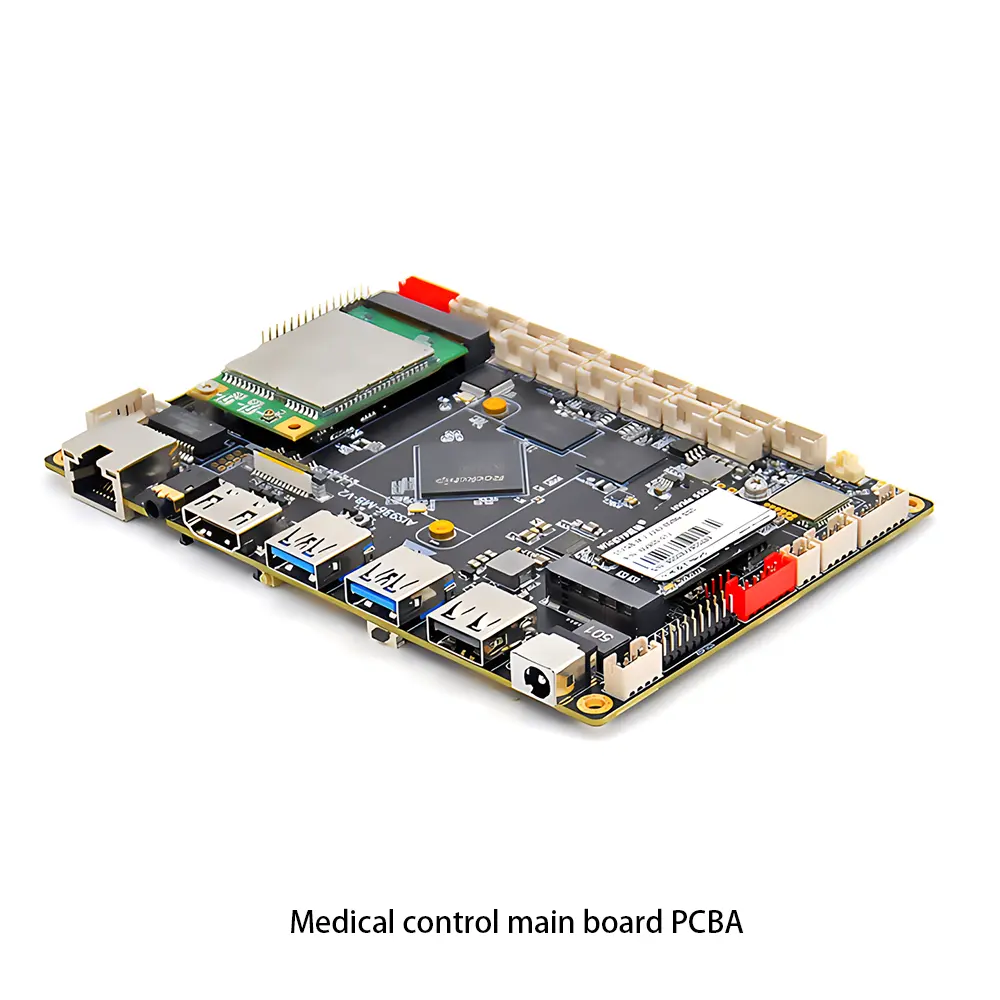 Medical Equipment PCBA
 Testing Service
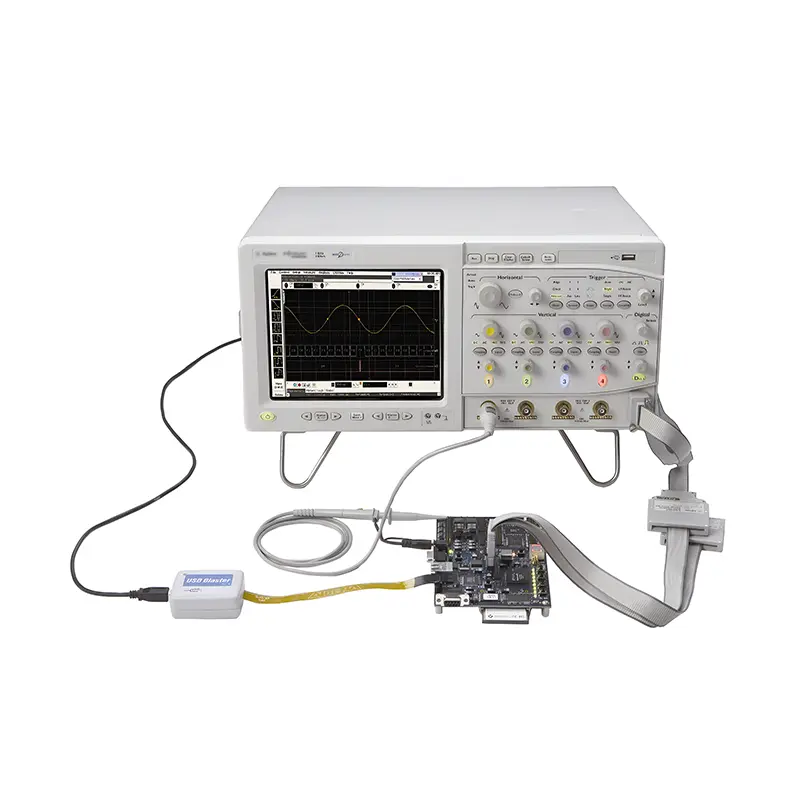 PCBA Testing Service
 Certification Application
 RoHS Certification Application
 REACH Certification Application
 CE Certification Application
 FCC Certification Application
 CQC Certification Application
 UL Certification Application
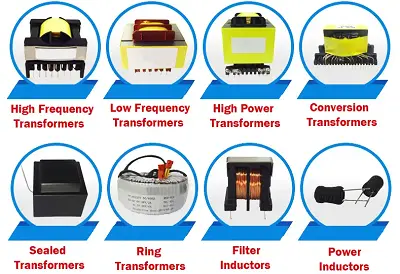 Transformers, Inductors
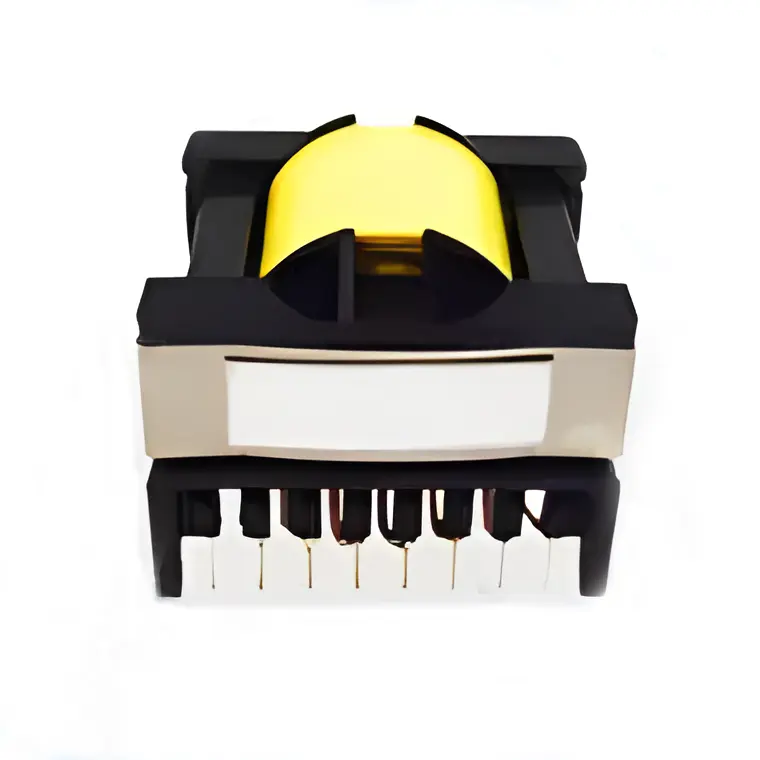 High Frequency Transformers
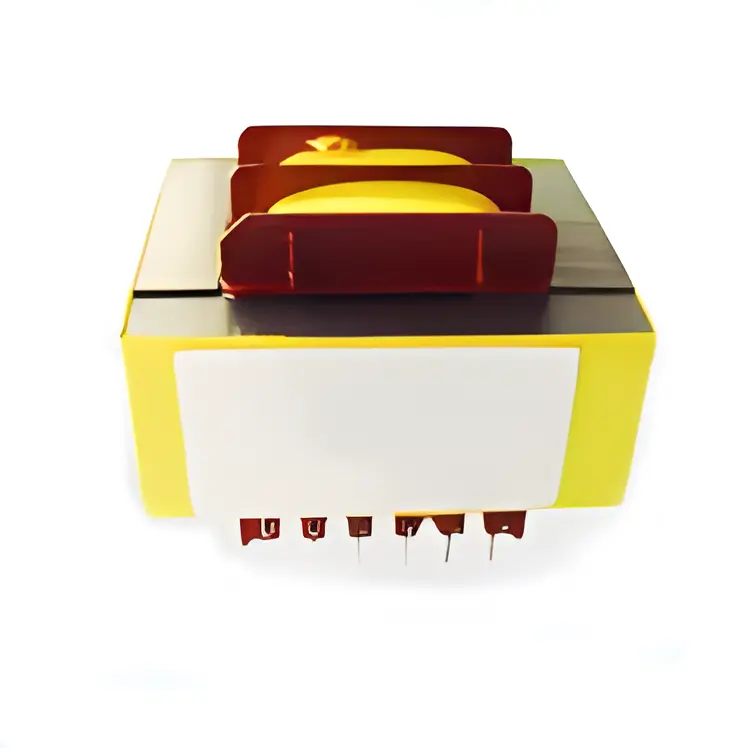 Low Frequency Transformers
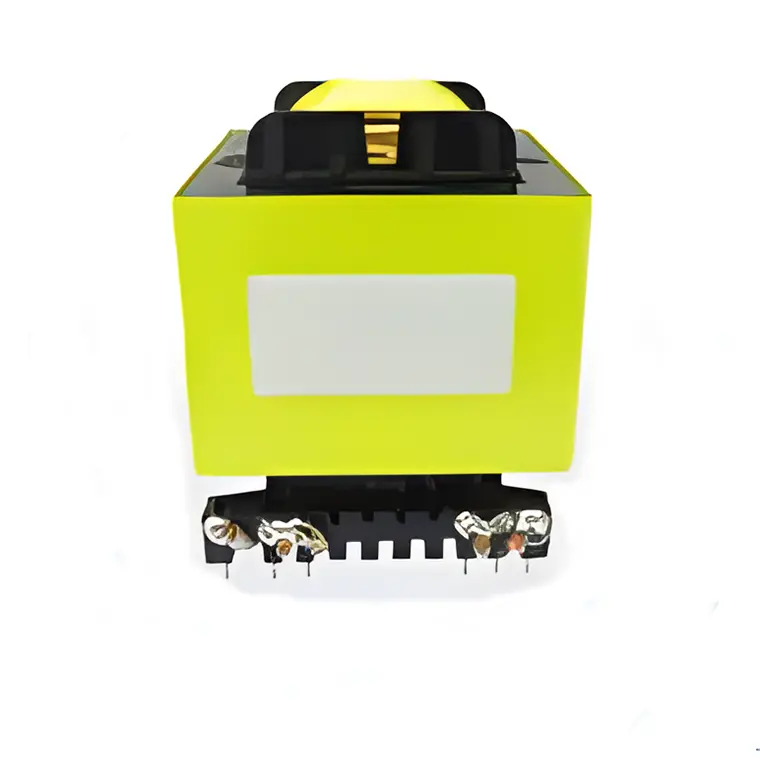 High Power Transformers
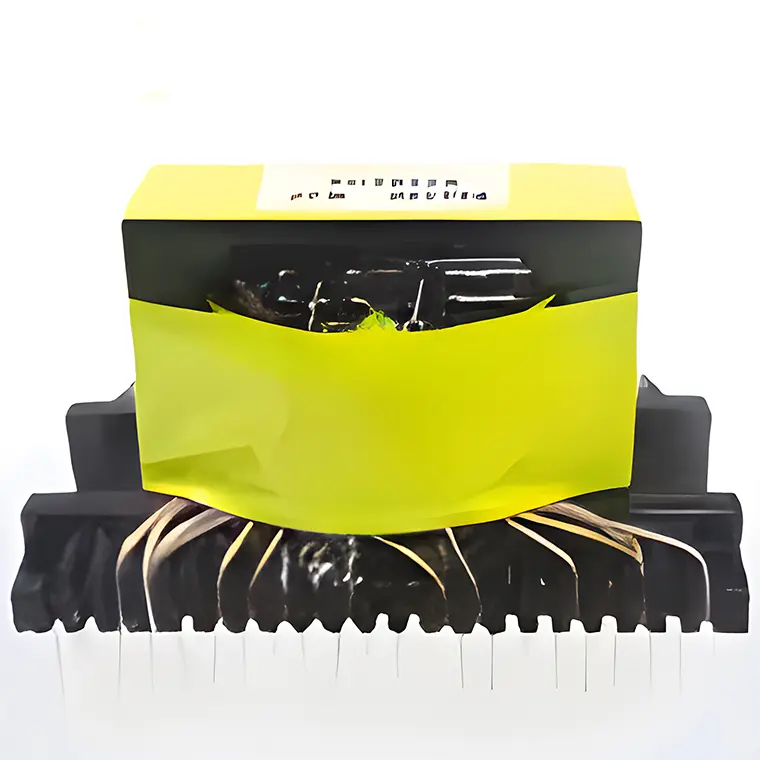 Conversion Transformers
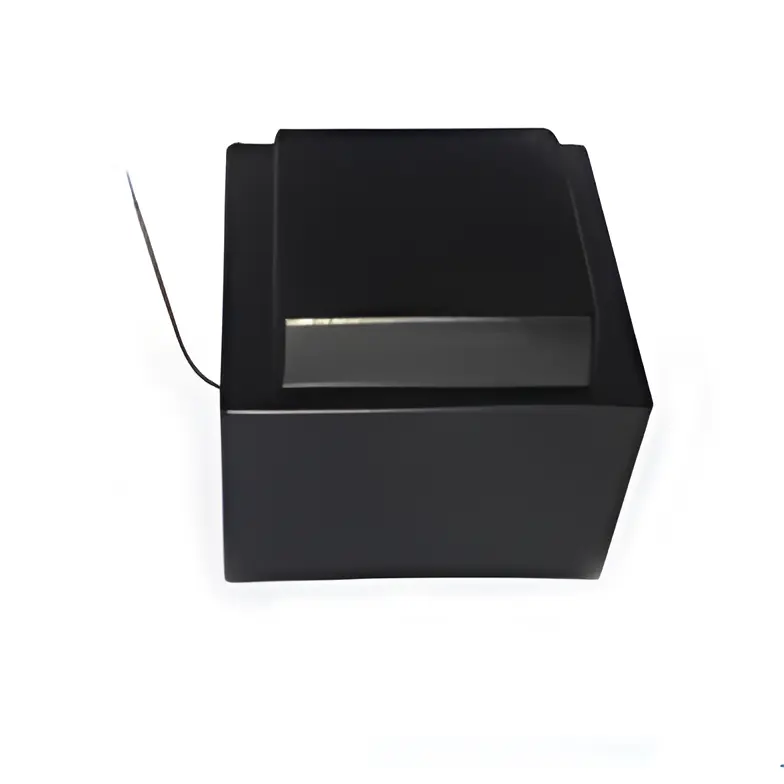 Sealed Transformers
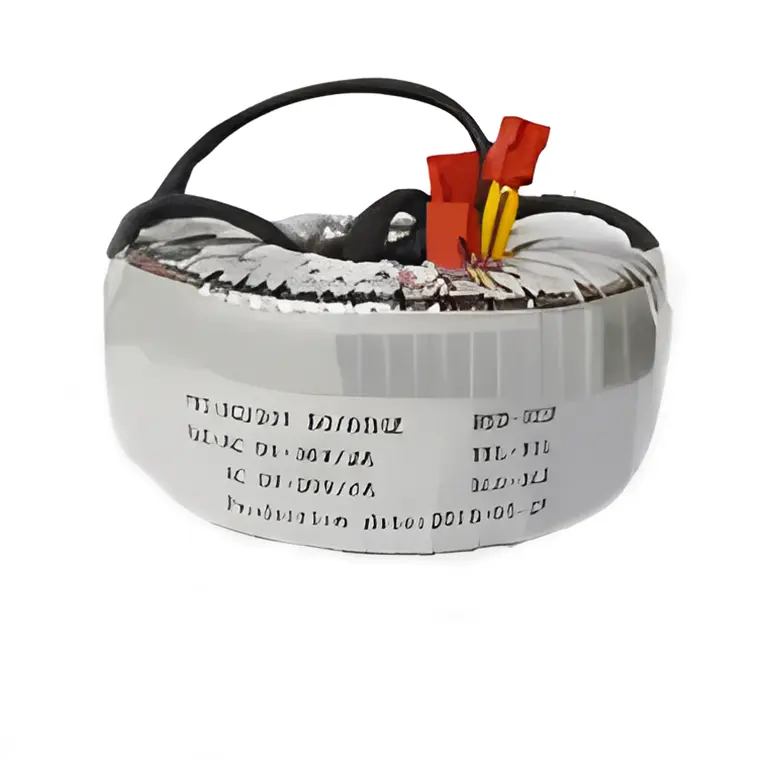 Ring Transformers
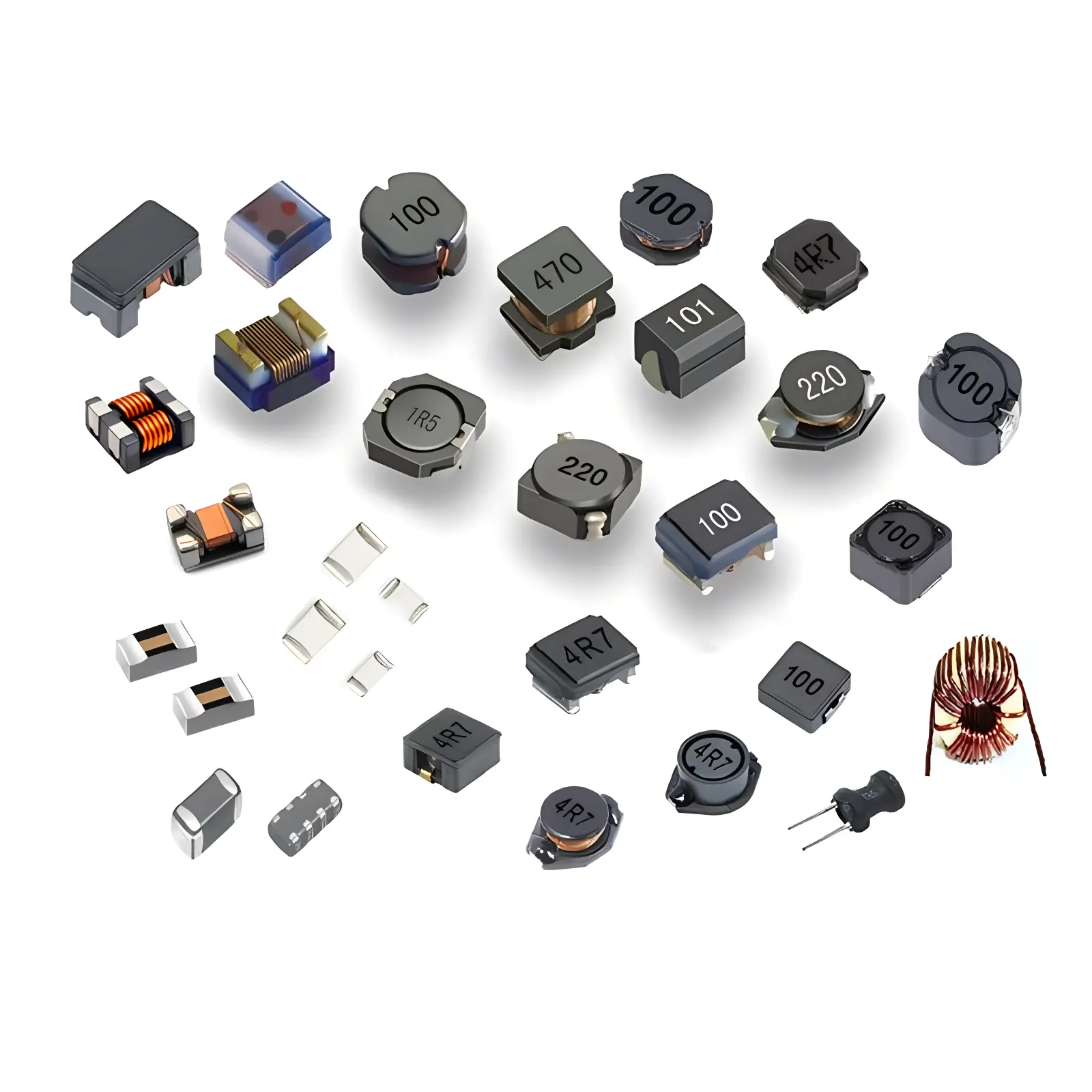 Inductors
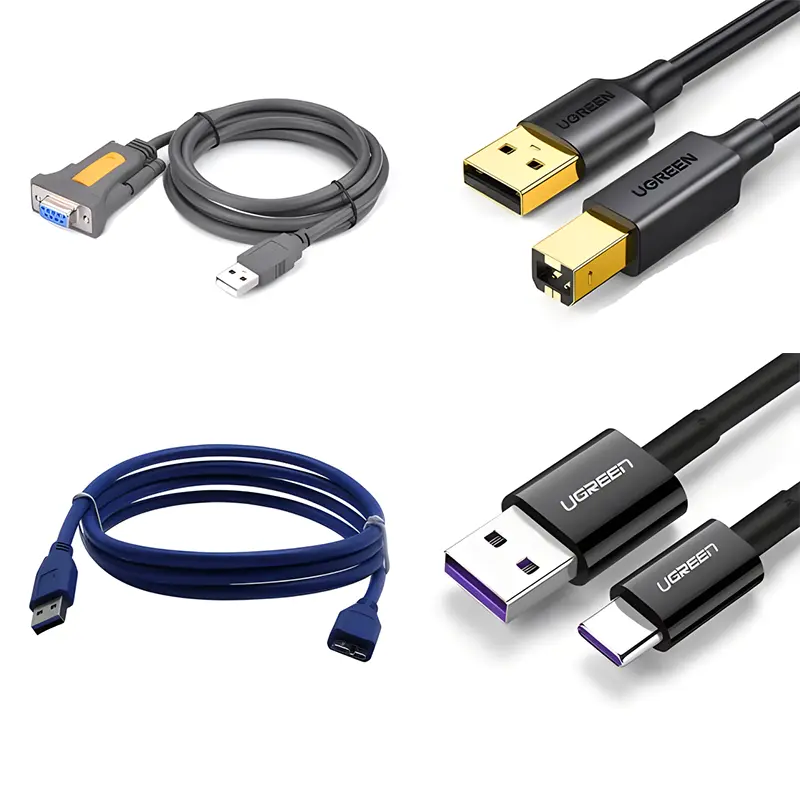 Wires,Cables Customized
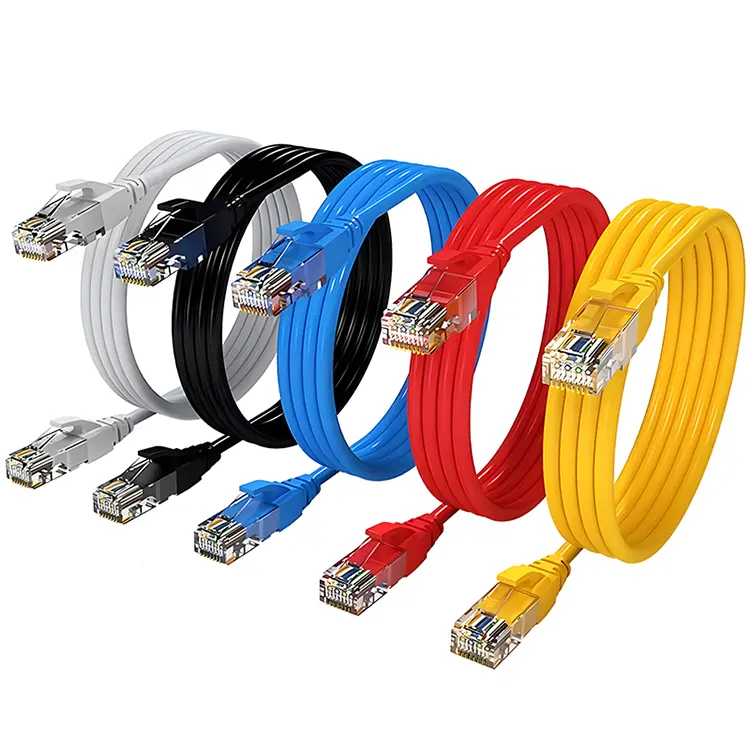 Network Cables
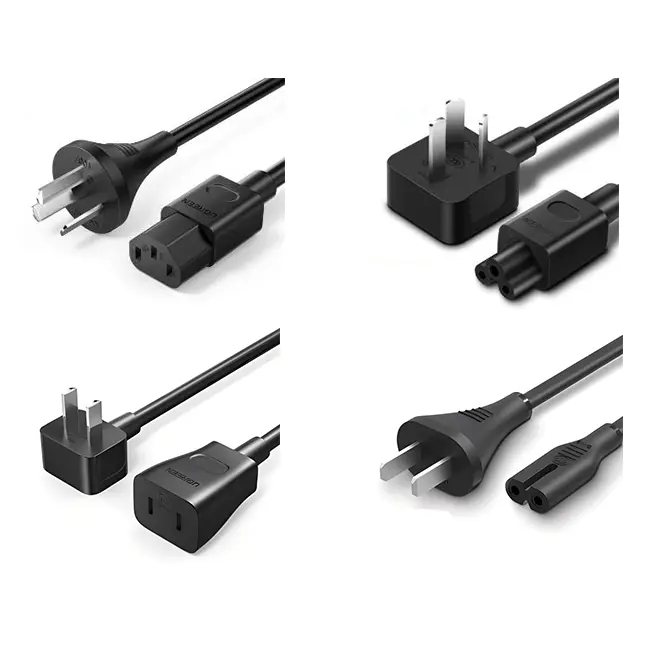 Power Cords
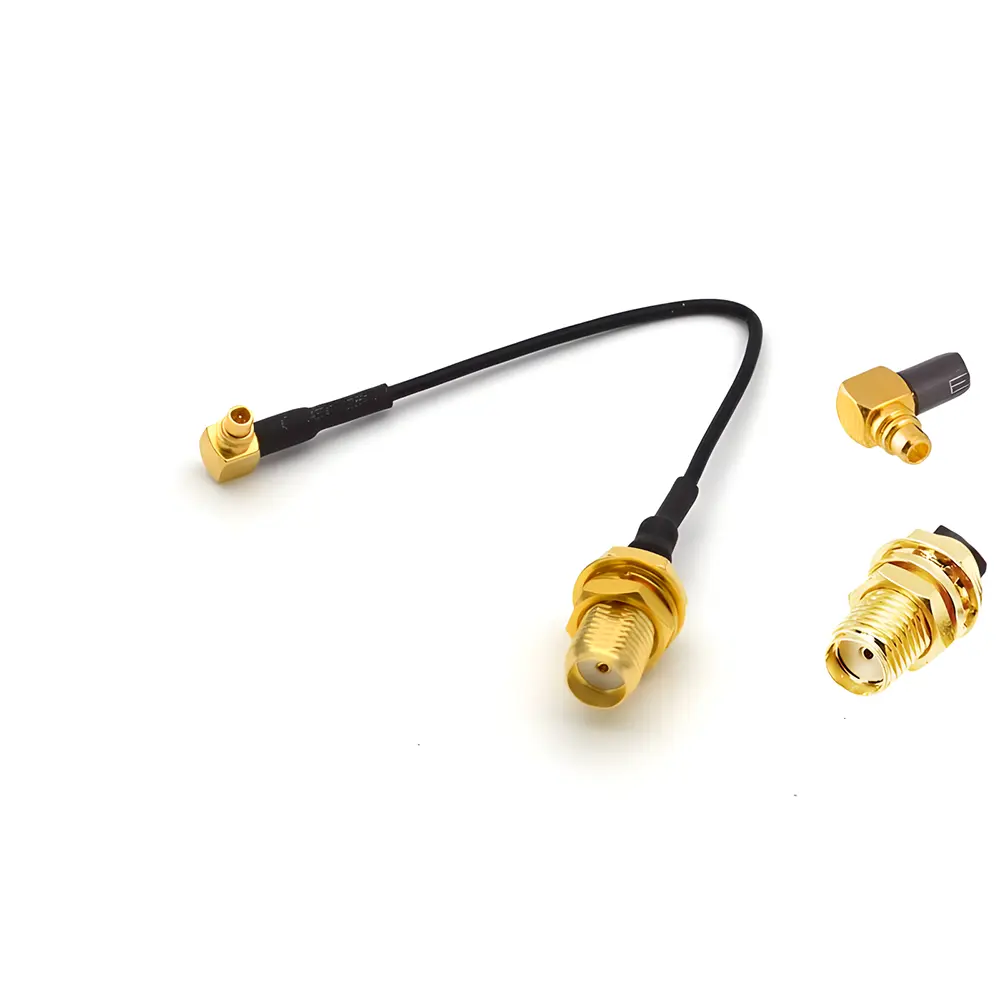 Antenna Cables
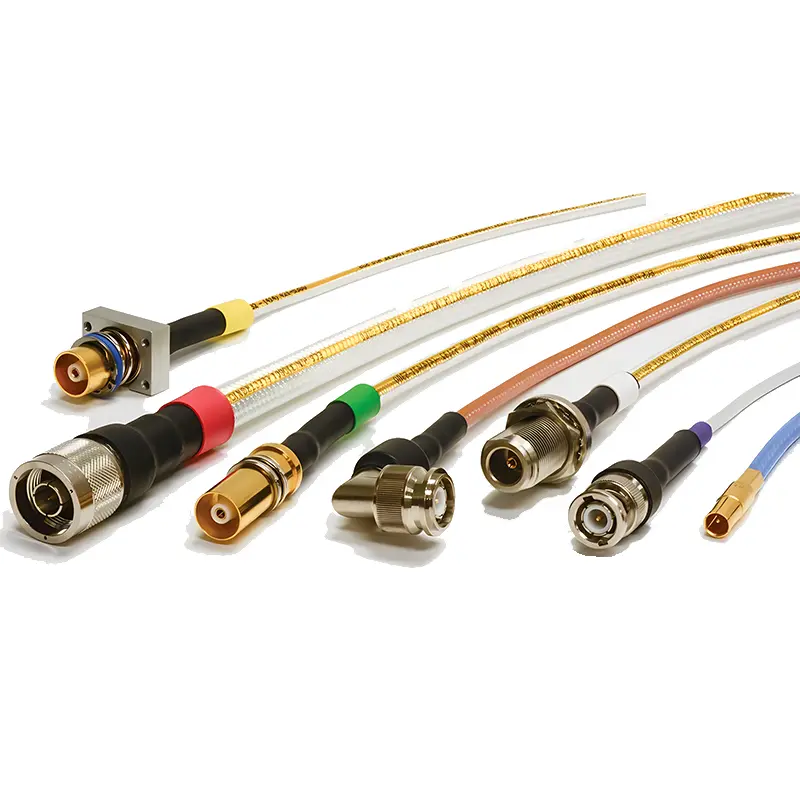 Coaxial Cables
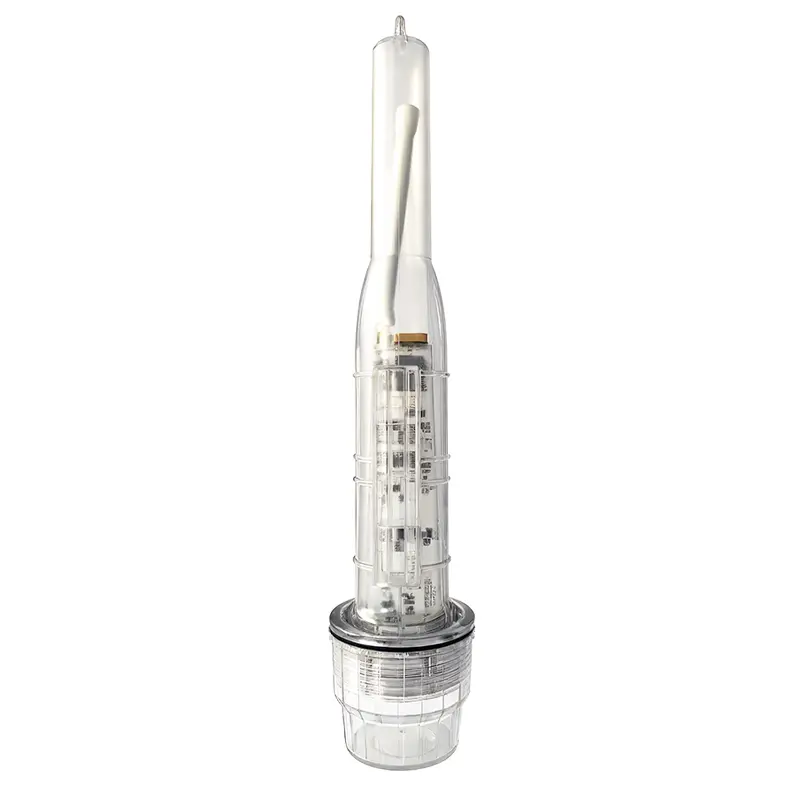 Net Position Indicator
 Solar AIS net position indicator
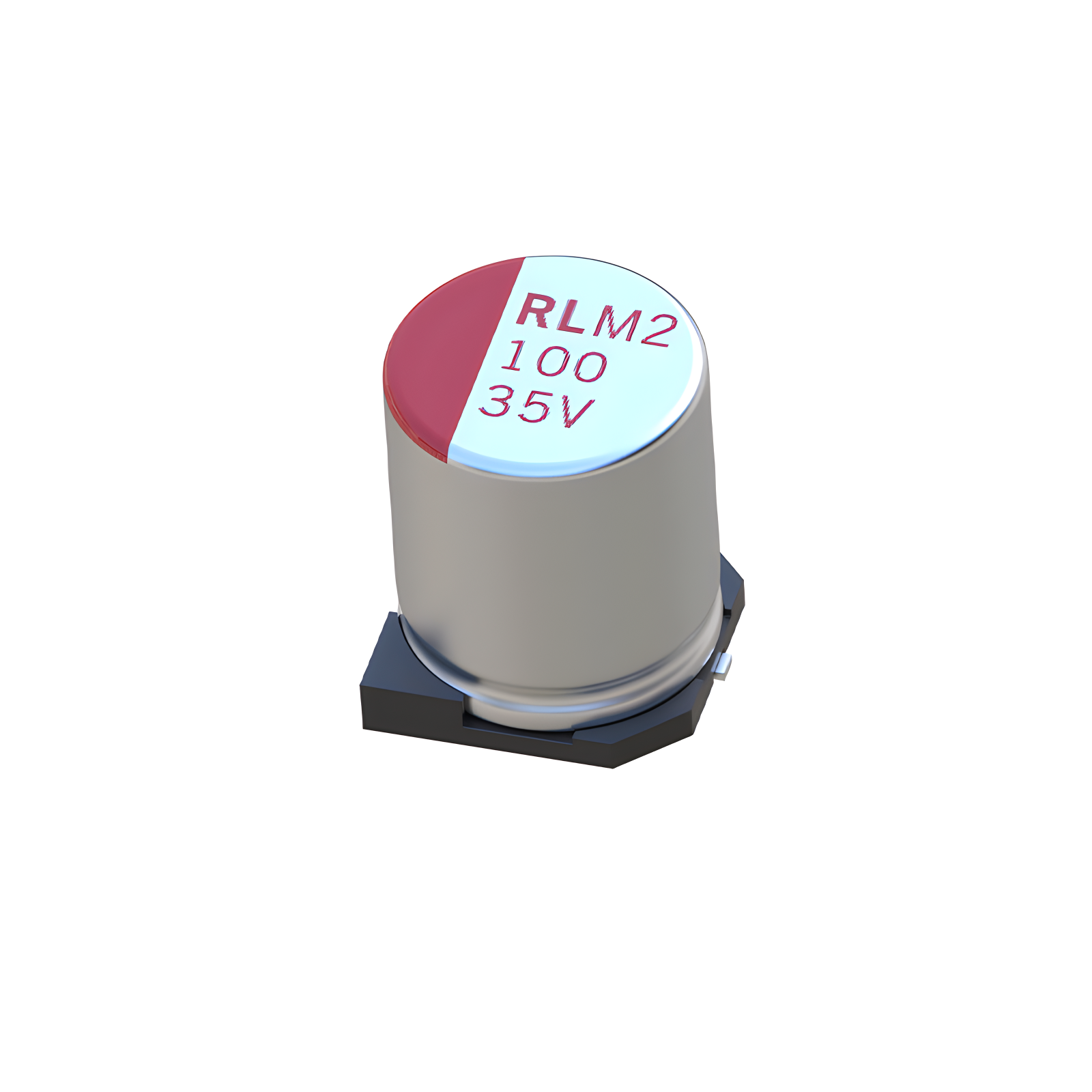 Capacitors
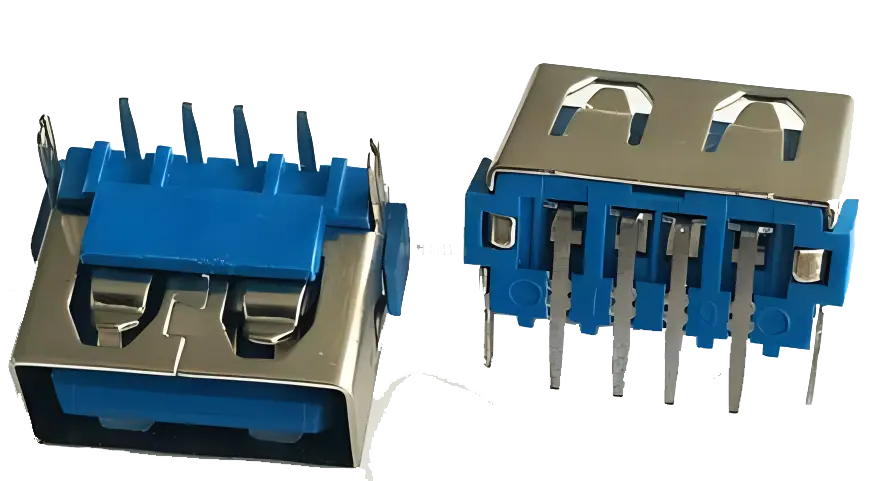 Connectors
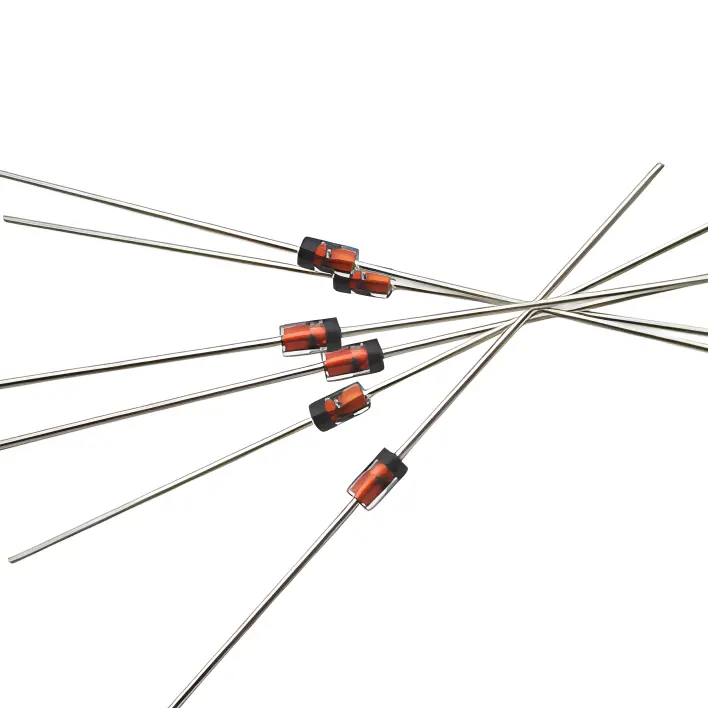 Diodes
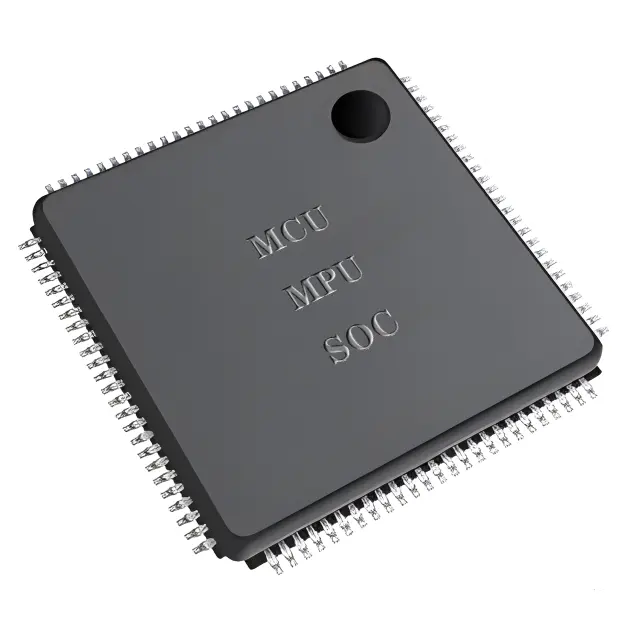 Embedded Processors & Controllers
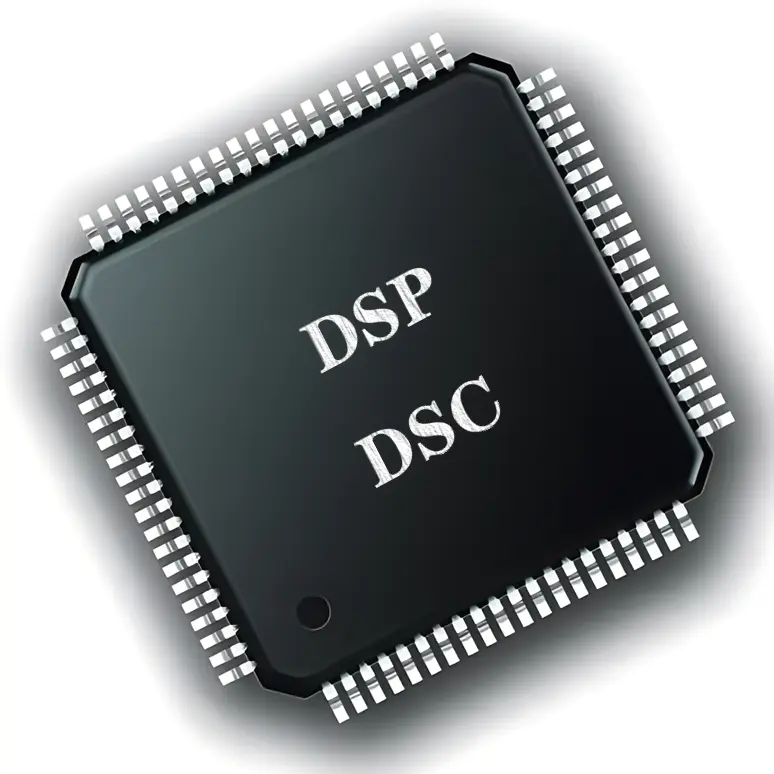 Digital Signal Processors (DSP/DSC)
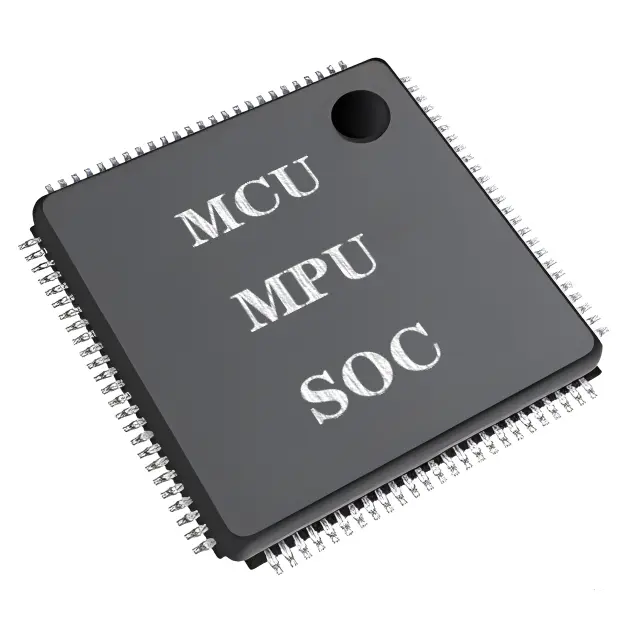 Microcontrollers (MCU/MPU/SOC)
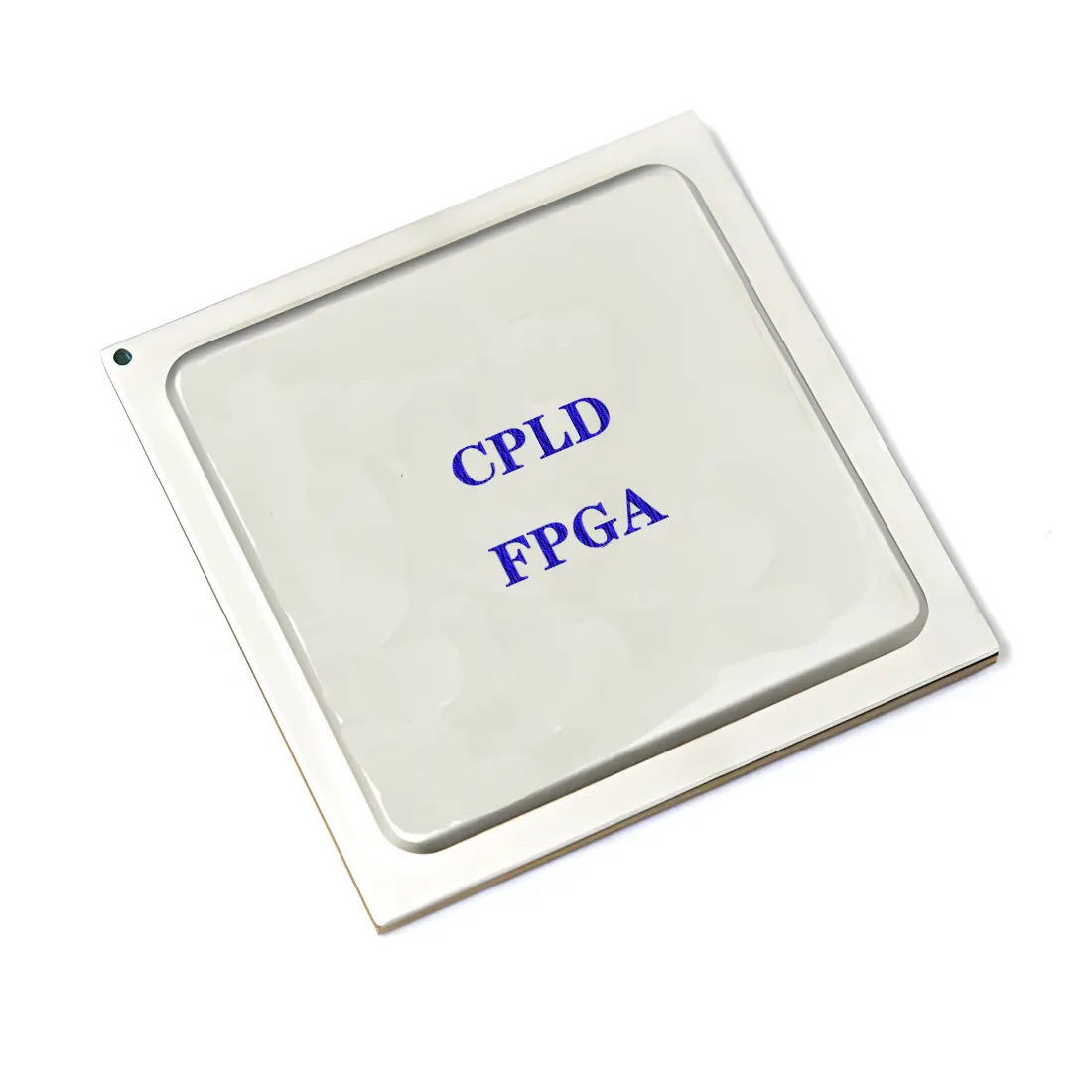 Programmable Logic Device(CPLD/FPGA)
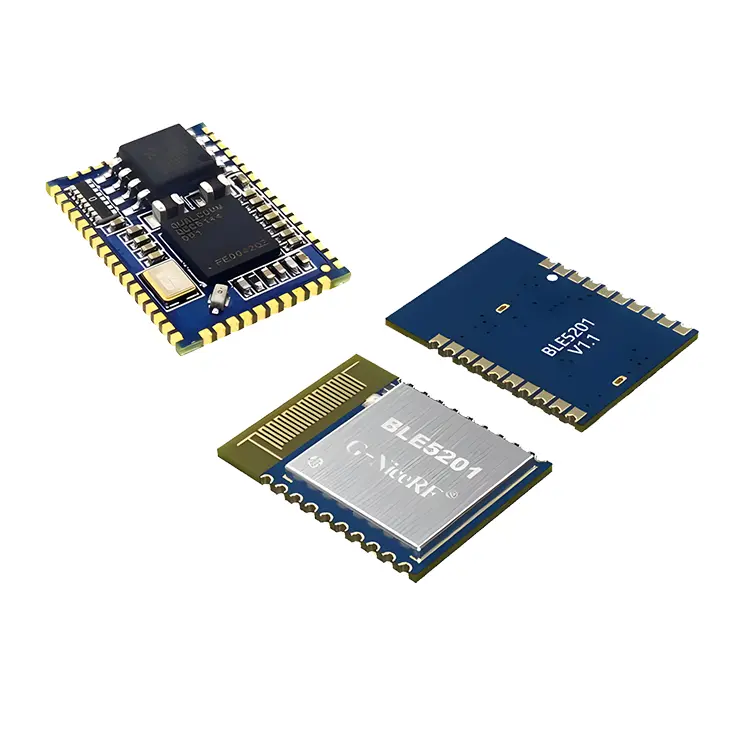 Communication Modules/IoT
 Resistors
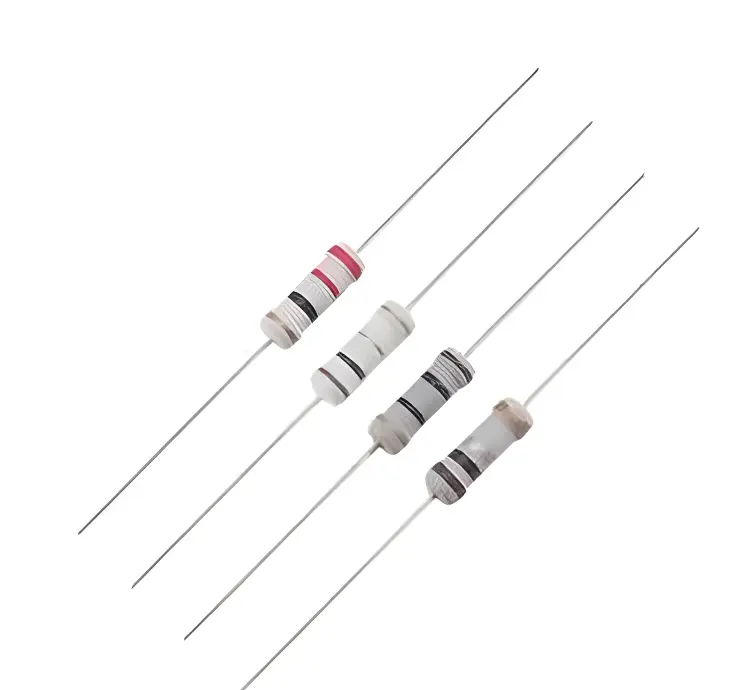 Through Hole Resistors
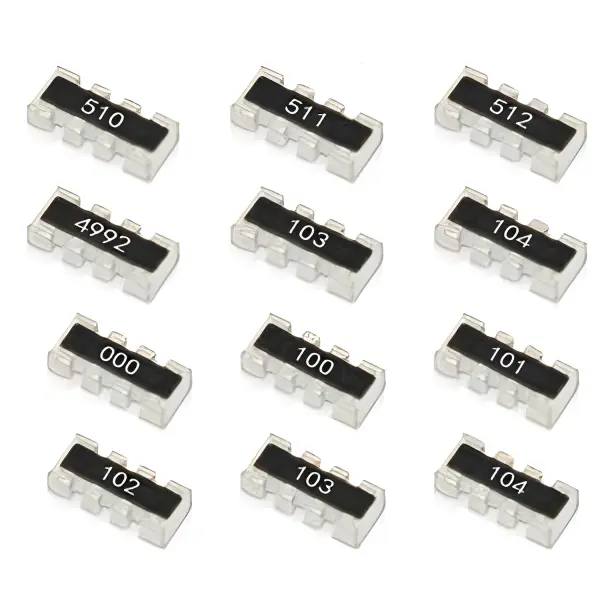 Resistor Networks, Arrays
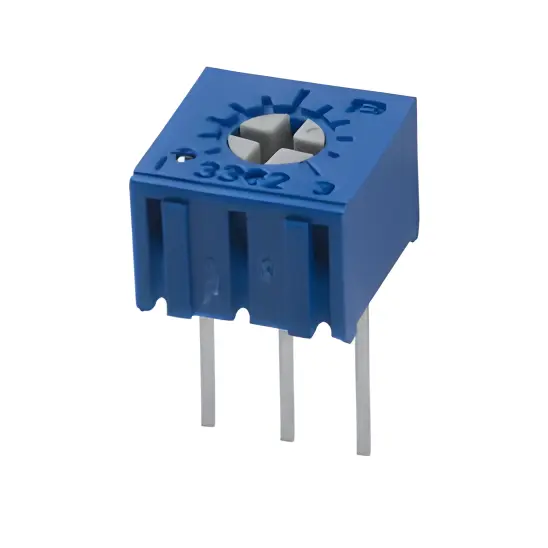 Potentiometers,Variable Resistors
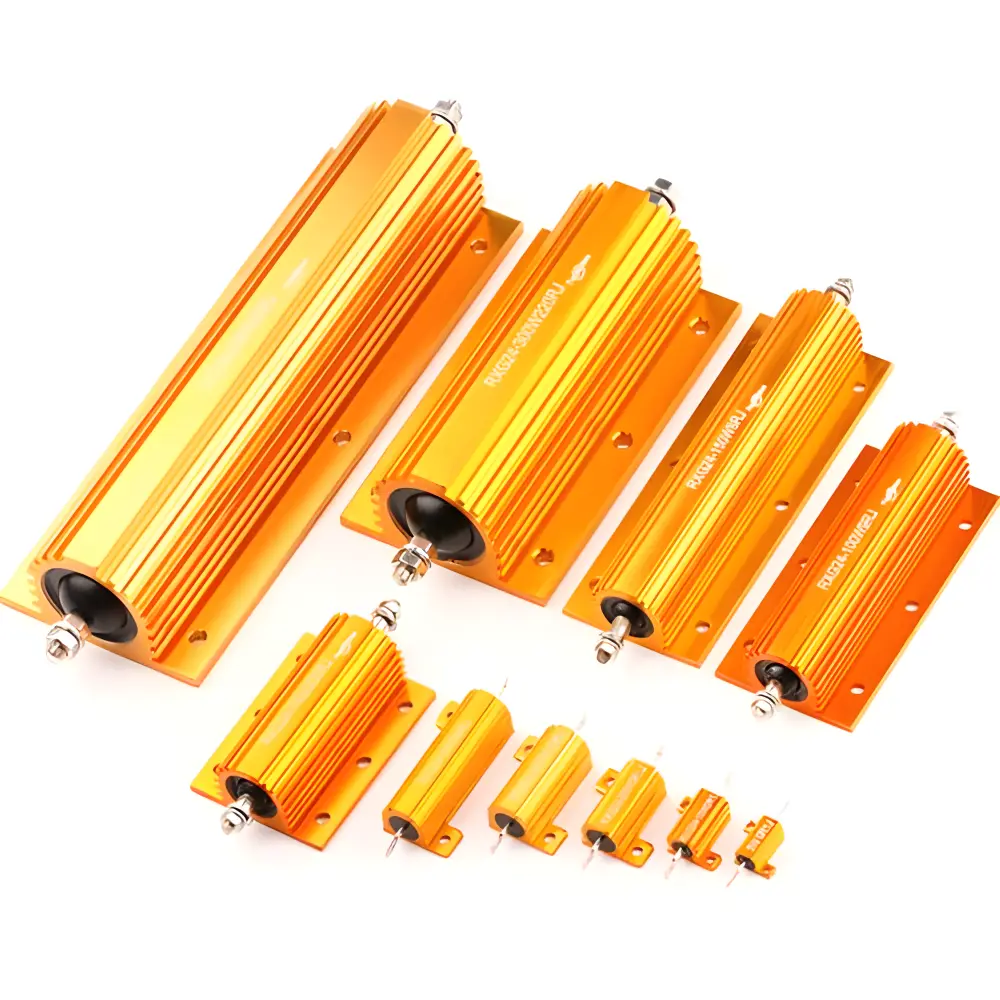 Aluminum Case,Porcelain Tube Resistance
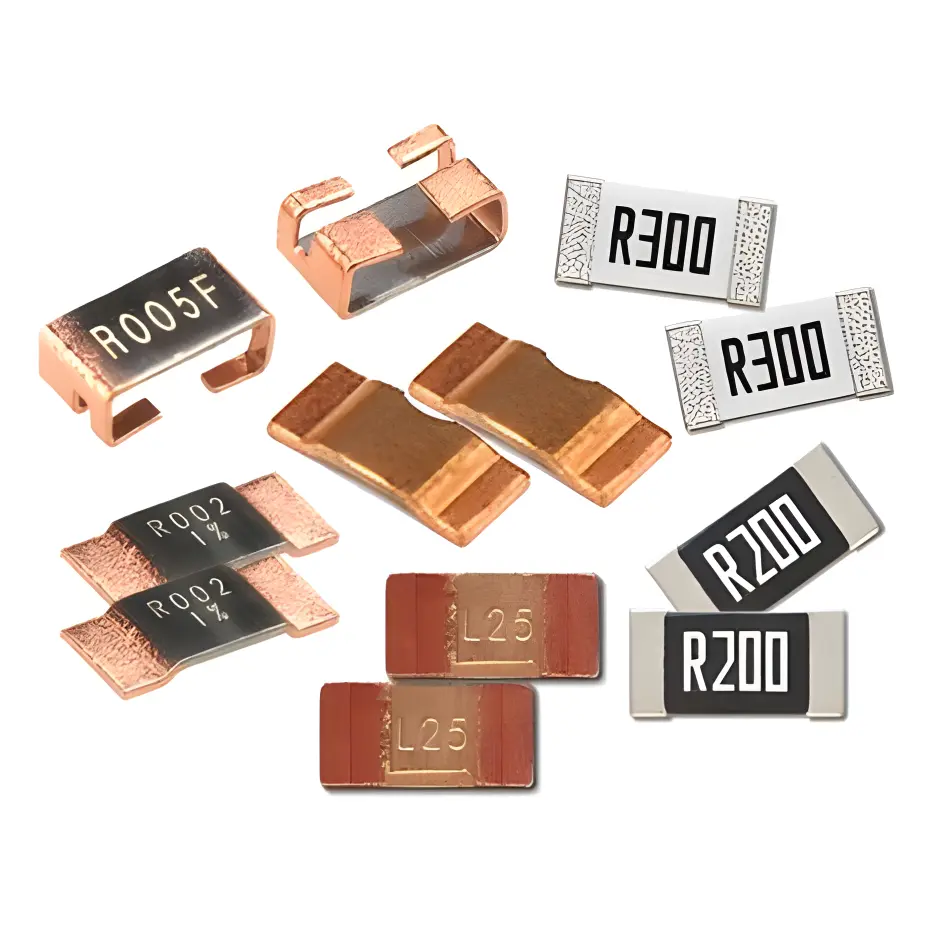 Current Sense Resistors,Shunt Resistors
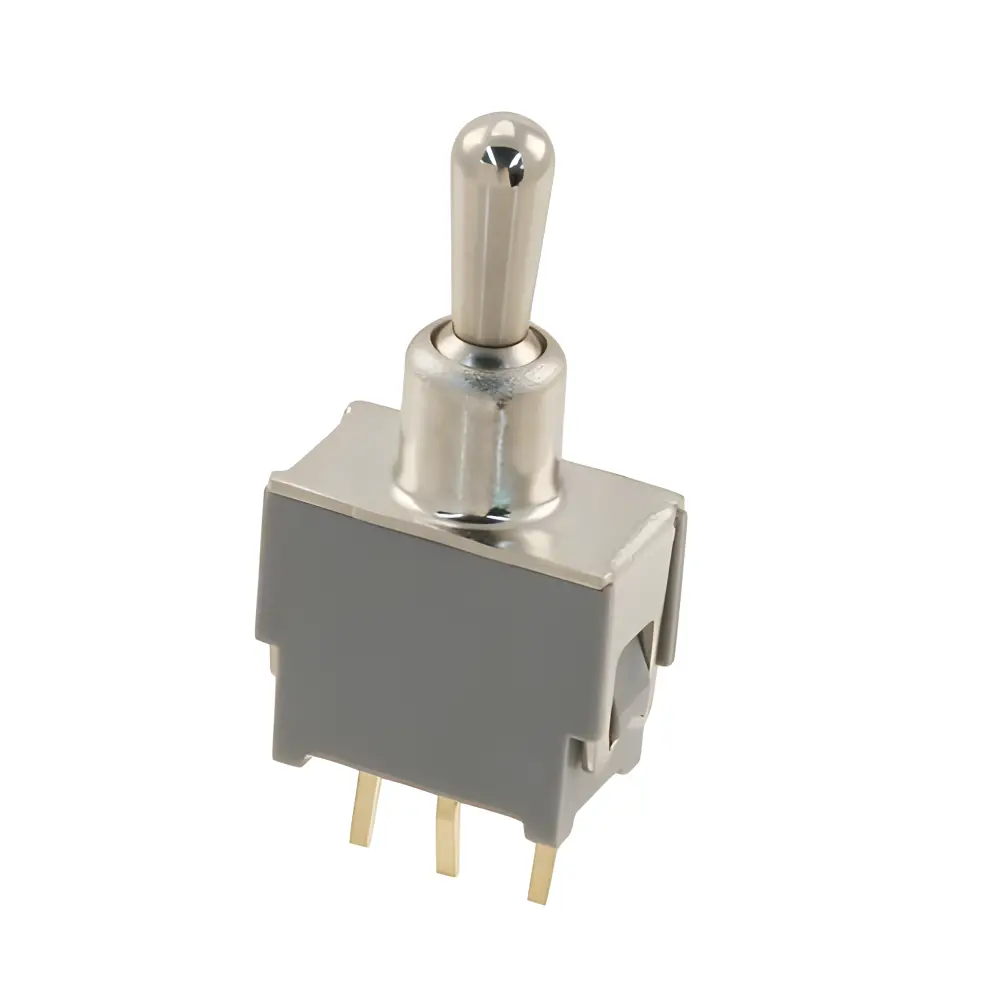 Switches
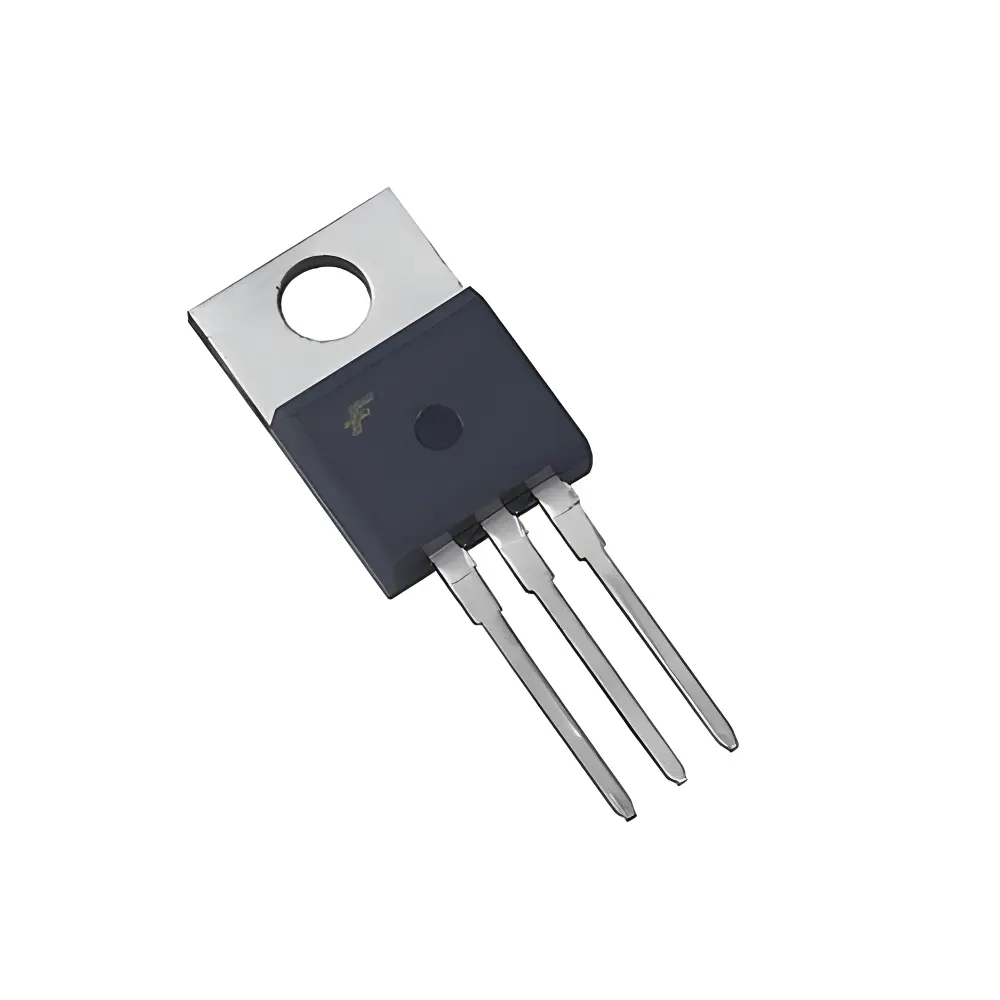 Transistors
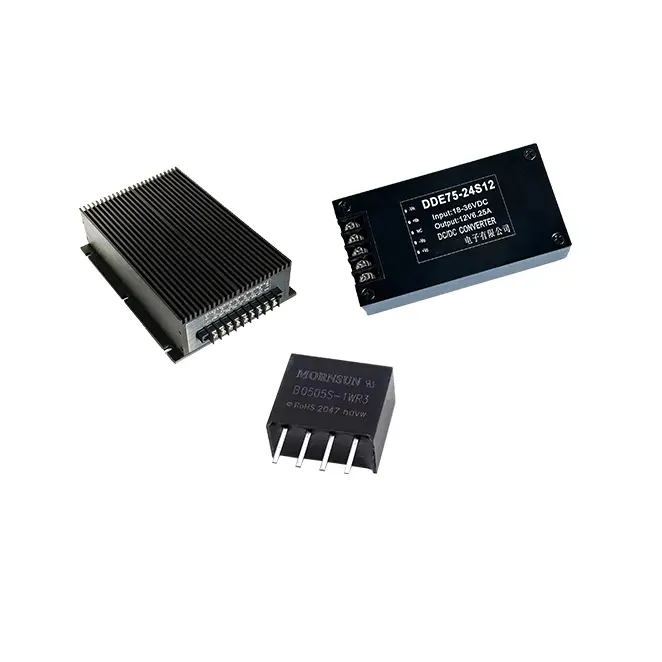 Power Modules
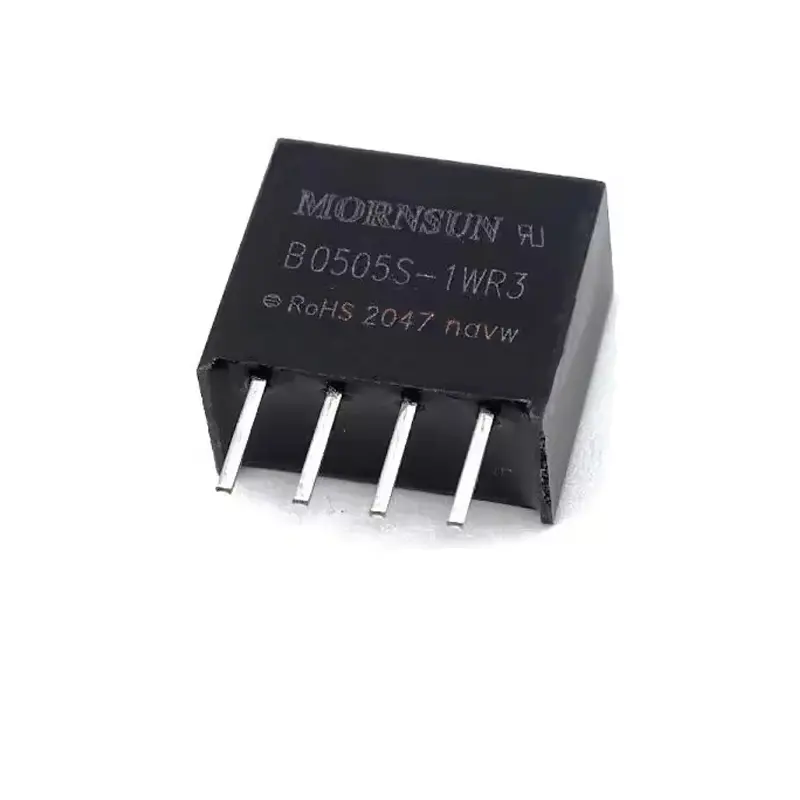 Isolated Power Modules
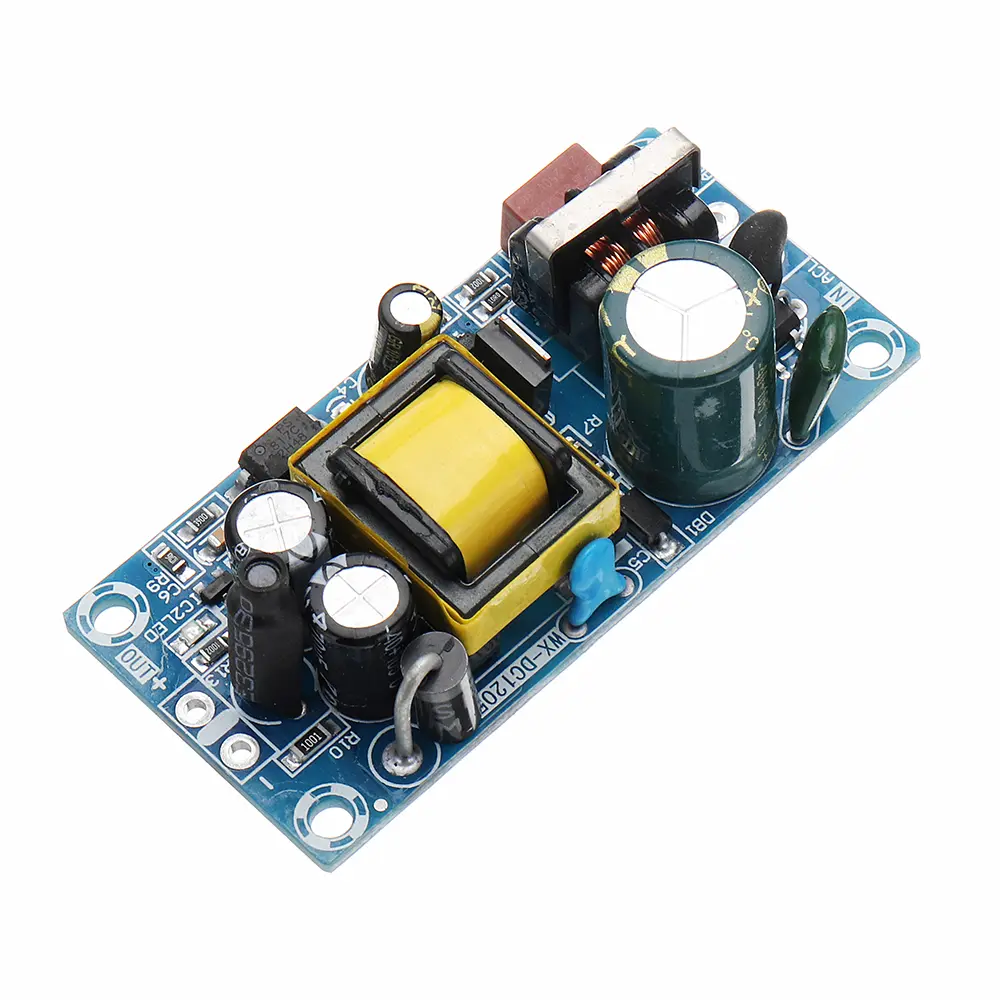 AC-DC Power Modules
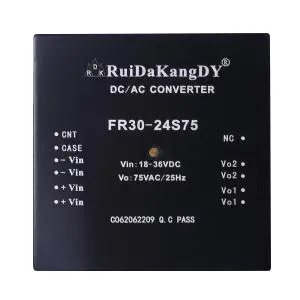 DC-AC Module(Inverter)
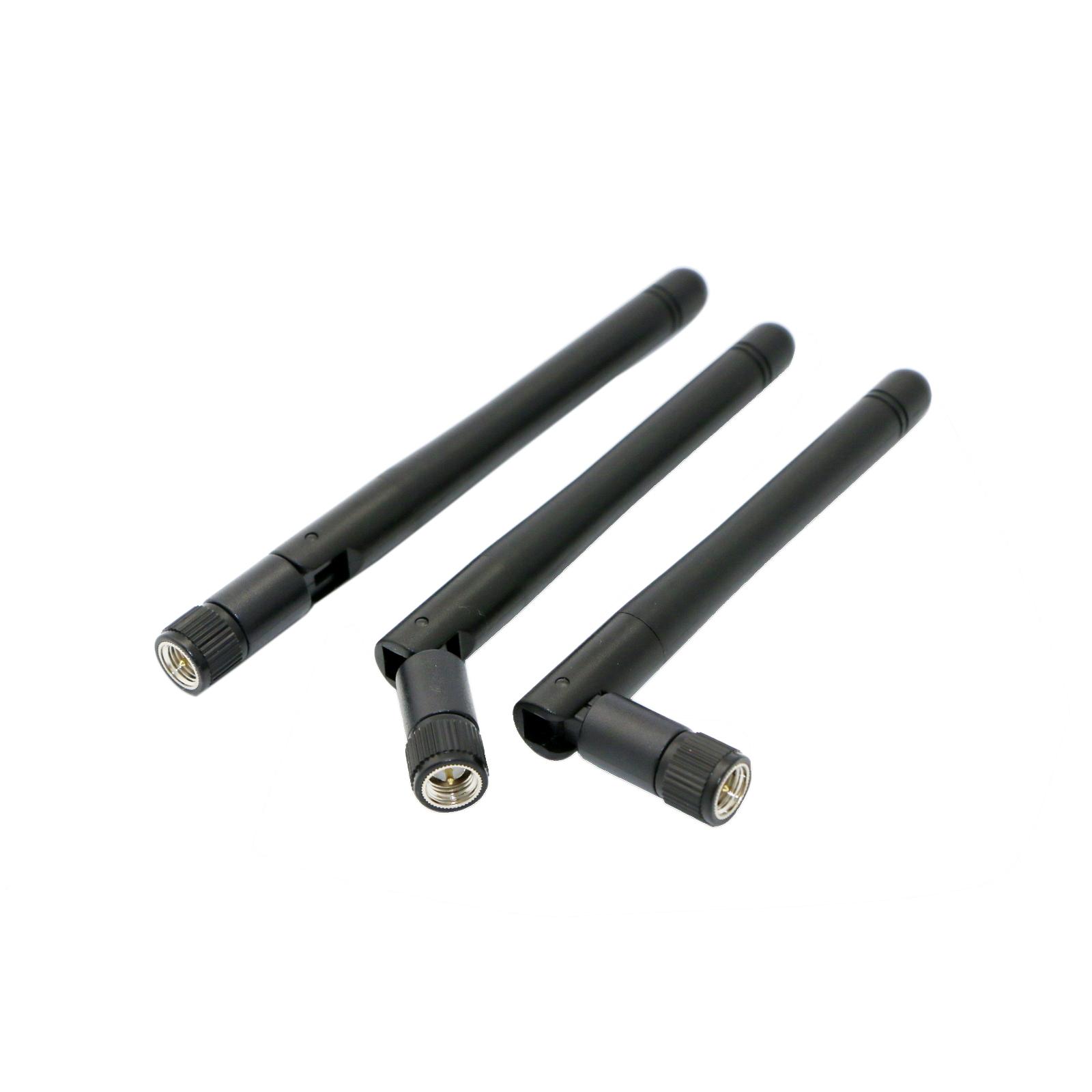 RF and Wireless
(I) Common Sense of Electronic Material Inspection in SMT Factory
2025-04-08
1. Common Sense of Incoming Material Inspection
(1) General Steps of Incoming Material Inspection
Incoming materials → Prepare inspection tools → Overall inspection
- Is the outer packaging intact? Is the LABEL clear and correct?
- Is the inner packaging intact? Is the LABEL clear and correct?
- Are there any shortages or surpluses? Is the packing chaotIC?
→ Sampling → Single - item inspection
- Appearance, dimension, etc. detection
- Function detection
- Reliability detection (if necessary)
→ Judgment
- OK:
- Restore packaging
- Stamp the PASS seal
- Affix a time - effect label (if required)
- Pass the goods
- NG:
- Restore packaging
- Stamp the REJECT seal
- Issue a report
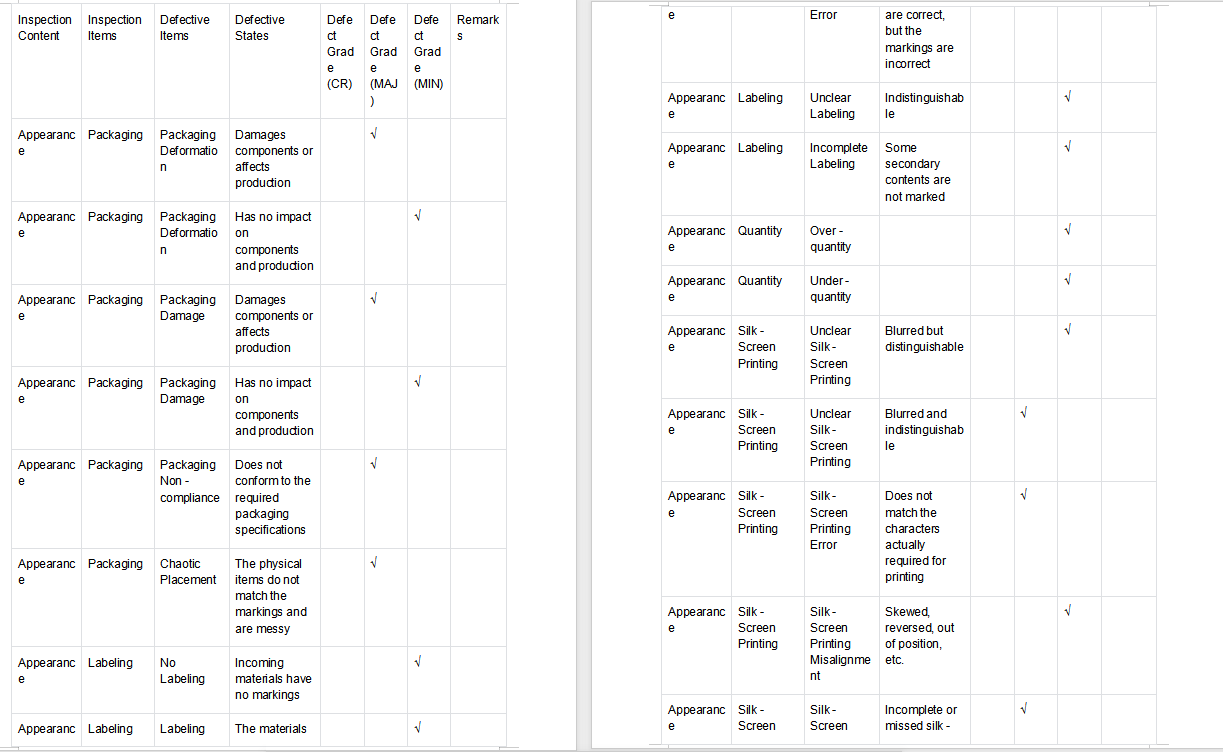
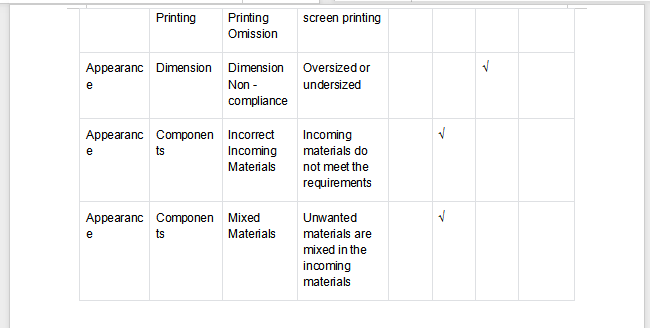
(2) Summary of Common Defects in IQC Incoming Material Inspection
During incoming material inspection, IQC often encounters various defects. Inspection should be carried out from two aspects: the overall incoming materials and the sampled items. Generally, it can be classified as follows:
- Incorrect Incoming Materials: This mainly includes non - compliance with the specification requirements of incoming materials. That is, some relevant parameters of incoming materials do not match the requirements, such as the error values of Resistors and capacitors, the amplification factor of triodes, etc. In addition, there are cases where the wrong materials are delivered, for example, resistors are required but capacitors are actually delivered. There are also materials without a Purchase Order (PO), that is, redundant materials.
- Incorrect Quantity: This defect mainly refers to the non - compliance of the quantity of incoming materials, including over - quantity (such as exceeding the ITV quantity, etc.), under - quantity (such as the total quantity being less than the GRN quantity, the actual quantity in the package being less than the marked quantity, etc.), and no materials at all.
- Incorrect Labeling: This defect means that the incoming materials themselves are not defective, but there are errors in the labeling of inner and outer packaging, LABEL, etc., such as incorrect P/N writing during labeling, extra or missing characters, etc.
- Chaotic Packaging: This defect includes mixed packaging of multiple materials in one incoming batch, non - corresponding labeling, damaged packaging, and loose packaging and unordered placement of a single material. This kind of defect makes it difficult for IQC to find materials during inspection, causes trouble in sorting, reduces work efficiency, and is also likely to cause other defects such as material deformation, SCRatches, and damage.
In addition to the overall inspection, the inspection of sampled items is more important, takes more time, and has more complex and variable defect contents in IQC incoming material inspection. The defects of sampled items are mainly divided into two categories: appearance defects and functional defects. The following is a summary:
- Appearance Defects
There are relatively many appearance defect items, and there are different defect contents from different aspects. Appearance defects of different raw materials also have their own characteristics.
Classified by inspection contents, the defect situations are as follows:
(1) Packaging Defects: Damaged outer packaging, non - compliance with packaging requirements (such as requiring vacuum packaging but not having it, requiring tape - wound packaging but coming in tray packaging, not meeting the required quantity in single - unit packaging, etc.), defective reel and tape (such as reel deformation, breakage; the tape film is too sticky for the machine to roll up, easy to tear, break, and the weak adhesion causes components to fall out, etc.); messy placement, etc.
(2) Labeling Defects: No labeling, missing labeling, incorrect labeling (extra characters, missing characters, wrong characters, etc.), non - standard labeling (not unified in position and labeling method), non - corresponding (labeling without corresponding physical items or physical items without labeling, that is, chaotic packaging of multiple boxes of materials), etc.
(3) Dimensional Defects: That is, relevant dimensions are larger or smaller than the required tolerance, including relevant length, width, height, hole diameter, curvature, thickness, angle, interval, etc.
(4) Assembly Defects: Tight assembly, loose assembly, gap, mismatch, etc.
(5) Surface Treatment Defects:
A. Body Defects: Breakage, incompleteness, scratching, scuffing, pinholes, penetration, peeling, crushing, imprints, unevenness, deformation, burrs, breakage, etc.
B. Cleanliness Defects: Dirt, black spots, white spots, foreign objects, water marks, fingerprints, spots, mildew spots, etc.
C. Color Defects: Incorrect color, uneven color, color difference, etc.
D. Silk - Screen Printing Defects: Errors, omissions, shortages, faintness, blurriness, ghosting, misalignment, reverse printing, poor adhesion, etc.
E. Plating Defects: Thin plating, missing plating, uneven plating, roughness, particles, oxidation, peeling, etc.
F. Painting Defects: Excessive paint, paint accumulation, paint particles, poor adhesion, imprints, impurities, unevenness, shortages, touch - up paint, etc.
G. Other Defects.
- Functional Defects
Functional defects exhibit their respective characteristics depending on different raw materials. They mainly include nominal values, error values, withstand voltage values, temperature and humidity characteristics, high - temperature characteristics, other relevant characteristic parameters and functions of various raw materials, etc. Functional defects and appearance defects classified by raw materials will be described in detail when introducing the relevant content of each raw material.