
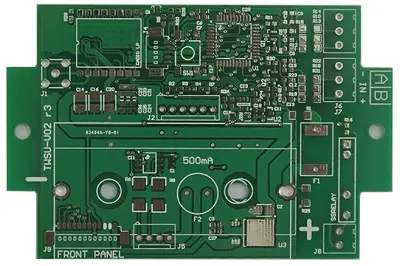
 PCB
PCB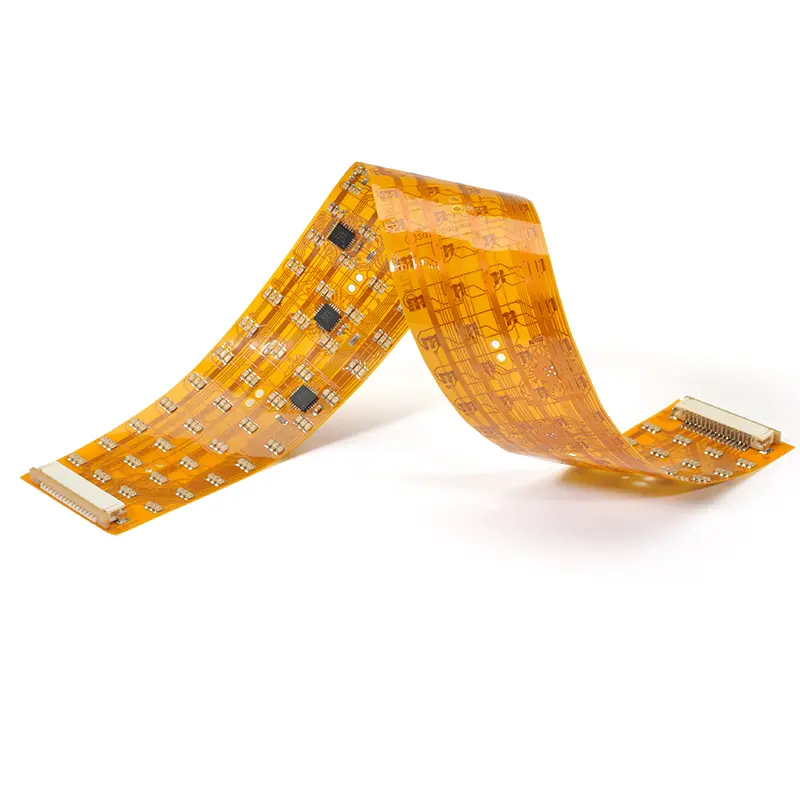 FPC
FPC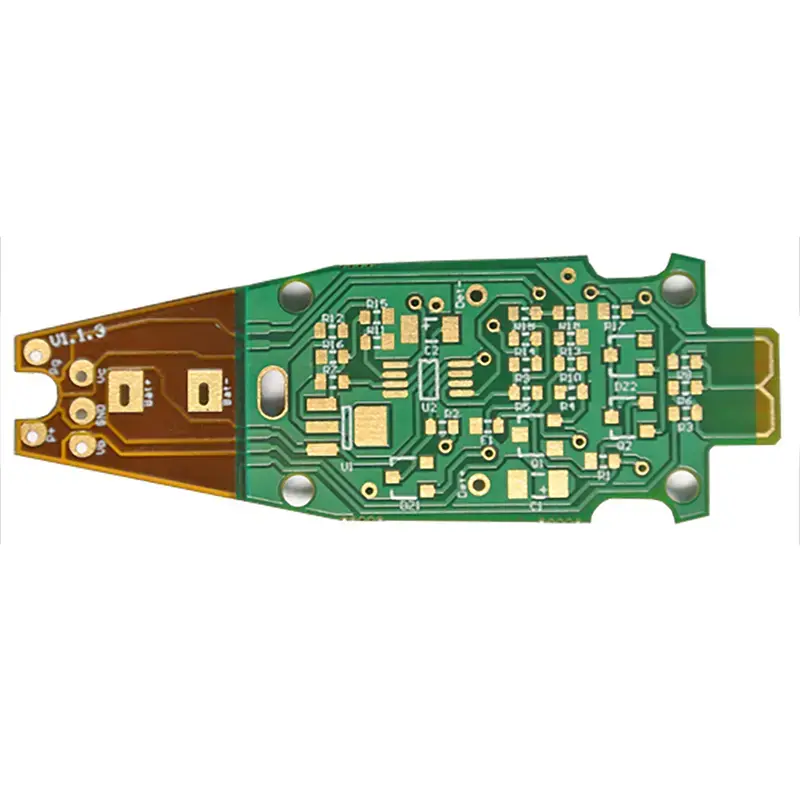 Rigid-Flex
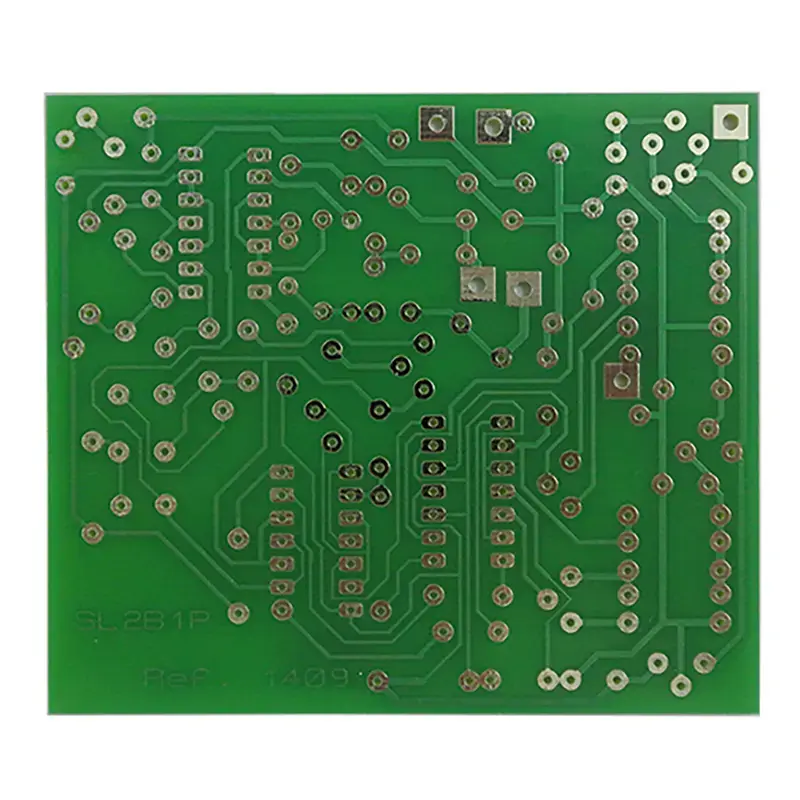 FR-4
FR-4 HDI PCB
 Rogers High-Frequency Board
 PTFE Teflon High-Frequency Board
 Aluminum
 Copper Core
 PCB Assembly
 LED light PCBA
 Memory PCBA
 Power Supply PCBA
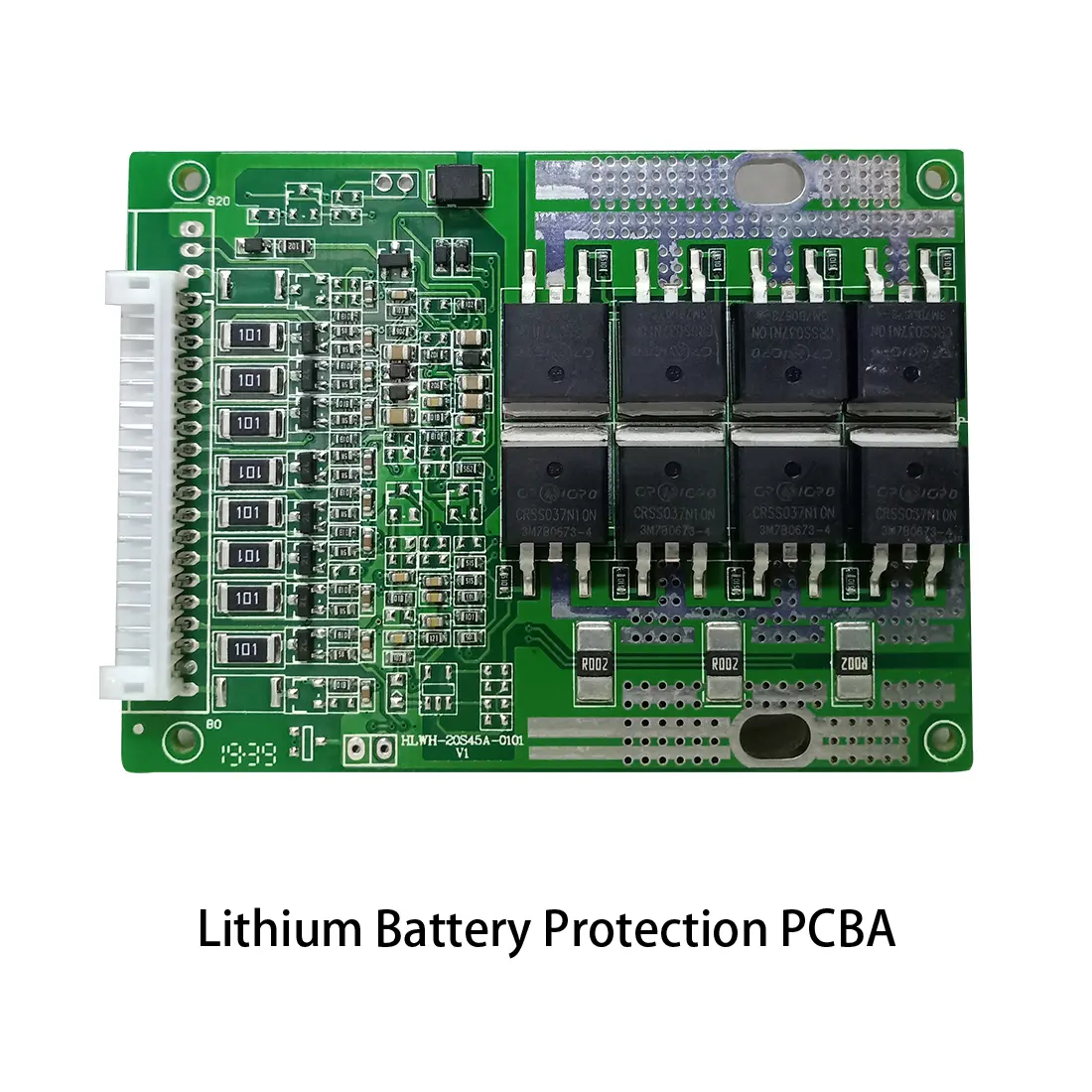 New Energey PCBA
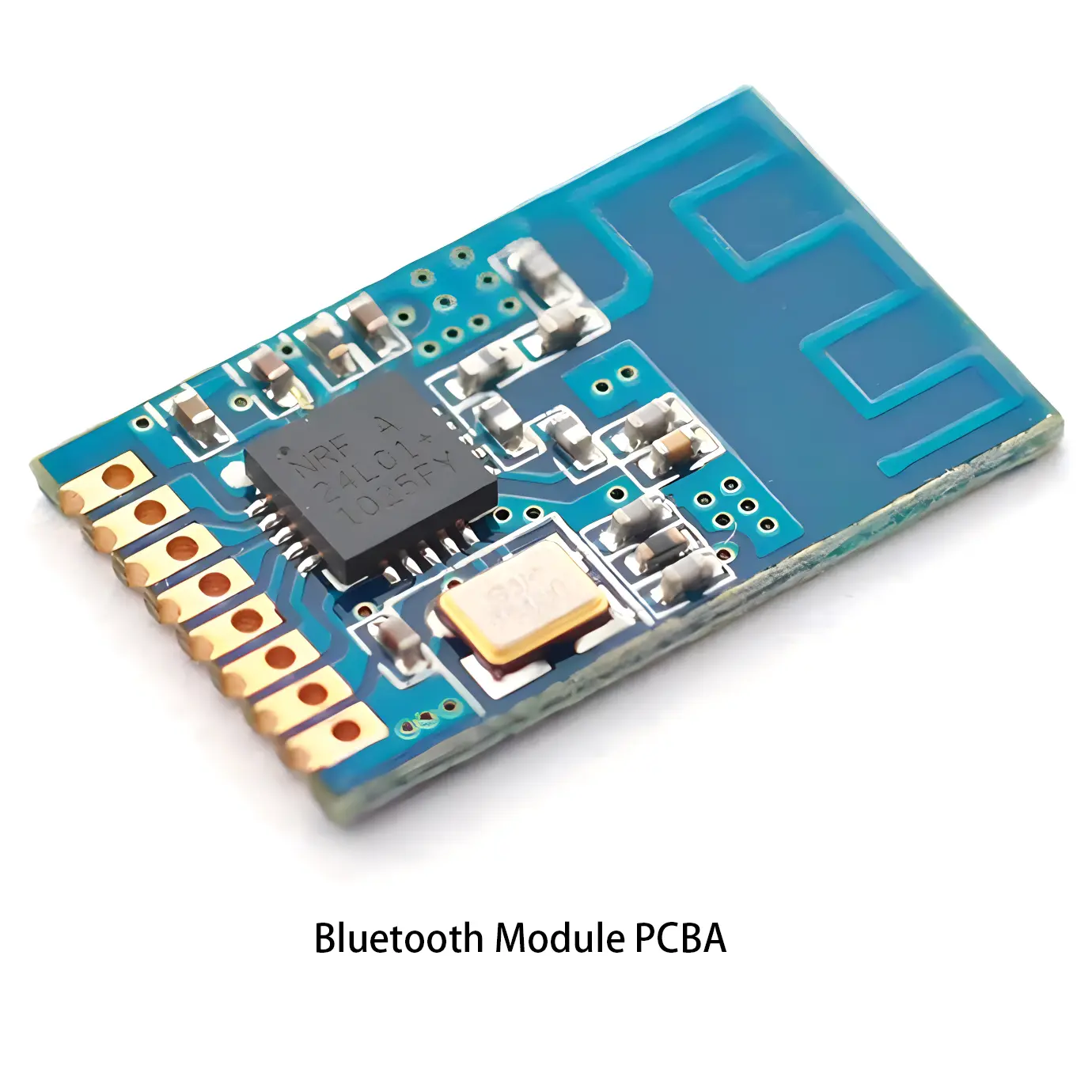 Communication PCBA
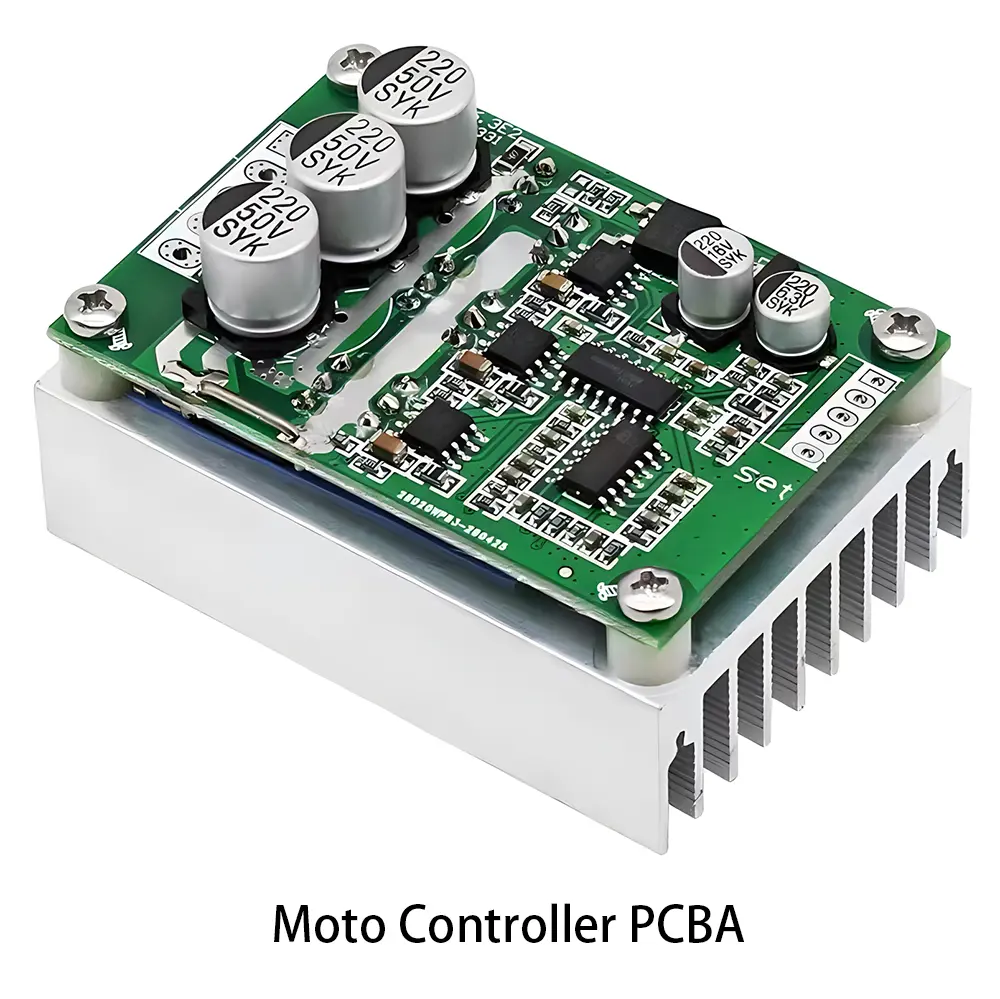 Industrial Control PCBA
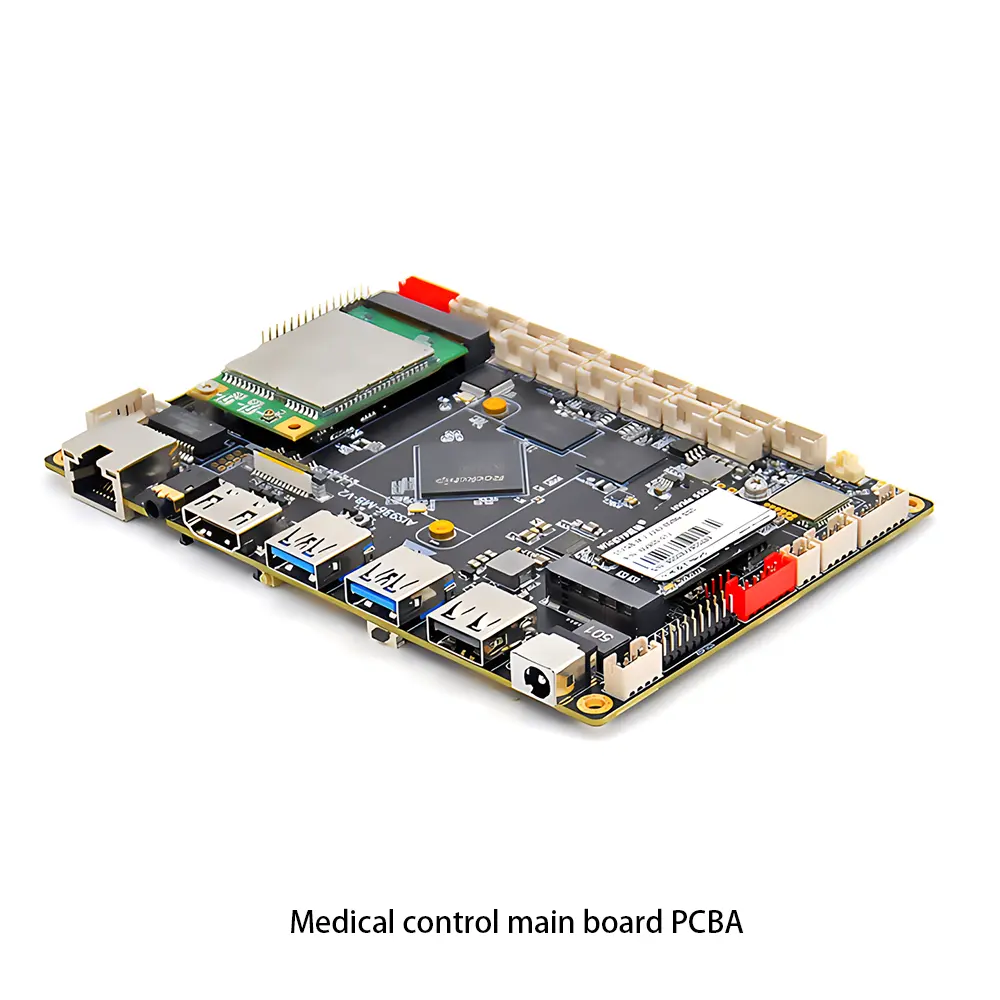 Medical Equipment PCBA
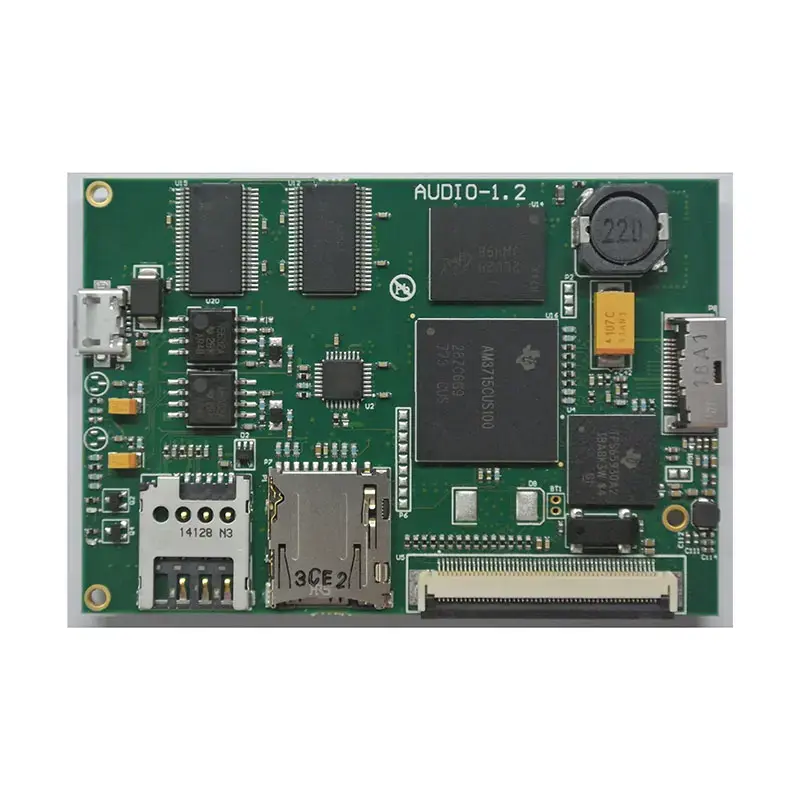 Testing Service
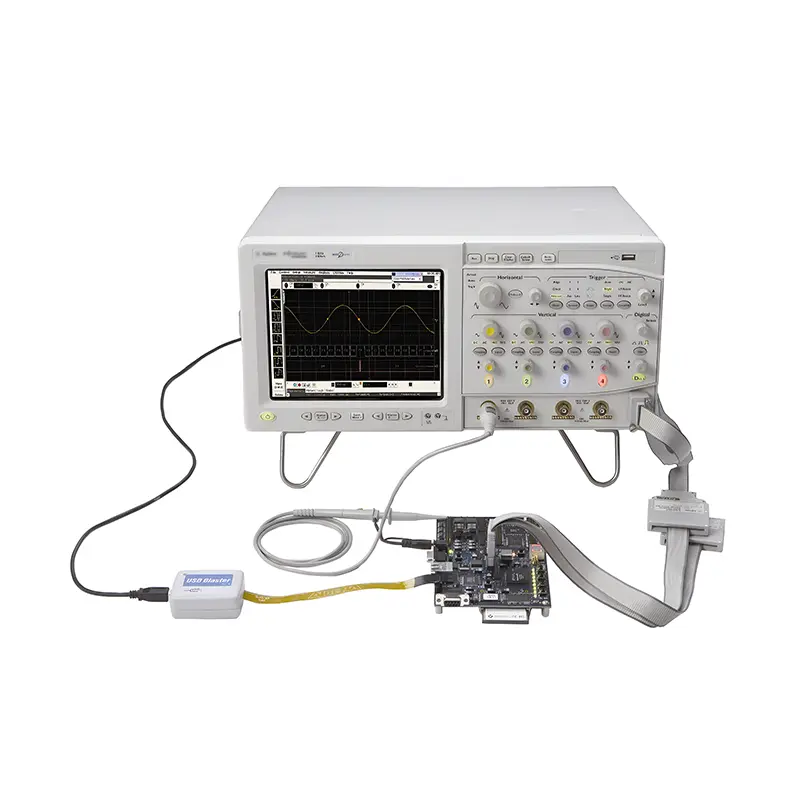 PCBA Testing Service
 Certification Application
 RoHS Certification Application
 REACH Certification Application
 CE Certification Application
 FCC Certification Application
 CQC Certification Application
 UL Certification Application
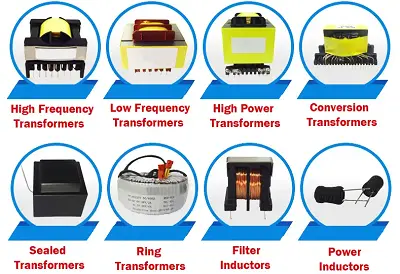 Transformers, Inductors
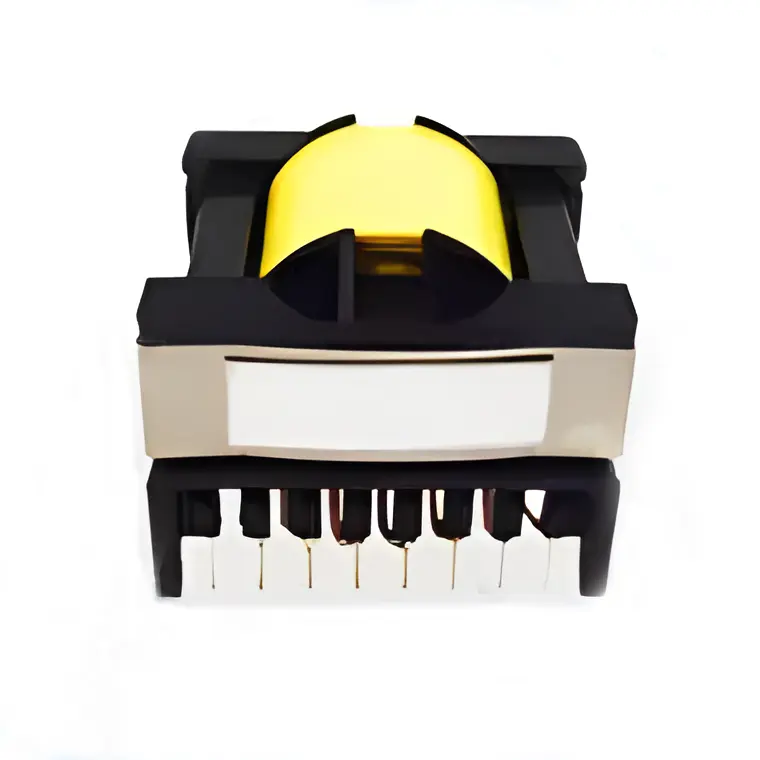 High Frequency Transformers
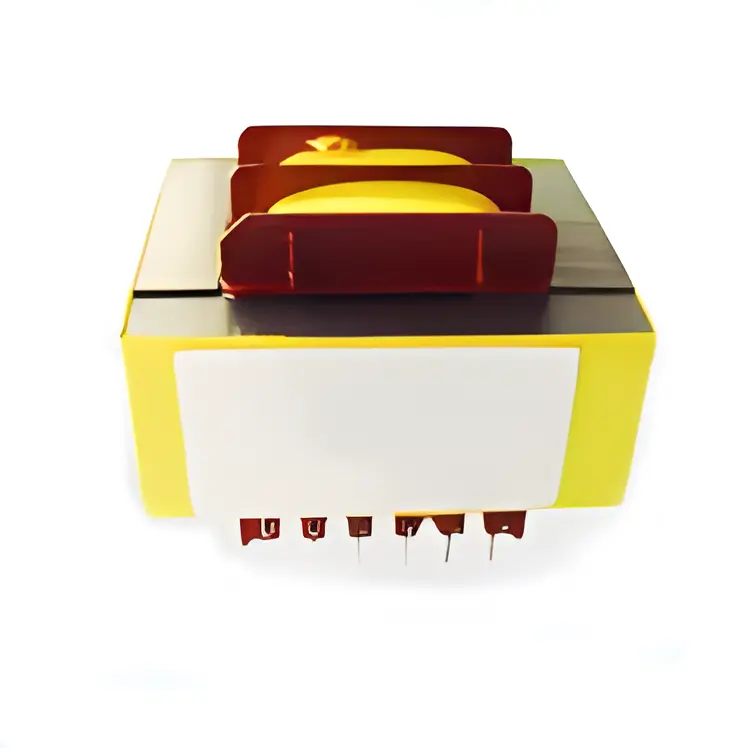 Low Frequency Transformers
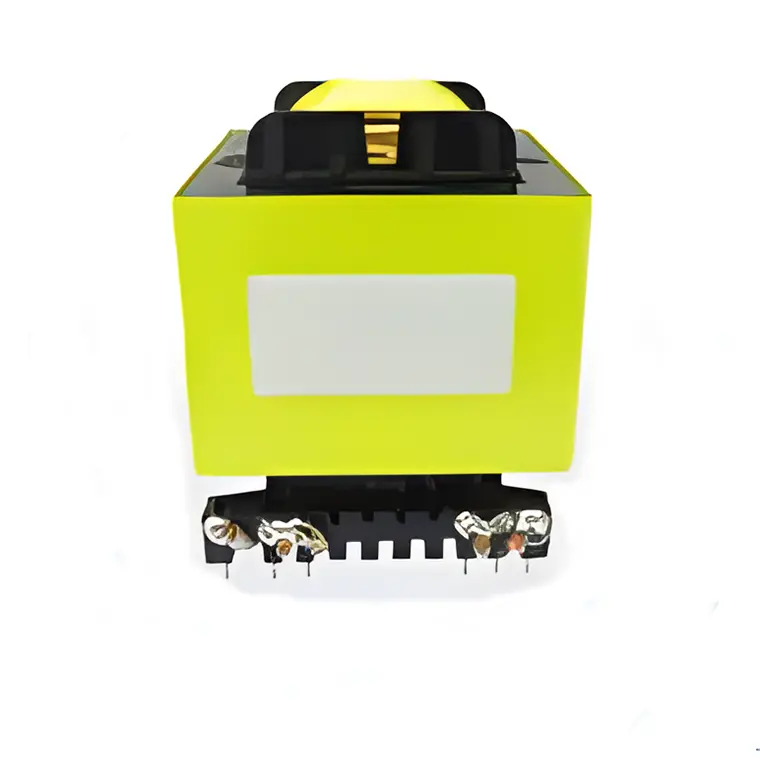 High Power Transformers
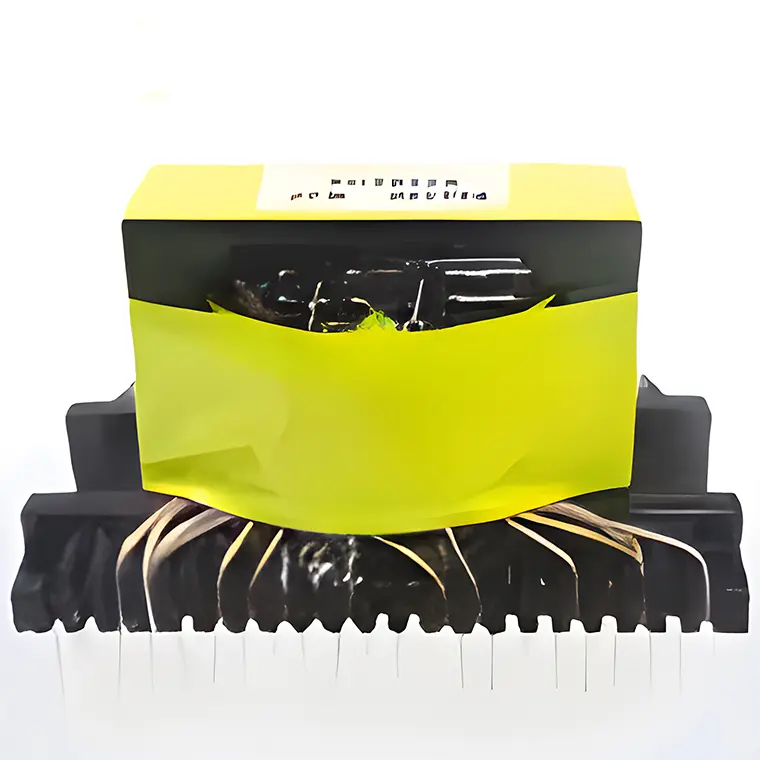 Conversion Transformers
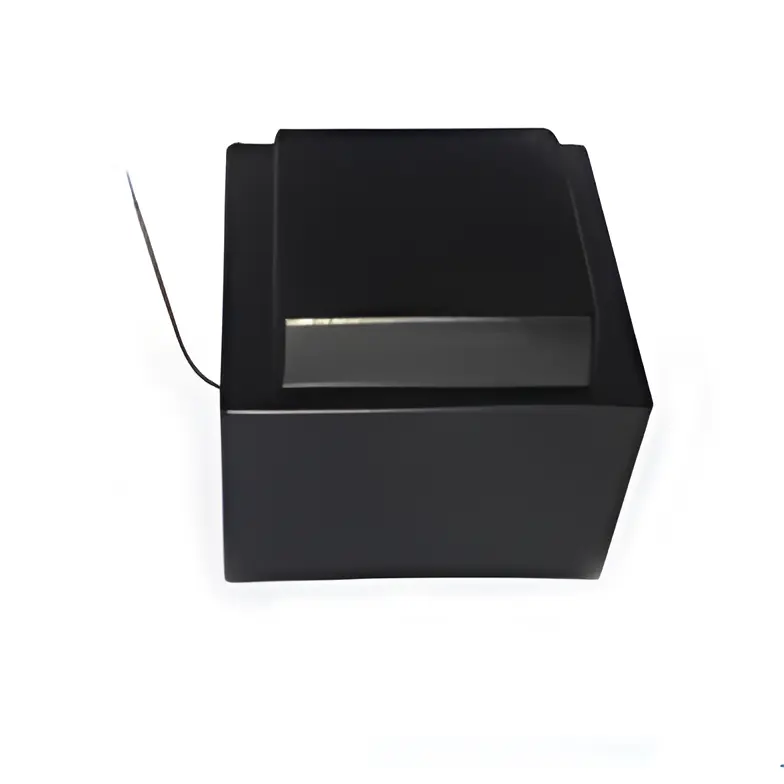 Sealed Transformers
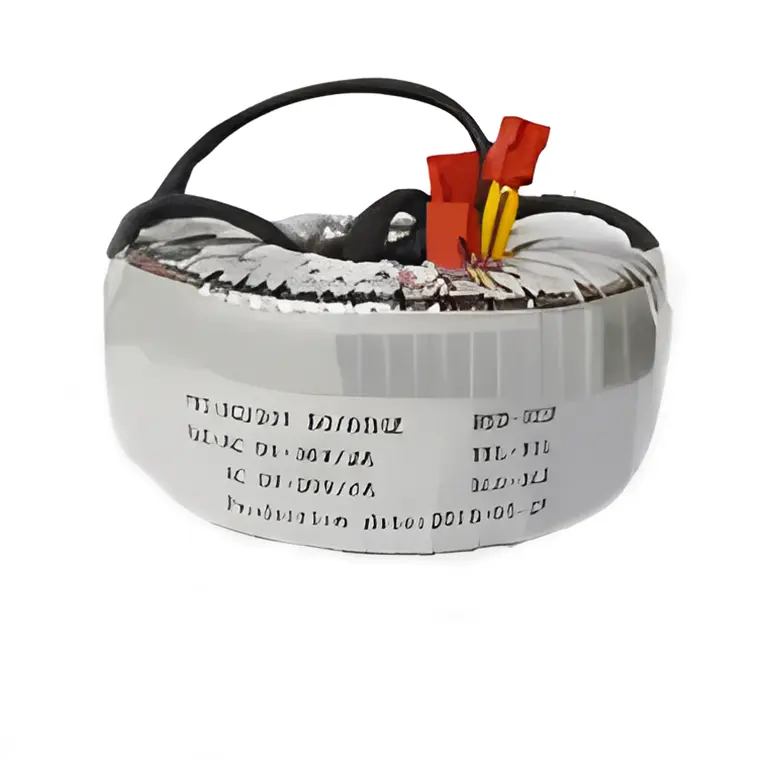 Ring Transformers
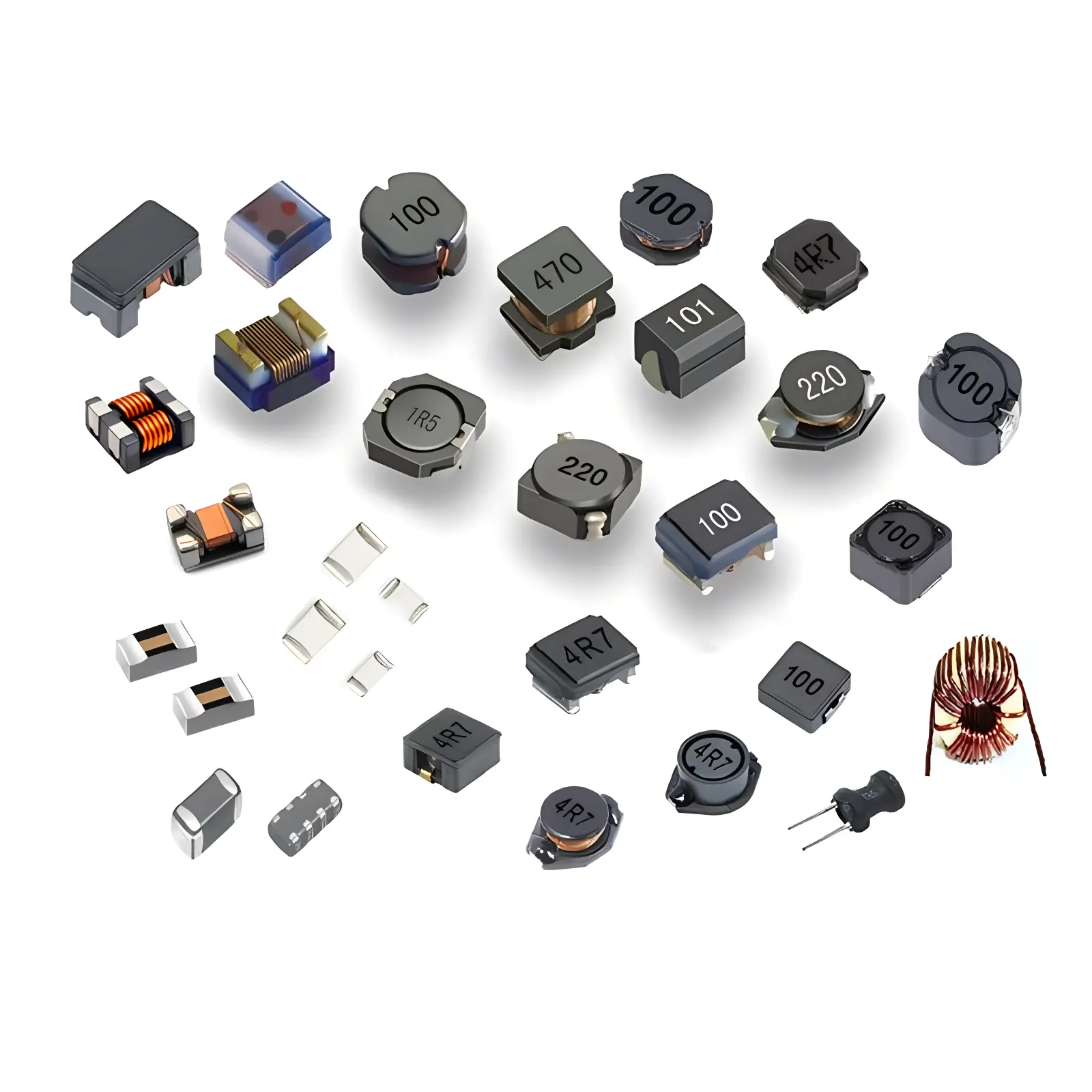 Inductors
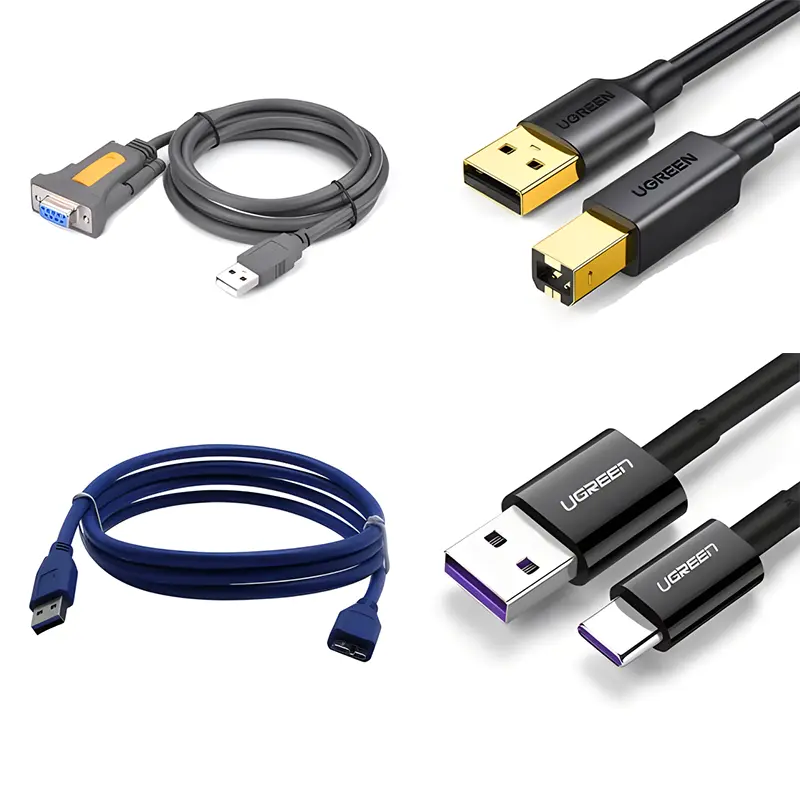 Wires,Cables Customized
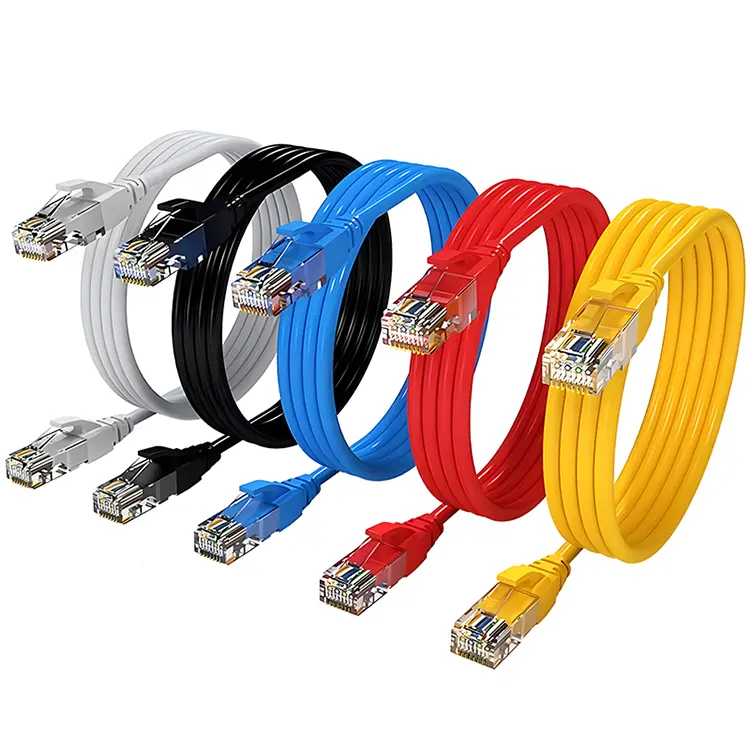 Network Cables
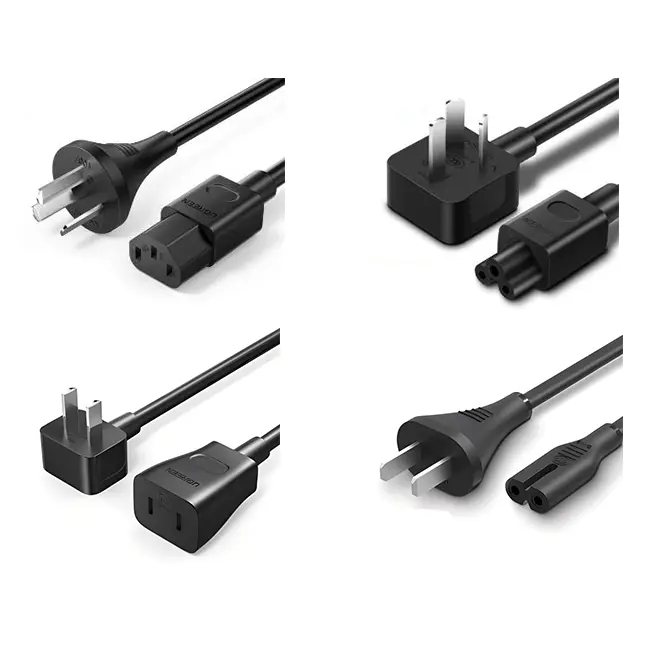 Power Cords
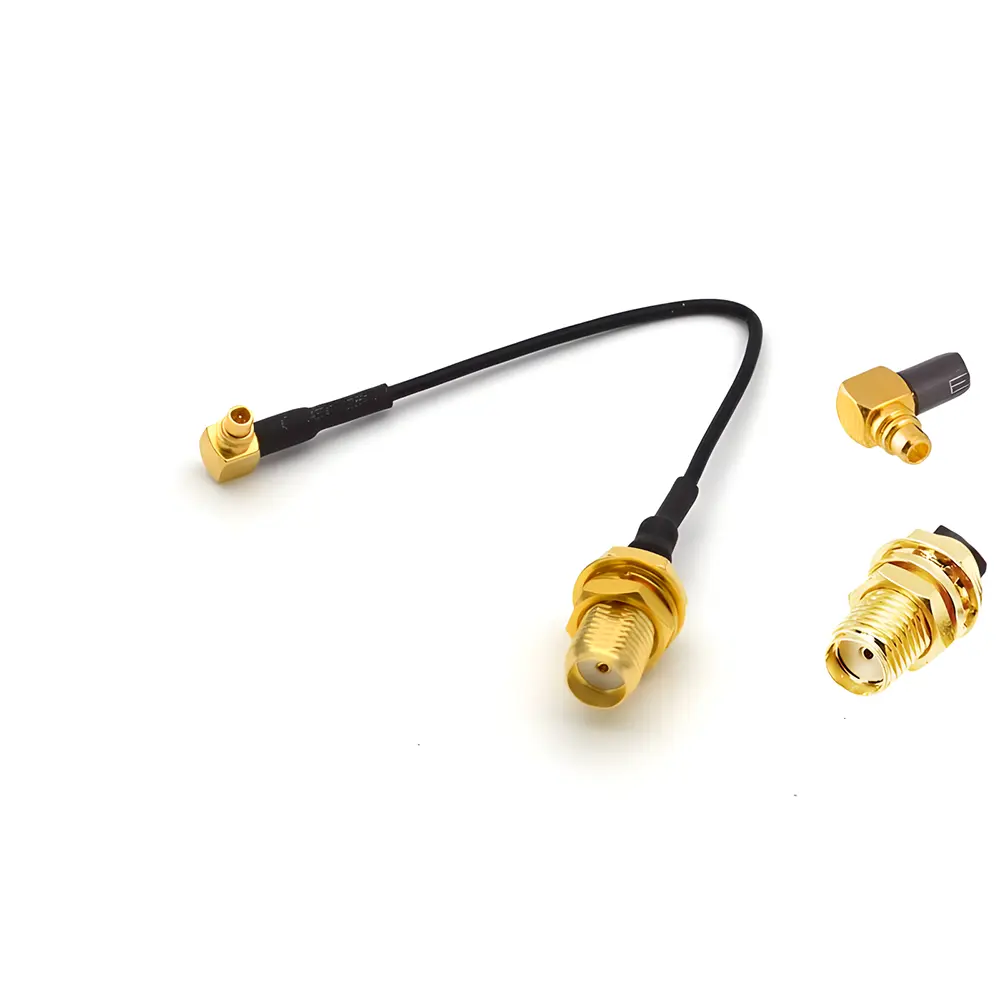 Antenna Cables
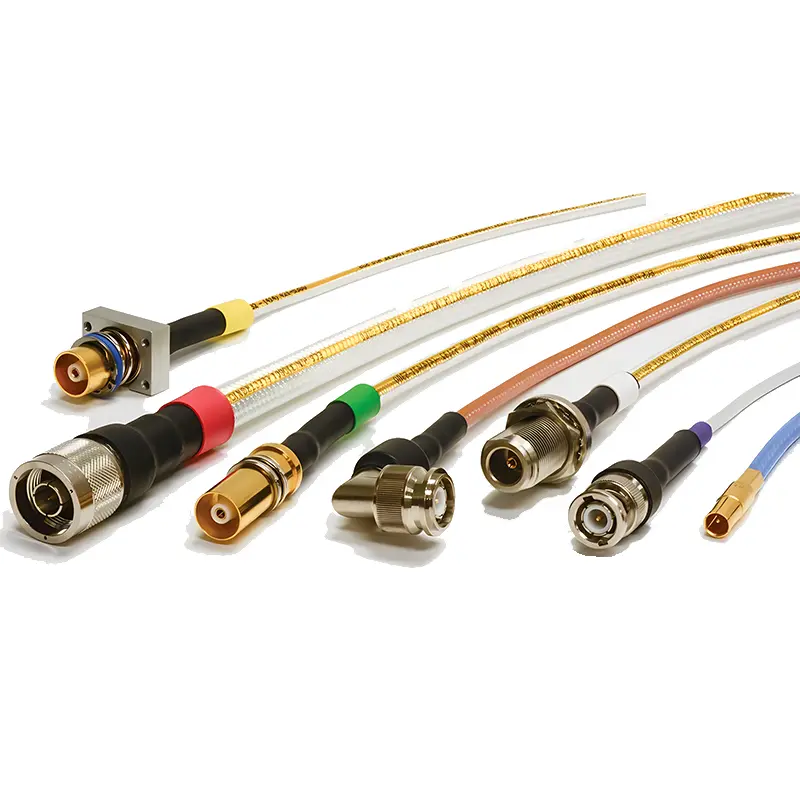 Coaxial Cables
 Net Position Indicator
 Solar AIS net position indicator
 Capacitors
 Connectors
 Diodes
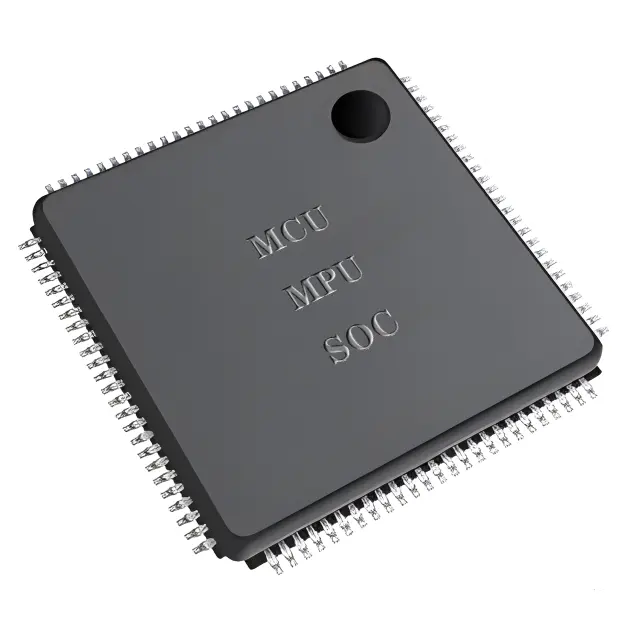 Embedded Processors & Controllers
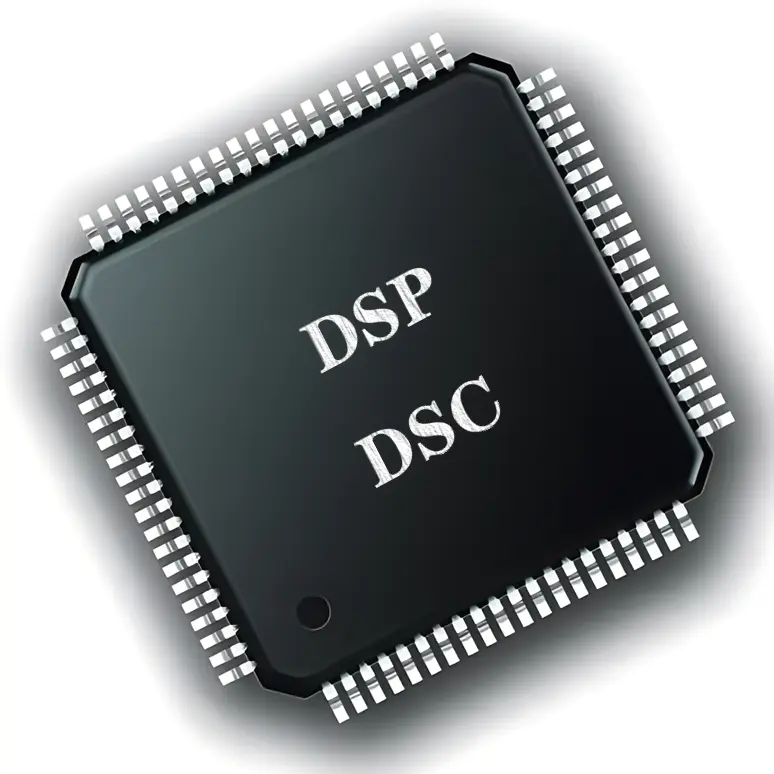 Digital Signal Processors (DSP/DSC)
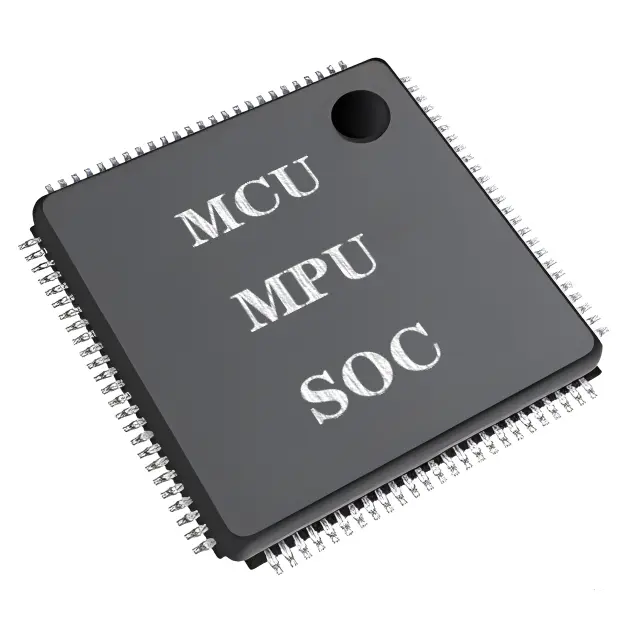 Microcontrollers (MCU/MPU/SOC)
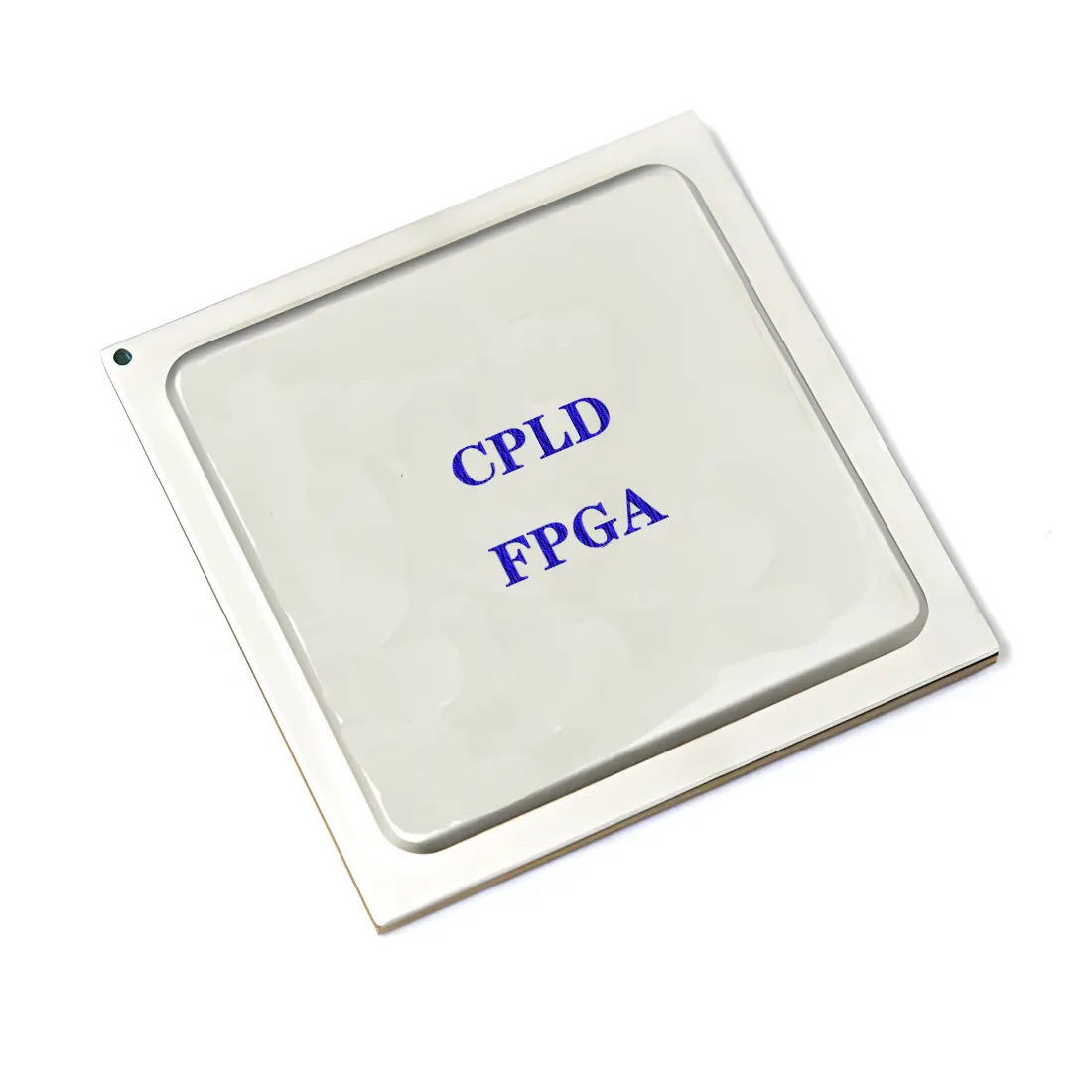 Programmable Logic Device(CPLD/FPGA)
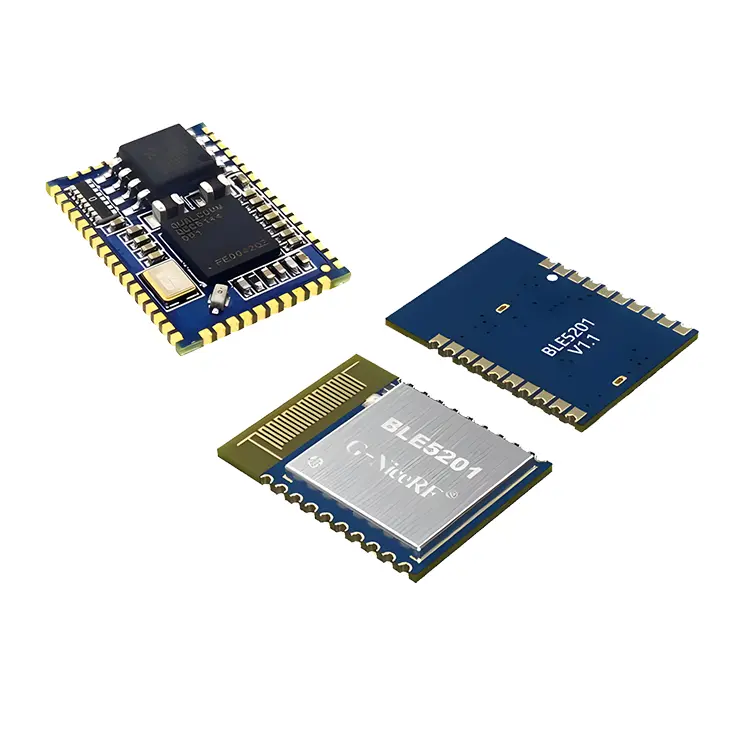 Communication Modules/IoT
 Resistors
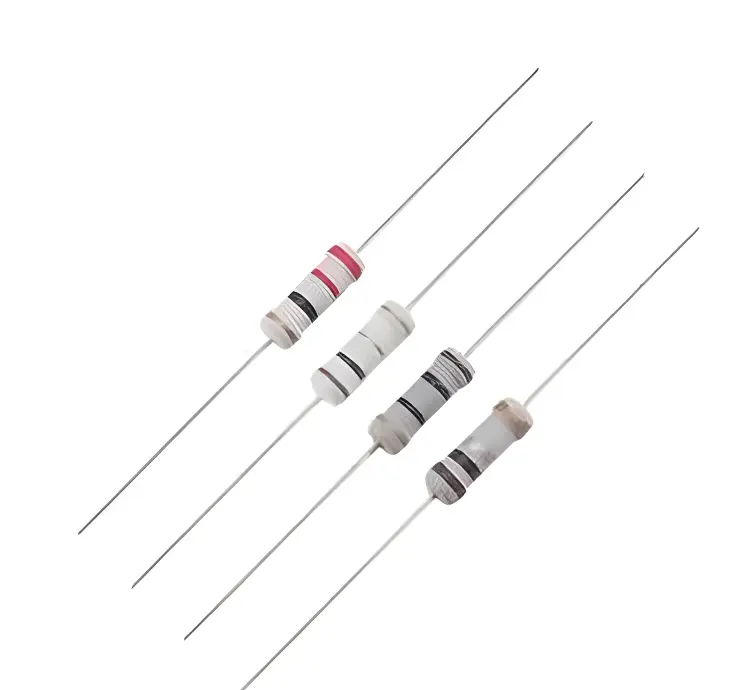 Through Hole Resistors
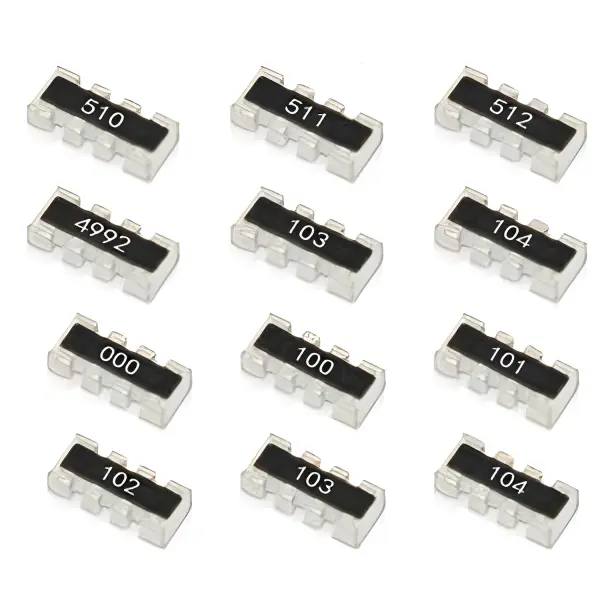 Resistor Networks, Arrays
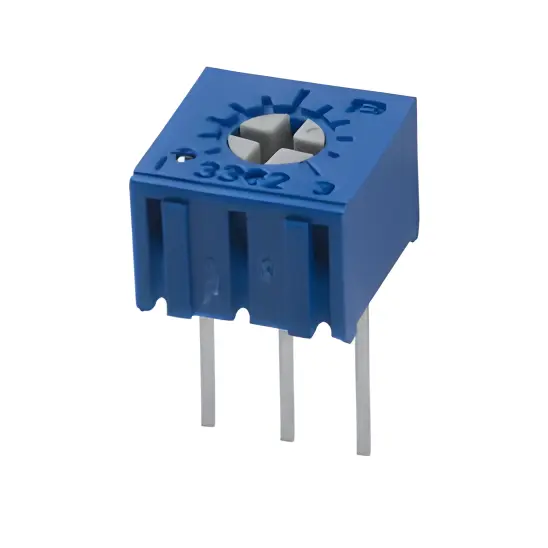 Potentiometers,Variable Resistors
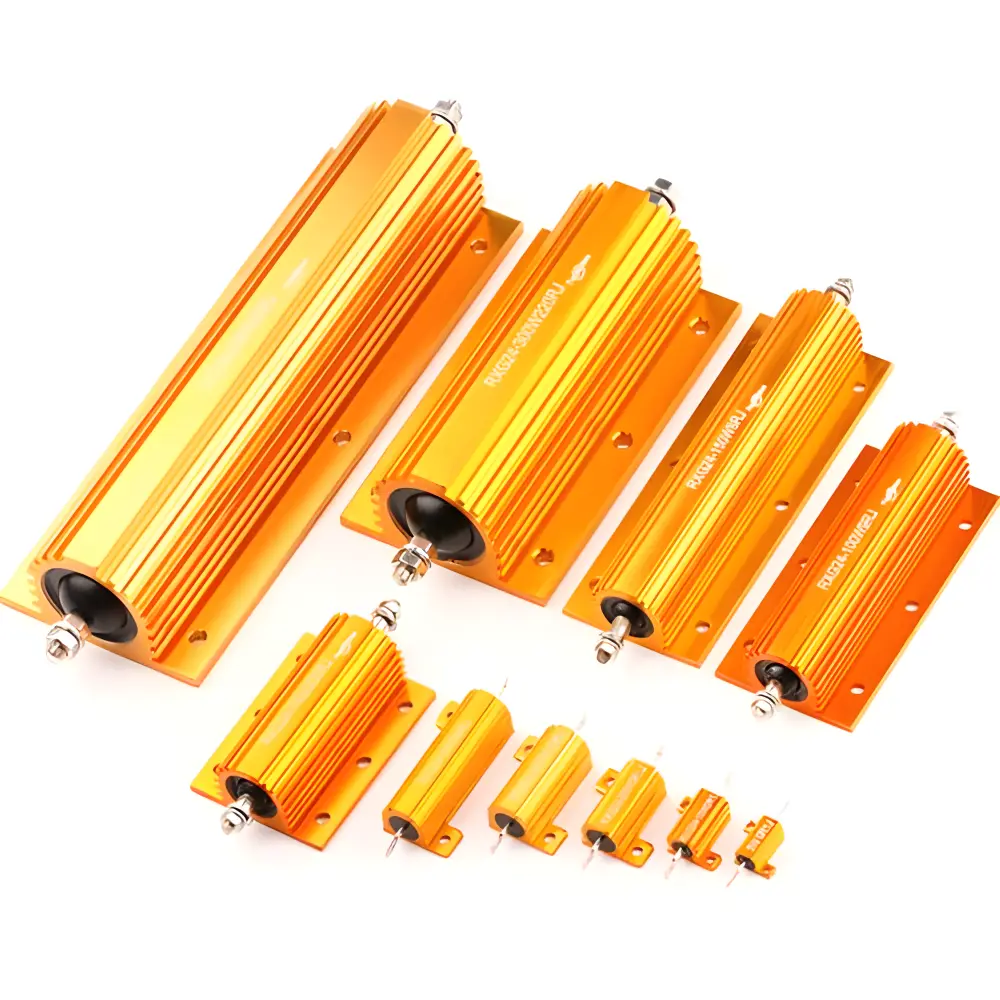 Aluminum Case,Porcelain Tube Resistance
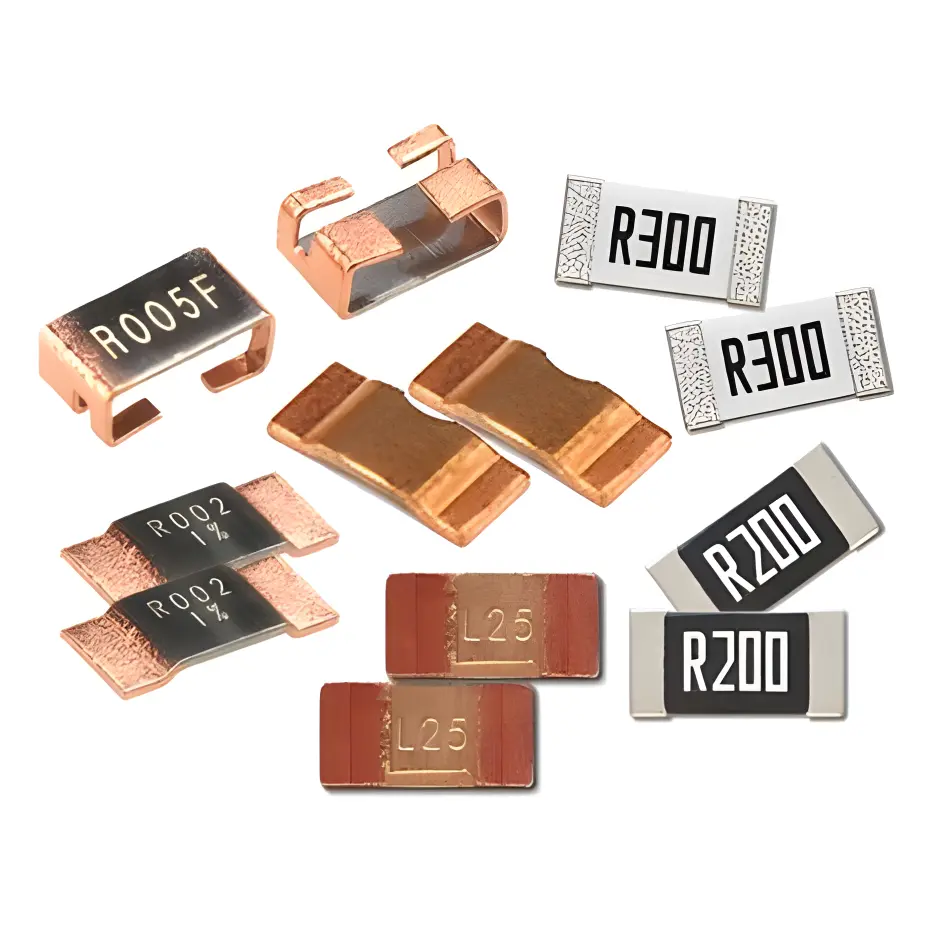 Current Sense Resistors,Shunt Resistors
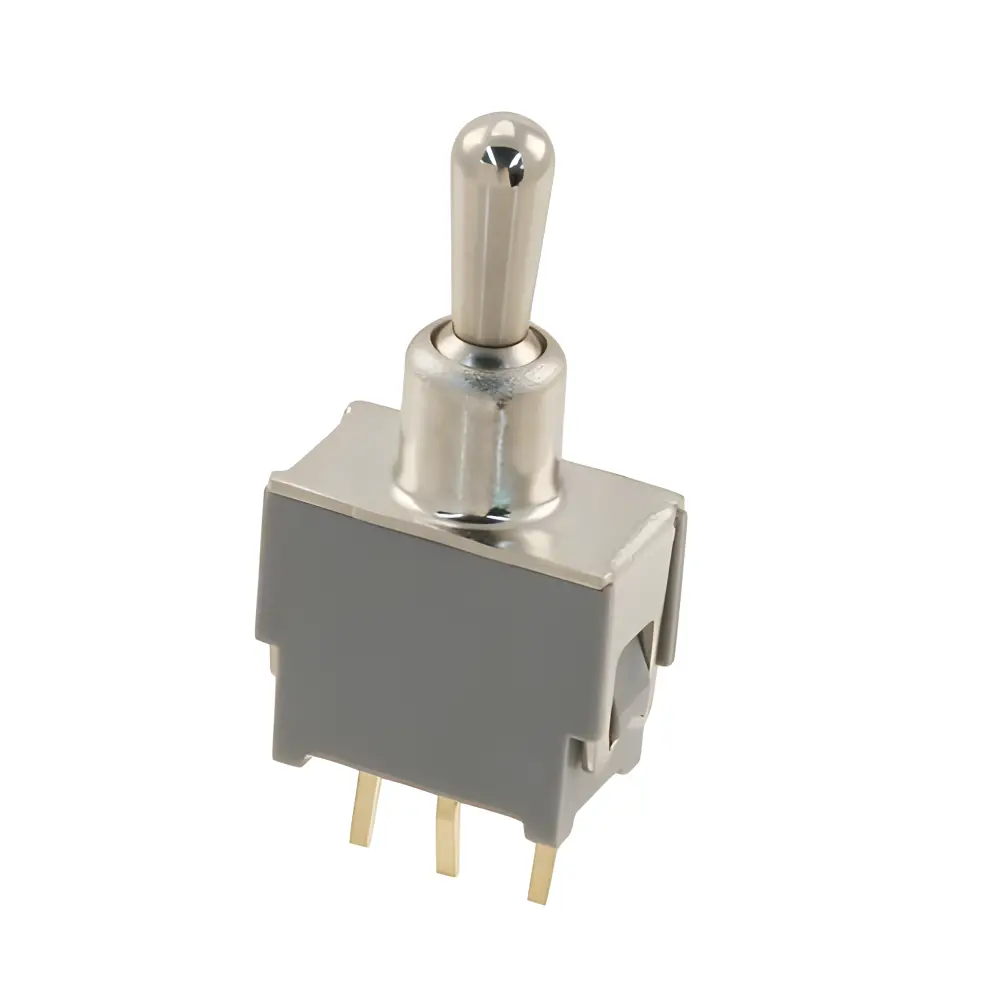 Switches
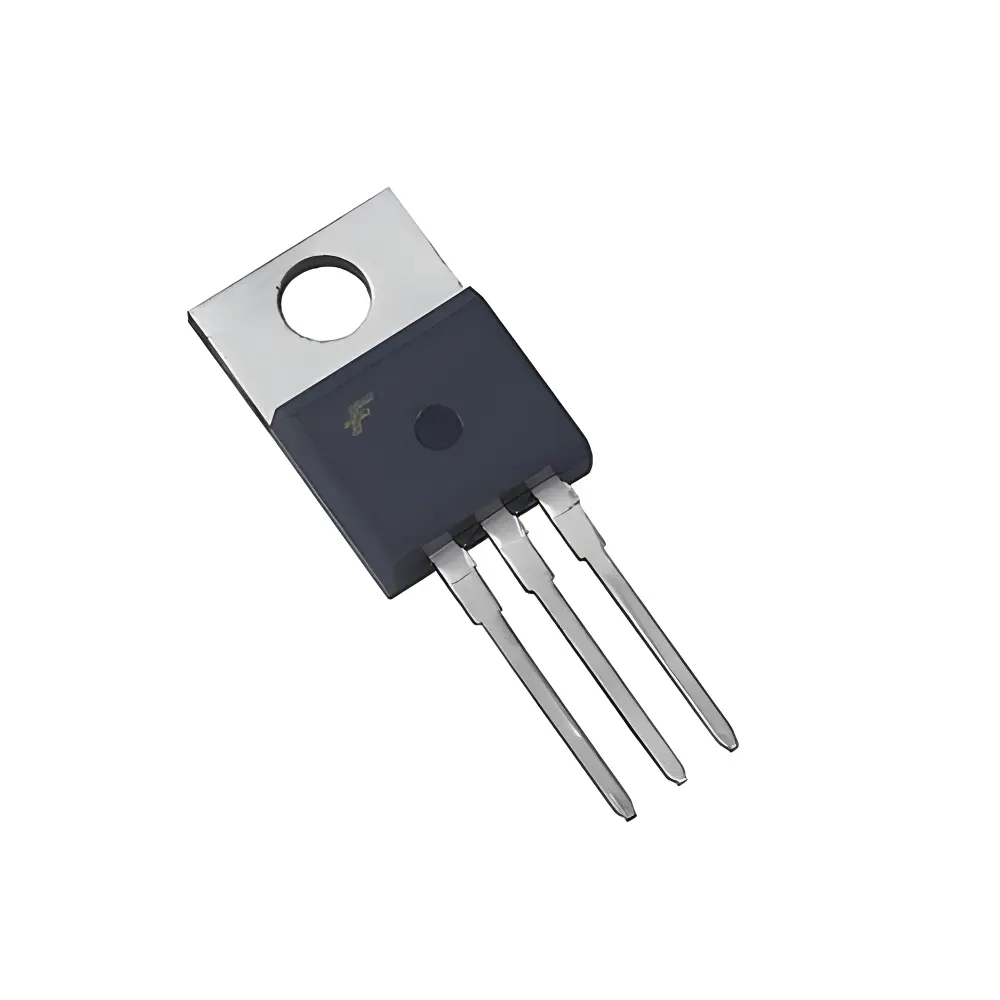 Transistors
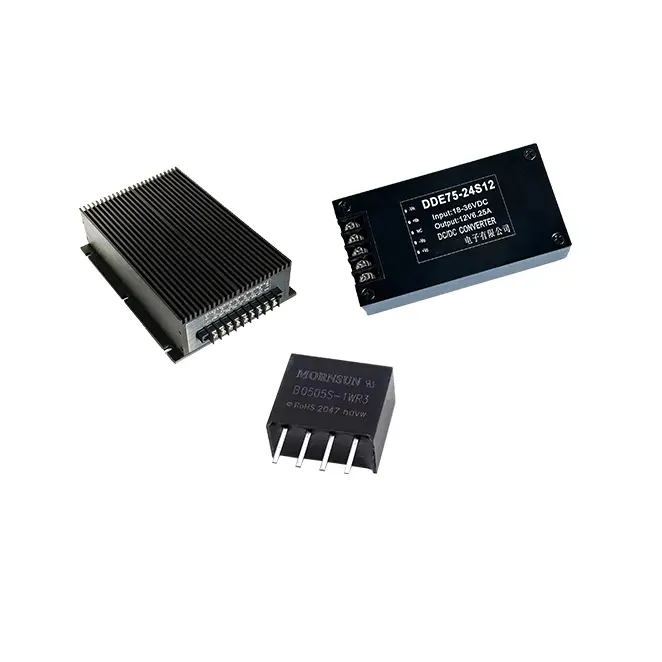 Power Modules
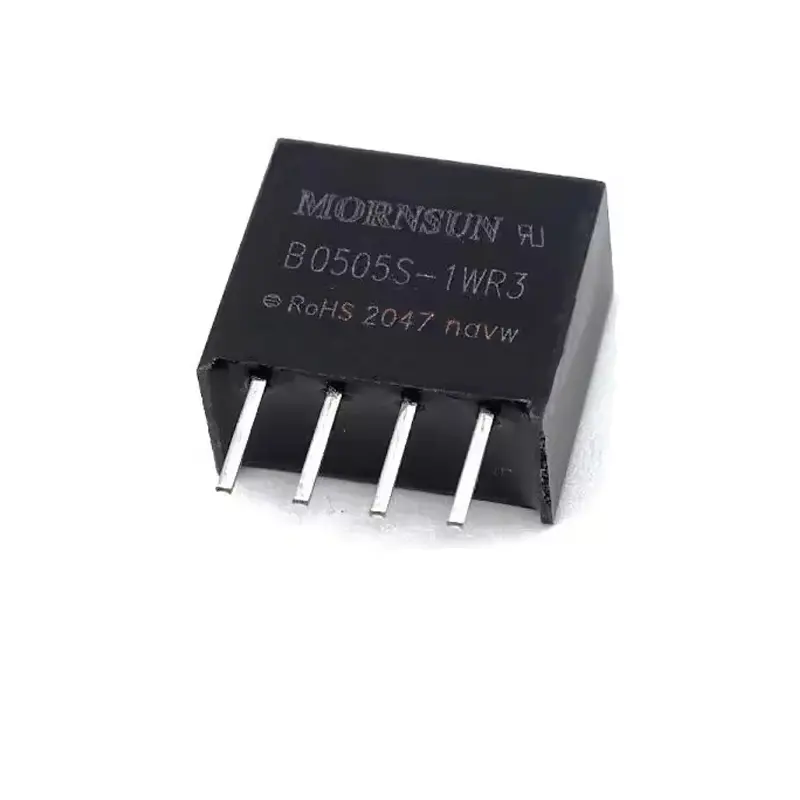 Isolated Power Modules
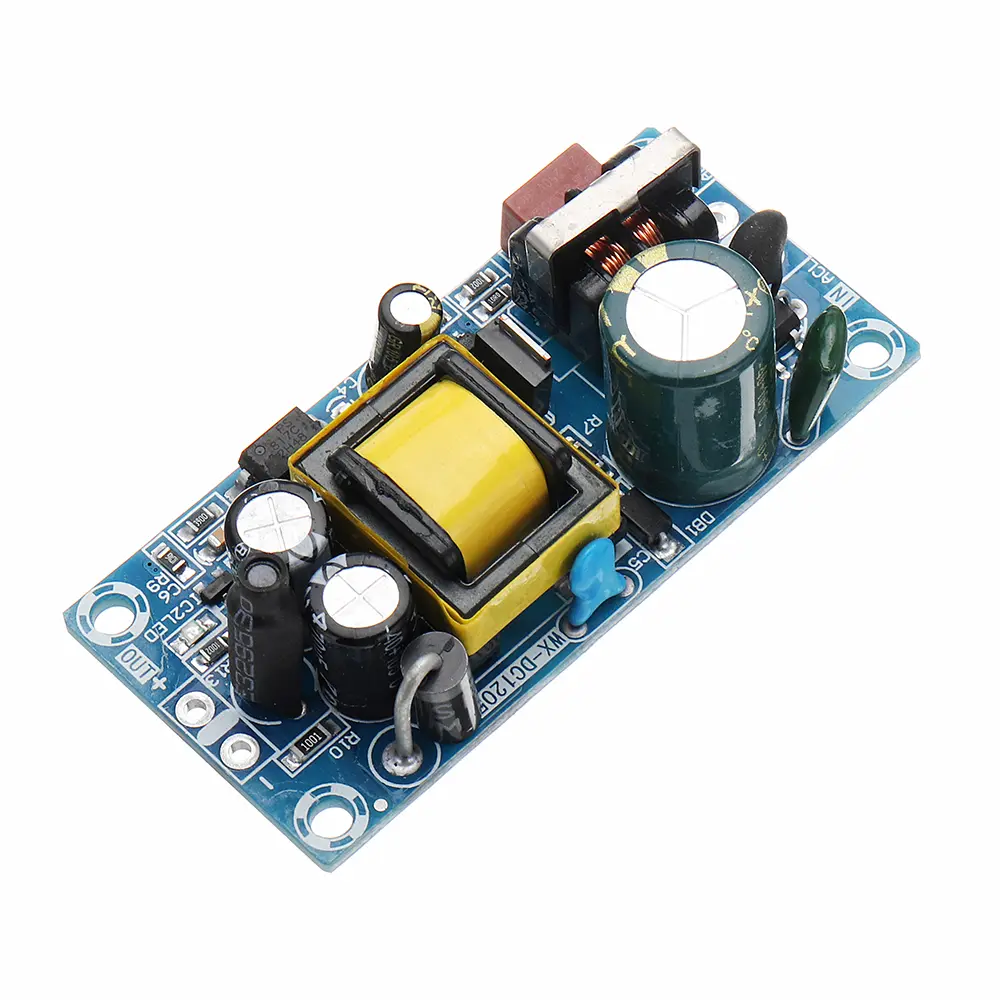 AC-DC Power Modules
 DC-AC Module(Inverter)
 RF and Wireless
Discussion: White Residues on PCBA After Cleaning – Improper Cleaner Selection or Insufficient Cleaning Parameters?
2025-12-23

Scene: A PCBA manufacturing workshop’s quality control (QC) station. Two engineers, Lisa (a senior process engineer with 8 years of PCBAcleaning experience) and Mike (a newly promoted process engineer specializing in soldering and cleaning processes), are examining a batch of PCBAs with obvious white residues on the suRFace after cleaning. The PCBAs are intended for automotive electronic control units (ECUs), requiring strict cleanliness to ensure long-term reliability under harsh operating conditions.
Mike: (Holding a PCBAunder a digital microscope, frowning) Lisa, this is the third batch of ECU PCBAs with white residues after cleaning this week. We used the same aqueous cleaner as last month, but suddenly there are these powdery white spots everywhere—around the QFP packages, under the Resistors, and even on the power planes. Could it be that the cleaning parameters are off? The operator mentioned that the cleaning time was reduced from 5 minutes to 3 minutes yesterday to speed up production, and the temperature dropped by about 5°C because the heater was malfunctioning.
Lisa: (Taking the PCBA and observing it carefully, then wiping a small amount of residue with a lint-free cloth dipped in isopropyl alcohol) Let’s not jump to conclusions. First, let’s analyze the residue itself—this is the key to distinguishing between improper cleaner selection and insufficient parameters. Feel the residue: is it powdery, sticky, or crystalline? From what I can tell, this residue is dry, powdery, and slightly soluble in alcohol, which is different from the sticky flux residues we usually see when cleaning is insufficient.
Mike: Oh, right! Last month, when we had insufficient cleaning time (only 2 minutes), the residues were yellowish and sticky, not this white powdery stuff. But wait—could the combination of shorter time and lower temperature cause the cleaner to not fully dissolve the flux, leading to a different type of residue? The flux we’re using is a no-clean type, but we still clean it for automotive applications to meet IPC-A-610 Class 3 standards.
Lisa: That’s a valid question, but let’s break down the two possibilities systematically. First, let’s recall: what causes white residues on PCBA after cleaning? In most cases, it’s either 1) the cleaner is incompatible with the flux/residues, leading to chemical reactions that form new white compounds; 2) cleaning parameters (time, temperature, pressure) are insufficient to remove residues, which then dry and crystallize into white spots; or 3) contaminants in the cleaner or rinsing water react with flux residues.
Let’s start with cleaner selection. The aqueous cleaner we’re using is a neutral pH (6.5-7.5) cleaner designed for no-clean flux residues, right? It contains surfactants, chelating agents, and corrosion inhibitors. But here’s the thing: no-clean fluxes often contain rosin, activators (such as amine halides, carboxylic acids), and solvents. If the cleaner’s surfactant system isn’t formulated to dissolve the specific rosin in our flux, or if the chelating agents can’t bind to the metal ions from the activators, the residues won’t be fully emulsified and removed. Instead, they might form a white precipitate when the cleaner dries.
Mike: But we used the same cleaner and flux for the past three months without any issues. Why would compatibility suddenly become a problem?
Lisa: Good point—compatibility issues don’t usually appear out of nowhere unless there’s a change in either the cleaner or the flux. Let me check the batch numbers of the cleaner and flux. (Pulls up the production records on the tablet) The flux batch changed last week—we switched from Batch A to Batch B from the same supplier. The supplier’s technical datasheet says Batch B has a higher rosin content (35% vs. 25% in Batch A) and uses a different activator (dicarboxylic acid instead of monocarboxylic acid). Ah! That’s a critical change. Our current cleaner is optimized for low-rosin fluxes with monocarboxylic acid activators. The higher rosin content and different activator might be beyond the cleaner’s solvency capacity, leading to incomplete dissolution and white residue formation.
Mike: So that’s a cleaner selection issue? But what about the cleaning parameters? The operator did reduce the time and temperature. Could that be a contributing factor?
Lisa: Absolutely—parameters can exacerbate the problem, but they might not be the root cause. Let’s talk about cleaning parameters next. Cleaning time, temperature, pressure, and rinse time all affect residue removal. For aqueous cleaners, temperature directly impacts the solvency of surfactants: higher temperatures (typically 50-60°C for neutral cleaners) reduce the surface tension of the cleaner, allowing it to penetrate under components and dissolve residues faster. If the temperature dropped from 55°C to 50°C, the cleaner’s solvency would decrease by about 20%, according to the cleaner manufacturer’s data. Combine that with a shorter cleaning time (3 minutes vs. 5 minutes), and even a compatible cleaner might struggle to remove residues completely.
But here’s the key difference: if the problem were only insufficient parameters, the residues would be consistent with the original flux residues—just dried and possibly crystallized. They would be soluble in the cleaner if we re-cleaned the PCBA with proper parameters. However, if the problem is improper cleaner selection (incompatibility with the new flux), the residues might be a chemical reaction product between the cleaner and flux, which may not be removable even with longer cleaning time or higher temperature.
Let’s do a quick test. (Takes two small PCBA samples with residues, places one in a beaker of the current cleaner heated to 55°C, and the other in a beaker of a different cleaner—one formulated for high-rosin fluxes—at the same temperature. Both are cleaned for 5 minutes with ultrasonic agitation.)
(After 5 minutes, takes out the samples, rinses them with deionized water, and dries them with hot air)
Mike: (Examining the samples under the microscope) Wow— the sample cleaned with the high-rosin cleaner has no residues at all, but the one cleaned with our current cleaner still has faint white spots. So that confirms the cleaner is incompatible with the new flux batch?
Lisa: It’s a major factor, but let’s not discount the parameters entirely. Let’s test the original cleaner with the new flux at the correct parameters (55°C, 5 minutes) to see if it can remove the residues. (Prepares another sample and cleans it with the original cleaner at proper parameters)
(After cleaning, the sample still has slight white residues, but less than the one cleaned at 50°C for 3 minutes)
Lisa: See? So the issue is a combination of both: the cleaner is not fully compatible with the new high-rosin flux (improper selection), and the reduced time and temperature (insufficient parameters) made the problem worse. But the root cause is the cleaner selection, because even at proper parameters, it can’t fully remove the residues from the new flux.
Mike: That makes sense. But how do we definitively confirm the residue composition to be sure? I’ve heard that Fourier-transform infrared spectroscopy (FTIR) can identify residue components.
Lisa: Exactly. FTIR is our go-to tool for residue analysis. Let’s send a sample of the white residue to the lab for FTIR testing. If the residue contains unreacted rosin acids or metal carboxylates (from the activator reacting with the cleaner’s components), that will confirm that the cleaner couldn’t dissolve the flux residues properly. If it’s just dried flux residue without chemical changes, that would point more to insufficient parameters. But based on our earlier test, I suspect it’s a mix of unremoved rosin and reaction products.
(Later that day, they receive the FTIR test report)
Mike: (Reading the report) The residue contains abietic acid (a major component of rosin), zinc dicarboxylate (from the dicarboxylic acid activator reacting with zinc ions in the cleaner), and small amounts of surfactant residues. So the cleaner’s chelating agents couldn’t bind the zinc ions from the new activator, leading to the formation of zinc dicarboxylate—a white, insoluble compound. And the abietic acid confirms that the rosin wasn’t fully dissolved.
Lisa: Precisely. That’s a classic case of improper cleaner selection. The new flux has a different activator and higher rosin content, which our current cleaner isn’t formulated to handle. The insufficient parameters (lower temperature, shorter time) exacerbated the issue by reducing the cleaner’s already limited solvency. If we had kept the parameters at the correct levels, the residue might have been minimal, but it would still be present—just not as noticeable.
Mike: So what’s the solution? Should we switch back to the old flux batch, or change the cleaner?
Lisa: Switching back to the old flux isn’t feasible because the supplier discontinued Batch A due to environmental regulations. So we need to change the cleaner to one that’s compatible with the new high-rosin flux with dicarboxylic acid activators. Let’s contact the cleaner supplier and provide them with the flux’s technical datasheet—they can recommend a cleaner with a more robust surfactant system and chelating agents that can handle the higher rosin content and new activator.
In the meantime, we can adjust the cleaning parameters to minimize the residue until the new cleaner arrives. Increasing the temperature back to 55°C, extending the cleaning time to 6 minutes (slightly longer than the original 5 minutes to compensate for the flux’s higher rosin content), and increasing the rinse pressure to ensure all dissolved residues are washed away. But this is a temporary fix—only a compatible cleaner will fully resolve the issue.
Mike: I see. So how do we avoid this problem in the future? It seems like we need a more systematic approach to cleaner selection and parameter validation whenever we change flux or component materials.
Lisa: You’re absolutely right. Let’s outline a few key steps to prevent white residues from improper cleaner selection or insufficient parameters:
First, validate cleaner-flux compatibility whenever either is changed. Even if it’s from the same supplier, a batch change could mean subtle formula adjustments. We should perform small-batch tests: clean a few PCBAs with the new flux using the current cleaner and parameters, then inspect for residues and perform FTIR if needed. The cleaner supplier should provide a compatibility chart, but real-world testing is always necessary.
Second, document and maintain cleaning parameters strictly. Parameters like temperature, time, pressure, and rinse time are not arbitrary—they’re based on the cleaner and flux’s technical requirements. Any deviation (even 5°C or 2 minutes) can lead to residue issues. We need to fix the heater immediately and ensure operators don’t adjust parameters without process engineering approval.
Third, understand the composition of residues. Not all white residues are the same: powdery residues often indicate chemical reactions or unremoved rosin, sticky residues point to insufficient cleaning, and crystalline residues might be from contaminated rinse water (e.g., mineral deposits). FTIR and ion chromatography (IC) can help identify residues, which is crucial for root cause analysis.
Fourth, consider the entire cleaning process, not just the cleaner and parameters. Rinsing is just as important—if the rinse water has high mineral content, it can leave white spots when dried. We should test the rinse water’s conductivity regularly (it should be below 10 μS/cm for automotive PCBAs). Also, the drying process: insufficient drying can cause water spots, which might be mistaken for residue.
Mike: That’s a comprehensive approach. Let’s also think about other possible causes—could the white residue be from something else, like solder paste splatter or component packaging? I’ve seen cases where component tape adhesives leave white residues if they’re not compatible with the cleaner.
Lisa: Great question—we should always rule out other sources first. Solder paste splatter is usually metallic or grayish, not white and powdery. Component tape adhesives can leave residues, but they’re typically soluble in the cleaner if it’s compatible. We can check the component datasheets to see if their packaging materials are compatible with our cleaner. In this case, the FTIR report didn’t show any adhesive components, so we can rule that out.
Another thing to consider: cleaner degradation. Aqueous cleaners can degrade over time due to contamination with flux residues, metal ions, and dirt. If the cleaner’s concentration is too low (because we haven’t replenished it), it won’t be effective. We should test the cleaner’s concentration daily using titration or refractometry. In our case, the cleaner concentration was within the recommended range (5-8%), so degradation isn’t the issue here.
Mike: Let’s also discuss the impact of white residues on PCBA reliability. For automotive ECUs, which operate in high-temperature, high-humidity environments, white residues could cause corrosion, dendritic growth, or electrical shorts over time, right?
Lisa: Exactly. The zinc dicarboxylate residue we found is slightly hygroscopic—absorbs moisture from the air. Over time, this can lead to electrolytic corrosion of the copper traces, especially if there’s a voltage gradient across the residue. Dendritic growth (metal whiskers) can also occur, causing short circuits between adjacent traces. For Class 3 applications like automotive ECUs, even trace amounts of residue are unacceptable because they pose long-term reliability risks.
This is why distinguishing between cleaner selection and parameter issues is so important. If we had only adjusted the parameters without changing the cleaner, the residual zinc dicarboxylate would still be present, posing a reliability risk. A compatible cleaner will remove both the rosin and the activator residues, eliminating the corrosion risk.
Mike: Let’s summarize what we’ve learned. The white residues on the PCBA are primarily due to improper cleaner selection—our current cleaner isn’t compatible with the new high-rosin flux with dicarboxylic acid activators, leading to incomplete dissolution of rosin and formation of insoluble zinc dicarboxylate. The insufficient cleaning parameters (lower temperature, shorter time) worsened the problem but aren’t the root cause. The solution is to switch to a compatible cleaner and restore proper cleaning parameters, with ongoing validation and monitoring to prevent future issues.
Lisa: Perfect summary. Let’s also document this case in our process engineering database so that other teams can learn from it. Whenever there’s a change in flux, cleaner, or any other material, we need to follow the compatibility validation process strictly. Insufficient parameters can often be fixed quickly, but improper cleaner selection requires more time and resources to resolve—so it’s better to catch compatibility issues early with small-batch testing.
(A week later, they receive the new cleaner recommended by the supplier. They test it on a batch of PCBAs with the new flux, using the proper parameters (55°C, 5 minutes cleaning time, 3 minutes rinse time, 80°C drying time). The PCBAs have no white residues, and the FTIR test confirms no residual rosin or activator compounds.)
Mike: (Holding a clean PCBA) It worked! No more white residues. This confirms that the root cause was indeed improper cleaner selection, with insufficient parameters contributing to the severity. I’ll make sure we update our cleaning process documentation to include the new cleaner specifications and the compatibility validation steps.
Lisa: Great work. Remember, when dealing with post-cleaning residues, always start with residue analysis—this tells you what you’re dealing with. Then, test compatibility and parameters separately to identify the root cause. Rushing to adjust parameters without understanding the residue composition can lead to temporary fixes that mask underlying issues, which is risky for high-reliability applications.
Mike: Got it. I also want to train the operators on how to identify different types of residues and report them immediately. Early detection can prevent large batches from being affected. And we’ll set up a regular schedule for cleaner concentration testing, rinse water conductivity testing, and parameter checks to ensure consistency.
Lisa: That’s a solid plan. Post-cleaning residue control is a team effort—from process engineering to operators to QC. By staying vigilant and following systematic testing and validation, we can avoid these issues and ensure our PCBAs meet the strict quality requirements for automotive applications.
Key Takeaways from the Discussion
1. Residue Analysis is Critical: Use tools like FTIR and IC to identify residue composition—this is the fastest way to distinguish between improper cleaner selection (chemical reaction products, unremoved specific flux components) and insufficient parameters (dried, unreacted flux residues).
2.Cleaner-Flux Compatibility is Non-Negotiable: Even minor changes in flux formulation (rosin content, activator type) can render a previously effective cleaner incompatible. Always perform small-batch compatibility tests when changing materials.
3. Parameters Impact Residue Removal, But Rarely Cause New Chemical Residues: Insufficient time, temperature, or pressure leads to incomplete residue removal (often sticky, original flux color), while incompatible cleaners cause chemical reactions (often white, powdery, insoluble residues).
4. Comprehensive Process Control is Essential: Monitor cleaner concentration, rinse water quality, and cleaning parameters regularly. Train operators to identify residue types and report deviations immediately.
5. Reliability Risks Demand Root Cause Resolution: For high-reliability applications (automotive, aerospace, medical), temporary parameter adjustments are not sufficient—only resolving the root cause (e.g., switching to a compatible cleaner) ensures long-term reliability.