
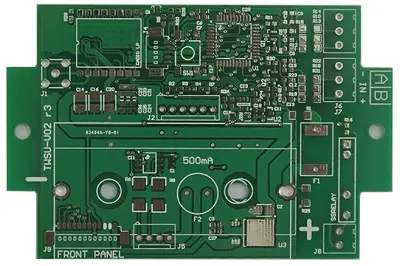
 PCB
PCB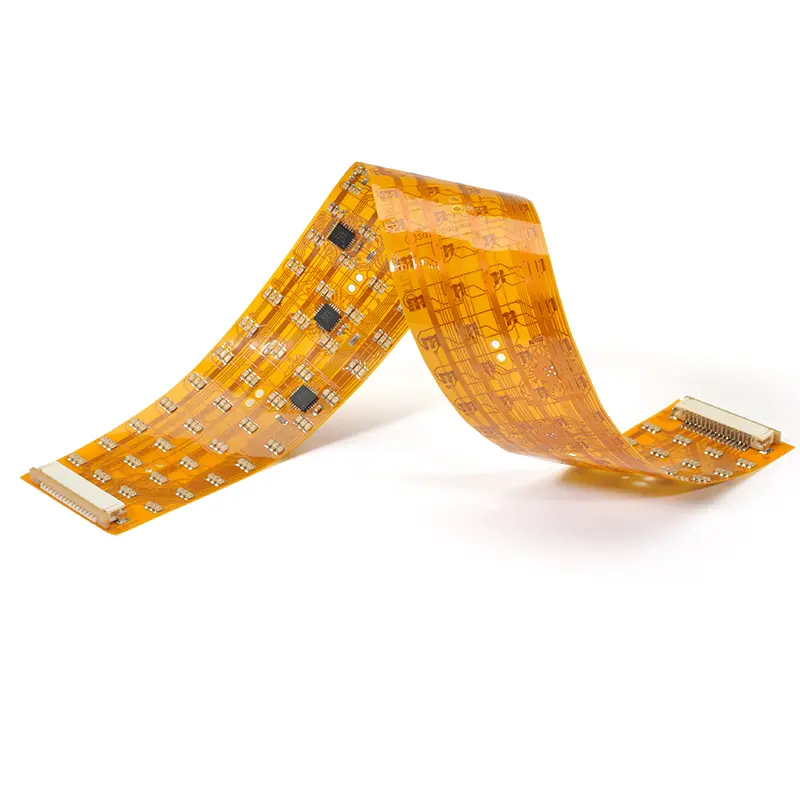 FPC
FPC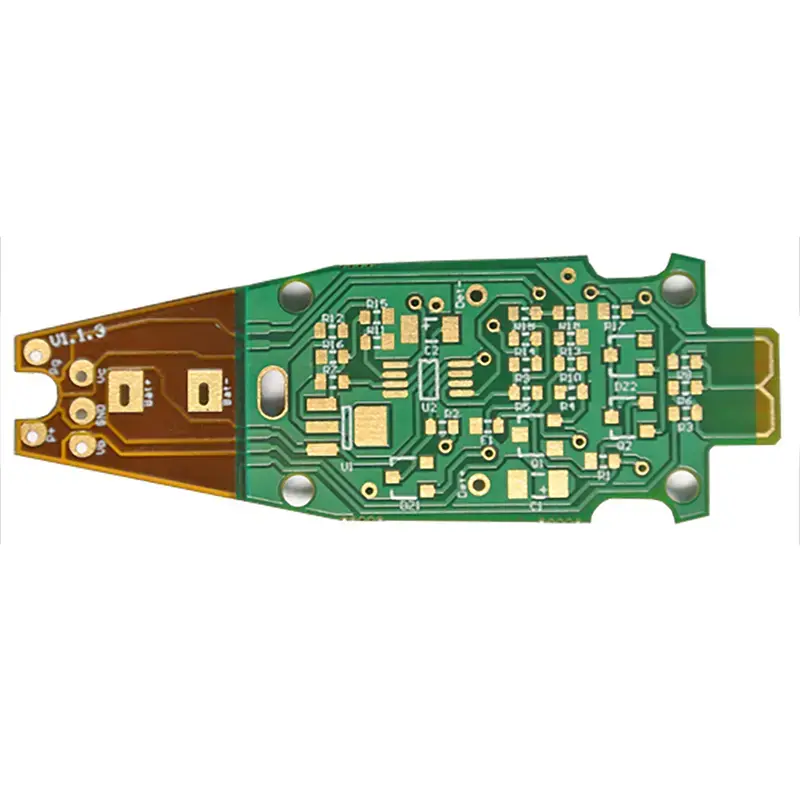 Rigid-Flex
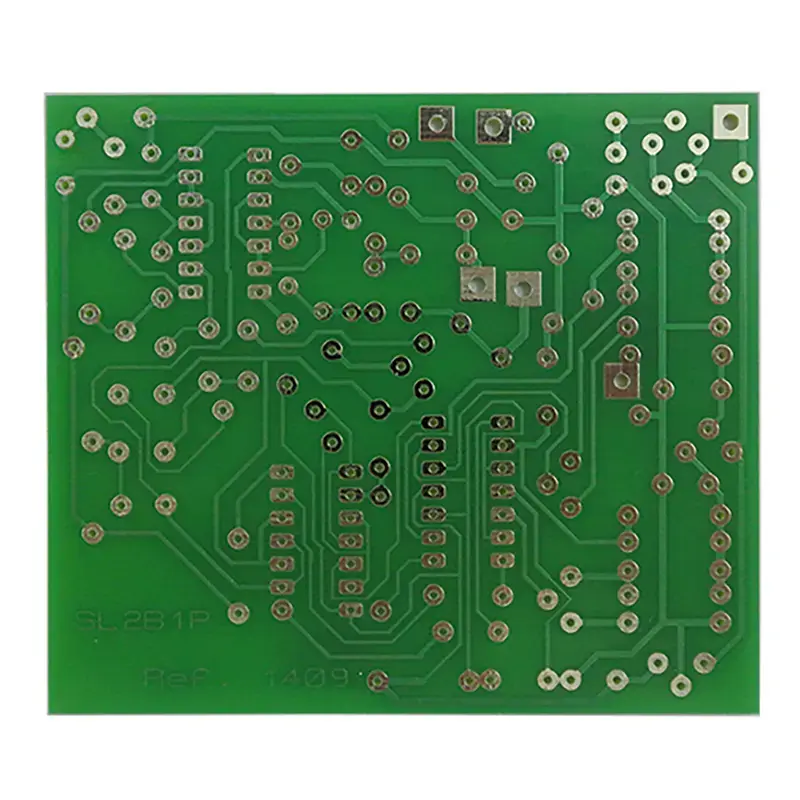 FR-4
FR-4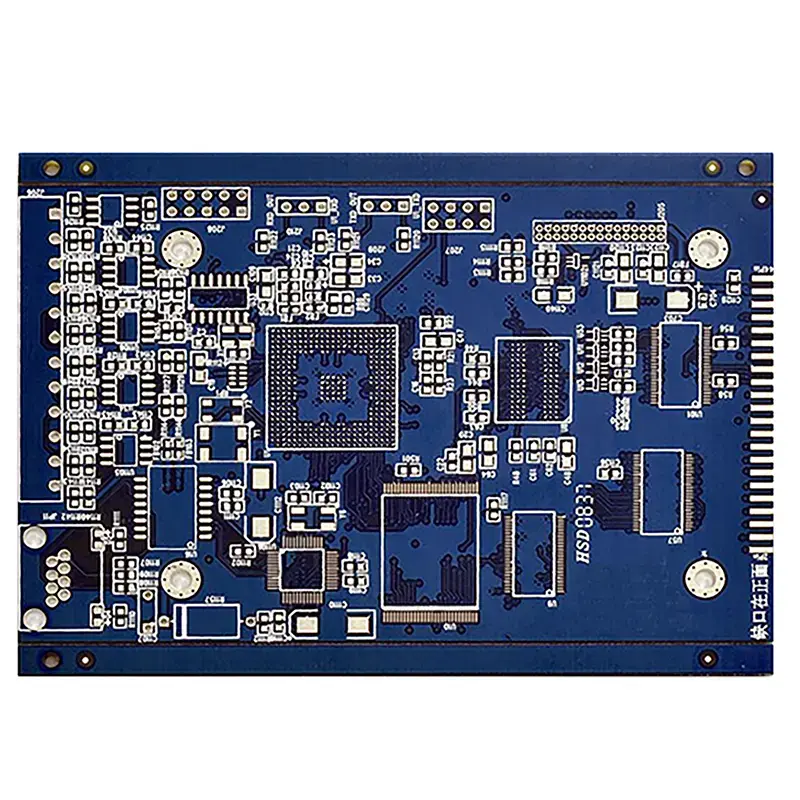 HDI PCB
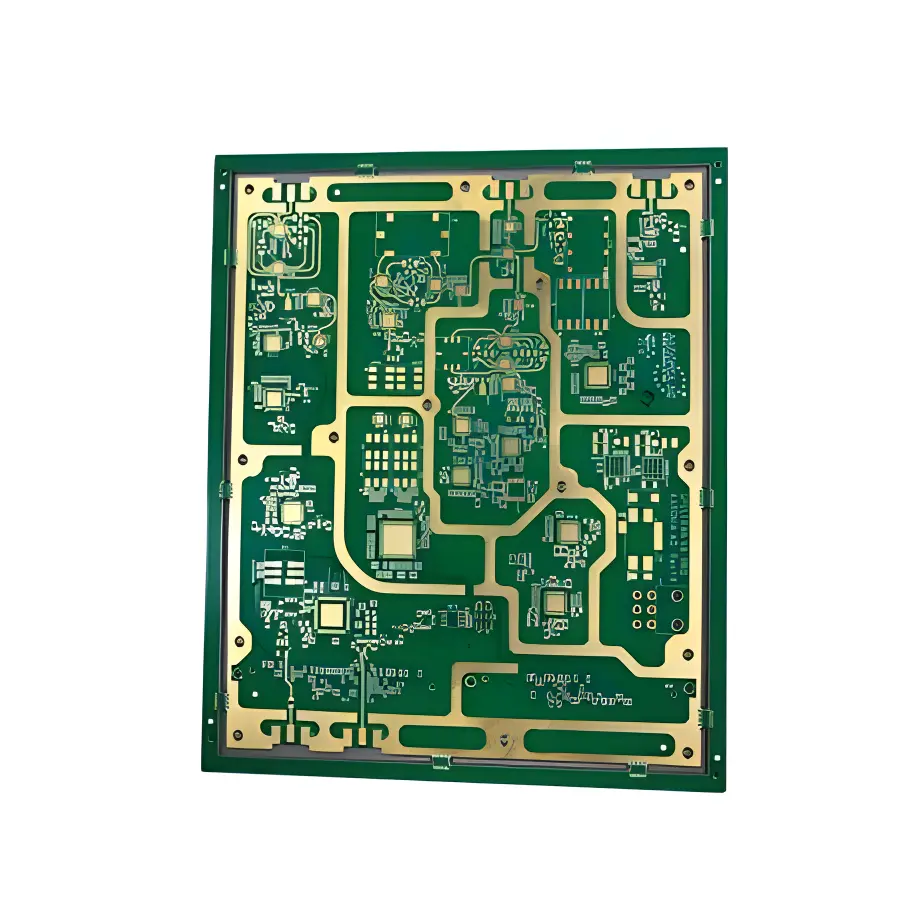 Rogers High-Frequency Board
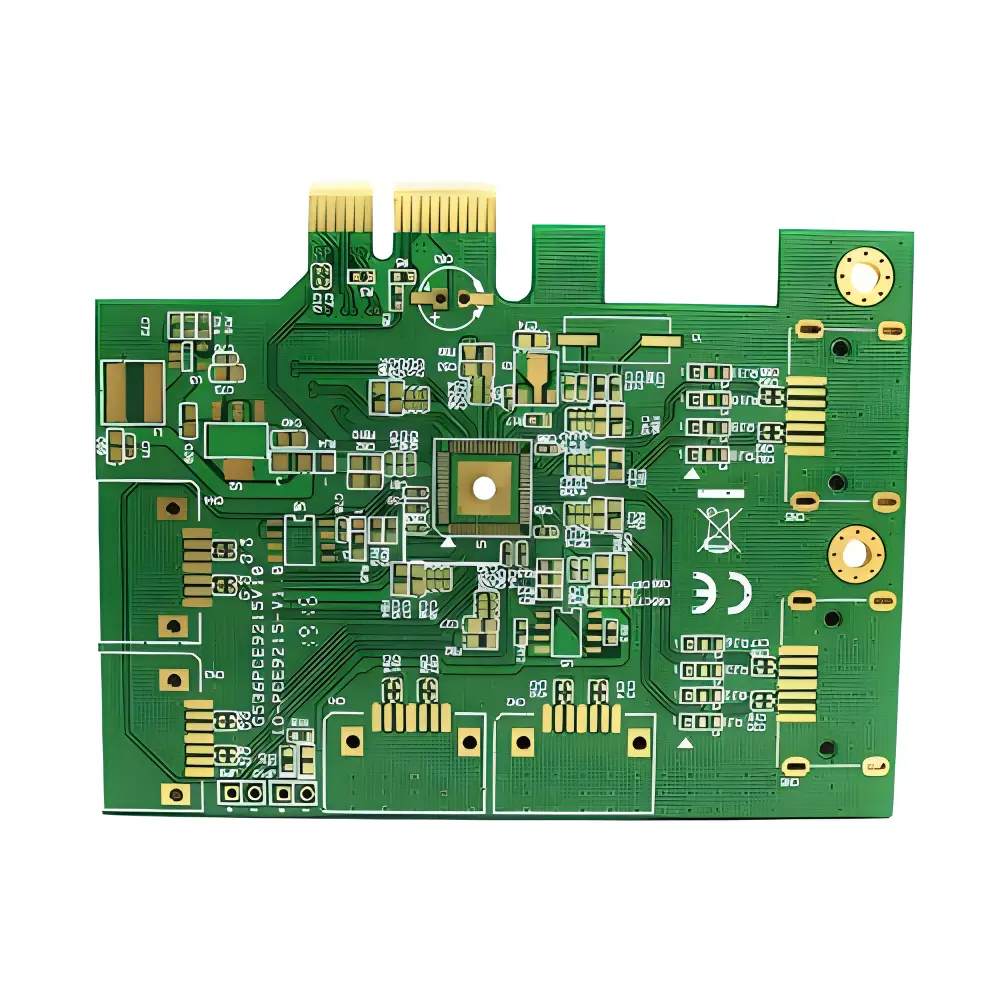 PTFE Teflon High-Frequency Board
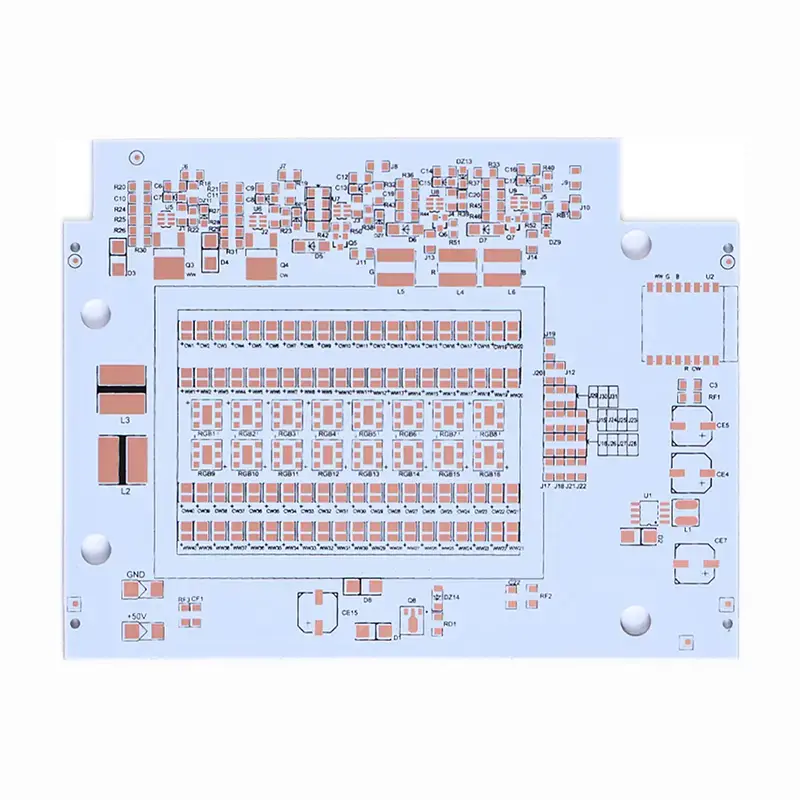 Aluminum
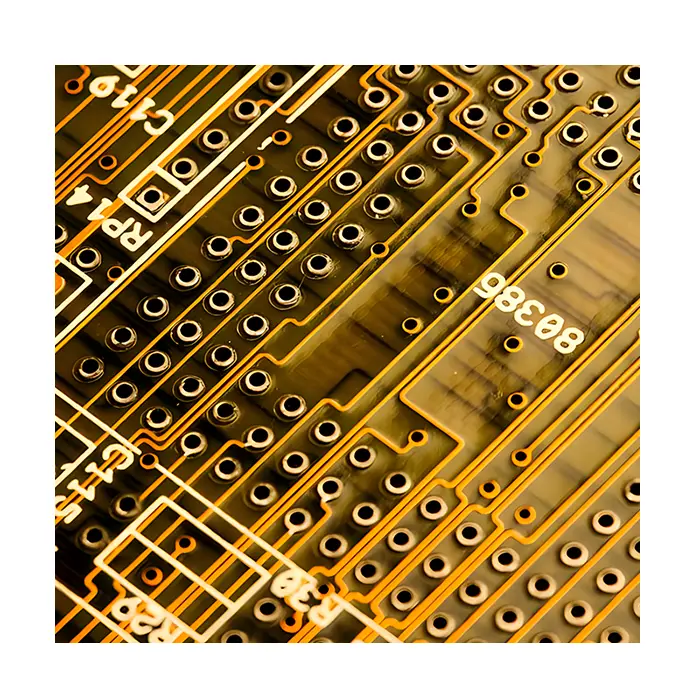 Copper Core
 PCB Assembly
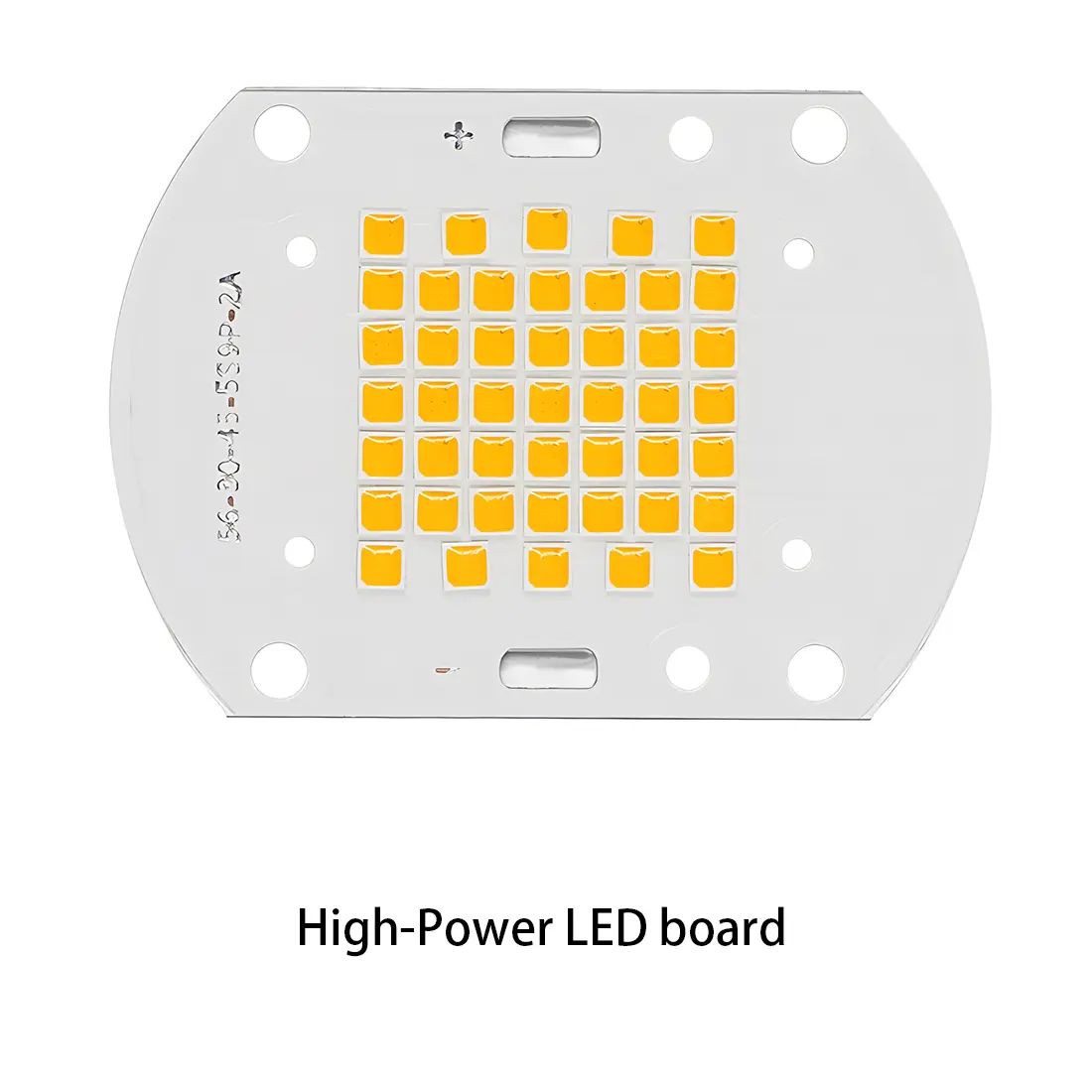 LED light PCBA
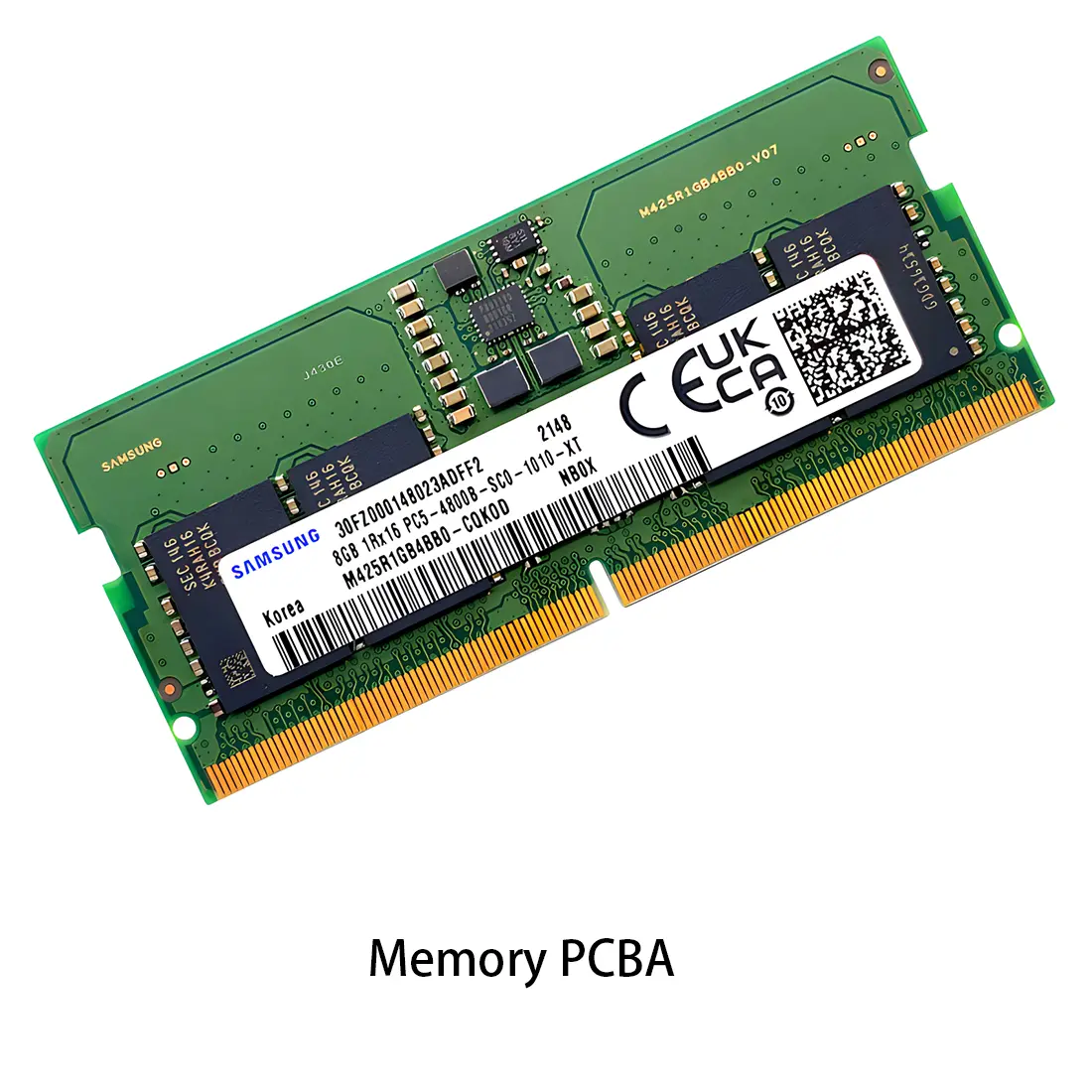 Memory PCBA
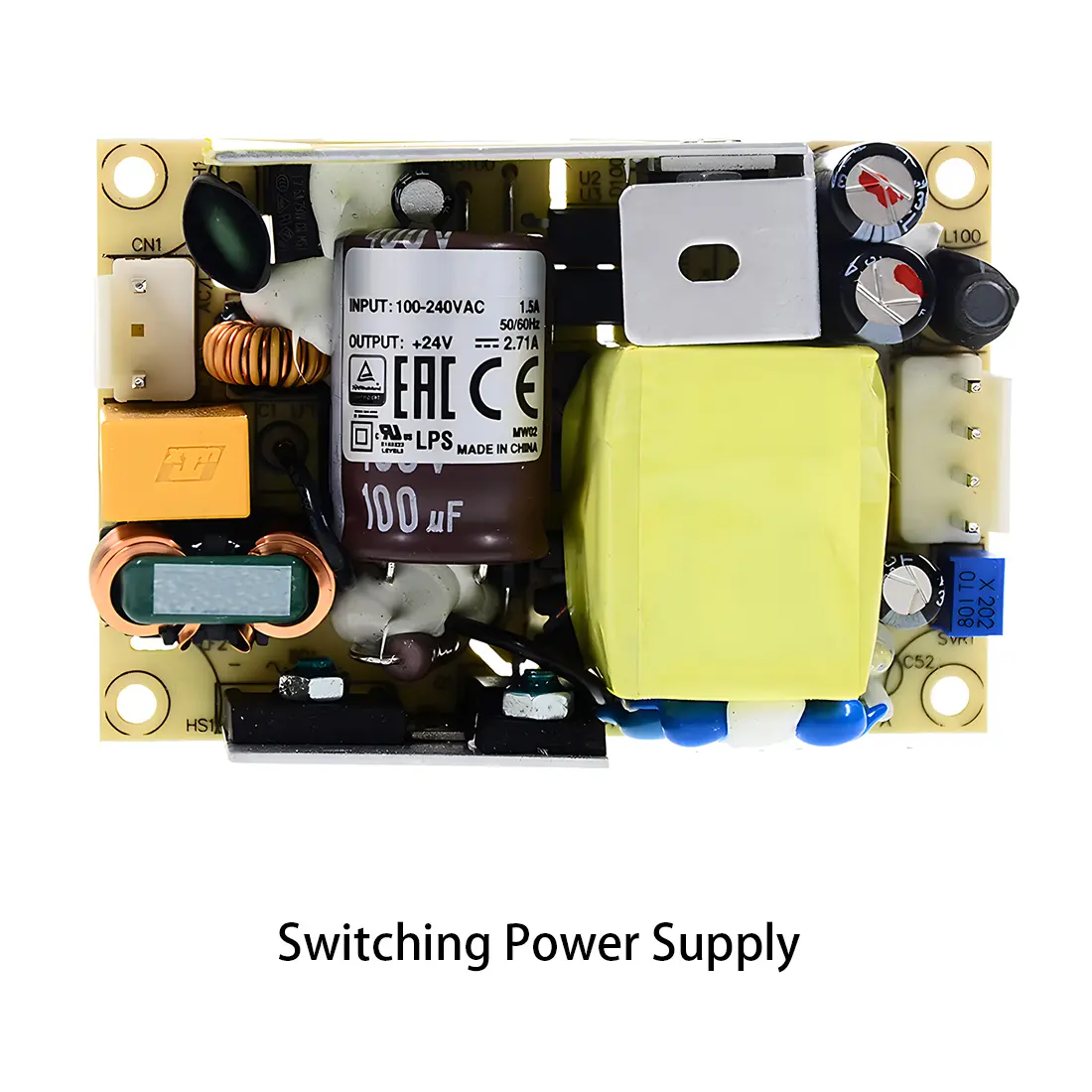 Power Supply PCBA
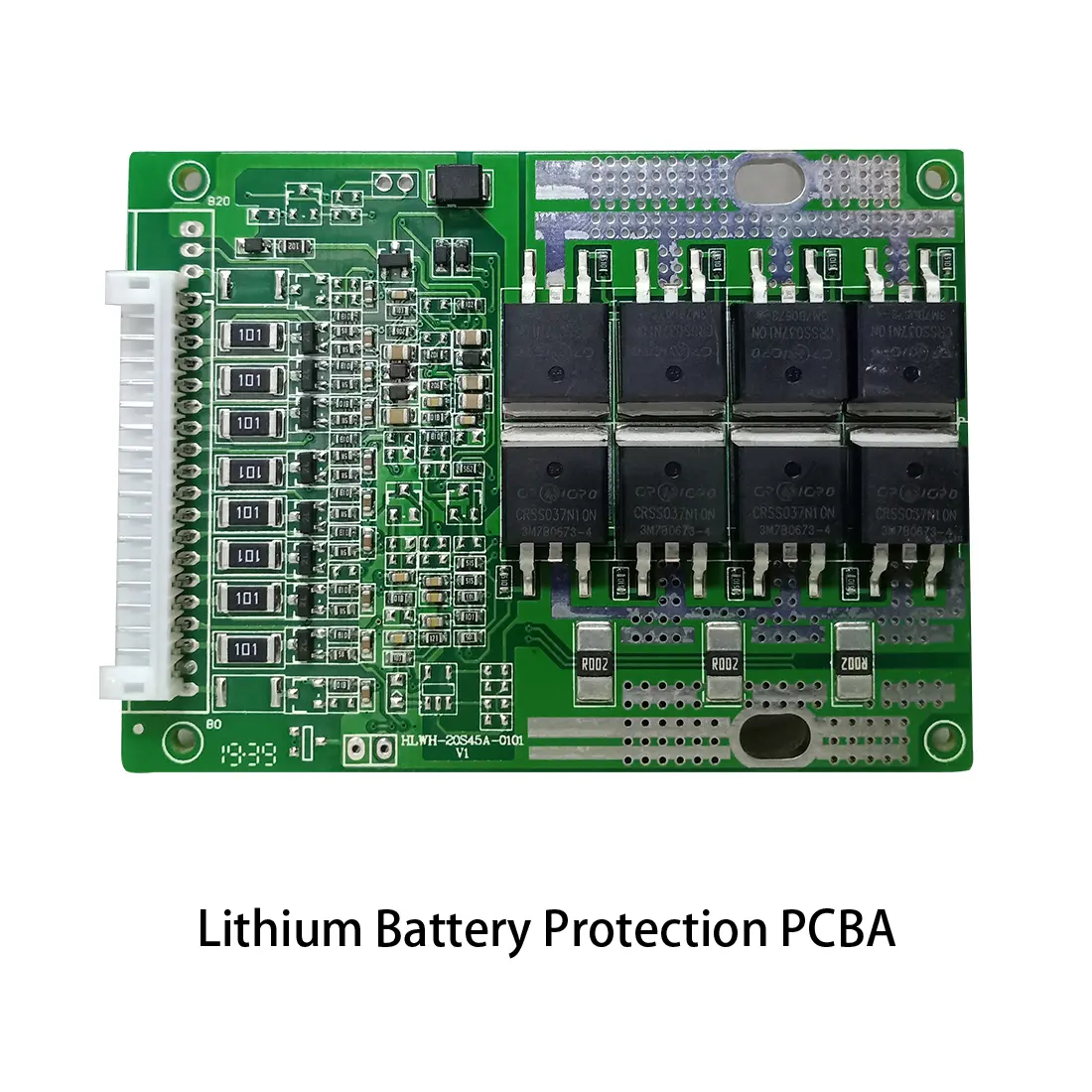 New Energey PCBA
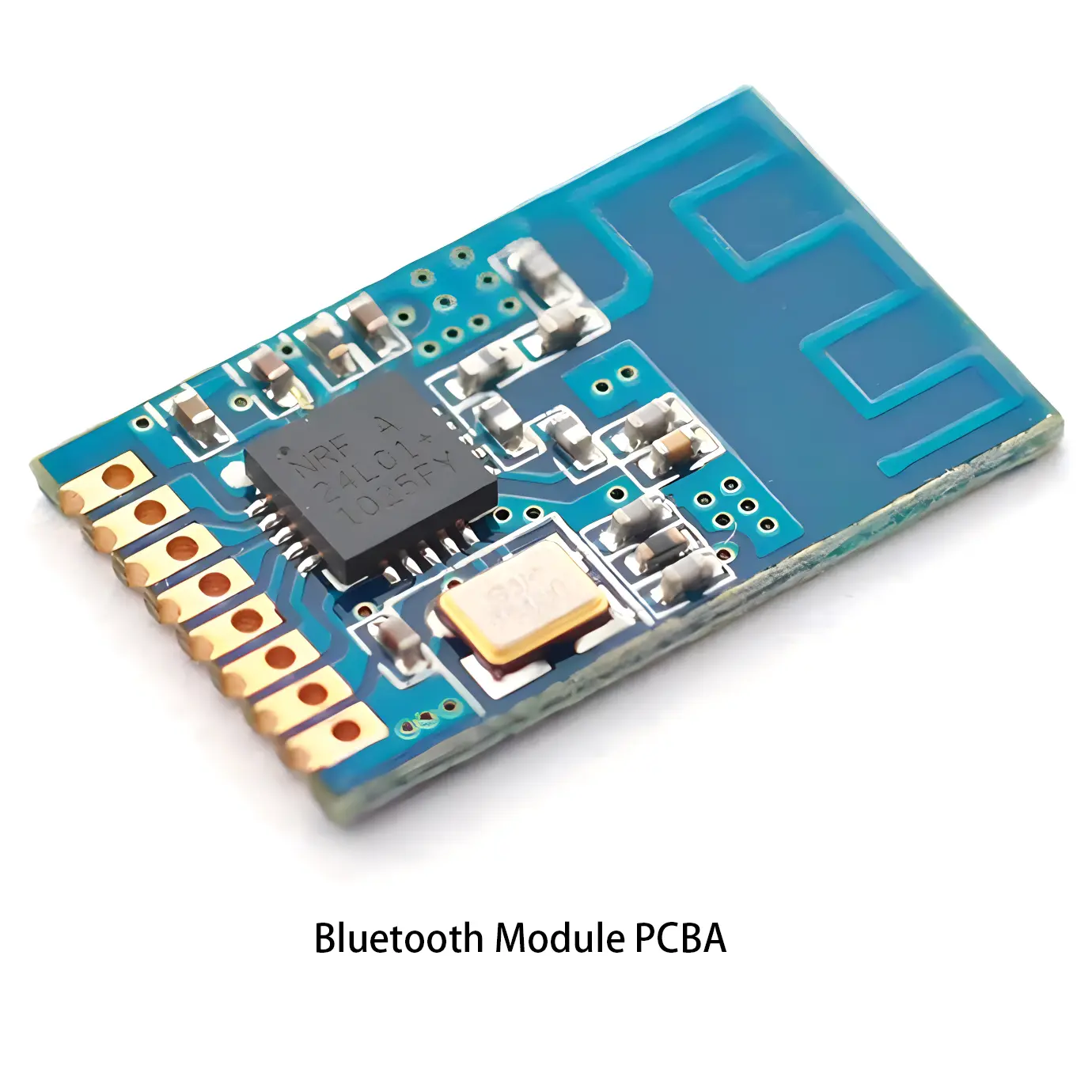 Communication PCBA
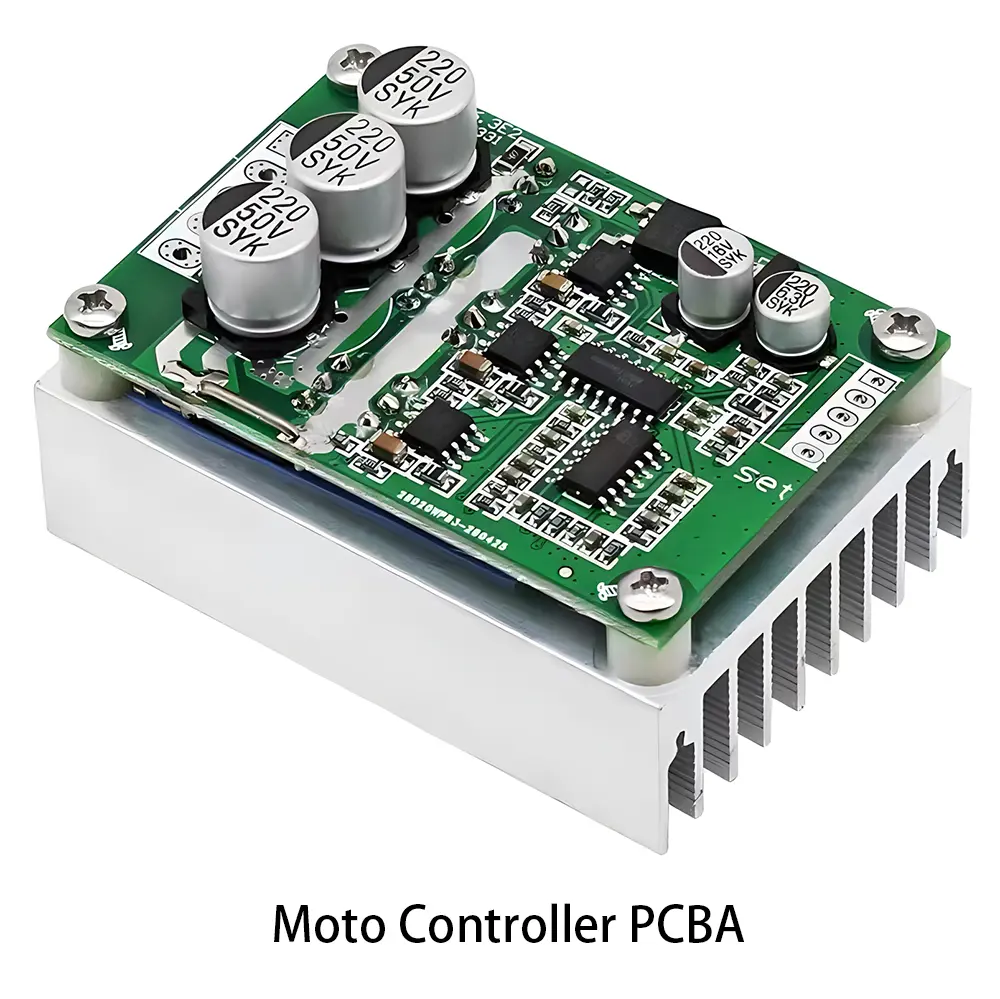 Industrial Control PCBA
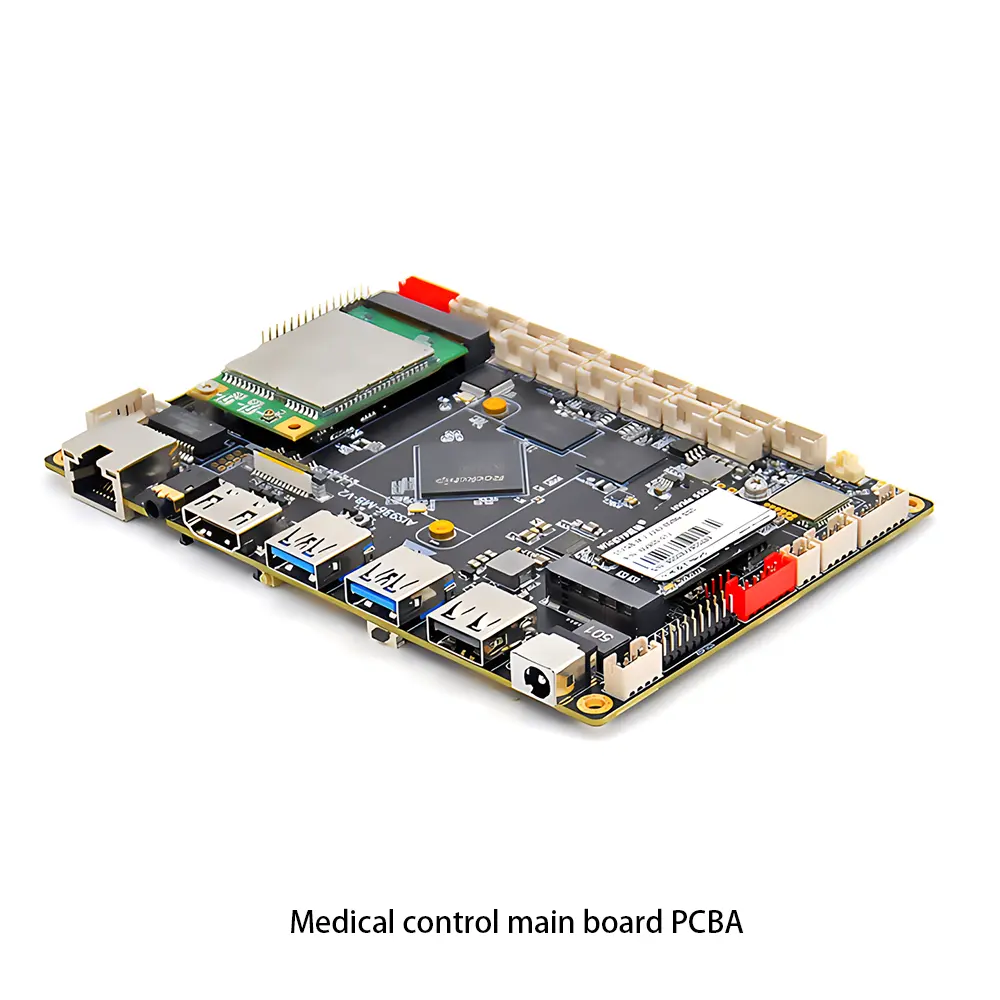 Medical Equipment PCBA
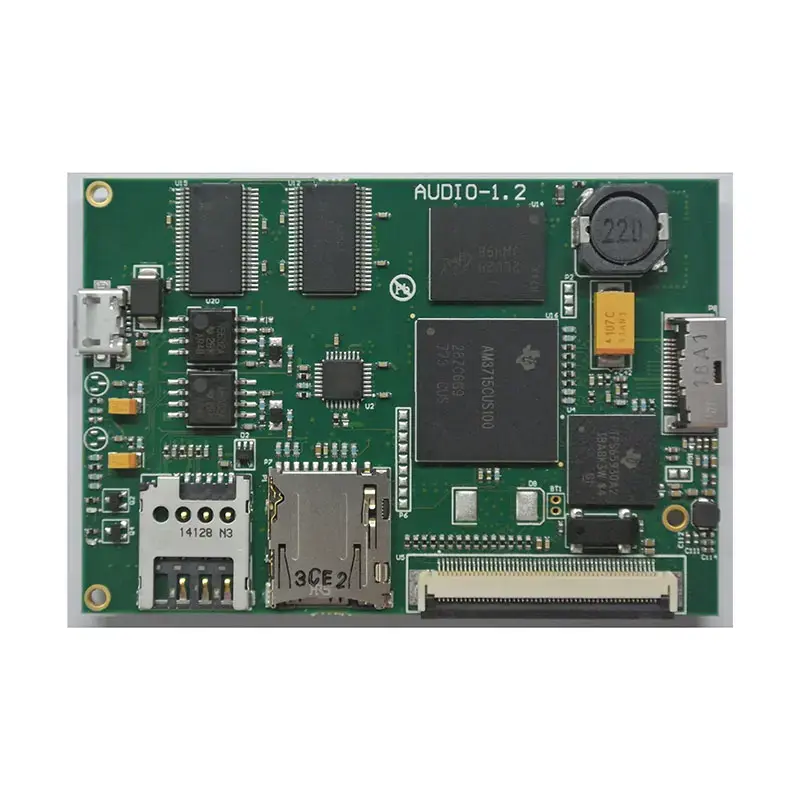 Testing Service
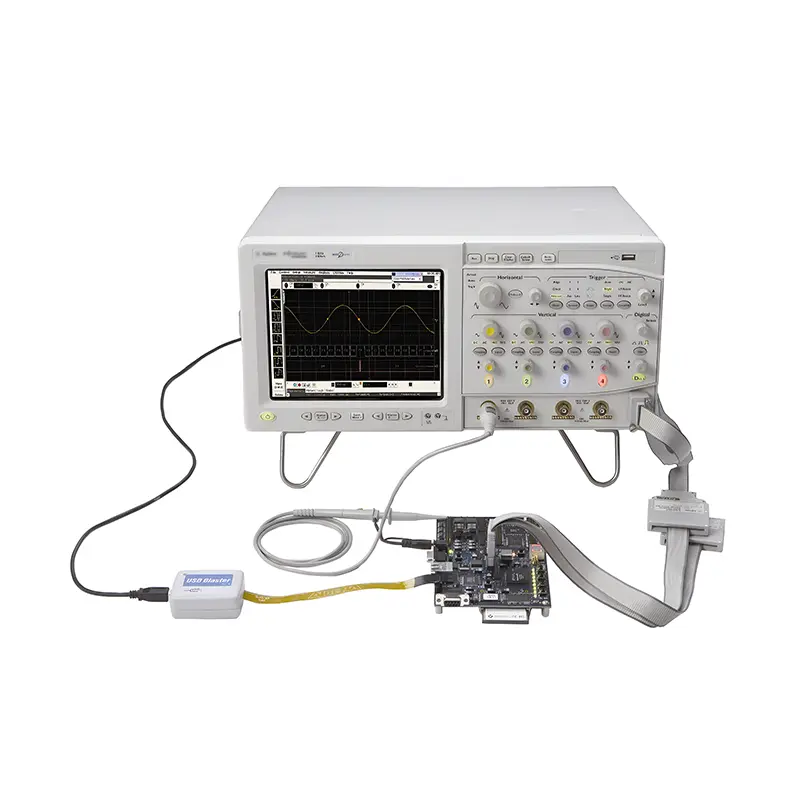 PCBA Testing Service
 Certification Application
 RoHS Certification Application
 REACH Certification Application
 CE Certification Application
 FCC Certification Application
 CQC Certification Application
 UL Certification Application
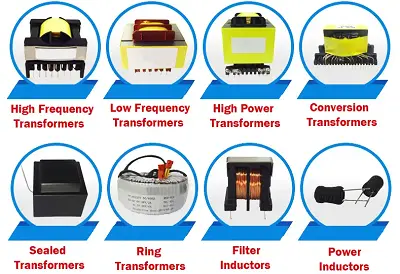 Transformers, Inductors
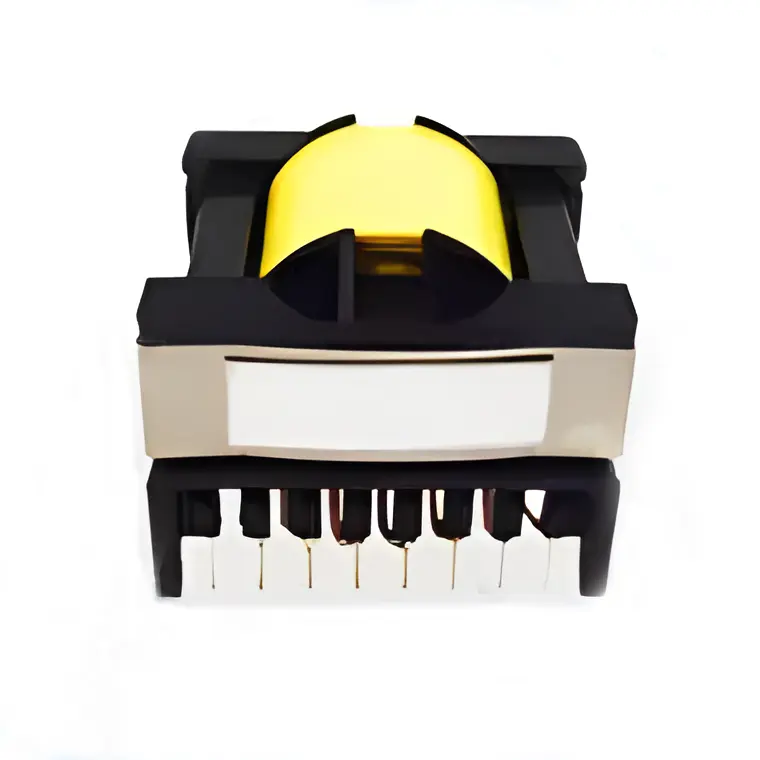 High Frequency Transformers
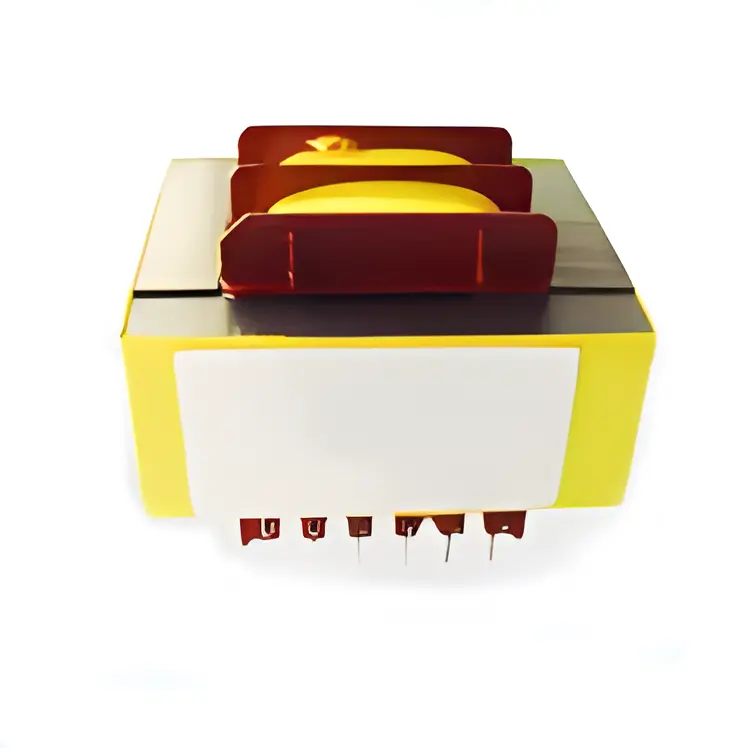 Low Frequency Transformers
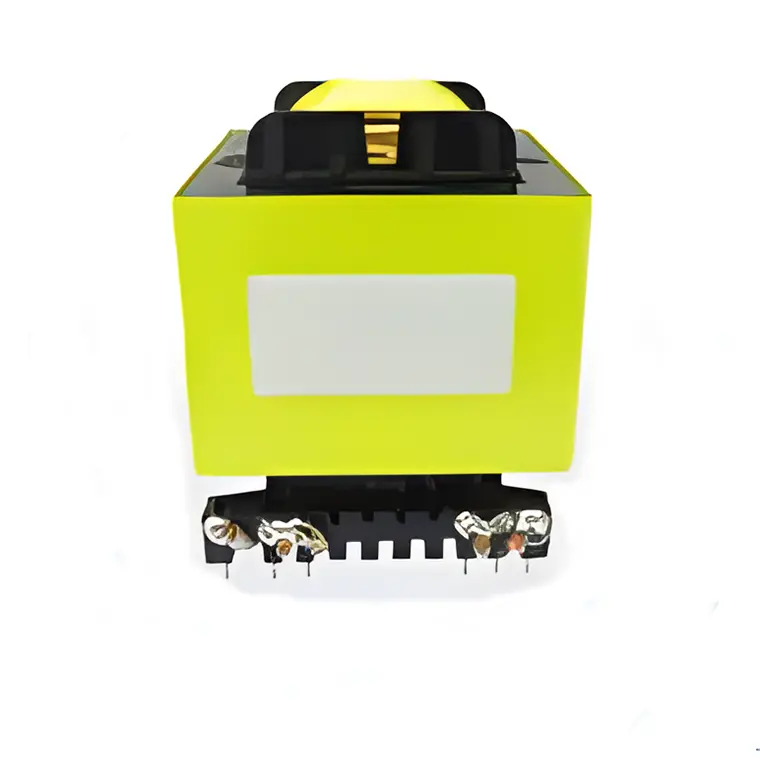 High Power Transformers
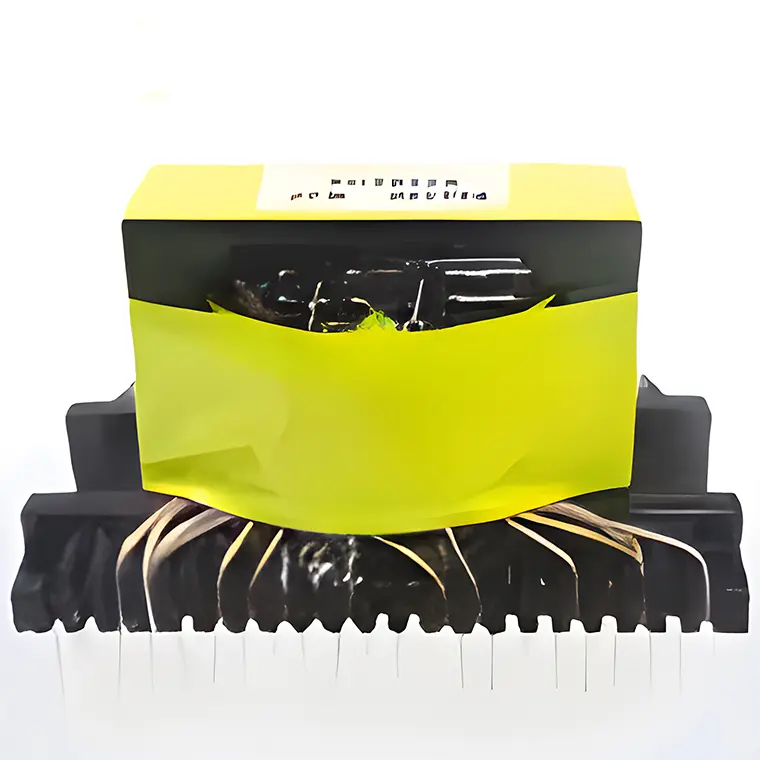 Conversion Transformers
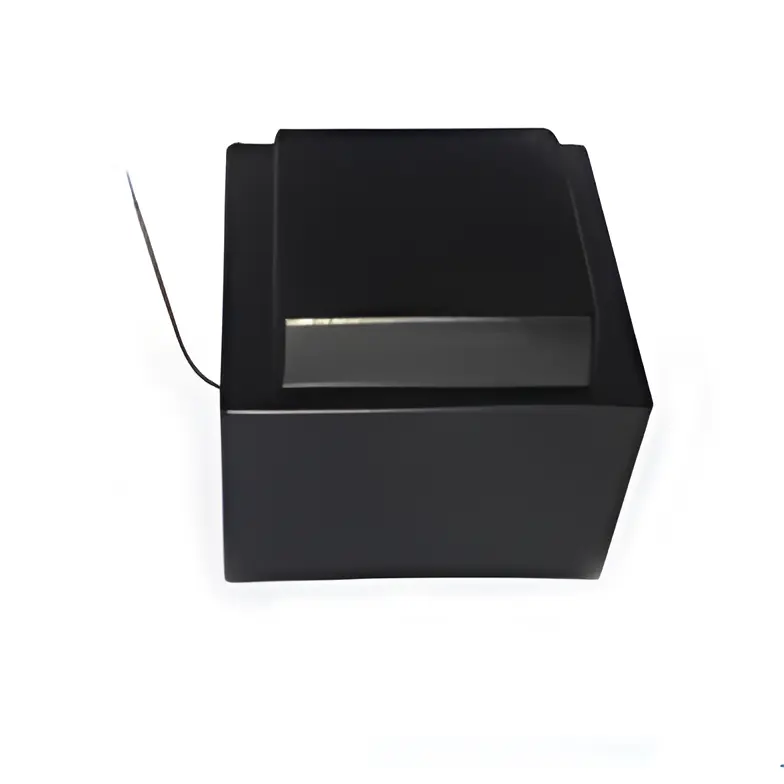 Sealed Transformers
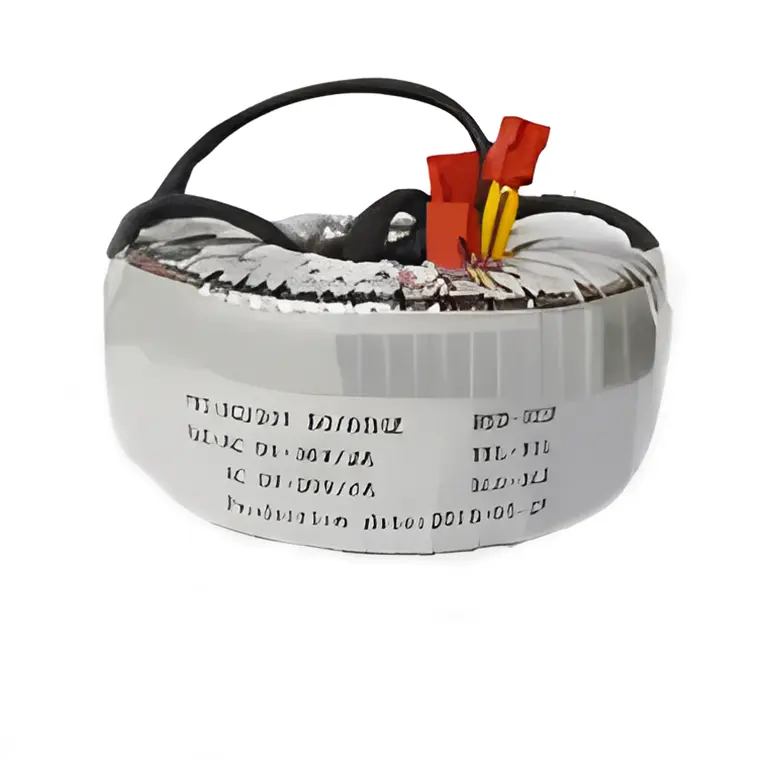 Ring Transformers
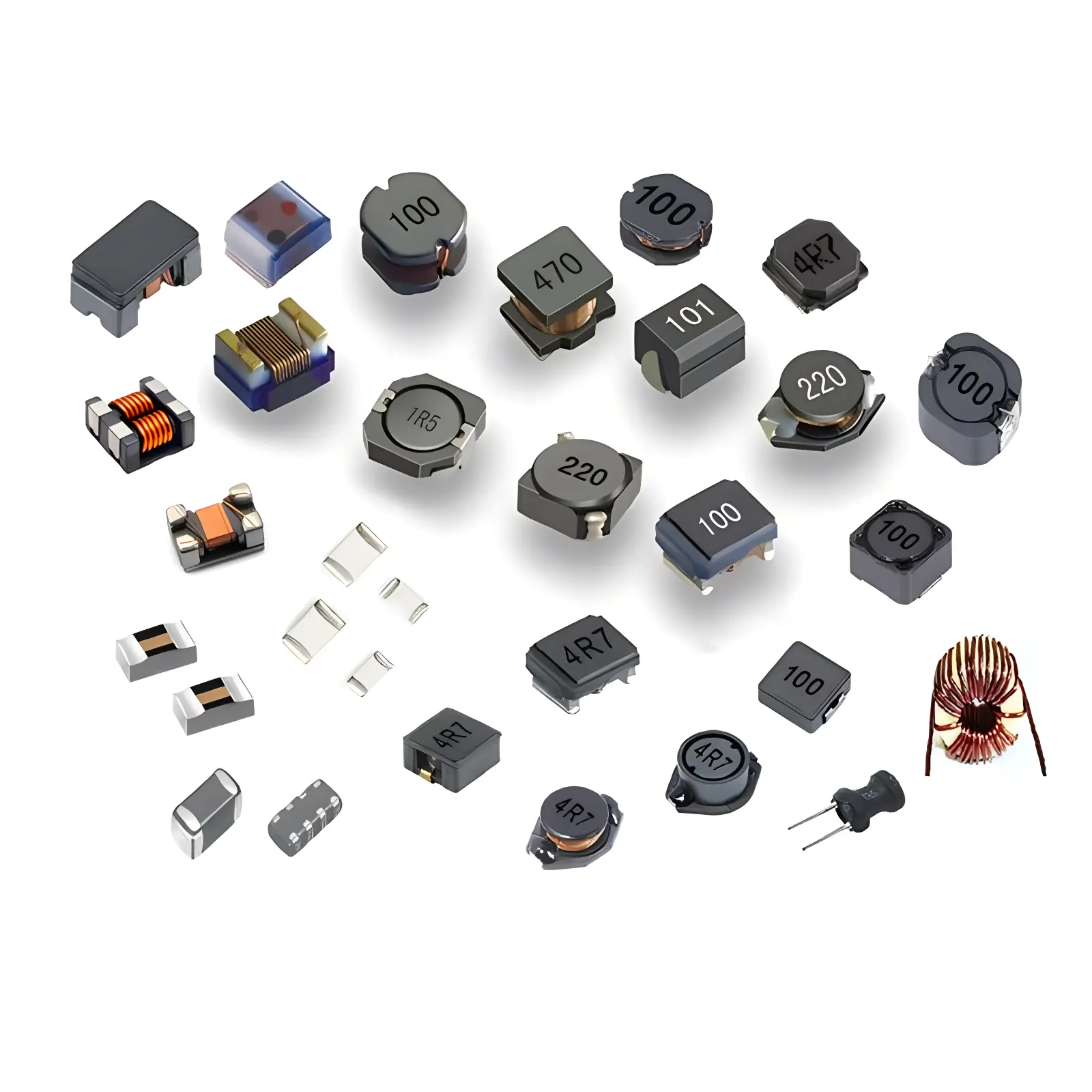 Inductors
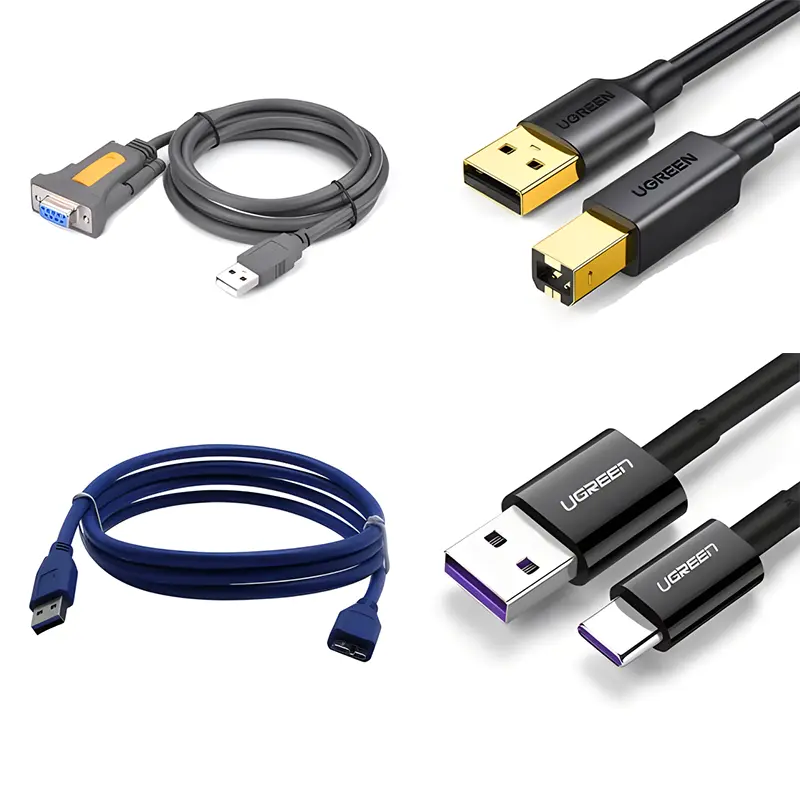 Wires,Cables Customized
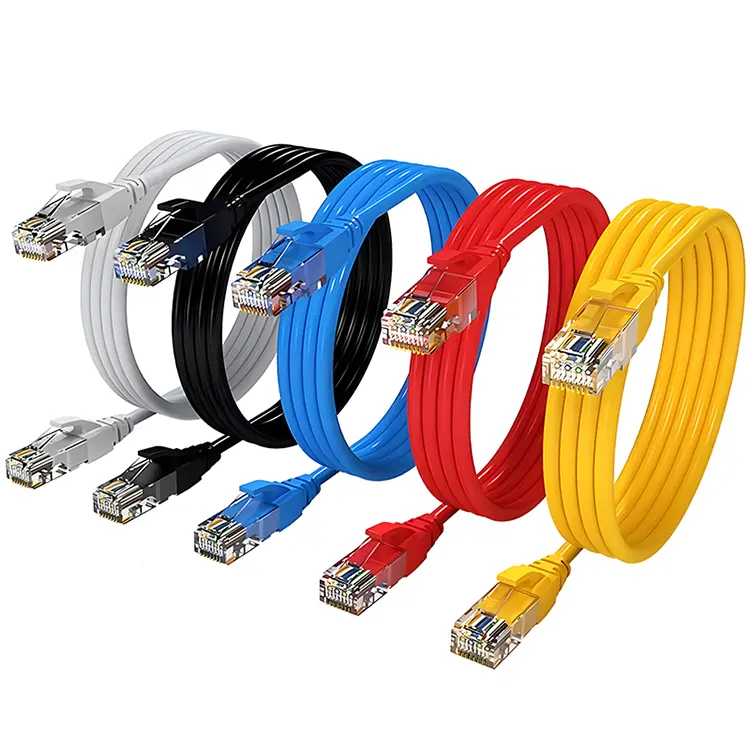 Network Cables
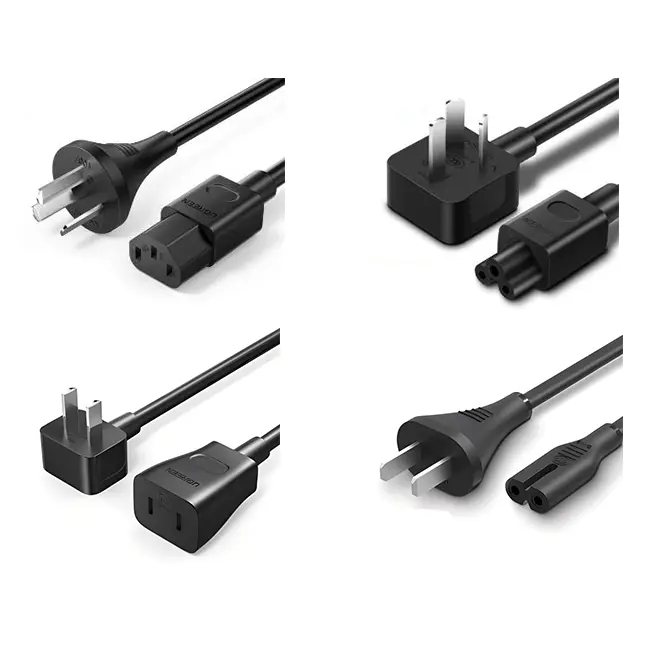 Power Cords
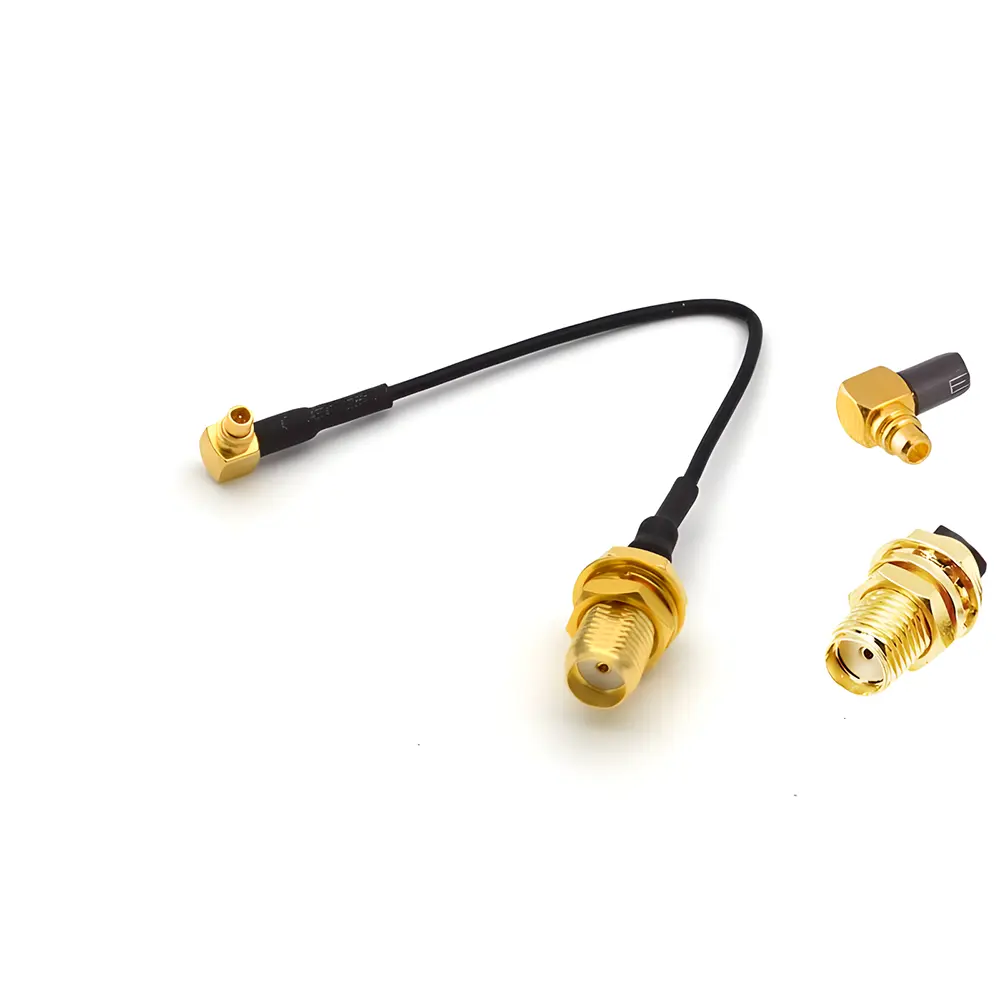 Antenna Cables
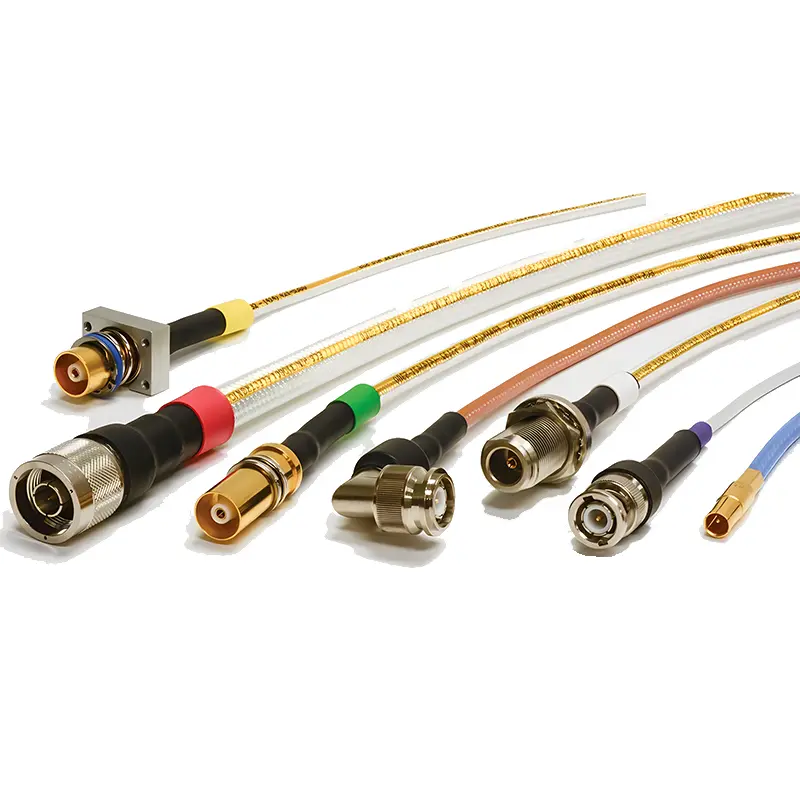 Coaxial Cables
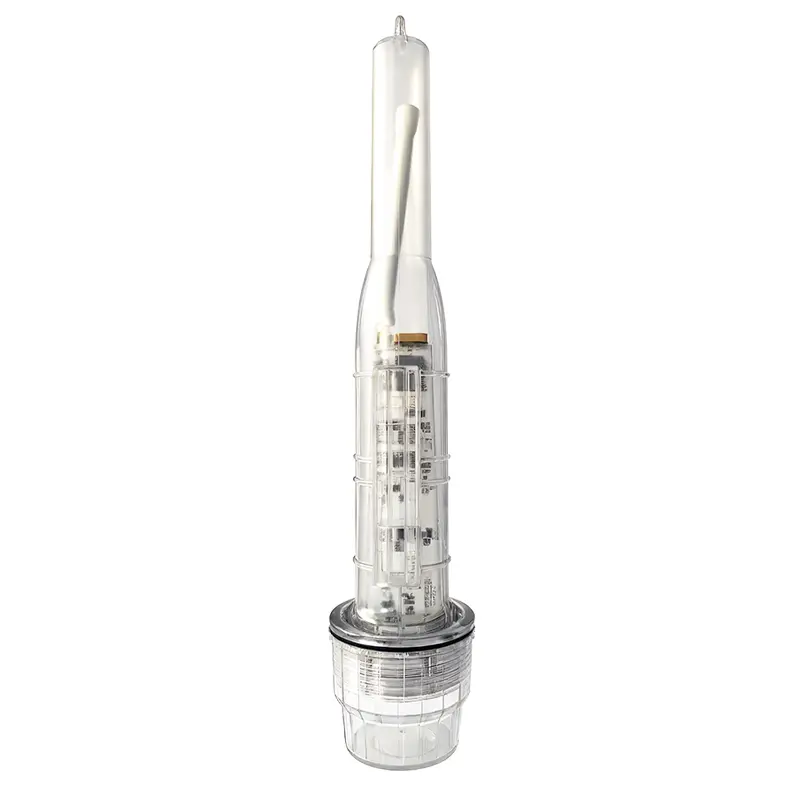 Net Position Indicator
 Solar AIS net position indicator
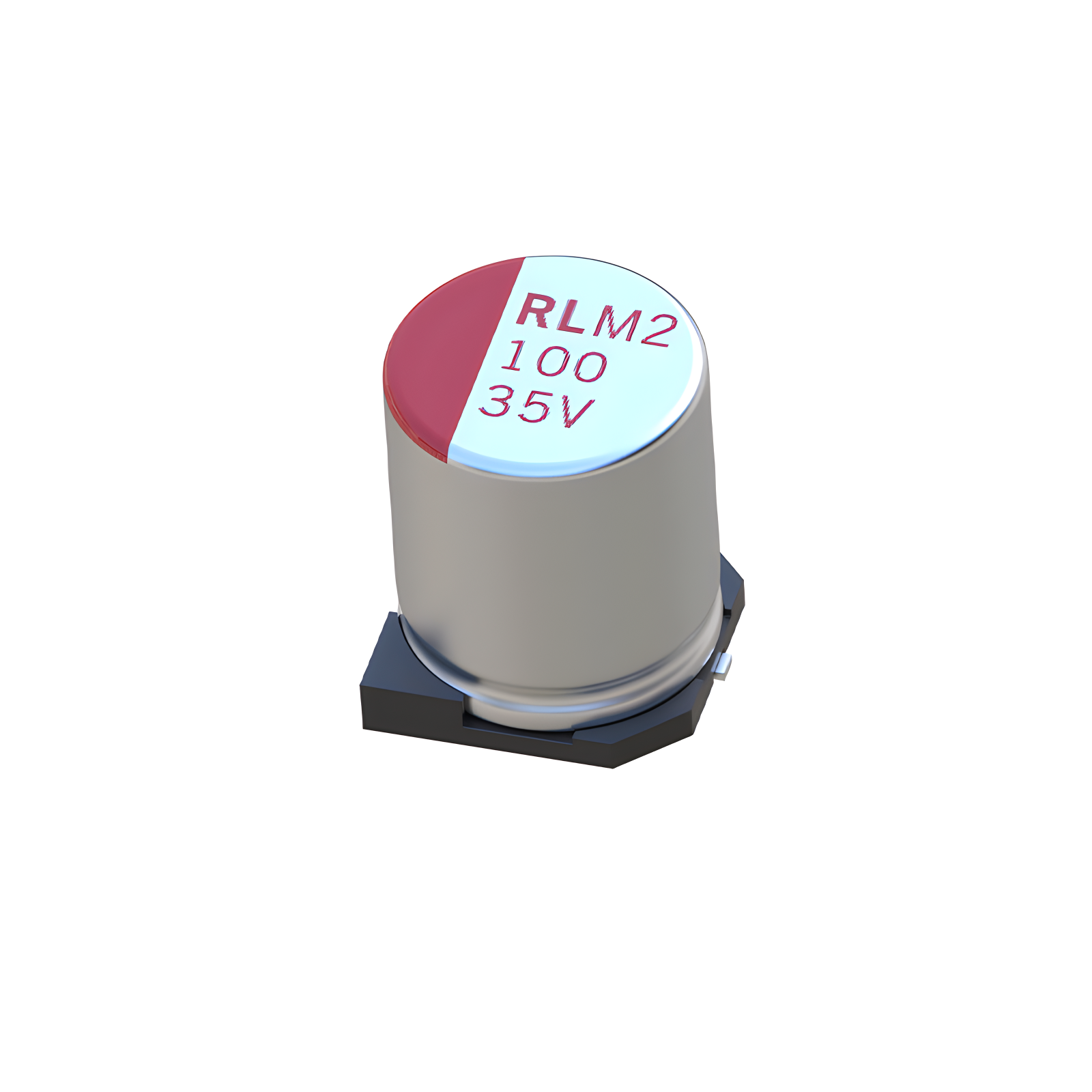 Capacitors
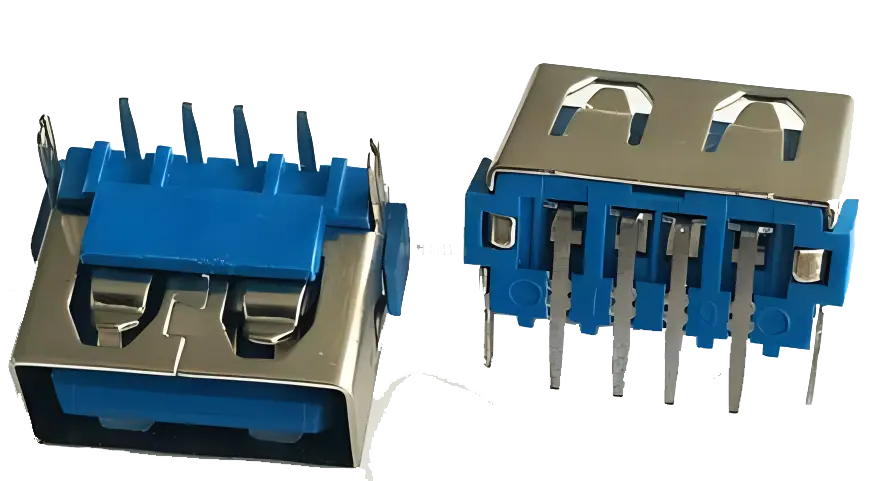 Connectors
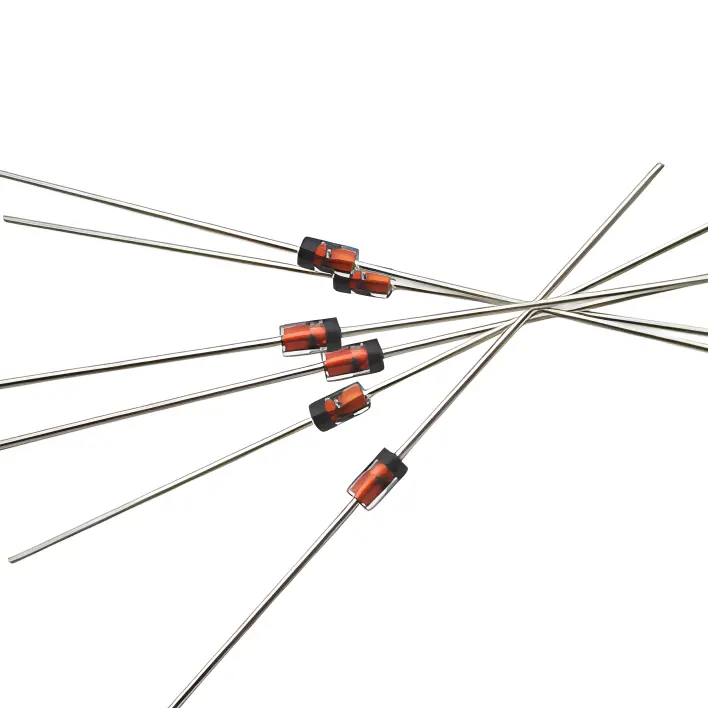 Diodes
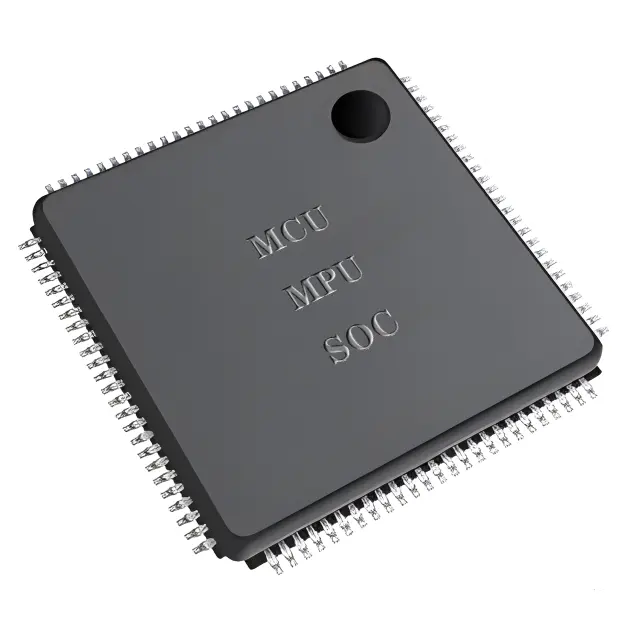 Embedded Processors & Controllers
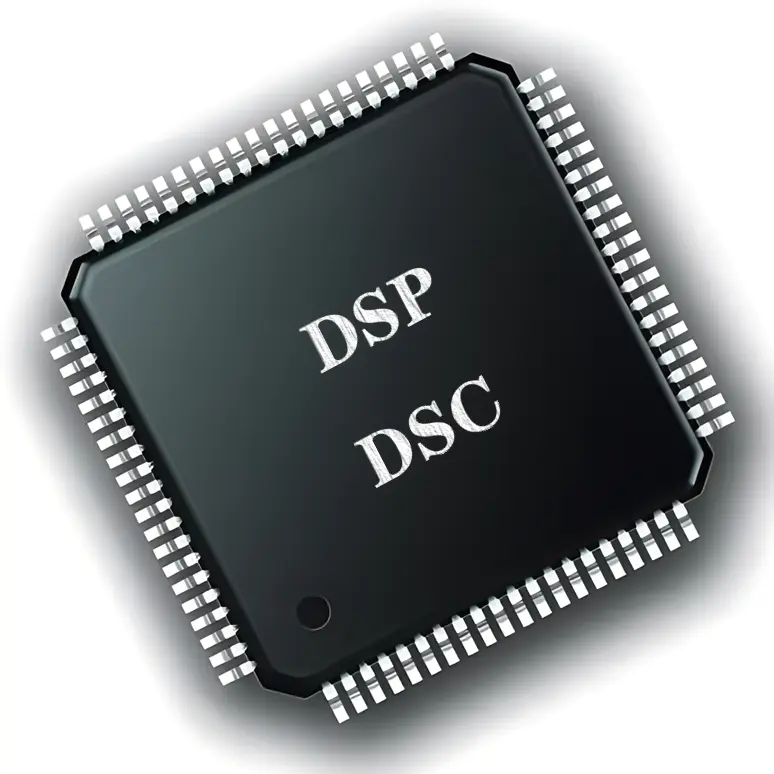 Digital Signal Processors (DSP/DSC)
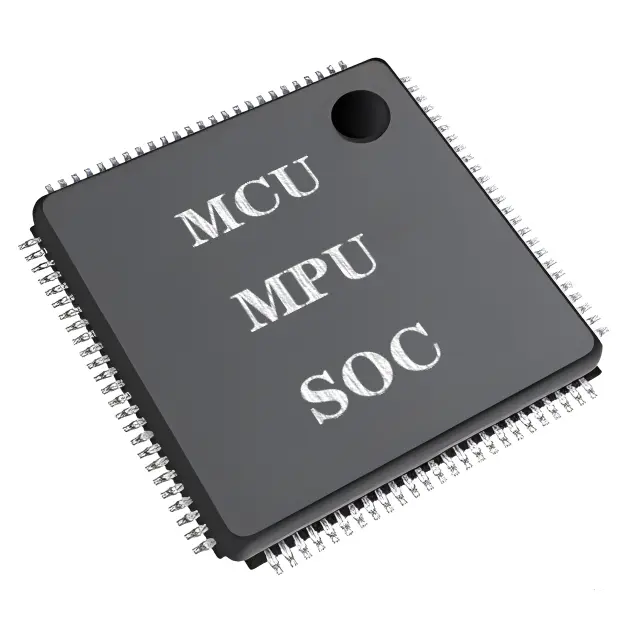 Microcontrollers (MCU/MPU/SOC)
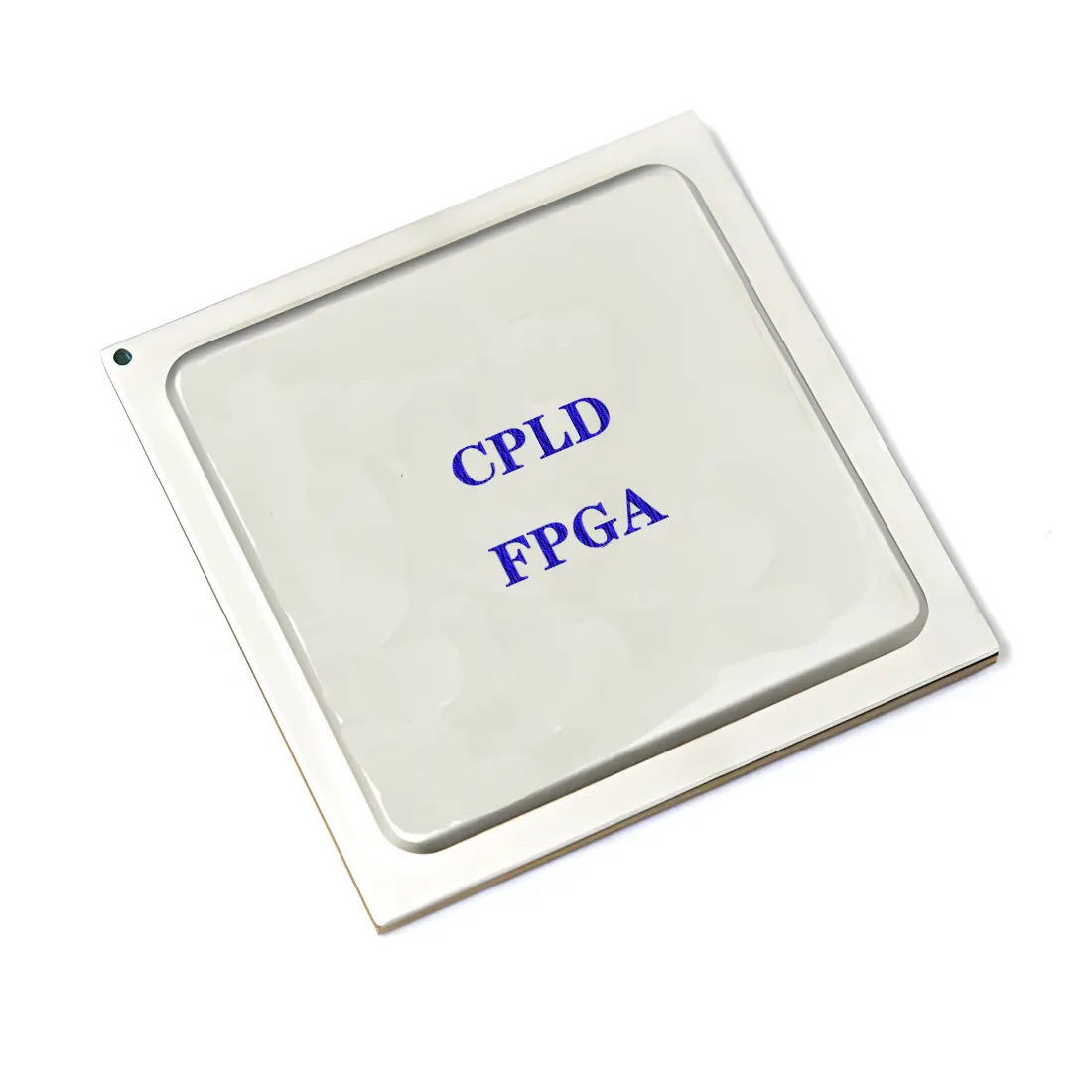 Programmable Logic Device(CPLD/FPGA)
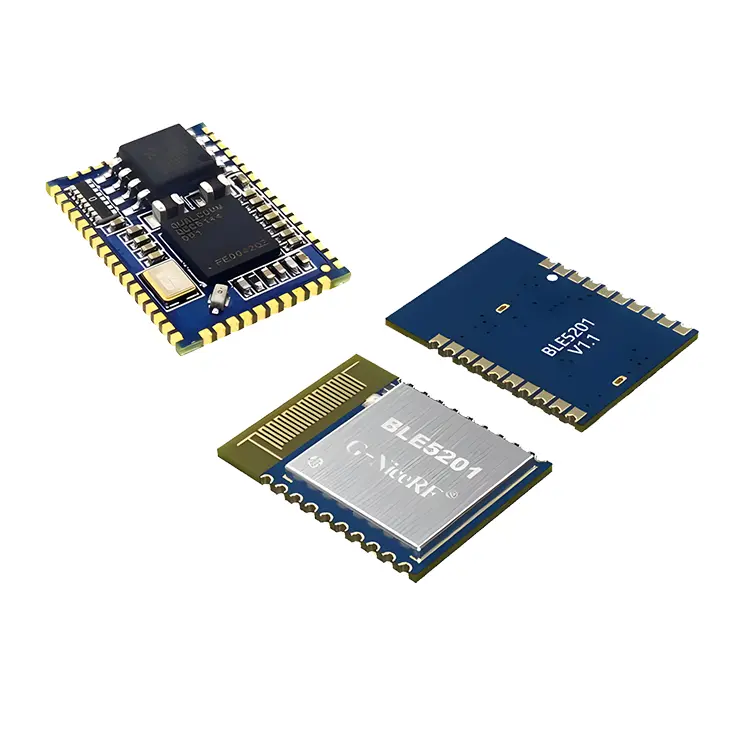 Communication Modules/IoT
 Resistors
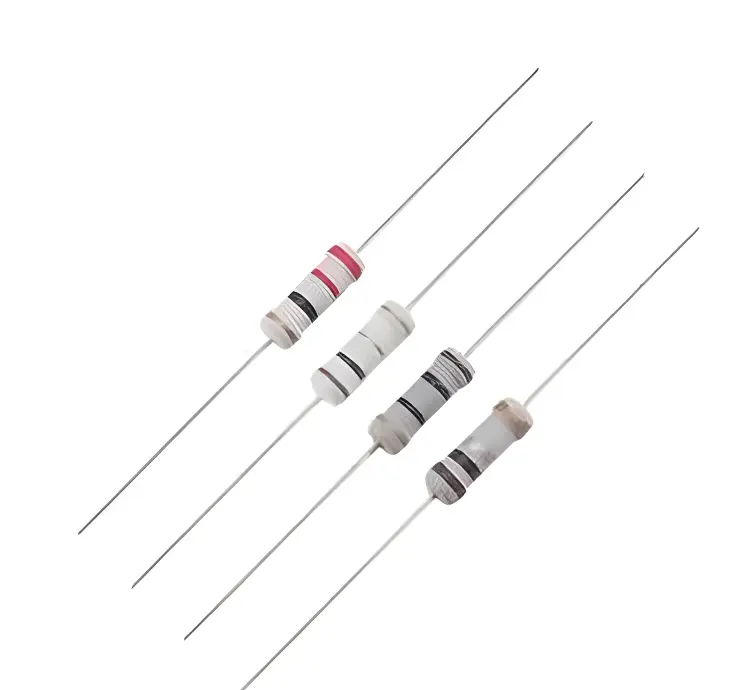 Through Hole Resistors
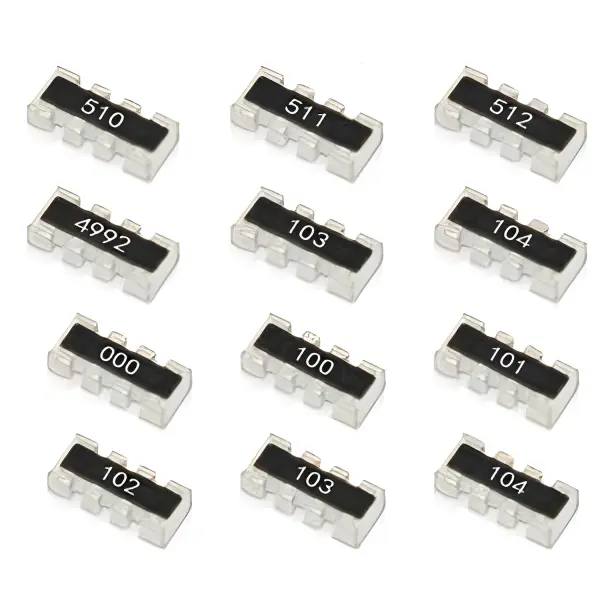 Resistor Networks, Arrays
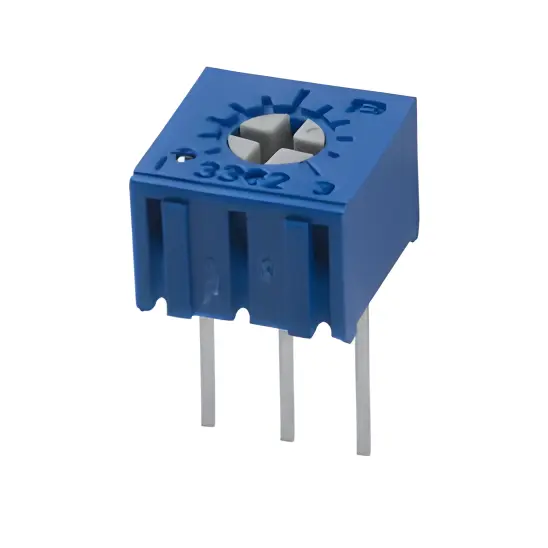 Potentiometers,Variable Resistors
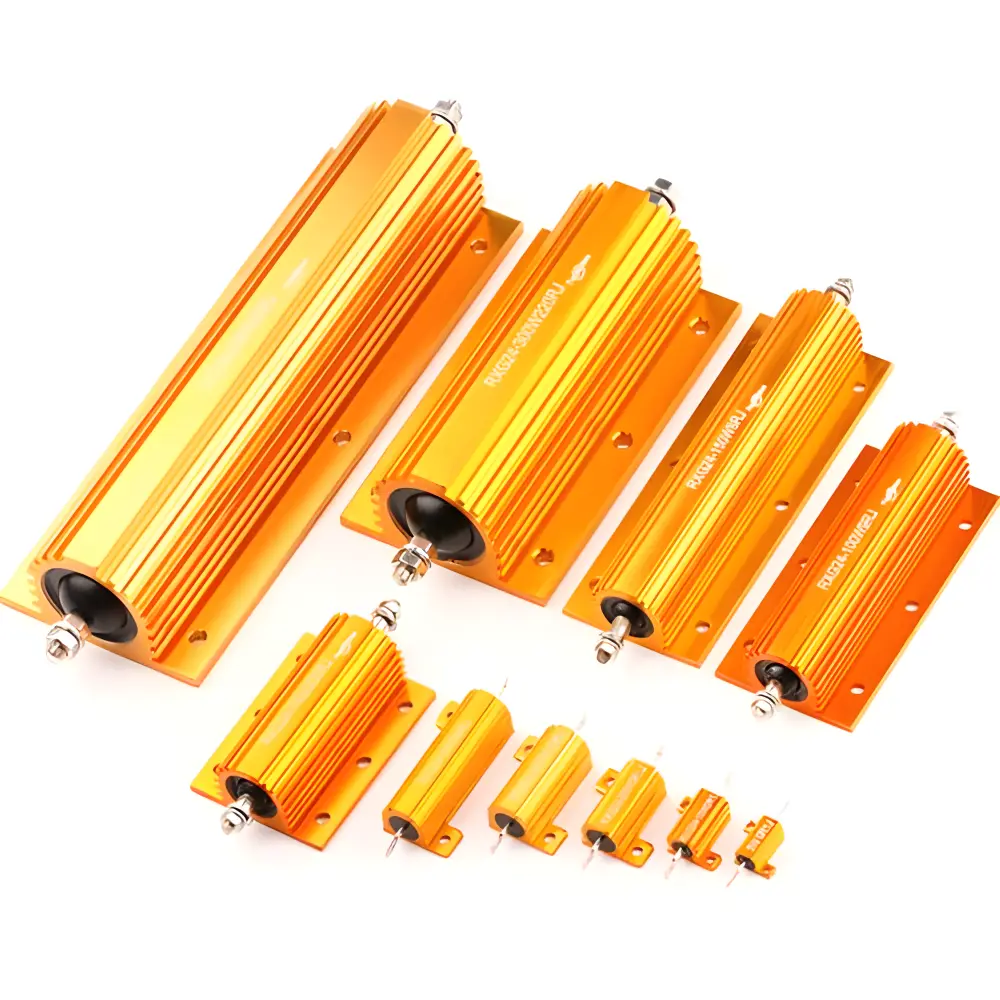 Aluminum Case,Porcelain Tube Resistance
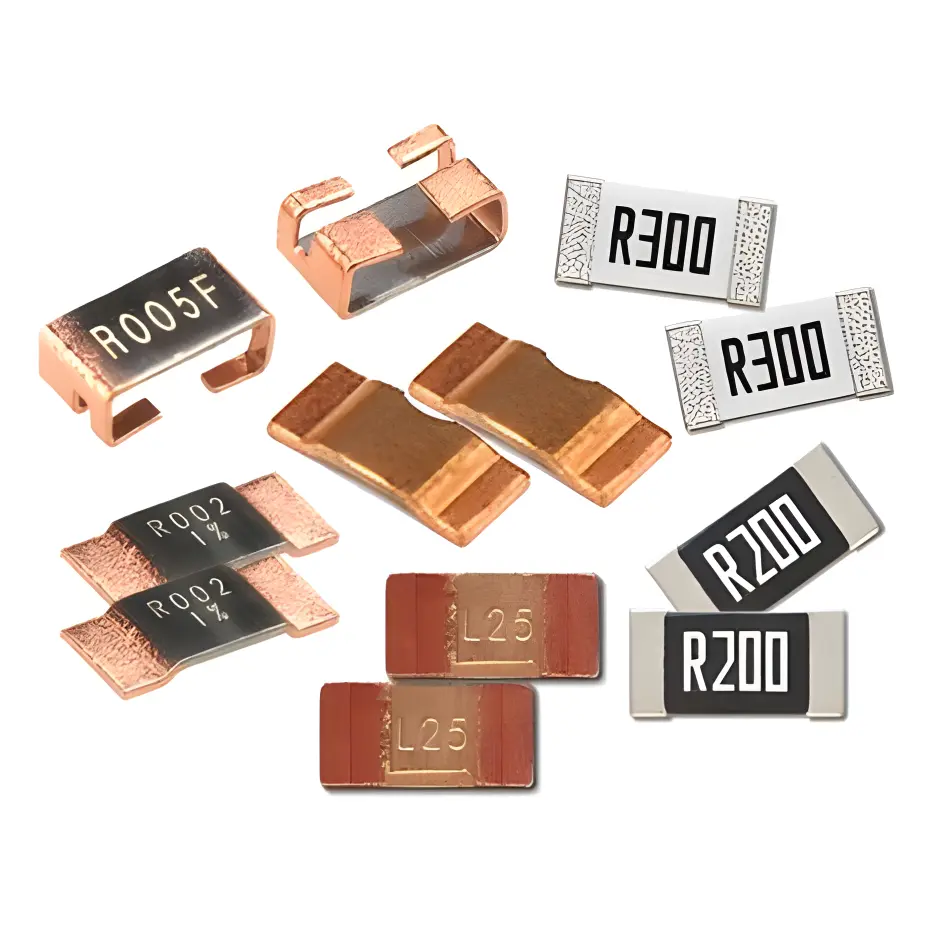 Current Sense Resistors,Shunt Resistors
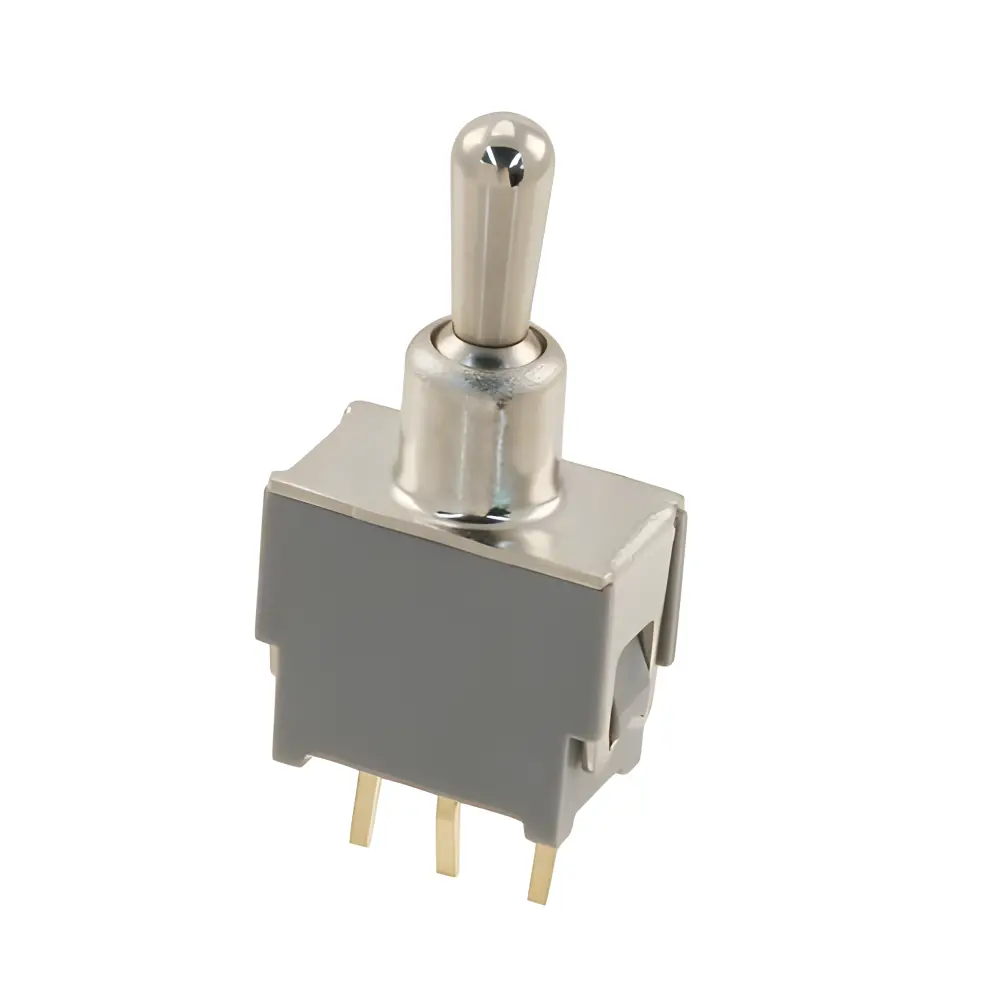 Switches
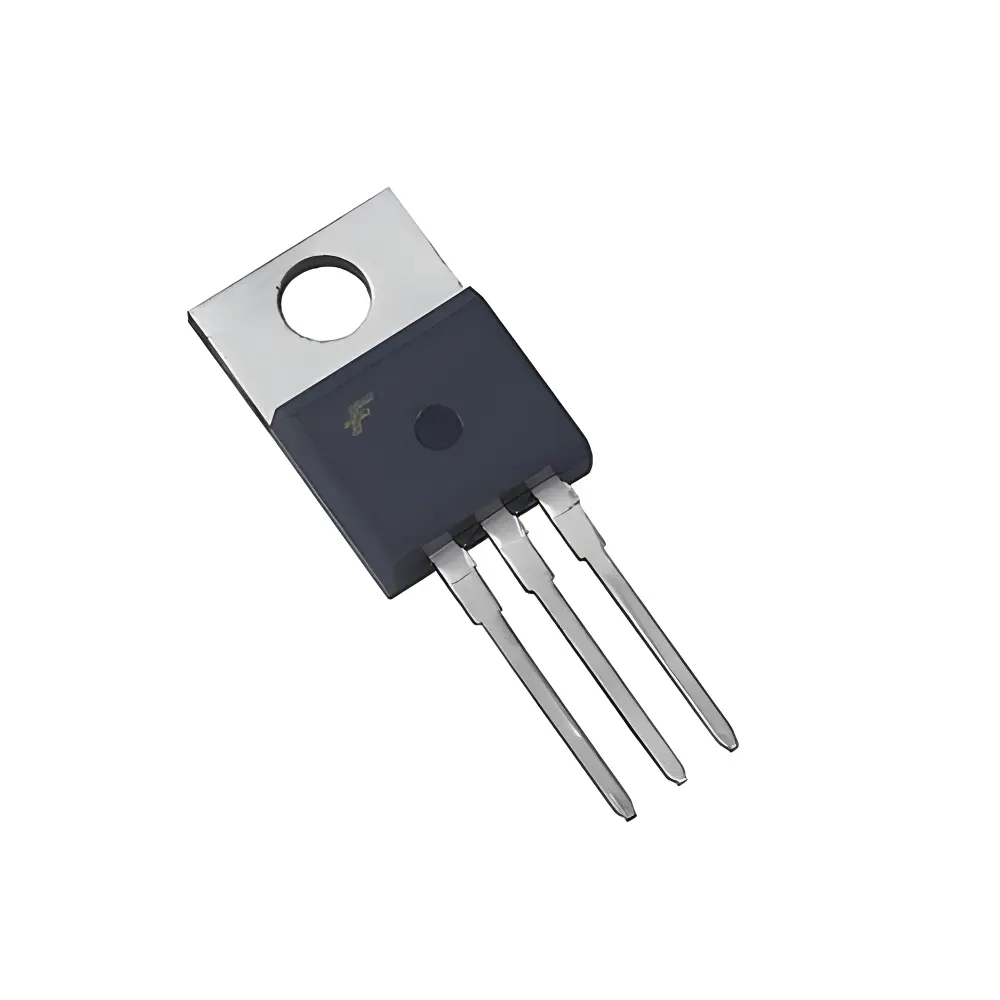 Transistors
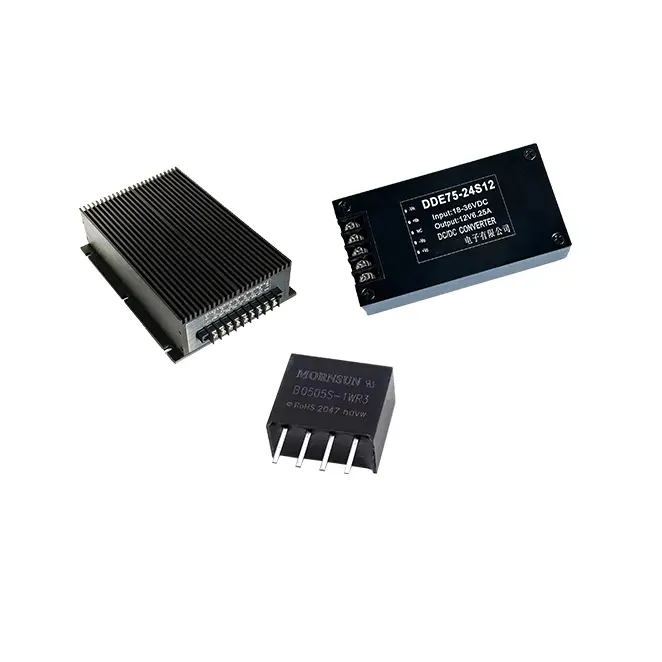 Power Modules
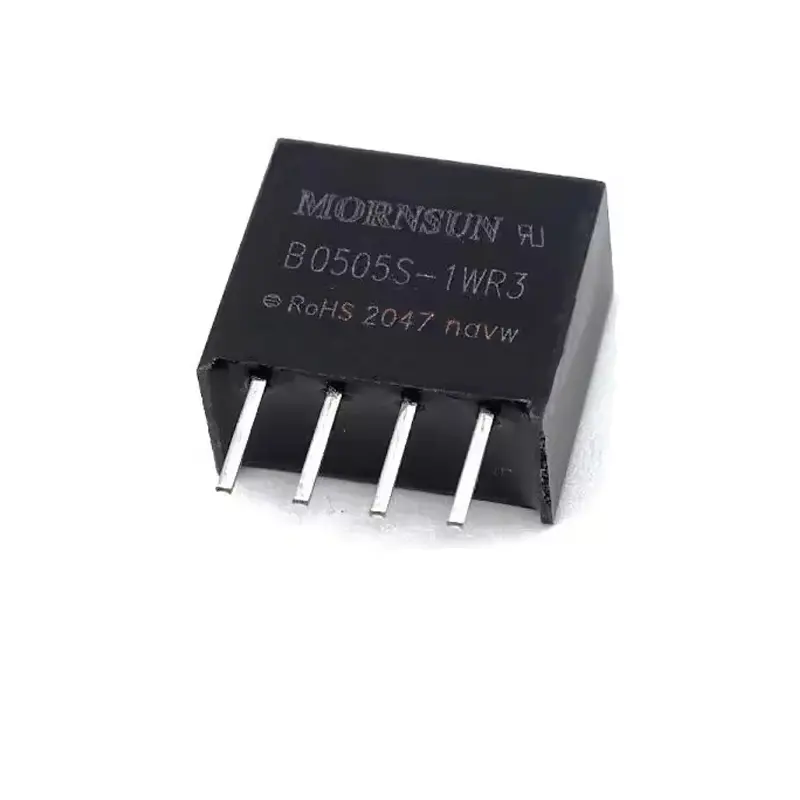 Isolated Power Modules
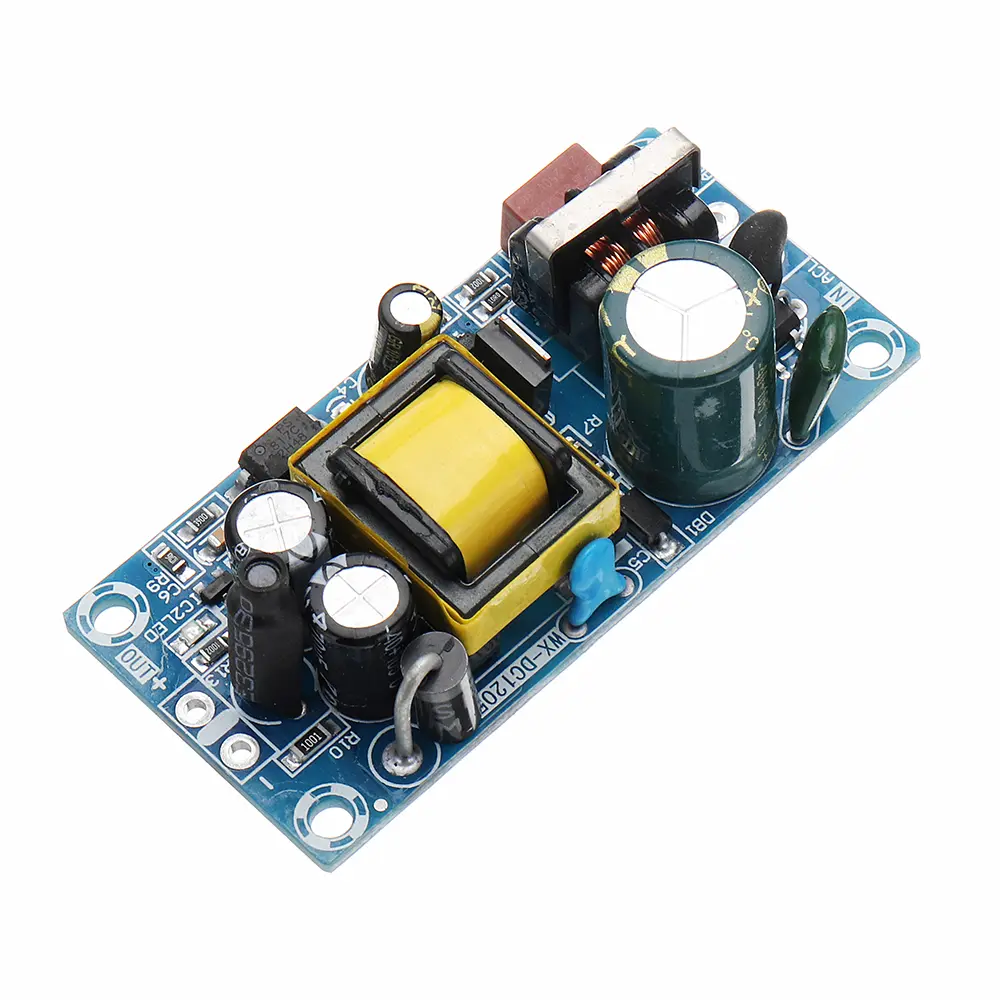 AC-DC Power Modules
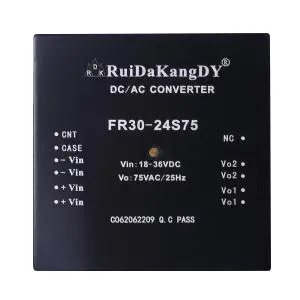 DC-AC Module(Inverter)
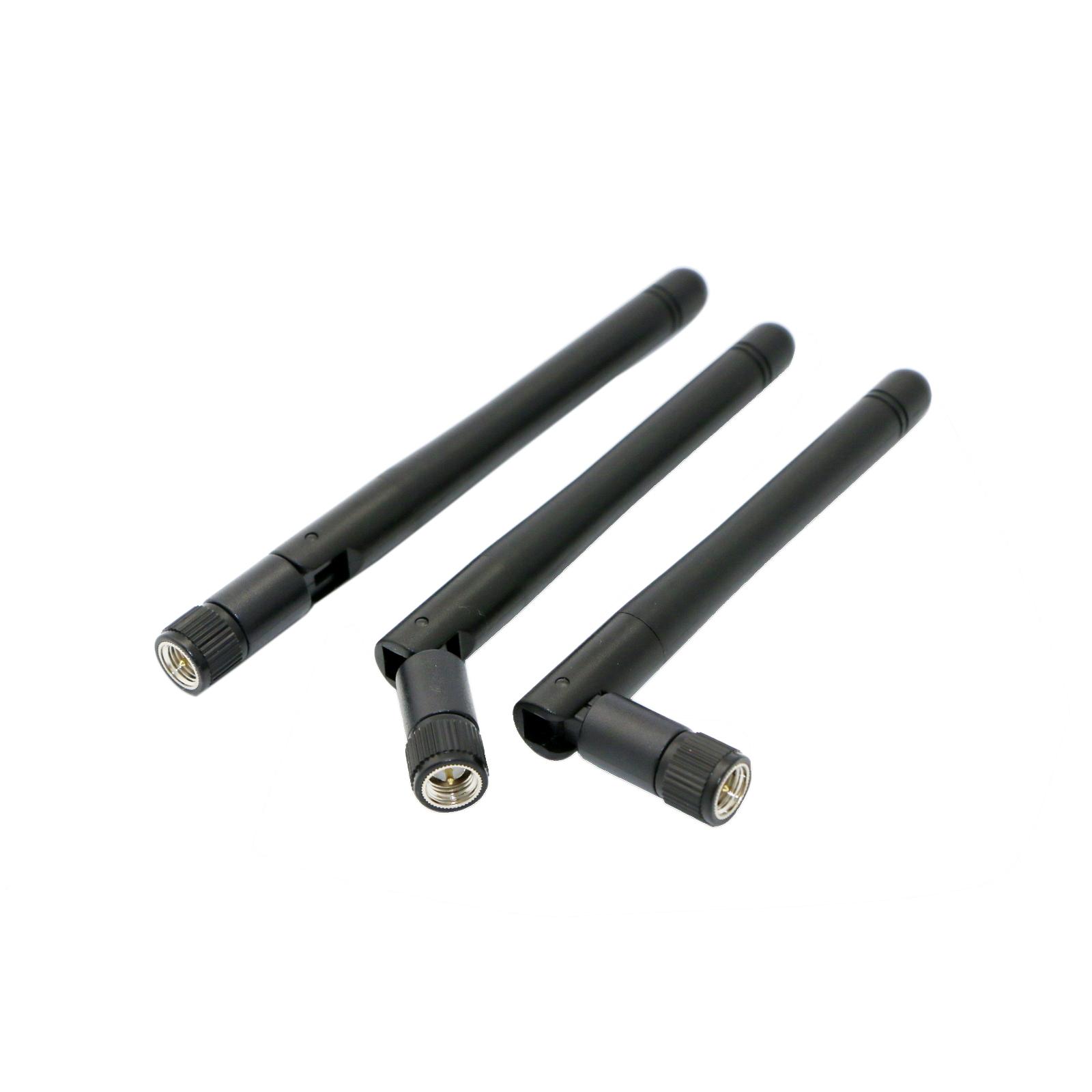 RF and Wireless
Cleaning High Aspect Ratio Through-Holes Using Supercritical CO₂ Fluid
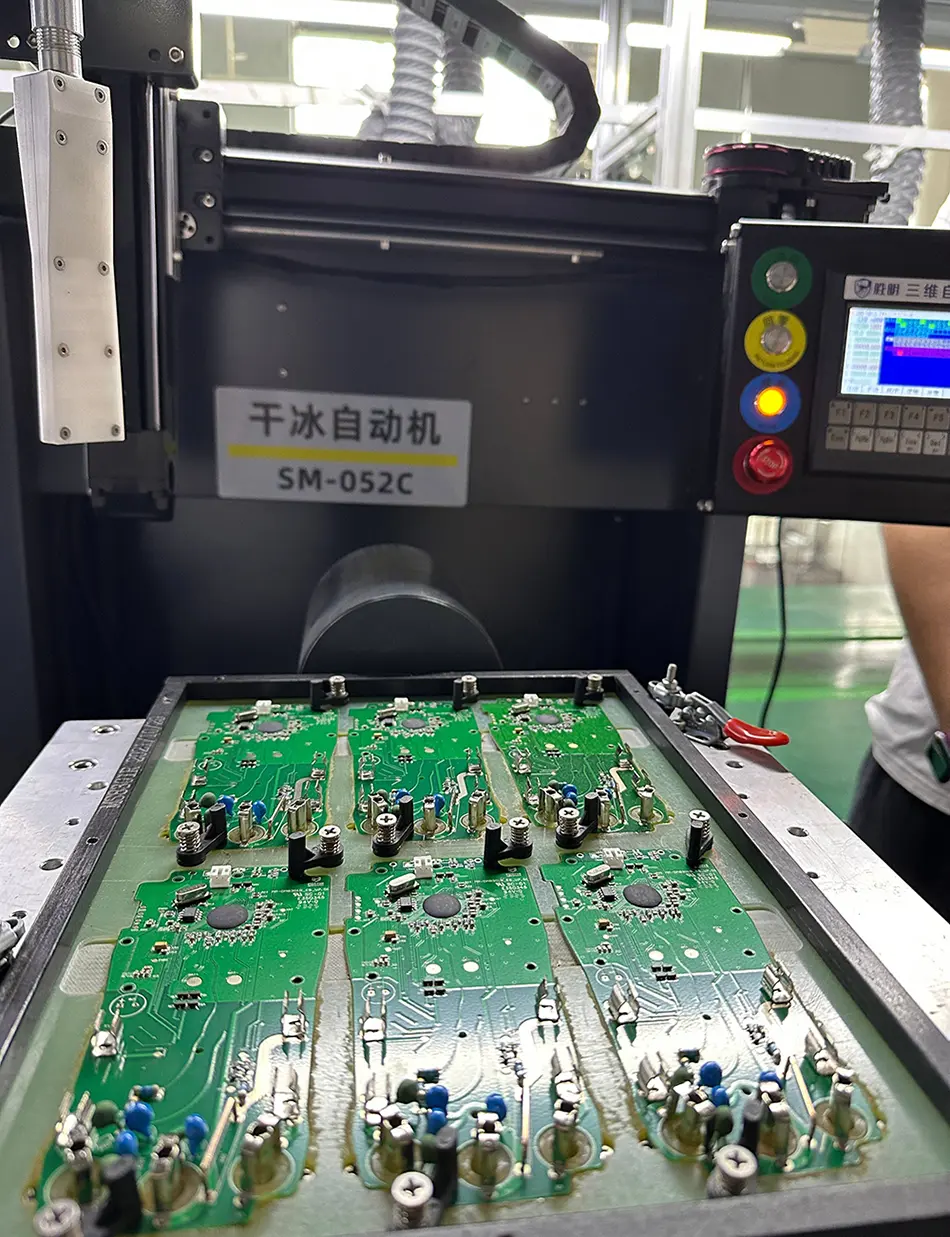
1. Properties and Advantages of SupercritICal CO₂
Supercritical CO₂ (scCO₂) combines gas-like diffusivity (≈10⁻⁷ m²/s) and liquid-like solvation power (solubility parameter≈0.5–2.5 (cal/cm³)¹/²) above its critical point (31.1°C, 7.38 MPa). Key features:
-
Low suRFace tension: <5 mN/m, enabling penetration into micron-scale channels;
-
Tunable solvation: Adjustable via pressure/temperature for polar/nonpolar contaminants;
-
Eco-friendliness: CO₂ is recyclable with no toxic residues.
2. Key Process Steps
(1) Pretreatment & Contaminant Analysis
-
Contaminants: Photoresist residues, metal particles (Cu, Sn), flux (rosin, organic acids);
-
Pretreatment:
-
Mechanical: Ultrasonication (40 kHz) or micro-sandblasting for large particles;
-
Chemical: Low-concentration solvents (e.g., acetone) for loose contaminants.
-
(2) scCO₂ System Design
-
Equipment:
-
High-pressure reactor (≥30 MPa), CO₂ pumps, heaters, co-solvent injectors;
-
Flow control: CO₂ at 1–5 L/min for dynamic coverage.
-
-
Parameters:
-
Temperature: 35–60°C (balances solvation and safety);
-
Pressure: 10–25 MPa (higher pressure enhances solvation);
-
Time: 10–30 min (adjusted for via depth);
-
Co-solvents: 1–5% polar solvents (e.g., ethanol) for polar contaminants.
-
(3) Dynamic Circulation Cleaning
-
Counterflow circulation: CO₂ injected from via bottom to enhance penetration;
-
Pulsed pressure: ±2 MPa fluctuations to induce turbulence.
(4) Post-Processing & CO₂ Recovery
-
Depressurization: Gradual pressure reduction to precipitate contaminants (captured by 0.1 μm Filters);
-
CO₂ recycling: >95% recovery via condensation.
3. Cleaning Validation
-
Surface analysis:
-
SEM/EDS for residue coverage (<0.1% target);
-
White-light interferometry for via wall roughness (Ra<0.5 μm).
-
-
Functional tests:
-
Post-plating via resistance (±5% uniformity);
-
No delamination/cracks after thermal shock (-55–125°C, 1000 cycles).
-
4. Challenges & Solutions
-
Challenge 1: Incomplete cleaning at via bottom:
-
Solution: Multi-stage nozzles + ultrasonic assistance (20–40 kHz).
-
-
Challenge 2: Nanoparticle residues:
-
Solution: Surfactants (e.g., perfluoropolyether, 0.1–0.5 wt%) to encapsulate particles.
-
-
Challenge 3: High equipment cost:
-
Solution: Modular design + high-strength alloys (e.g., Inconel 718).
-
5. Applications & Economics
-
HDI boards: AR=20:1 via cleaning improves plating yield from 85% to 98%;
-
3D TSV: Reduces metal contamination in Si vias (resistivity ≤2 μΩ·cm);
-
Cost savings: 70% lower wastewater costs vs. wet cleaning (H₂SO₄-H₂O₂).