
 PCB
PCB FPC
FPC Rigid-Flex
 FR-4
FR-4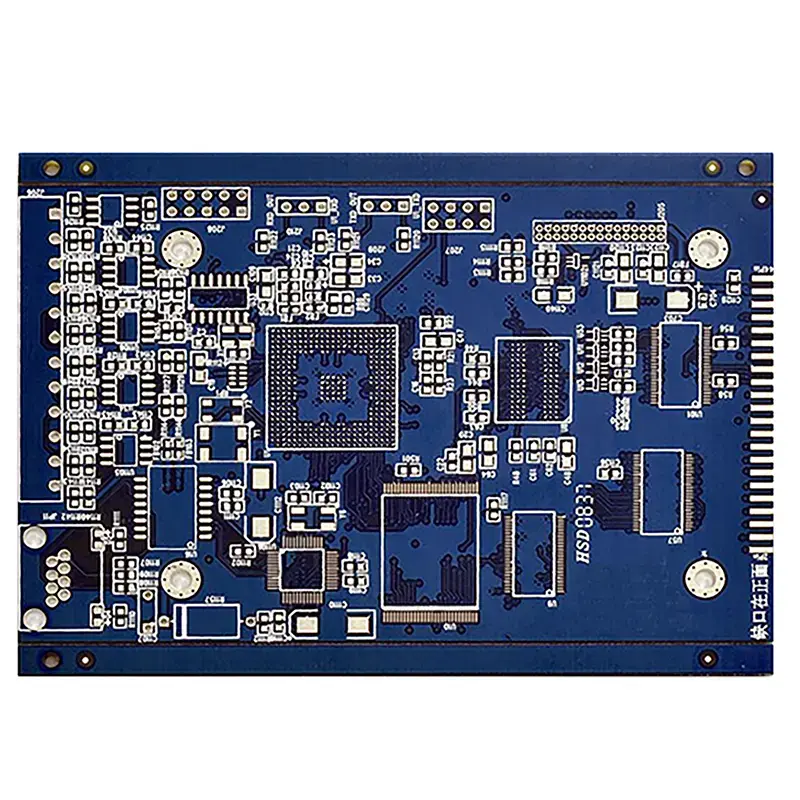 HDI PCB
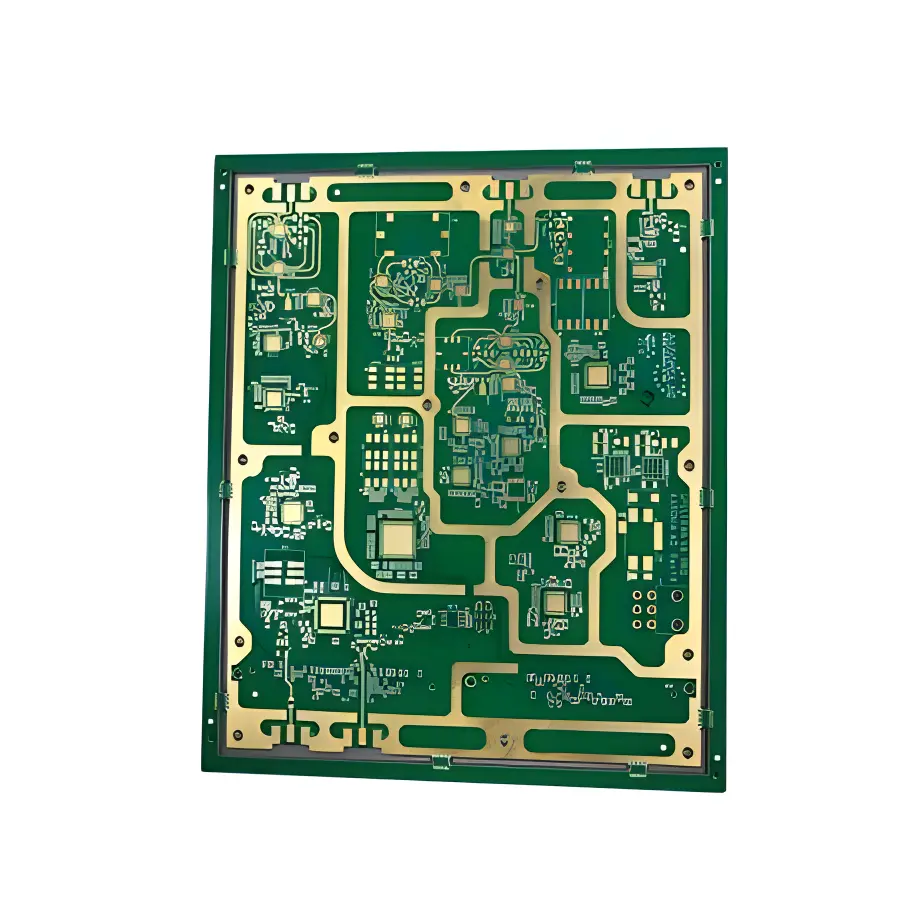 Rogers High-Frequency Board
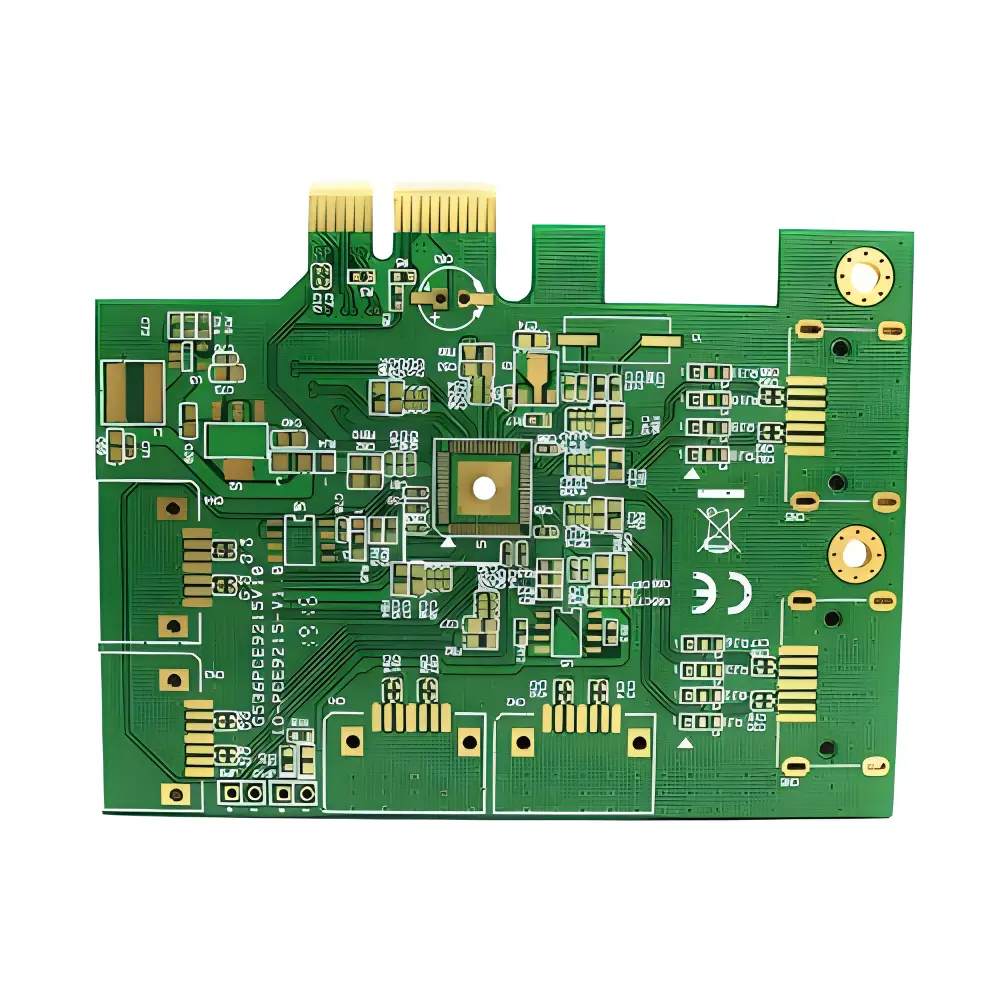 PTFE Teflon High-Frequency Board
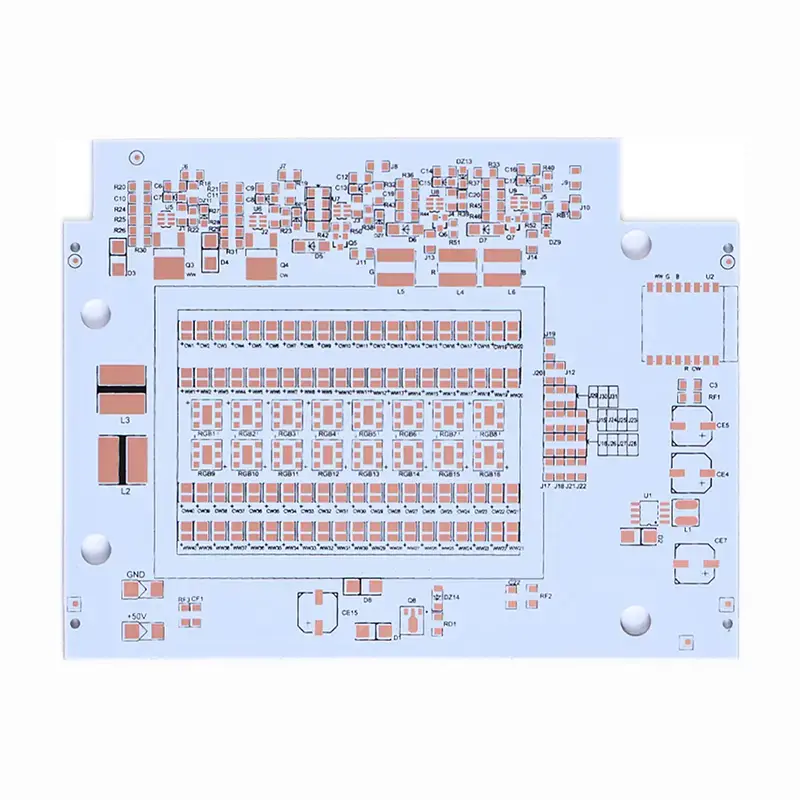 Aluminum
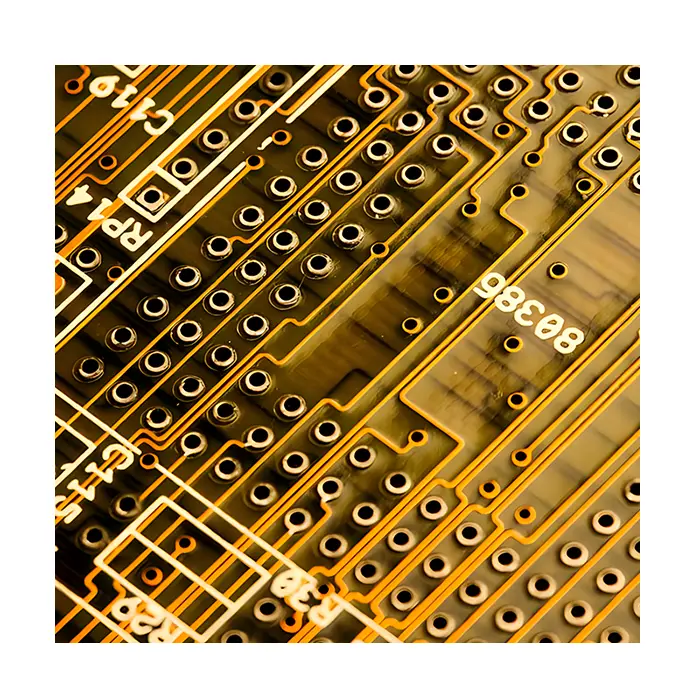 Copper Core
 PCB Assembly
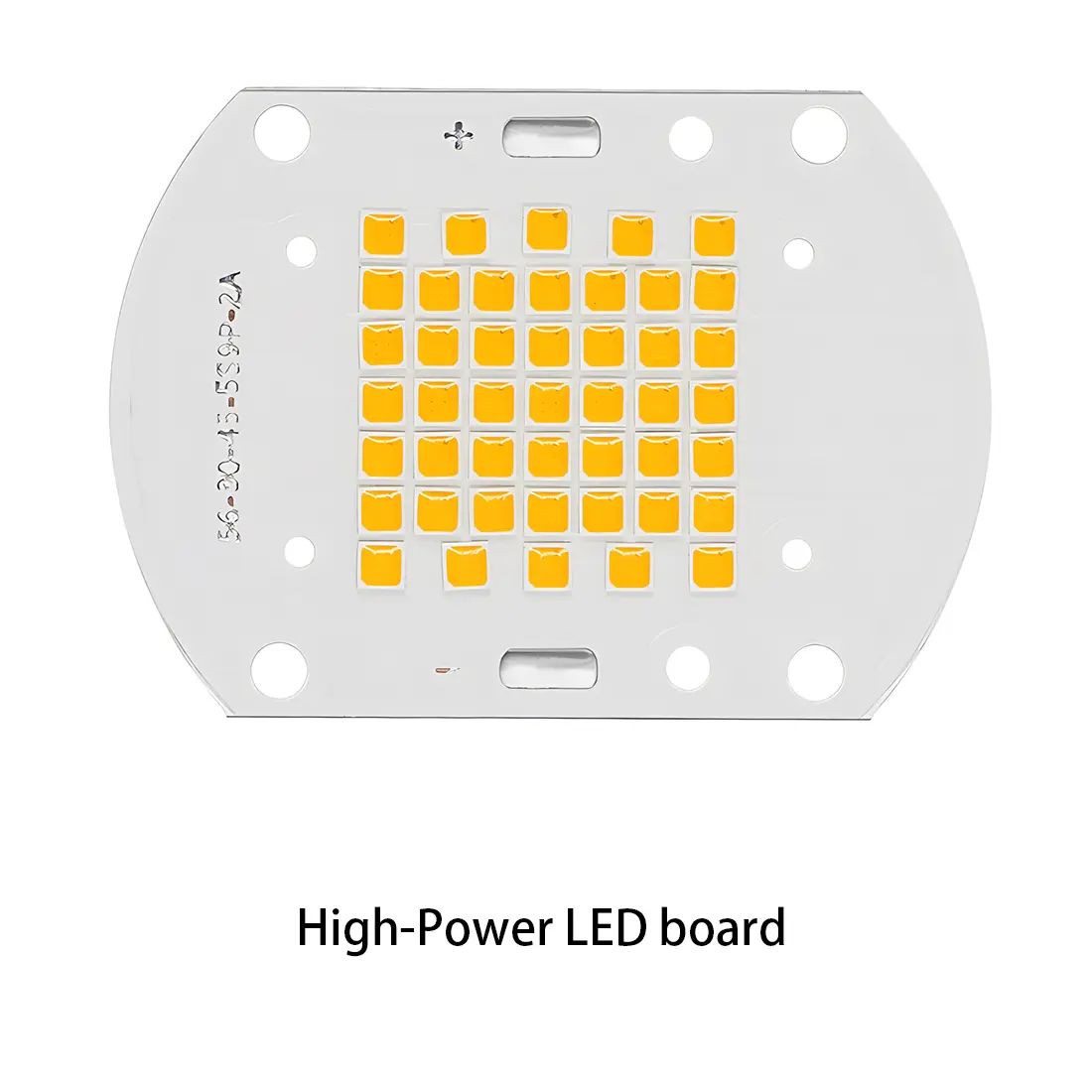 LED light PCBA
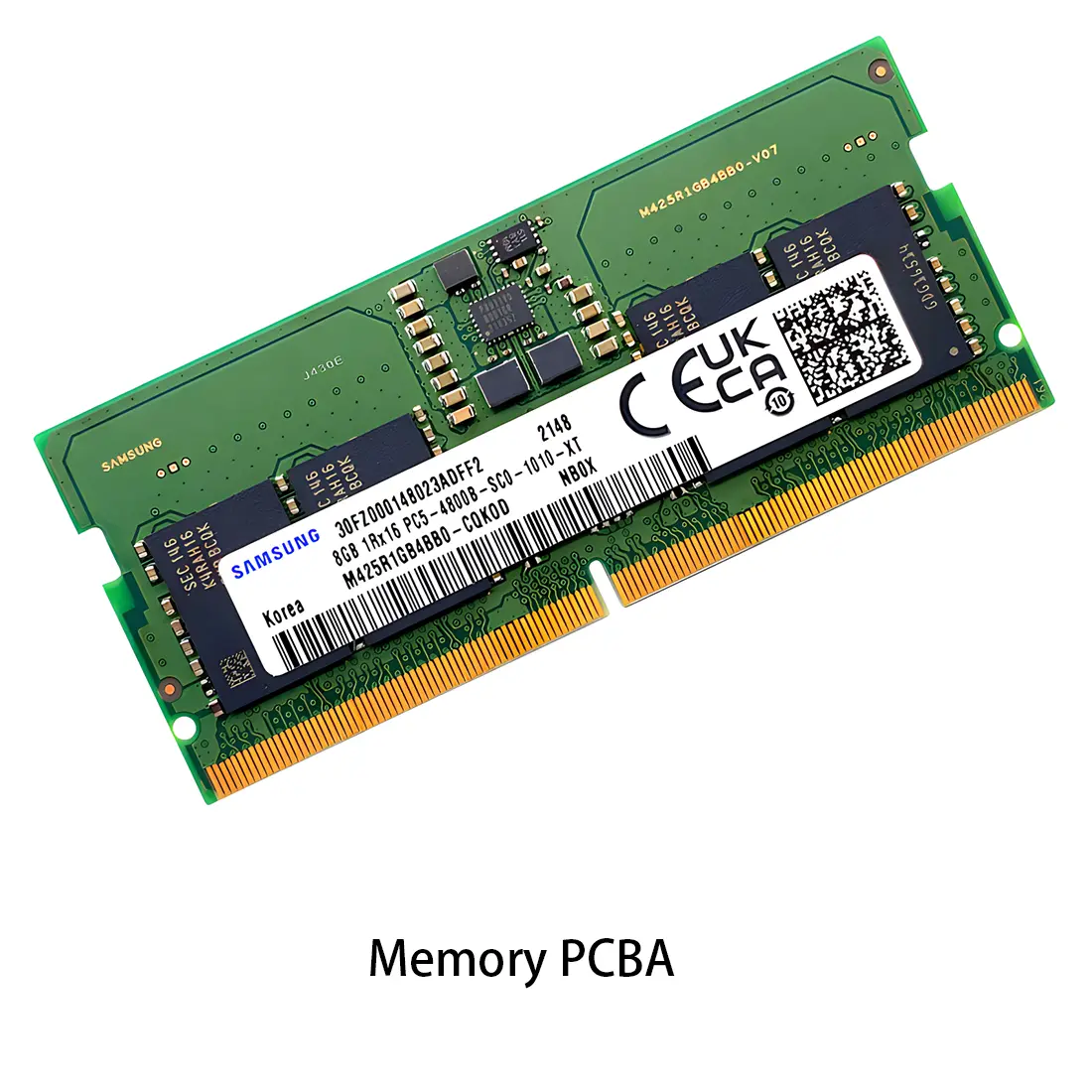 Memory PCBA
 Power Supply PCBA
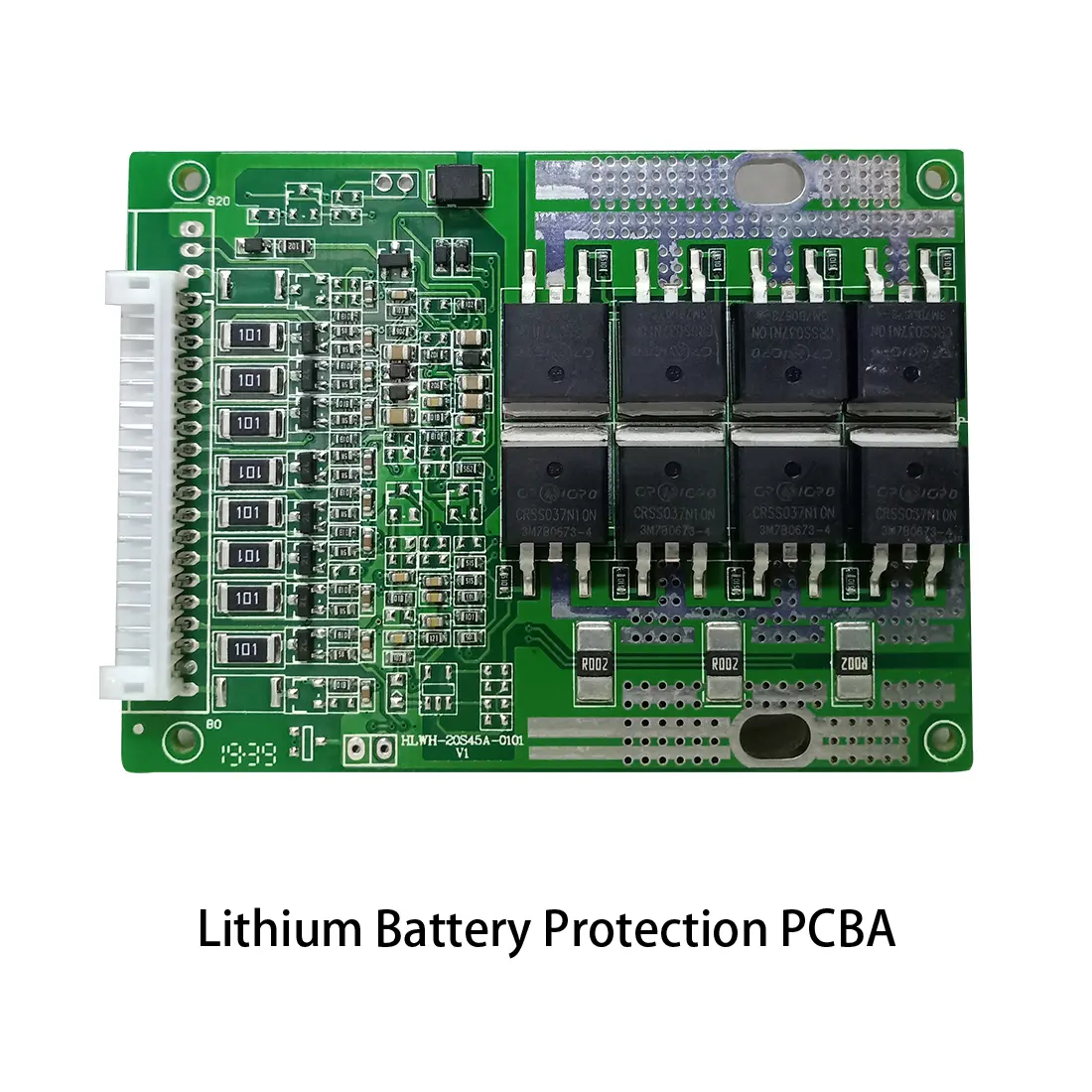 New Energey PCBA
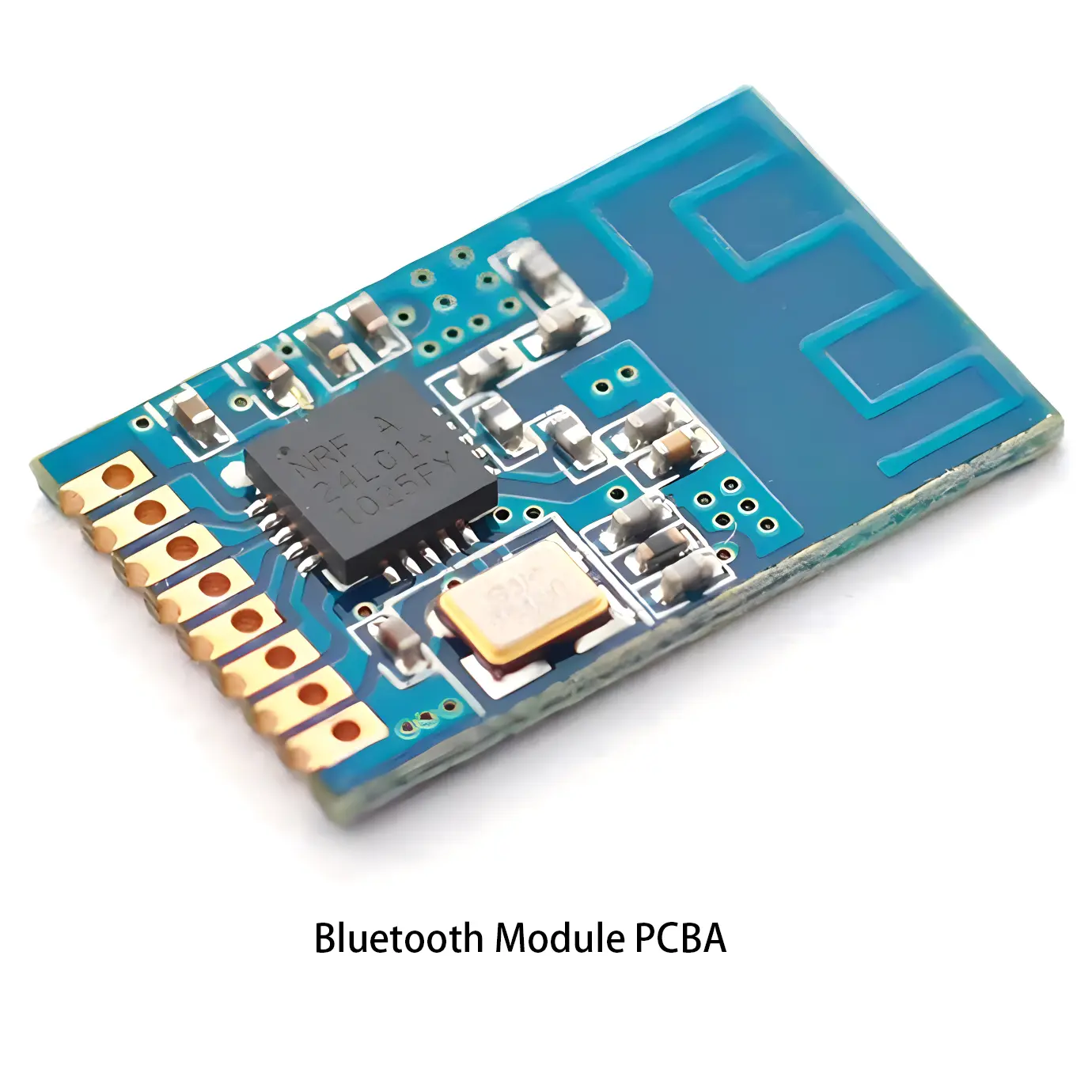 Communication PCBA
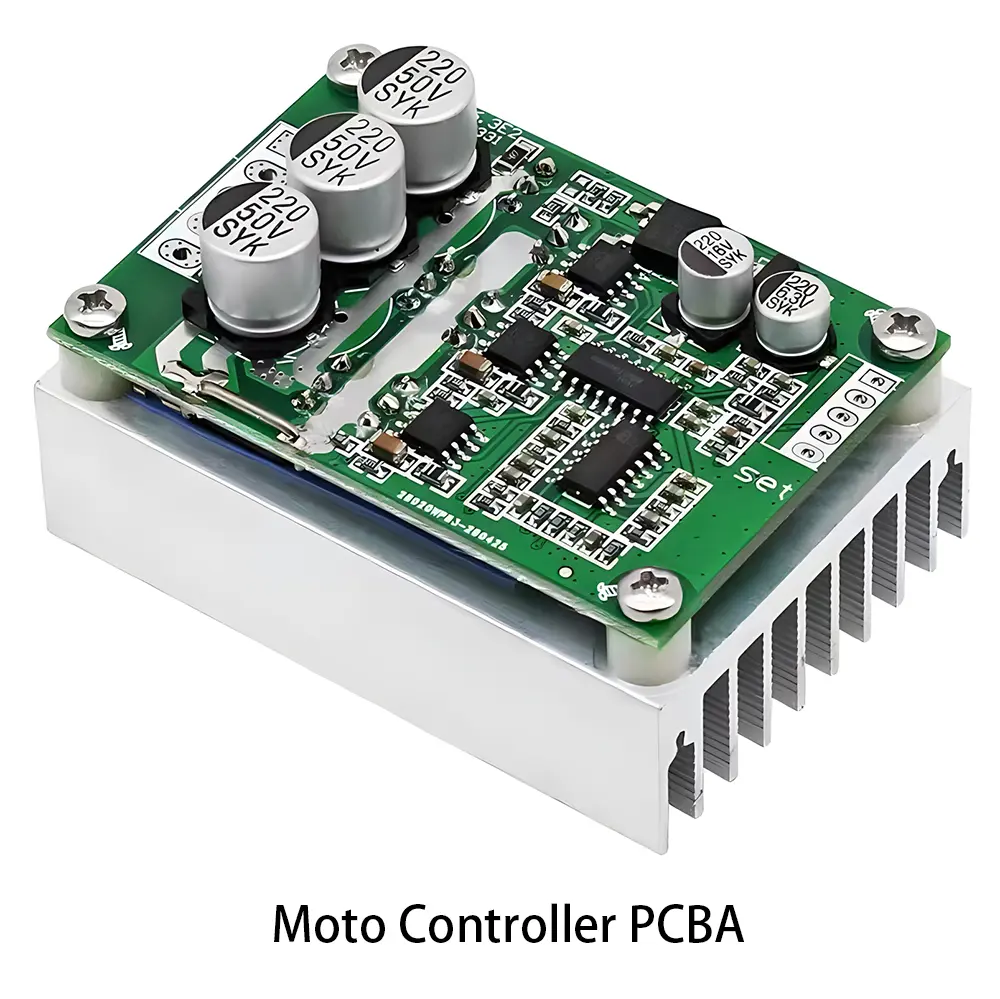 Industrial Control PCBA
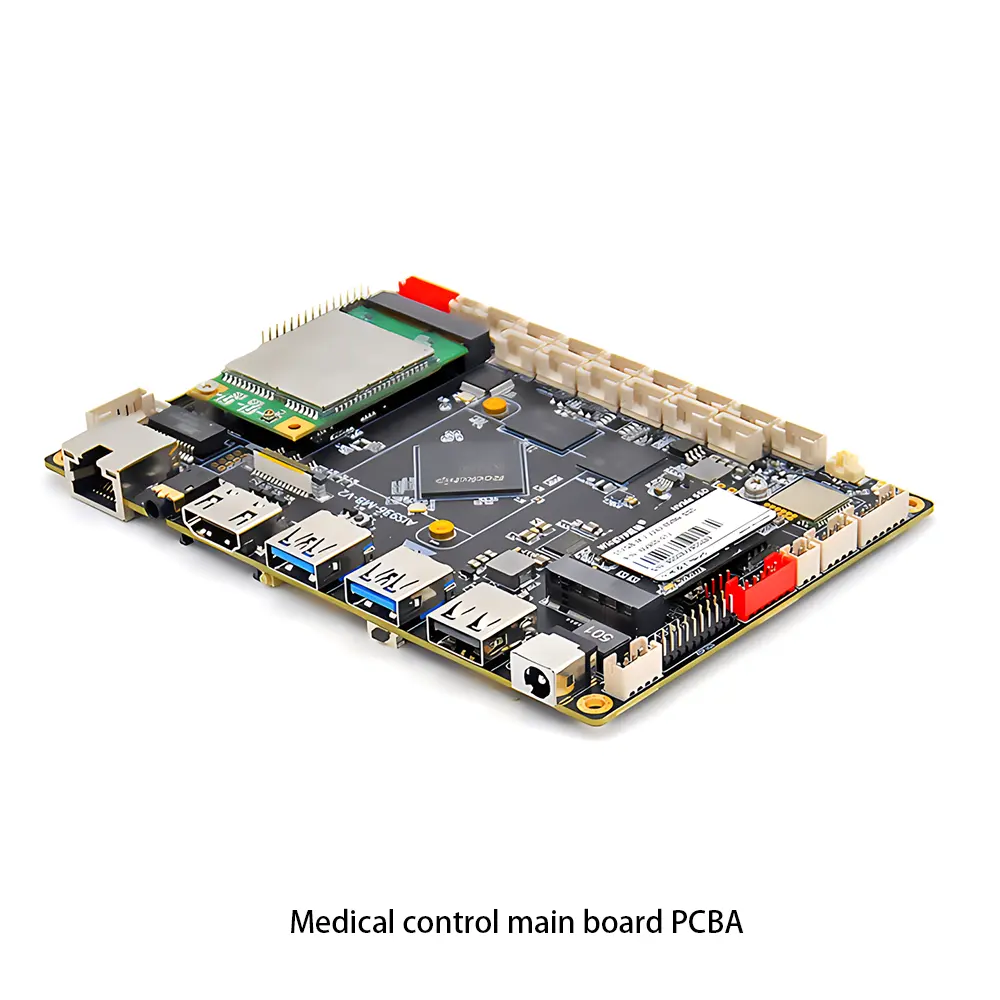 Medical Equipment PCBA
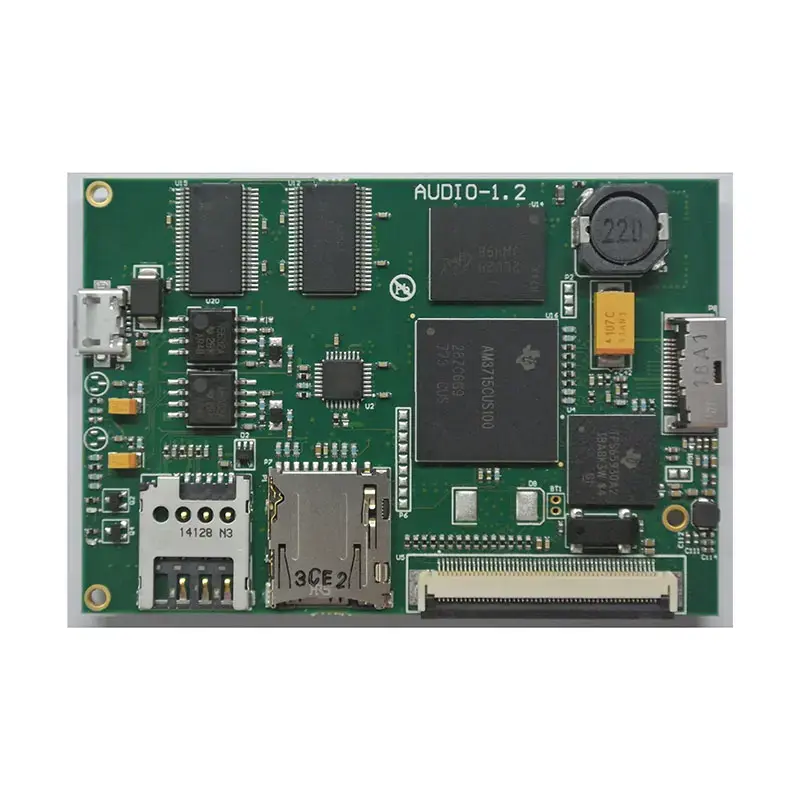 Testing Service
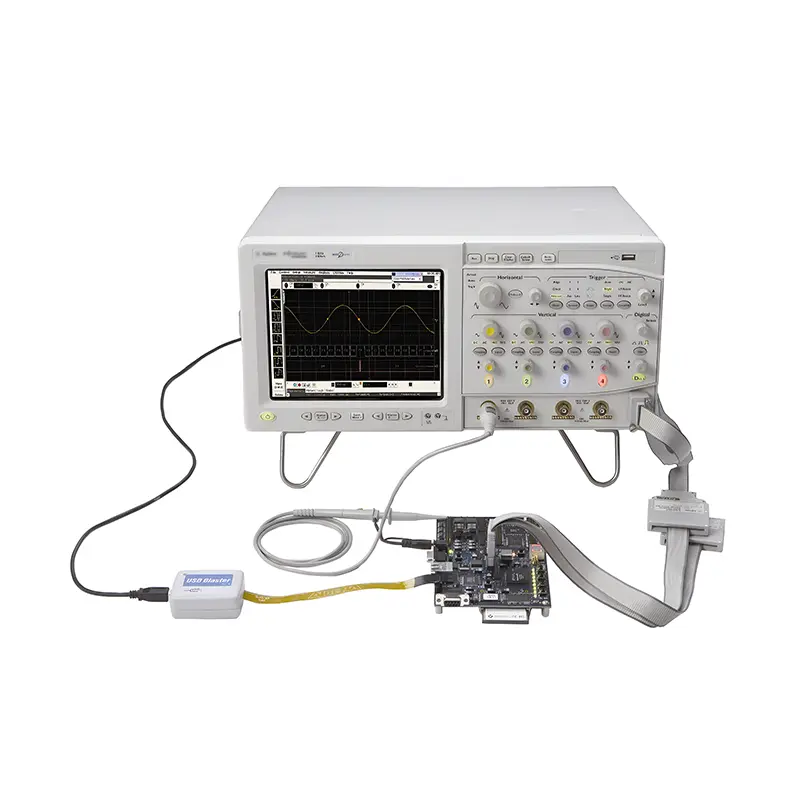 PCBA Testing Service
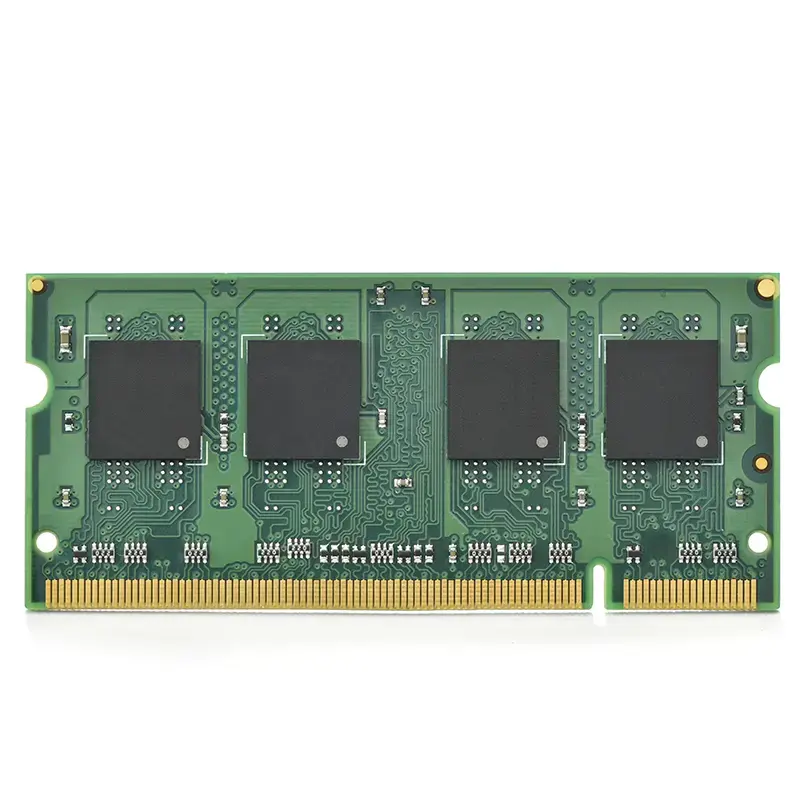 Certification Application
 RoHS Certification Application
 REACH Certification Application
 CE Certification Application
 FCC Certification Application
 CQC Certification Application
 UL Certification Application
 Transformers, Inductors
 High Frequency Transformers
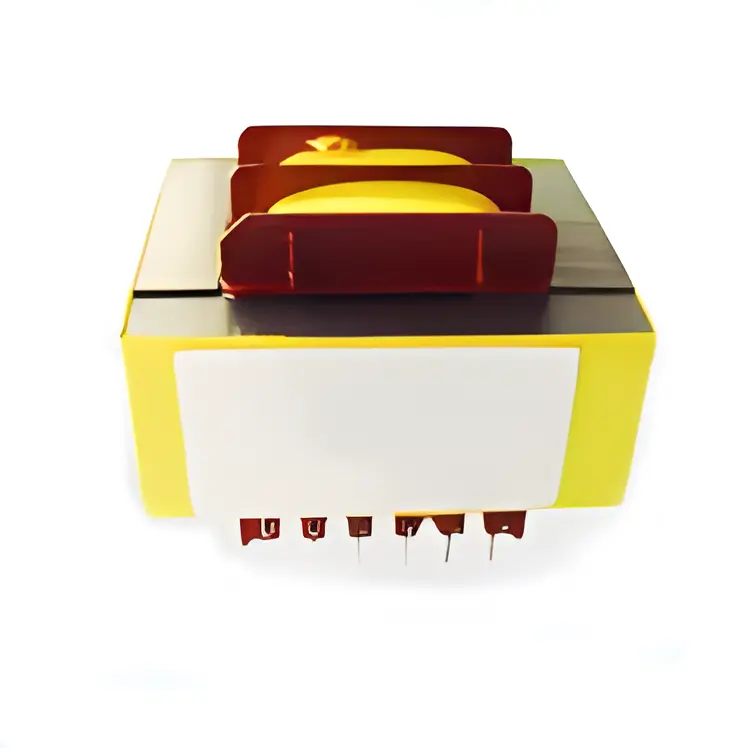 Low Frequency Transformers
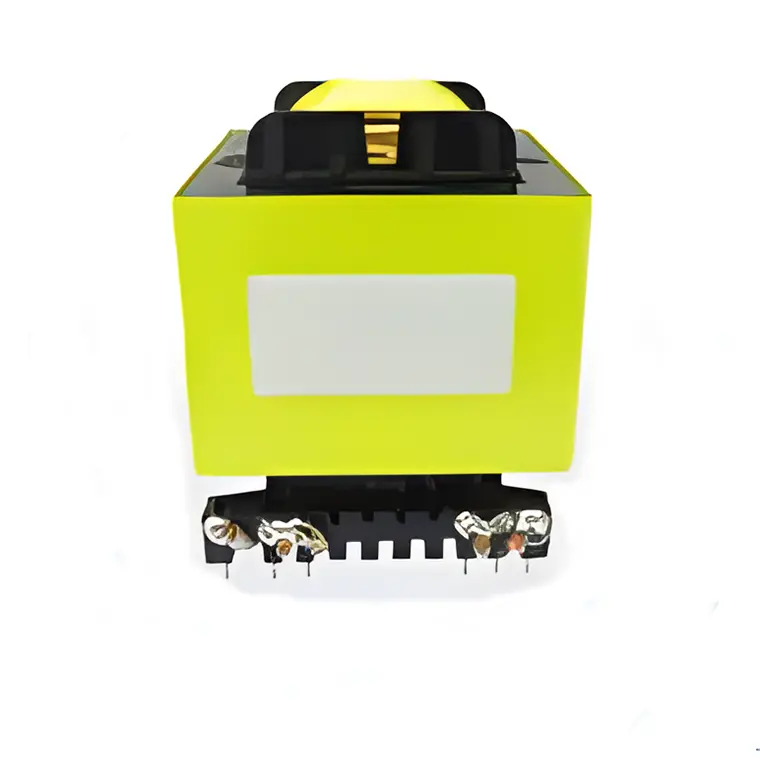 High Power Transformers
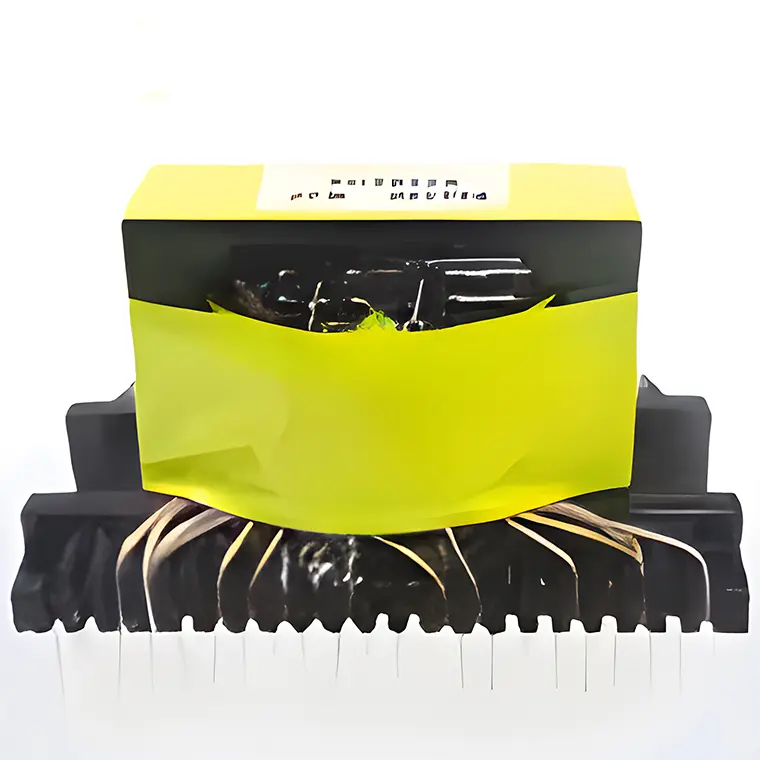 Conversion Transformers
 Sealed Transformers
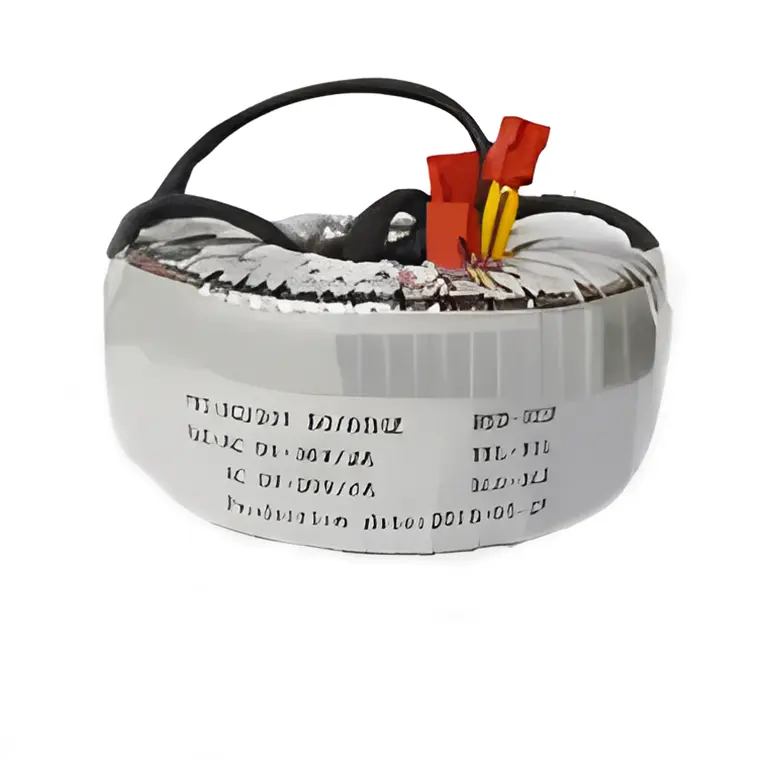 Ring Transformers
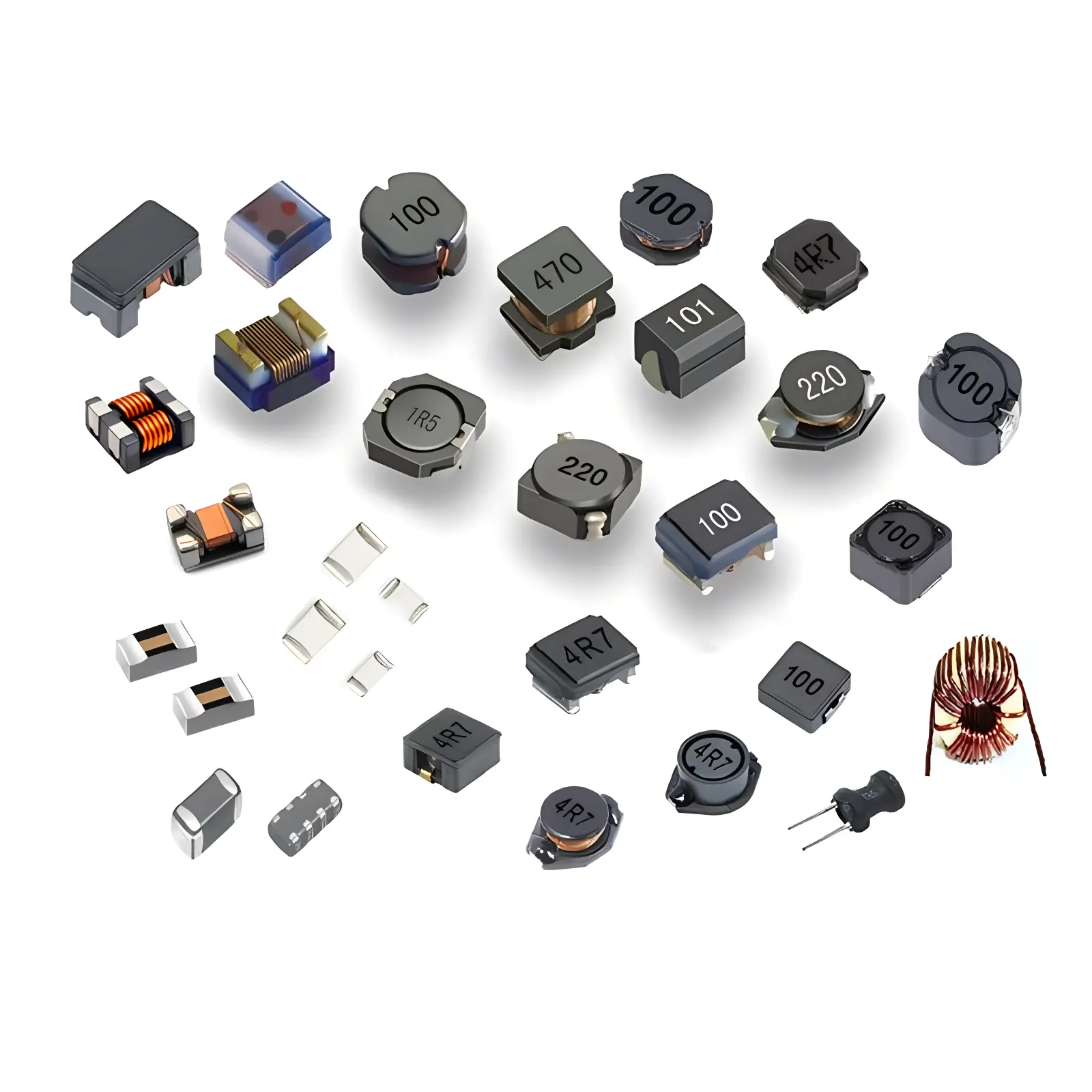 Inductors
 Wires,Cables Customized
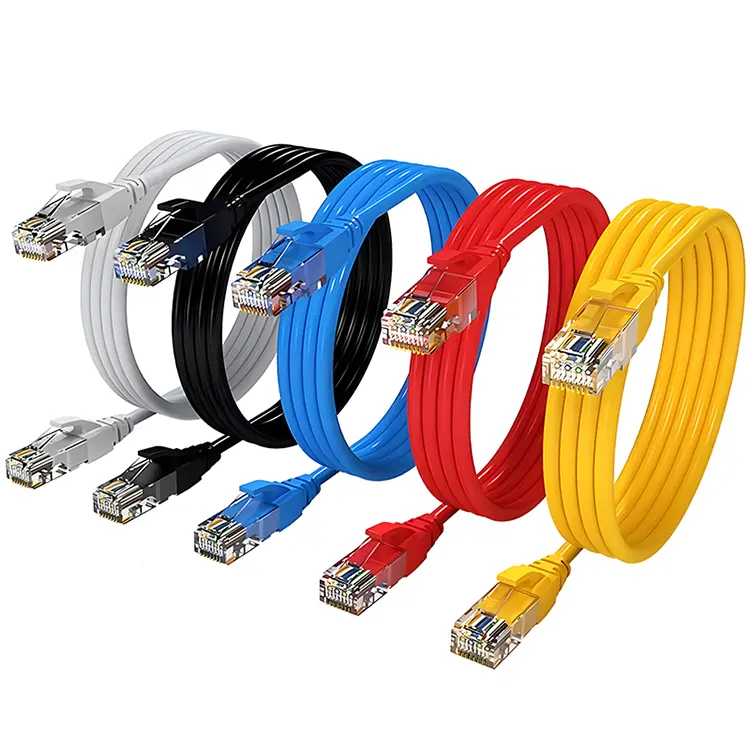 Network Cables
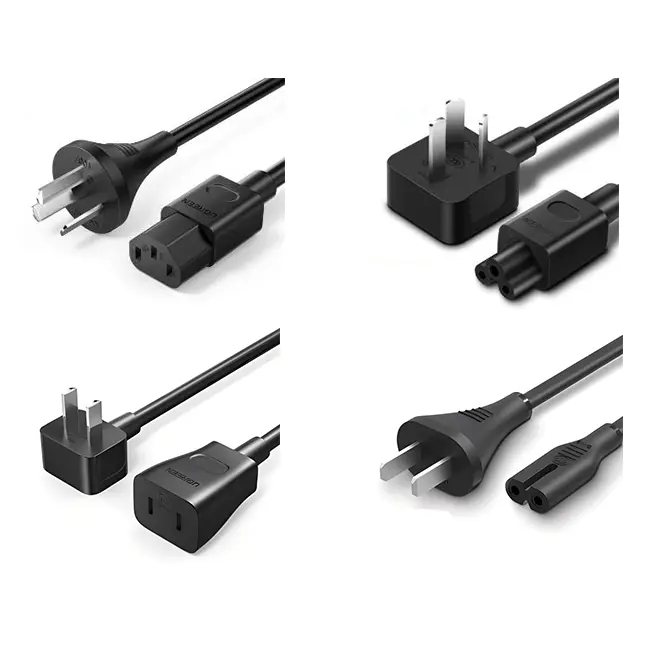 Power Cords
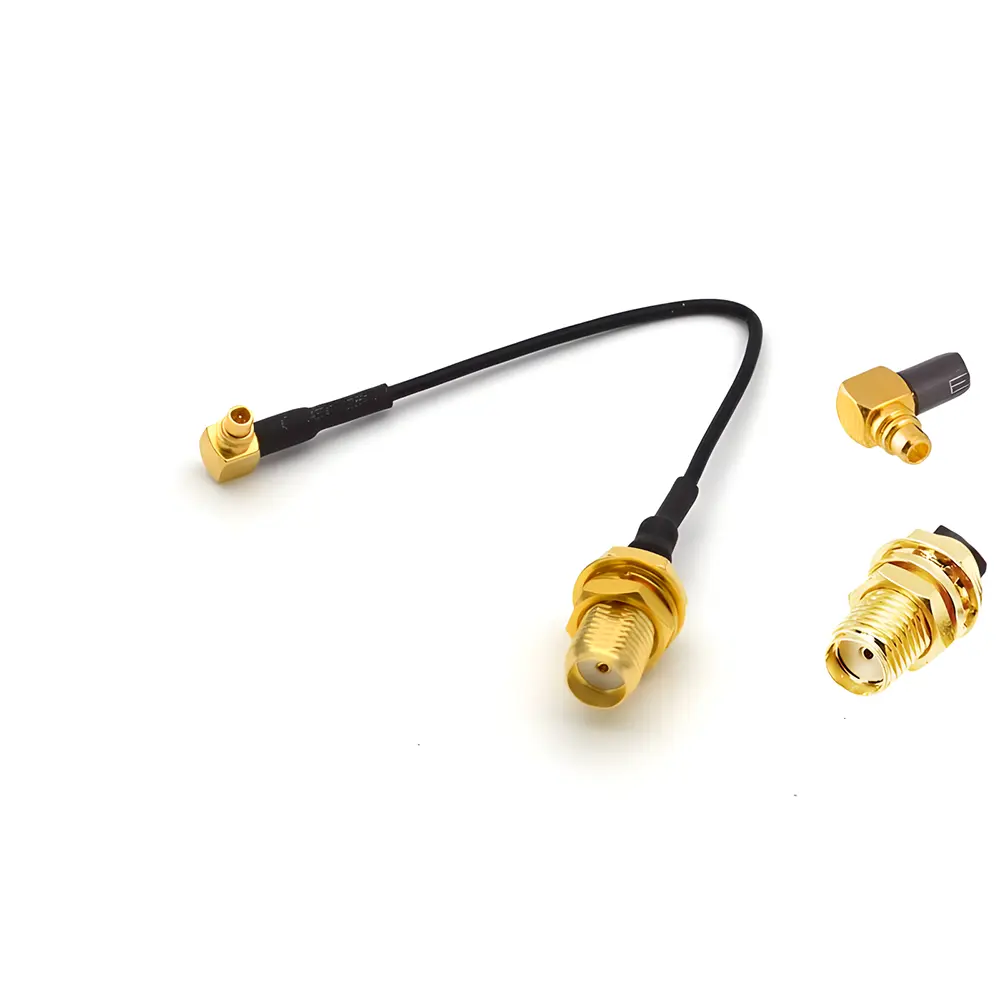 Antenna Cables
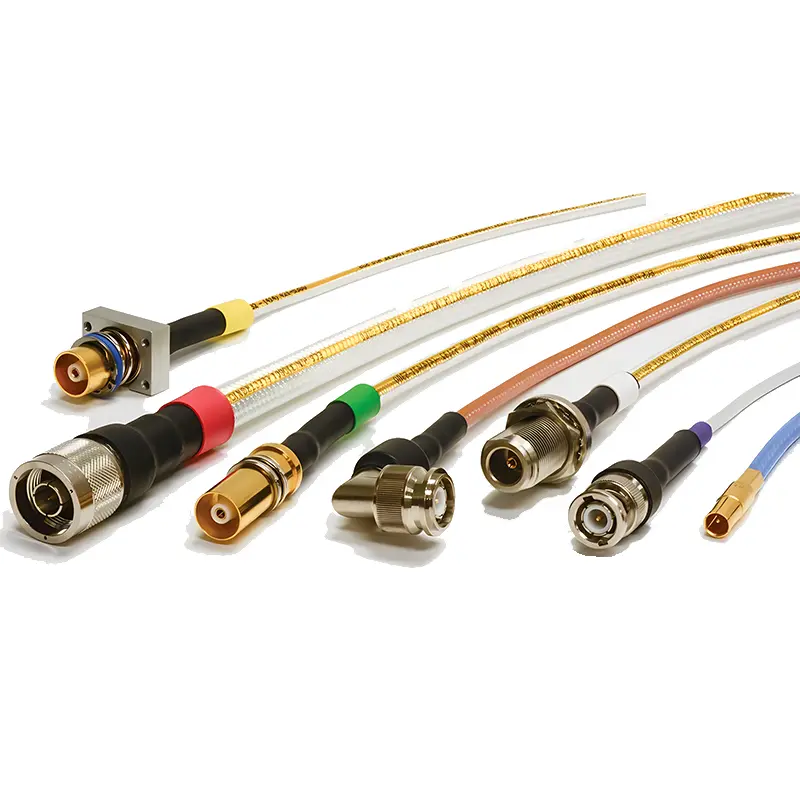 Coaxial Cables
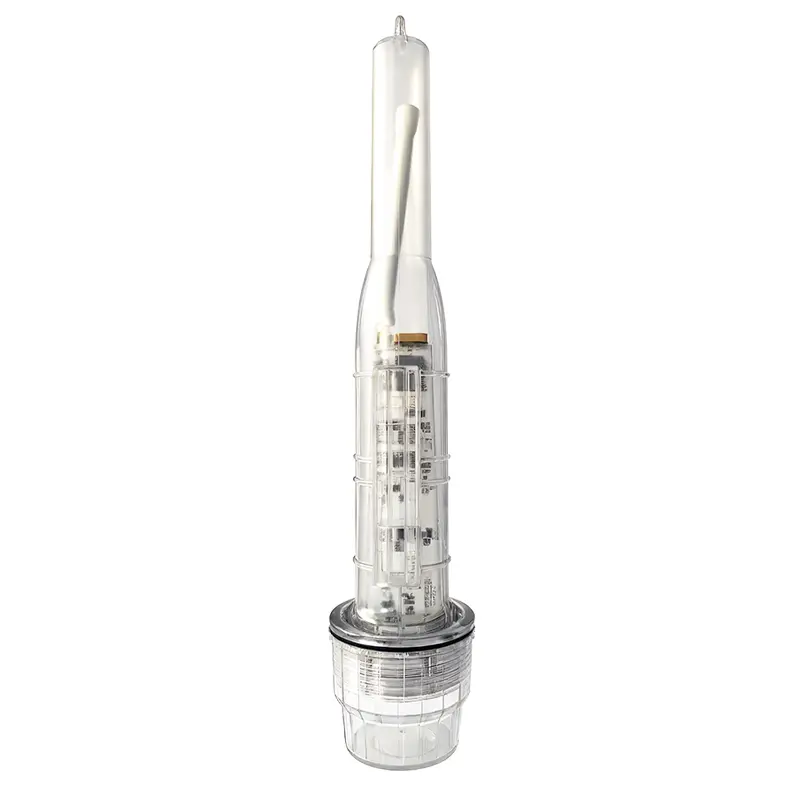 Net Position Indicator
 Solar AIS net position indicator
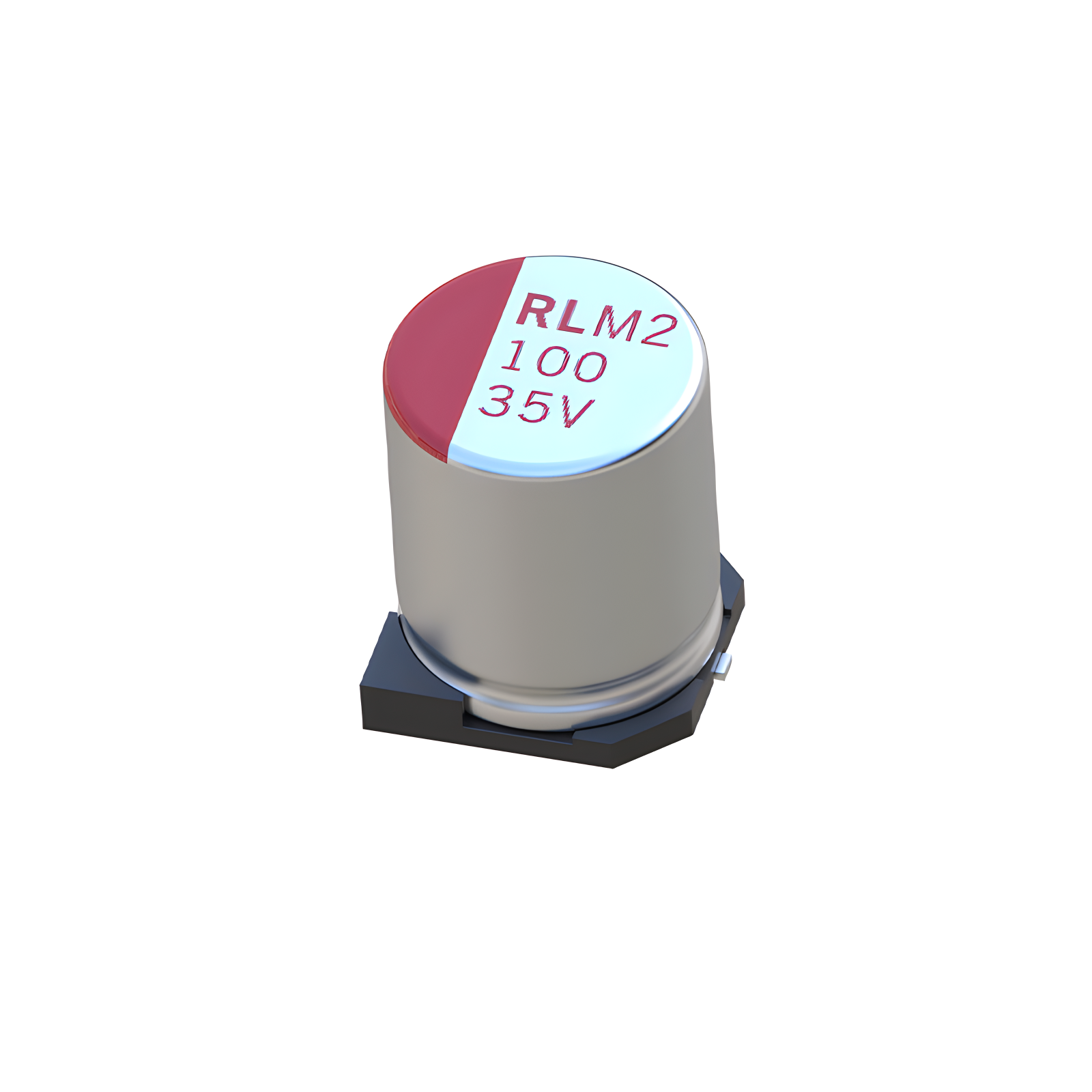 Capacitors
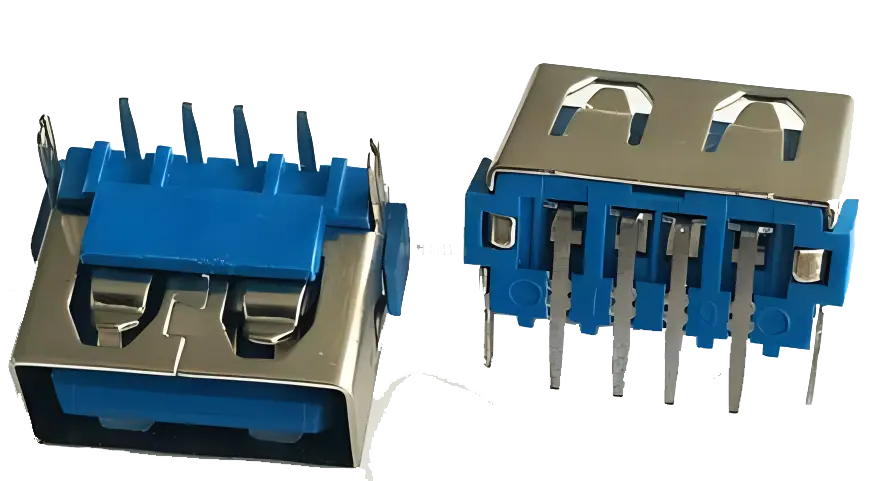 Connectors
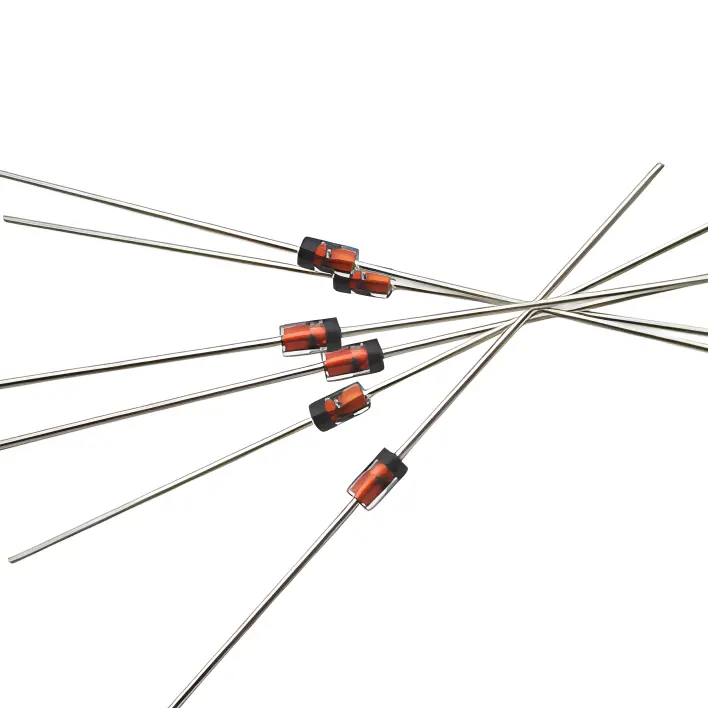 Diodes
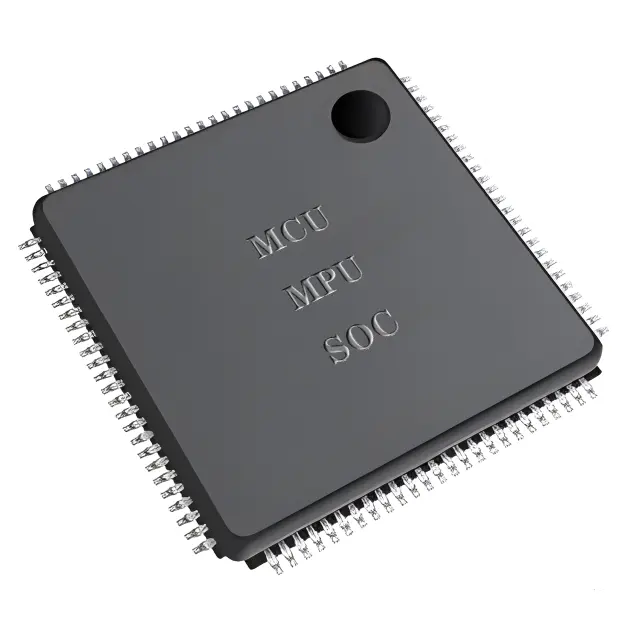 Embedded Processors & Controllers
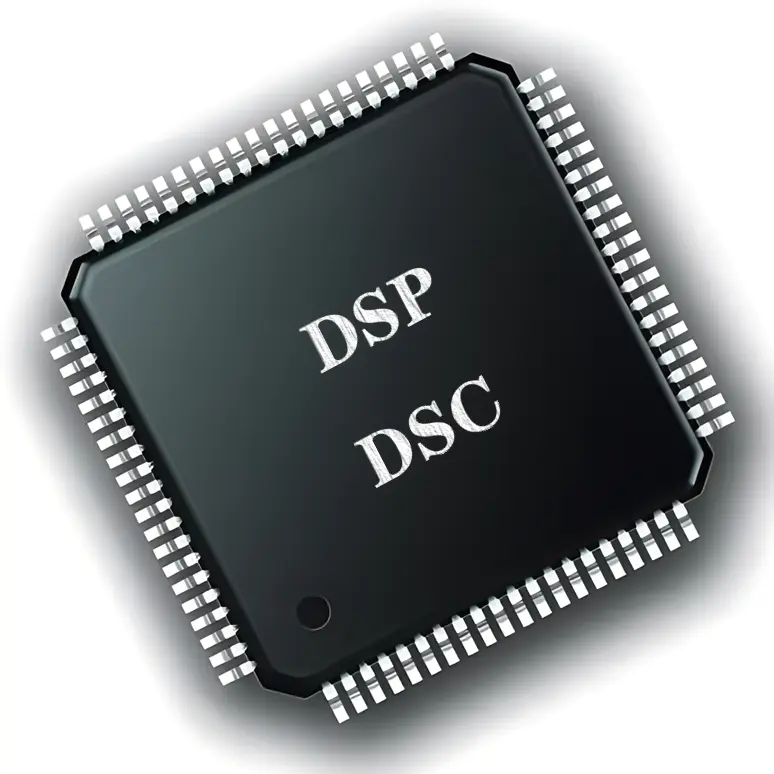 Digital Signal Processors (DSP/DSC)
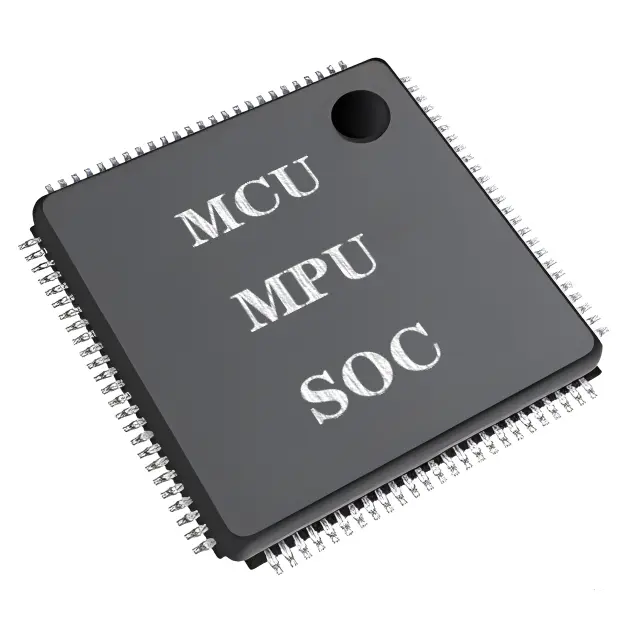 Microcontrollers (MCU/MPU/SOC)
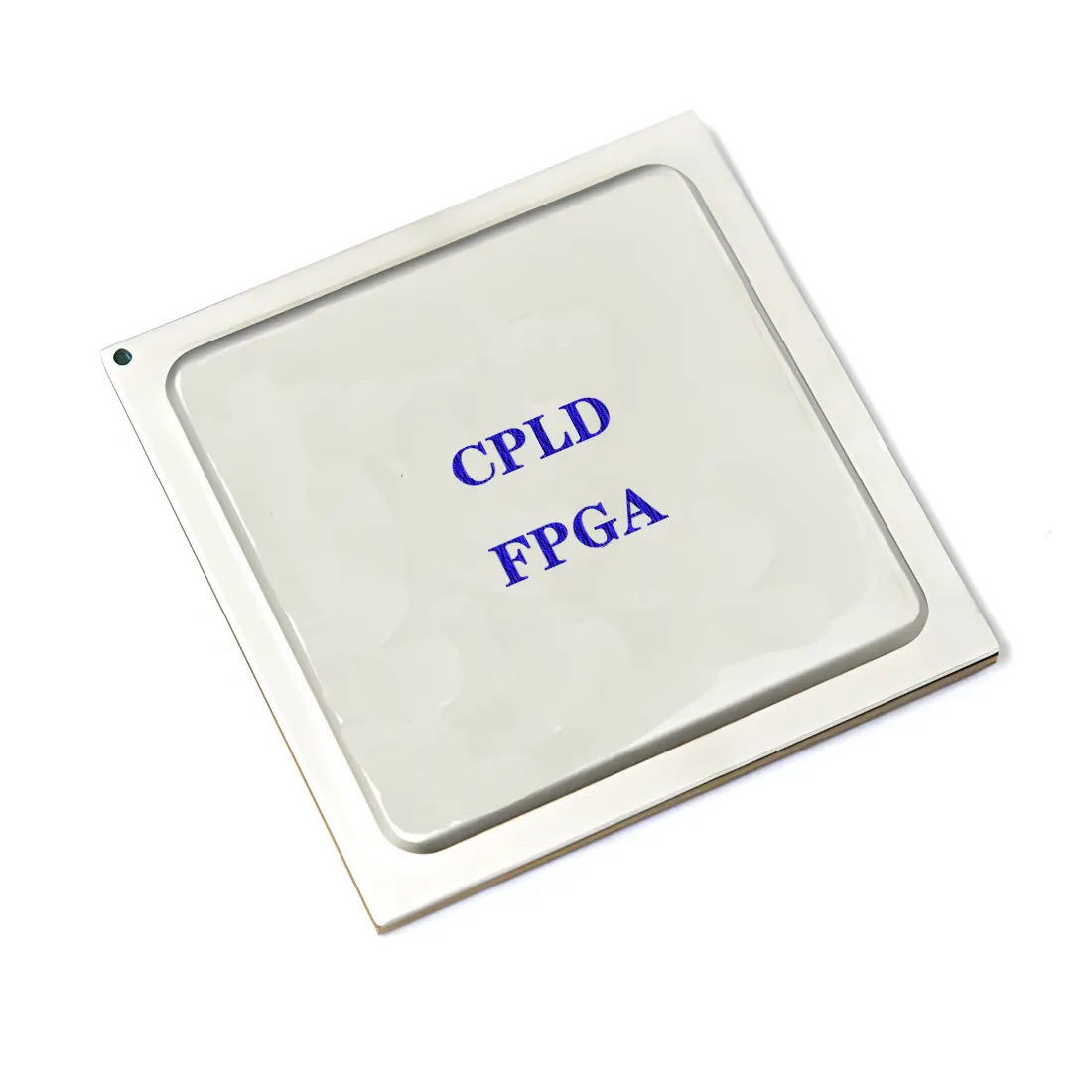 Programmable Logic Device(CPLD/FPGA)
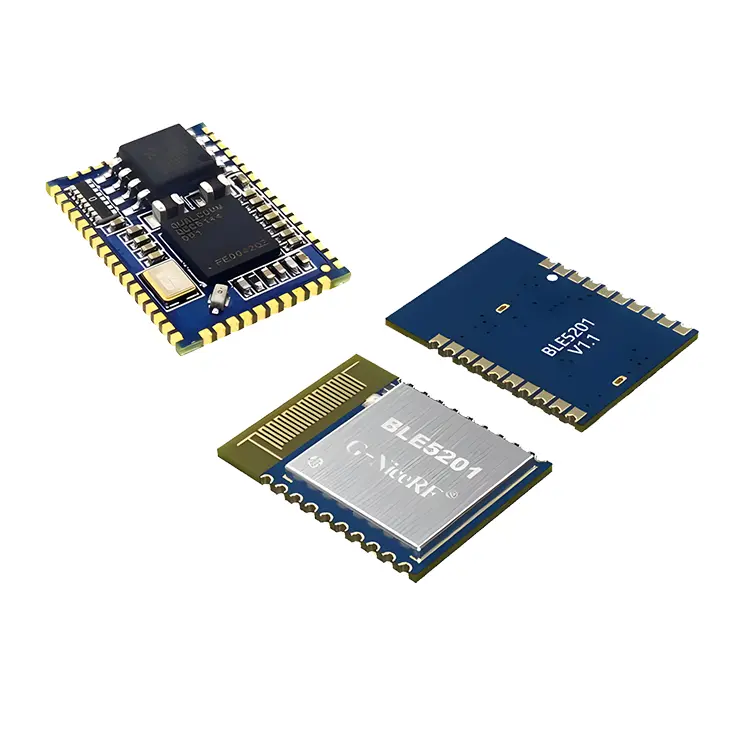 Communication Modules/IoT
 Resistors
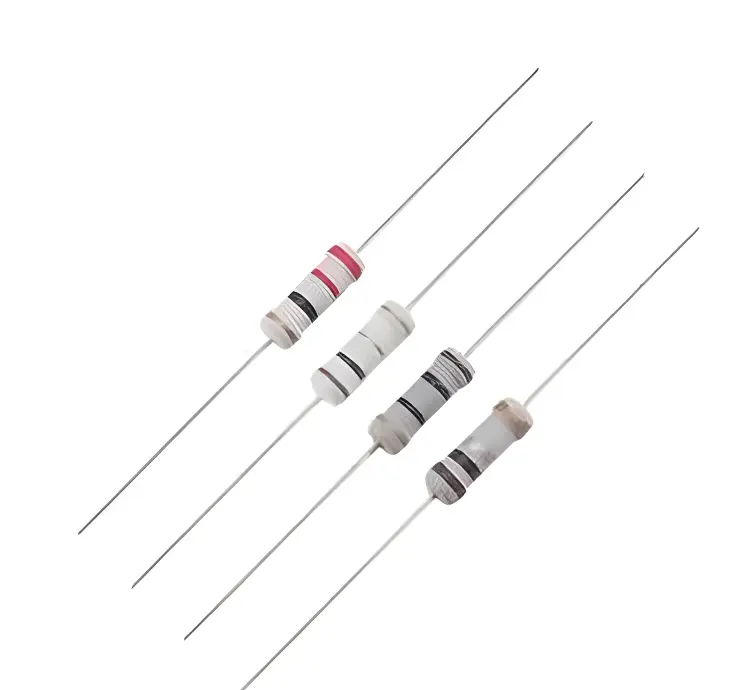 Through Hole Resistors
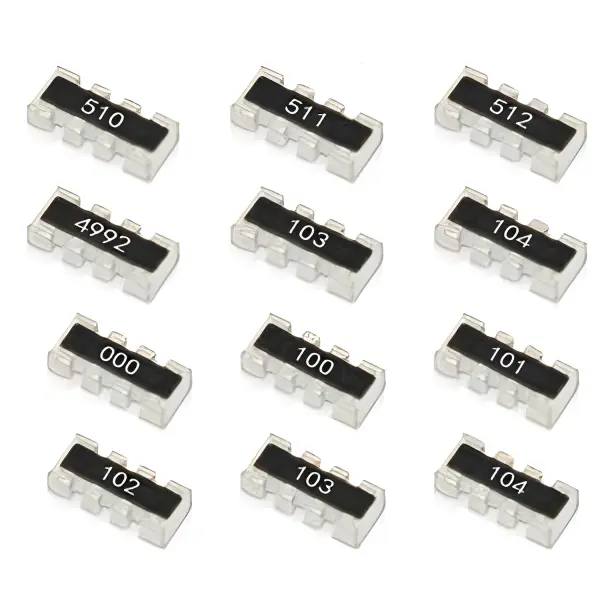 Resistor Networks, Arrays
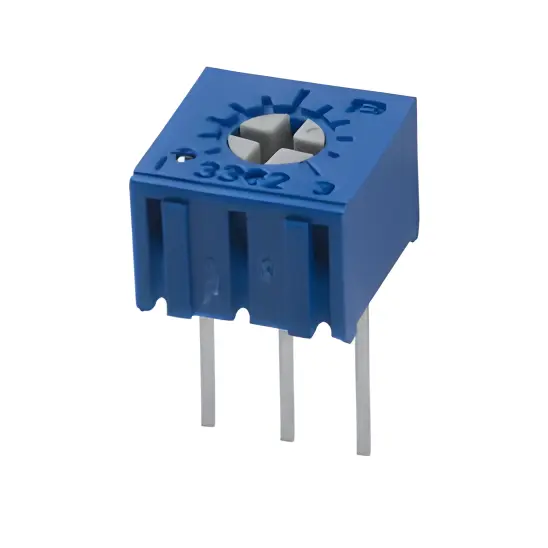 Potentiometers,Variable Resistors
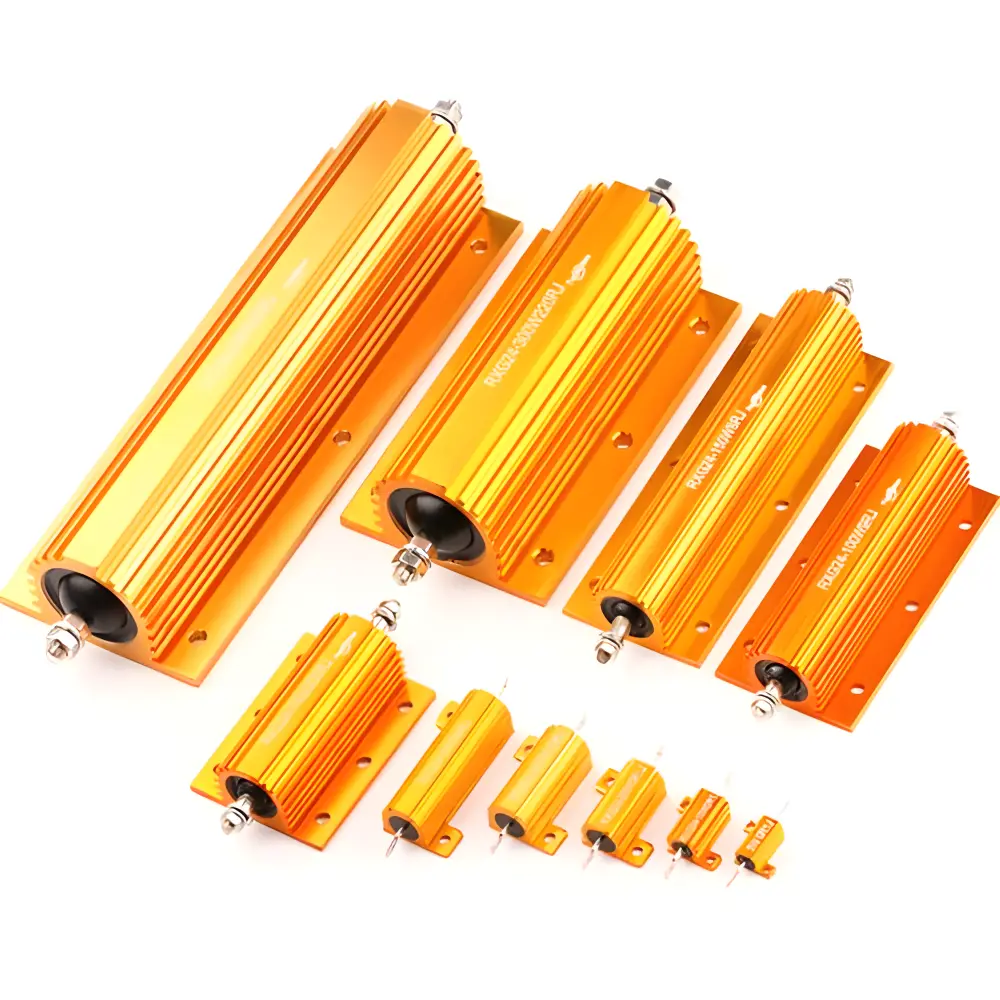 Aluminum Case,Porcelain Tube Resistance
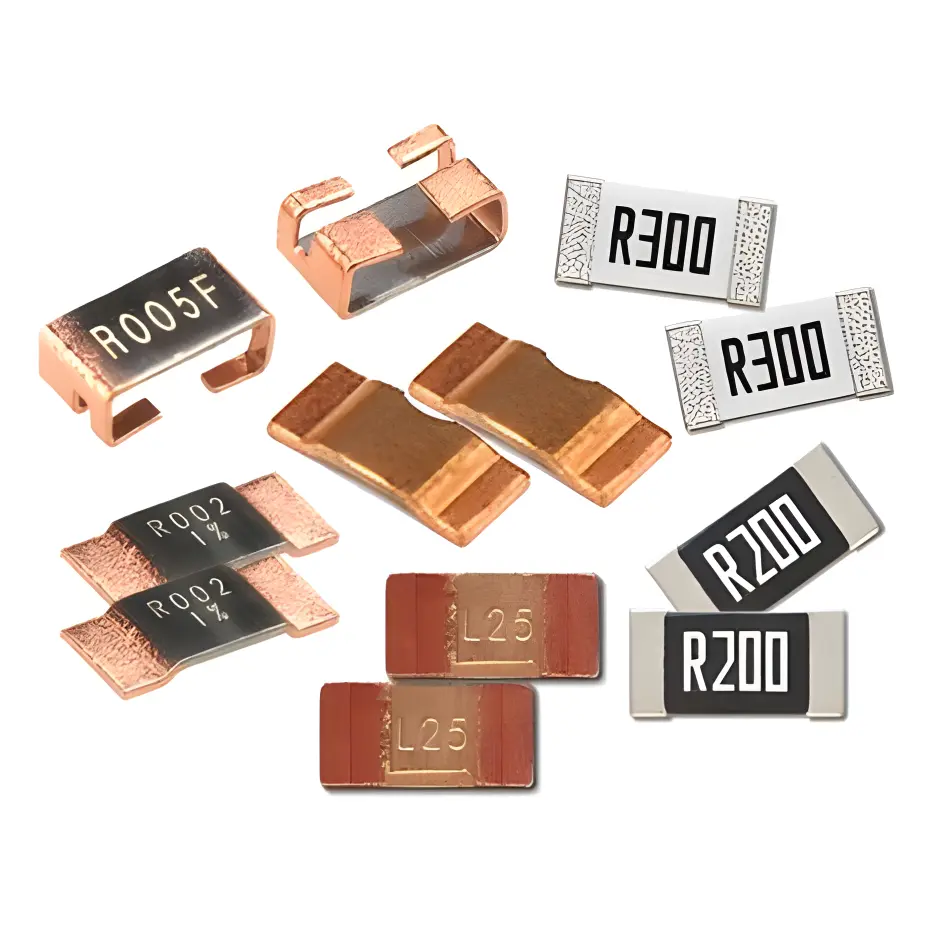 Current Sense Resistors,Shunt Resistors
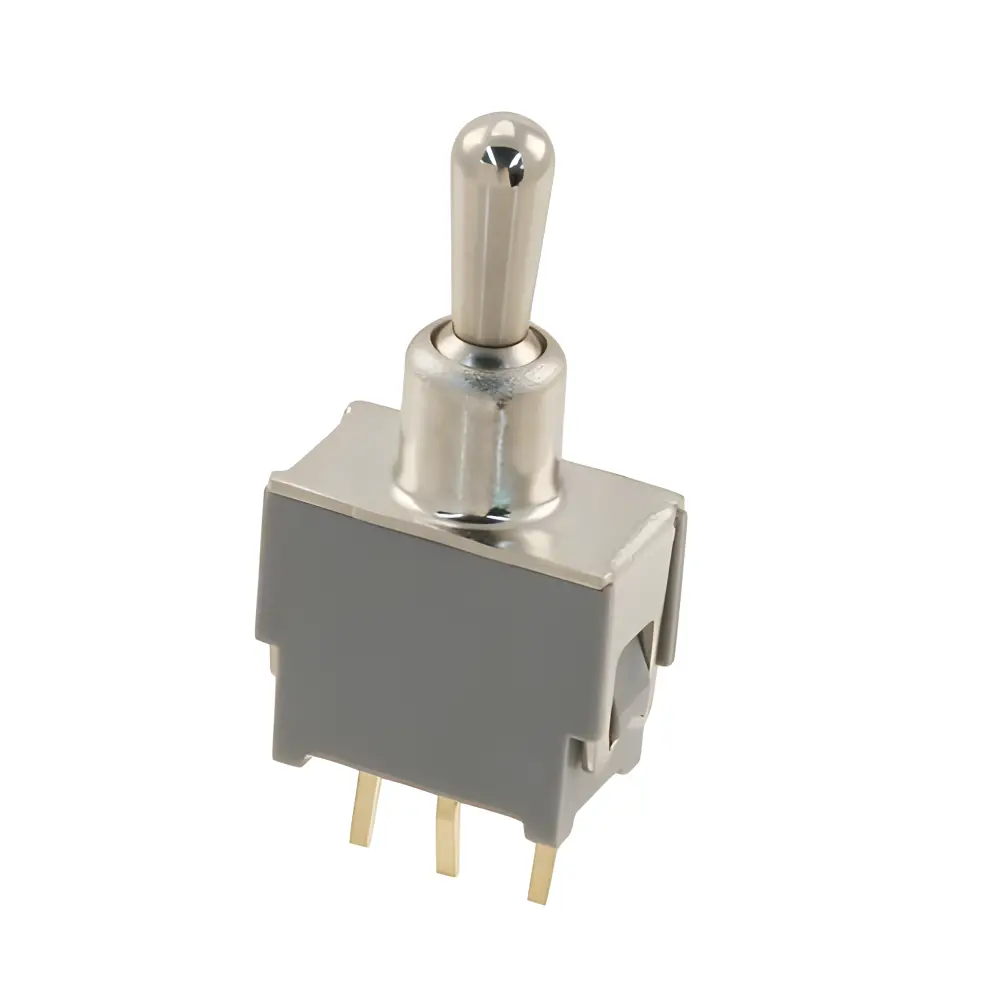 Switches
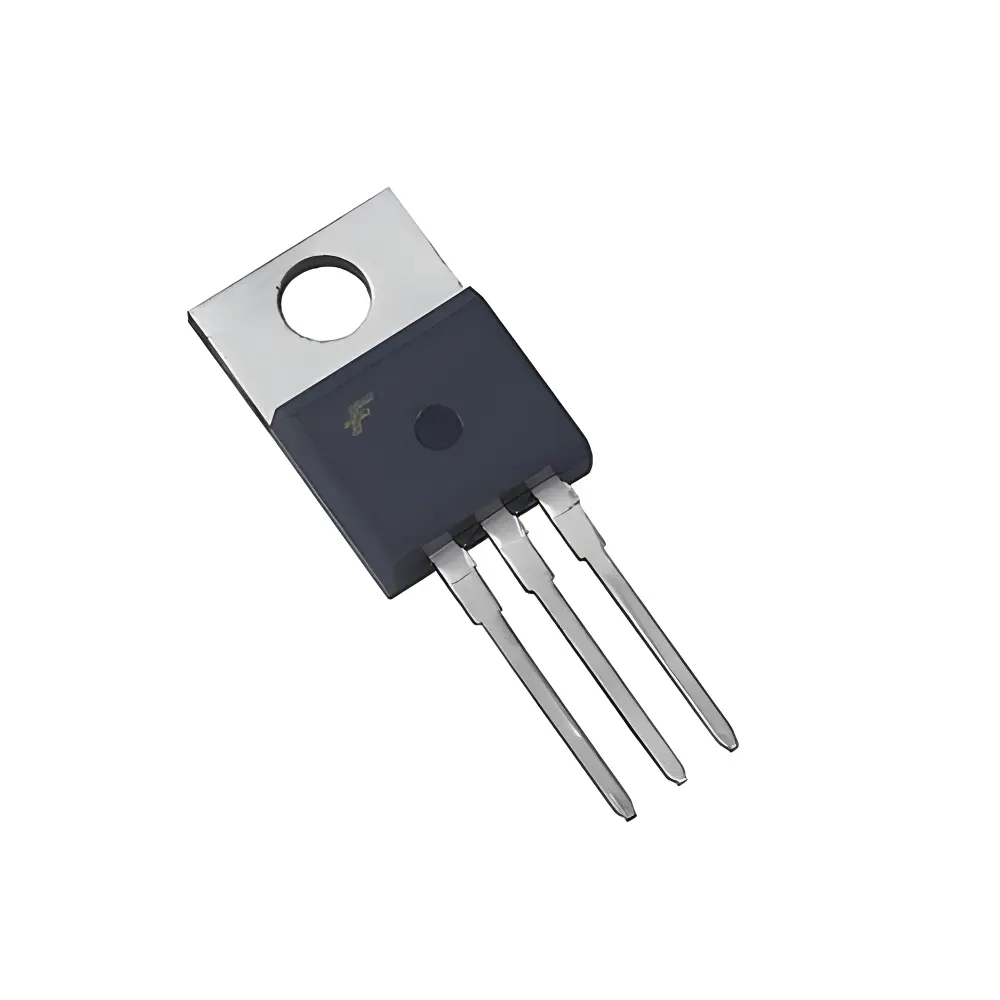 Transistors
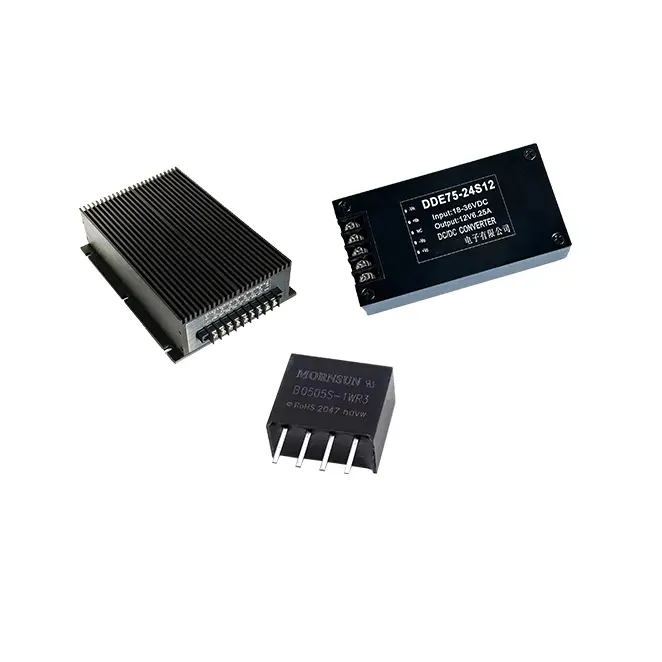 Power Modules
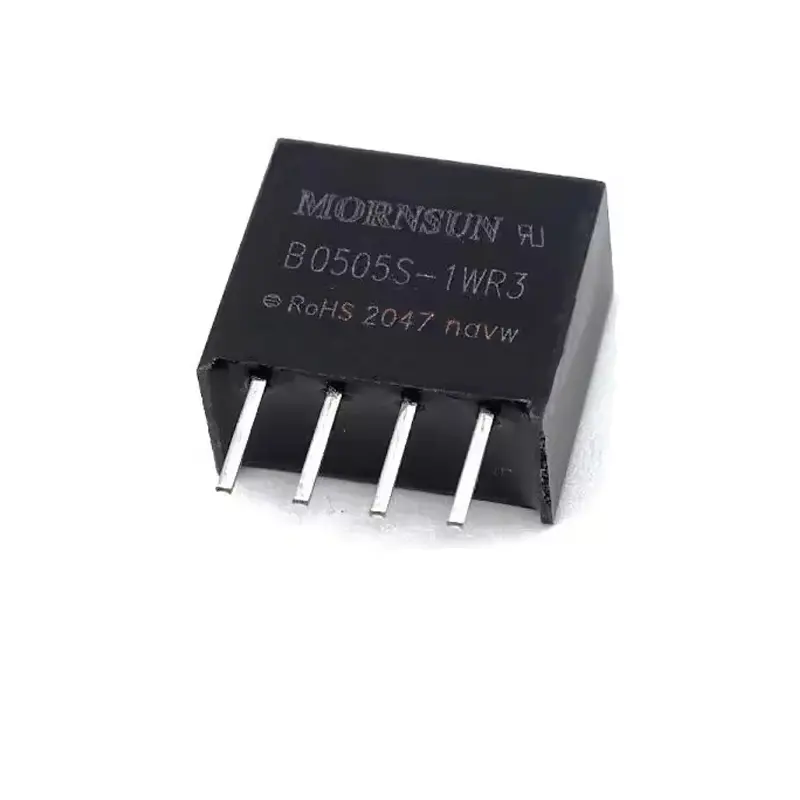 Isolated Power Modules
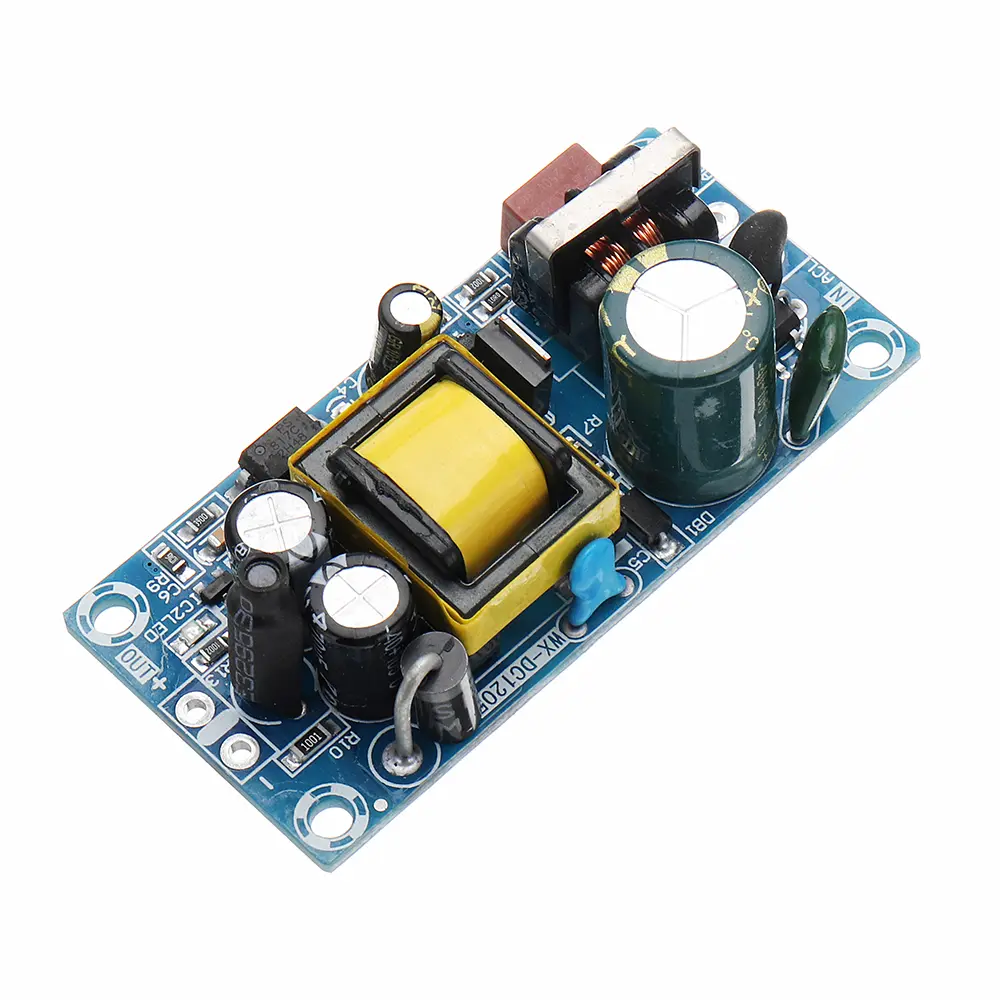 AC-DC Power Modules
 DC-AC Module(Inverter)
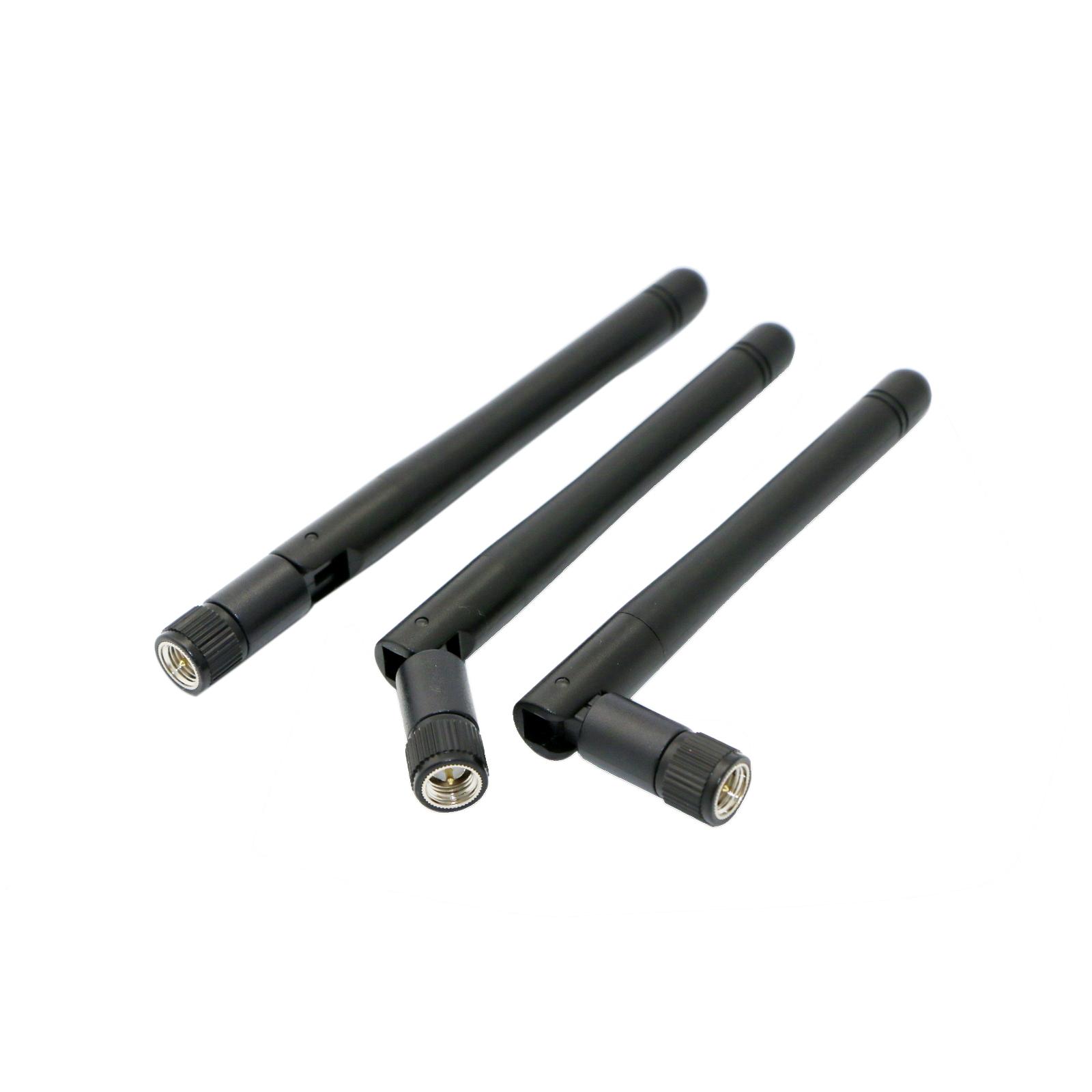 RF and Wireless
Chip Resistor - Surface Mount
Chip Resistor - Surface Mount, also known as the chip surface mount Resistor, is a type of resistor that employs Surface Mount Technology (SMT). Below is a detailed introduction to it:
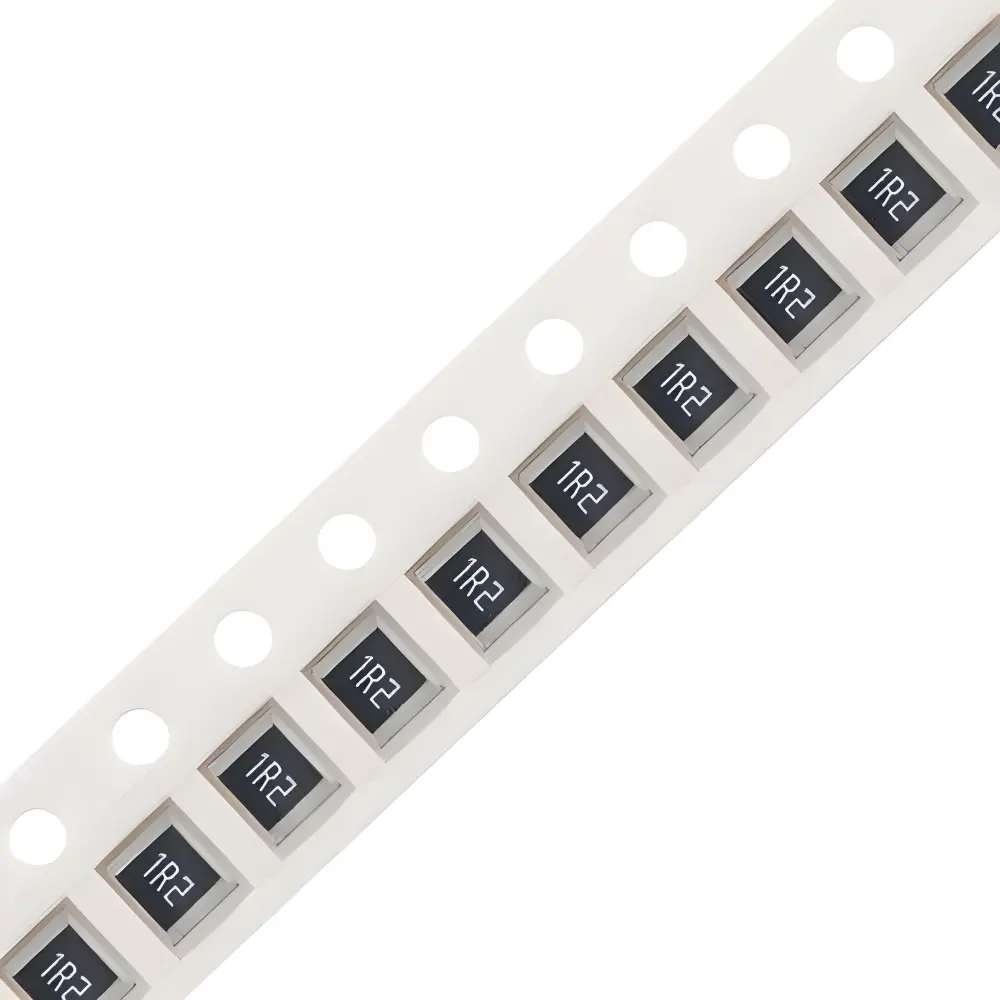
I. Definition and CharacteristICs
Definition: A chip surface mount resistor is a component that fabricates the resistive element onto a miniaturized substrate and installs it onto a Printed Circuit Board (PCB) using SMT.
Characteristics:
- Ultra-miniaturization: Its compact size and lightweight nature facilitate the miniaturization and lightweighting of electronic products.
- High stability and reliability: Utilizing advanced production processes and materials, it exhibits stable electrical performance and excellent reliability.
- Easy automation: Suitable for large-scale automated production, it enhances production efficiency and reduces costs.
- Excellent high-frequency characteristics: Suitable for high-frequency circuits, meeting the needs of modern electronic products.
II. Structure and Types
Structure: A chip surface mount resistor typically consists of a resistive element, electrodes, and packaging materials. The resistive element is the core part of the resistor, the electrodes are used for connection to the PCB, and the packaging materials protect the resistive element and electrodes.
Types: Based on parameters such as resistance value, precision, and power, chip surface mount resistors can be categorized into various types. For example, they can be classified into fixed resistors and variable resistors by resistance value; high-precision resistors and ordinary precision resistors by precision; and low-power resistors and high-power resistors by power.
III. Operating Principle and Applications
Operating Principle: The operating principle of a chip surface mount resistor is based on the fundamental property of resistance, where current flowing through a conductor generates resistance, consuming electrical energy and converting it into thermal energy. The resistance value of the resistor determines the voltage drop and power consumption when current flows through it.
Applications: Chip surface mount resistors are widely used in various electronic devices, such as consumer electronics like mobile phones, computers, and televisions, as well as in fields like industrial automation, automotive electronics, and aerospace. They are commonly used in circuits for current limiting, voltage division, filtering, etc., to achieve circuit stability and reliability.
IV. Production Process and Quality Control
Production Process: The production process of chip surface mount resistors includes steps such as resistive paste preparation, printing, sintering, electrode fabrication, and packaging. Among these, the preparation and printing of the resistive paste are crucial steps that directly affect the performance and stability of the resistor.
Quality Control: To ensure the quality of chip surface mount resistors, strict quality control is required during production. This includes raw material inspection, production process monitoring, finished product testing, and other aspects. Additionally, the production environment must be strictly controlled to ensure the stability and reliability of the products.