
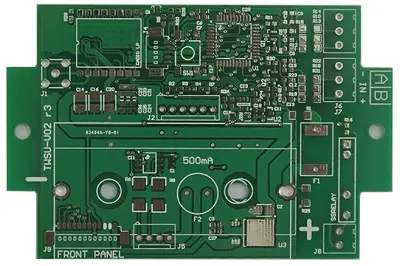
 PCB
PCB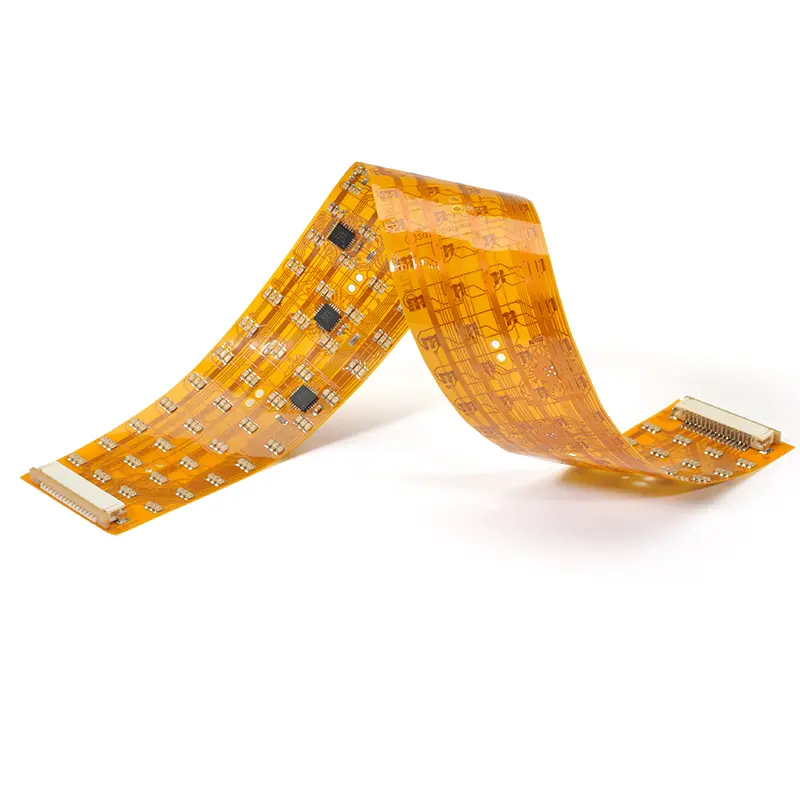 FPC
FPC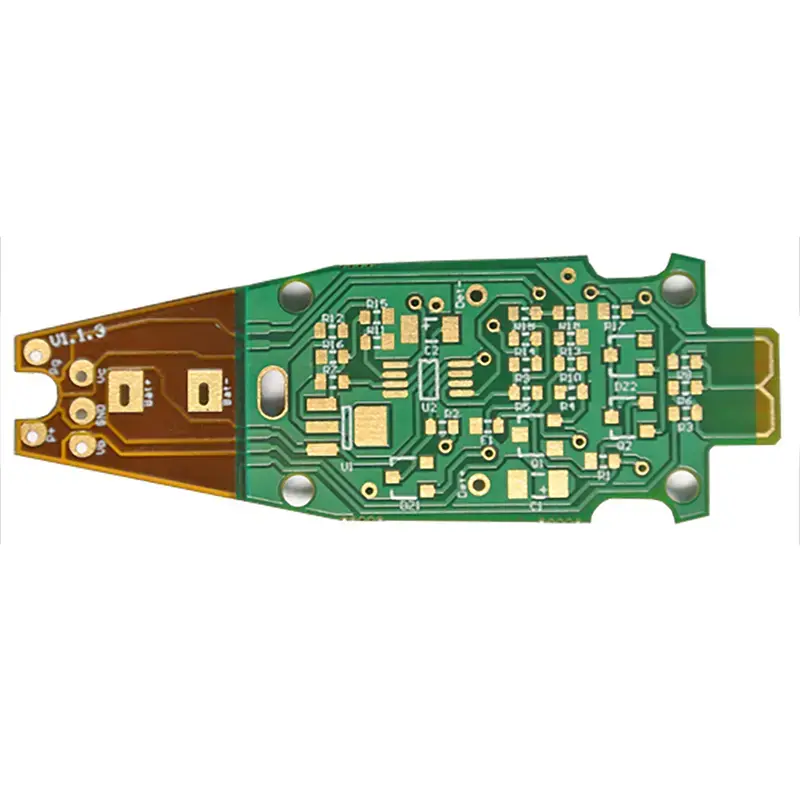 Rigid-Flex
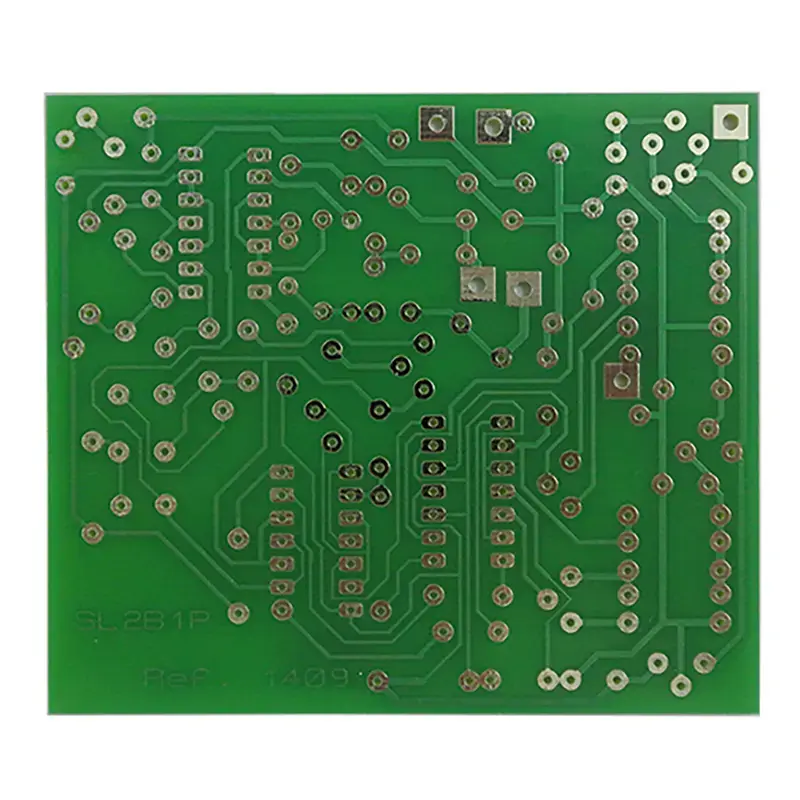 FR-4
FR-4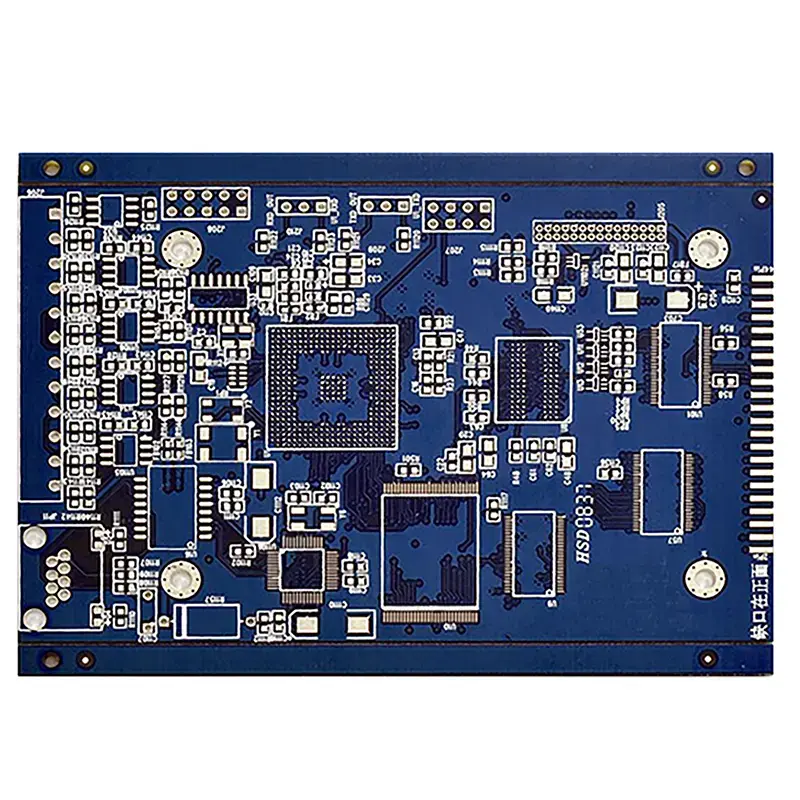 HDI PCB
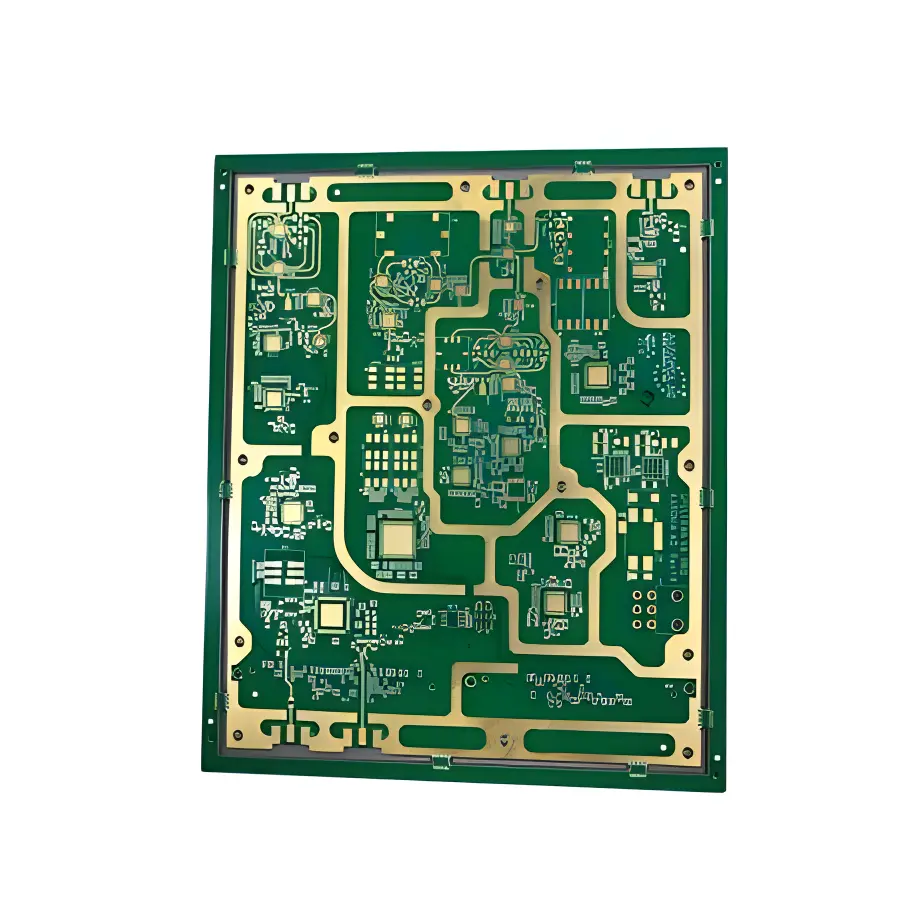 Rogers High-Frequency Board
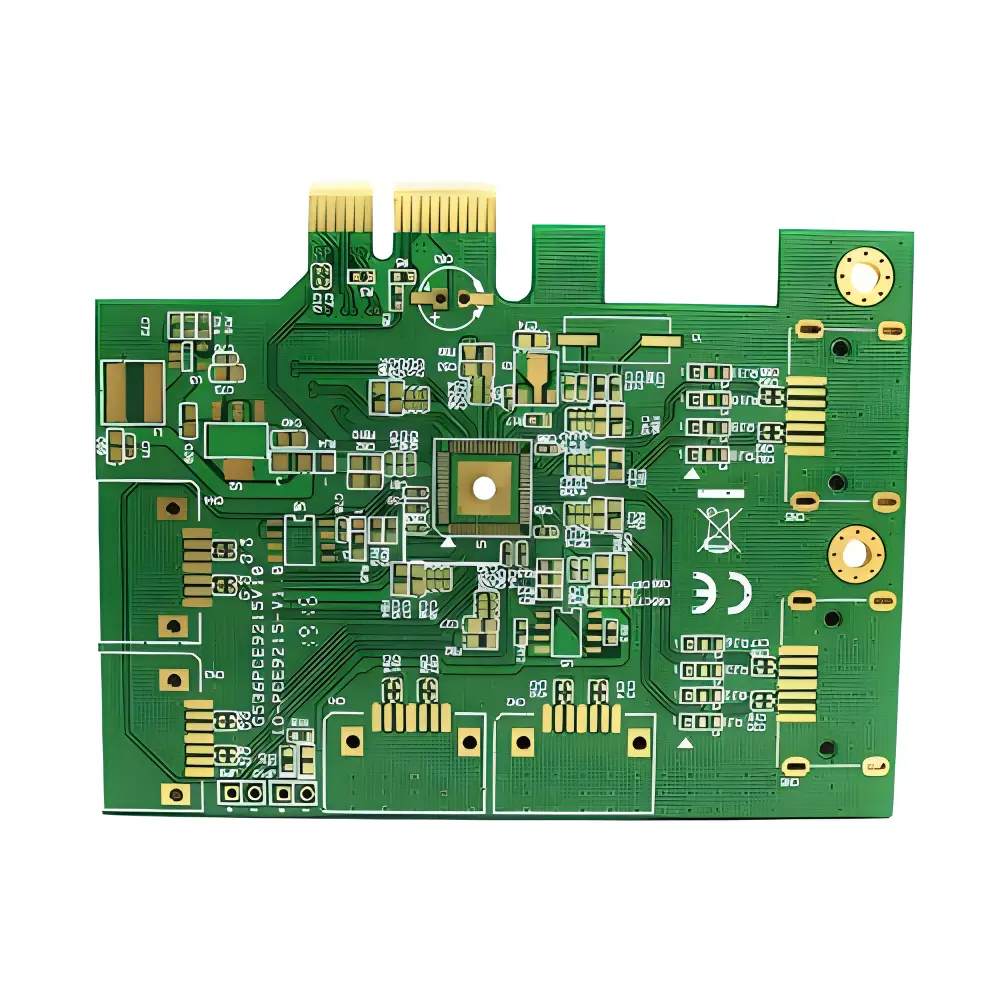 PTFE Teflon High-Frequency Board
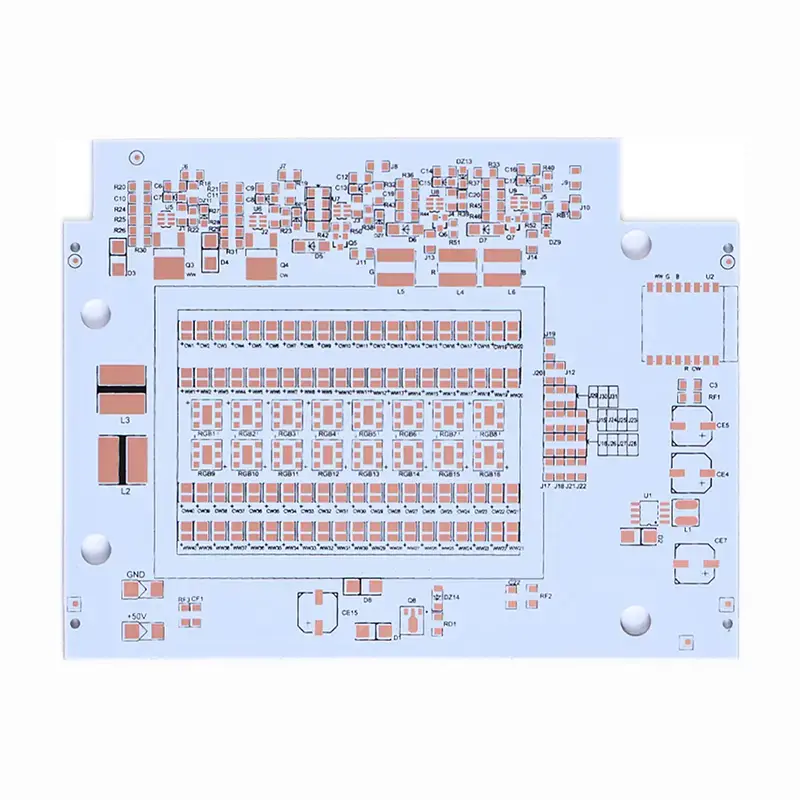 Aluminum
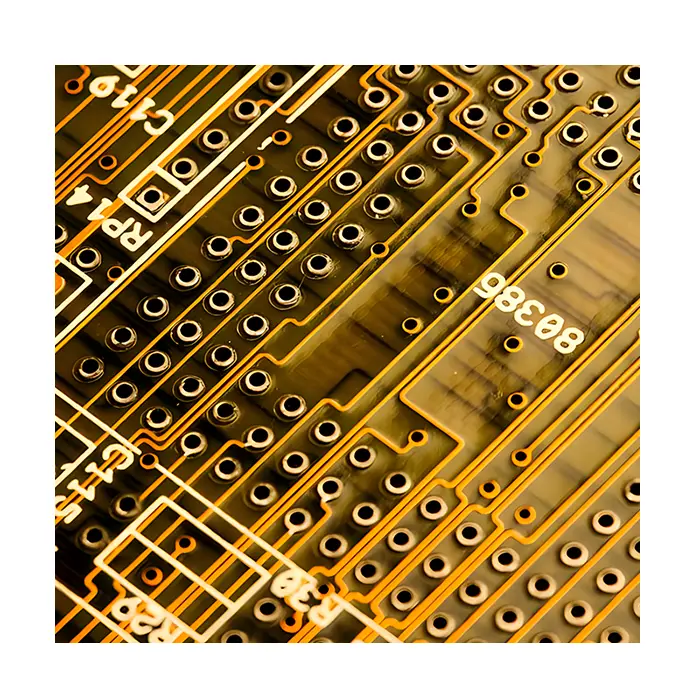 Copper Core
 PCB Assembly
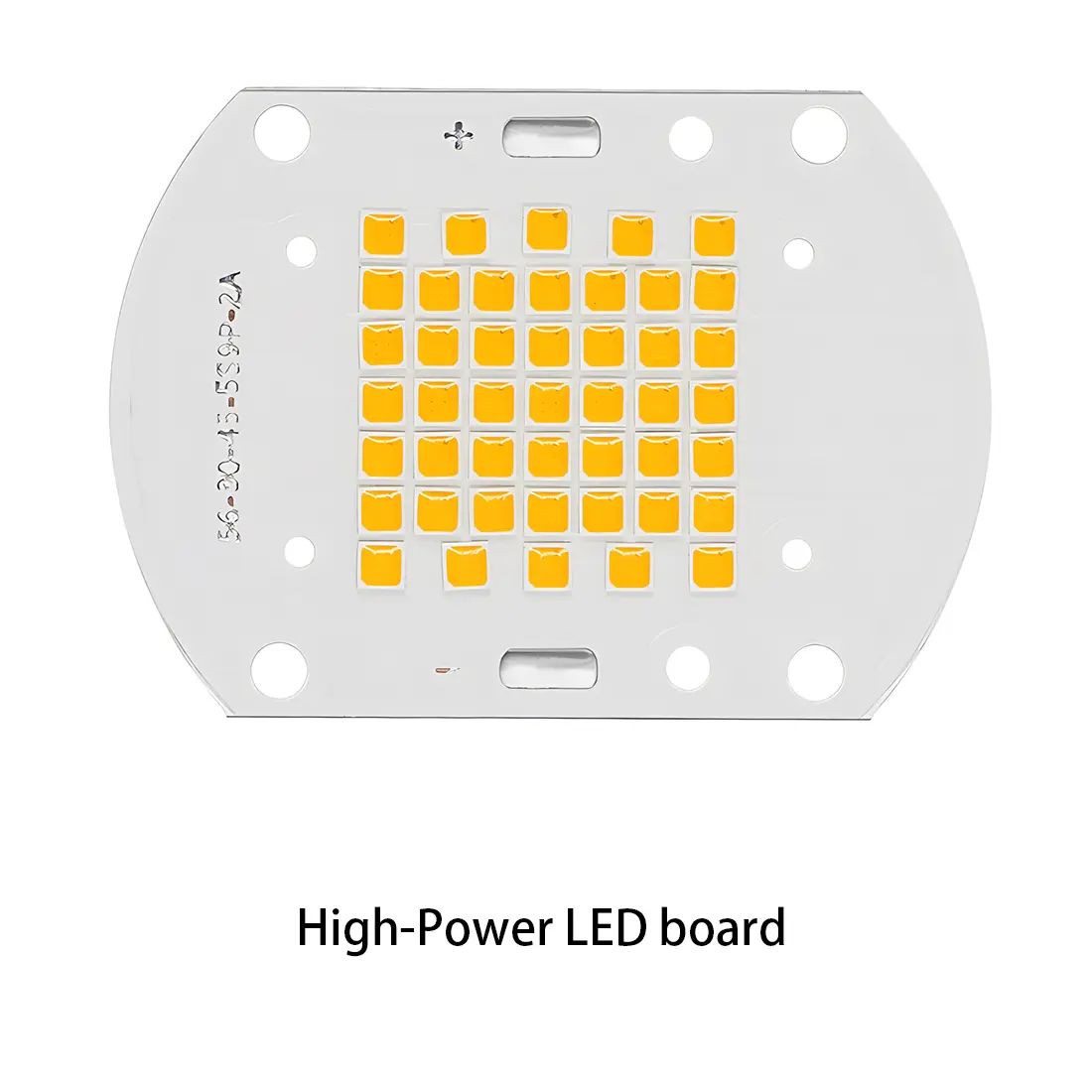 LED light PCBA
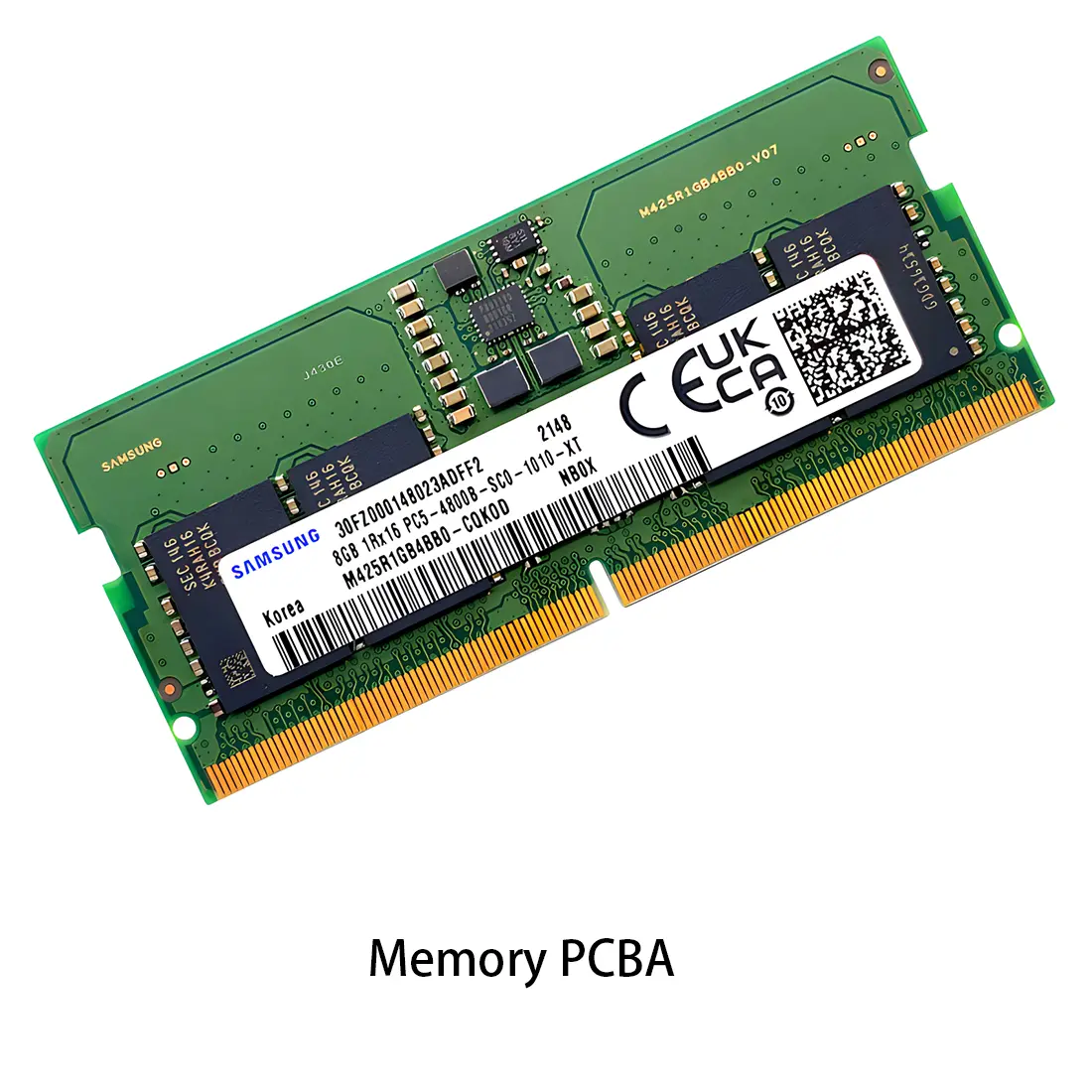 Memory PCBA
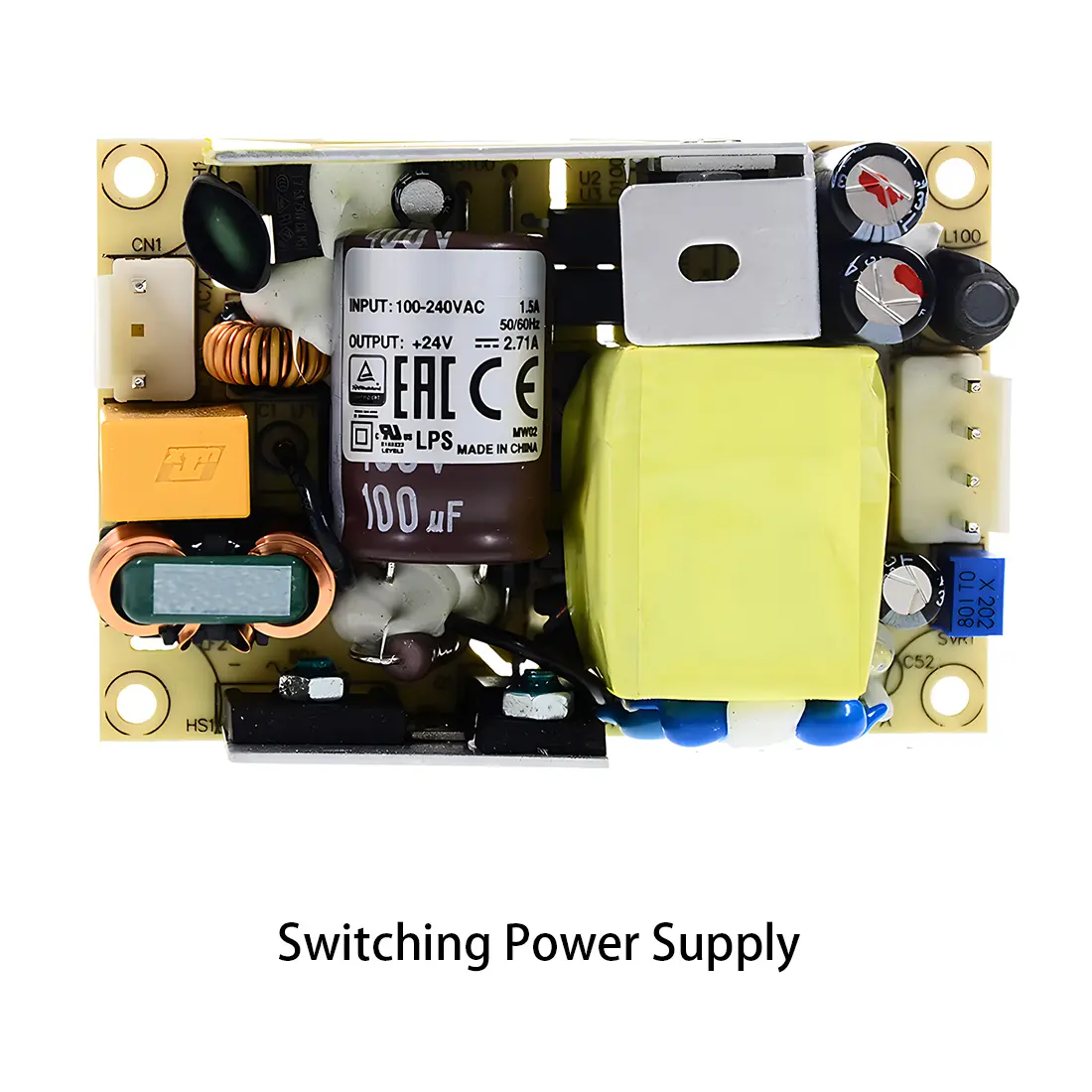 Power Supply PCBA
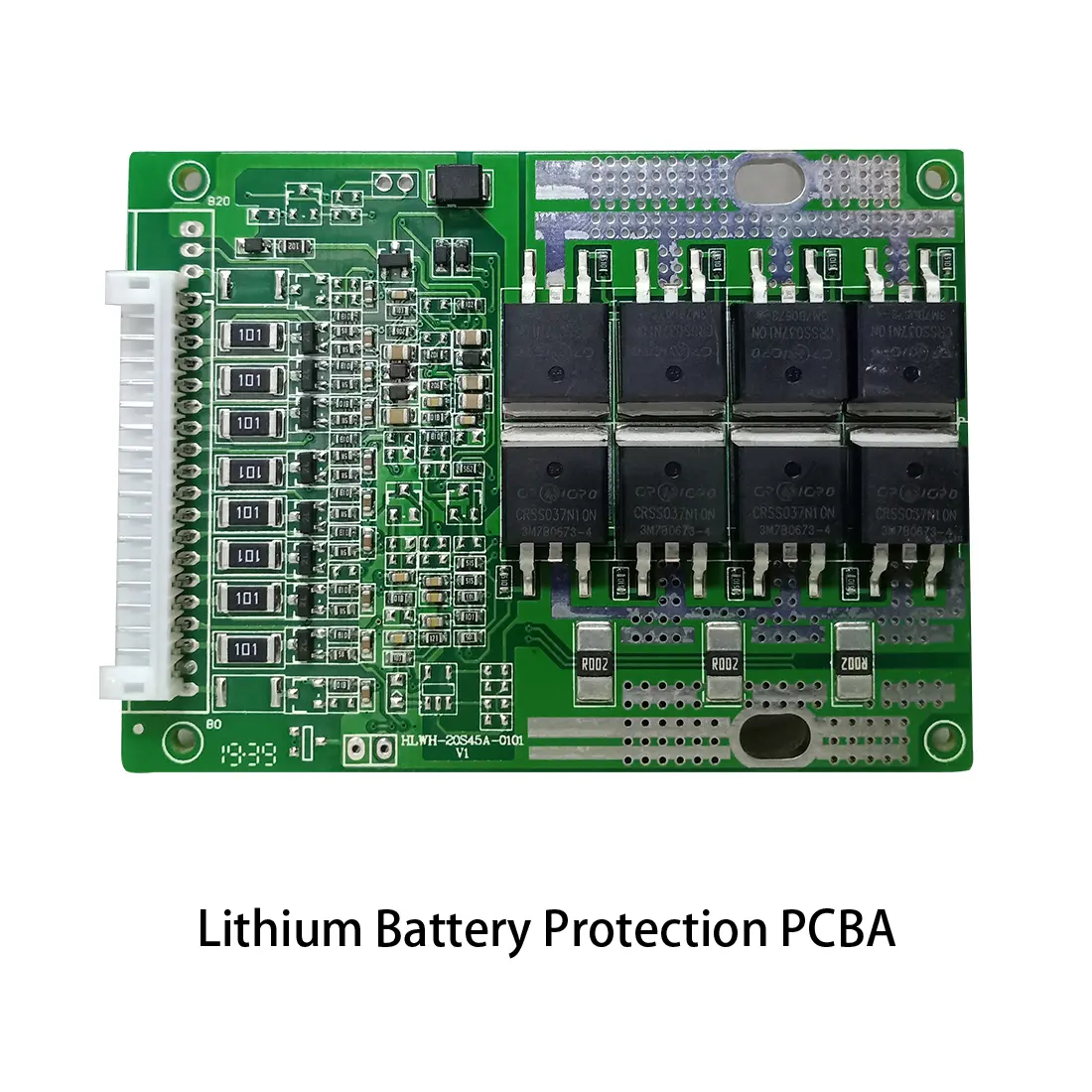 New Energey PCBA
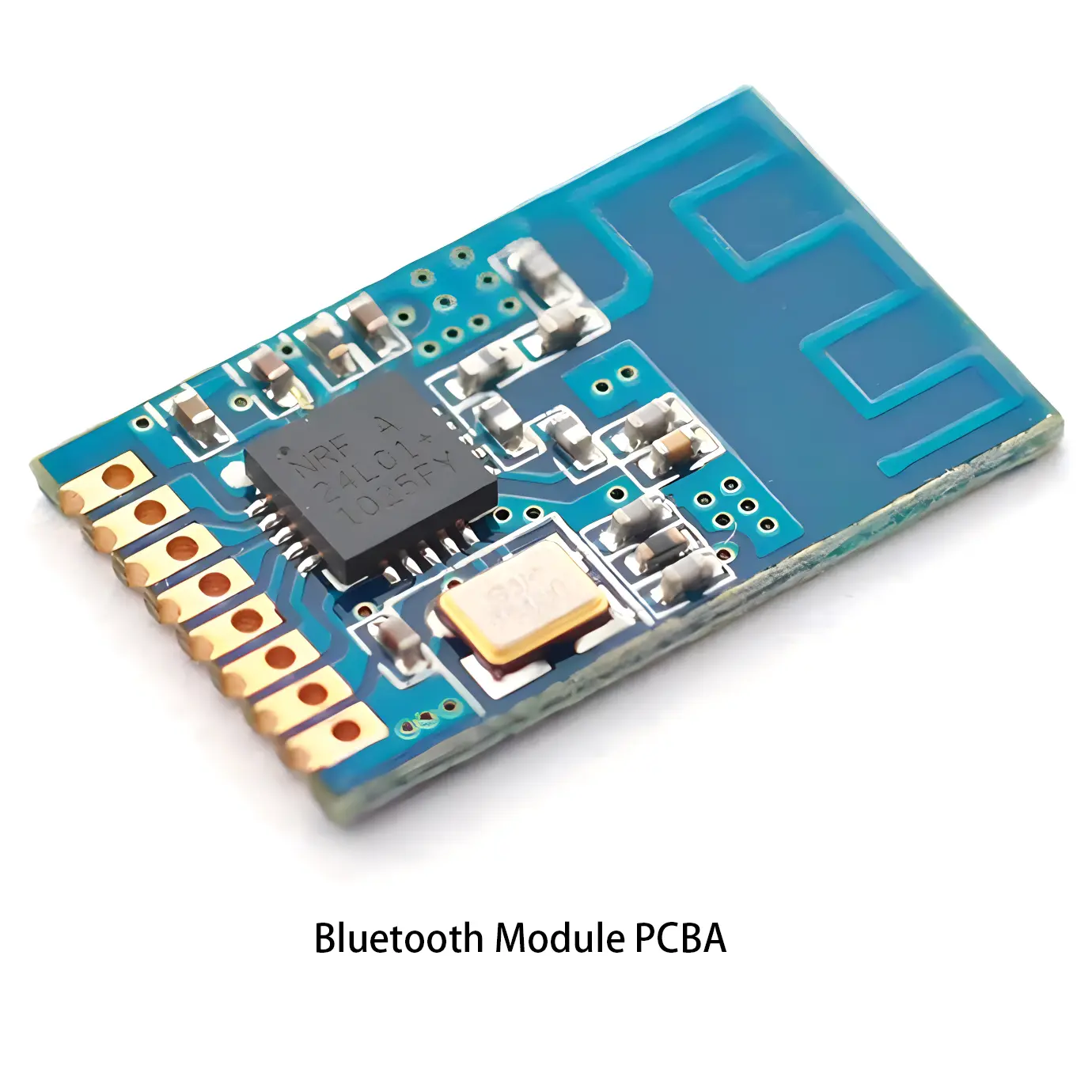 Communication PCBA
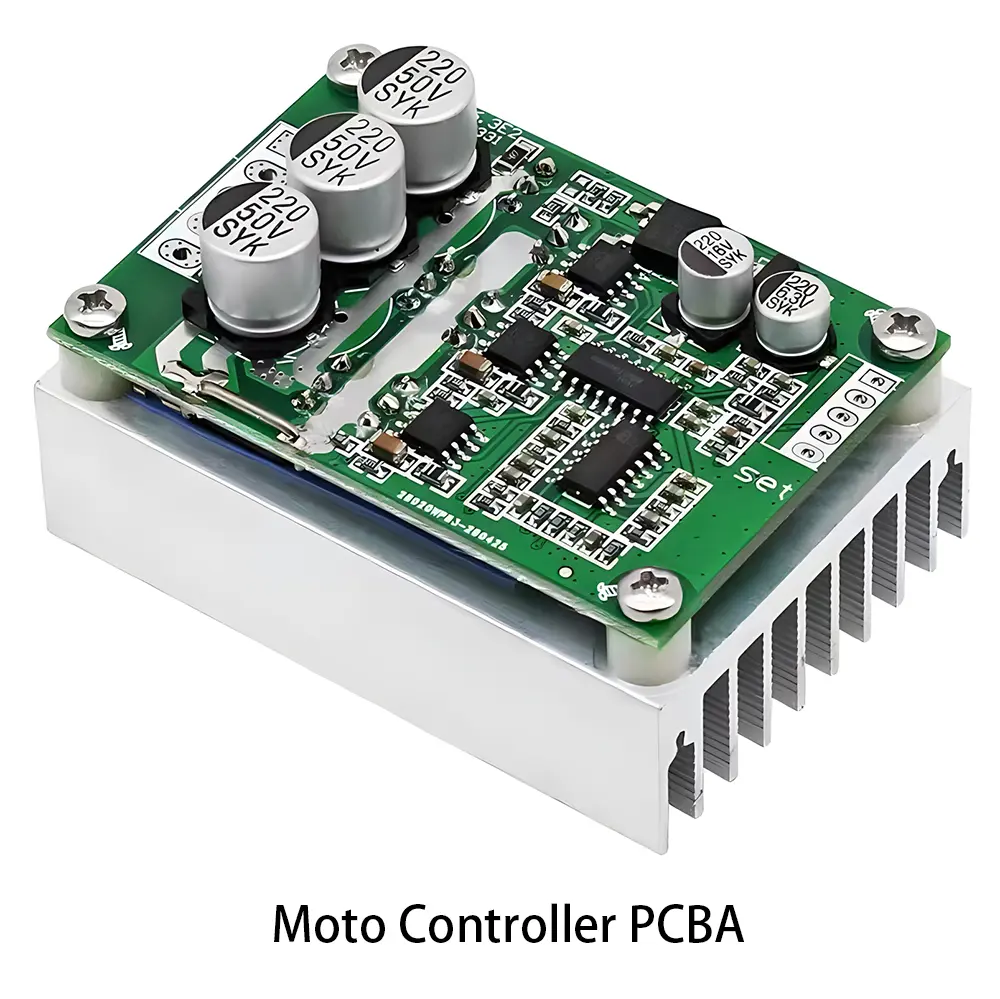 Industrial Control PCBA
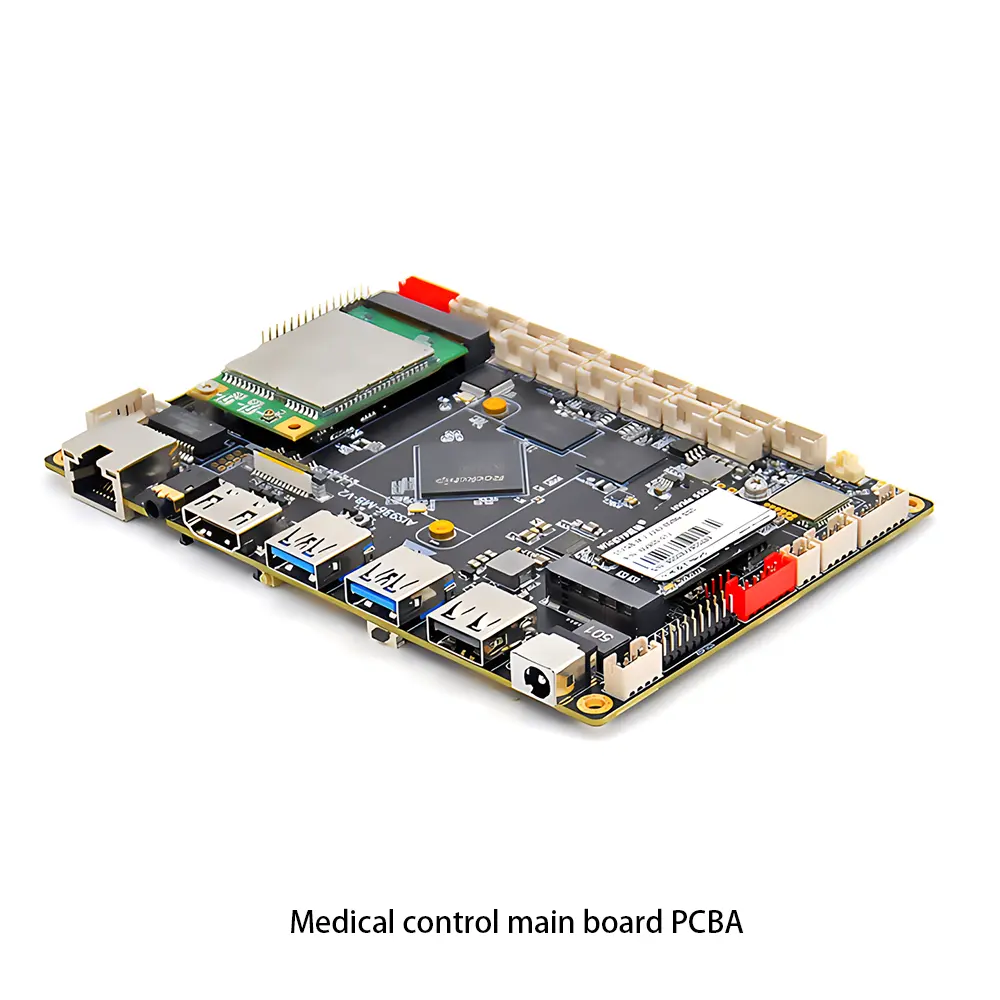 Medical Equipment PCBA
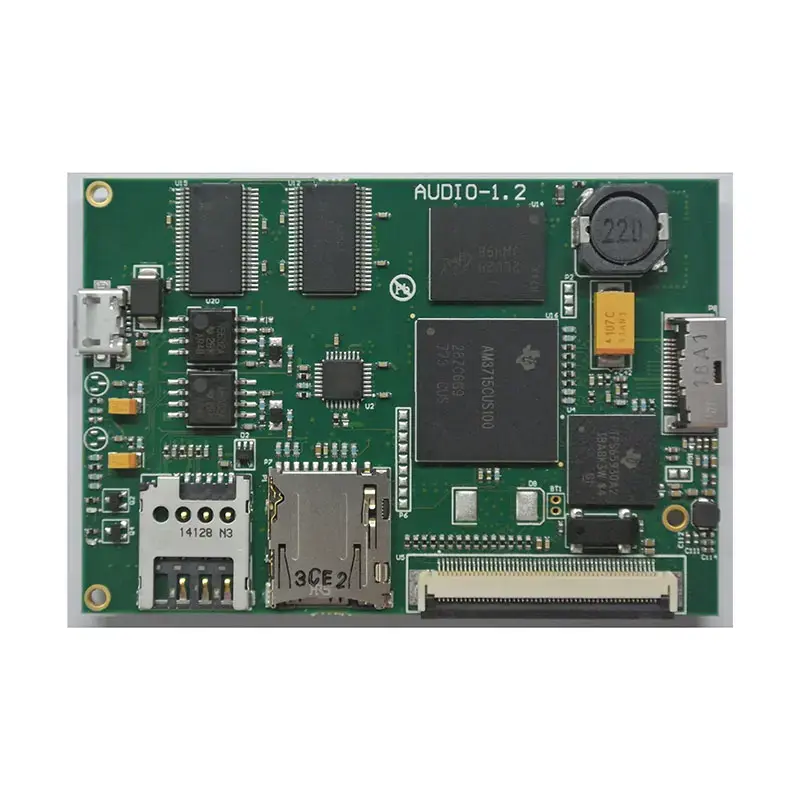 Testing Service
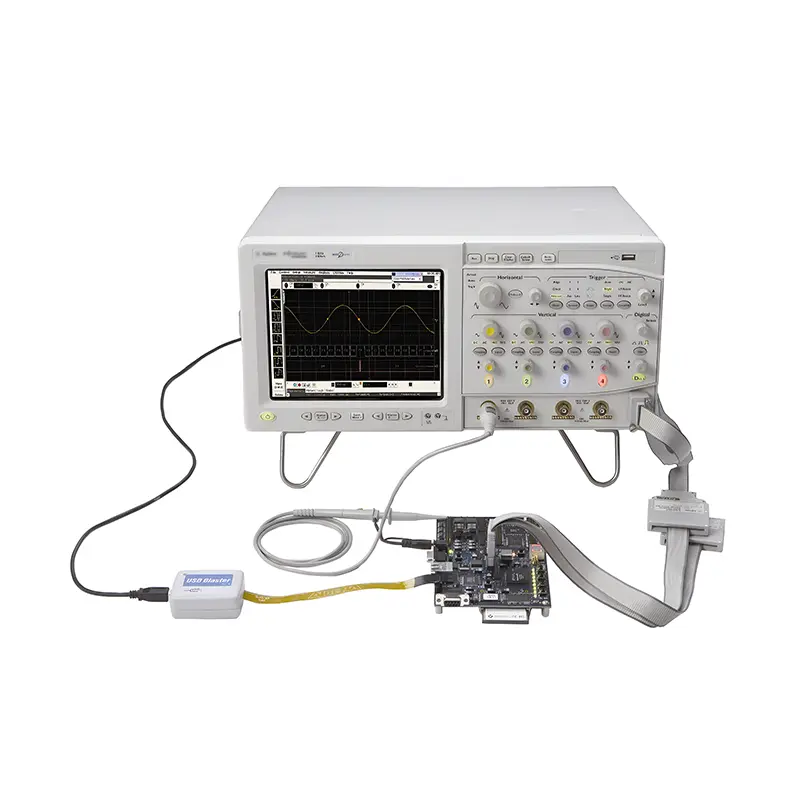 PCBA Testing Service
 Certification Application
 RoHS Certification Application
 REACH Certification Application
 CE Certification Application
 FCC Certification Application
 CQC Certification Application
 UL Certification Application
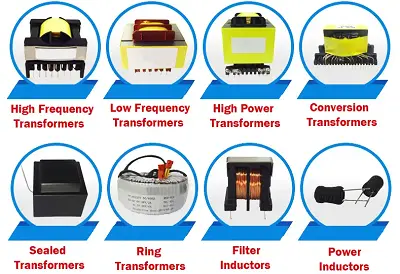 Transformers, Inductors
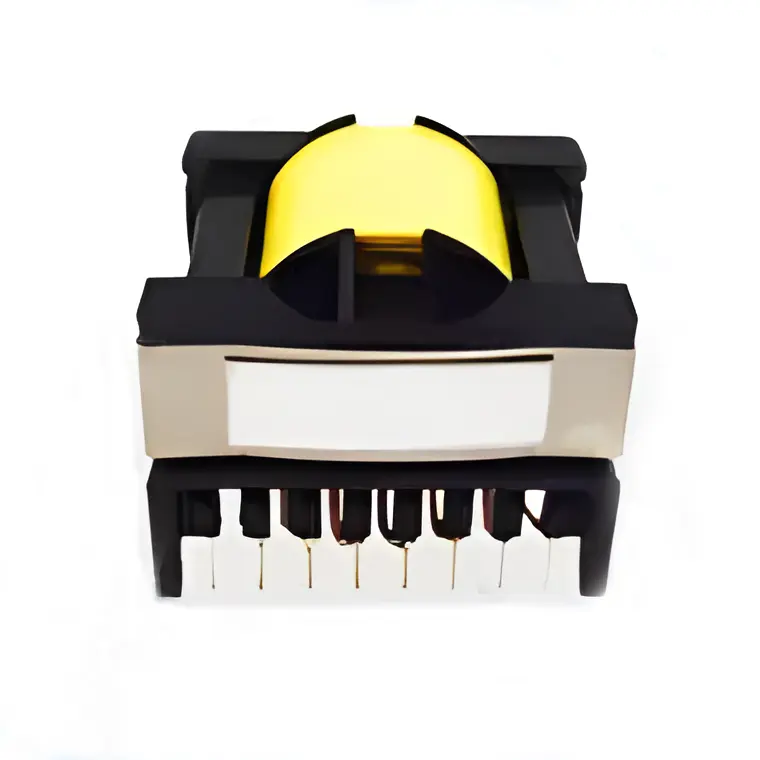 High Frequency Transformers
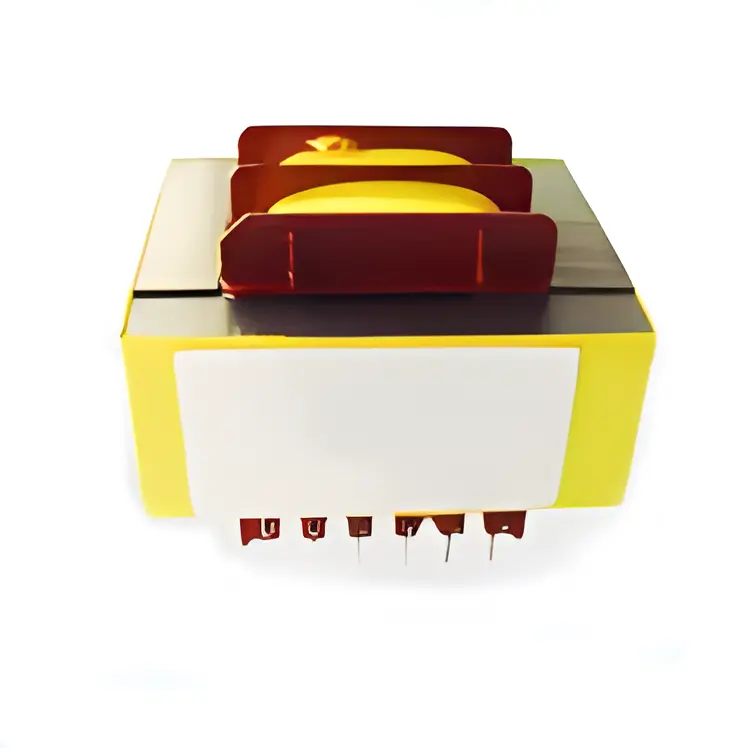 Low Frequency Transformers
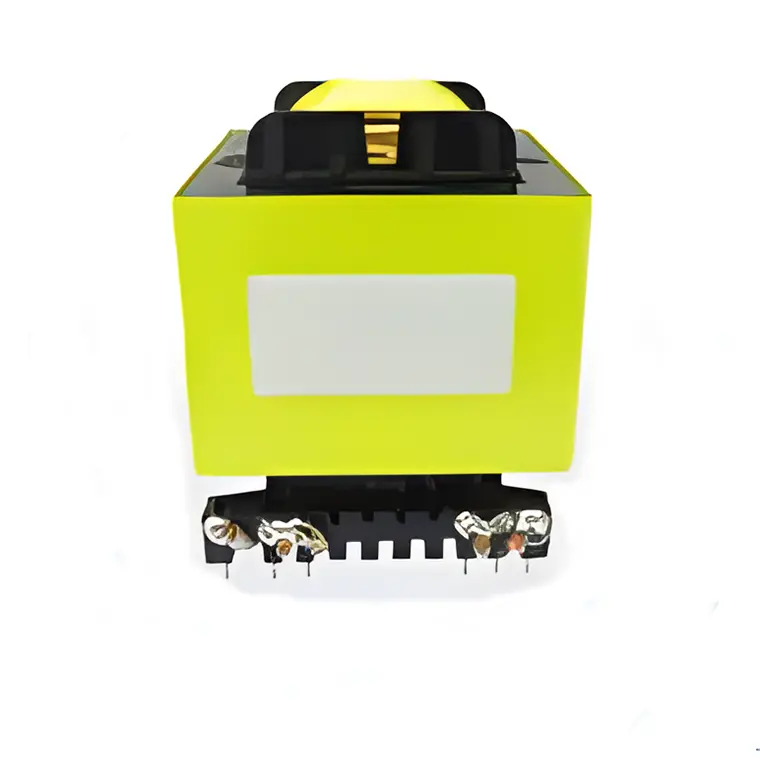 High Power Transformers
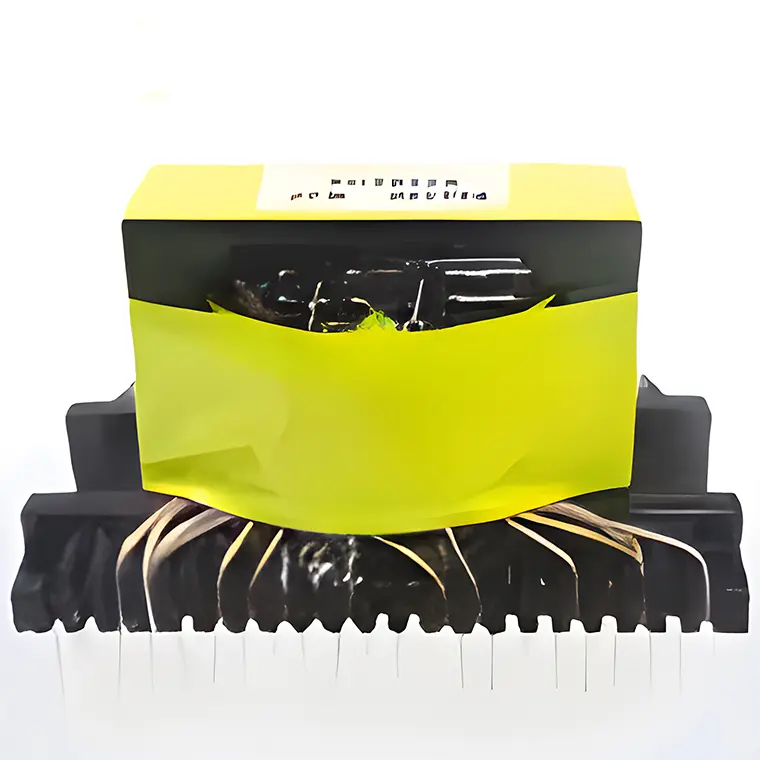 Conversion Transformers
 Sealed Transformers
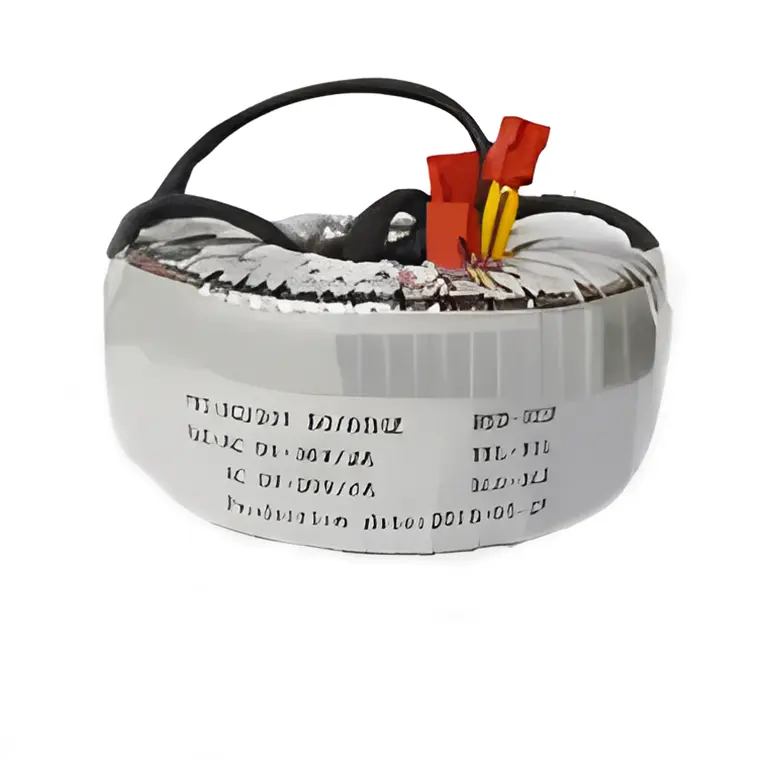 Ring Transformers
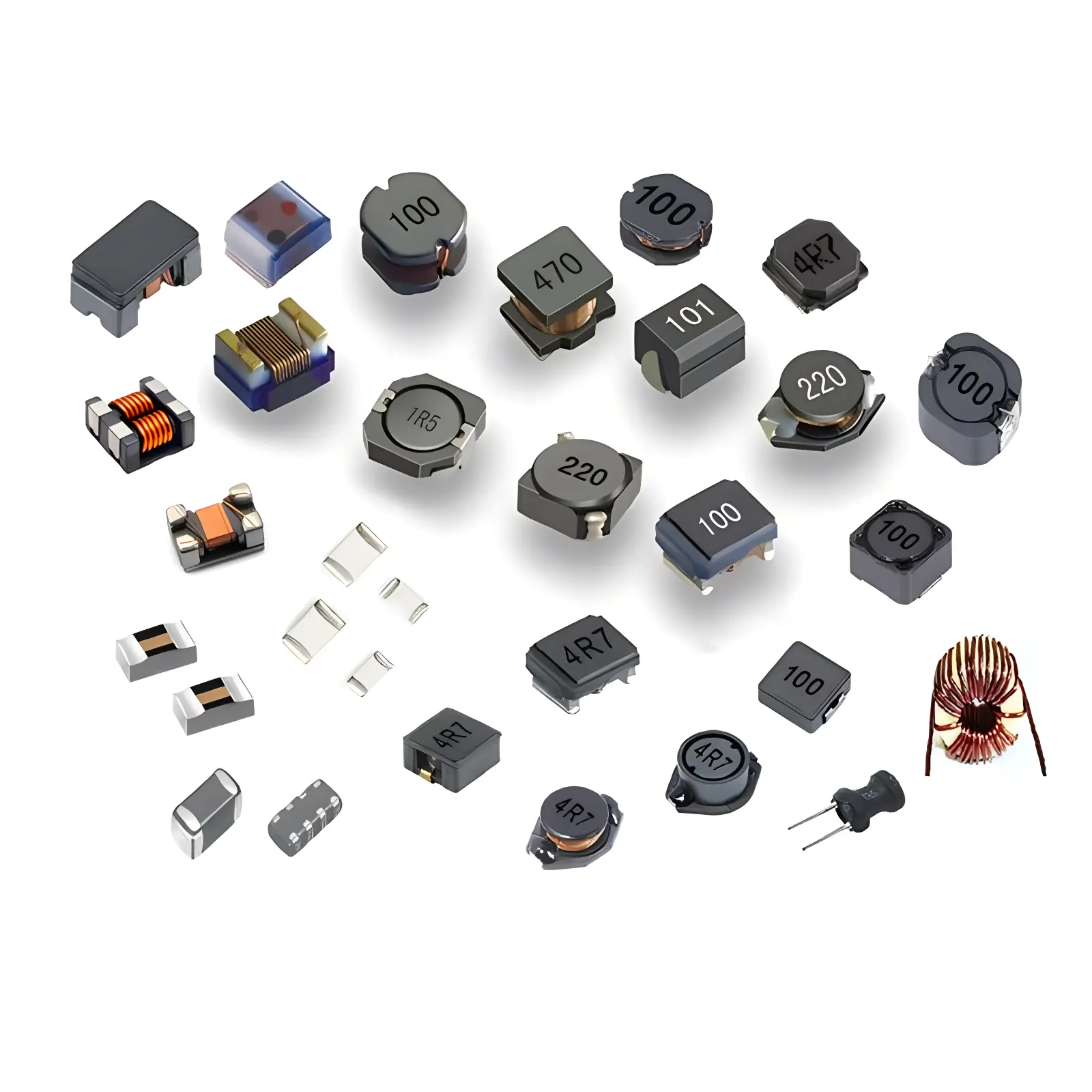 Inductors
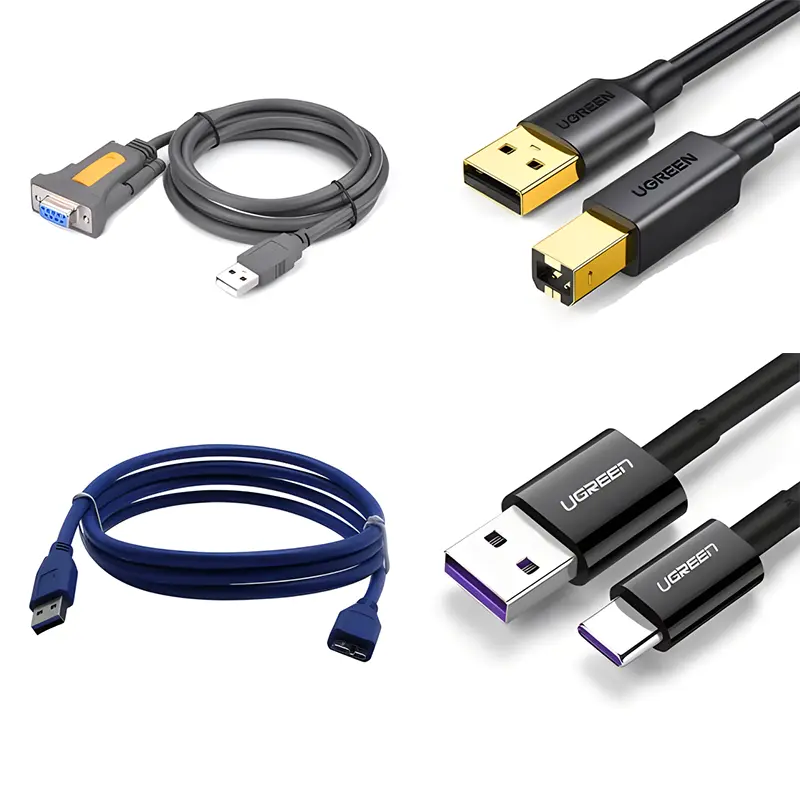 Wires,Cables Customized
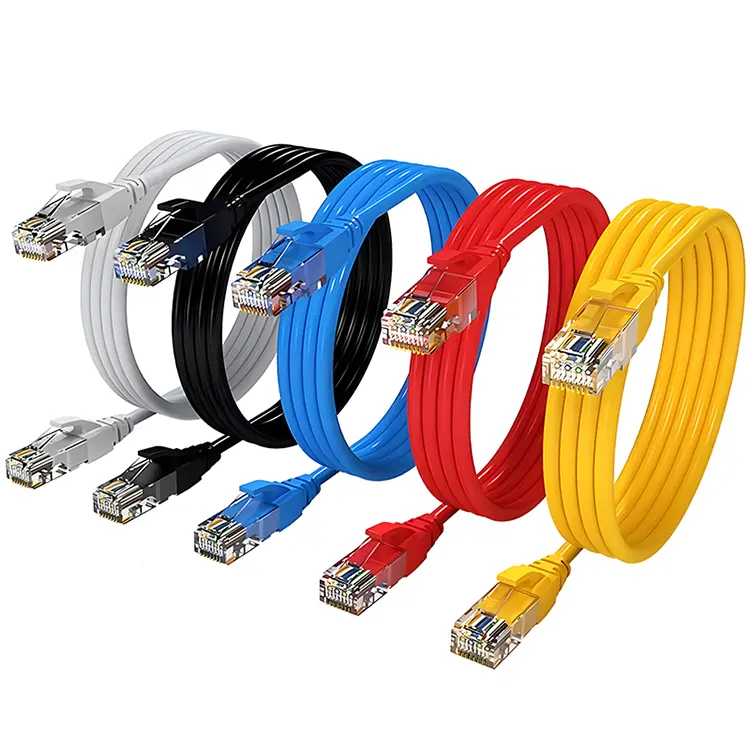 Network Cables
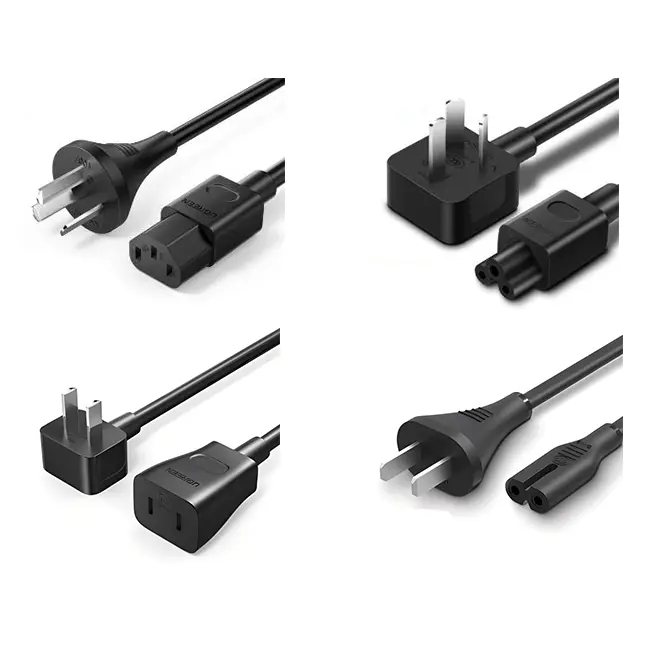 Power Cords
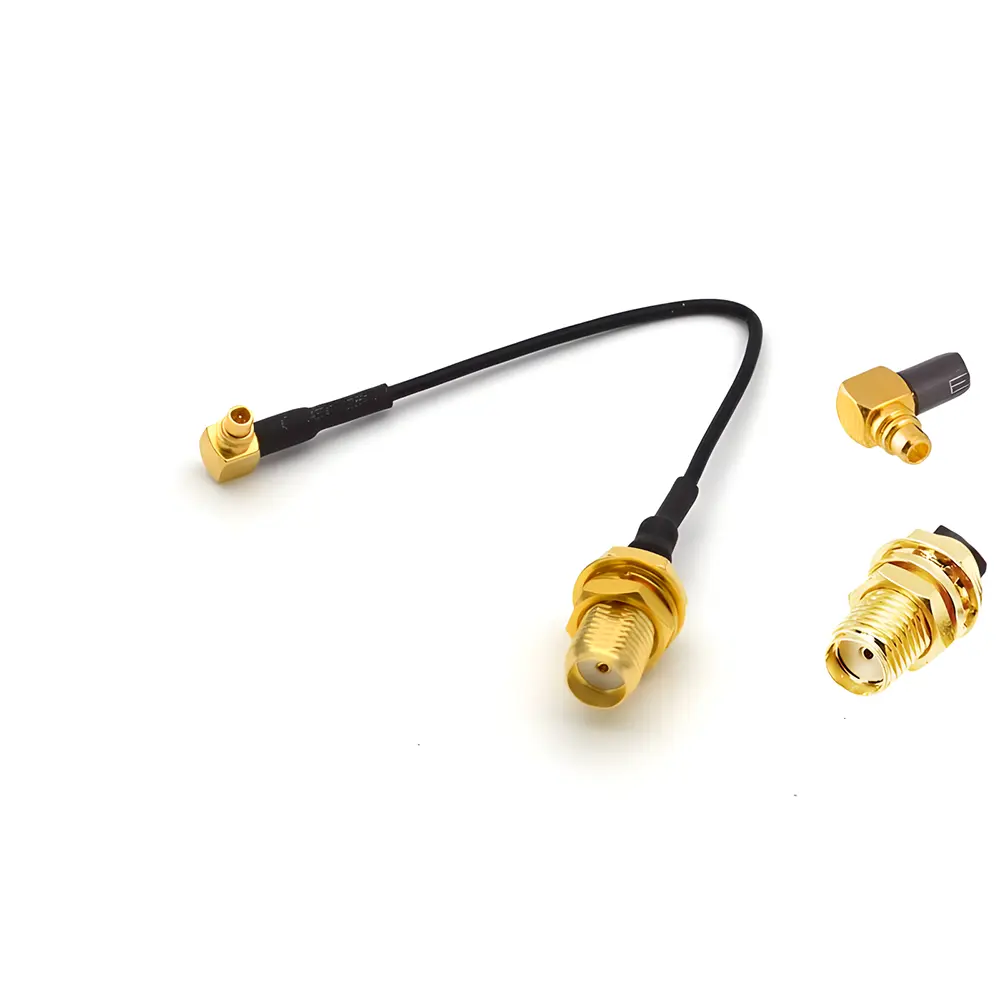 Antenna Cables
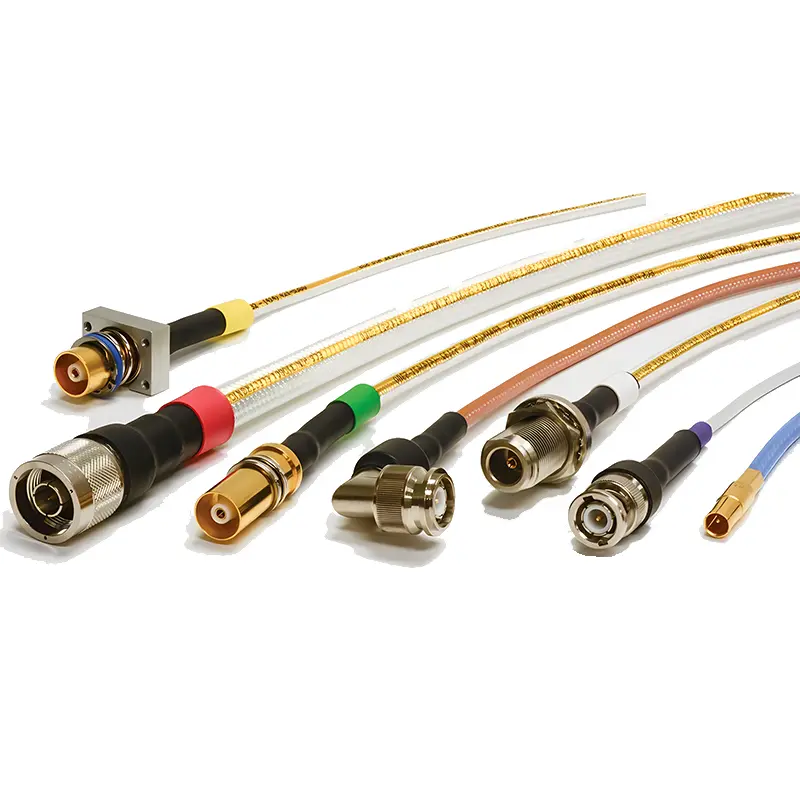 Coaxial Cables
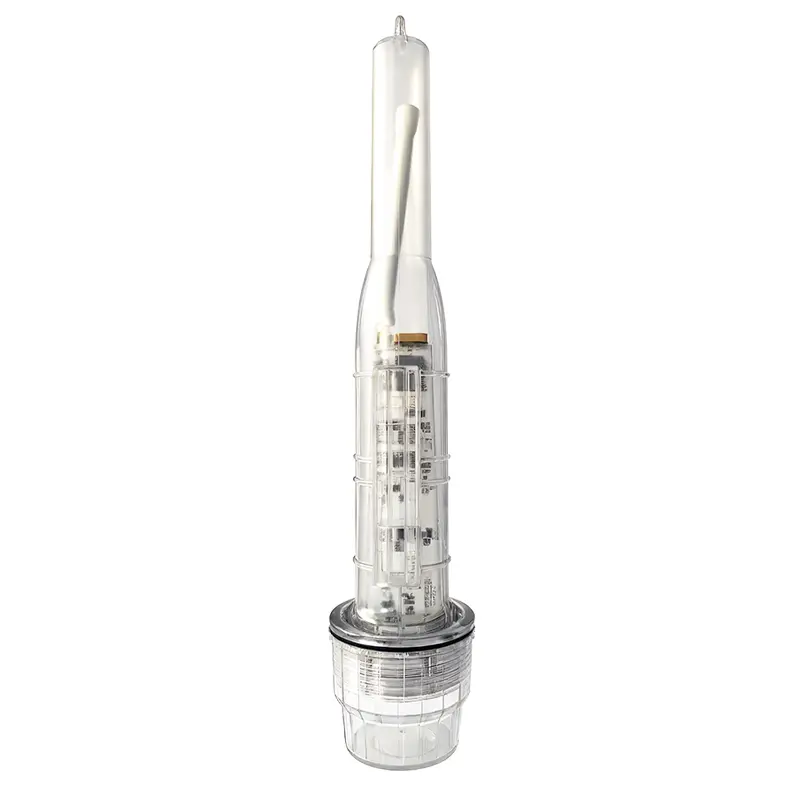 Net Position Indicator
 Solar AIS net position indicator
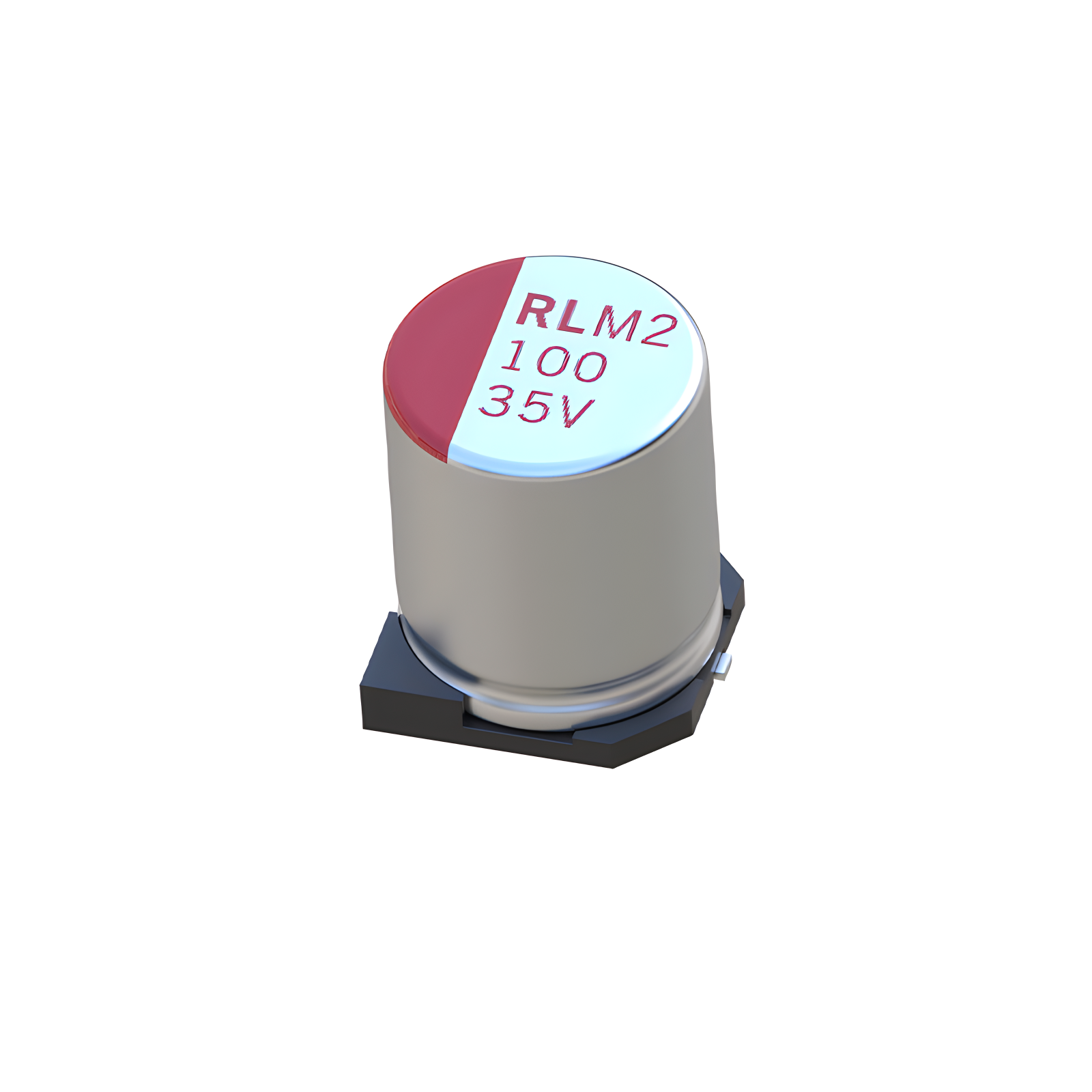 Capacitors
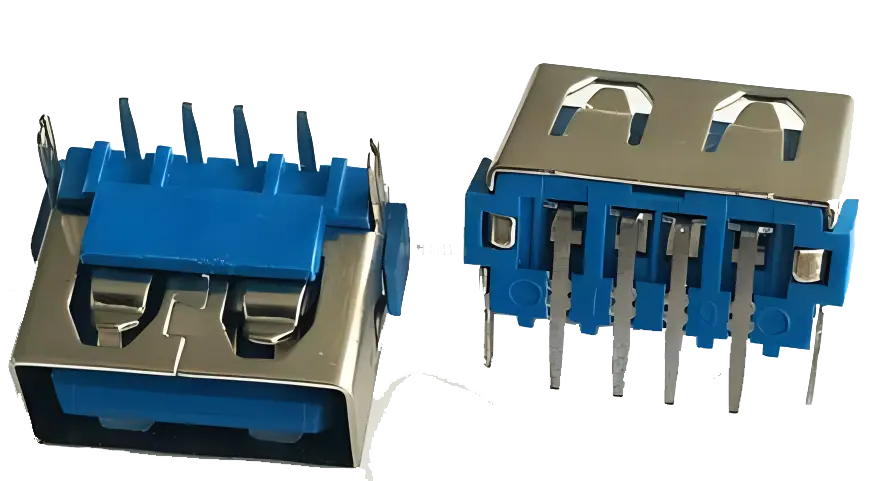 Connectors
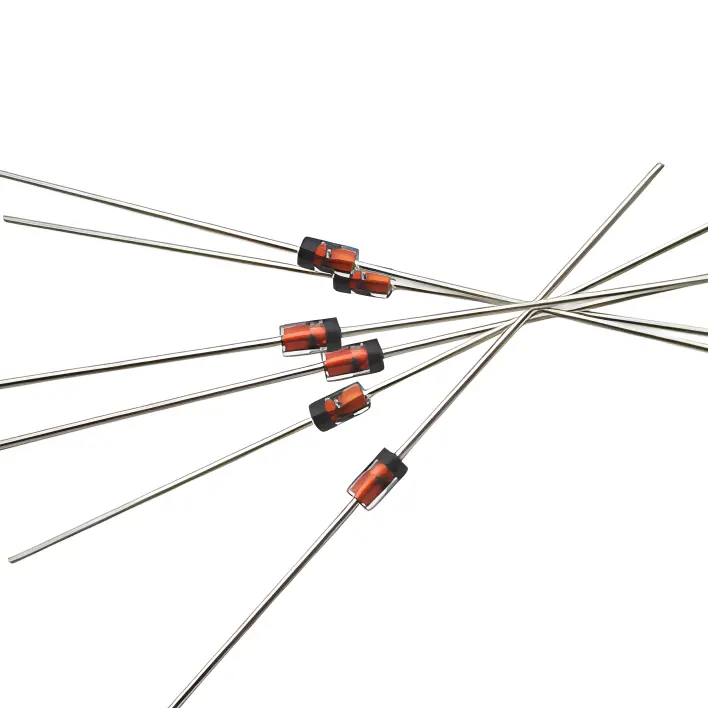 Diodes
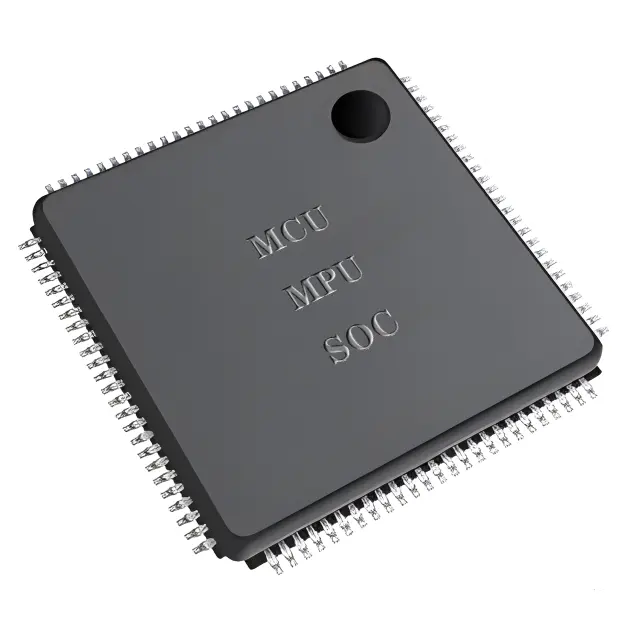 Embedded Processors & Controllers
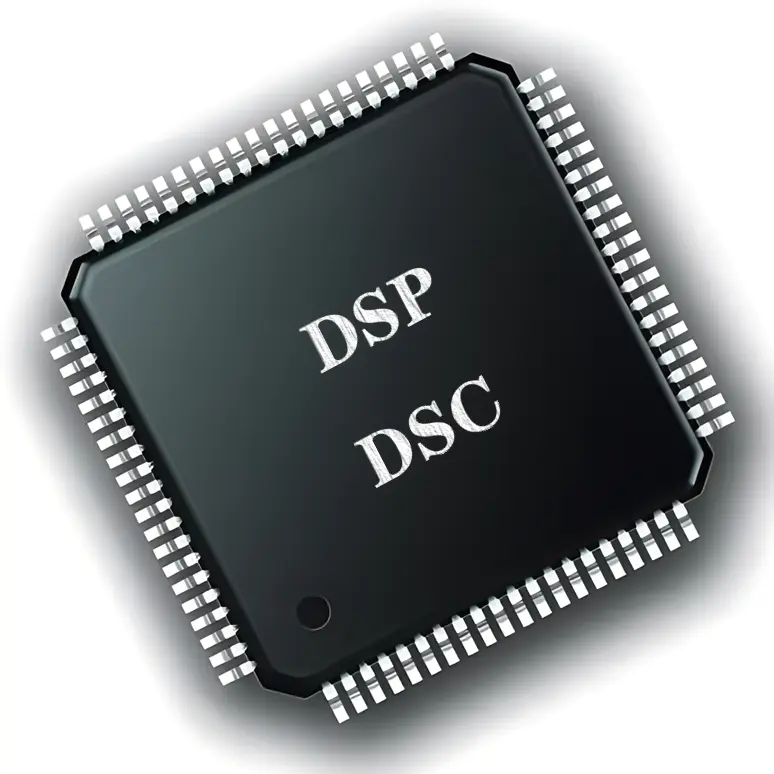 Digital Signal Processors (DSP/DSC)
 Microcontrollers (MCU/MPU/SOC)
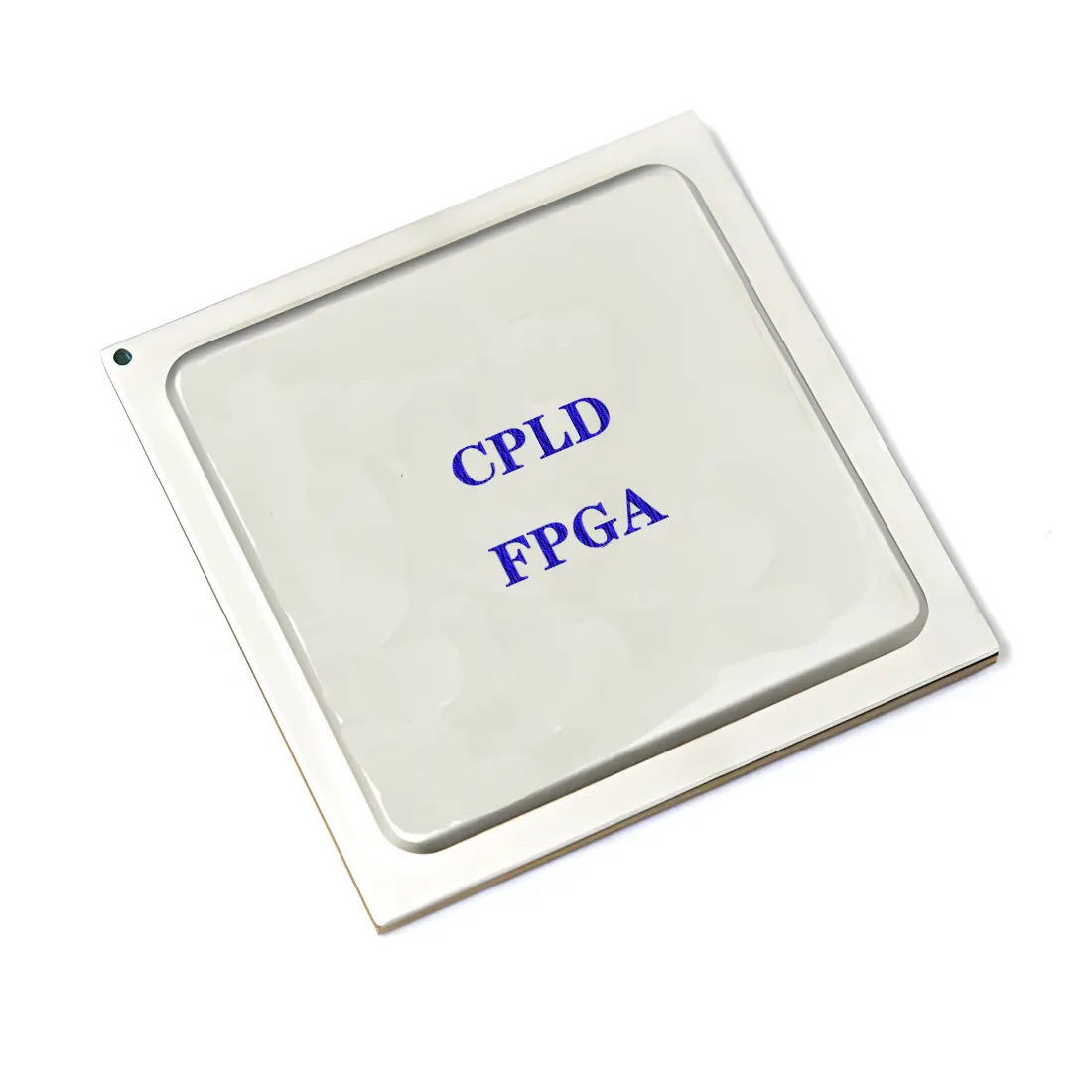 Programmable Logic Device(CPLD/FPGA)
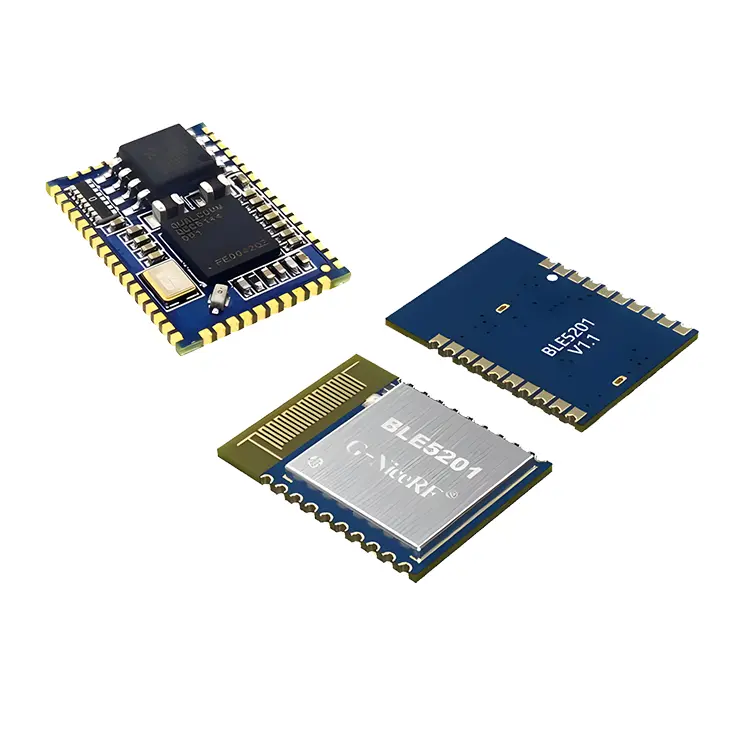 Communication Modules/IoT
 Resistors
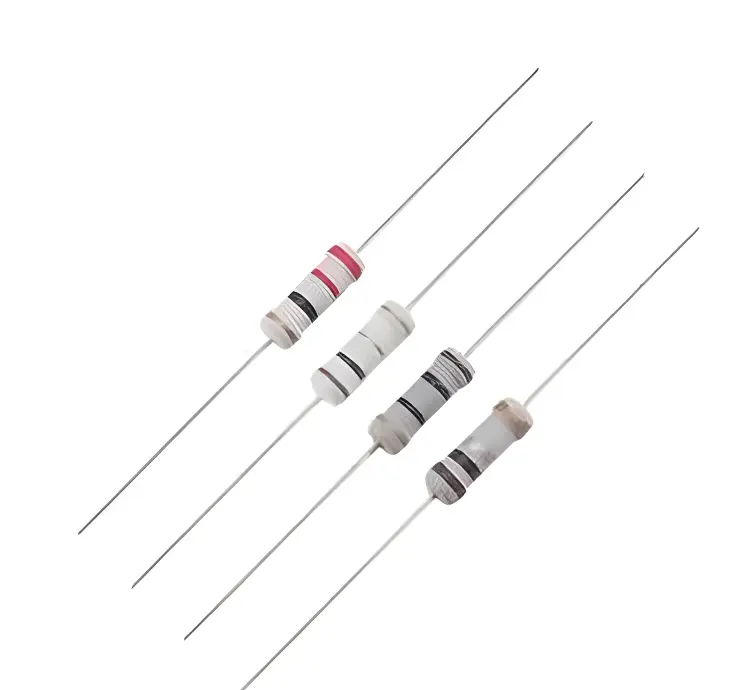 Through Hole Resistors
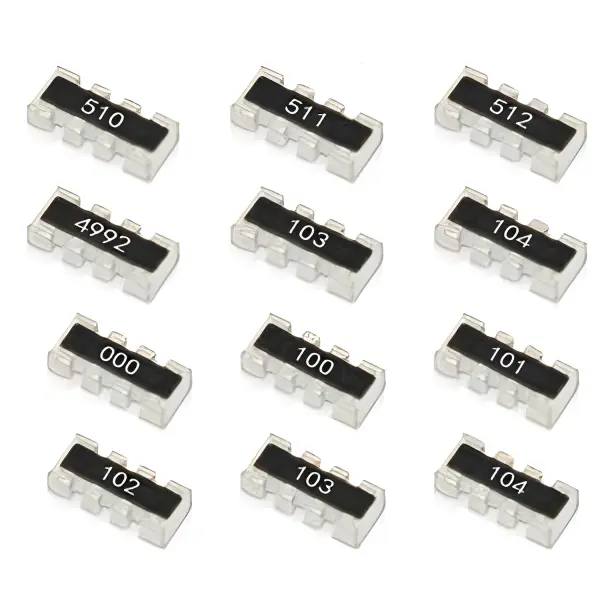 Resistor Networks, Arrays
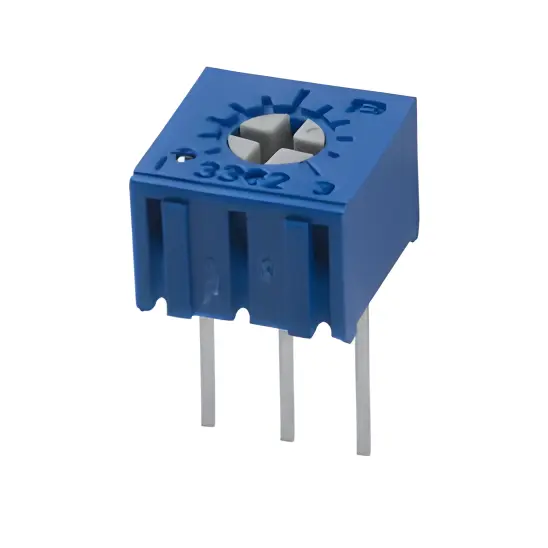 Potentiometers,Variable Resistors
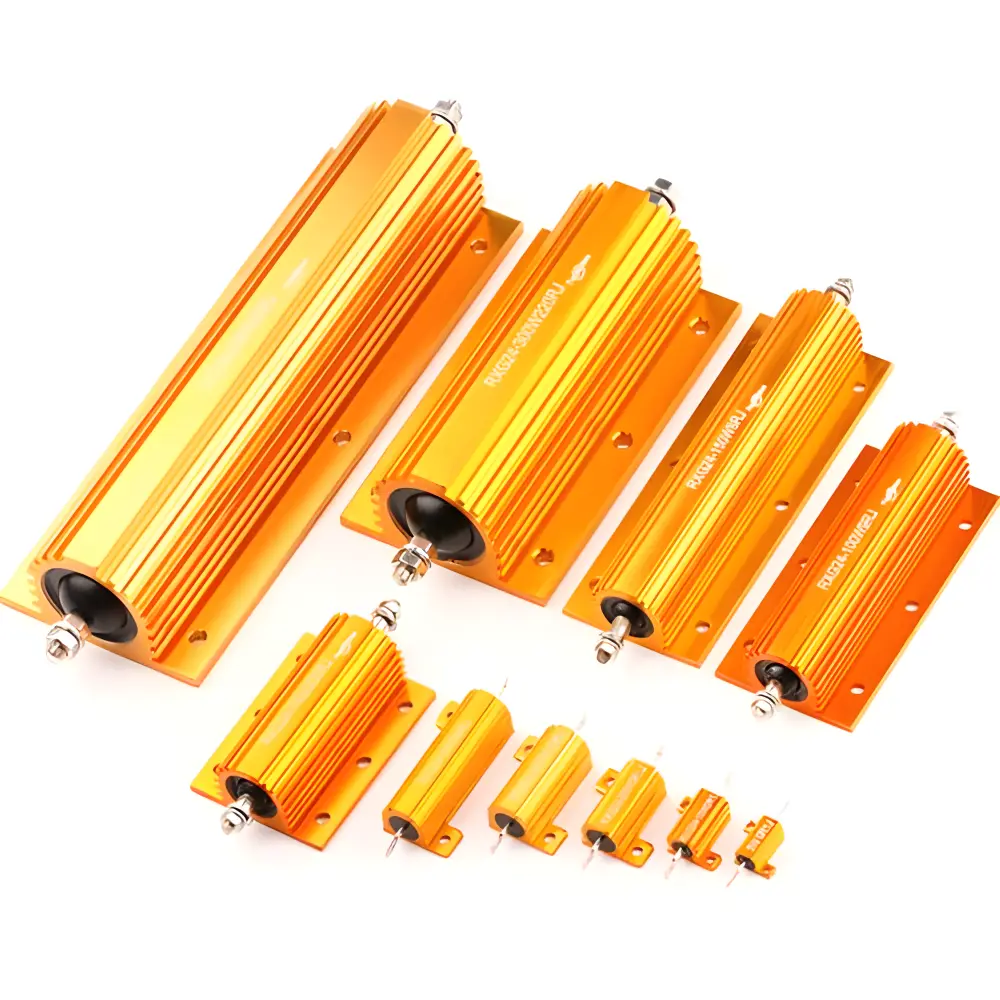 Aluminum Case,Porcelain Tube Resistance
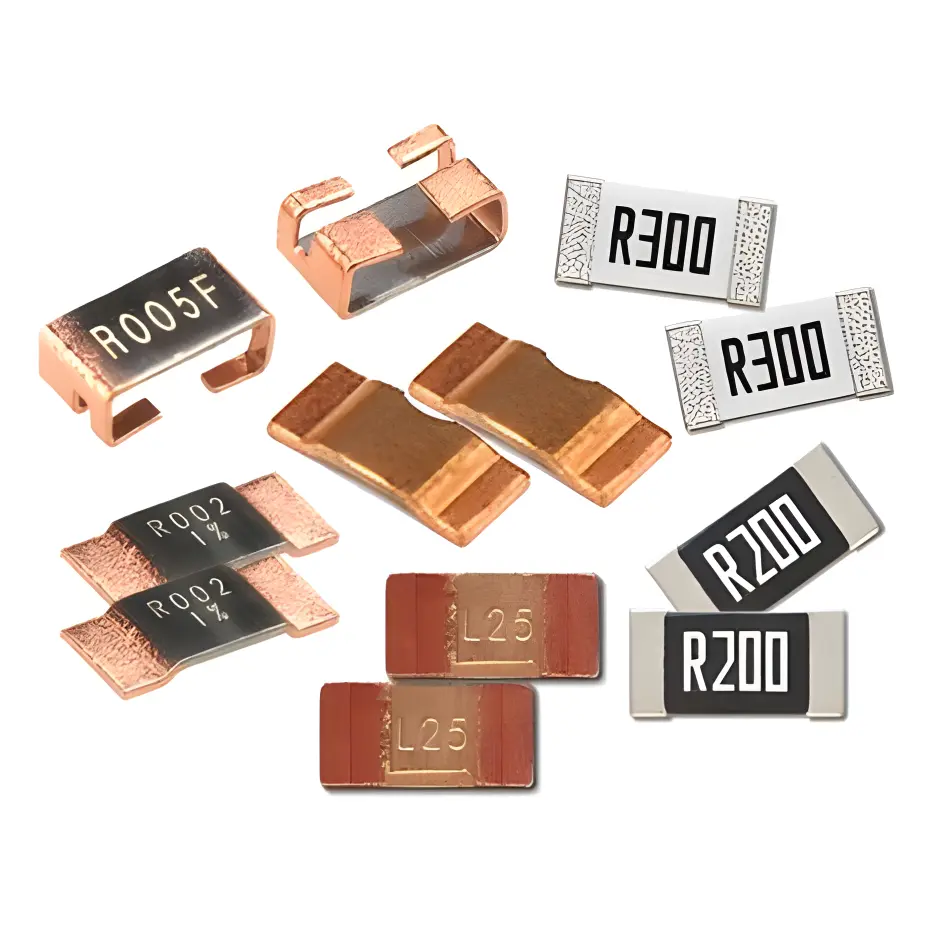 Current Sense Resistors,Shunt Resistors
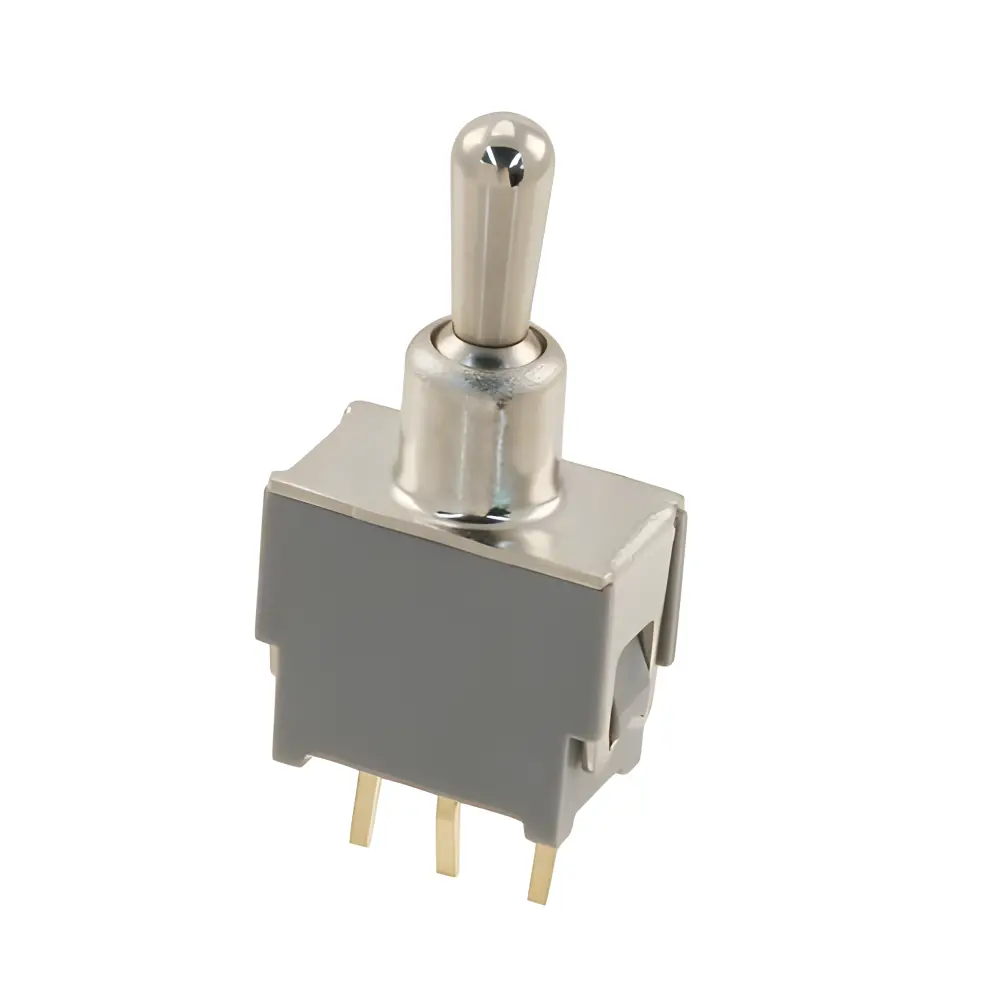 Switches
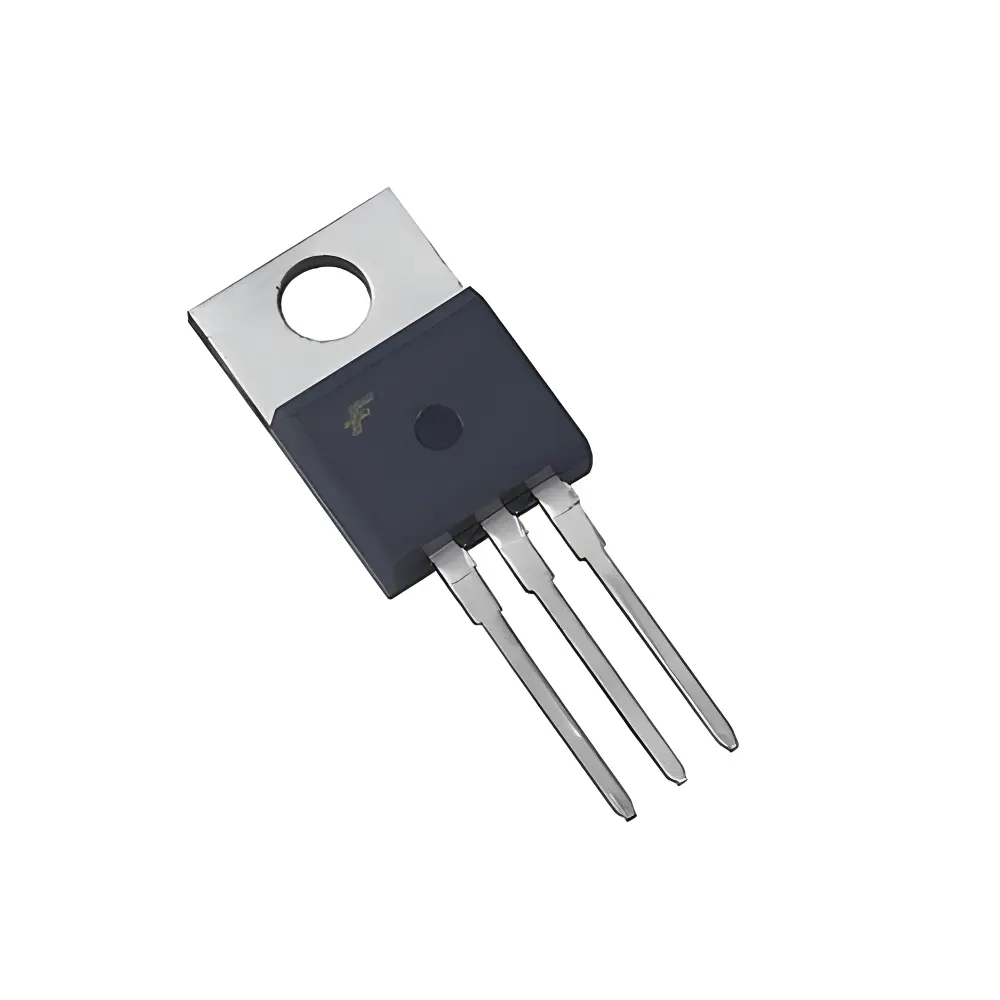 Transistors
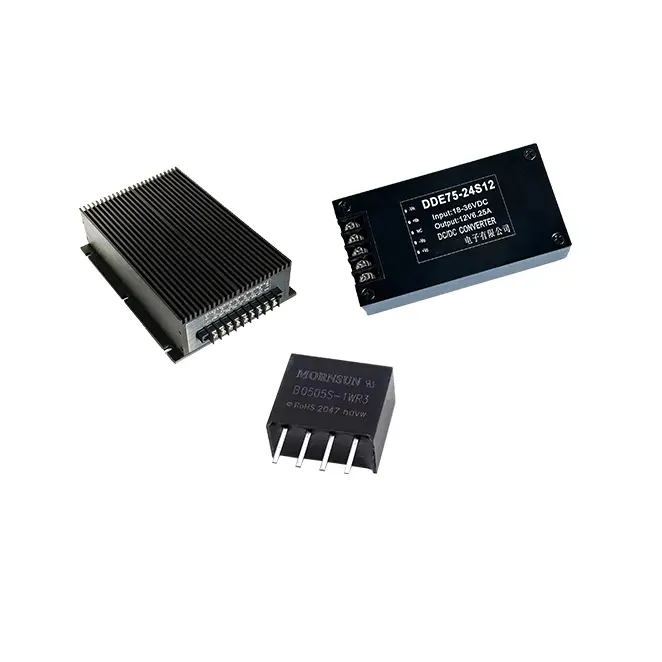 Power Modules
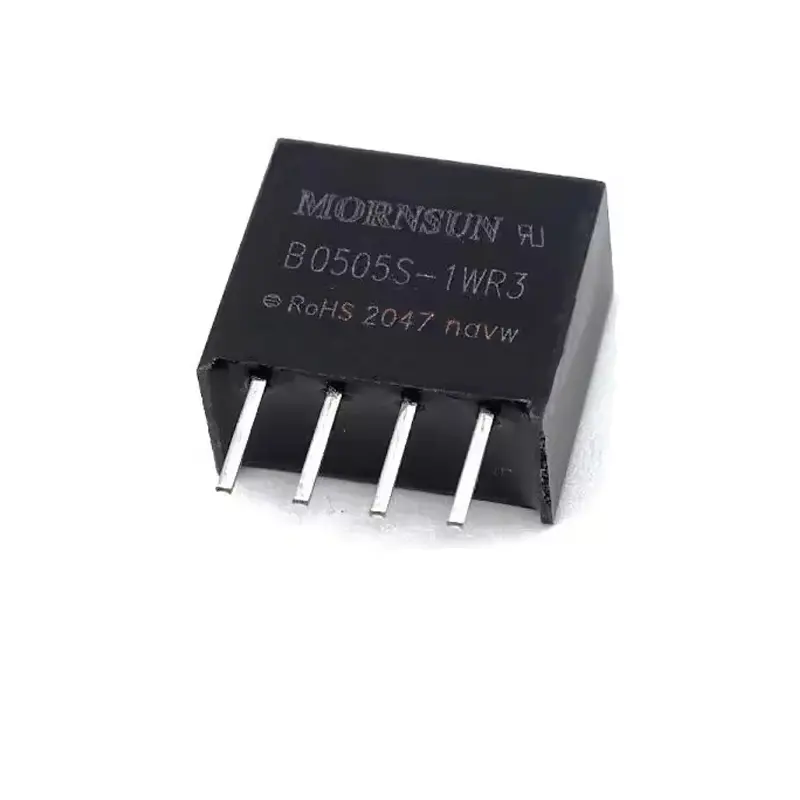 Isolated Power Modules
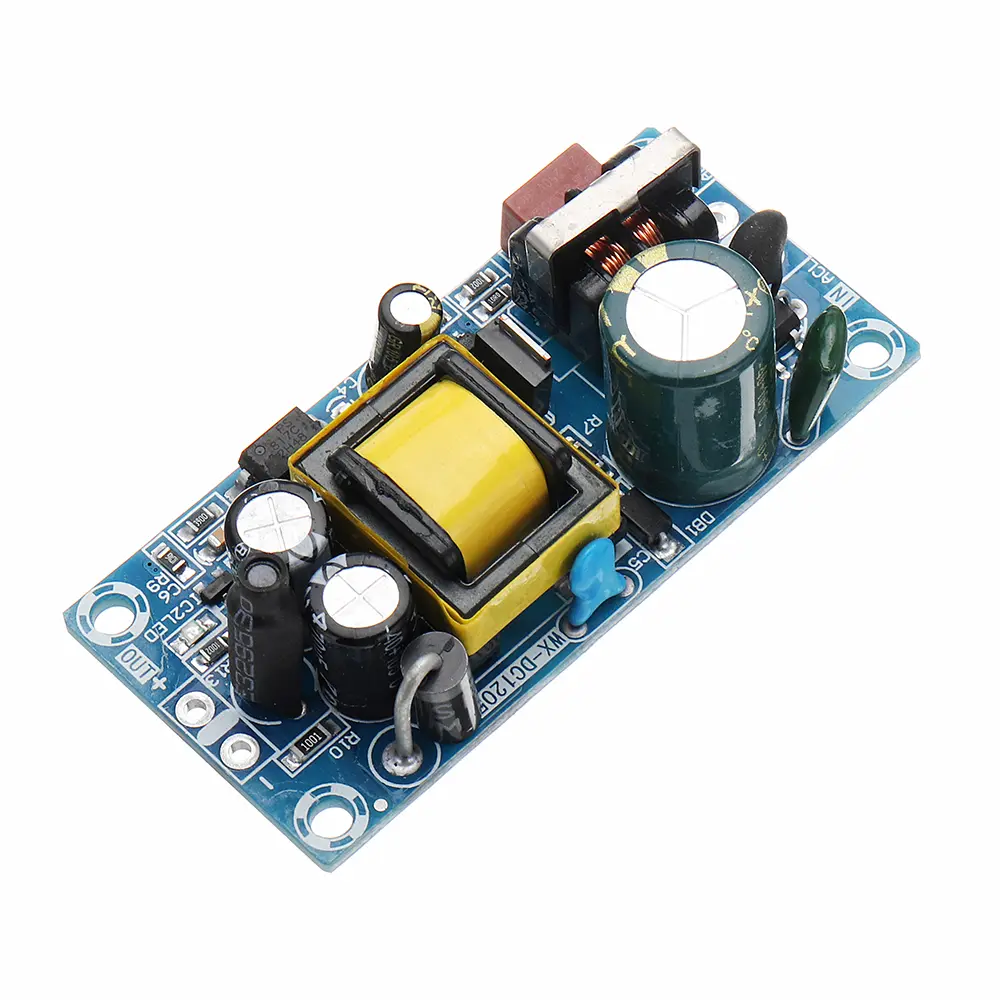 AC-DC Power Modules
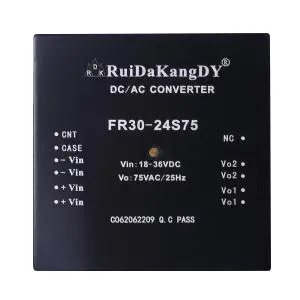 DC-AC Module(Inverter)
 RF and Wireless
CAN Bus Module: the core bridge for vehicle communication and control
CAN Bus Module: the core bridge for vehICle communication and control
In modern automotive engineering, the CAN Bus Module controller, as an advanced and reliable communication technology, plays a crucial role. CAN Bus, also known as Controller Area Network, is a bus standard specifically designed for vehicles. Its primary purpose is to address the issue of an increasing number of wires inside vehicles and to provide a foundation for efficient and reliable communication between various systems within the vehicle.
The origin and development of CAN Bus
CAN Bus technology was first proposed by the German company Bosch in 1985, which solved many problems caused by the complex wiring harness inside traditional cars. In 1993, CAN Bus was officially established as an international standard ISO-11898. With its high reliability and poweRFul error detection capabilities, it has been widely used not only in the automotive field, but also gradually expanded to many fields such as marine, avionics, mass transportation, agricultural equipment, medical equipment, and industrial control.
The working principle of CAN Bus
CAN Bus adopts serial two-wire differential transmission technology to generate differential signals through two lines, CAN High and CAN Low, to achieve data transmission. Each node Node can actively send information to the bus, and can also request specific nodes to return information. The transmission of information is not defined on nodes, but on information. Each piece of information starts with an identification subfield ID Field, and the priority of sending the information is determined by the identification value. The smaller the value, the higher the priority. This design makes the CAN Bus system have good scalability and flexibility, which can easily add or remove nodes, reducing wiring costs and maintenance complexity.
Application of CAN Bus Module in Vehicles
In a vehicle, the CAN Bus Module is the bridge between the various systems of the vehicle, responsible for transmitting data from different sensors and sending it to the corresponding control modules. The main function of CAN Bus Module is to feed back the current status information of the vehicle, such as heading, angle, speed, etc., and send control commands to the vehicle's wire-controlled chassis. It achieves precise control of the vehicle through communication with the self-driving software.
Specifically, the input of the CAN Bus Module is the control command sent by the control module, and the output is the information of the vehicle chassis, including the chassis status and detailed information. This information is transmitted to upper-layer software such as Apollo through CAN Bus drivers/canbus, and receives control commands from the upper-layer software and sends them to the vehicle's drive-by-wire chassis to control the vehicle.
Debugging and testing of CAN Bus Module
During the vehicle development process, debugging and testing of the CAN Bus Module are crucial. Apollo provides a testing tool called teleop for developers to send control commands to the vehicle's underlying layer, making it easier for developers to debug the vehicle's underlying protocols. In addition, Apollo also provides a FAKE_CAN client dedicated to debugging. It can simulate receiving fake CAN messages from the vehicle's underlying layer without installing a CAN card, helping developers debug and test.
Minintel can provide customized components according to specific customer requirements. We specialize in providing PCB prototypes and bulk assembly. Our turnkey services include PCB manufacturing, component procurement, PCB assembly prototyping, and PCB testing. At Minintel, a variety of first-class equipment and strict quality control system help us provide you with high-quality products!