
 PCB
PCB FPC
FPC Rigid-Flex
 FR-4
FR-4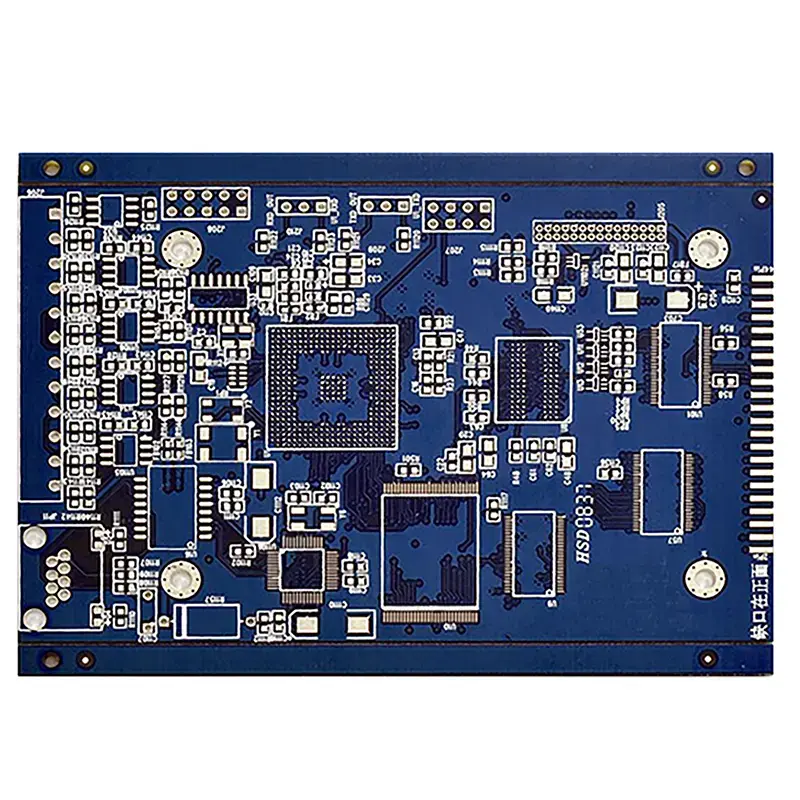 HDI PCB
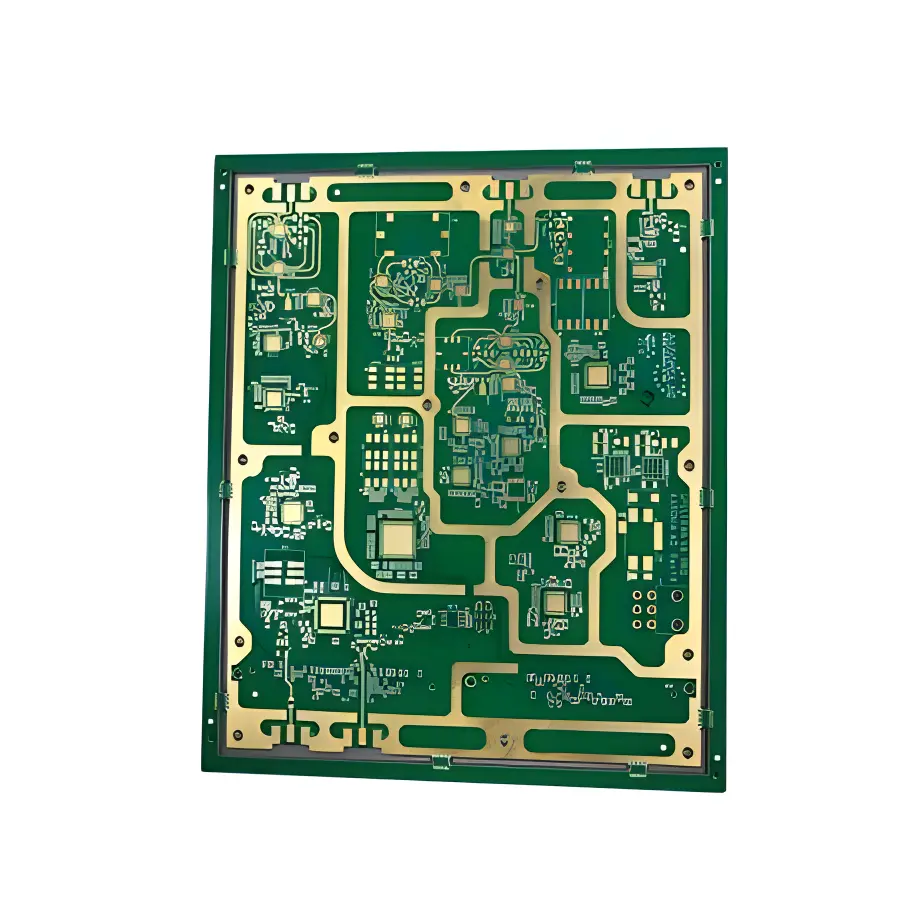 Rogers High-Frequency Board
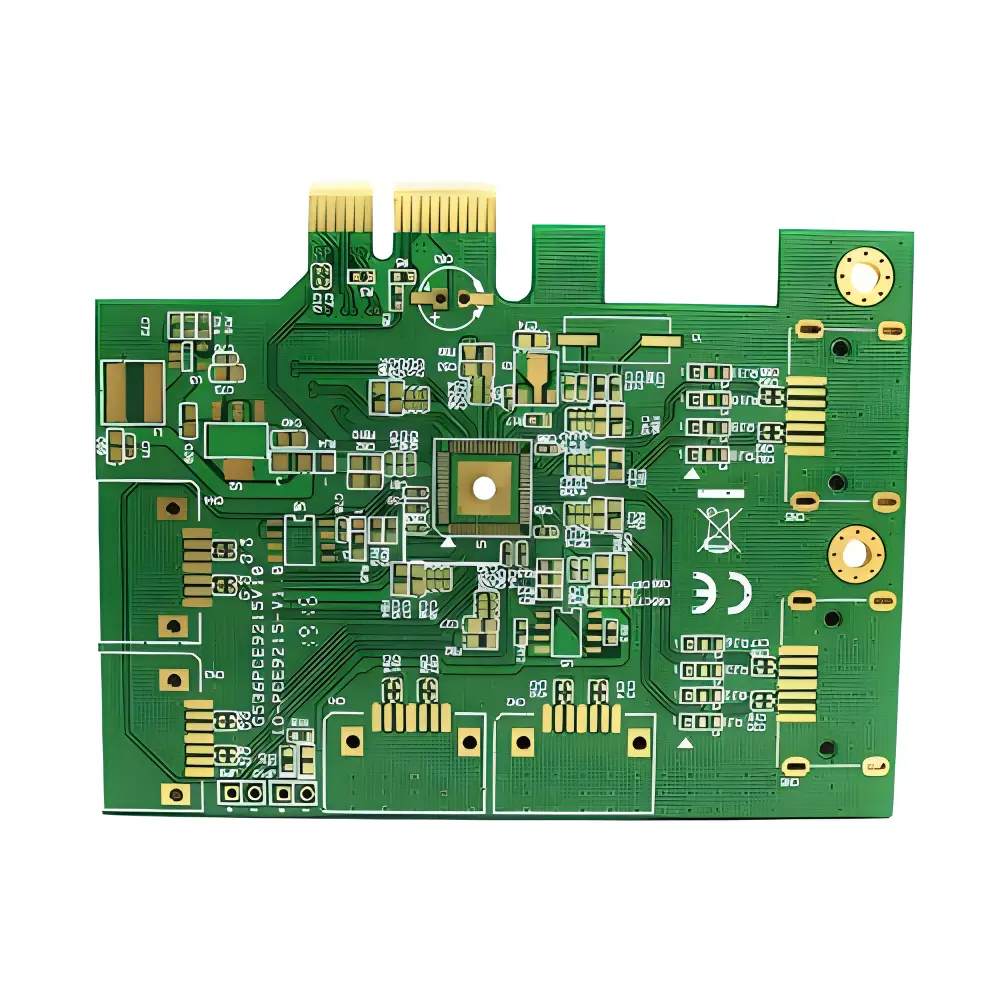 PTFE Teflon High-Frequency Board
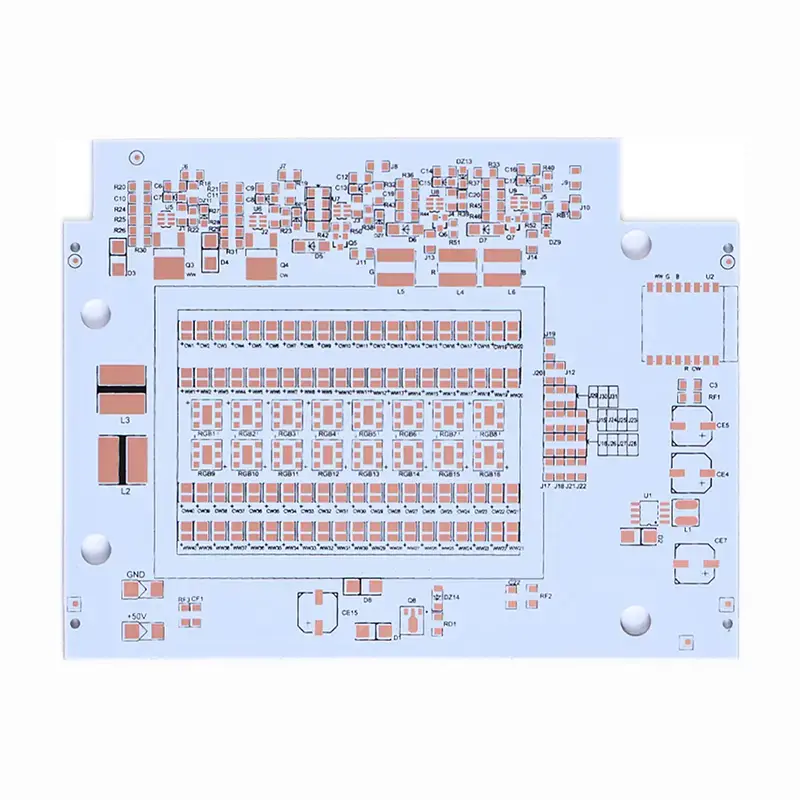 Aluminum
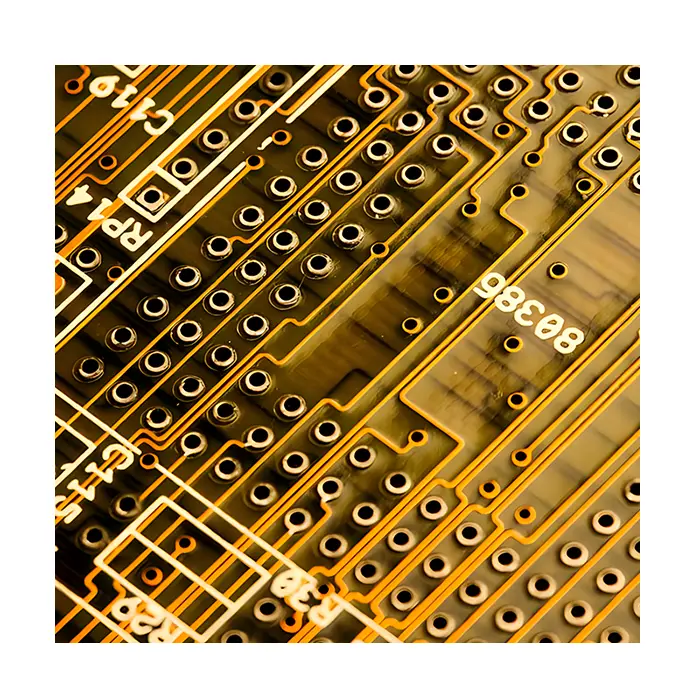 Copper Core
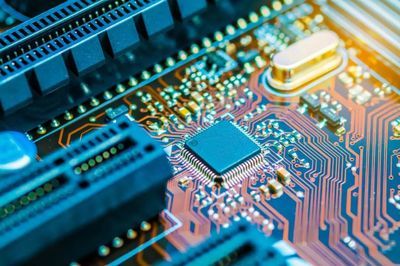 PCB Assembly
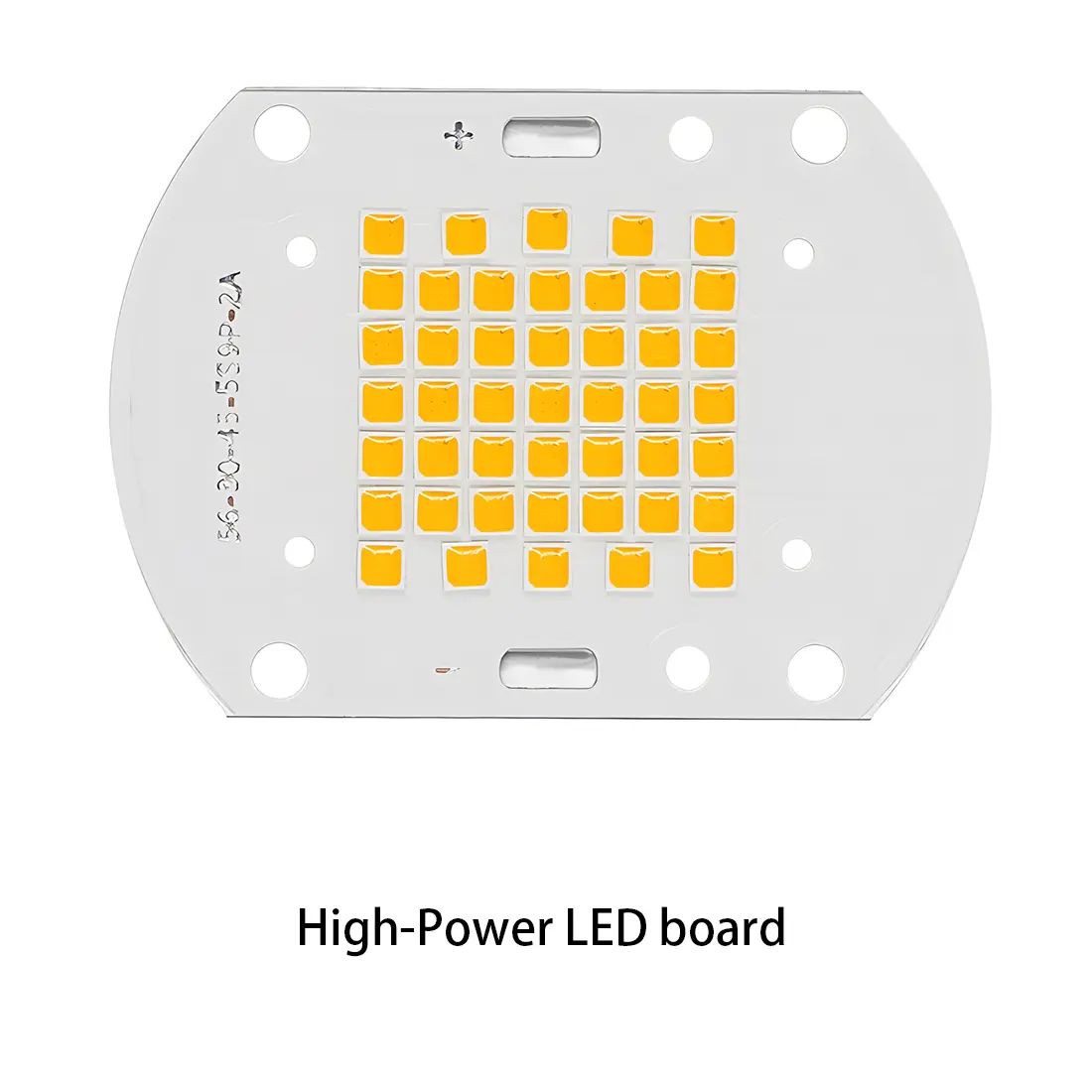 LED light PCBA
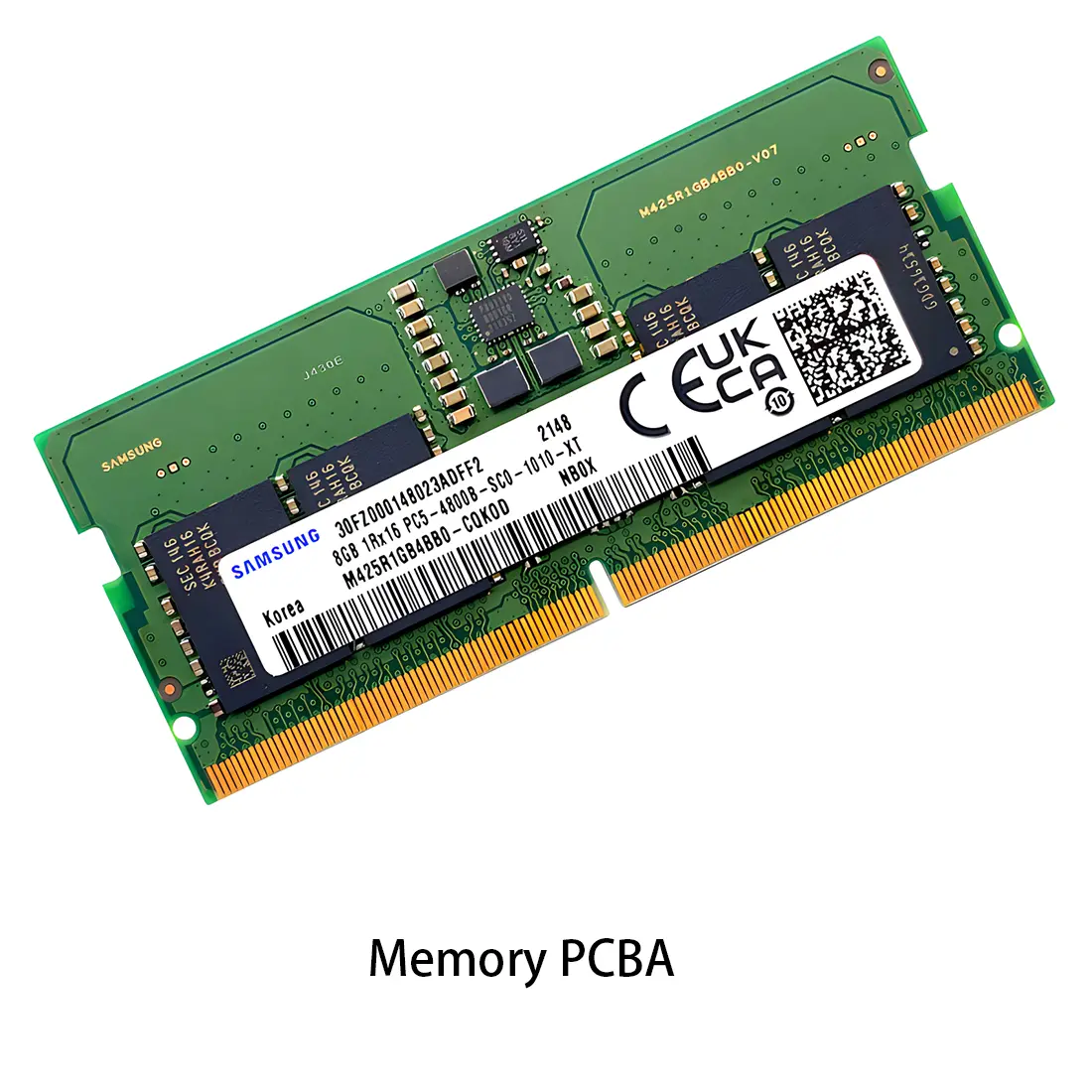 Memory PCBA
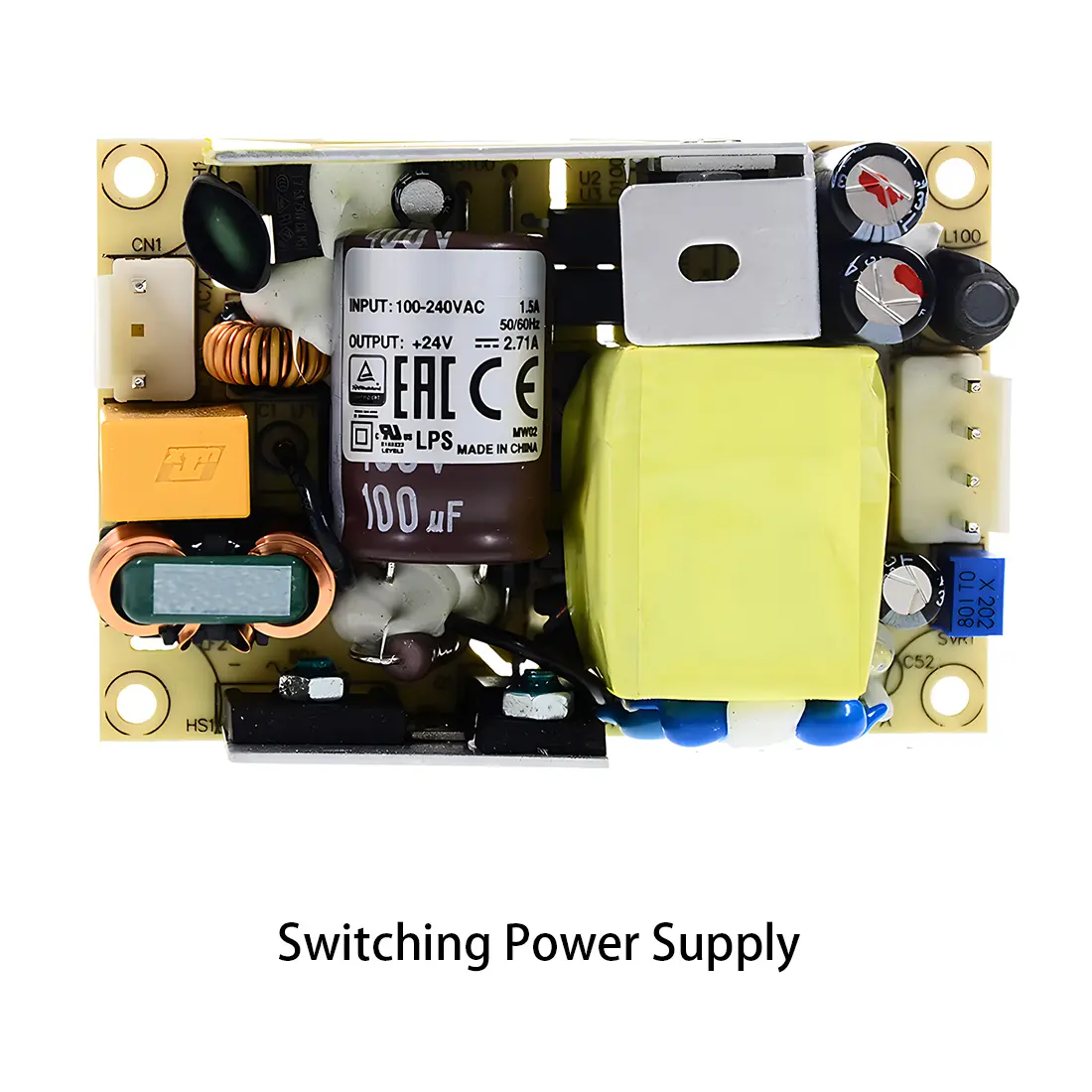 Power Supply PCBA
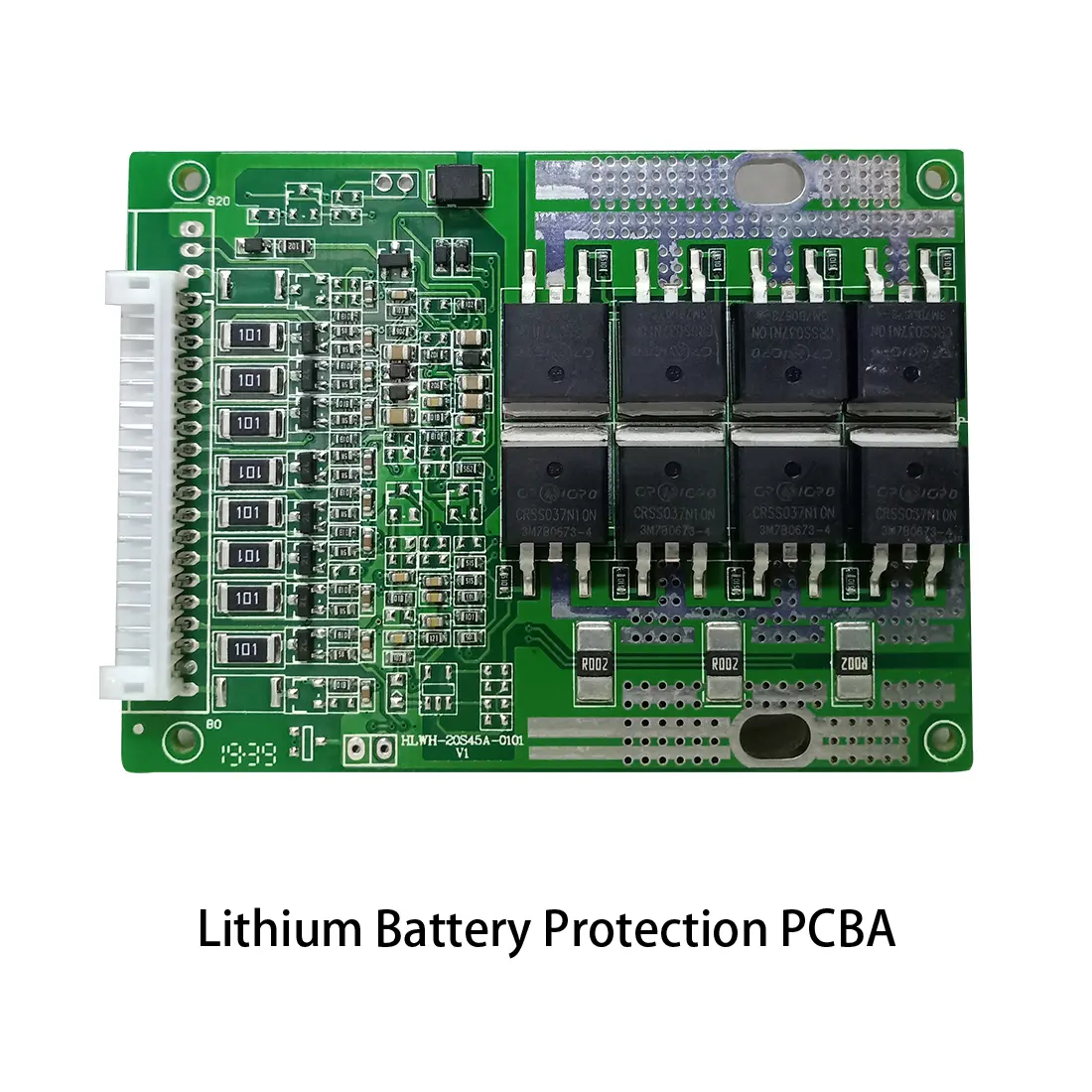 New Energey PCBA
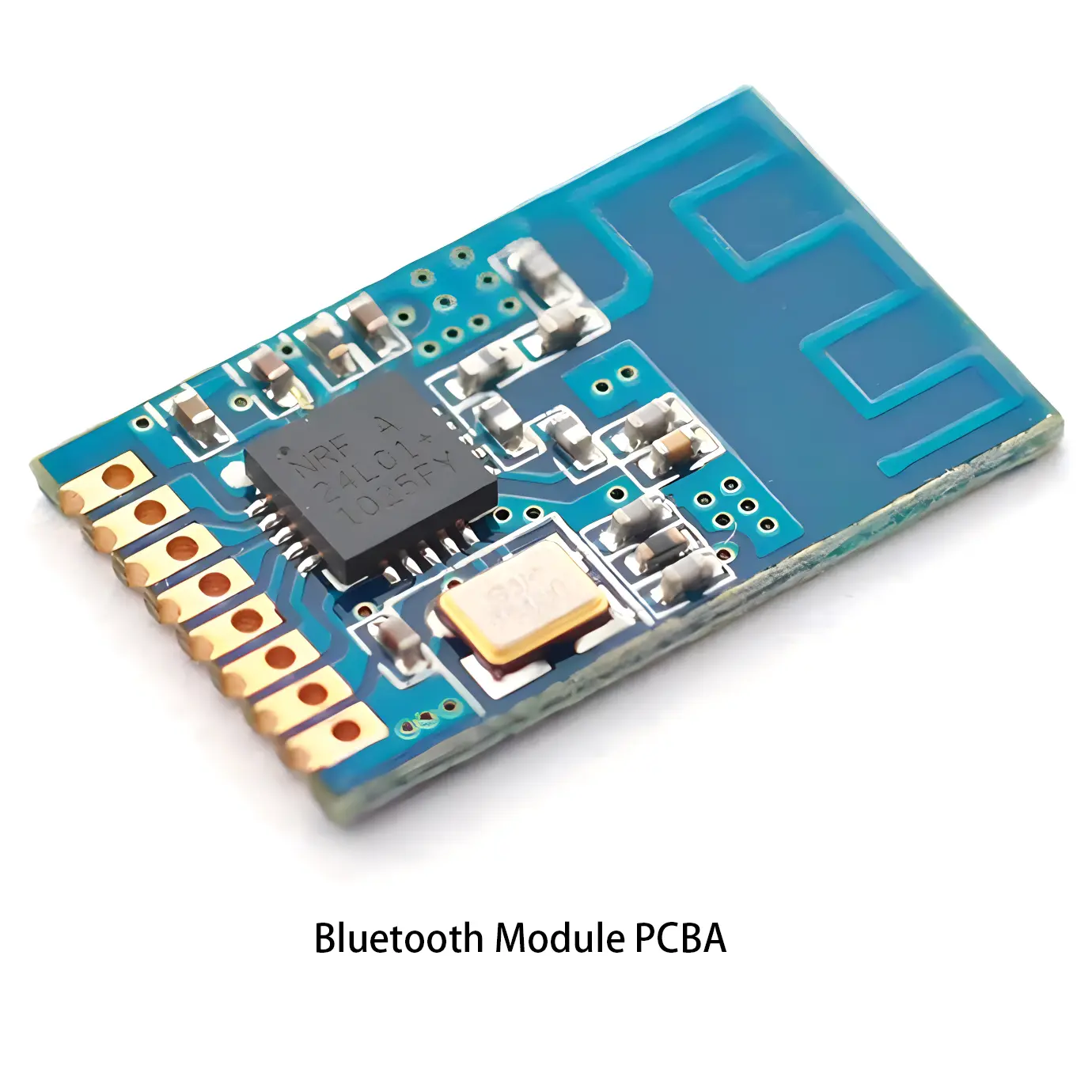 Communication PCBA
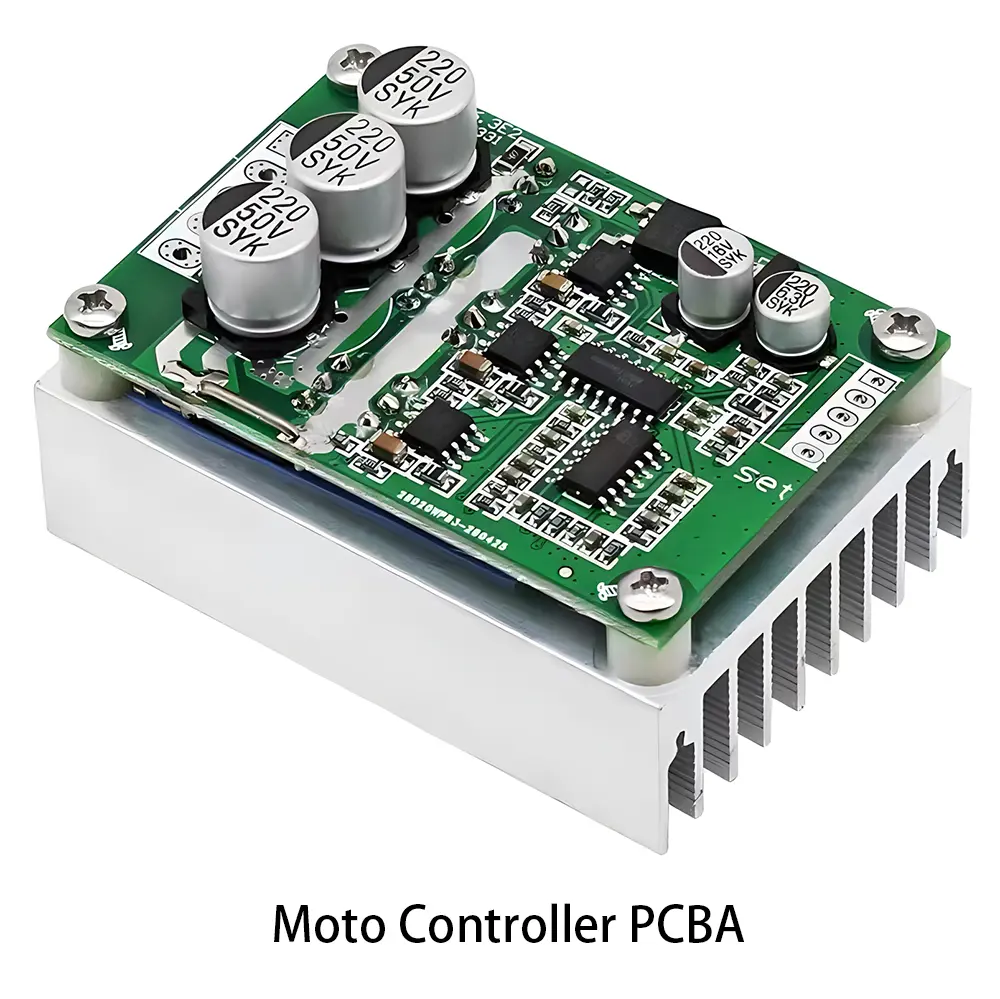 Industrial Control PCBA
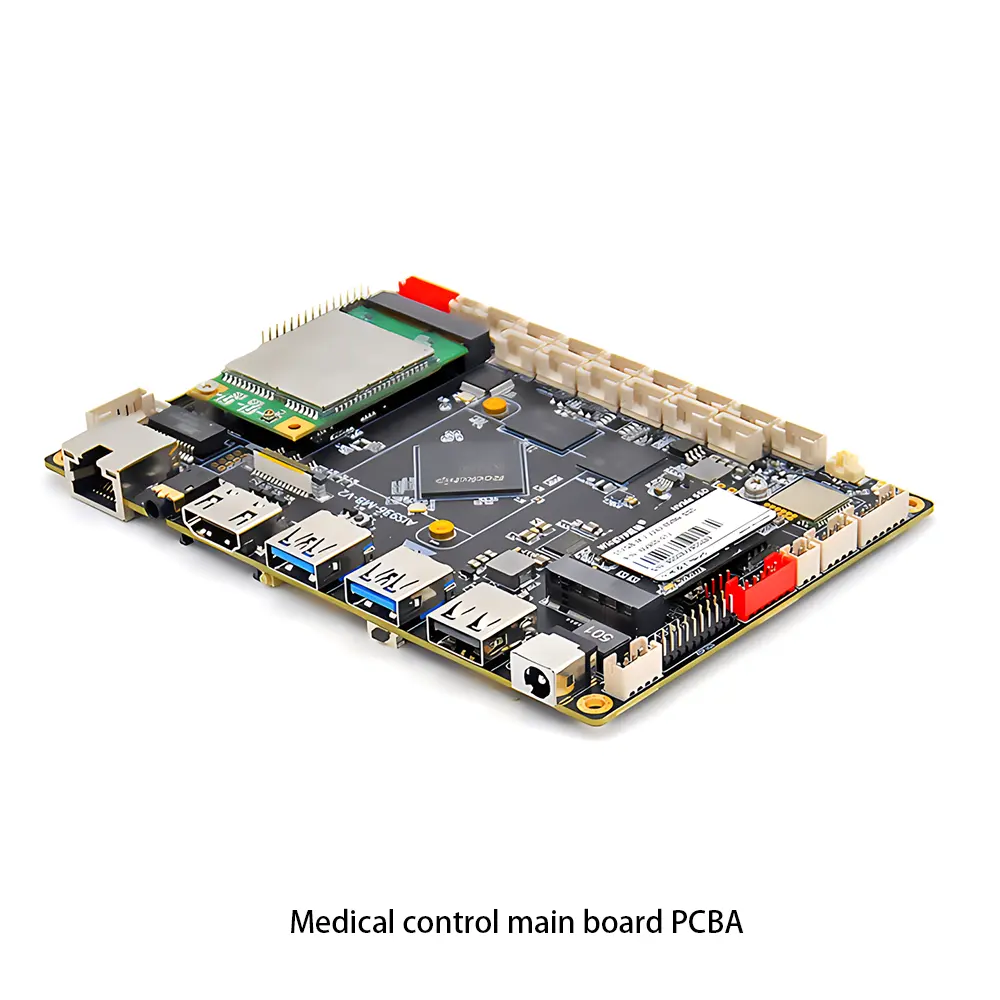 Medical Equipment PCBA
 Testing Service
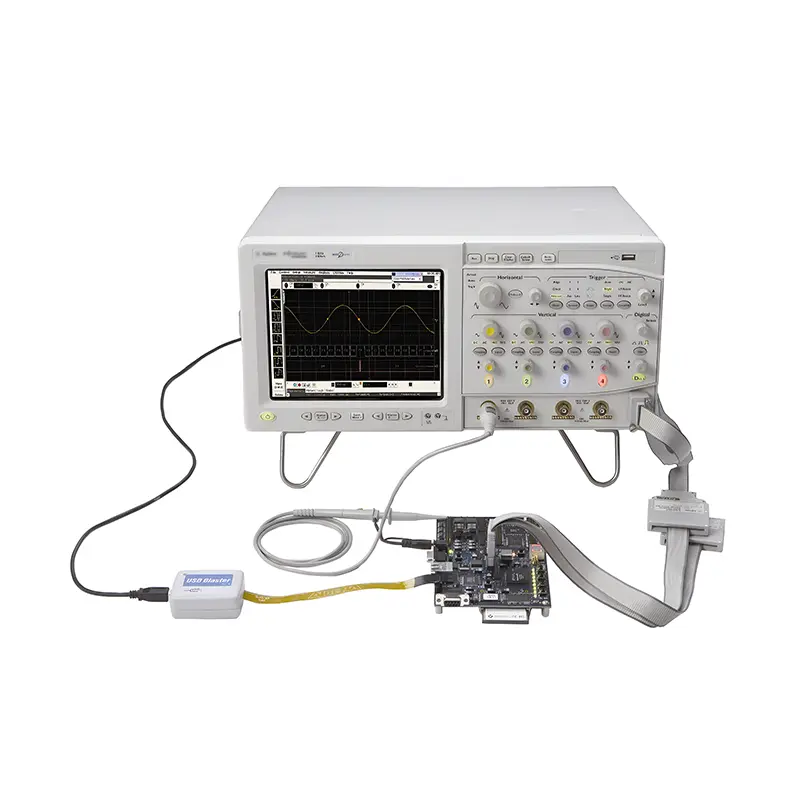 PCBA Testing Service
 Certification Application
 RoHS Certification Application
 REACH Certification Application
 CE Certification Application
 FCC Certification Application
 CQC Certification Application
 UL Certification Application
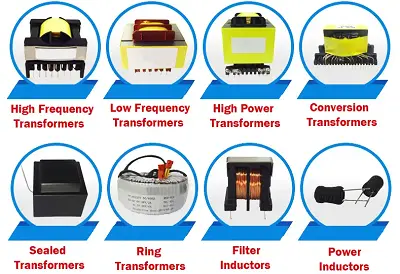 Transformers, Inductors
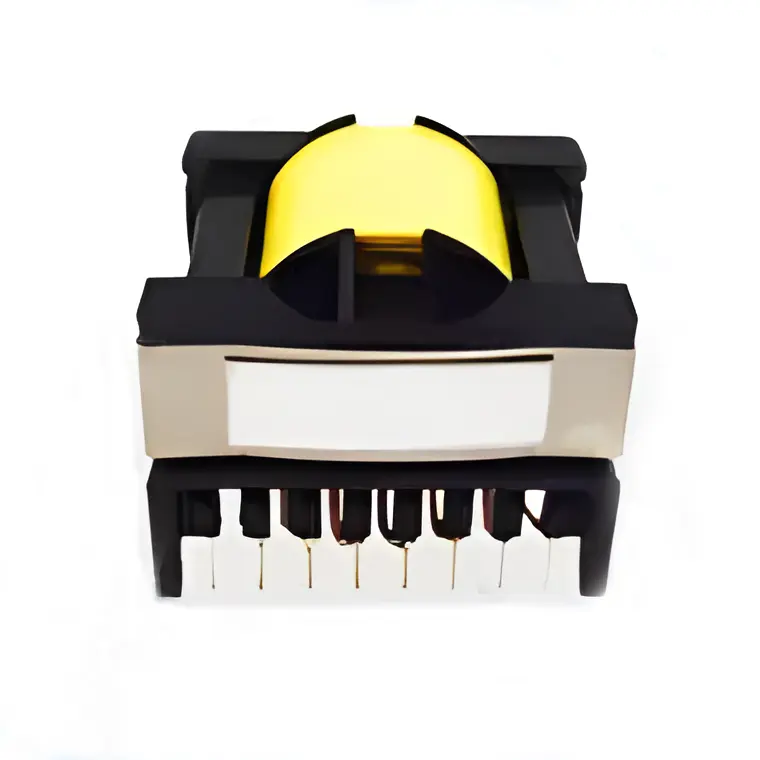 High Frequency Transformers
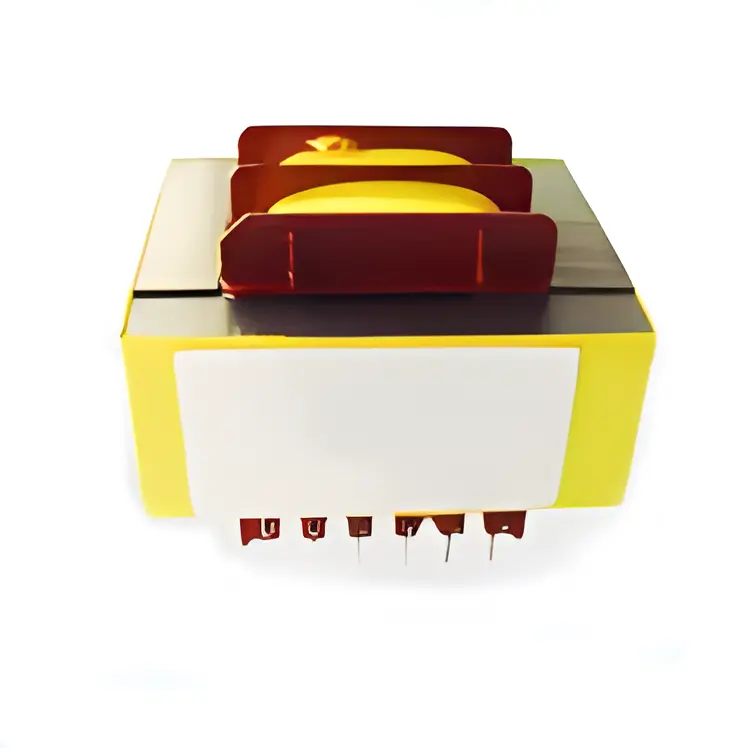 Low Frequency Transformers
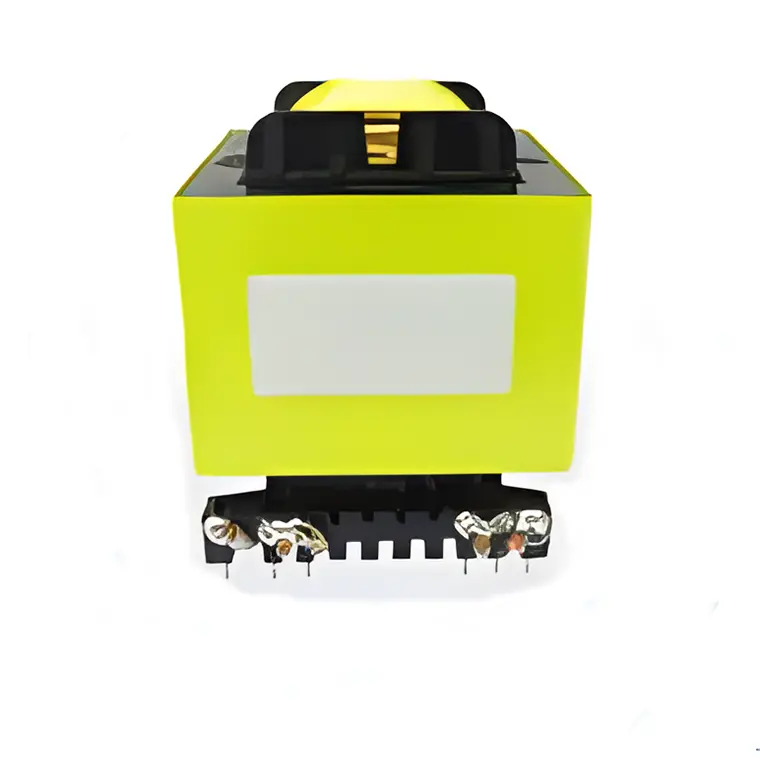 High Power Transformers
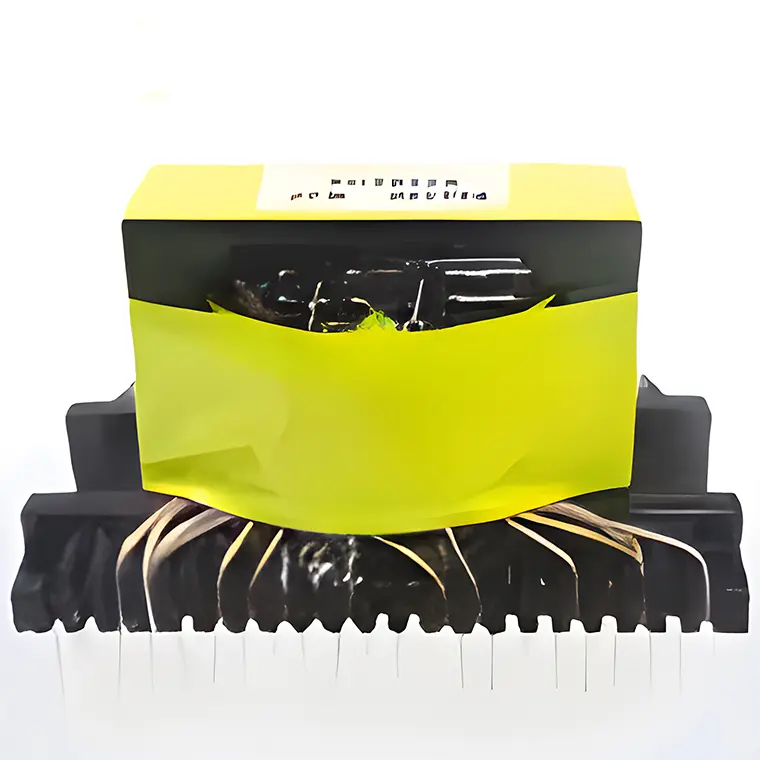 Conversion Transformers
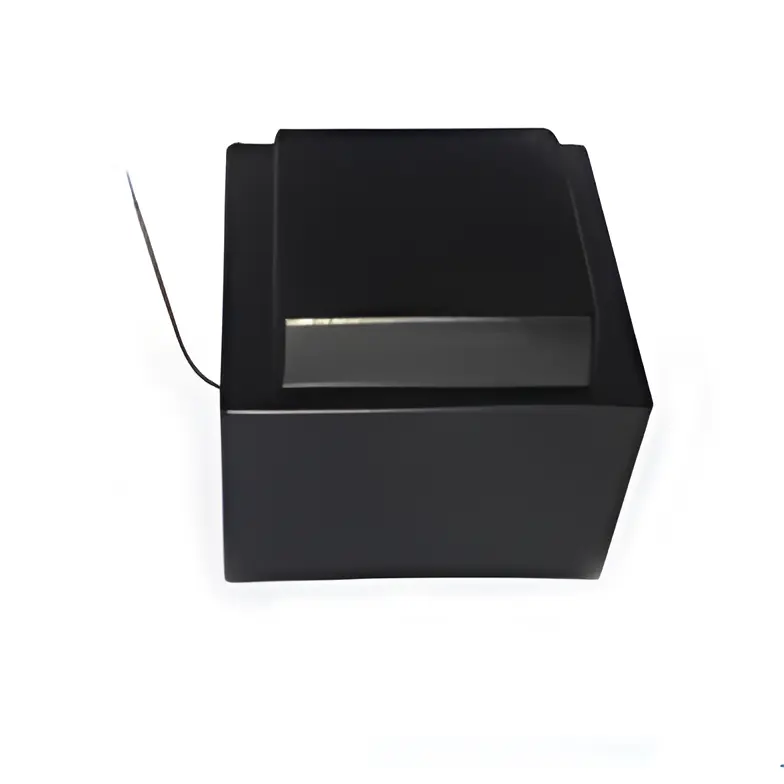 Sealed Transformers
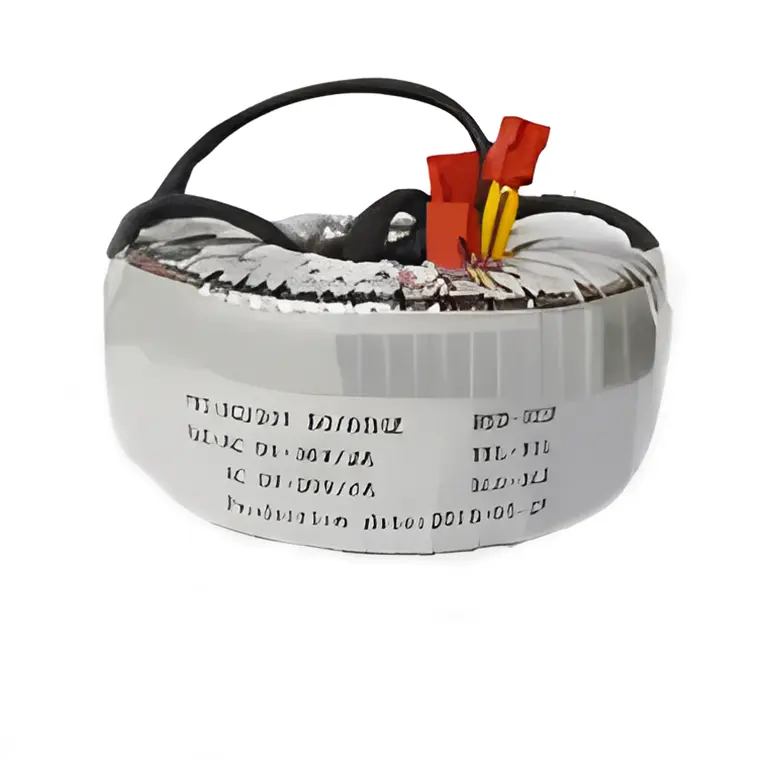 Ring Transformers
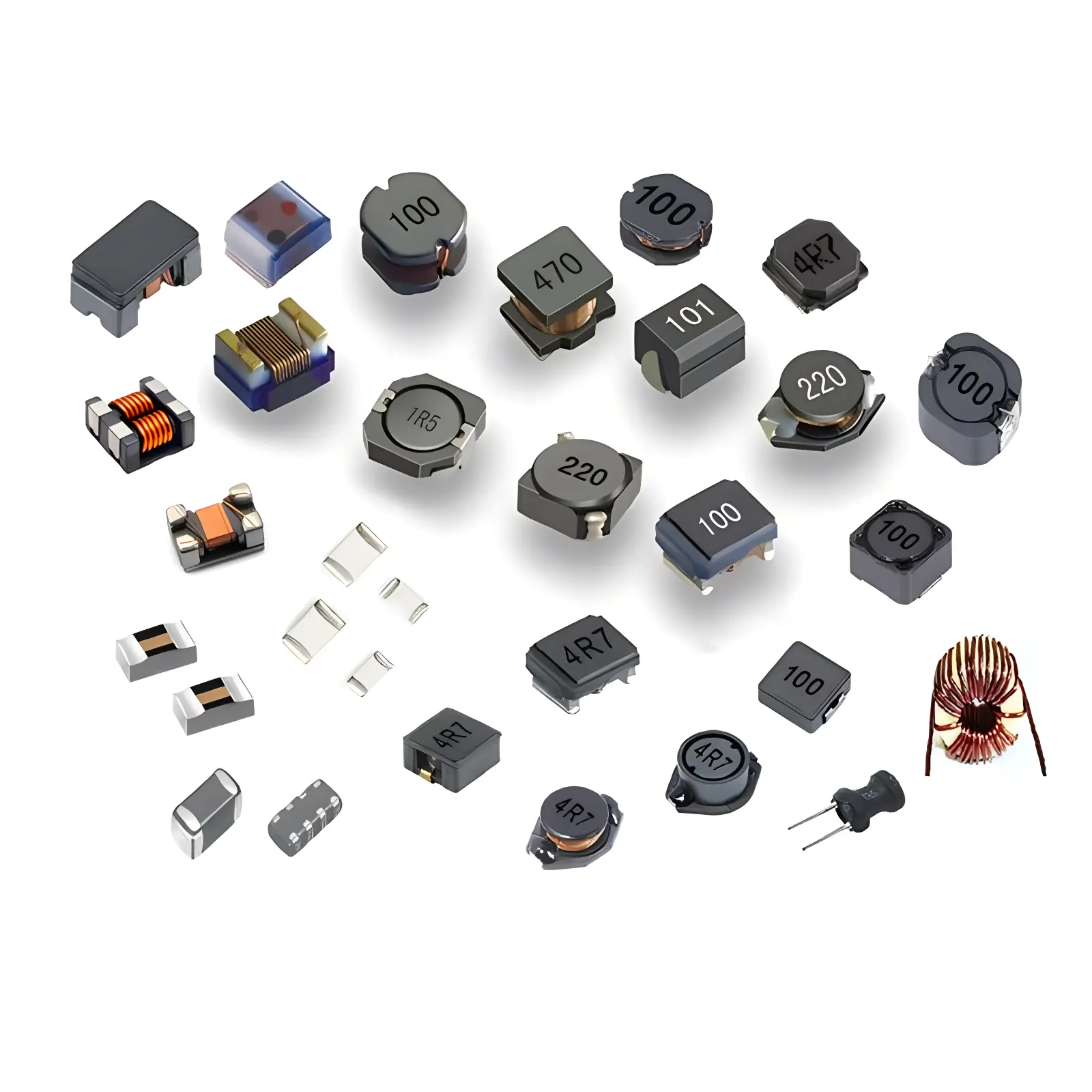 Inductors
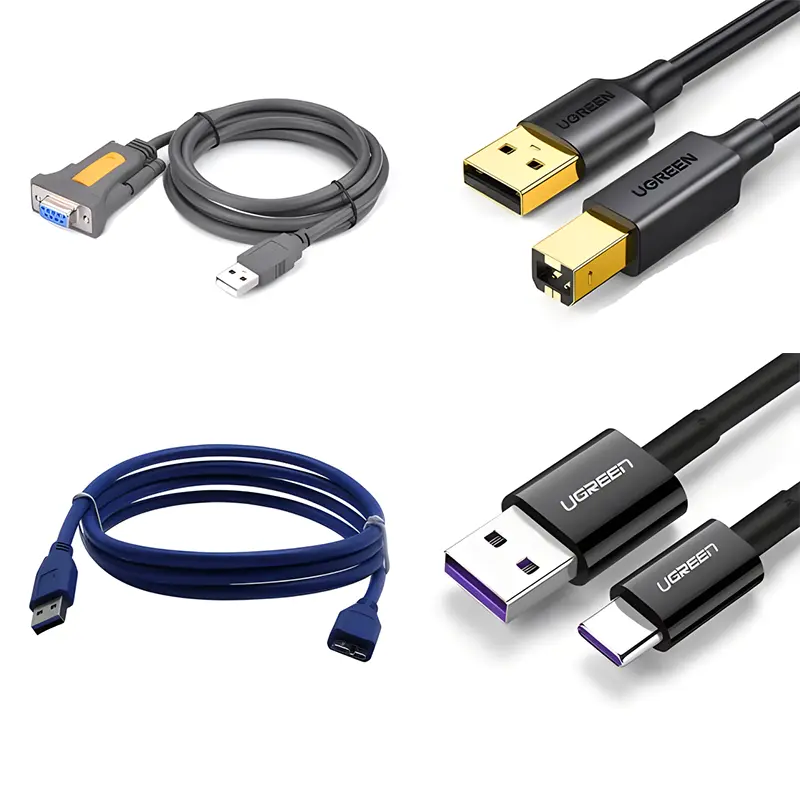 Wires,Cables Customized
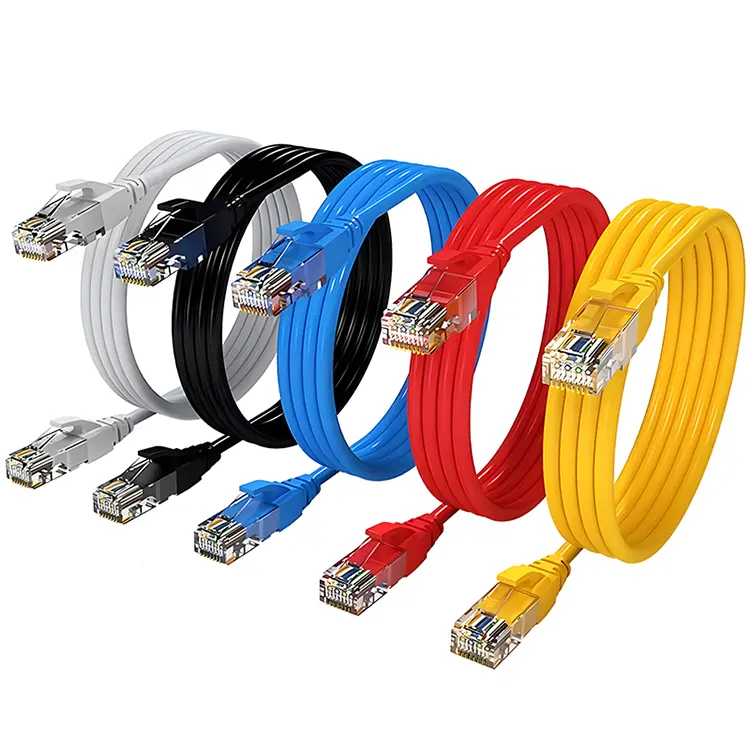 Network Cables
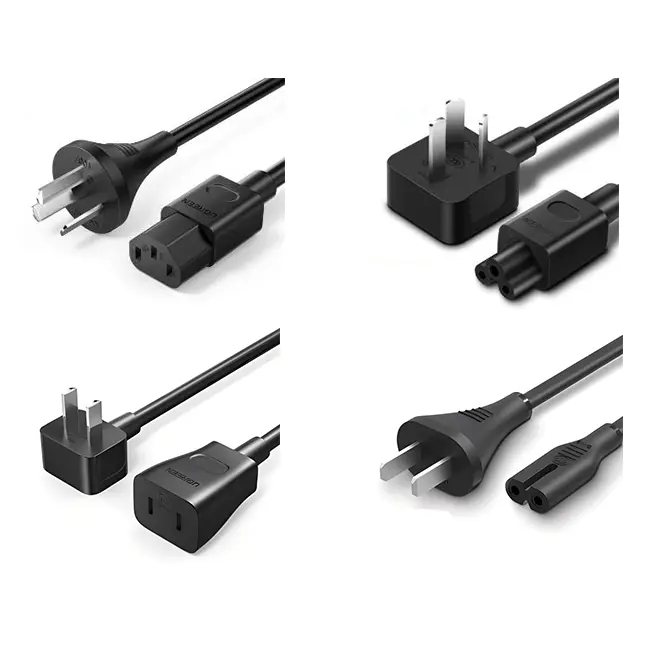 Power Cords
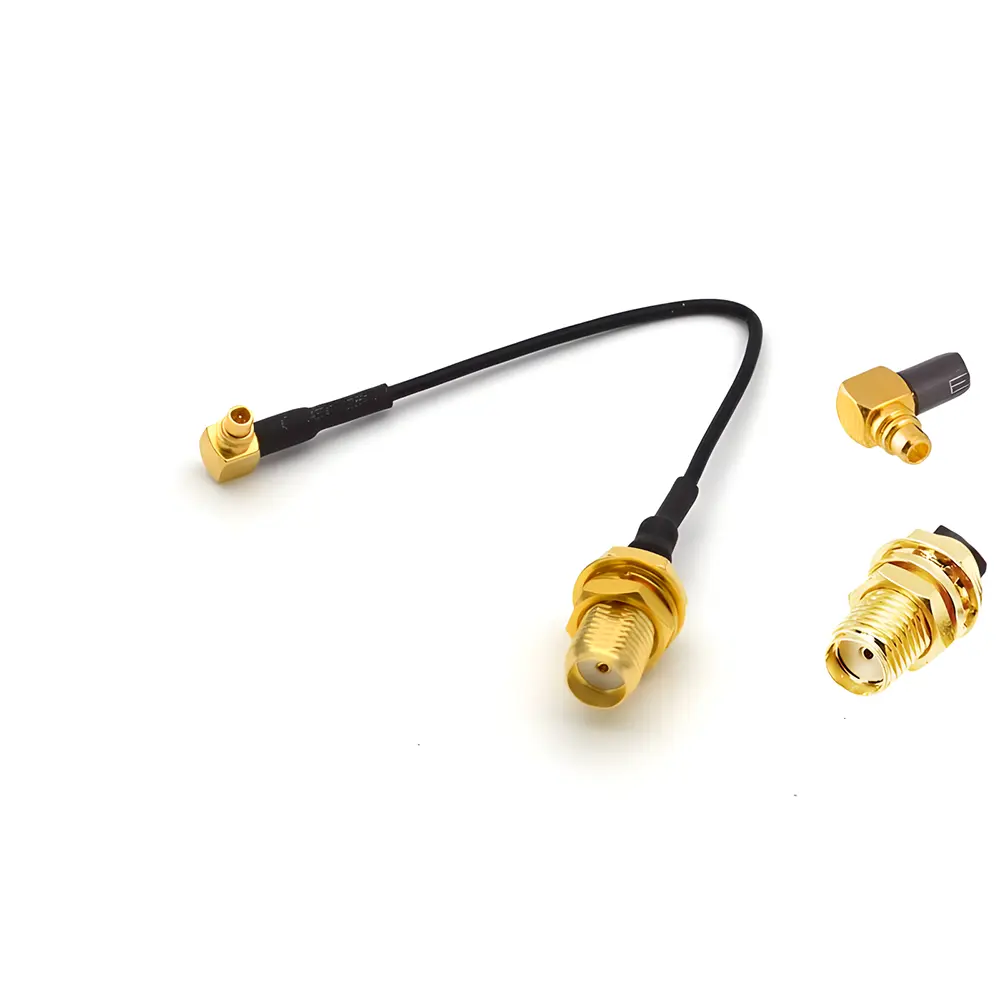 Antenna Cables
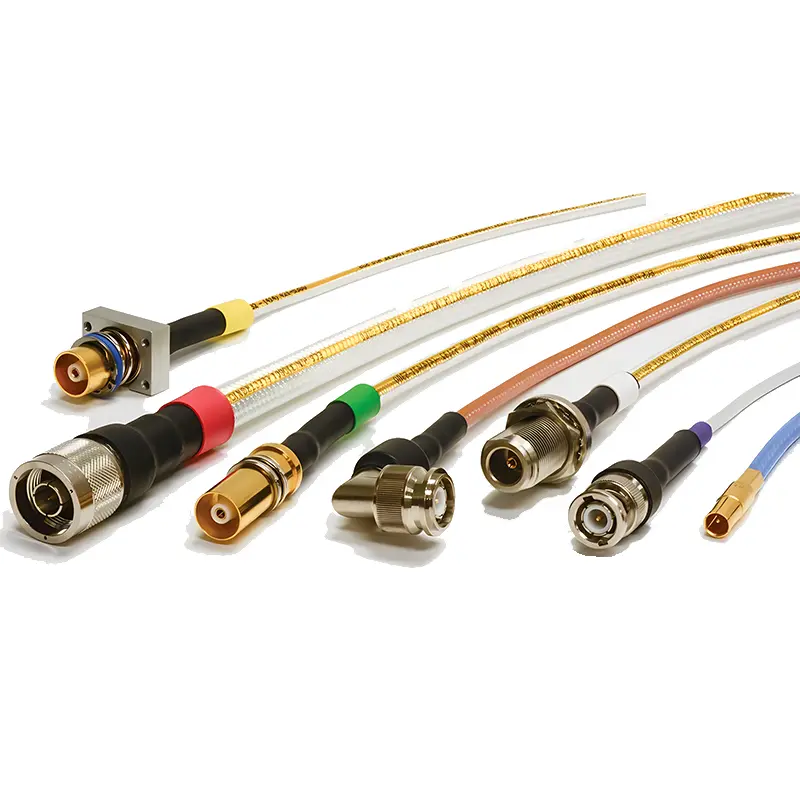 Coaxial Cables
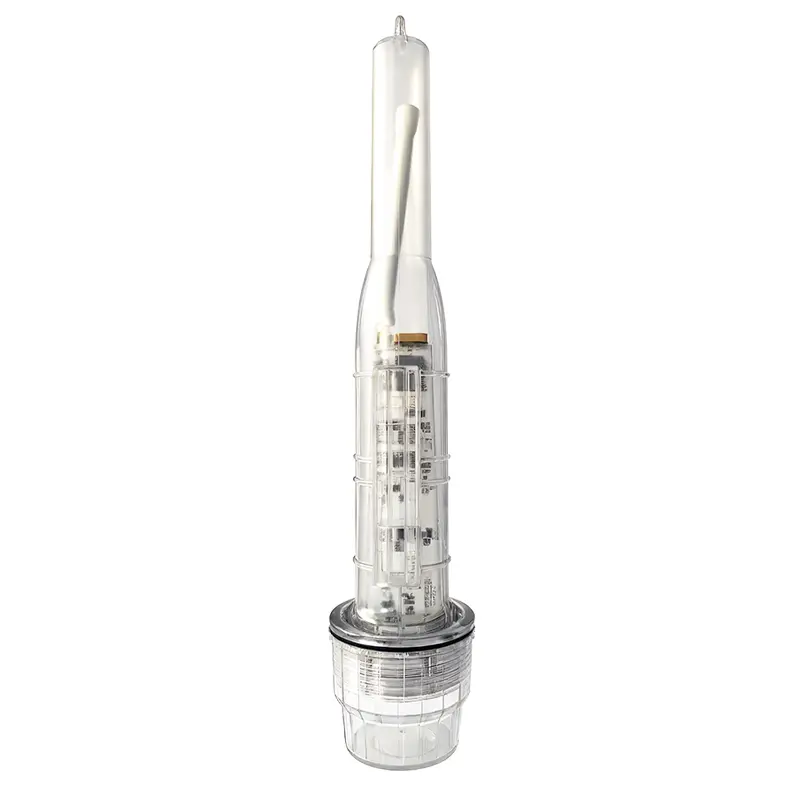 Net Position Indicator
 Solar AIS net position indicator
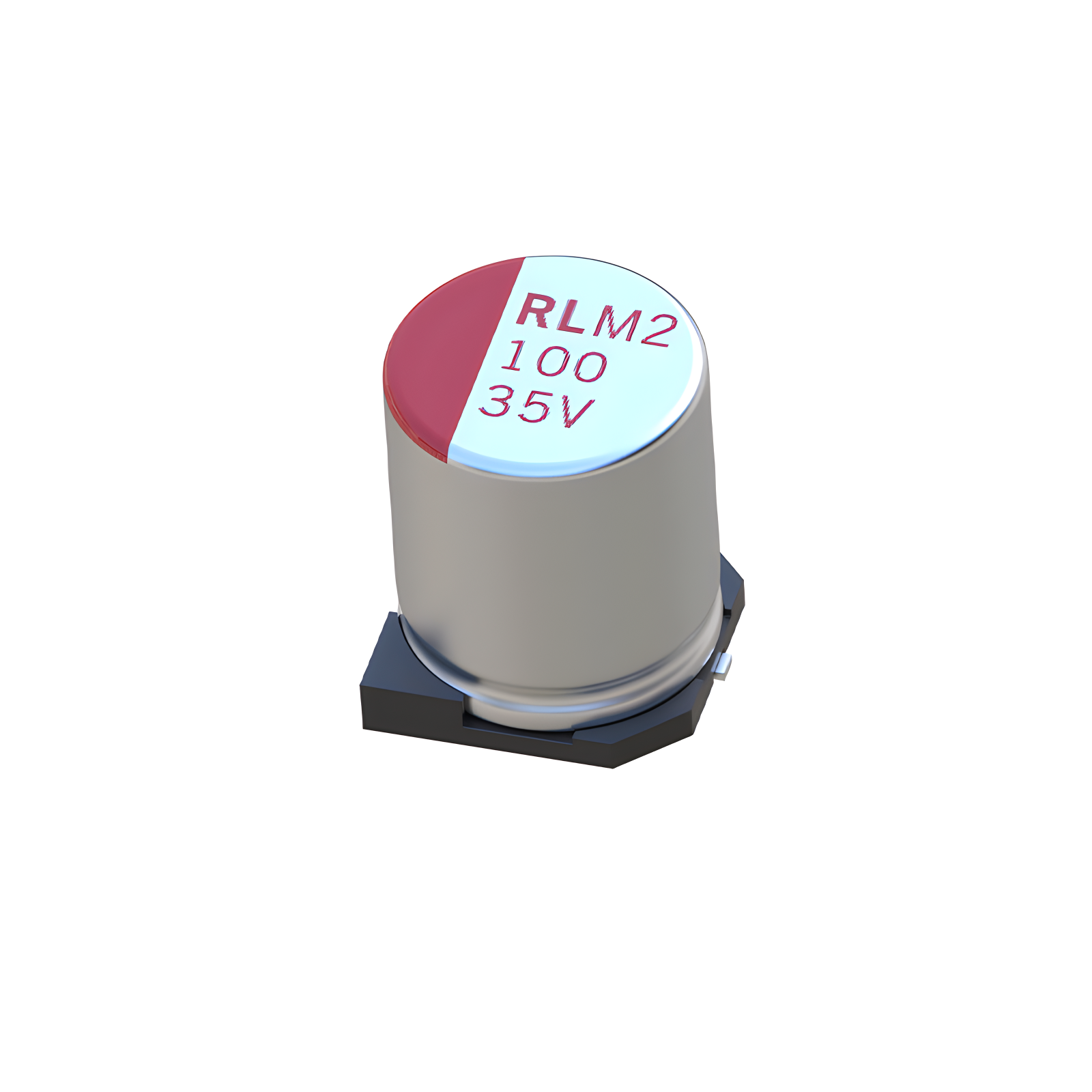 Capacitors
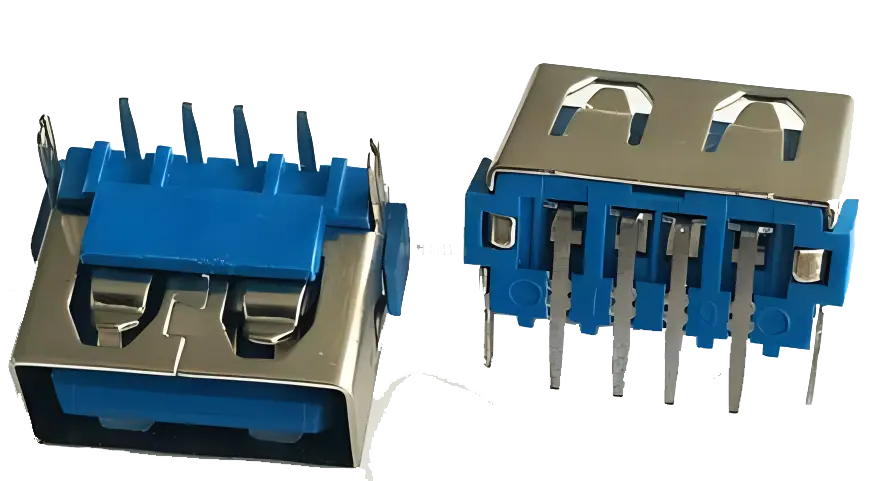 Connectors
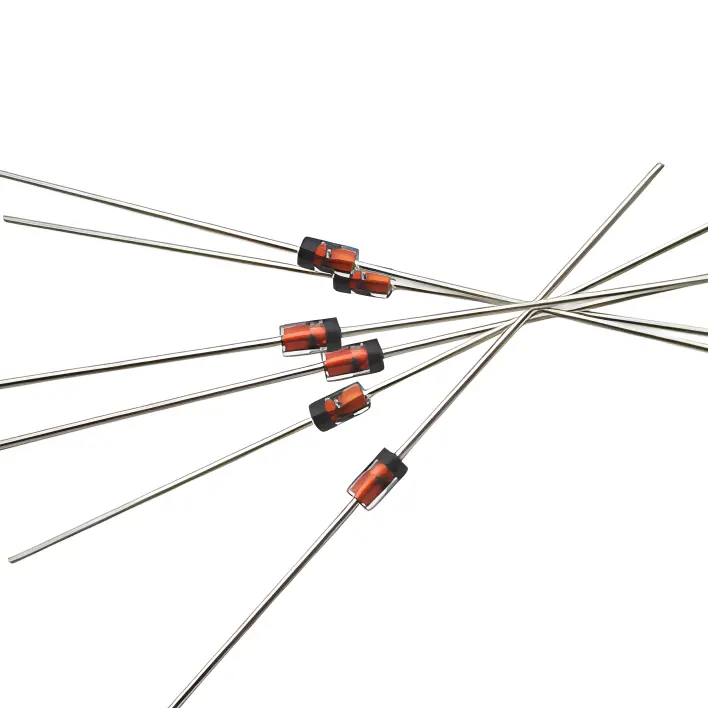 Diodes
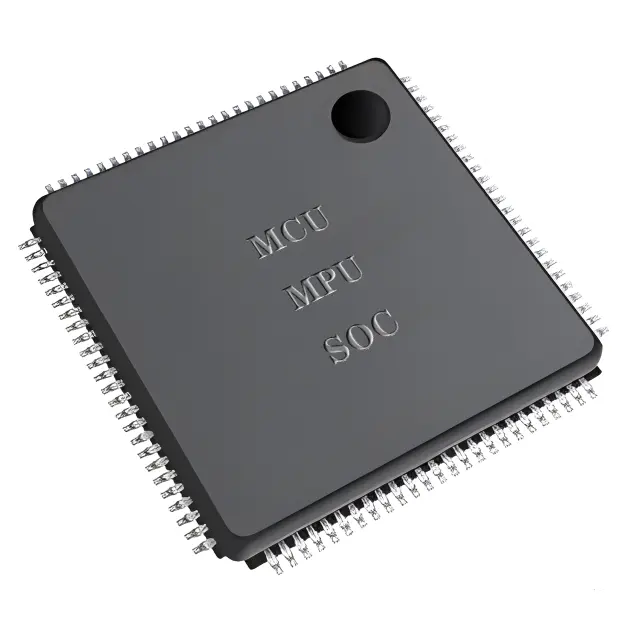 Embedded Processors & Controllers
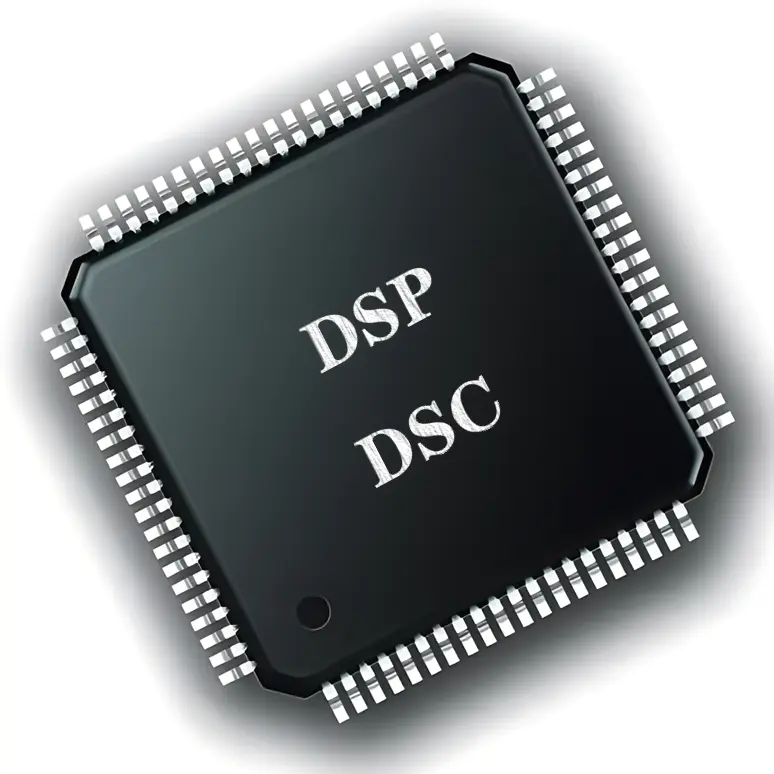 Digital Signal Processors (DSP/DSC)
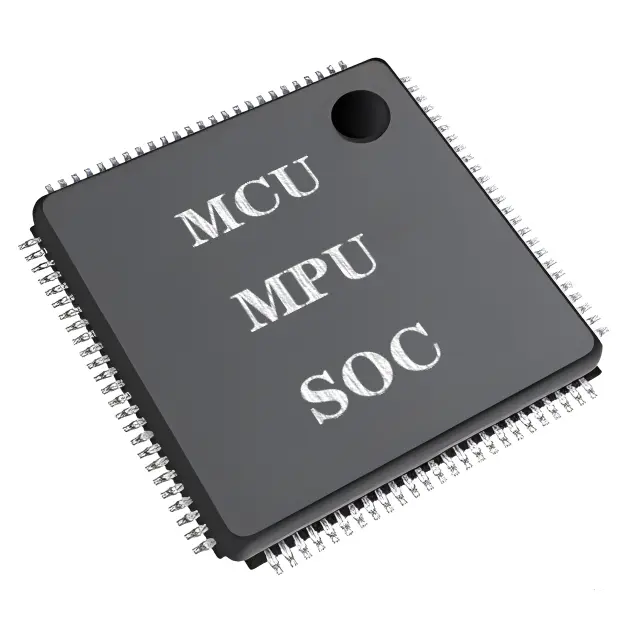 Microcontrollers (MCU/MPU/SOC)
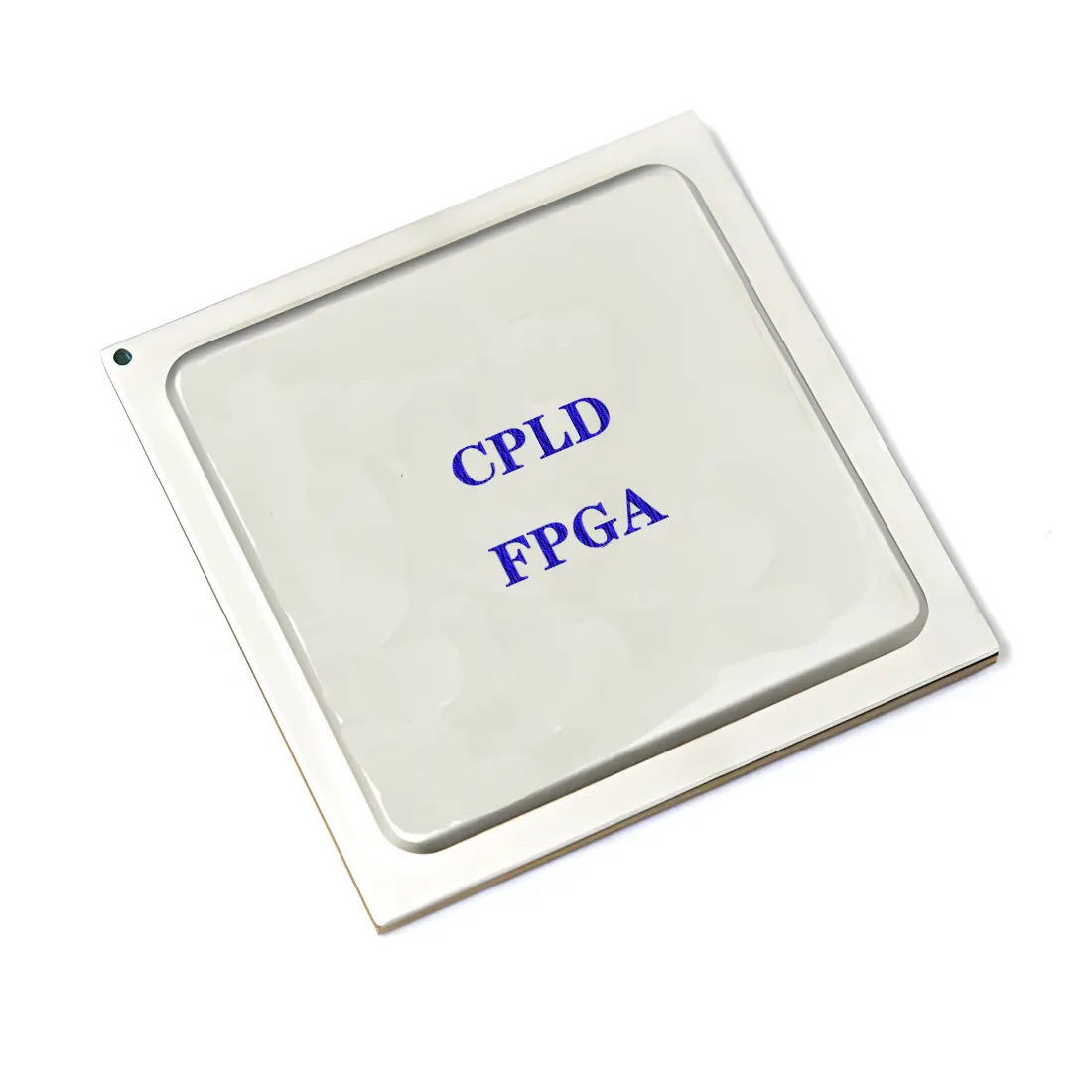 Programmable Logic Device(CPLD/FPGA)
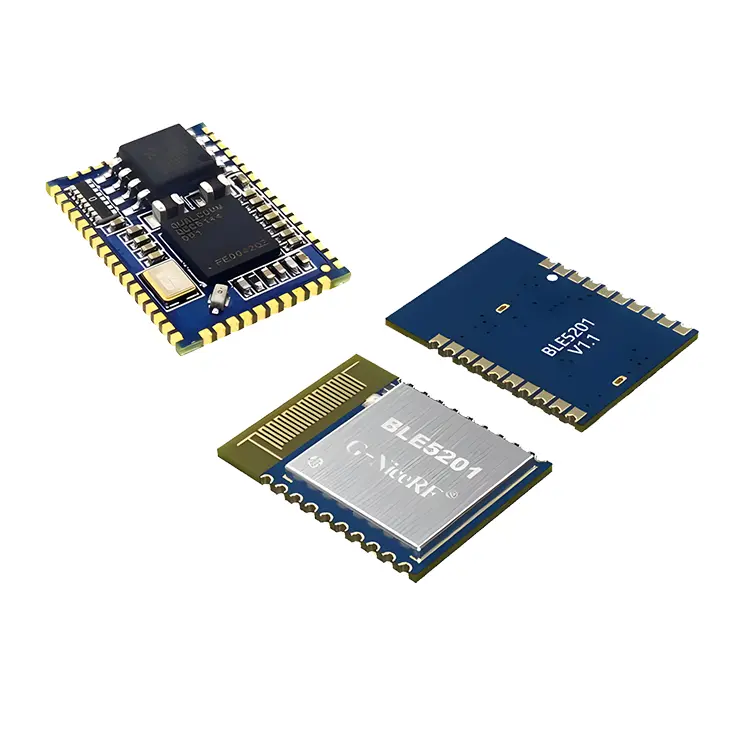 Communication Modules/IoT
 Resistors
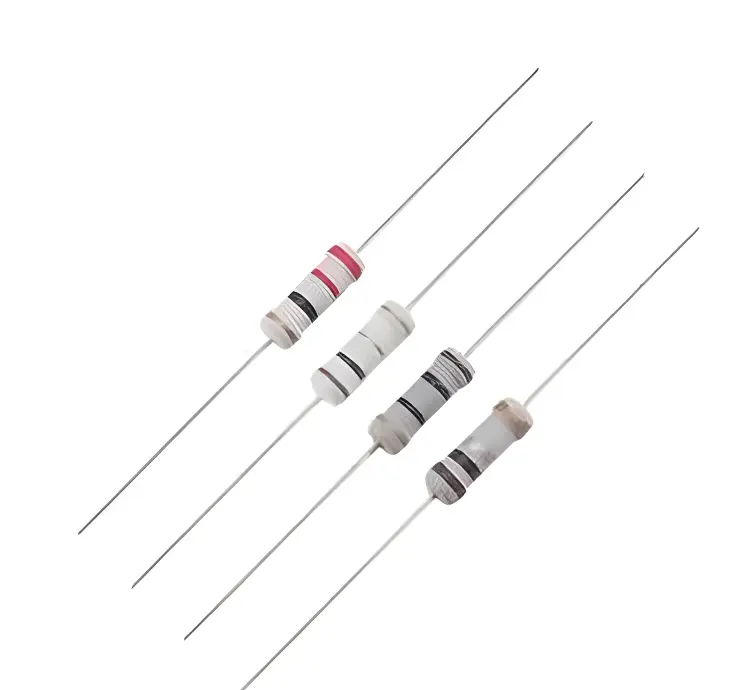 Through Hole Resistors
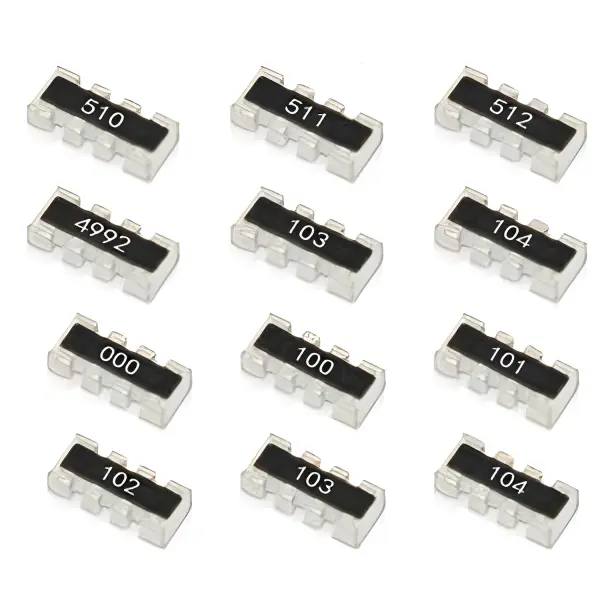 Resistor Networks, Arrays
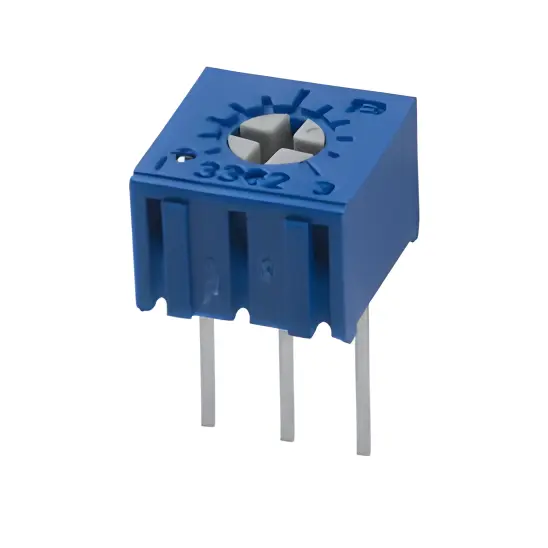 Potentiometers,Variable Resistors
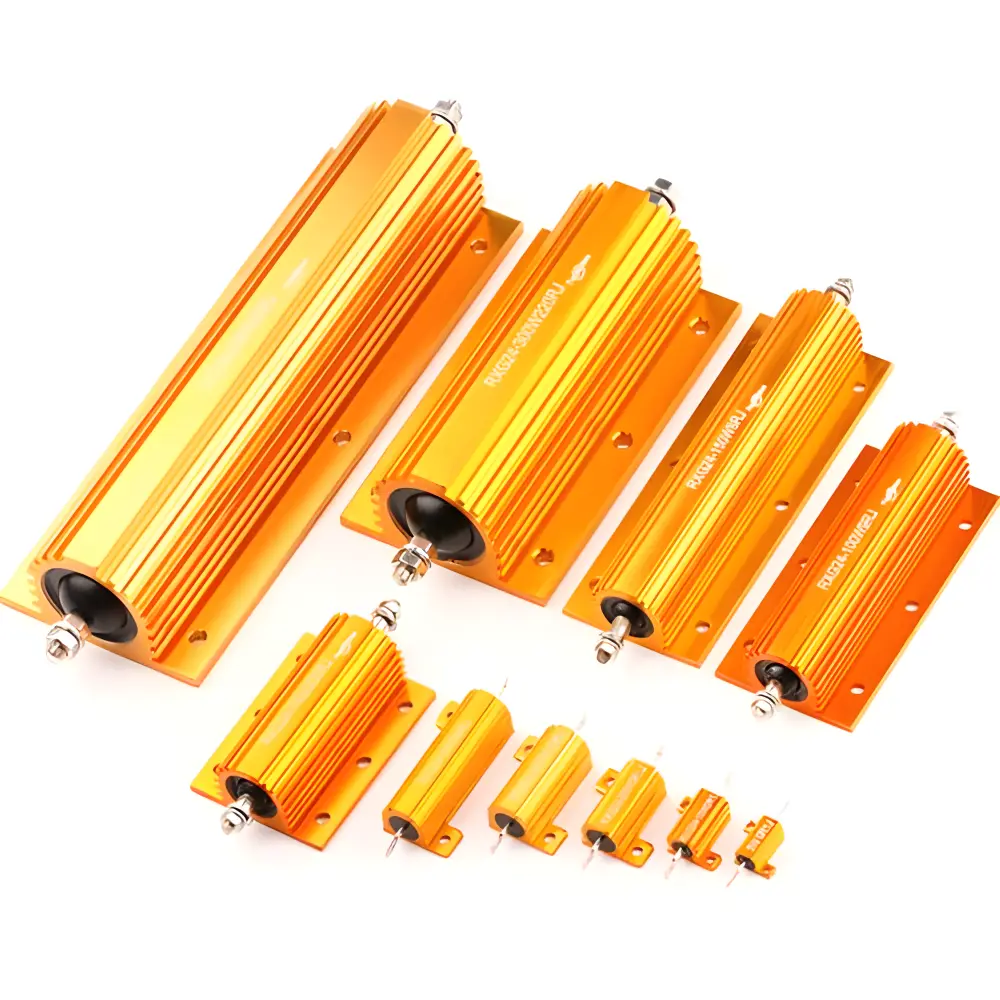 Aluminum Case,Porcelain Tube Resistance
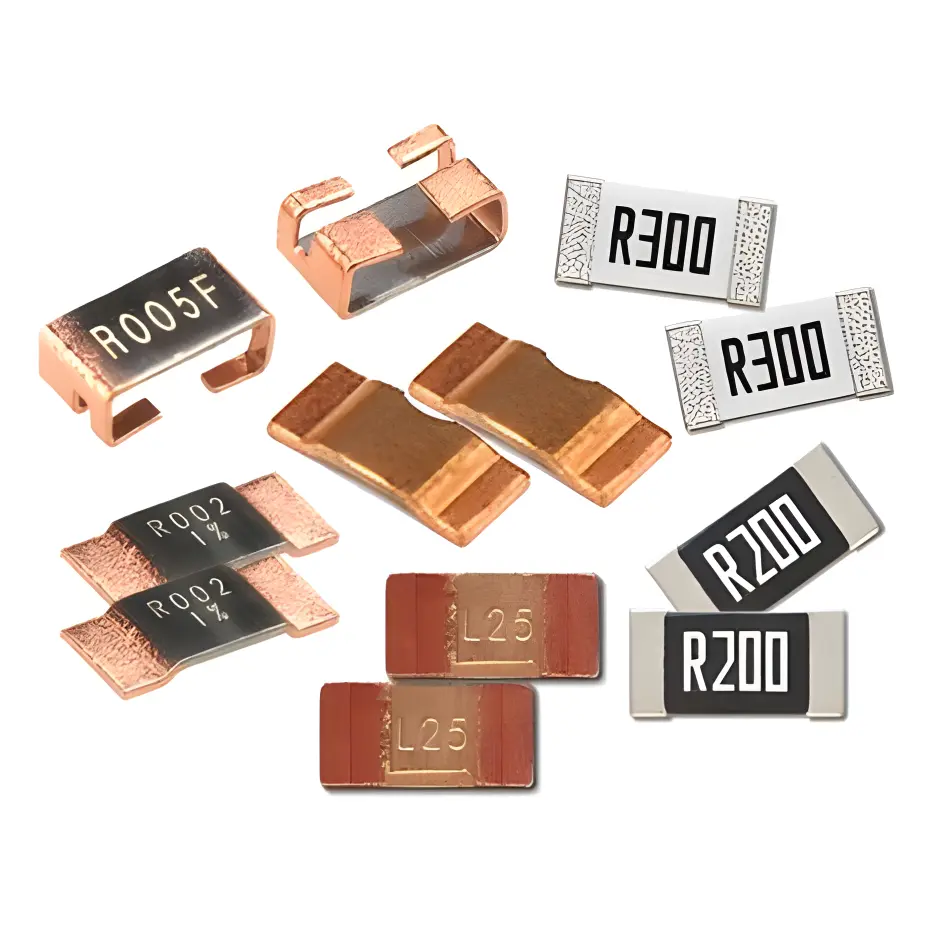 Current Sense Resistors,Shunt Resistors
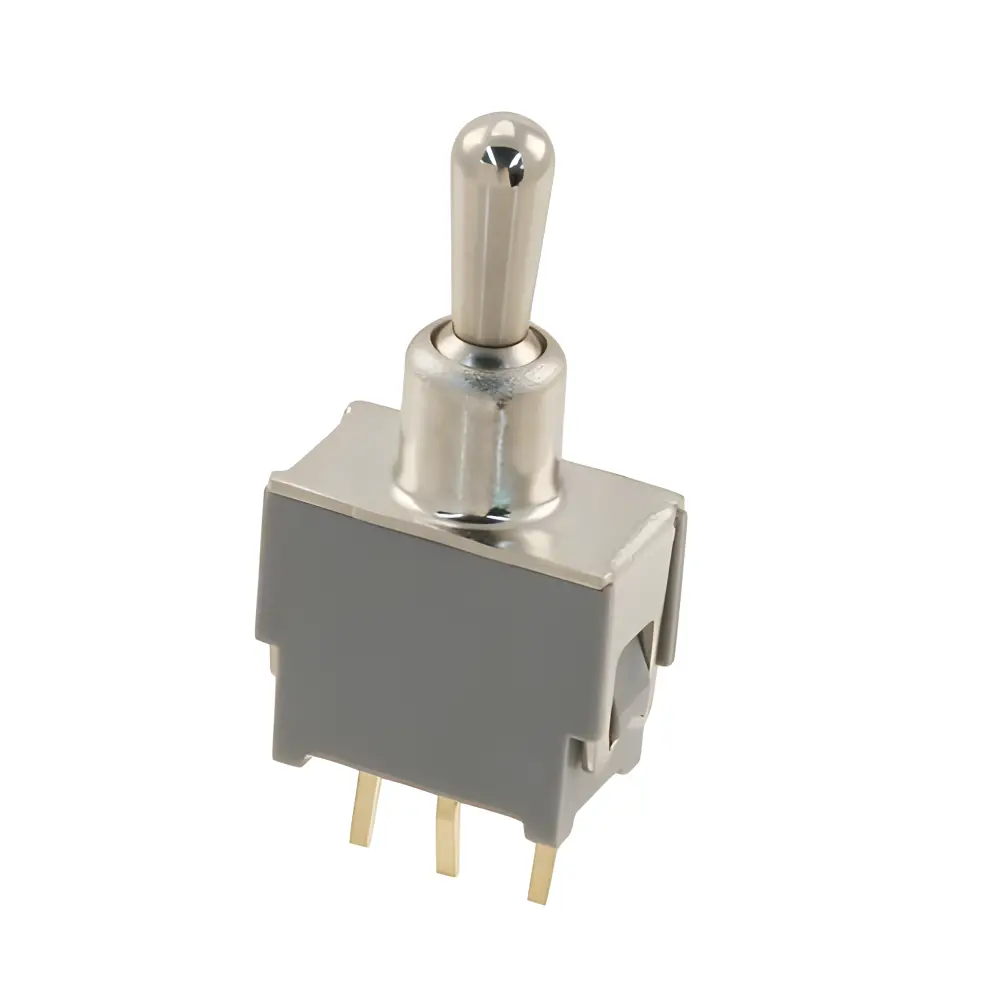 Switches
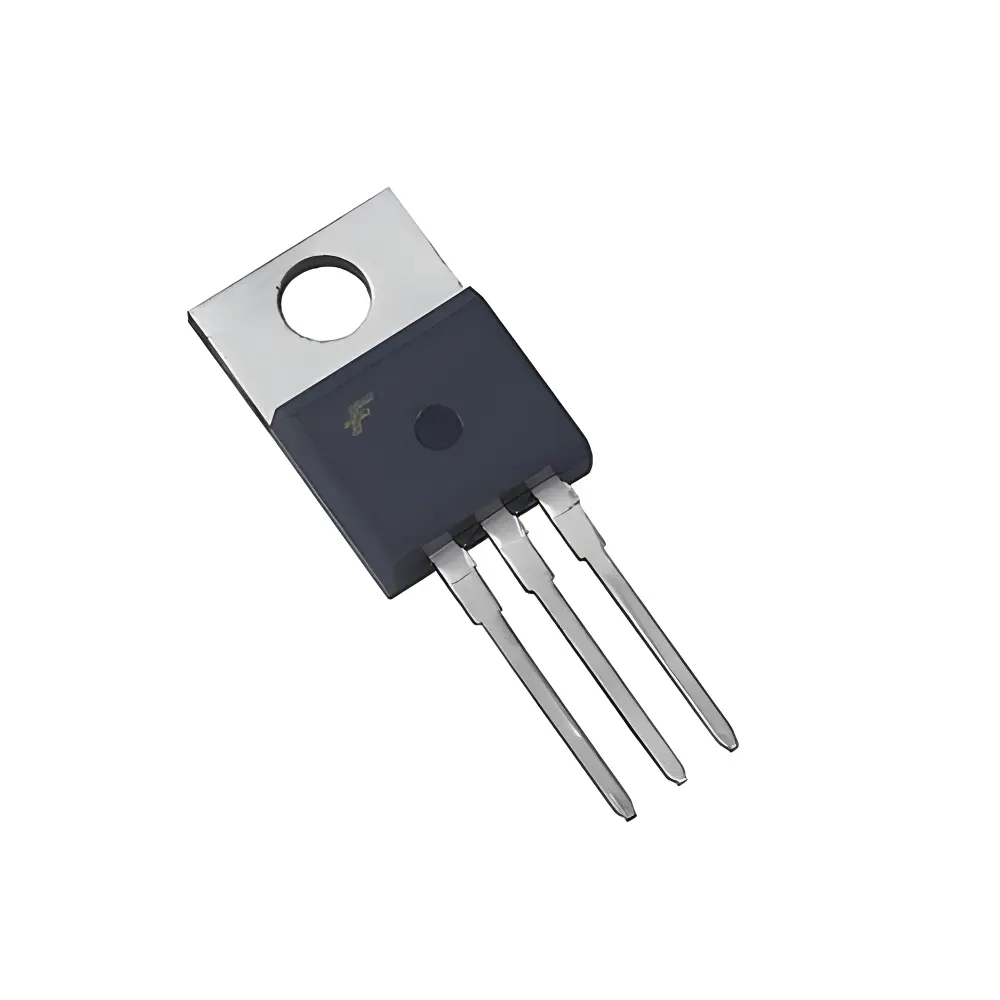 Transistors
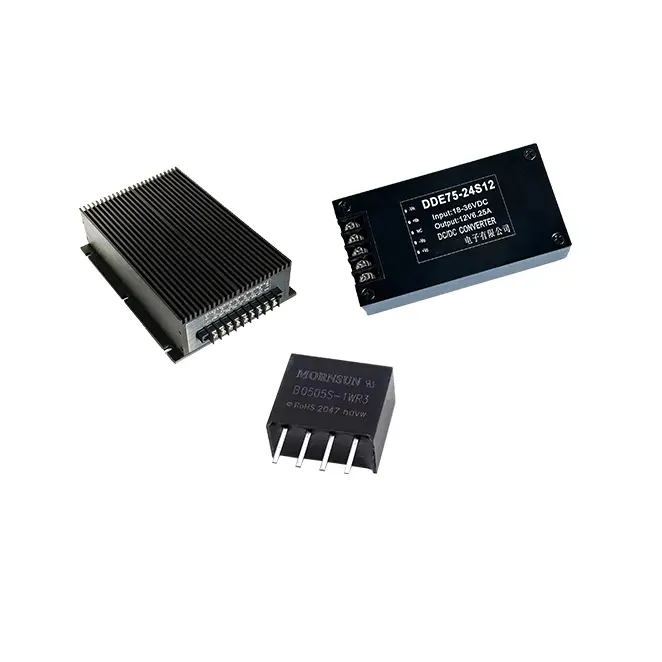 Power Modules
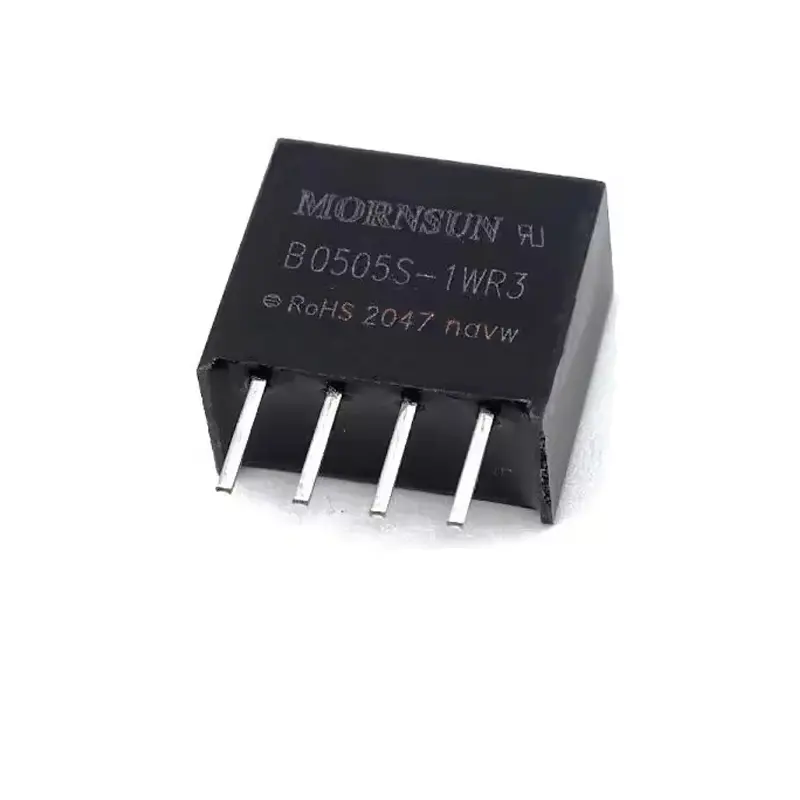 Isolated Power Modules
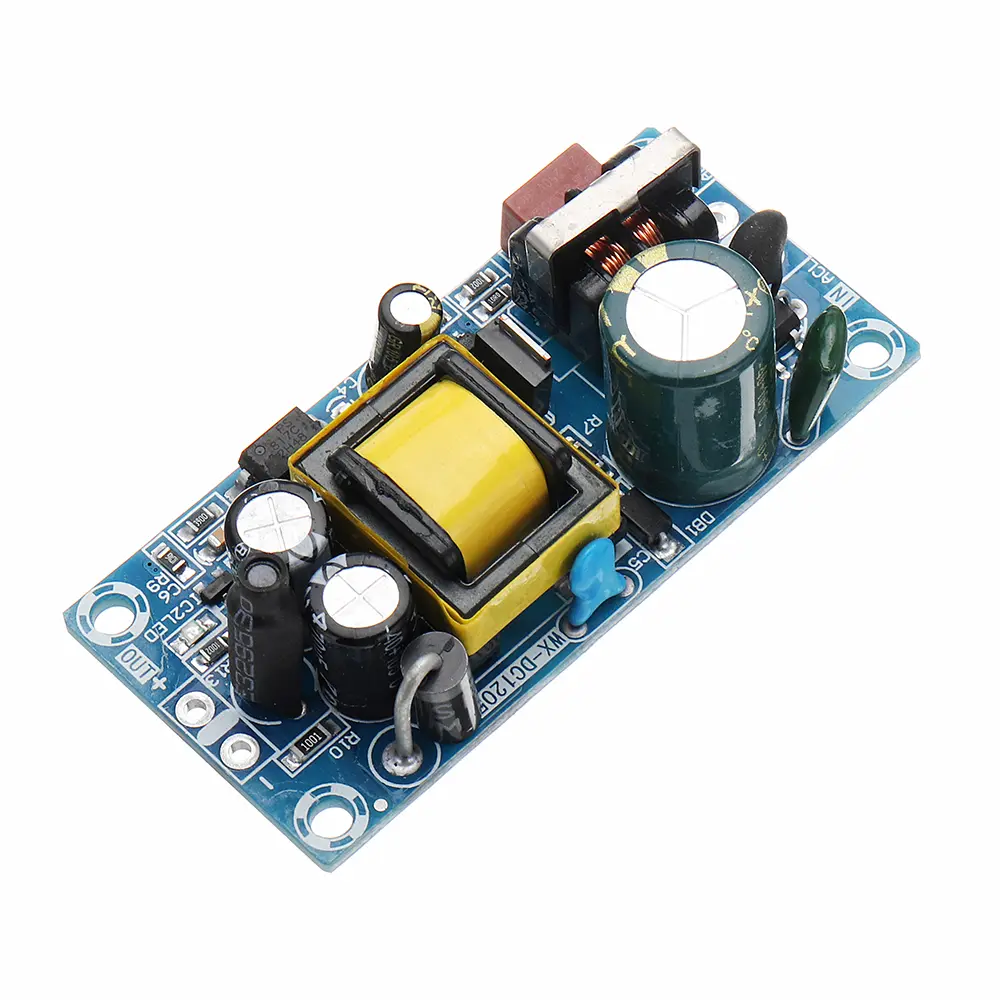 AC-DC Power Modules
 DC-AC Module(Inverter)
 RF and Wireless
Professional Analysis of Bubble Elimination in PCB Plugging Ink Processes
Professional Analysis of Bubble Elimination in PCB Plugging Ink Processes
In PCB plugging processes, residual bubbles can lead to incomplete via filling, post-curing voids, and reliability issues such as soldering defects and CAF (Conductive AnodIC Filament) failures. Effective bubble elimination requires coordinated optimization of ink properties, equipment parameters, and process controls. Below are the critical technical considerations:
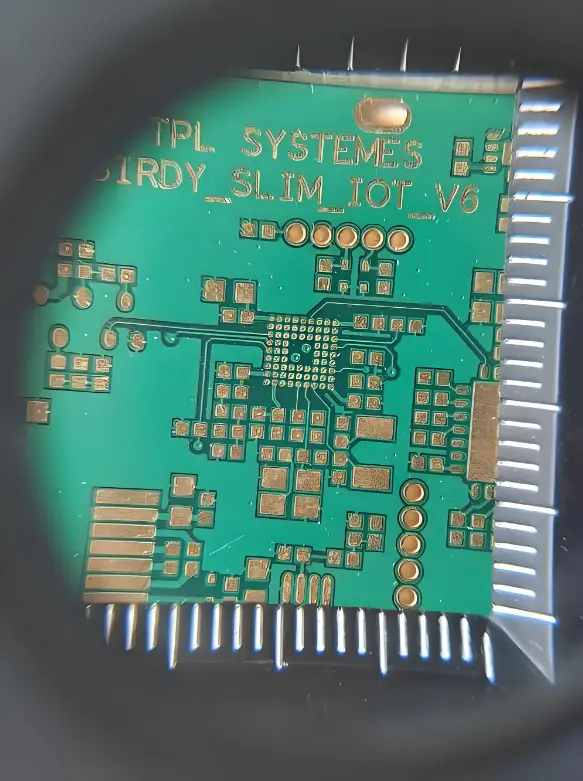
I. Bubble Formation Mechanisms
-
Physical Entrapment:
-
Air inclusion during blade SCRaping (accounts for >60% of bubbles).
-
Rough via walls (Ra>5μm) creating localized cavities.
-
-
Chemical Volatilization:
-
Solvent evaporation (e.g., butyl glycol) forming micro-bubbles before curing.
-
Resin shrinkage (>3%) generating secondary bubbles.
-
II. Ink Selection & Pretreatment
-
Low-Viscosity, High-Fluidity Inks:
-
Viscosity range: 800–1500cps (25℃, Brookfield DV2T, 20rpm).
-
Thixotropic index (TI) <1.5 for improved leveling.
-
-
Vacuum Degassing:
-
Vacuum: -0.095MPa, duration ≥30 minutes to reduce initial bubbles.
-
-
Solvent Optimization:
-
High-boiling solvents (≥40%, e.g., diethylene glycol butyl ether) delay skinning and extend bubble escape time.
-
III. Printing Parameter Optimization
1. Pressure & Speed
-
Blade Pressure: 0.2–0.4MPa; excessive pressure entraps air.
-
Print Speed: 1.5–3.0m/min; high speed causes poor leveling.
-
Squeegee Gap: 1.5–2.0×stencil thickness for uniform ink transfer.
2. Stencil Design
-
Mesh Count: 100–150T (for 0.2–0.5mm vias); higher counts reduce ink volume but risk clogging.
-
Emulsion Thickness: 15–25μm; thicker layers increase shear resistance.
-
Aperture Ratio: ≥80% to reduce flow resistance.
3. Environmental Control
-
Temperature: 23±2℃; low temps increase viscosity.
-
Humidity: 50±5%RH; high humidity slows solvent evaporation.
IV. Key Bubble Elimination Techniques
-
Stepwise Pre-Curing:
-
Stage 1: 60℃/10min for gradual bubble rise.
-
Stage 2: 80℃/20min for solvent evaporation and suRFace curing.
-
Stage 3: 150℃/30min for full curing.
-
-
Centrifugal Degassing:
-
800–1200rpm for 5–10 minutes to drive bubbles to via openings.
-
Applicable for high aspect ratio vias (>5:1).
-
-
Vacuum-Assisted Filling:
-
Vacuum: -0.08MPa with pulsed pressure (0.3MPa, 2Hz) to force ink penetration.
-
-
Ultrasonic Agitation:
-
28kHz frequency, 50–100W power to disrupt micro-bubbles via cavitation.
-
V. Quality Inspection & Defect Analysis
-
X-ray Inspection (AXI):
-
Detect bubbles >50μm (resolution ≤10μm).
-
-
Cross-Section Analysis:
-
Measure fill rate (≥95%) and via wall adhesion.
-
-
Thermal Shock Testing:
-
-55℃~125℃ cycling (5 cycles) to assess crack risks from bubble expansion.
-
VI. Case Studies & Parameters
| Process | Parameters | Bubble Residual Rate |
|---|---|---|
| Standard Printing | Blade 0.3MPa, speed 2m/min | 8%–12% |
| Centrifuge + Vacuum | 1200rpm/8min, vacuum -0.08MPa | ≤3% |
| Ultrasonic + Curing | 28kHz/80W, 60℃→80℃→150℃ | ≤1.5% |