
 PCB
PCB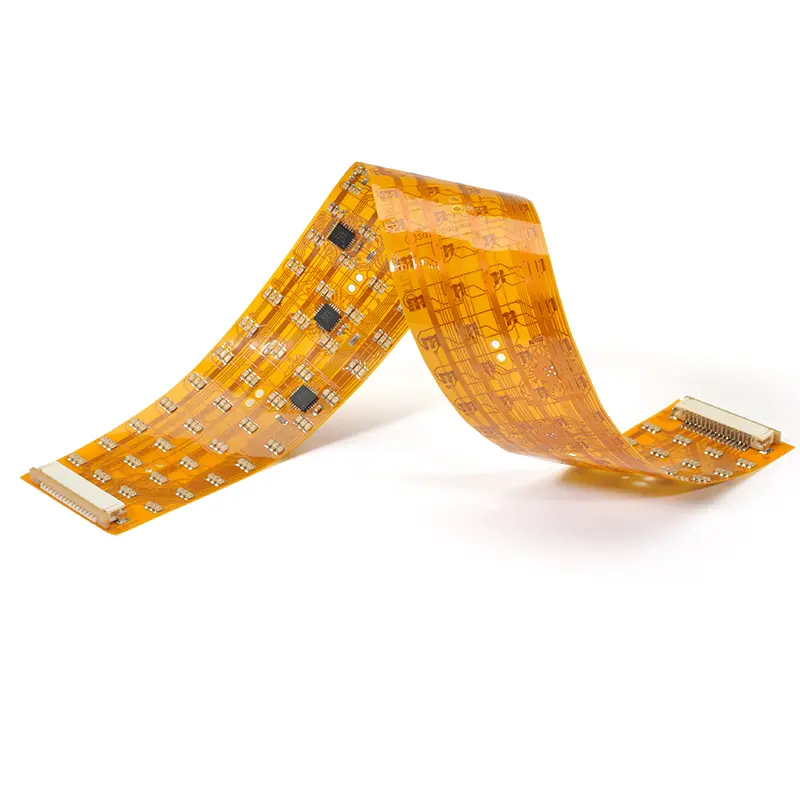 FPC
FPC Rigid-Flex
 FR-4
FR-4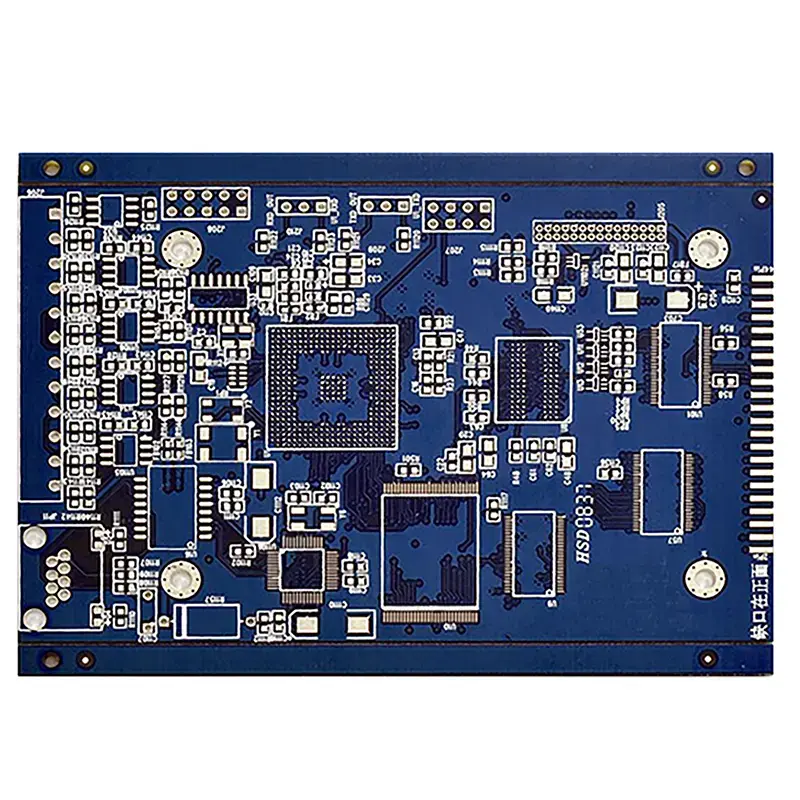 HDI PCB
 Rogers High-Frequency Board
 PTFE Teflon High-Frequency Board
 Aluminum
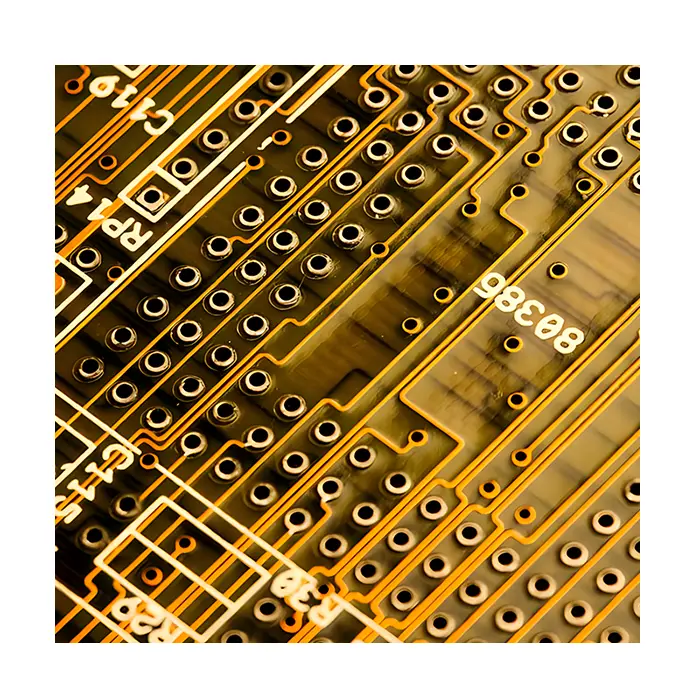 Copper Core
 PCB Assembly
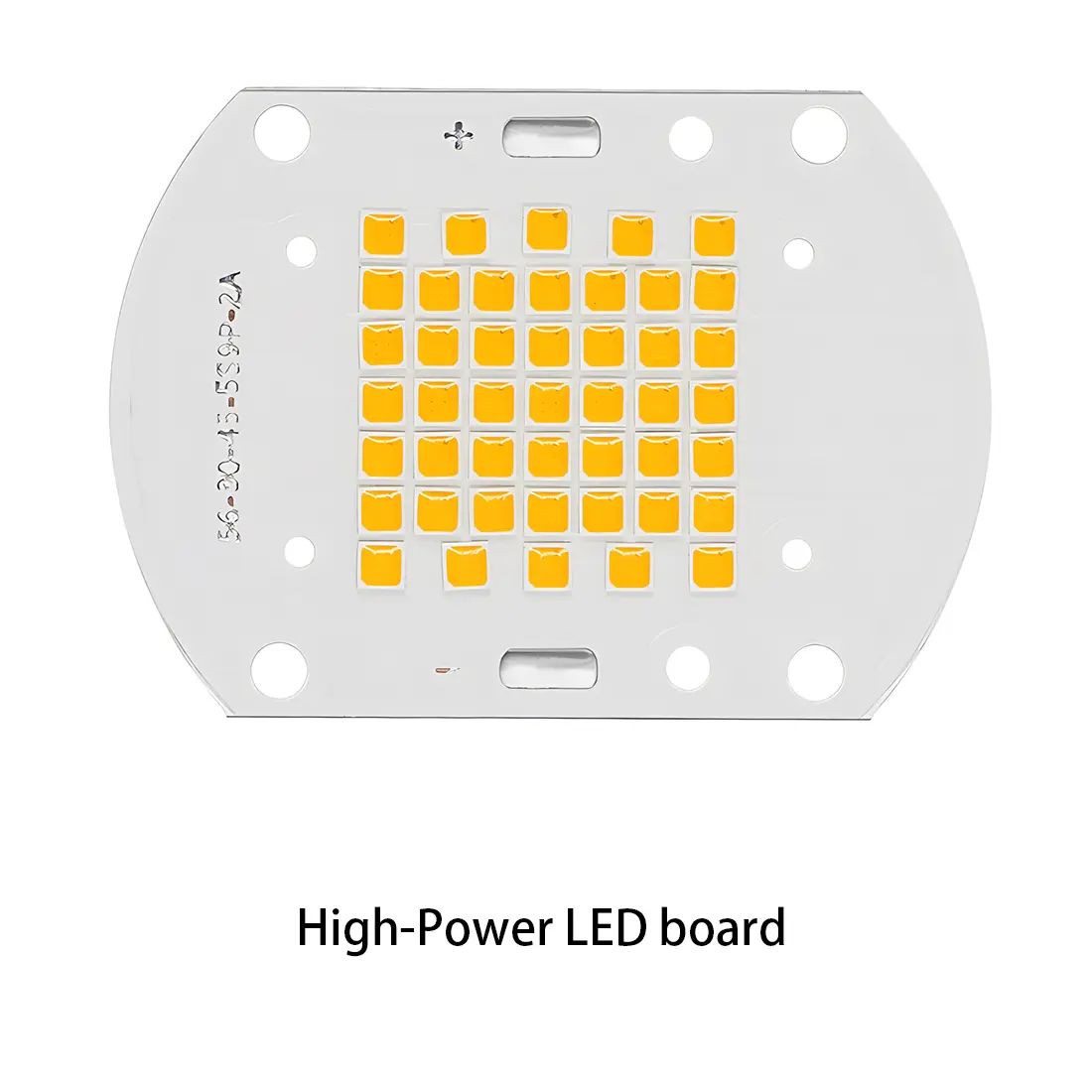 LED light PCBA
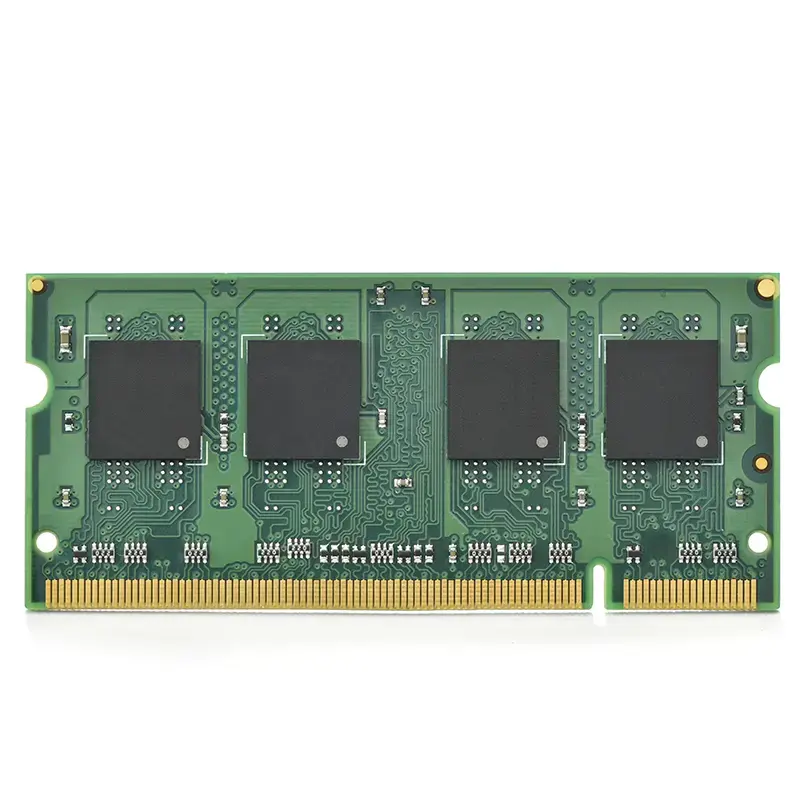
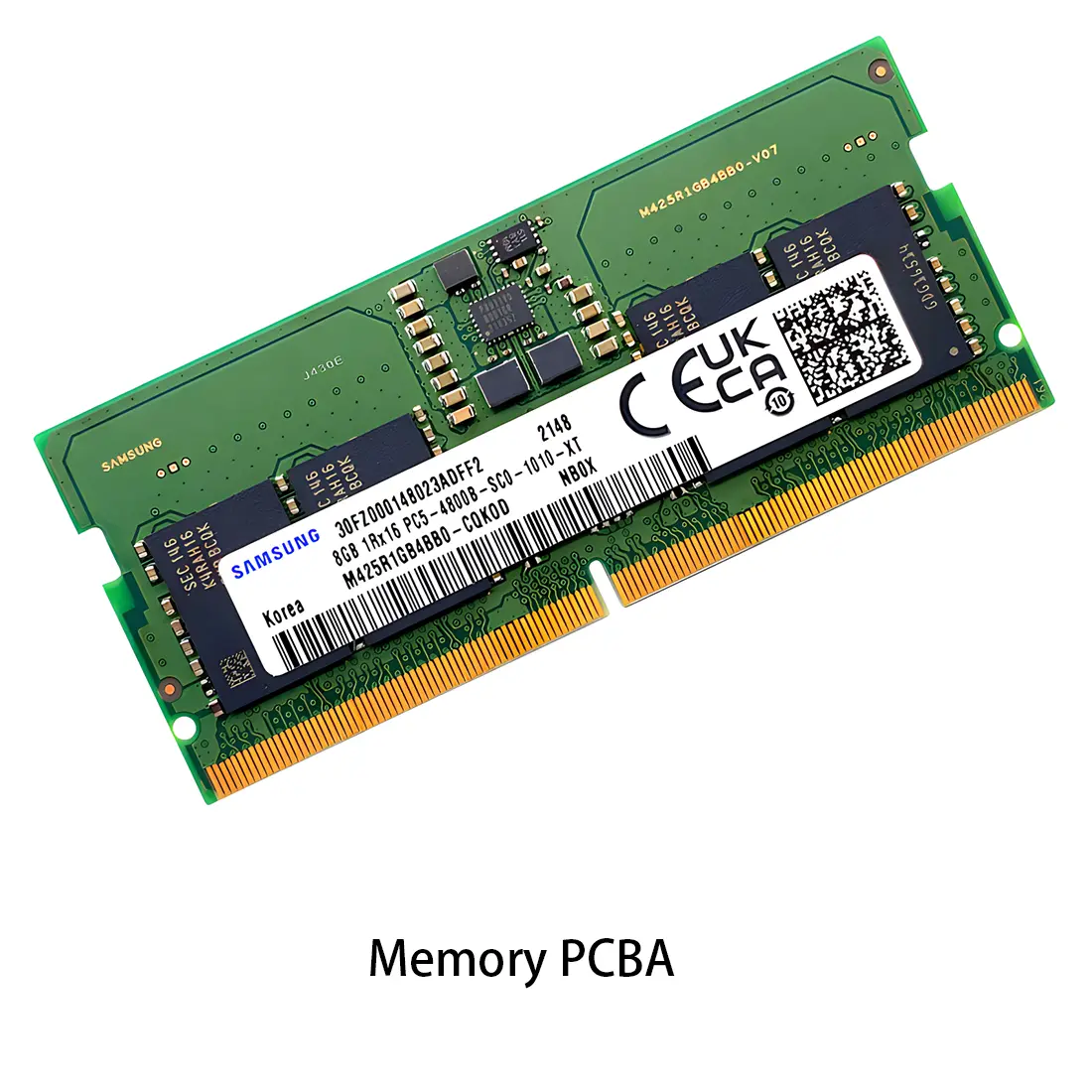 Memory PCBA
 Power Supply PCBA
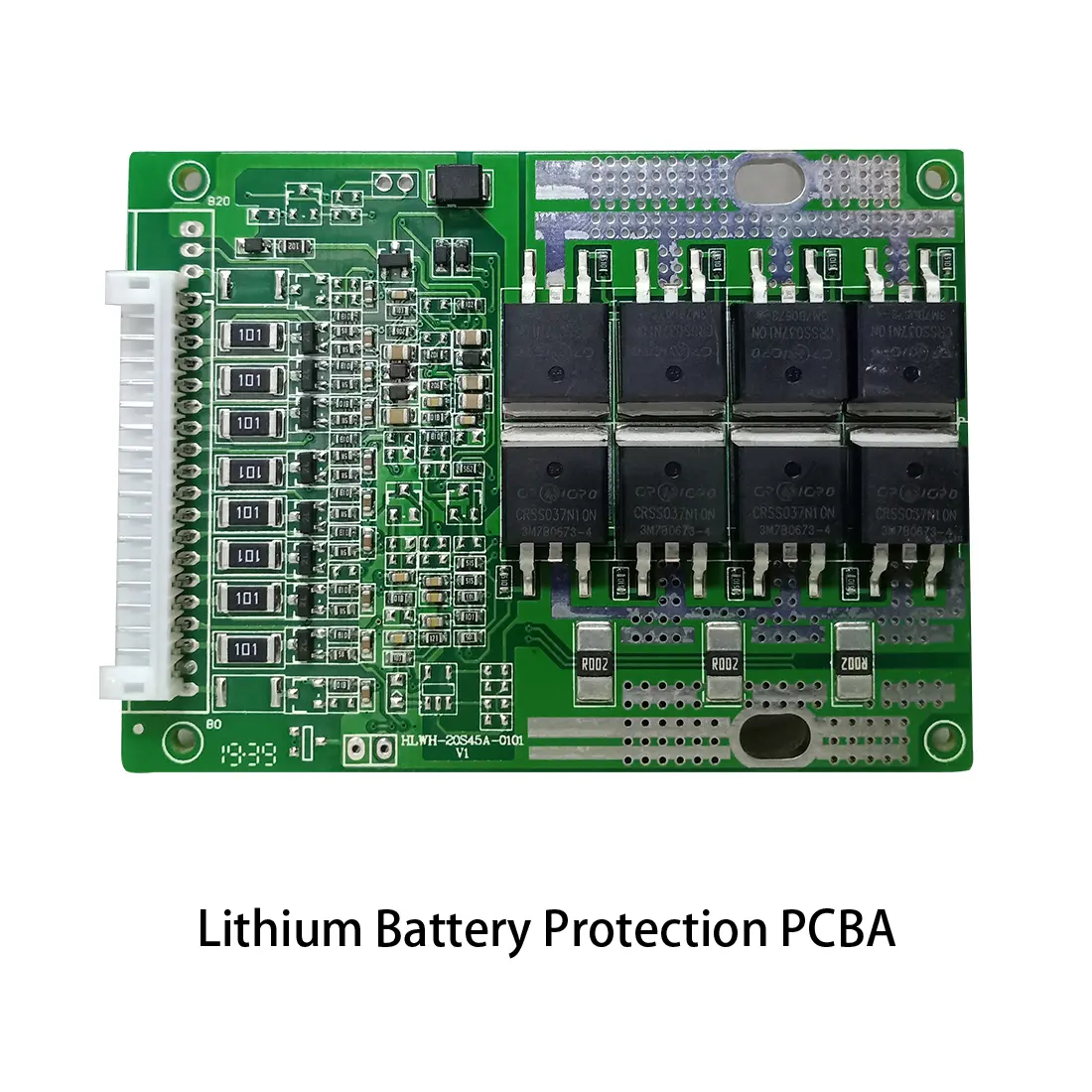 New Energey PCBA
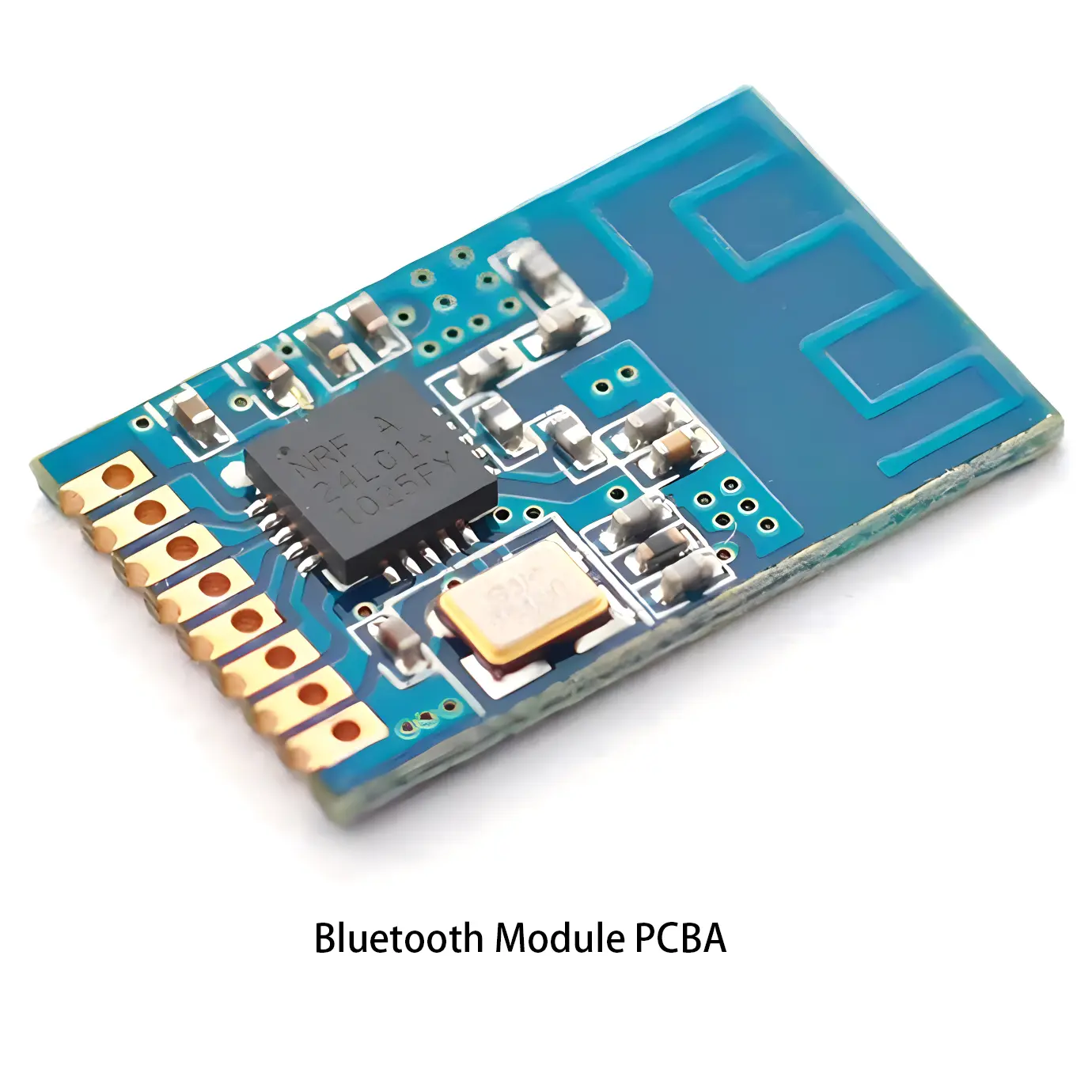 Communication PCBA
 Industrial Control PCBA
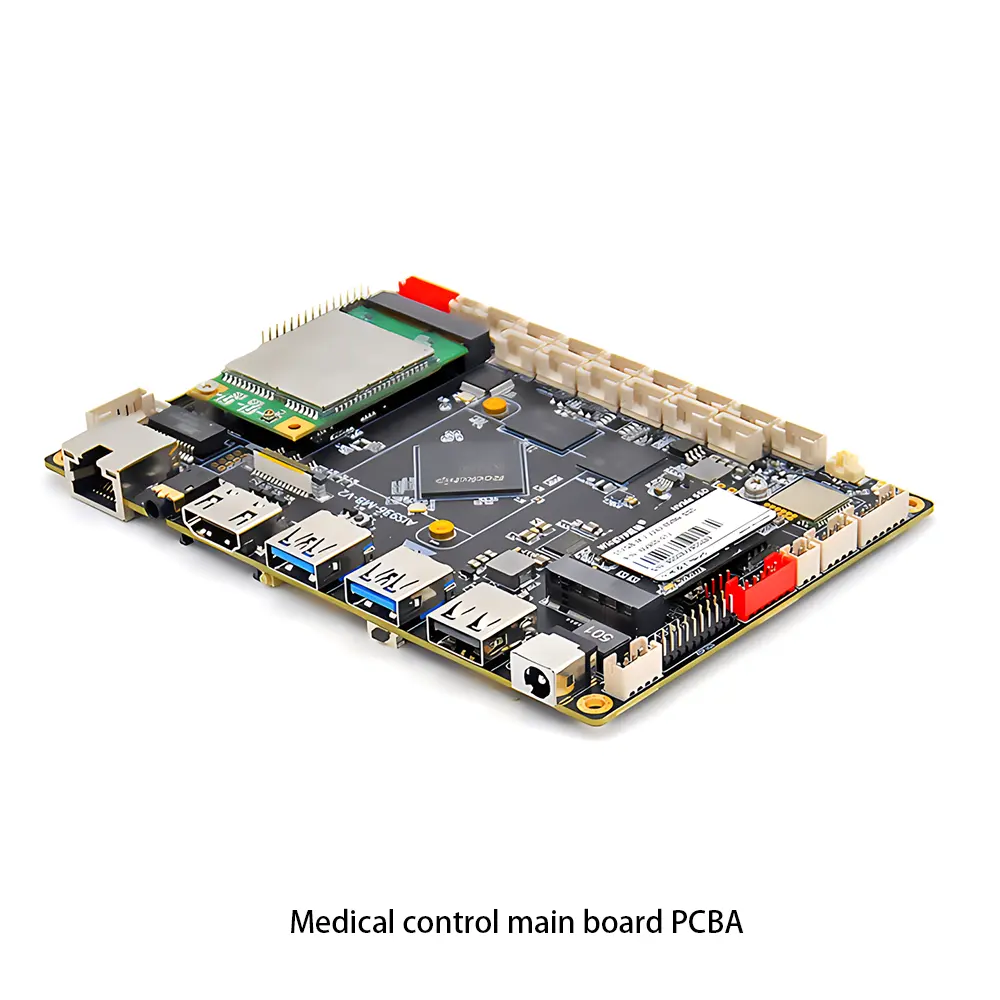 Medical Equipment PCBA
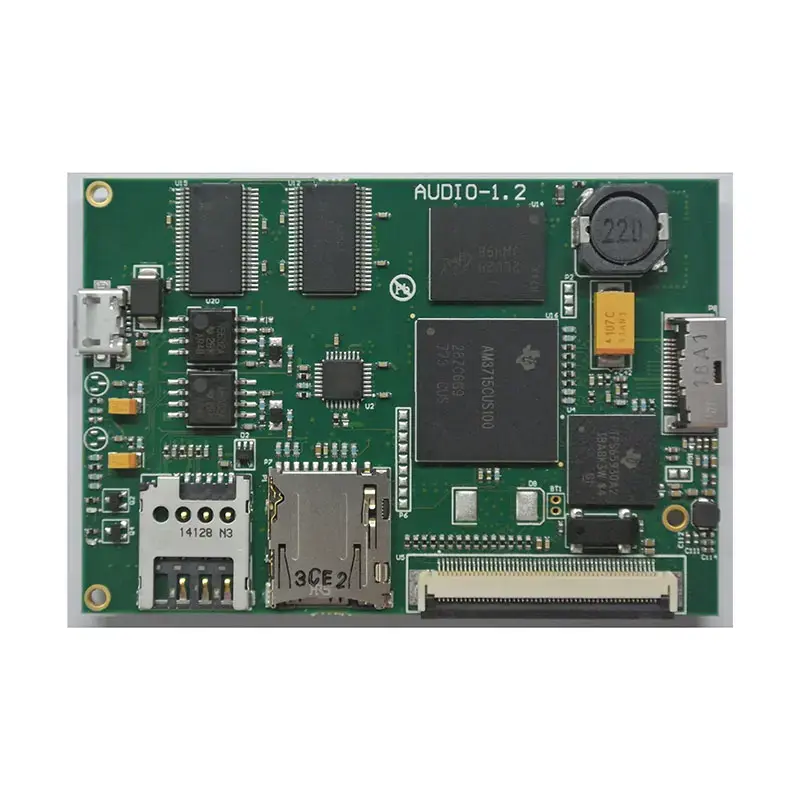 Testing Service
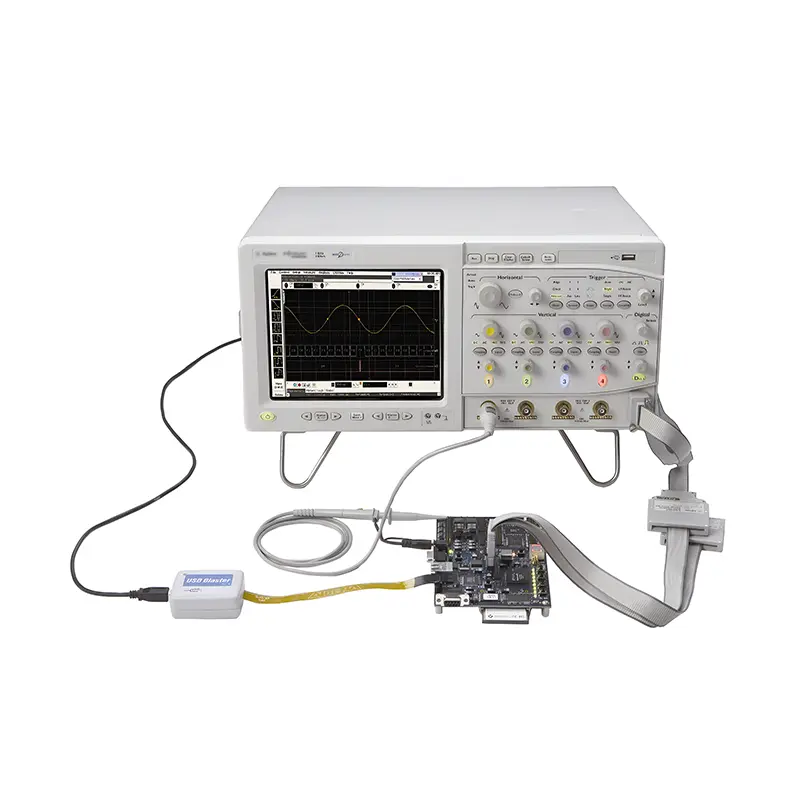 PCBA Testing Service
 Certification Application
 RoHS Certification Application
 REACH Certification Application
 CE Certification Application
 FCC Certification Application
 CQC Certification Application
 UL Certification Application
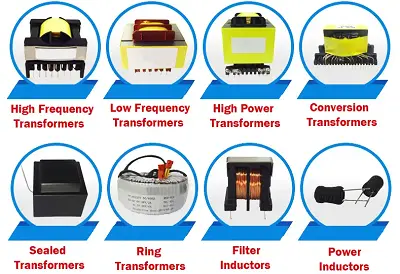 Transformers, Inductors
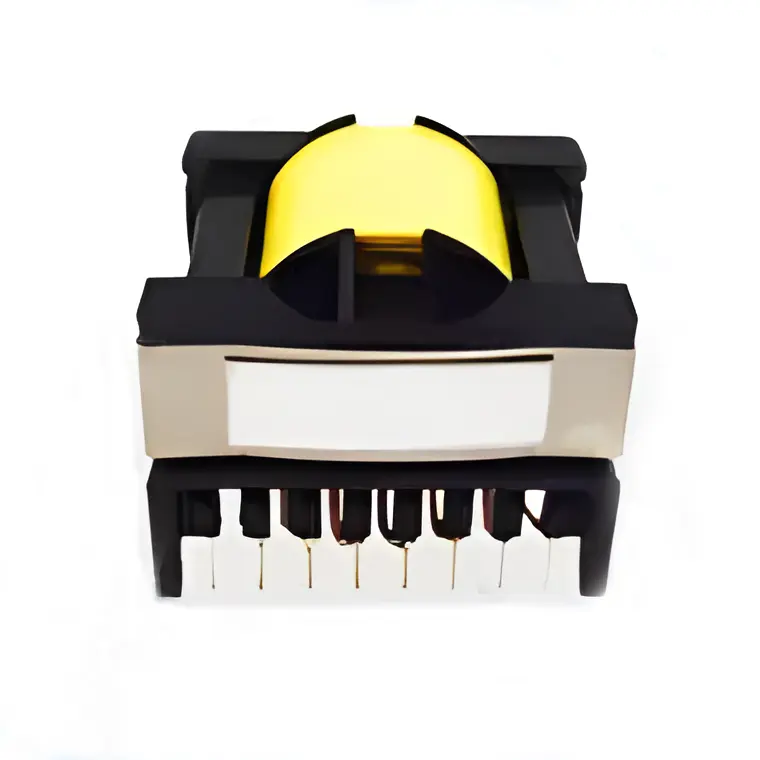 High Frequency Transformers
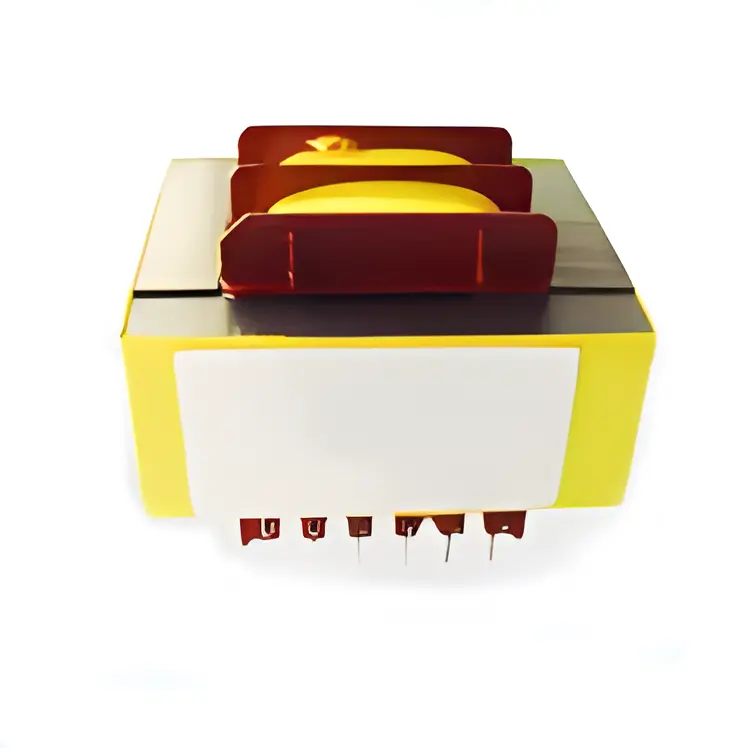 Low Frequency Transformers
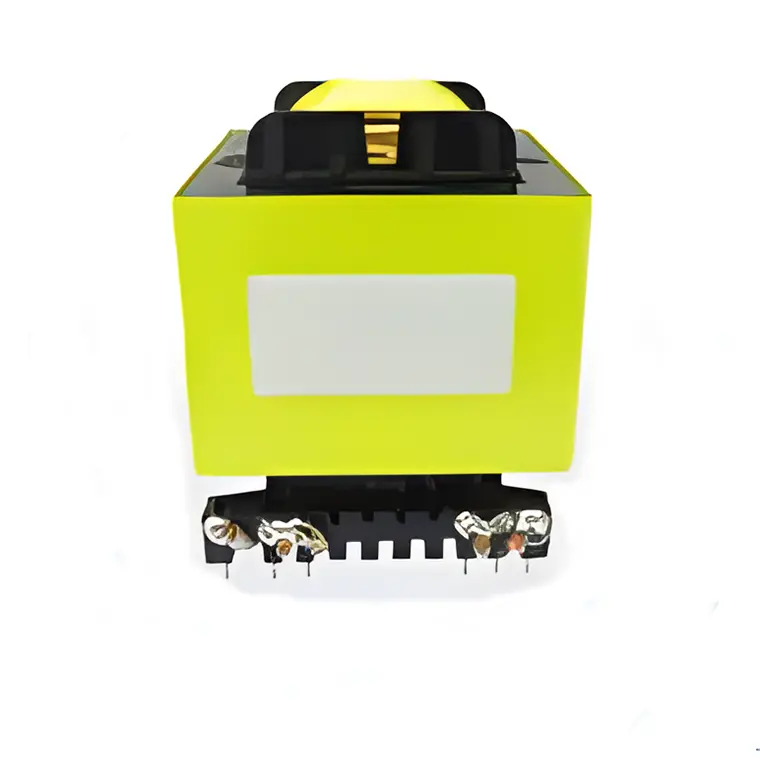 High Power Transformers
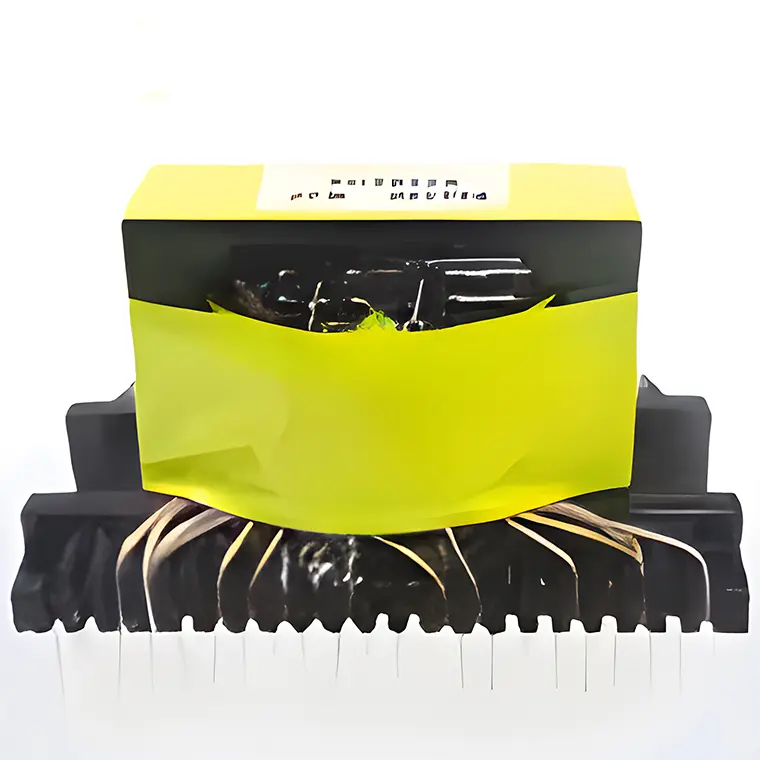 Conversion Transformers
 Sealed Transformers
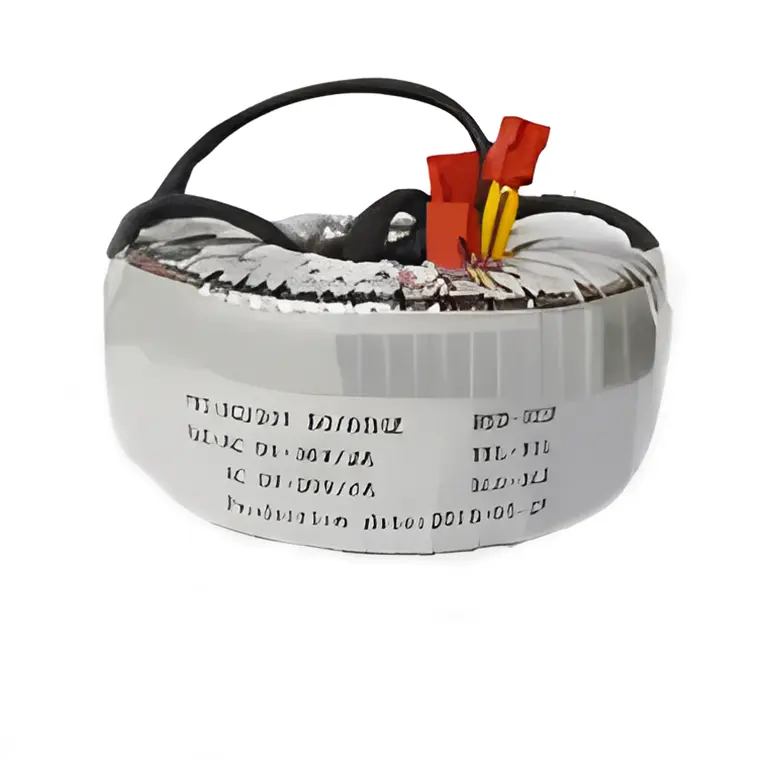 Ring Transformers
 Inductors
 Wires,Cables Customized
 Network Cables
 Power Cords
 Antenna Cables
 Coaxial Cables
 Net Position Indicator
 Solar AIS net position indicator
 Capacitors
 Connectors
 Diodes
 Embedded Processors & Controllers
 Digital Signal Processors (DSP/DSC)
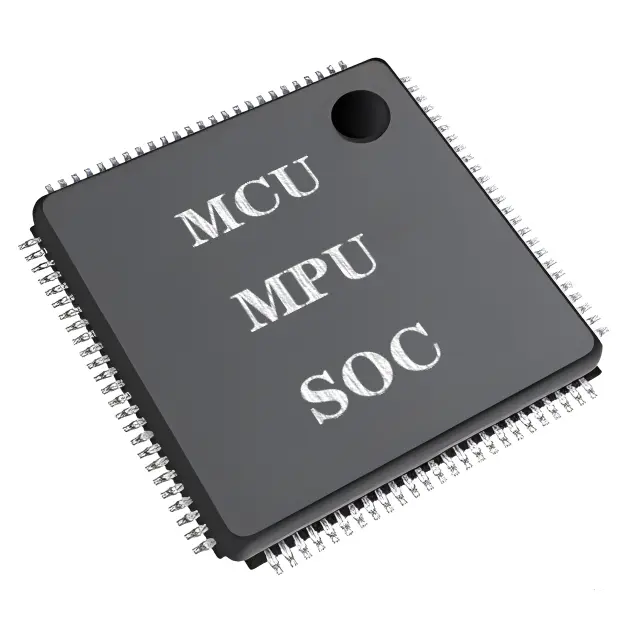 Microcontrollers (MCU/MPU/SOC)
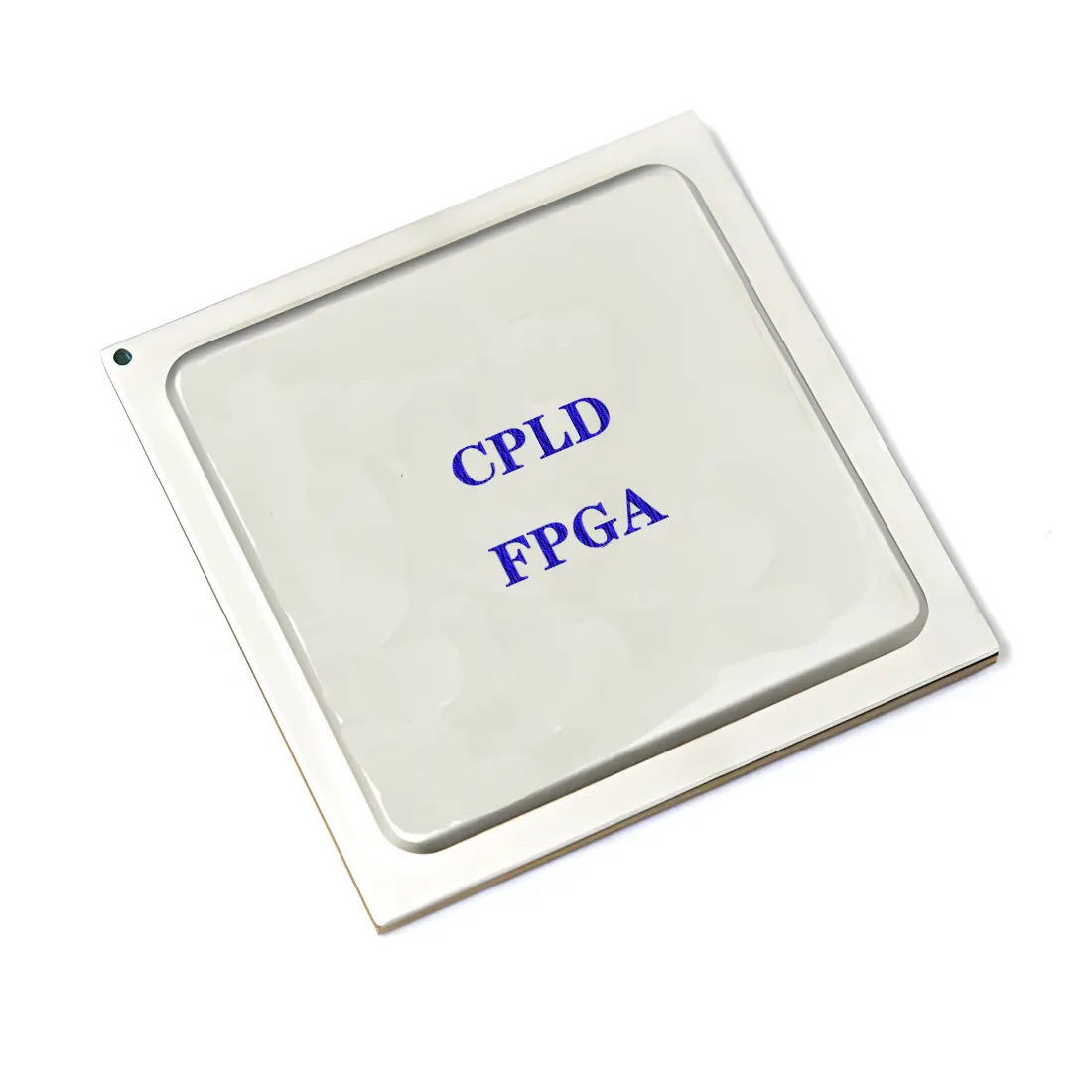 Programmable Logic Device(CPLD/FPGA)
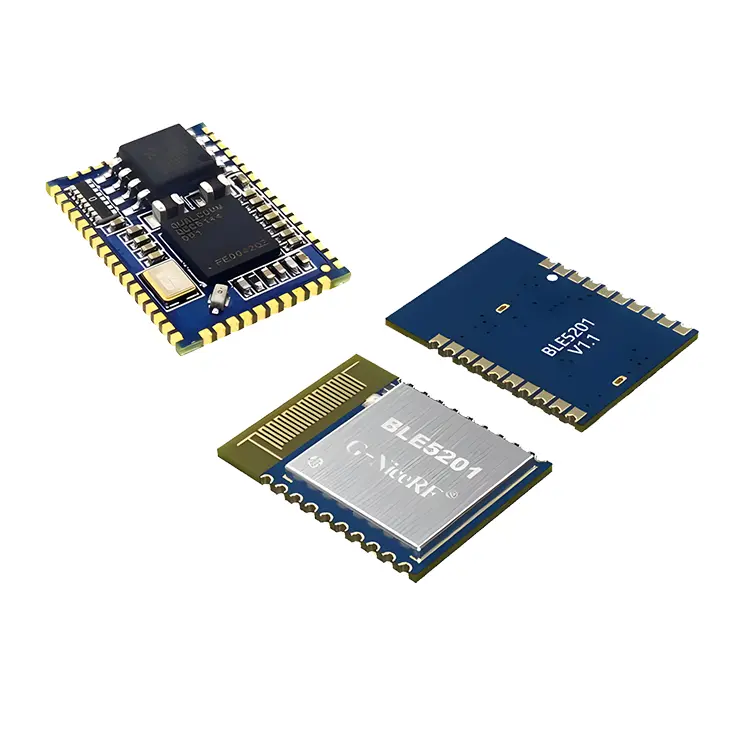 Communication Modules/IoT
 Resistors
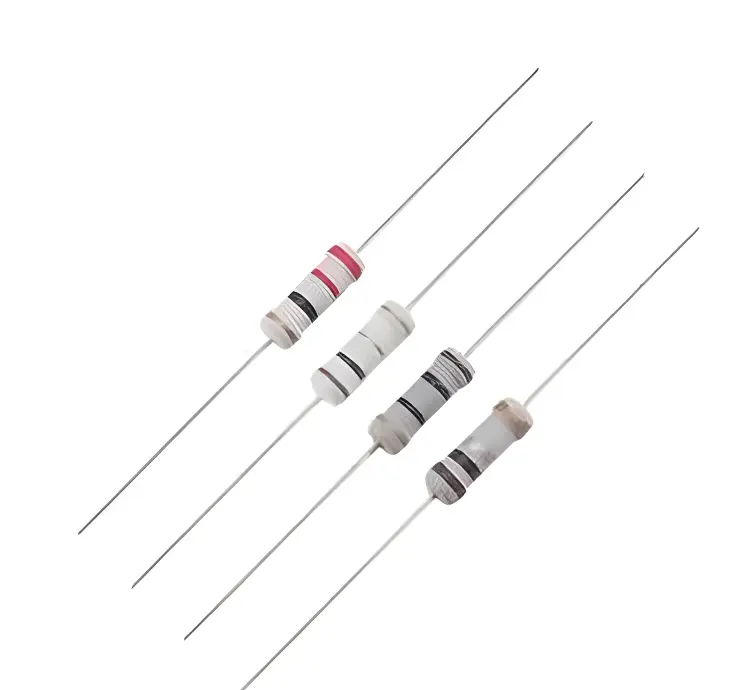 Through Hole Resistors
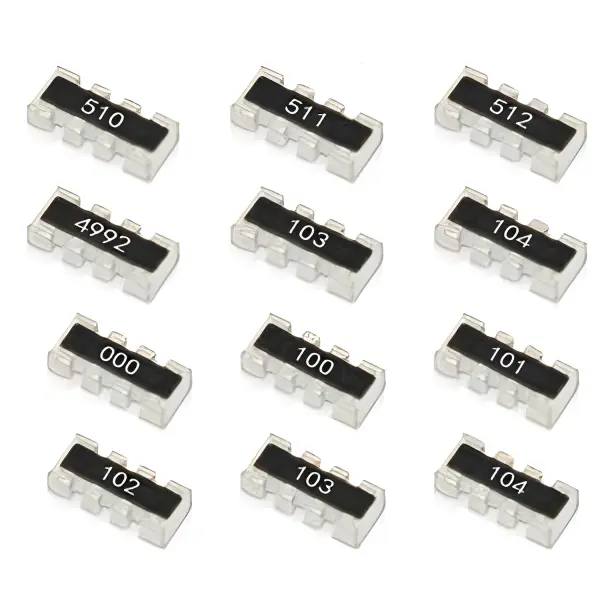 Resistor Networks, Arrays
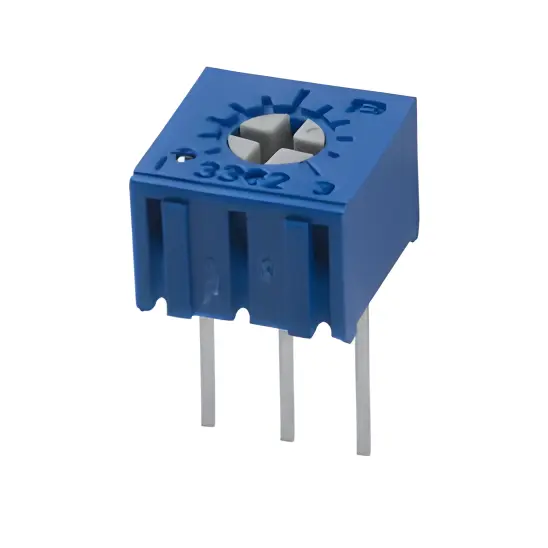 Potentiometers,Variable Resistors
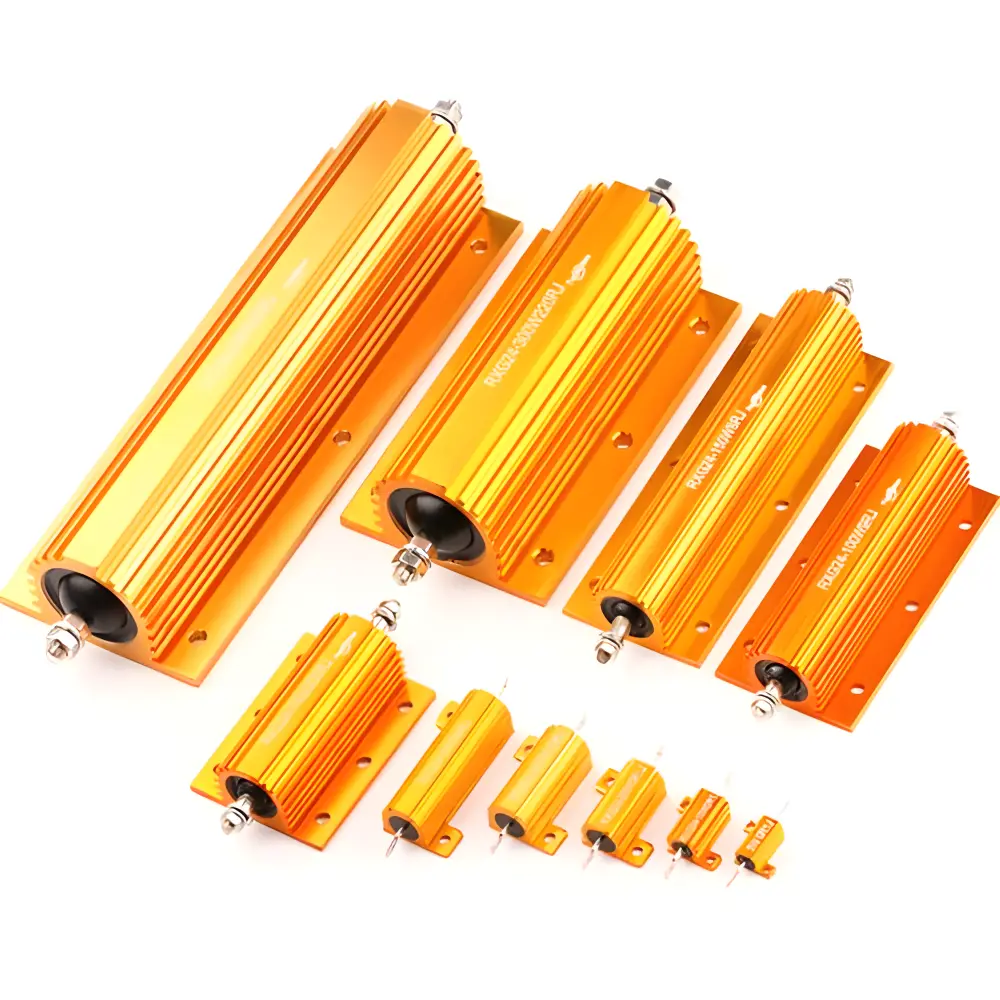 Aluminum Case,Porcelain Tube Resistance
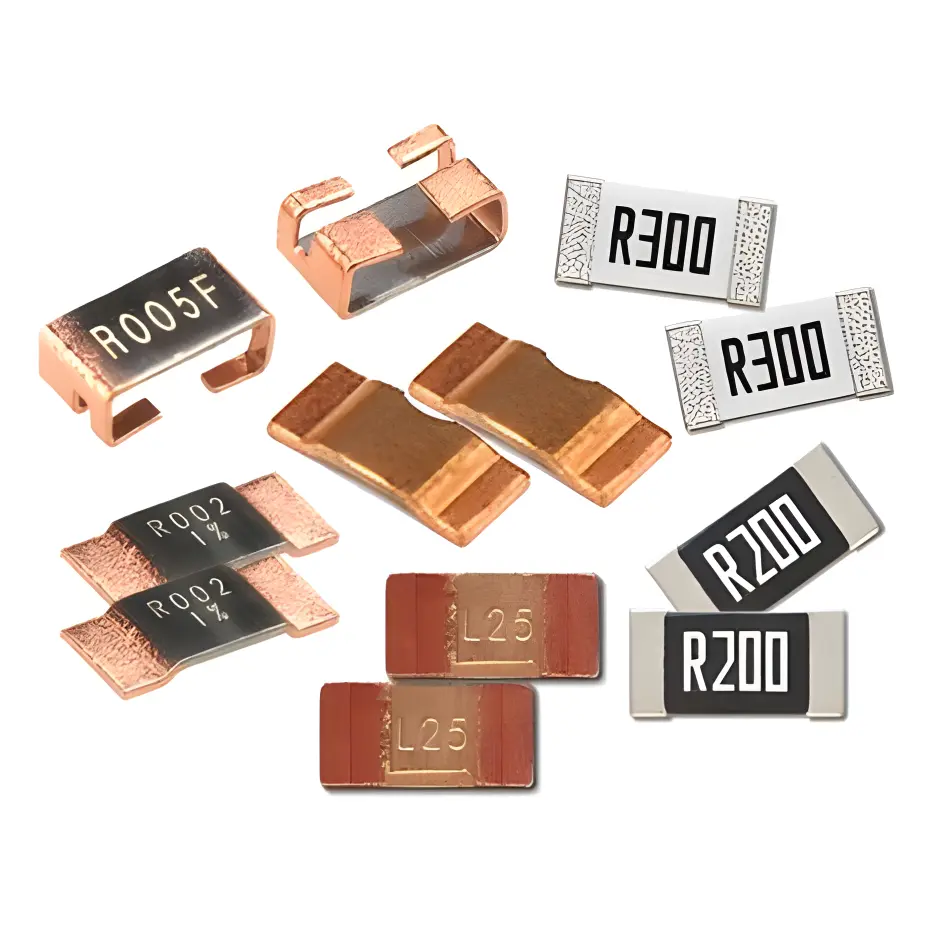 Current Sense Resistors,Shunt Resistors
 Switches
 Transistors
 Power Modules
 Isolated Power Modules
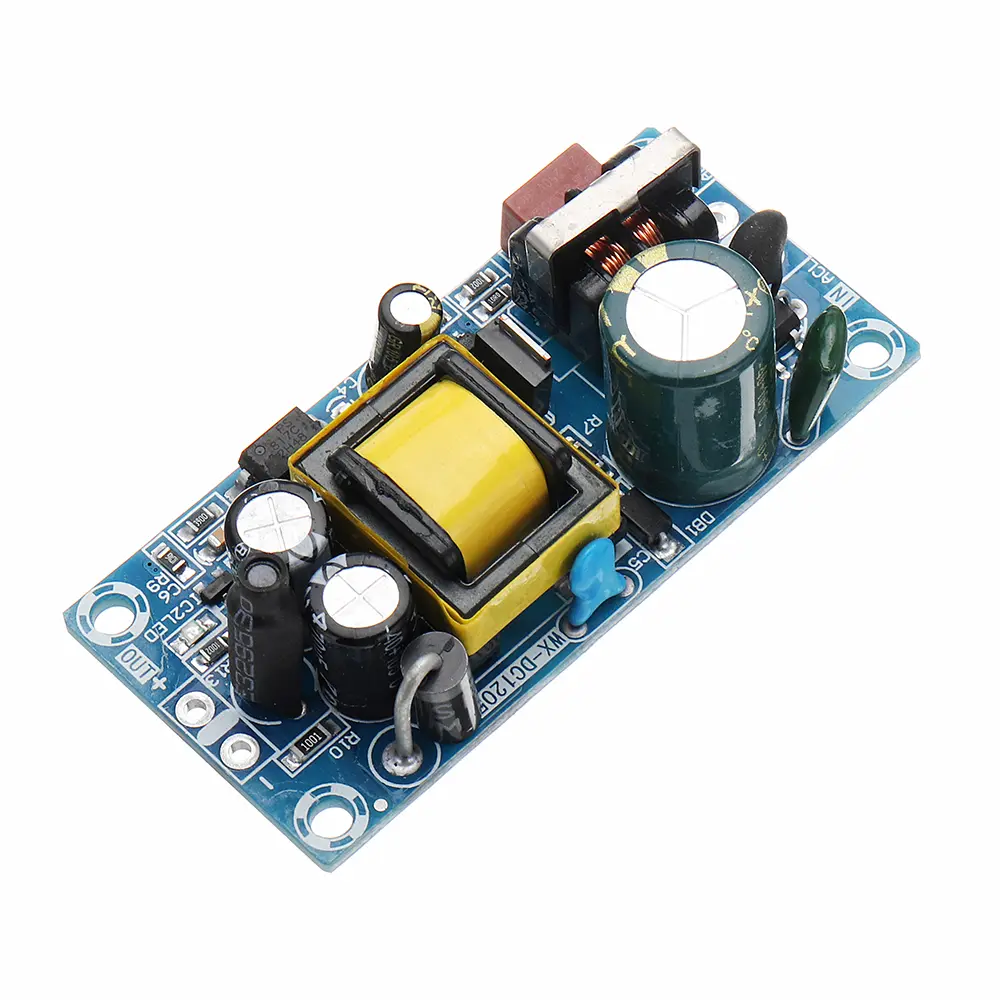 AC-DC Power Modules
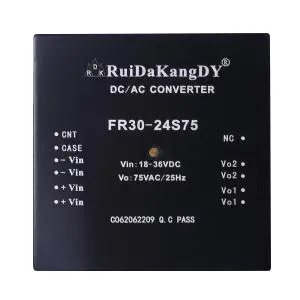 DC-AC Module(Inverter)
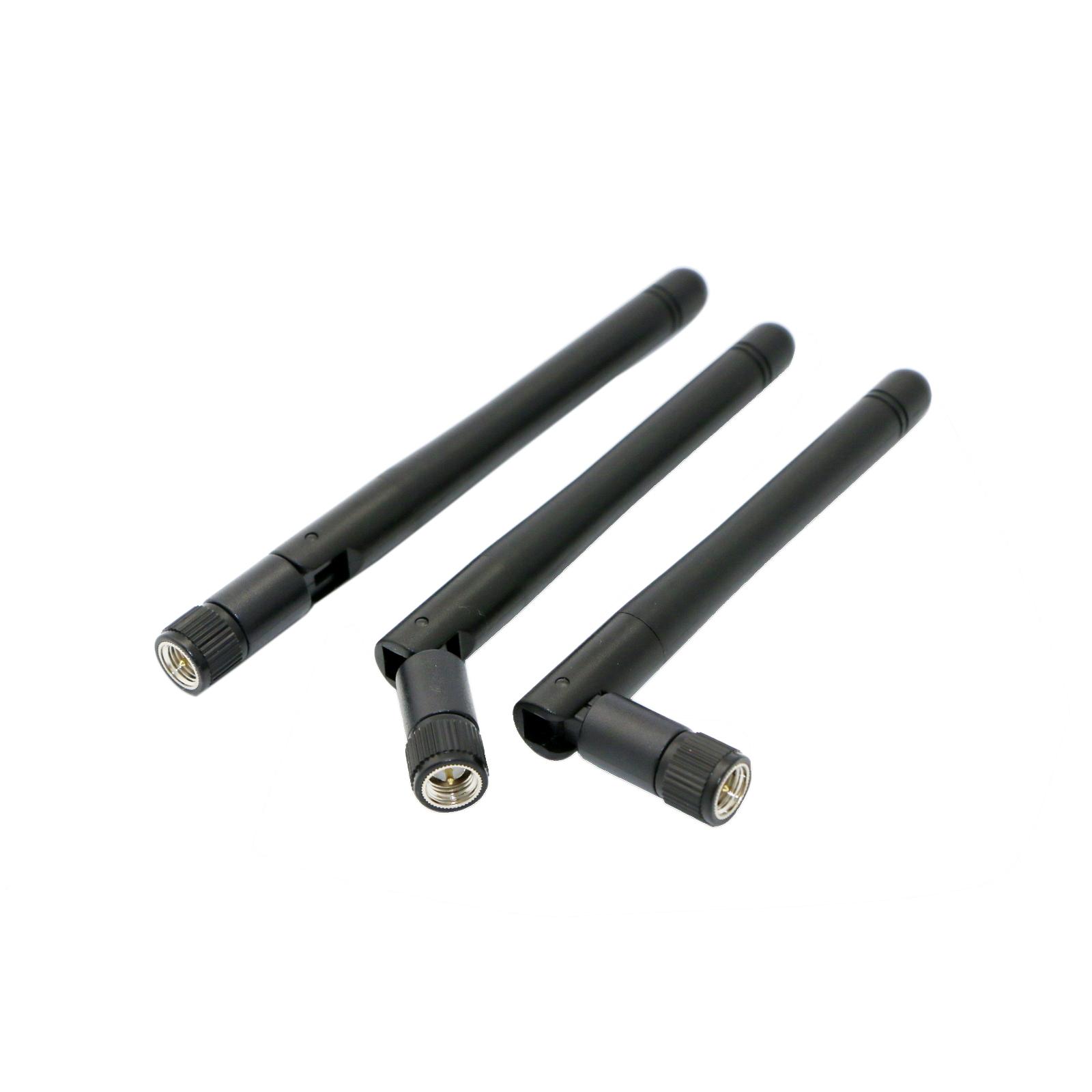 RF and Wireless
Analysis of "Black Hole" Process and Its Advantages Compared with Traditional PTH
2025-09-27
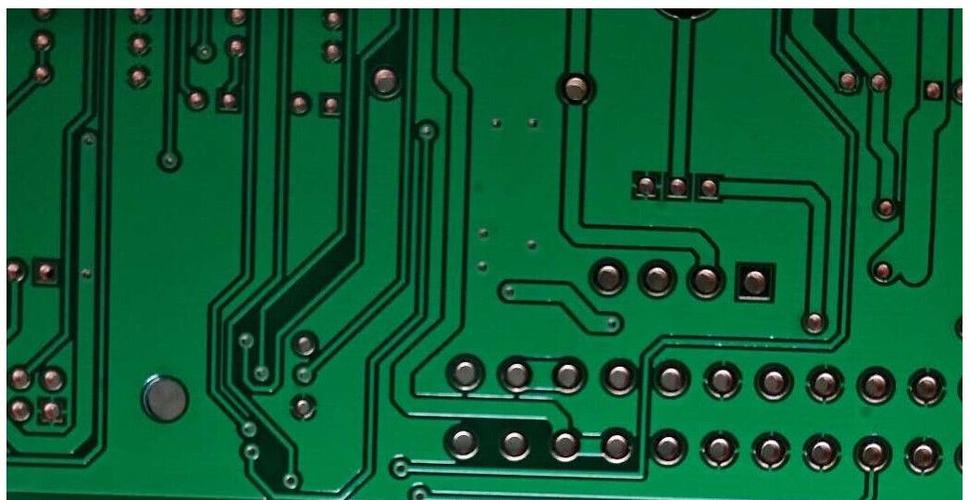
Evolution of PCB Hole Metallization Process and Positioning of "Black Hole" Process
Hole metallization is a core process in multi-layer PCB manufacturing, whose purpose is to form a conductive metal layer on the hole wall of PCB drilling to realize electrICal connection between circuits of different layers. The traditional hole metallization process is dominated byPTH (Plated Through Hole), but with the development of PCBs towards high density, thinness and environmental protection, the "Black Hole Process" has emerged as a new type of hole metallization technology.
The black hole process forms a conductive layer on the hole wall through chemical coating, without the copper deposition step of traditional PTH. It has significant advantages such as SIMplified process, reduced cost and improved environmental protection, especially suitable for mid-to-low-end PCBs, flexible PCBs and rapid prototype manufacturing scenarios. In-depth understanding of the principle and advantages of the black hole process is of great significance for PCB manufacturing enterprises to upgrade their processes and control costs.
2. What is the "Black Hole" Process? — Definition, Principle and Core Process
2.1 Process Definition
The "black hole" process is a hole metallization technology based on conductive paste coating. It uniformly coats the hole wall of PCB drilling with conductive paste containing carbon nanoparticles, graphite or metal powder (appearing black, hence the name "black hole") to form a continuous conductive film (usually 0.5-2μm thick), and then thickens the copper layer through subsequent electroplating to realize hole wall metallization.
2.2 Core Principle
The core of the black hole process lies in utilizing the "conductivity" and "adhesion" of the conductive paste:
- Conductivity: Carbon nanoparticles or metal powders in the conductive paste form a continuous conductive network with a volume resistivity of usually 10-30Ω·cm, which can meet the current conduction requirement during subsequent electroplating (serving as the cathode to realize copper ion deposition).
- Adhesion: The resin component in the paste forms a firm chemical bond with the suRFace of the PCB substrate (such as FR-4), ensuring that the conductive coating does not fall off during subsequent processing (such as cleaning and electroplating), with an adhesion of usually ≥5N/cm.
2.3 Key Process
Compared with traditional PTH, the process of the black hole process is greatly simplified, mainly including:
- Post-drilling Treatment: Deburr the PCB drilling (polish with 1000-mesh sandpaper) and chemically clean (remove oil stains and resin residues on the hole wall) to ensure the hole wall is clean and rough (roughness Ra=0.5-1μm) and improve paste adhesion.
- Black Hole Coating: Inject the conductive paste into the drilling and uniformly coat it on the hole wall by "pressure grouting + vacuuming" or "spraying + rotating" method, and recover the excess paste by centrifugation or air blowing. The coating thickness is controlled by the paste concentration (solid content 30%-50%) and coating time (10-20 seconds).
- Curing and Drying: Put the coated PCB into an oven and bake at 80-120℃ for 15-30 minutes to volatilize the solvent in the paste and cure the resin, forming a stable conductive coating.
- Electroplating Thickening: Directly perform acid copper plating on the conductive coating to thicken the copper layer to 15-25μm, completing the hole metallization.
3. Process and Pain Points of Traditional PTH
To highlight the advantages of the black hole process, we first briefly review the core process and existing problems of the traditional PTH process:
3.1 Core Process of Traditional PTH
- Drilling → Deburring → Chemical Degreasing → Micro-etching → Activation (palladium colloid treatment) → Acceleration → Chemical Copper Deposition (depositing a copper layer in copper sulfate solution, thickness 0.5-1μm) → Electroplating Thickening.
3.2 Main Pain Points of Traditional PTH
- Complex Process and High Cost: It involves 6-8 chemical processes, requiring a large number of chemical agents (such as palladium salt, formaldehyde) and special equipment. The equipment investment and operation and maintenance cost are high (about 2-3 times that of the black hole process).
- Great Environmental Pressure: The copper deposition process uses toxic formaldehyde, non-degradable EDTA and other agents, making wastewater treatment difficult (containing heavy metals palladium and copper), and the environmental treatment cost accounts for 15%-20%.
- Poor Process Stability: The palladium colloid in the activation process is easy to fail (valid for only 8-12 hours), the thickness uniformity of the copper deposition layer is difficult to control (deviation ±0.2μm), and "no copper in the hole" defects are easy to occur (defect rate 1%-3%).
- Not Suitable for Flexible Substrates: The chemical treatment of traditional PTH easily causes deformation and delamination of flexible PCB (FPC) substrates, with a qualification rate of only 70%-80%.
4. Core Advantages of "Black Hole" Process Compared with Traditional PTH
4.1 Simplified Process and Significantly Reduced Cost
The black hole process eliminates key processes such as activation, acceleration and chemical copper deposition of traditional PTH, shortening the process by 40%-50%:
- Equipment Cost: The black hole process only requires simple equipment such as coating machines and ovens. The equipment investment for a single production line is about 500,000 yuan, which is only 1/3-1/4 of the traditional PTH production line (1.5-2 million yuan).
- Material Cost: The unit price of conductive paste is about 80-120 yuan/kg, and the material consumption cost per square meter of PCB is about 5-8 yuan, which is much lower than the chemical agent cost of traditional PTH (15-20 yuan/㎡).
- Labor and Energy Consumption: The reduction in processes reduces labor costs by 30%, and the energy consumption of the oven is only 1/5 of that of the copper deposition equipment. The comprehensive cost is 25%-35% lower than that of traditional PTH.
4.2 Improved Environmental Protection, Conforming to the Trend of Green Manufacturing
The black hole process reduces the use of toxic and harmful chemicals from the source:
- No Heavy Metal Pollution: The conductive paste does not contain heavy metals such as palladium and nickel. The wastewater is mainly composed of resin and carbon particles, which can be treated by simple filtration, reducing the wastewater treatment cost by 60%-70%.
- No Toxic Solvents: Modern black hole pastes mostly use water-based solvents, with volatile organic compound (VOC) emissions ≤10g/L, which is much lower than the formaldehyde emissions of traditional PTH (50-80g/L), conforming to EU RoHS, REACH and other environmental standards.
- Reduced Solid Waste: The process residue is mainly waste paste, which can be recycled and reused (recovery rate ≥80%), and the solid waste generation is reduced by 50% compared with traditional PTH.
4.3 High Process Stability and Low Defect Rate
The coating process of the black hole process is easy to control, reducing the unstable factors of traditional PTH:
- Good Coating Uniformity: Through pressure grouting and vacuum assistance, the thickness deviation of the hole wall coating is ≤±0.1μm, which is much better than the traditional copper deposition layer (±0.2μm), and the "no copper in the hole" defect rate is reduced to below 0.3%.
- Strong Material Stability: The shelf life of the conductive paste is up to 6 months, which does not need to be replaced frequently like palladium colloid, and has a wide process window (the coating time and temperature deviation ±10% can still ensure quality).
- Good Traceability: The coating thickness can be directly measured by a microscope, while the traditional copper deposition layer requires destructive testing, making quality control more convenient.
4.4 Wider Application Range, Especially Suitable for Flexible and Thin PCBs
The black hole process has stronger adaptability to substrates:
- Flexible PCB (FPC): The resin component of the black hole paste has good compatibility with PI substrates. The deformation rate of FPC after coating is ≤0.5%, and the qualification rate is increased to 90%-95%, while the qualification rate of traditional PTH for FPC is only 70%-80%.
- Thin PCB (thickness ≤0.8mm): The chemical treatment of traditional PTH easily causes warping of thin substrates, while the baking temperature of the black hole process is low (80-120℃), and the substrate warpage is ≤0.2mm/m, meeting the requirements of thin products.
- Rapid Prototype Manufacturing: The simplified process shortens the prototype delivery cycle from 24 hours of traditional PTH to 8-12 hours, meeting the needs of rapid R&D iteration.
5. Limitations of Black Hole Process and Boundaries of Application Scenarios
Although the black hole process has significant advantages, it still has certain limitations, and the application scenarios need to be clarified:
- Limited Current Carrying Capacity: The conductivity of the black hole coating is slightly lower than that of pure copper (resistivity 10-30Ω·cm vs copper 1.7×10⁻⁸Ω·cm), which is not suitable for high-current holes (current >5A), and only applicable to signal holes and low-power power holes.
- Poor High-Frequency Performance: The dielectric loss (tanδ≈0.05@1GHz) of the carbon-based conductive coating is higher than that of copper (tanδ≈0.001@1GHz), which is not suitable for high-frequency PCBs (signal rate ≥10Gbps).