
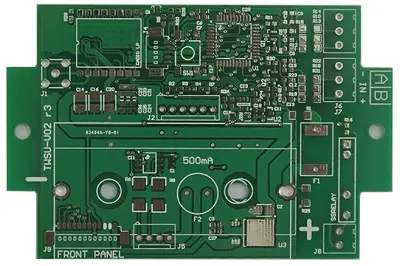
 PCB
PCB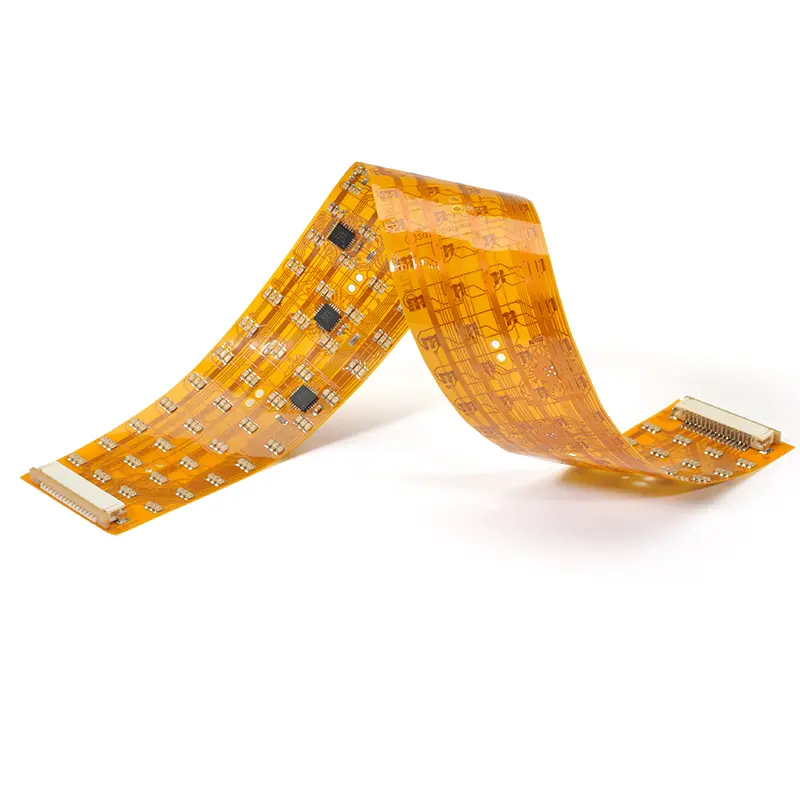 FPC
FPC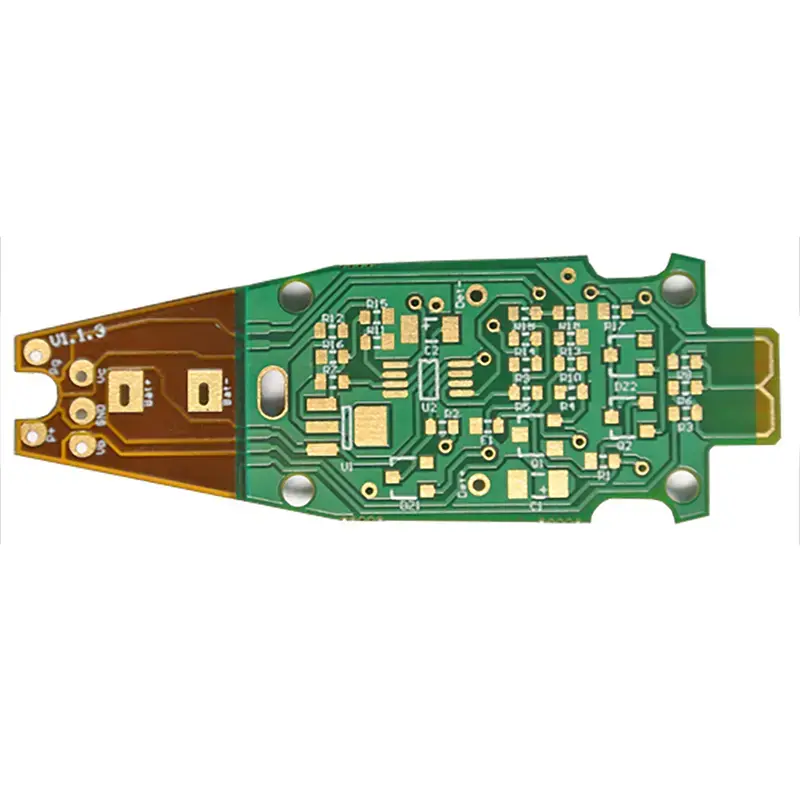 Rigid-Flex
 FR-4
FR-4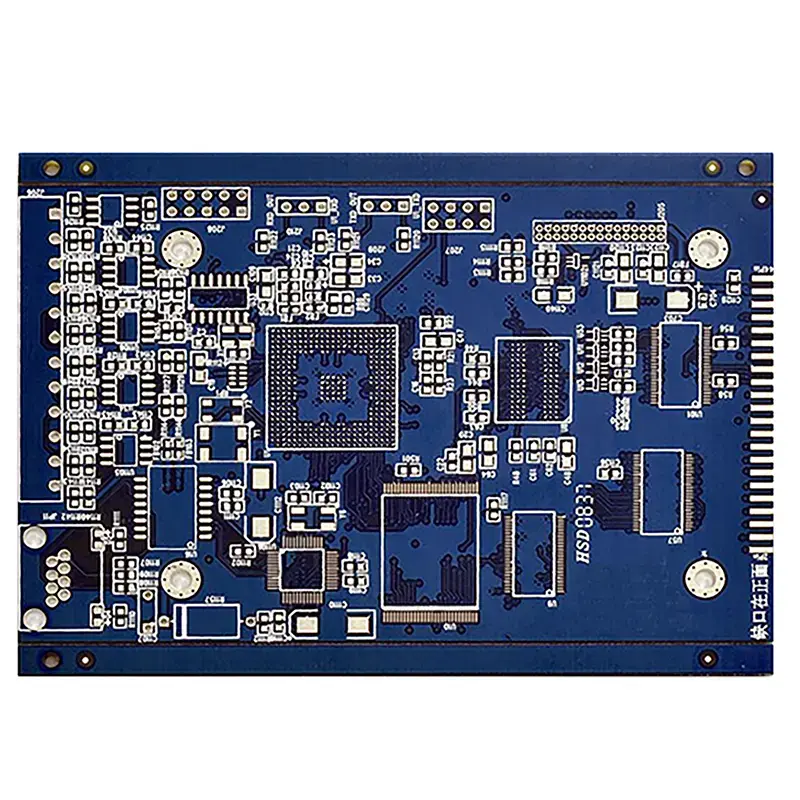 HDI PCB
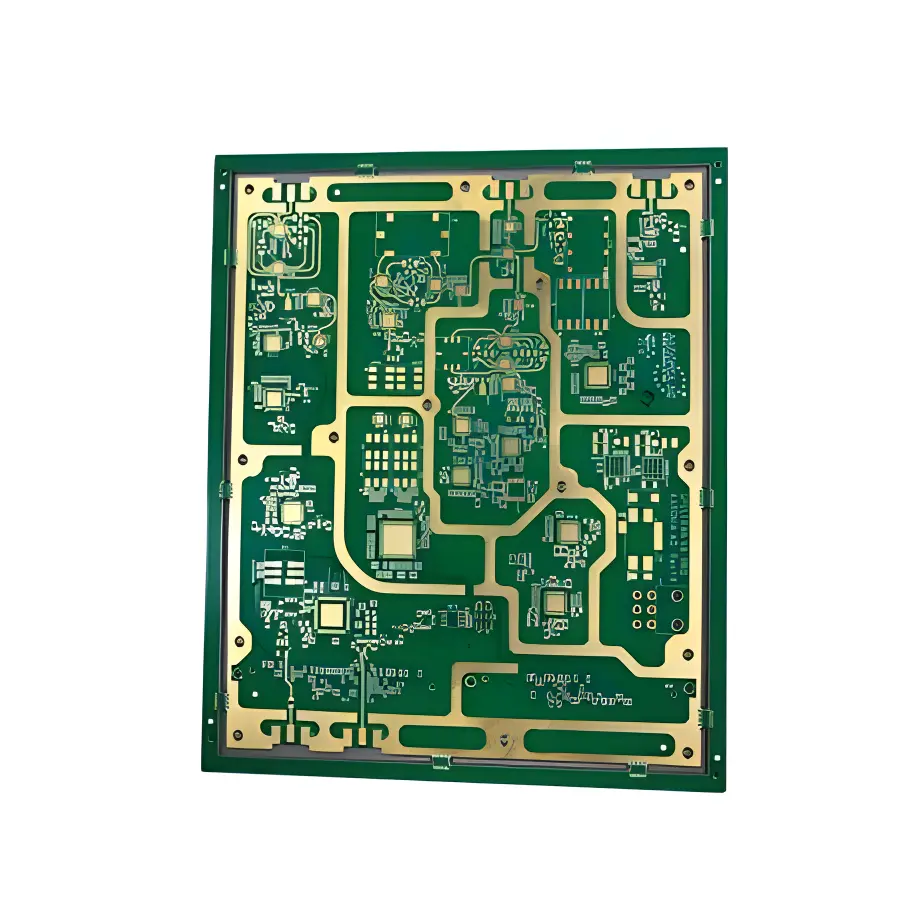 Rogers High-Frequency Board
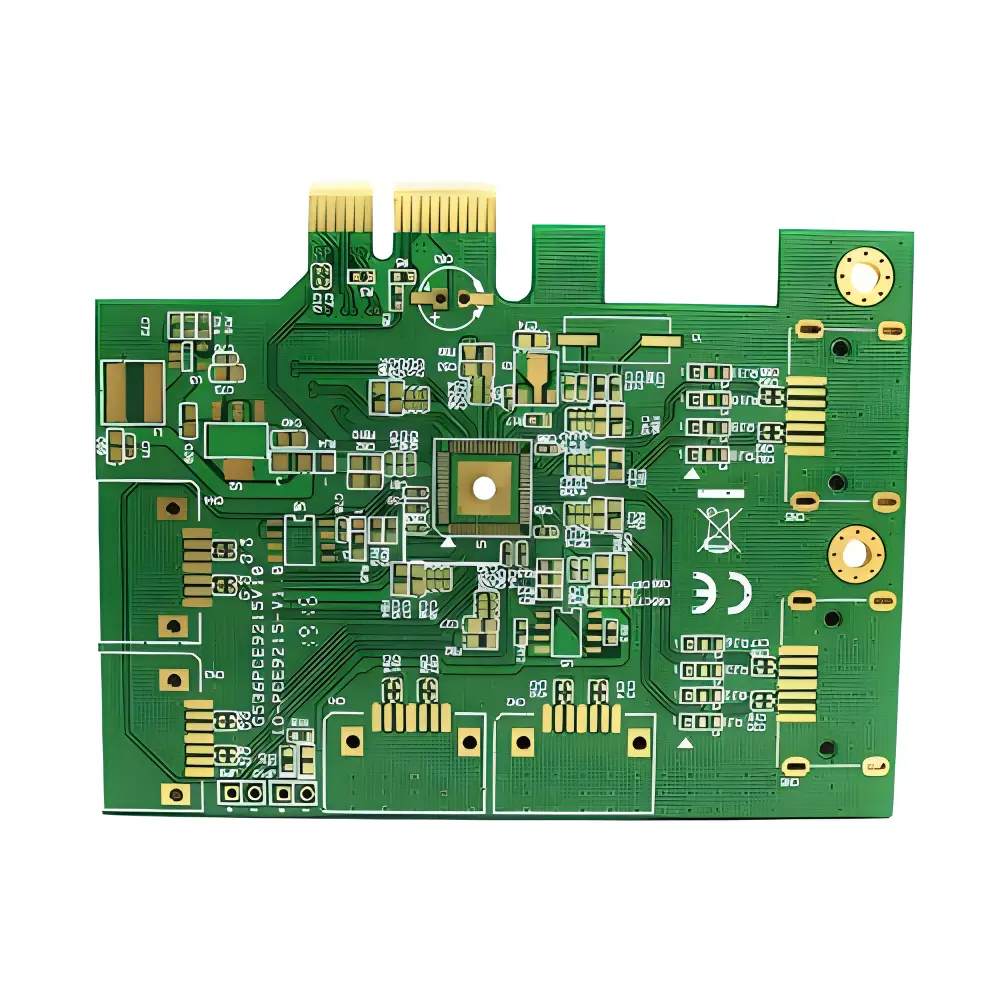 PTFE Teflon High-Frequency Board
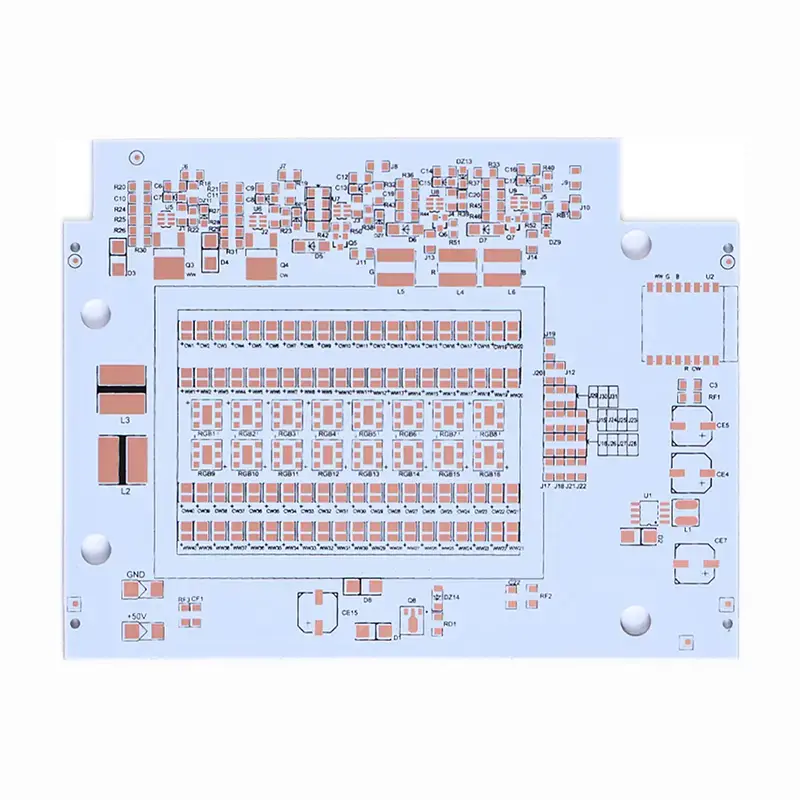 Aluminum
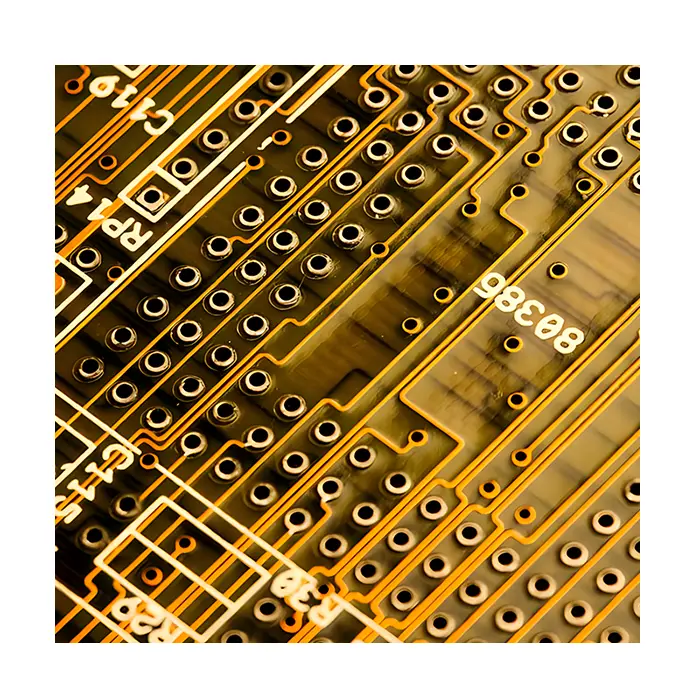 Copper Core
 PCB Assembly
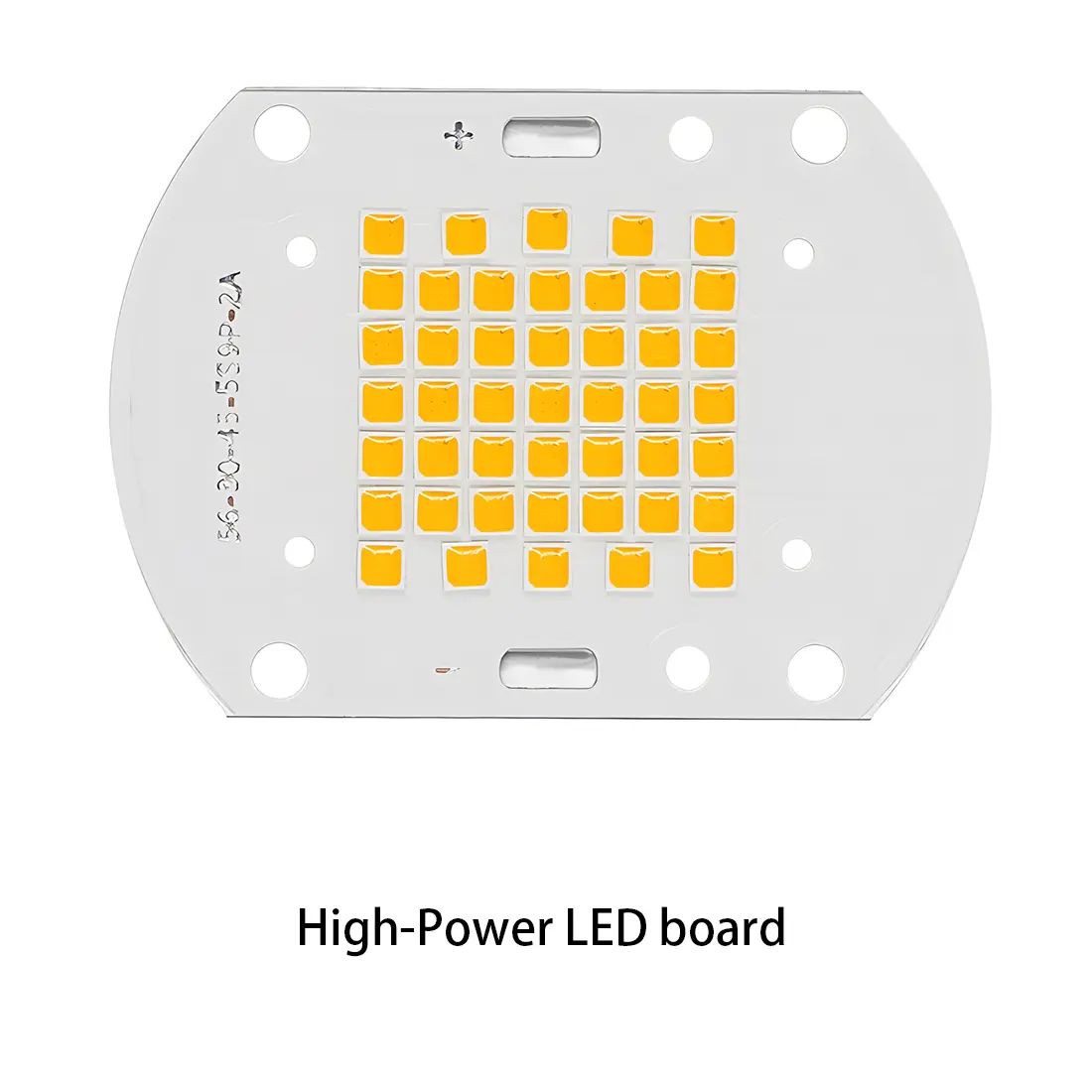 LED light PCBA
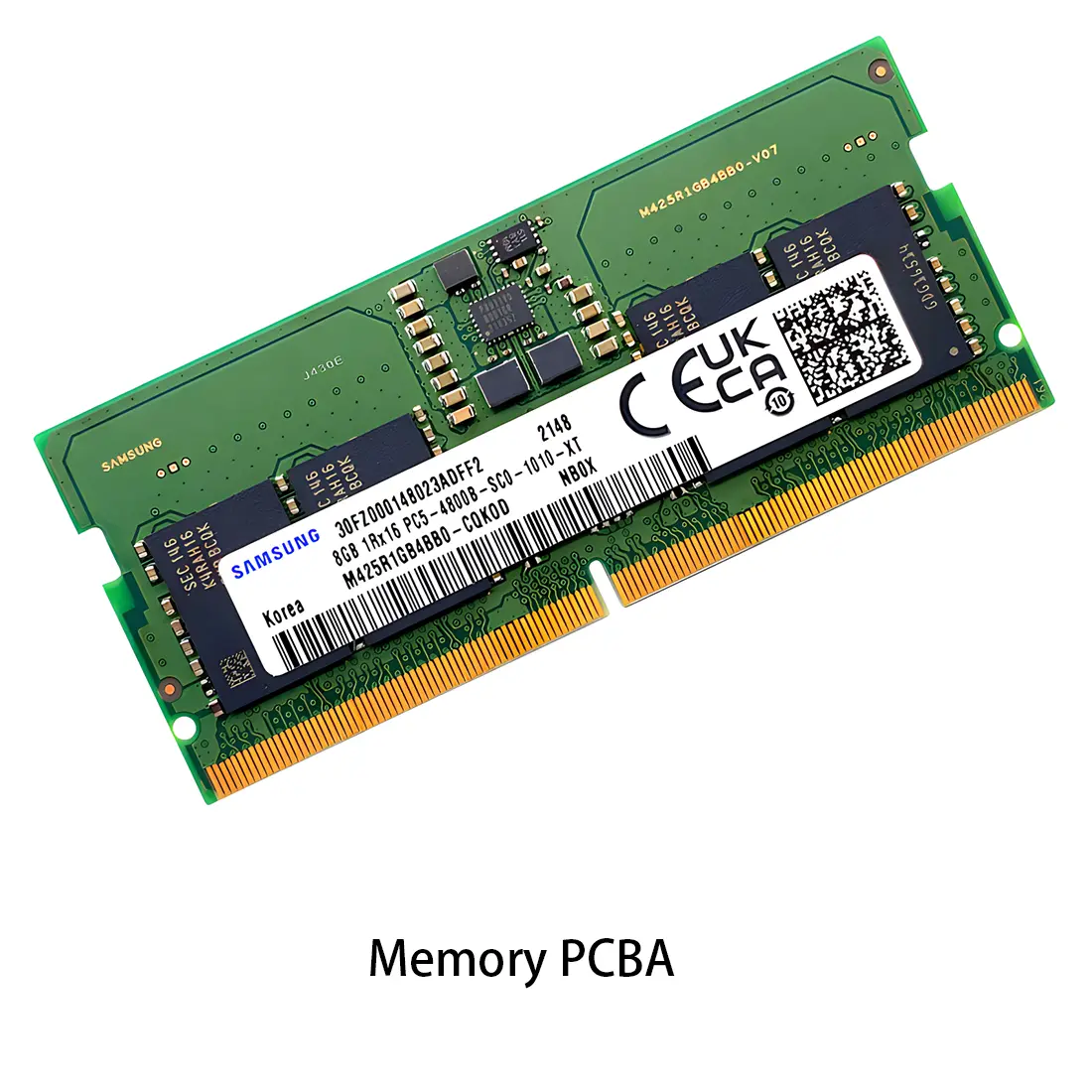 Memory PCBA
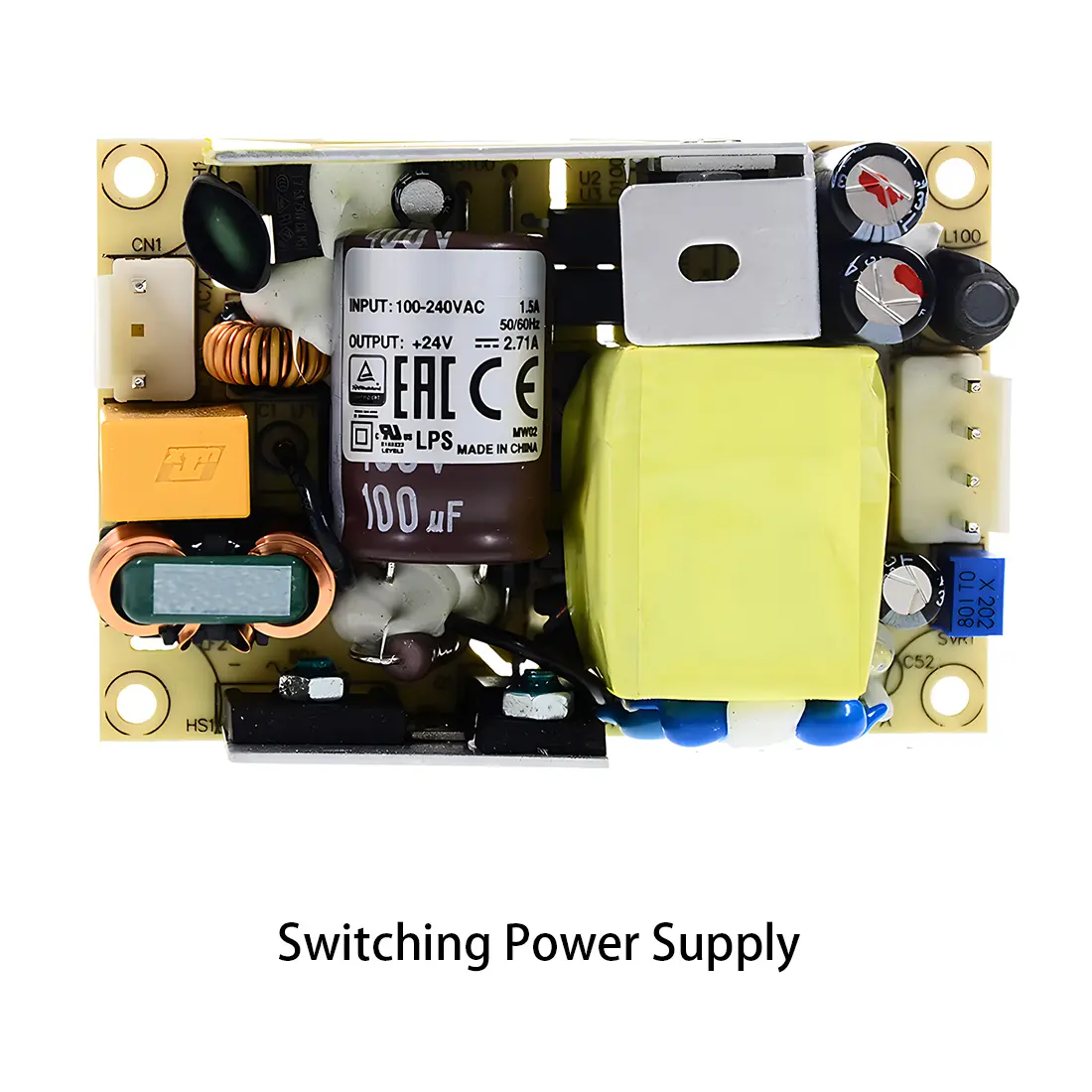 Power Supply PCBA
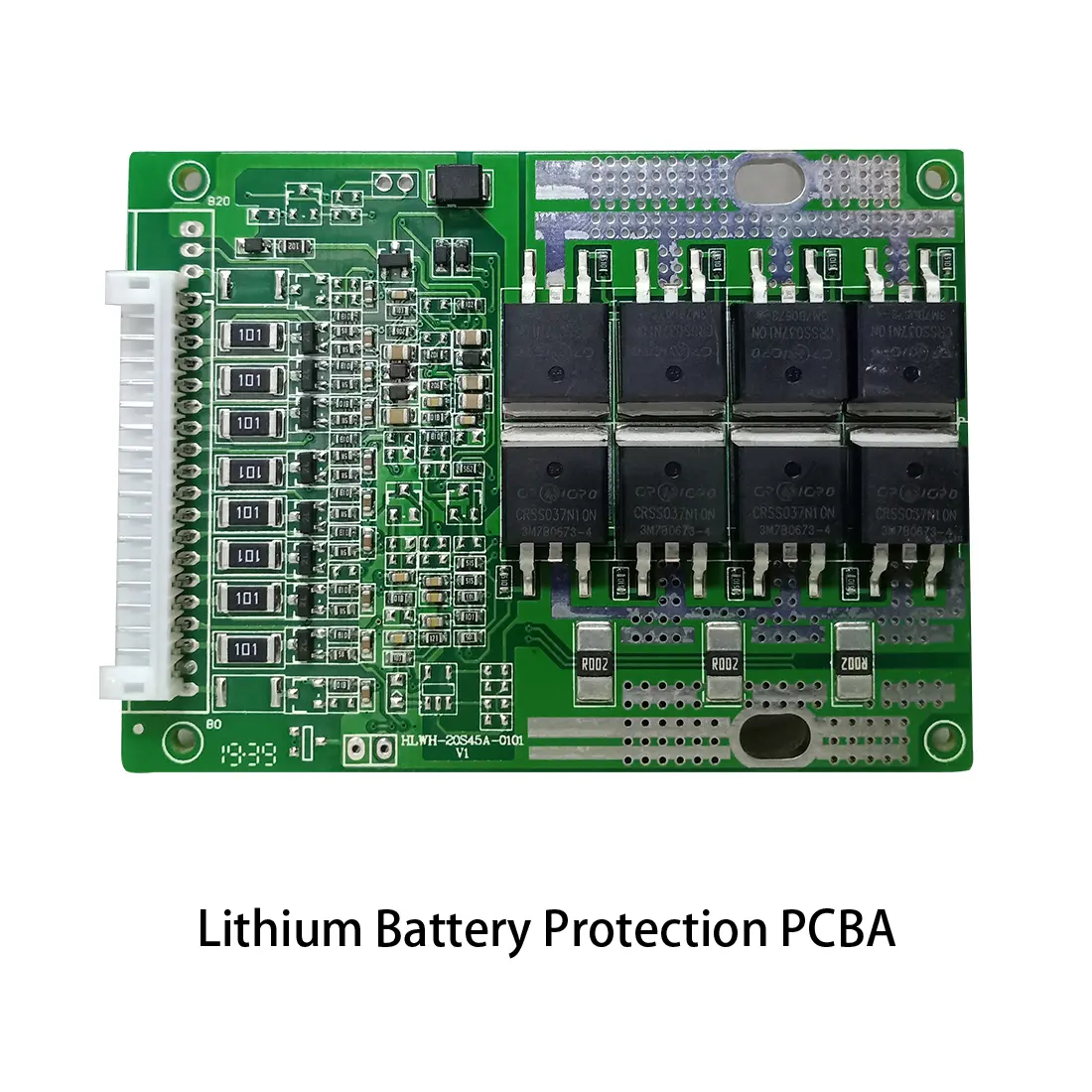 New Energey PCBA
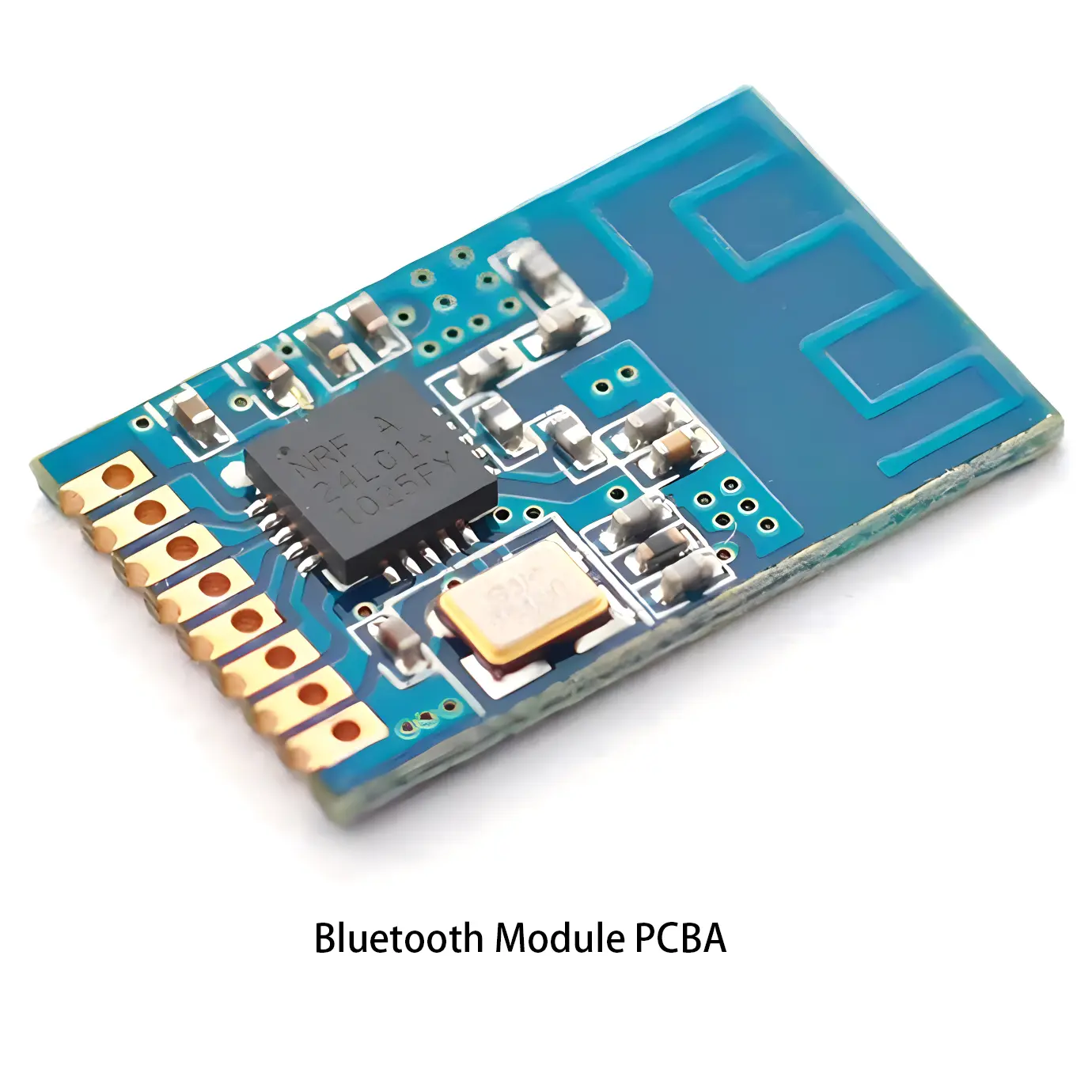 Communication PCBA
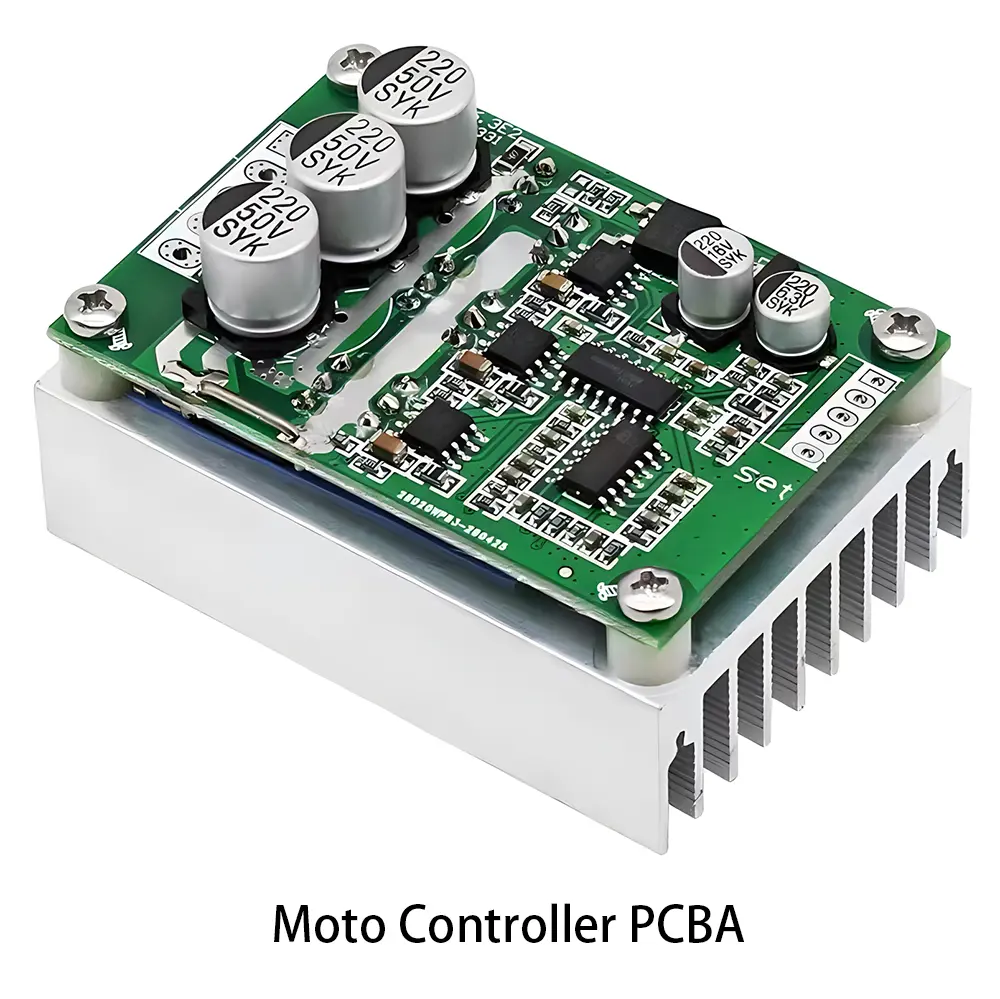 Industrial Control PCBA
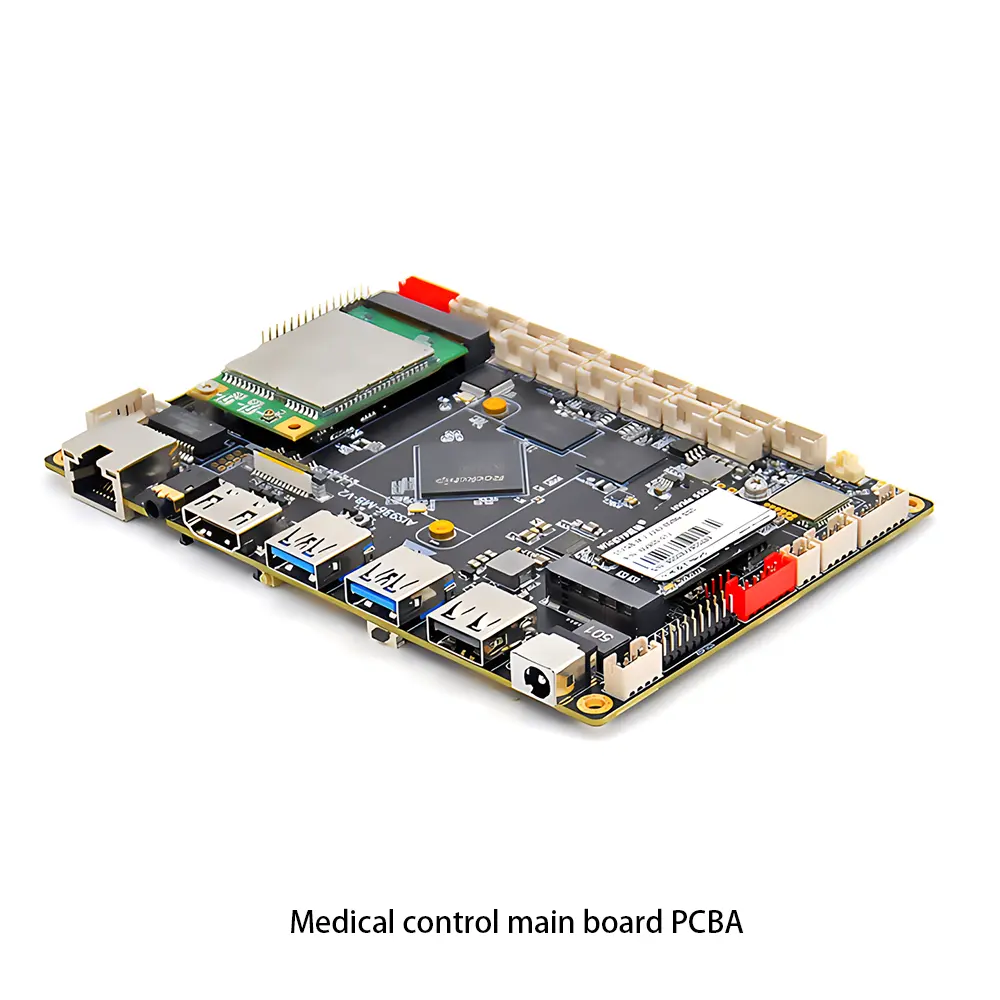 Medical Equipment PCBA
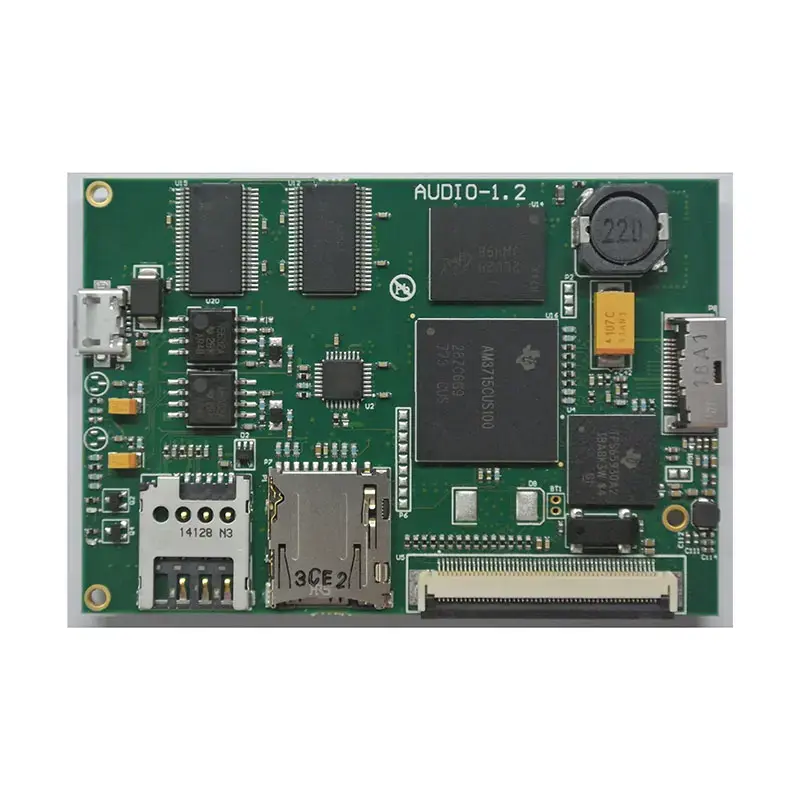 Testing Service
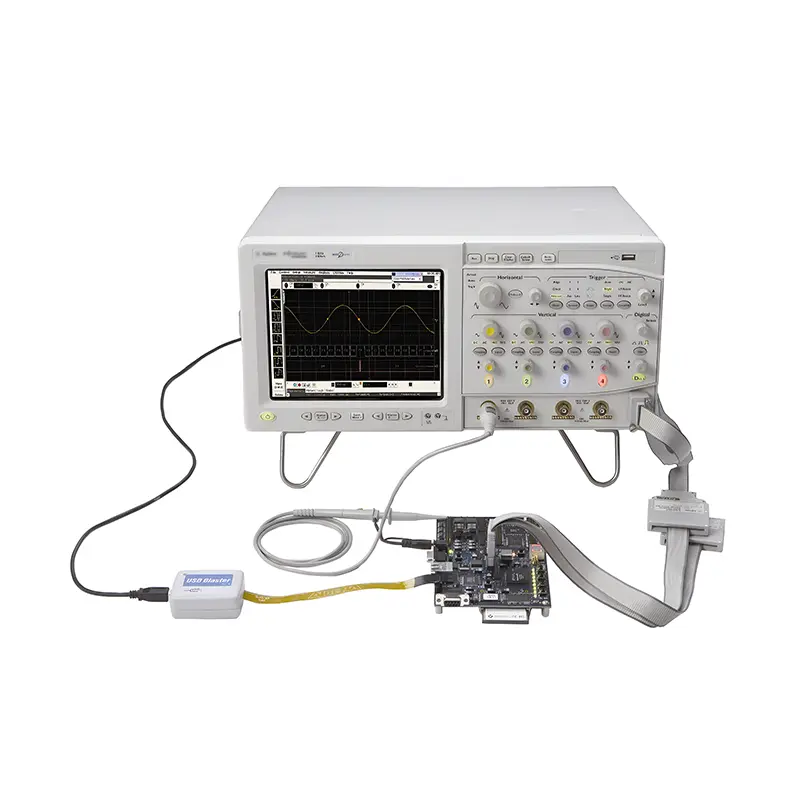 PCBA Testing Service
 Certification Application
 RoHS Certification Application
 REACH Certification Application
 CE Certification Application
 FCC Certification Application
 CQC Certification Application
 UL Certification Application
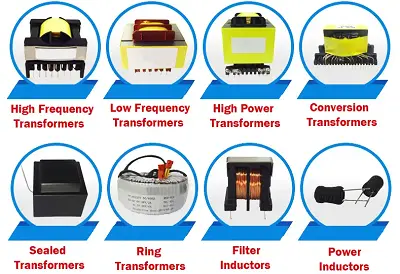 Transformers, Inductors
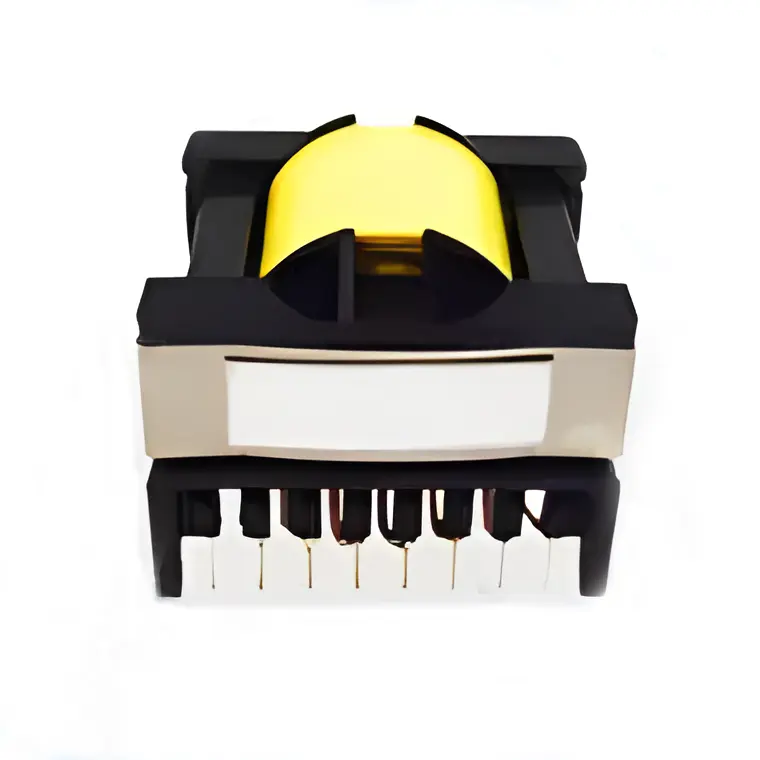 High Frequency Transformers
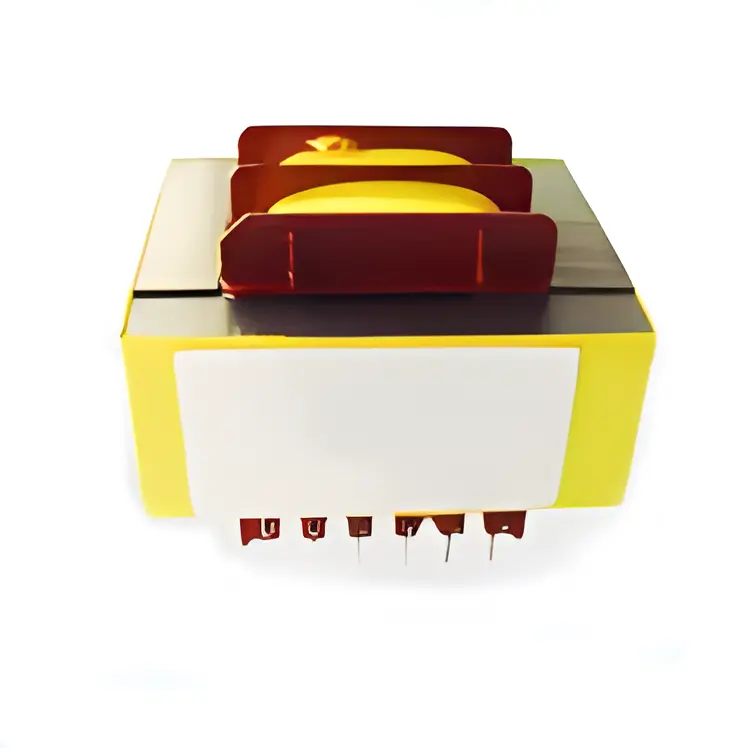 Low Frequency Transformers
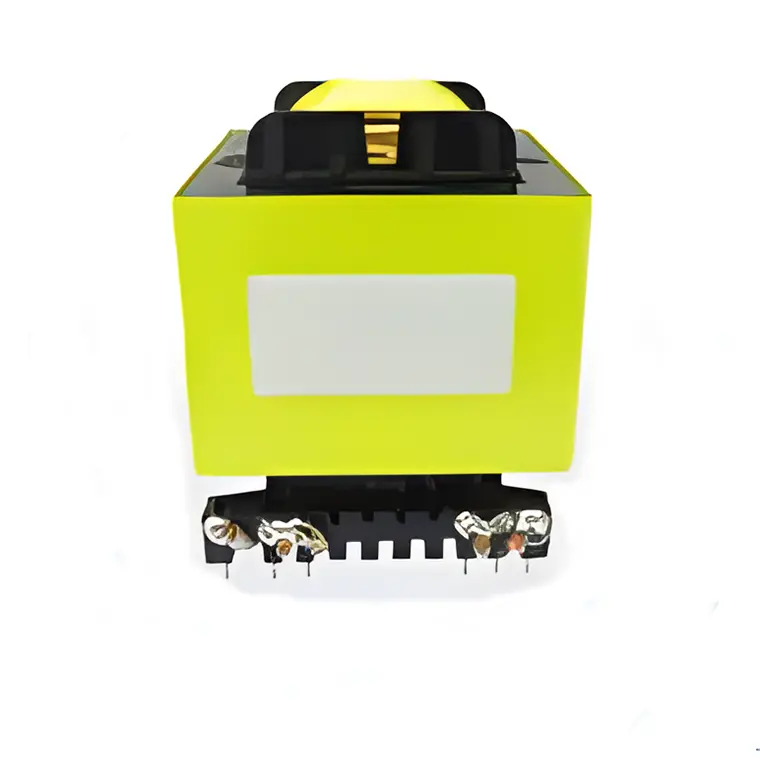 High Power Transformers
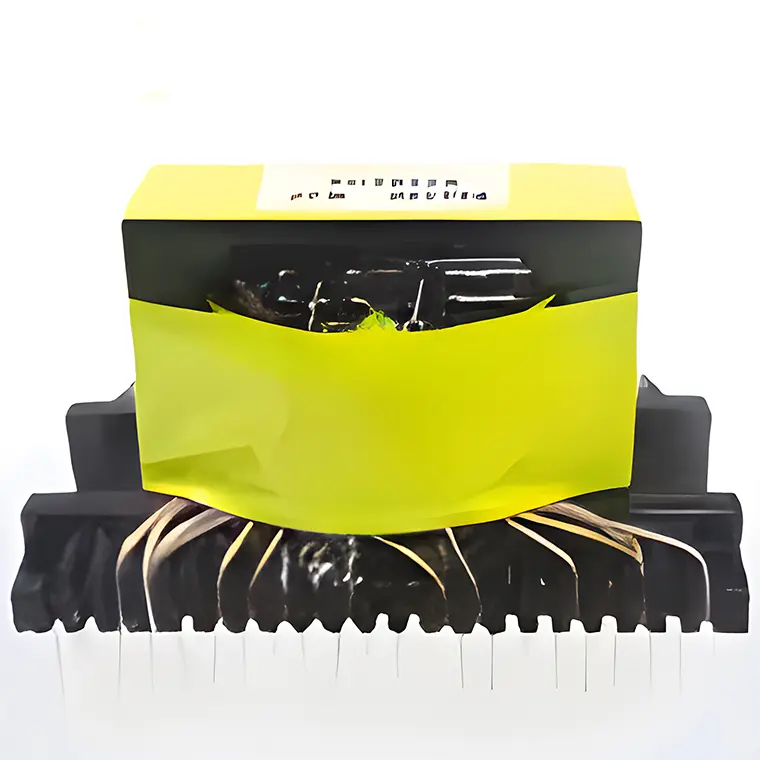 Conversion Transformers
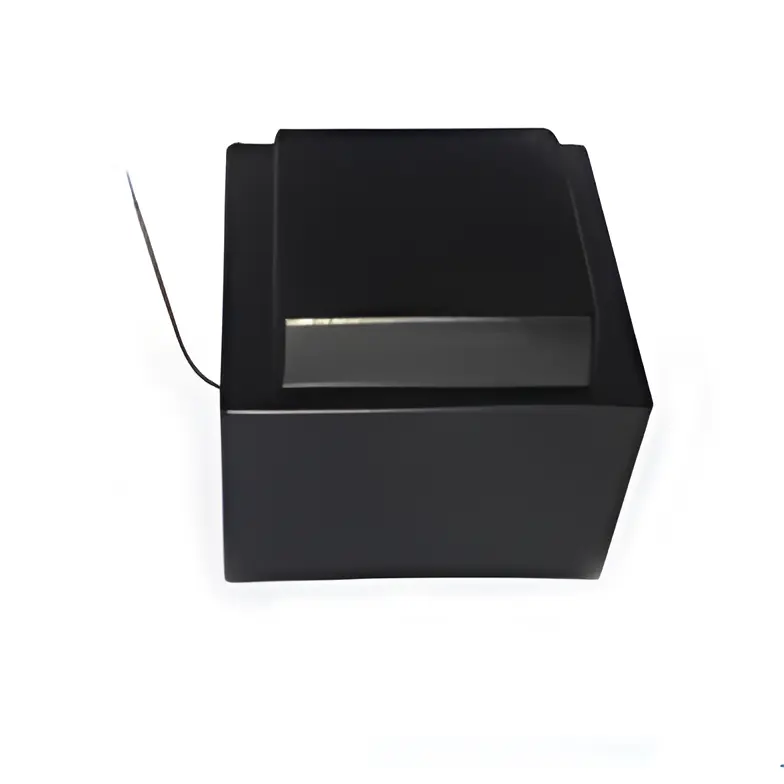 Sealed Transformers
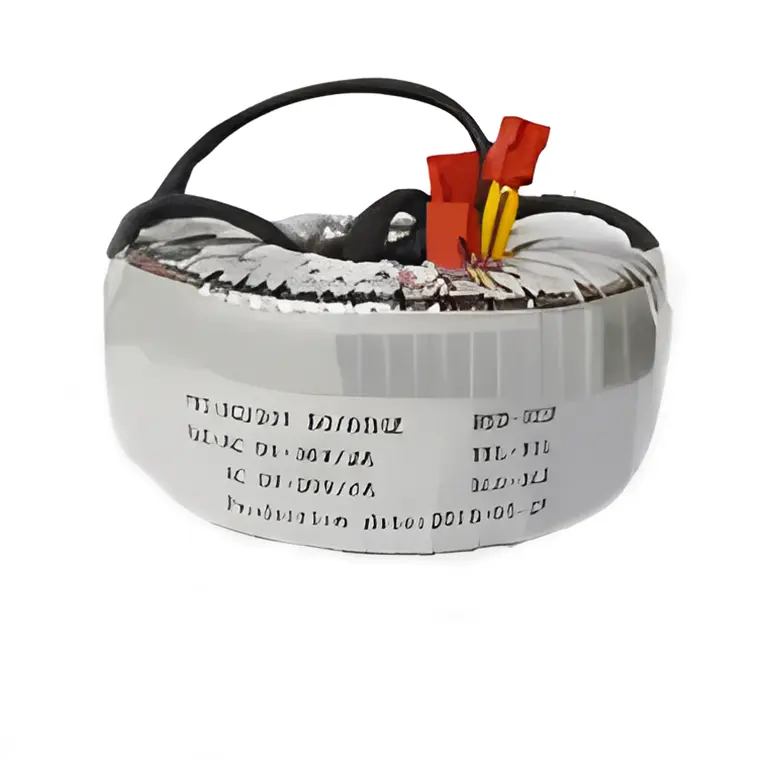 Ring Transformers
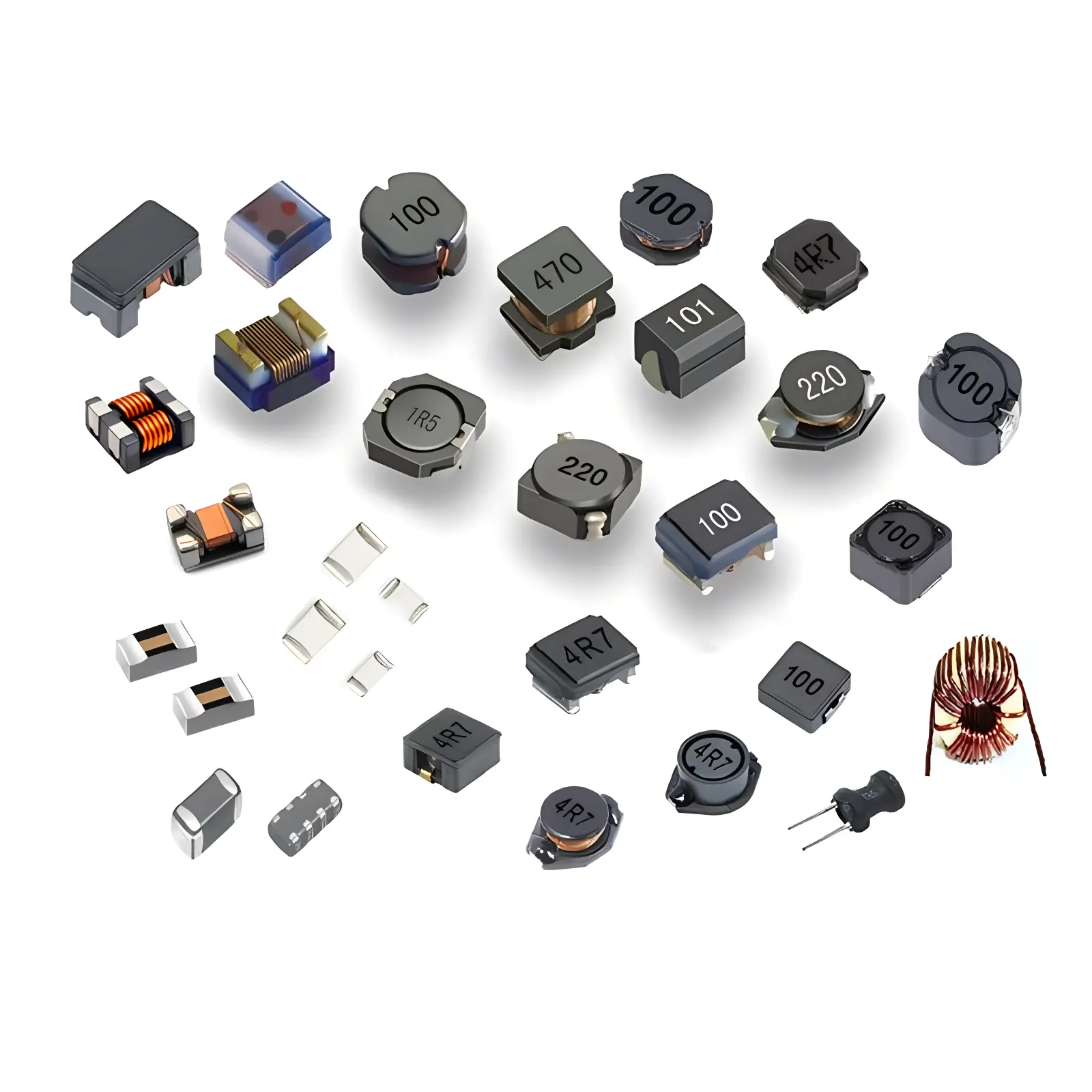 Inductors
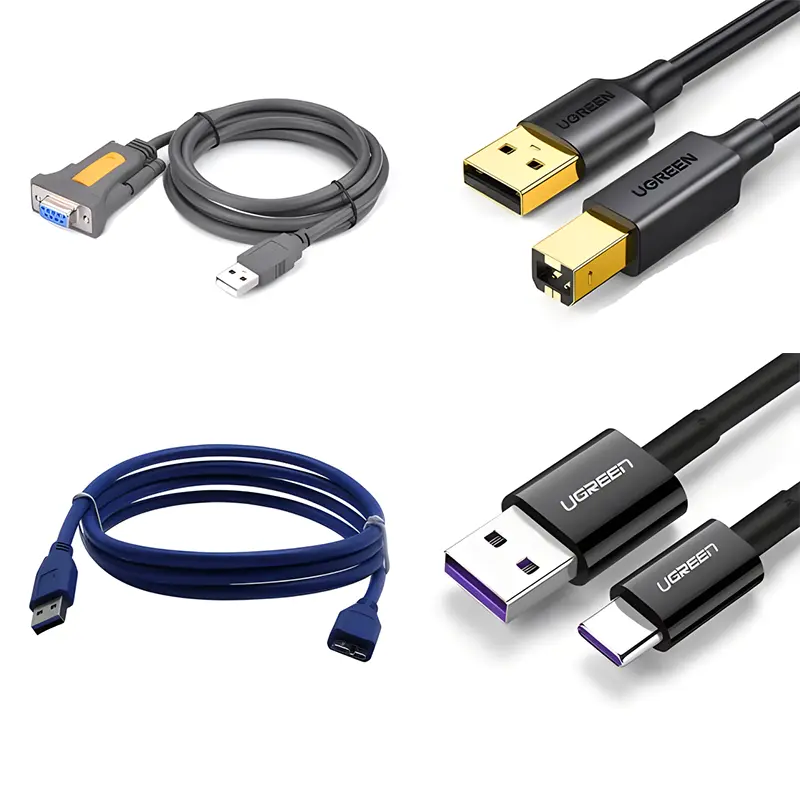 Wires,Cables Customized
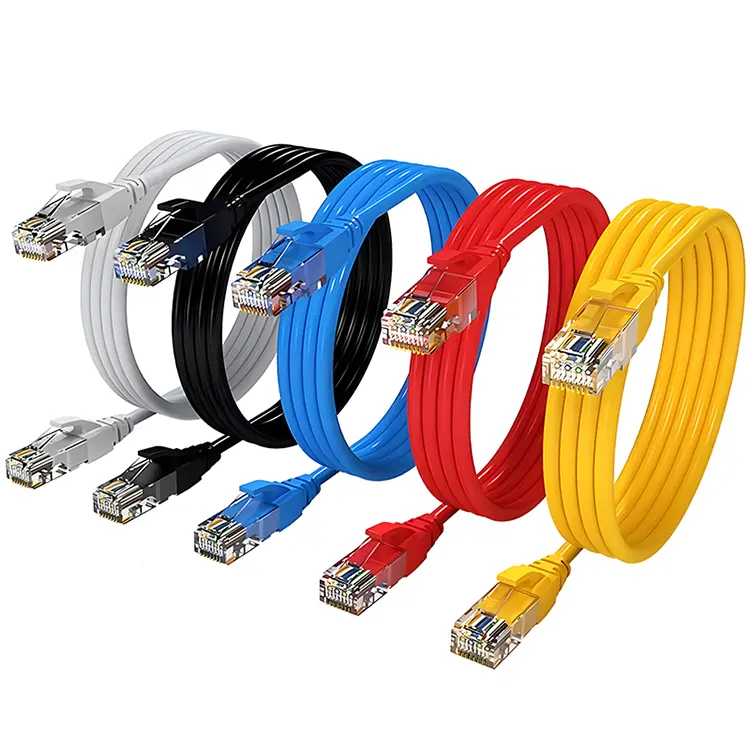 Network Cables
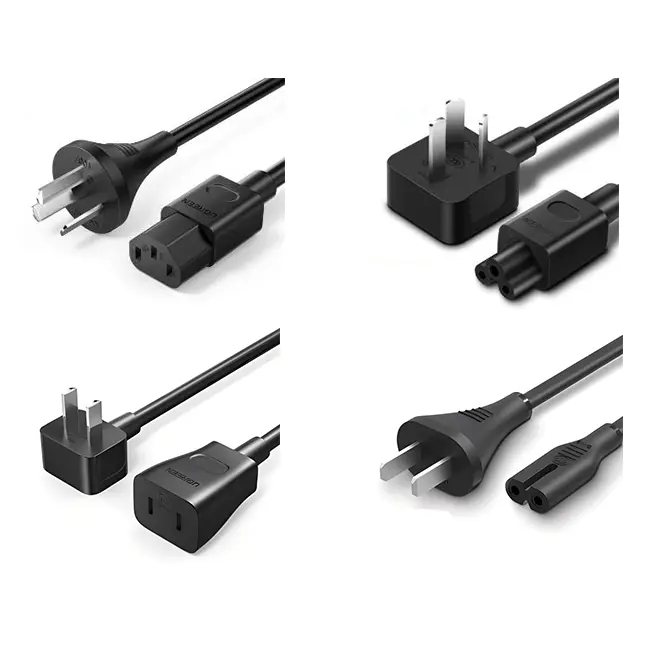 Power Cords
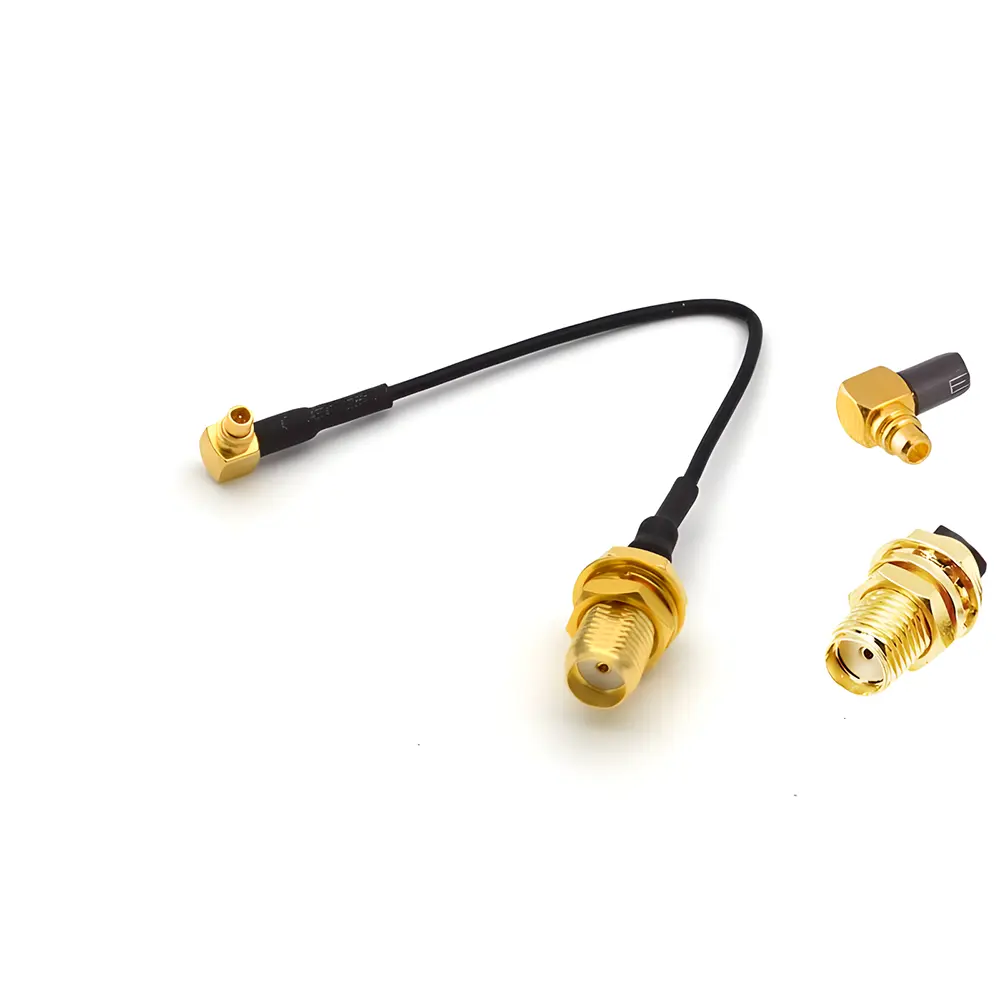 Antenna Cables
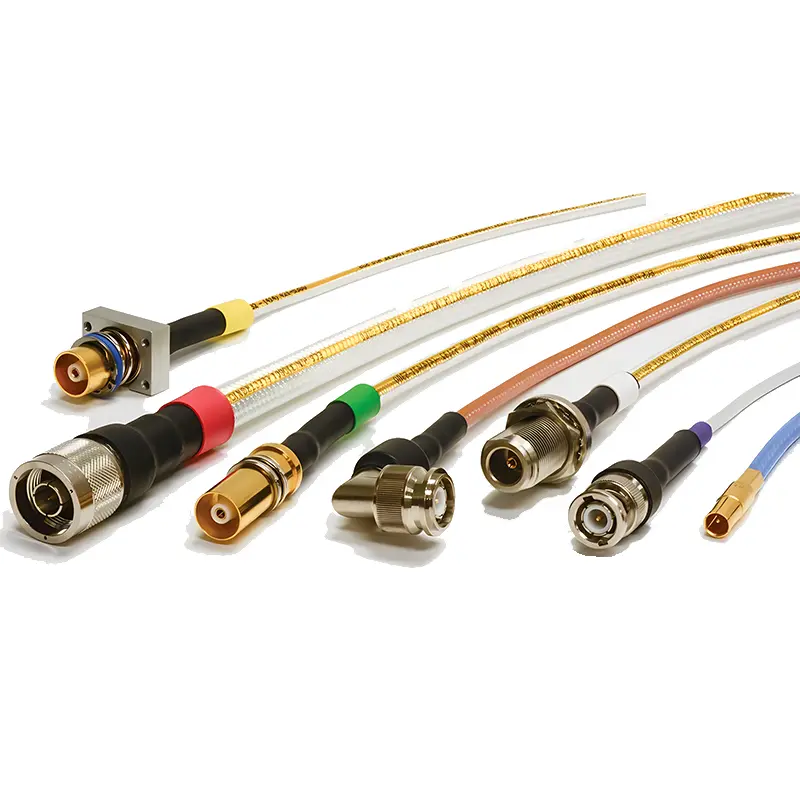 Coaxial Cables
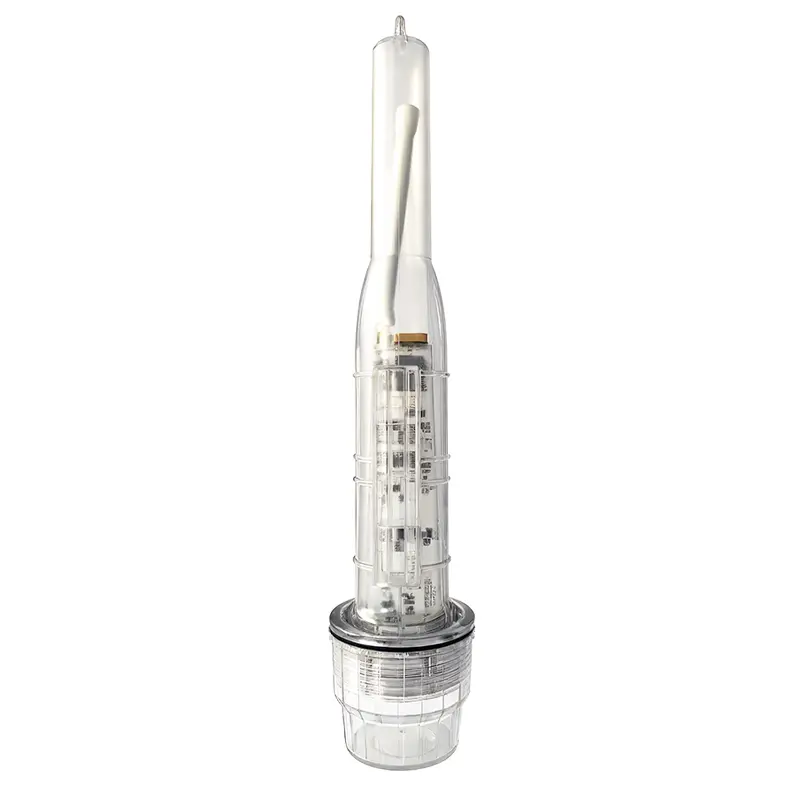 Net Position Indicator
 Solar AIS net position indicator
 Capacitors
 Connectors
 Diodes
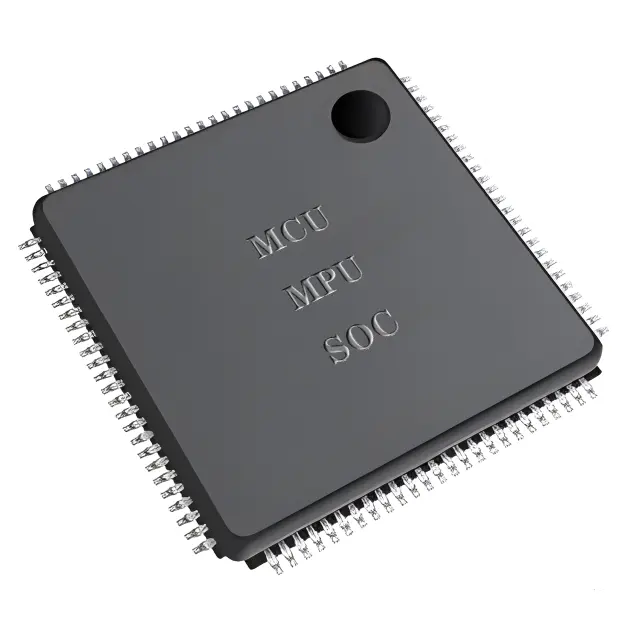 Embedded Processors & Controllers
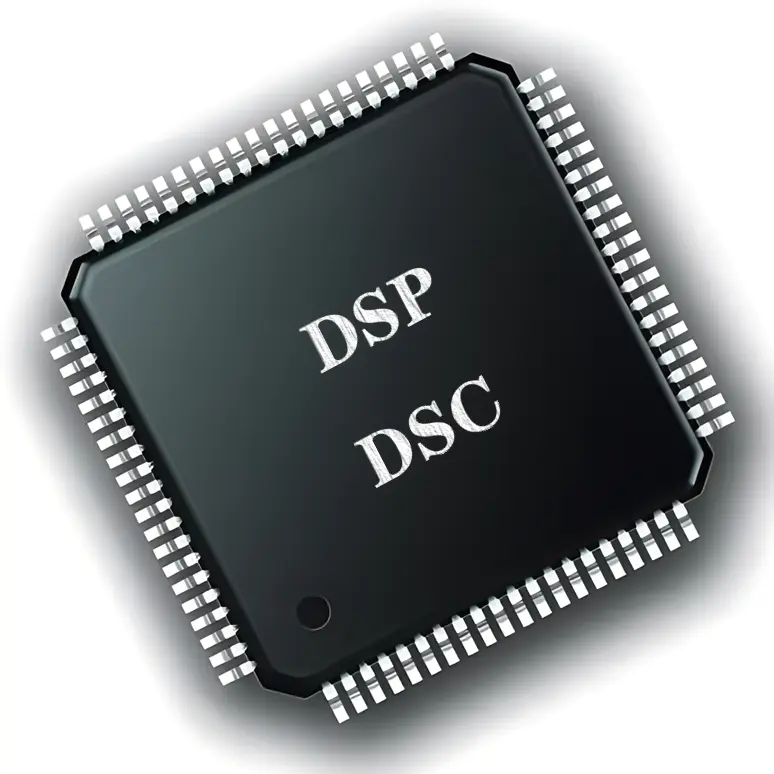 Digital Signal Processors (DSP/DSC)
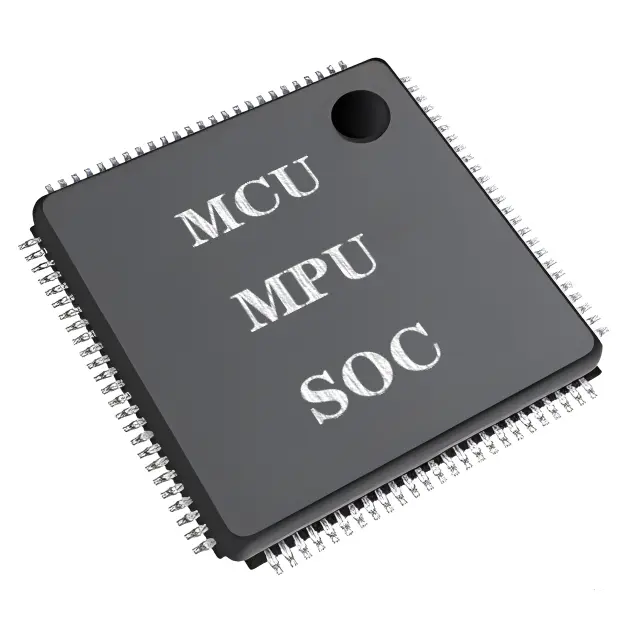 Microcontrollers (MCU/MPU/SOC)
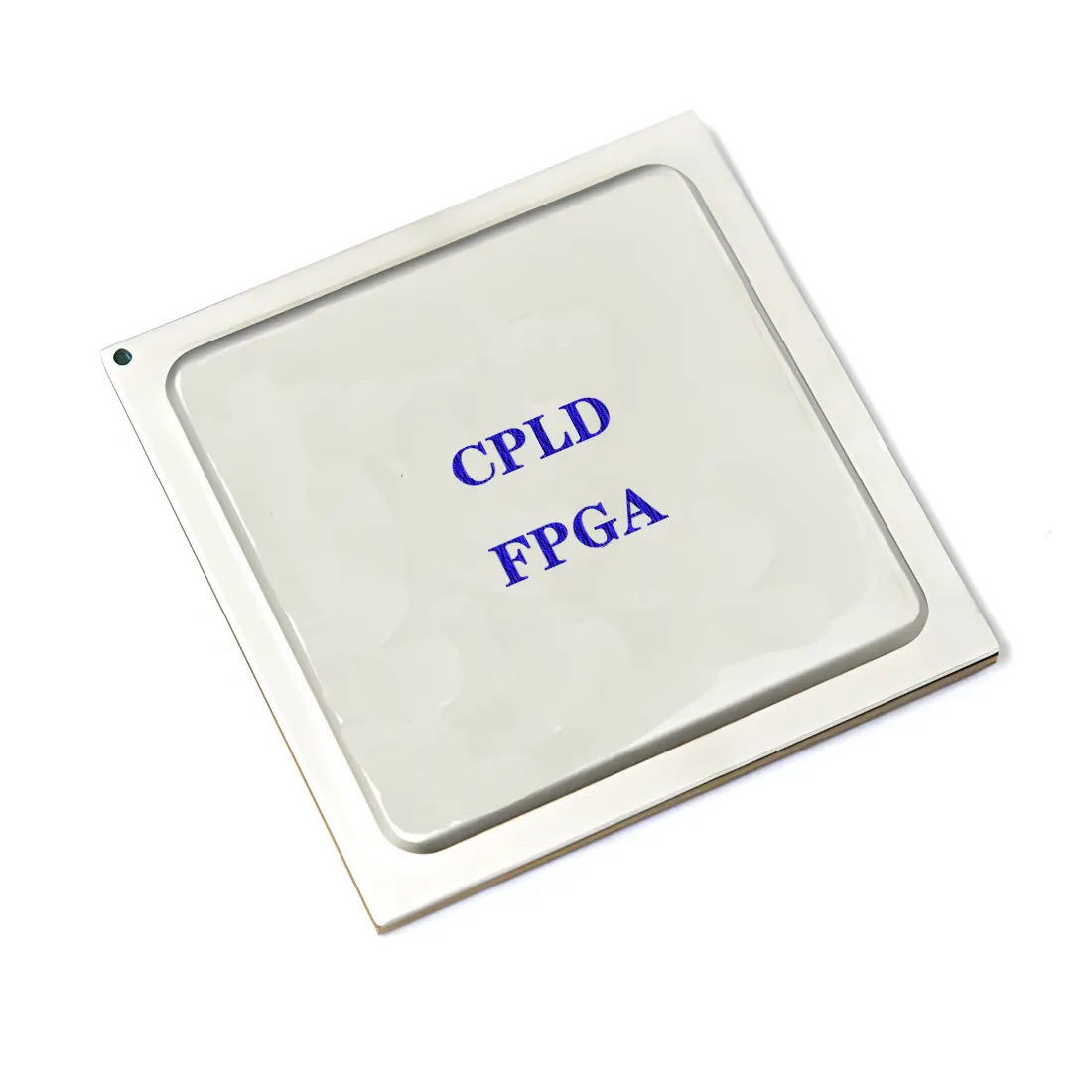 Programmable Logic Device(CPLD/FPGA)
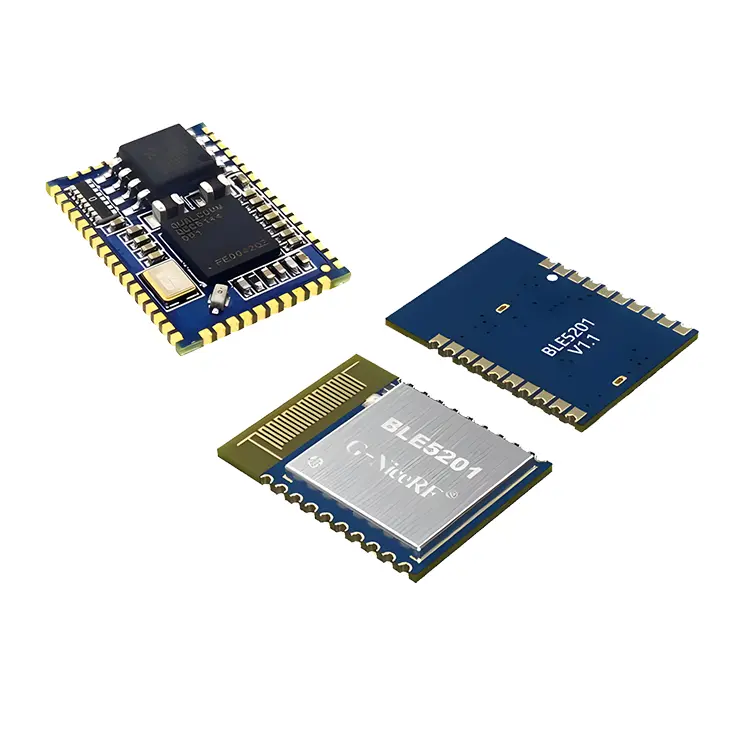 Communication Modules/IoT
 Resistors
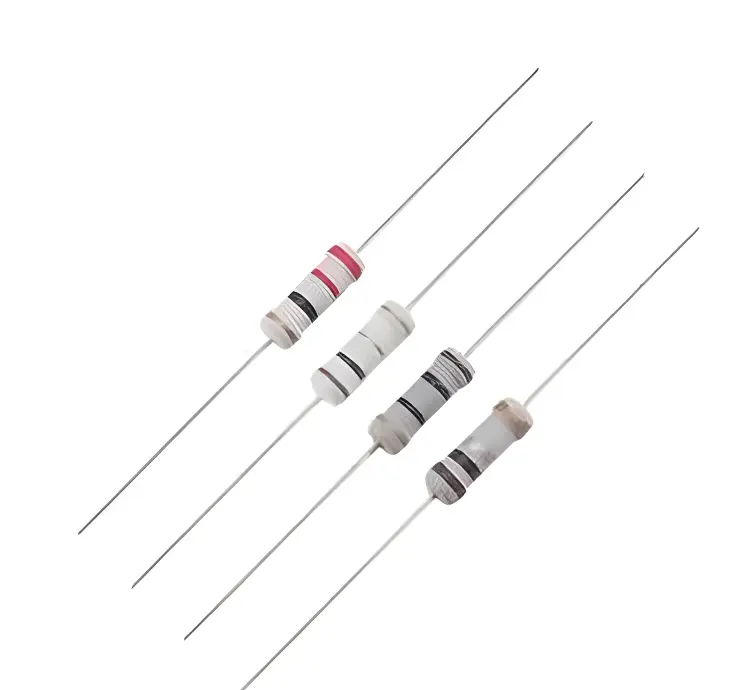 Through Hole Resistors
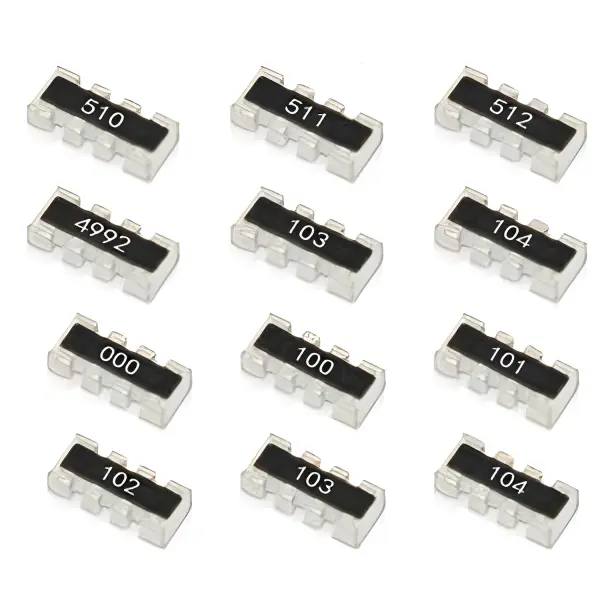 Resistor Networks, Arrays
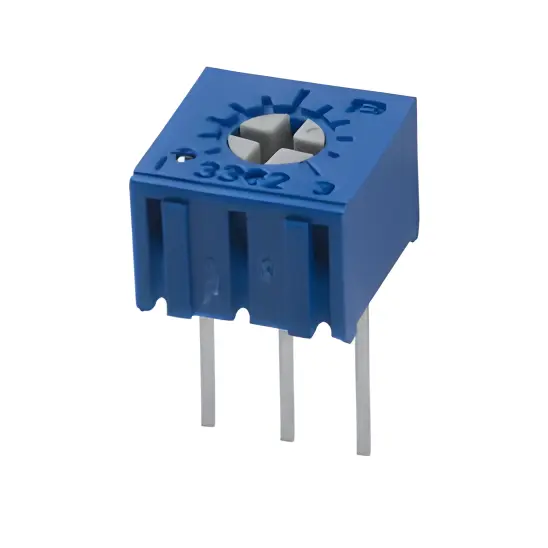 Potentiometers,Variable Resistors
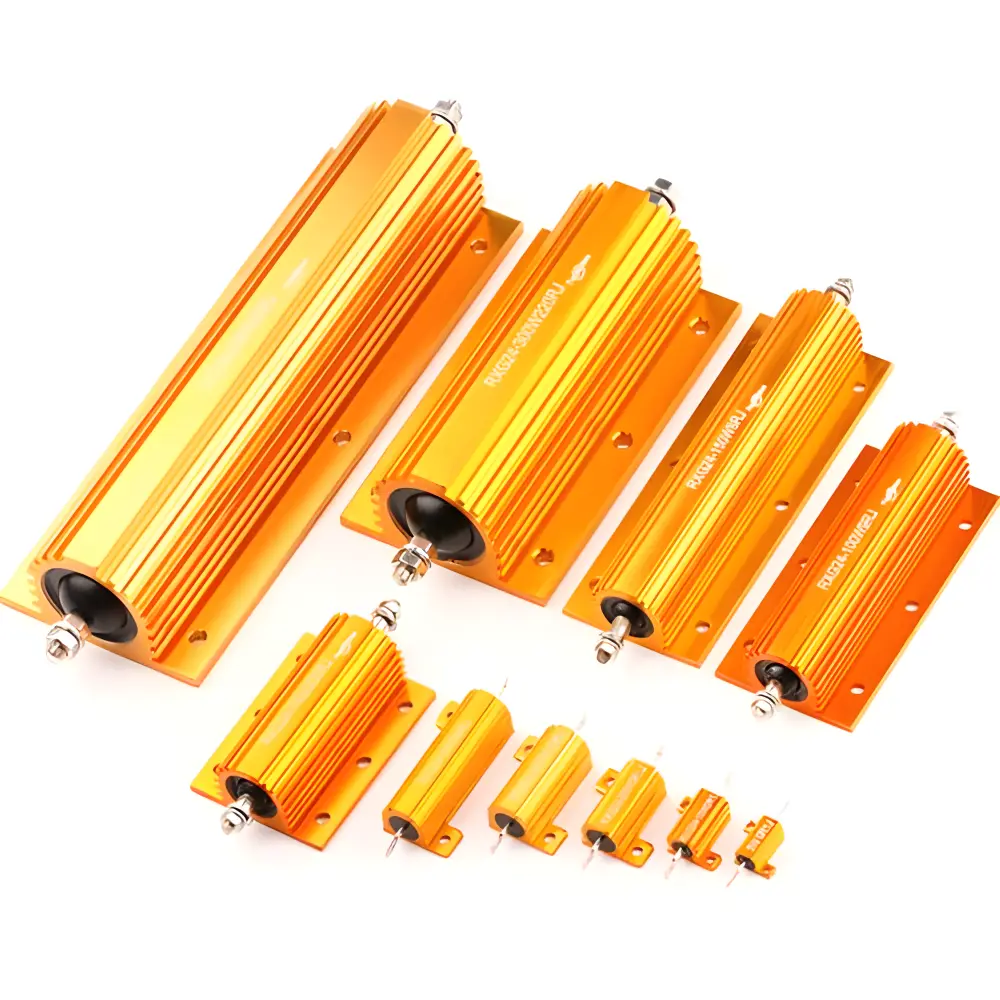 Aluminum Case,Porcelain Tube Resistance
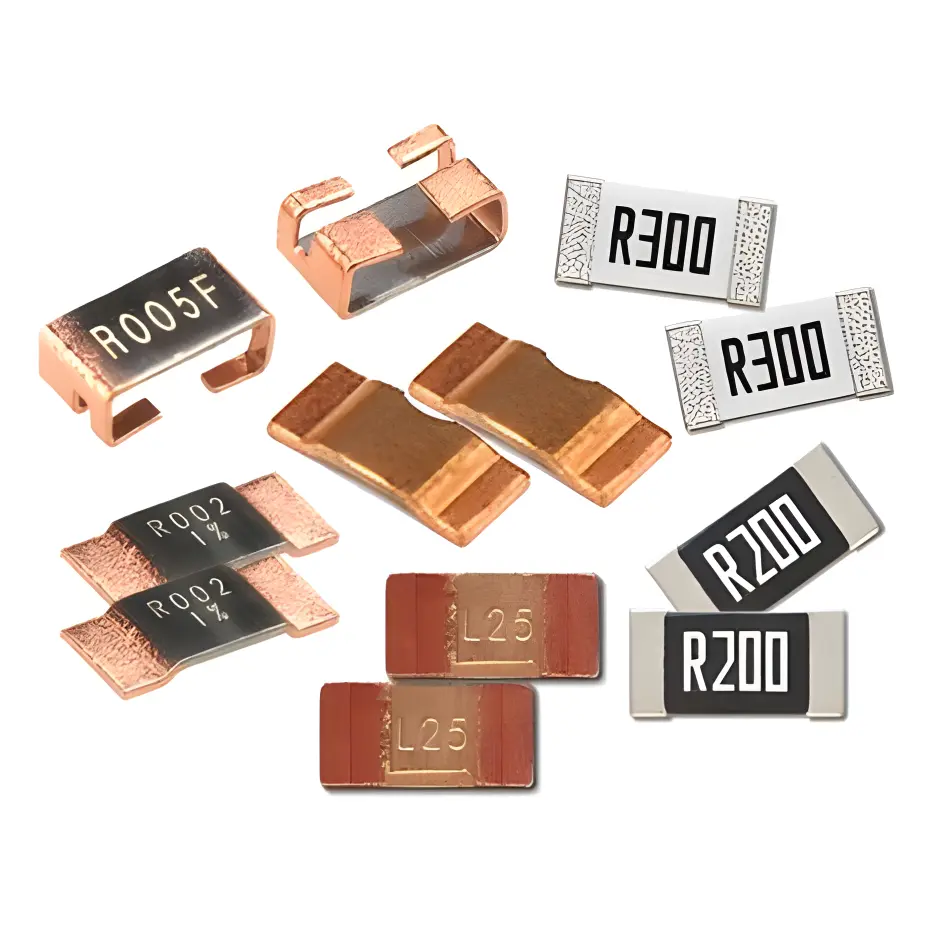 Current Sense Resistors,Shunt Resistors
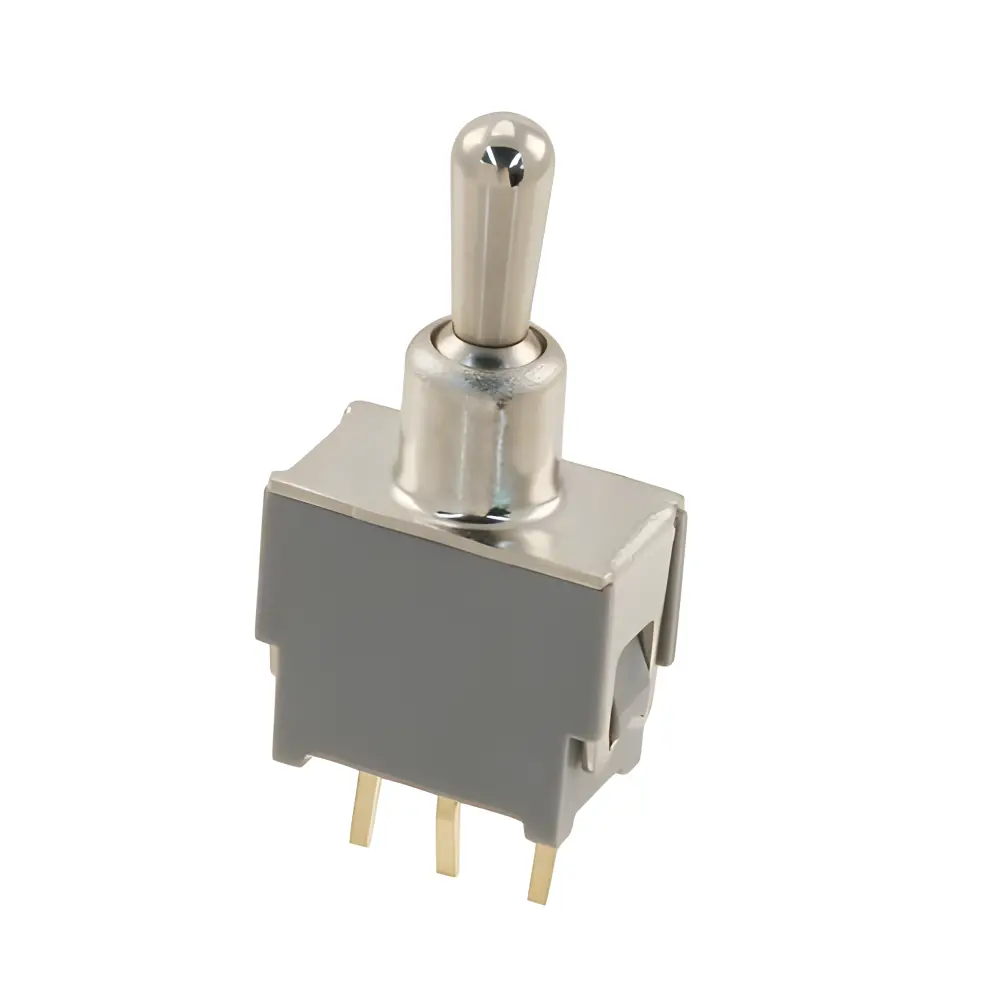 Switches
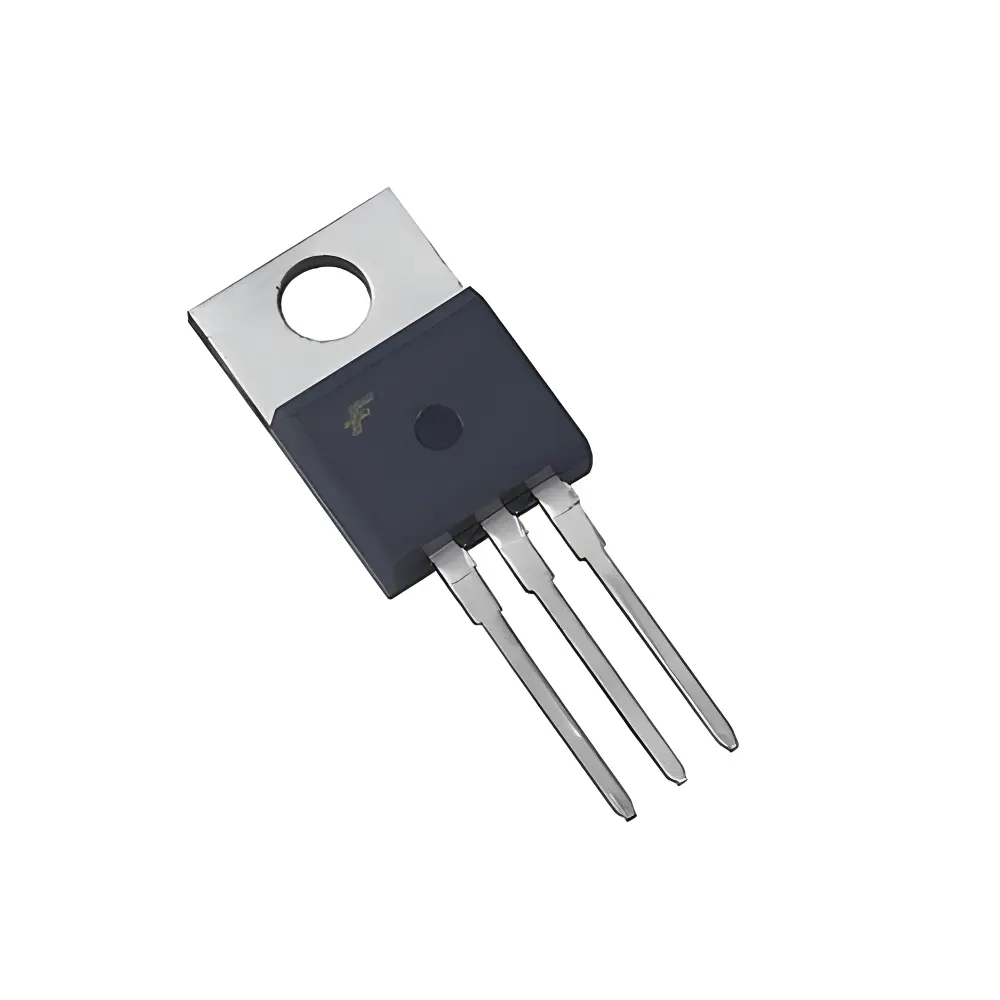 Transistors
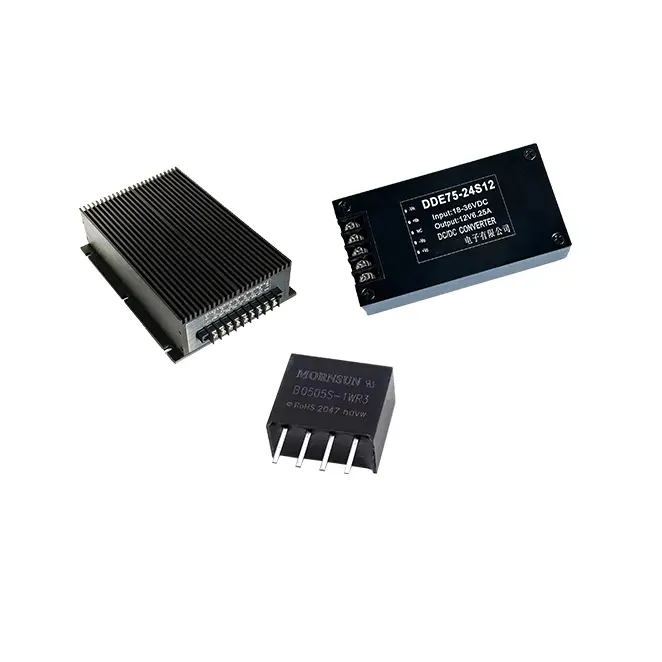 Power Modules
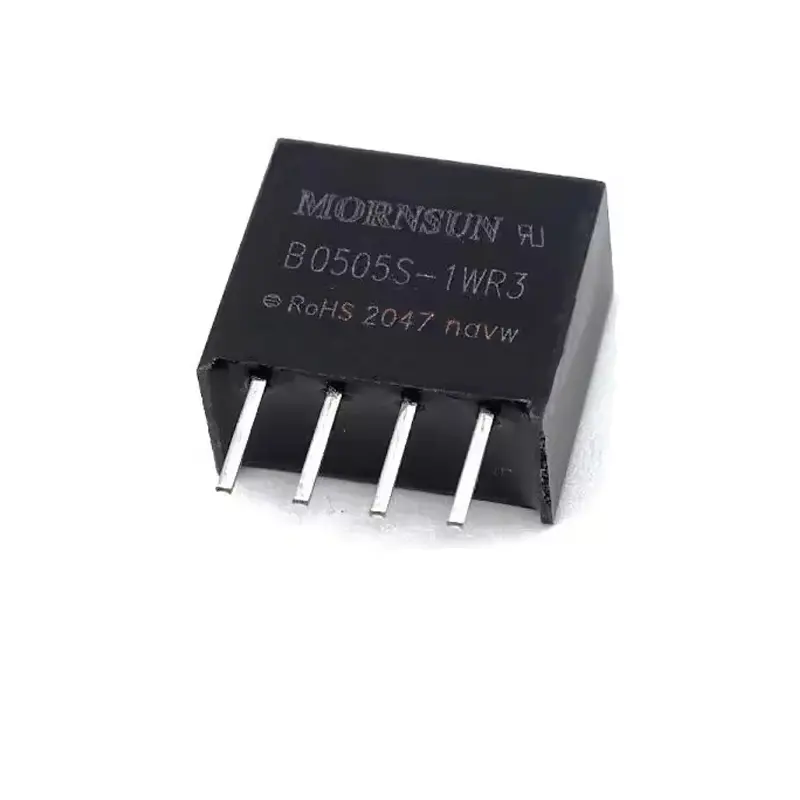 Isolated Power Modules
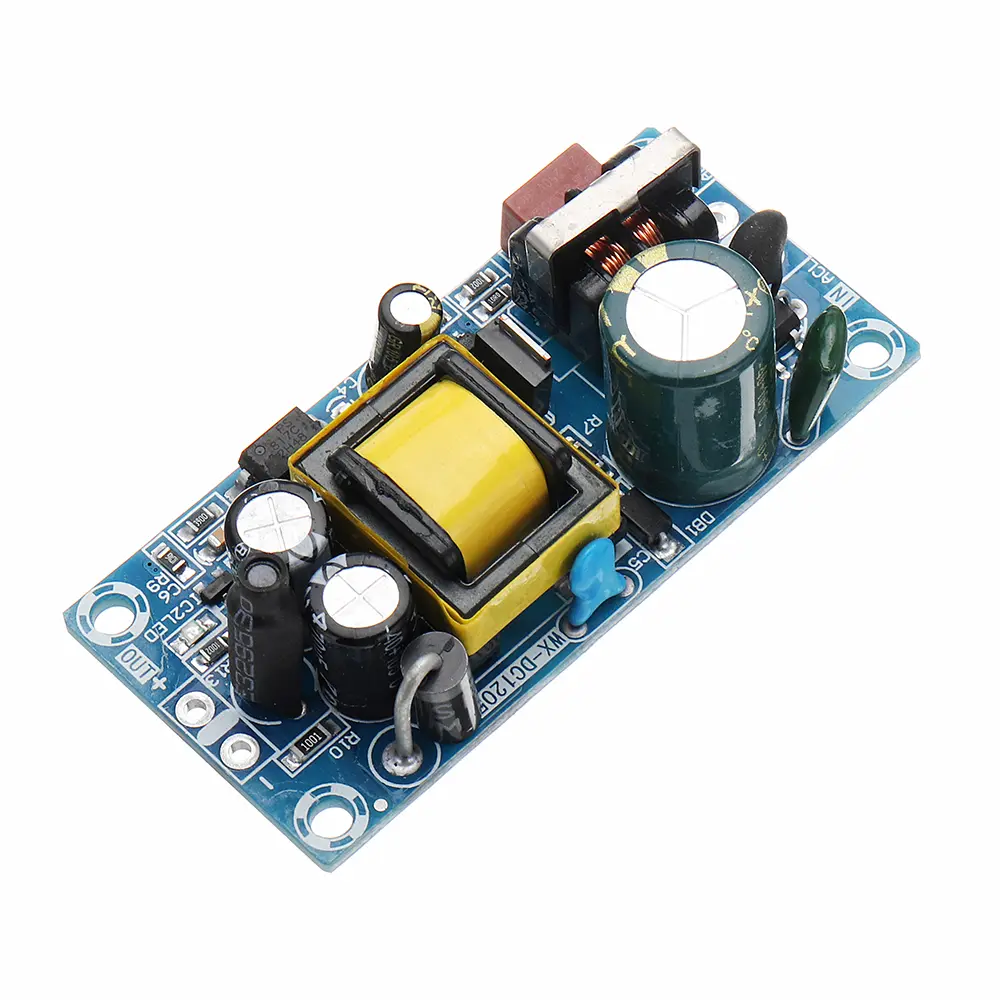 AC-DC Power Modules
 DC-AC Module(Inverter)
 RF and Wireless
ISO 26262 Functional Safety Layout Requirements in Automotive PCBs
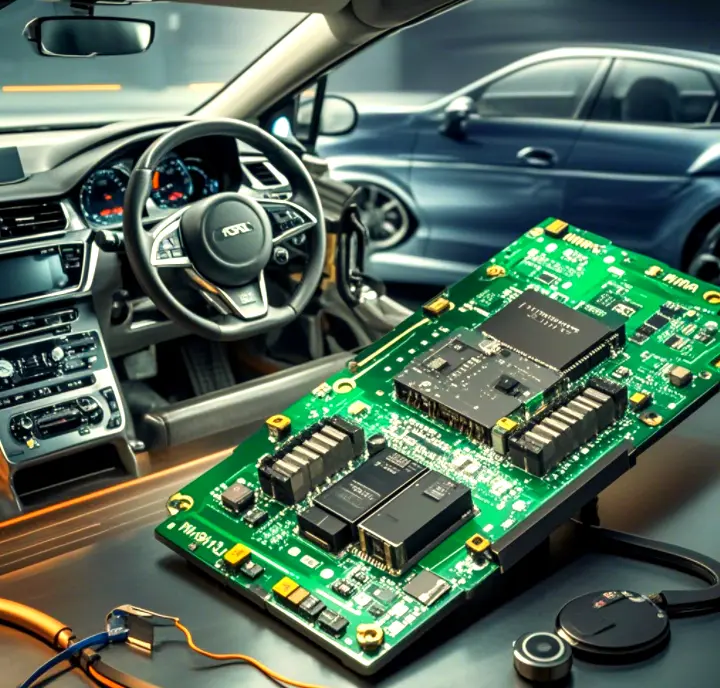
Comprehensive Guide to Meeting ISO 26262 Functional Safety Layout Requirements in Automotive PCBs
—From Design Principles to Implementation VerifICation
I. Relationship Between ISO 26262 and Automotive PCBs
ISO 26262 is the core standard for automotive functional safety, aiming to systematically reduce risks of personal injury caused by E/E system failures. It imposes strict layout constraints:
-
Failure Classification & Safety Levels
-
Systematic Failures: Controlled via development processes (e.g., safety requirement tracing, architecture reviews)
-
Random Hardware Failures: Mitigated through redundant designs and safety mechanisms, requiring ASIL D SPFM ≥99%4
-
-
ASIL Level Mapping
Safety Mechanism ASIL B Requirement ASIL D Requirement Redundant Signal Spacing ≥0.5mm ≥1.0mm Ground Impedance <50mΩ <10mΩ Fault Detection Time <100ms <10ms
II. Core Layout Principles for Functional Safety Compliance
1. Safety Zone Isolation Design
-
Circuit Module Partitioning
-
Safety-critical circuits (e.g., brake/steering control) placed in isolated zones with physical isolation slots (width≥0.8mm) or Guard Traces310
-
High/Low-voltage circuit spacing: ≥2×creepage distance (e.g., ≥2.4mm for 12V/5V circuits)
-
-
Digital/Analog Separation
-
Mixed-signal systems adopt "Split-and-Bridge" strategy:
[Analog Zone]--ADC--[Digital Isolation]--Opto/Mag-coupler--[Digital Processing]
-
2. Redundant Path Implementation
-
Dual-Channel Routing Rules
-
Redundant signal spacing: Distance > 2×trace width (prevent common-cause failures), length mismatch ≤0.15mm (for 10ns timing margin)6
-
Example: Safety-critical CAN Bus uses "Serpentine Routing + Length Matching"
-
-
Power Redundancy Design
-
Dual power inputs:
-
Primary/backup traces cross orthogonally (reduce magnetic coupling)
-
Separate power loops converge at load points via OR-ing diodes
-
-
3. High-Reliability Materials & Processes
-
Substrate Selection Criteria
Material Type Temp. Range ASIL Level Application Rogers 4350B -40℃~125℃ B/C Infotainment AlN Ceramic -40℃~150℃ D Engine ECU High-Tg FR4 (Tg>170℃) -40℃~140℃ C/D Brake Controller210 -
Conformal Coating Process
-
Thickness: 20-50μm (covering solder joints & traces)
-
Salt spray test: ≥500 hours corrosion-free (IEC 60068-2-11 compliant)
-
III. Implementing Safety Mechanisms at PCB Level
1. Fault Detection Circuit Layout
-
Watchdog Timer
-
Placement: <10mm from MCU, reset line length≤25mm (avoid antenna effects)7
-
Routing: Guard traces + adjacent layer copper shielding
-
-
Signal Diagnostics
-
Current sensing: Kelvin connections, 0.3mm trace spacing
-
Voltage detection: High-Z divider near ADC inputs
-
2. Safe State Switching Design
-
Emergency Power-Off Path
[Fault Detect] → [Driver IC] → MOSFET Gate ↓ [Hardwire Backup] → Trip Circuit (MCU-independent)-
Critical: MOSFET drive loop area <25mm² (reduce turn-off delay)
-
3. Noise Immunity & EMC Design
-
Star Grounding Topology
-
Safety-critical devices (e.g., safety chips, sensors) with dedicated ground pins
-
Ground via array: Ø0.2mm, pitch ≤λ/4 (e.g., 7.5mm @100MHz)7
-
-
EM Shielding
-
Mu-metal shields over sensitive areas (thickness≥0.1mm)
-
Clock line guarding: GND vias every 100mm
-
IV. Verification & Production Assurance
1. Design Phase Verification
-
SI/PI Simulation Items
Simulation Type Safety Requirement Tool Example Signal Integrity Eye height>150mV Ansys SIwave Power Integrity Ripple<5% Vdd Cadence Sigrity Thermal Stress 500 cycles no cracking COMSOL -
Safety Documentation
-
FMEA Report: Covers all ASIL C/D circuits
-
FTA Analysis: Traces single-point failures to PCB causes (e.g., cold solder, copper crack)
-
2. Design for Testability (DFT)
-
DFT Specifications
-
100% test point coverage for safety nets (pitch≥1.27mm)
-
JTAG Boundary Scan: TCK/TMS length mismatch<5mm
-
-
Process Controls
-
Copper thickness tolerance: ±2μm (affects impedance±3Ω)
-
Solder paste thickness: 80-120μm (SPI accuracy±5%)
-
V. Case Study: EPS Steering Control PCB
Challenge: ASIL D compliance, fault response time<50ms
Solution:
-
Primary/backup MCUs spaced ≥15mm (prevent common-cause thermal failures)
-
Dual H-bridge + cross-current detection with ±0.1% shunt resistors
-
Safe-state circuit with independent layout and thick copper (2oz) for fuse current
Results:
| Metric | Before | After |
|--------|--------|-------|
| SPFM | 82% | 99.2% |
| Fault Response | 120ms | 35ms |
| Temp Rise (-40℃~125℃) | 45℃ | 28℃ |
Triple-Verified Compliance:
Layout meets IPC-6012DA Class 3
Safety mechanisms validated by HALT (50G vibration/2000 thermal cycles)
EMC meets CISPR 25 Class 5 limits