
 PCB
PCB FPC
FPC Rigid-Flex
 FR-4
FR-4 HDI PCB
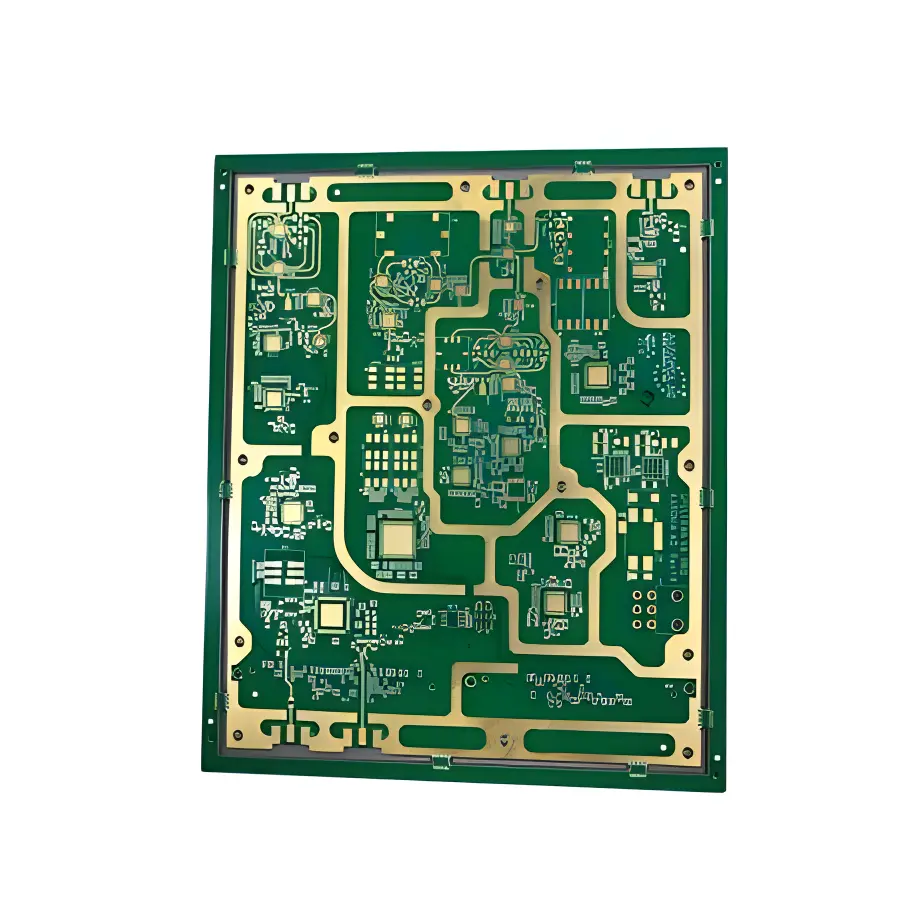 Rogers High-Frequency Board
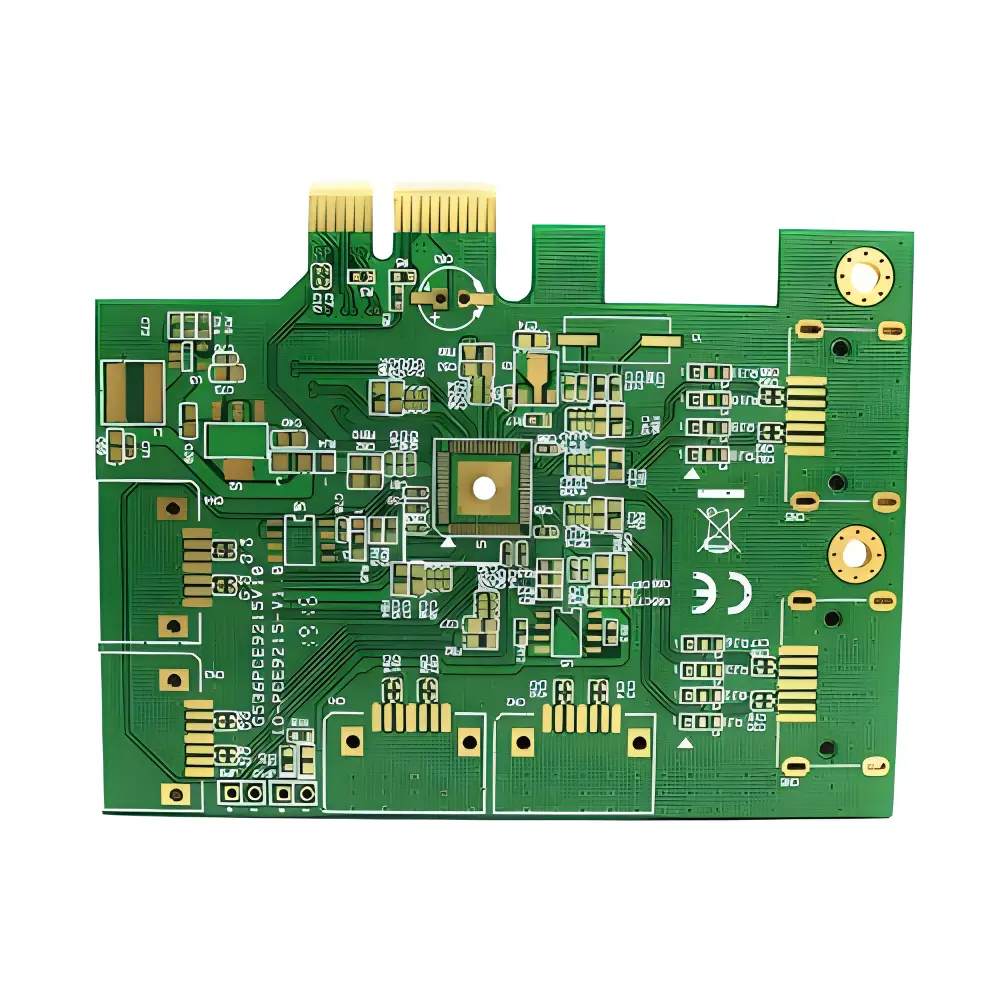 PTFE Teflon High-Frequency Board
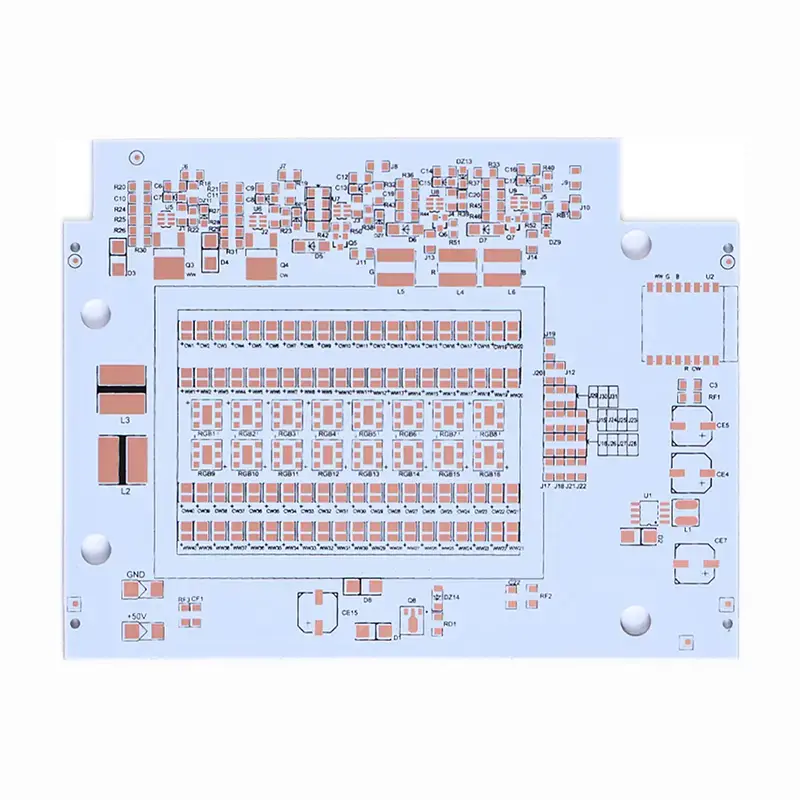 Aluminum
 Copper Core
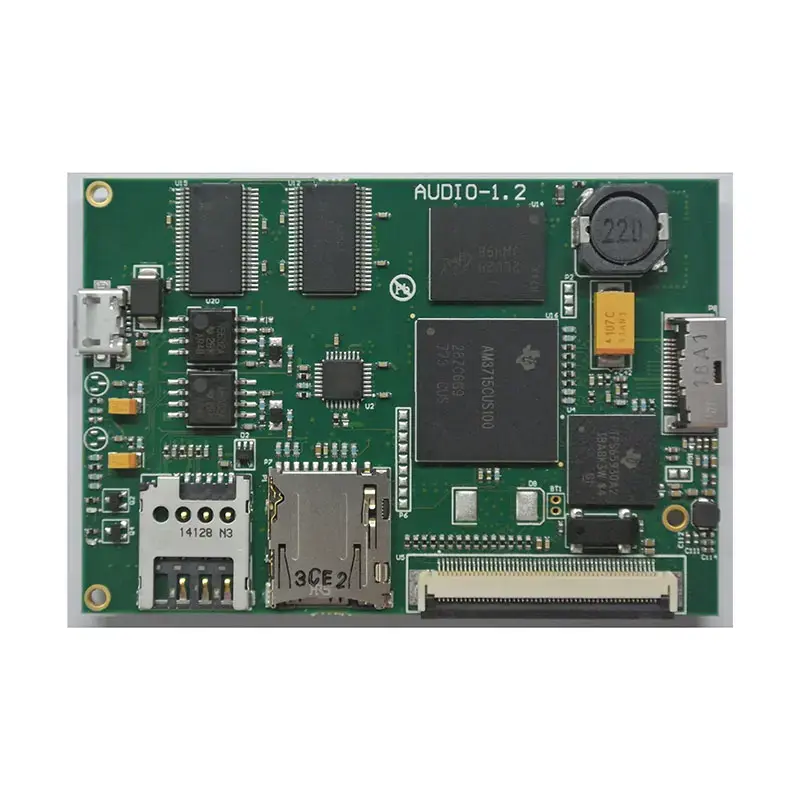
 PCB Assembly
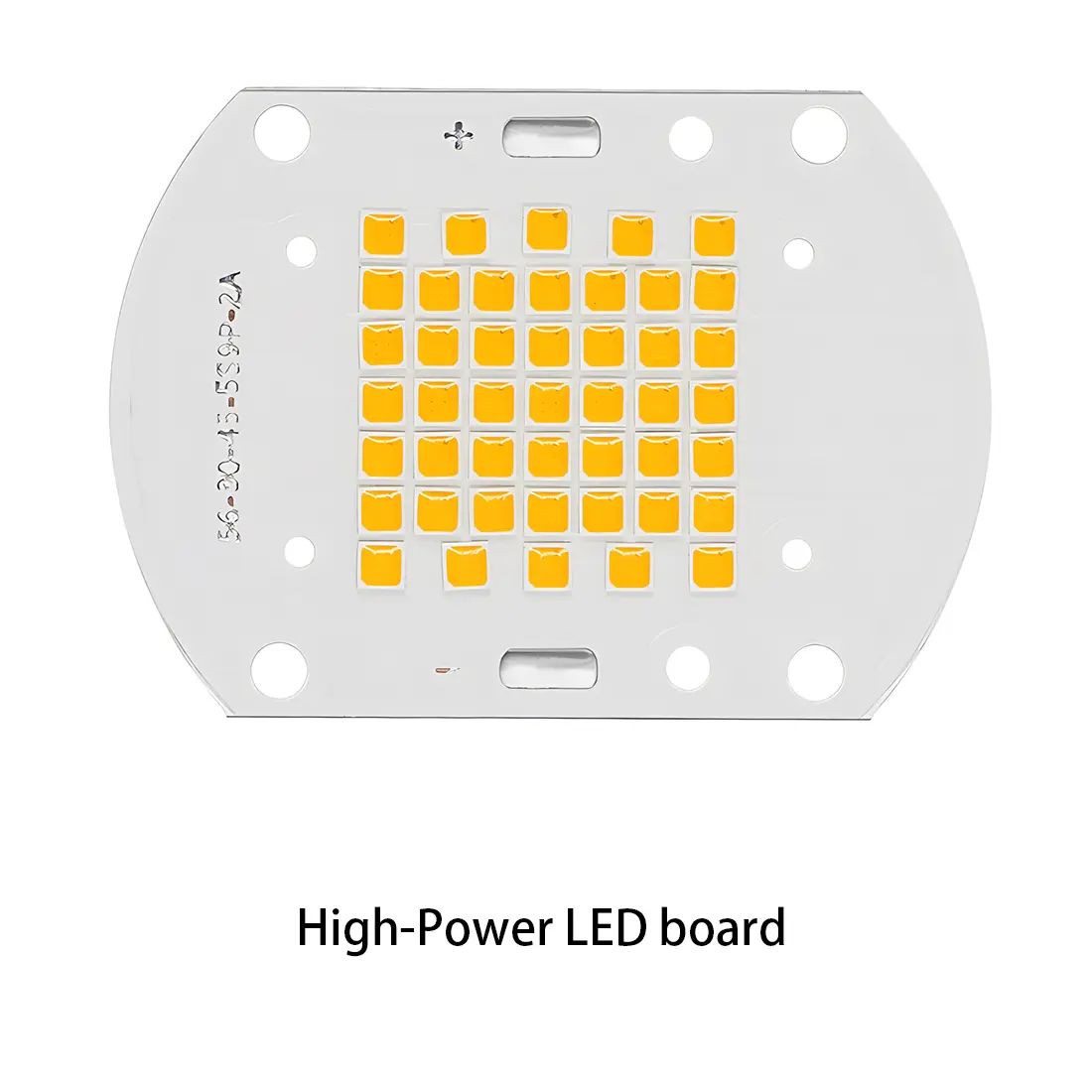 LED light PCBA
 Memory PCBA
 Power Supply PCBA
 New Energey PCBA
 Communication PCBA
 Industrial Control PCBA
 Medical Equipment PCBA
 Testing Service
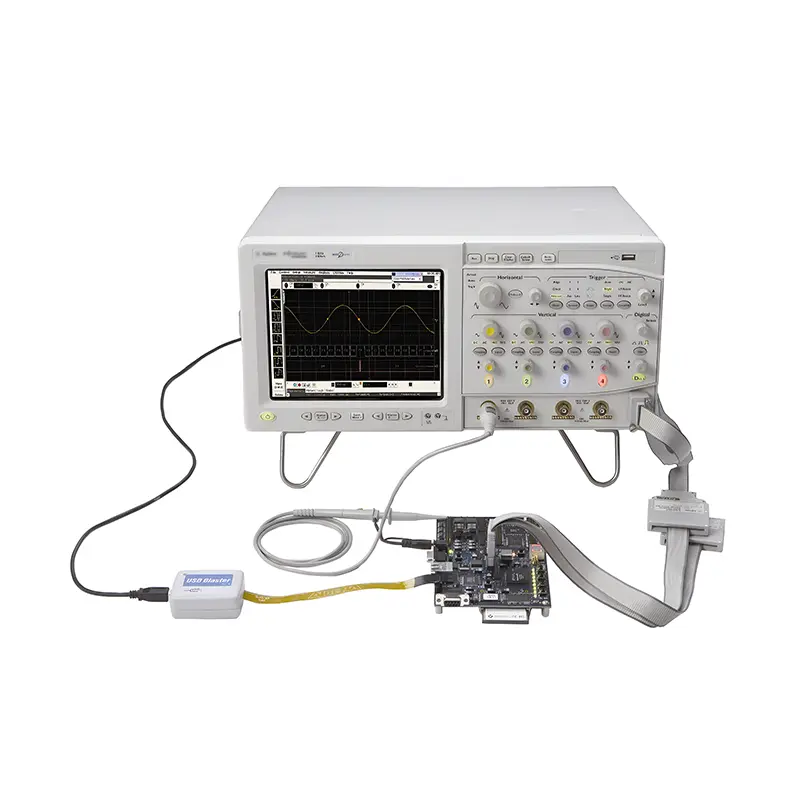 PCBA Testing Service
 Certification Application
 RoHS Certification Application
 REACH Certification Application
 CE Certification Application
 FCC Certification Application
 CQC Certification Application
 UL Certification Application
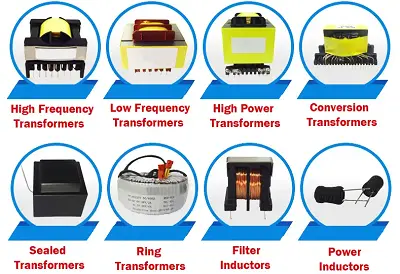 Transformers, Inductors
 High Frequency Transformers
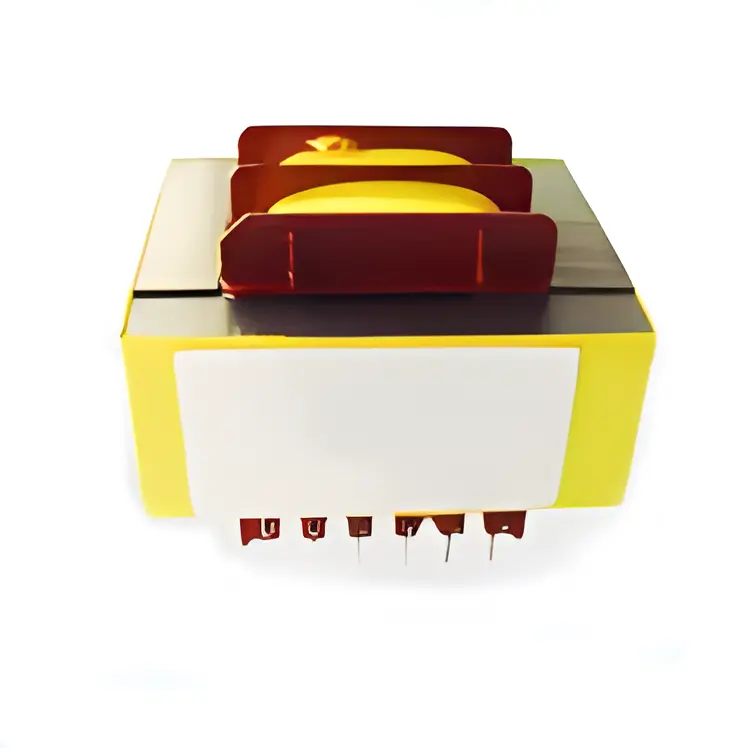 Low Frequency Transformers
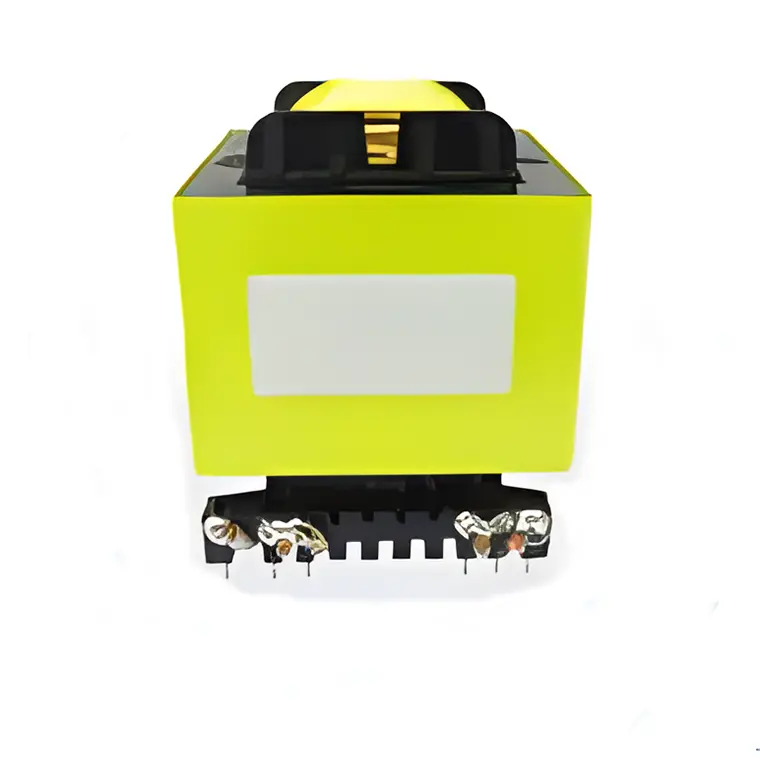 High Power Transformers
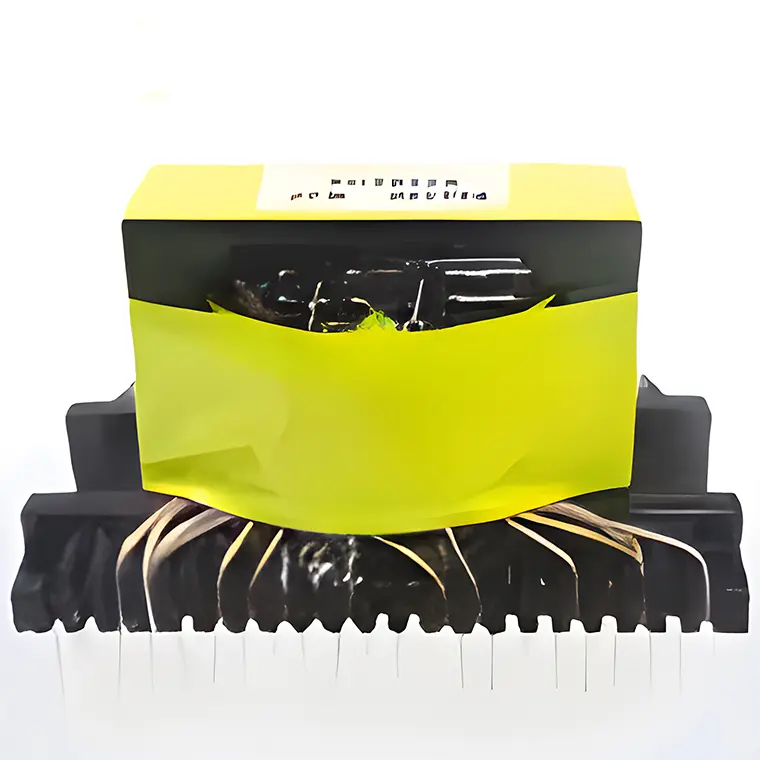 Conversion Transformers
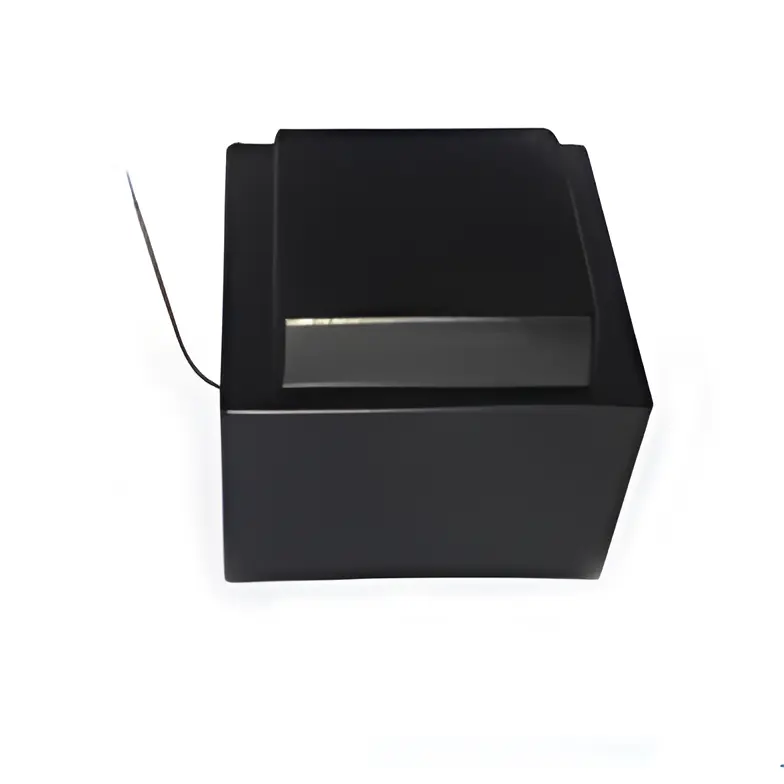 Sealed Transformers
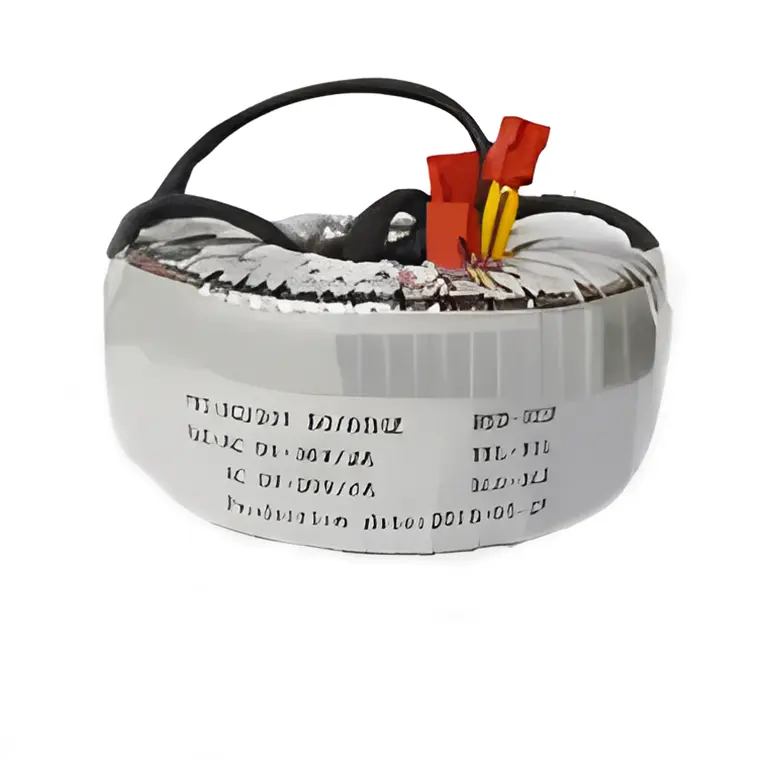 Ring Transformers
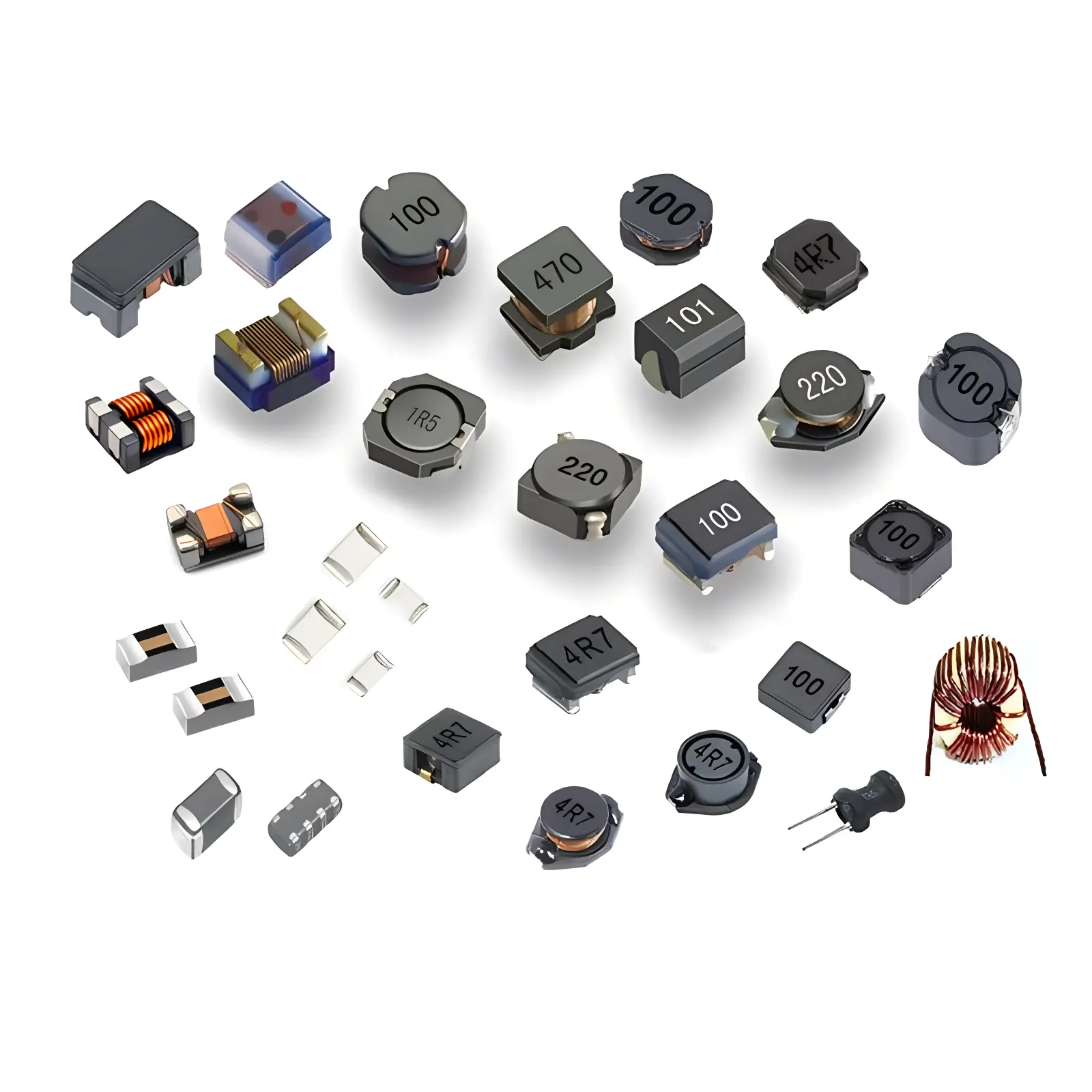 Inductors
 Wires,Cables Customized
 Network Cables
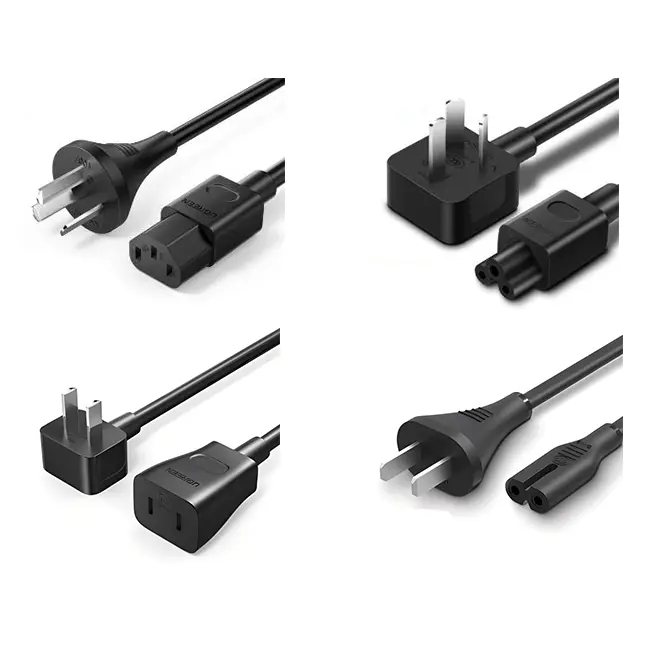 Power Cords
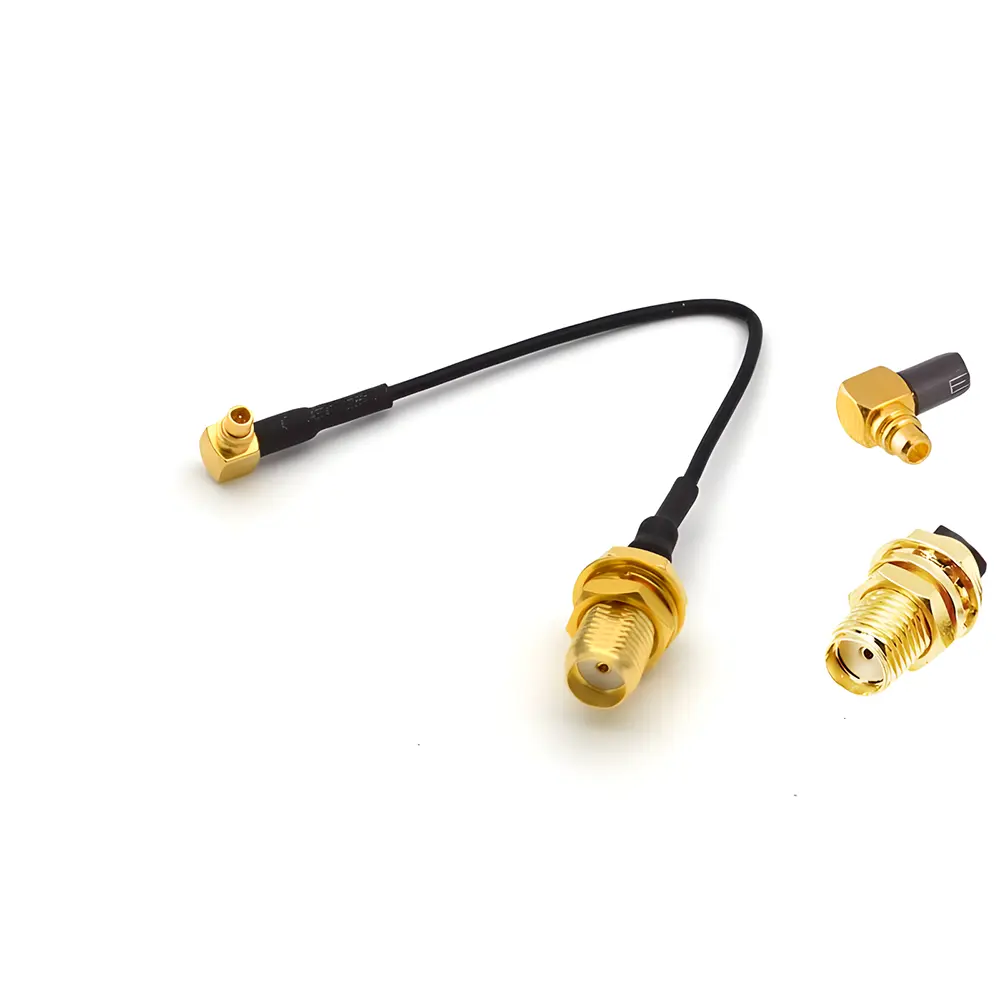 Antenna Cables
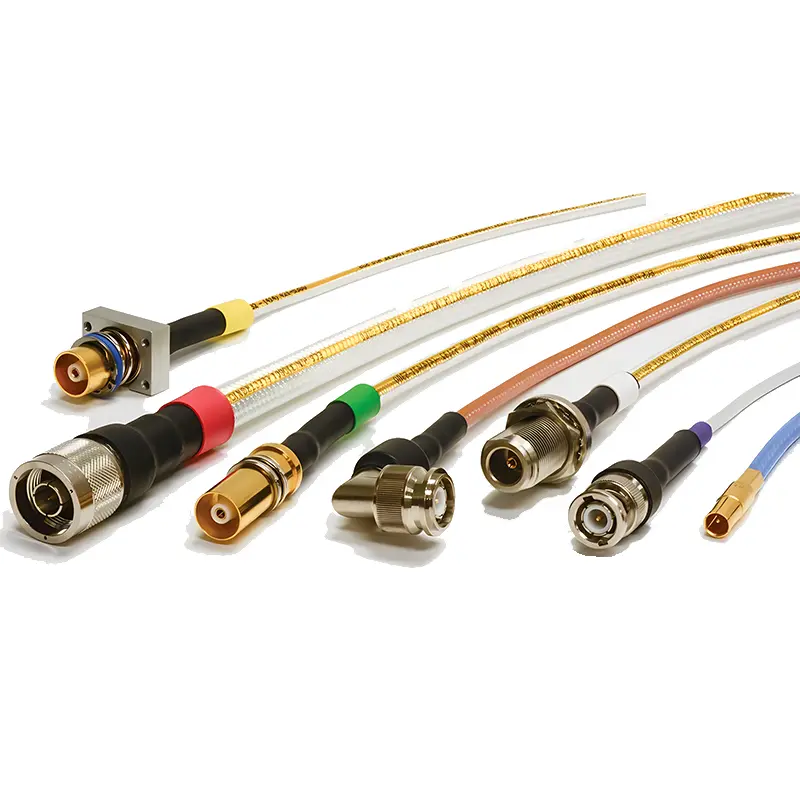 Coaxial Cables
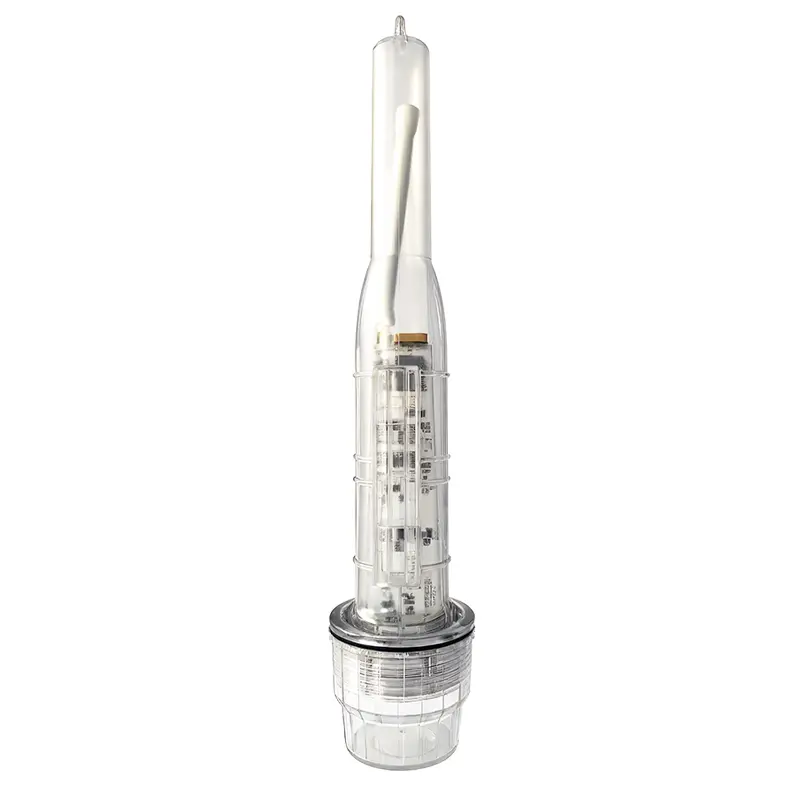 Net Position Indicator
 Solar AIS net position indicator
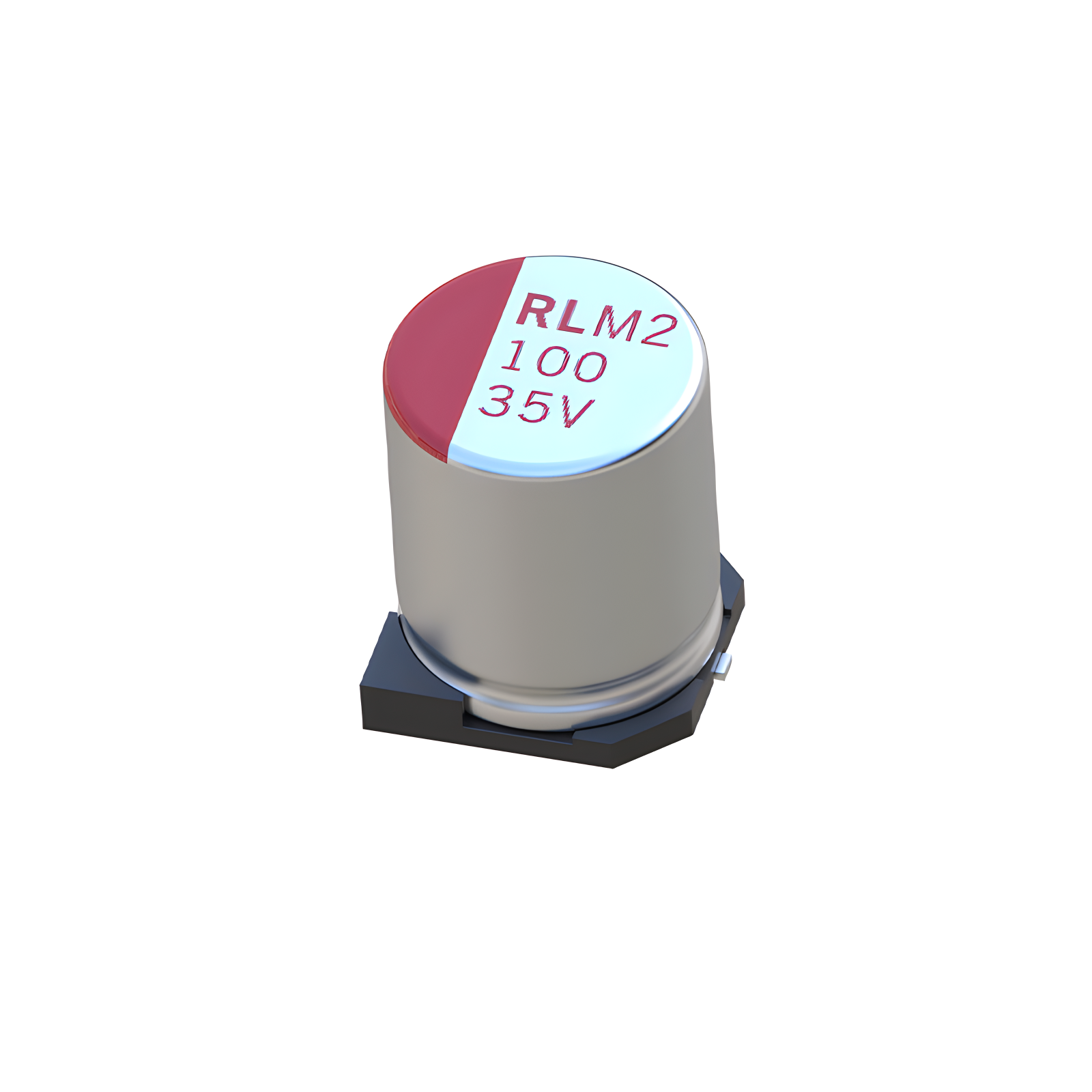 Capacitors
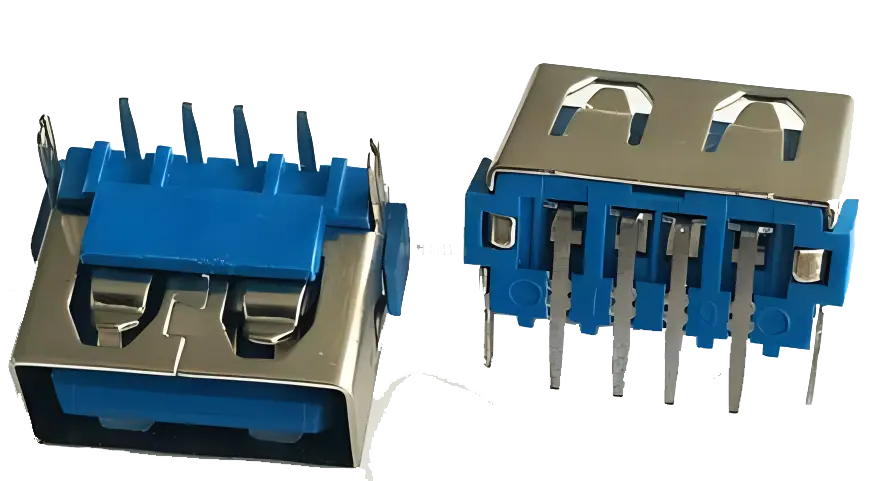 Connectors
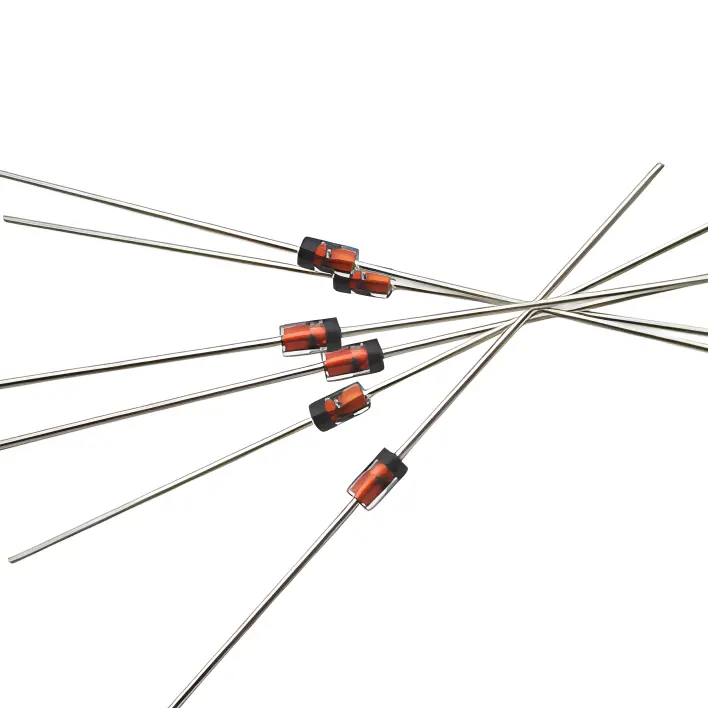 Diodes
 Embedded Processors & Controllers
 Digital Signal Processors (DSP/DSC)
 Microcontrollers (MCU/MPU/SOC)
 Programmable Logic Device(CPLD/FPGA)
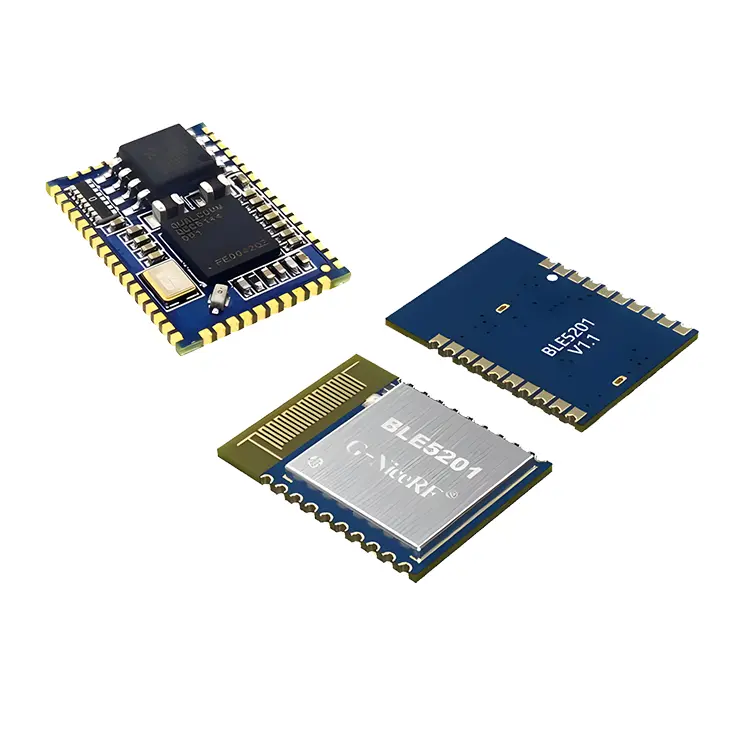 Communication Modules/IoT
 Resistors
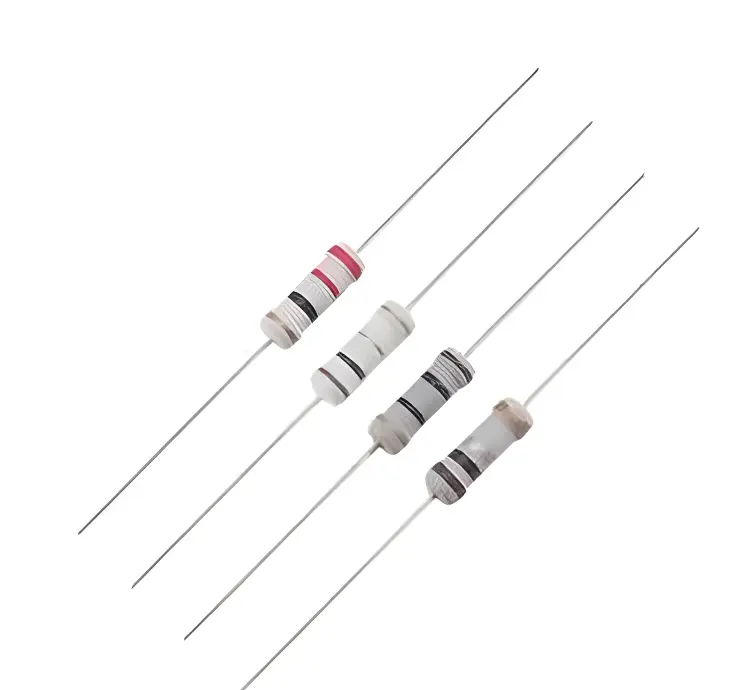 Through Hole Resistors
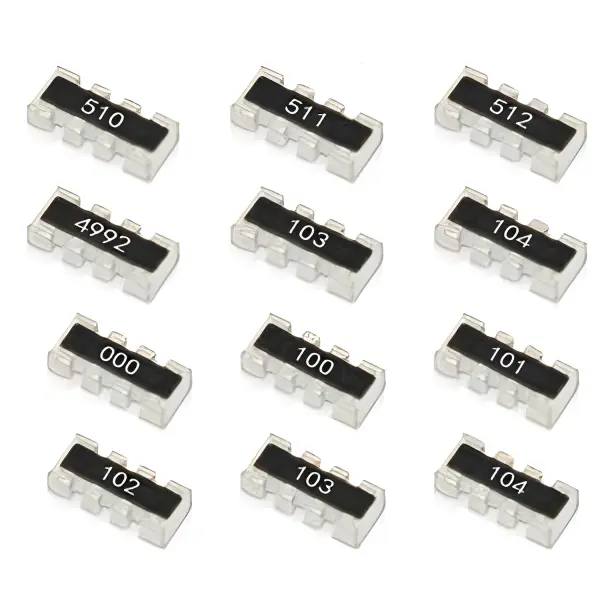 Resistor Networks, Arrays
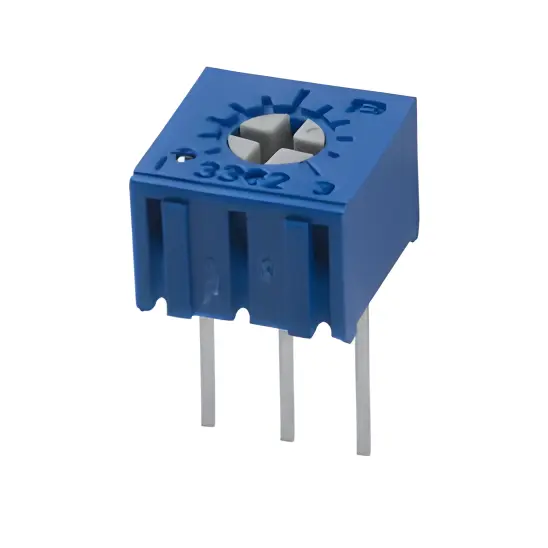 Potentiometers,Variable Resistors
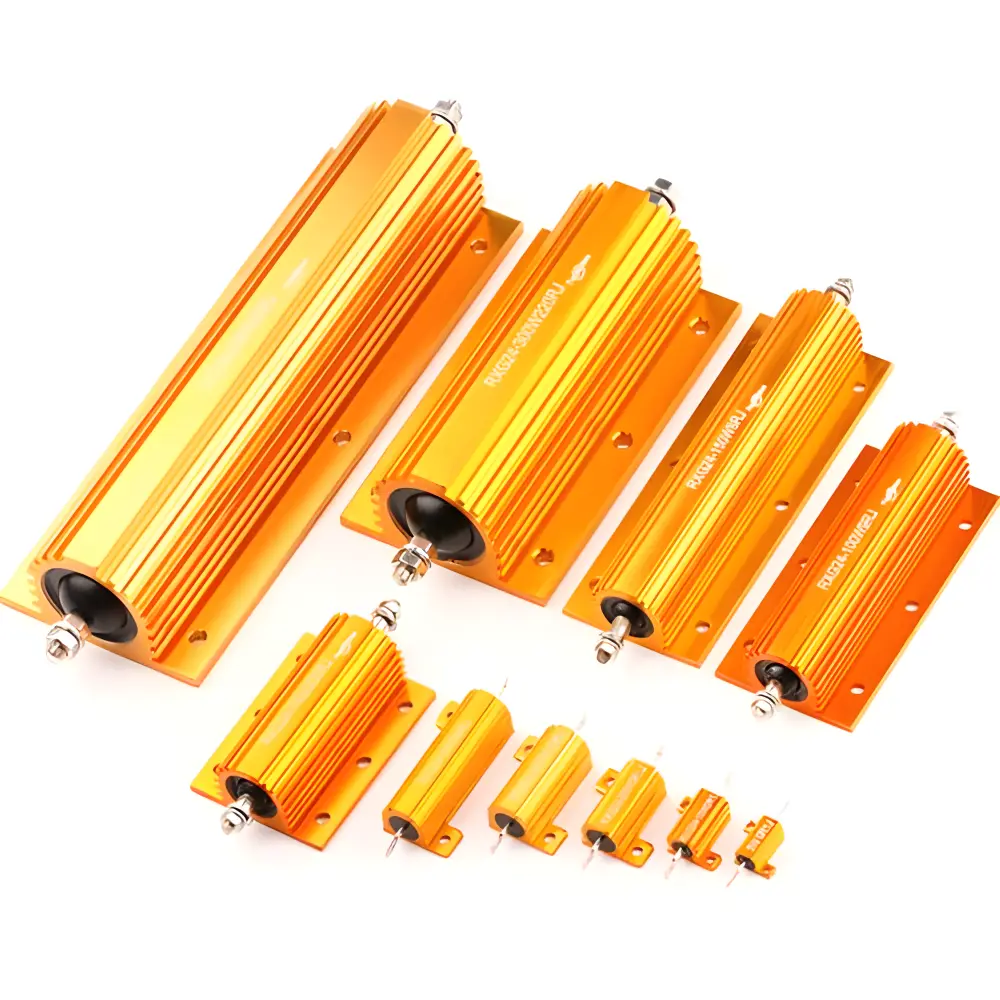 Aluminum Case,Porcelain Tube Resistance
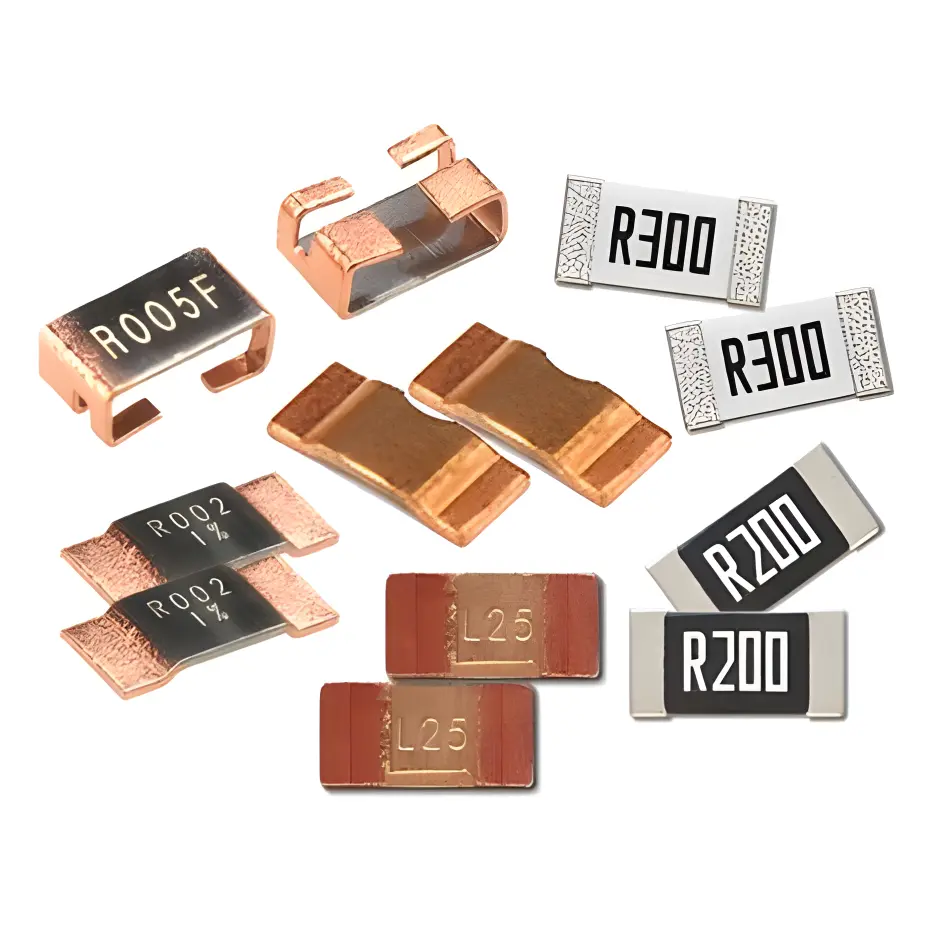 Current Sense Resistors,Shunt Resistors
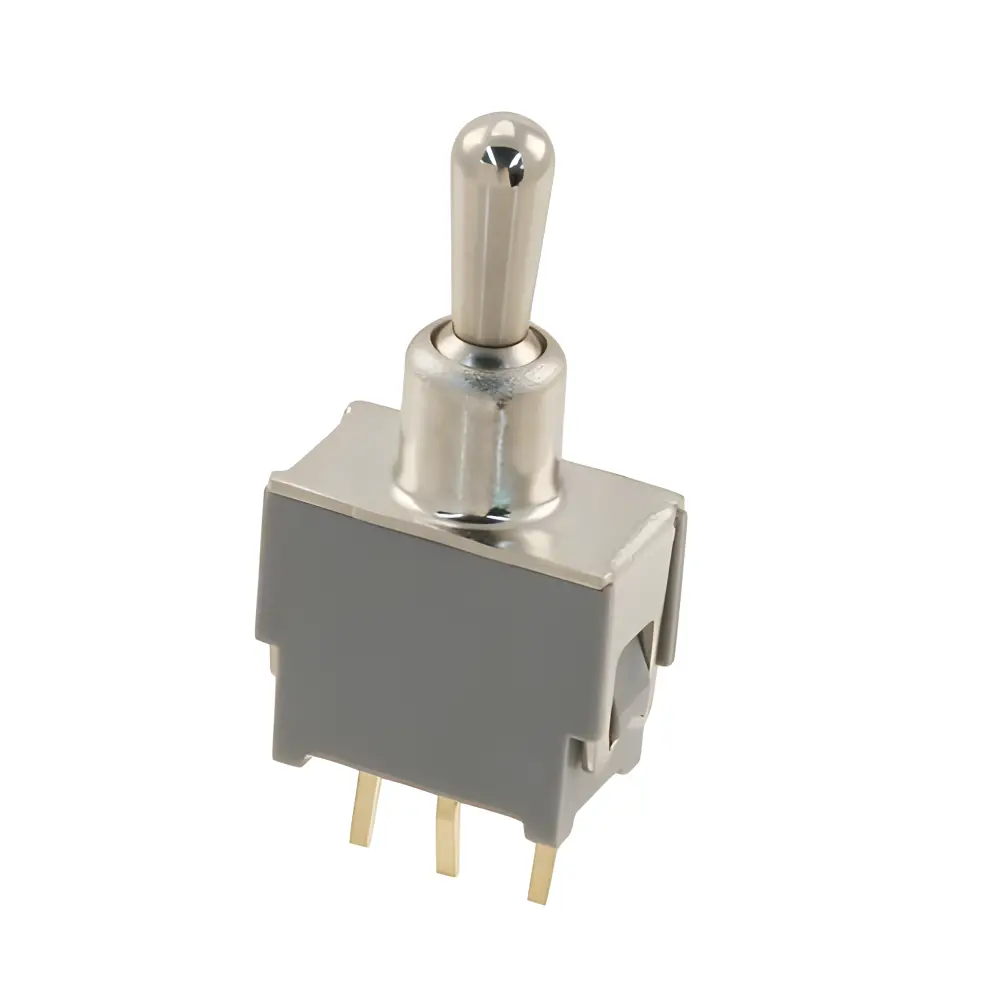 Switches
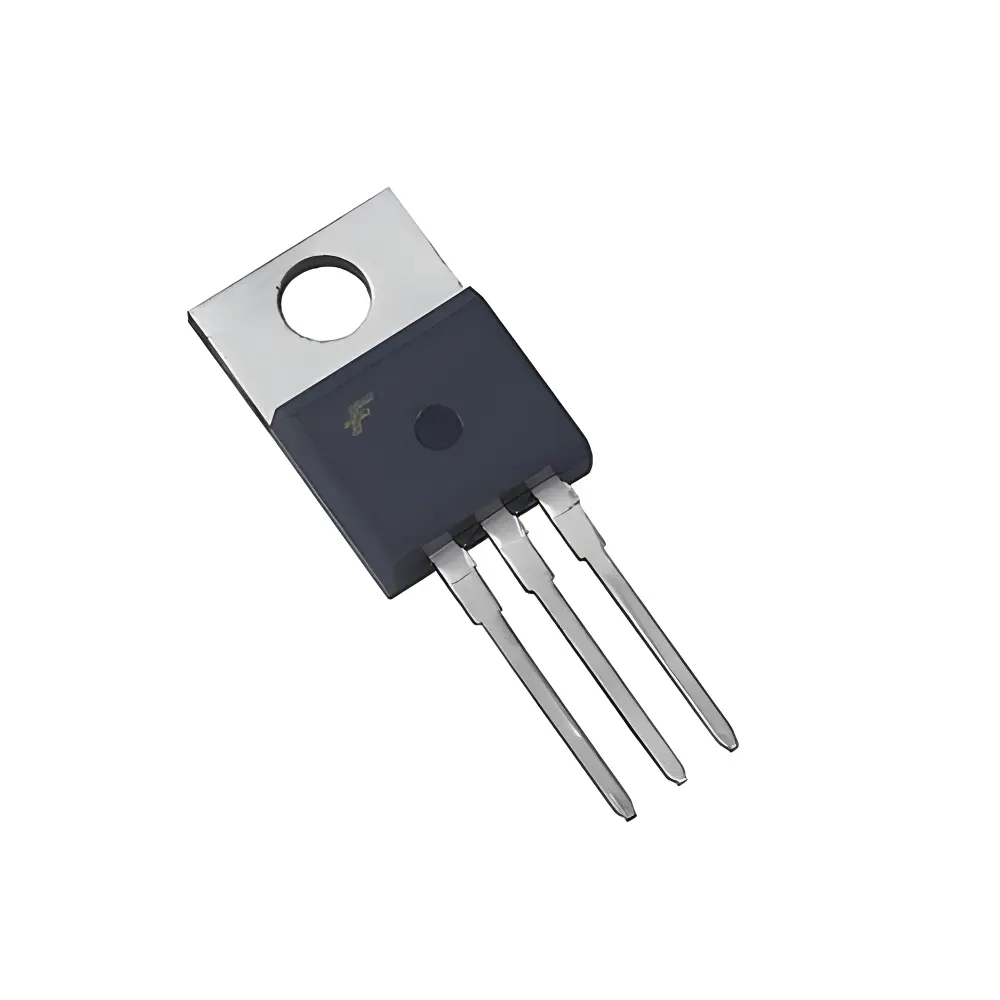 Transistors
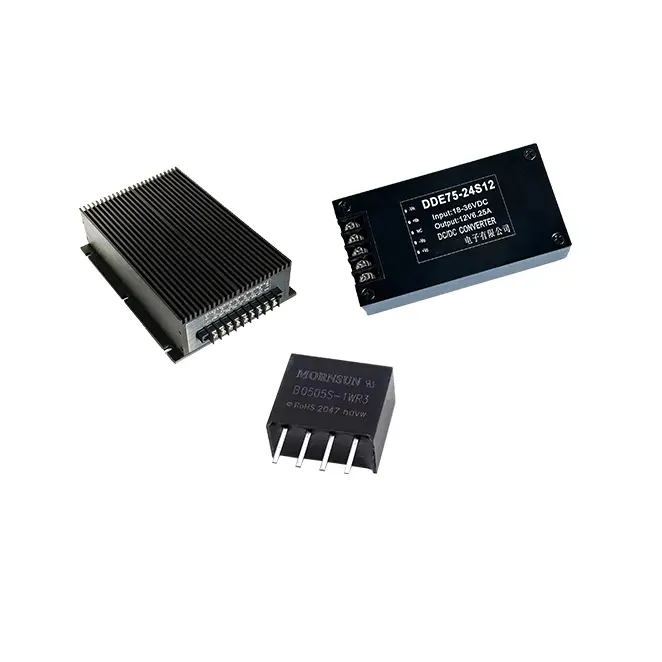 Power Modules
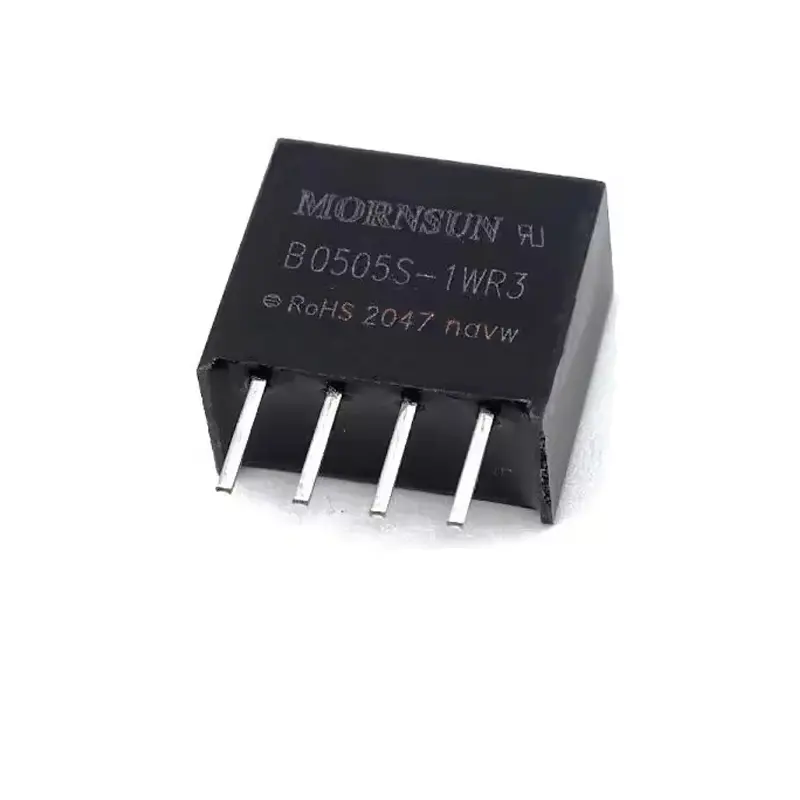 Isolated Power Modules
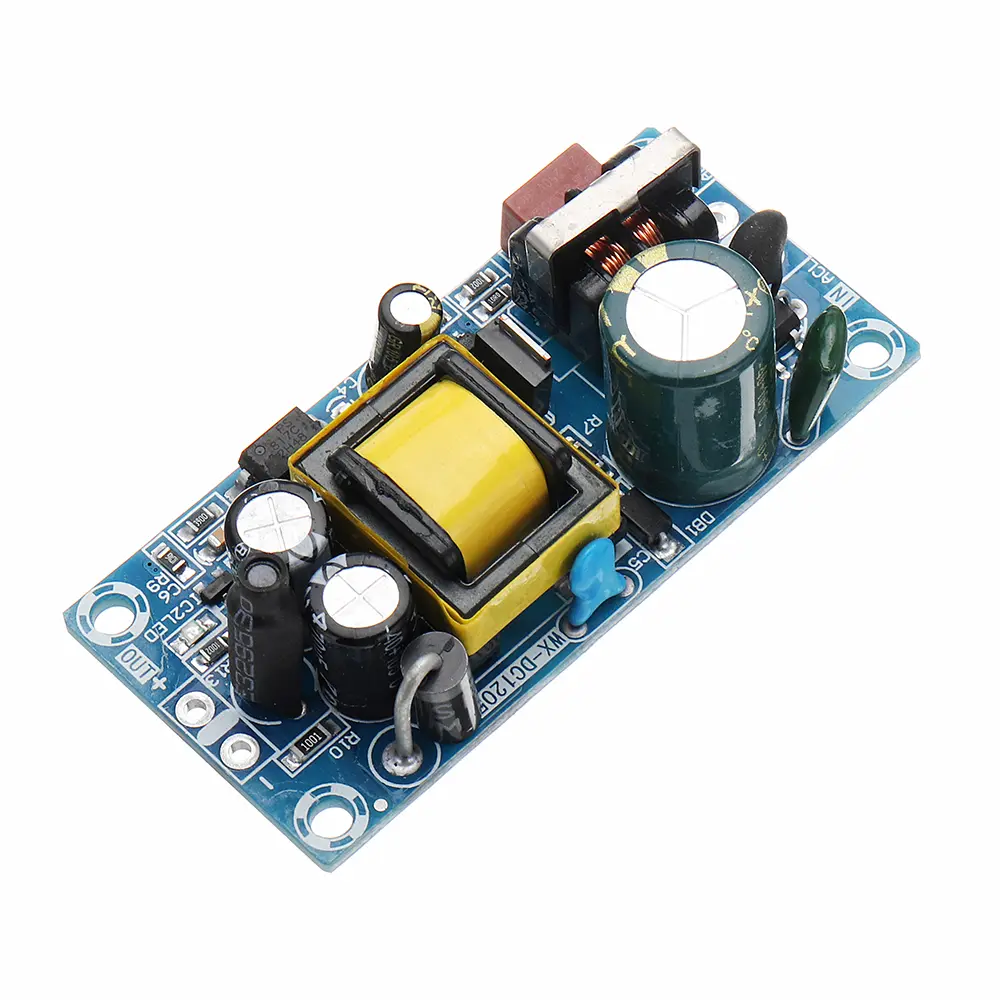 AC-DC Power Modules
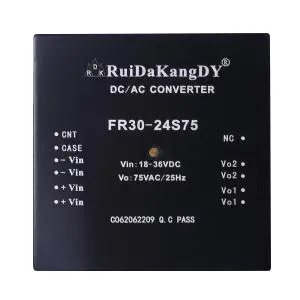 DC-AC Module(Inverter)
 RF and Wireless
Authoritative Calculation Formula for the Overall Equipment Effectiveness (OEE) of SMT Equipment!
Authoritative Calculation Formula for the Overall Equipment Effectiveness (OEE) of SMT Equipment!

I. The Concept of OEE
Introduction
Overall Equipment Effectiveness is abbreviated as OEE. Generally, each production equipment has its own theoretical production capacity. To achieve this theoretical capacity, it is necessary to ensure that there are no inteRFerences and quality losses. OEE is used to represent the ratio of the actual production capacity to the theoretical production capacity, and it is an independent measurement tool.
Calculation Formula
1、OEE consists of three key elements: availability, performance, and quality index.
Among them:
(1) Availability = Operating time / Planned working time. It is used to evaluate the losses caused by shutdowns, including any events that cause planned production shutdowns, such as equipment failures, shortages of raw materials, and changes in production methods.
(2) Performance index = Ideal cycle time / Actual cycle time = Ideal cycle time / (Operating time / Total output) = (Total output / Operating time) / Production rate. Performance is used to evaluate losses in production speed. It includes any factors that prevent production from operating at the maximum speed, such as equipment wear, unqualified materials, and operator errors.
(3) Quality index = Good products / Total output. The quality index is used to evaluate quality losses and reflects products that do not meet quality requirements (including reworked products).
2、Another calculation formula for OEE
OEE = Operating rate × Performance operating rate × Qualified product rate
Among them:
(1) Operating rate = Operating time / Load time. And, Load time = Calendar working time - Planned downtime. Operating time = Load time - Downtime due to failures - Equipment adjustment and initialization time (including the time used for activities such as changing product specifications, changing tooling and molds, and changing cutting tools).
(2) Performance operating rate = Net operating rate × Speed operating rate. And, Net operating rate = Quantity of processed products × Actual processing cycle / Operating time. Speed operating rate = Theoretical processing cycle / Actual processing cycle.
(3) Qualified product rate = Quantity of qualified products / Quantity of processed products.
II. Application Scope
1、OEE of machine equipment (individual equipment)
The same machine type and the same process corresponding to a single piece of equipment.
Different machine types and the same process corresponding to a single piece of equipment.
The same machine type and different processes corresponding to a single piece of equipment.
2、OEE of non-machine equipment (a production line, a workstation), with people as the standard:
The same machine type and the same process.
Different machine types and the same process.
The same machine type and different processes.
The overall efficiency of the entire factory.
III. Implementation Functions
It is convenient for leaders to conduct macro reviews of production status and understand production information.
Keep machine equipment in good and normal operation.
Make manpower and machine equipment cooperate scientifically and give play to the maximum potential.
It can help managers discover and reduce the six major losses in production.
It can analyze and improve production status and product quality in response to problems.
It can maximize the utilization rate of resources and equipment and tap the maximum production potential.
IV. Precautions
OEE should be applied to a single machine (a production line that can be regarded as a single machine) rather than the entire production line or the whole factory. Only in this way can it be meaningful.
OEE should be used as a part of a series of integrated key performance indicators instead of being used in isolation. Otherwise, it will lead to an increase in production batch size or products with quality defects.
OEE must be in line with lean principles. It is necessary to ensure that the calculation of OEE will not lead to the rationalization and institutionalization of waste. For example, never allow time for line changeovers.
V. Implementation Benefits
The OEE solution can enable manufacturers to have a place in the world. In addition, the following benefits can be obtained.
Equipment: Reduce equipment failures and maintenance costs, strengthen equipment management to extend the service life of equipment.
Employees: Improve the efficiency of workers and increase productivity by clarifying operating procedures.
Process: Solve bottleneck problems in the process and improve productivity.
Quality: Improve product quality and reduce the repair rate.
VI. Calculation Example
A factory implements an 8-hour working system, with a 1-hour lunch break in the middle, and 20 minutes for morning meetings, inspections, and cleaning during working hours, and 15 minutes of breaks in the morning and afternoon respectively. There is a piece of equipment that needs to work overtime for 30 minutes every day due to market demand. The theoretical cycle time of this equipment is 0.8 minutes. It should produce 575 pieces during the normal operation time, but actually only produced 418 pieces. The actually measured cycle time is 1.1 minutes. The time for changing cutting tools and downtime due to failures on that day is 70 minutes. The defective rate remains at 2%.
Question: What is the overall equipment effectiveness of this equipment?
Calculation:
• A: Actual working time = 480 + 30 = 510 min
• B: Planned downtime 50 min
• C: Load time 510 - 50 = 460 min
• D: Downtime loss time 70 min
• E: Operating time C - D = 390 min
• G: Production volume 418 pieces
• H: Good product rate 98%
• I: Theoretical cycle time 0.8
Operating rate = (460 - 70) / 460 = 84.8%
Performance operating rate = (0.8 * 418) / 390 = 85.7%
Qualified product rate = 98%
Thus, OEE = 84.8% × 85.7% × 98% = 71.2%