
 PCB
PCB FPC
FPC Rigid-Flex
 FR-4
FR-4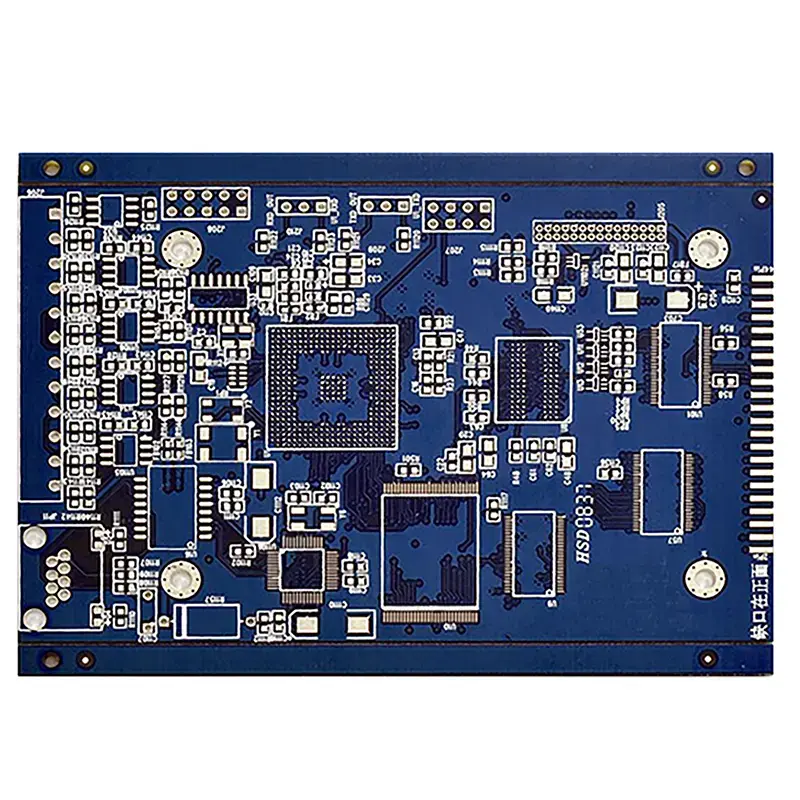 HDI PCB
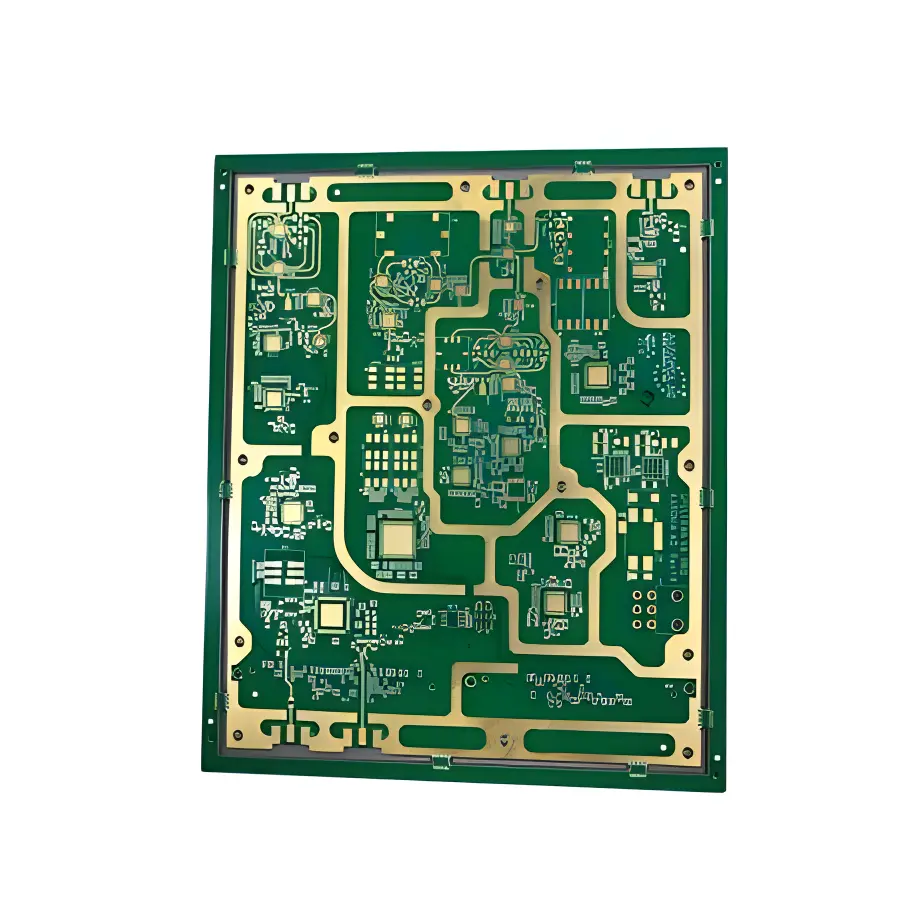 Rogers High-Frequency Board
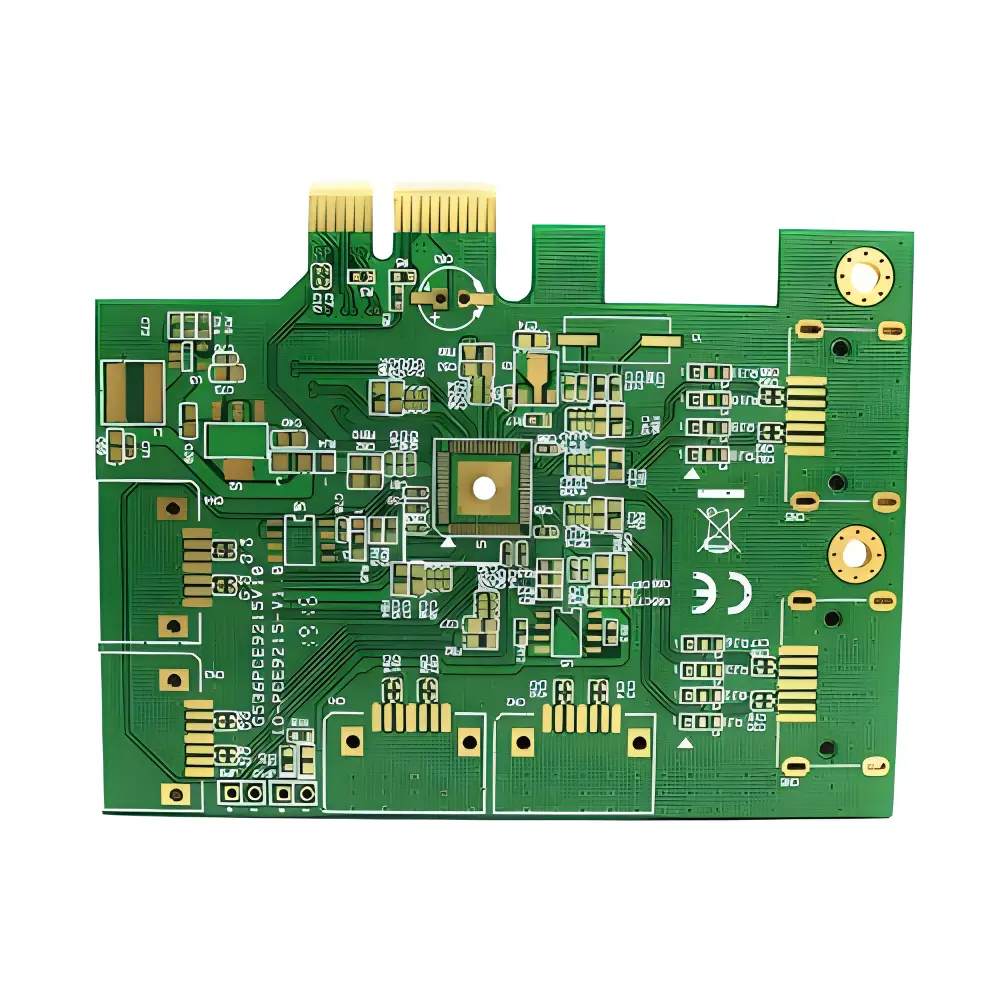 PTFE Teflon High-Frequency Board
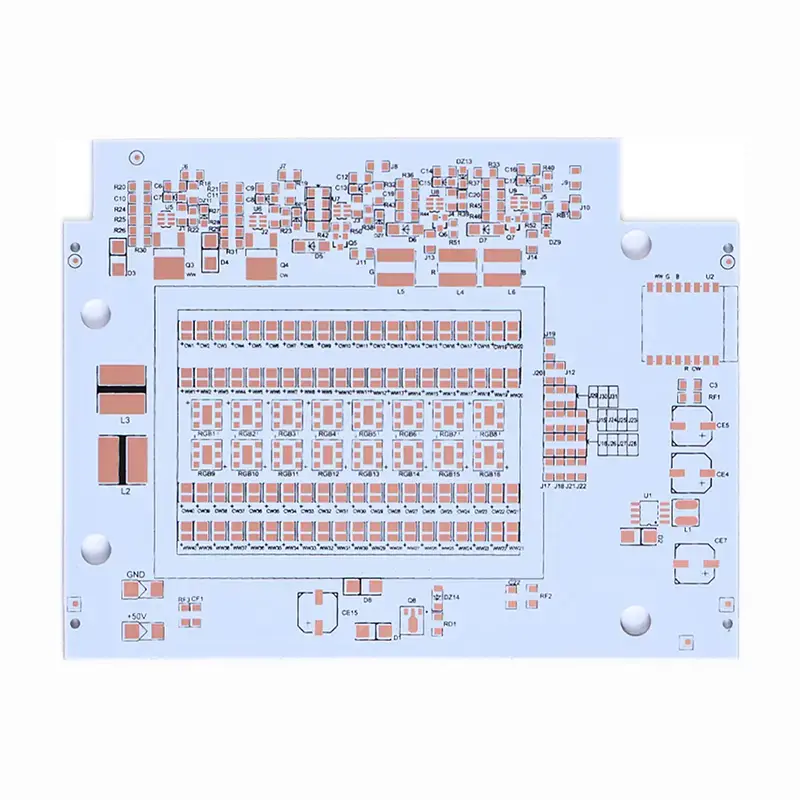 Aluminum
 Copper Core
 PCB Assembly
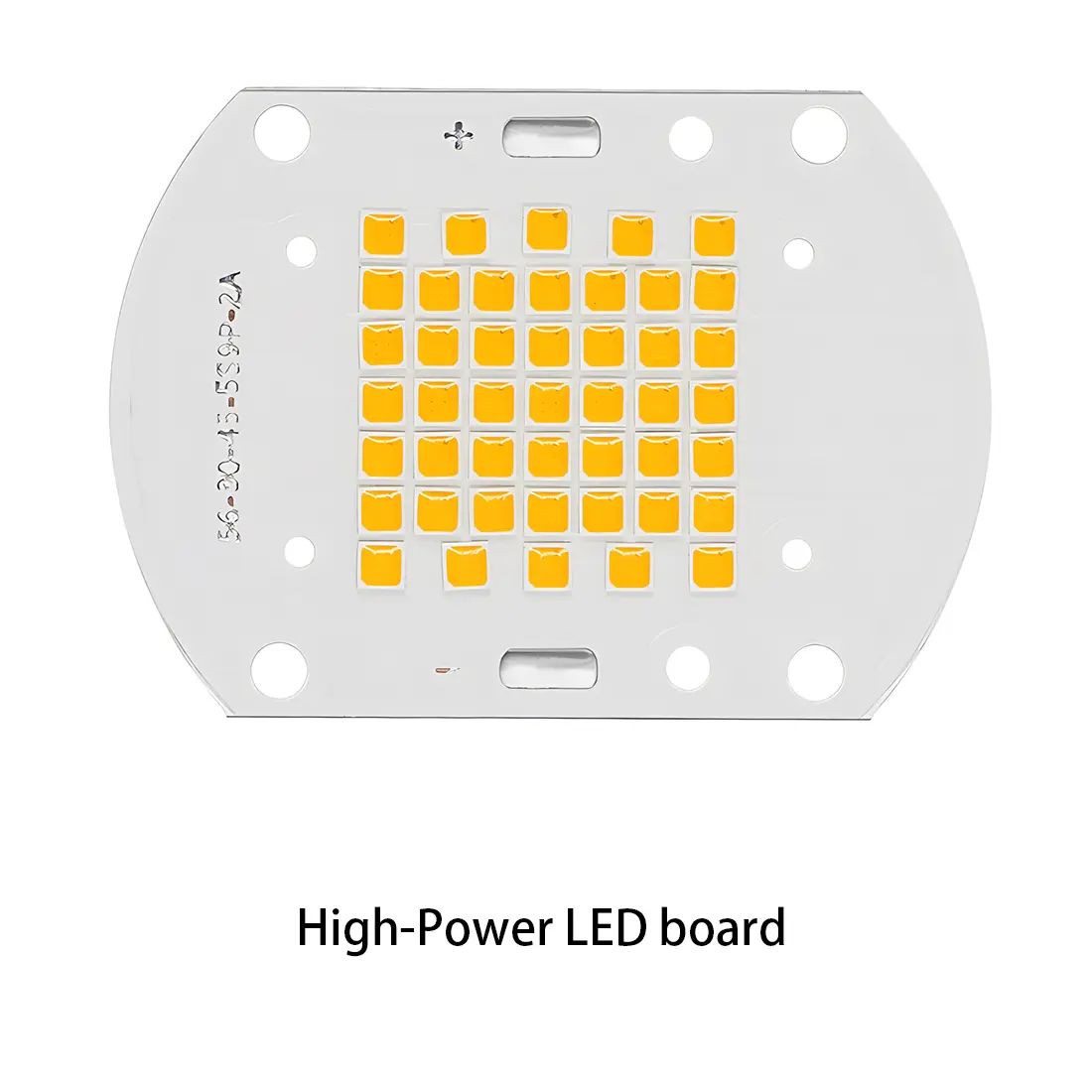 LED light PCBA
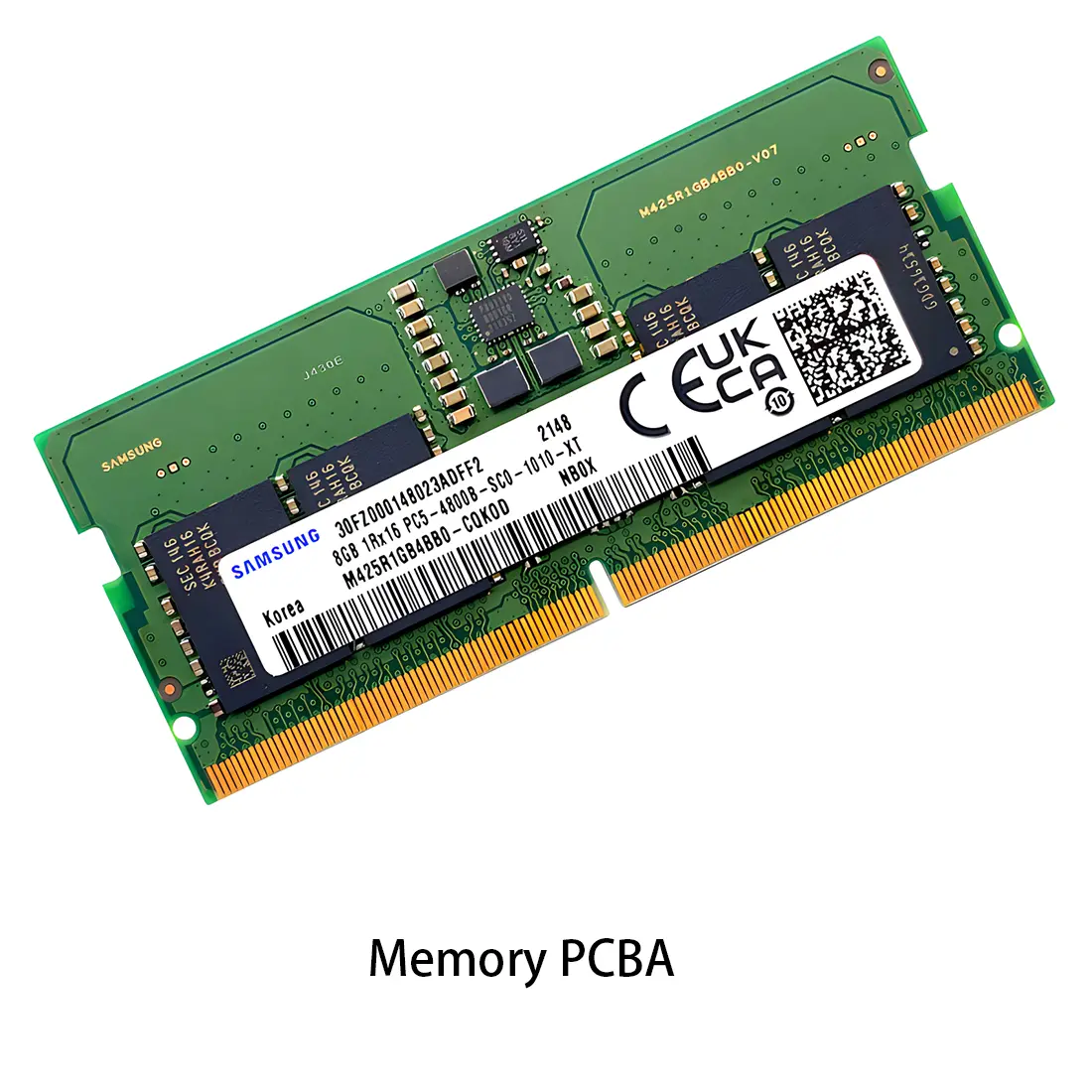 Memory PCBA
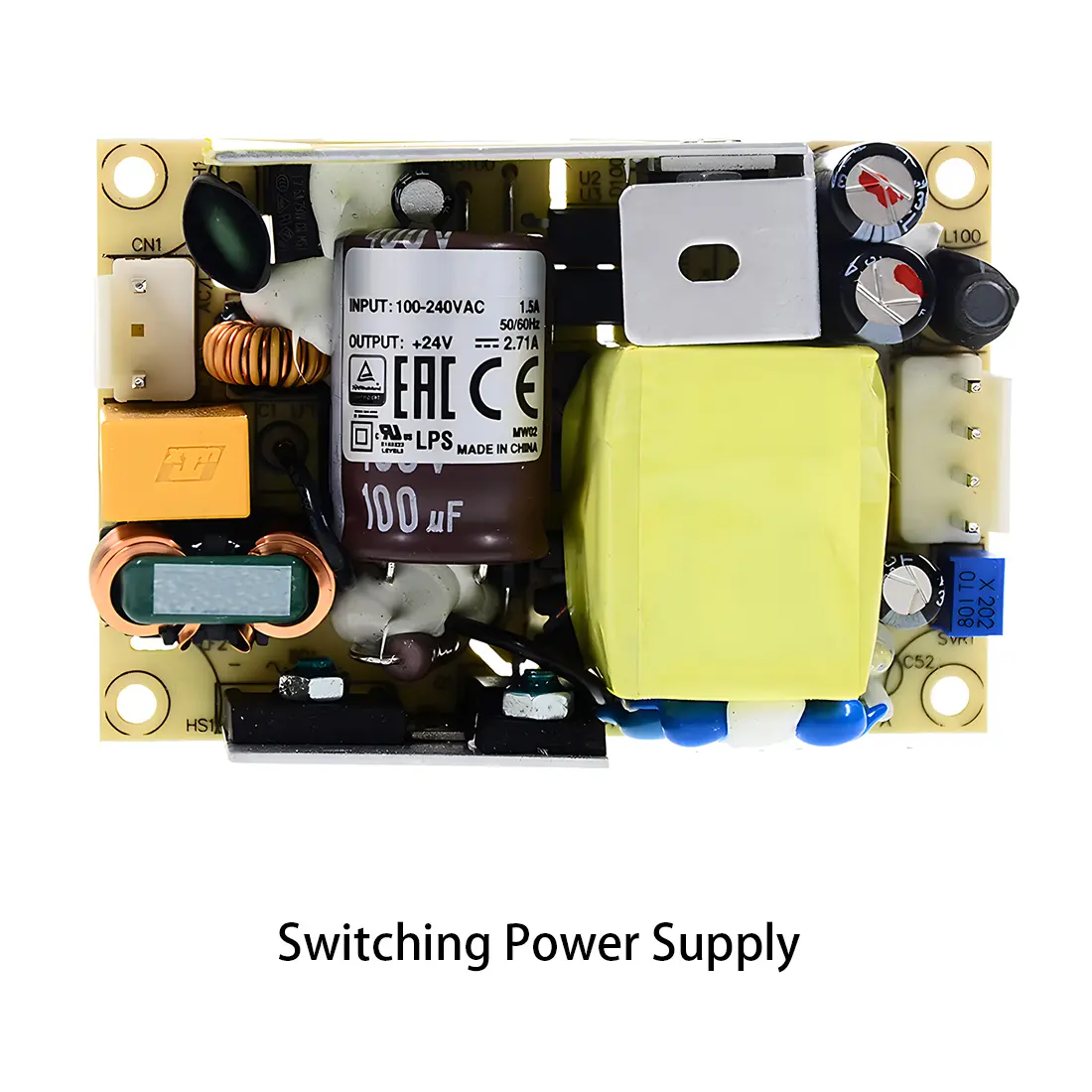 Power Supply PCBA
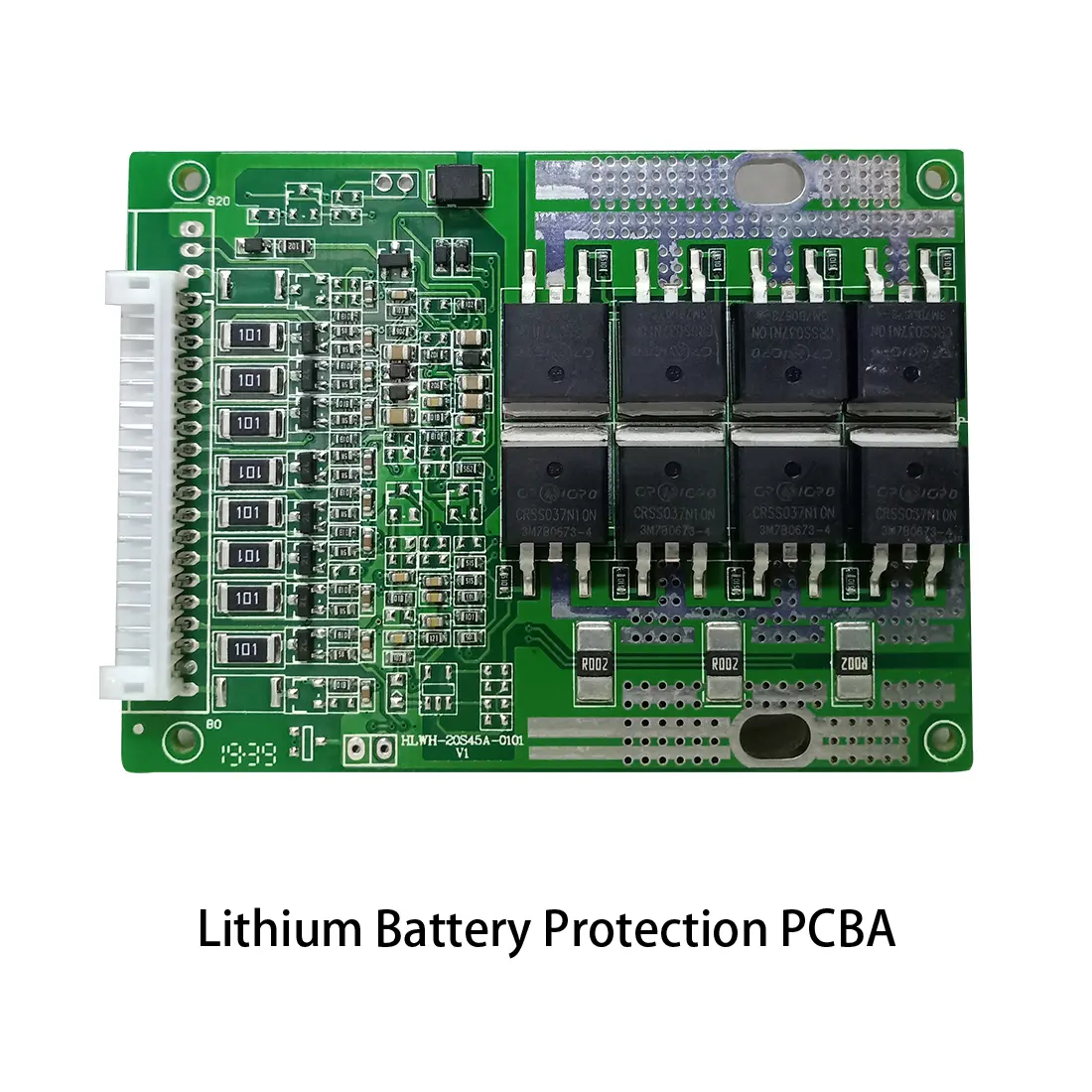 New Energey PCBA
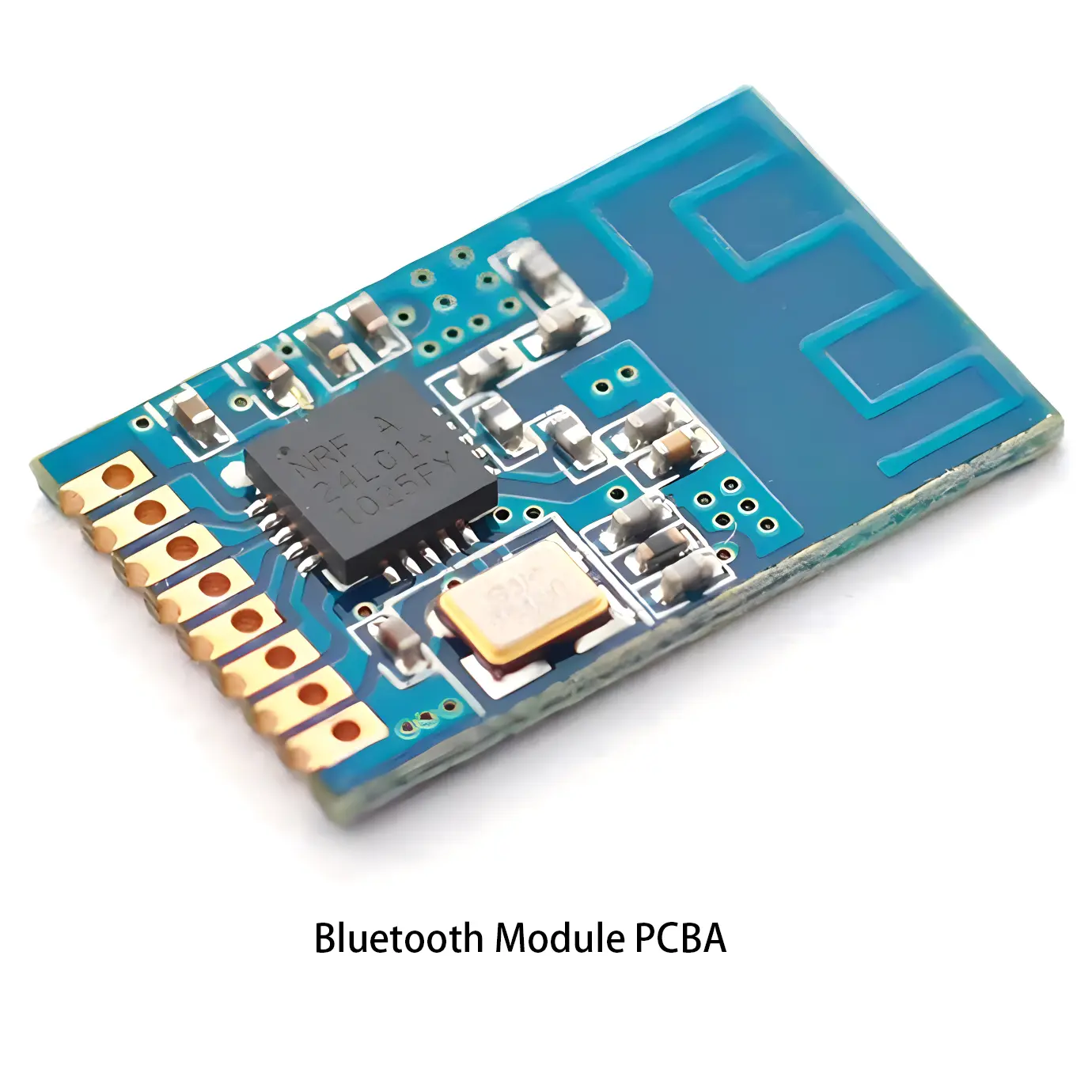 Communication PCBA
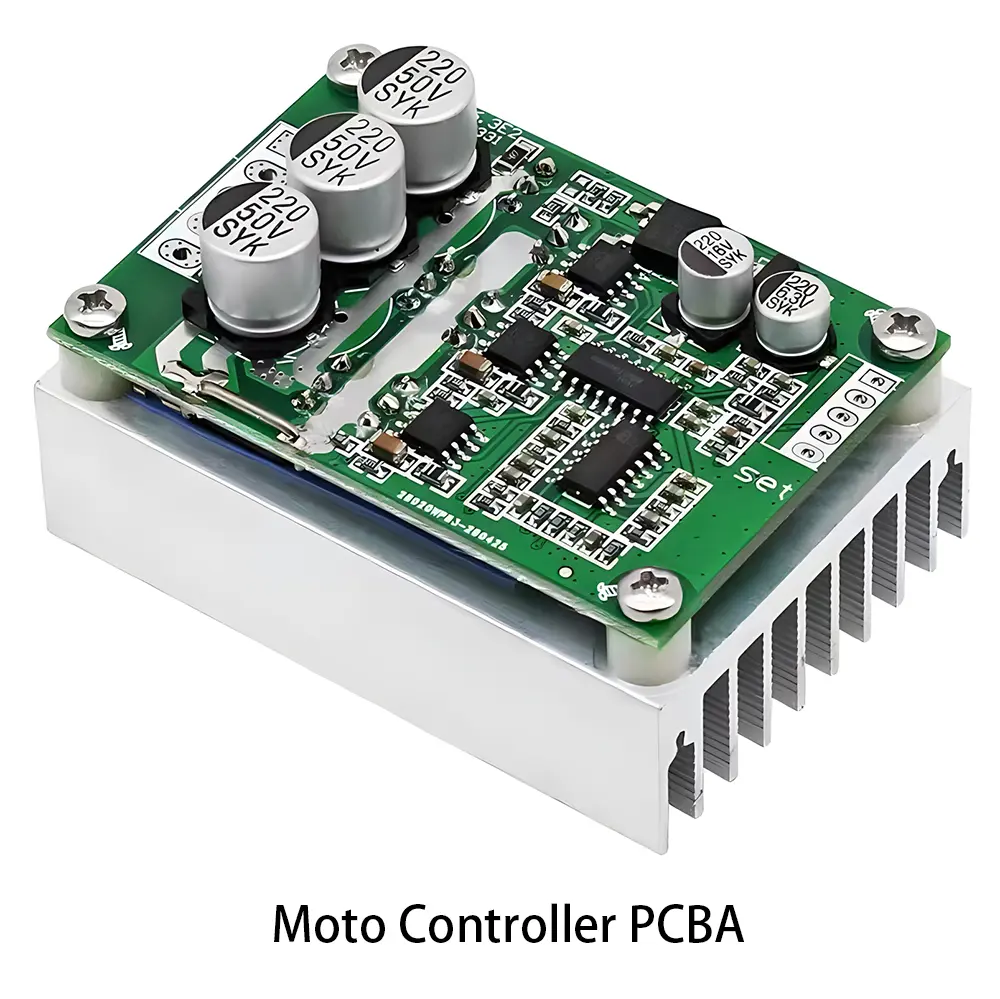 Industrial Control PCBA
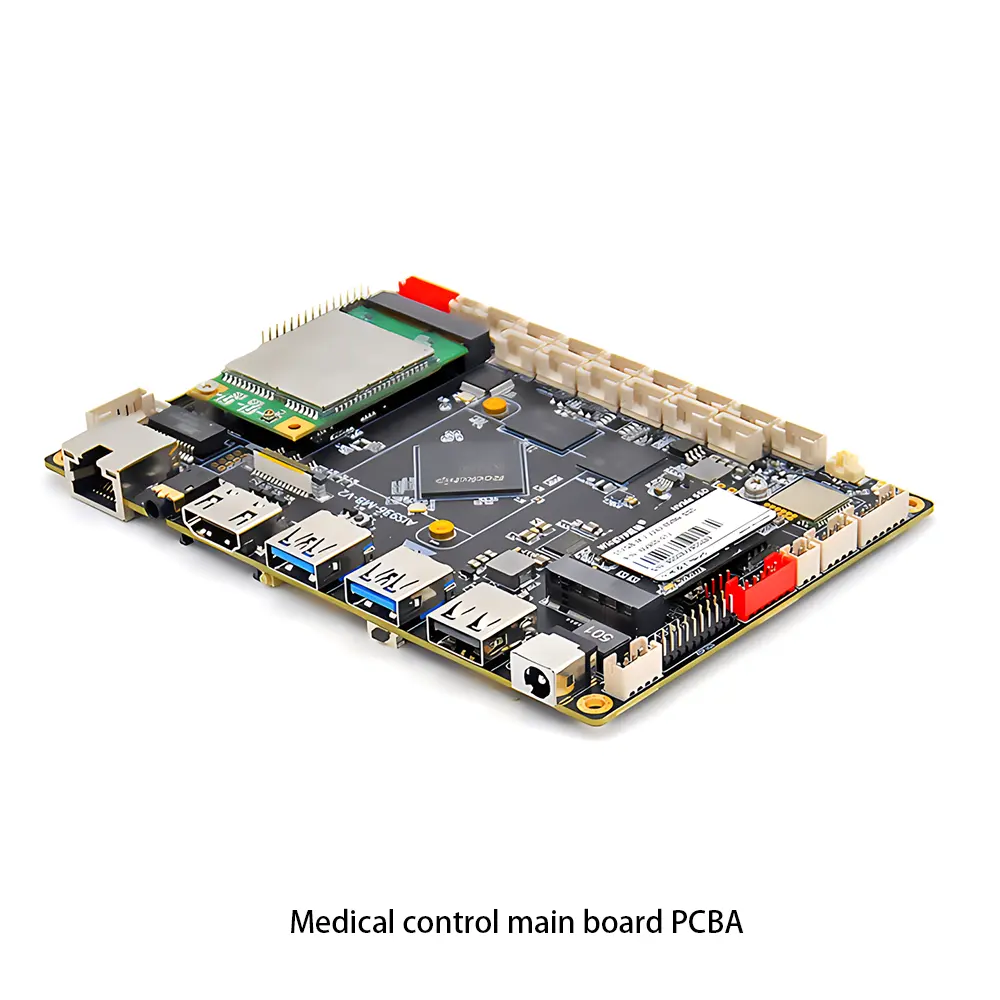 Medical Equipment PCBA
 Testing Service
 PCBA Testing Service
 Certification Application
 RoHS Certification Application
 REACH Certification Application
 CE Certification Application
 FCC Certification Application
 CQC Certification Application
 UL Certification Application
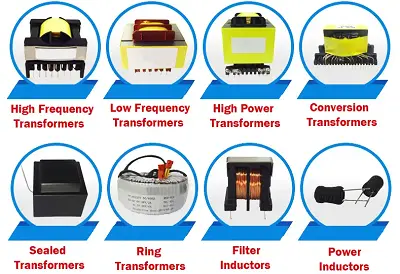 Transformers, Inductors
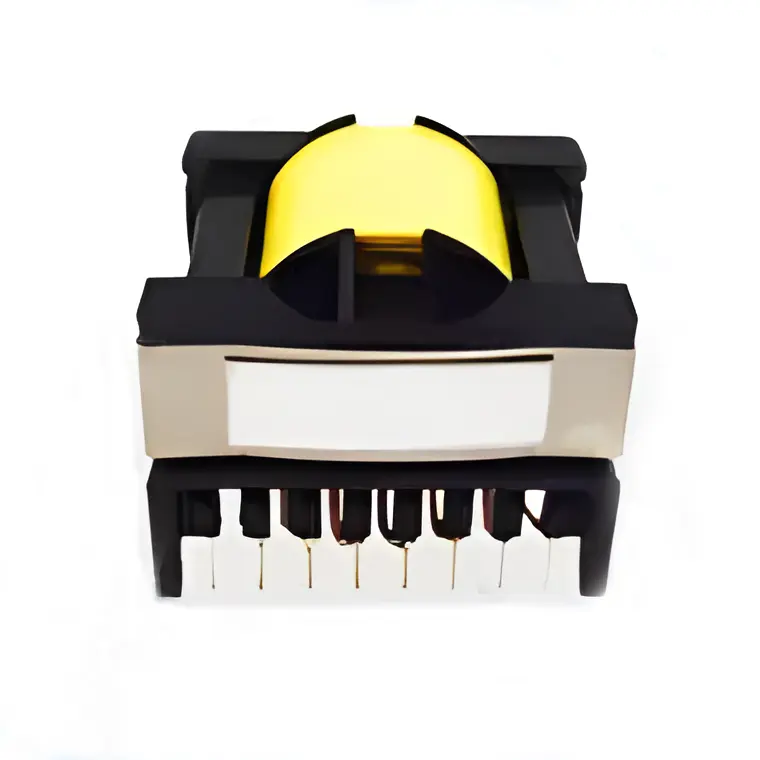 High Frequency Transformers
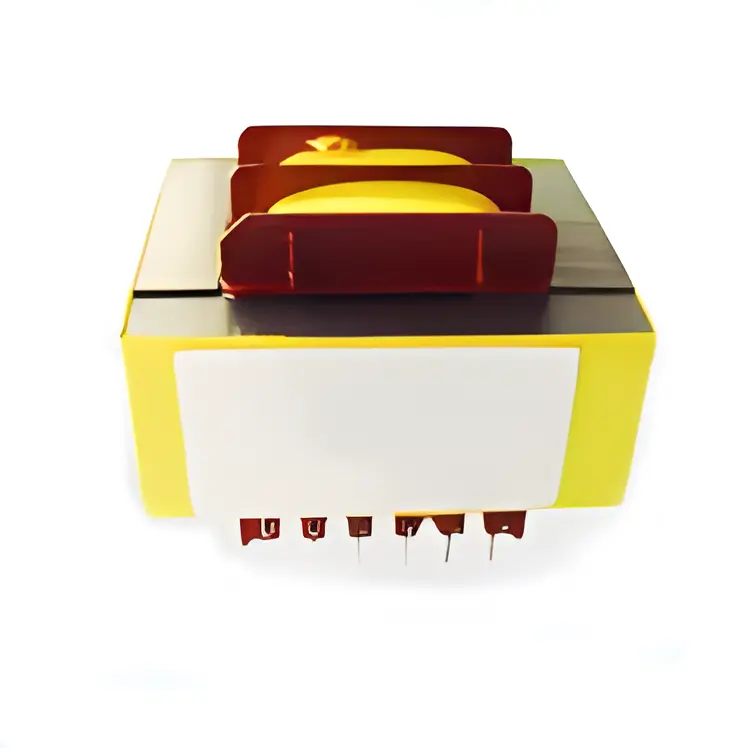 Low Frequency Transformers
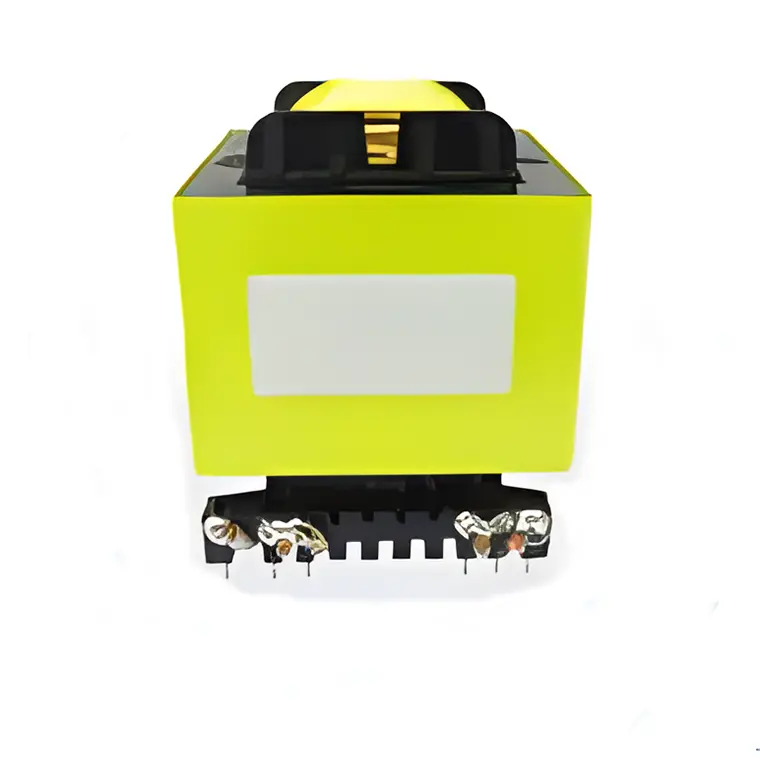 High Power Transformers
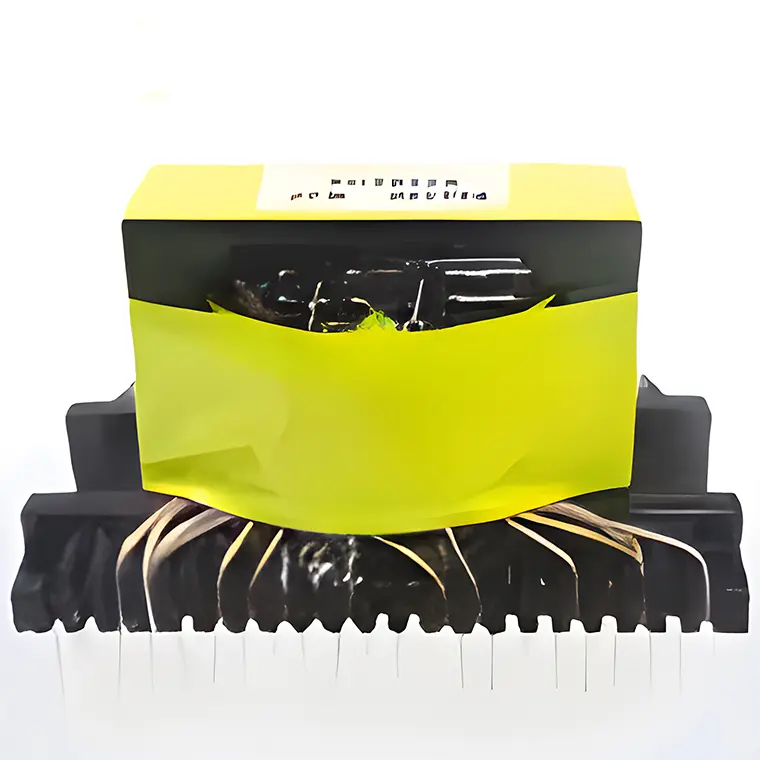 Conversion Transformers
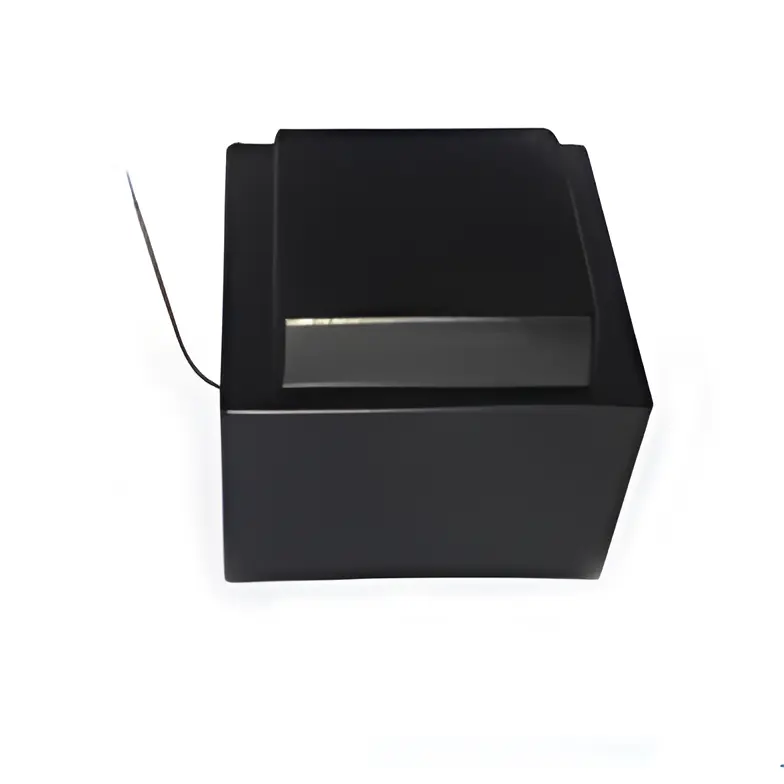 Sealed Transformers
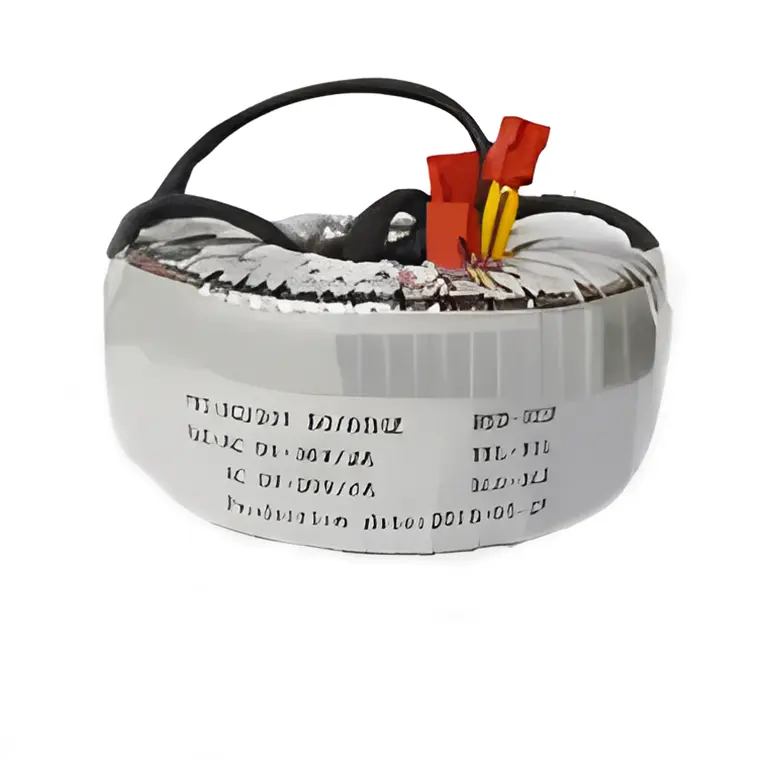 Ring Transformers
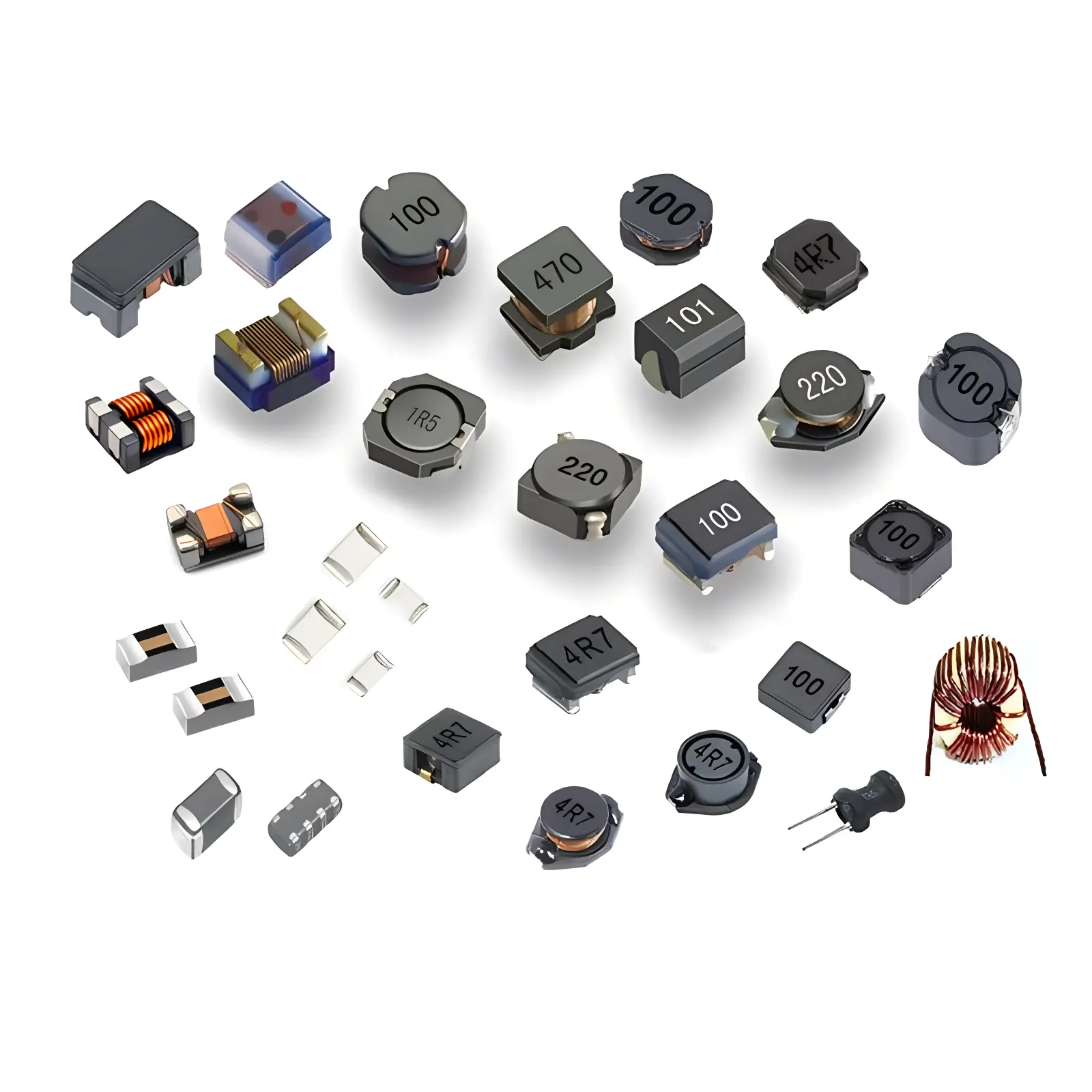 Inductors
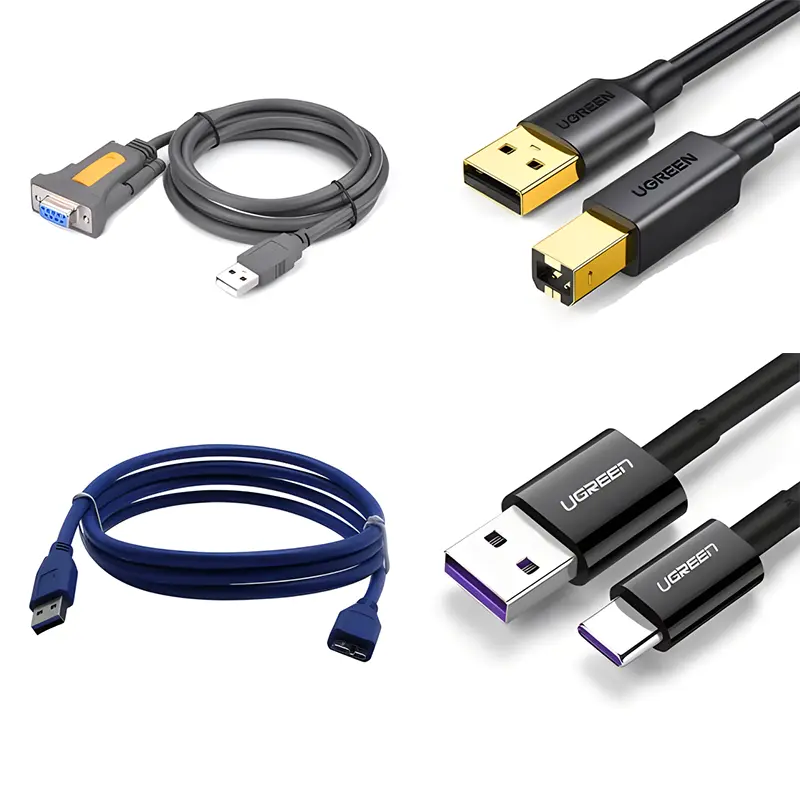 Wires,Cables Customized
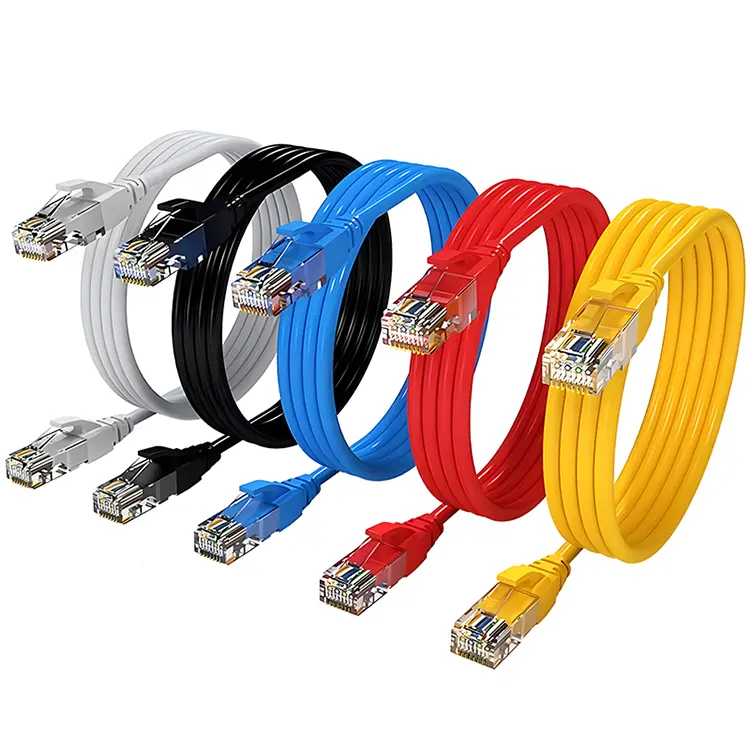 Network Cables
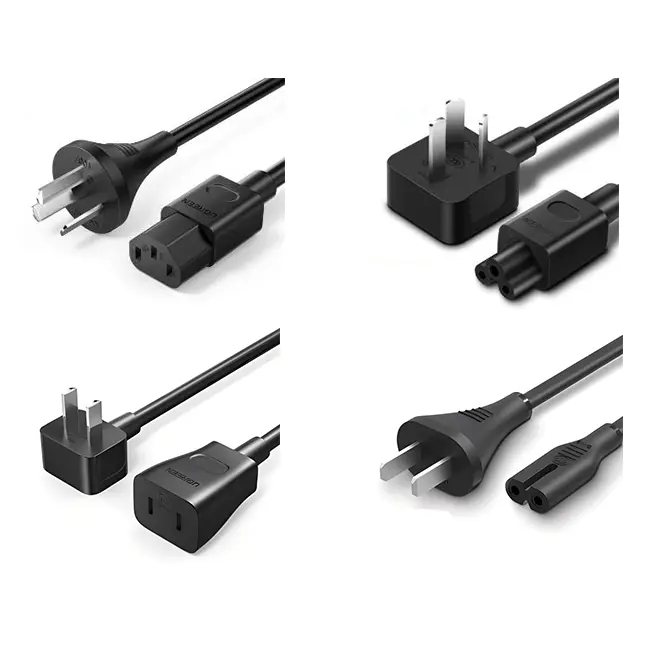 Power Cords
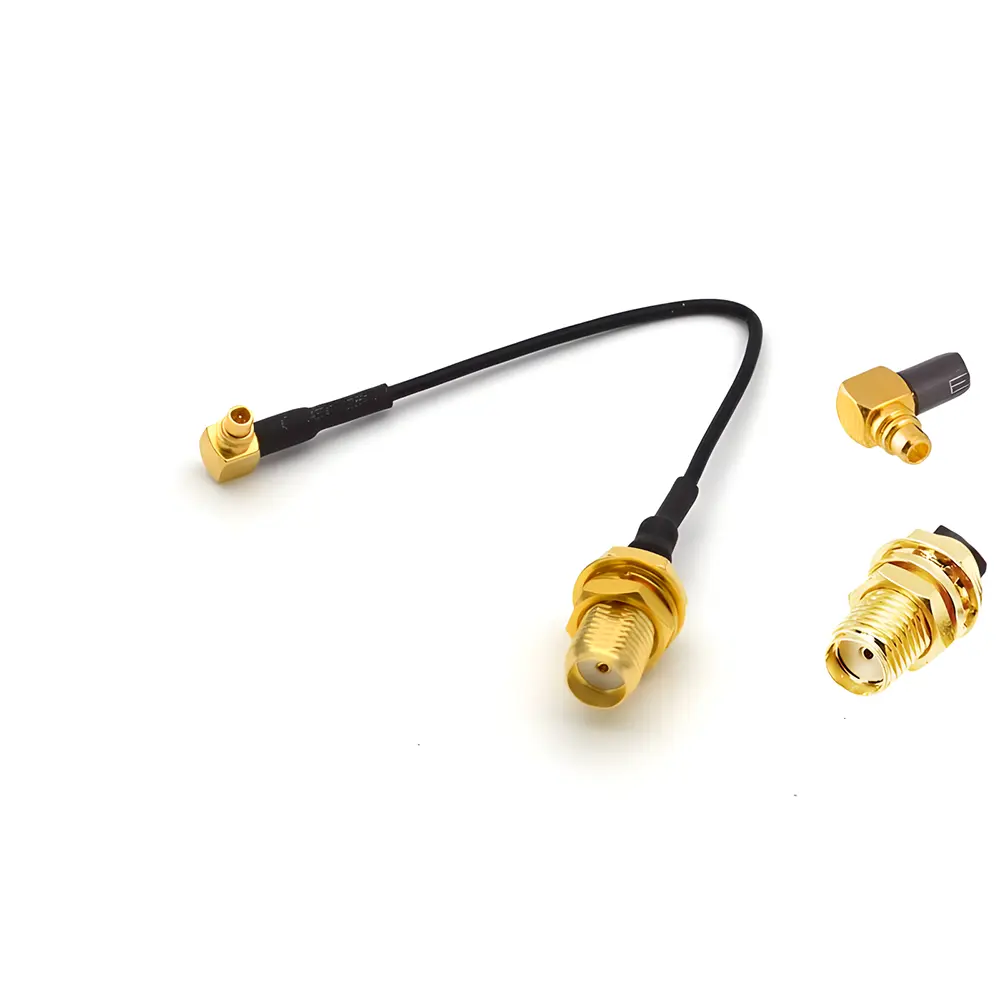 Antenna Cables
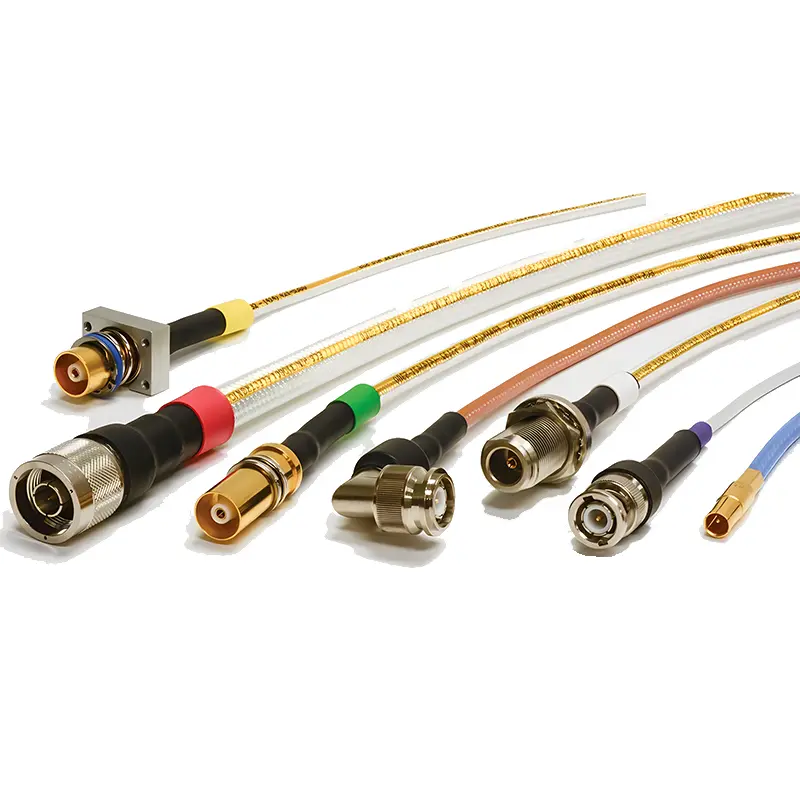 Coaxial Cables
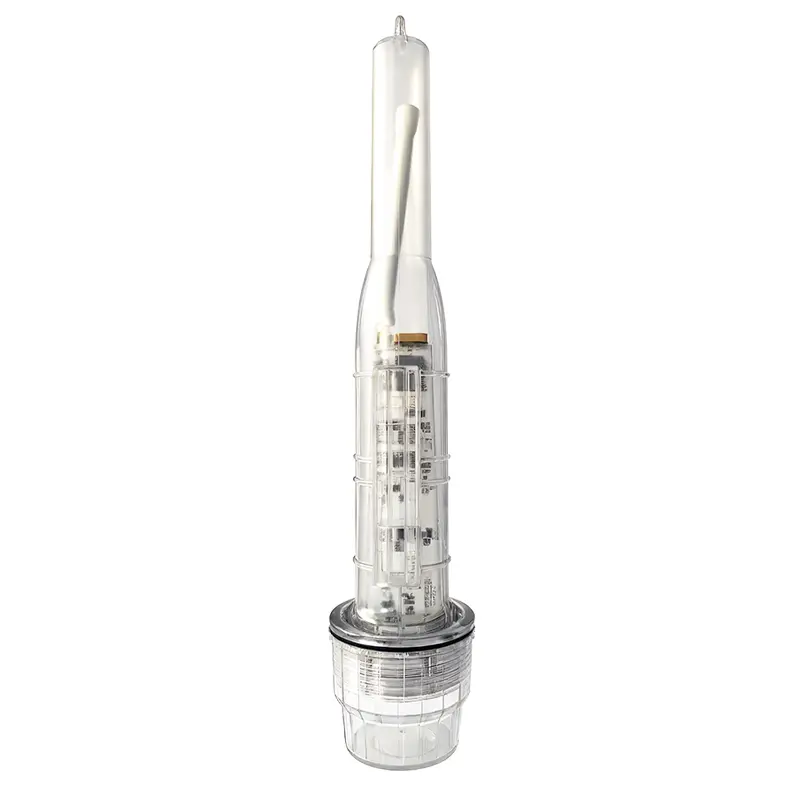 Net Position Indicator
 Solar AIS net position indicator
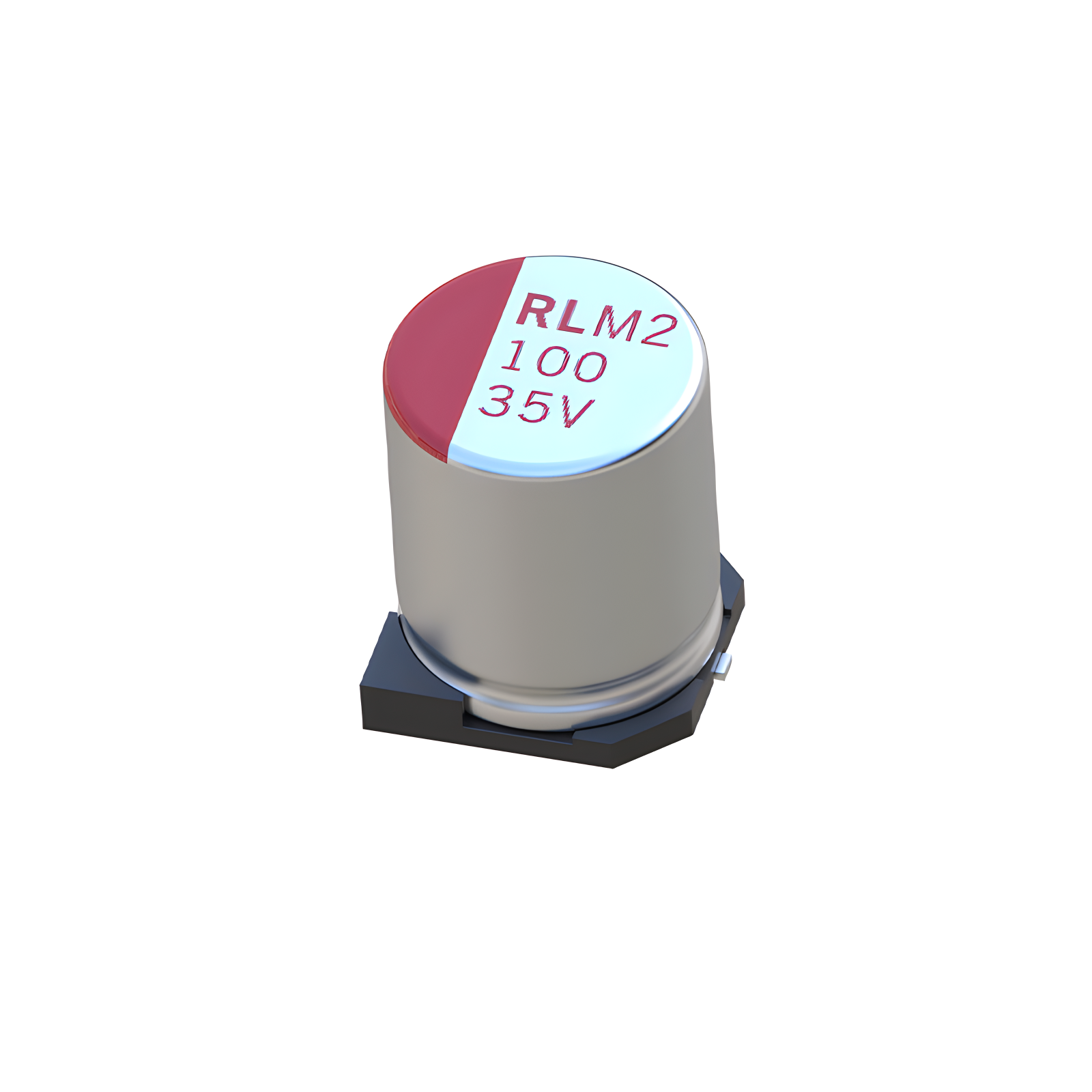 Capacitors
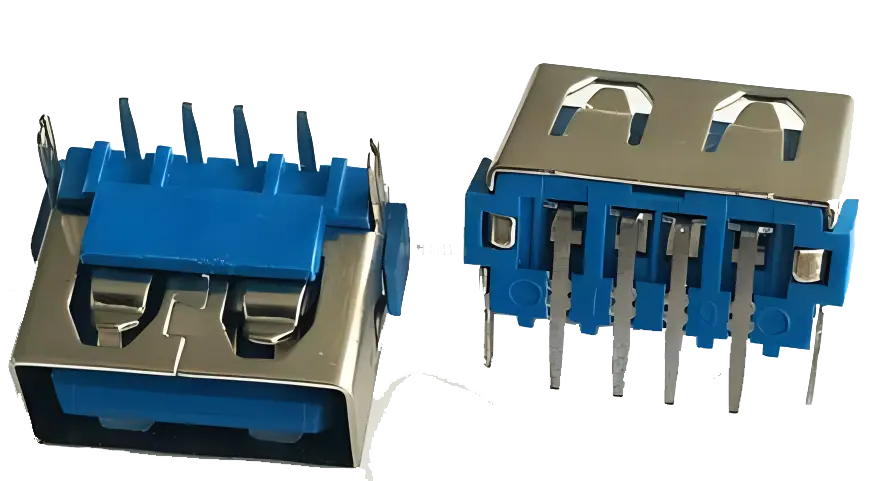 Connectors
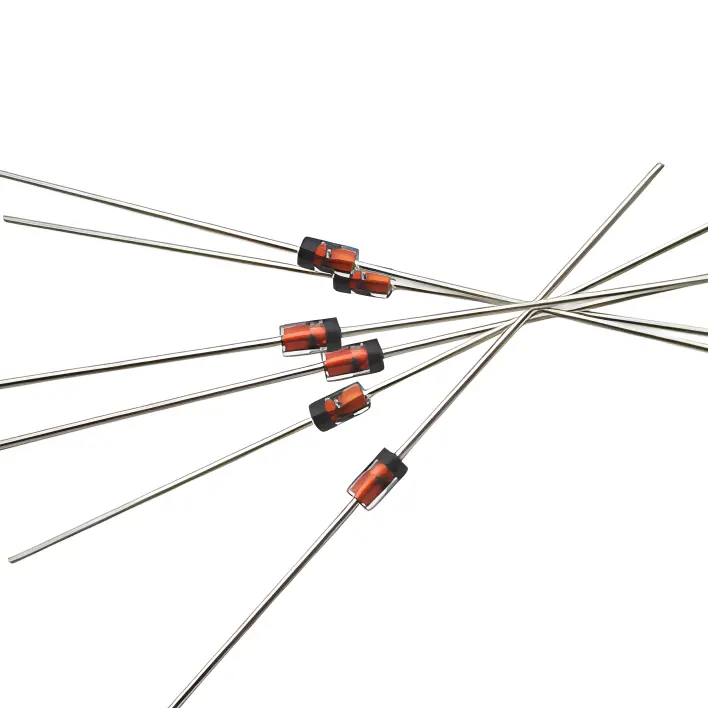 Diodes
 Embedded Processors & Controllers
 Digital Signal Processors (DSP/DSC)
 Microcontrollers (MCU/MPU/SOC)
 Programmable Logic Device(CPLD/FPGA)
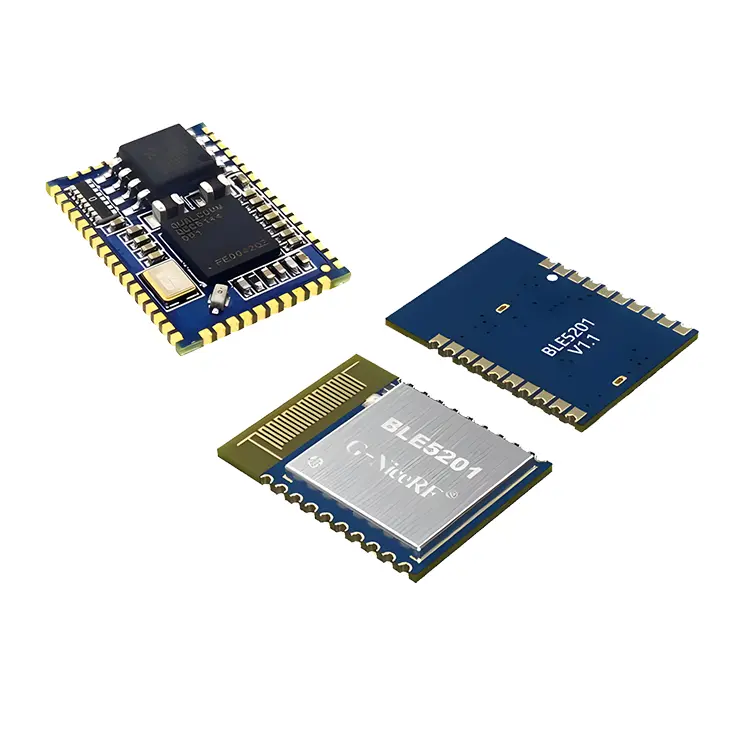 Communication Modules/IoT
 Resistors
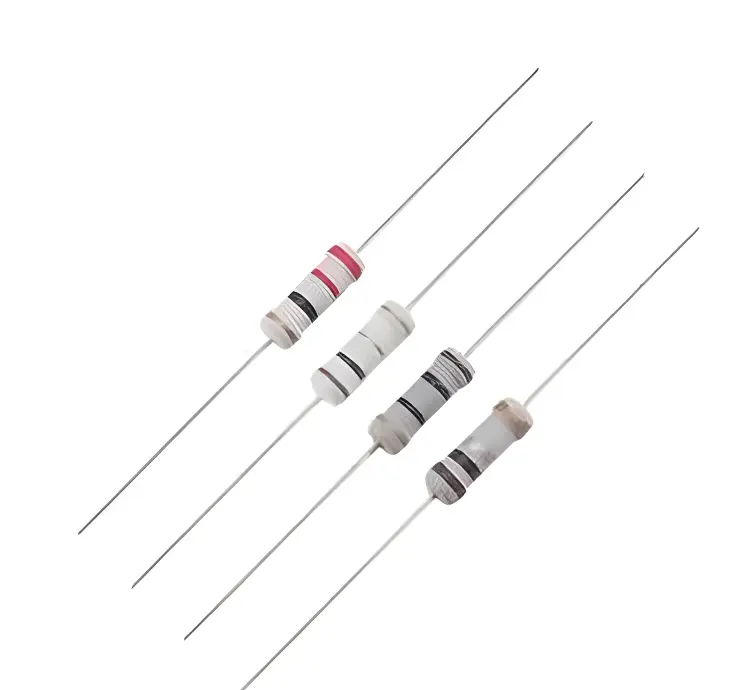 Through Hole Resistors
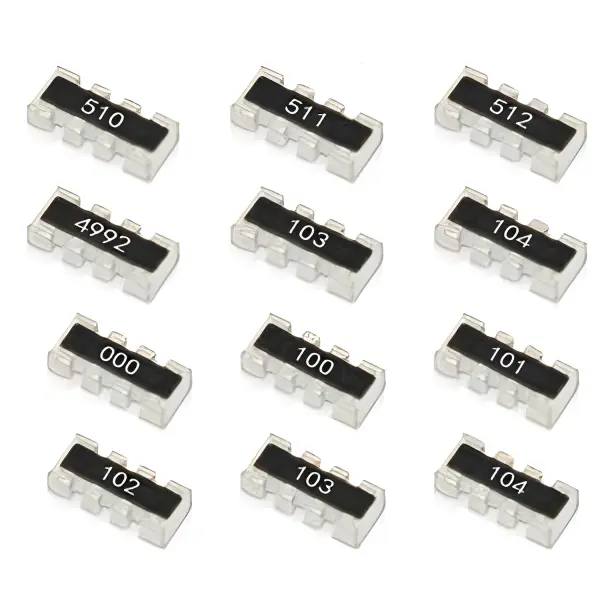 Resistor Networks, Arrays
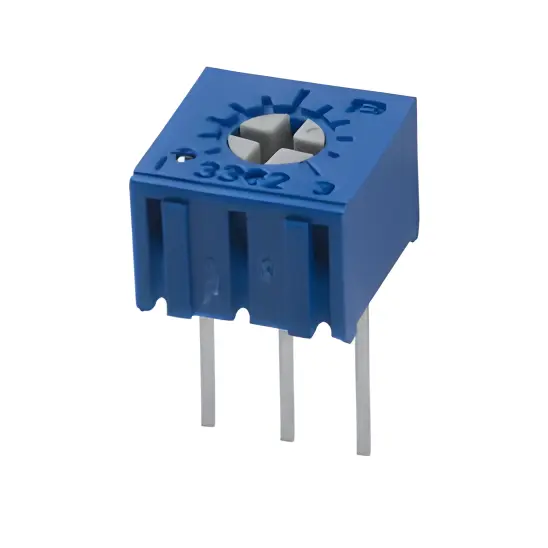 Potentiometers,Variable Resistors
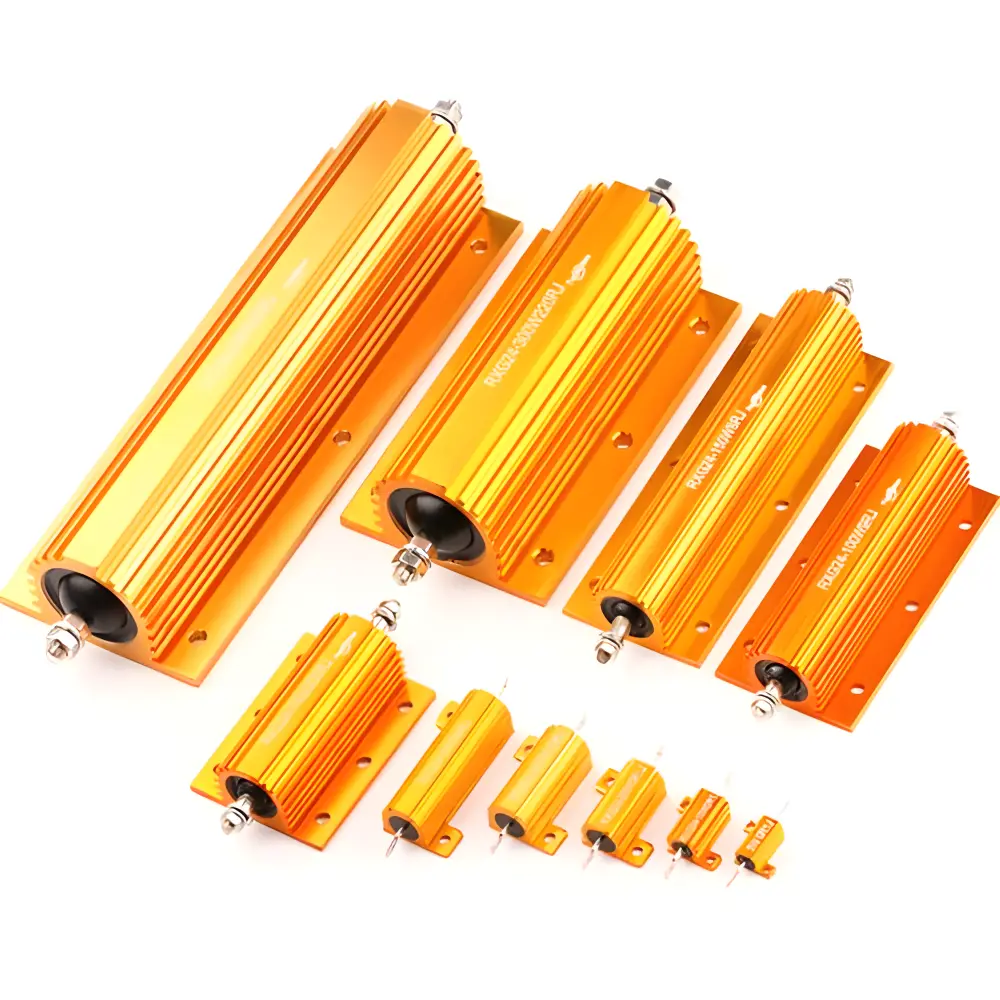 Aluminum Case,Porcelain Tube Resistance
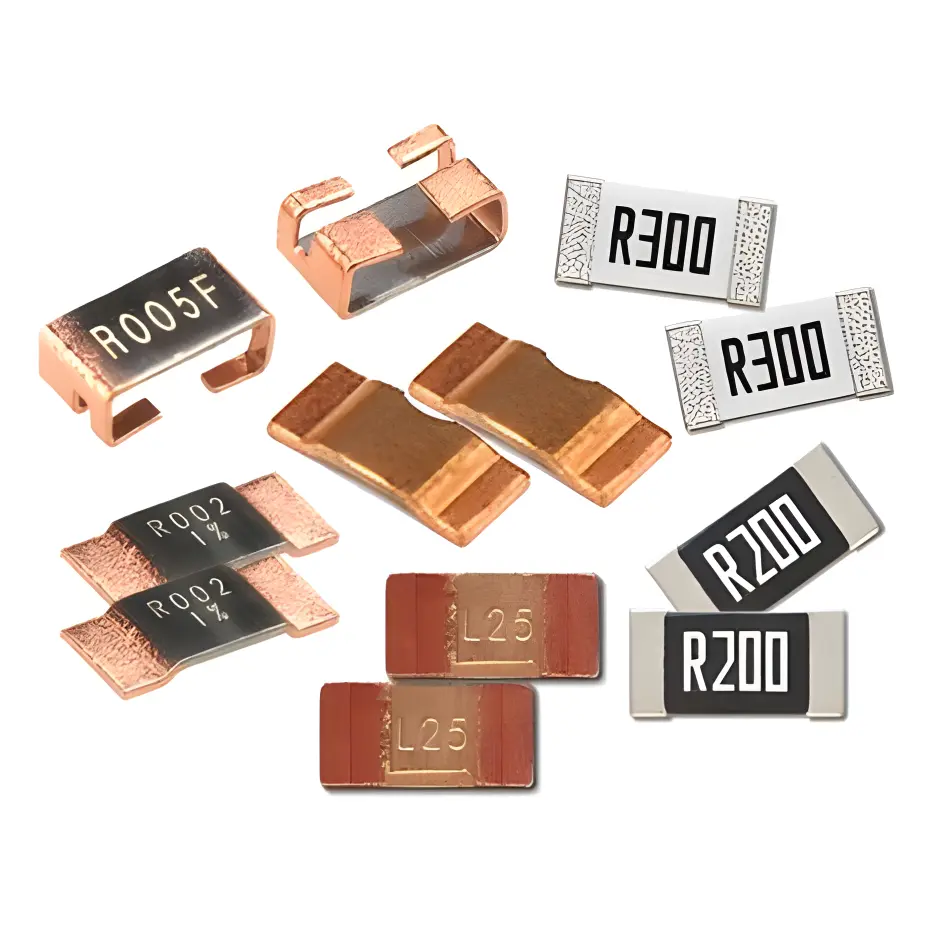 Current Sense Resistors,Shunt Resistors
 Switches
 Transistors
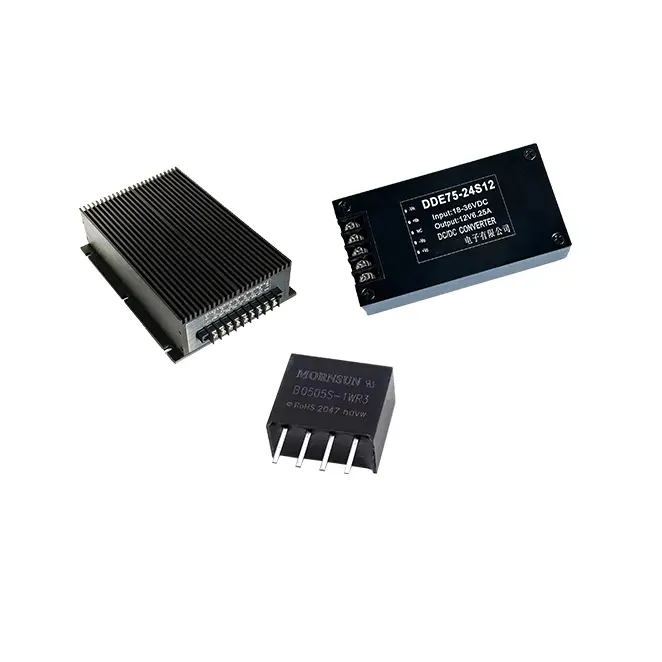 Power Modules
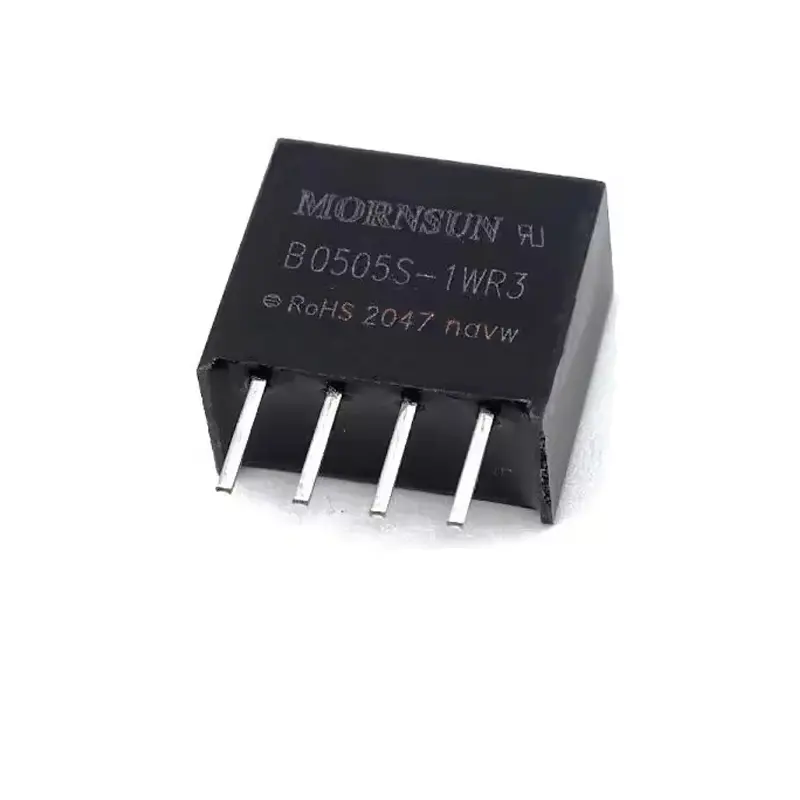 Isolated Power Modules
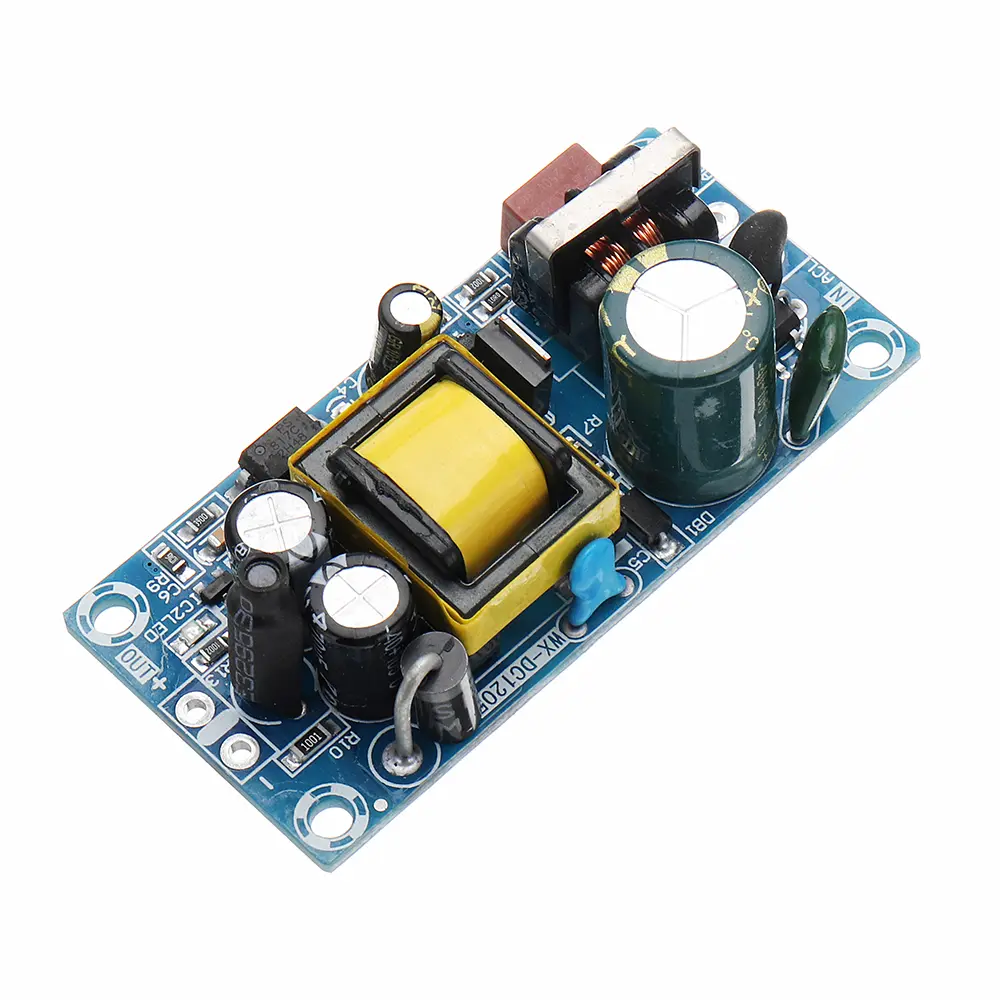 AC-DC Power Modules
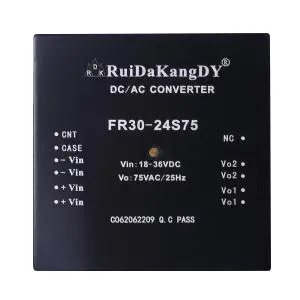 DC-AC Module(Inverter)
 RF and Wireless
Application of Conformal Coating in Humid Environments
Application of Conformal Coating in Humid Environments - Three Easily Overlooked PeRFormance Factors
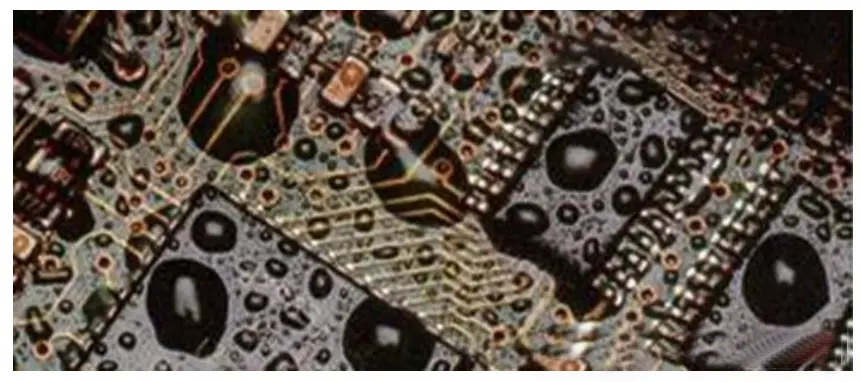
In today's era of rapid technological change, especially with the high - speed development of high - voltage systems (such as 800V power modules) led by the new energy vehicle industry, the electronics industry has set unprecedentedly high requirements for the protection performance of electronic components. Factors such as humidity, ionic contamination, and particle residue have become major hidden dangers that affect insulation performance, trigger electrical leakage, and cause equipment damage. To enhance the protection capabilities of electronic components, the industry commonly adopts conformal coating technology (Conformal coating, commonly known as three - proof paint). After the coating process, electronic products are like wearing an "invisible armor", which not only strengthens their ability to resist external damage but also promotes the reduction of conductor spacing in circuit board design, thus effectively maintaining the stability of electrical insulation.
The performance evaluation of conformal coating in a humid environment is multi - faceted, including dielectric constant, thermal performance, flammability, coating creep, chemical compatibility, and chemical resistance.
1. Hydrolytic Stability
Hydrolytic stability measures the ability of conformal coating to maintain its original physical and chemical properties in a humid environment. In a high - humidity environment (usually with a relative humidity greater than 60%), if the conformal coating does not have good hydrolytic stability, its performance may decline. Sub - micron dust particles in the atmosphere can be acidic or alkaline. When the humidity is ≥ 80%, the water layer thickness can reach 10 molecules. At this time, the materials deposited from the atmosphere begin to dissolve, generating freely flowing ion currents. These ions can penetrate the conformal coating, triggering circuit short - circuits, corrosion, and dendrite growth, and in severe cases, can cause the entire electronic system to fail.
2. Water Vapor Permeability
Water vapor permeability refers to the ability of water vapor to pass through the conformal coating. Due to the small size of water molecules, they can penetrate almost all polymer matrices. Therefore, all conformal coating materials have a certain degree of water vapor permeability, but the penetration rate and degree vary. The chemical composition, thickness, degree of curing of the conformal coating, as well as environmental factors such as temperature and humidity, can all affect its water vapor permeability. Although a certain degree of breathability is beneficial for the natural drying of the PCB when it is not in operation, excessive penetration may increase the risk of leakage current, accelerate corrosion, and reduce insulation performance. Therefore, when choosing a conformal coating, it is necessary to balance its moisture - proof and breathable properties to ensure that it can effectively block moisture without affecting the natural drying - recovery ability of the circuit board.
3. Ion Penetration
Ion penetration is a direct indicator for evaluating the ability of conformal coating to defend against ionic contaminants, especially in environments with contaminants such as flux residues and salt spray. Ions can enter the interior of the conformal coating through defects, micropores in the conformal coating, or by directly penetrating the molecular chain, leading to electrochemical reactions, which in turn cause corrosion and a decrease in insulation performance. To test the resistance of conformal coating to ion penetration, the industry widely uses techniques such as Surface Insulation Resistance (SIR) testing, Sequential Electrochemical Reduction Analysis (SERA), and diffusion cell measurements. SIR testing directly evaluates the resistance change at the substrate interface under the conformal coating. SERA focuses on the oxidation state of the metal under the conformal coating. The diffusion cell experiment monitors the dynamics of specific contaminants passing through the conformal coating film by simulating the environment. The comprehensive application of these testing methods not only shows that ions have penetrability but also provides a scientific basis for the selection and improvement of conformal coating, ensuring that the selected conformal coating can effectively block the penetration of harmful ions and maintain the electrical safety of the circuit.
In practical applications, the selection of conformal coating needs to comprehensively consider cost - effectiveness, environmental adaptability, and safety. To ensure the reliability and long - term stability of electronic devices in a humid environment, the performance evaluation of conformal coating is particularly important. Users should understand different evaluation test methods and their applicability for surface cleanliness, as well as advanced technical experience in the fields of reliability and surface technology, such as the reliability of conformal coating.