
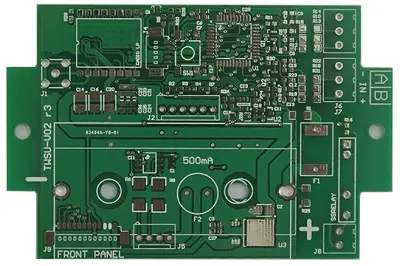
 PCB
PCB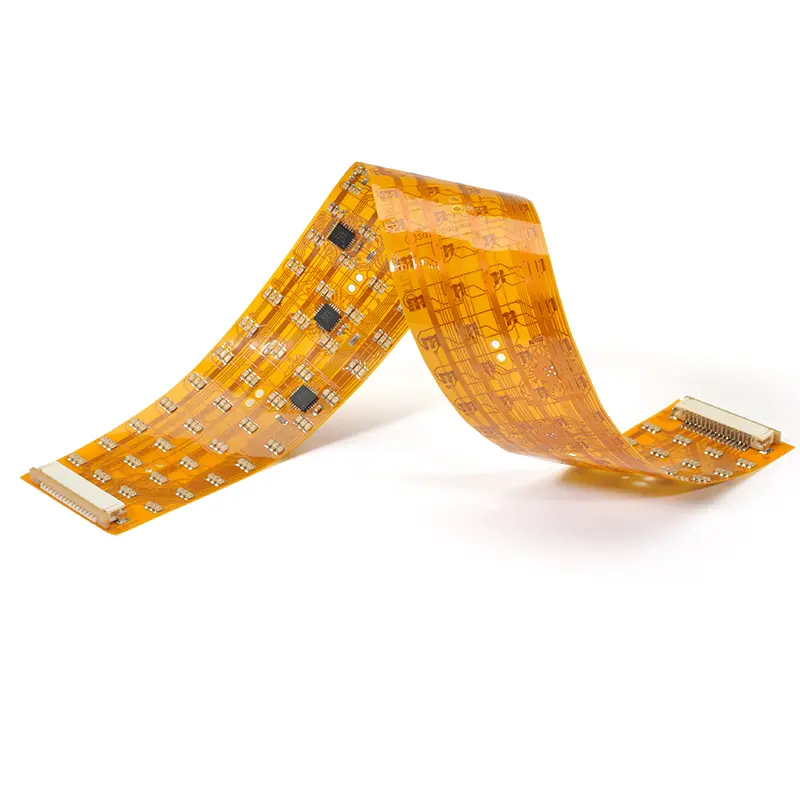 FPC
FPC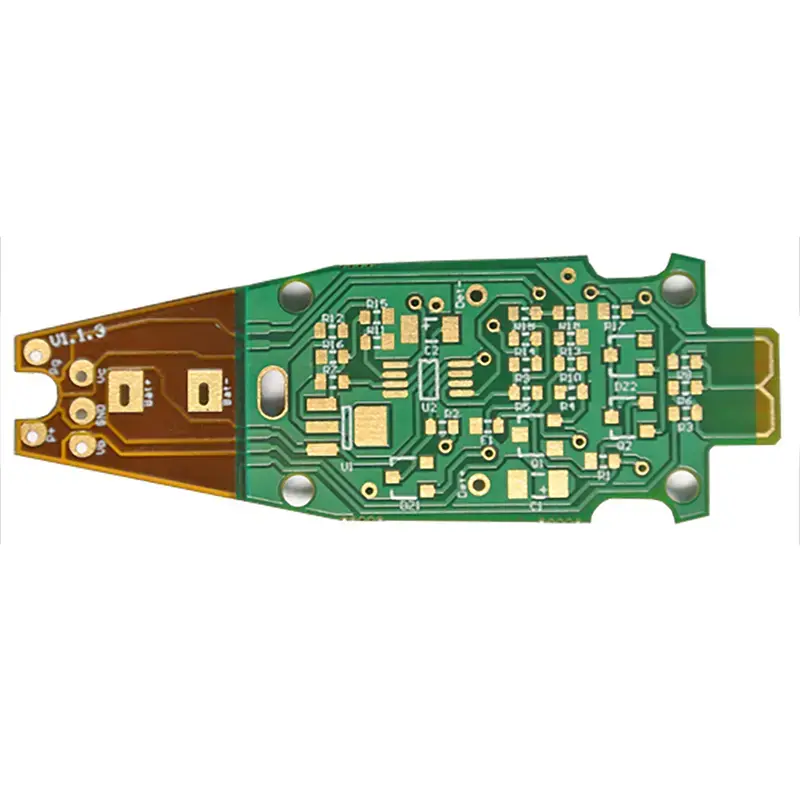 Rigid-Flex
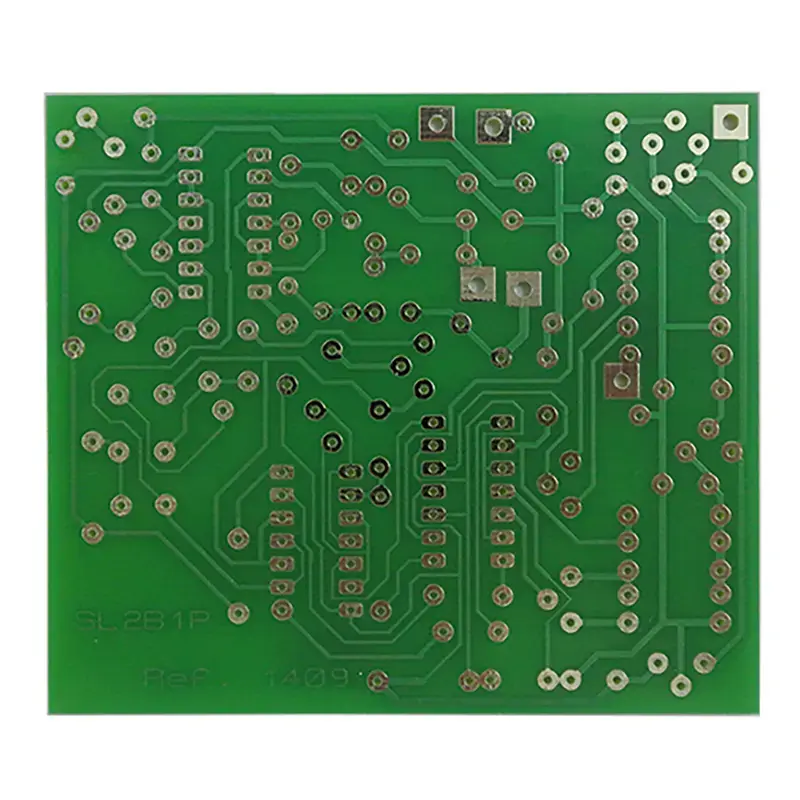 FR-4
FR-4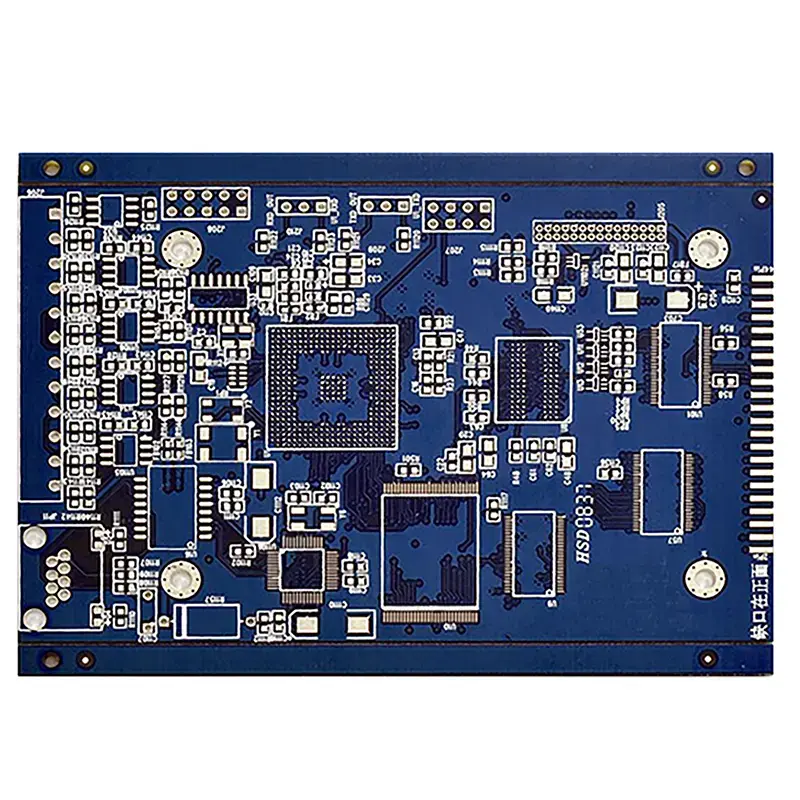 HDI PCB
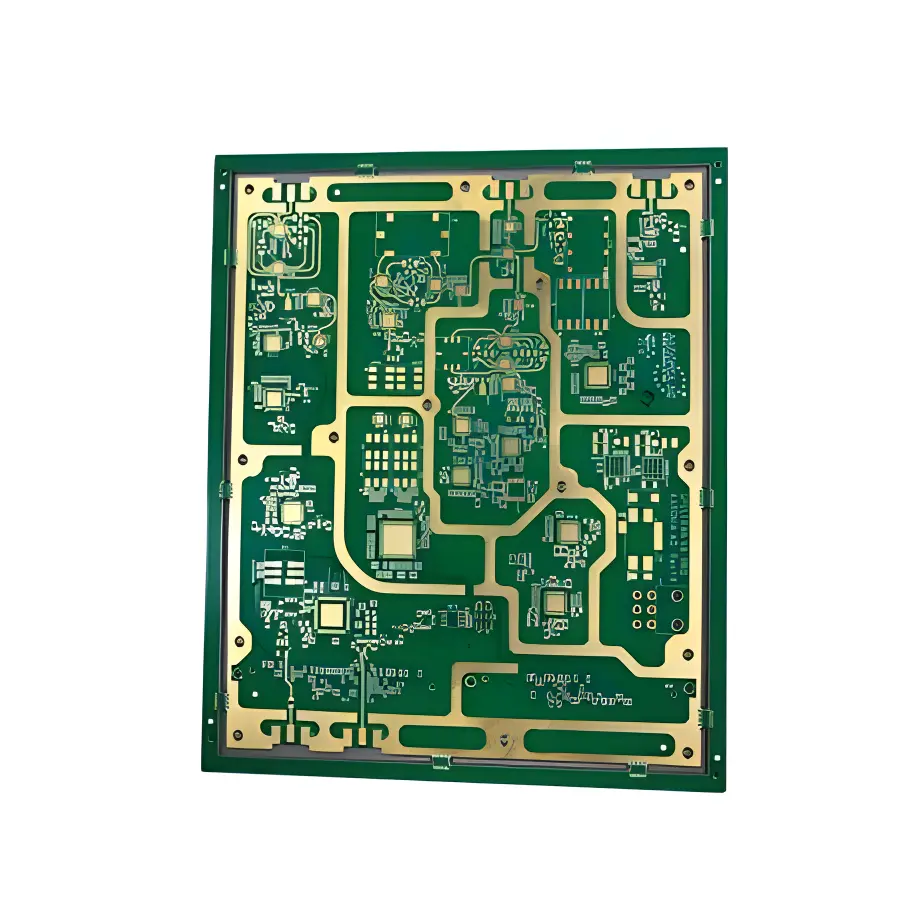 Rogers High-Frequency Board
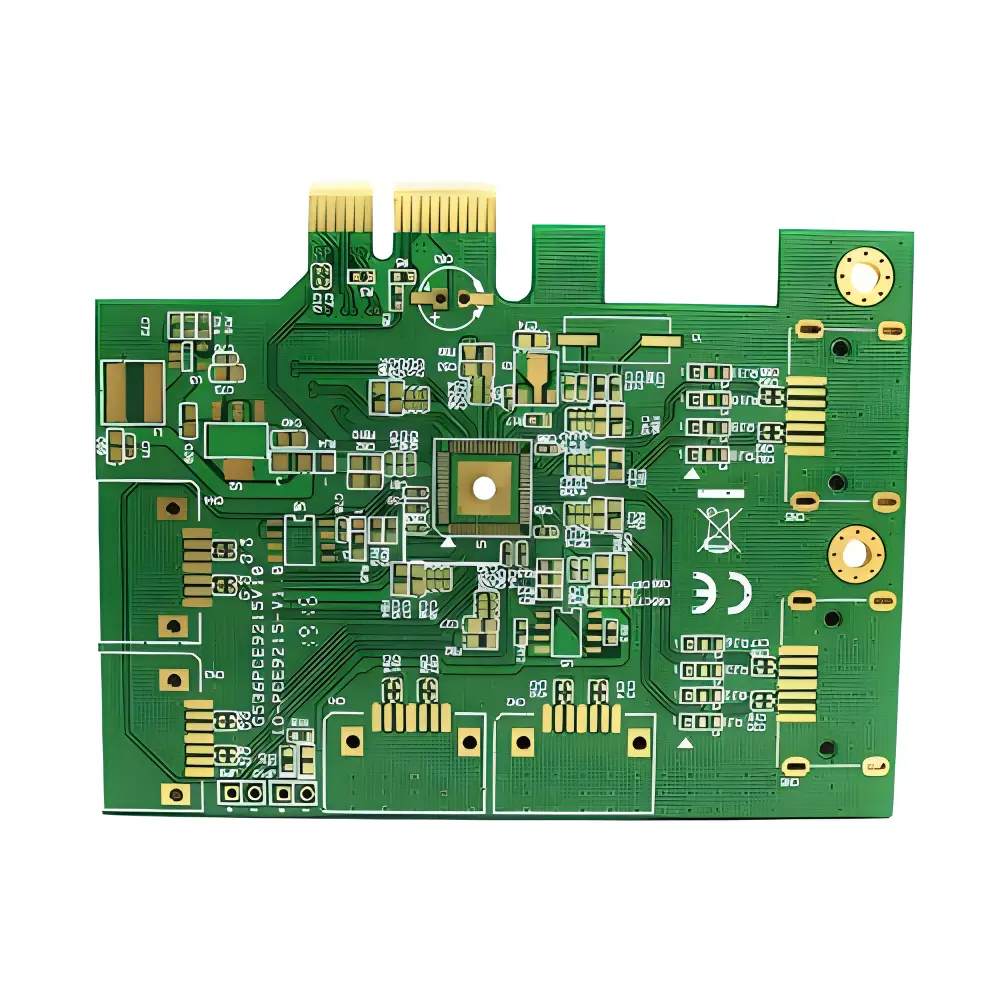 PTFE Teflon High-Frequency Board
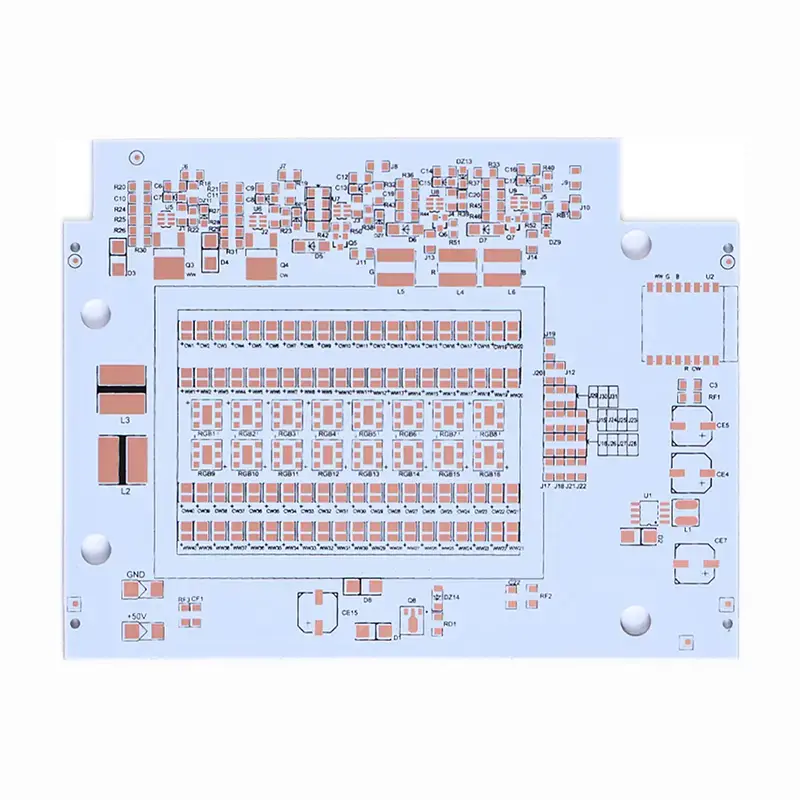 Aluminum
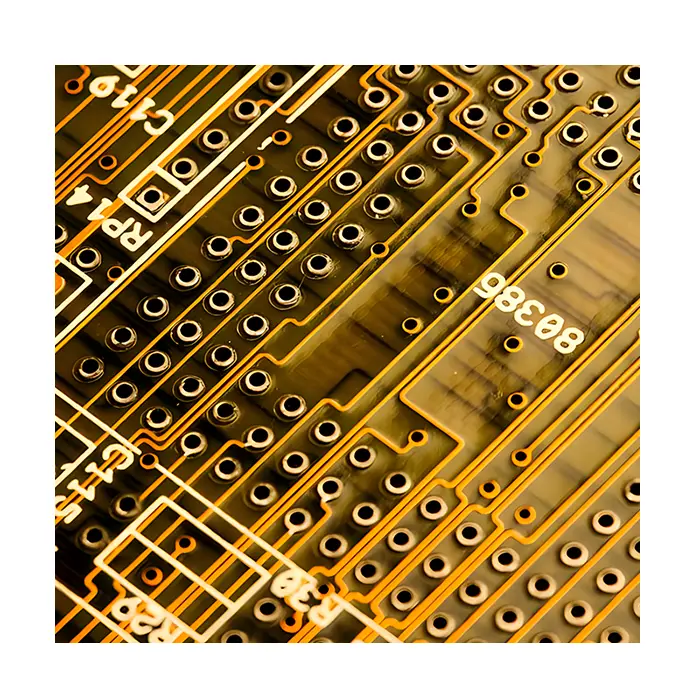 Copper Core
 PCB Assembly
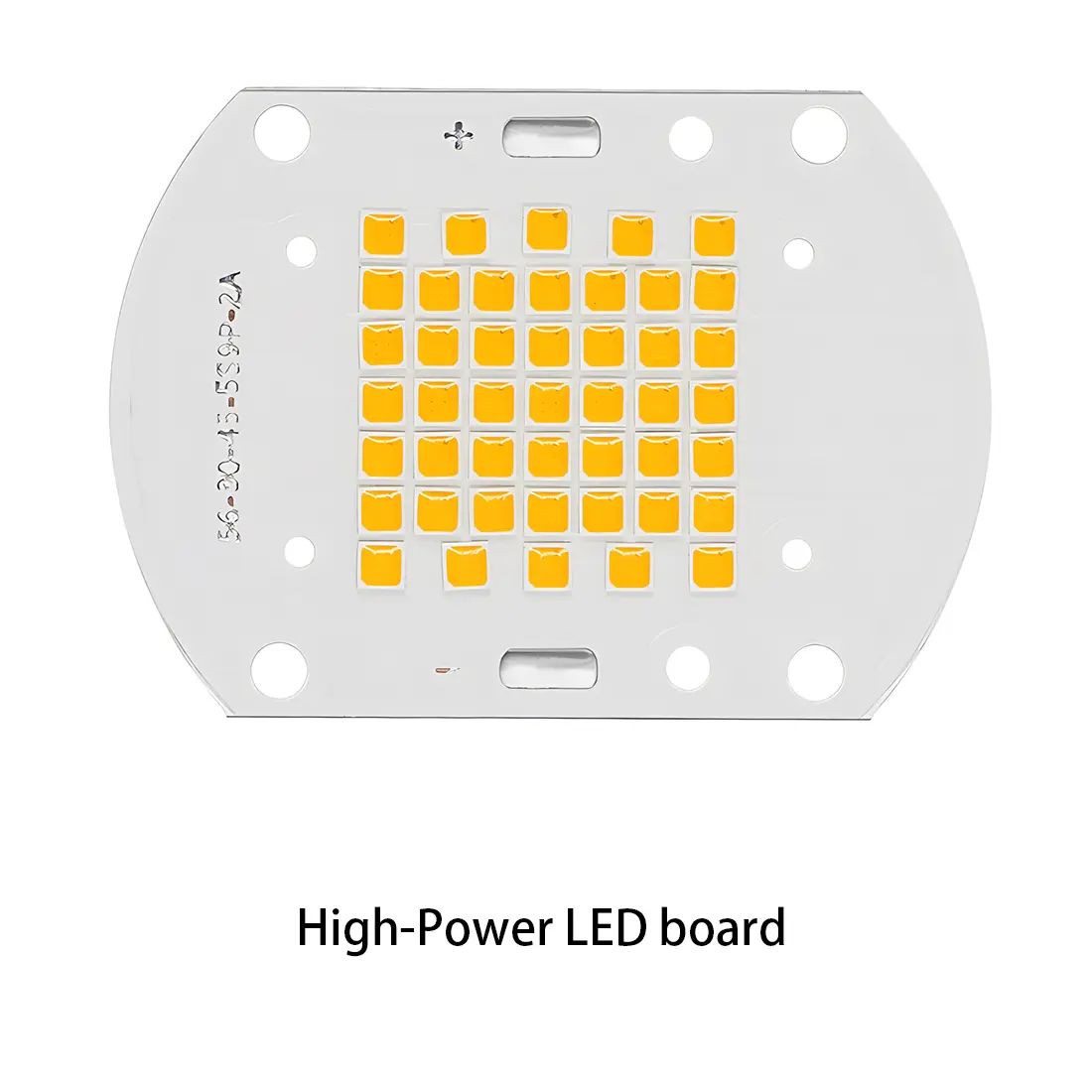 LED light PCBA
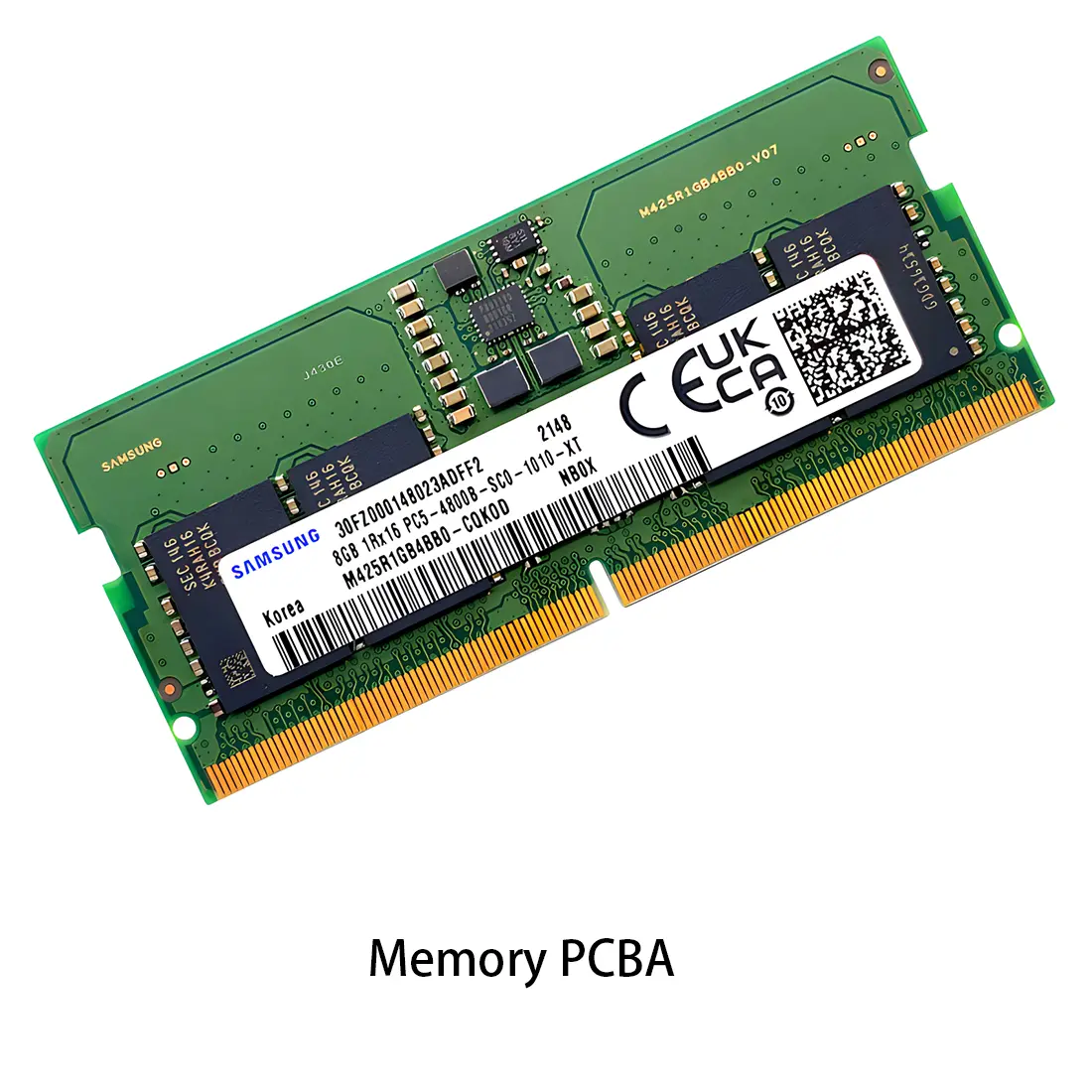 Memory PCBA
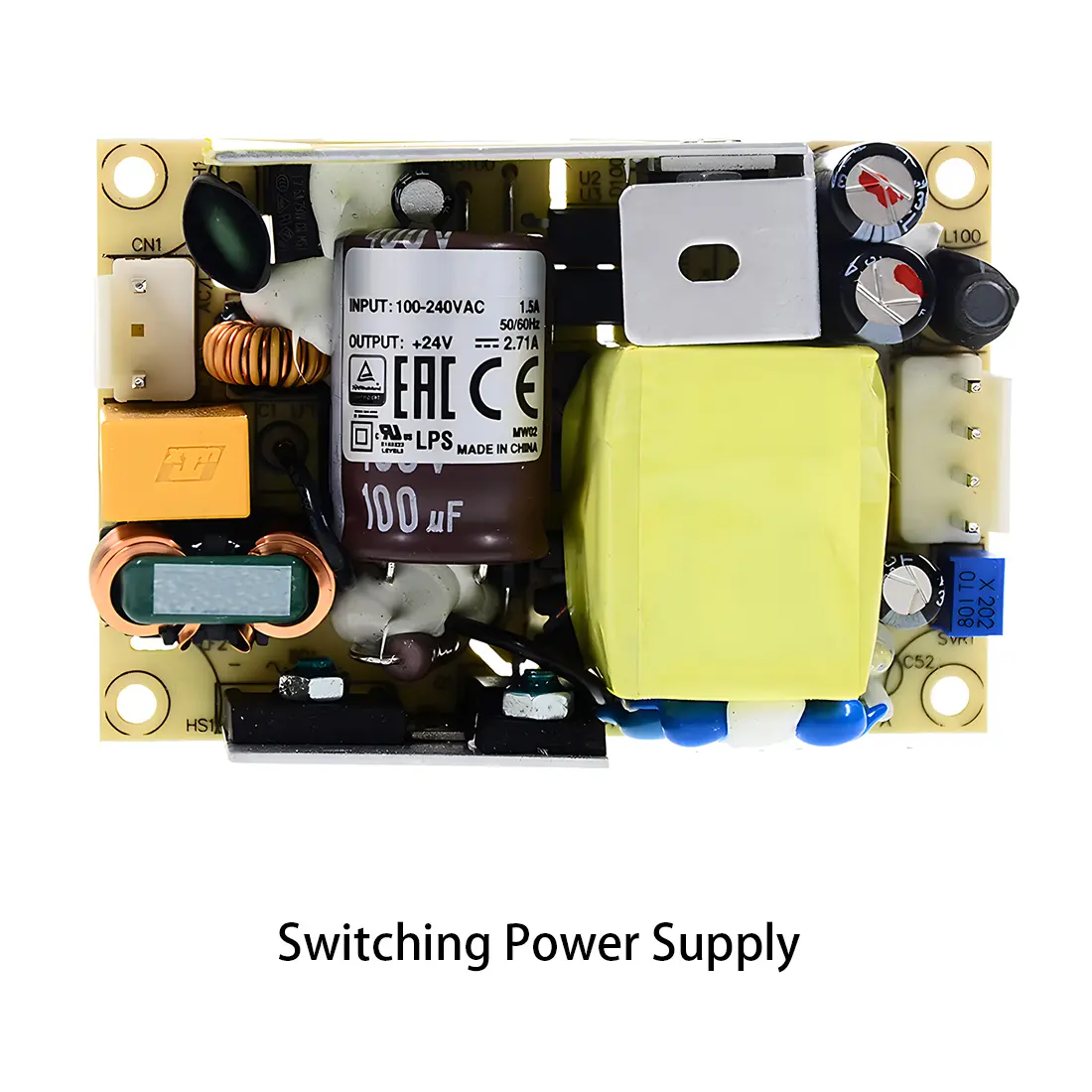 Power Supply PCBA
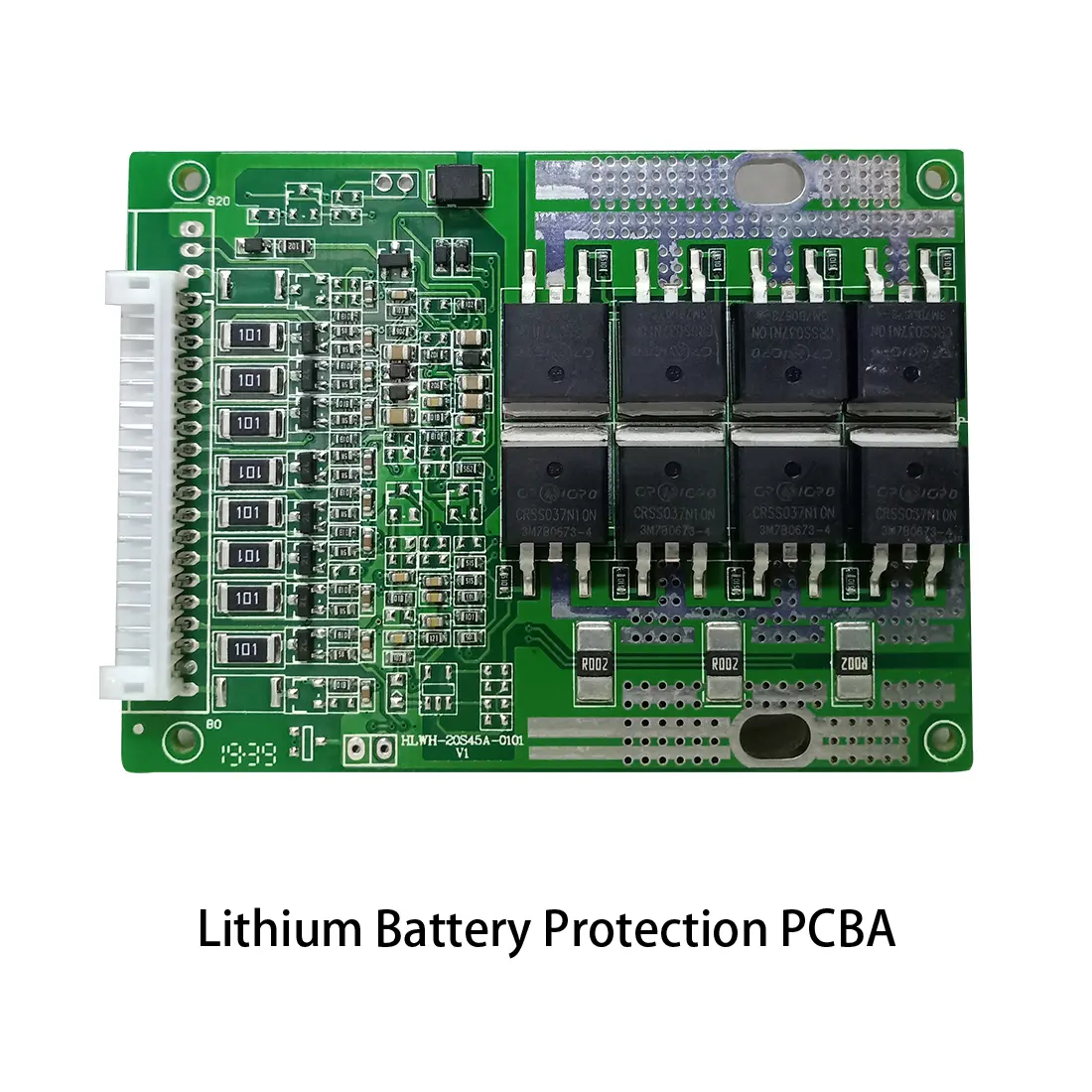 New Energey PCBA
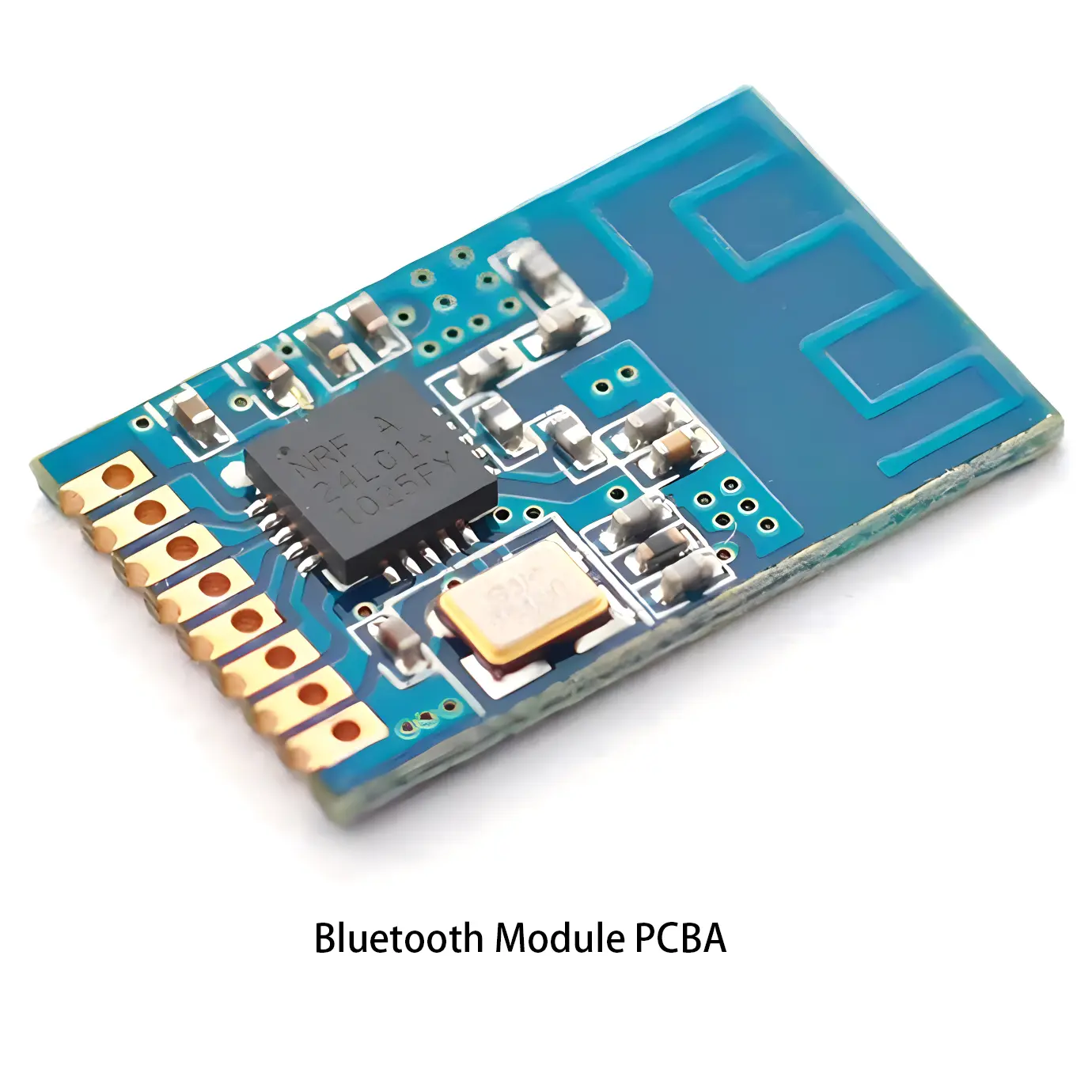 Communication PCBA
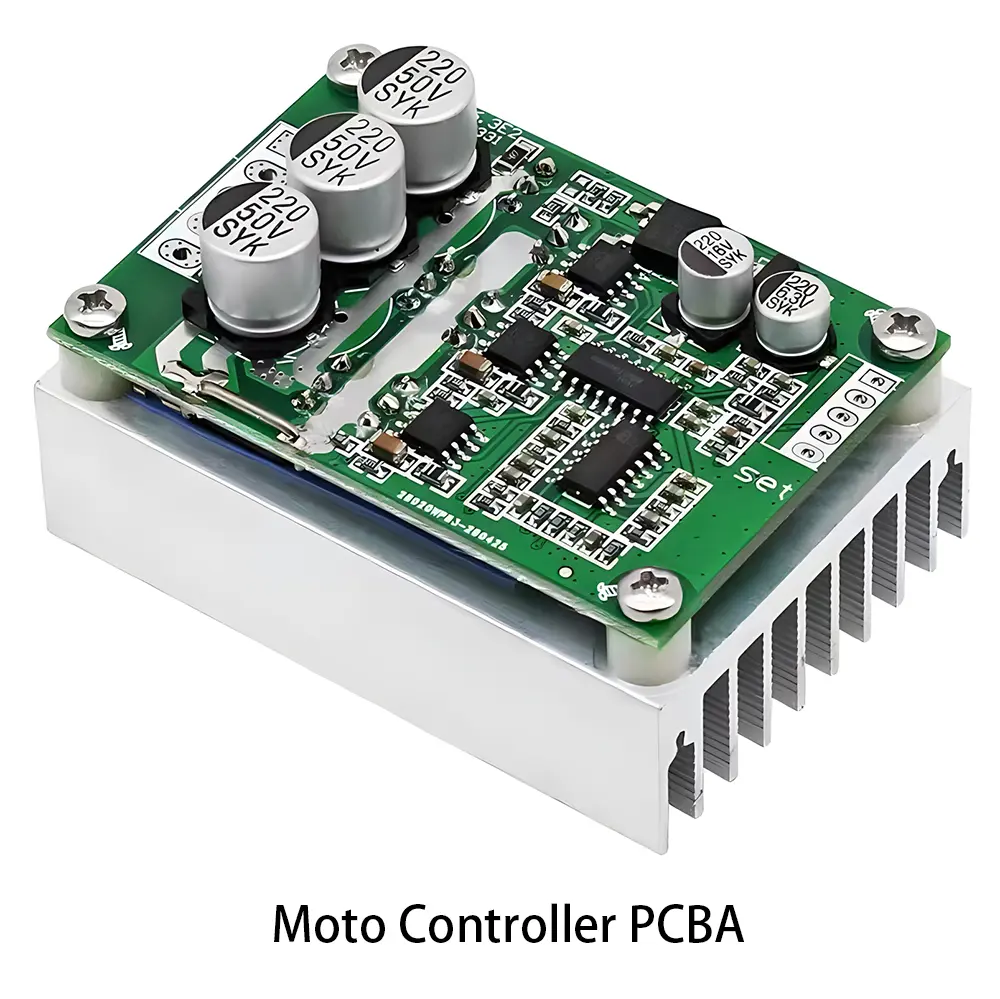 Industrial Control PCBA
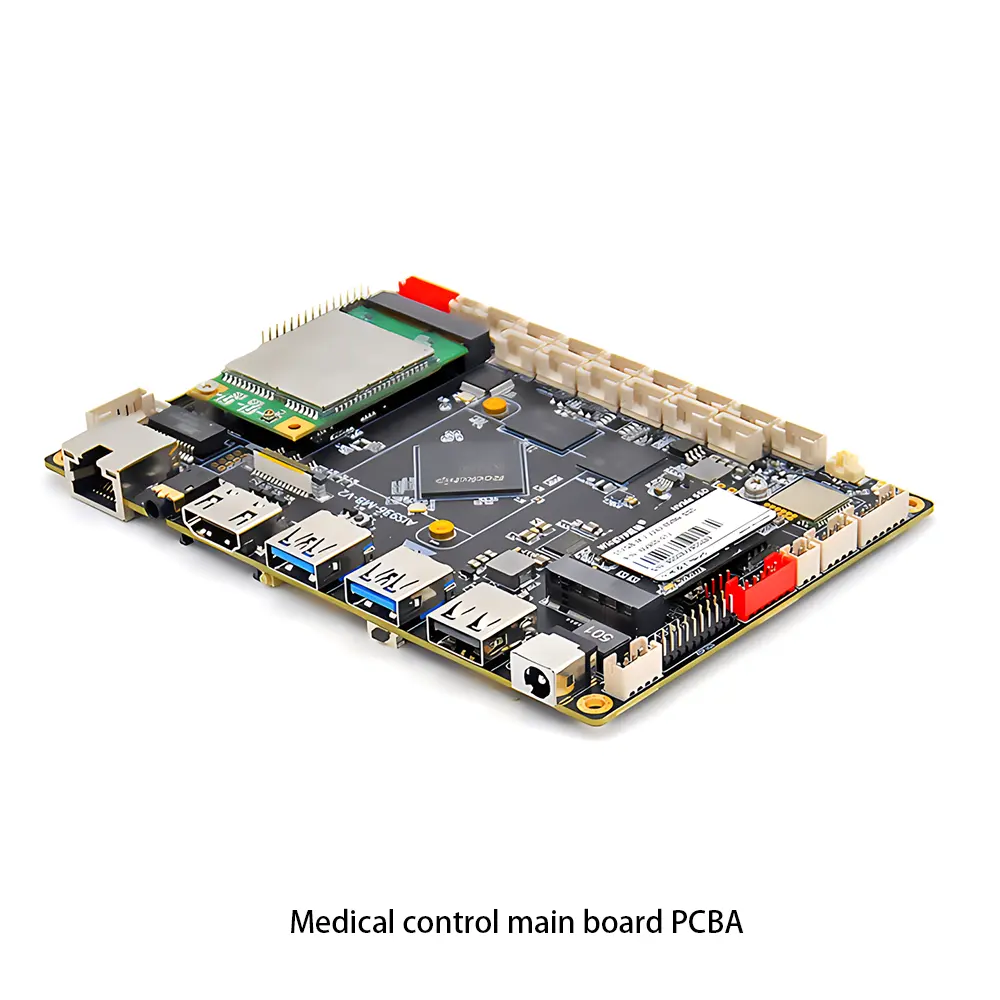 Medical Equipment PCBA
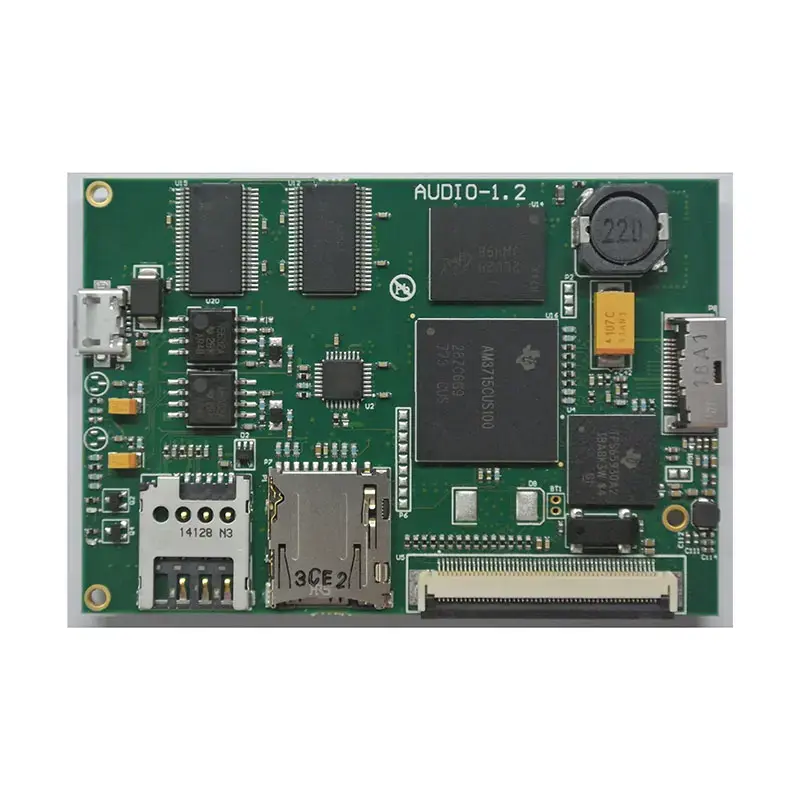 Testing Service
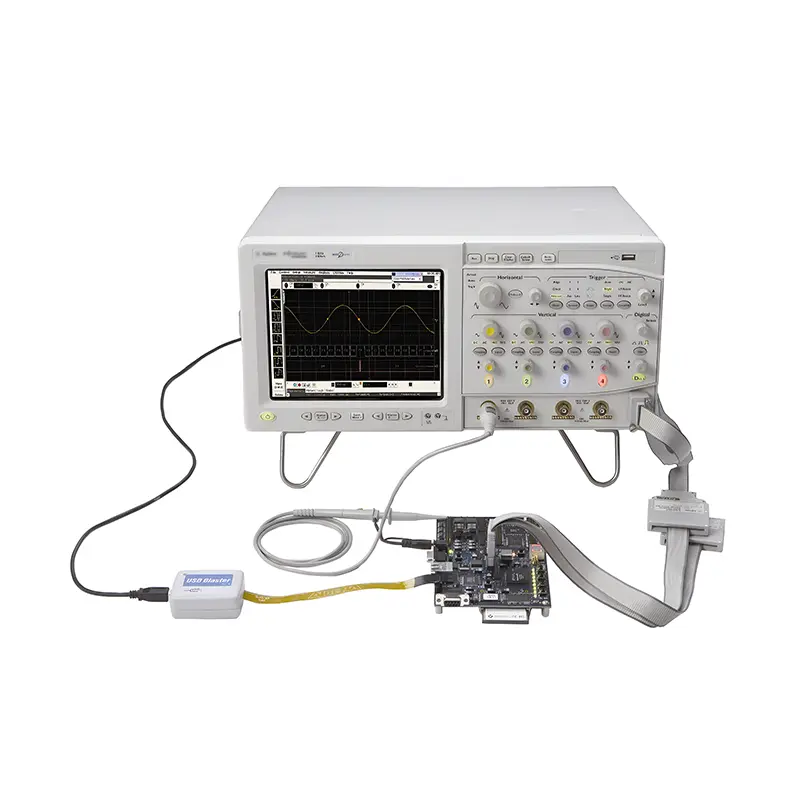 PCBA Testing Service
 Certification Application
 RoHS Certification Application
 REACH Certification Application
 CE Certification Application
 FCC Certification Application
 CQC Certification Application
 UL Certification Application
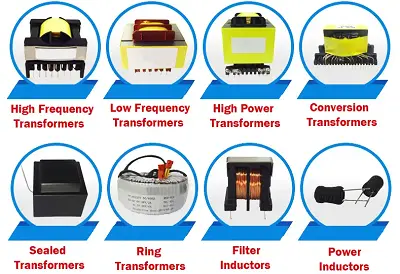 Transformers, Inductors
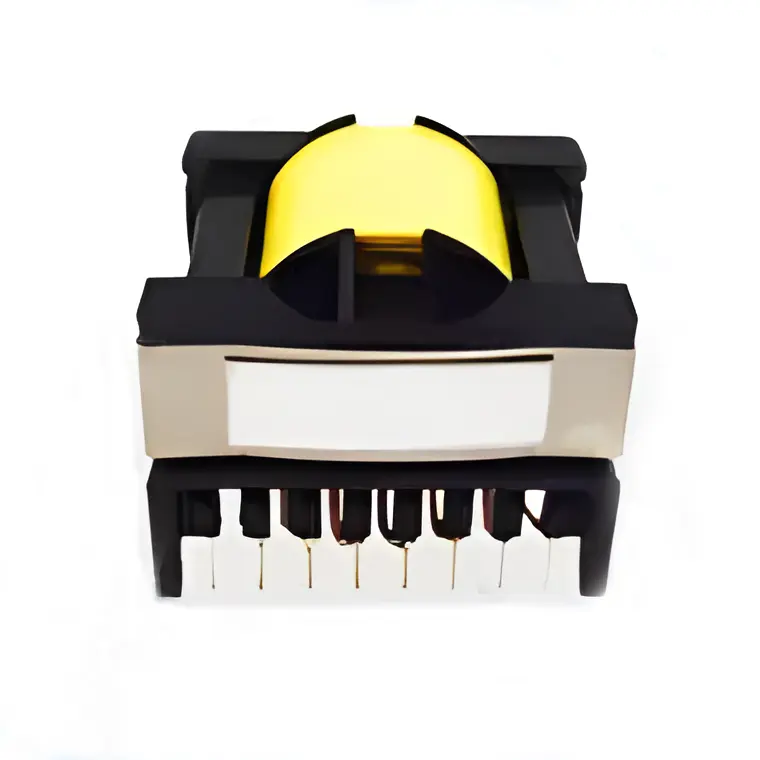 High Frequency Transformers
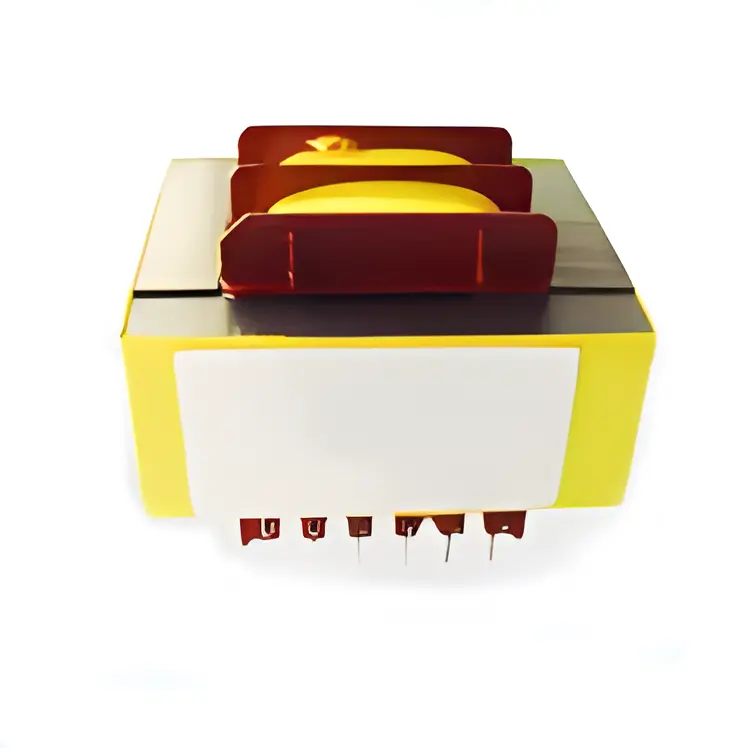 Low Frequency Transformers
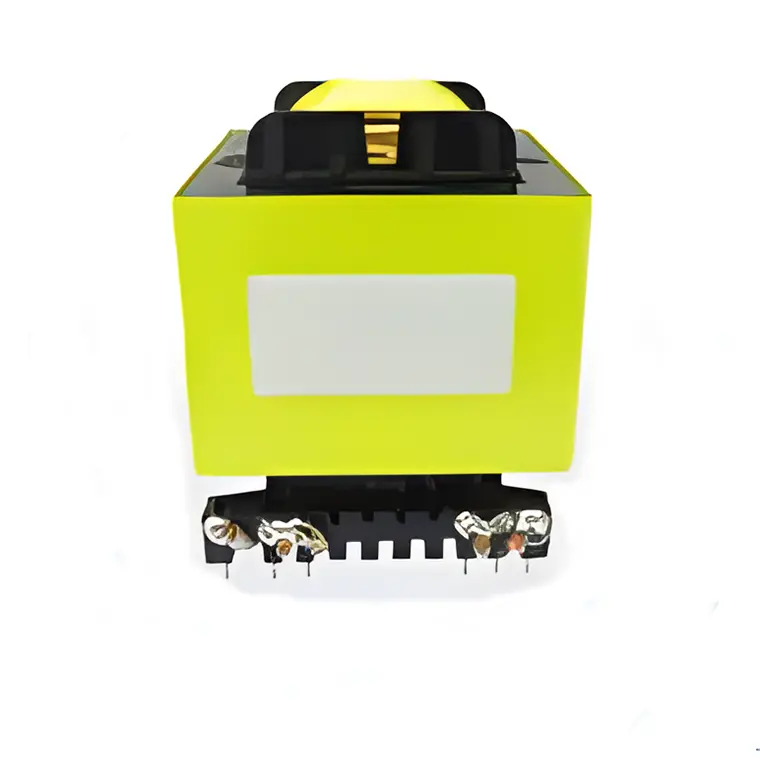 High Power Transformers
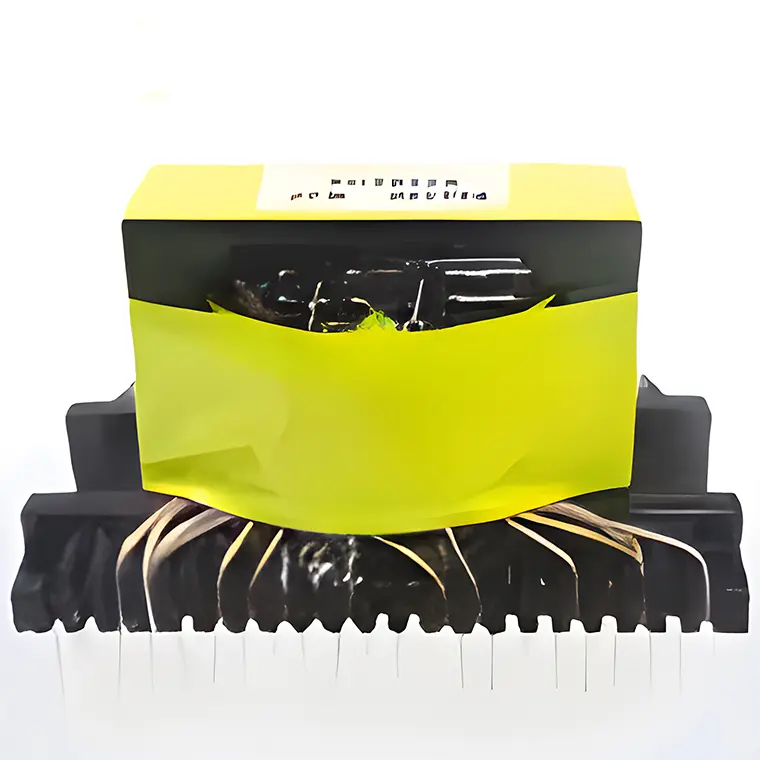 Conversion Transformers
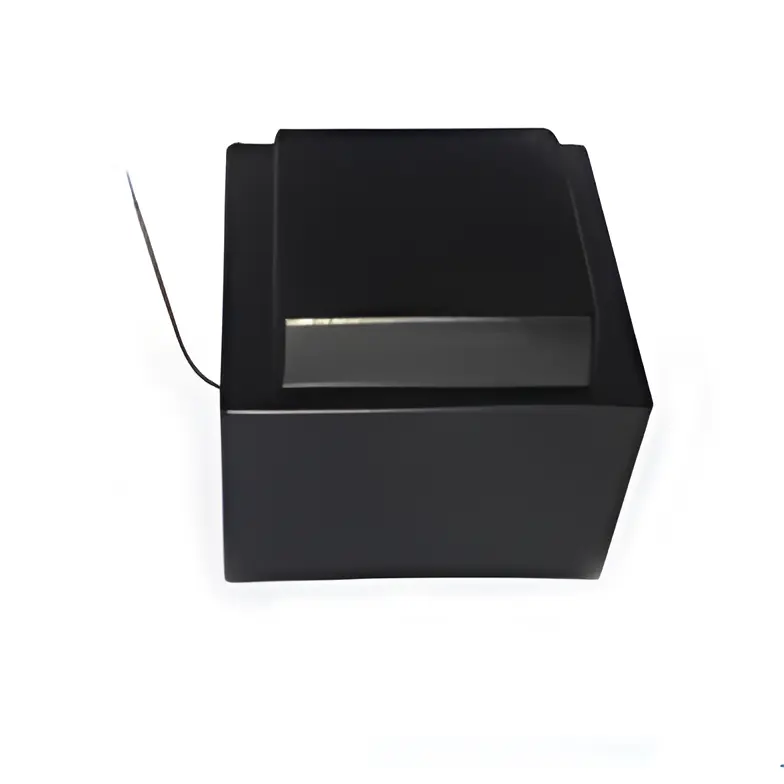 Sealed Transformers
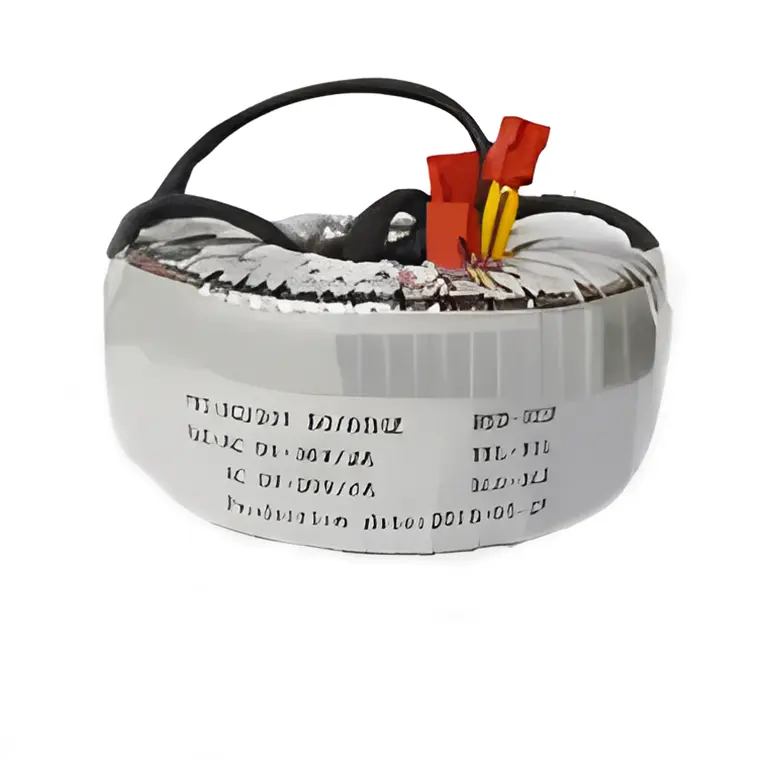 Ring Transformers
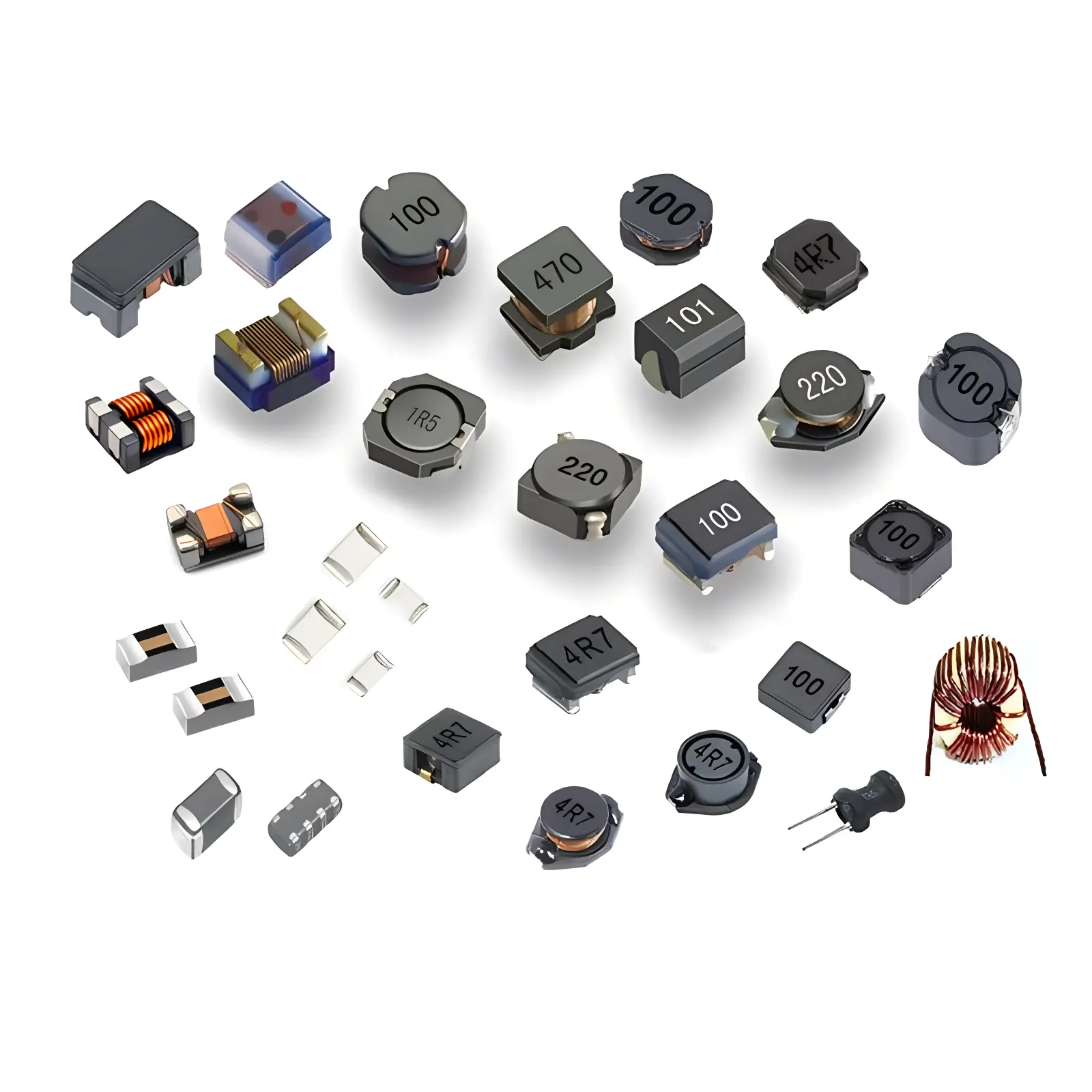 Inductors
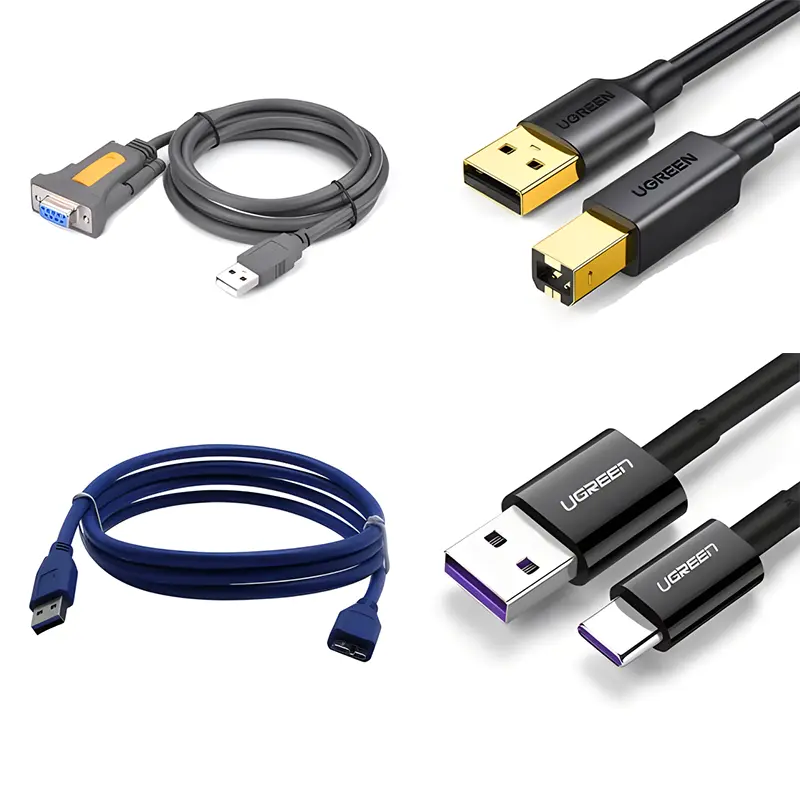 Wires,Cables Customized
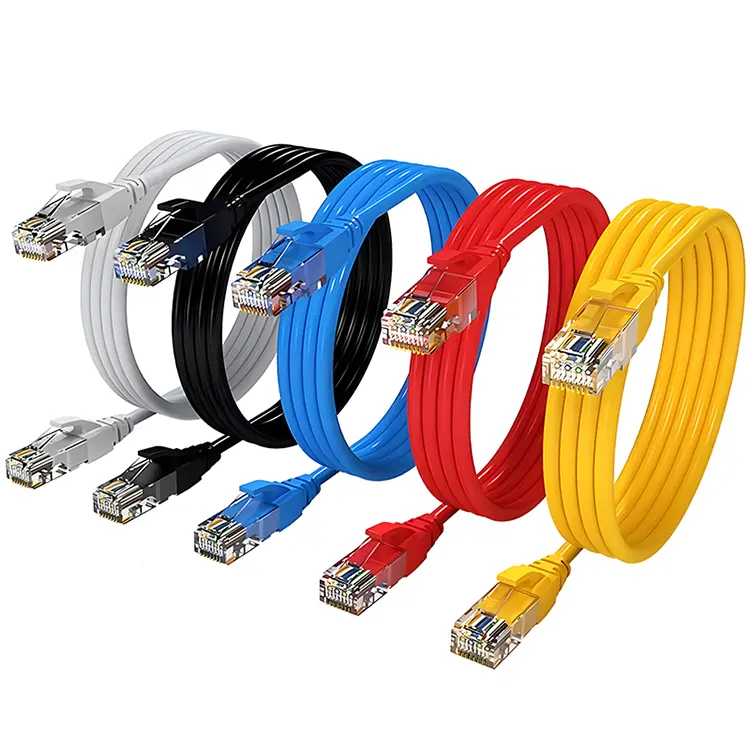 Network Cables
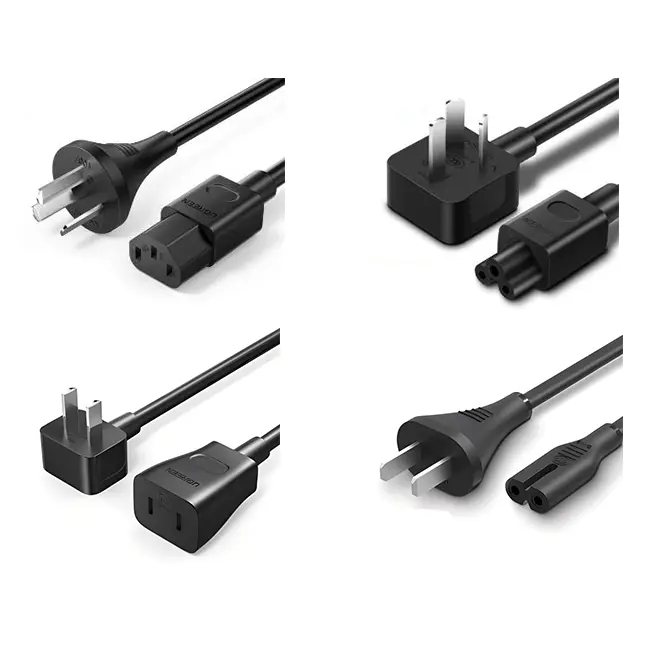 Power Cords
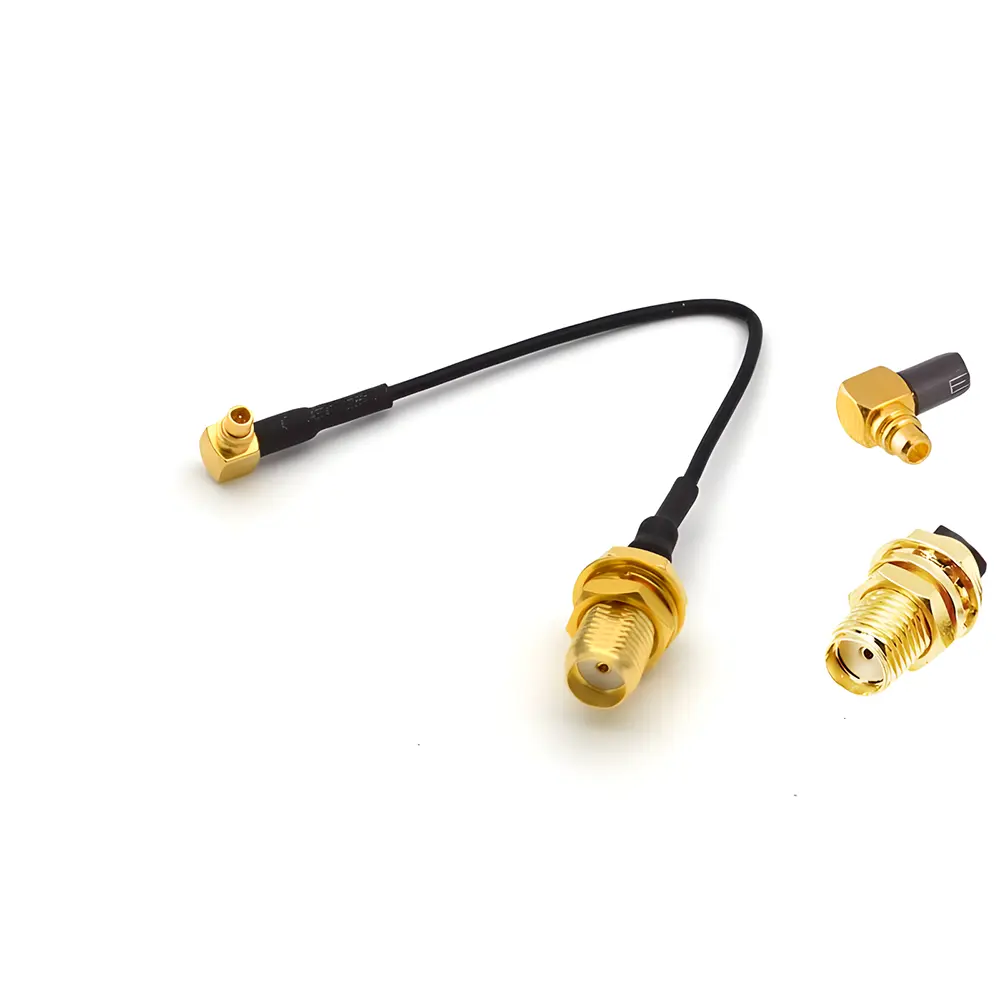 Antenna Cables
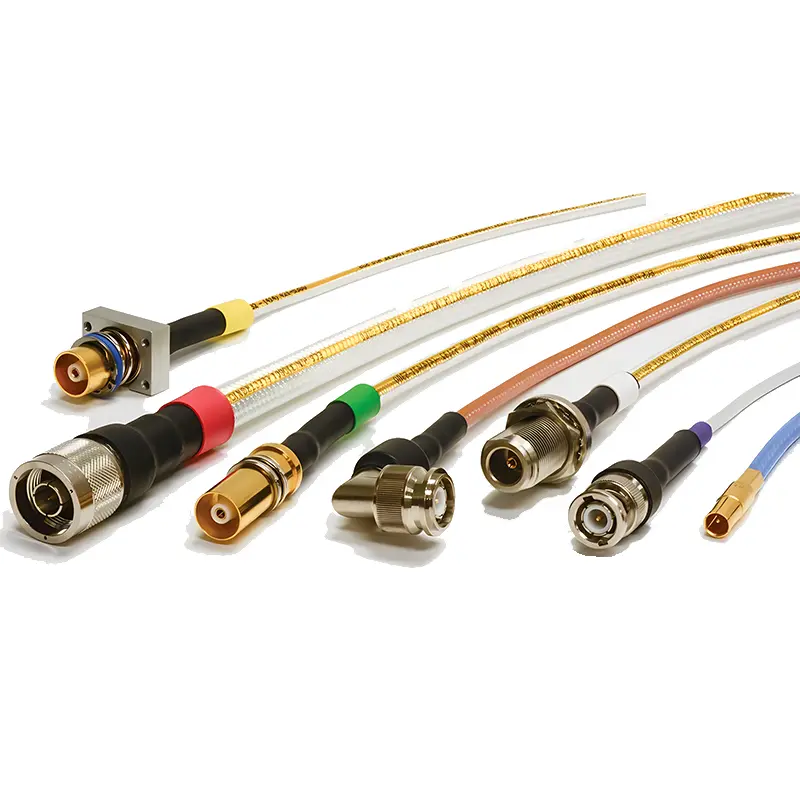 Coaxial Cables
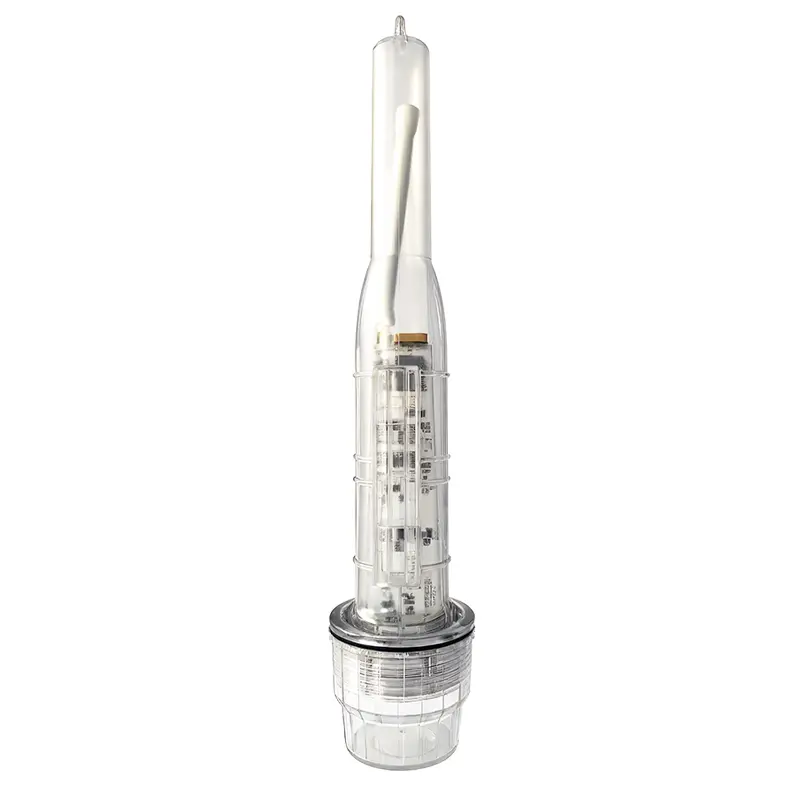 Net Position Indicator
 Solar AIS net position indicator
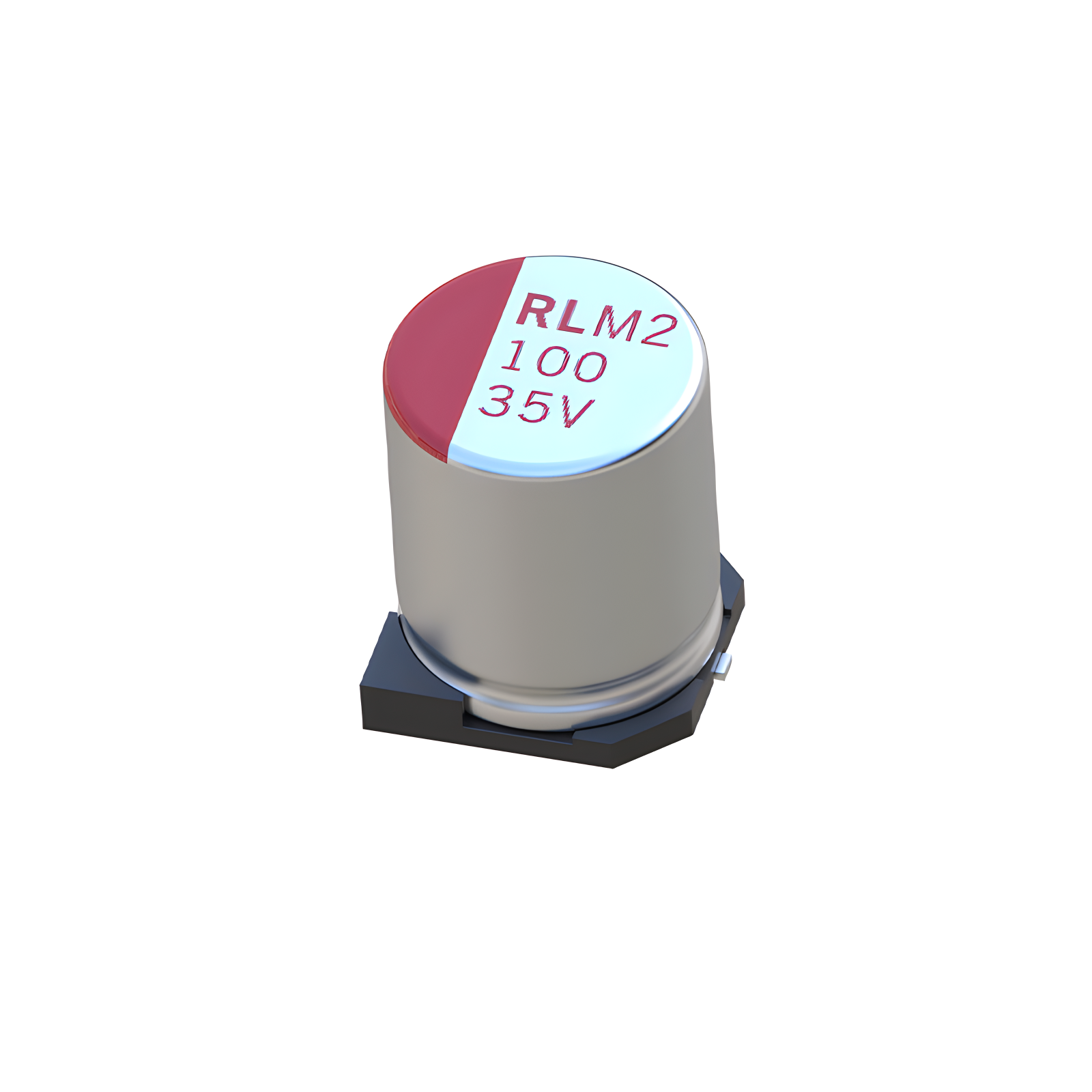 Capacitors
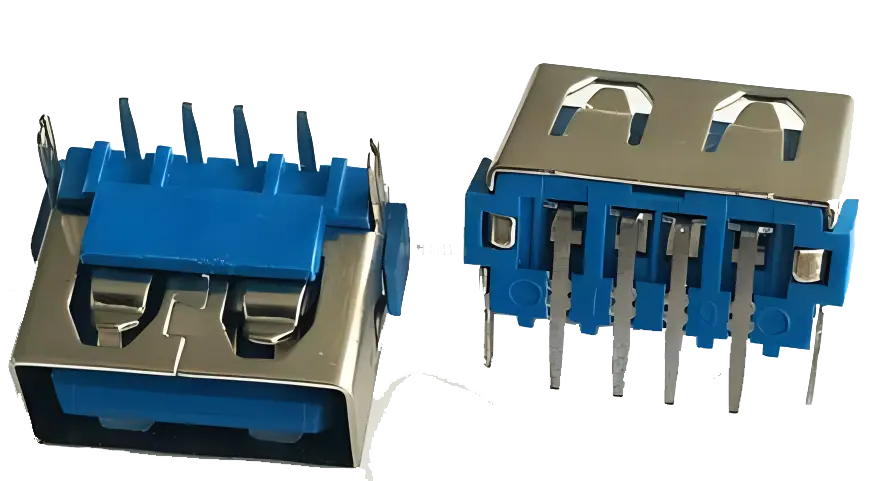 Connectors
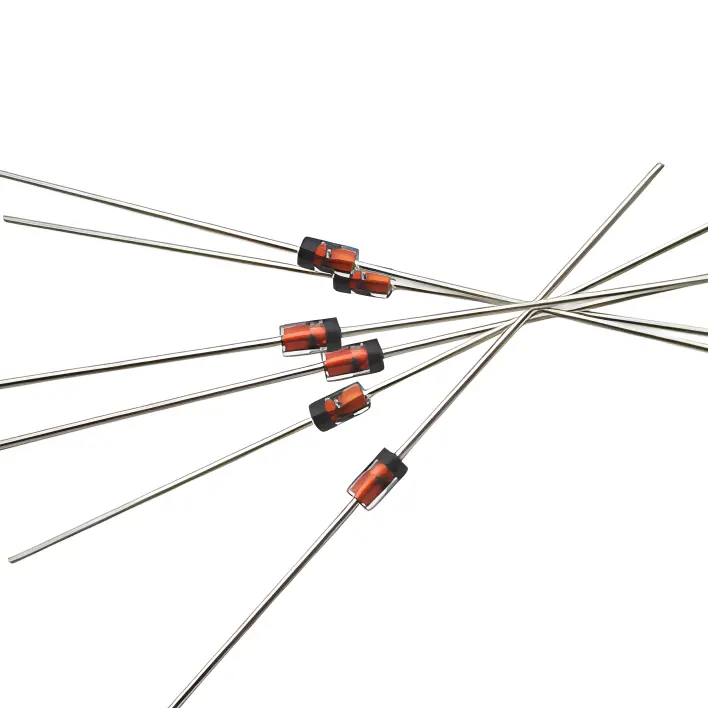 Diodes
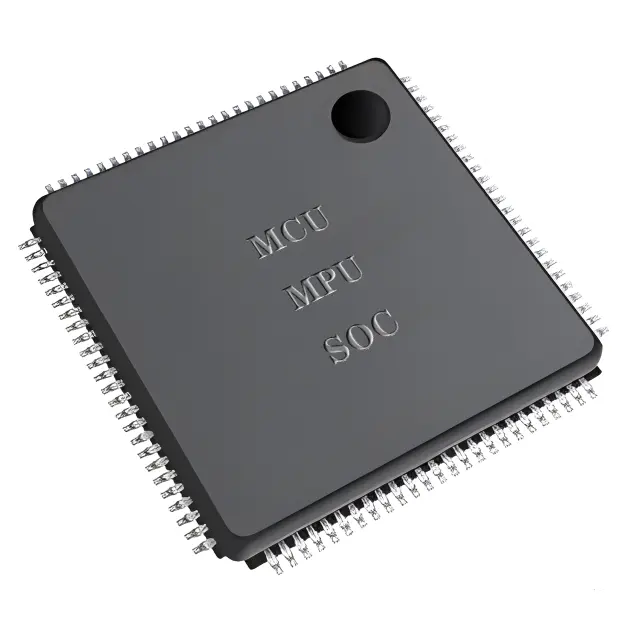 Embedded Processors & Controllers
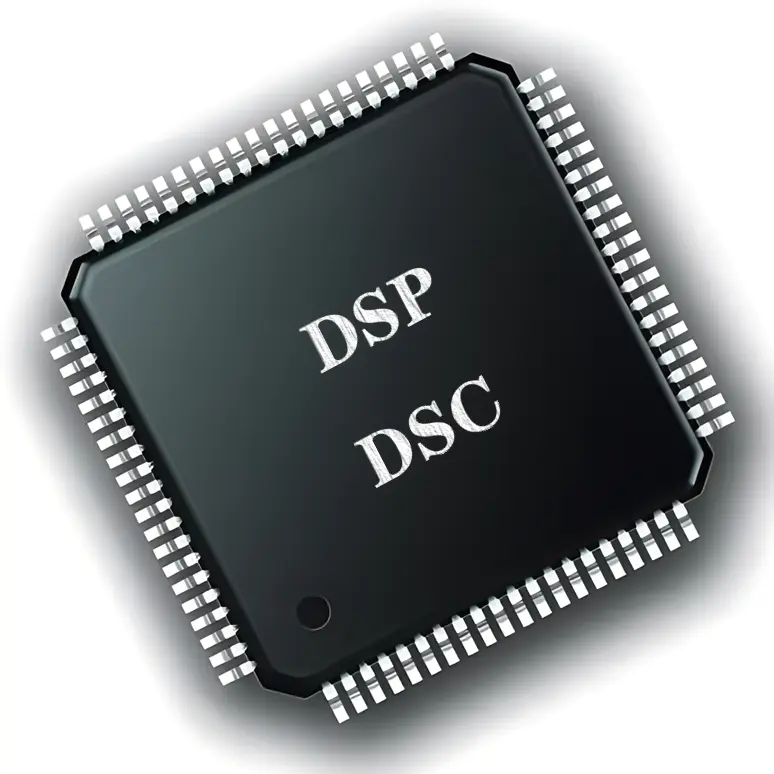 Digital Signal Processors (DSP/DSC)
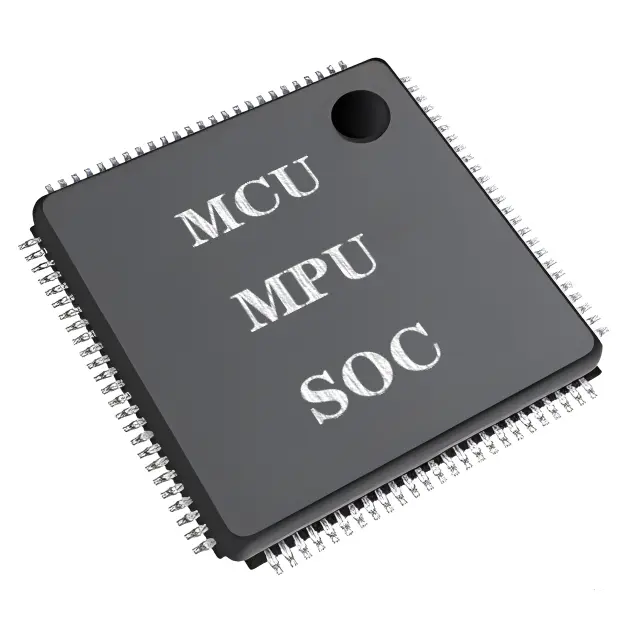 Microcontrollers (MCU/MPU/SOC)
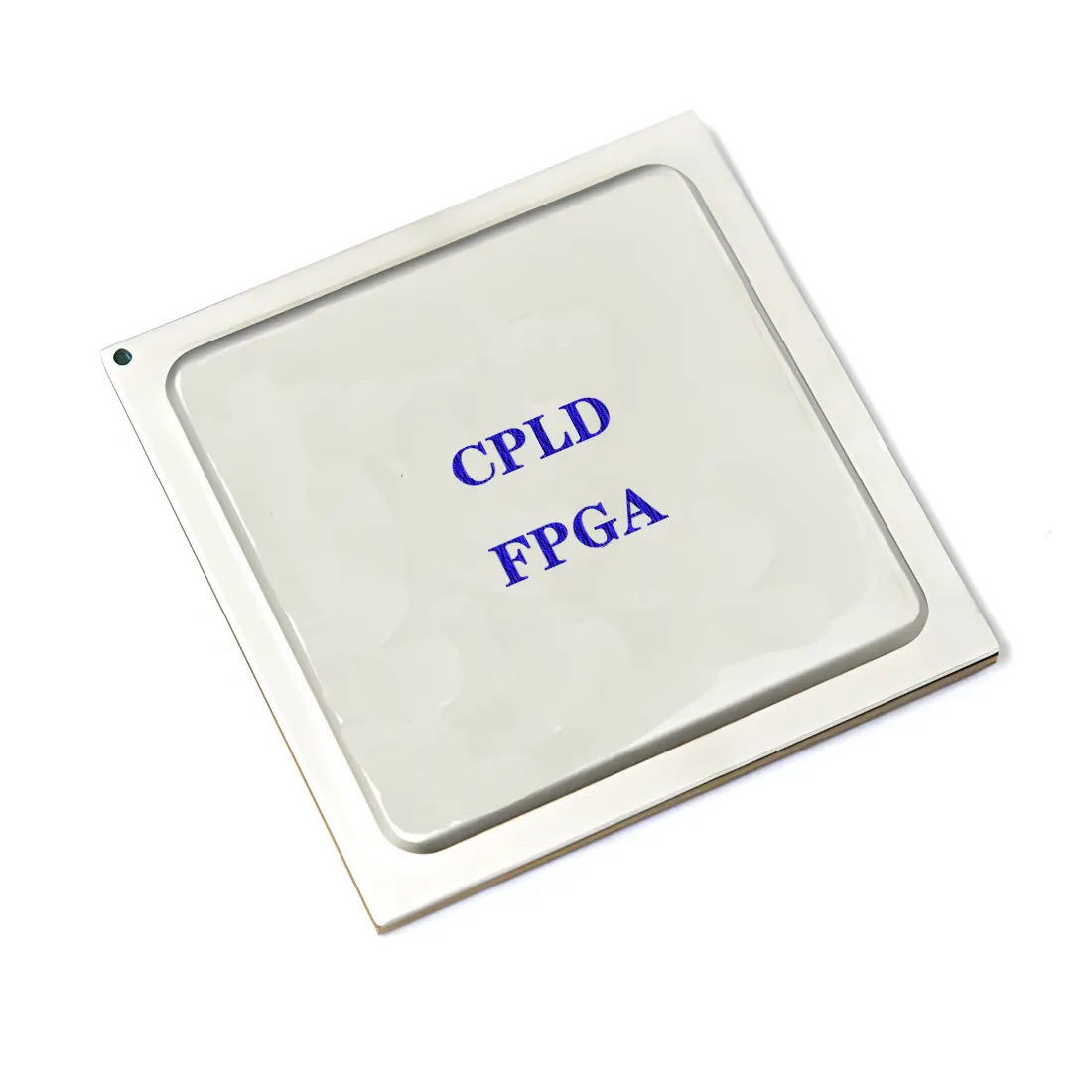 Programmable Logic Device(CPLD/FPGA)
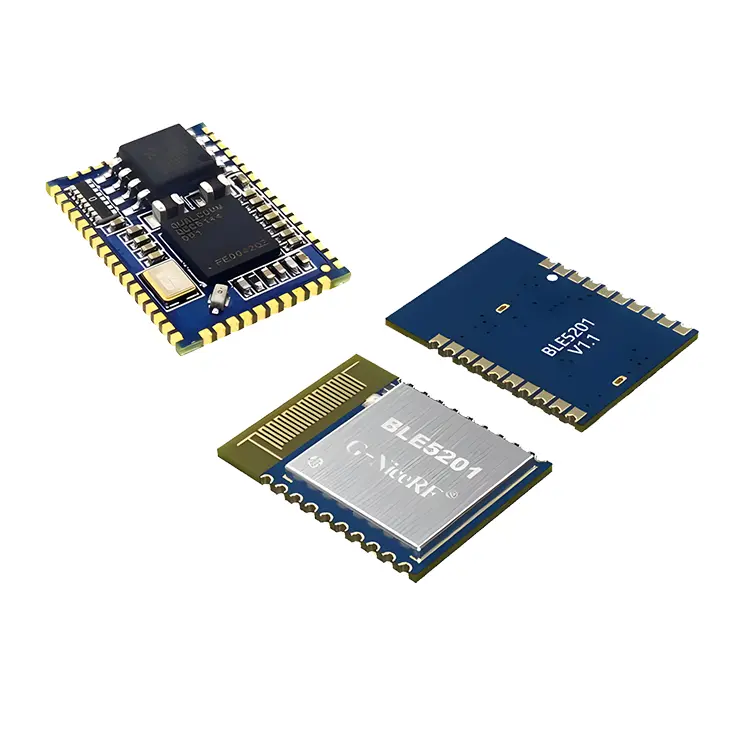 Communication Modules/IoT
 Resistors
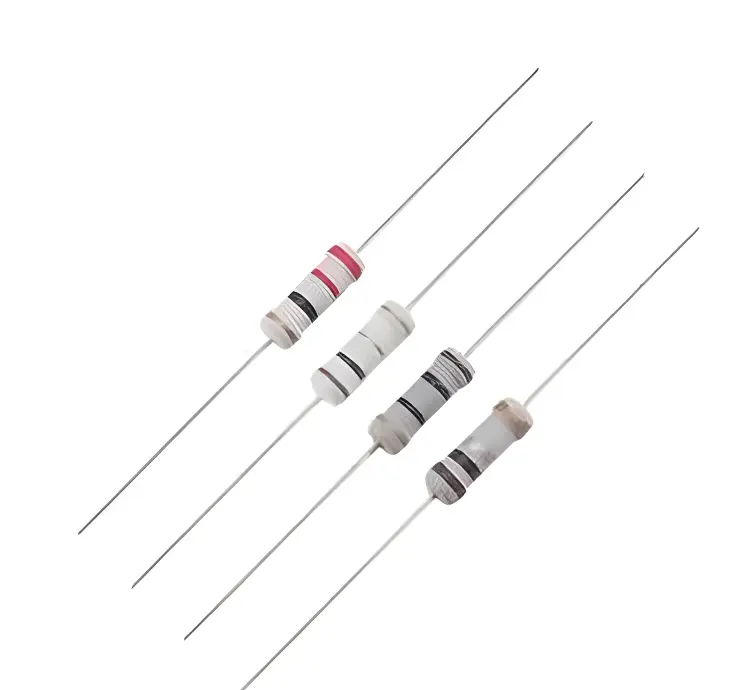 Through Hole Resistors
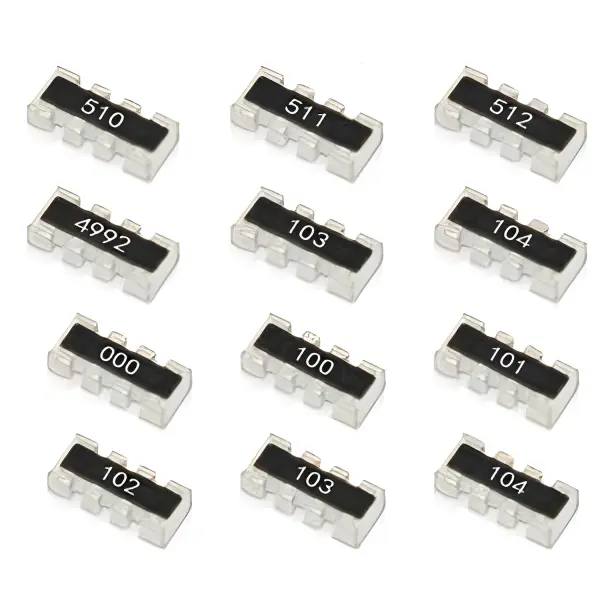 Resistor Networks, Arrays
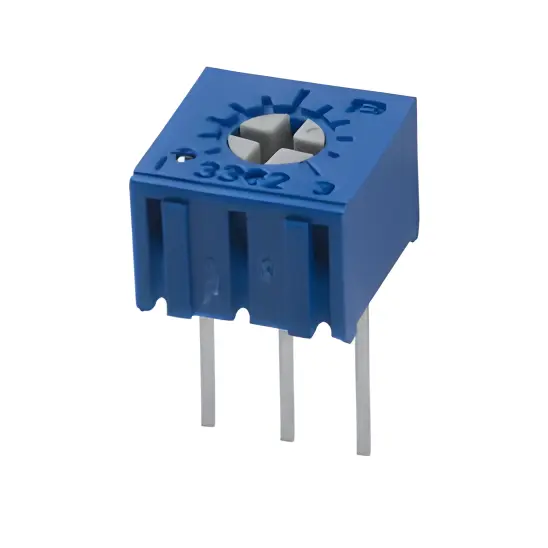 Potentiometers,Variable Resistors
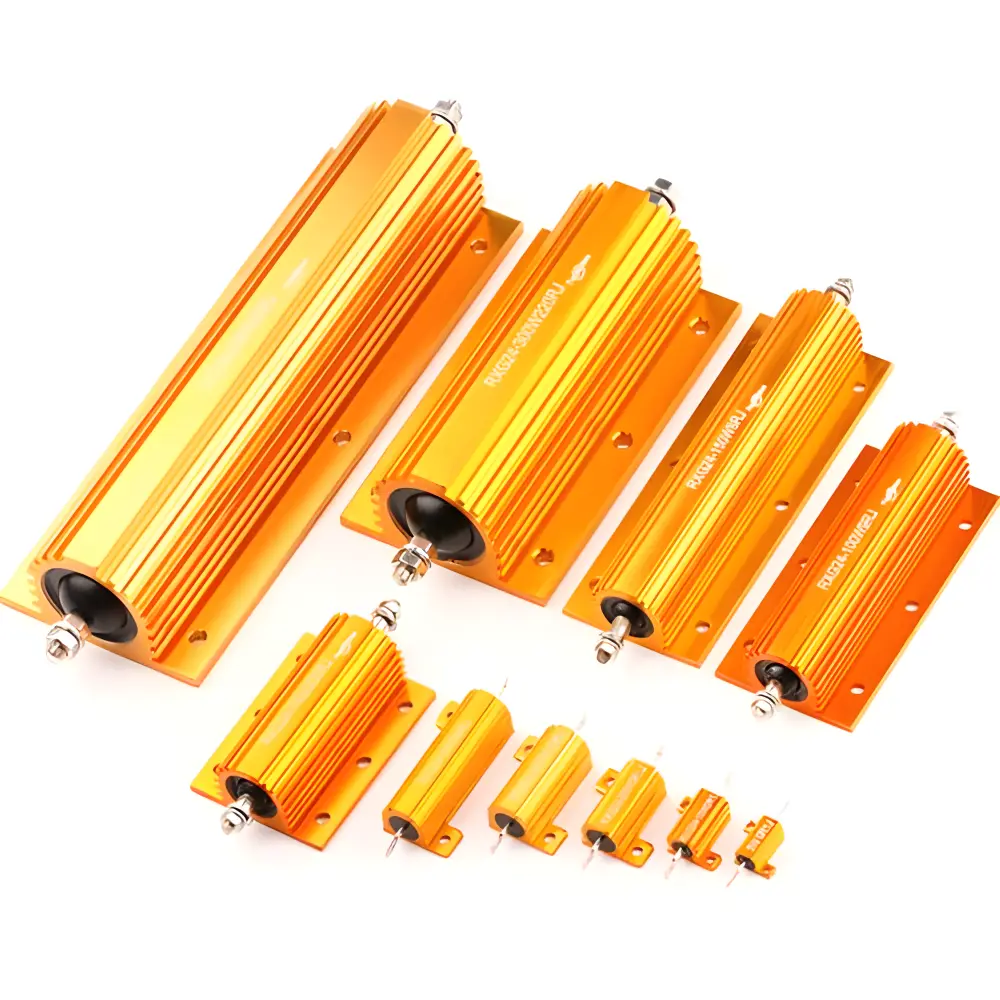 Aluminum Case,Porcelain Tube Resistance
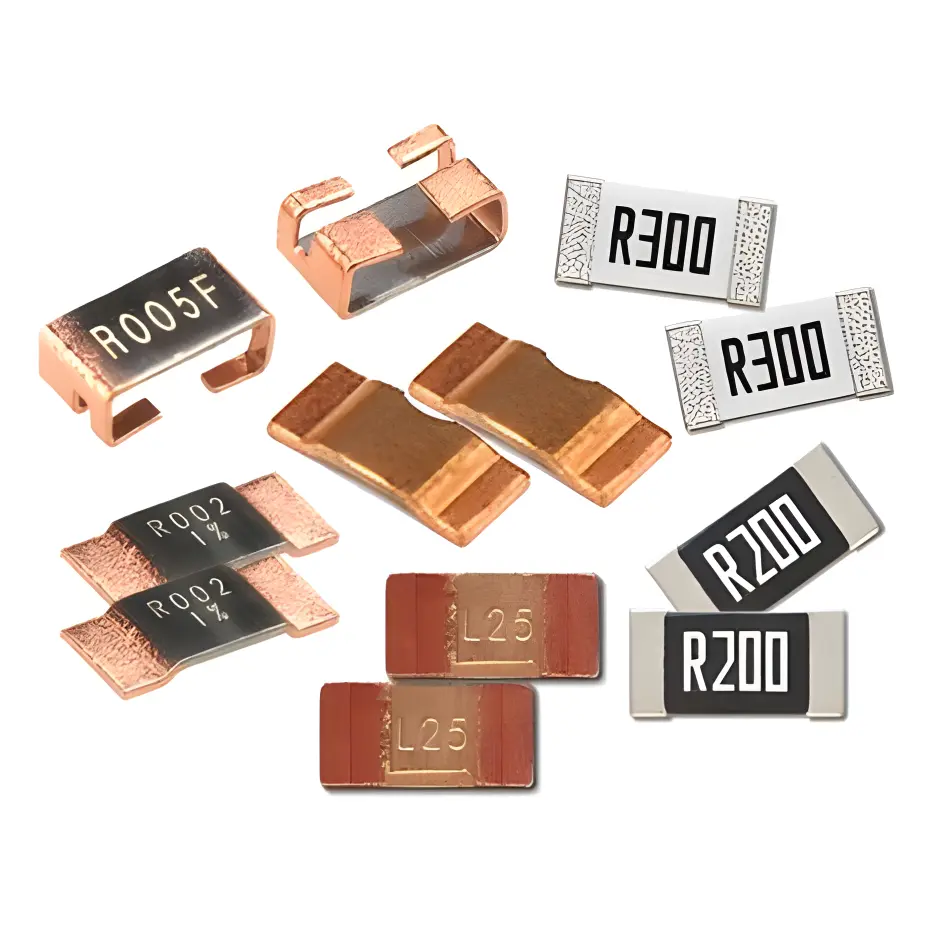 Current Sense Resistors,Shunt Resistors
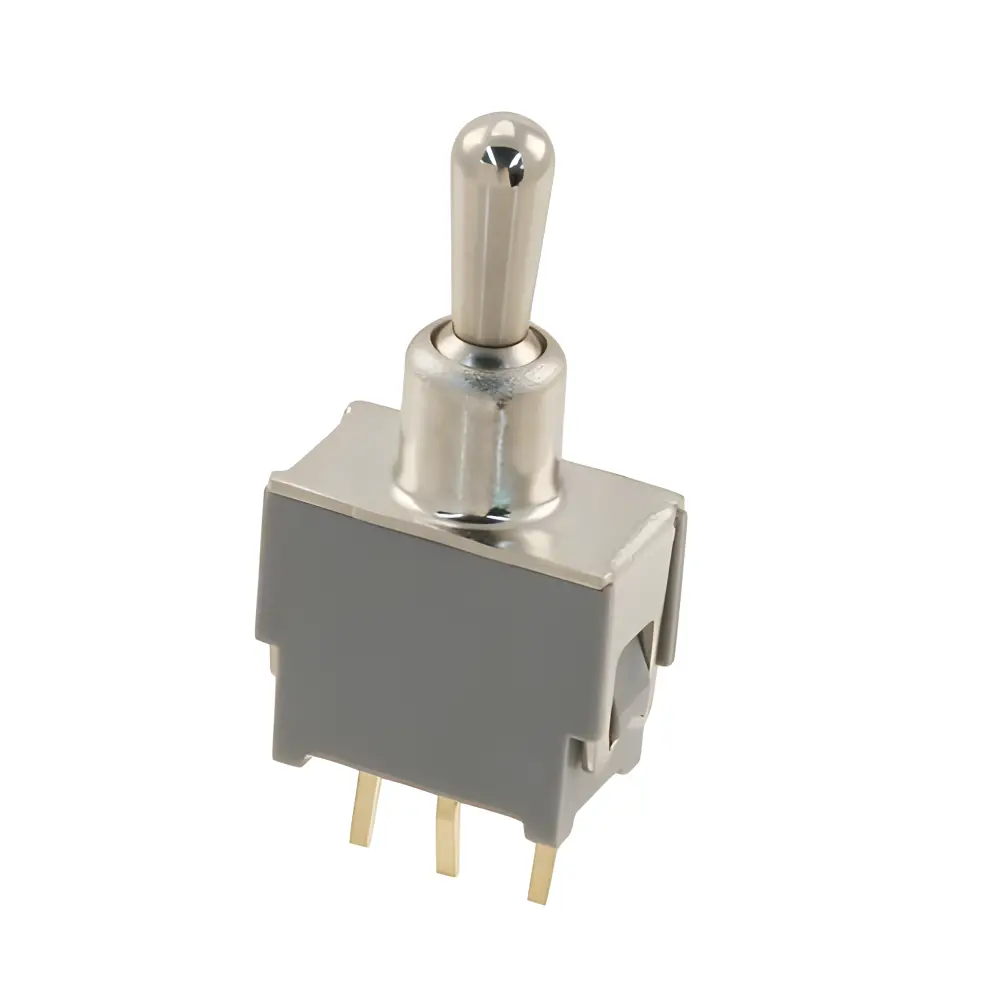 Switches
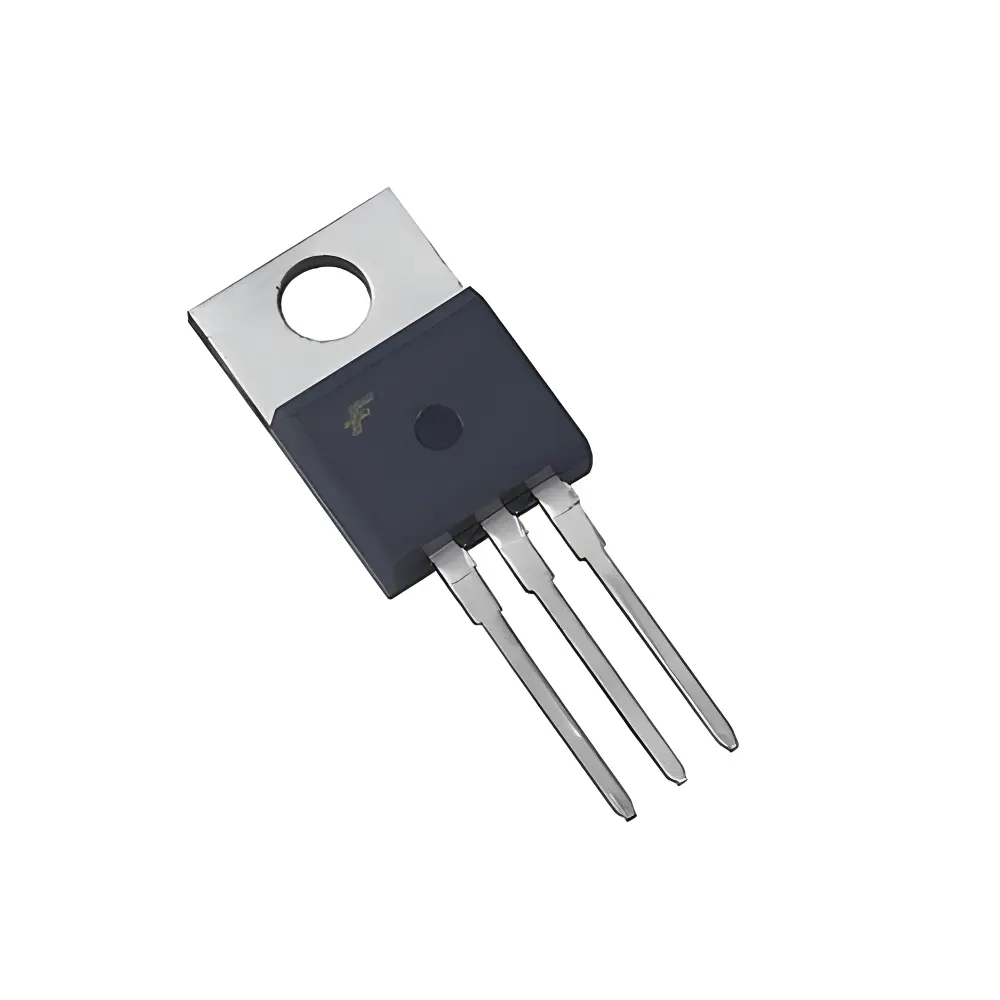 Transistors
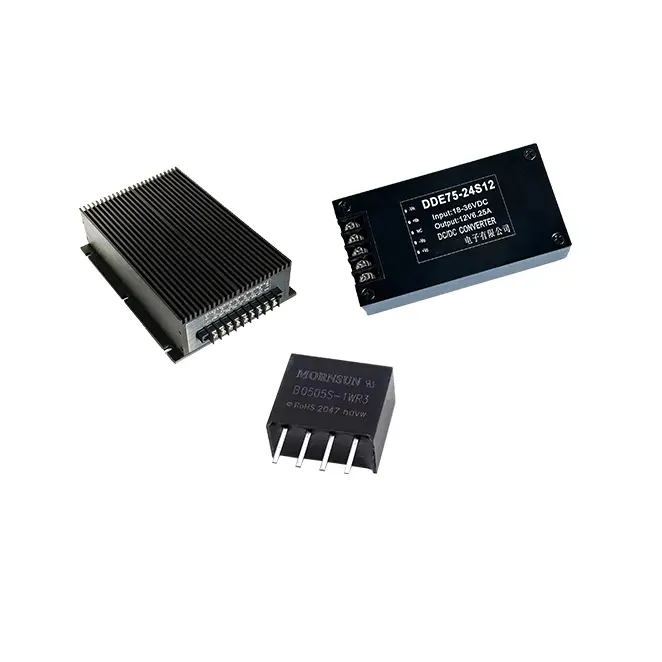 Power Modules
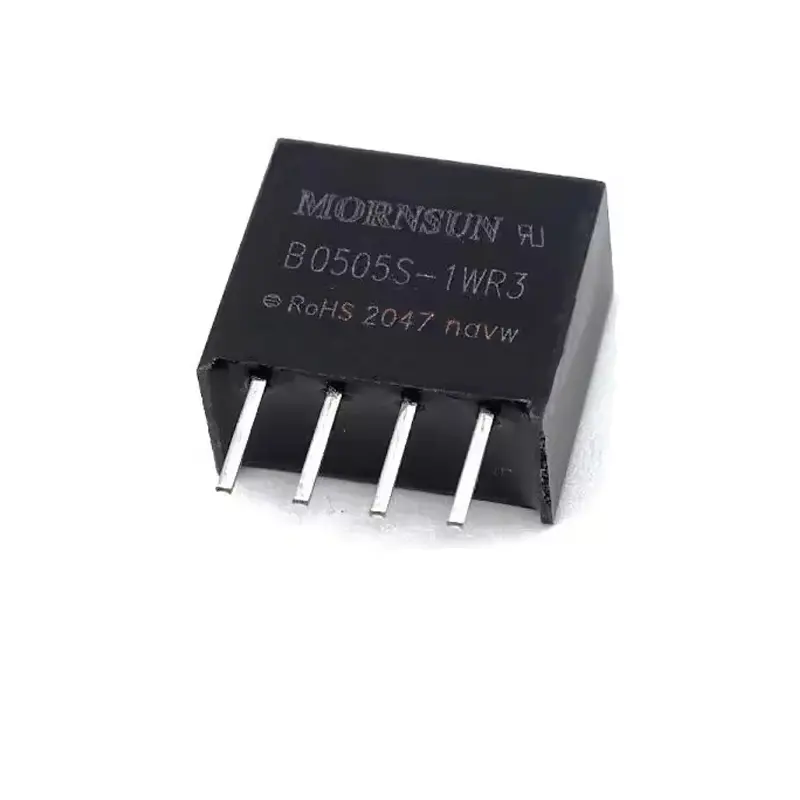 Isolated Power Modules
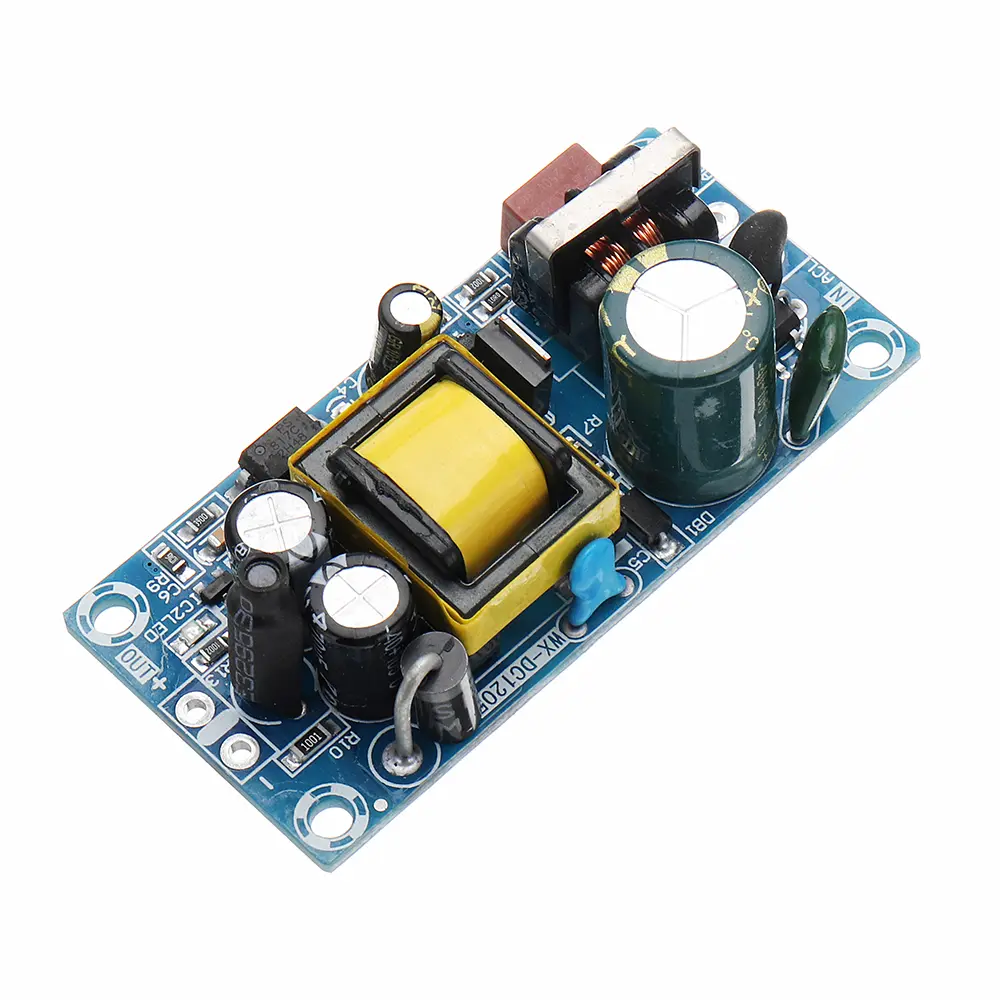 AC-DC Power Modules
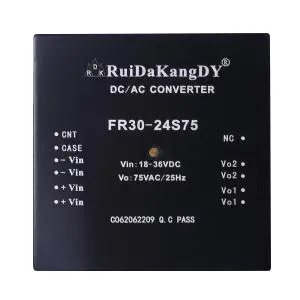 DC-AC Module(Inverter)
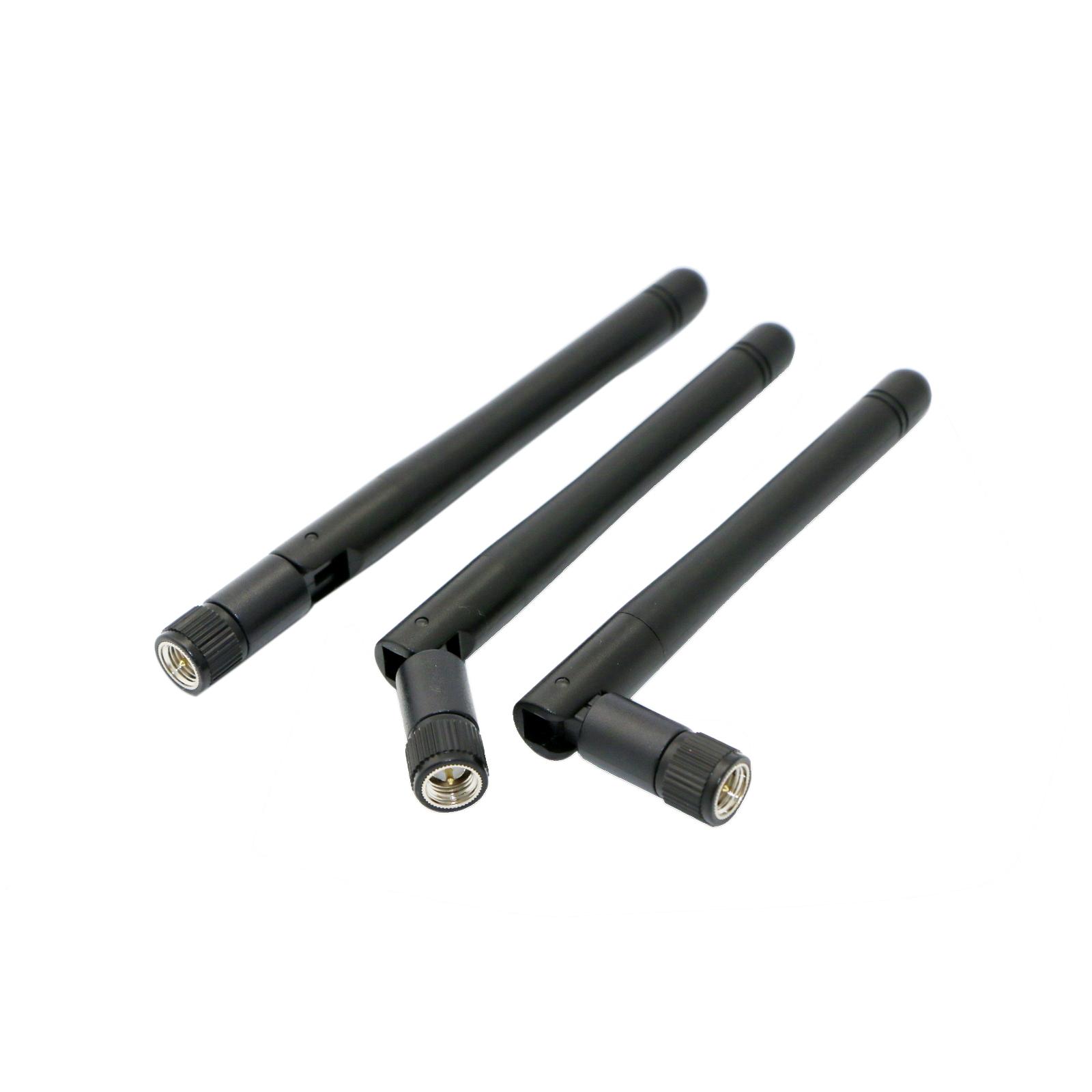 RF and Wireless
Analysis of Storage Time Limits and Causes for Immersion Tin (ISn) Surface Finish
Analysis of Storage Time Limits and Causes for Immersion Tin (ISn) Surface Finish
Immersion Tin (ISn), a chemical process depositing a thin tin layer on copper suRFaces, is widely used in PCB surface treatment. However, its storage time is typically limited to 3 months, influenced significantly by environmental factors. Below is a detailed analysis of the causes and mechanisms:
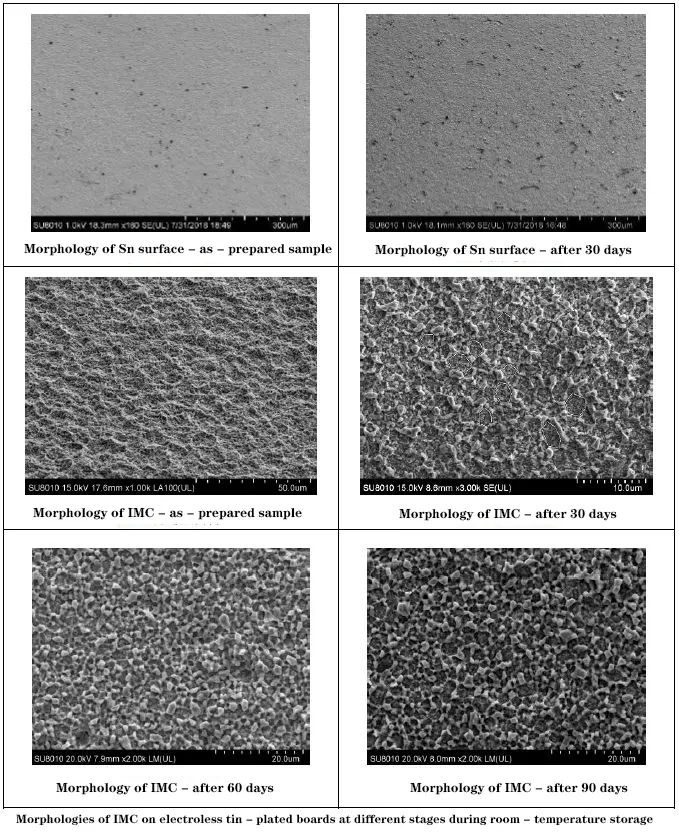
1. Storage Time Constraints
The storage period for ISn is generally 3 months. Beyond this, the following issues may arise:
-
Reduced Solderability: Oxidation or intermetallic compound (IMC) formation degrades solder wettability.
-
Tin Whisker Risk: Long-term storage increases the likelihood of tin whiskers, causing short circuits.
-
Delamination Risk: Moisture absorption in multilayer PCBs may lead to delamination during reflow, requiring baking, which accelerates tin degradation.
2. Key Causes of Storage Limits
-
Tin’s Chemical Reactivity
-
Tin reacts with oxygen, sulfur, and acidic gases, forming SnO₂ or SnS, which passivates the surface and hinders soldering.
-
High humidity (>70% RH) accelerates oxidation.
-
-
Copper-Tin Intermetallic Compound (IMC) Growth
-
Continuous reaction between tin and copper forms brittle Cu₆Sn₅ or Cu₃Sn IMCs, reducing solderability.
-
IMC growth rate doubles with every 10°C temperature increase.
-
-
Tin Whisker Formation
-
Internal stress or corrosion may trigger tin whiskers, with risks escalating over time.
-
3. Impact of Storage Conditions
-
Humidity Control
-
Ideal humidity: 30%~50% RH. Higher humidity accelerates oxidation and IMC growth.
-
-
Temperature Management
-
Optimal temperature: 15~30°C. Temperatures >30°C accelerate IMC formation.
-
-
Packaging Requirements
-
Vacuum-sealed moisture barrier bags with desiccants are essential.
-
4. Remedial Measures for Overdue Storage
-
Surface Cleaning: Acidic solutions remove oxides but may thin the tin layer.
-
Low-Temperature Baking: Baking at 120°C for 2–4 hours removes moisture but risks IMC growth.
-
Re-Immersion: Re-processing severely degraded boards is costly but effective.
5. Comparison with Other Surface Finishes
| Finish | Storage Time | Degradation Mechanism | |
|---|---|---|---|
| ISn | 3 months | Oxidation, IMC growth, whiskers | |
| ENIG | 12 months | Nickel oxidation (minor) | |
| IAg | 3–6 months | Silver sulfidation (tarnishing) | |
| OSP | 3–6 months | Organic film decomposition |
6. Industry Standards & Recommendations
-
IPC-1601: Specifies storage conditions and periodic solderability testing.
-
J-STD-033: Humidity control guidelines for moisture-sensitive devices.
-
Design Optimization: For long-term storage, ENIG/IAg or inert gas packaging is recommended.