
 PCB
PCB FPC
FPC Rigid-Flex
 FR-4
FR-4 HDI PCB
 Rogers High-Frequency Board
 PTFE Teflon High-Frequency Board
 Aluminum
 Copper Core
 PCB Assembly
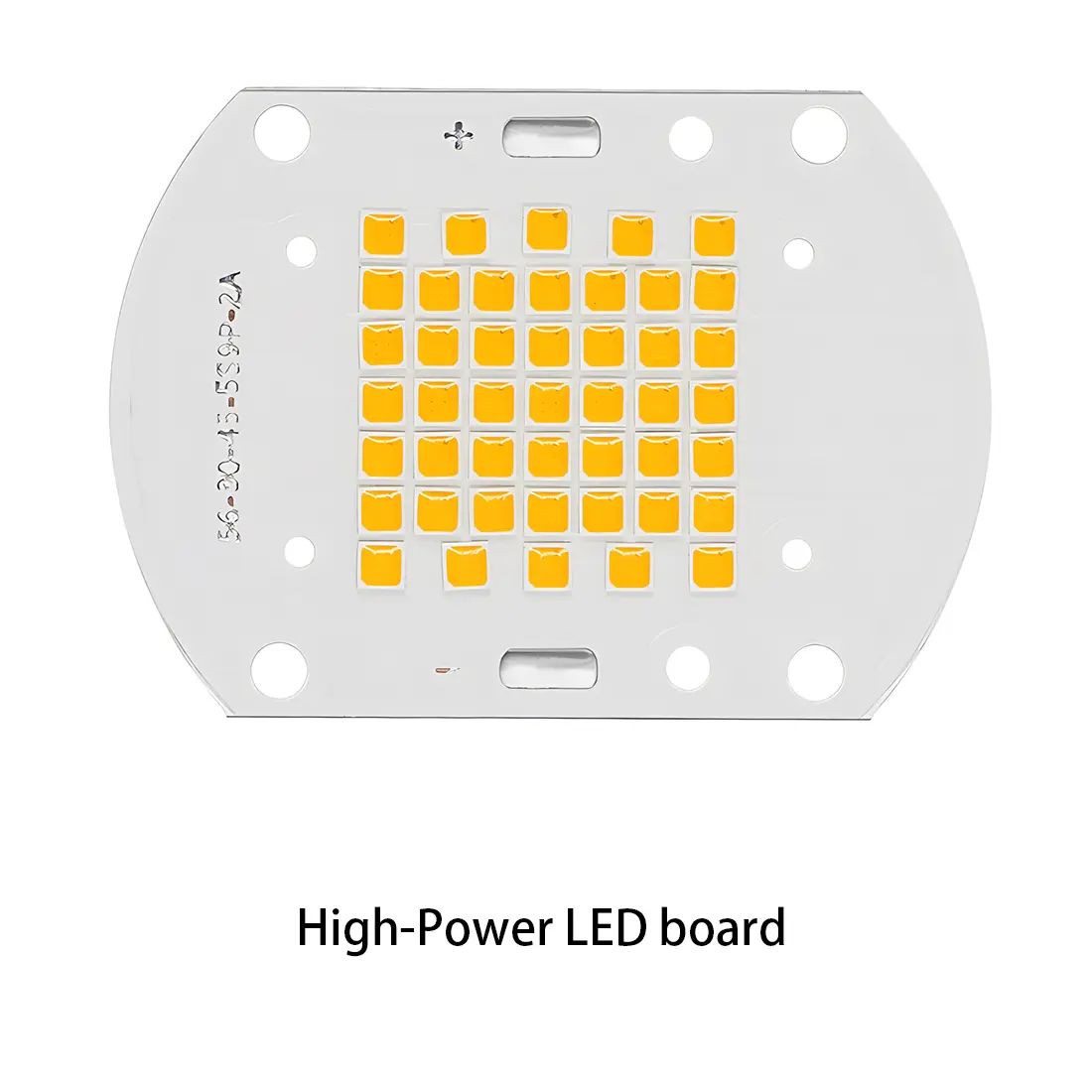 LED light PCBA
 Memory PCBA
 Power Supply PCBA
 New Energey PCBA
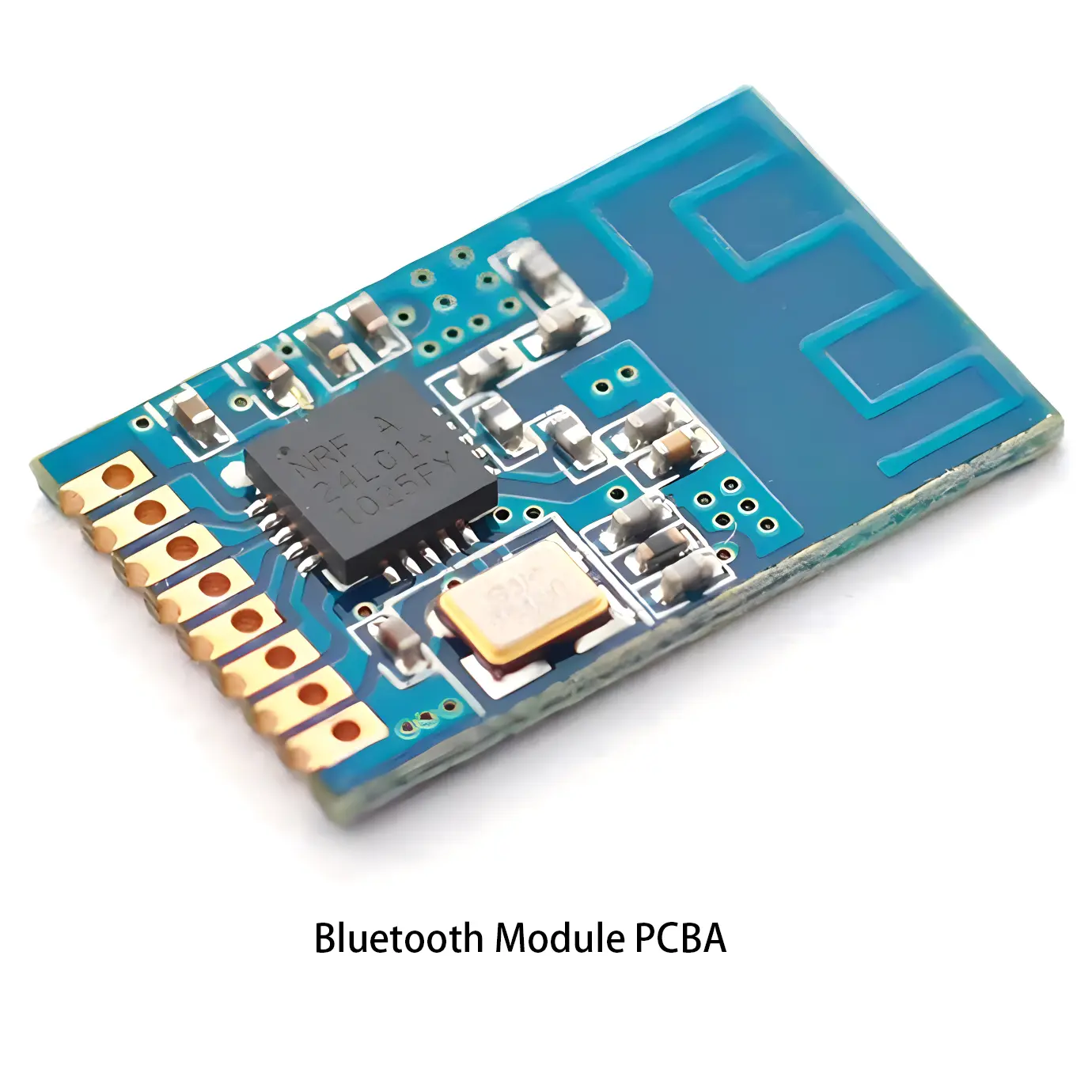 Communication PCBA
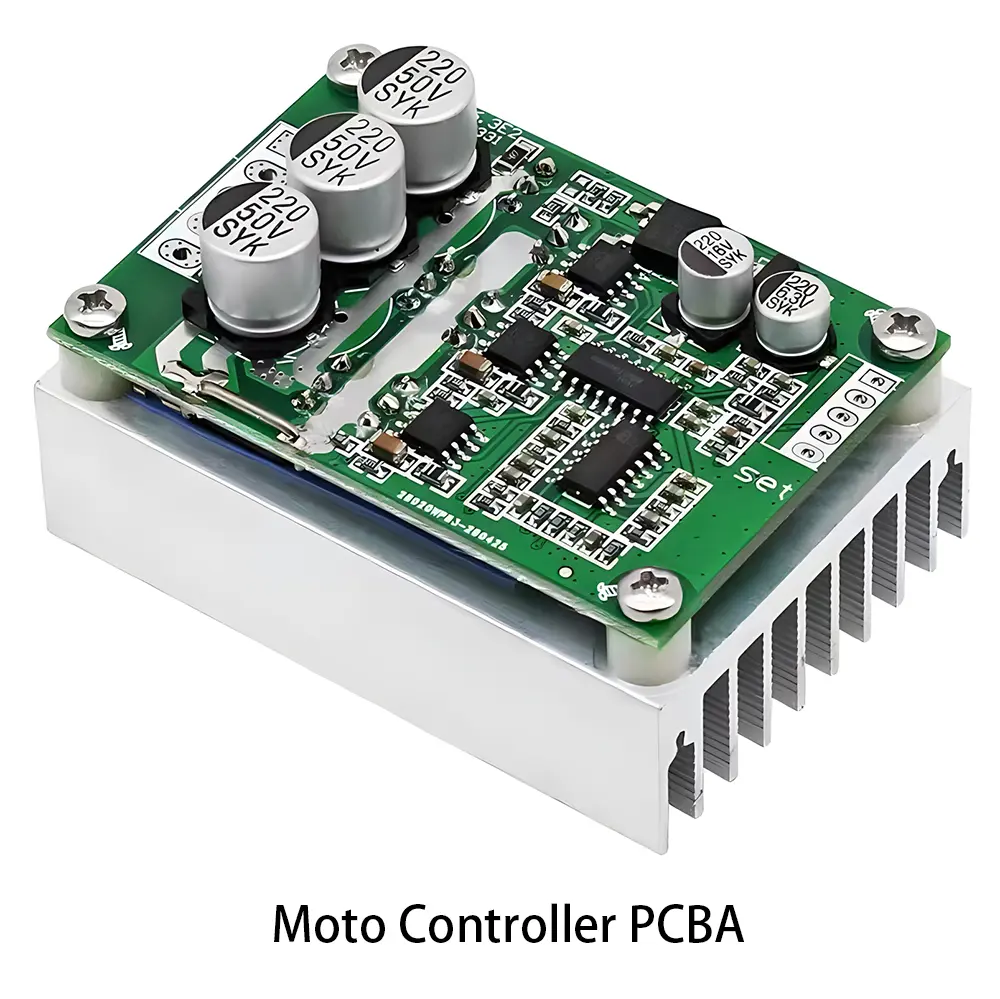 Industrial Control PCBA
 Medical Equipment PCBA
 Testing Service
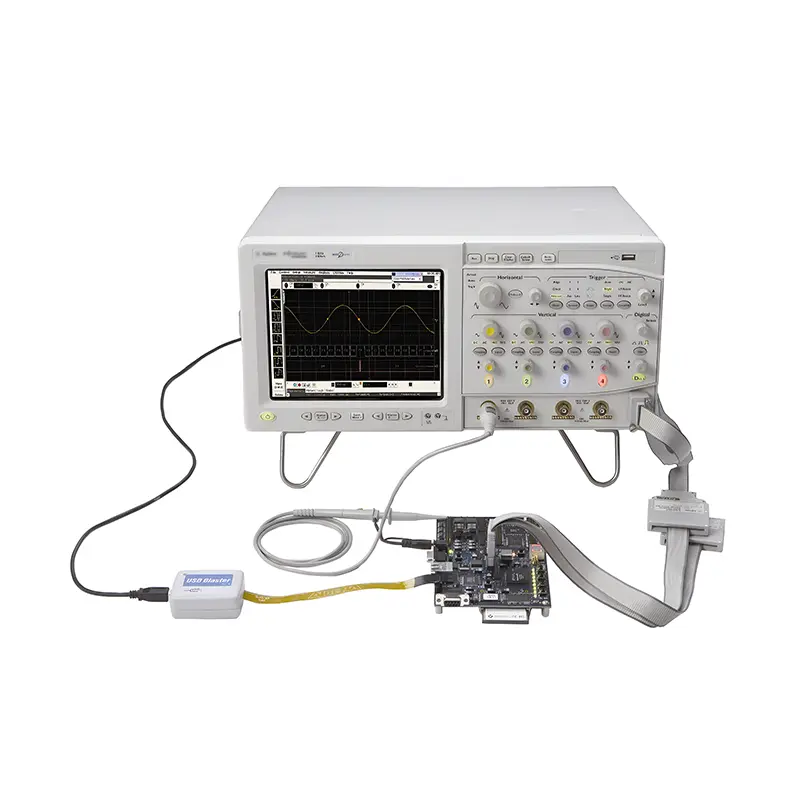 PCBA Testing Service
 Certification Application
 RoHS Certification Application
 REACH Certification Application
 CE Certification Application
 FCC Certification Application
 CQC Certification Application
 UL Certification Application
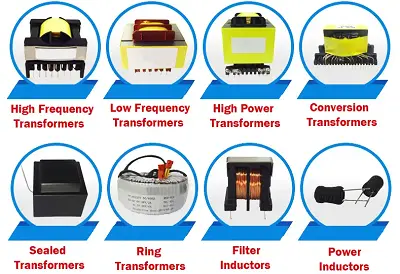 Transformers, Inductors
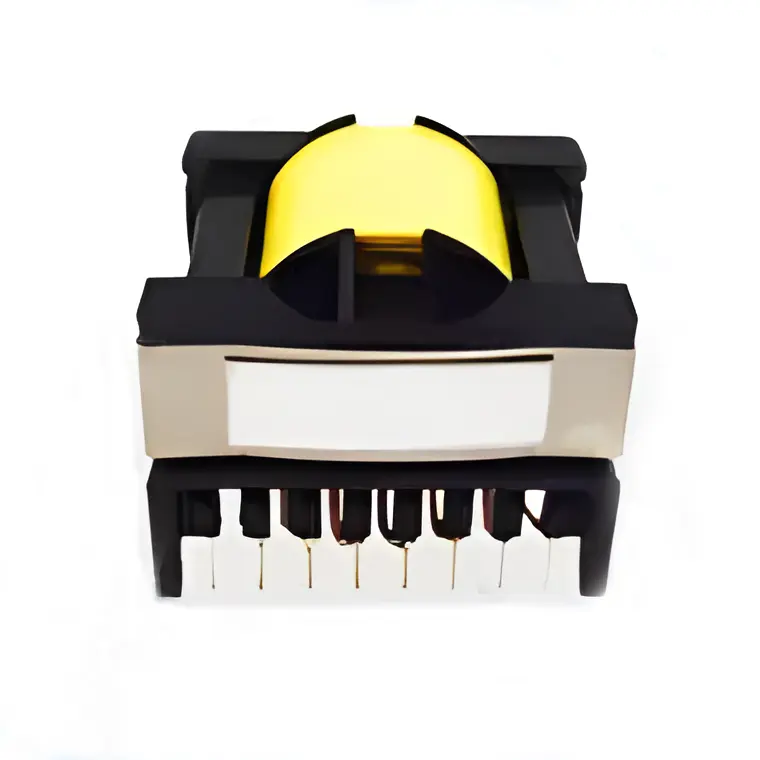 High Frequency Transformers
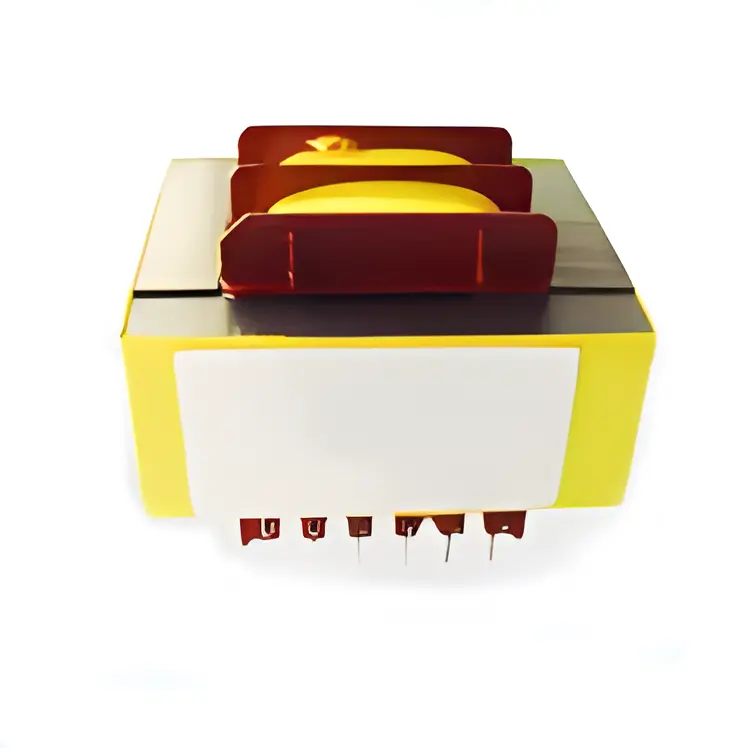 Low Frequency Transformers
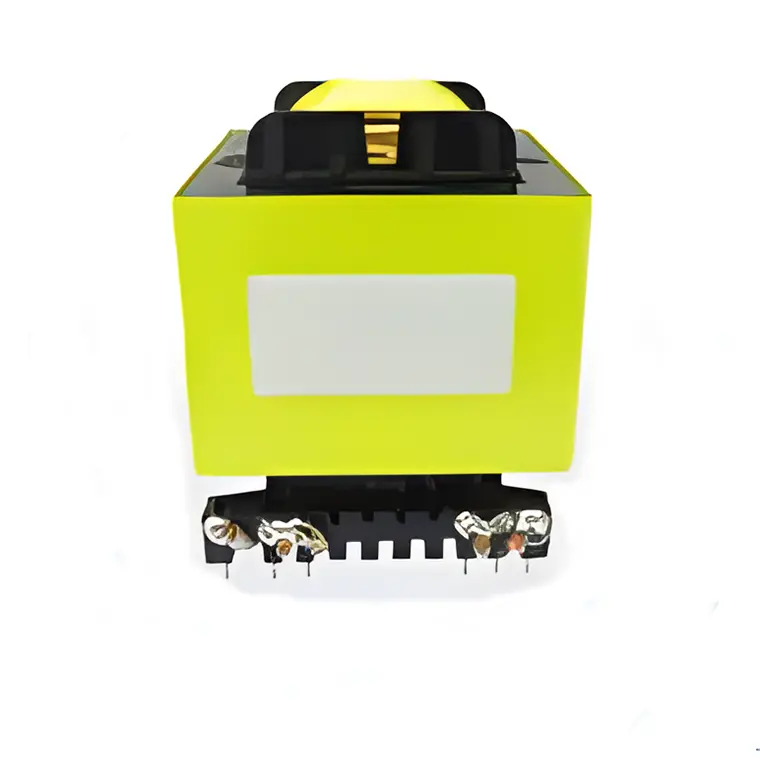 High Power Transformers
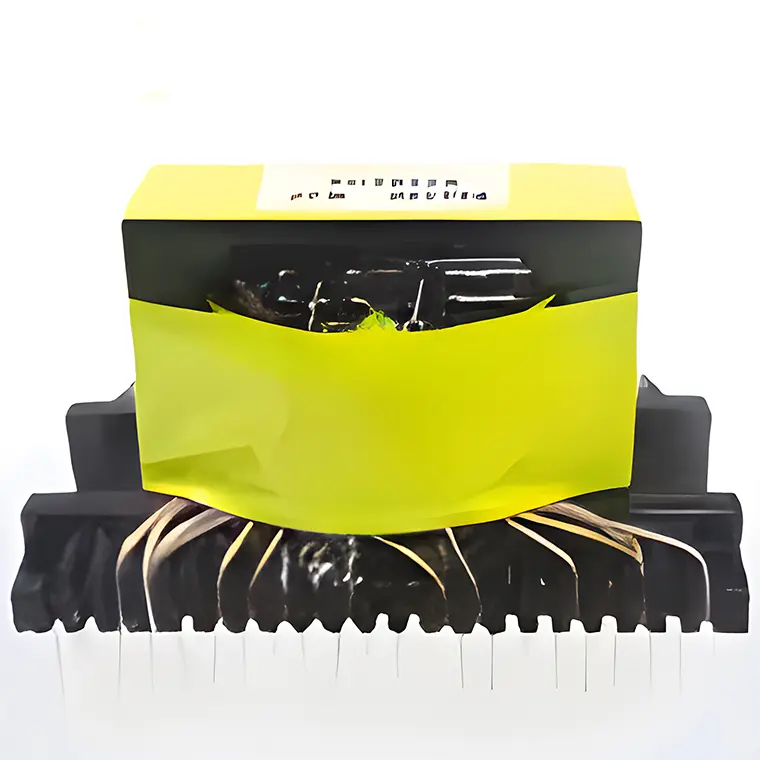 Conversion Transformers
 Sealed Transformers
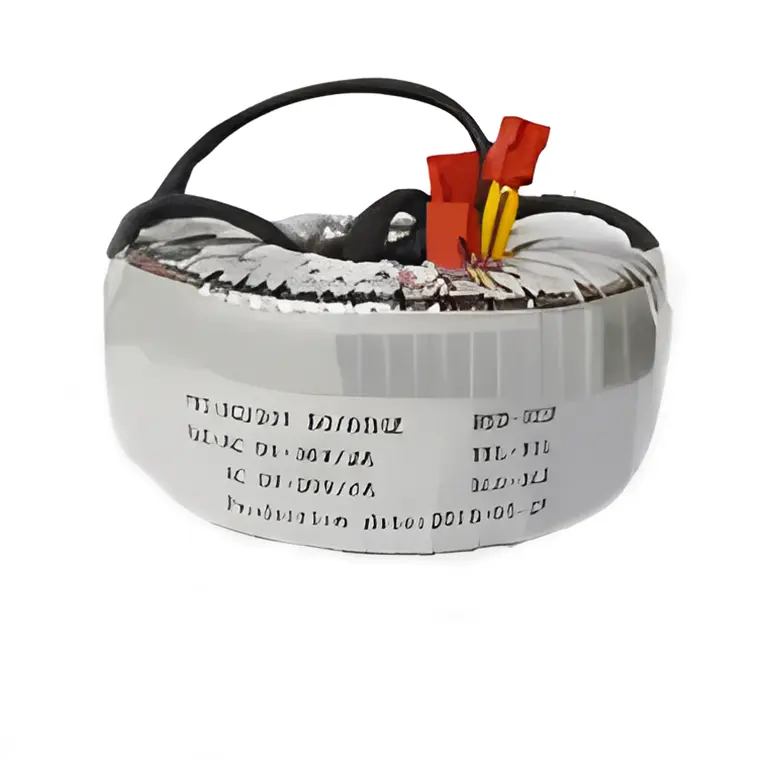 Ring Transformers
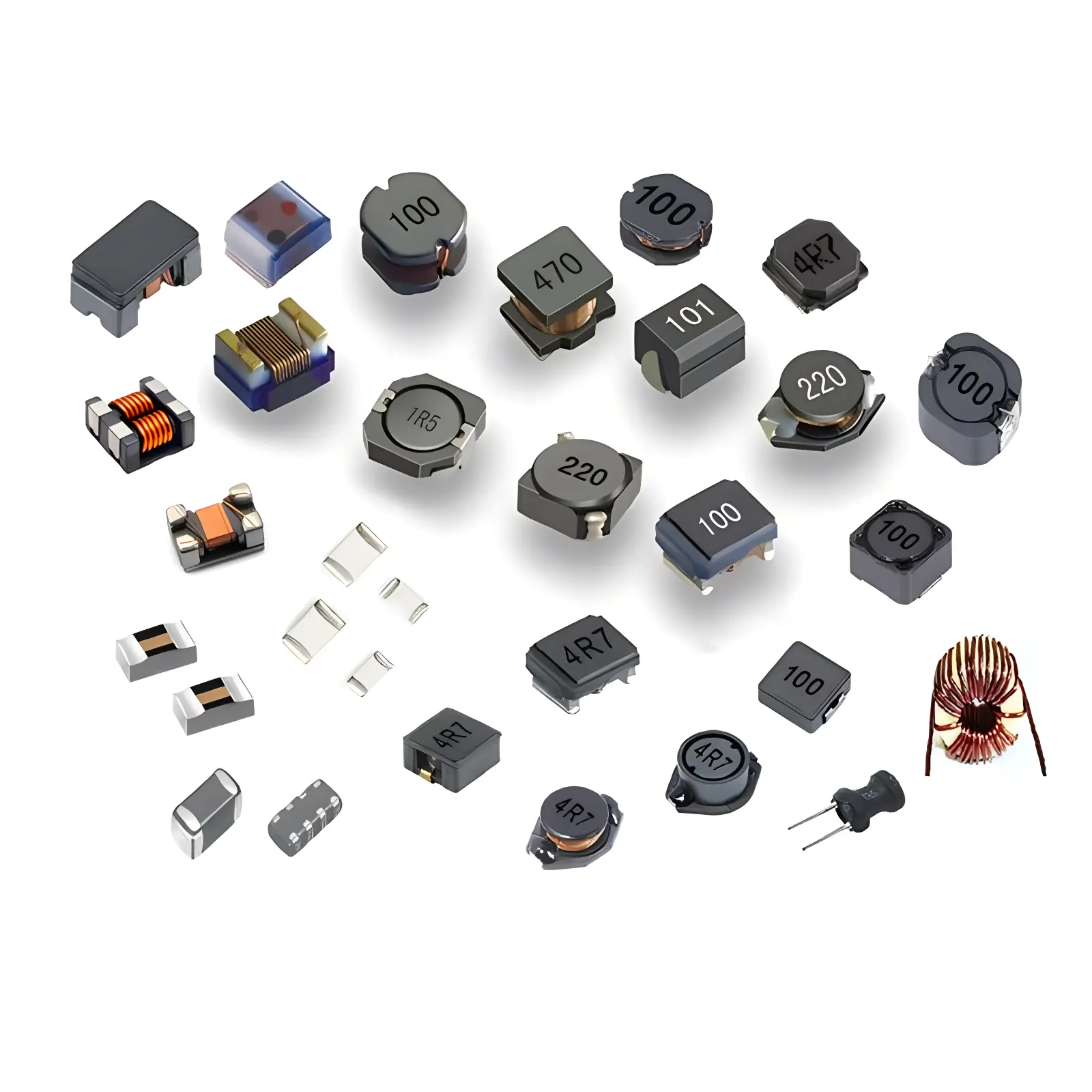 Inductors
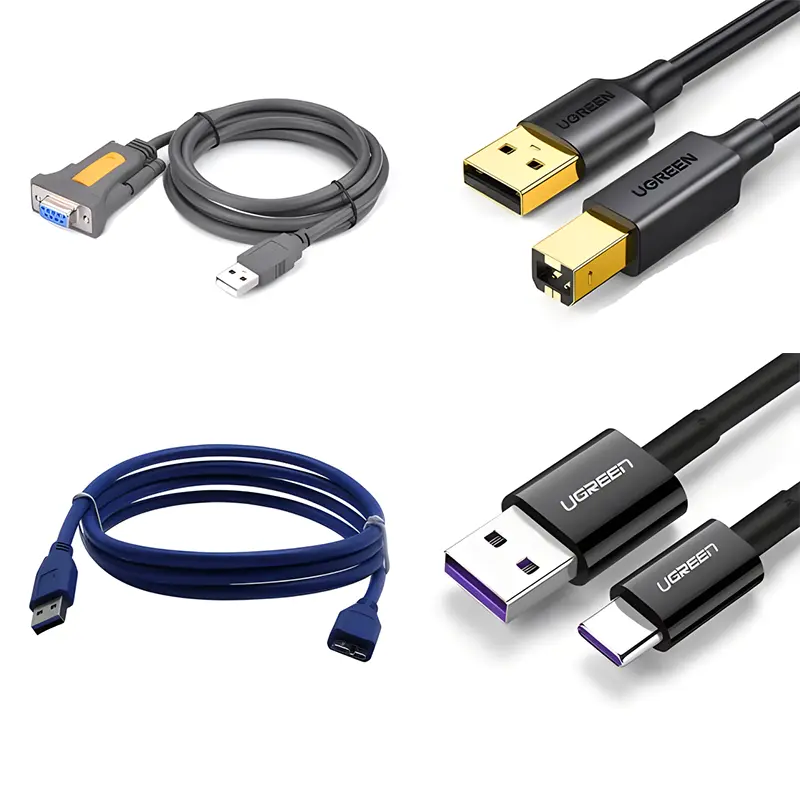 Wires,Cables Customized
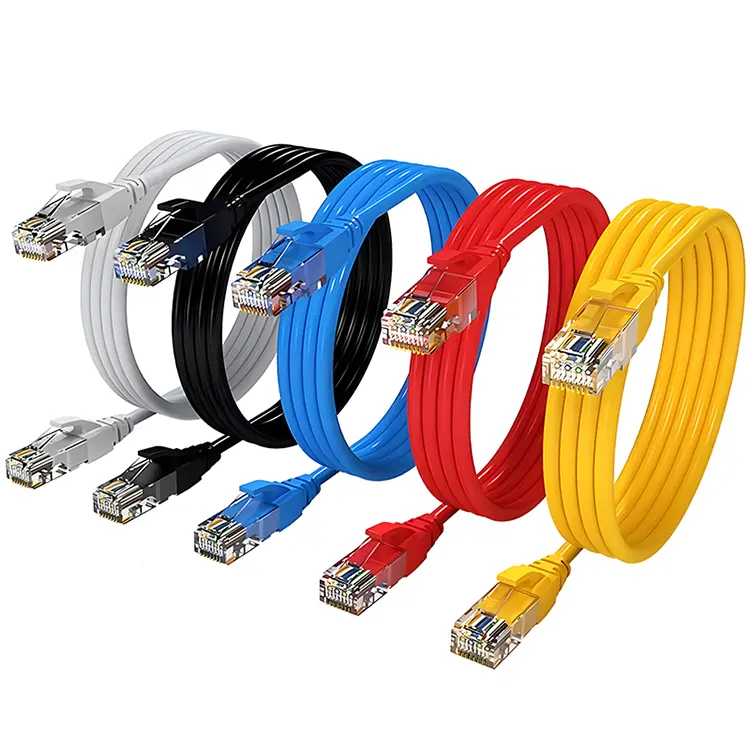 Network Cables
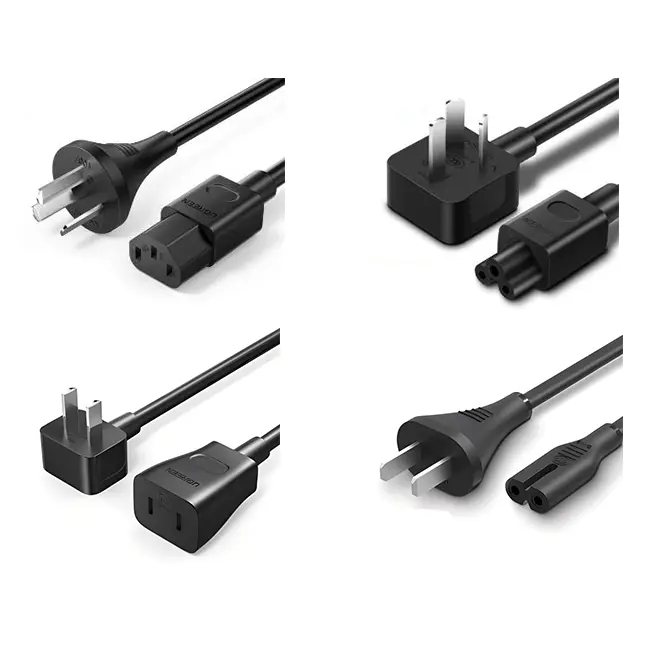 Power Cords
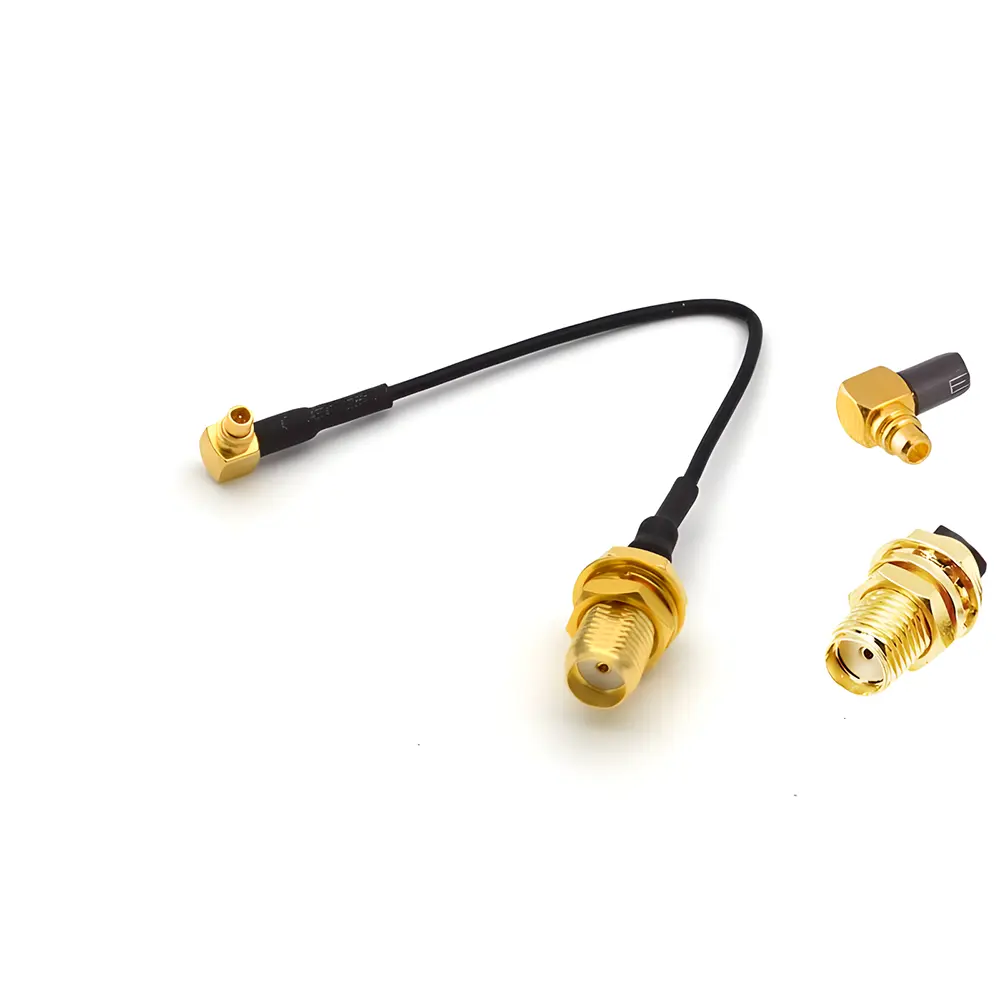 Antenna Cables
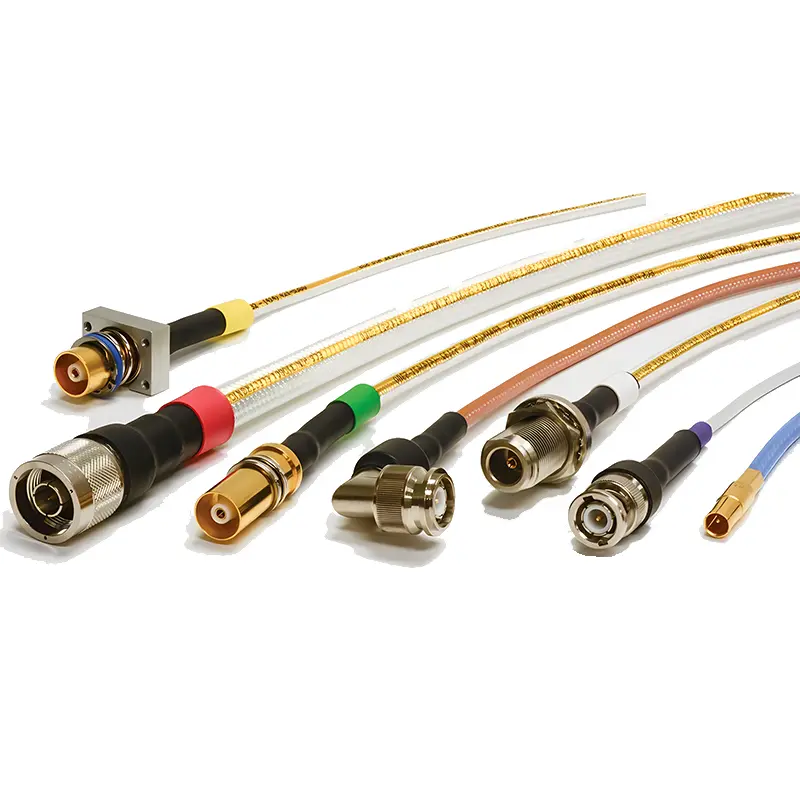 Coaxial Cables
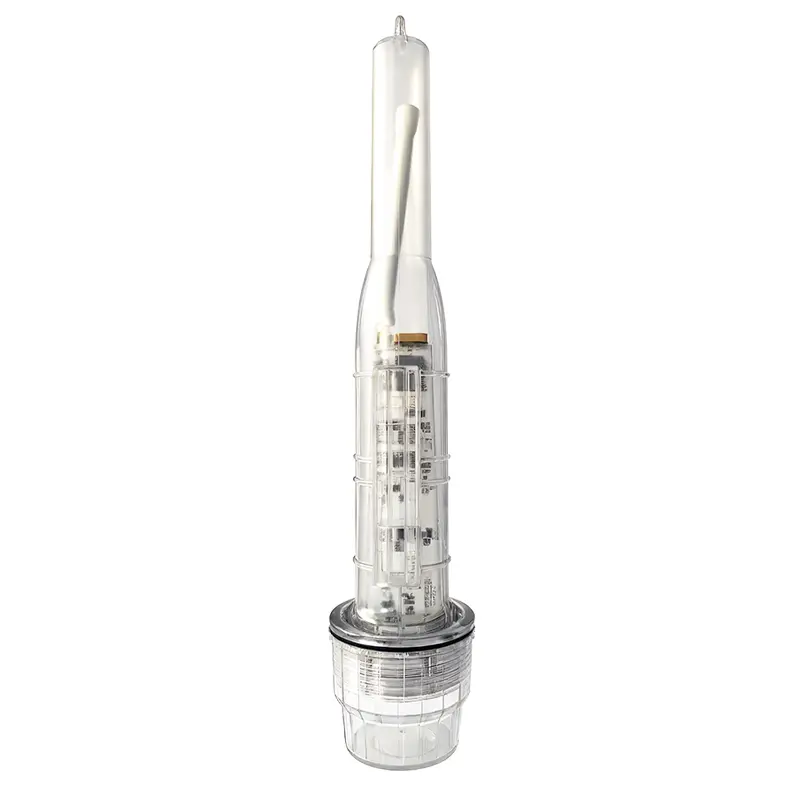 Net Position Indicator
 Solar AIS net position indicator
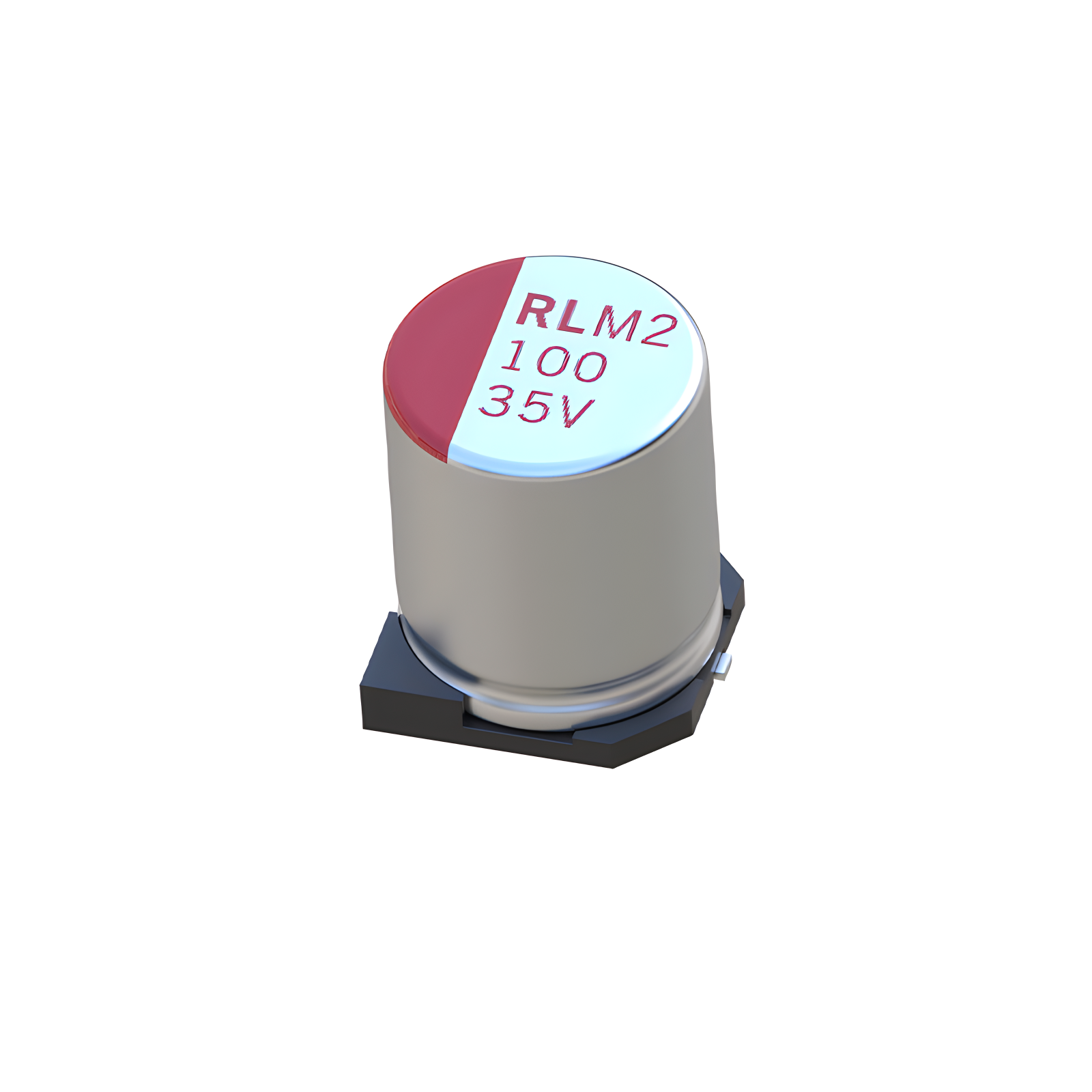 Capacitors
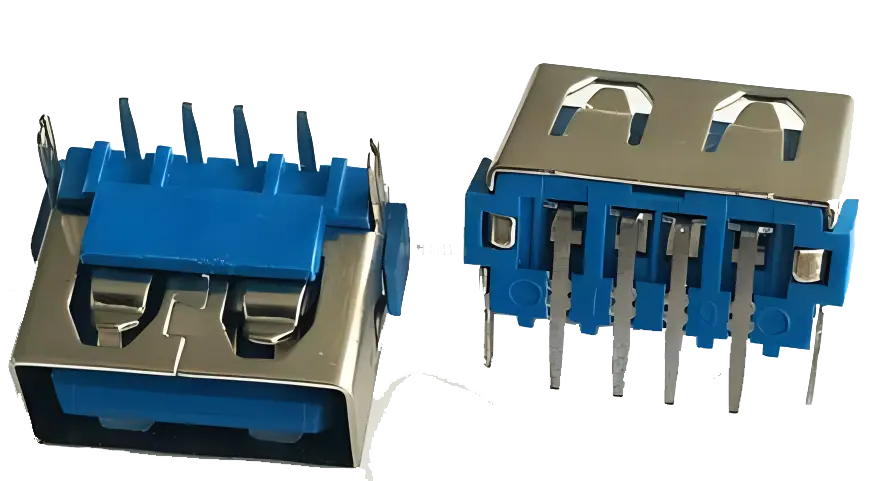 Connectors
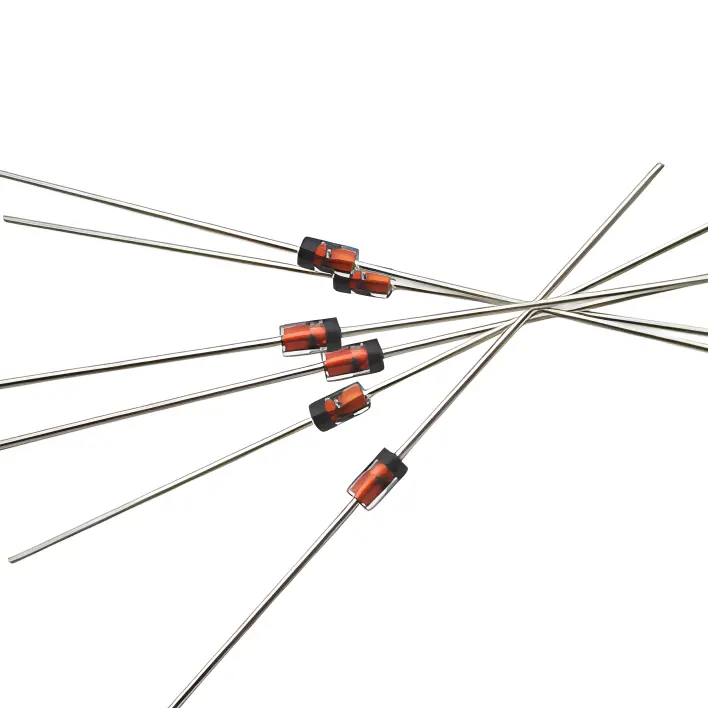 Diodes
 Embedded Processors & Controllers
 Digital Signal Processors (DSP/DSC)
 Microcontrollers (MCU/MPU/SOC)
 Programmable Logic Device(CPLD/FPGA)
 Communication Modules/IoT
 Resistors
 Through Hole Resistors
 Resistor Networks, Arrays
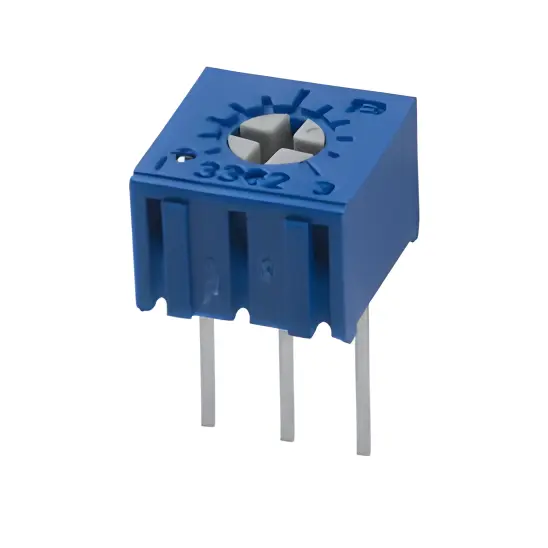 Potentiometers,Variable Resistors
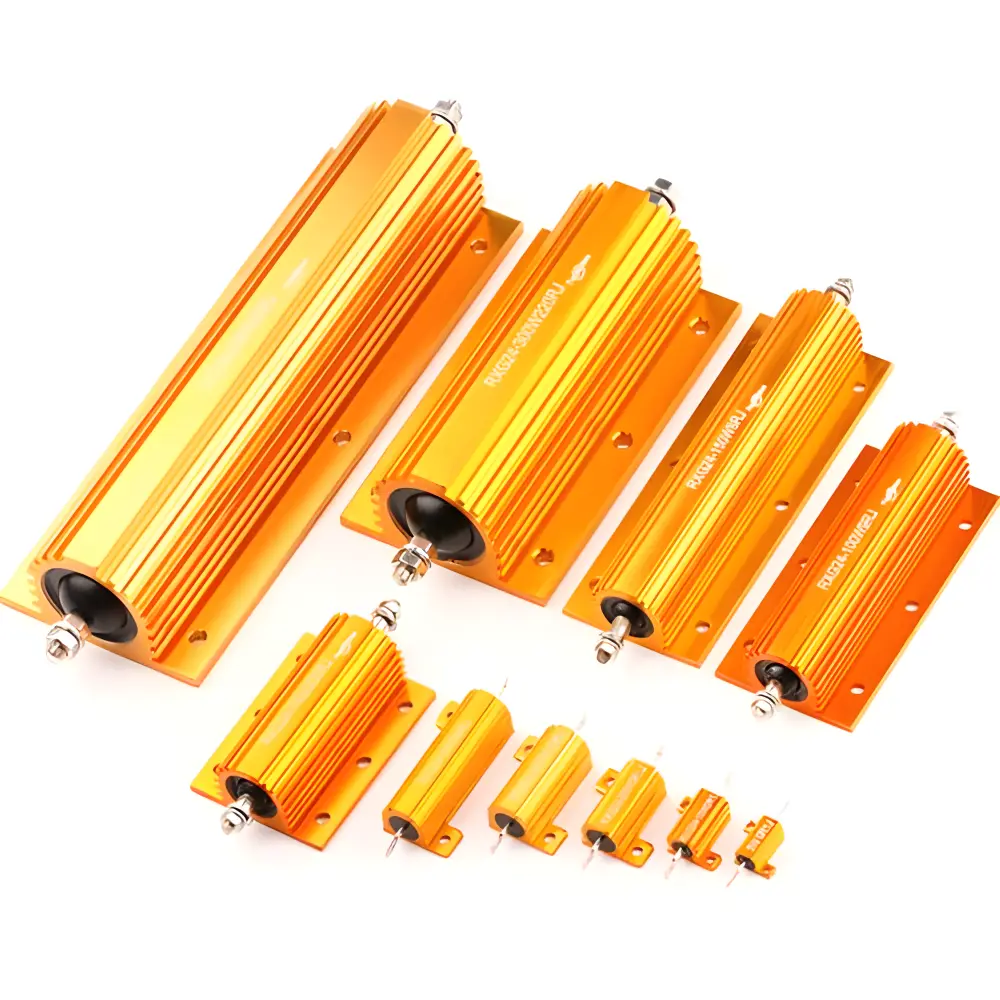 Aluminum Case,Porcelain Tube Resistance
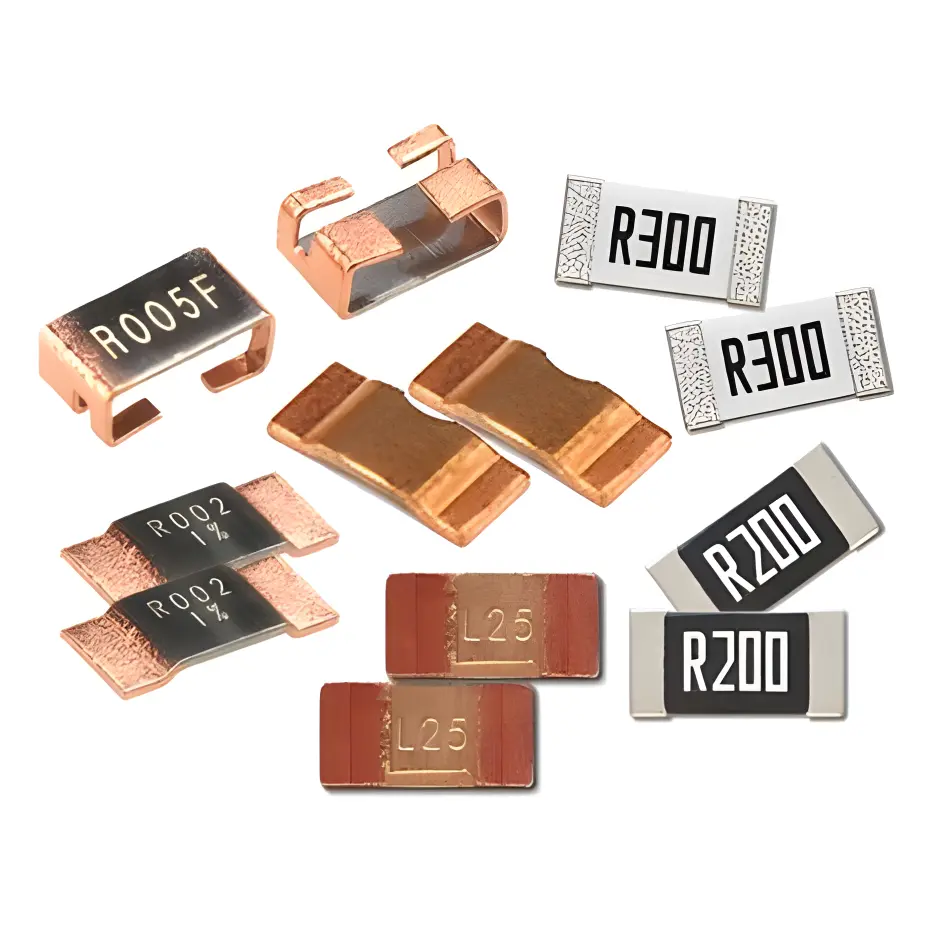 Current Sense Resistors,Shunt Resistors
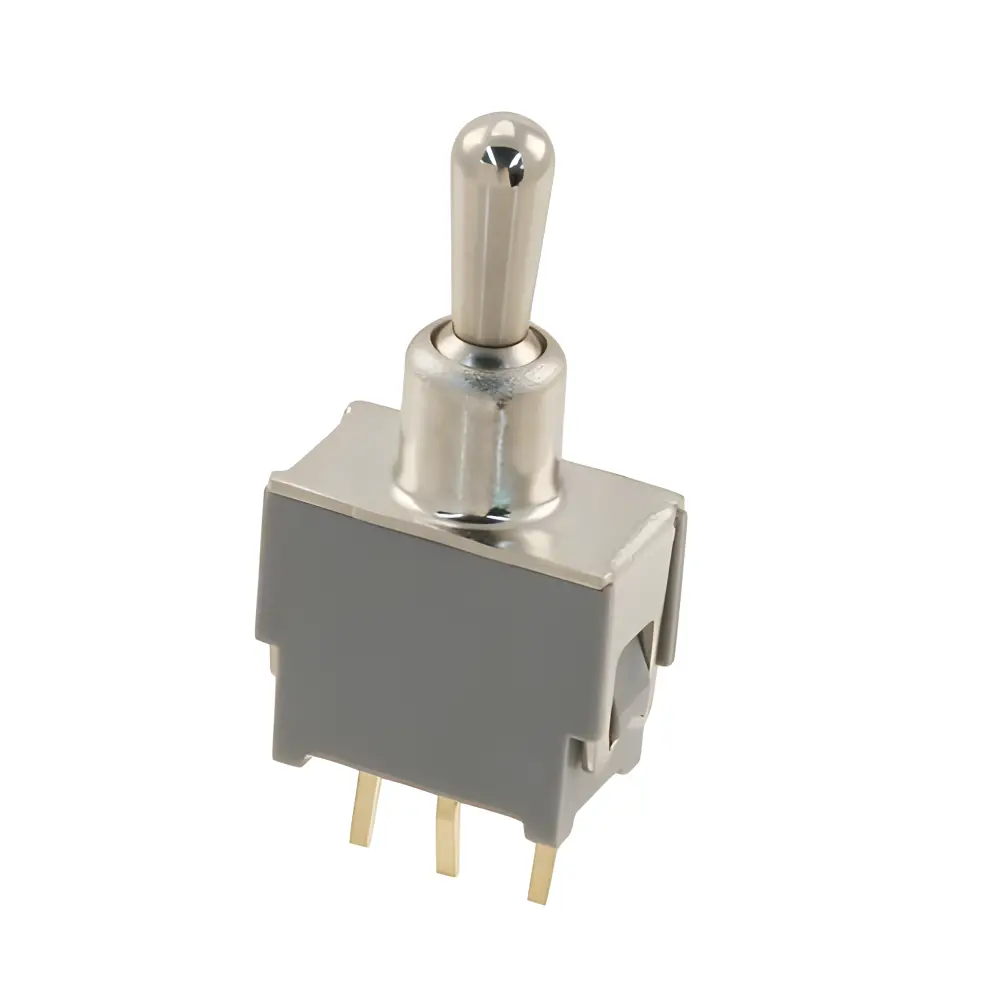 Switches
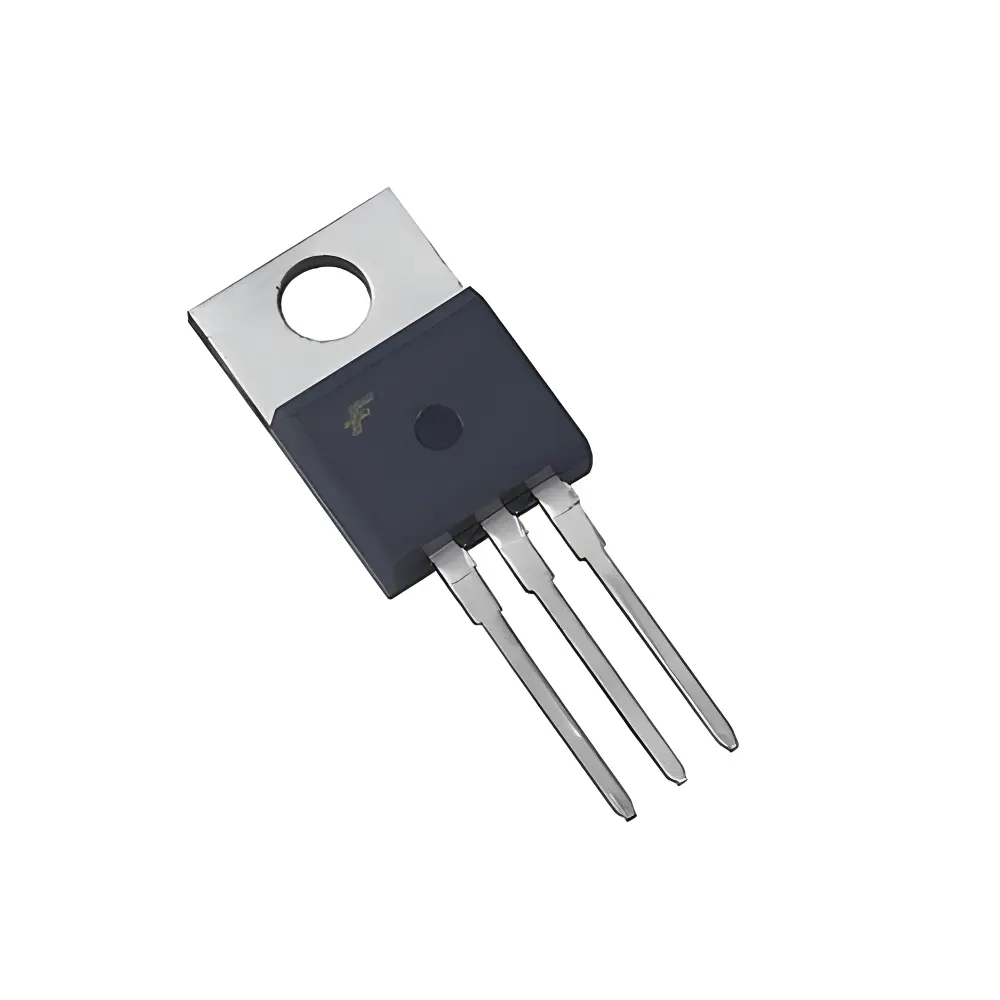 Transistors
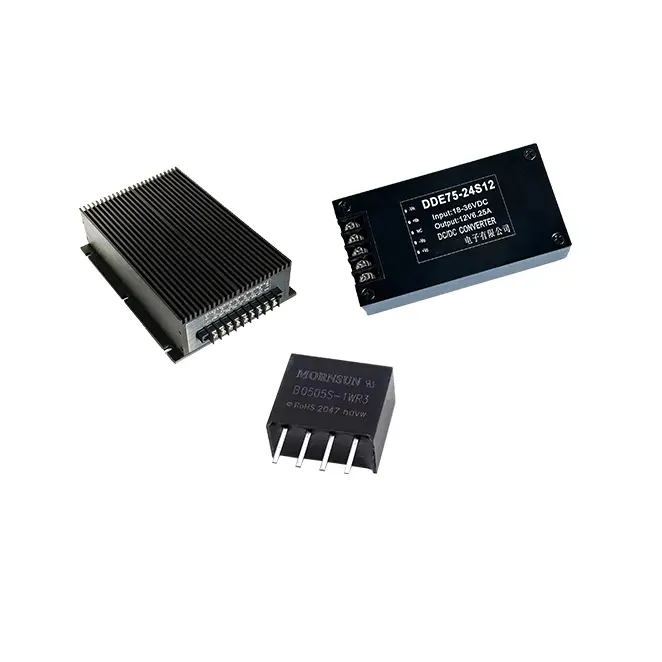 Power Modules
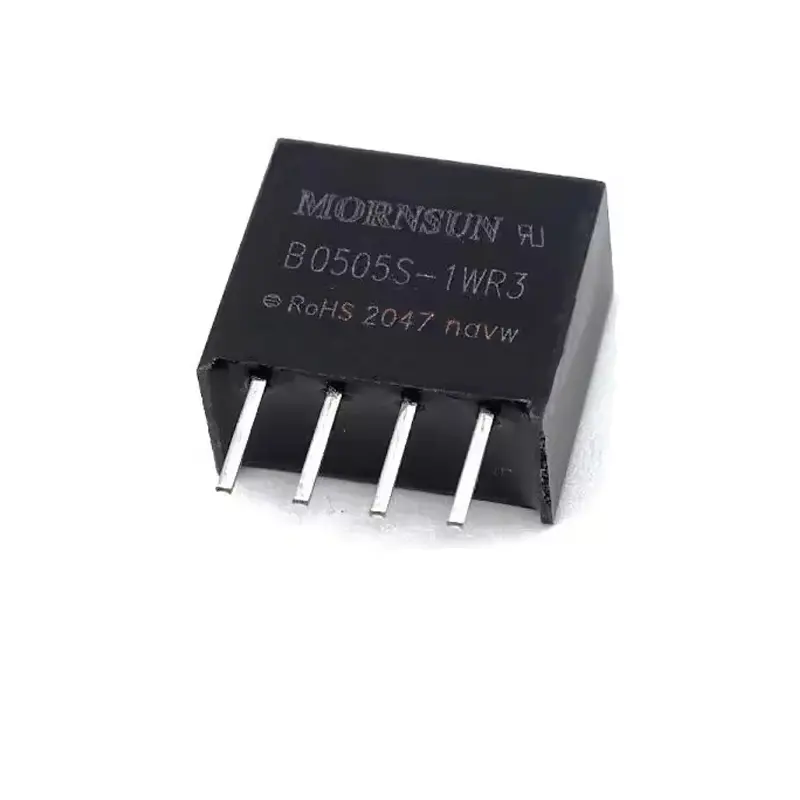 Isolated Power Modules
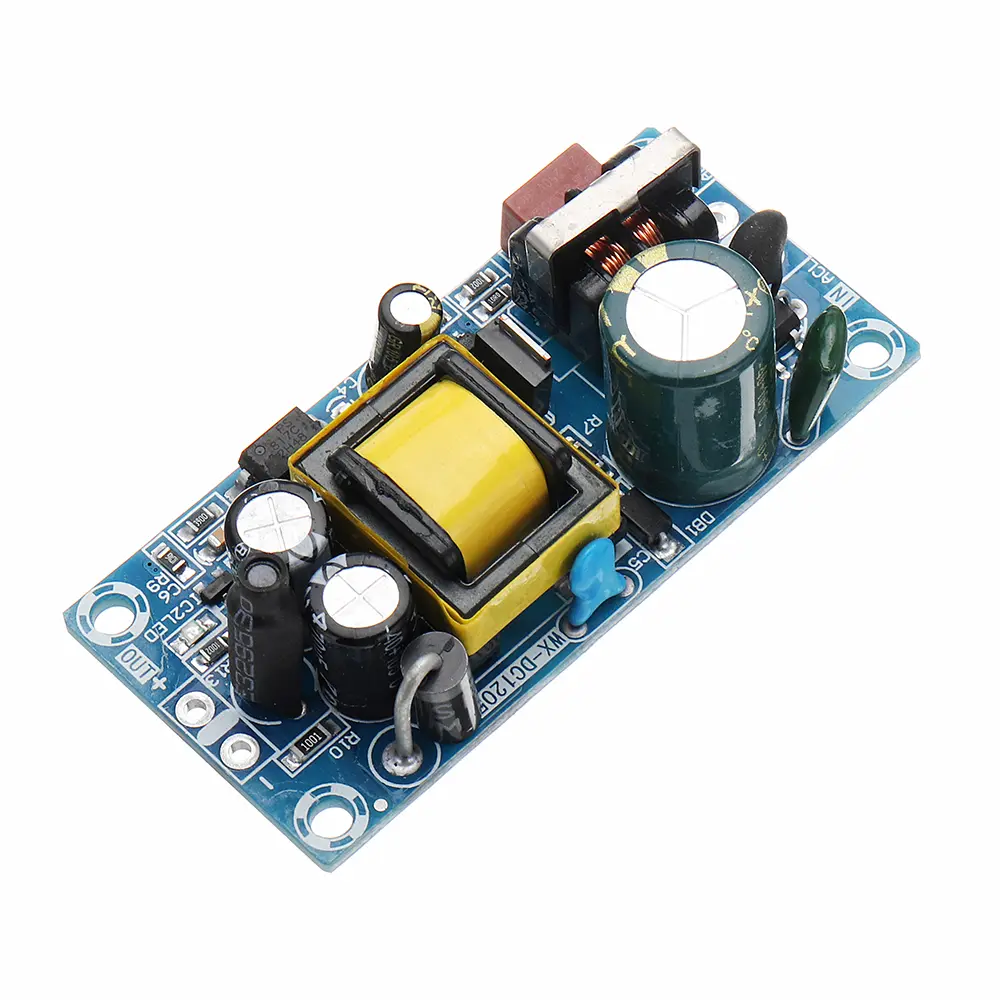 AC-DC Power Modules
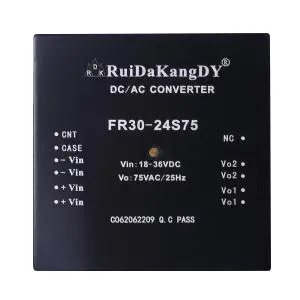 DC-AC Module(Inverter)
 RF and Wireless
(1) Analysis of SMT Mounter Mounting Accuracy Parameters and How to Measure Them
Analysis of SMT Mounter Mounting Accuracy Parameters and How to Measure Them
Preface
Mounting accuracy is the most basIC and important technological characteristic of a mounter. It serves as the foundation for evaluating the machine's mounting capabilities, mounting quality, and the range of components it can mount. As the name implies, mounting accuracy refers to the degree of accuracy of the machine's mounting, that is, the precision between the actual mounting position of the machine and the set mounting position.
Generally, the accuracy of a mounter is usually deSCRibed by the following three parameters:
- Placement accuracy
- Resolution;
- Replaceablity.
In the past, due to the lack of a unified standard for mounter accuracy, mounters from different countries and manufacturers defined and measured the machine's accuracy according to their own standards. When users selected and compared the accuracy indicators of mounters, they had to understand their specific definitions, test conditions, and methods.
Although the IPC - 9850 standard has newly regulated the peRFormance testing methods of mounters, some manufacturers still follow traditional methods. Moreover, a large number of mounters produced before the promulgation of the IPC - 9850 standard are still in use, and the second - hand machine market is becoming increasingly active. Therefore, it is still necessary to understand the relevant content of traditional mounter accuracy. Besides, to accurately understand and apply the IPC - 9850 standard, it is also necessary to start from the original meaning of "accuracy".
I. Analysis of Accuracy Parameters
Accuracy in Metrology - Accuracy, Precision, and Trueness
In metrology, accuracy, precision, and trueness are used to evaluate and measure the quality of measurement results. These three terms are often easily confused.
Accuracy - It represents the degree of agreement between the measurement result and the (conventional) true value of the measured quantity. Sometimes it is simply called correctness, reflecting the magnitude of systematic errors in the measurement result. High accuracy means that the systematic error is small, and at this time, the average value of the measurement data deviates less from the true value, but the degree of data dispersion, that is, the magnitude of the repeat error, is not clear.
Precision - Under specified conditions, it refers to the degree of agreement among the results obtained from multiple measurements of the measured quantity. It is also called repeat accuracy, indicating the magnitude of repeat errors in the measurement result. High precision means that the repeat error is small, and the measurement data is relatively concentrated, but the magnitude of the systematic error is not clear.
Trueness - It is a comprehensive index of accuracy and precision. Sometimes it is simply called accuracy, but it is easily confused with precision. High trueness means that both the repeat error and the systematic error are relatively small, and the measurement data is relatively concentrated around the true value.
The following figure, taking dart - throwing at a target as an example, illustrates the meanings of the above three terms. The bull - eye represents the target value position. In the figure, (a) and (b) represent good and poor shooting accuracy, that is, the magnitude of the systematic error. (c) and (d) represent good and poor shooting precision, that is, the magnitude of the repeat error. (e) represents relatively good precision and accuracy, called high trueness. At this time, both the systematic error and the repeat error are relatively small.
Resolution and Resolving Power
Resolution has two common meanings: One is the minimum limit of the object that an instrument, meter, or tool device can distinguish. For example, the minimum moving distance of a moving device (cm, mm, μm, and nm), the current and voltage of an electronic meter (mV, μV, mA, and μA), etc. The other is the number of points or lines that a display image device (such as a monitor and a scanner) can distinguish within a unit length. Common units include "dpi", "lpi", "spi", and "ppi" [i.e., the number of points (lines, samples, pixels) per inch] or "dp, lp, sp, and PP/mm" [i.e., the number of points (lines, samples, pixels) per millimeter].
Resolving power is a short - form for "resolution ability" (or "resolving power"). Generally speaking, "resolving power" only has a high - low level, and the quantitative result of resolving power is called "resolution". However, in practical applications, people often use "resolution" and "resolving power" interchangeably.
Trueness and Resolution
In the performance indicators of measuring equipment and instruments, both trueness and resolution often appear as parameters of trueness. But in fact, resolution is not directly related to accuracy. High resolving power is only the basis for high accuracy. The high resolution of equipment and instruments is only a necessary condition for high accuracy, not a sufficient condition, let alone a necessary and sufficient condition.
Accuracy, Precision, and Trueness of Mechanical Equipment
In mechanical equipment, accuracy and repeat accuracy are commonly used to evaluate the trueness of machine positioning and processing. However, at different times, the meaning of "accuracy" is different: When specifically discussing "accuracy" and "repeat accuracy", "accuracy" refers to "accuracy" in metrology, and "repeat accuracy" is "precision" in metrology. When generally referring to the "accuracy" of a machine, it actually means "trueness" in metrology. A mounter is a processing mechanical device, and people's naming is also like this. Although it is not scientific, it has become a habit and is not easy to change for a while.
Obviously, the definitions and naming of accuracy, precision, and trueness in metrology are more scientific. In fact, in the teaching and research of mounter technology, the same names as those in metrology have been used. However, people's habits have to be considered. But with the development and improvement of technology, especially the popularization and application of international common standards, for example, the application of the process capability indices Cp and Cpk for mounters, the unification of names and the clarity of concepts should be a natural result.