
 PCB
PCB FPC
FPC Rigid-Flex
 FR-4
FR-4 HDI PCB
 Rogers High-Frequency Board
 PTFE Teflon High-Frequency Board
 Aluminum
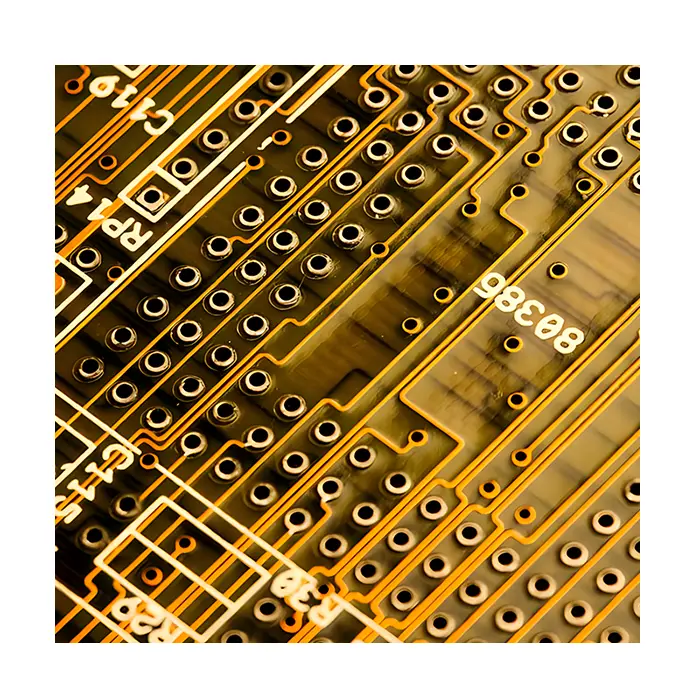 Copper Core
 PCB Assembly
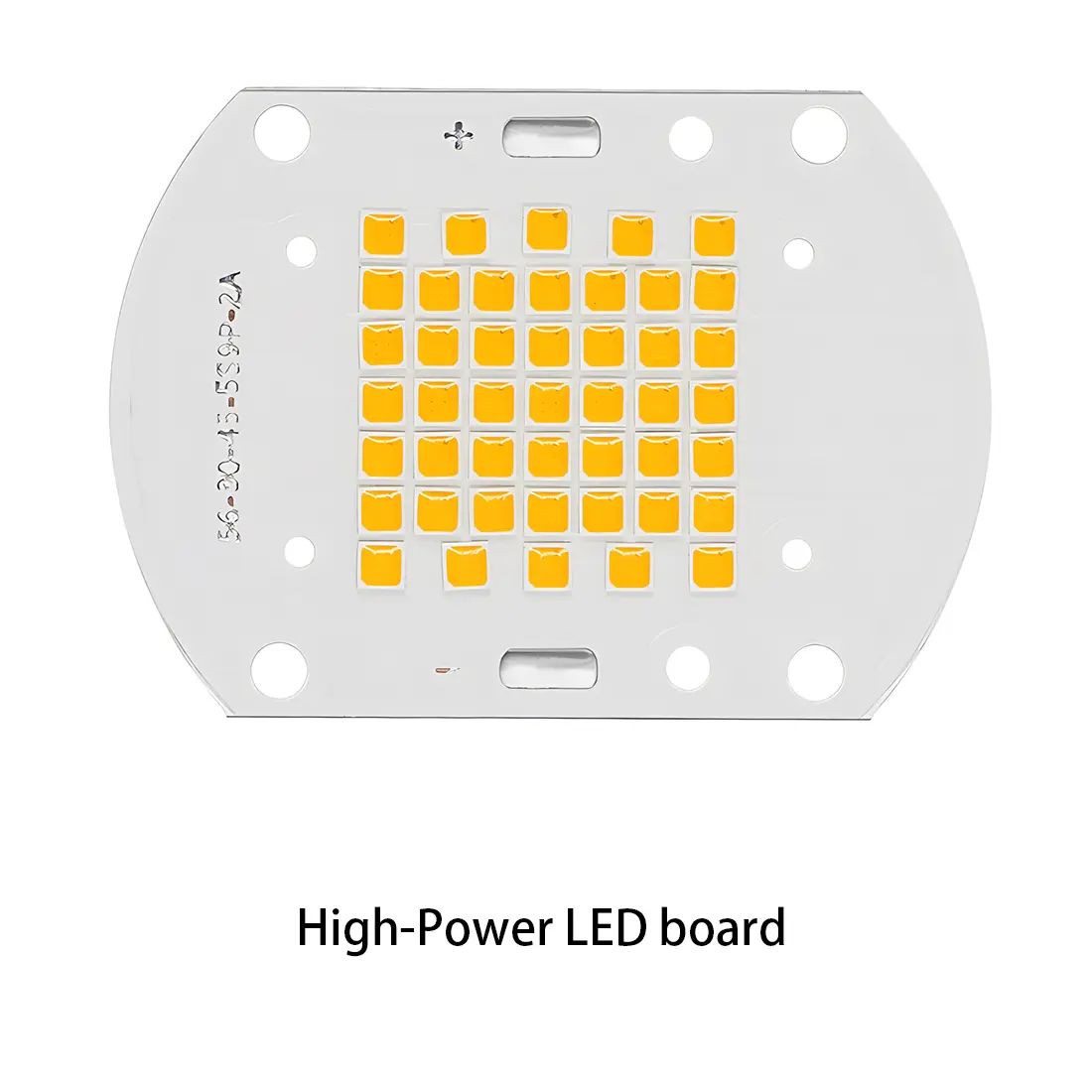 LED light PCBA
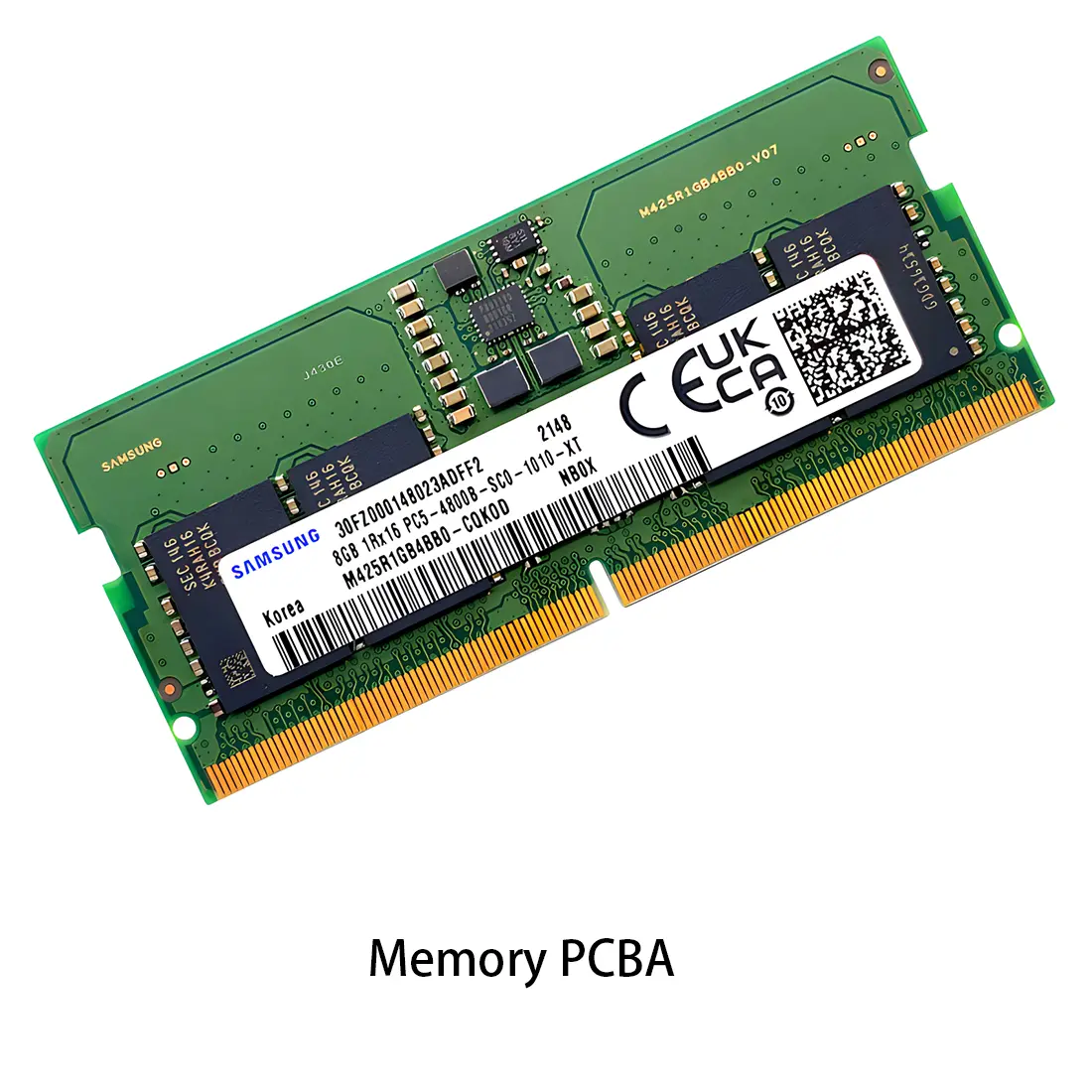 Memory PCBA
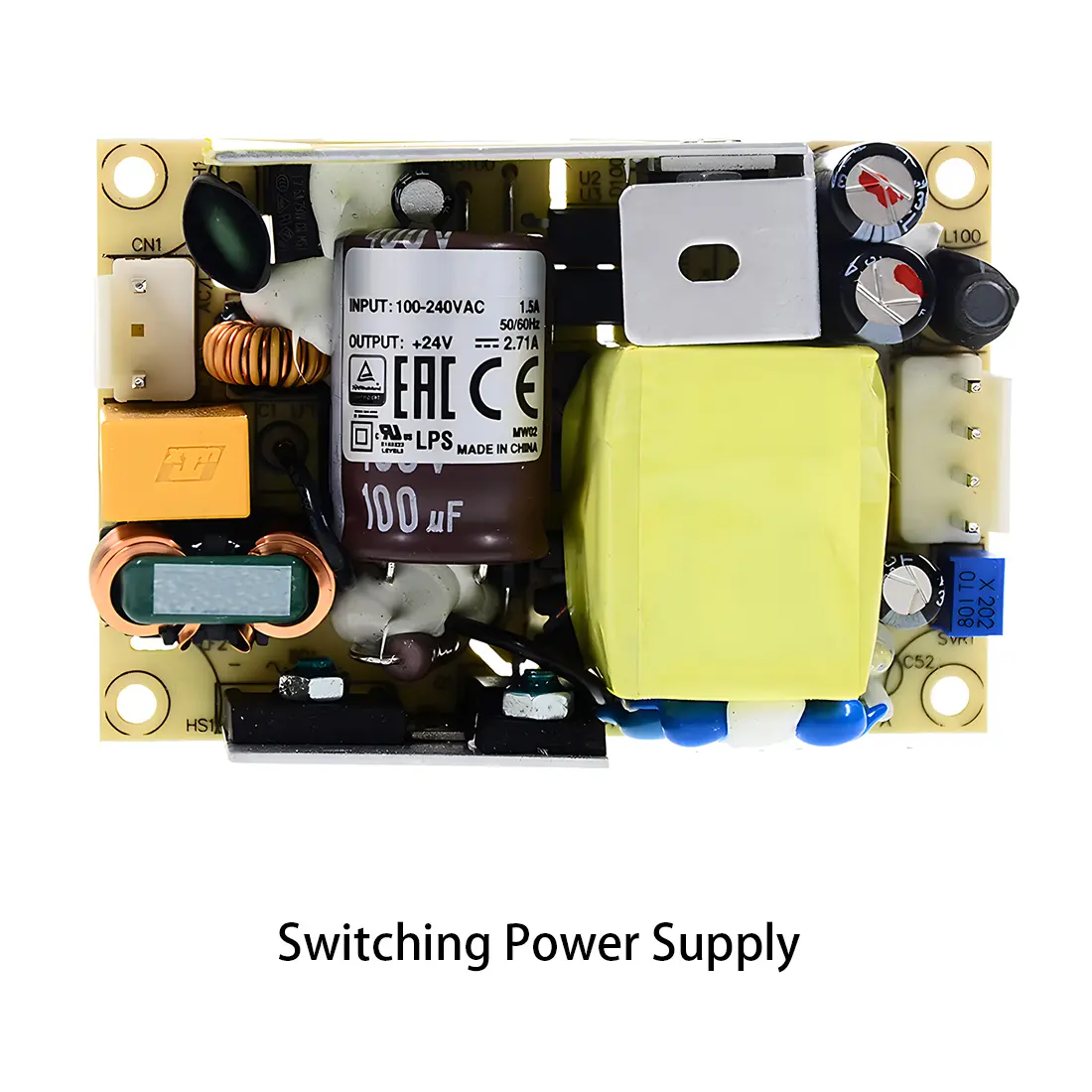 Power Supply PCBA
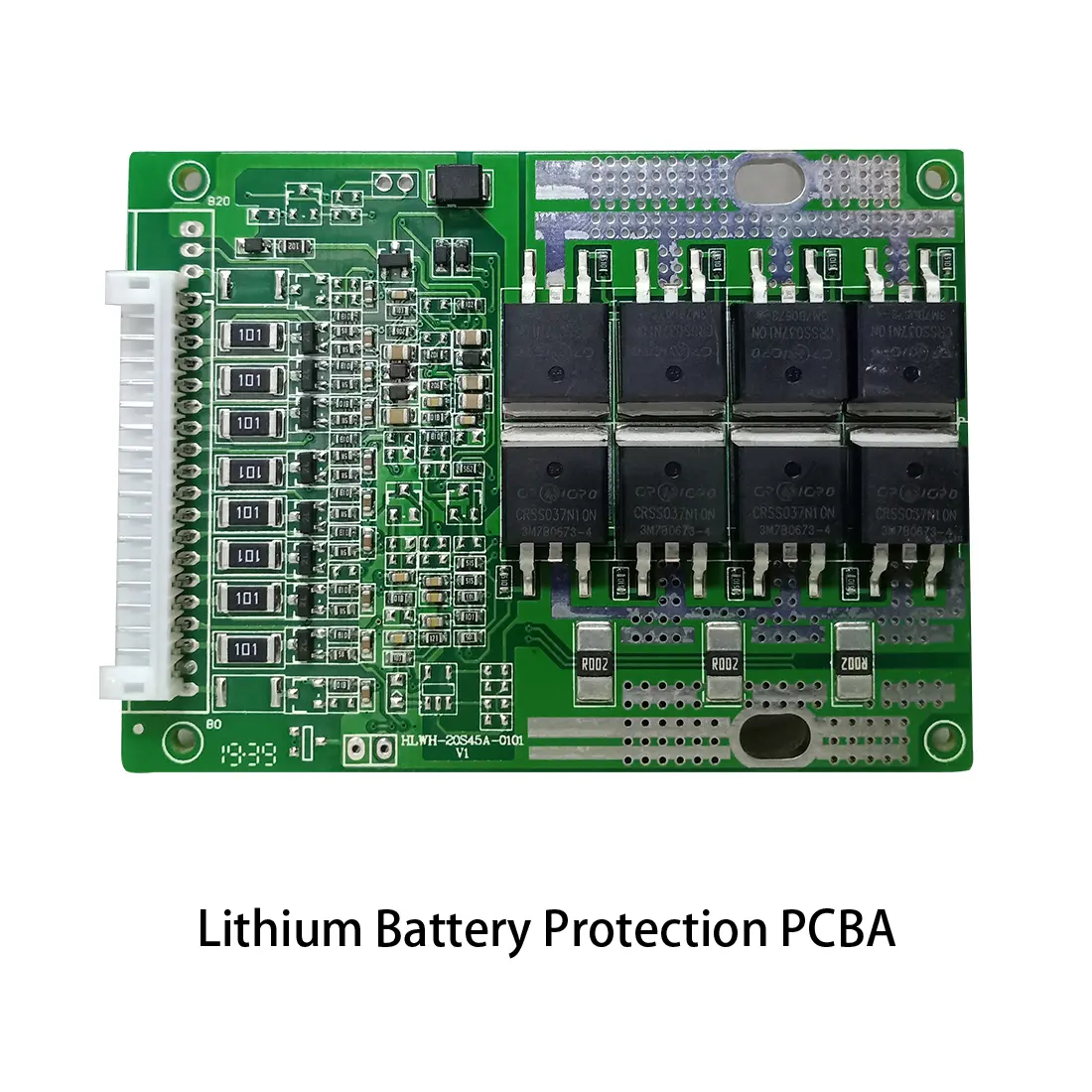 New Energey PCBA
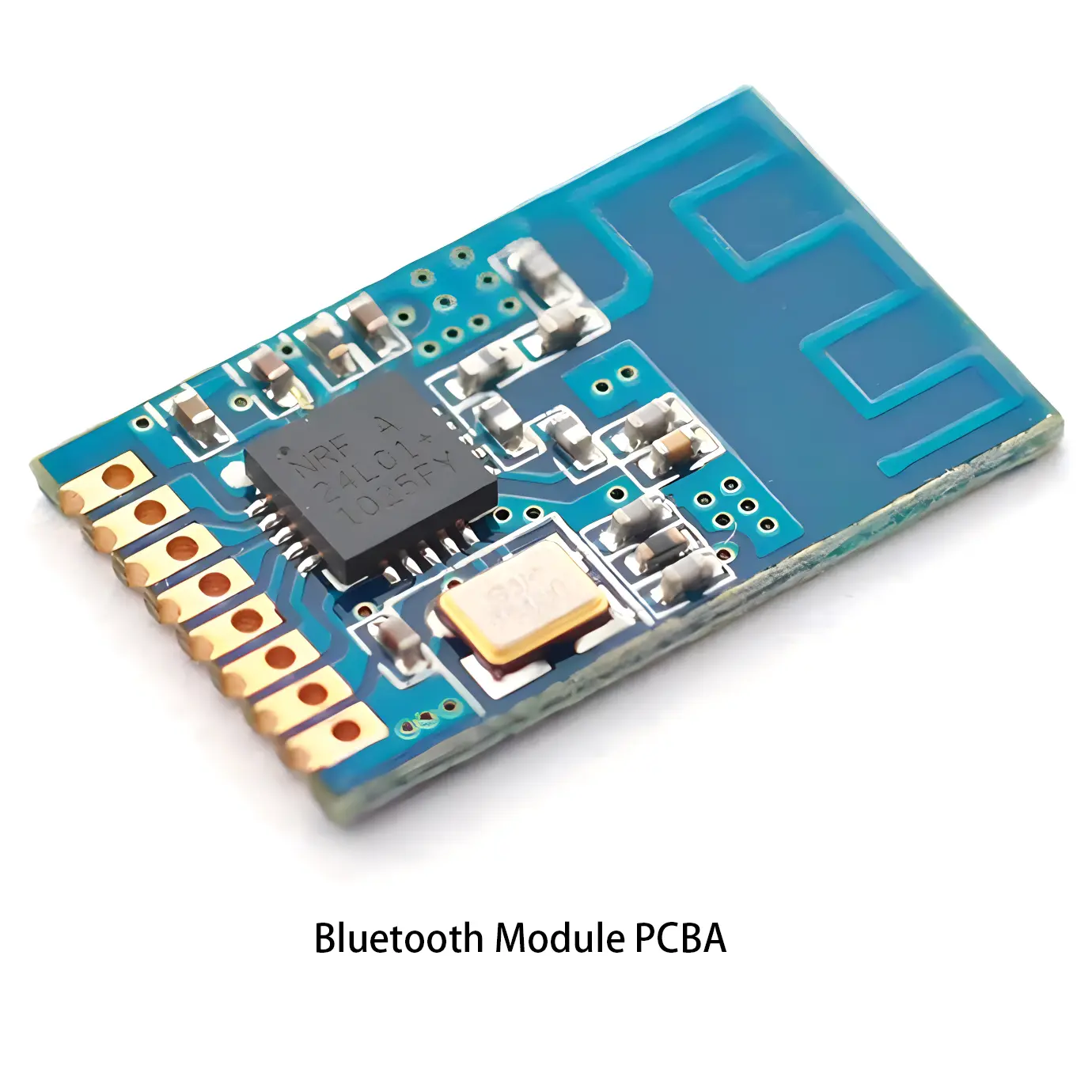 Communication PCBA
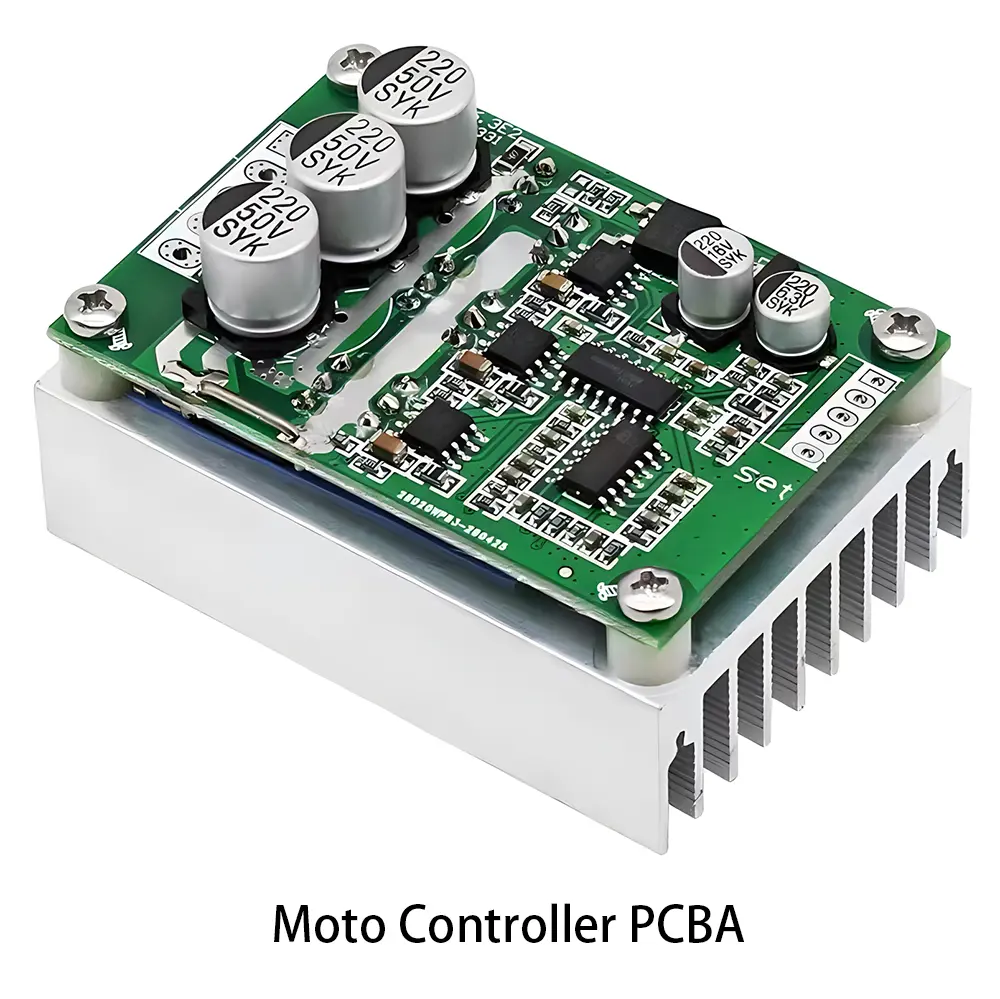 Industrial Control PCBA
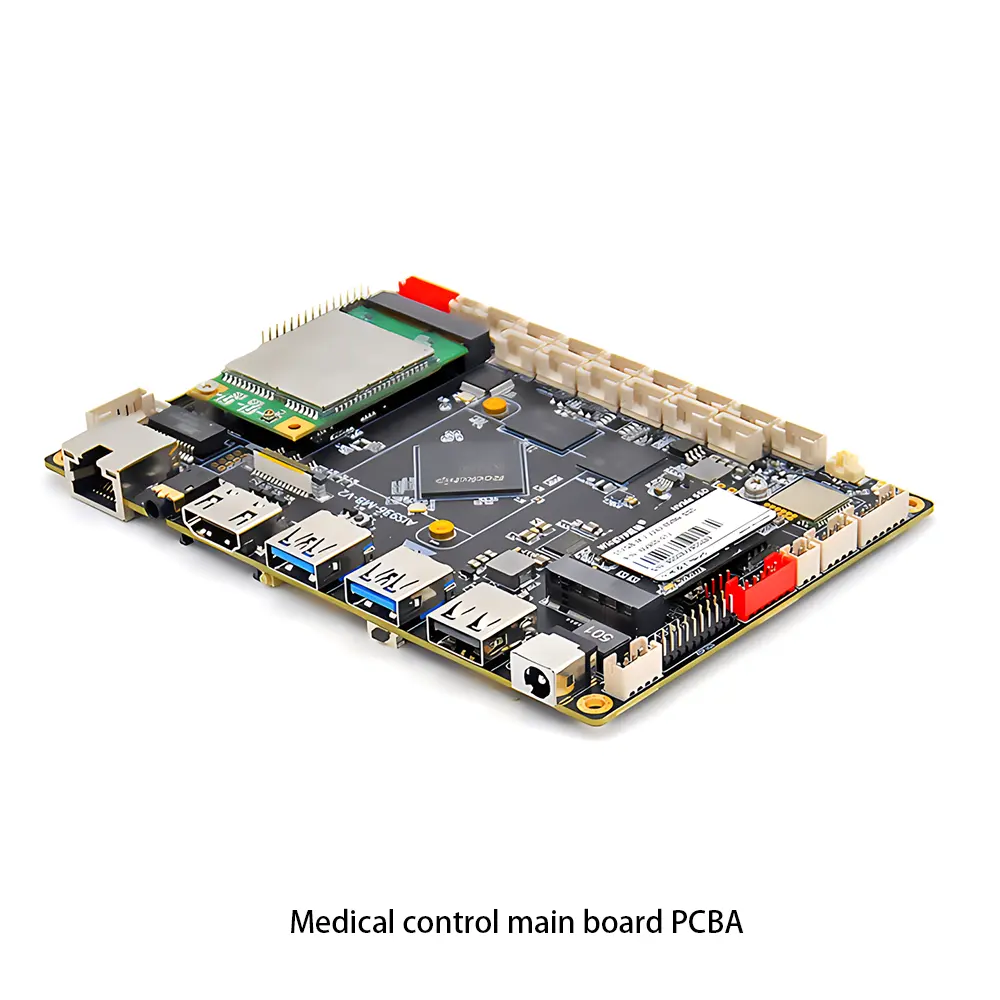 Medical Equipment PCBA
 Testing Service
 PCBA Testing Service
 Certification Application
 RoHS Certification Application
 REACH Certification Application
 CE Certification Application
 FCC Certification Application
 CQC Certification Application
 UL Certification Application
 Transformers, Inductors
 High Frequency Transformers
 Low Frequency Transformers
 High Power Transformers
 Conversion Transformers
 Sealed Transformers
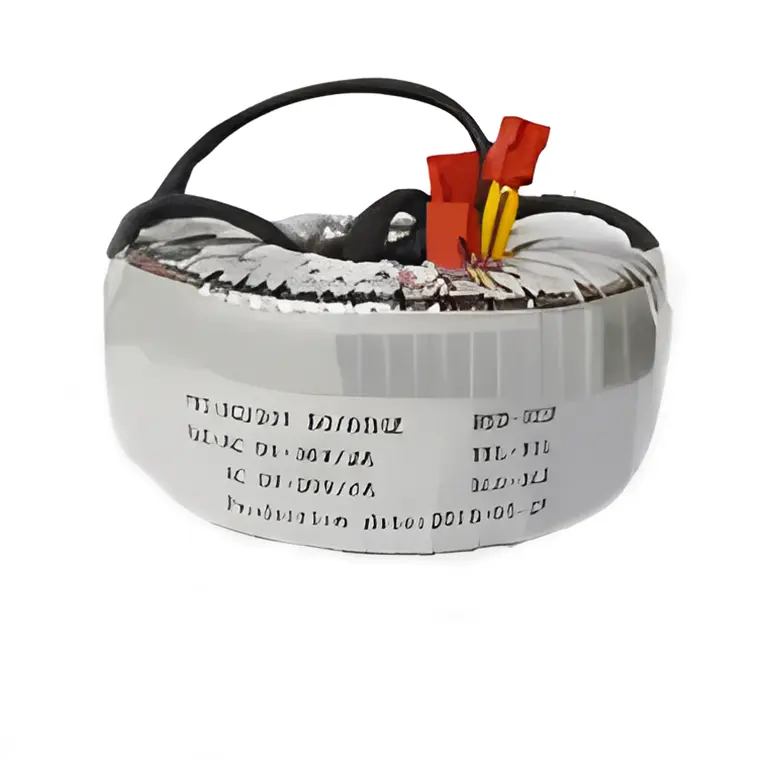 Ring Transformers
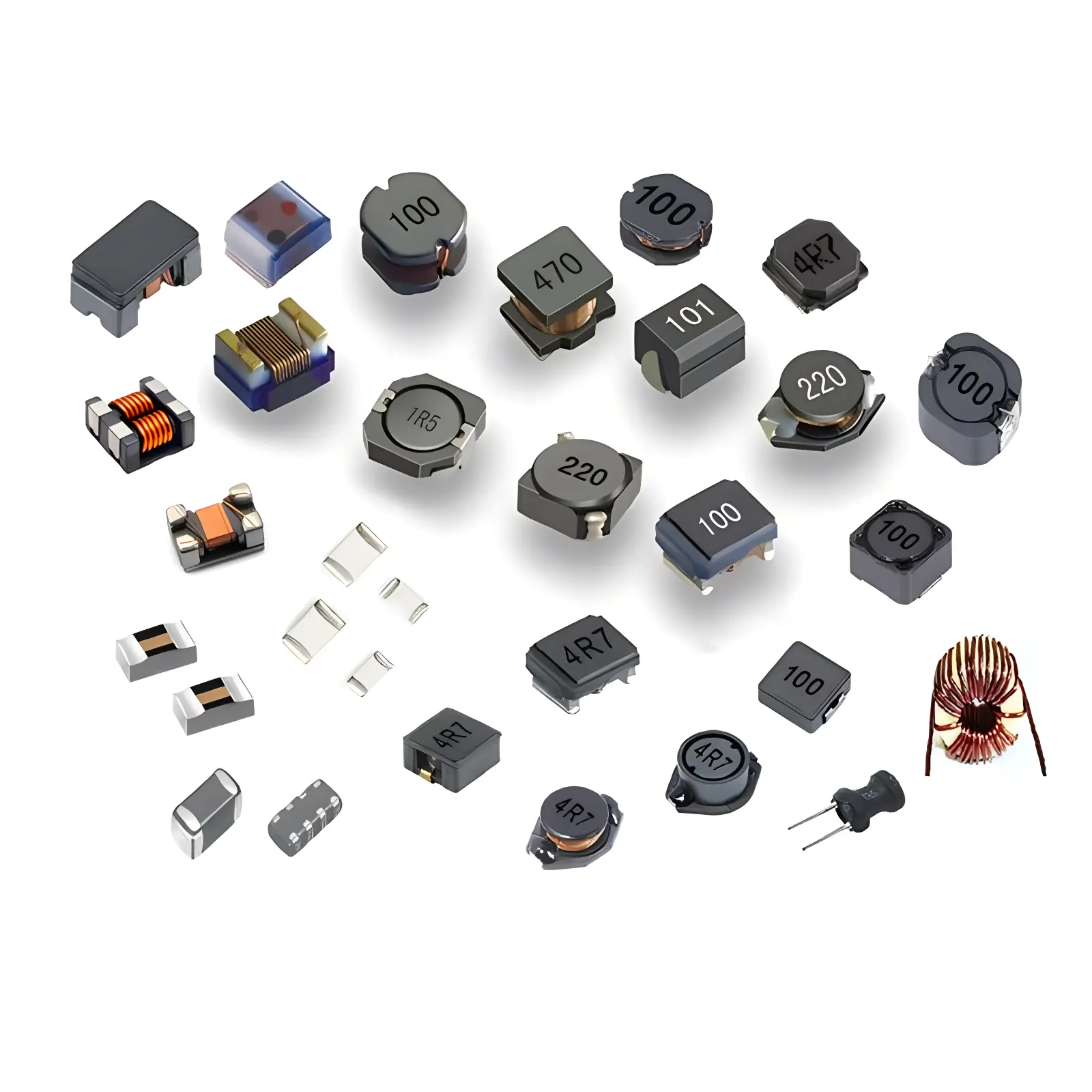 Inductors
 Wires,Cables Customized
 Network Cables
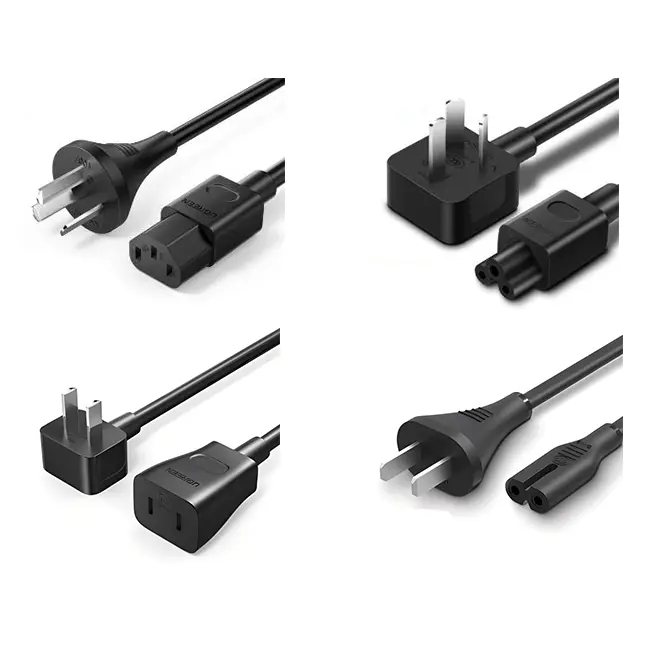 Power Cords
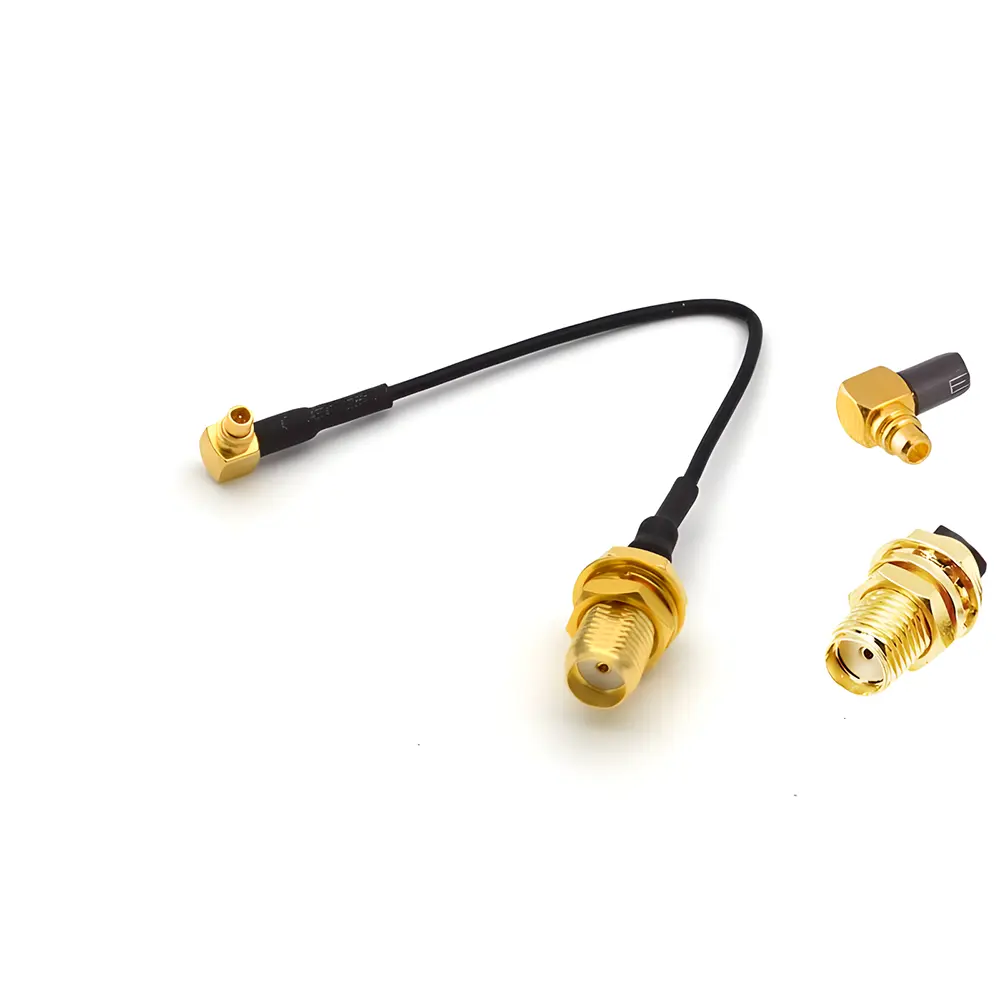 Antenna Cables
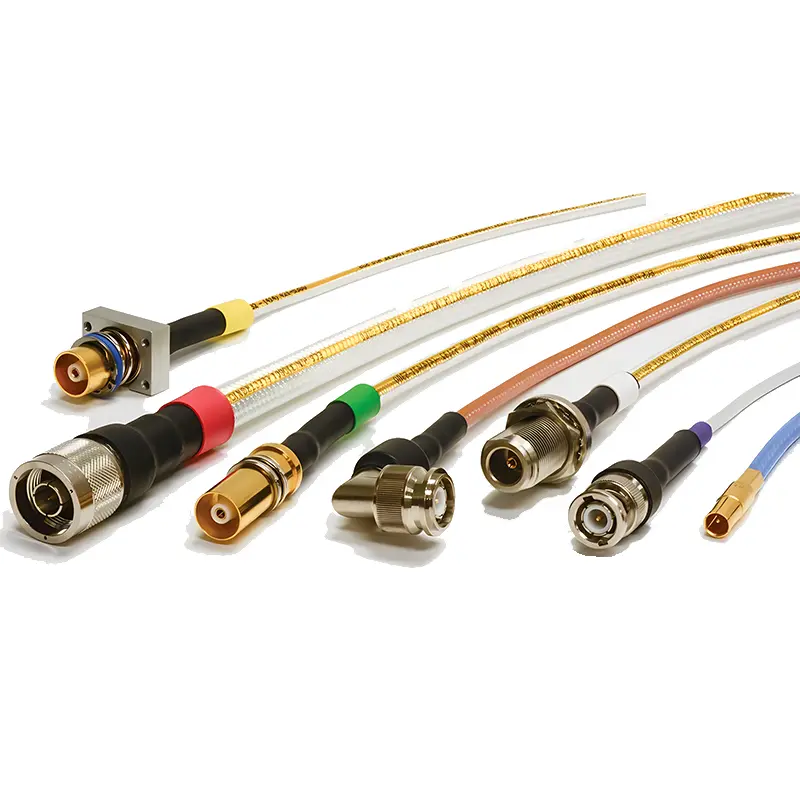 Coaxial Cables
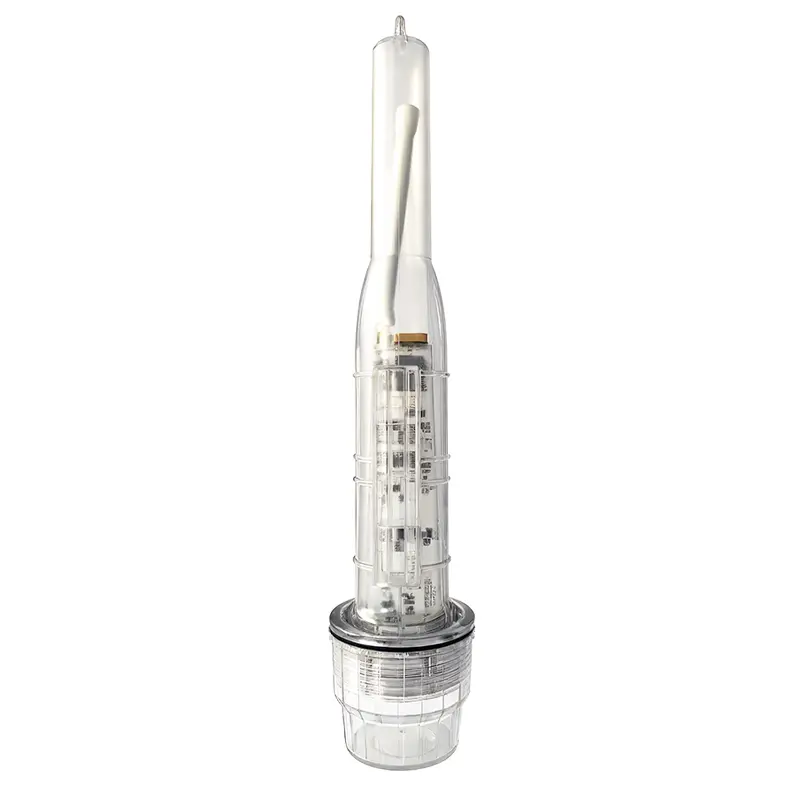 Net Position Indicator
 Solar AIS net position indicator
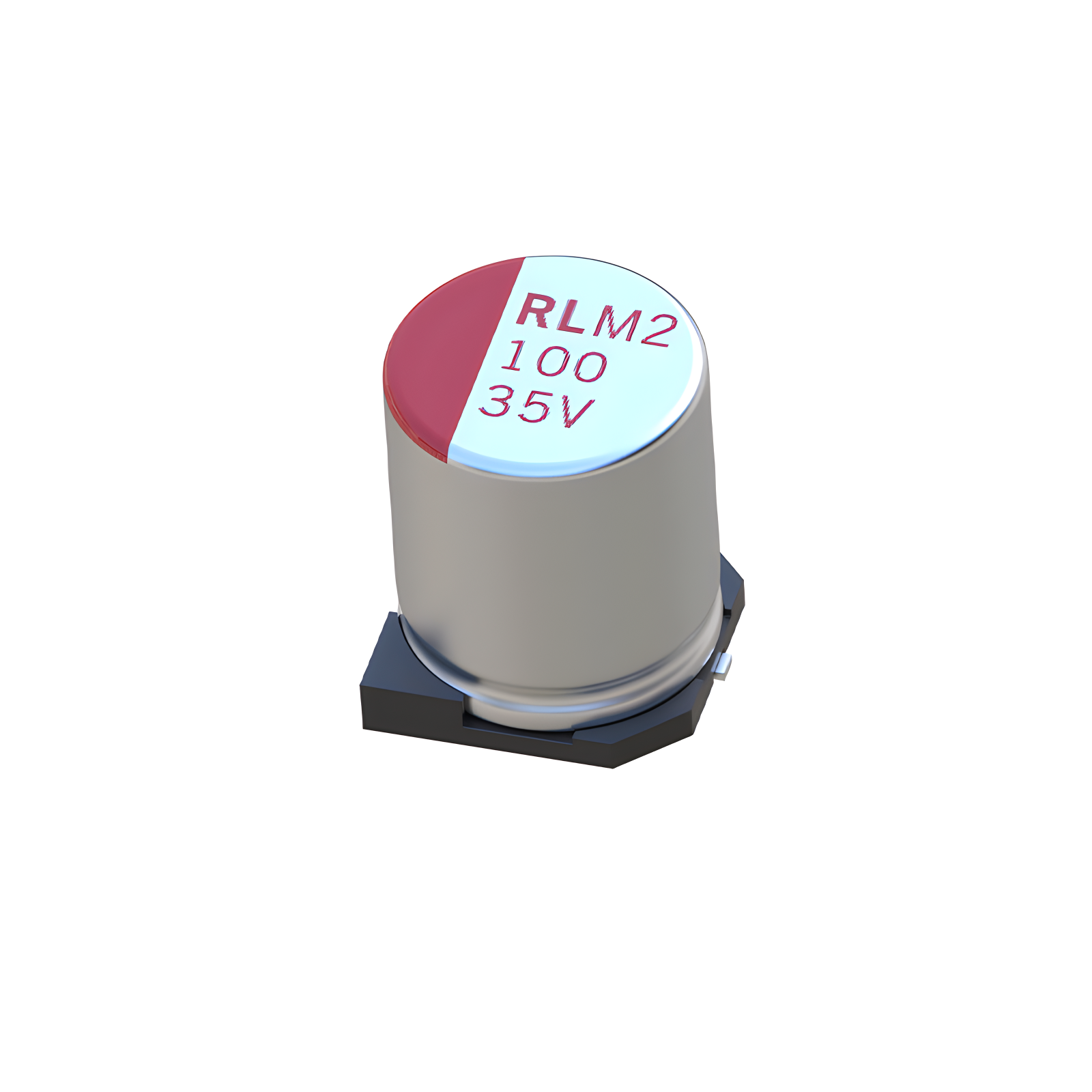 Capacitors
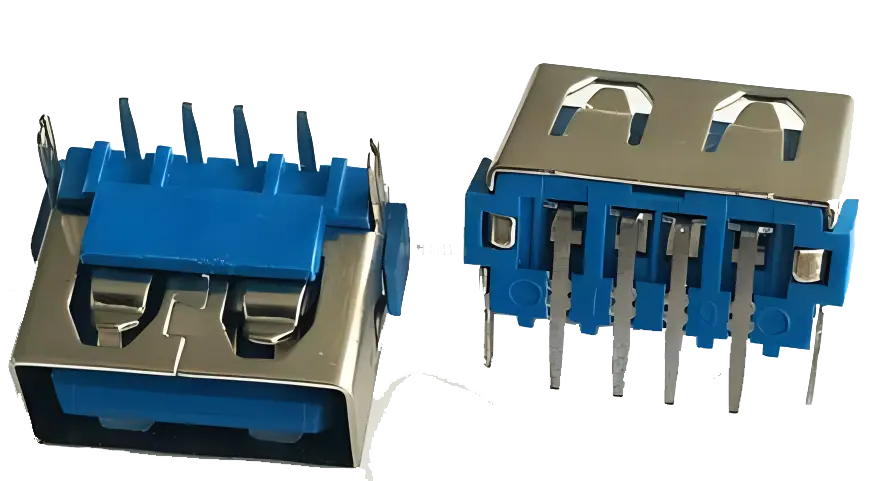 Connectors
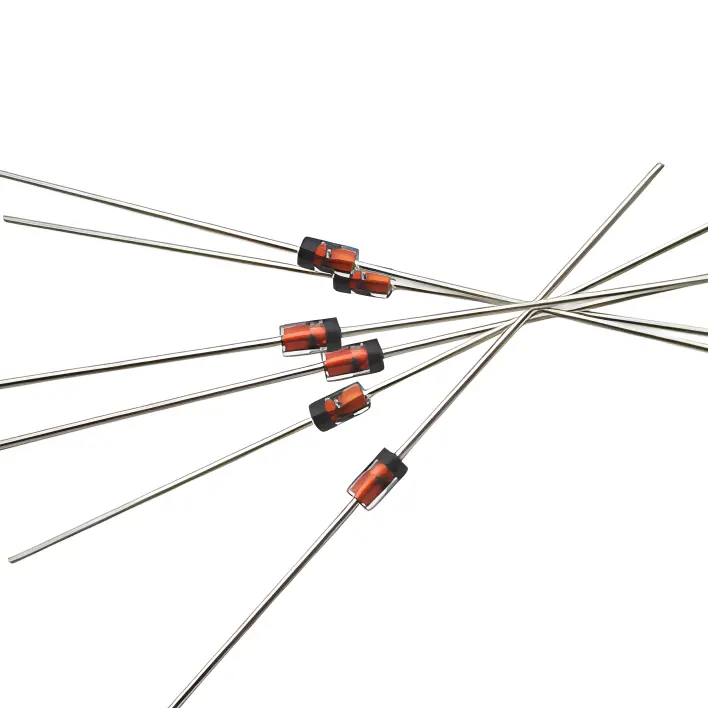 Diodes
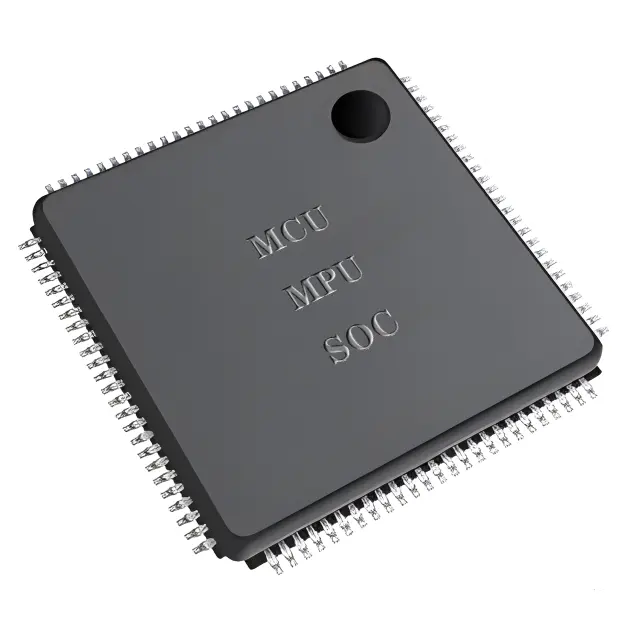 Embedded Processors & Controllers
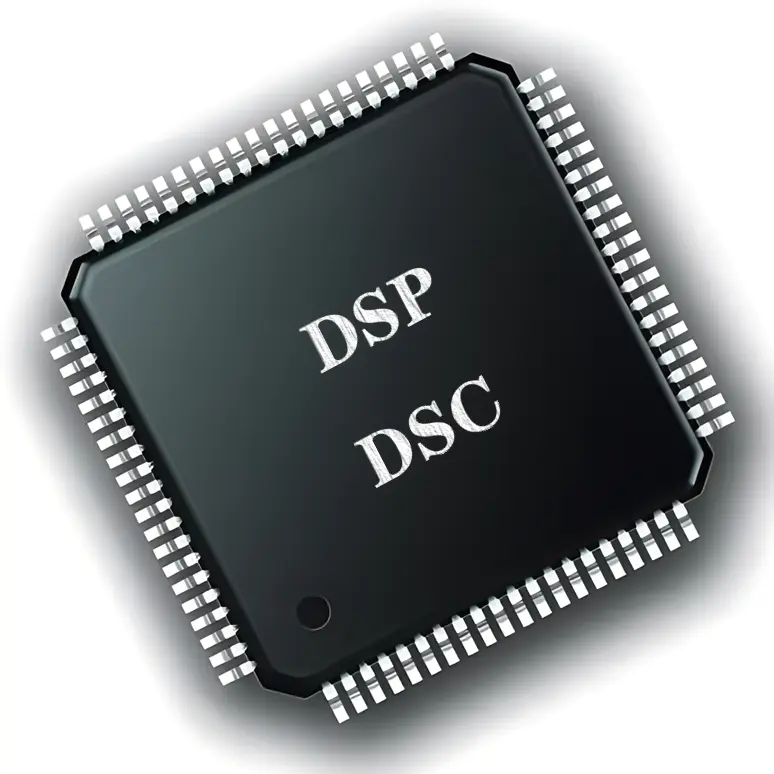 Digital Signal Processors (DSP/DSC)
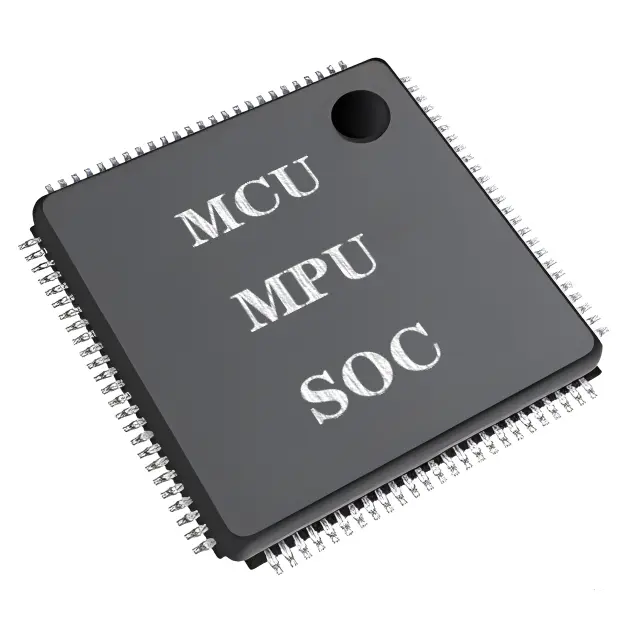 Microcontrollers (MCU/MPU/SOC)
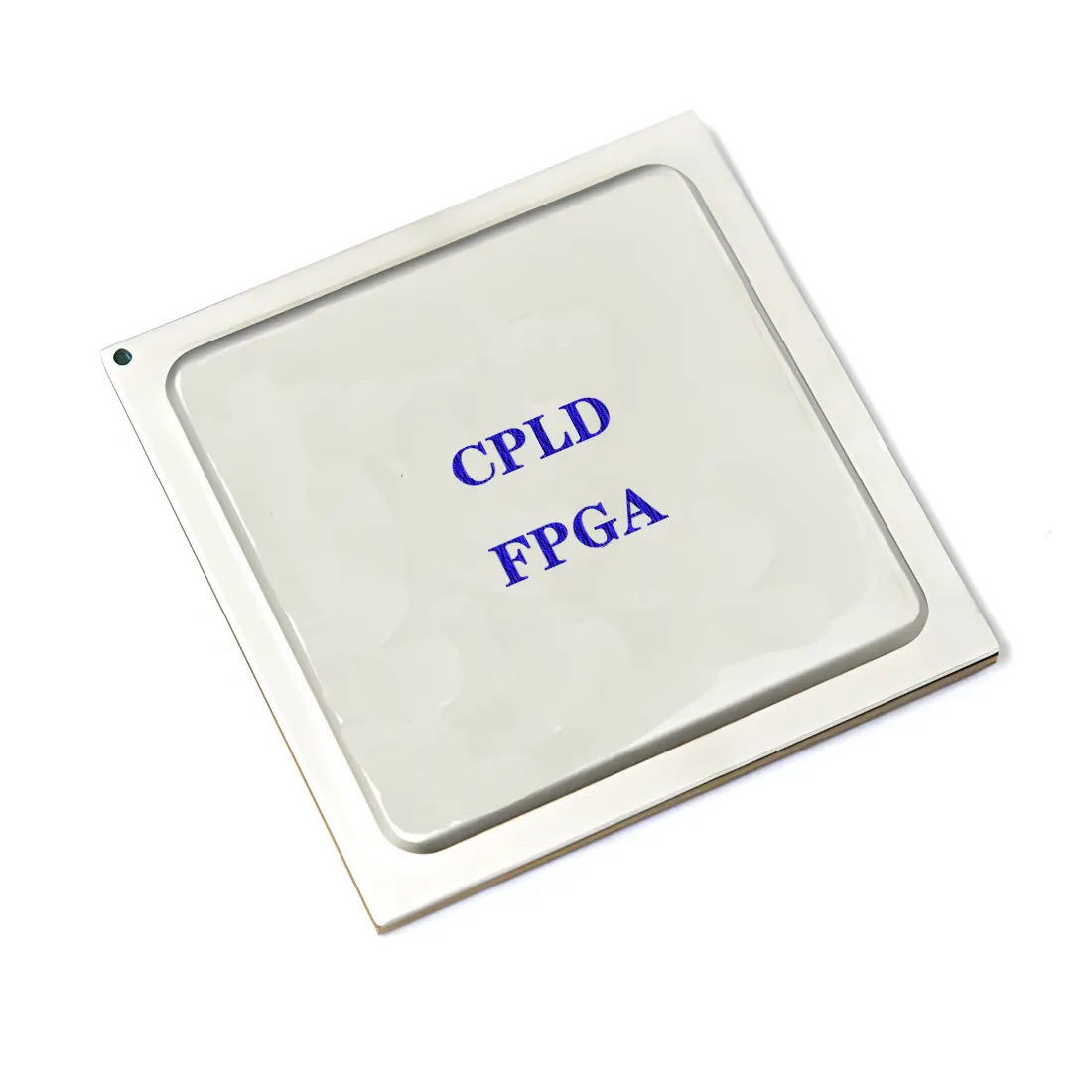 Programmable Logic Device(CPLD/FPGA)
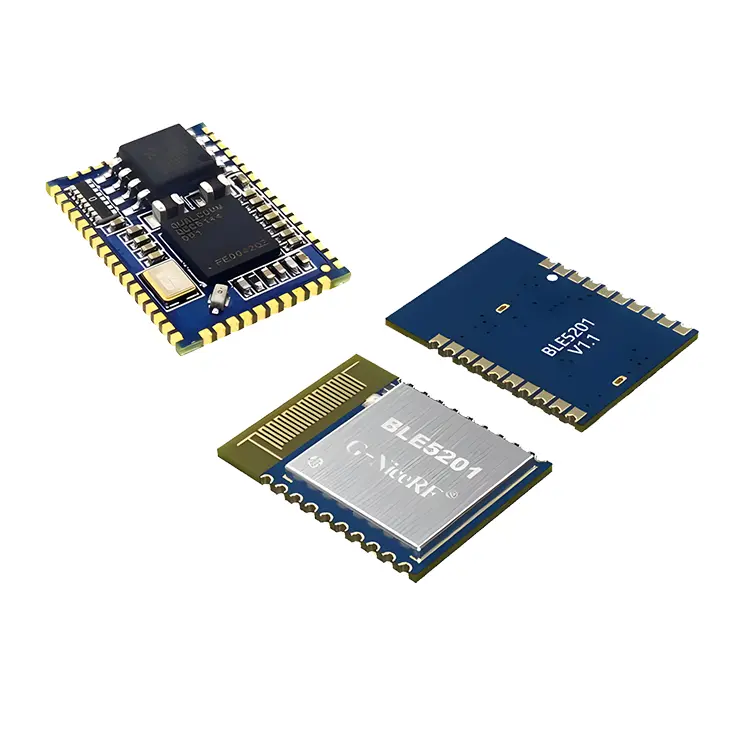 Communication Modules/IoT
 Resistors
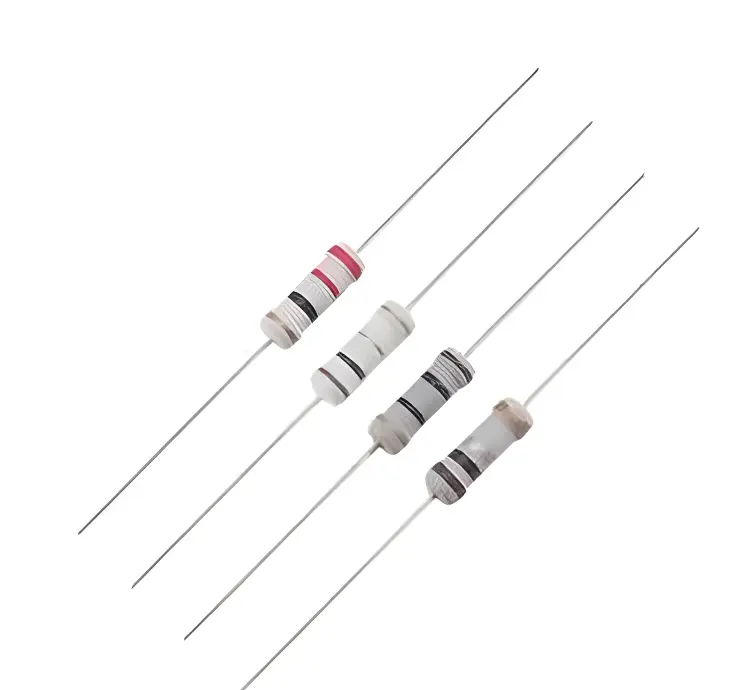 Through Hole Resistors
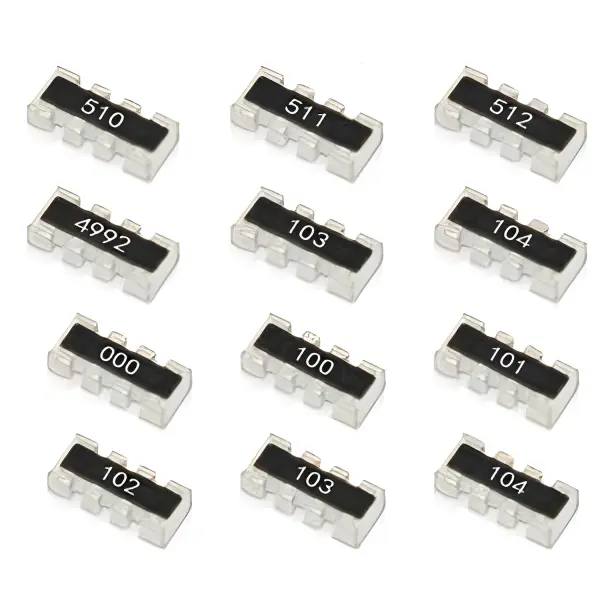 Resistor Networks, Arrays
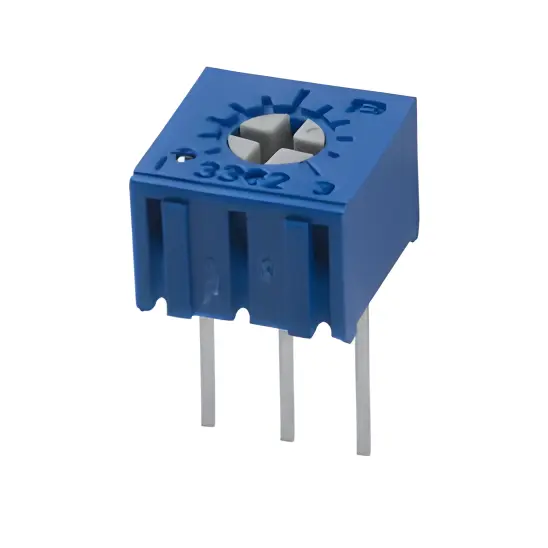 Potentiometers,Variable Resistors
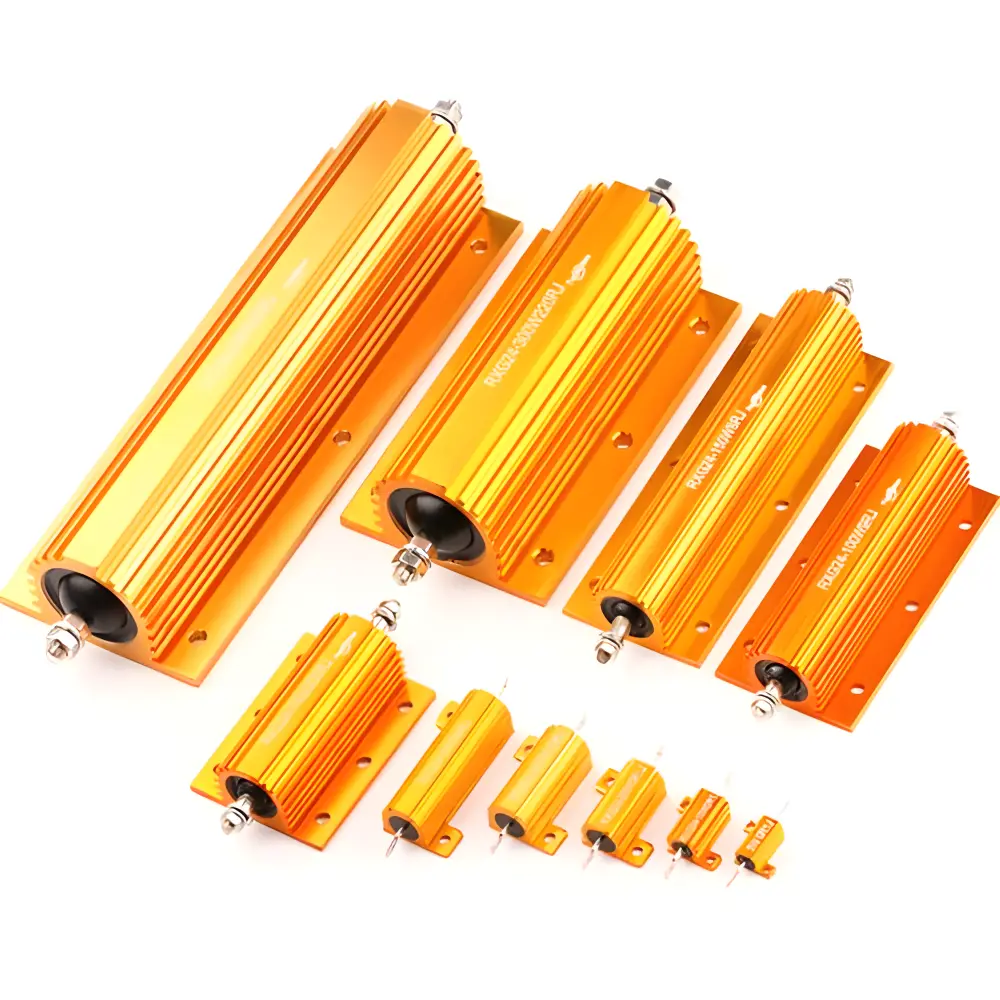 Aluminum Case,Porcelain Tube Resistance
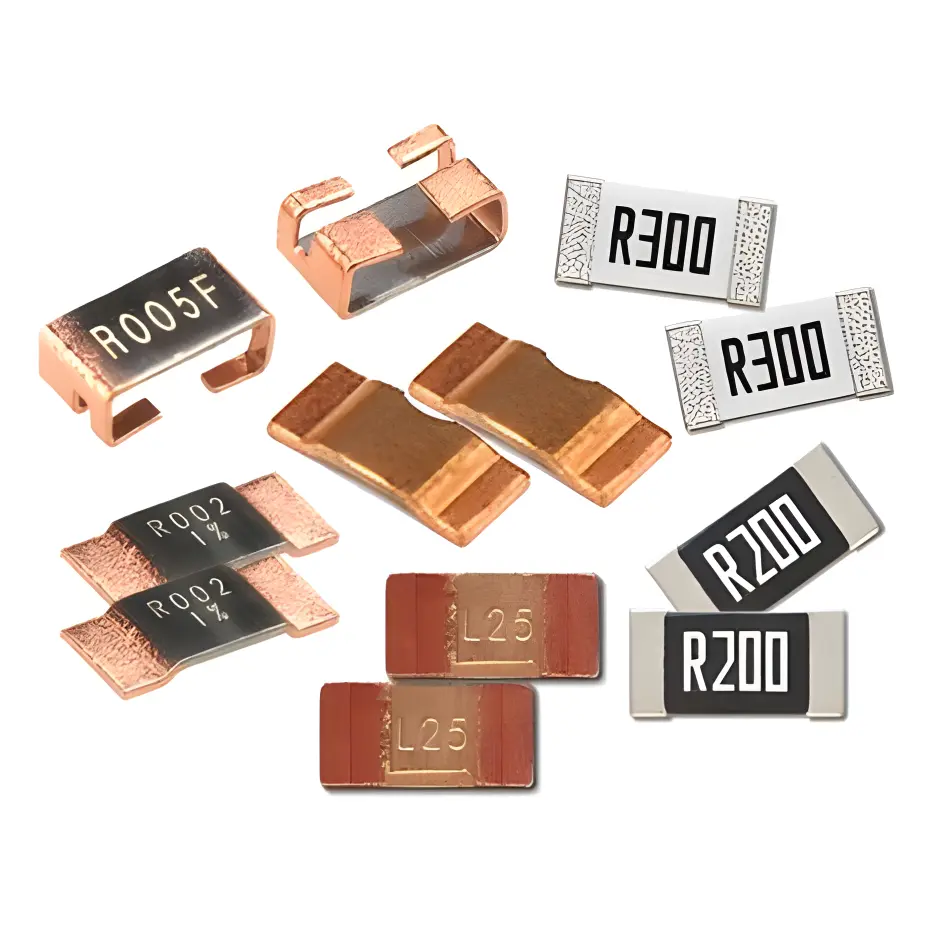 Current Sense Resistors,Shunt Resistors
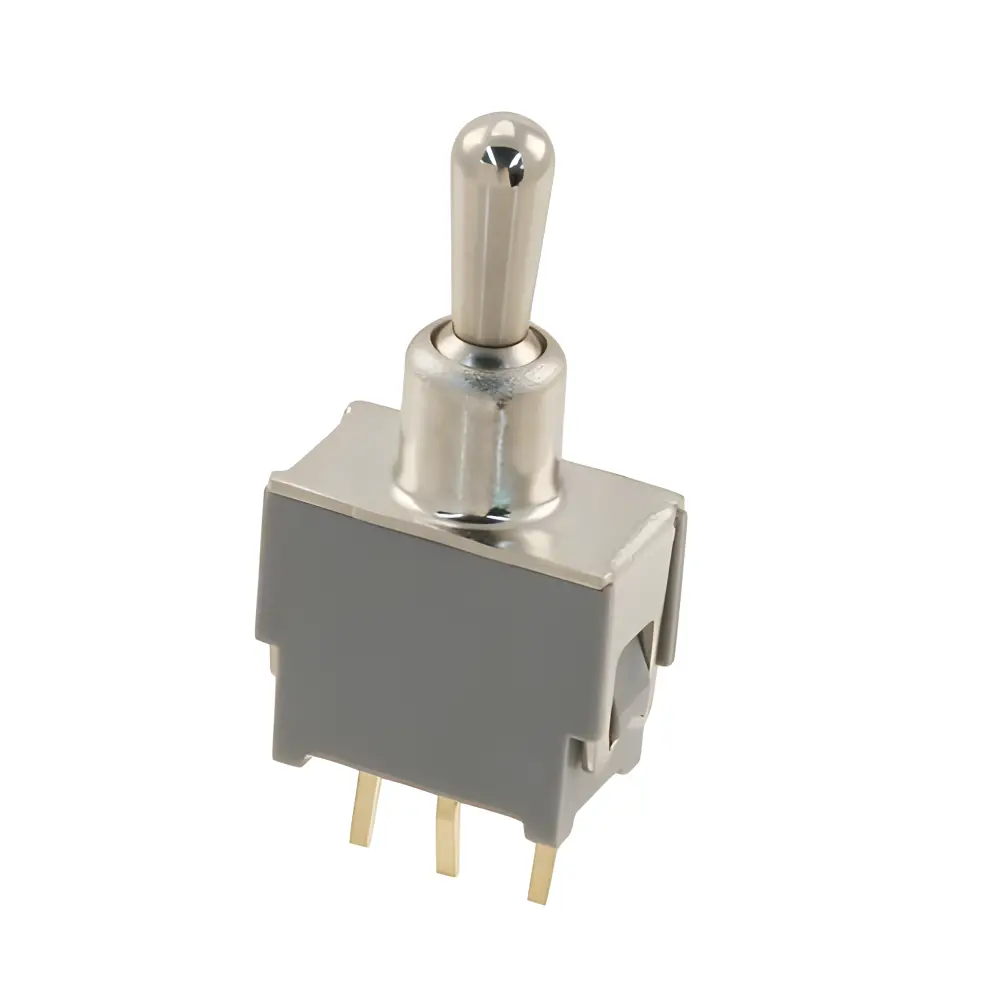 Switches
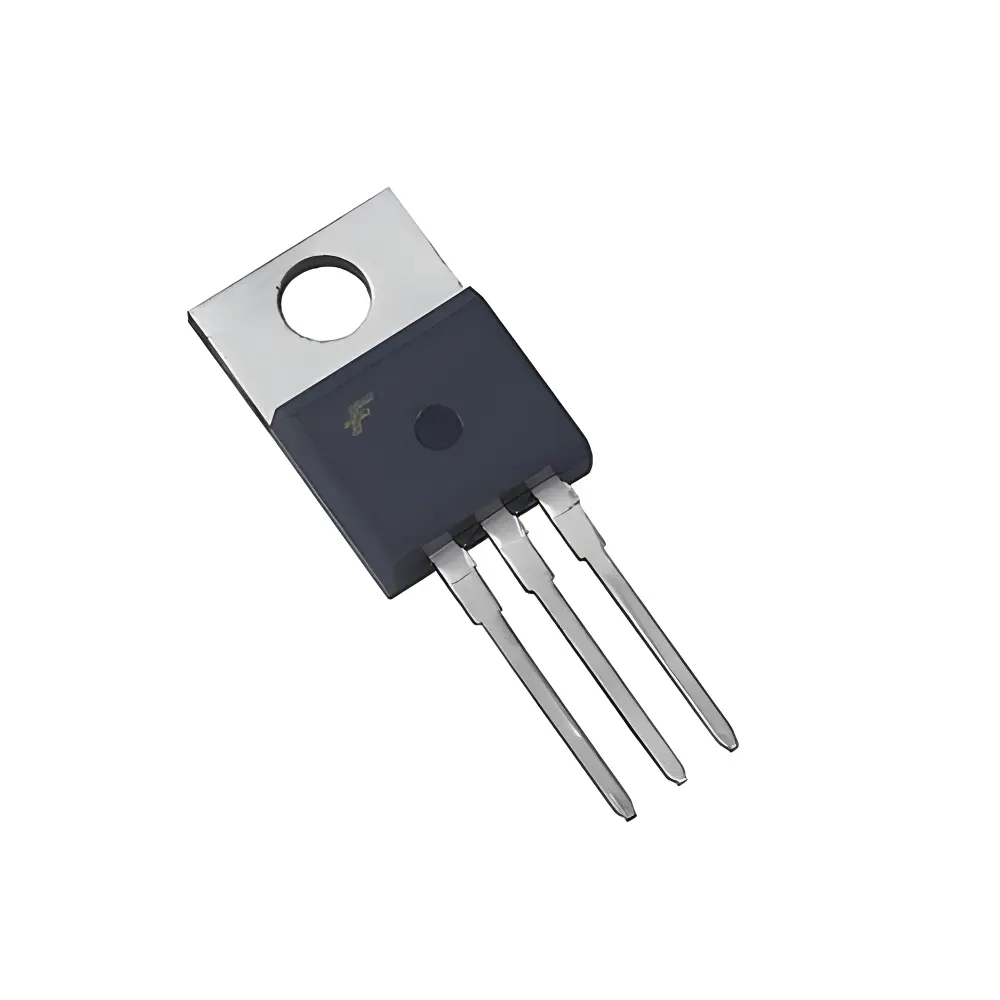 Transistors
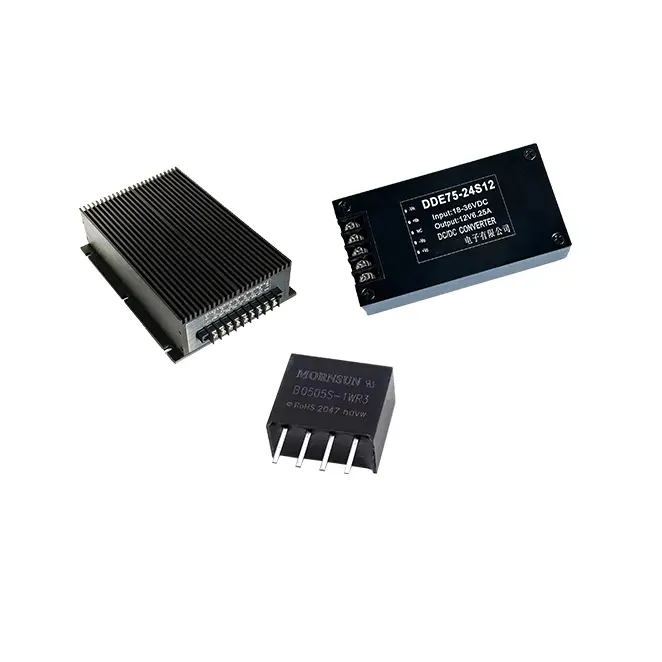 Power Modules
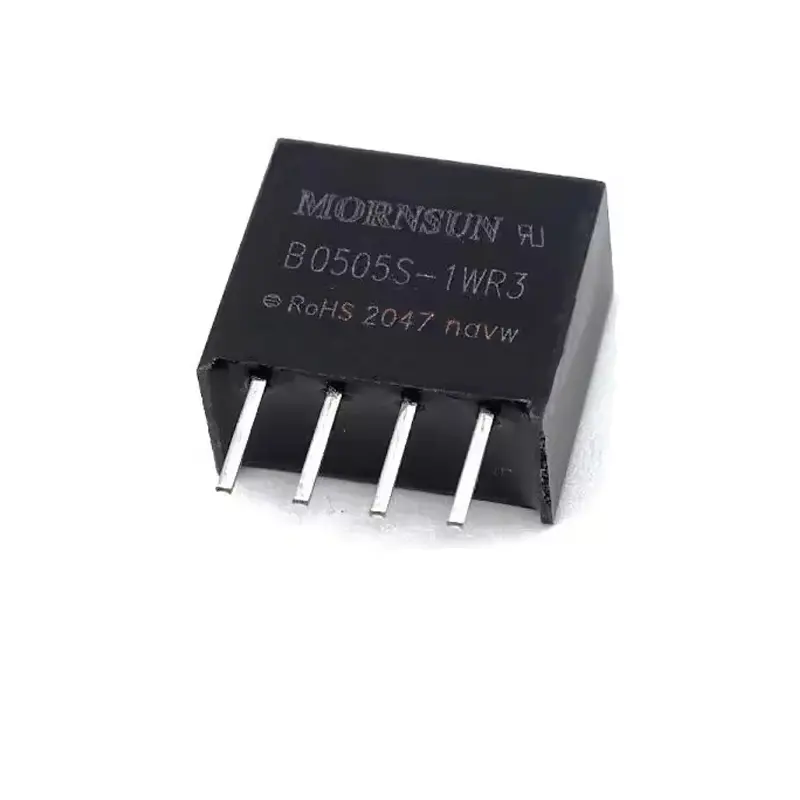 Isolated Power Modules
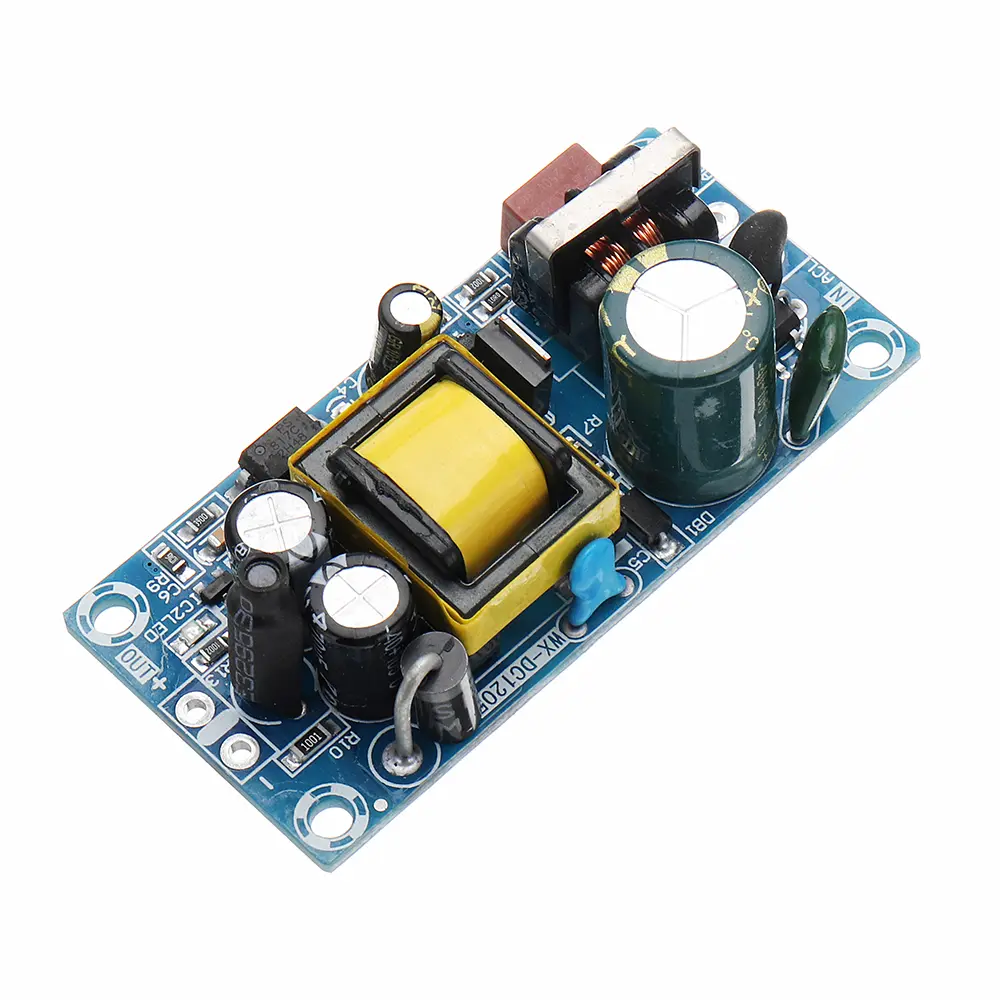 AC-DC Power Modules
 DC-AC Module(Inverter)
 RF and Wireless
Isolation Band Width Design Standards for Analog and Digital Signal Component Layout in Medical PCBs
2025-10-21
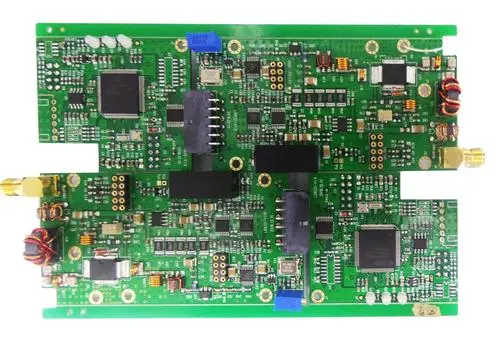
Medical Pcbs power life-saving and diagnostic devices—including patient monitors, ultrasound machines, and implantable pacemakers—where signal integrity directly impacts clinical accuracy and patient safety. These PCBs often integrate both analog signal components (e.g., ECG amplifiers, pressure sensors, and low-noise op-amps) and digital signal components (e.g., microcontrollers, FPGAs, and data converters).
Analog circuits in medical devices handle ultra-low amplitude signals (as low as 1μV for ECG signals), making them highly susceptible to electromagnetic interference (EMI) from digital circuits. Digital components generate high-frequency switching noise (100kHz–1GHz) and transient currents, which can couple into analog traces via capacitive, inductive, or radiative paths. Uncontrolled interference can corrupt vital signals—for example, a 50mV digital noise spike in an ECG circuit can mimic a life-threatening arrhythmia, leading to misdiagnosis.
The isolation band—a dedicated, empty area (or grounded region) between analog and digital components—acts as a physical barrier to block EMI. Designing isolation bands to meet medical-specific standards is not just a best practice; it is mandatory to comply with regulatory requirements such as IEC 60601-1 (medical electrical equipment safety) and EN 55032 (EMI emissions for medical devices).
2. Key Definitions and Regulatory Drivers for Isolation
Before defining width standards, it is critical to clarify core terms and the regulatory framework that shapes isolation requirements:
2.1 Core Terms
- Analog Signal Components: Devices processing continuous, low-amplitude signals (e.g., instrumentation amplifiers like AD8221, pressure sensors like MPX5010).
- Digital Signal Components: Devices processing discrete, high-speed signals (e.g., ARM Cortex-M MCUs, 16-bit ADCs like ADS1115).
- Isolation Band: A continuous, unpopulated region separating analog and digital component footprints. It may include a solid ground plane (for enhanced shielding) but no traces, vias, or components.
2.2 Regulatory Requirements
- IEC 60601-1: Mandates that medical devices have "adequate immunity to EMI" to ensure safe operation. For Class I BF (body floating) devices (e.g., patient monitors), this requires analog-to-digital isolation that limits noise coupling to <1μV.
- EN 55032 Class B: Limits radiated EMI emissions from medical devices to ≤30dBμV/m at 10m (30–1000MHz), requiring isolation to prevent digital noise from radiating beyond the PCB.
- AAMI EC11: Specifies signal-to-noise ratio (SNR) minimums for medical signals (e.g., ≥60dB for ECG), which directly dictates isolation band performance.
3. Isolation Band Width Standards by Medical Device Type
Isolation band width depends on three factors: signal amplitude (analog), digital switching frequency, and device classification (e.g., diagnostic vs. implantable). Below are industry-validated standards aligned with IEC 60601-1 and medical PCB design best practices:
3.1 Diagnostic Devices (e.g., Ultrasound, Patient Monitors)
Diagnostic devices balance moderate signal sensitivity with high digital data throughput (e.g., 100Mbps for ultrasound image processing). Isolation bands here focus on blocking radiative and conductive EMI:
| Analog Signal Type | Digital Component Switching Frequency | Minimum Isolation Band Width | Rationale |
|---|---|---|---|
| Low-sensitivity analog (e.g., blood pressure sensors, 10–100μV) | ≤100MHz (e.g., 8-bit MCUs) | 3–5mm | Lower noise levels and frequencies require basic isolation; 3mm blocks most capacitive coupling. |
| High-sensitivity analog (e.g., ECG amplifiers, 1–10μV) | 100MHz–1GHz (e.g., 32-bit MCUs, FPGAs) | 5–8mm | High-frequency digital noise (≥100MHz) radiates further; 5mm+ reduces radiative coupling by 20–30dB. |
Example: A patient monitor’s ECG circuit (1μV signals) adjacent to a 500MHz MCU requires an 8mm isolation band to maintain SNR ≥60dB, as specified by AAMI EC11.
3.2 Therapeutic Devices (e.g., Pacemakers, Infusion Pumps)
Therapeutic devices often include implantable or near-patient circuits with strict EMI limits (to avoid disrupting therapy). Isolation bands here prioritize minimizing inductive coupling (common in power-critical designs):
| Analog Signal Type | Digital Component Switching Frequency | Minimum Isolation Band Width | Rationale |
|---|---|---|---|
| Low-power analog (e.g., pacemaker lead amplifiers, 5–20μV) | ≤50MHz (e.g., low-power MCUs like MSP430) | 4–6mm | Implantable devices have limited PCB space; 4mm balances isolation and miniaturization. |
| High-power analog (e.g., infusion pump motor drivers, 100μV–1mV) | 50–200MHz (e.g., motor control MCUs) | 6–10mm | Motor driver digital noise couples via inductive paths; 6mm+ reduces mutual inductance by 50%. |
3.3 Implantable Devices (e.g., Cochlear Implants, Neurostimulators)
Implantable PCBs have the strictest isolation requirements due to their proximity to human tissue (which amplifies EMI risks) and miniaturized form factors. Isolation bands often integrate grounded shields:
| Analog Signal Type | Digital Component Switching Frequency | Minimum Isolation Band Width | Special Requirement |
|---|---|---|---|
| Ultra-low noise analog (e.g., cochlear implant audio processors, 0.1–1μV) | ≤20MHz (e.g., ultra-low-power MCUs) | 3–5mm (with solid ground plane) | Isolation band must include a dedicated analog ground plane (separate from digital ground) to block conductive coupling. |
| Stimulation analog (e.g., neurostimulator output stages, 1–10μV) | 20–100MHz (e.g., therapy control MCUs) | 5–7mm (with copper shield) | Add a 0.1mm-thick copper shield in the isolation band (connected to analog ground) to reduce radiative EMI by 40–50dB. |
4. Factors Amplifying Isolation Band Requirements
Several edge cases demand wider isolation bands than the baseline standards above. These scenarios increase EMI coupling risk and require design adjustments:
4.1 High-Digital Power Consumption
Digital components with high current draw (e.g., FPGAs with 1A peak current) generate stronger magnetic fields, which induce noise in analog traces. For these cases:
- Increase isolation band width by 30–50%. For example, a 500MHz FPGA with 1A current adjacent to an ECG circuit requires an 8–12mm band (up from 5–8mm).
4.2 Shared Power Layers
If analog and digital circuits share a common power layer (common in miniaturized medical PCBs), conductive noise coupling increases. Mitigate by:
- Widening isolation bands by 20–30%. A 3mm baseline band becomes 3.6–3.9mm.
- Adding a power isolation trace (1mm wide, connected to ground) within the isolation band to block power-borne noise.
4.3 High-Temperature Environments (e.g., Surgical Lasers)
Elevated temperatures (>60℃) reduce the dielectric strength of PCB substrates, increasing capacitive coupling between analog and digital traces. For these environments:
- Increase isolation bands by 25–40%. A 5mm band for an ultrasound machine becomes 6.25–7mm in a surgical laser PCB.
5. Supplementary Isolation Measures (Beyond Band Width)
Isolation band width alone is insufficient to meet medical EMI standards. Pair width design with these complementary strategies to maximize noise rejection:
5.1 Ground Plane Segmentation
- Split the PCB ground plane into analog ground (AGND) and digital ground (DGND) regions, with the isolation band aligning with the ground split. Connect AGND and DGND at a single point (star grounding) to avoid ground loops.
- For multi-layer PCBs, place a dedicated AGND layer directly below analog components, separated from digital layers by the isolation band.
5.2 Shielding Within Isolation Bands
- For high-sensitivity analog circuits (e.g., EEG amplifiers), add a solder mask-defined copper shield in the isolation band. The shield (1mm wide, 0.035mm thick) is connected to AGND and reduces radiative EMI by 30–40dB.
- Use metal cans (titanium for implantables) to enclose digital components, with the isolation band acting as a buffer between the can and analog traces.
5.3 Trace Routing Rules
- Route analog traces parallel to the isolation band (not across it) to minimize trace length exposed to digital noise.
- Keep digital traces at least 2x the isolation band width away from analog traces. For an 8mm band, digital traces must be ≥16mm from analog traces.
6. Validation and Compliance Testing
To confirm isolation bands meet medical standards, perform these tests:
6.1 EMI Immunity Testing (Per IEC 61000-6-2)
- Expose the PCB to radiated EMI (10V/m, 80–1000MHz) and measure analog signal integrity. Isolation is sufficient if noise coupling remains <1μV (for ECG/EEG circuits).
6.2 Signal-to-Noise Ratio (SNR) Measurement
- For analog circuits, measure SNR using a spectrum analyzer. A minimum SNR of 60dB (per AAMI EC11) confirms the isolation band blocks excessive noise.
6.3 Thermal Cycling Testing (Per IEC 60601-1)
- Subject the PCB to -40℃~85℃ cycles (1000 cycles) to ensure isolation band integrity. Post-cycling SNR should not drop by more than 3dB (indicating no delamination or shield degradation).
7. Conclusion
Isolation band width for analog-digital component layout in medical PCBs ranges from 3mm to 10mm, with standards tailored to device type, signal sensitivity, and digital noise levels:
- Diagnostic devices: 3–8mm (wider for high-sensitivity analog).
- Therapeutic devices: 4–10mm (wider for high-power analog).
- Implantable devices: 3–7mm (with grounded shields).
Wider bands (30–50% increases) are required for high-power digital components, shared power layers, or high-temperature environments. Complementary measures—ground segmentation, shielding, and strict trace routing—are mandatory to meet IEC 60601-1 and AAMI standards.
As medical devices trend toward miniaturization (e.g., wearable ECG patches) and higher digital speeds (e.g., 5G-enabled remote monitors), future isolation designs will integrate advanced materials (e.g., nanocomposite shields) and AI-driven layout tools to balance space constraints with EMI performance. For medical PCB designers, adherence to these isolation standards is non-negotiable—it ensures devices deliver accurate, reliable performance while protecting patient safety.