
 PCB
PCB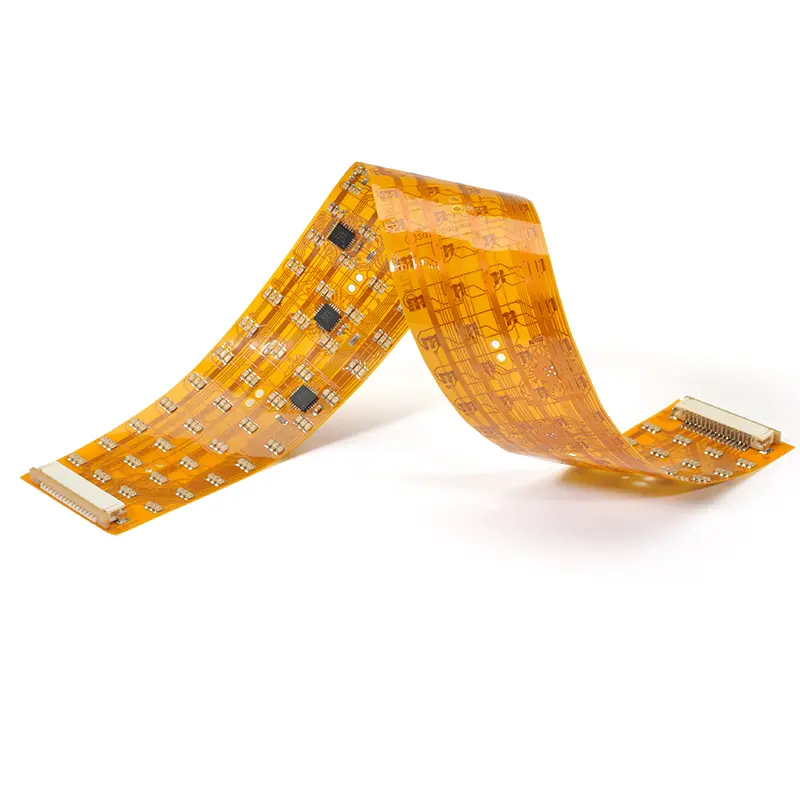 FPC
FPC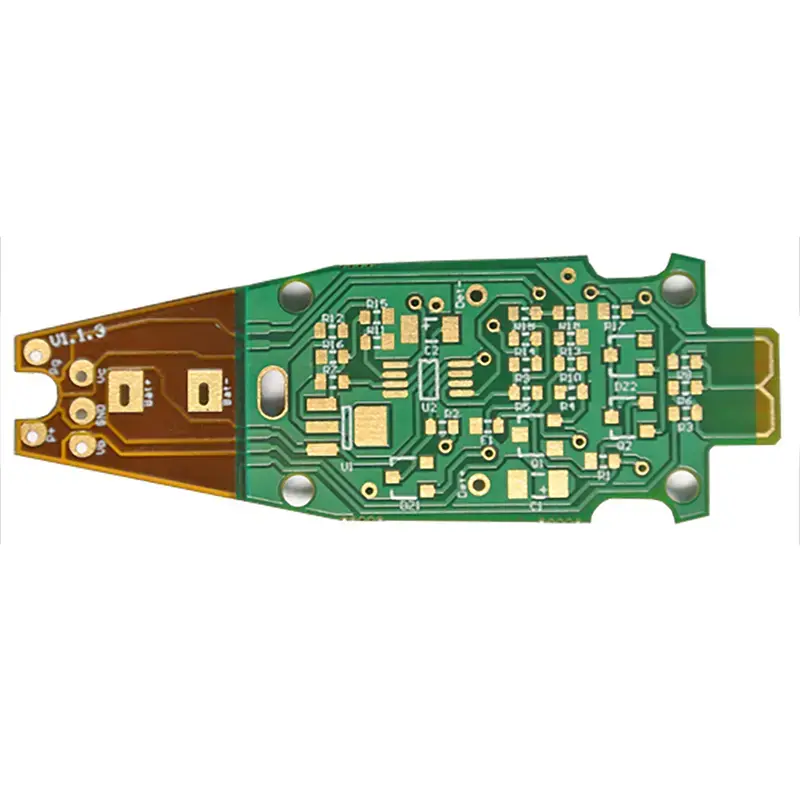 Rigid-Flex
 FR-4
FR-4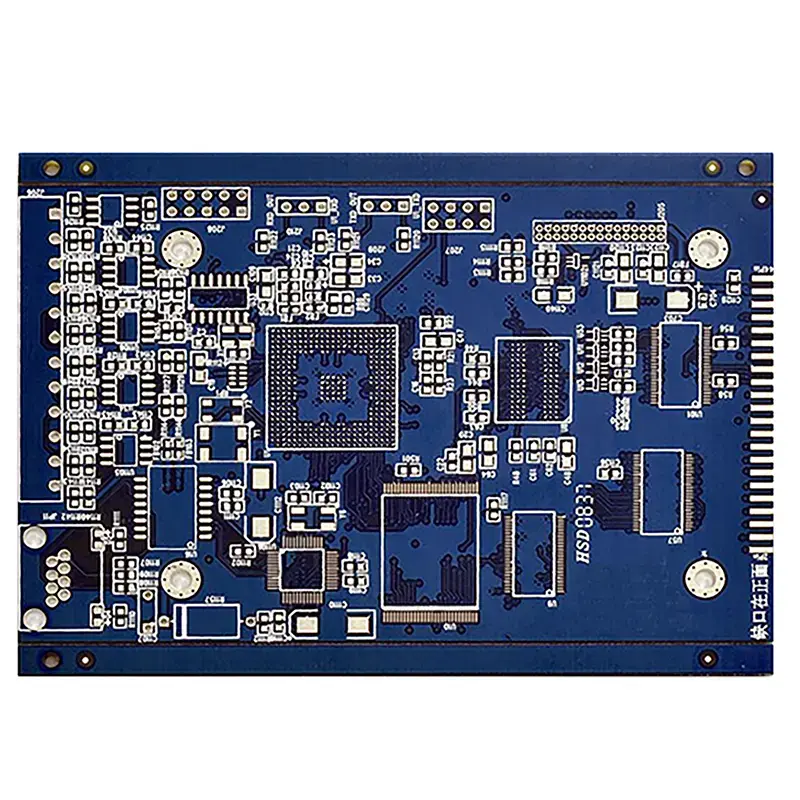 HDI PCB
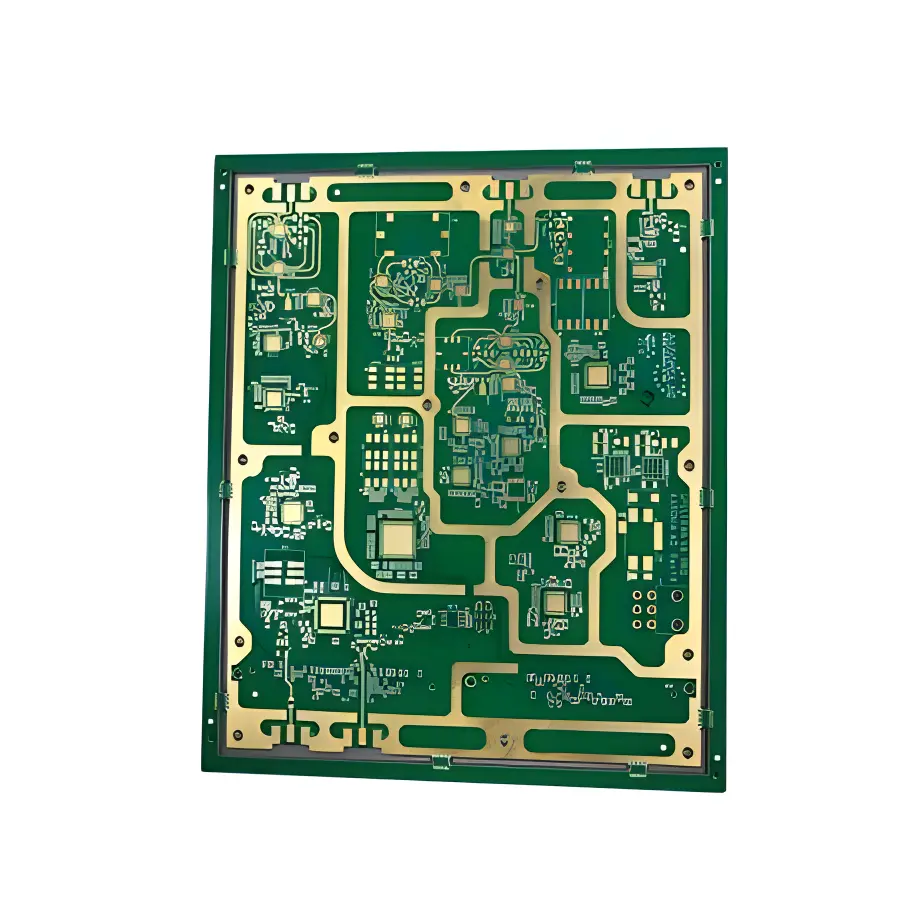 Rogers High-Frequency Board
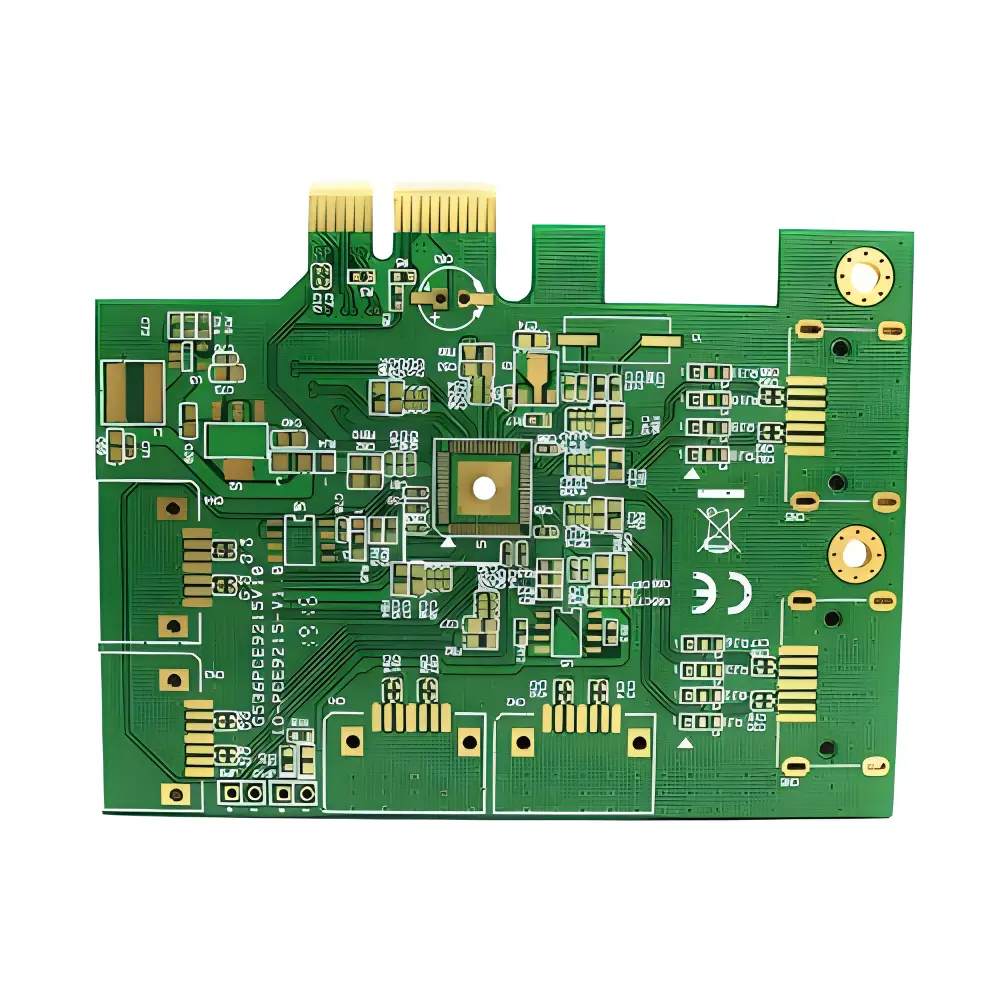 PTFE Teflon High-Frequency Board
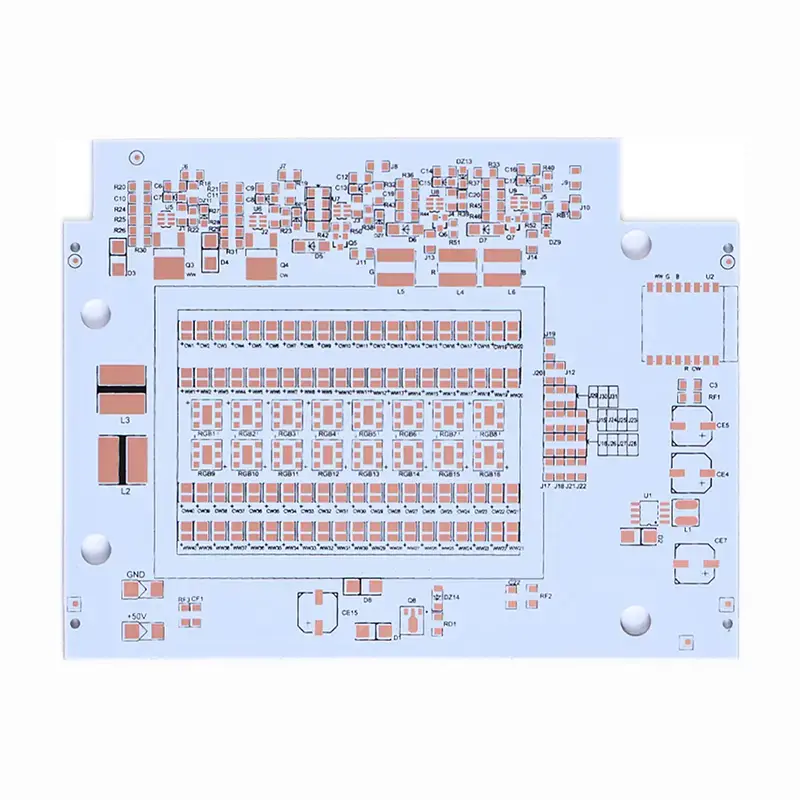 Aluminum
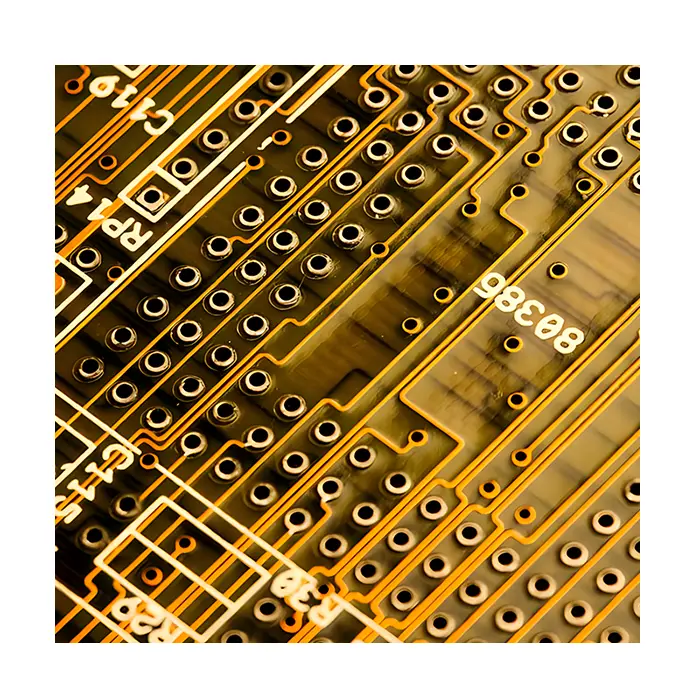 Copper Core
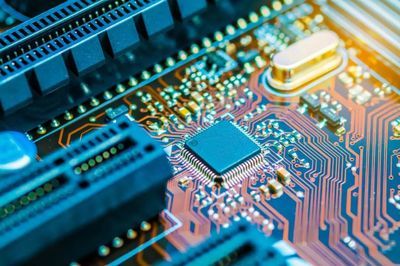 PCB Assembly
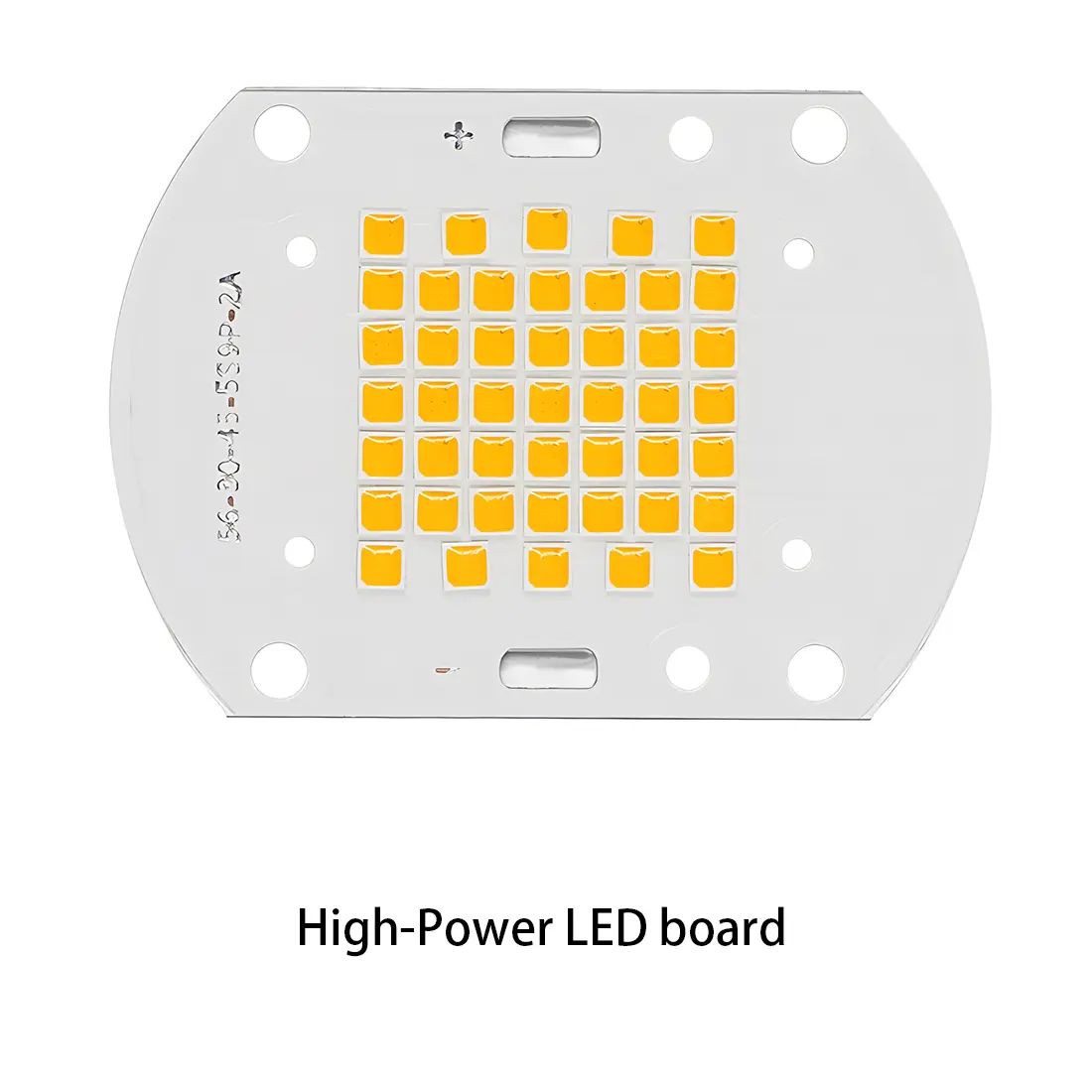 LED light PCBA
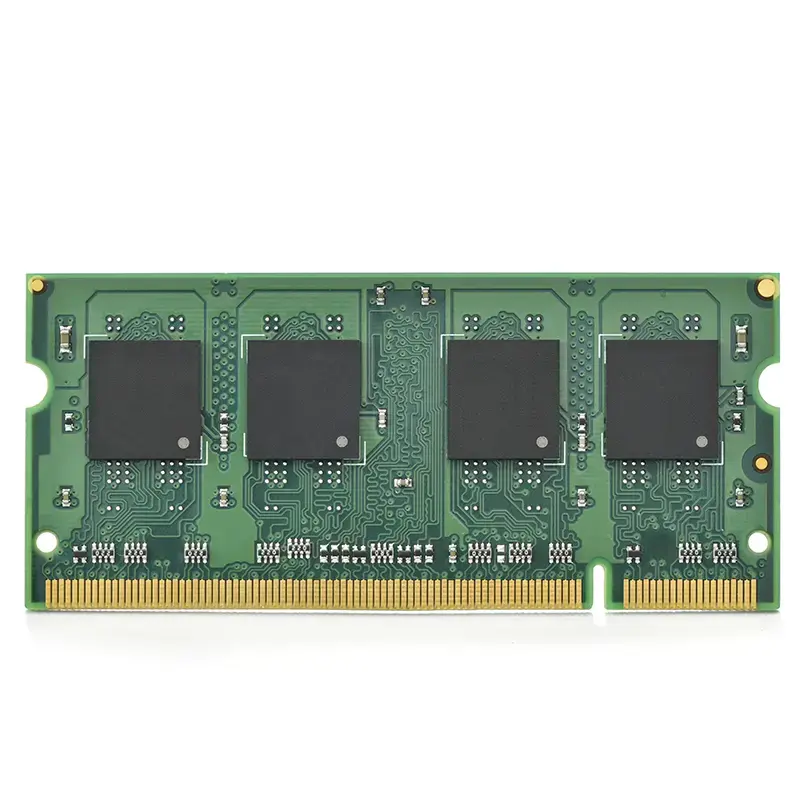
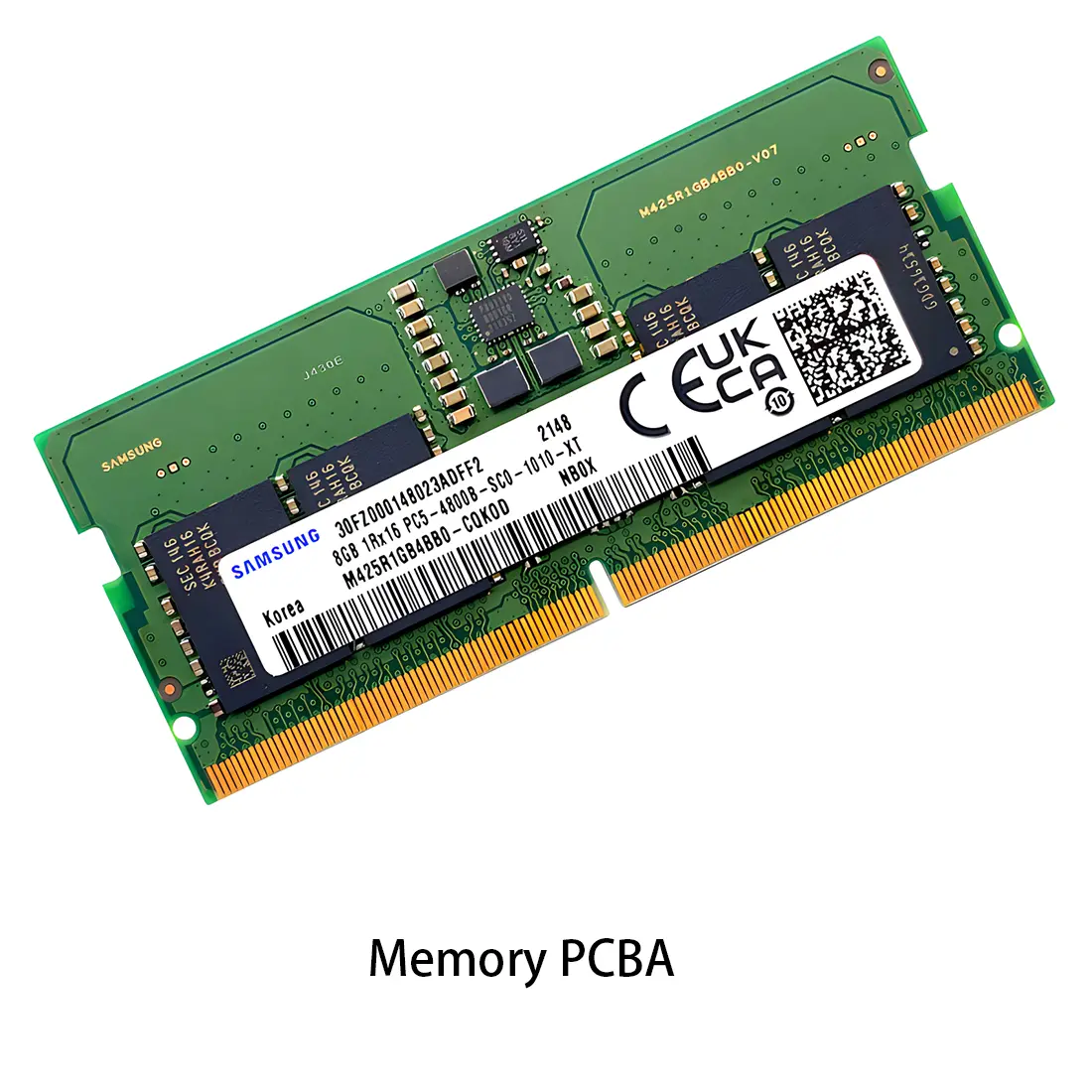 Memory PCBA
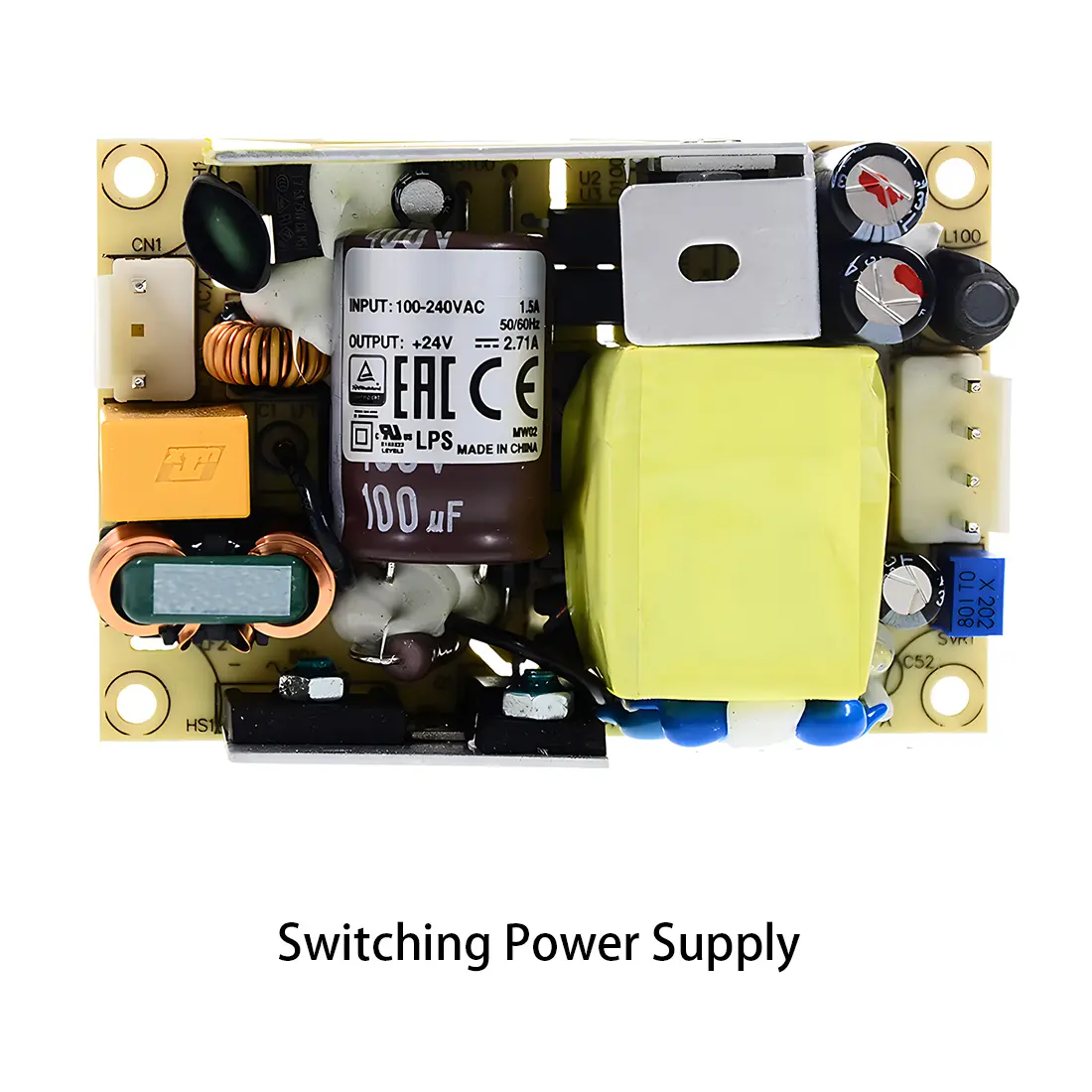 Power Supply PCBA
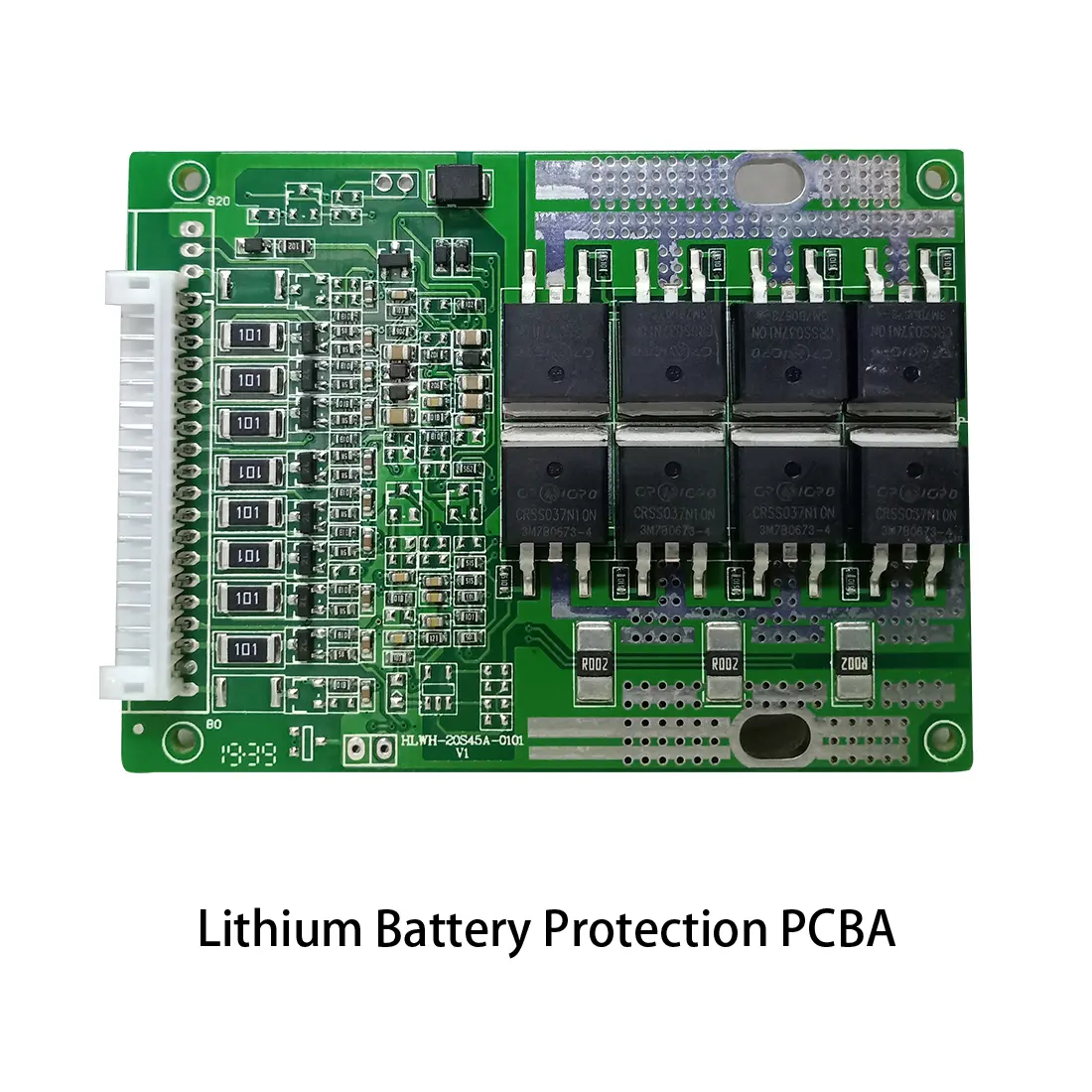 New Energey PCBA
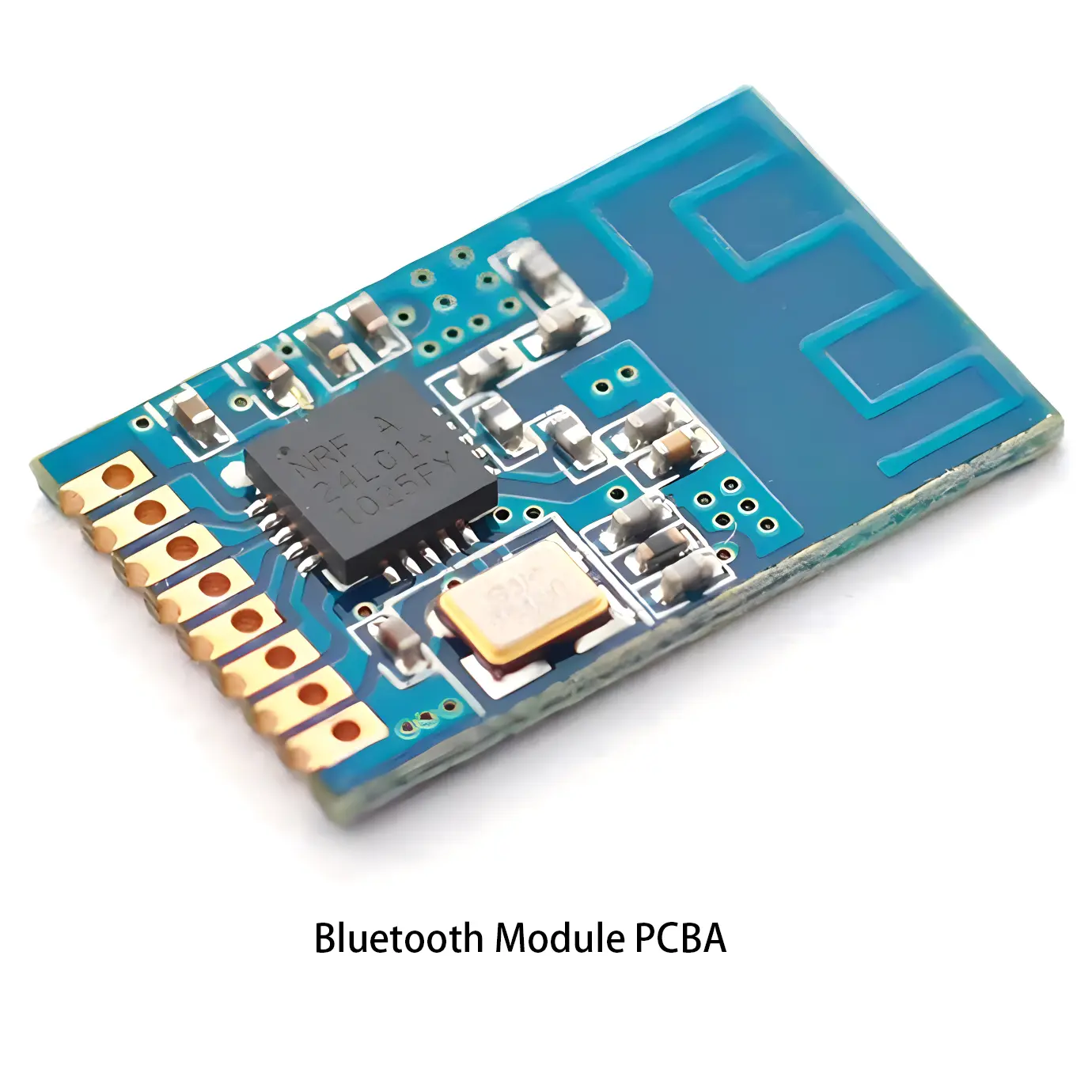 Communication PCBA
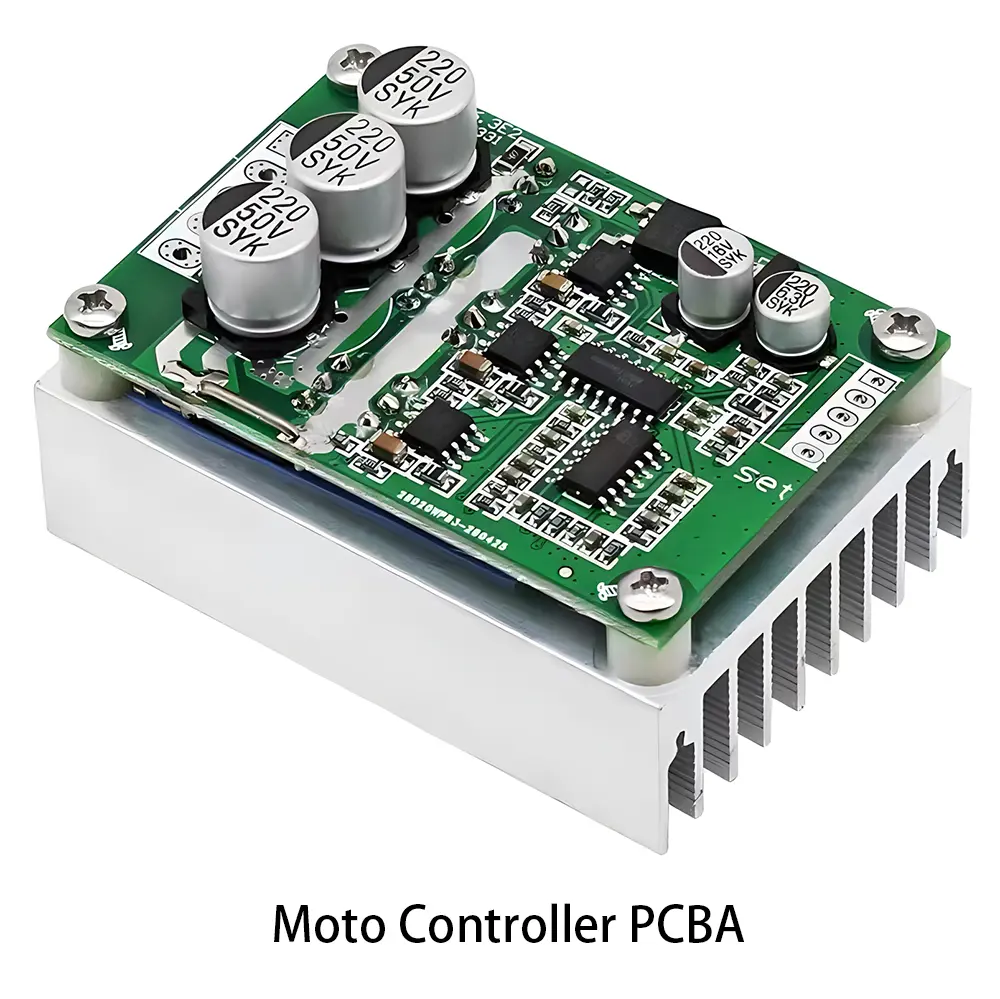 Industrial Control PCBA
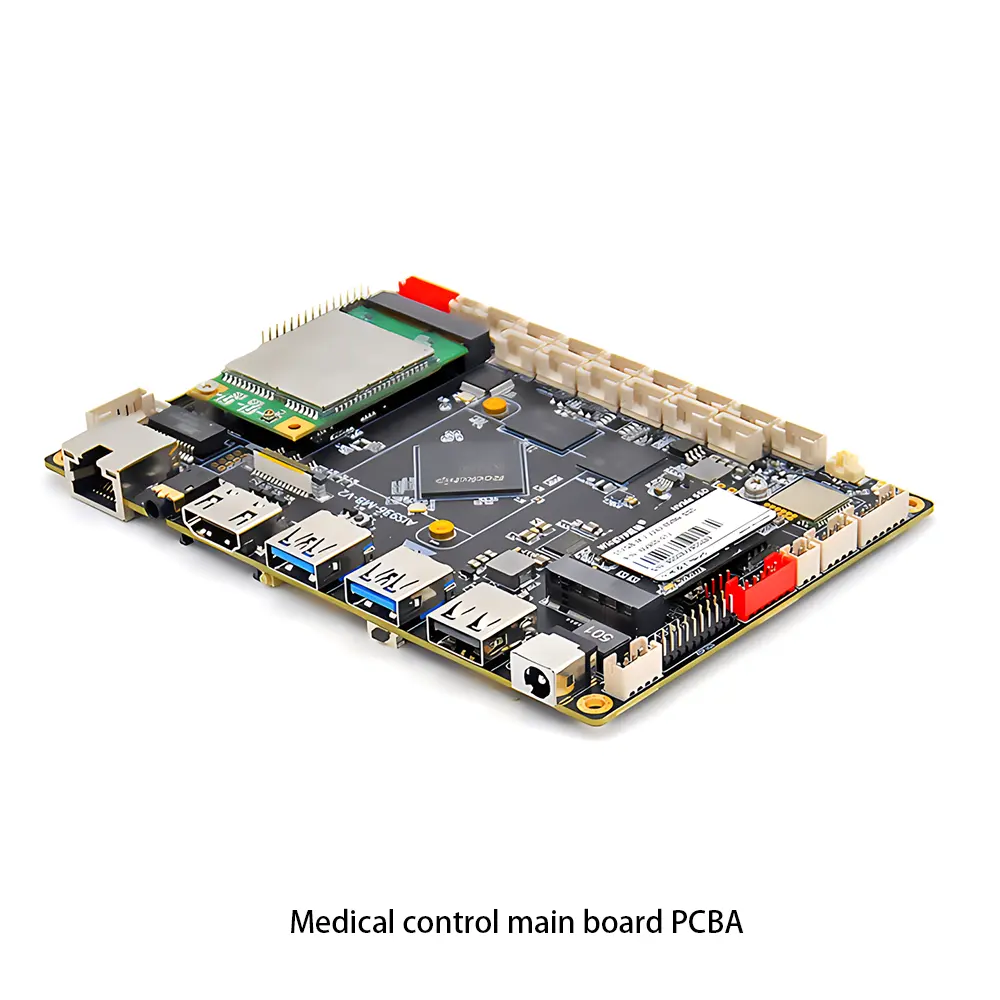 Medical Equipment PCBA
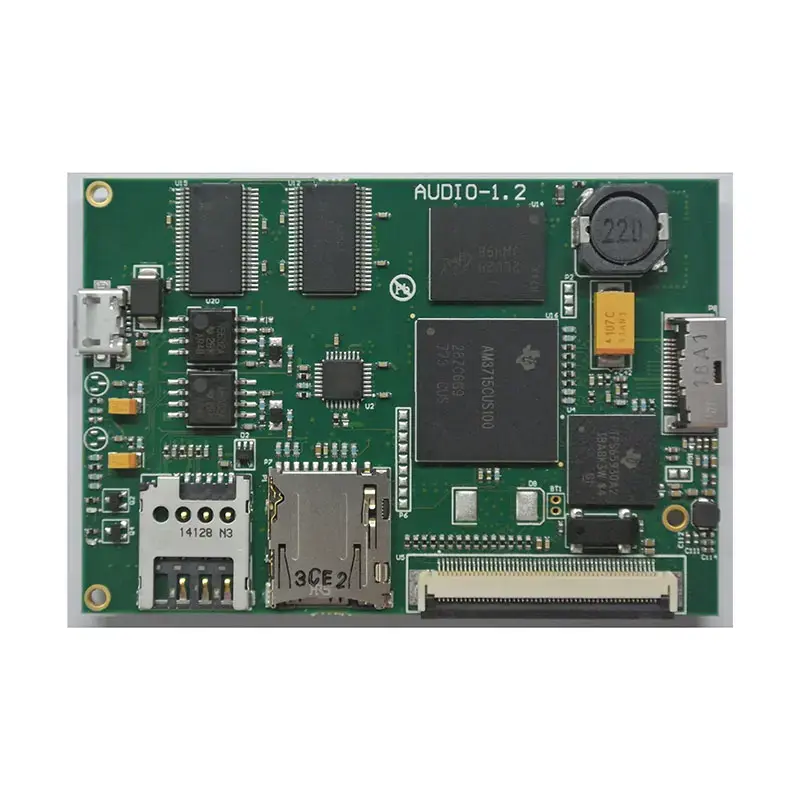 Testing Service
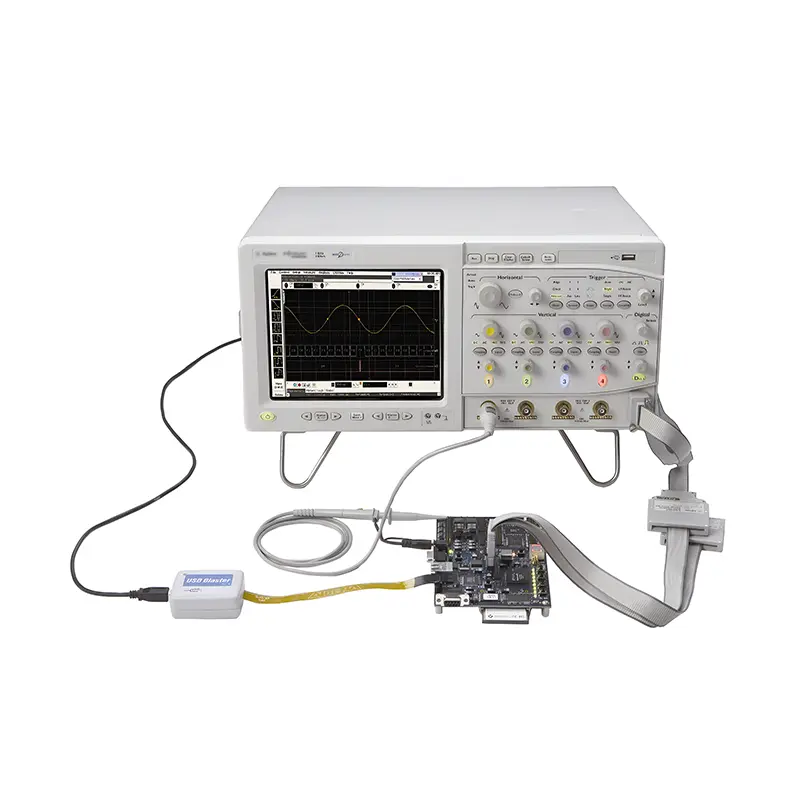 PCBA Testing Service
 Certification Application
 RoHS Certification Application
 REACH Certification Application
 CE Certification Application
 FCC Certification Application
 CQC Certification Application
 UL Certification Application
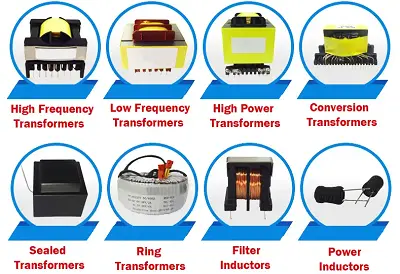 Transformers, Inductors
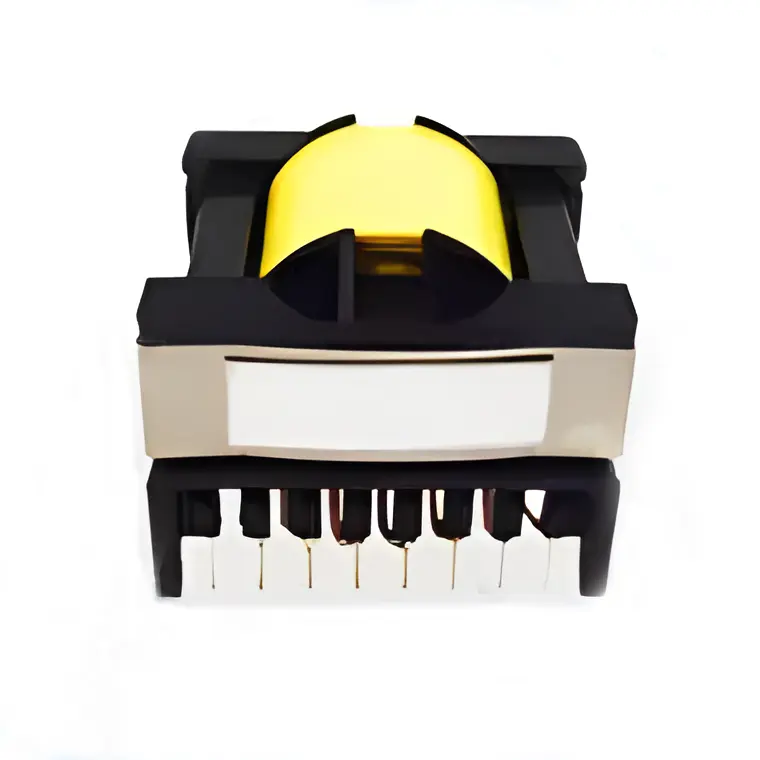 High Frequency Transformers
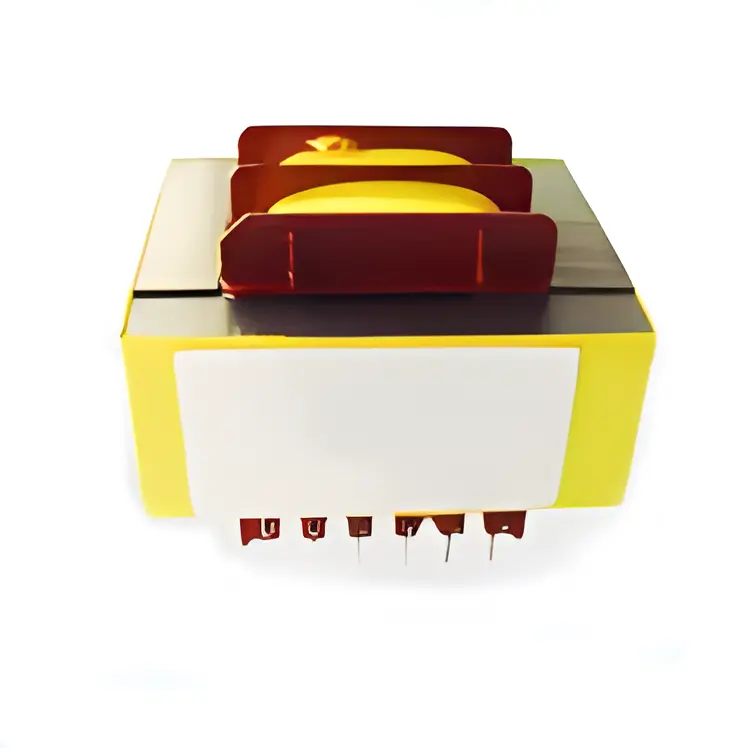 Low Frequency Transformers
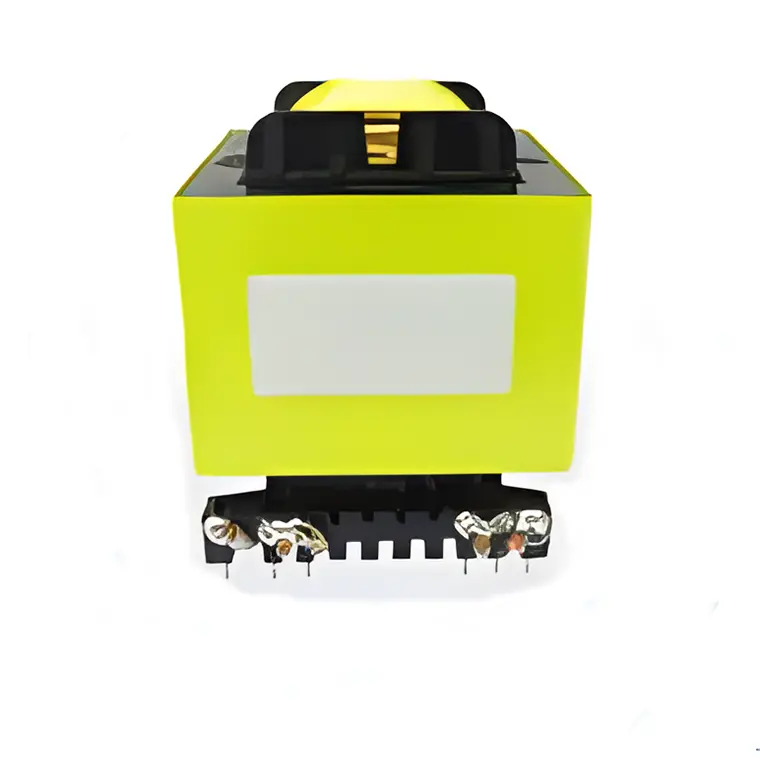 High Power Transformers
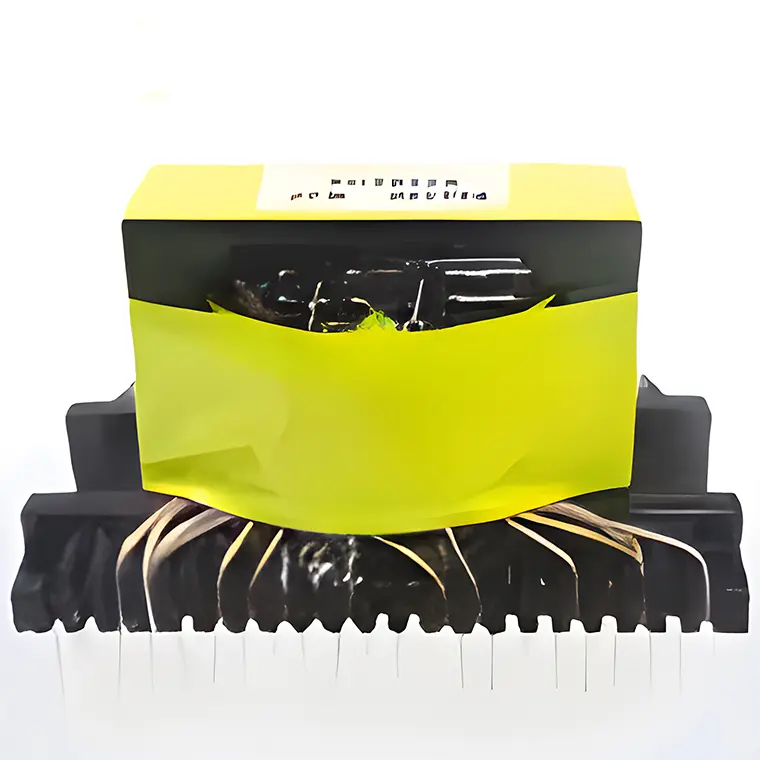 Conversion Transformers
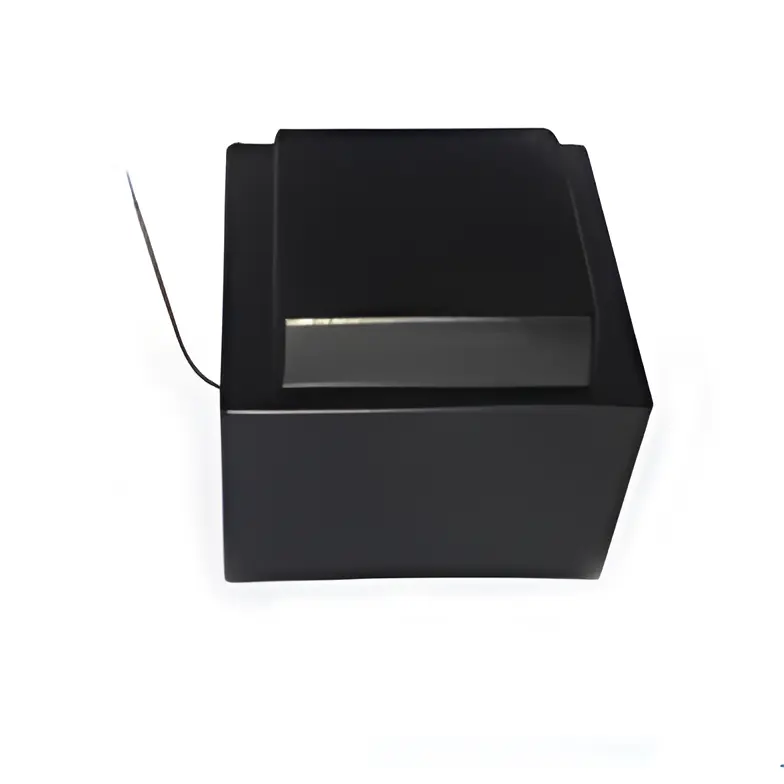 Sealed Transformers
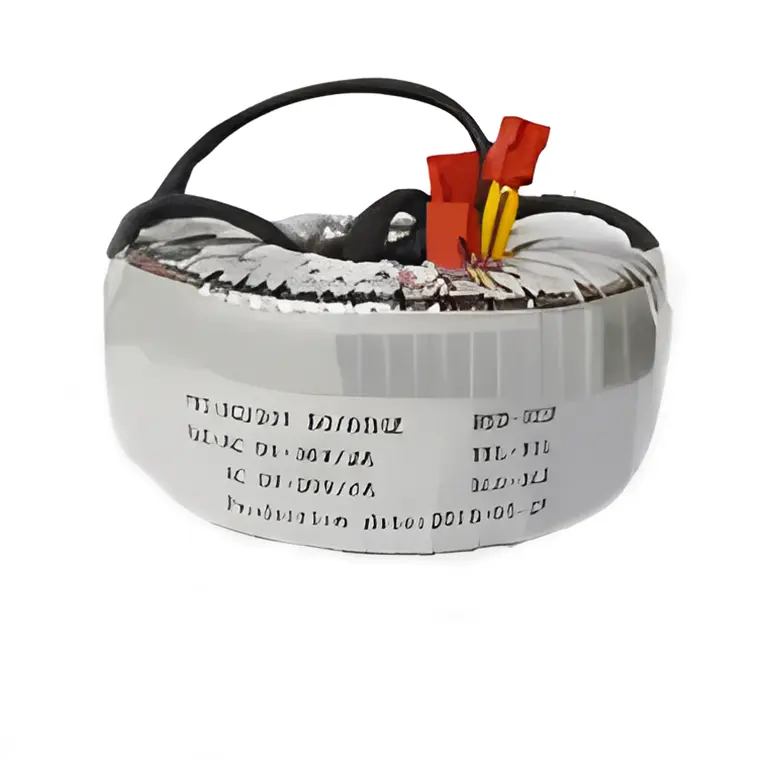 Ring Transformers
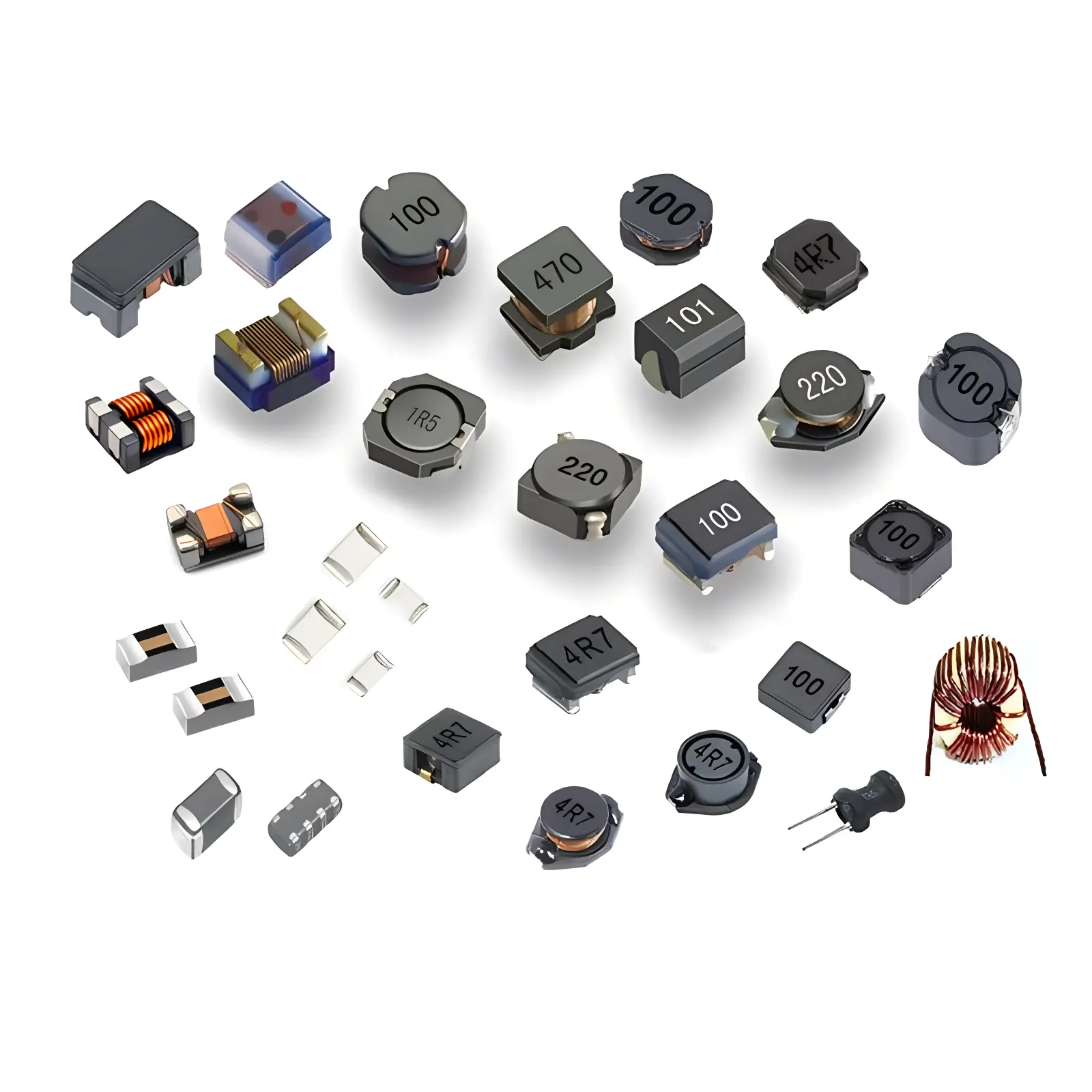 Inductors
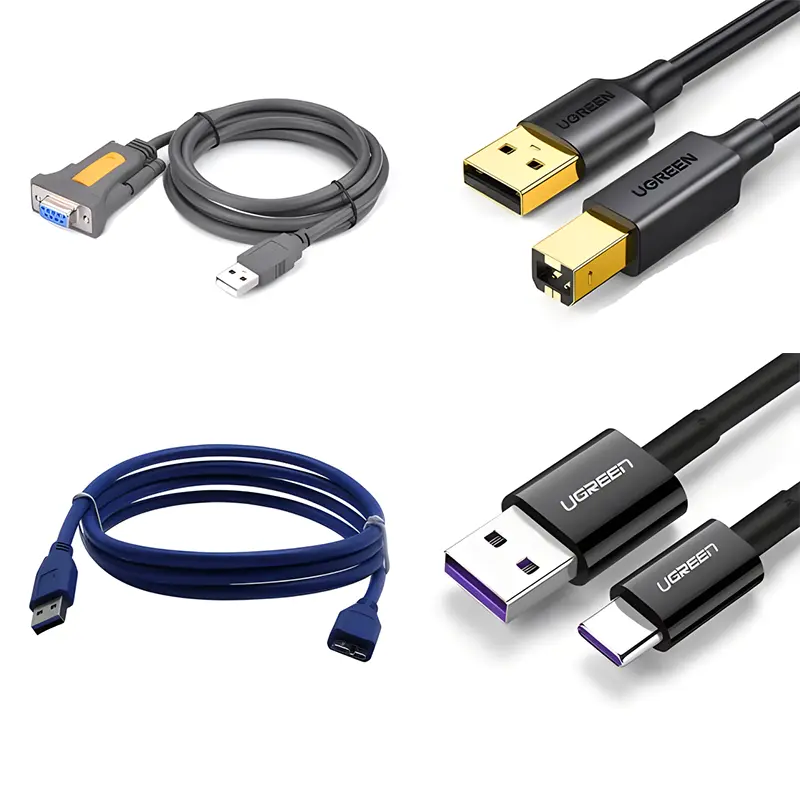 Wires,Cables Customized
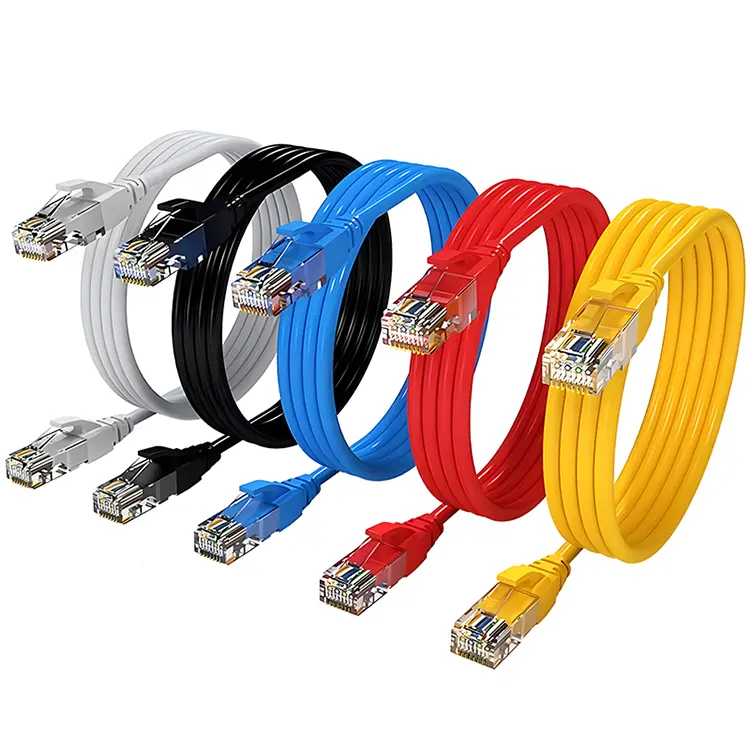 Network Cables
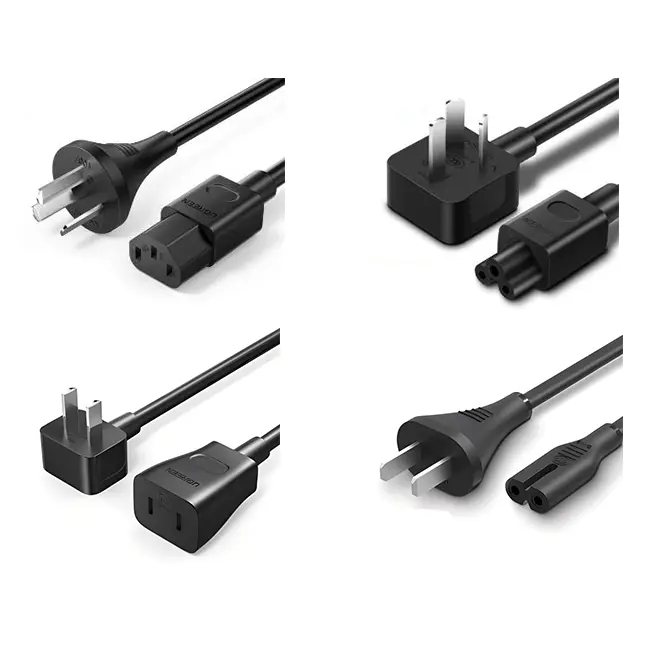 Power Cords
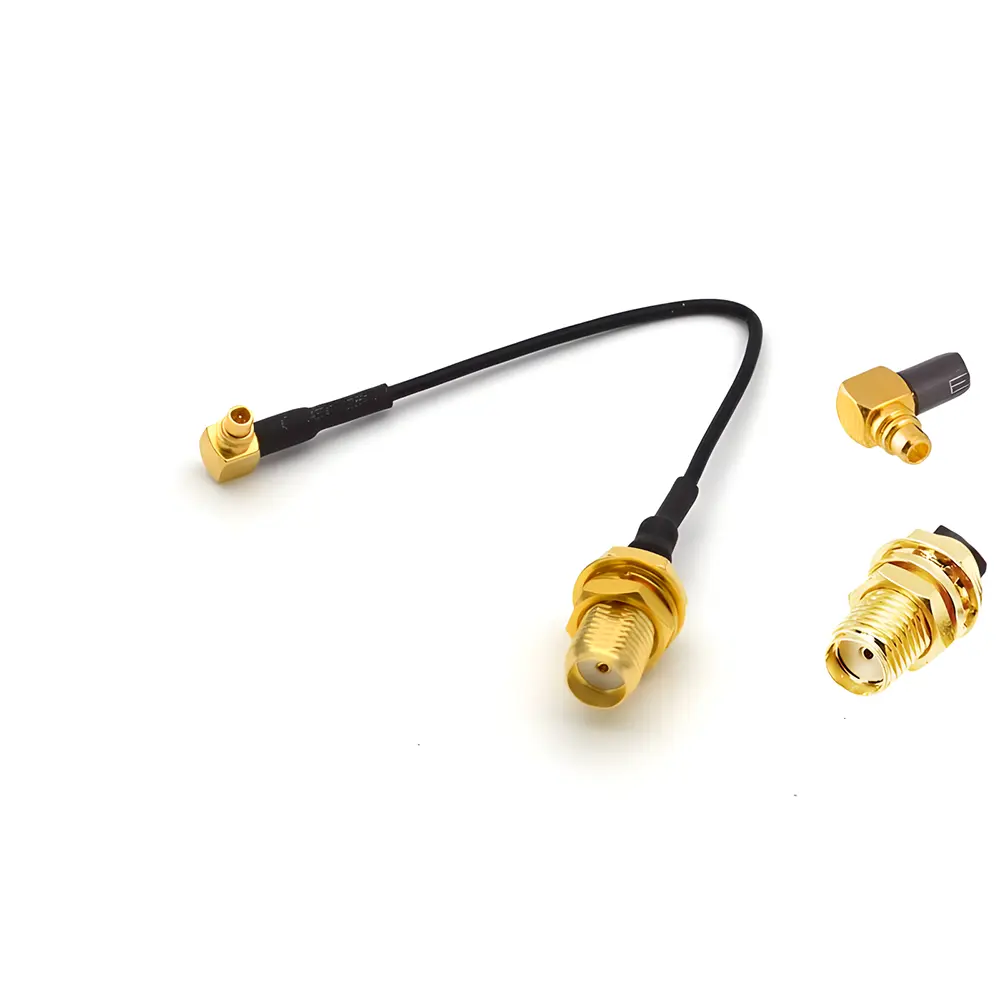 Antenna Cables
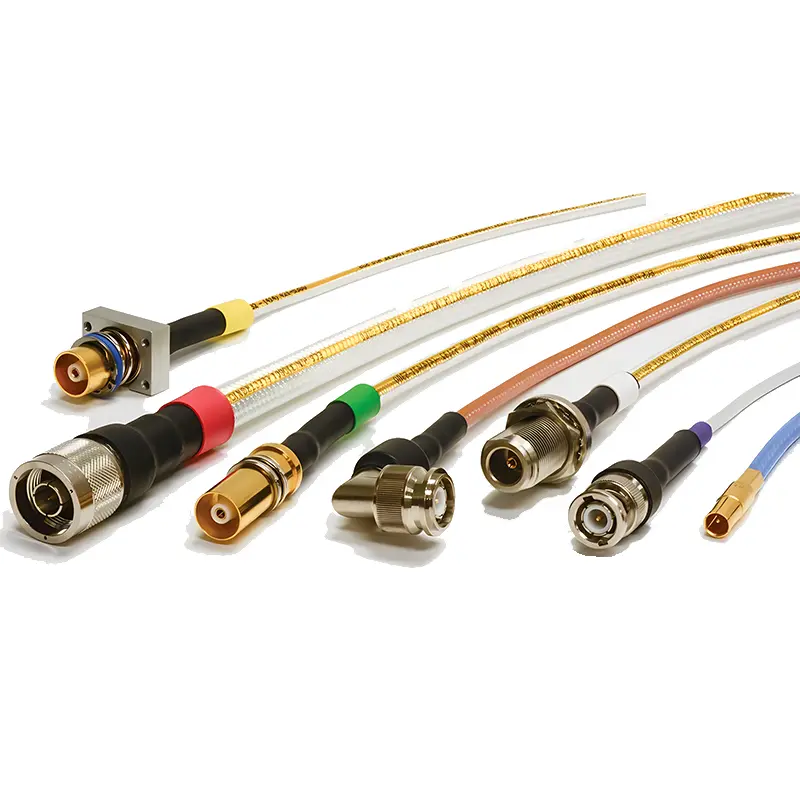 Coaxial Cables
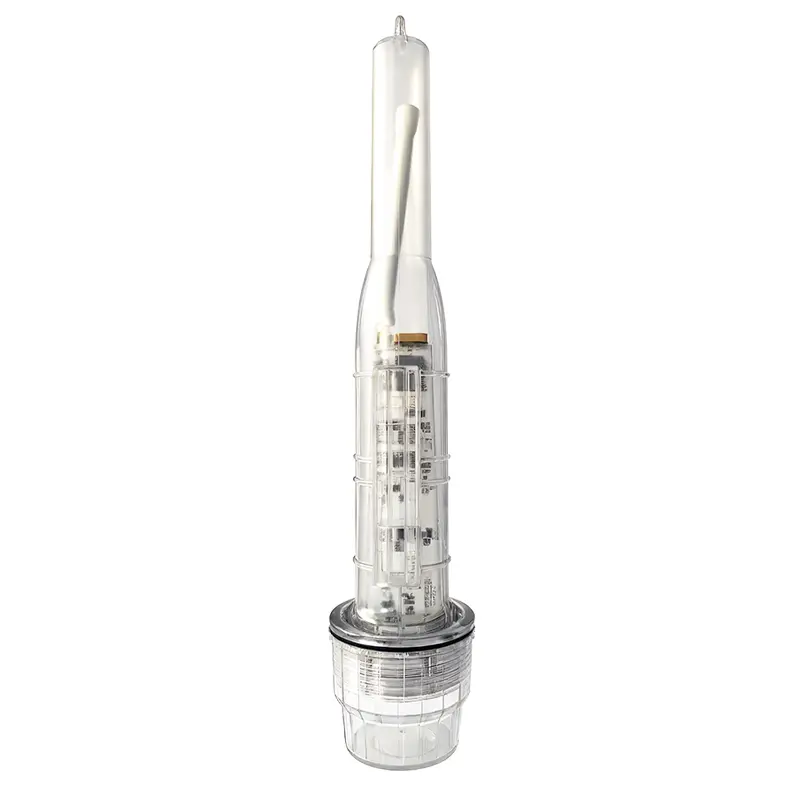 Net Position Indicator
 Solar AIS net position indicator
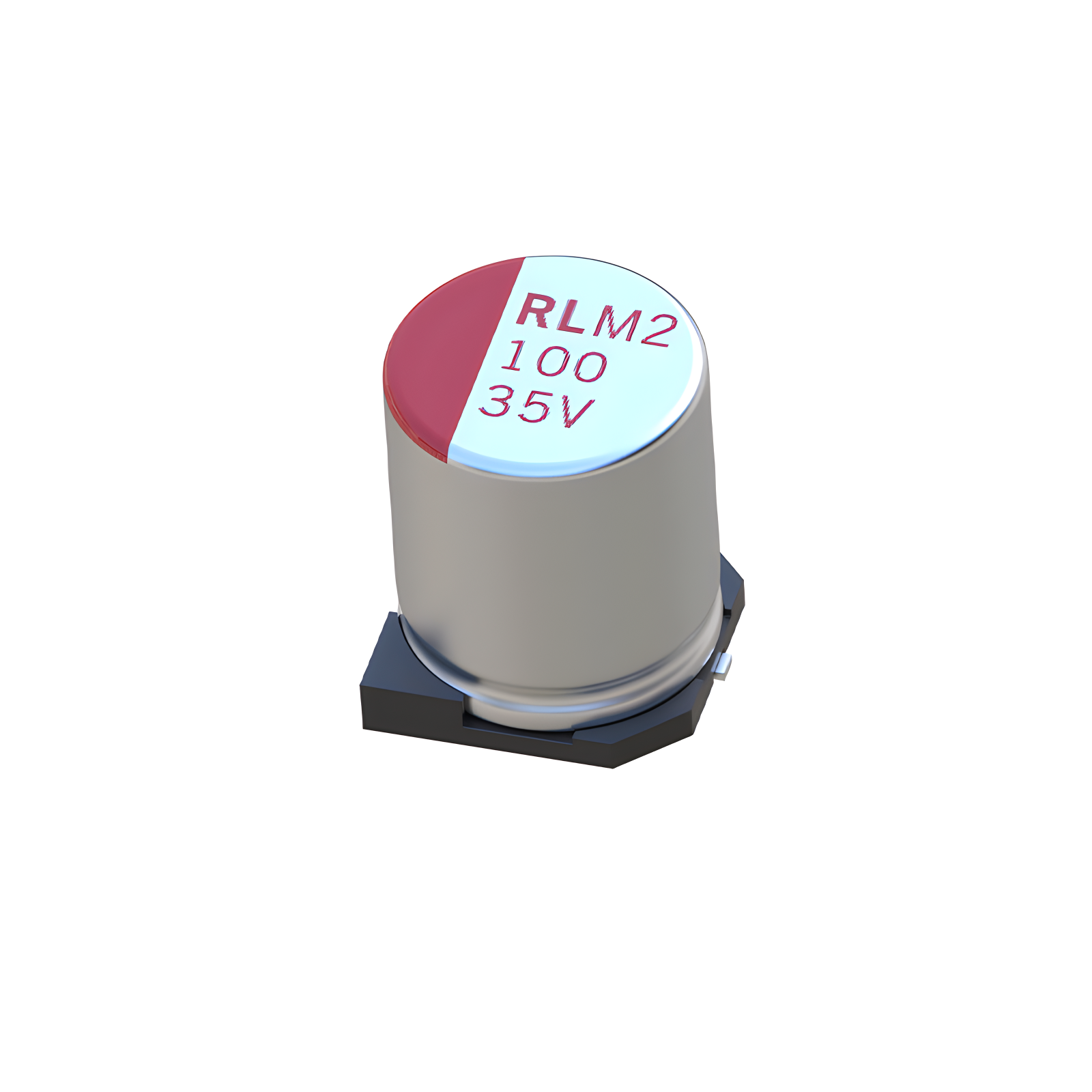 Capacitors
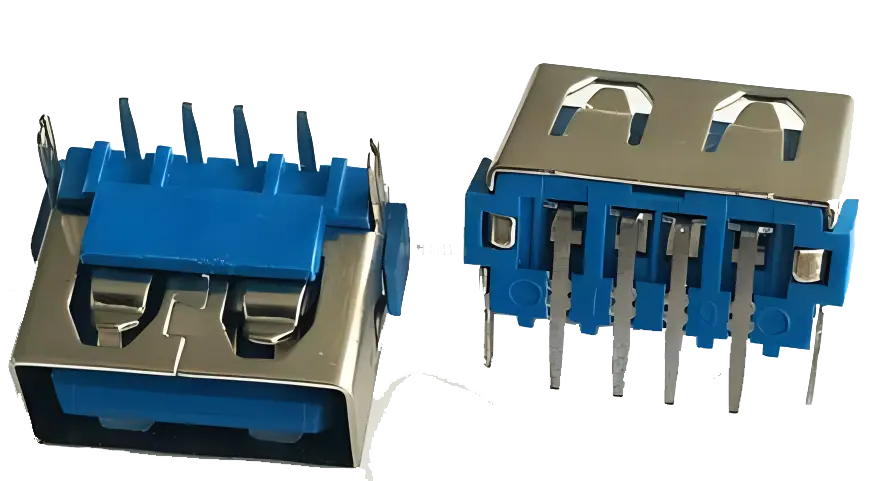 Connectors
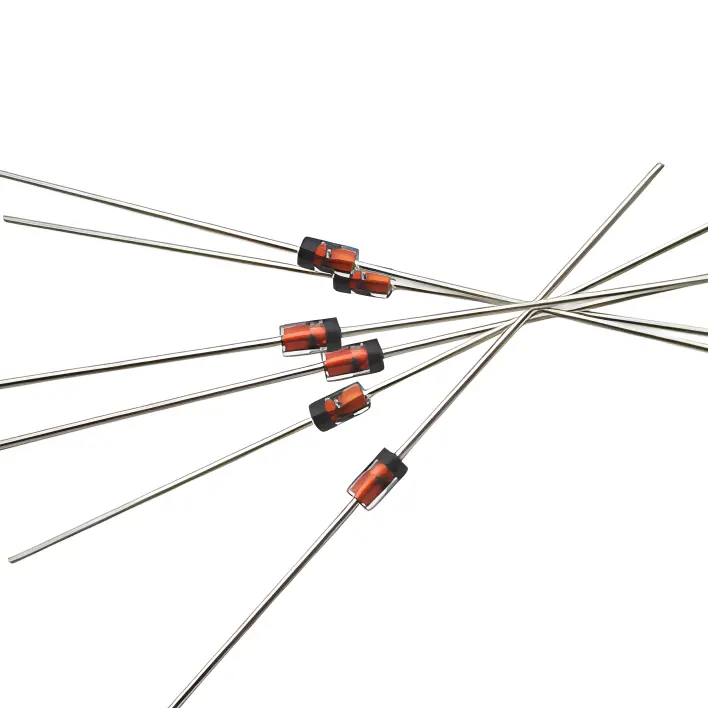 Diodes
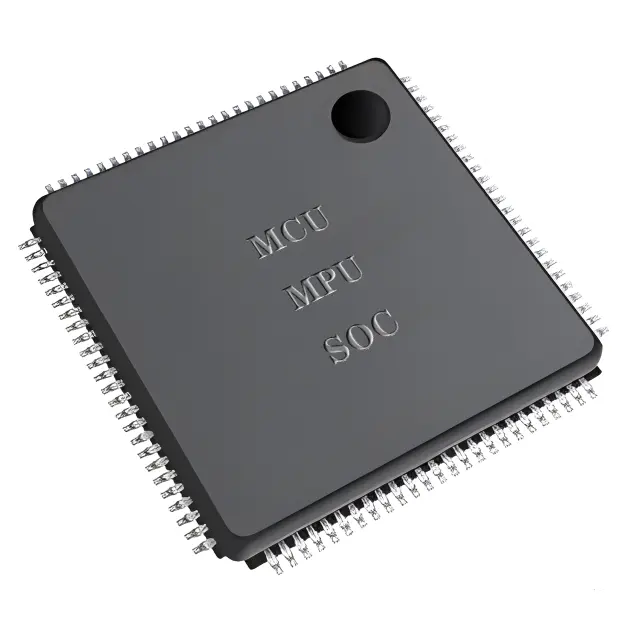 Embedded Processors & Controllers
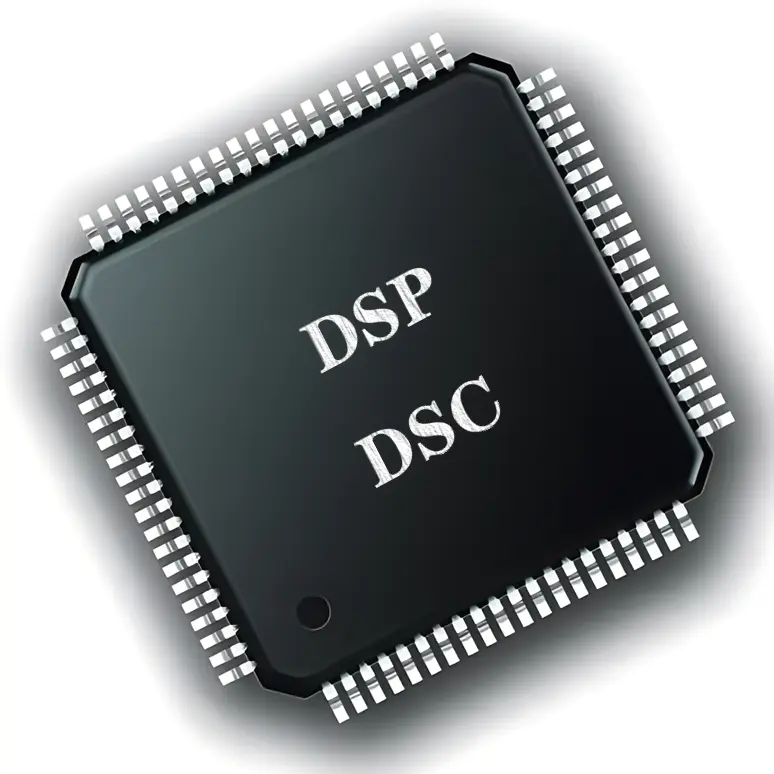 Digital Signal Processors (DSP/DSC)
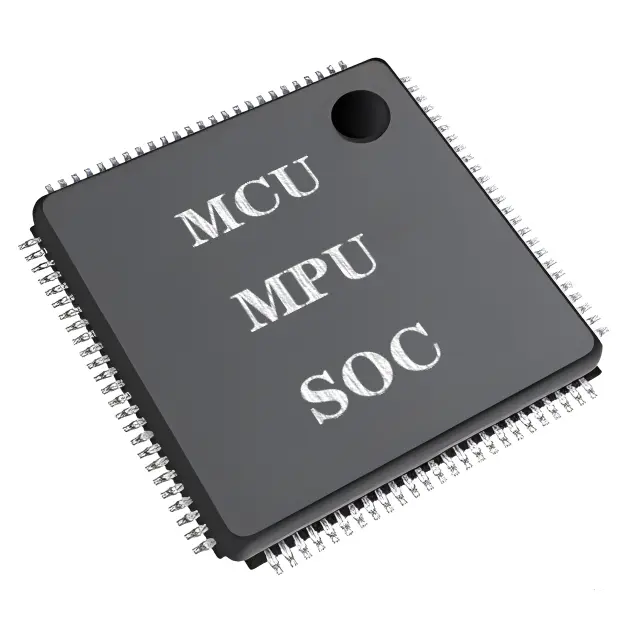 Microcontrollers (MCU/MPU/SOC)
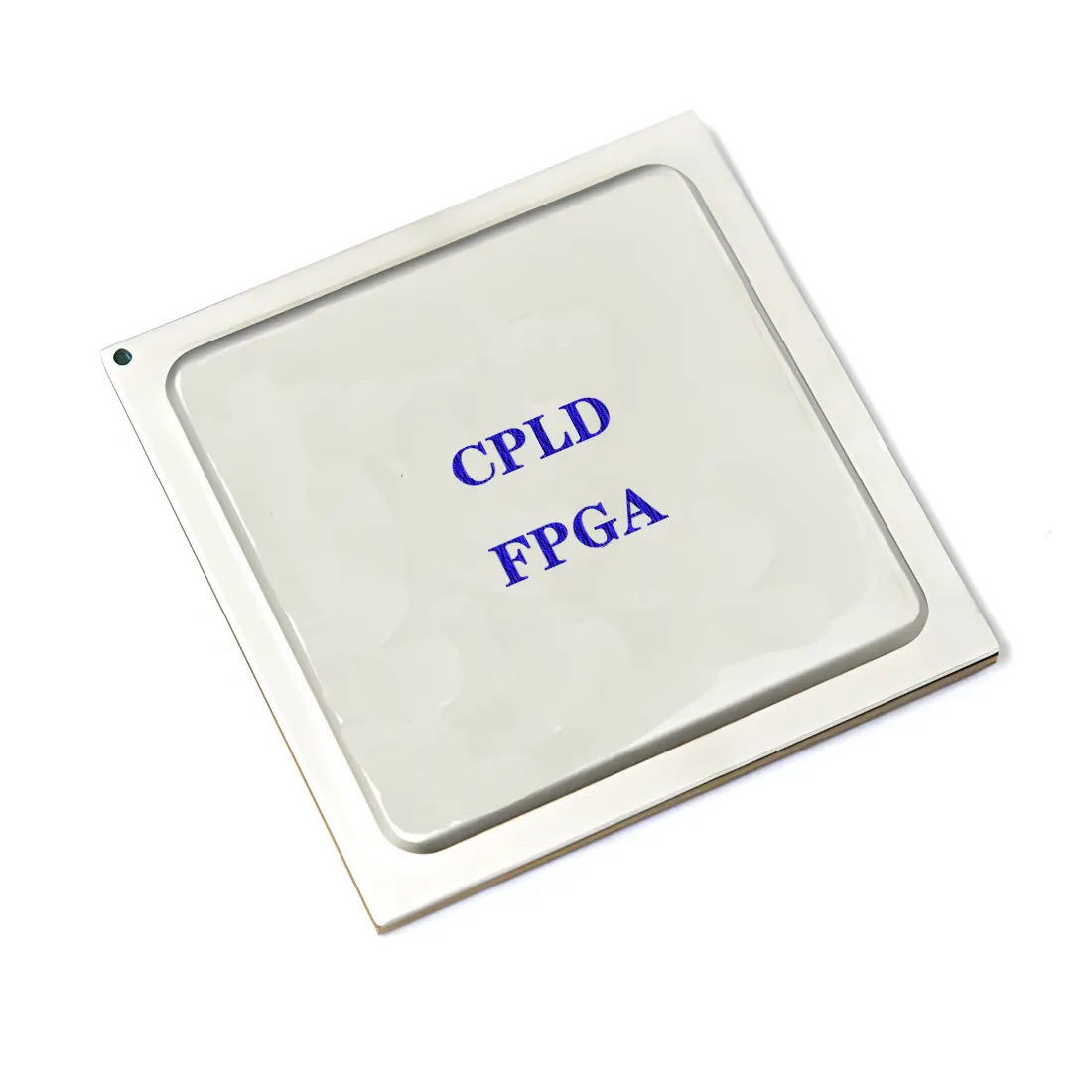 Programmable Logic Device(CPLD/FPGA)
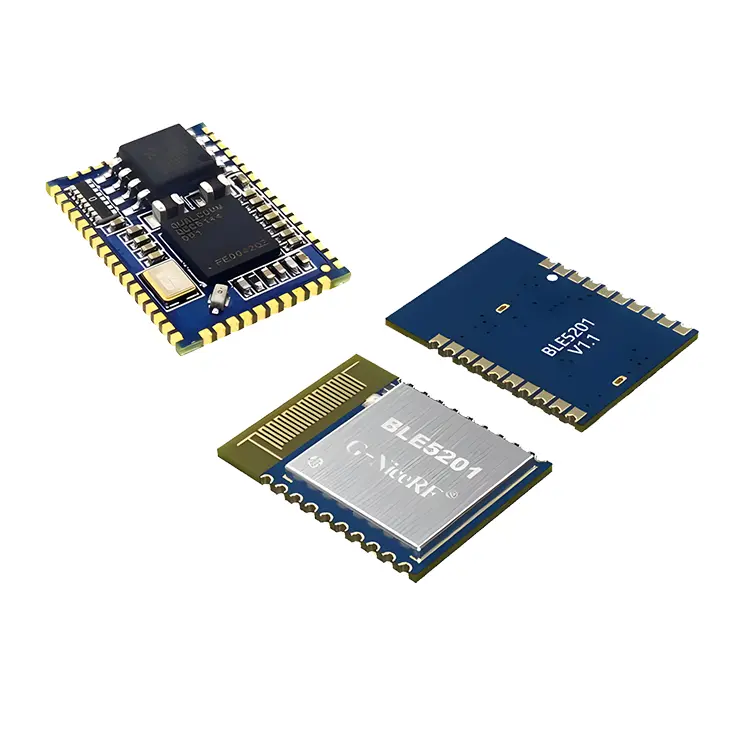 Communication Modules/IoT
 Resistors
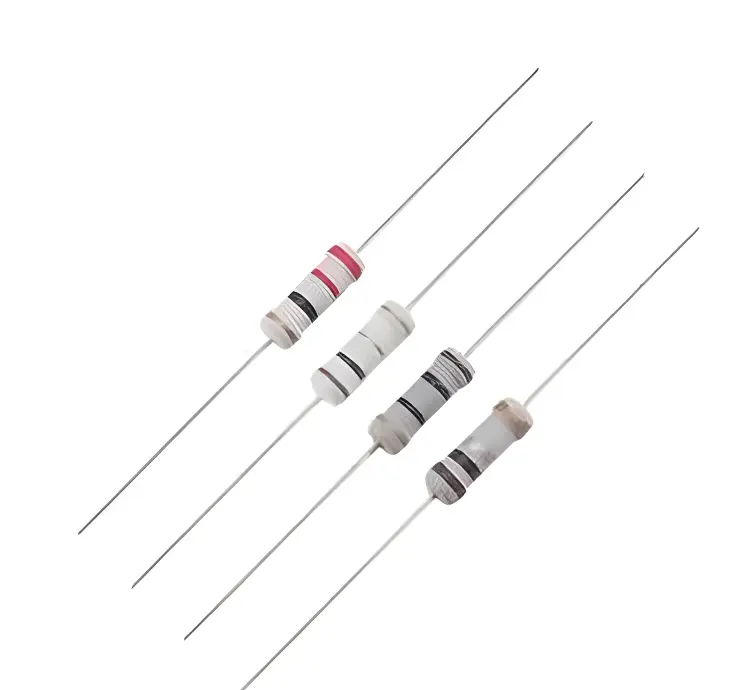 Through Hole Resistors
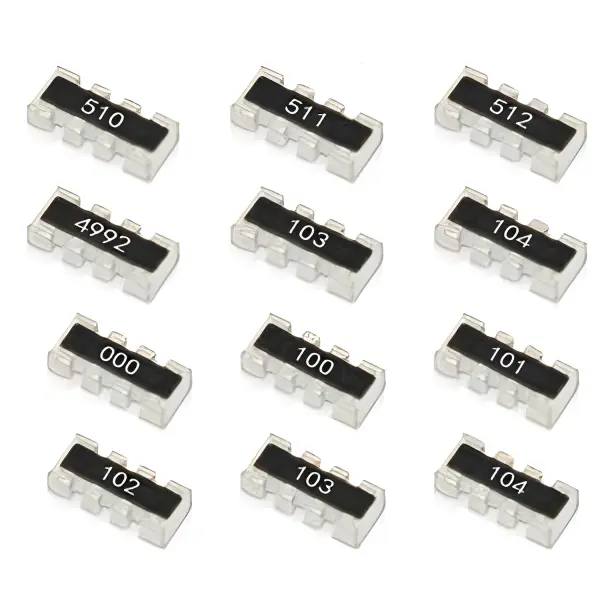 Resistor Networks, Arrays
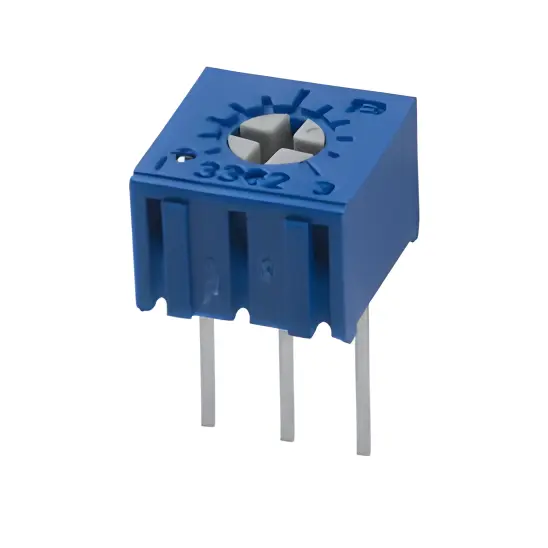 Potentiometers,Variable Resistors
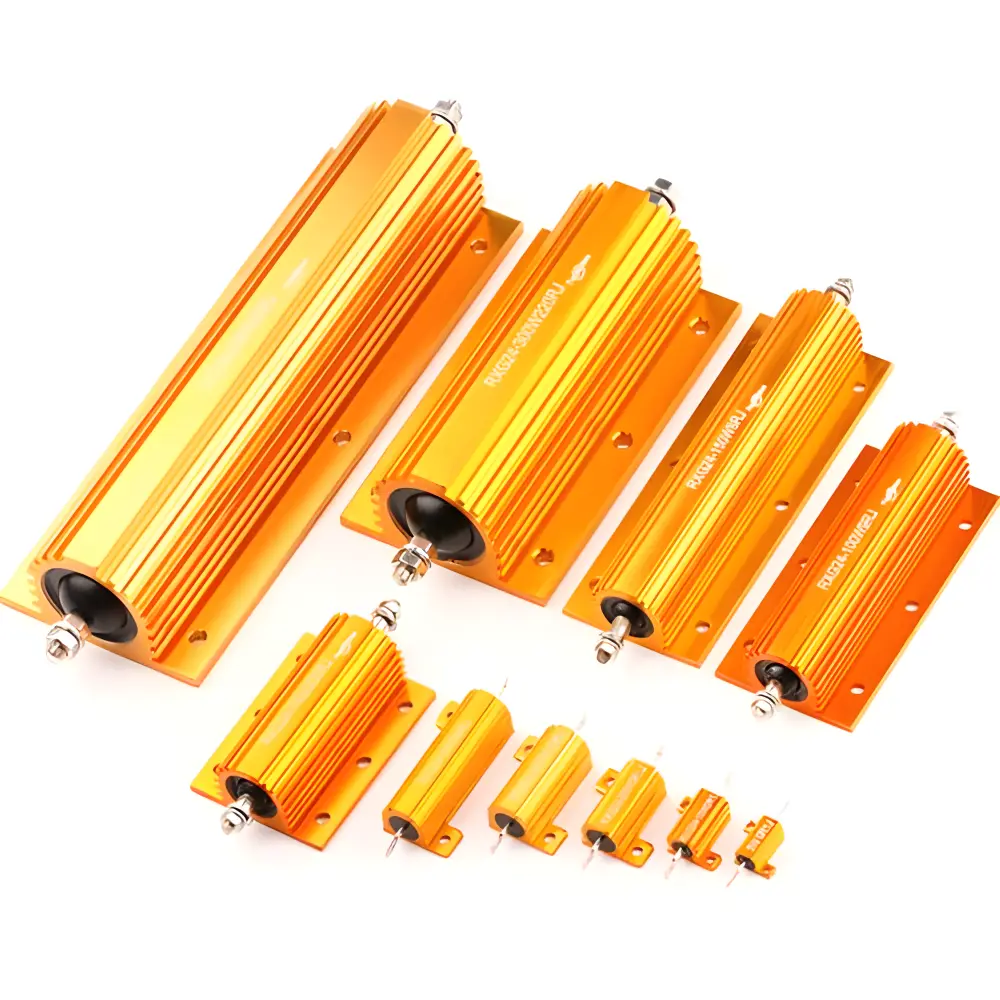 Aluminum Case,Porcelain Tube Resistance
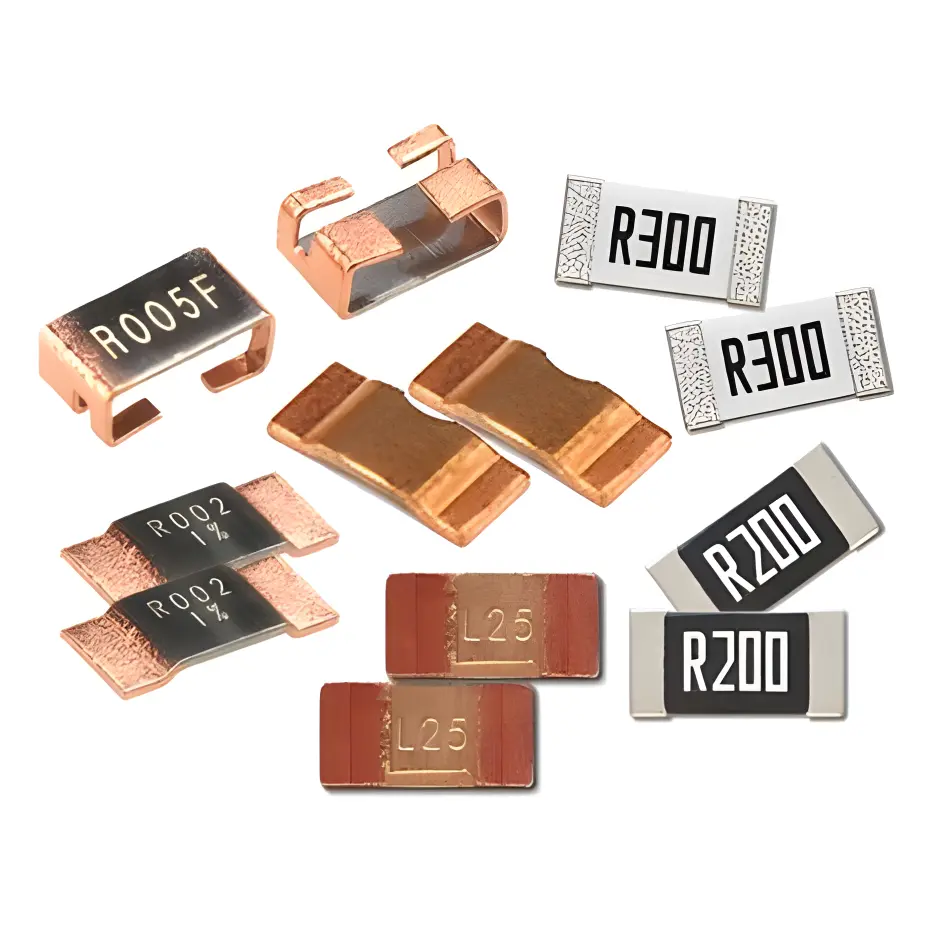 Current Sense Resistors,Shunt Resistors
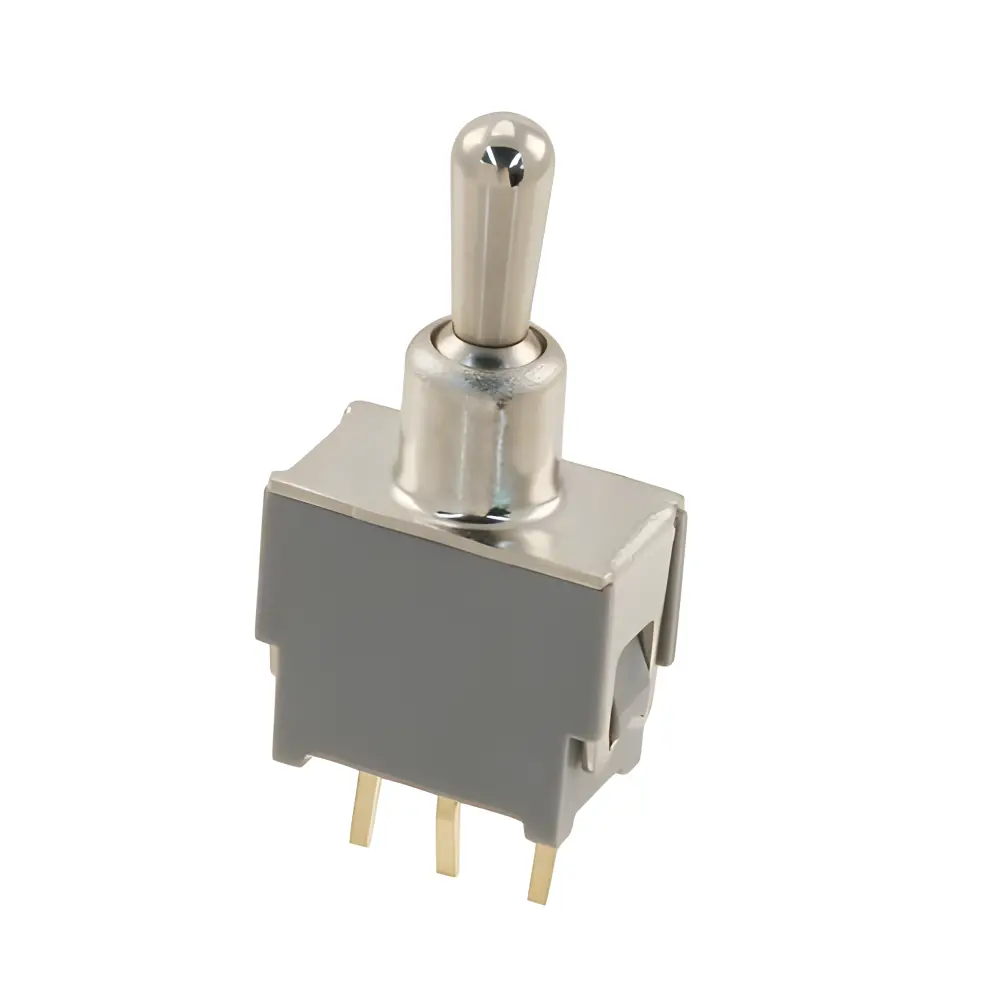 Switches
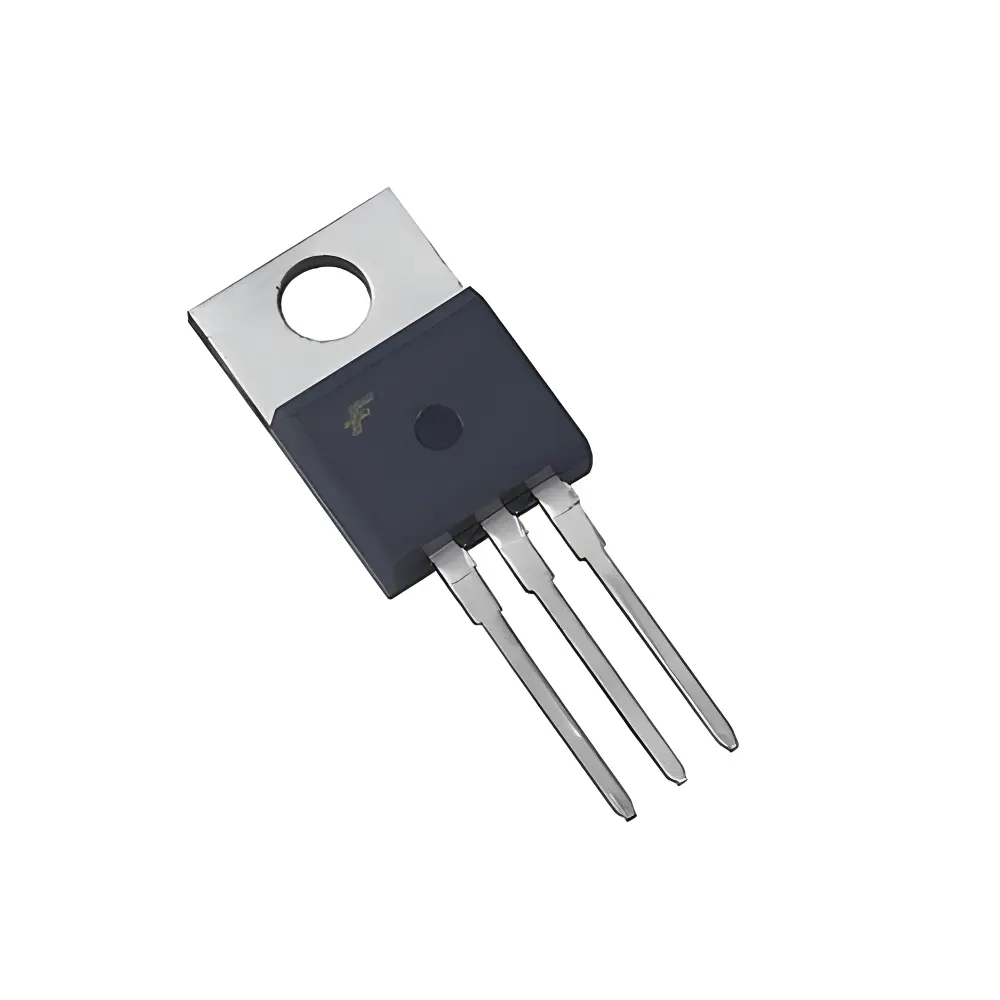 Transistors
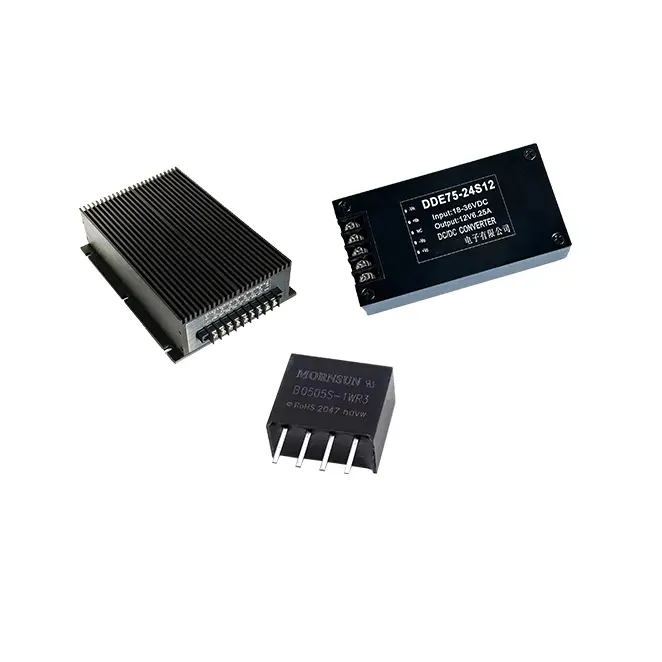 Power Modules
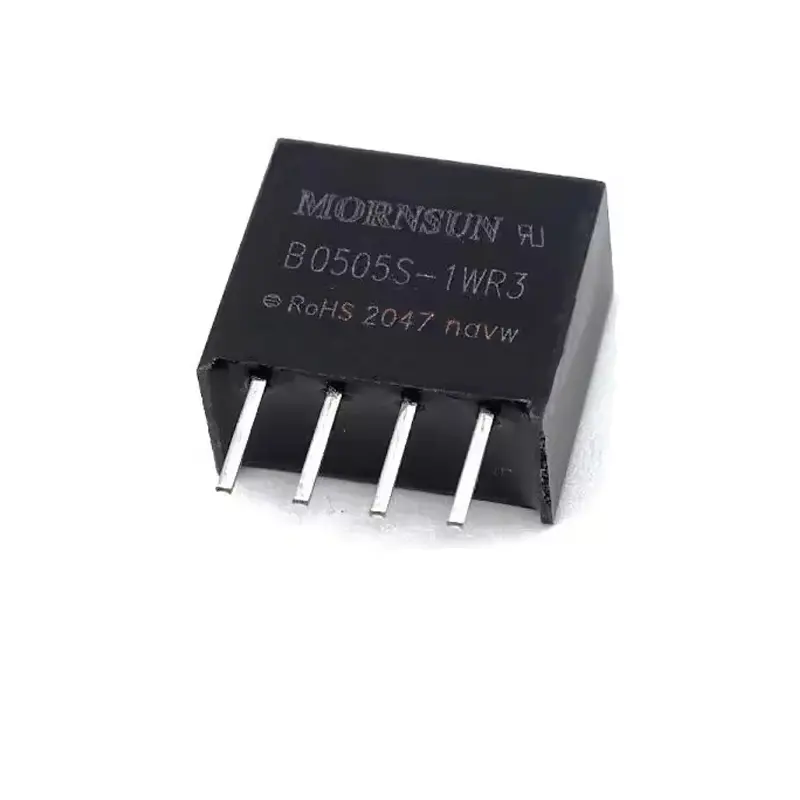 Isolated Power Modules
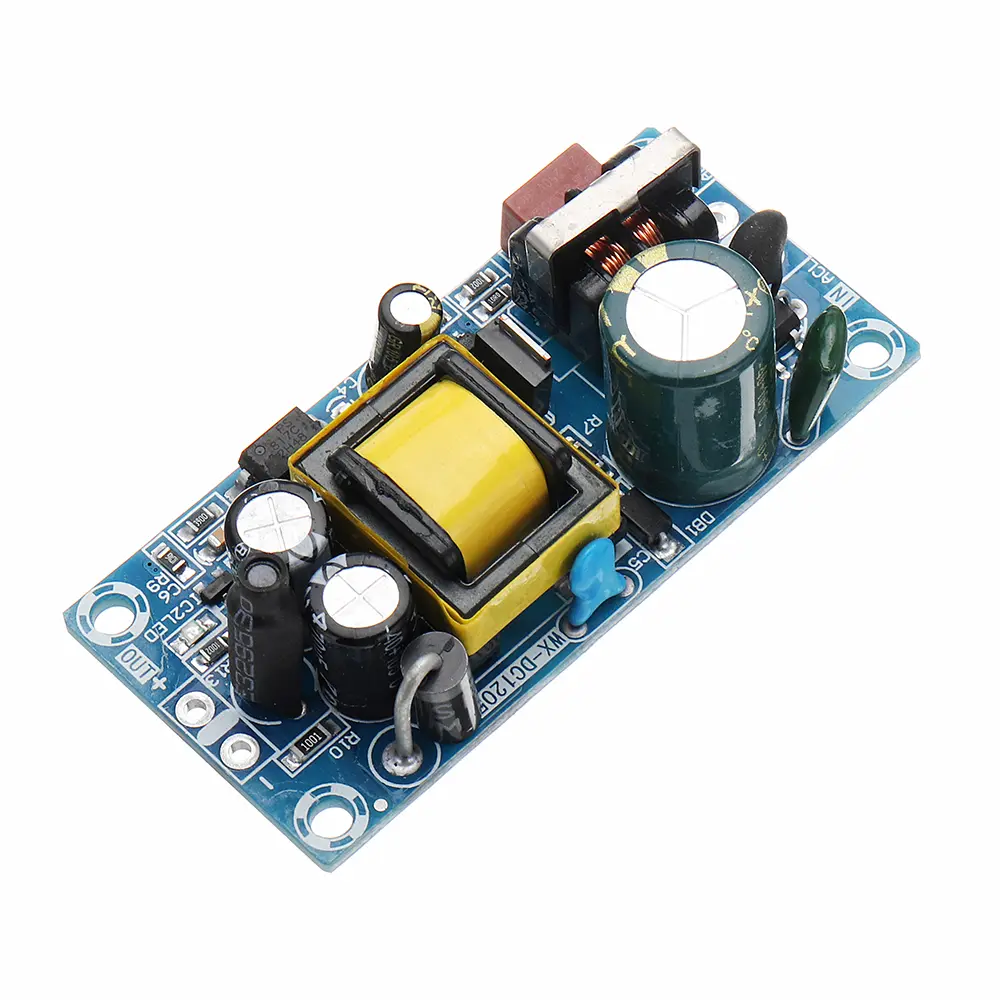 AC-DC Power Modules
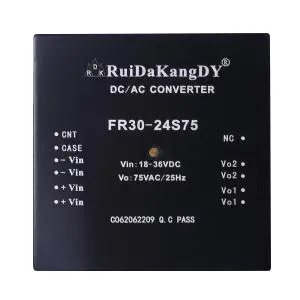 DC-AC Module(Inverter)
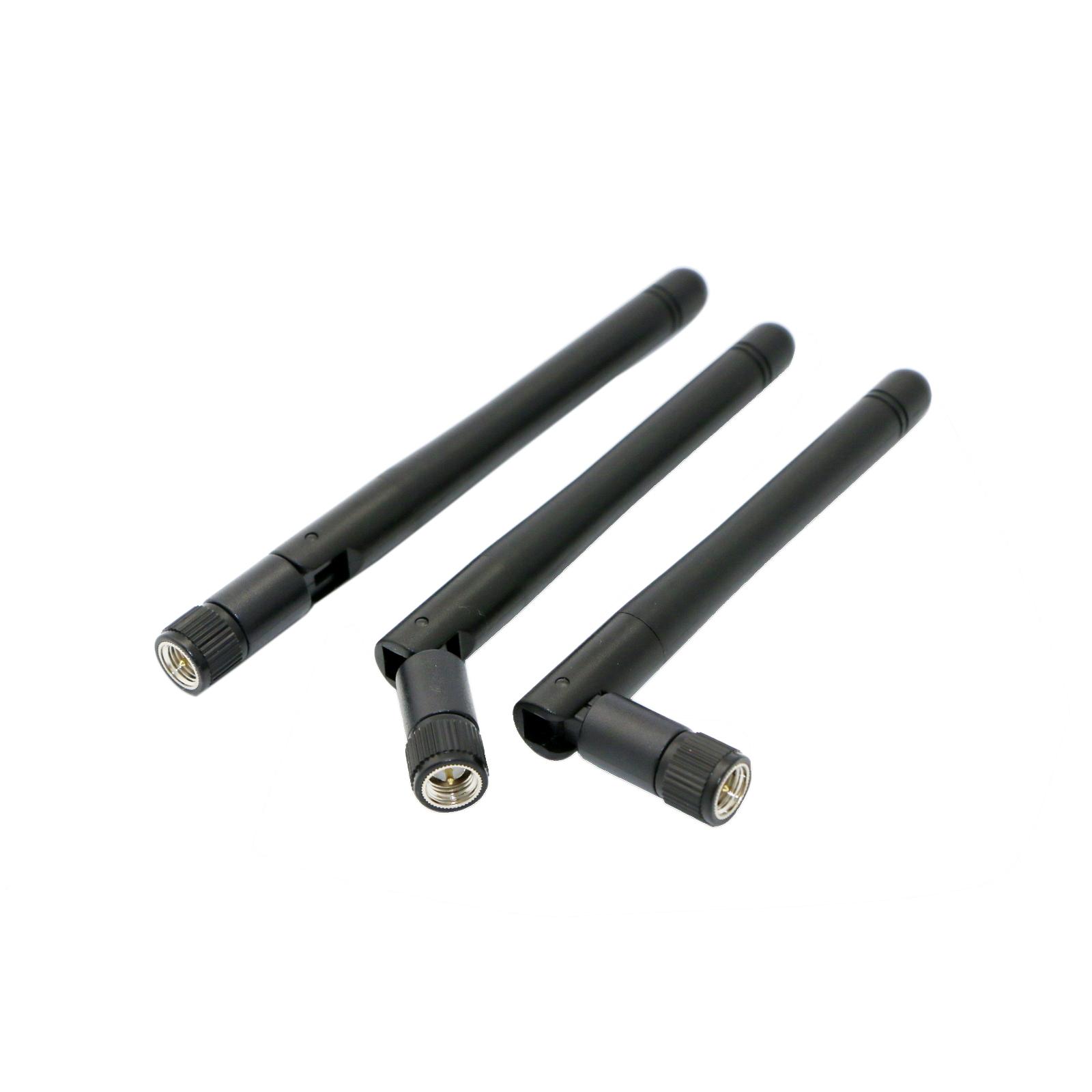 RF and Wireless
An Introduction to Printed Circuit Boards (PCBs)
Printed Circuit Boards (PCBs) serve as the backbone of modern electronics, providing a compact and organized platform for connecting various electronic components. This essential component has revolutionized electronic design and manufacturing, playing a crucial role in powering devices that have become integral to our daily lives.
Definition and Structure:
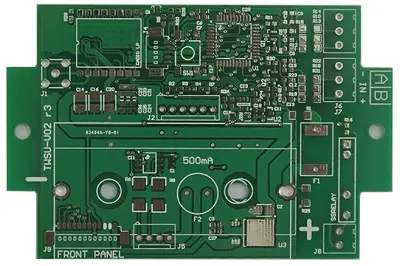
A PCB is a flat board made of non-conductive material, typically fiberglass, with thin layers of conductive copper traces laminated onto its suRFace. These copper traces create a network of pathways that establish electrical connections between components.
Functionality:
PCBs provide a stable and organized platform for mounting electronic components, such as resistors, capacitors, and integrated circuits. Through the intricate network of copper traces, PCBs facilitate the flow of electrical signals, enabling seamless communication between components. This organized structure not only enhances the reliability of electronic devices but also simplifies troubleshooting and maintenance.
Types of PCBs:
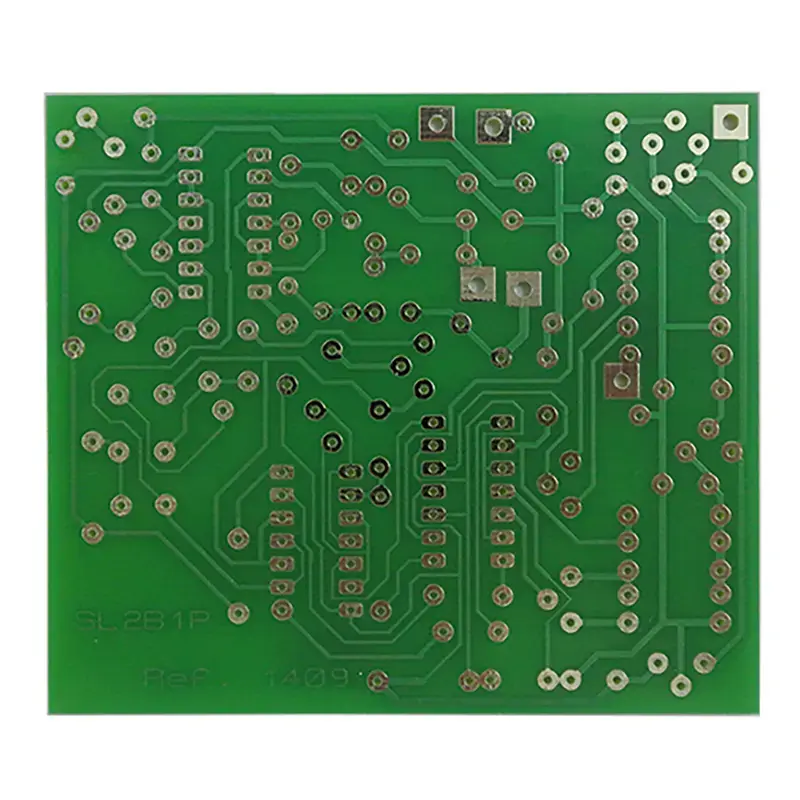
There are various types of PCBs tailored to specific applications. Single-layer PCBs are common in simple electronics, while more complex devices often utilize multi-layer PCBs that accommodate a higher density of components. Flexible PCBs, capable of bending without compromising functionality, find applications in compact and unconventional designs.
Design and Manufacturing:
PCB design involves careful planning of component placement, signal routing, and consideration of factors like thermal management and electromagnetic interference. Modern design is often facilitated by sophisticated software, allowing for precise simulation and optimization. Once the design is finalized, the manufacturing process involves etching, drilling, and layer lamination to create the final PCB.
Applications:
PCBs are ubiquitous in electronic devices across various industries. From smartphones and computers to medical devices and automotive systems, PCBs form the foundation of electronic circuits that power our interconnected world.
In conclusion, Printed Circuit Boards are fundamental to the evolution of electronics, providing a structured and efficient platform for electronic components. As technology continues to advance, the role of PCBs remains pivotal in shaping the landscape of innovation and connectivity in the digital age.
Minintel is committed to supply high quality and economically One-Stop PCB assembly service to all world customers.
For more details about our products,please leave message to us,we will reply within 24 hours.