
 PCB
PCB FPC
FPC Rigid-Flex
 FR-4
FR-4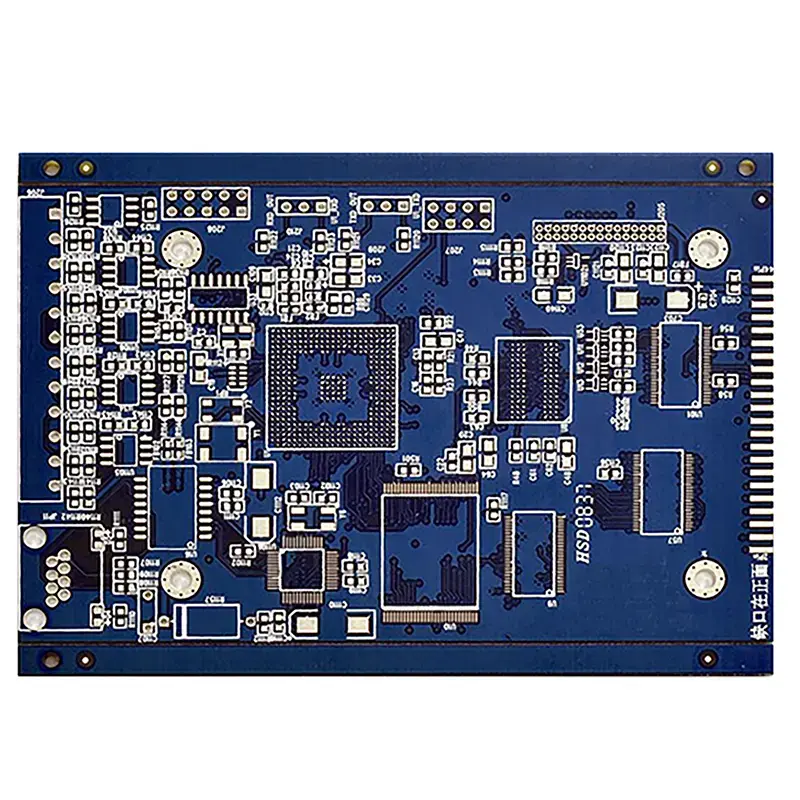 HDI PCB
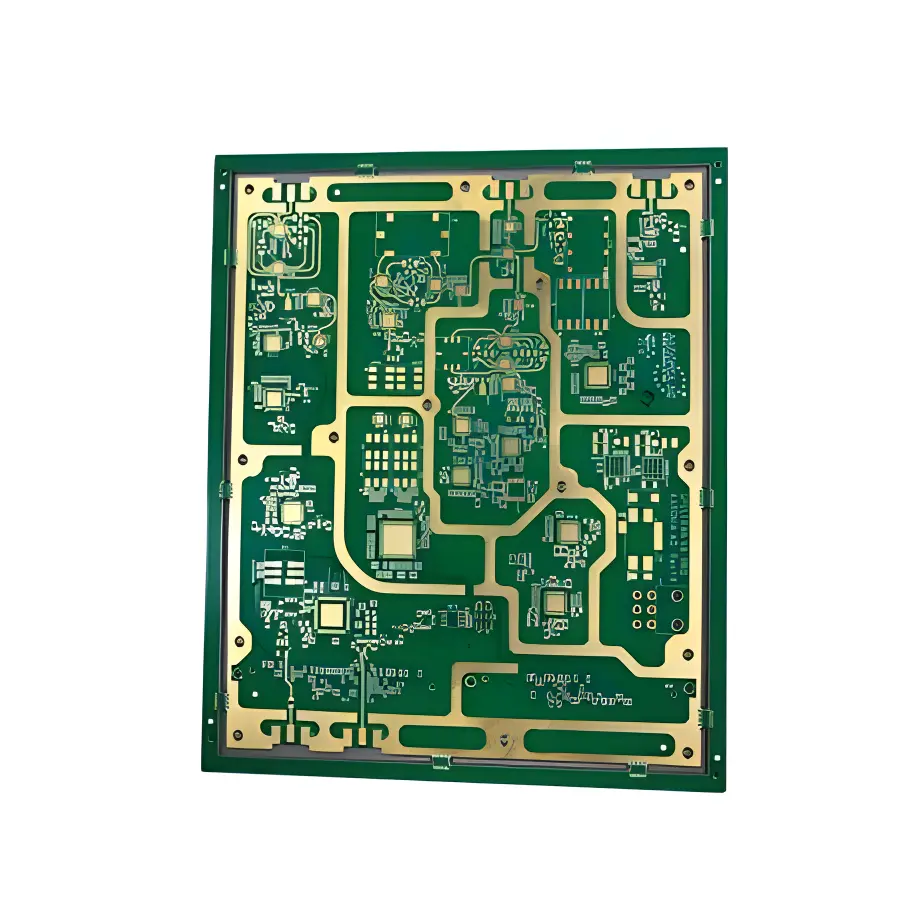 Rogers High-Frequency Board
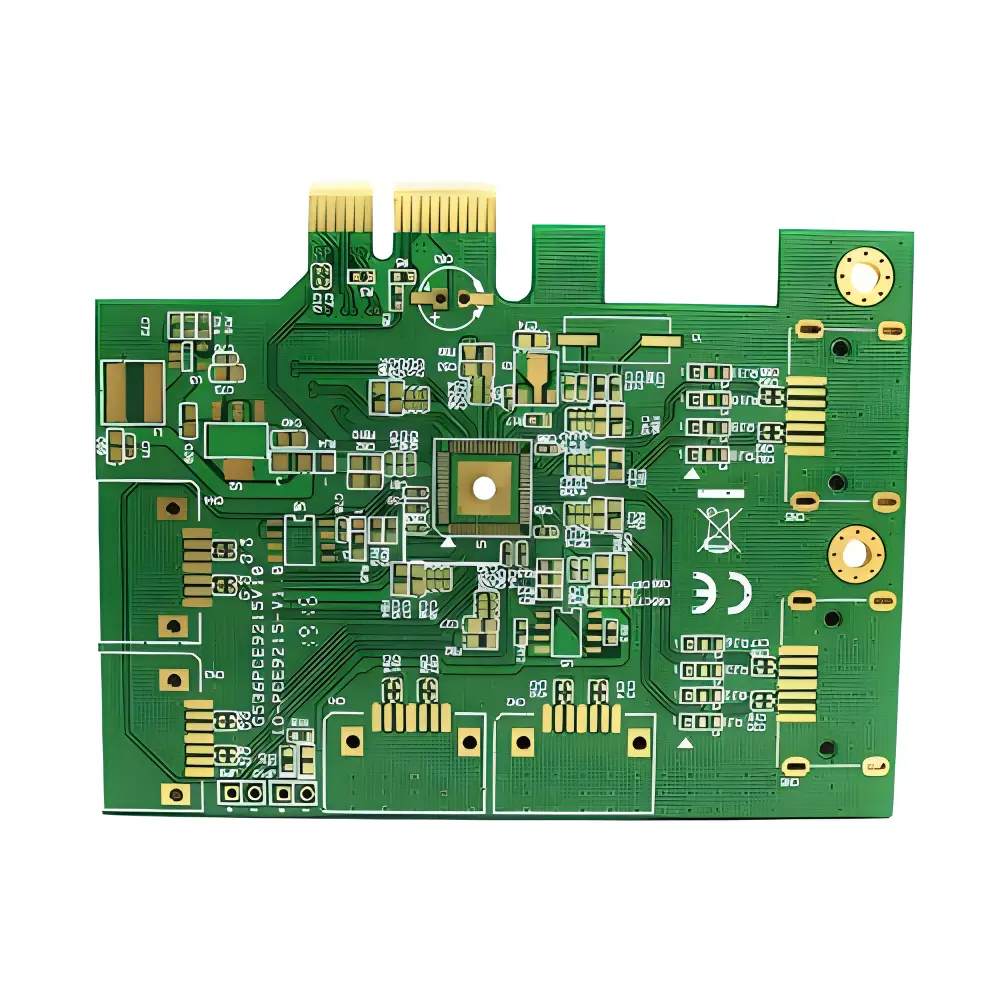 PTFE Teflon High-Frequency Board
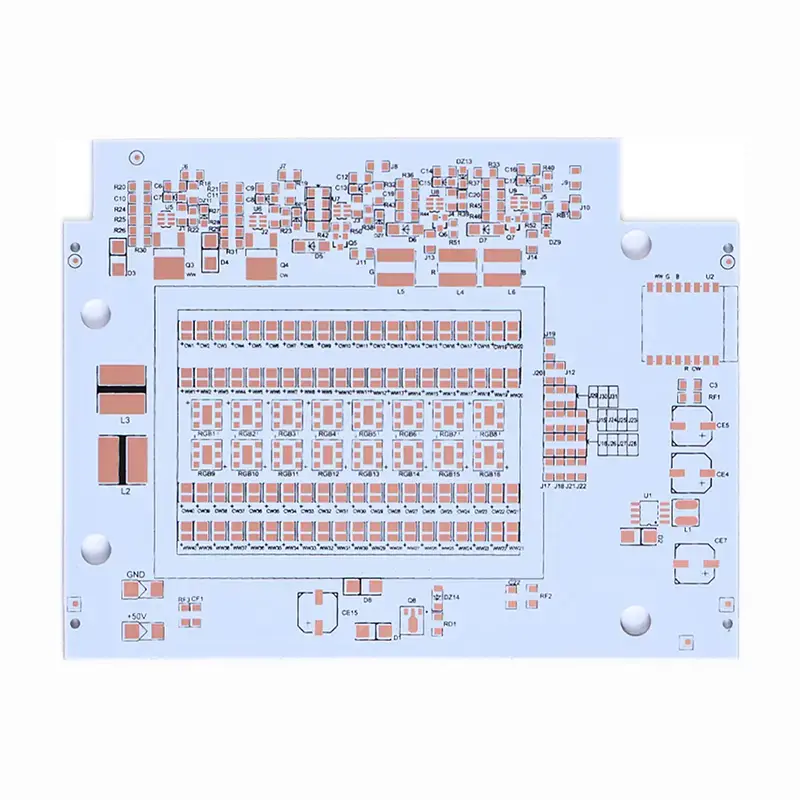 Aluminum
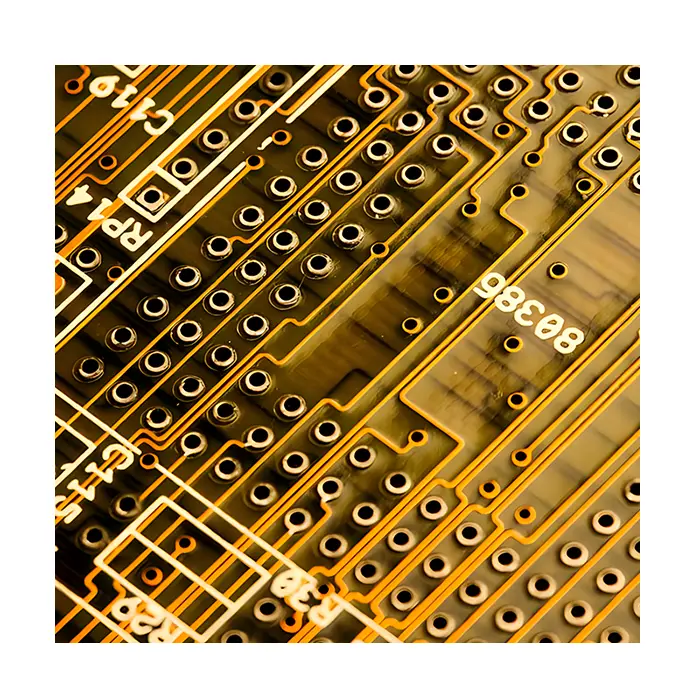 Copper Core
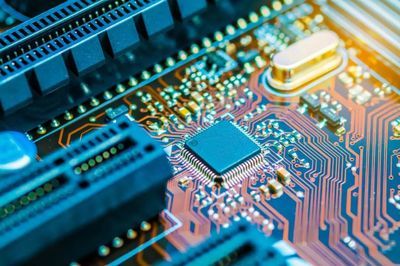 PCB Assembly
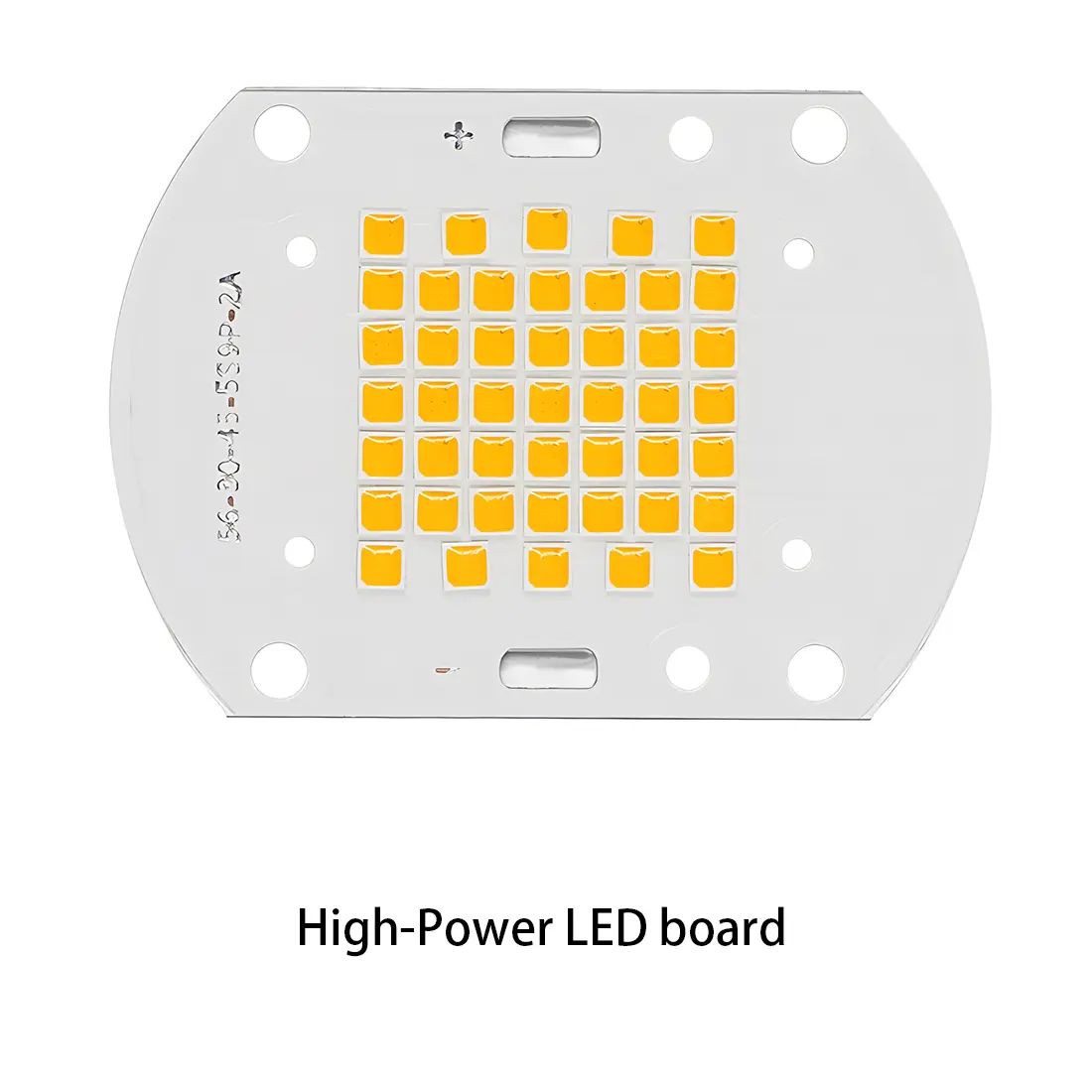 LED light PCBA
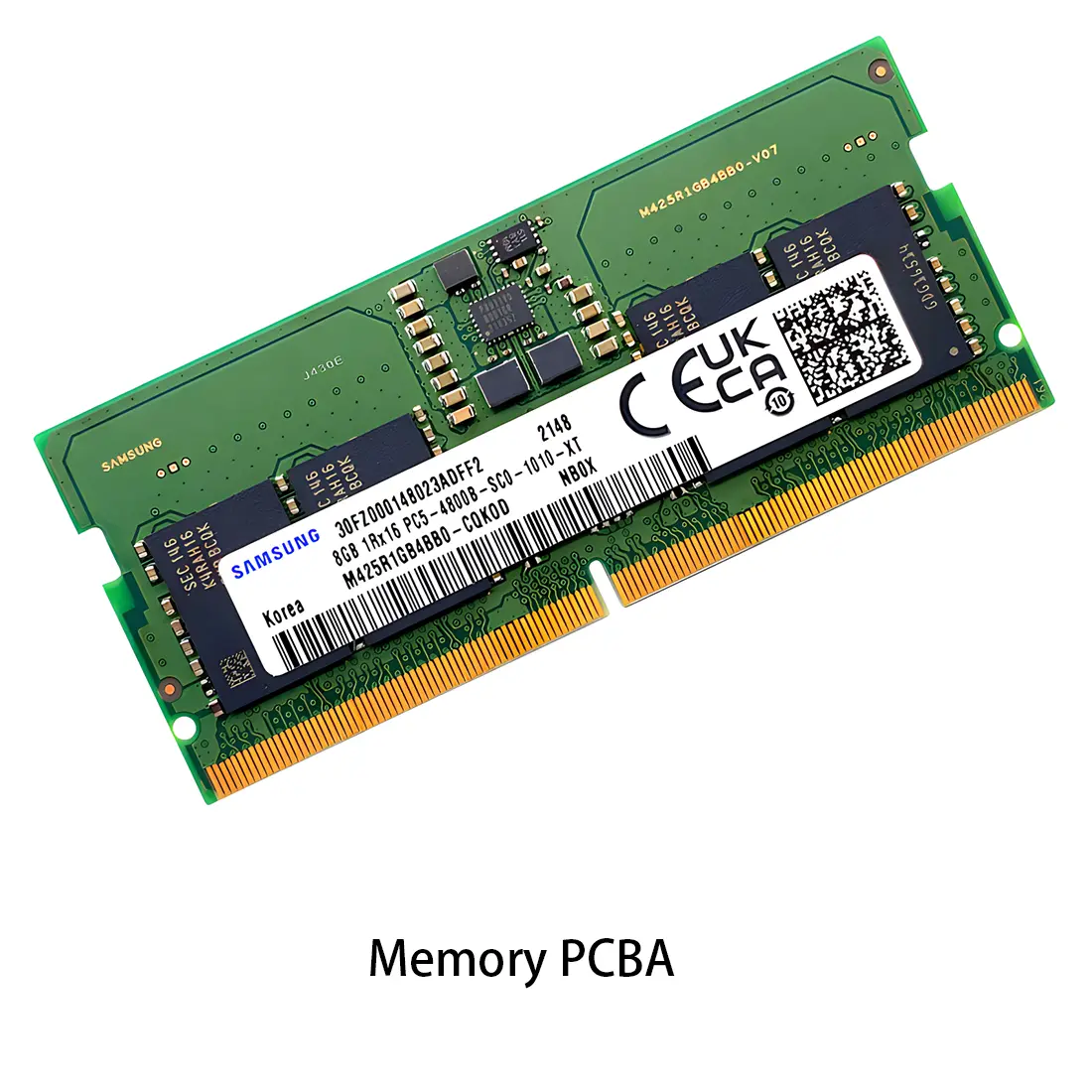 Memory PCBA
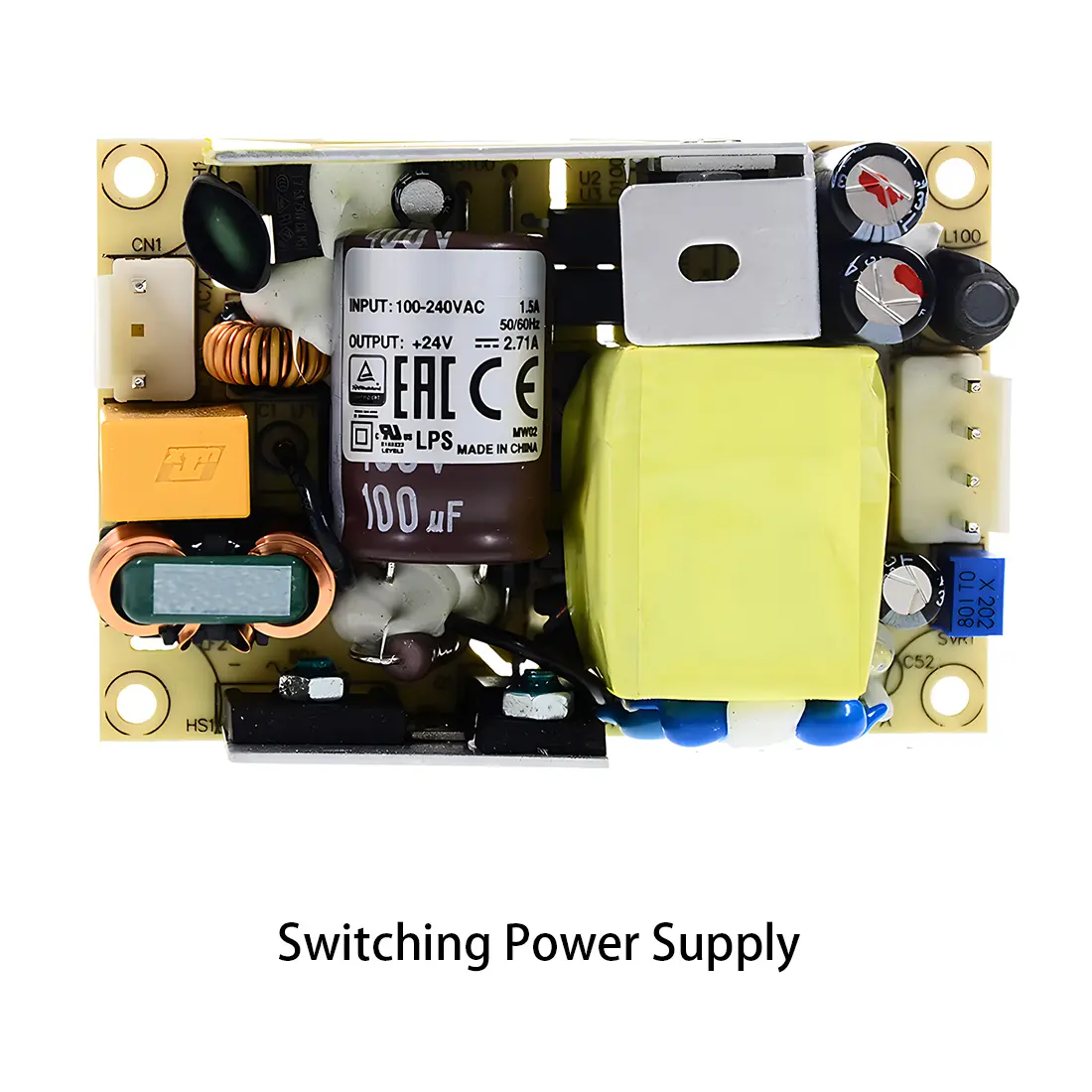 Power Supply PCBA
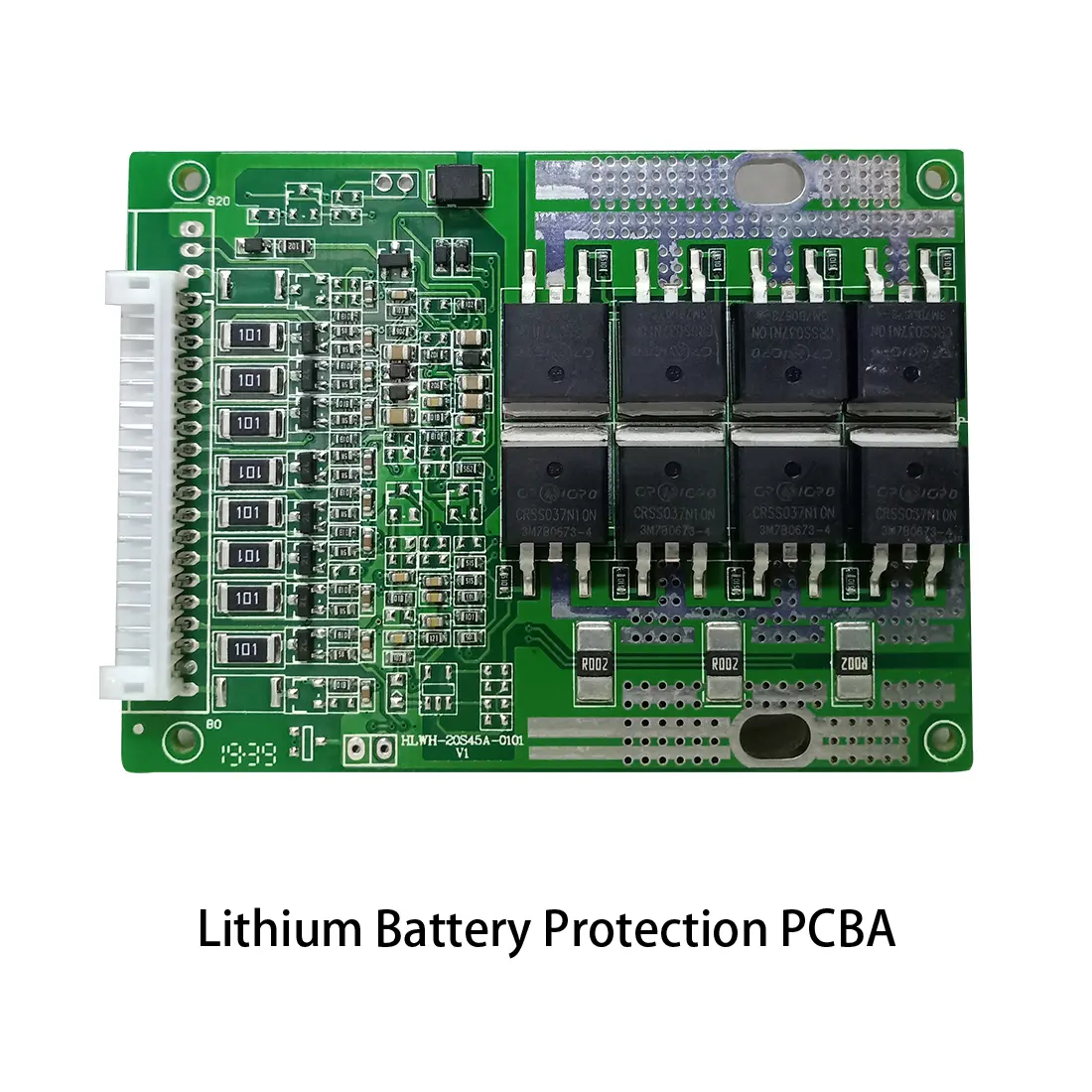 New Energey PCBA
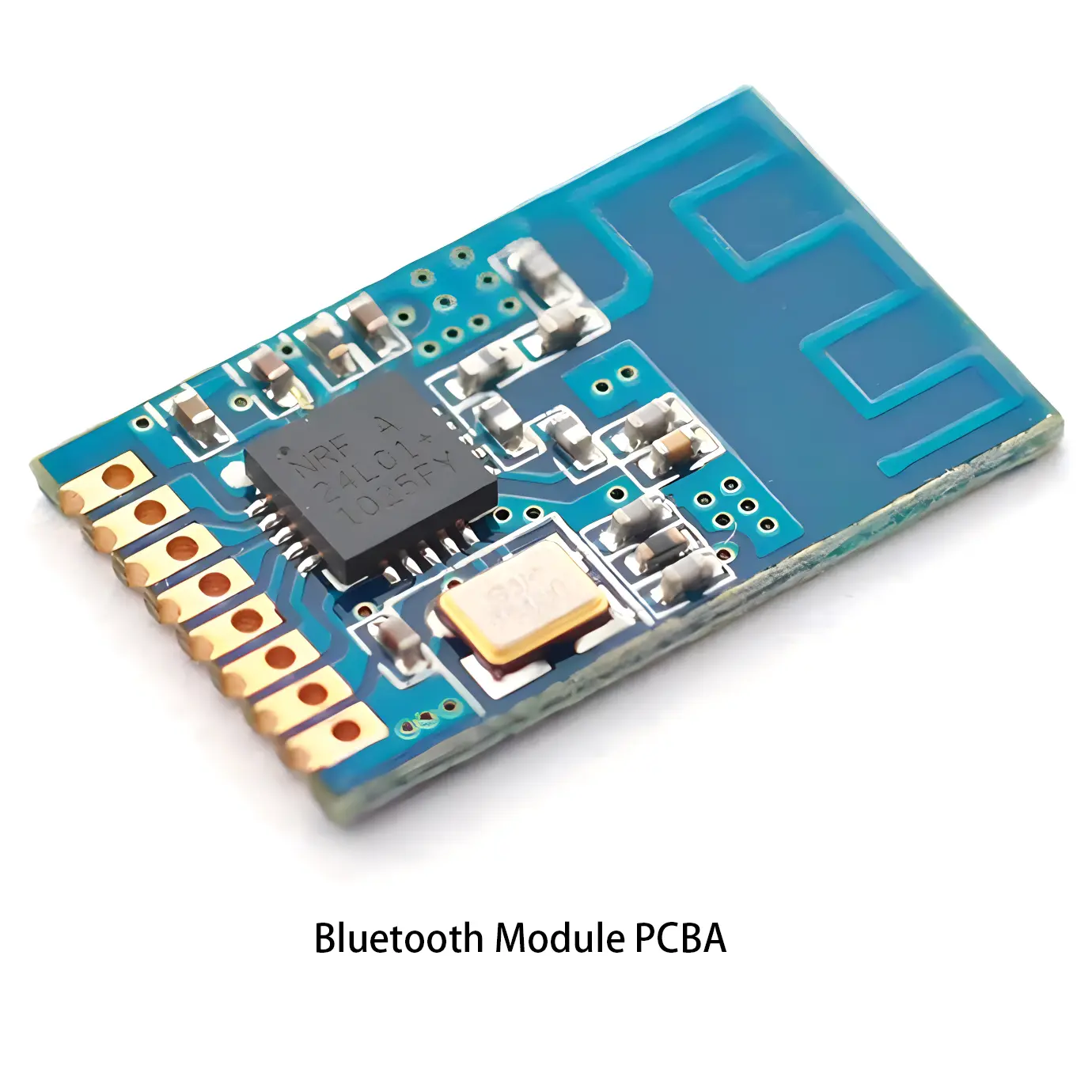 Communication PCBA
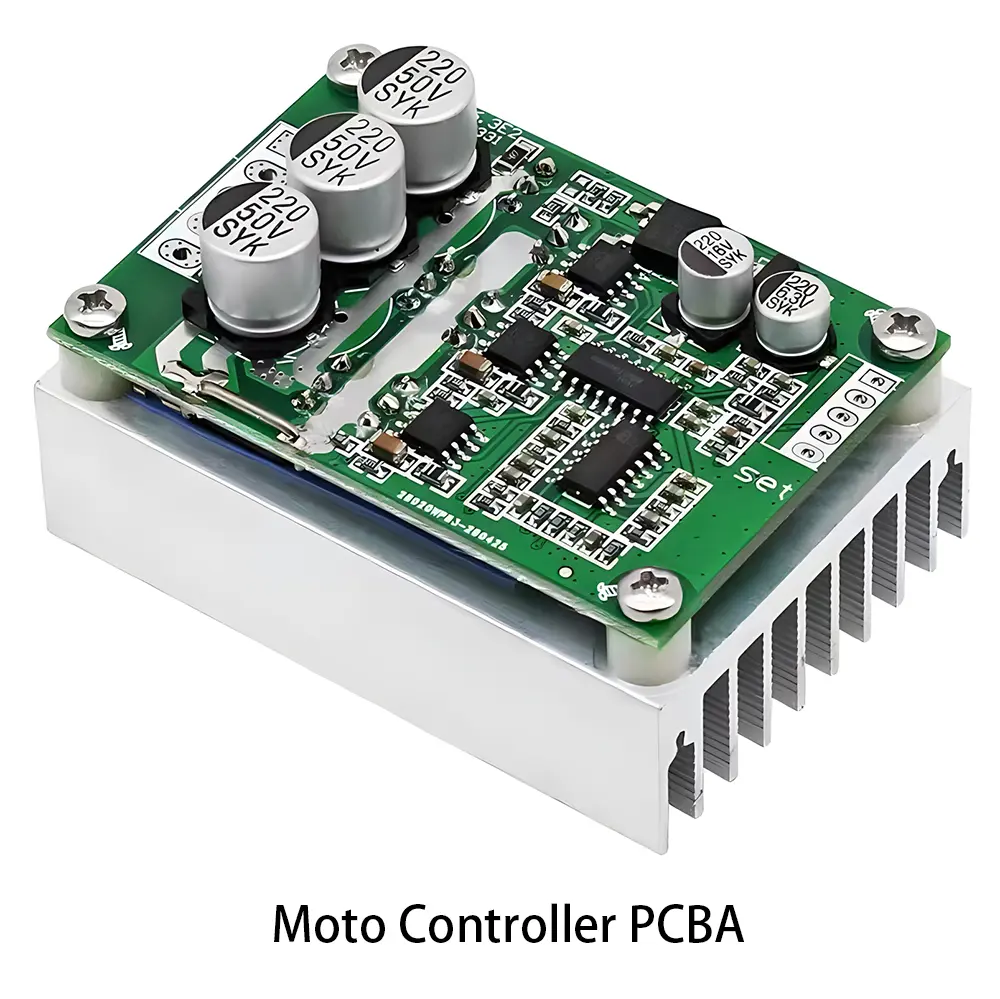 Industrial Control PCBA
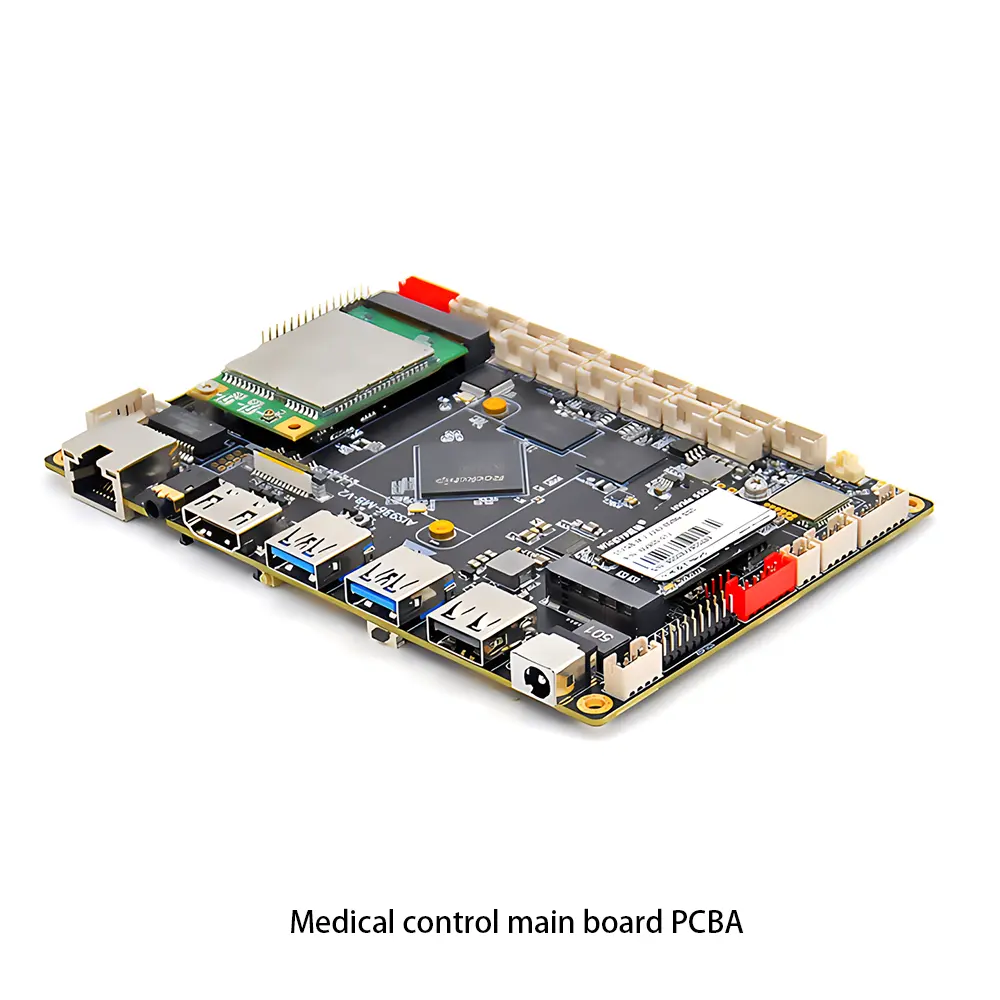 Medical Equipment PCBA
 Testing Service
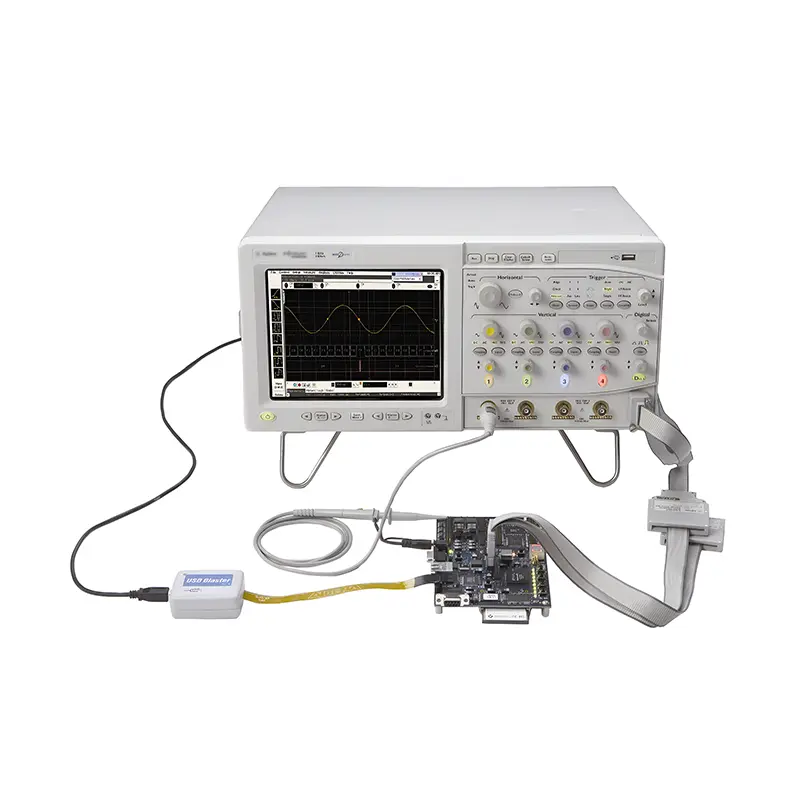 PCBA Testing Service
 Certification Application
 RoHS Certification Application
 REACH Certification Application
 CE Certification Application
 FCC Certification Application
 CQC Certification Application
 UL Certification Application
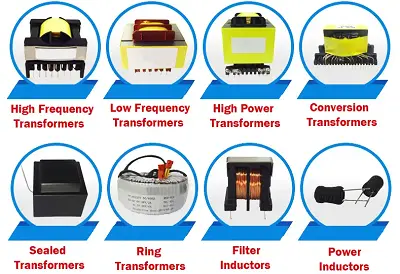 Transformers, Inductors
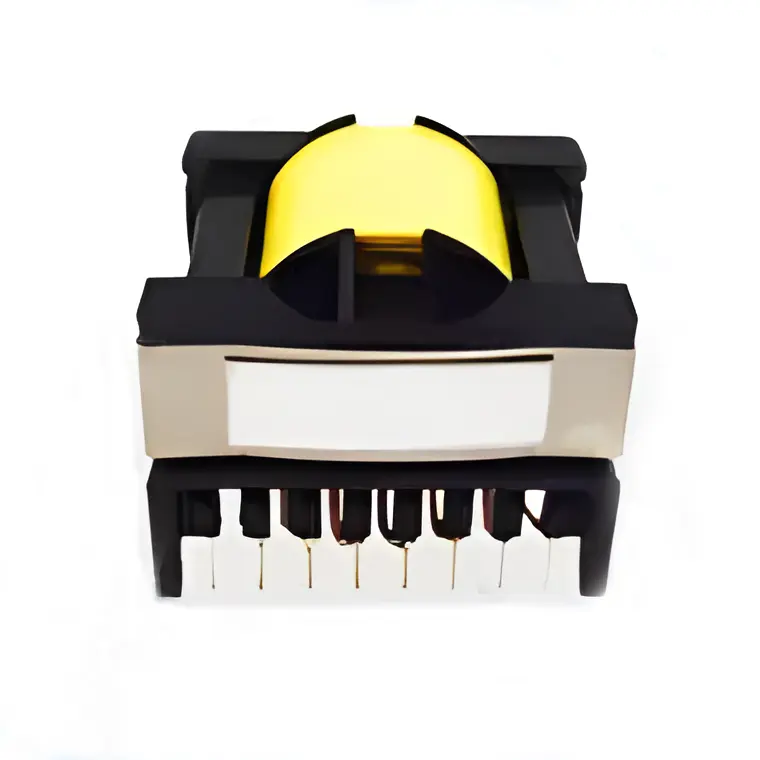 High Frequency Transformers
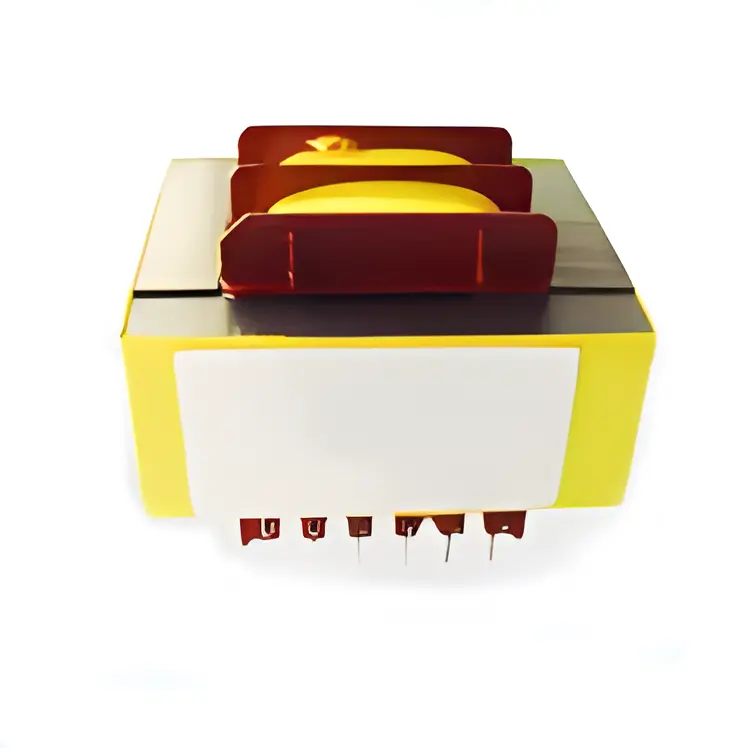 Low Frequency Transformers
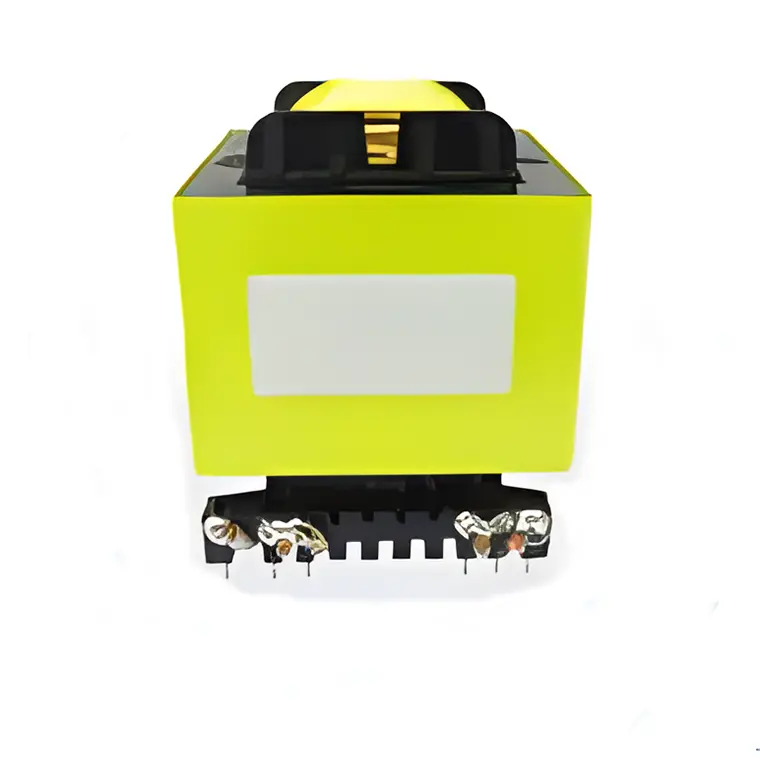 High Power Transformers
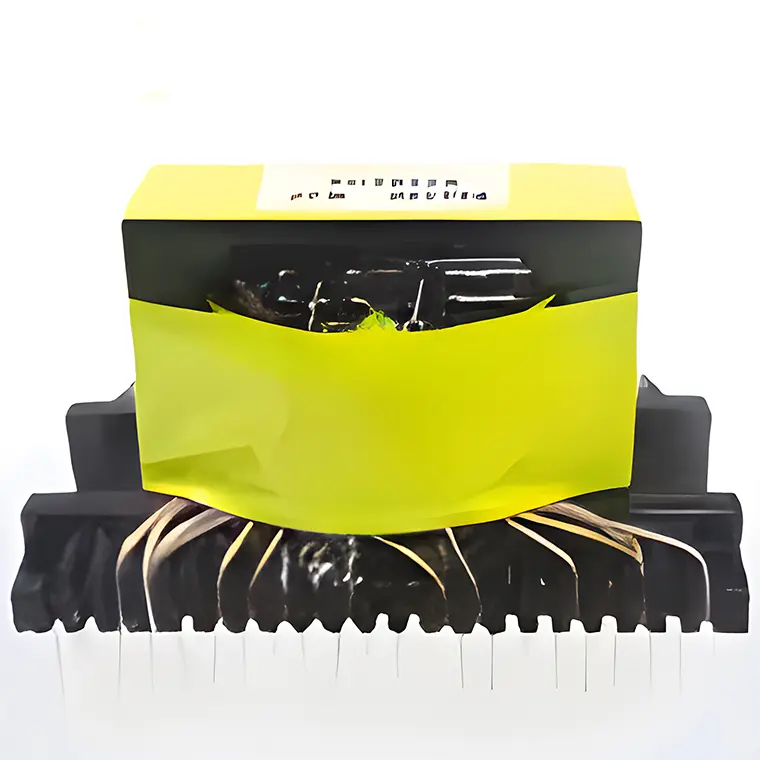 Conversion Transformers
 Sealed Transformers
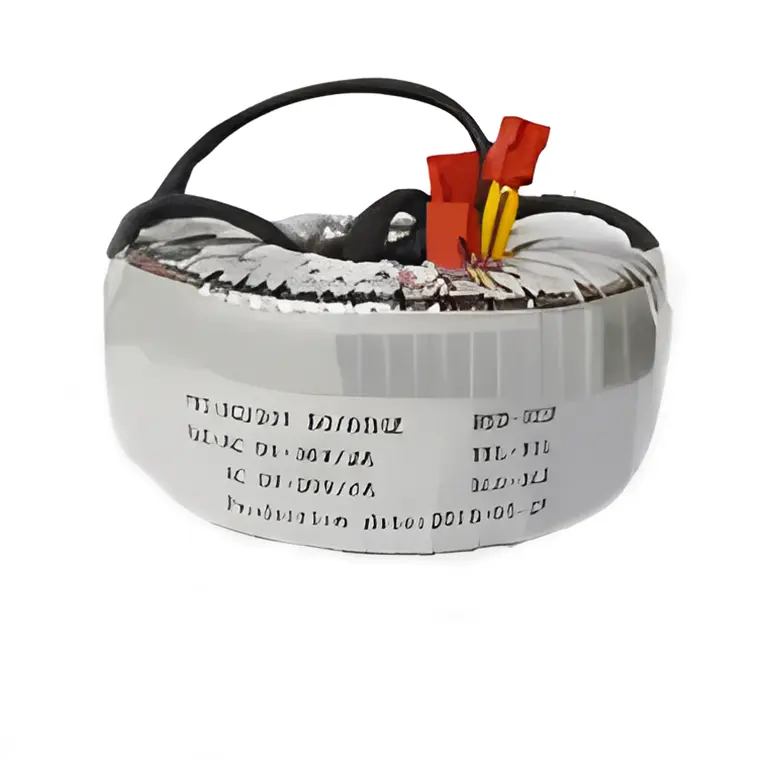 Ring Transformers
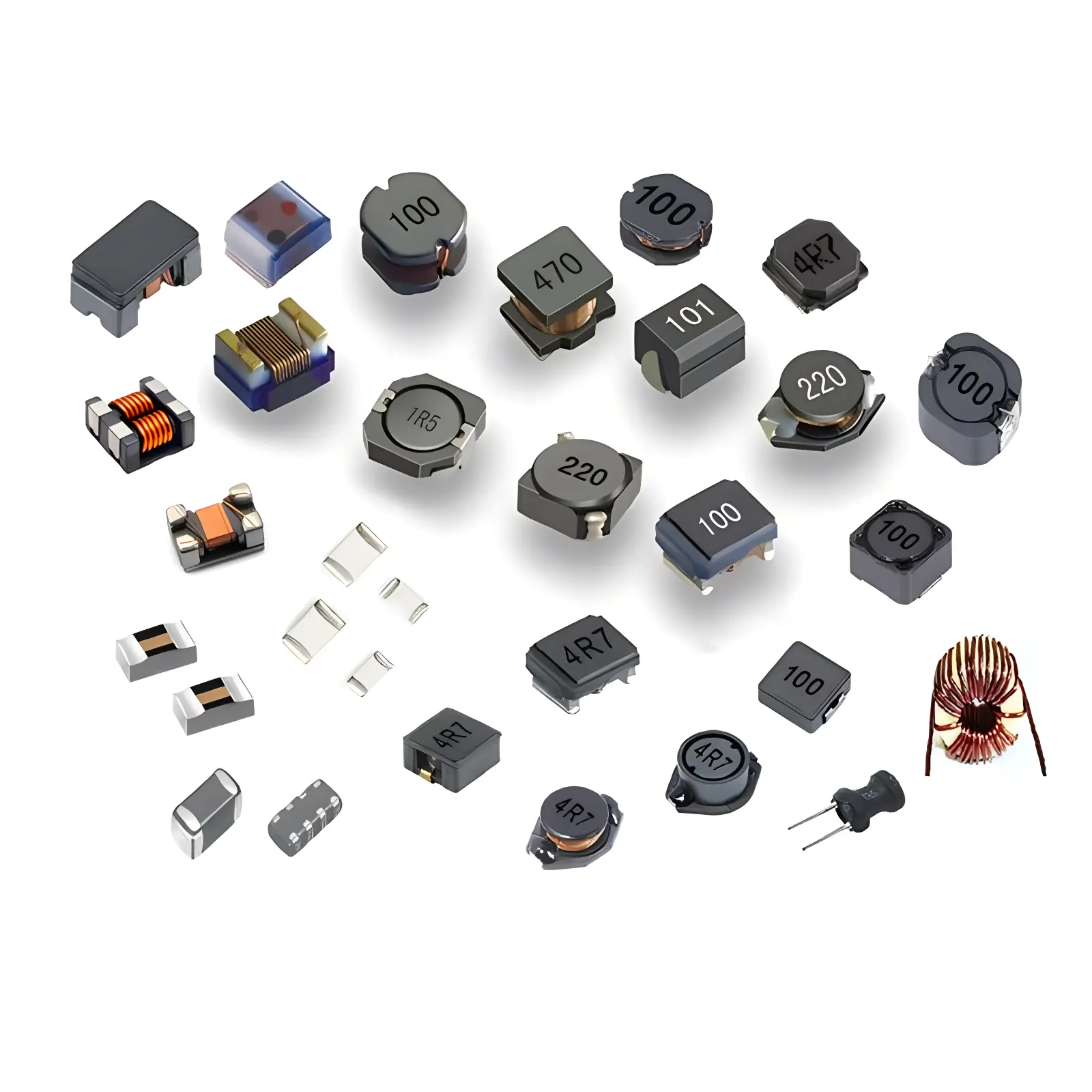 Inductors
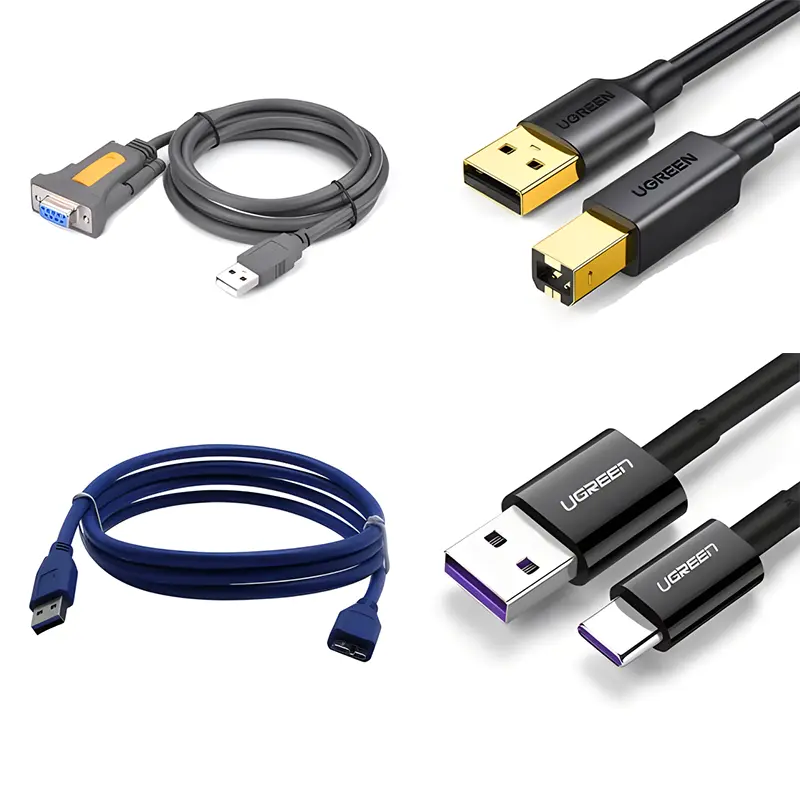 Wires,Cables Customized
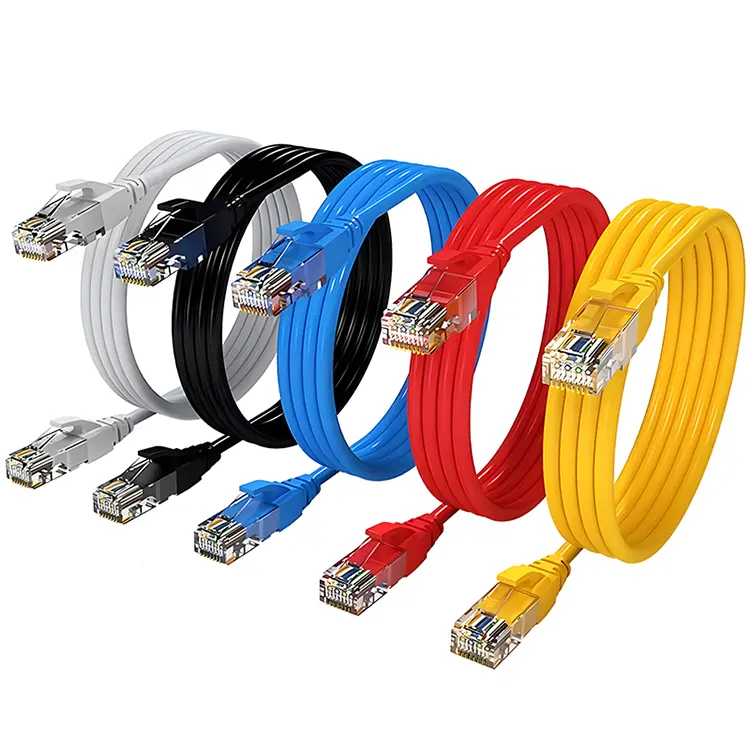 Network Cables
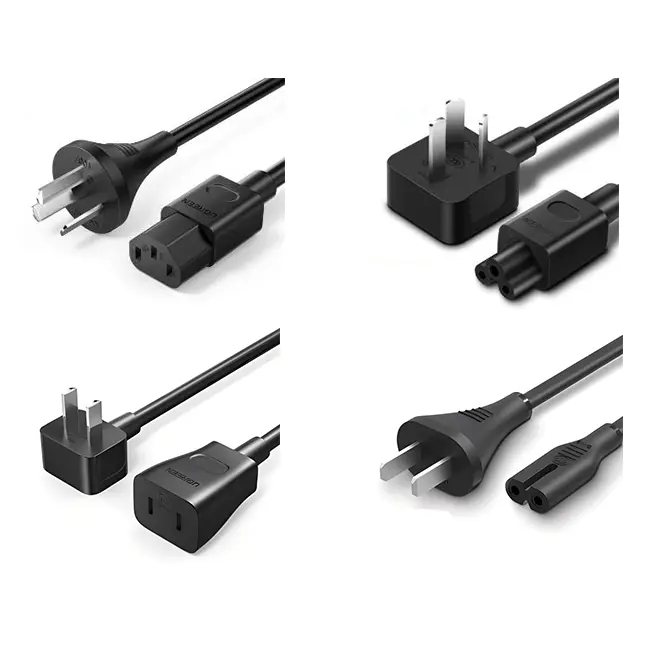 Power Cords
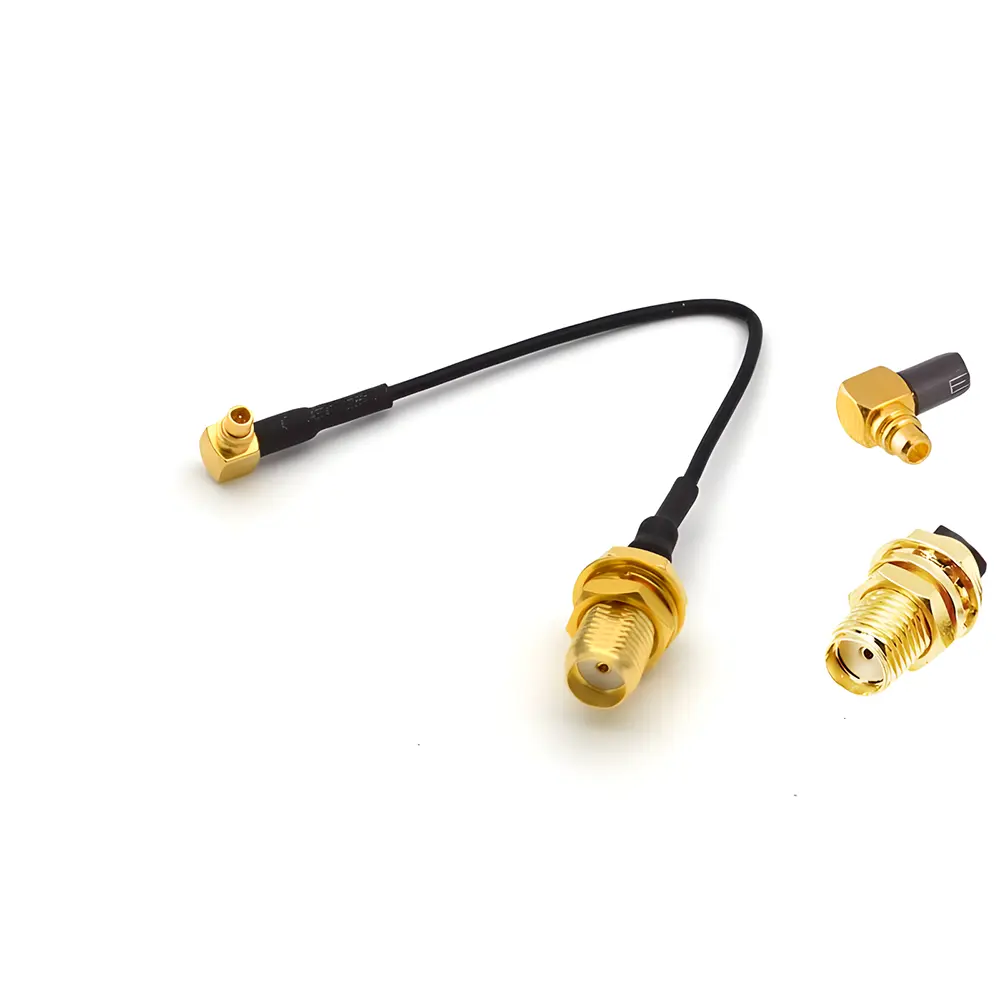 Antenna Cables
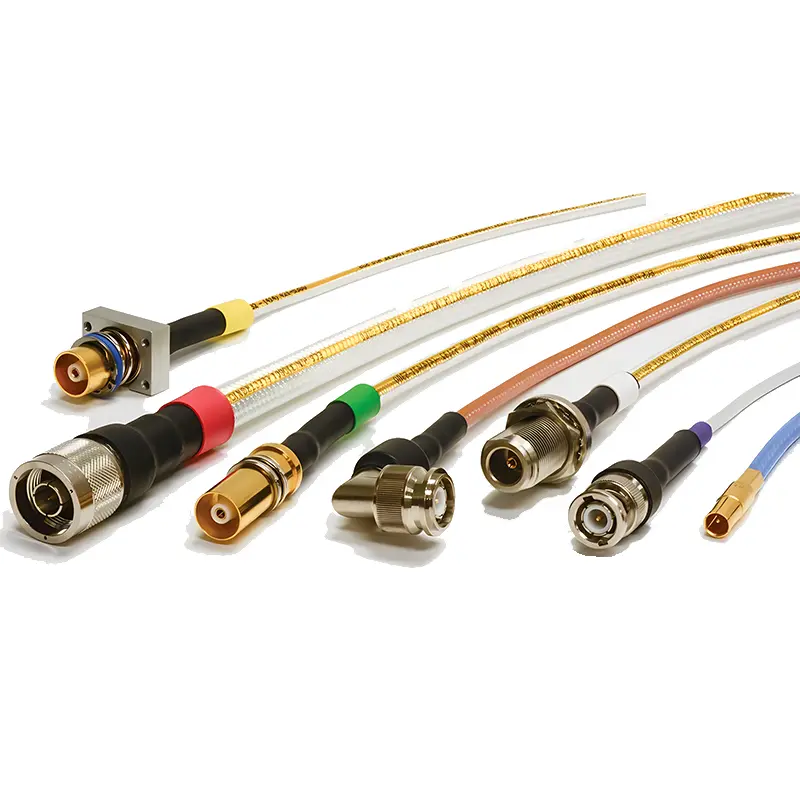 Coaxial Cables
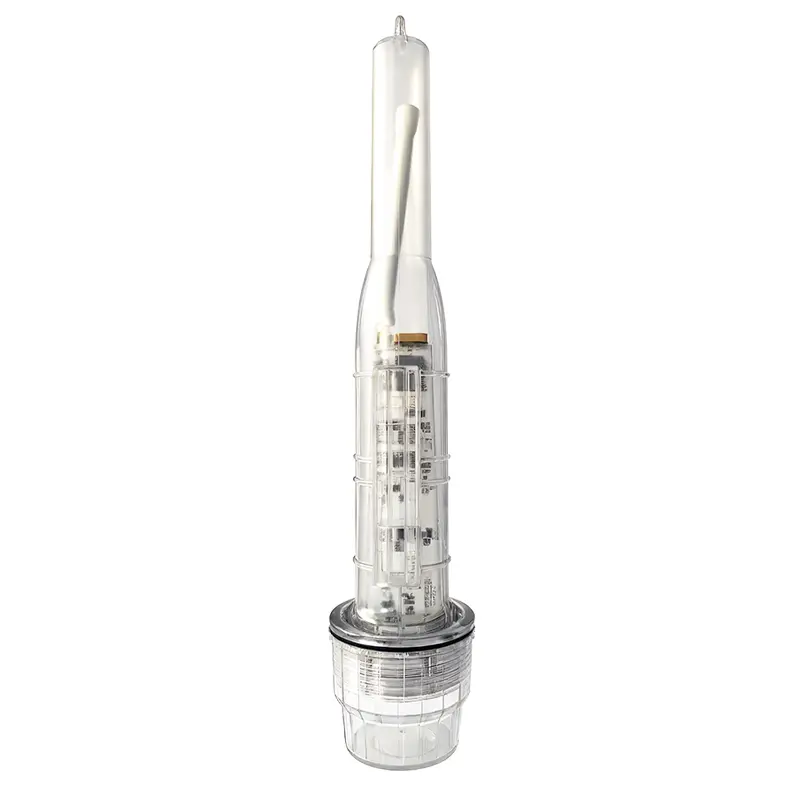 Net Position Indicator
 Solar AIS net position indicator
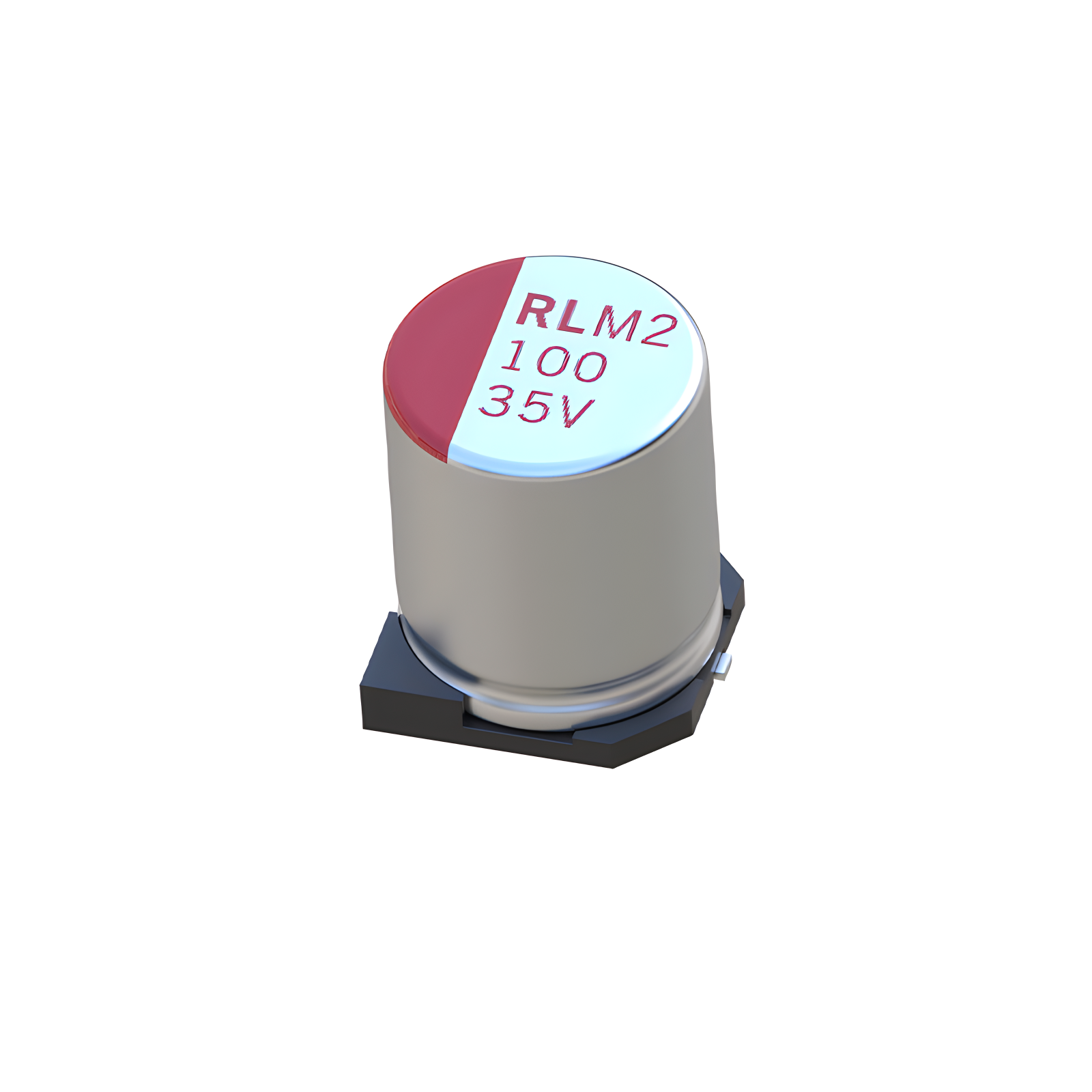 Capacitors
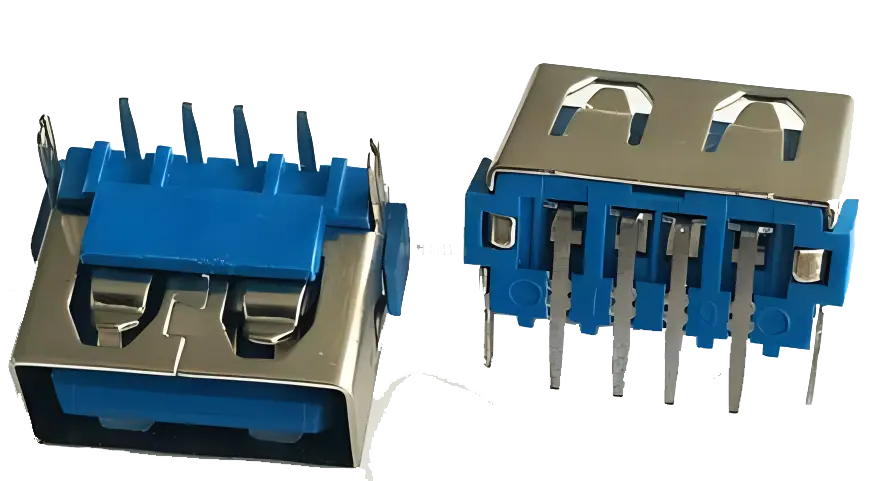 Connectors
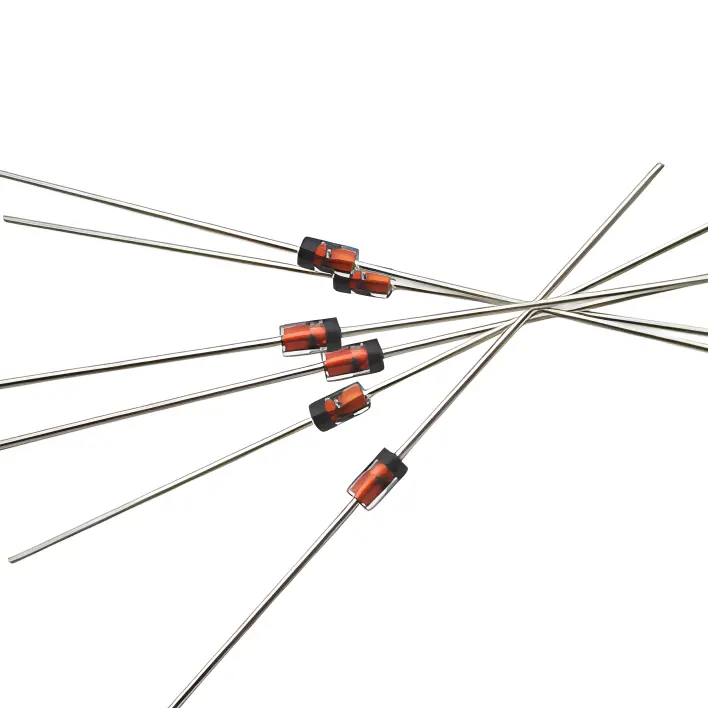 Diodes
 Embedded Processors & Controllers
 Digital Signal Processors (DSP/DSC)
 Microcontrollers (MCU/MPU/SOC)
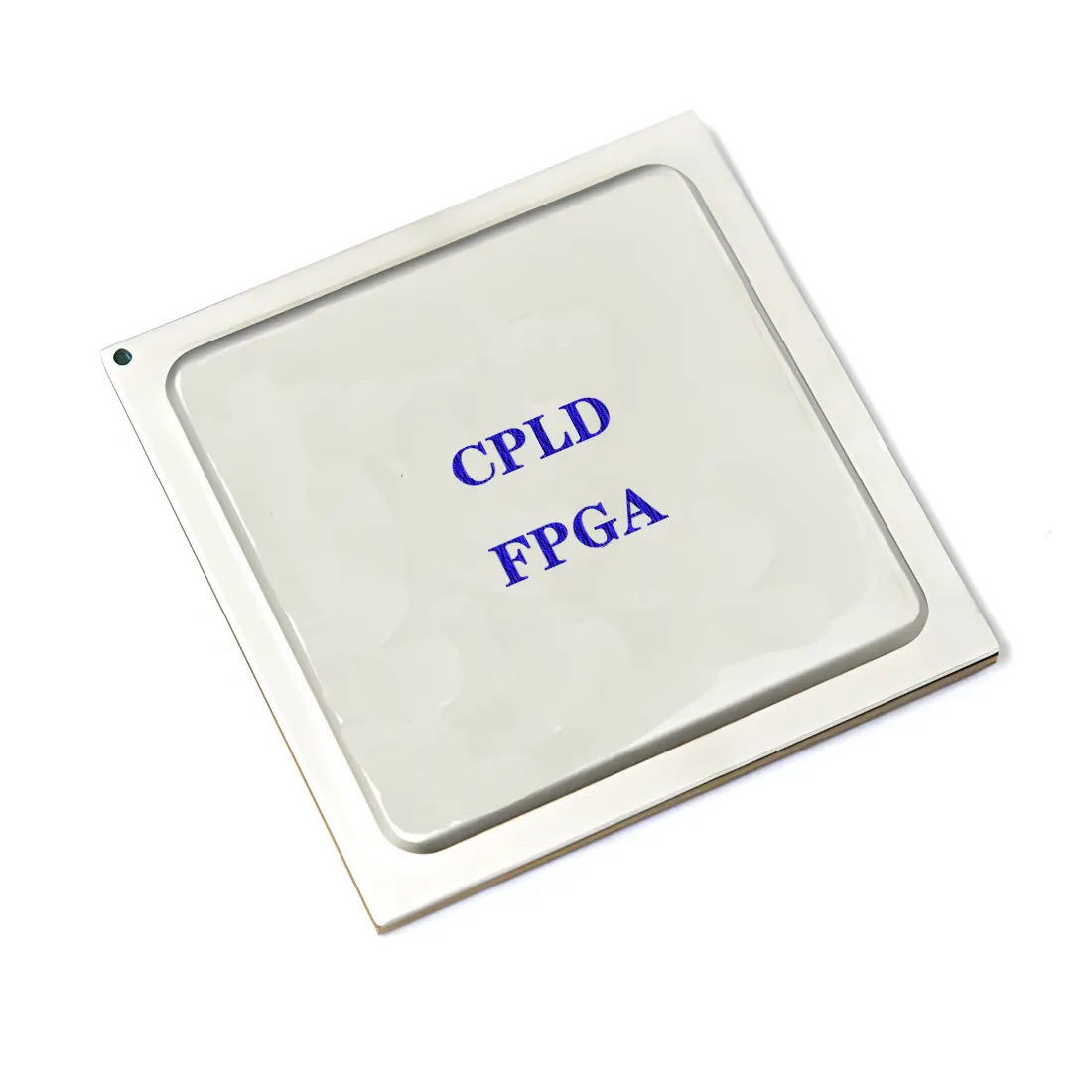 Programmable Logic Device(CPLD/FPGA)
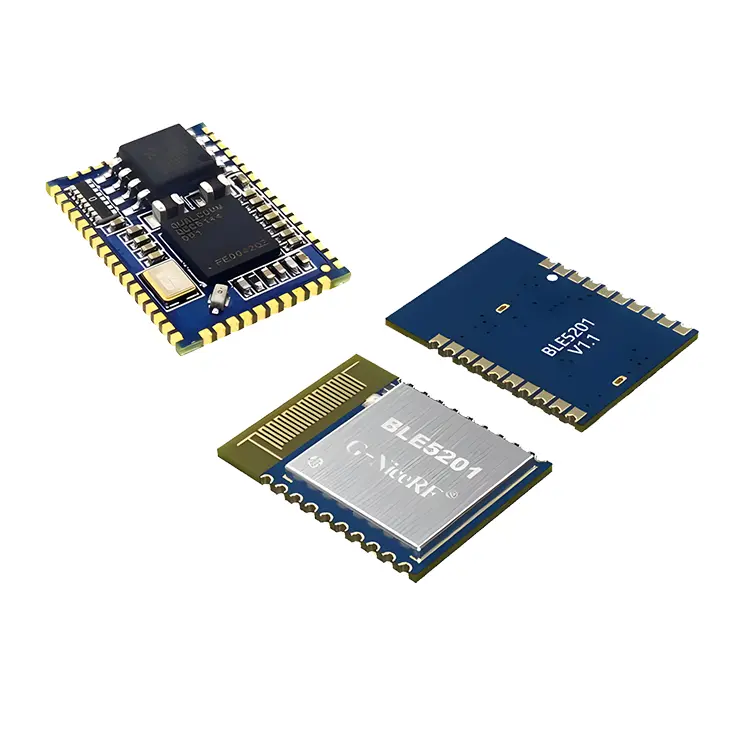 Communication Modules/IoT
 Resistors
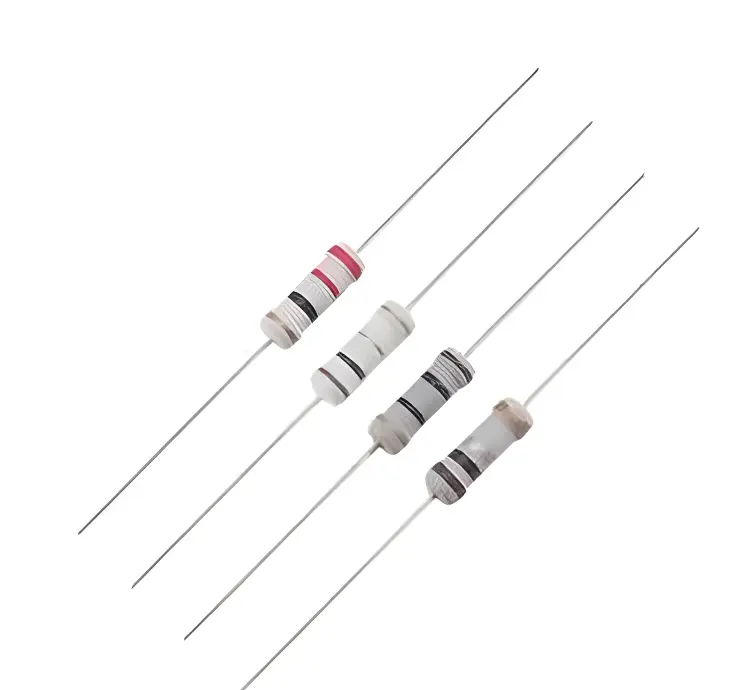 Through Hole Resistors
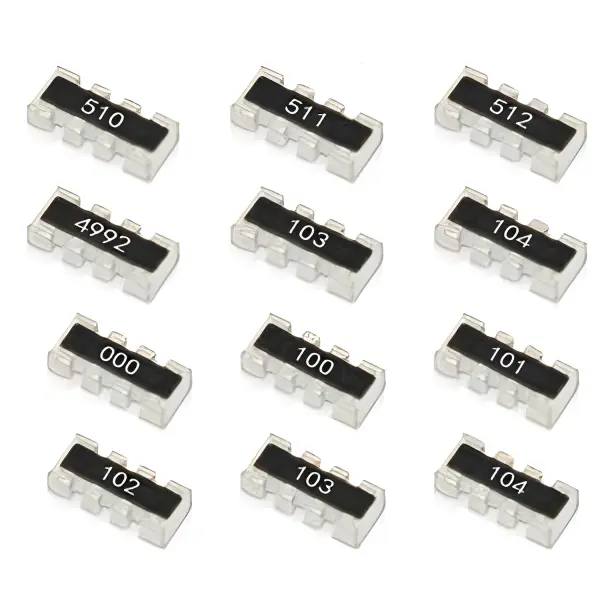 Resistor Networks, Arrays
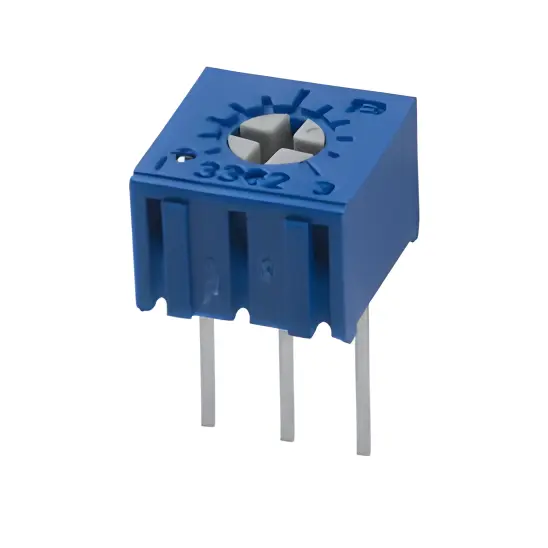 Potentiometers,Variable Resistors
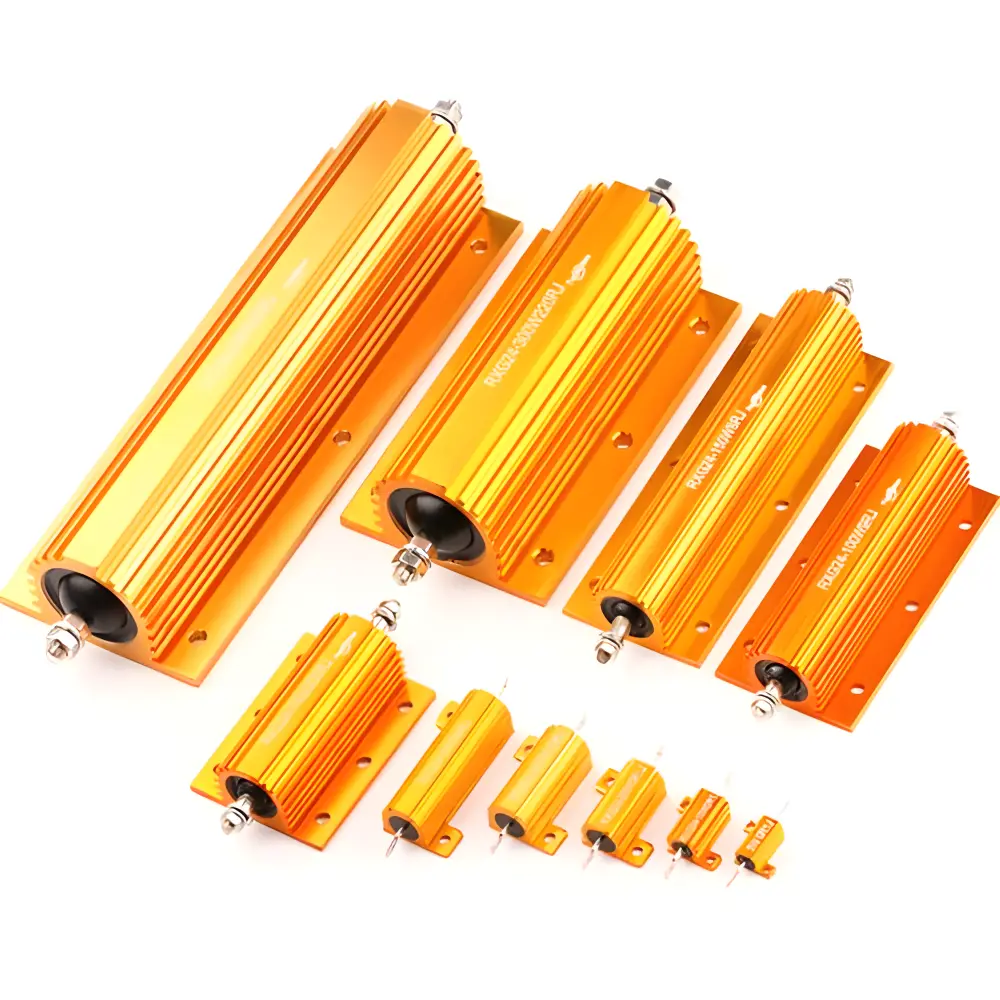 Aluminum Case,Porcelain Tube Resistance
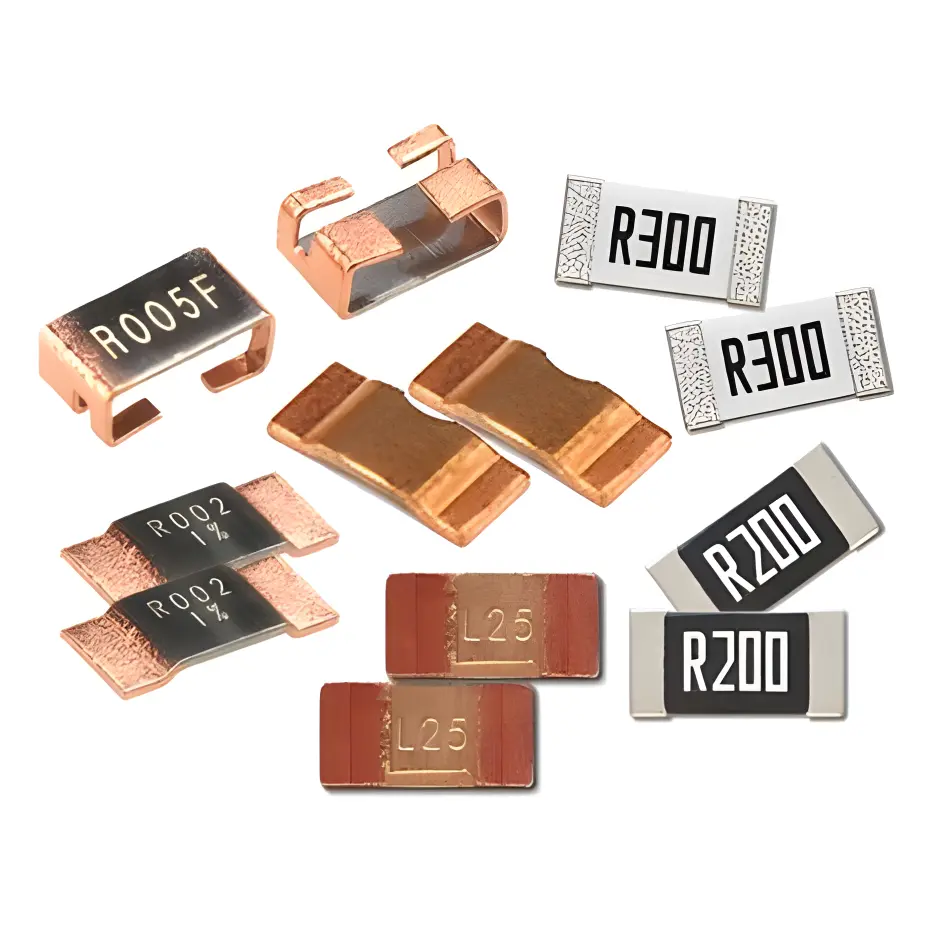 Current Sense Resistors,Shunt Resistors
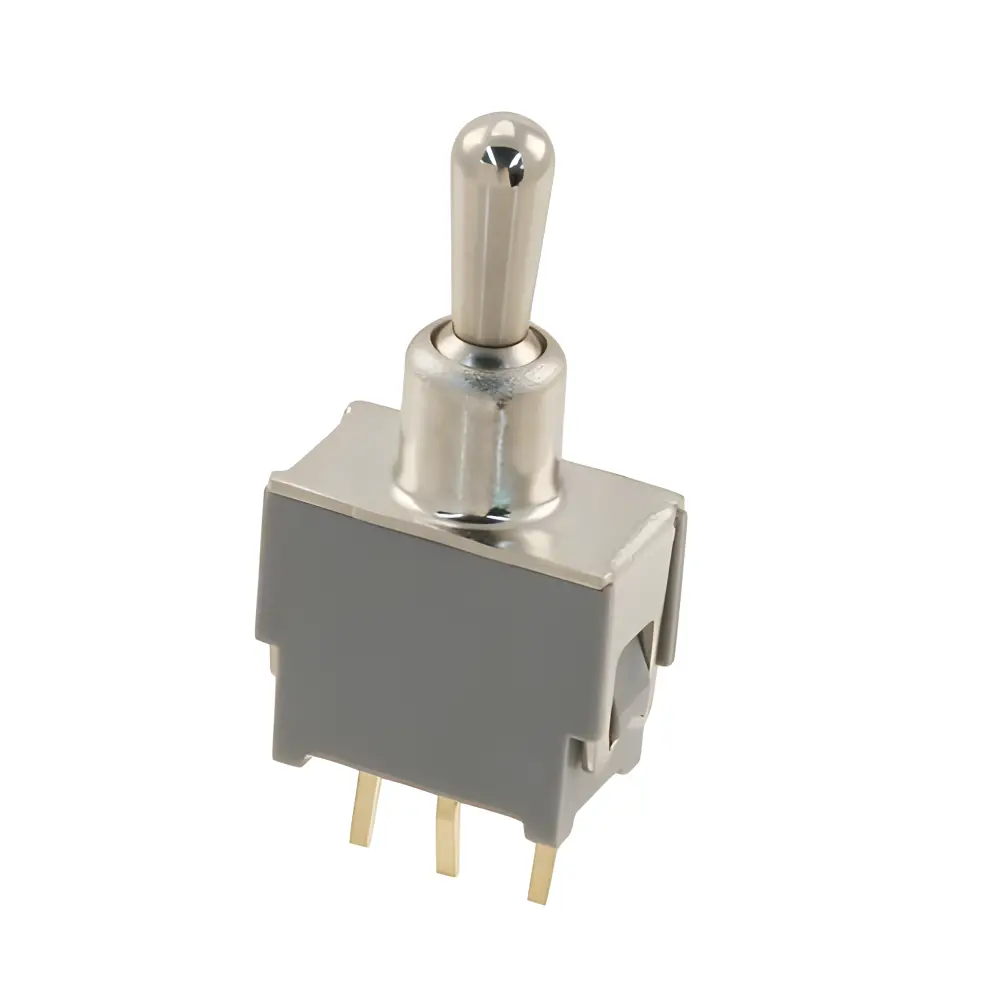 Switches
 Transistors
 Power Modules
 Isolated Power Modules
 AC-DC Power Modules
 DC-AC Module(Inverter)
 RF and Wireless
High-Power Aluminum Core PCB/PCBA Integrated Services
2026-01-22
Minintel Technology: Deeply Engaged in Aluminum Pcb Field, Building a Global Benchmark for High-Power Aluminum Core PCB/PCBA Integrated Services
Amid the rapid iteration of electronic devices toward high power, miniaturization, and high reliability, aluminum PCBs—serving as core heat dissipation carriers—have become indispensable components in fields like LED lighting, new energy vehicles, and 5G communications. Minintel Technology Co., Ltd., headquartered in Shenzhen, a pivotal hub of China's PCB industry, has established a full-chain service system spanning from aluminum PCB R&D, production, and customization to PCBA assembly, leveraging years of technical accumulation in the PCB and PCBA sectors. As a professional aluminum PCB exporter, Minintel provides high-power aluminum PCBs and integrated solutions for global clients, empowering the upgrading of the global electronics industry with its premium aluminum core Pcb Products.
As a high-tech enterprise integrating R&D, production, sales, and services, Minintel Technology taps into Shenzhen's comprehensive industrial chain resources and technological innovation ecosystem to focus on core technological breakthroughs and product iterations of high-power aluminum PCBs. It offers customized aluminum base PCB products for diverse industrial scenarios, covering a full range of specifications including ordinary thermal conductive type, high thermal conductive type, and thermoelectric separation type. Simultaneously, it provides supporting high-precision PCBA soldering, assembly, and testing services to achieve one-stop delivery of "substrate + assembly". Equipped with a strict quality control system, efficient supply chain management, and global service network, Minintel has become a preferred partner for numerous well-known global electronic enterprises, with its aluminum PCBs exported to dozens of countries and regions across Europe, America, Southeast Asia, Japan, and South Korea, solidifying a professional reputation in the high-power aluminum PCB export market.
I. Core Value of Aluminum PCBs: From Structural Characteristics to Industrial Adaptation Logic
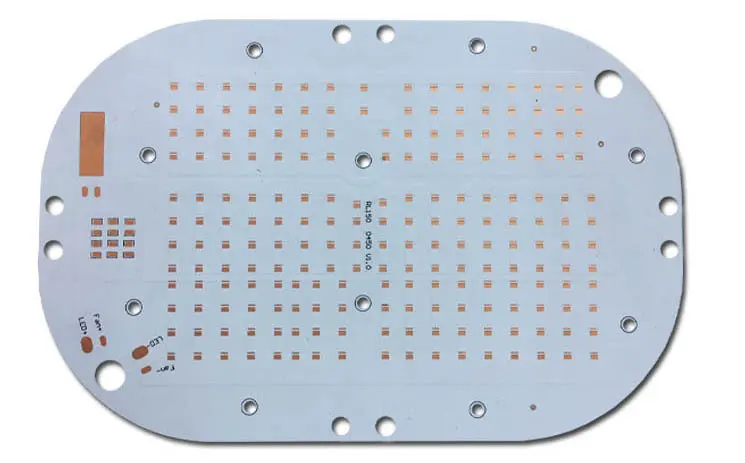
Essentially, an aluminum PCB is a type of Metal Core Printed Circuit Board (MCPCB). Its unique "three-layer sandwich" structure enables it to achieve superior heat dissipation performance compared to traditional FR-4 glass fiber boards, making it the core adaptive carrier for high-power electronic devices. Unlike ordinary circuit boards that only prioritize electrical conductivity, aluminum PCBs take "efficient heat dissipation" as their core mission. Through the synergistic effect of the three-layer structure, they realize rapid conduction, diffusion, and emission of heat, fundamentally resolving the heat dissipation bottlenecks of high-power devices. This thermal advantage is what makes aluminum core PCBs irreplaceable in high-power application scenarios.
(I) Three-Layer Structure and Core Technical Points of Aluminum PCBs
The aluminum PCBs manufactured by Minintel Technology strictly comply with high industry standards. Each layer of the three-layer structure undergoes precise material selection and process control to ensure stable and reliable overall performance— a key advantage that distinguishes Minintel's high-power aluminum PCBs from ordinary products.
1. Circuit Layer (Top Layer): High-purity electrolytic copper foil (with optional thickness of 18μm-70μm) is adopted, and conductive circuits are formed through precision etching processes to carry electronic components and achieve electrical connections. Compared with ordinary copper foil, the electrolytic copper foil selected by Minintel has lower resistivity and better thermal conductivity, enabling it to bear higher current density— a critical requirement for high-power aluminum PCBs. Meanwhile, combined with fine circuit etching technology, the line width deviation is controlled within ±0.05mm to meet the wiring needs of high-power devices. For high-reliability scenarios, surface treatment processes such as tin plating, gold plating, and OSP are also available to enhance soldering performance and corrosion resistance of the aluminum PCB.
2. Insulation Layer (Middle Layer): As the "technical soul" of aluminum PCBs, Minintel adopts a composite system of epoxy resin and high thermal conductive ceramic fillers (such as aluminum oxide and boron nitride). Insulating adhesive is prepared through precise proportioning and vacuum defoaming processes, with a coating thickness controlled between 50μm-200μm (deviation ≤±5μm). This insulation layer not only boasts excellent electrical insulation performance (withstand voltage up to 2500-6000V) to prevent short circuits between the circuit layer and the metal substrate but also achieves efficient heat conduction. Its thermal conductivity can be increased from 1.0W/(m·K) to over 4.0W/(m·K) according to product positioning, and even exceed 10W/(m·K) through special material formulations— providing core thermal support for high-power aluminum PCB applications.
3. Metal Substrate Layer (Bottom Layer): High-quality aluminum alloy sheets such as 6061 and 5052 are selected, balancing thermal conductivity and mechanical strength. Among them, 6061 aluminum alloy features excellent thermal conductivity (about 200W/(m·K)) and formability, suitable for most general aluminum PCB scenarios; 5052 aluminum alloy offers higher corrosion resistance and fatigue strength, adapting to harsh environments like new energy vehicles and marine engineering. Through precision cutting and surface pretreatment processes, Minintel ensures the dimensional deviation of the aluminum substrate is ≤±0.5mm and the surface flatness is excellent, laying a solid foundation for subsequent lamination and assembly of the aluminum core PCB.
Compared with traditional FR-4 glass fiber boards, aluminum PCBs have significant heat dissipation advantages: the thermal resistance of a 1.5mm-thick FR-4 board reaches 20-22℃, while that of an aluminum PCB of the same thickness is only 1.0-2.0℃, with thermal conductivity improved by over 100 times. This performance gap allows aluminum PCBs to effectively reduce the junction temperature of high-power devices, avoid performance attenuation, light decay, and device burnout caused by excessive temperature, and significantly extend the service life of equipment— a key value proposition of Minintel's high-power aluminum PCBs.
(II) Core Advantages and Industrial Adaptation Scenarios of Aluminum PCBs
In addition to core heat dissipation performance, aluminum PCBs also possess multiple advantages such as strong thermal stability, lightweight, high rigidity, safety, and environmental friendliness, enabling them to adapt to the harsh requirements of different industries. These advantages constitute the core competitiveness of Minintel's aluminum PCBs as a professional aluminum PCB exporter serving global markets.
1. Strong Thermal Stability, Enhancing Equipment Reliability: The service life of electronic components is significantly negatively correlated with operating temperature— for every 10℃ increase in temperature, the device life may be halved. Aluminum PCBs can effectively mitigate the thermal expansion and contraction differences of different materials, reducing the risk of SMT solder joint cracking. Even in a wide temperature range of -40℃ to 125℃, they maintain stable performance. For instance, in satellite power amplifier applications, Minintel's high thermal conductive aluminum PCBs reduce the device junction temperature by 15℃ and extend equipment life by 3 times, demonstrating the reliability of its high-power aluminum PCBs.
2. Integrated Lightweight and High Rigidity: The density of aluminum alloy is only 2.7g/cm³, much lower than that of copper substrates (8.9g/cm³). In weight-sensitive scenarios like aerospace and automotive electronics, aluminum PCBs can significantly reduce the overall weight of equipment— every 1kg reduction in spacecraft weight lowers launch costs by tens of thousands of US dollars. Meanwhile, aluminum PCBs offer excellent vibration resistance, impact resistance, and dimensional stability: when heated from 30℃ to 140-150℃, the dimensional change rate is only 2.5-3.0%, making them suitable for complex working conditions. This lightweight advantage further expands the application scope of Minintel's aluminum core PCBs.
3. Safety, Environmental Friendliness, and Outstanding Cost-Effectiveness: Minintel's aluminum PCBs fully comply with international environmental standards such as RoHS and REACH. The insulation layer has excellent voltage resistance, avoiding short-circuit fire risks, and aluminum materials are recyclable, aligning with the global green manufacturing trend. Compared with high-cost copper substrates (excellent thermal conductivity but 2-3 times the price of aluminum PCBs) and fragile ceramic substrates, aluminum PCBs strike a perfect balance between heat dissipation, weight, and cost, covering over 80% of high heat dissipation demand scenarios. This cost-performance advantage makes Minintel's high-power aluminum PCBs highly competitive in the global market.
Based on these advantages, Minintel's aluminum PCBs have been widely applied in six major mainstream fields: lighting (high-power LED street lights, vehicle lights, industrial and mining lights, accounting for over 35% of demand), new energy vehicles (motor controllers, OBC, BMS, with usage per new energy vehicle increasing from 1.2kg to 2.8kg), 5G communications (base station power amplifiers, filters, with demand growing by 40% year-on-year in 2024), aerospace (satellite, UAV electronic equipment), consumer electronics (audio power amplifiers, foldable screen mobile phone heat dissipation modules), and industrial & new energy (photovoltaic inverters, laser medical equipment). Each application scenario fully leverages the performance advantages of Minintel's high-power aluminum PCBs.
II. Minintel High-Power Aluminum PCBs: Technological Breakthroughs and Customization Capabilities
High-power aluminum PCBs are Minintel Technology's core product series. Targeting application scenarios with power density ≥50W/device, these high-wattage aluminum PCBs achieve dual improvements in heat dissipation efficiency and reliability through material upgrades, process optimization, and structural innovation, capable of adapting to the high-performance requirements of third-generation semiconductor (gallium nitride, silicon carbide) devices. As a professional high-power aluminum PCB supplier and aluminum PCB exporter, Minintel not only masters core production technologies but also offers full-scenario customization capabilities, providing exclusive solutions based on customers' power parameters, installation dimensions, and environmental requirements.
(I) Core Technological Upgrades of High-Power Aluminum PCBs
To meet the heat dissipation needs of high-power scenarios, Minintel Technology has achieved three major core technological breakthroughs in high-power aluminum PCBs, building differentiated competitive advantages that strengthen its position as a leading aluminum PCB exporter.
1. High Thermal Conductive Insulation Layer Technology: By optimizing the insulation layer formula, a composite system of "epoxy resin + nano-aluminum nitride/boron nitride fillers" is adopted, combined with precise stirring and defoaming processes (rotational speed 1000-1500r/min, vacuum degree ≤-0.09MPa). This upgrades the thermal conductivity of the insulation layer to over 4.0W/(m·K), and the ultra-high thermal conductivity model can exceed 10W/(m·K). Meanwhile, strict control over insulation layer thickness uniformity avoids insulation failure caused by local thinness, ensuring safe and stable operation of high-power aluminum PCBs under high-power and high-voltage conditions, with insulation breakdown voltage ≥3.0kV/mm.
2. Thermoelectric Separation Structure Design: Targeting ultra-high power scenarios (power density ≥50W/cm²), Minintel has launched thermoelectric separation type high-power aluminum PCBs. Through special processes such as "groove digging and filling" and "layered etching", conductive circuits are physically isolated from the heat dissipation substrate, realizing the effect of "electricity passing through circuits and heat through the substrate". This structure eliminates the insulation layer's barrier to heat conduction, allowing device-generated heat to be directly transferred to the aluminum substrate, improving heat dissipation efficiency by over 50%. For example, in 100W LED device applications, thermoelectric separation aluminum PCBs reduce the device junction temperature by 25-30℃ compared with conventional aluminum PCBs, significantly extending device life— a key selling point of Minintel's high-power aluminum PCBs.
3. Precision Manufacturing and Quality Control: High-power aluminum PCBs have extremely high requirements for manufacturing precision. Minintel has realized full-process process control by introducing high-end equipment such as laser thickness gauges and thermal resistance testers. In the aluminum substrate pretreatment stage, a three-step method of degreasing cleaning, pickling derusting, and passivation treatment ensures no oil stains or oxide layers on the surface, enhancing bonding force with the insulation layer. In the lamination stage, temperature (160-180℃), pressure (20-30kg/cm²), and time (60-90 minutes) are precisely controlled, with regular exhaust to avoid bubbles in the insulation layer. In the etching stage, acid copper chloride etching solution spraying ensures neat circuit edges, etching factor ≥3, and line width deviation ≤±0.05mm— all contributing to the consistent quality of Minintel's aluminum PCBs.
(II) Full-Scenario Customization Service Capabilities
Demand for aluminum PCBs in high-power equipment varies across industries. Relying on flexible production lines and a professional R&D team, Minintel Technology provides full-process customization services for aluminum PCBs, from parameter design and prototype trial production to mass production. This customization capability further enhances Minintel's competitiveness as a high-power aluminum PCB supplier and exporter.
1. Performance Parameter Customization: According to customers' equipment power and heat dissipation requirements, core parameters of high-power aluminum PCBs are customized, including insulation layer thermal conductivity (1.0-10W/(m·K)), voltage resistance level (2.5kV-6.0kV), and thermal resistance (≤0.5℃·in/W). It also adapts to different copper foil thicknesses and surface treatment processes to meet diverse electrical performance needs. For example, the high-power aluminum PCB customized for new energy vehicle OBC modules has a thermal conductivity ≥3.0W/(m·K) and performance attenuation <20% after 100 cycles of high-low temperature cycling (-40℃ to 120℃), fully meeting the harsh requirements of automotive electronics.
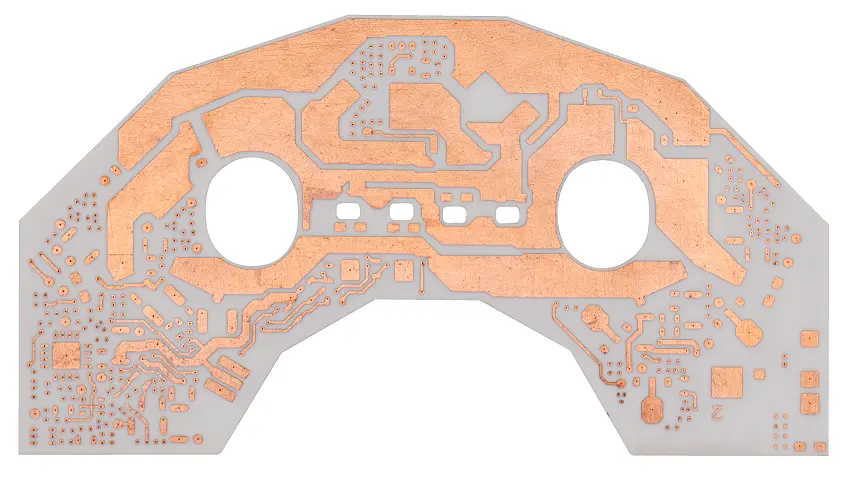
2. Structure and Dimension Customization: For special-shaped and high-precision installation needs, Minintel provides laser cutting and CNC punching services for aluminum PCBs, with dimensional accuracy controlled within ±0.1mm, adapting to special shapes such as arcs and notches. Meanwhile, based on device layout, it optimizes the substrate's heat dissipation path by adding heat dissipation fins and optimizing circuit layout, further improving the heat dissipation efficiency of high-power aluminum PCBs.
3. Scenario-Adapted Customization: Combined with the working conditions of different industries, Minintel provides targeted aluminum PCB solutions. For example, high-power aluminum PCBs customized for outdoor LED street lights are equipped with salt spray and UV resistance treatments, passing the ASTM B117 500-hour salt spray test without corrosion. Aluminum PCBs for aerospace equipment adopt lightweight aluminum alloys and high-strength insulation layers, strictly controlling weight and mechanical strength while meeting heat dissipation requirements. This scenario-based customization makes Minintel's aluminum PCBs suitable for global market demand.
III. Minintel Aluminum PCB Export Services: Global Layout and Compliance Assurance
As an experienced aluminum PCB exporter, Minintel Technology provides stable and reliable high-power aluminum PCB export services for global customers through a comprehensive global service system, strict compliance control, and efficient supply chain capabilities. Its products cover major markets in Europe, America, Southeast Asia, Japan, South Korea, and the Middle East, serving customers in fields such as LED lighting, automotive electronics, and communication equipment— solidifying its status as a global aluminum PCB supplier.
(I) Global Service Capabilities and Supply Chain Assurance
Minintel Technology has built an operation model of "localized R&D and production, globalized services". Relying on its Shenzhen headquarters production base, it realizes large-scale and high-precision production of aluminum PCBs and high-power aluminum core PCBs. Meanwhile, it has established service outlets in core overseas markets to provide localized technical support, order follow-up, and after-sales services, ensuring efficient response. In logistics and distribution, it cooperates with well-known international logistics enterprises to provide diversified transportation solutions such as sea freight, air freight, and express delivery. For urgent orders, it can deliver to major global cities in as fast as 3 days, while optimizing logistics costs to provide cost-effective services for global customers purchasing aluminum PCBs.
In response to the particularities of export business, Minintel has established an efficient supply chain management system, realizing full-process visual control of raw material procurement, production, quality inspection, and logistics to ensure stable delivery cycles: 7-10 days for conventional aluminum PCBs, 3-5 days for customized high-power aluminum PCB prototypes, and 10-15 days for mass production. This meets the emergency production needs of global customers. It also maintains a safety stock mechanism for core raw materials and conventional aluminum PCB products to cope with supply chain fluctuations and order peaks.
(II) Compliance Certification and Quality Assurance System
Compliance requirements for electronic components vary across global regions. As a professional aluminum PCB exporter, Minintel Technology strictly follows international standards and target market regulations to ensure all exported aluminum PCBs and high-power aluminum core PCBs are fully compliant. It has obtained multiple international certifications, including RoHS, REACH, UL, and IPC-TM-650, meeting environmental and safety standards in Europe, the United States, Japan, and other regions. For high-power aluminum PCBs, additional tests such as solder resistance, high-low temperature resistance, and insulation resistance are conducted to ensure stable performance under different working conditions.
To ensure consistent quality of exported aluminum PCBs, Minintel has established a strict quality inspection system, conducting 10 core indicator tests on each batch of products: insulation resistance (≥10¹³Ω at room temperature and humidity), insulation breakdown voltage (≥3.0kV/mm), thermal conductivity (measurement error <5%), peel strength (≥1.5N/mm at room temperature), thermal resistance, solder resistance (no abnormality after 10 seconds of immersion in 260℃ molten solder), high-low temperature resistance, salt spray resistance, dimensional stability (dimensional change rate ≤±0.1% after baking at 150℃ for 2 hours), and appearance quality. Through a combination of full inspection and random inspection, the product yield is maintained above 95%, and an inspection report is provided for each batch to ensure traceable quality— a key guarantee for Minintel's aluminum PCB export business.
(III) Localized Technical Support and After-Sales Services
The application of aluminum PCBs involves multiple links such as heat dissipation design, circuit layout, and assembly processes. As a customer-centric aluminum PCB exporter, Minintel Technology provides comprehensive technical support for export customers: a professional engineer team assists in aluminum PCB selection, heat dissipation scheme optimization, and circuit design, avoiding performance issues caused by improper design. For mass orders, it offers prototype trial production and small-batch trial services to verify product adaptability. After delivery, 7×24-hour technical consulting services are provided to promptly solve installation and usage problems. Regular customer visits are conducted to collect feedback and continuously optimize aluminum PCB performance, enhancing customer satisfaction.
IV. PCB/PCBA Integrated Services: Full-Chain Delivery from Aluminum PCB to Finished Products
Compared with pure aluminum PCB suppliers, Minintel Technology's core advantage lies in integrating "aluminum PCB production + PCBA assembly" services. It provides full-chain delivery from aluminum core PCB components to finished modules, significantly simplifying customers' supply chains and reducing procurement and management costs. Relying on professional PCBA manufacturing capabilities, Minintel accurately solders and assembles independently produced high-power aluminum PCBs with electronic components, delivering finished products after strict testing— realizing "one-stop procurement and one-stop acceptance" for global customers.
(I) High-Precision PCBA Assembly Capabilities
Minintel Technology has a modern PCBA production workshop equipped with high-end equipment such as SMT placement machines, reflow ovens, wave soldering equipment, and AOI testing devices, realizing full-process automated production from placement, soldering, and cleaning to testing— adapting to the precision assembly needs of high-power aluminum PCBs. Based on the characteristics of aluminum PCBs, assembly parameters are optimized: in reflow soldering, the temperature curve is precisely controlled to avoid aluminum PCB deformation or insulation layer failure caused by high temperature; in soldering, lead-free solder and high-activity flux are used to ensure firm joints without defects like cold solder or bridging, with a soldering yield ≥99.5%. This ensures the reliability of PCBA products assembled with Minintel's aluminum PCBs.
Minintel also has rich experience in high-power PCBA assembly, capable of handling high-density and fine-pitch device assembly, supporting soldering of BGA, QFP, QFN, and other packaging types with line width and spacing below 0.1mm. Strict ESD protection measures are implemented during assembly to avoid electrostatic damage to high-sensitivity components. Multi-dimensional testing methods such as AOI automatic optical inspection, X-Ray inspection, and electrical performance testing ensure stable performance of PCBA finished products— fully matching the high-quality requirements of Minintel's aluminum PCBs.
(II) Core Value of Integrated Services
For global high-power electronic equipment manufacturers, Minintel's PCB/PCBA integrated services bring three core values, closely linked to its aluminum PCB advantages: first, cost optimization— integrating aluminum PCB production and PCBA assembly reduces intermediate procurement, transportation, and communication costs, minimizing losses from improper supplier collaboration. Second, cycle shortening— seamless connection between aluminum PCB production and PCBA assembly avoids delays from multi-supplier cooperation, reducing the overall project cycle by over 30%. Third, quality control— unified production and control of aluminum PCBs and PCBA ensure excellent adaptability, avoiding quality issues from mismatched performance and processes, with full-process traceable quality improving reliability.
For example, a well-known global LED street light enterprise partnered with Minintel to adopt high-power aluminum PCB + PCBA integrated services. This not only reduced procurement costs by 20% and shortened the delivery cycle from 25 days to 15 days but also extended LED street light service life from 30,000 hours to 50,000 hours through Minintel's optimized aluminum PCB heat dissipation scheme— significantly enhancing the customer's product competitiveness.
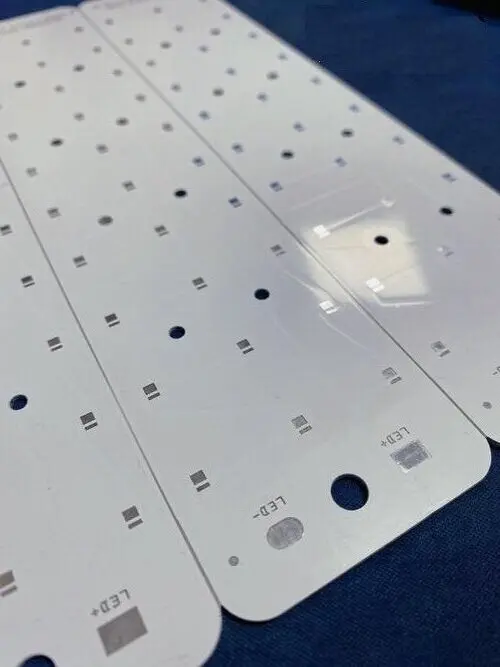
V. Technological Innovation and Future Layout: Leading New Directions in the Aluminum PCB Industry
Against the backdrop of rapid electronics industry upgrading, high power, high thermal conductivity, lightweight, and integration have become the development trends of aluminum PCBs. Minintel Technology has always regarded technological innovation as its core competitiveness, establishing a professional R&D center and investing heavily in new materials, processes, and structures for aluminum PCBs and high-power aluminum core PCBs. It keeps pace with industry trends, lays out emerging fields, and continuously provides higher-quality aluminum PCB products and services for global customers.
(I) Continuous Technological R&D and Innovation
Minintel's R&D team focuses on three key directions for aluminum PCB technological breakthroughs: first, developing insulation materials with higher thermal conductivity— introducing new ceramic fillers and polymer composites to increase insulation layer thermal conductivity to over 15W/(m·K), breaking the heat dissipation bottleneck of high-power aluminum PCBs. Second, integrated structure design— integrating aluminum PCBs with heat dissipation fins and electromagnetic shielding structures to reduce subsequent assembly links and improve equipment integration. Third, applying green materials— developing degradable insulation materials and high-recycling aluminum alloy substrates, aligning with global dual-carbon goals and promoting green development of the aluminum PCB industry. These innovations will further consolidate Minintel's leading position in high-power aluminum PCBs.
Minintel also actively conducts industry-university-research cooperation with universities and research institutions, sharing technical resources and accelerating the transformation of scientific research achievements. It has obtained multiple technical patents in high thermal conductive insulation layer formulations and thermoelectric separation processes for aluminum PCBs, forming core technical barriers that support its development as a top aluminum PCB exporter.
(II) Layout in Emerging Fields and Market Expansion
With the rapid development of emerging fields such as new energy vehicles, 6G communications, artificial intelligence, and lidar, the application scenarios of aluminum PCBs will expand further. Minintel Technology has laid out these fields in advance: targeting new energy vehicle 800V high-voltage platforms, it has developed high-voltage and high-thermal conductive aluminum PCBs for on-board high-voltage electronic control modules; for lidar and industrial laser equipment, it has launched high-precision thermoelectric separation aluminum PCBs to meet high-frequency, high-power, and high-stability requirements; for 6G communication base stations, it has developed high-frequency and high-speed aluminum PCBs adapting to high-power amplifiers and filters. These new products enrich Minintel's high-power aluminum PCB series, expanding its global market share.
In market expansion, Minintel will deepen its global layout, focusing on the European and American new energy vehicle markets and Southeast Asian electronic manufacturing markets. It will add overseas service outlets and logistics warehousing centers to improve localized service capabilities. Meanwhile, it will optimize the product structure, expanding the proportion of high-end products such as high-power aluminum PCBs and thermoelectric separation aluminum PCBs, striving to become a global leading brand of aluminum PCB and PCBA integrated services.
VI. Conclusion
As a professional enterprise deeply engaged in the PCB/PCBA field, Minintel Technology has become an important participant and promoter in the global high-power aluminum PCB industry, relying on its in-depth understanding of aluminum PCB core technologies, full-chain customization capabilities, and global layout advantages. From ordinary aluminum PCBs to high-power thermoelectric separation aluminum core PCBs, and from single product supply to PCB/PCBA integrated services, Minintel has always been customer-oriented, driven by technological innovation, strictly controlling aluminum PCB quality, optimizing services, and providing efficient, reliable, and cost-effective solutions for global customers.
In the future, as electronic device power density continues to increase and emerging fields rise, the global demand for aluminum PCBs will grow steadily. Minintel Technology will adhere to quality, deepen technological innovation, expand its global service network, and empower the upgrading of the global electronics industry with higher-quality high-power aluminum PCBs and integrated services, collaborating with customers to build a green, efficient, and intelligent electronic future. Whether as a trusted aluminum PCB exporter or a professional high-power aluminum PCB supplier, Minintel Technology will remain a reliable partner for global customers.