
 PCB
PCB FPC
FPC Rigid-Flex
 FR-4
FR-4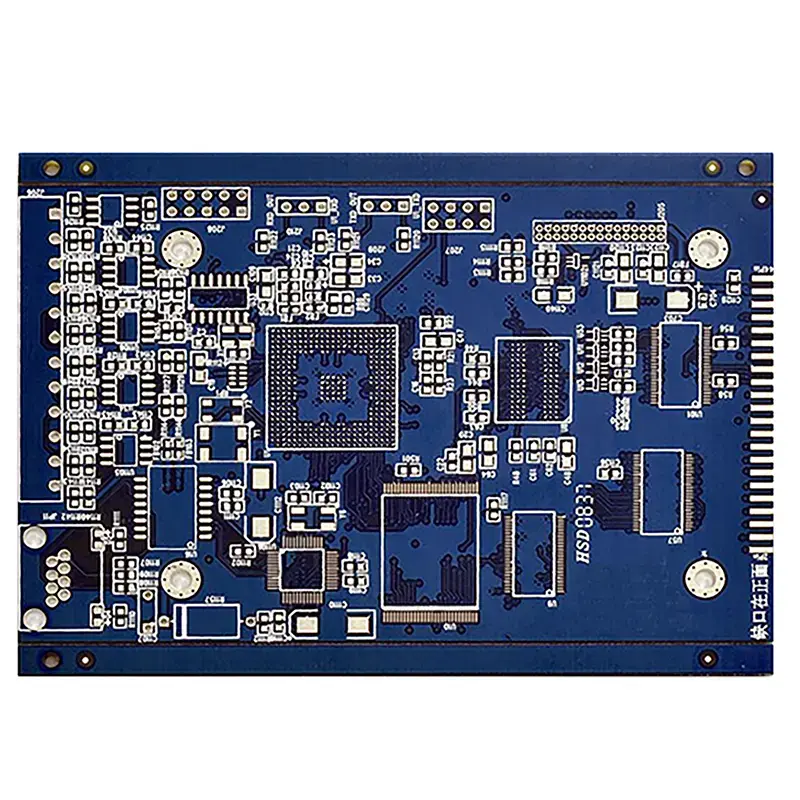 HDI PCB
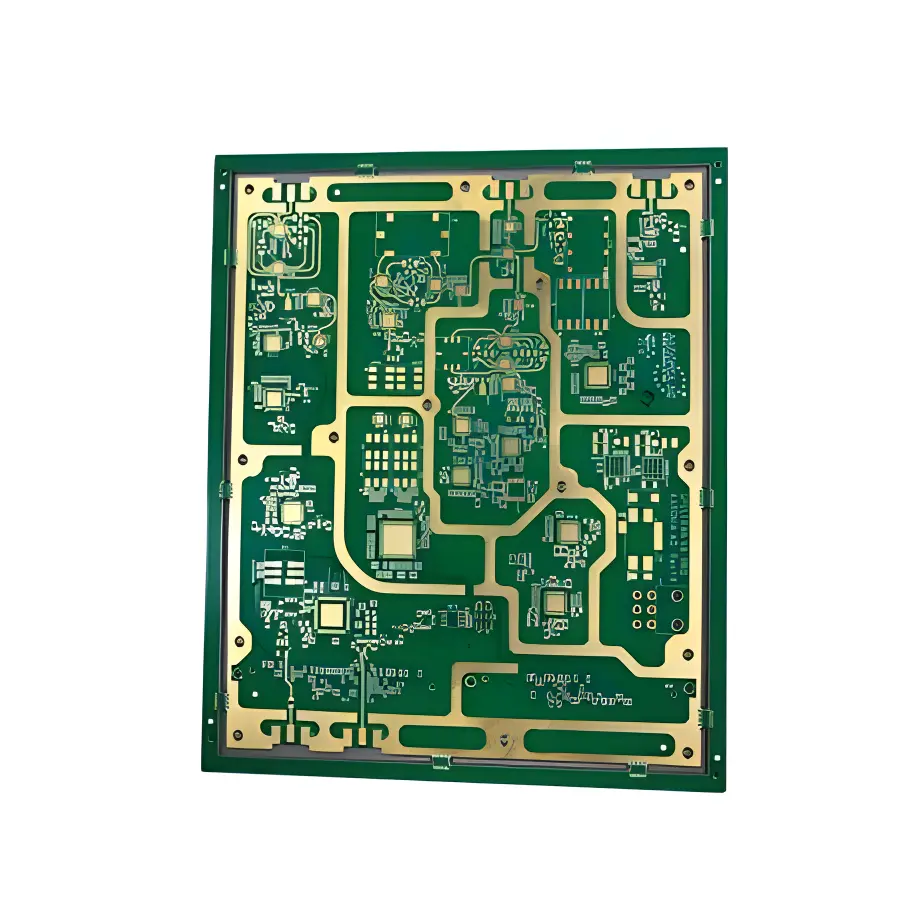 Rogers High-Frequency Board
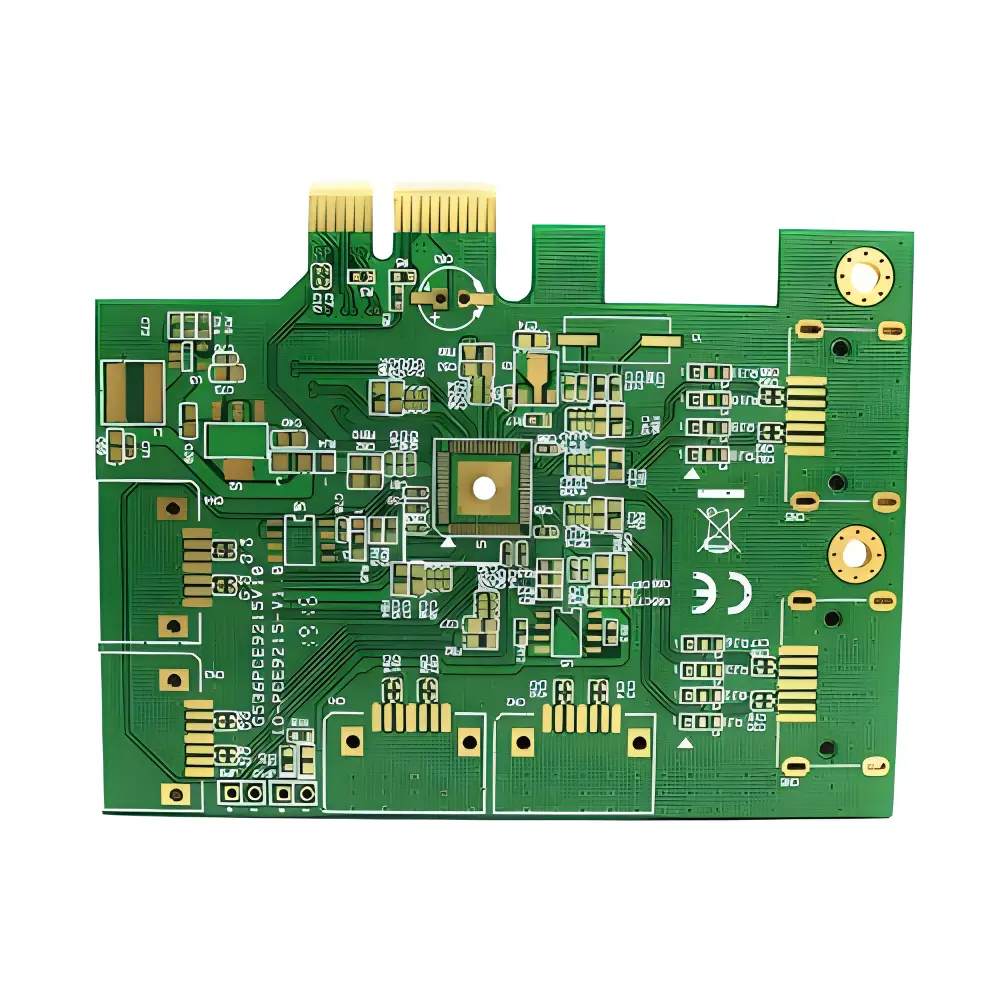 PTFE Teflon High-Frequency Board
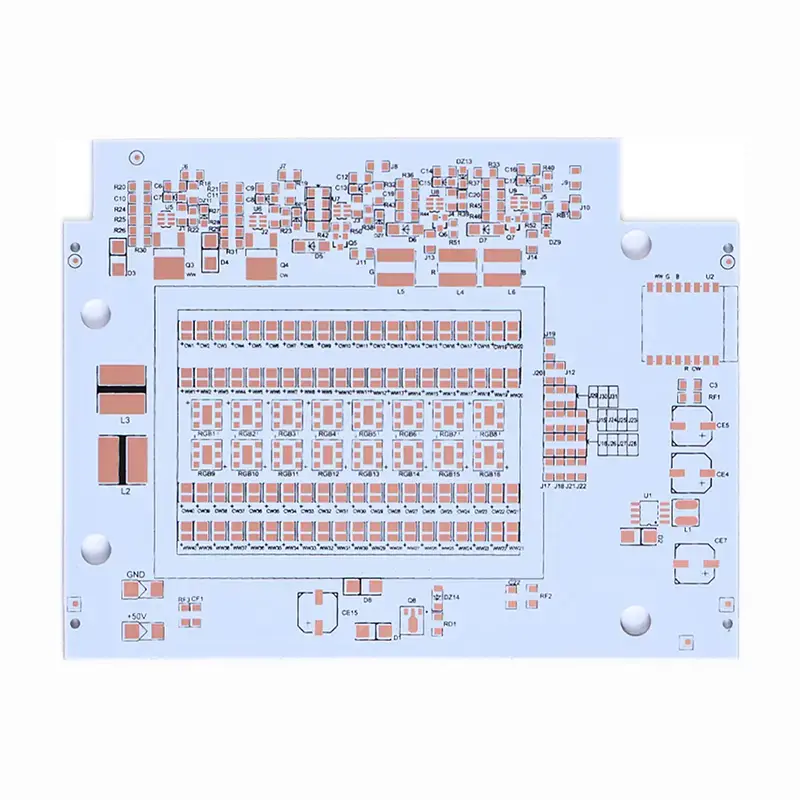 Aluminum
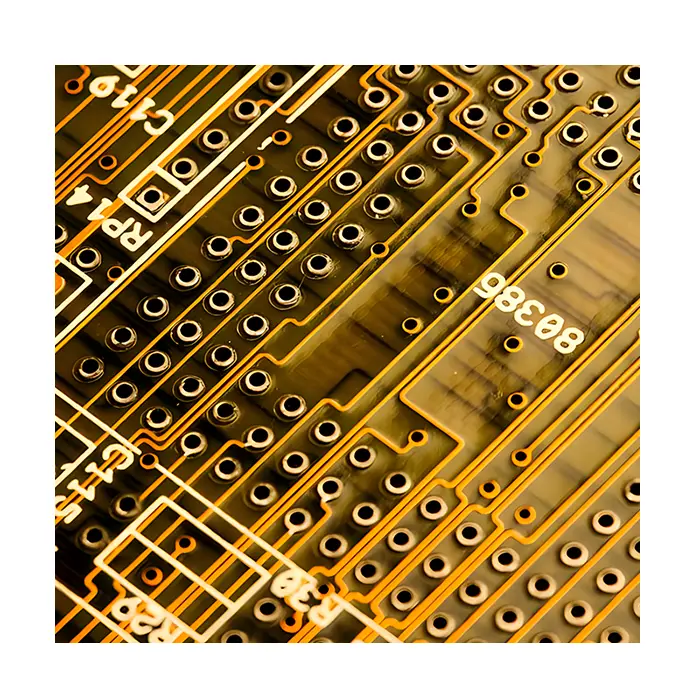 Copper Core
 PCB Assembly
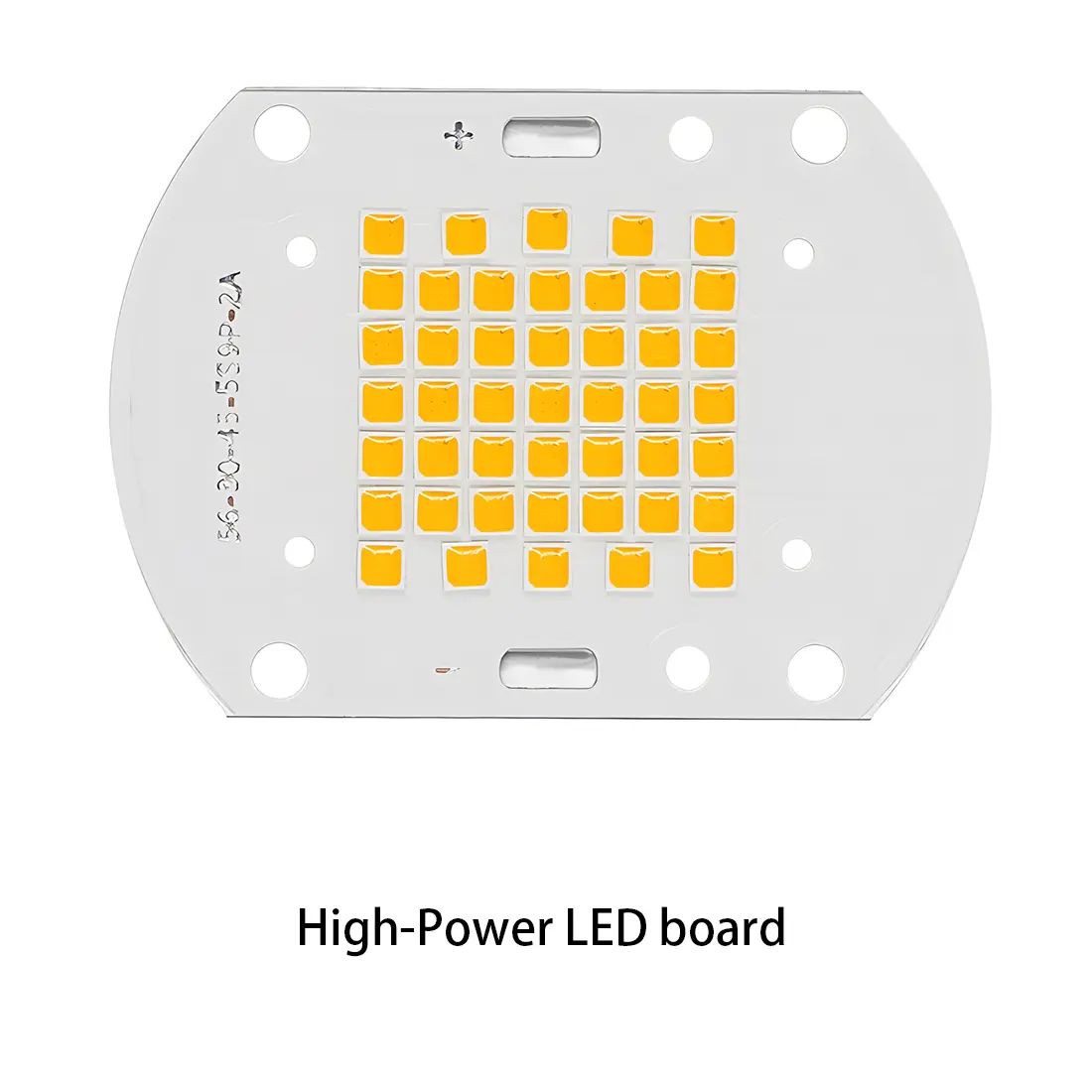 LED light PCBA
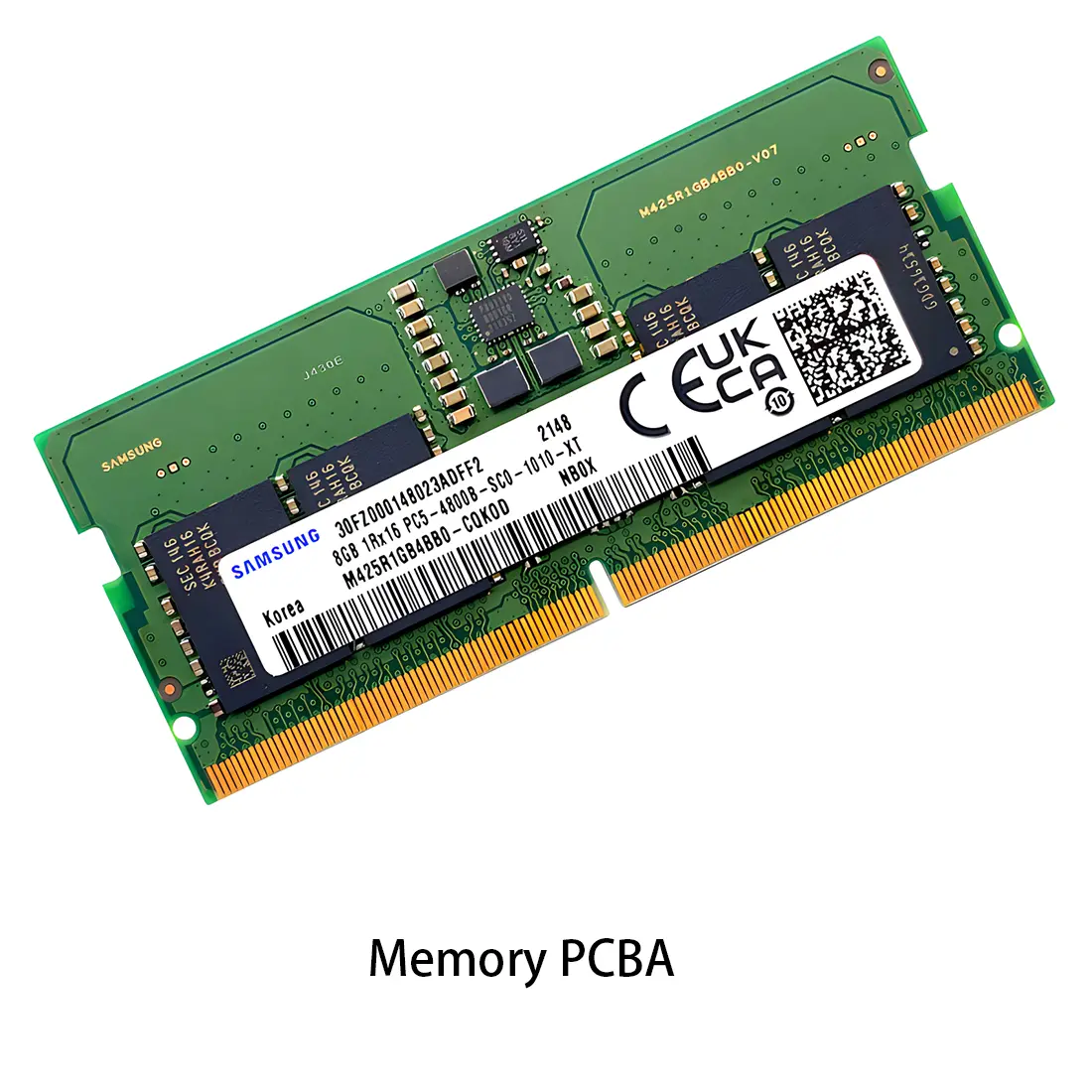 Memory PCBA
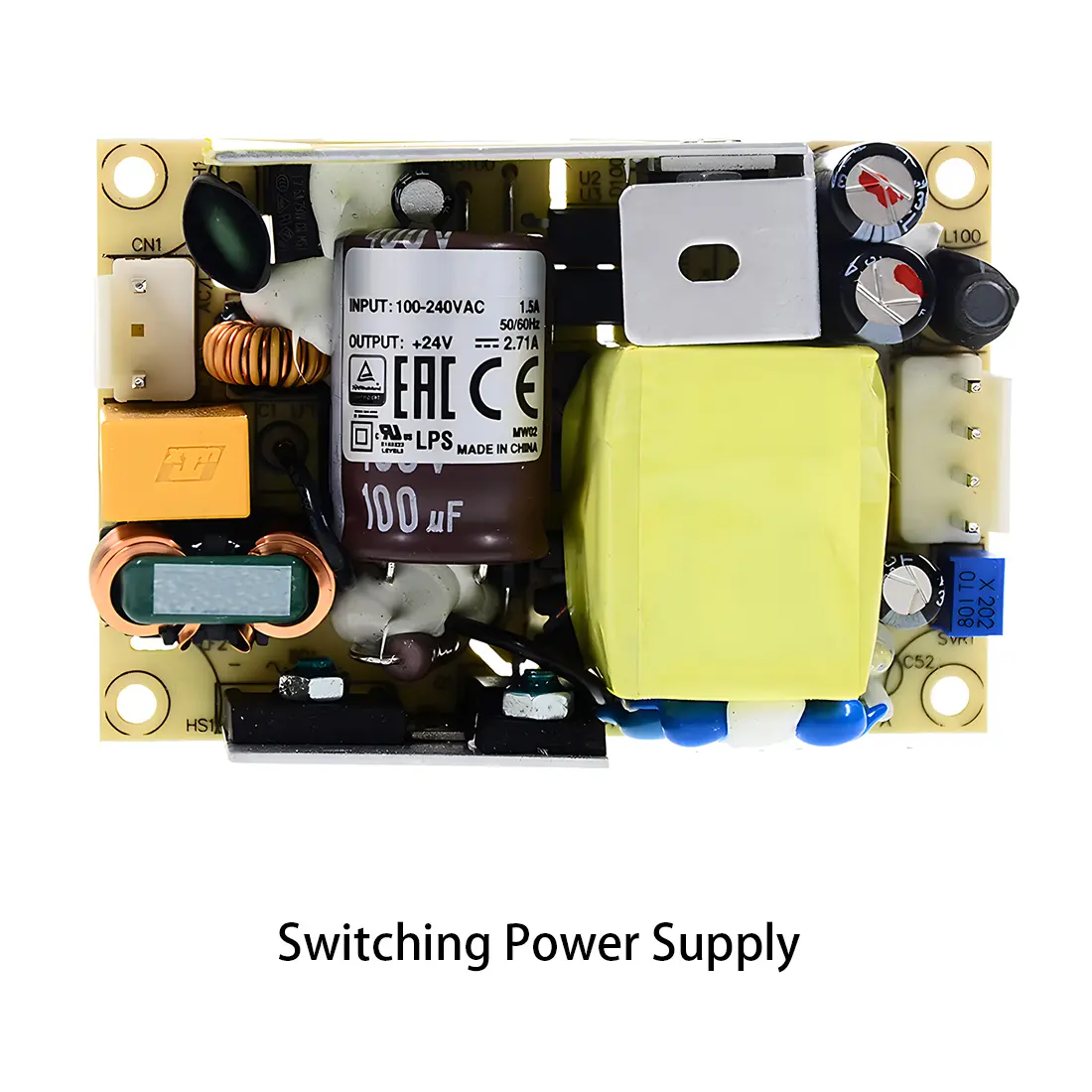 Power Supply PCBA
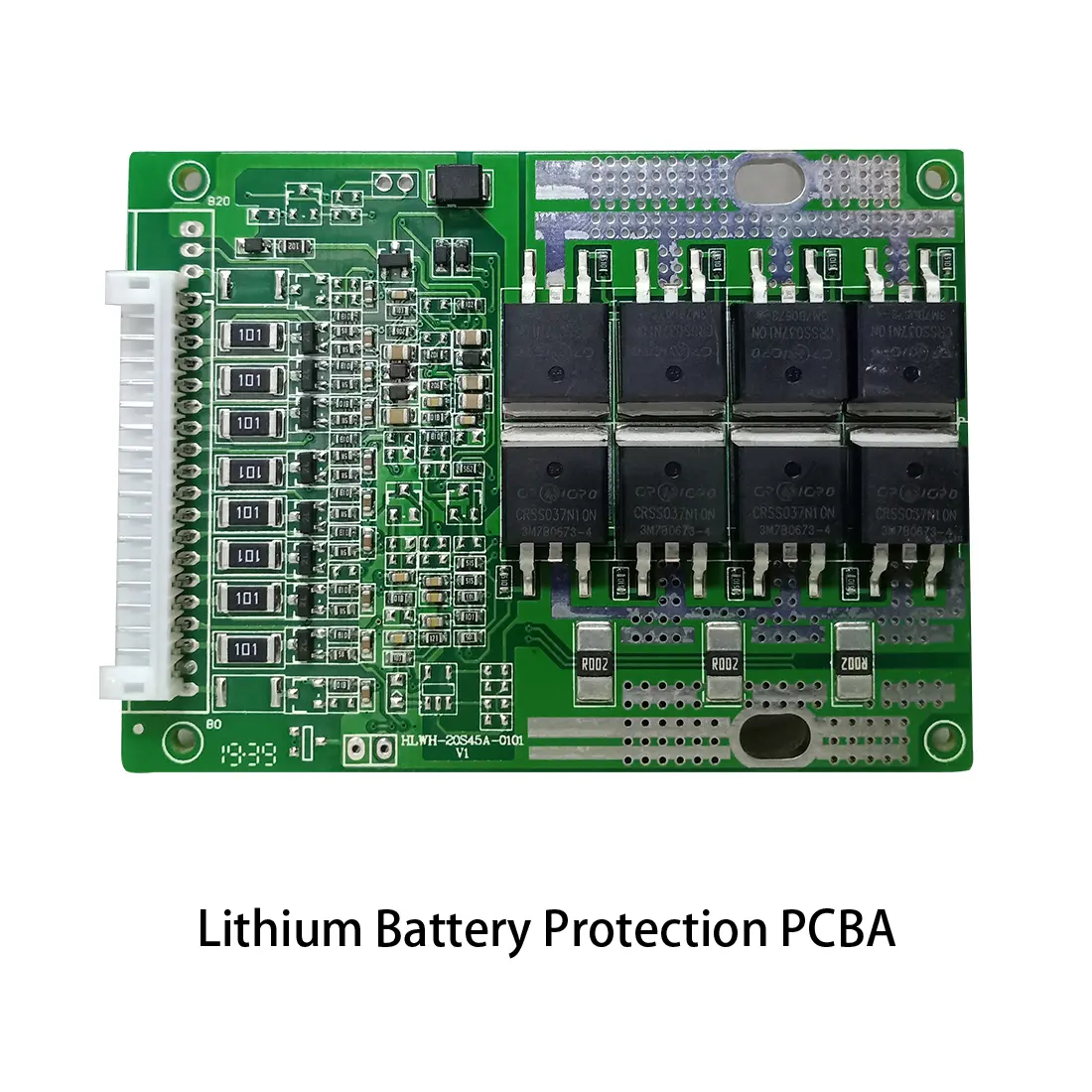 New Energey PCBA
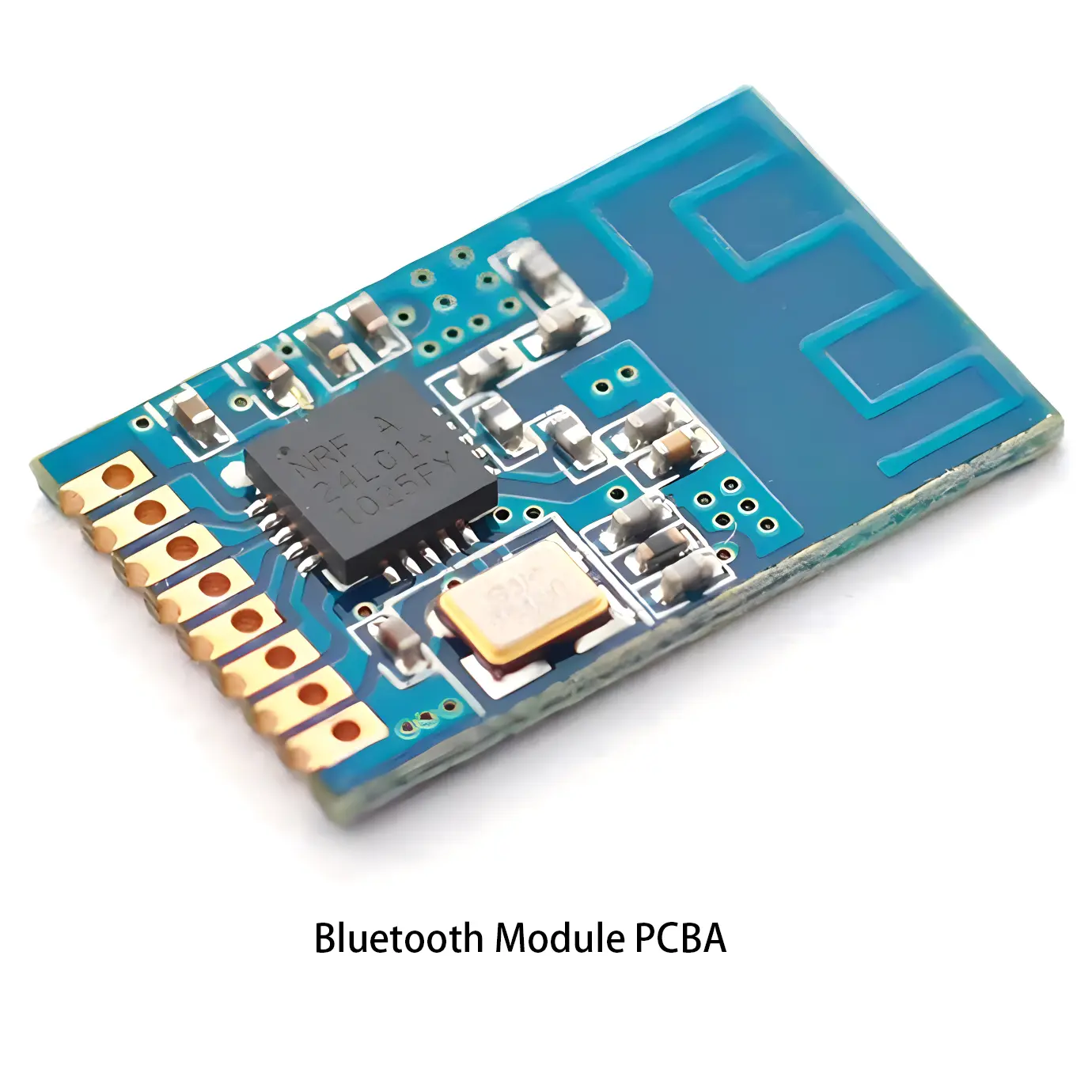 Communication PCBA
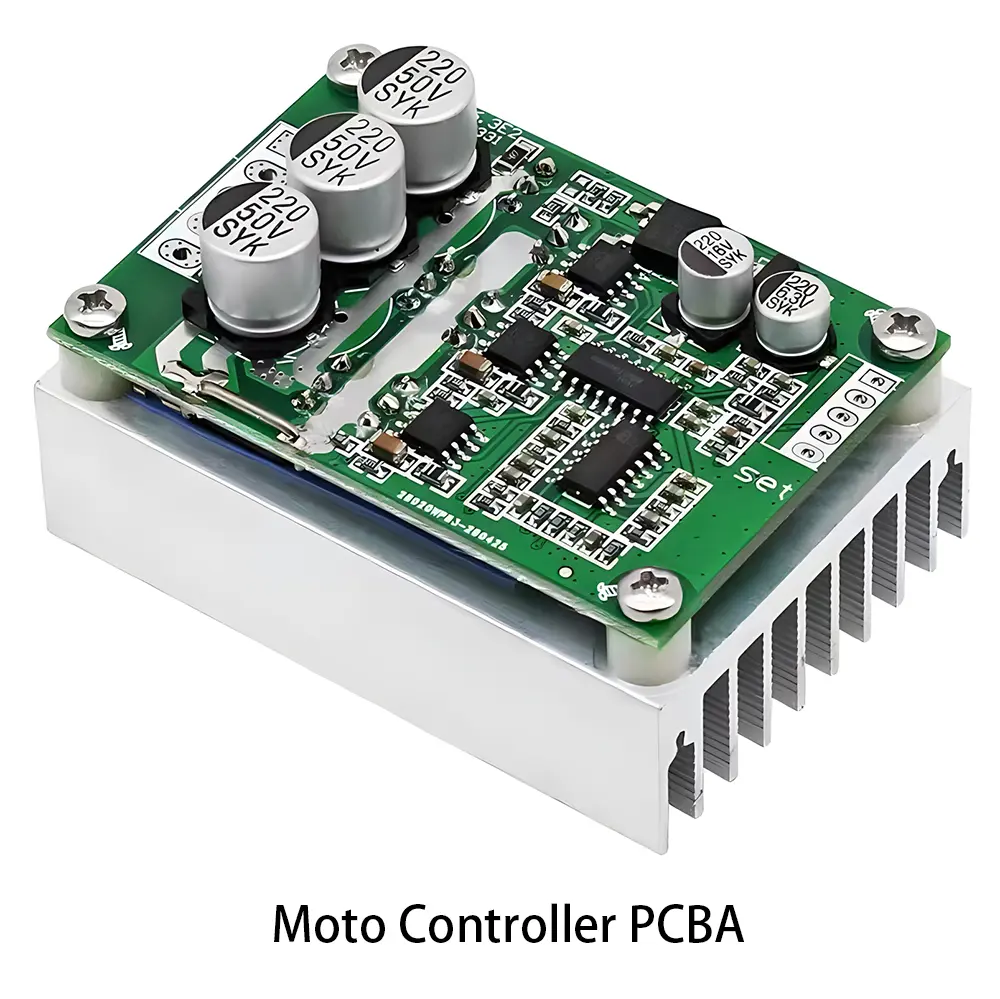 Industrial Control PCBA
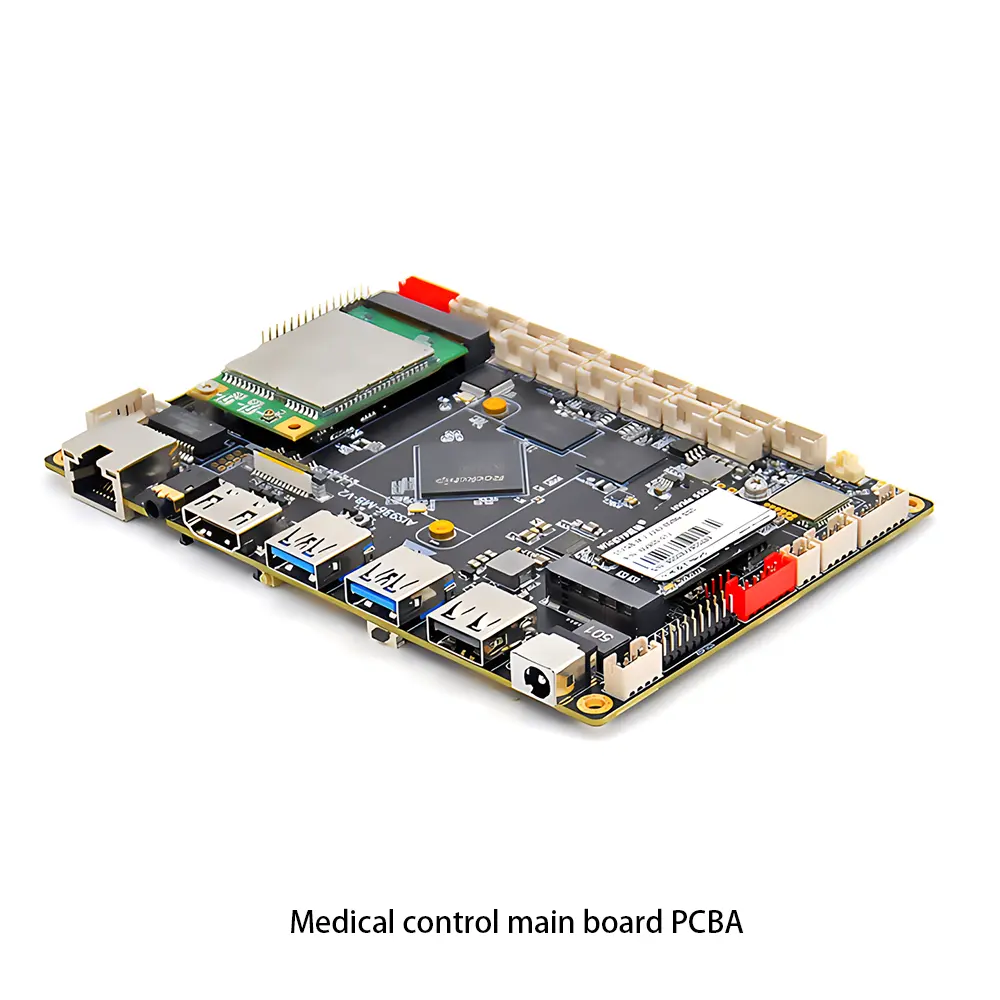 Medical Equipment PCBA
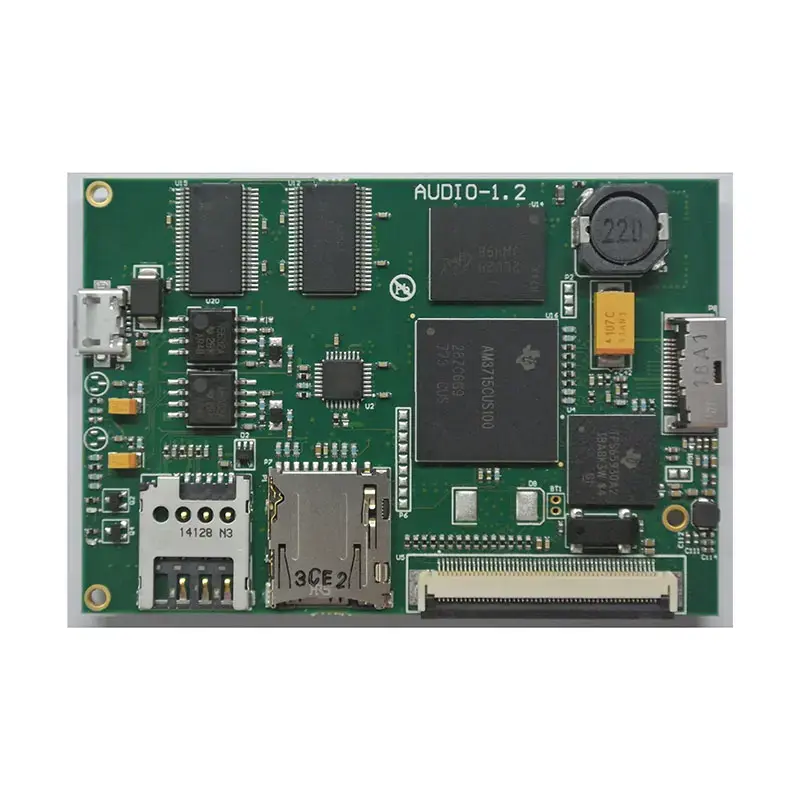 Testing Service
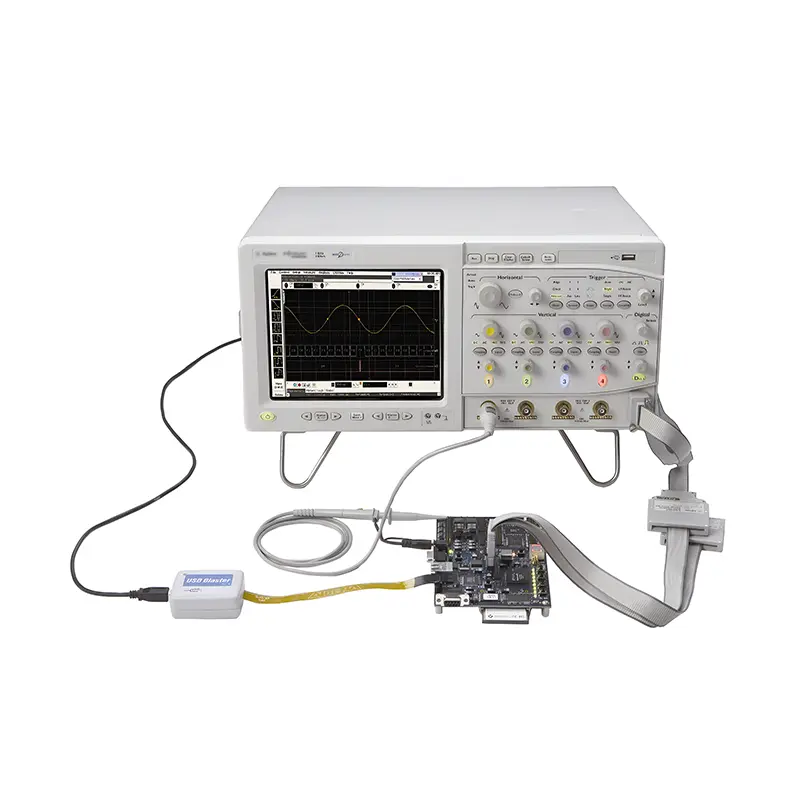 PCBA Testing Service
 Certification Application
 RoHS Certification Application
 REACH Certification Application
 CE Certification Application
 FCC Certification Application
 CQC Certification Application
 UL Certification Application
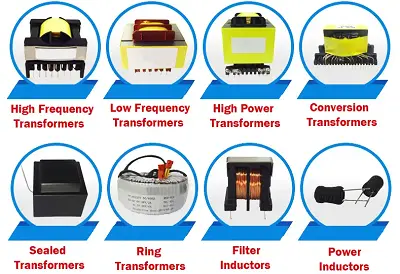 Transformers, Inductors
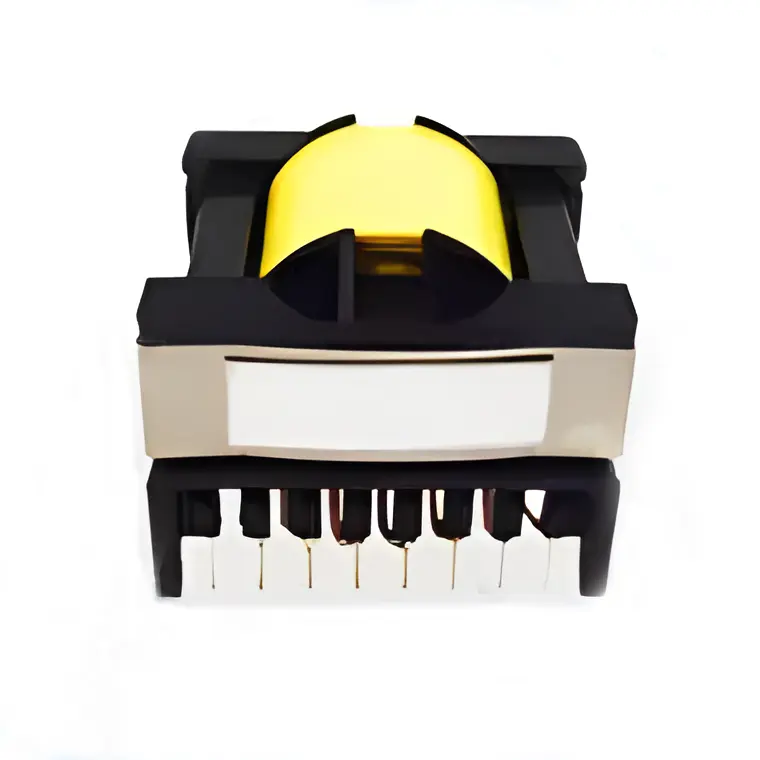 High Frequency Transformers
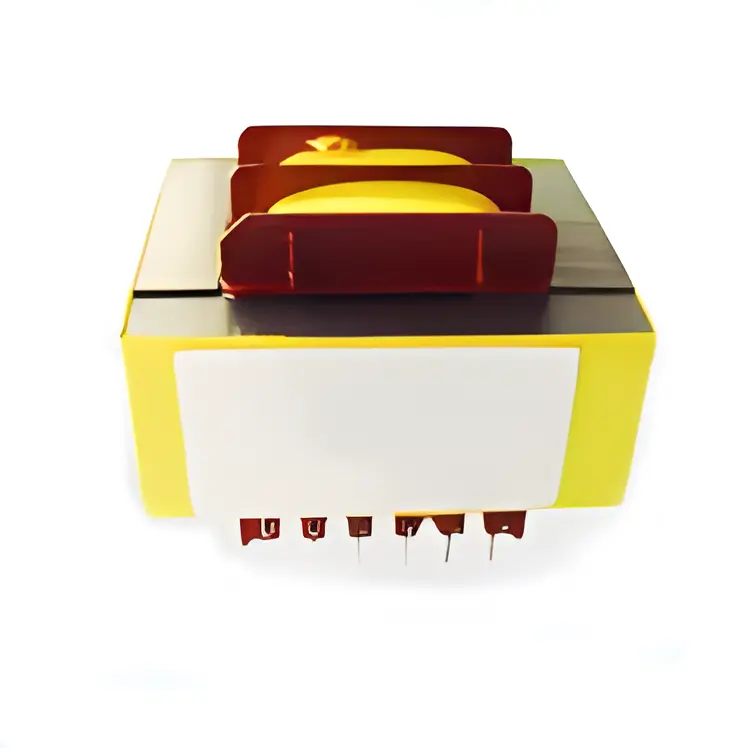 Low Frequency Transformers
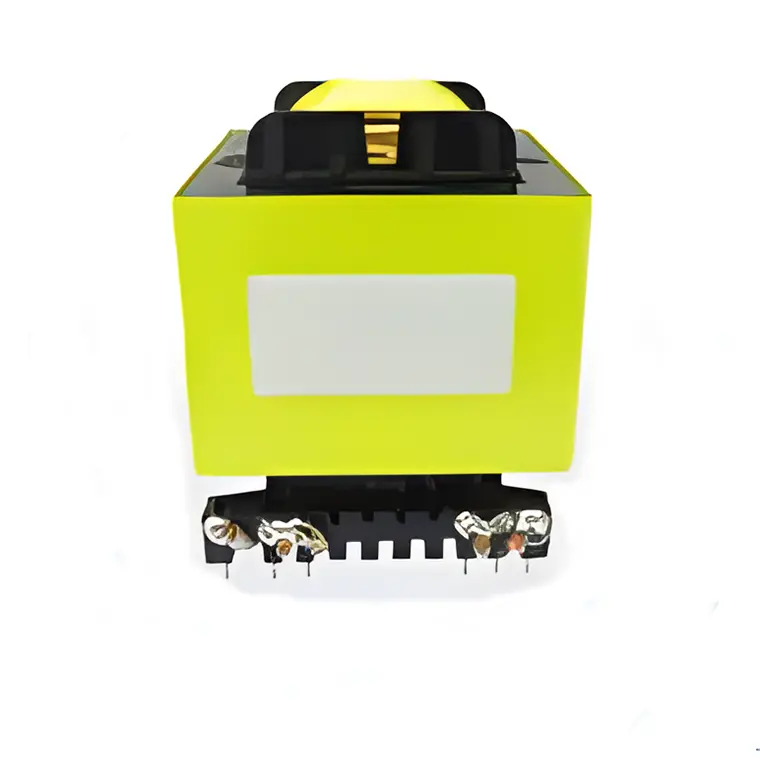 High Power Transformers
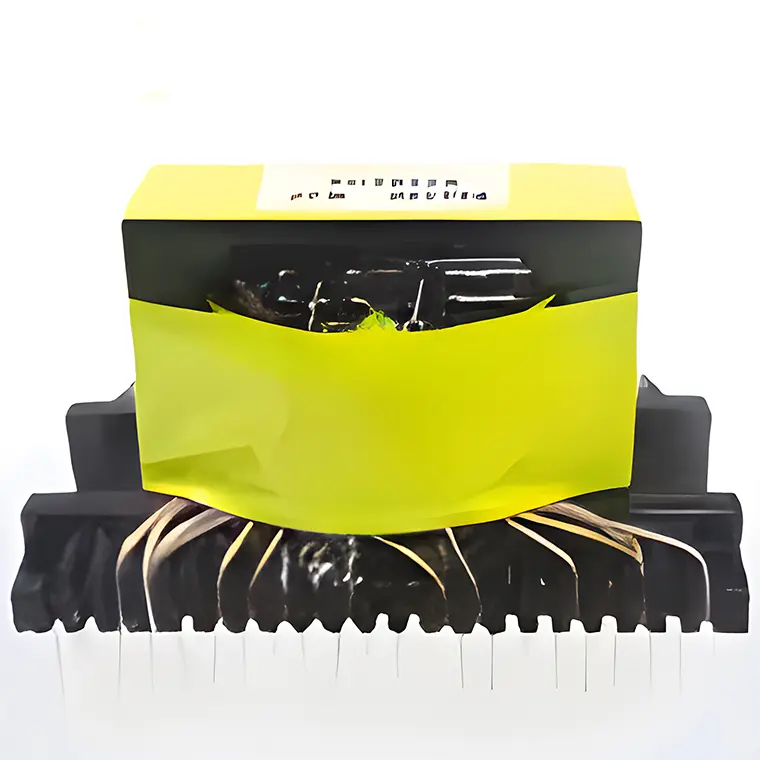 Conversion Transformers
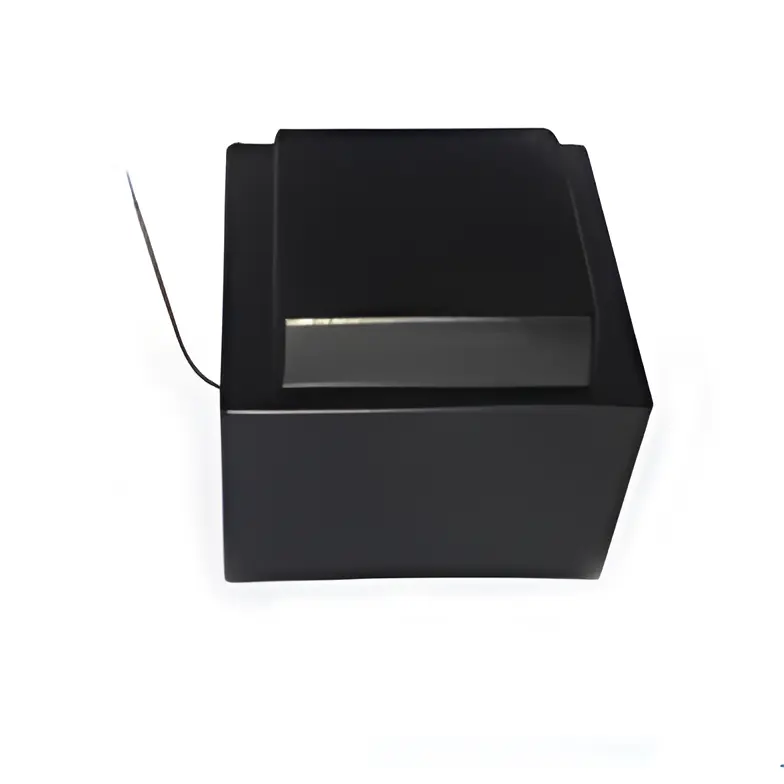 Sealed Transformers
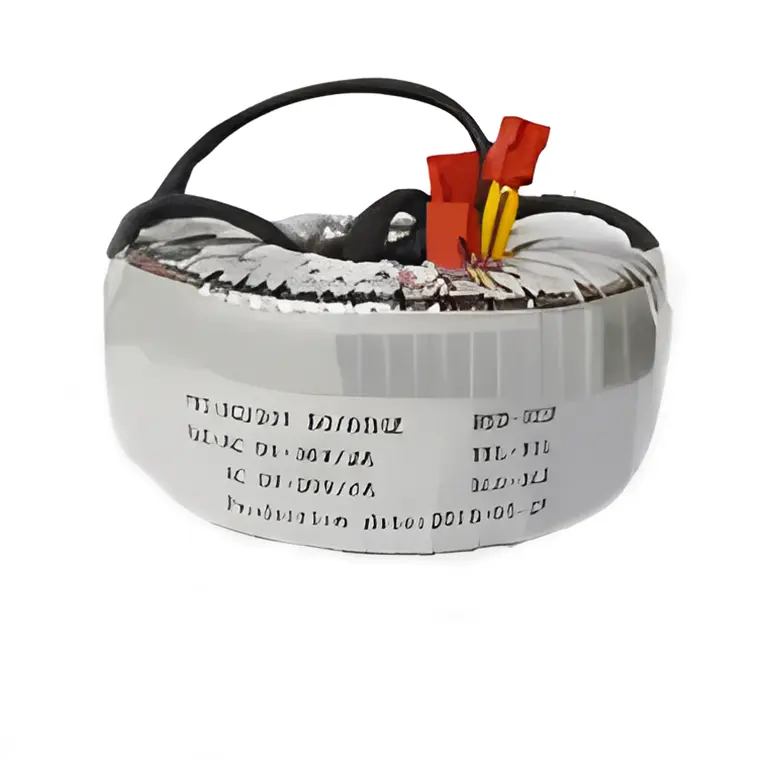 Ring Transformers
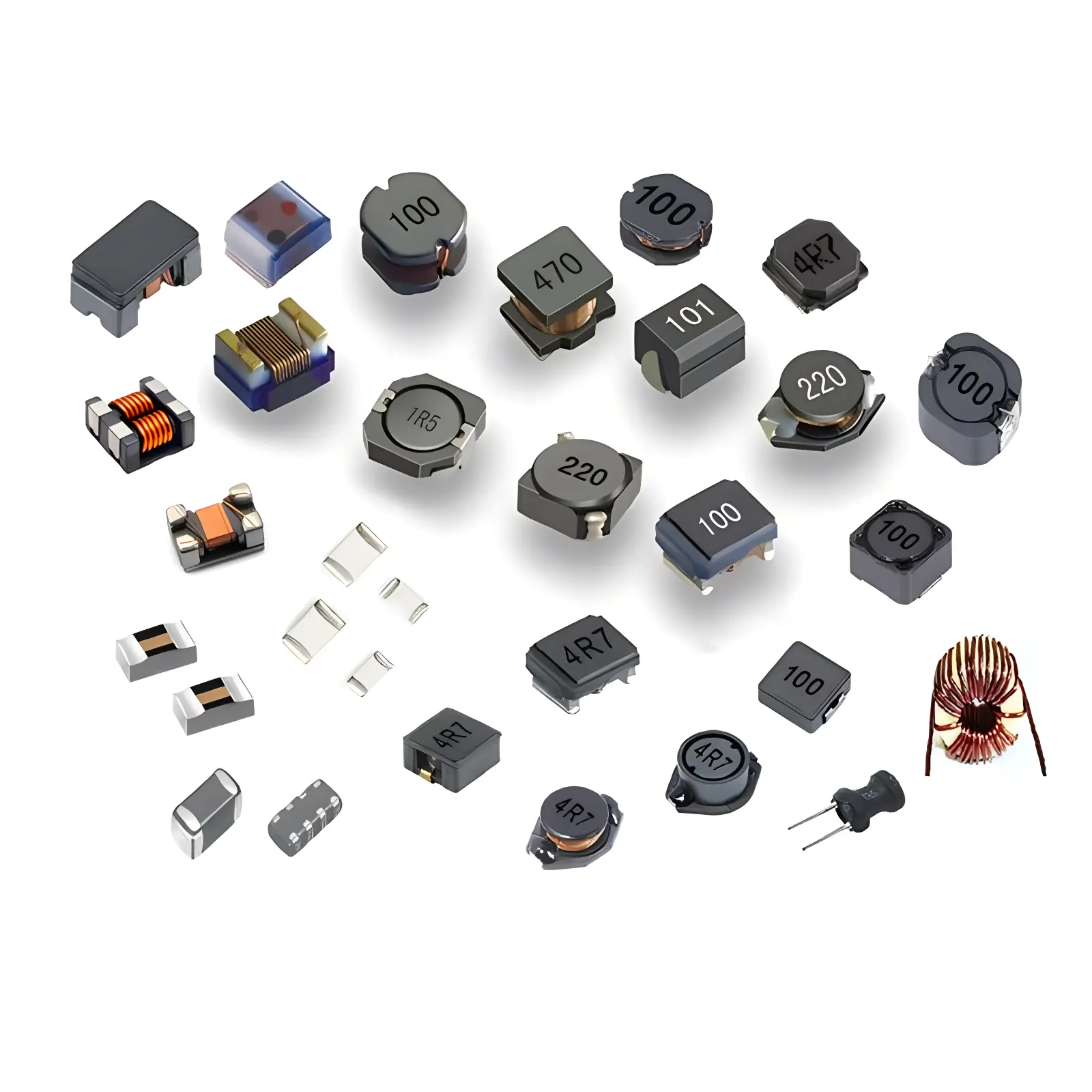 Inductors
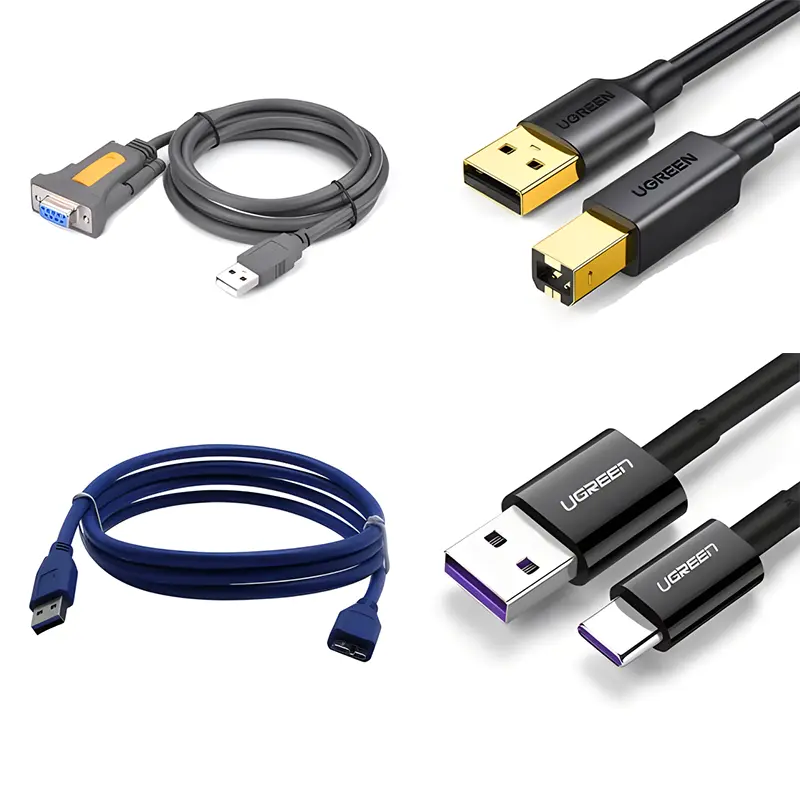 Wires,Cables Customized
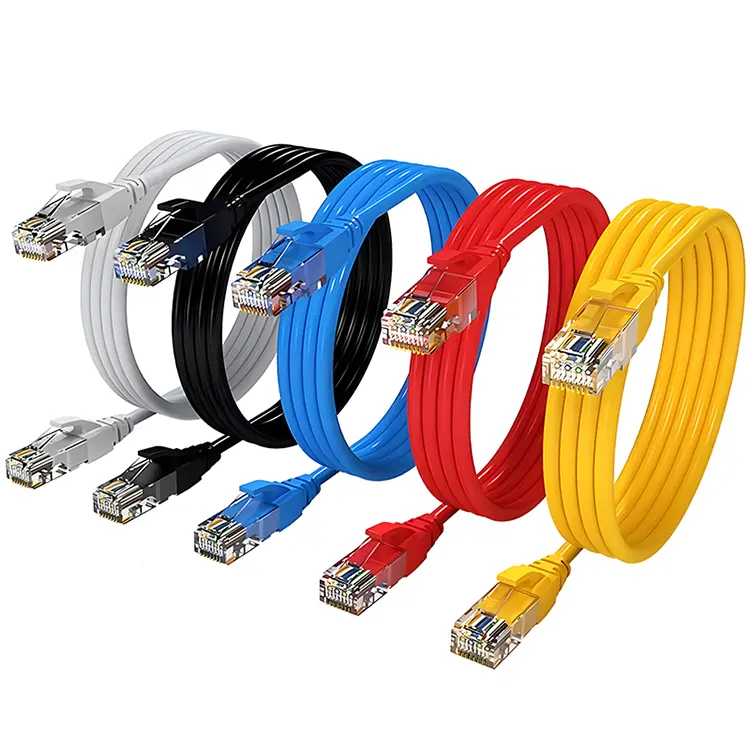 Network Cables
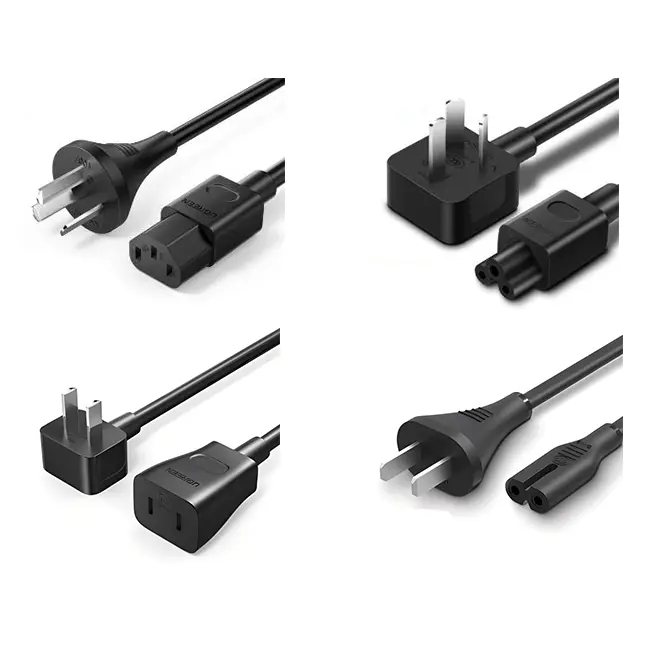 Power Cords
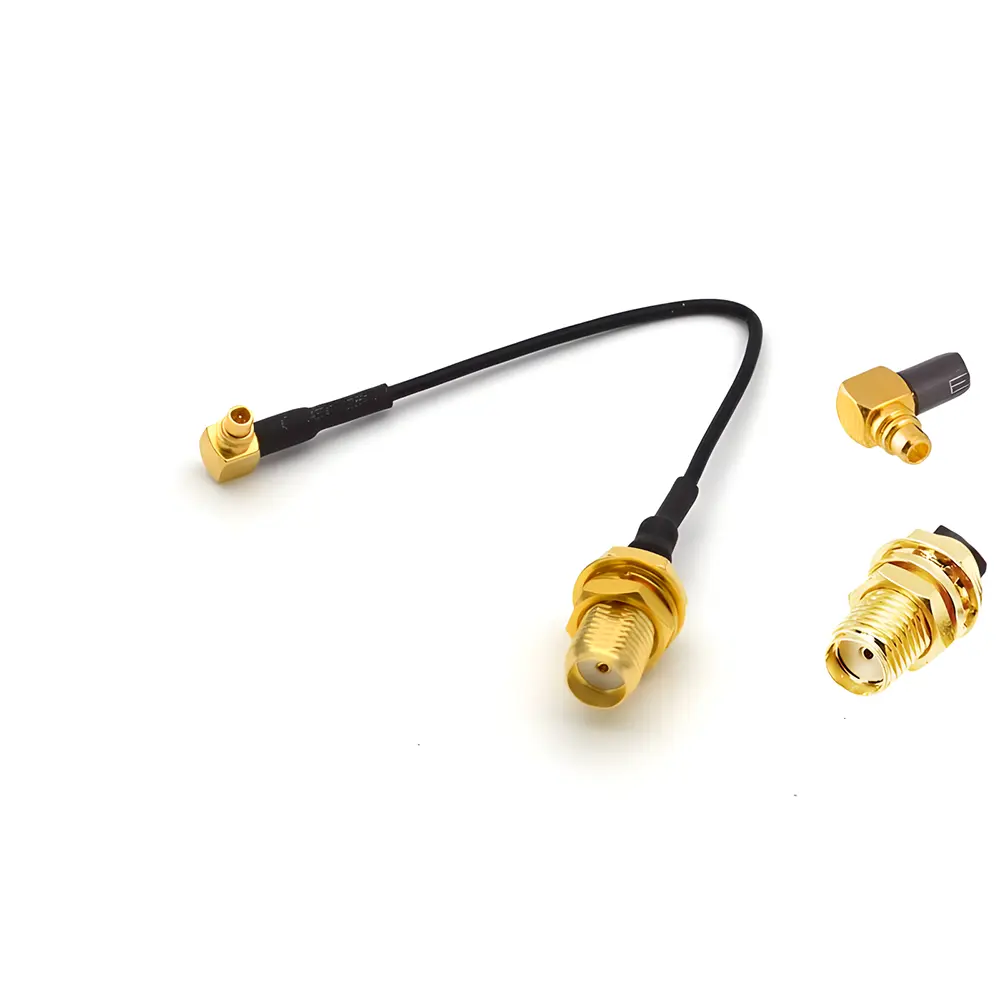 Antenna Cables
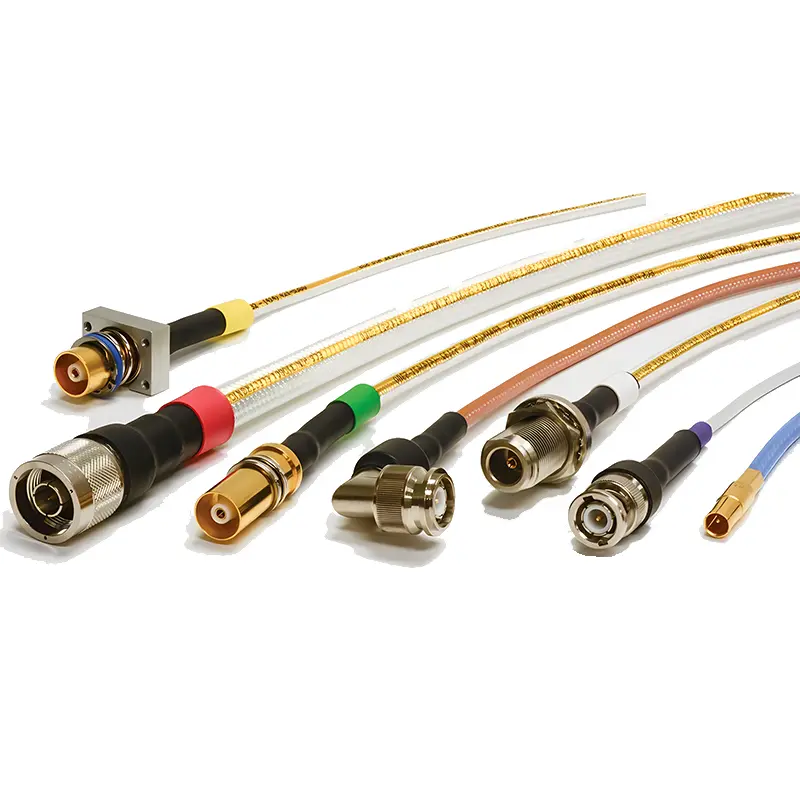 Coaxial Cables
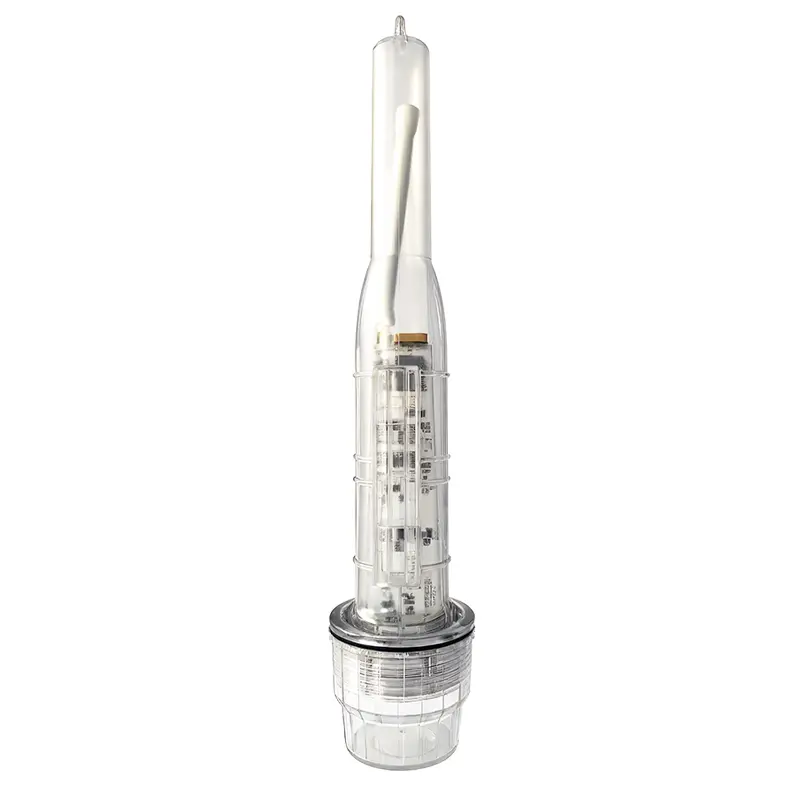 Net Position Indicator
 Solar AIS net position indicator
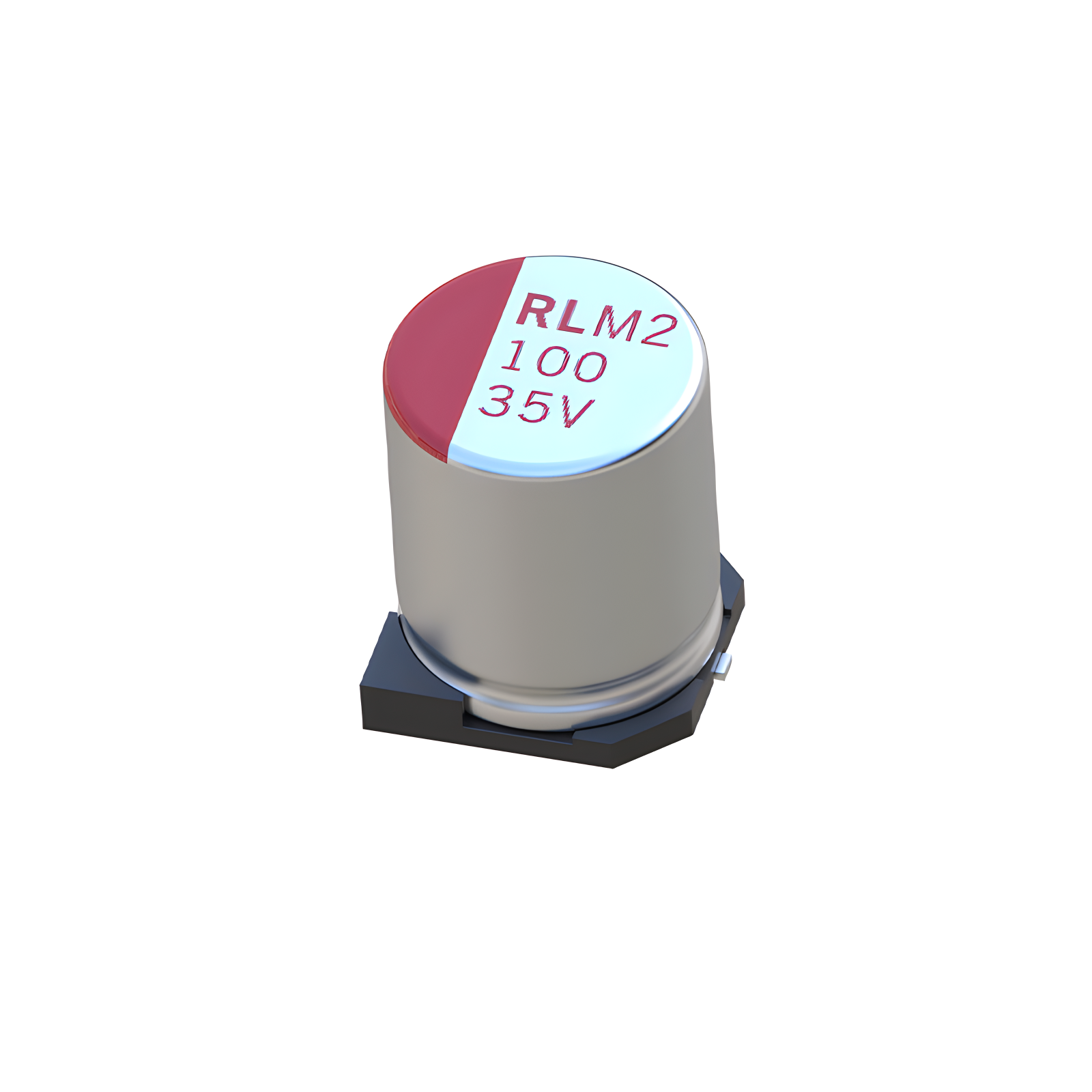 Capacitors
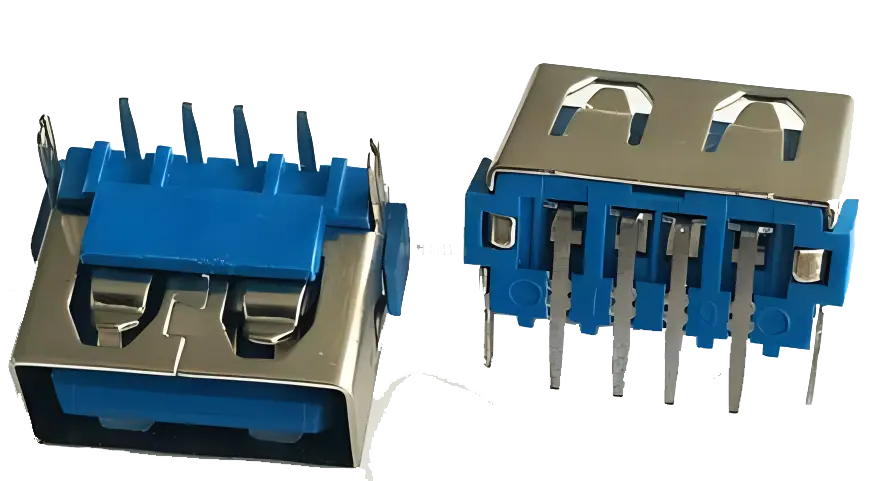 Connectors
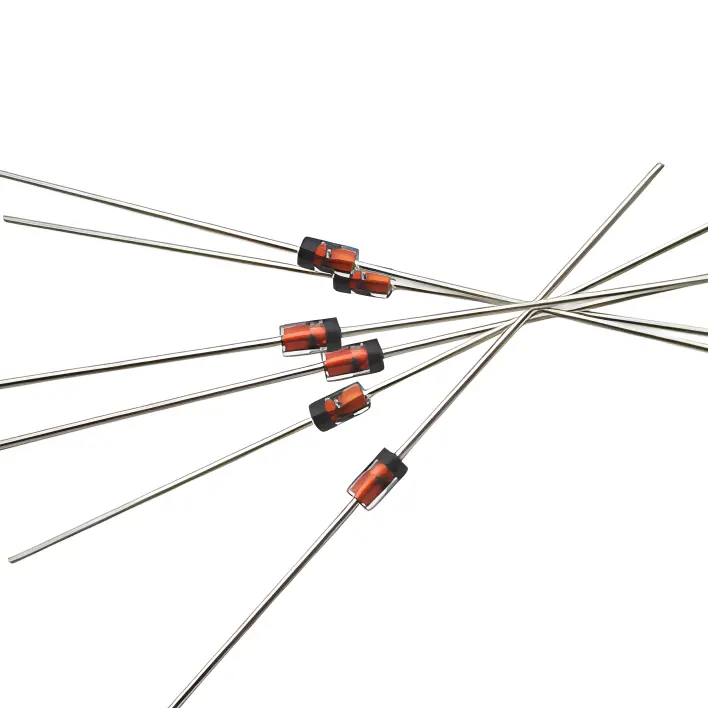 Diodes
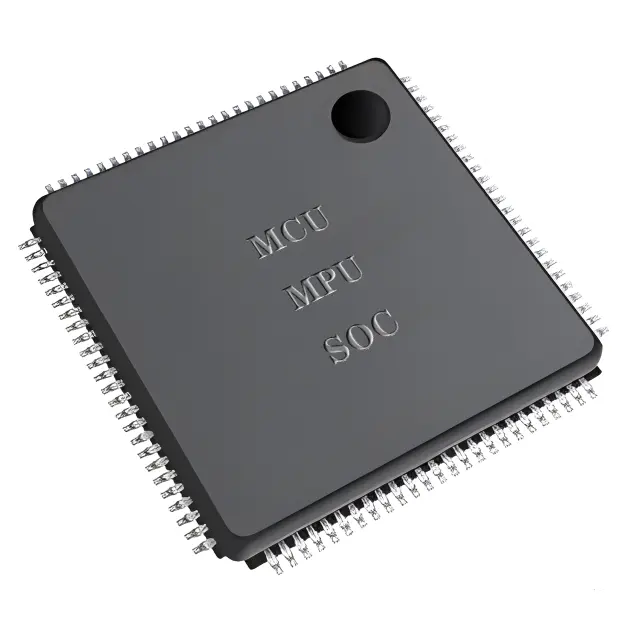 Embedded Processors & Controllers
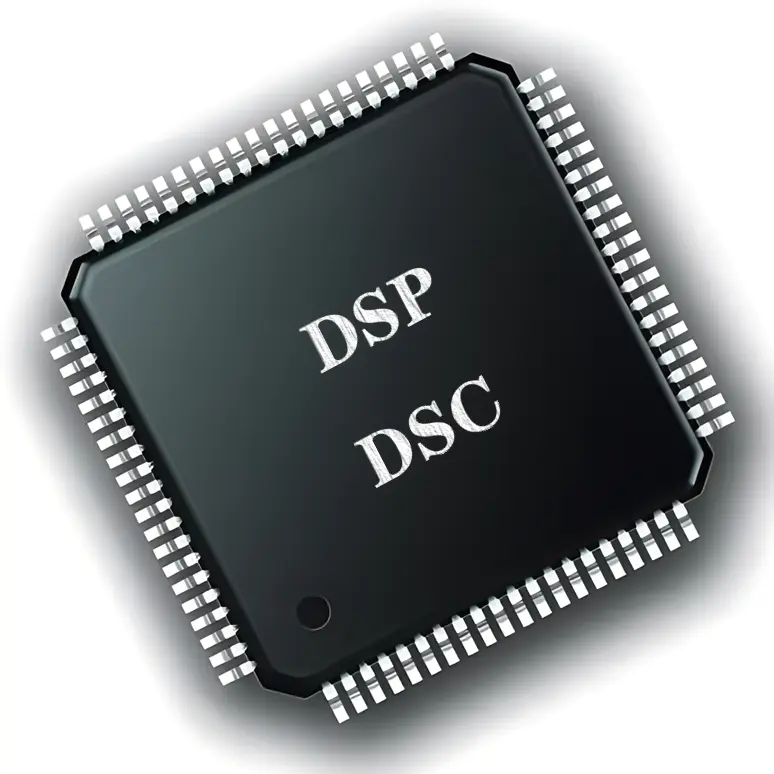 Digital Signal Processors (DSP/DSC)
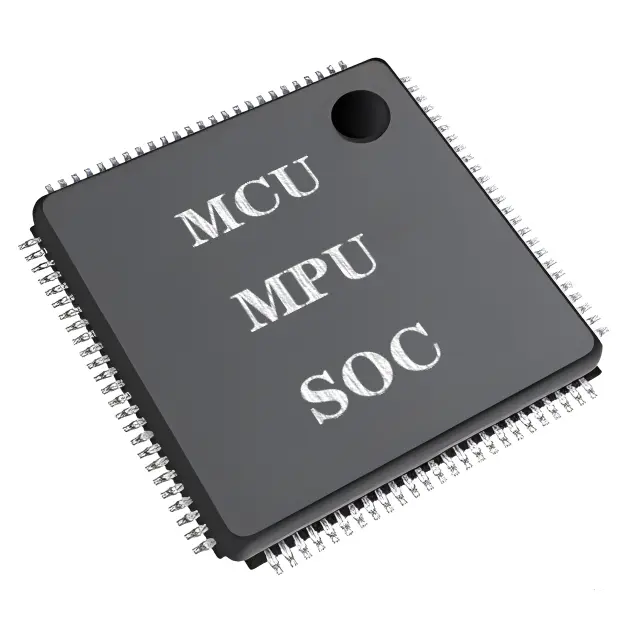 Microcontrollers (MCU/MPU/SOC)
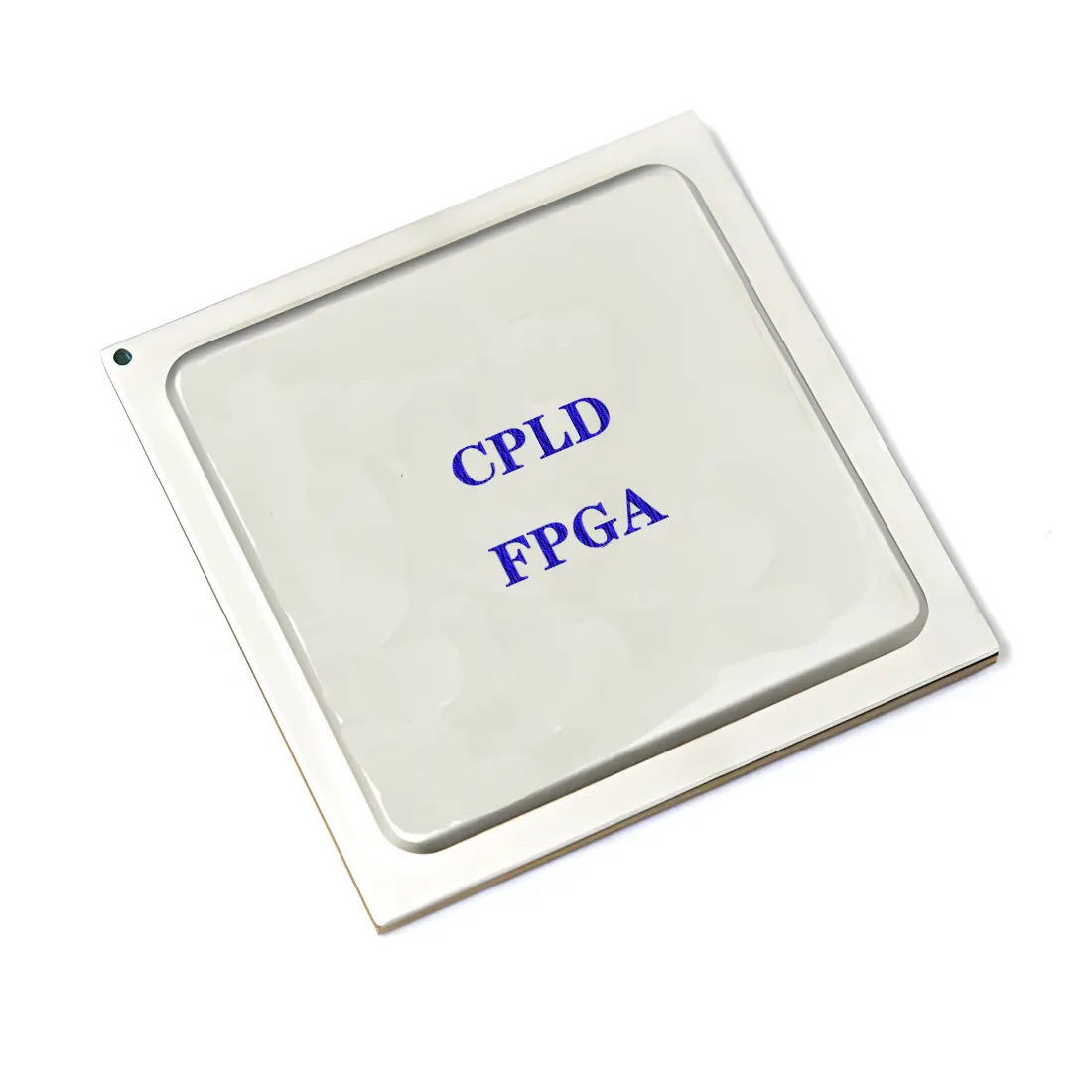 Programmable Logic Device(CPLD/FPGA)
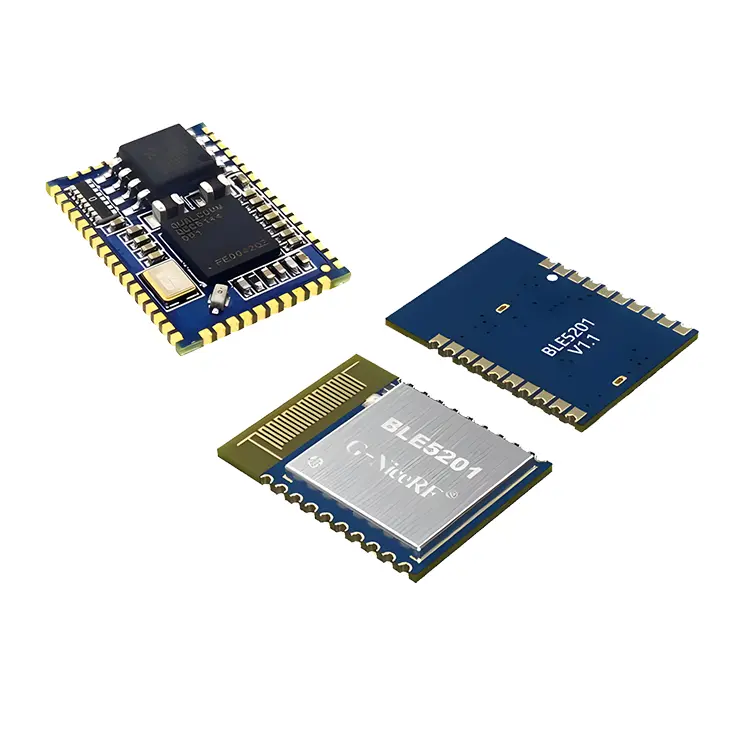 Communication Modules/IoT
 Resistors
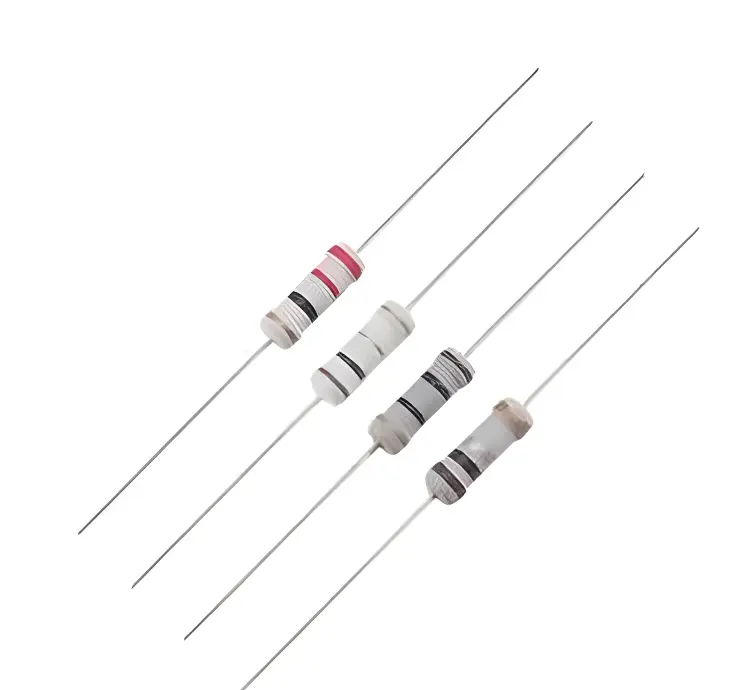 Through Hole Resistors
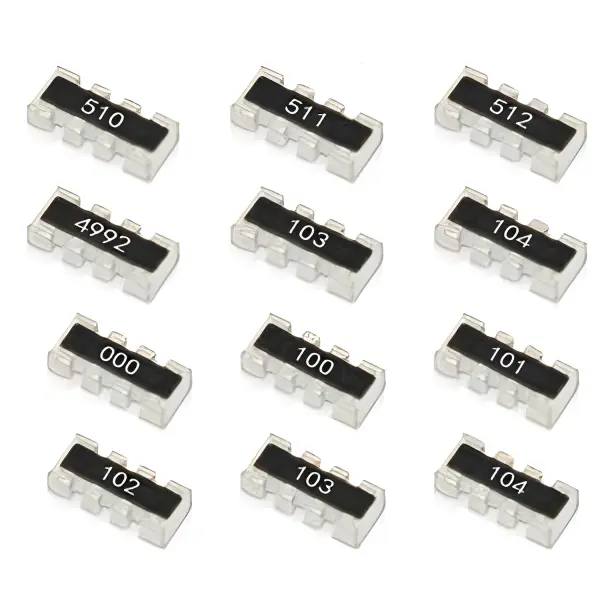 Resistor Networks, Arrays
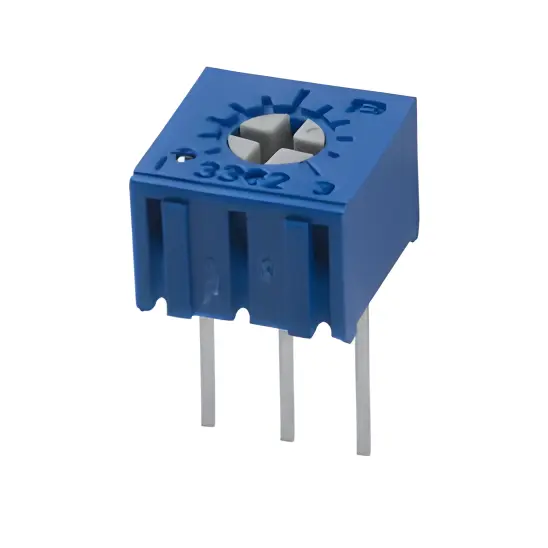 Potentiometers,Variable Resistors
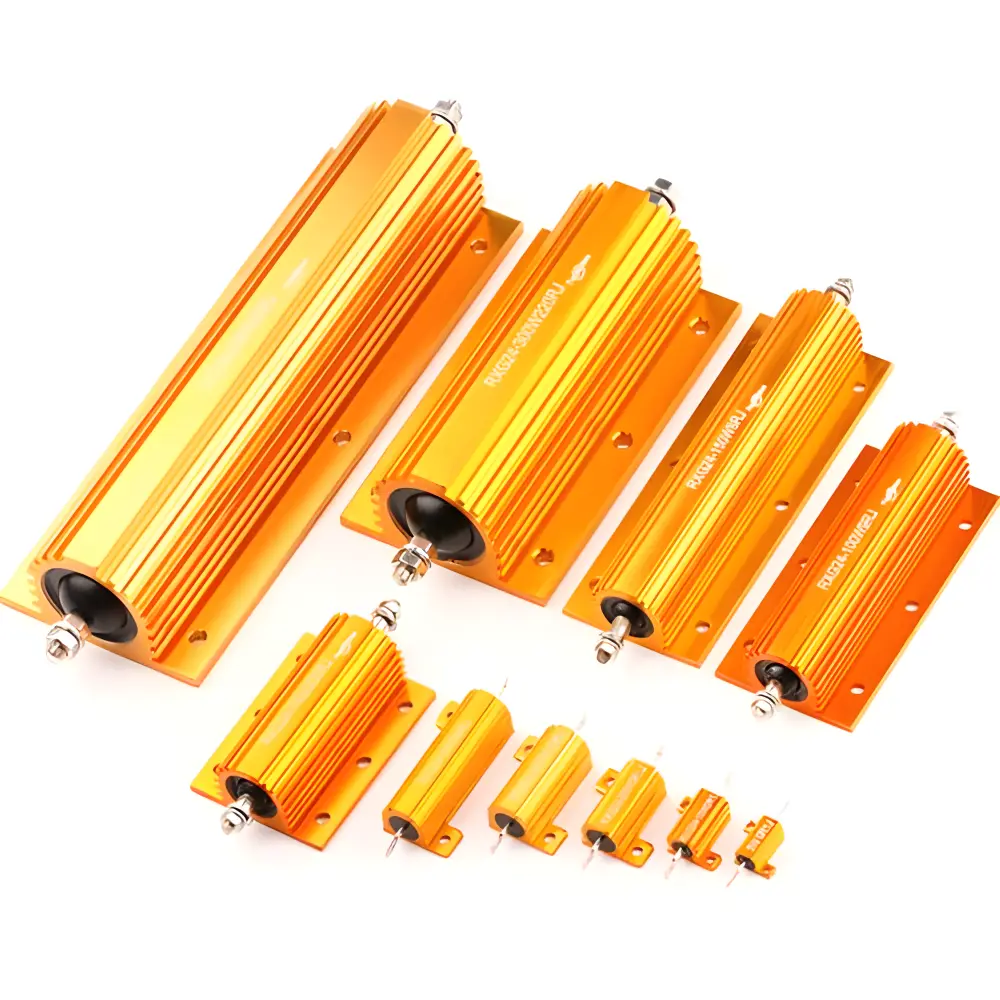 Aluminum Case,Porcelain Tube Resistance
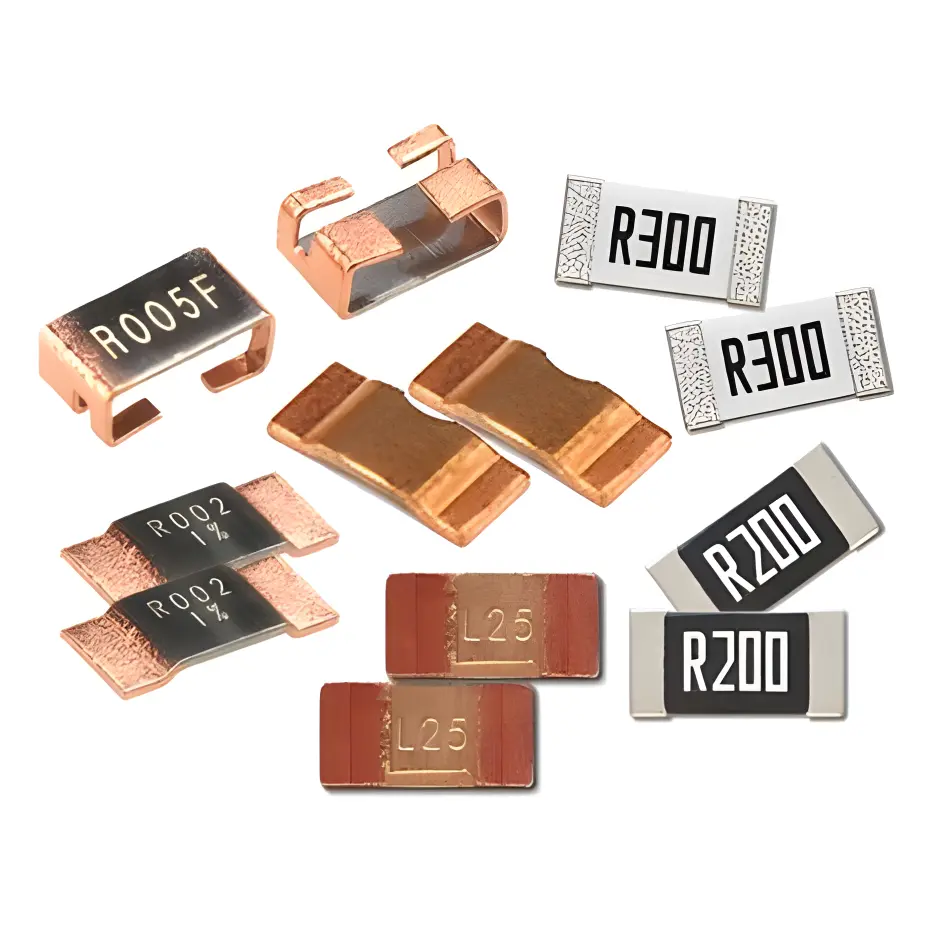 Current Sense Resistors,Shunt Resistors
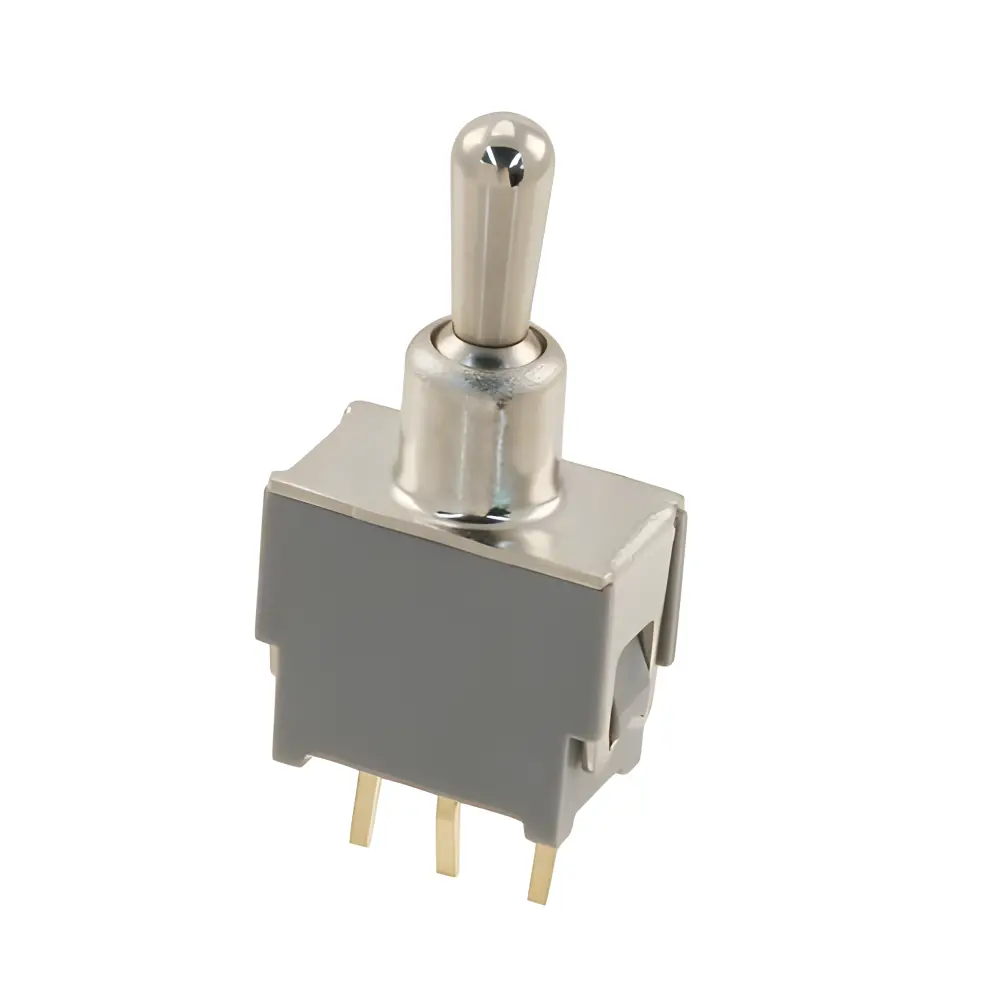 Switches
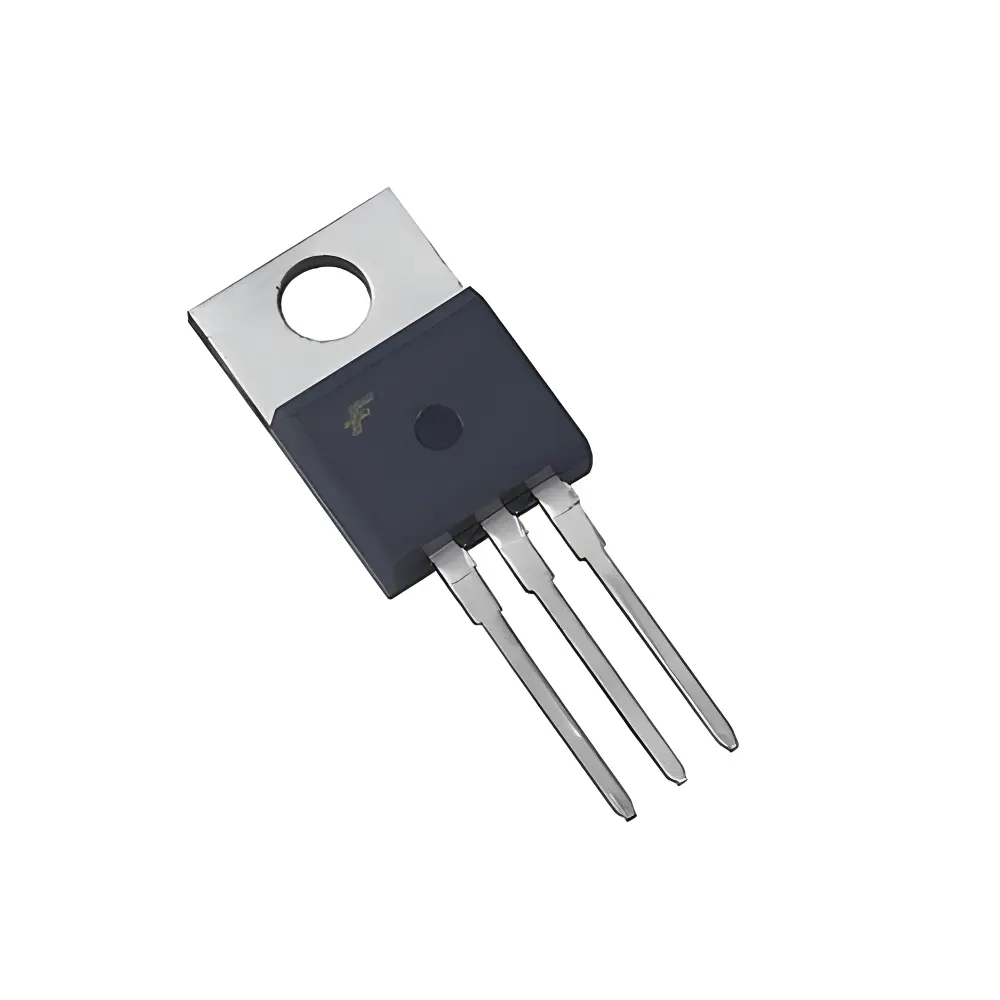 Transistors
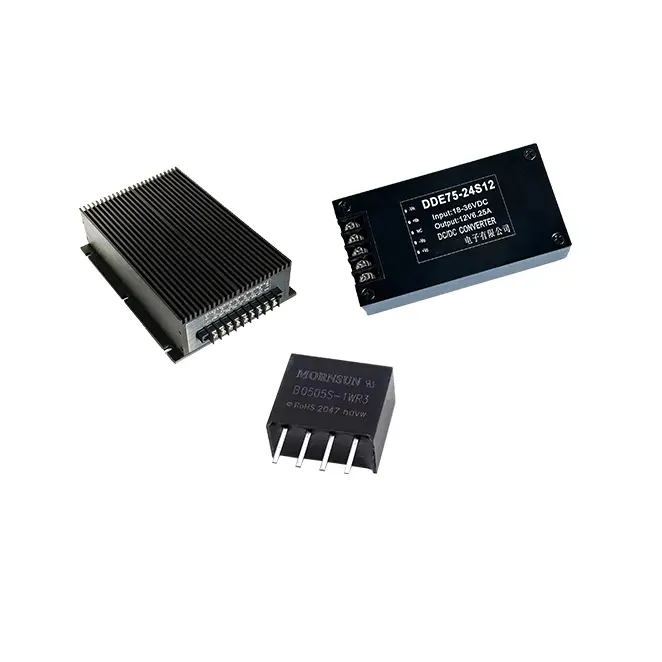 Power Modules
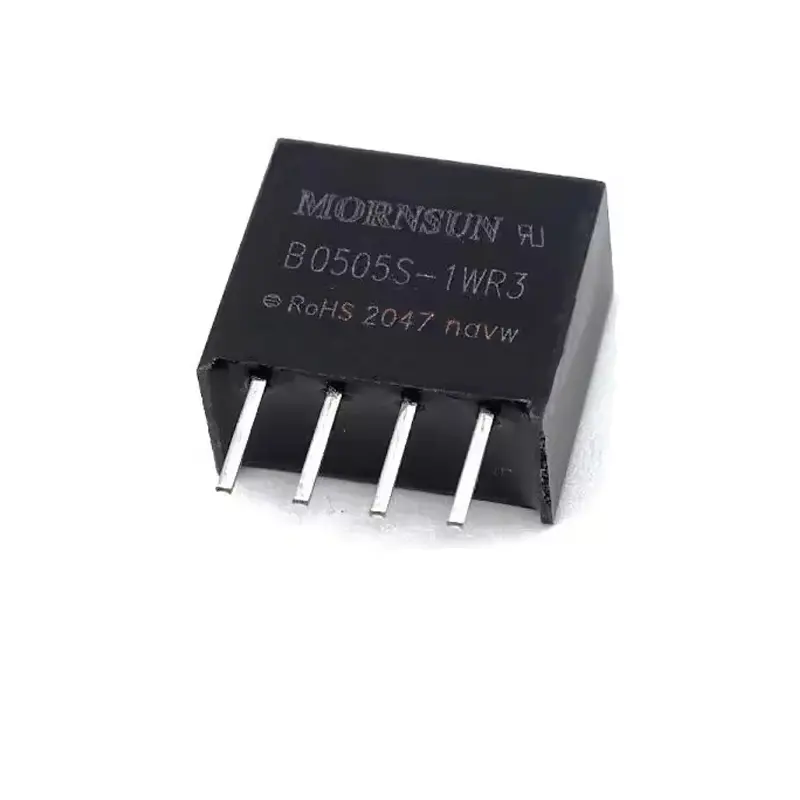 Isolated Power Modules
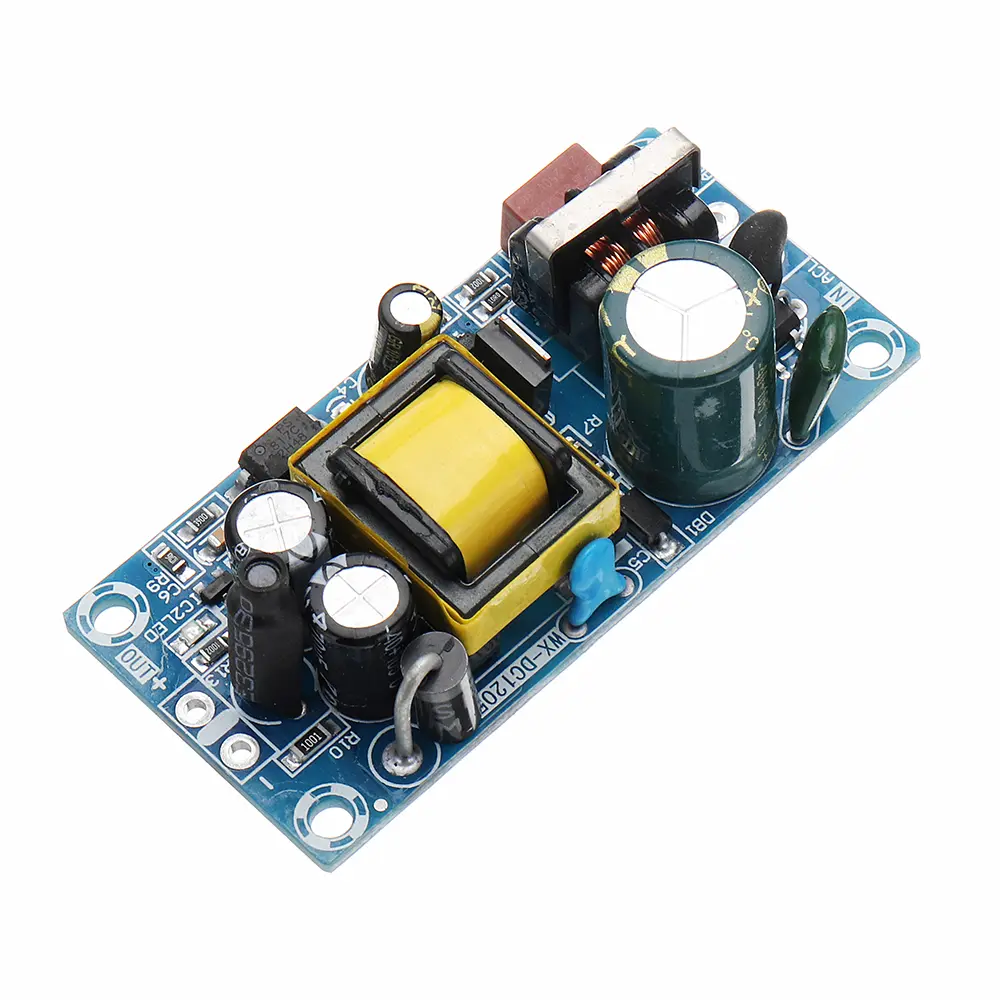 AC-DC Power Modules
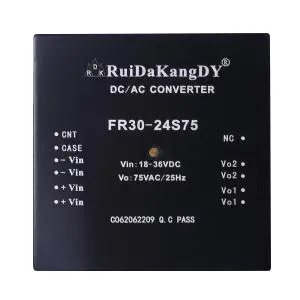 DC-AC Module(Inverter)
 RF and Wireless
2024 PCB Industry Special Report III
2024 PCB Industry Special Report III
IV. The Second Factor Influencing the Current Major Cycle - Automobiles
Drivers of Increased PCB Value in Automotive ApplICations: Electrification and Intelligence of New Energy Vehicles
With the rapid development of the new energy vehicle market, automotive PCBs have become the fastest-growing market outside the communications sector. Both the electrification and intelligence of automobiles drive rapid growth in PCB value. Prismark predicts that from 2023 to 2028, the global automotive PCB market size will increase from 9.2billionto11.9 billion in 2028.
According to data from the China Automobile Dealers AsSOCiation, global sales of new energy vehicles increased from approximately 770,000 in 2016 to about 14.29 million in 2023, with an annual growth rate exceeding 50%. Sales of new energy vehicles in China increased from approximately 510,000 in 2016 to about 9.5 million in 2023, accounting for over 60% of the global market, with an annual growth rate consistent with the global rate at 52%.
Based on data from the China Automobile Dealers Association and the China Association of Automobile Manufacturers, the penetration rate of new energy vehicles has risen rapidly since 2020. In 2023, the penetration rates of new energy vehicles globally and in China were 16.1% and 35.7%, respectively. As the penetration rate of new energy vehicles increases, the value of automotive PCBs will be driven up.
New Energy Vehicles Entering the Intelligence Stage
According to the classification of autonomous driving levels by the Society of Automotive Engineers International (SAE), there are six levels, ranging from L0 to L5, with higher levels corresponding to higher degrees of automation. ADAS technology will transition to AD (Auto Driving) systems at L3 and above. Intelligent driving systems include a series of sensors, cameras, radars, and other devices installed on vehicles.
The autonomous driving level of passenger vehicles in China is transitioning from L2 to L3+. According to data predictions from automotive reports, the penetration rate of L2/L3-level autonomous driving passenger vehicles in China will increase from 15% in 2020 to 70% in 2030; for L4-level passenger vehicles, the penetration rate is expected to increase from 0.01% in 2021 to 20% in 2030.
Prismark predicts that the global ADAS electronics market size will grow from 19billionin2023to35 billion in 2028, with a CAGR of 12.5%. The recent rise of the Robotaxi business model may accelerate the penetration rate of intelligent driving and the usage of sensors.