
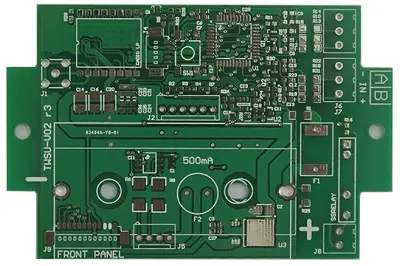
 PCB
PCB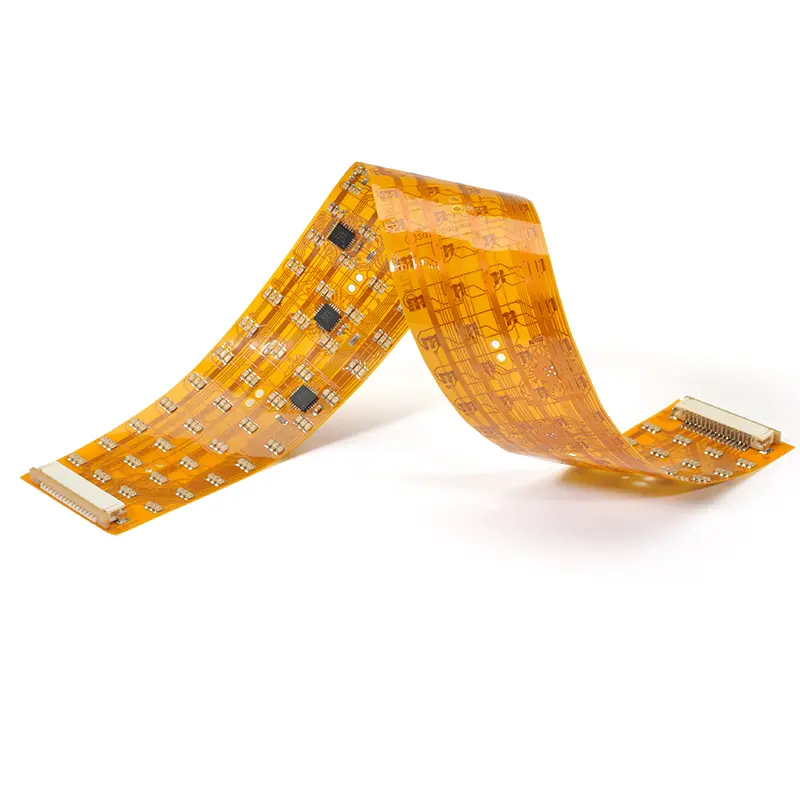 FPC
FPC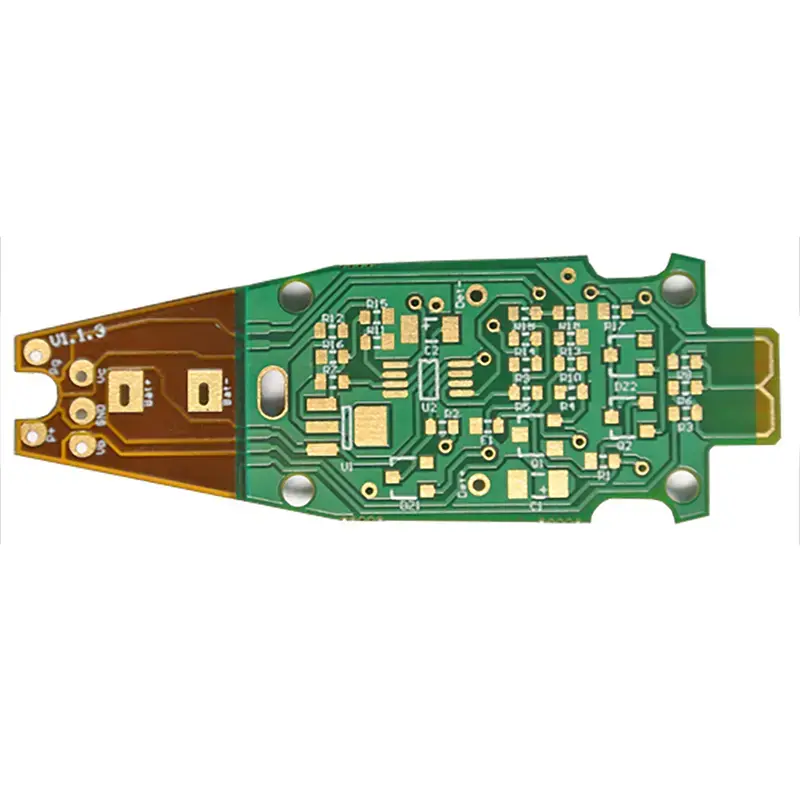 Rigid-Flex
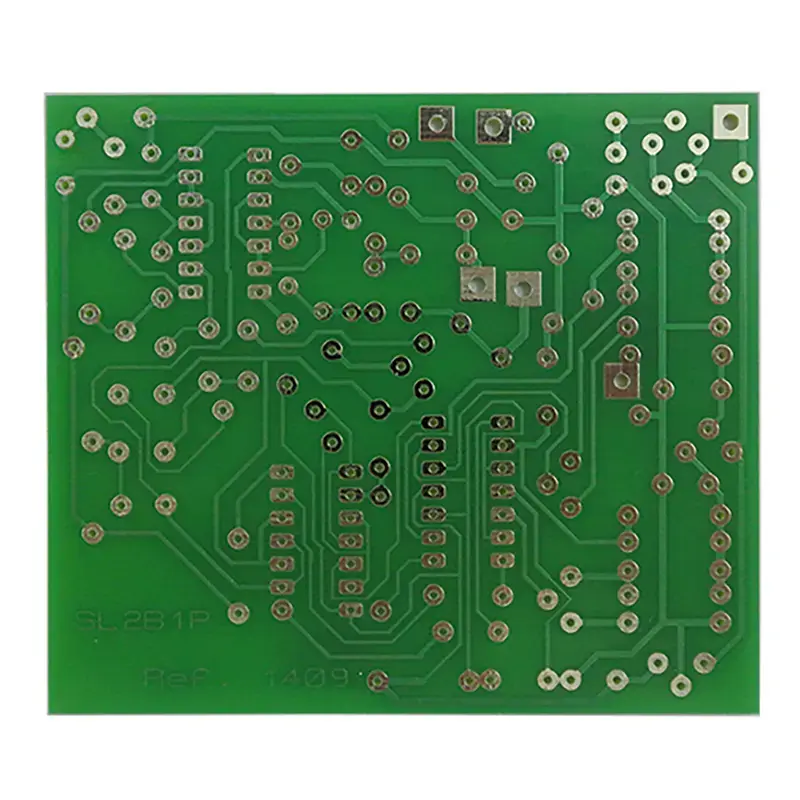 FR-4
FR-4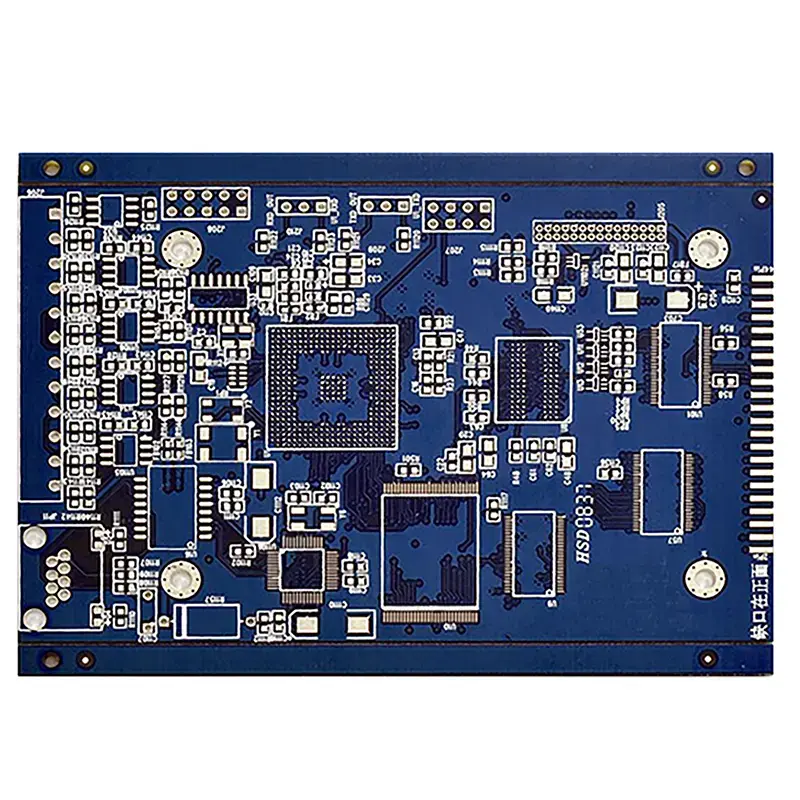 HDI PCB
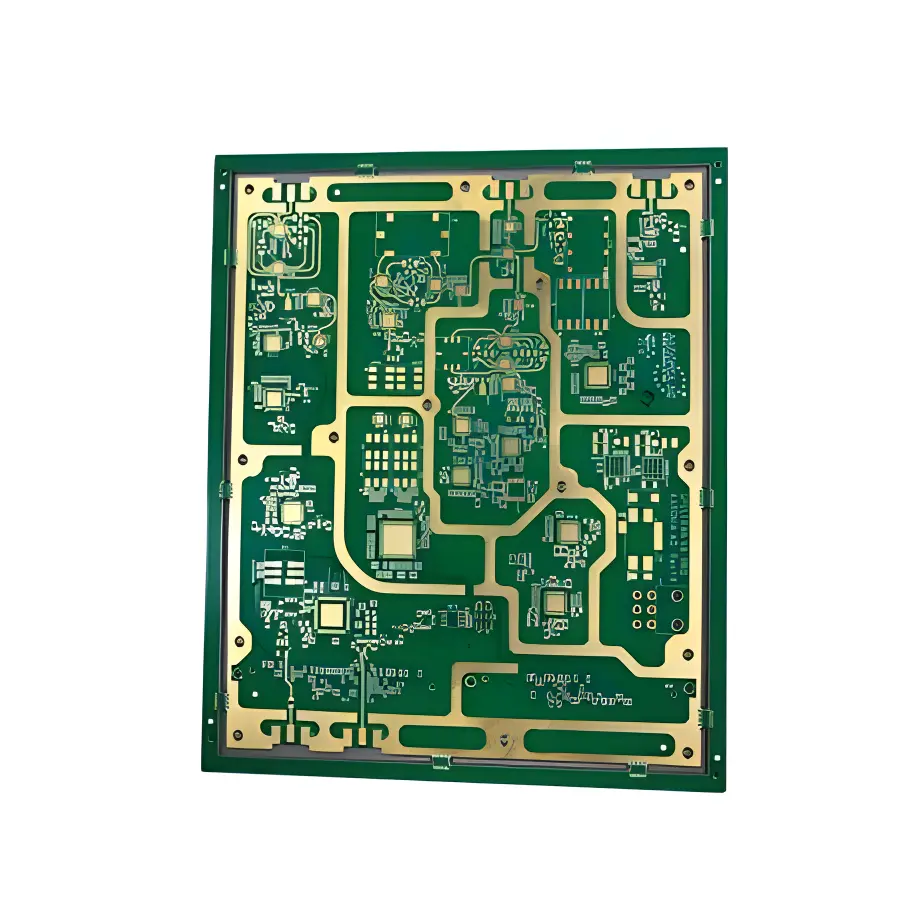 Rogers High-Frequency Board
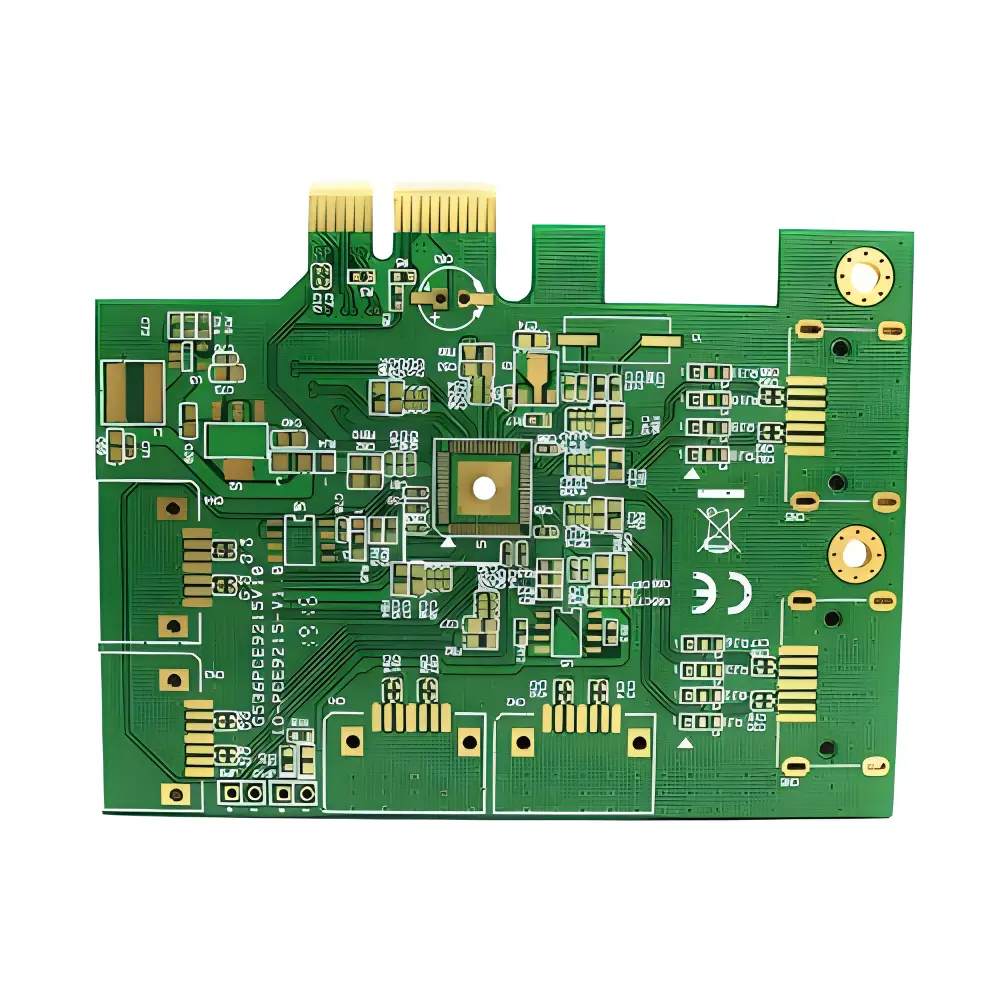 PTFE Teflon High-Frequency Board
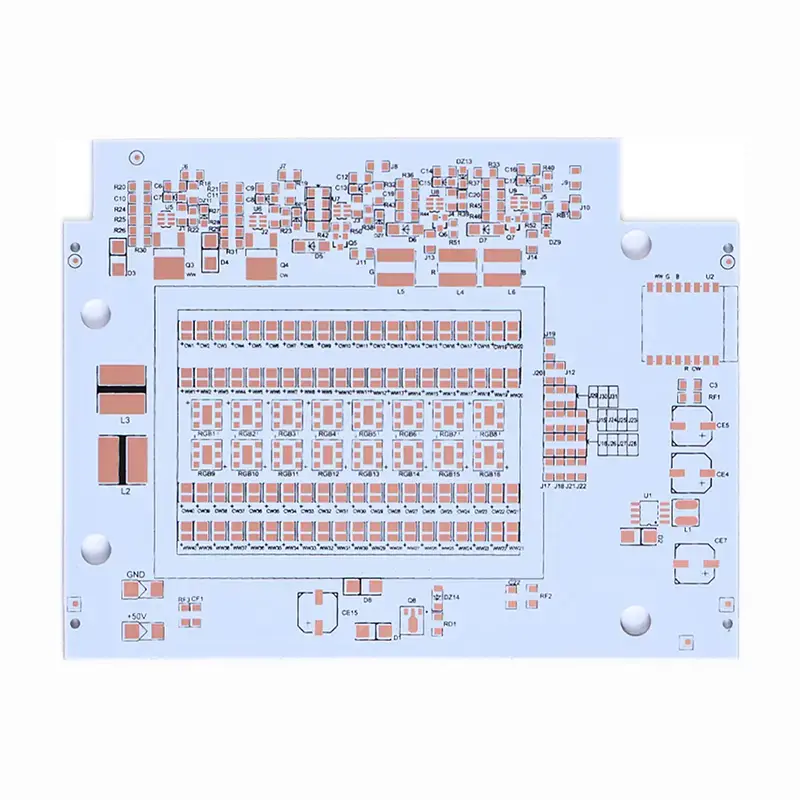 Aluminum
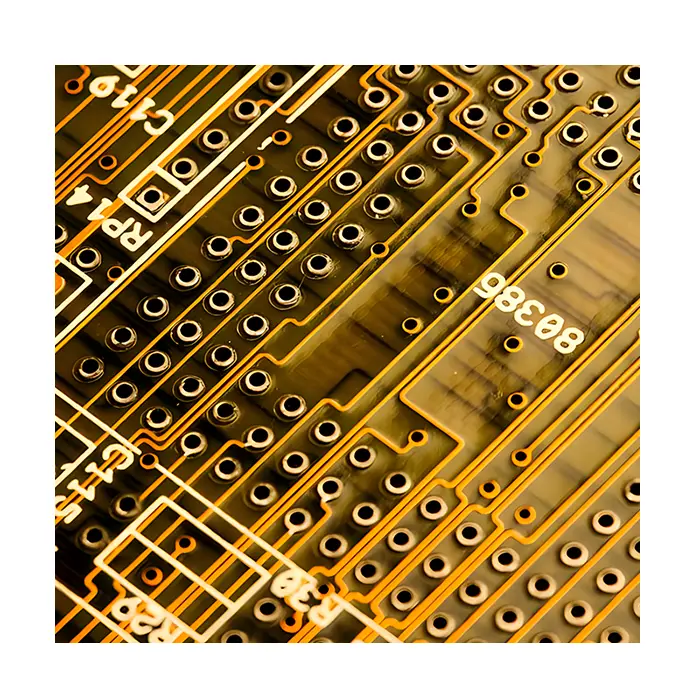 Copper Core
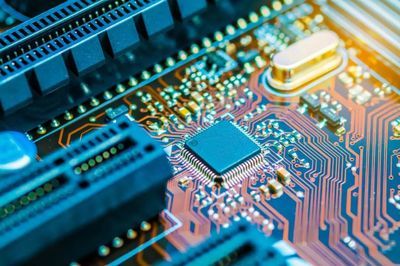 PCB Assembly
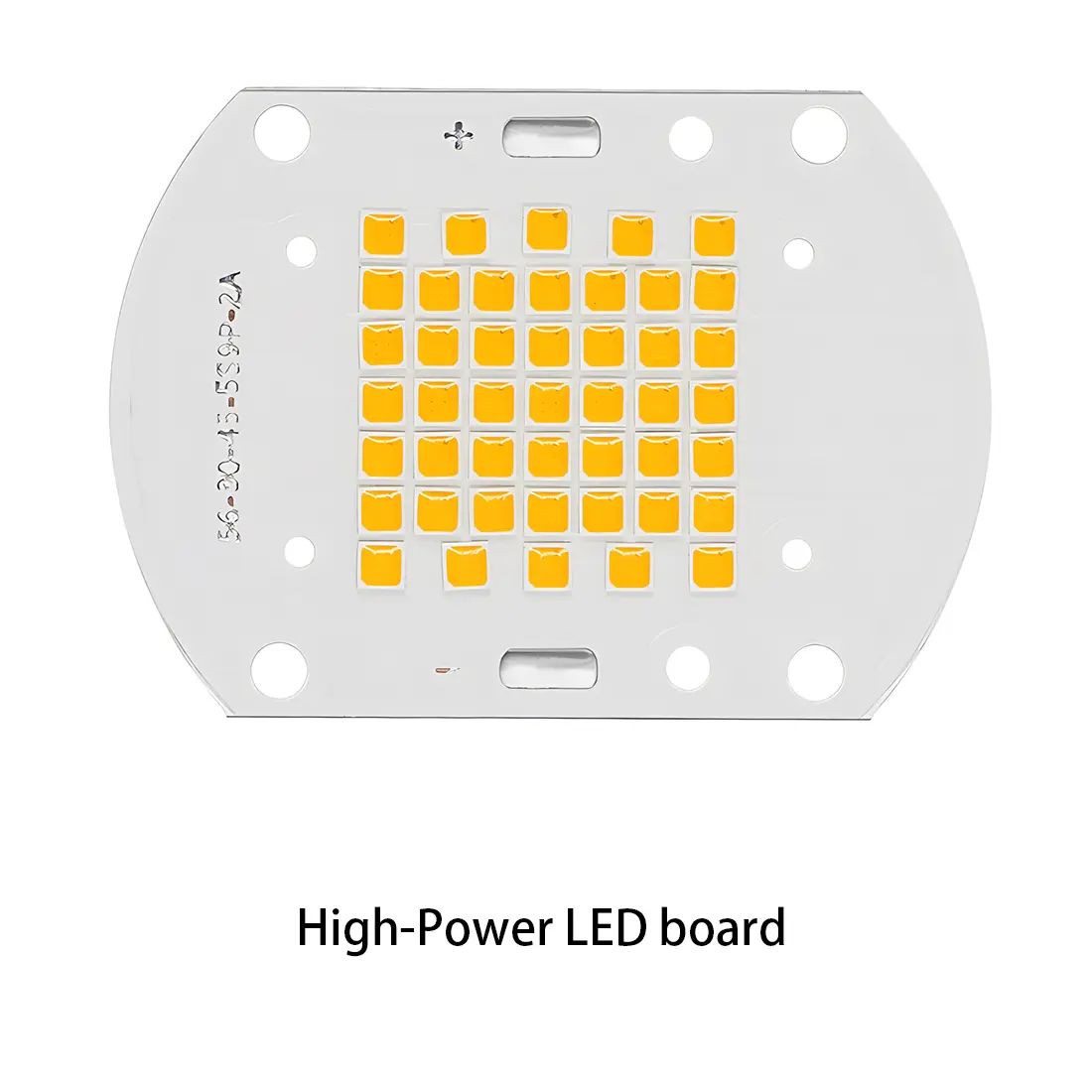 LED light PCBA
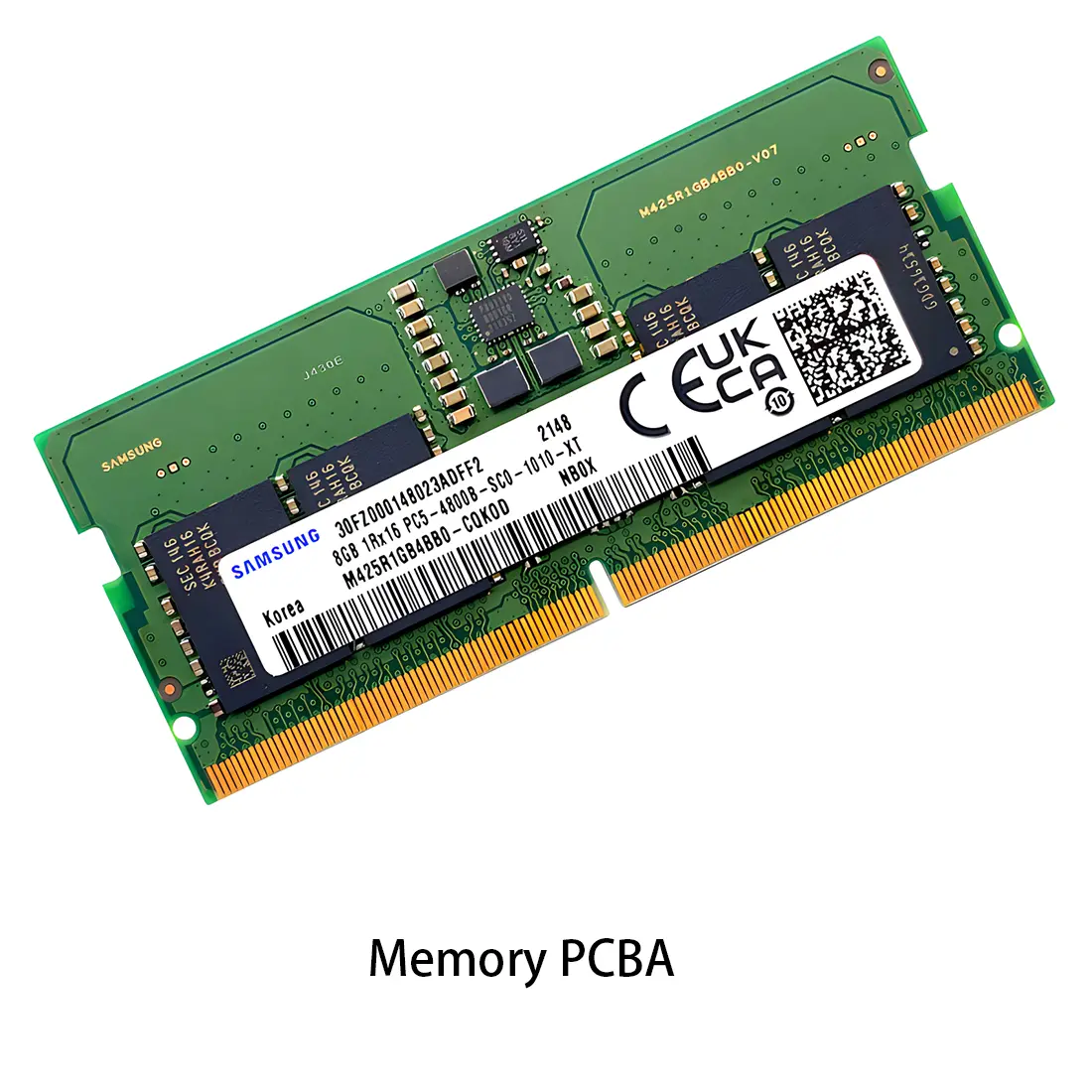 Memory PCBA
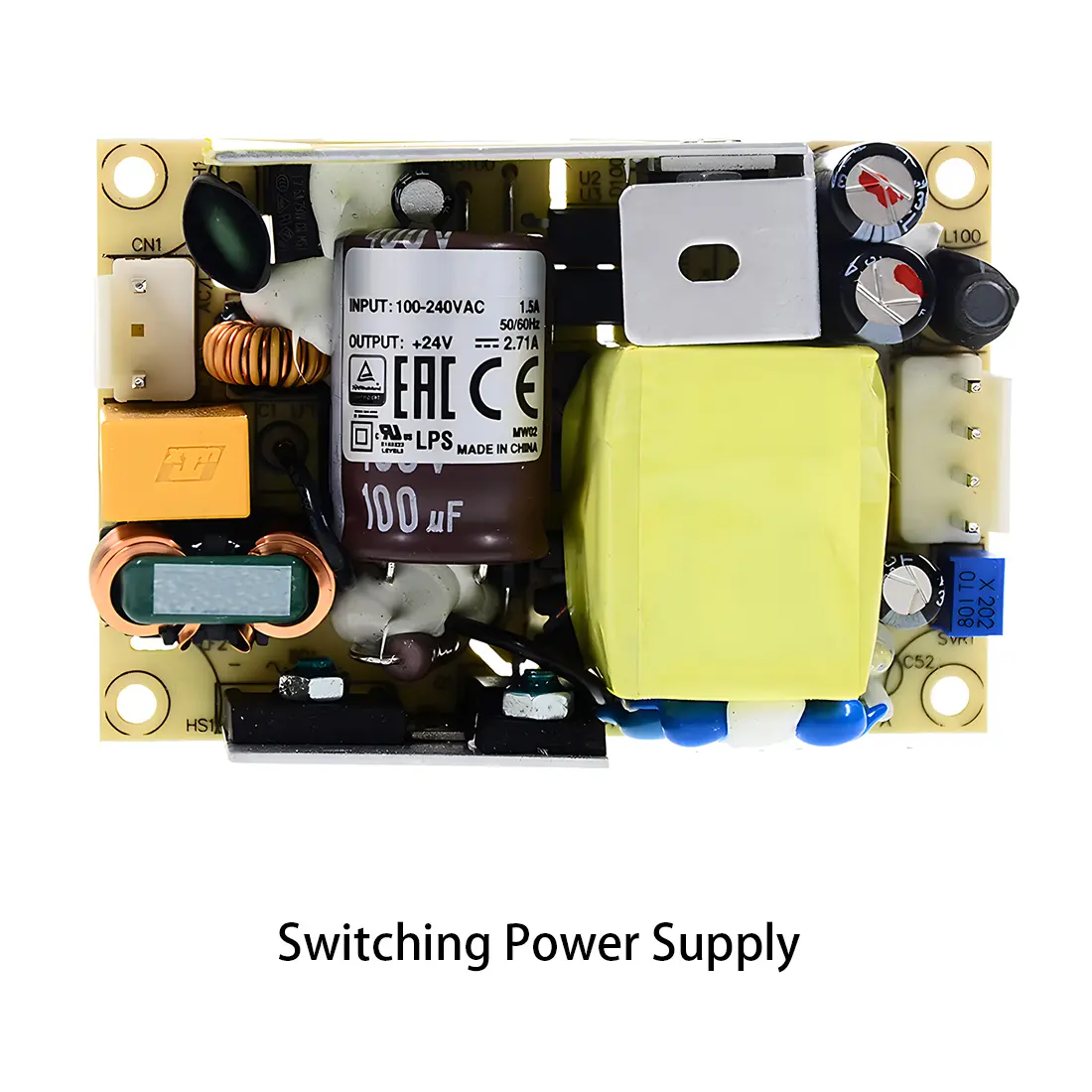 Power Supply PCBA
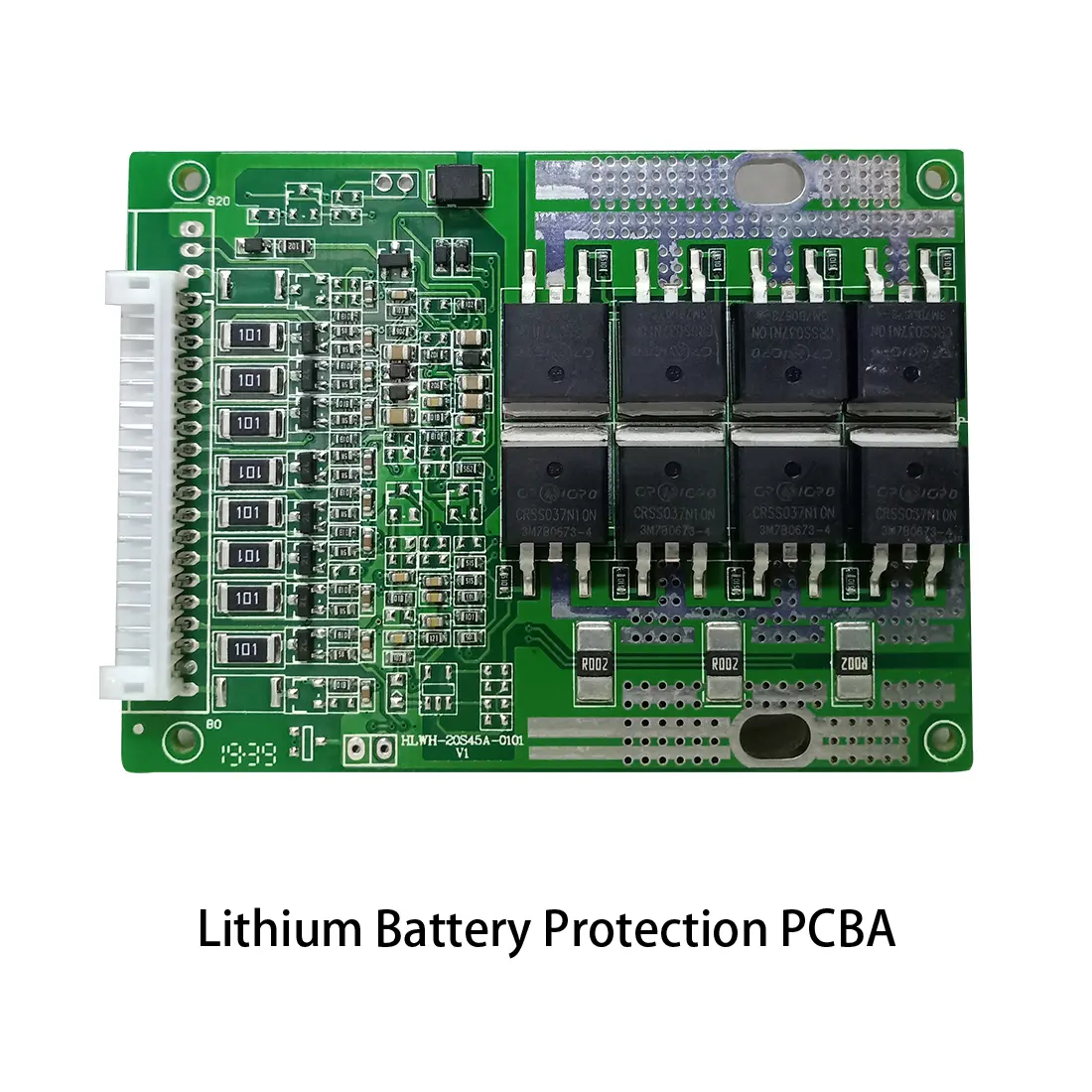 New Energey PCBA
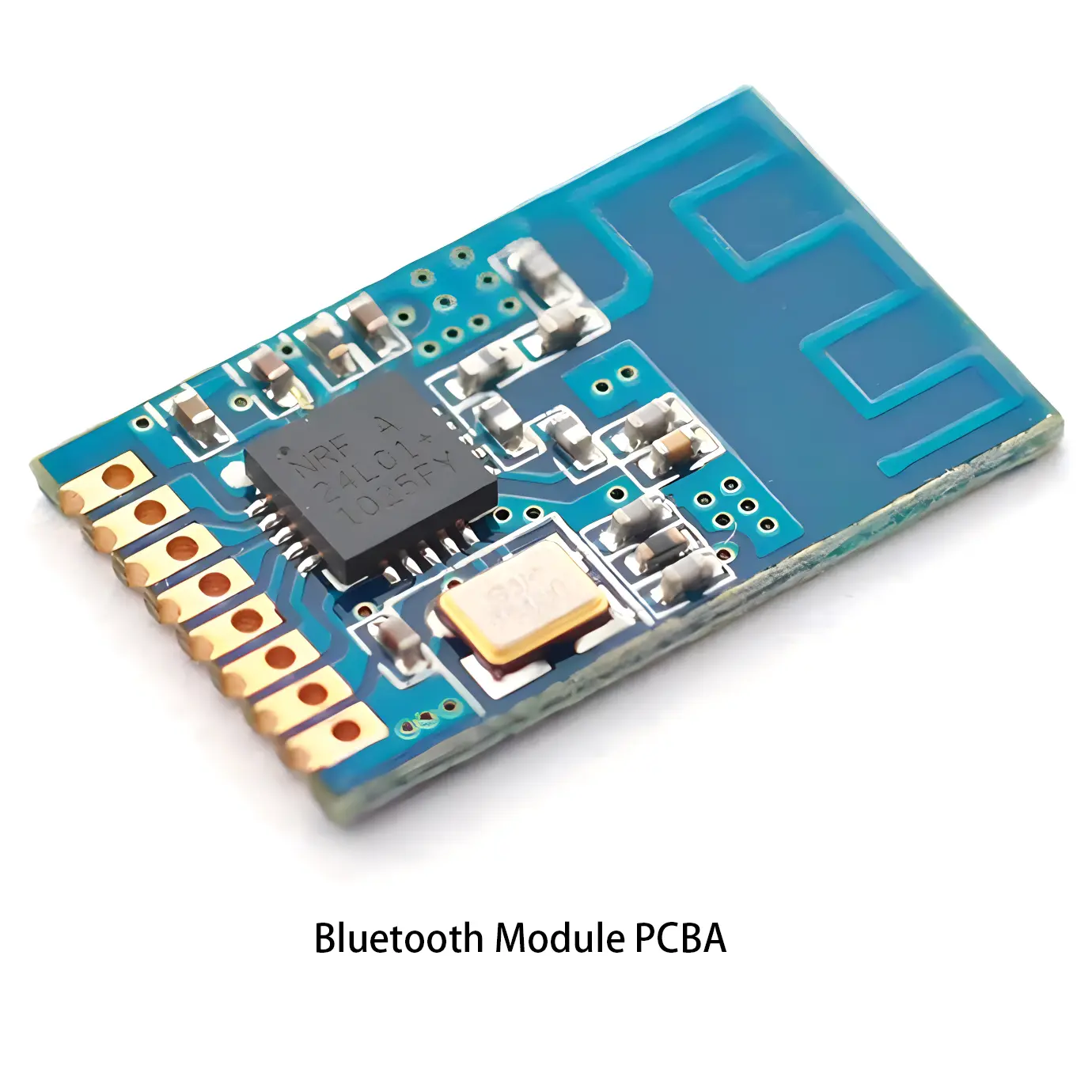 Communication PCBA
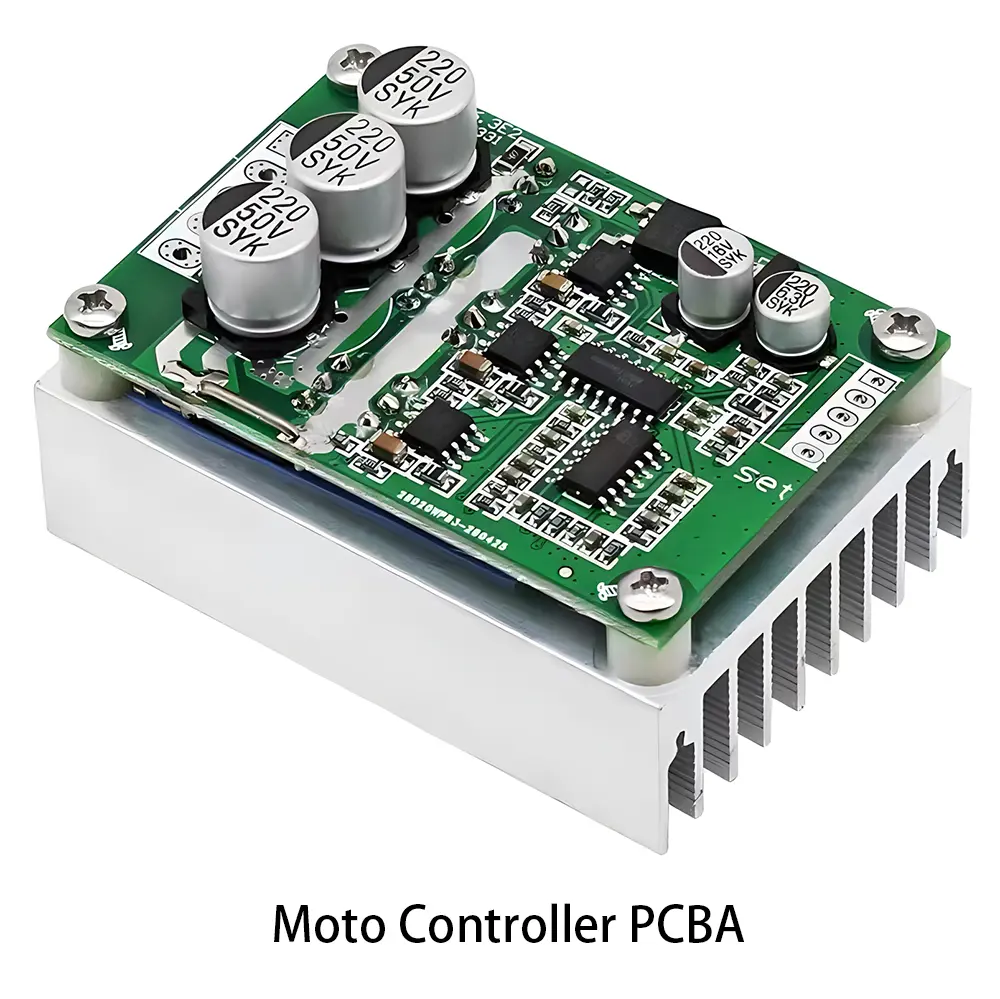 Industrial Control PCBA
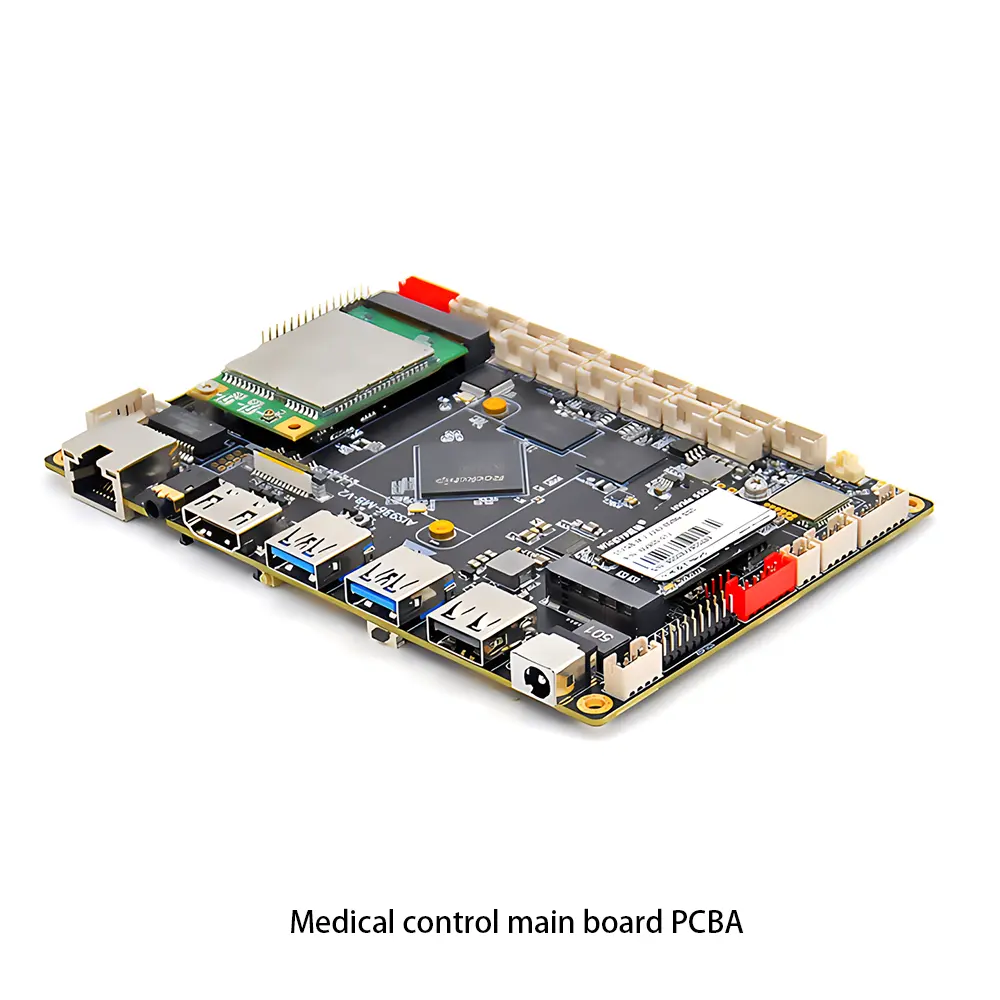 Medical Equipment PCBA
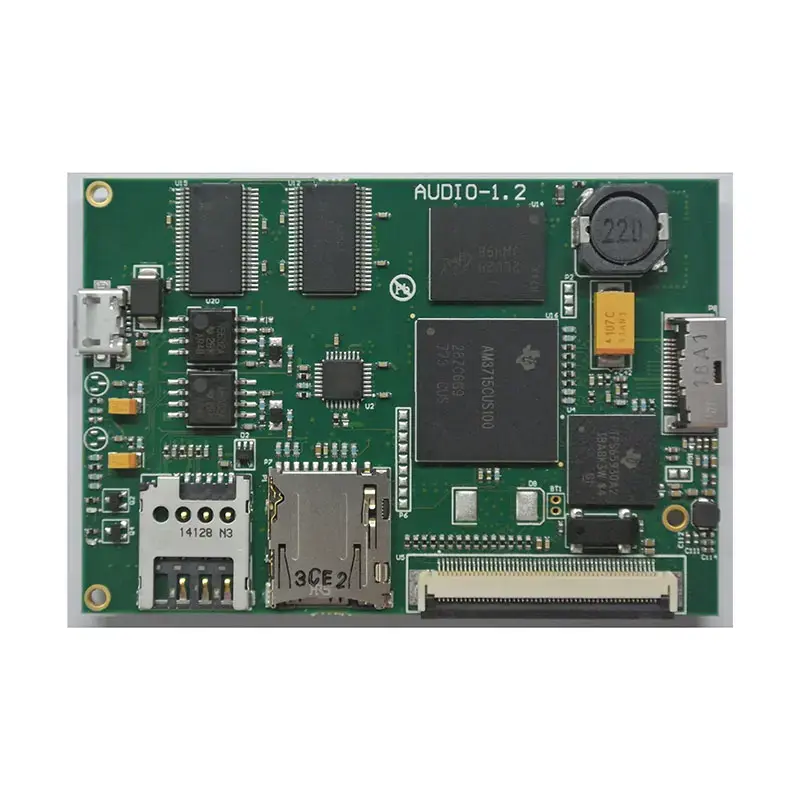 Testing Service
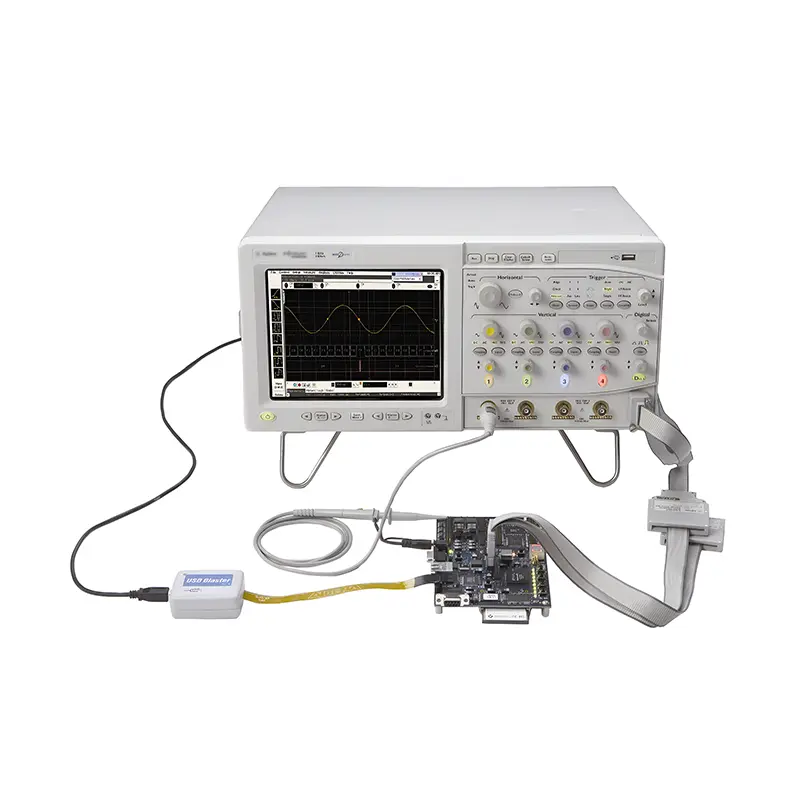 PCBA Testing Service
 Certification Application
 RoHS Certification Application
 REACH Certification Application
 CE Certification Application
 FCC Certification Application
 CQC Certification Application
 UL Certification Application
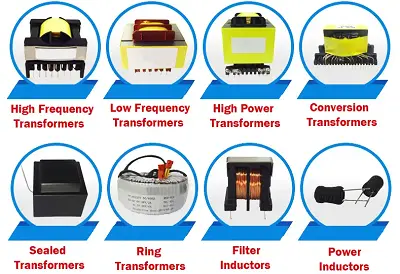 Transformers, Inductors
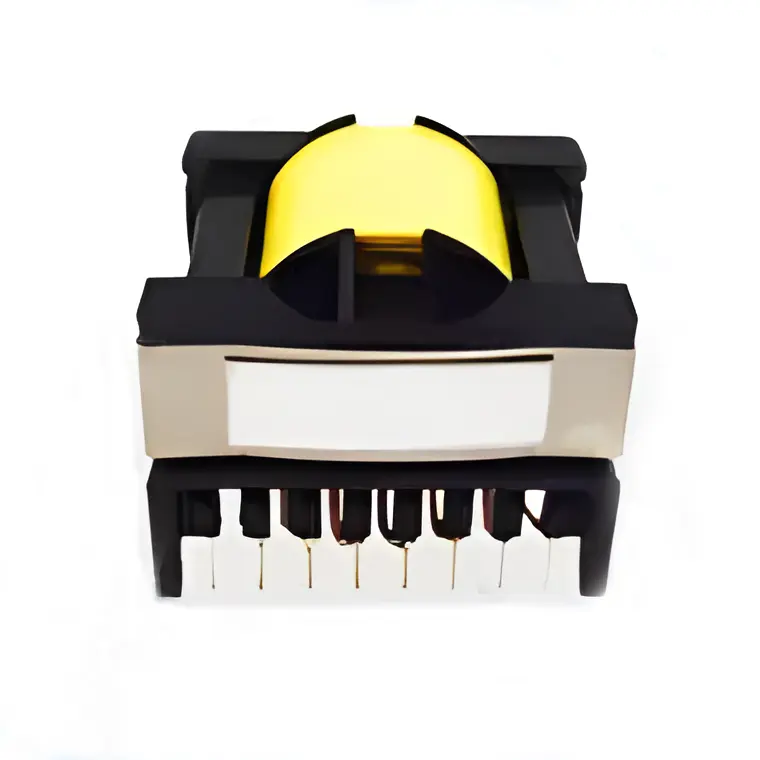 High Frequency Transformers
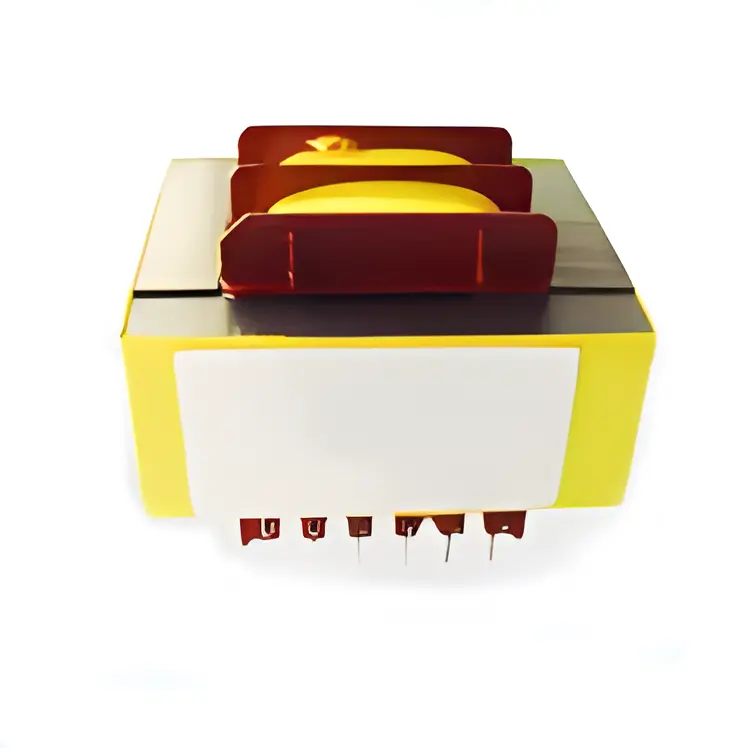 Low Frequency Transformers
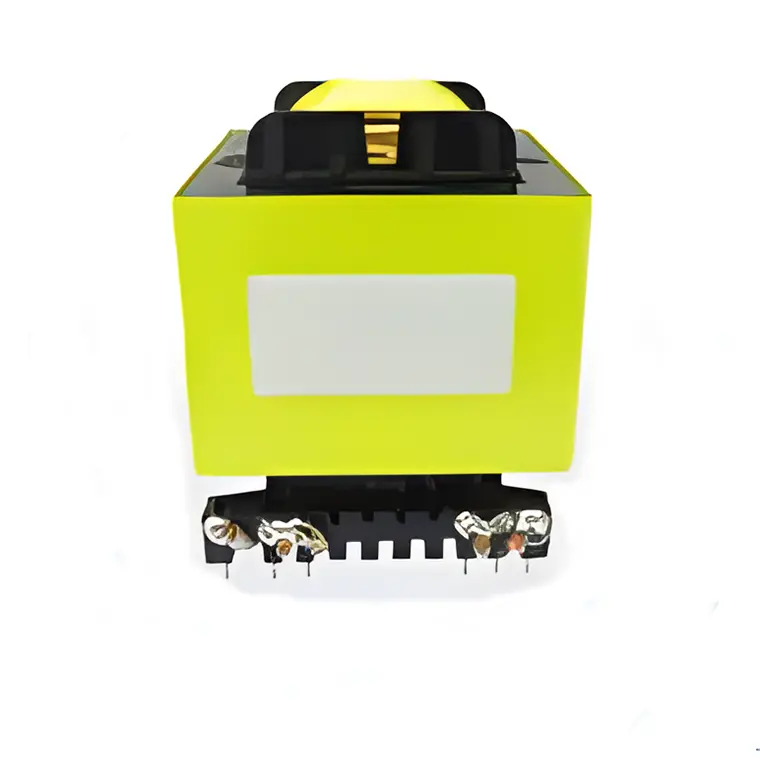 High Power Transformers
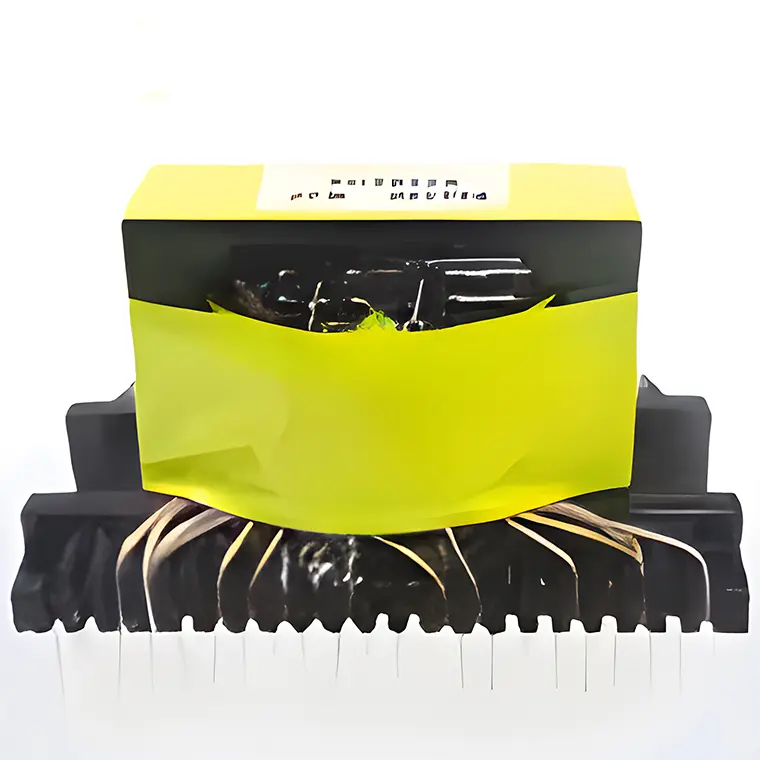 Conversion Transformers
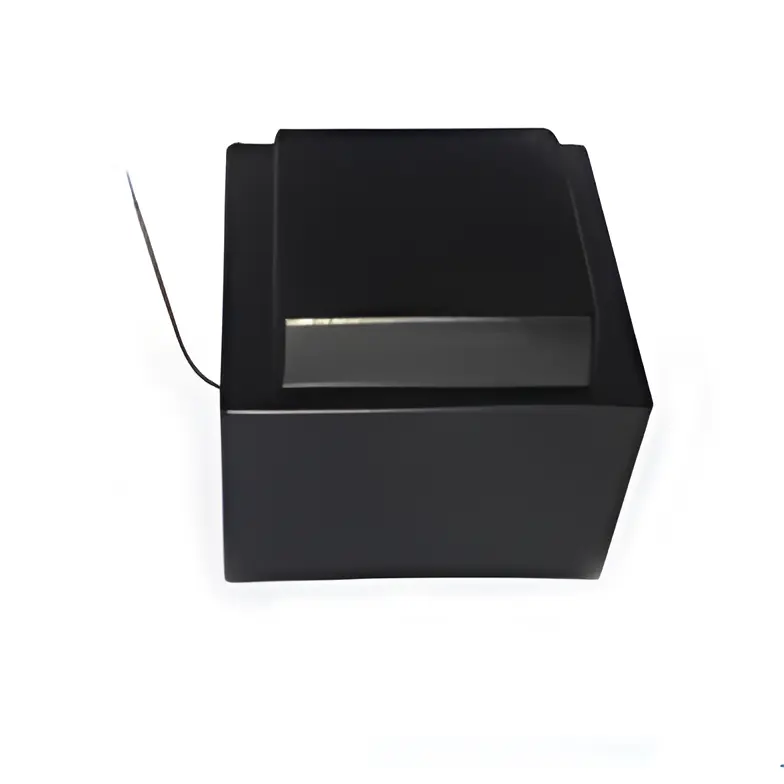 Sealed Transformers
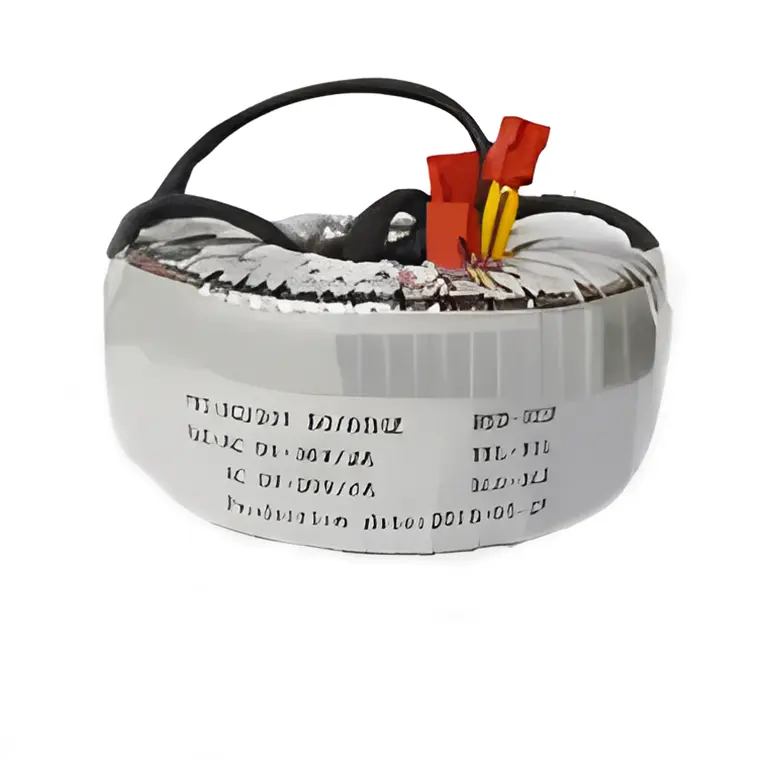 Ring Transformers
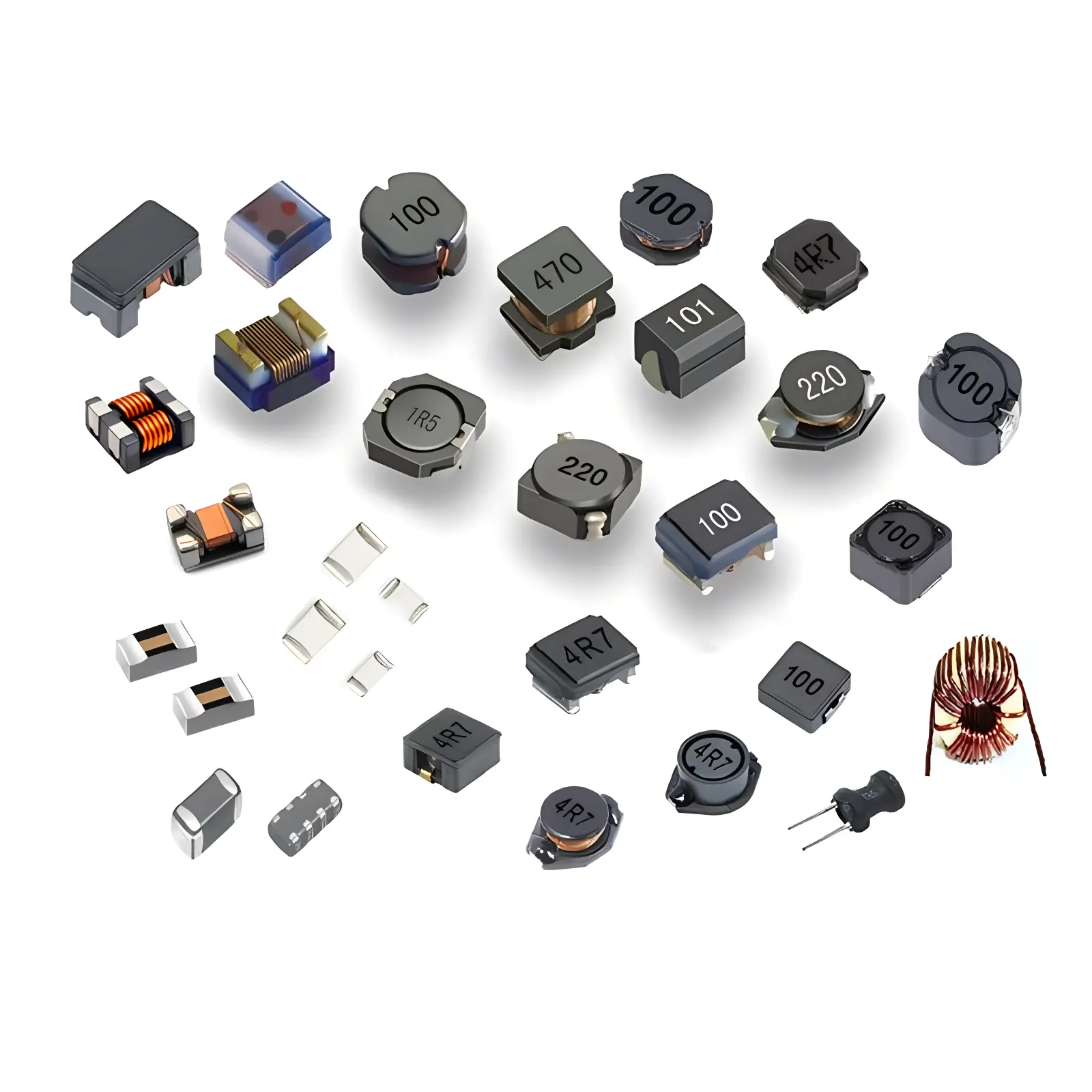 Inductors
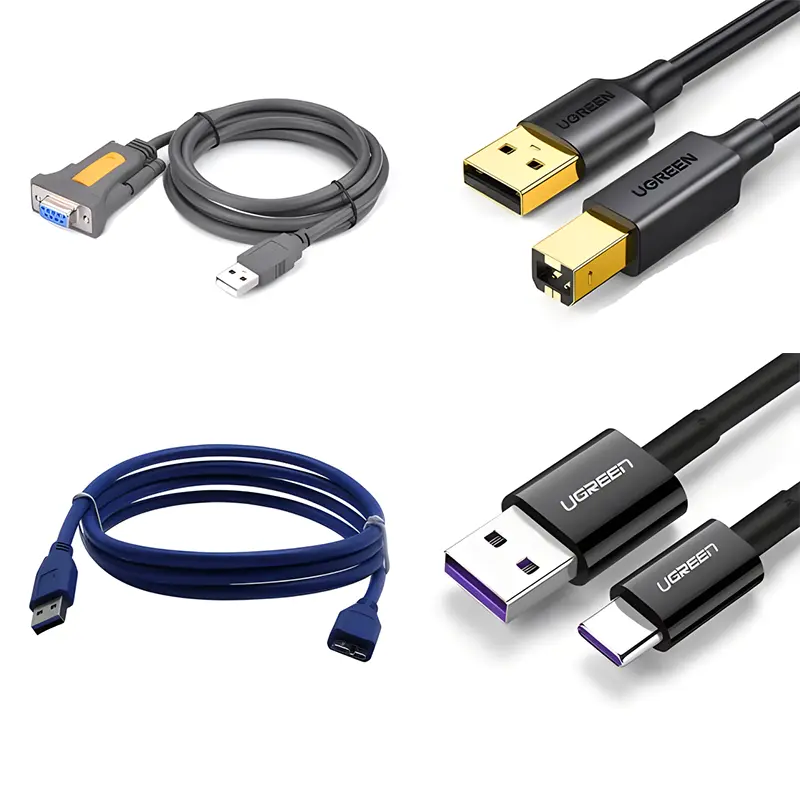 Wires,Cables Customized
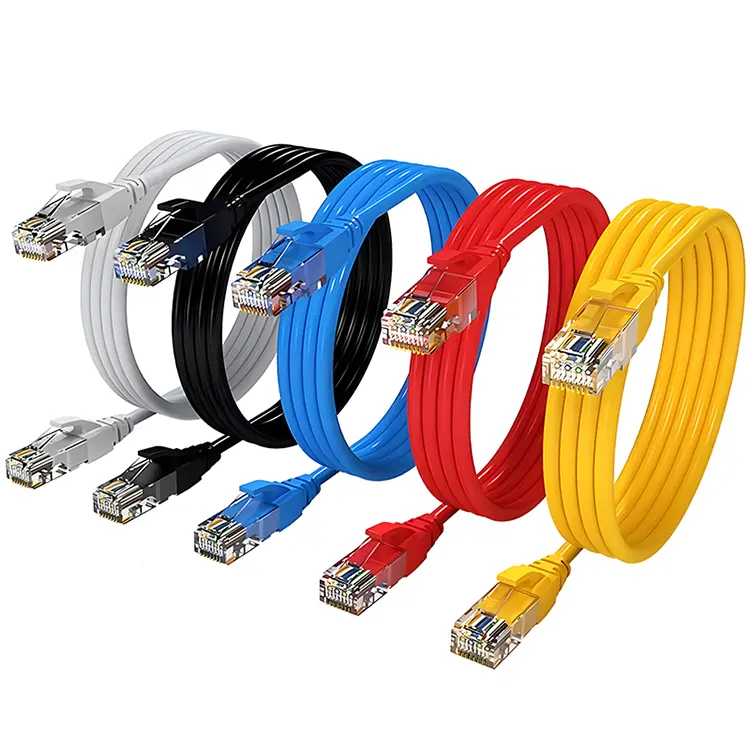 Network Cables
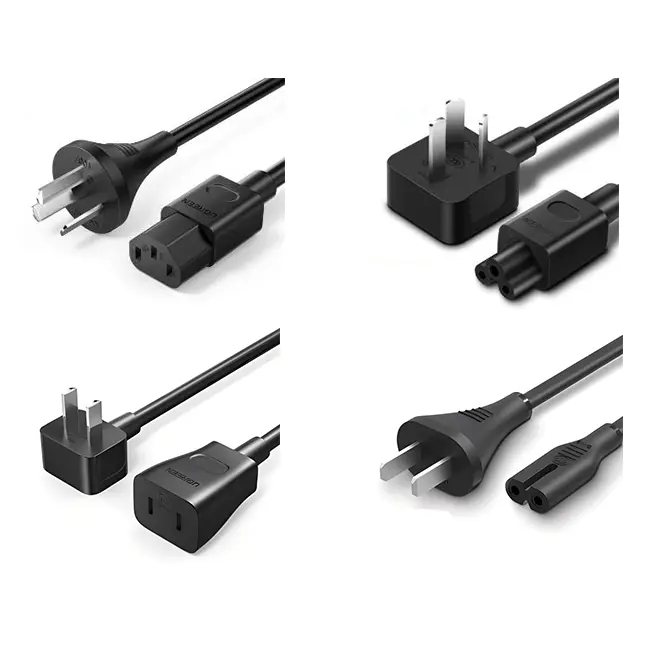 Power Cords
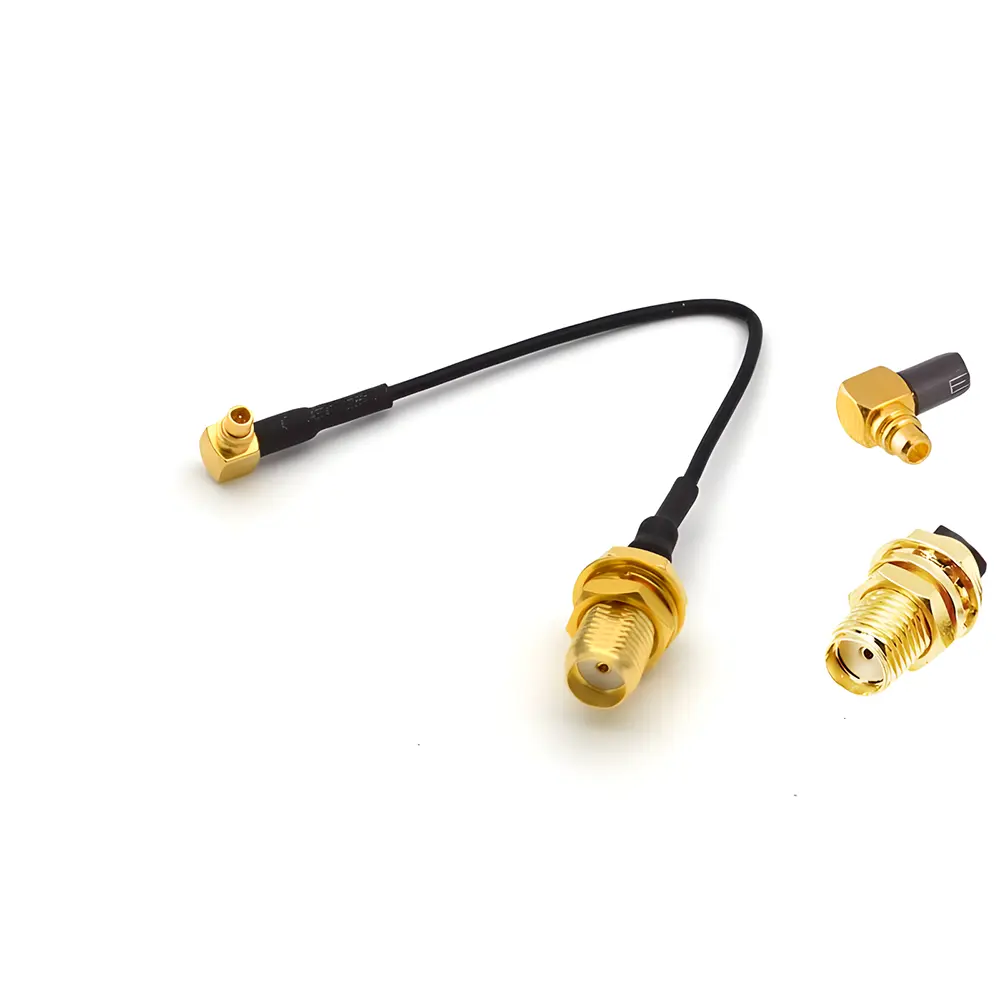 Antenna Cables
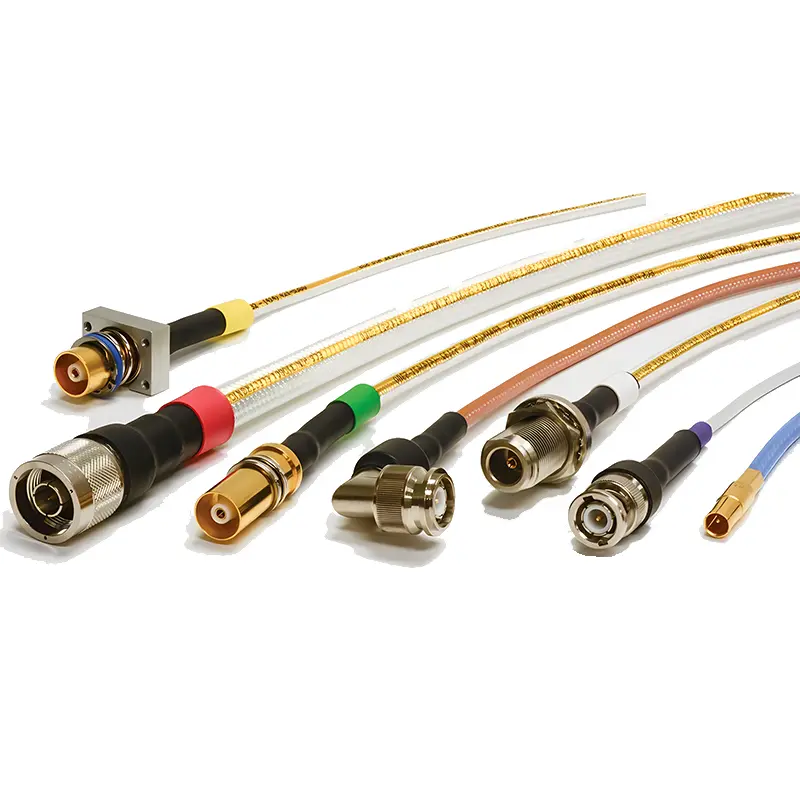 Coaxial Cables
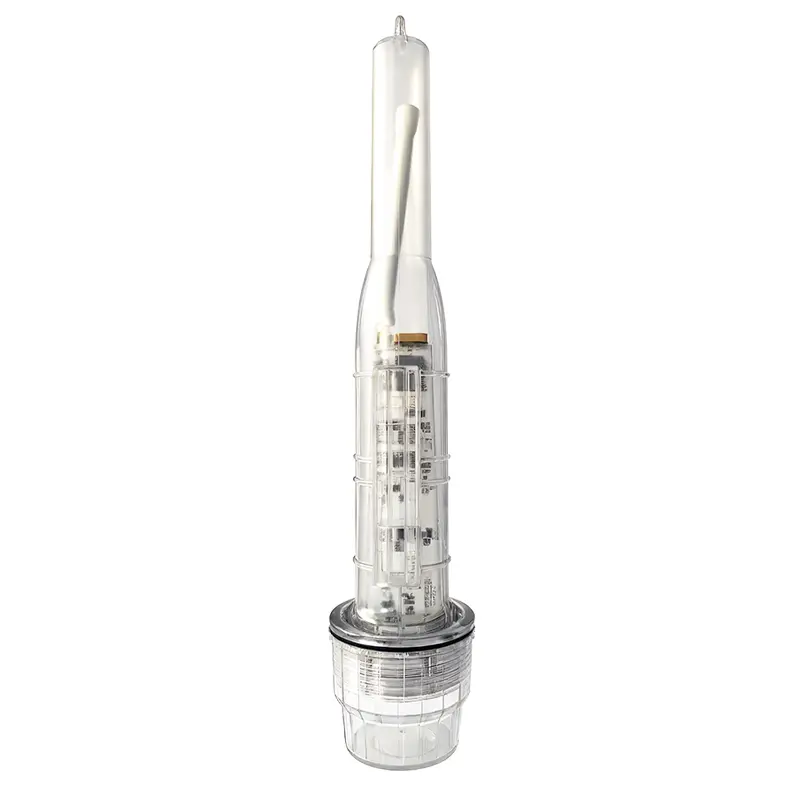 Net Position Indicator
 Solar AIS net position indicator
 Capacitors
 Connectors
 Diodes
 Embedded Processors & Controllers
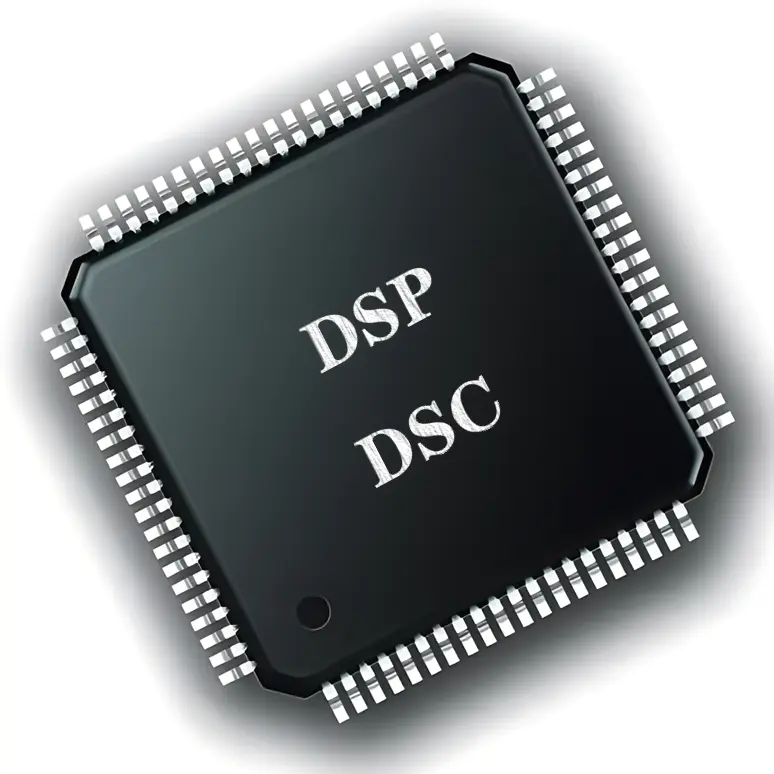 Digital Signal Processors (DSP/DSC)
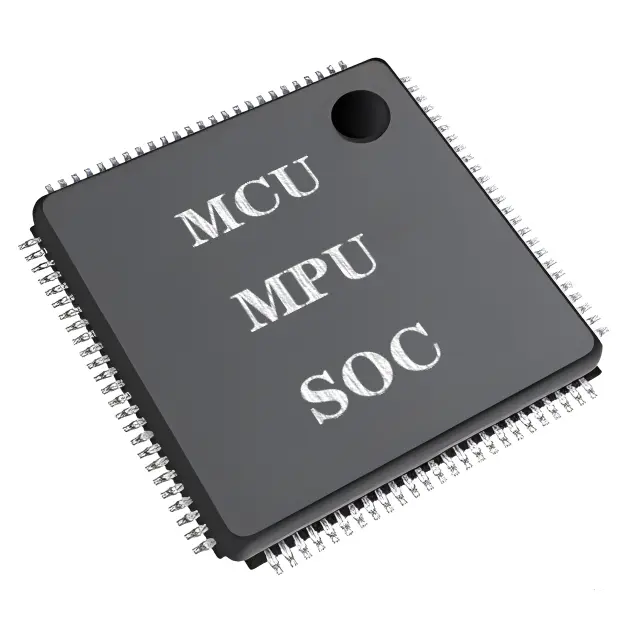 Microcontrollers (MCU/MPU/SOC)
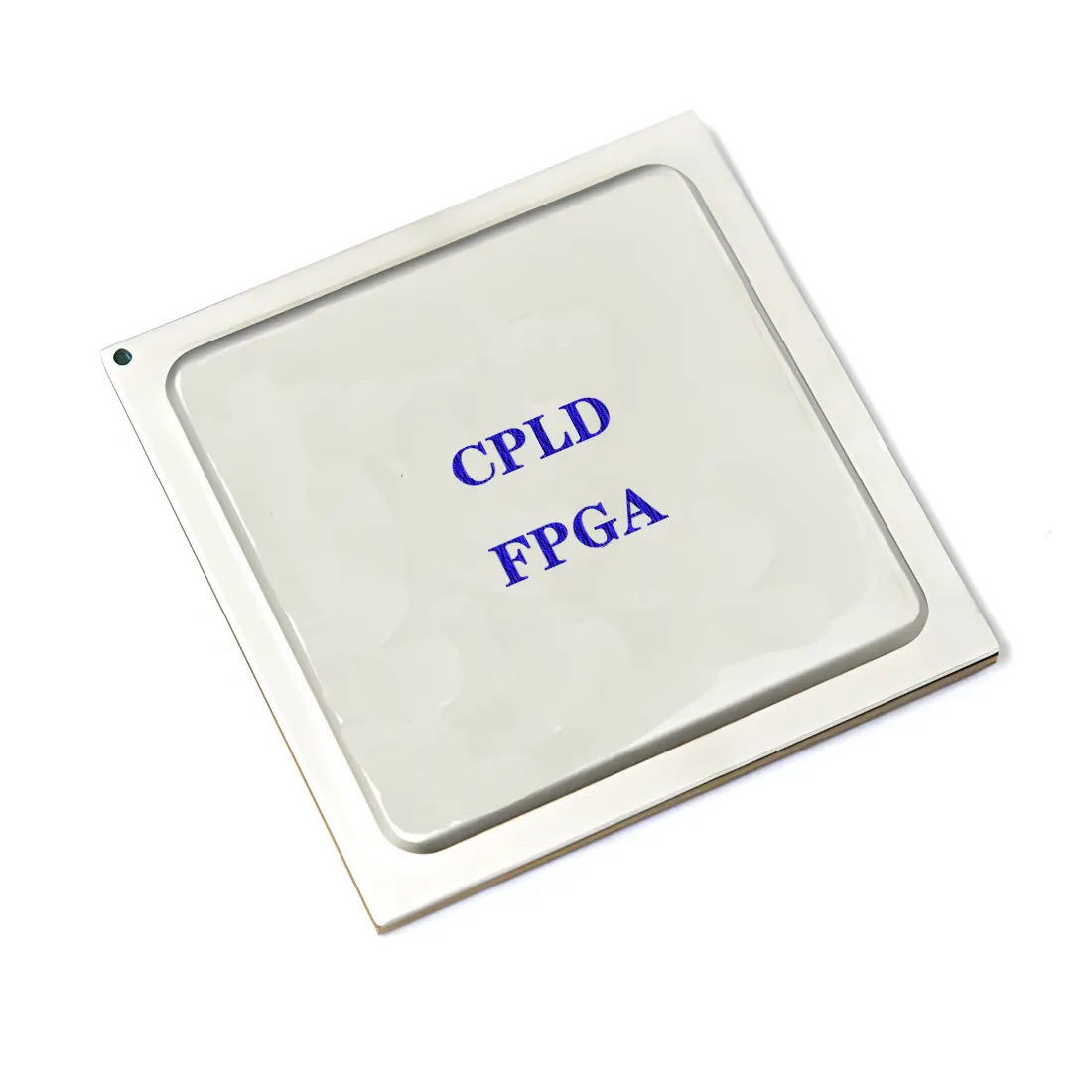 Programmable Logic Device(CPLD/FPGA)
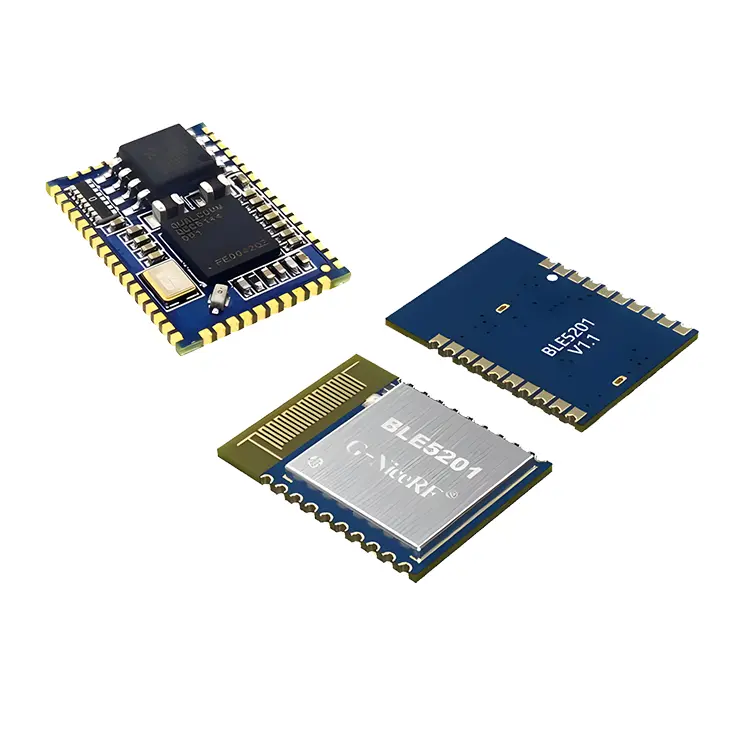 Communication Modules/IoT
 Resistors
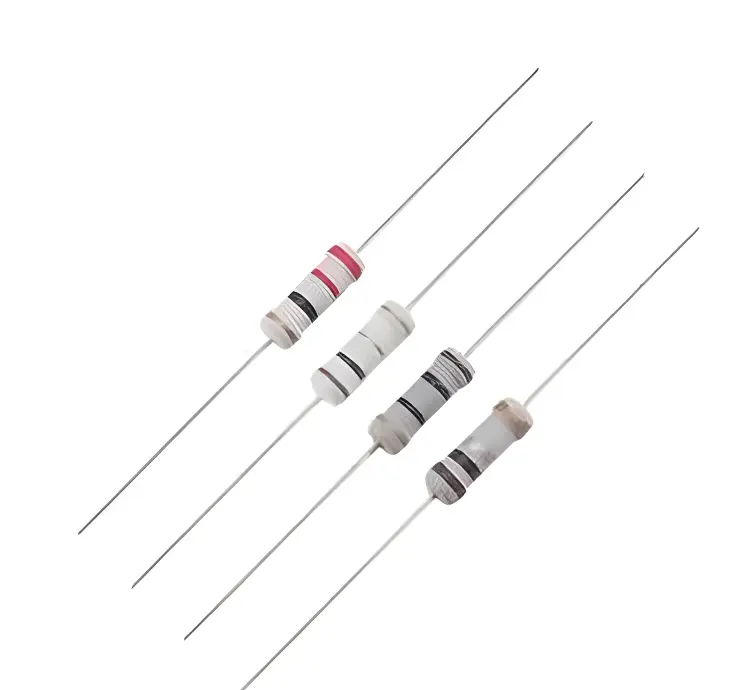 Through Hole Resistors
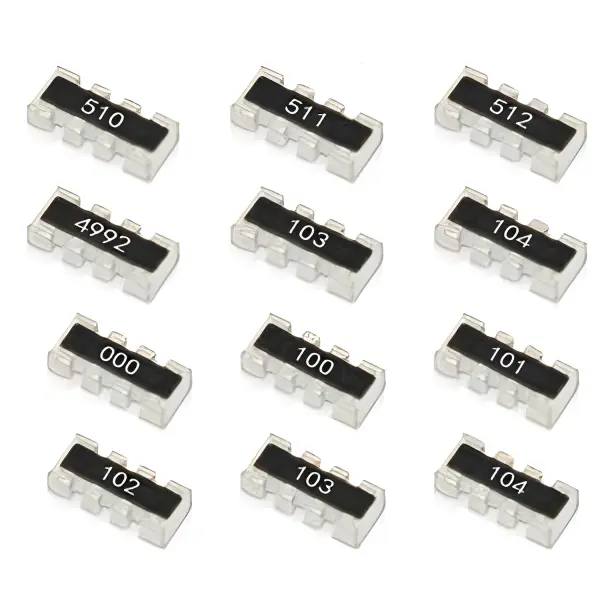 Resistor Networks, Arrays
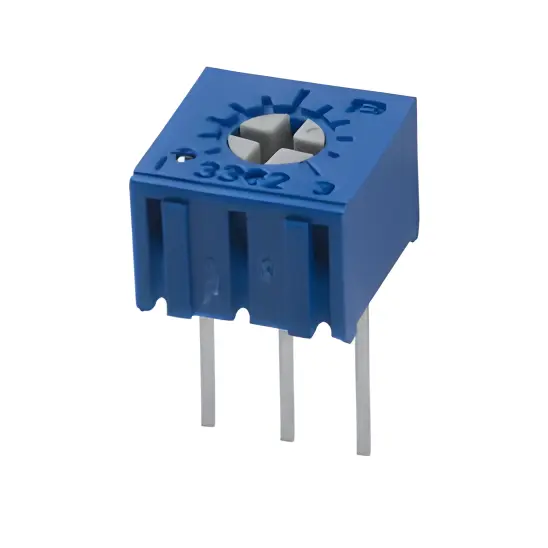 Potentiometers,Variable Resistors
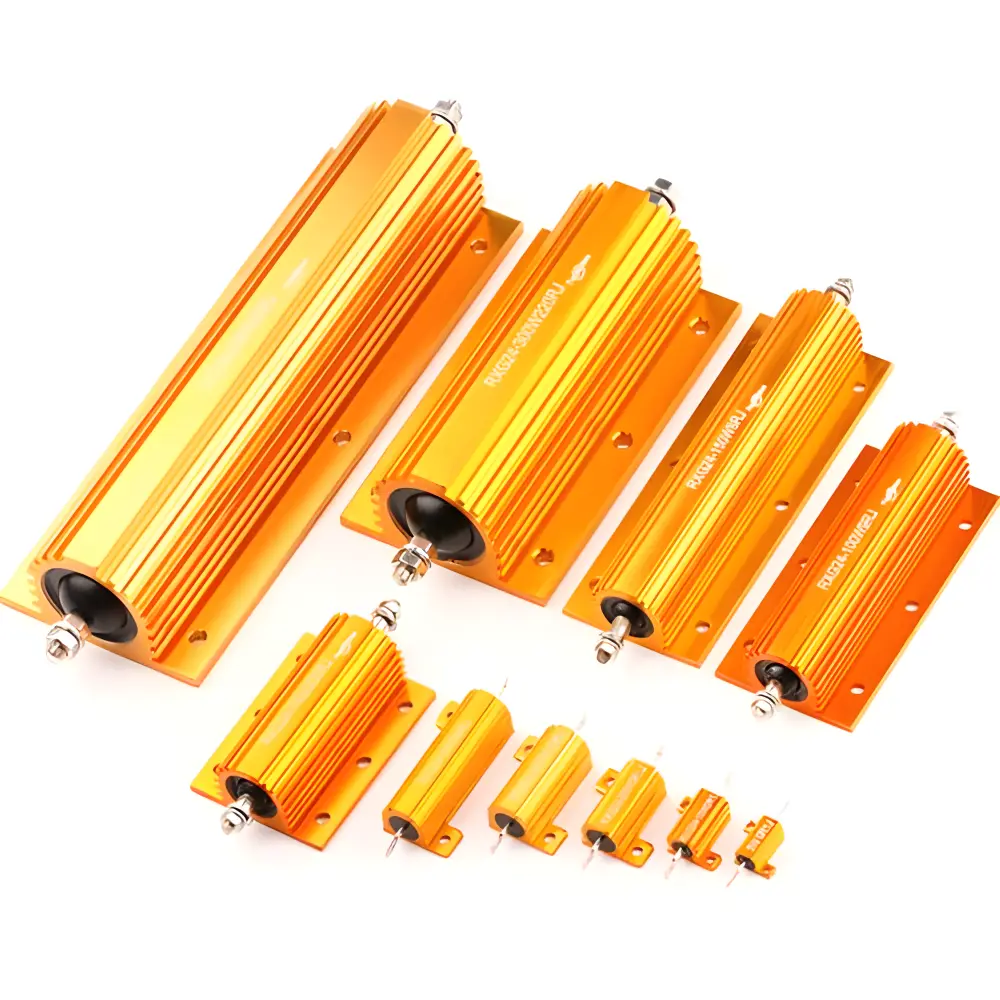 Aluminum Case,Porcelain Tube Resistance
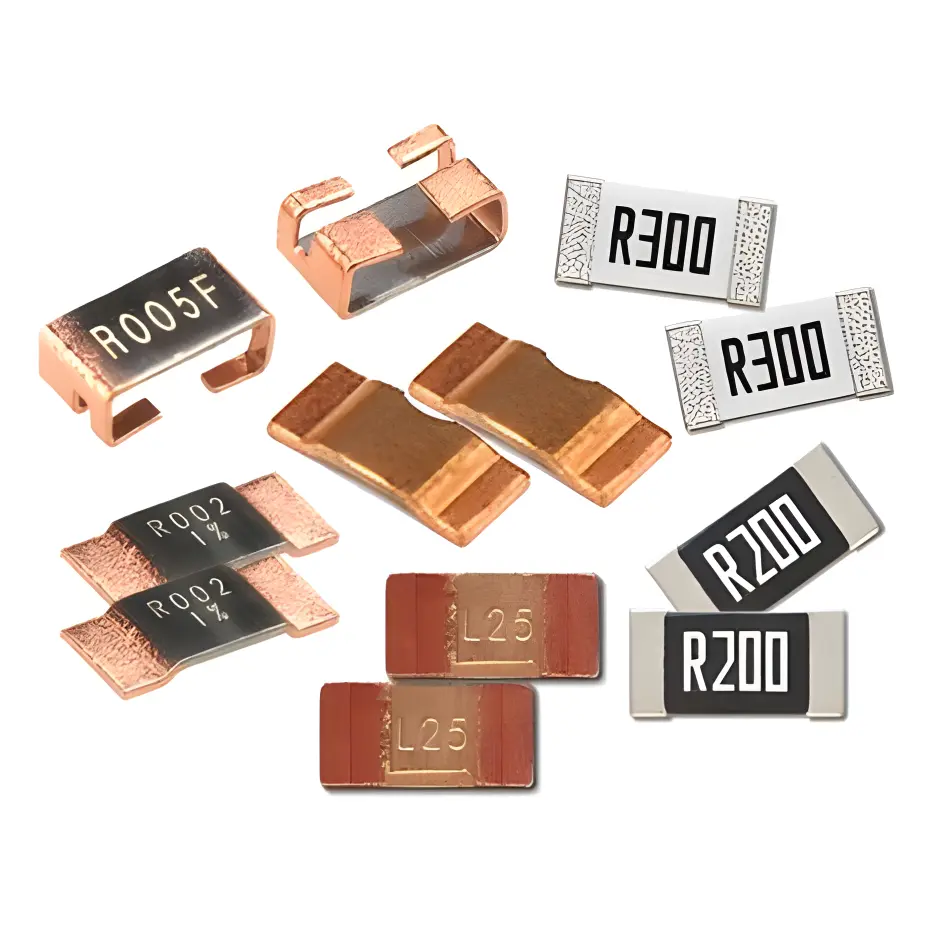 Current Sense Resistors,Shunt Resistors
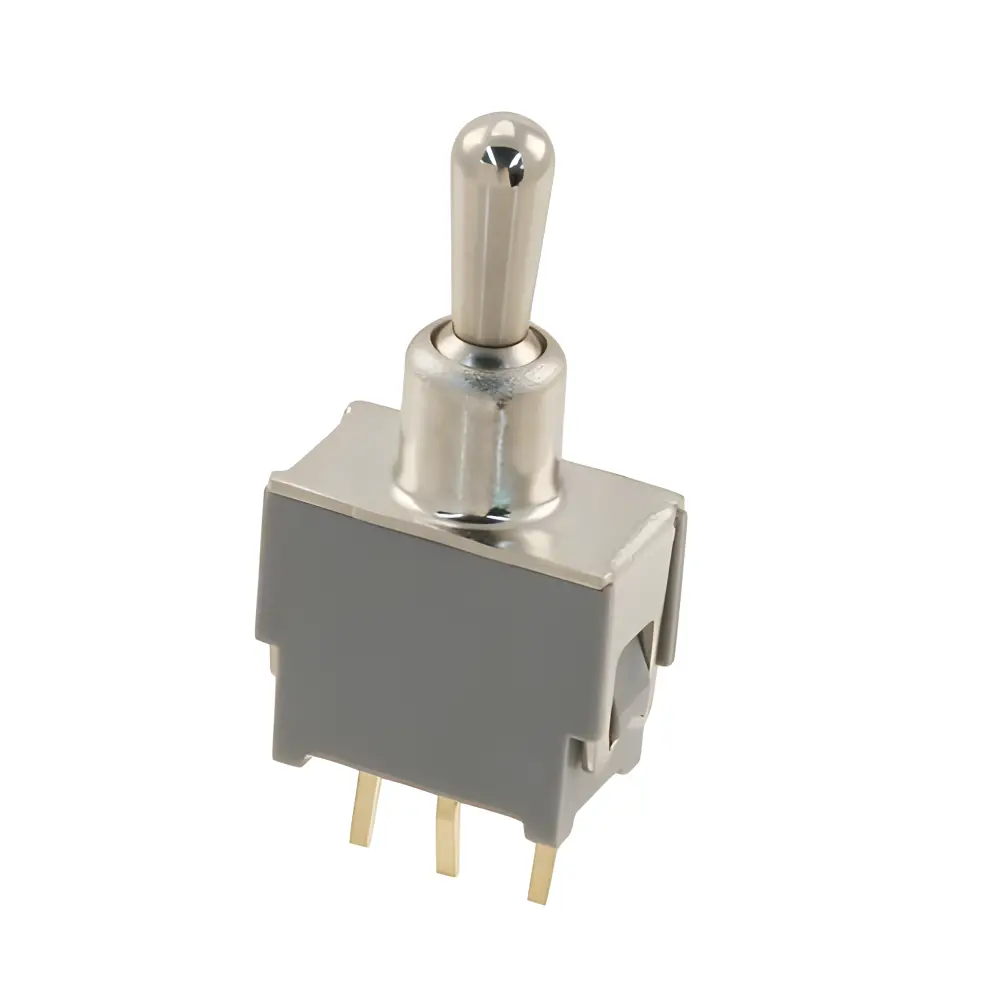 Switches
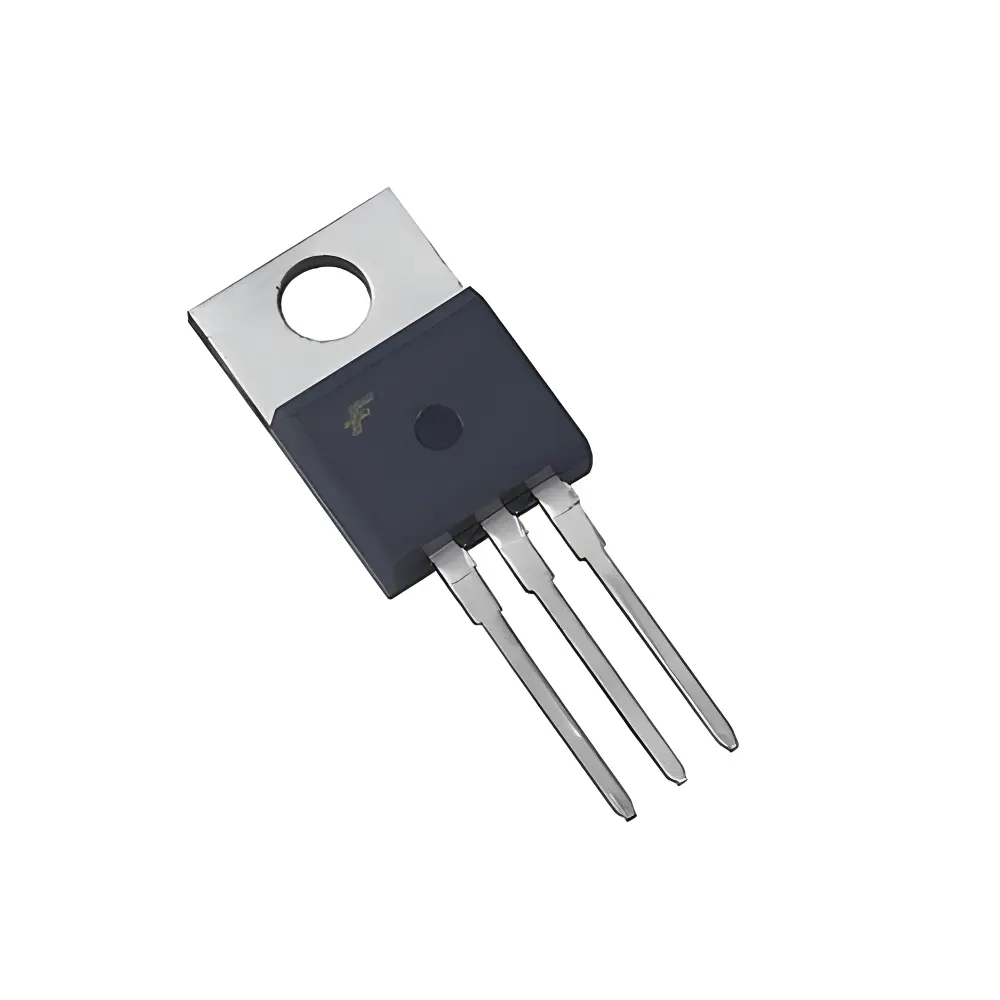 Transistors
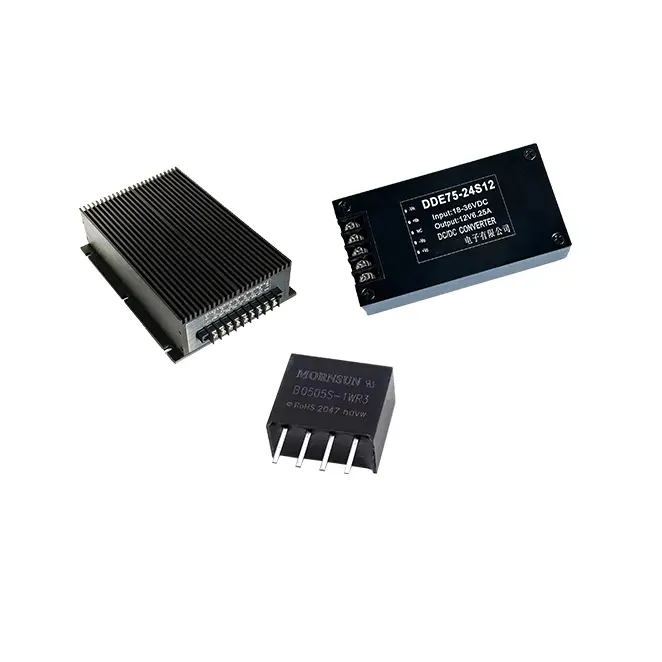 Power Modules
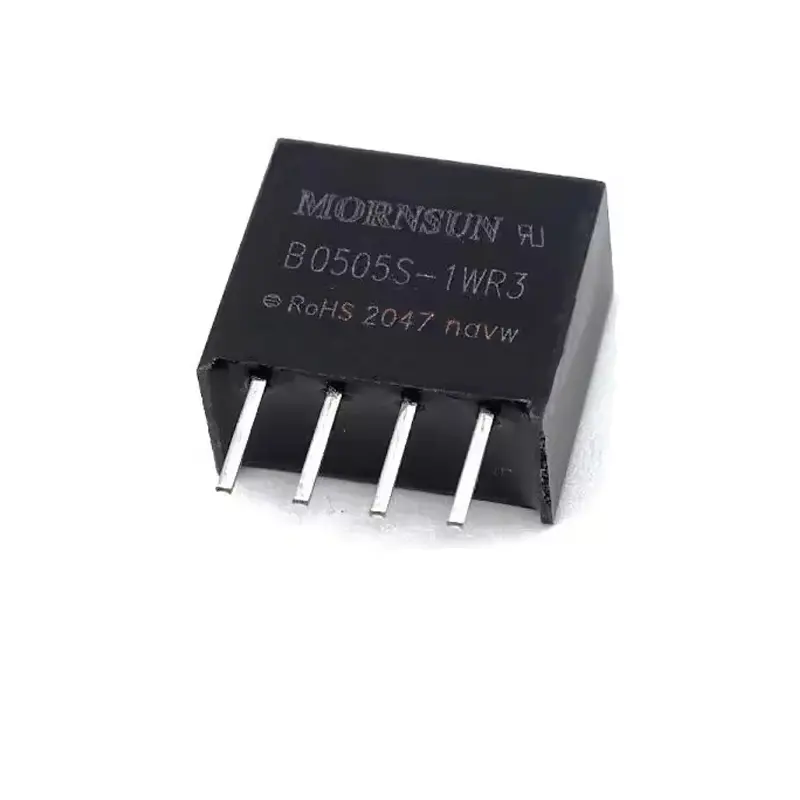 Isolated Power Modules
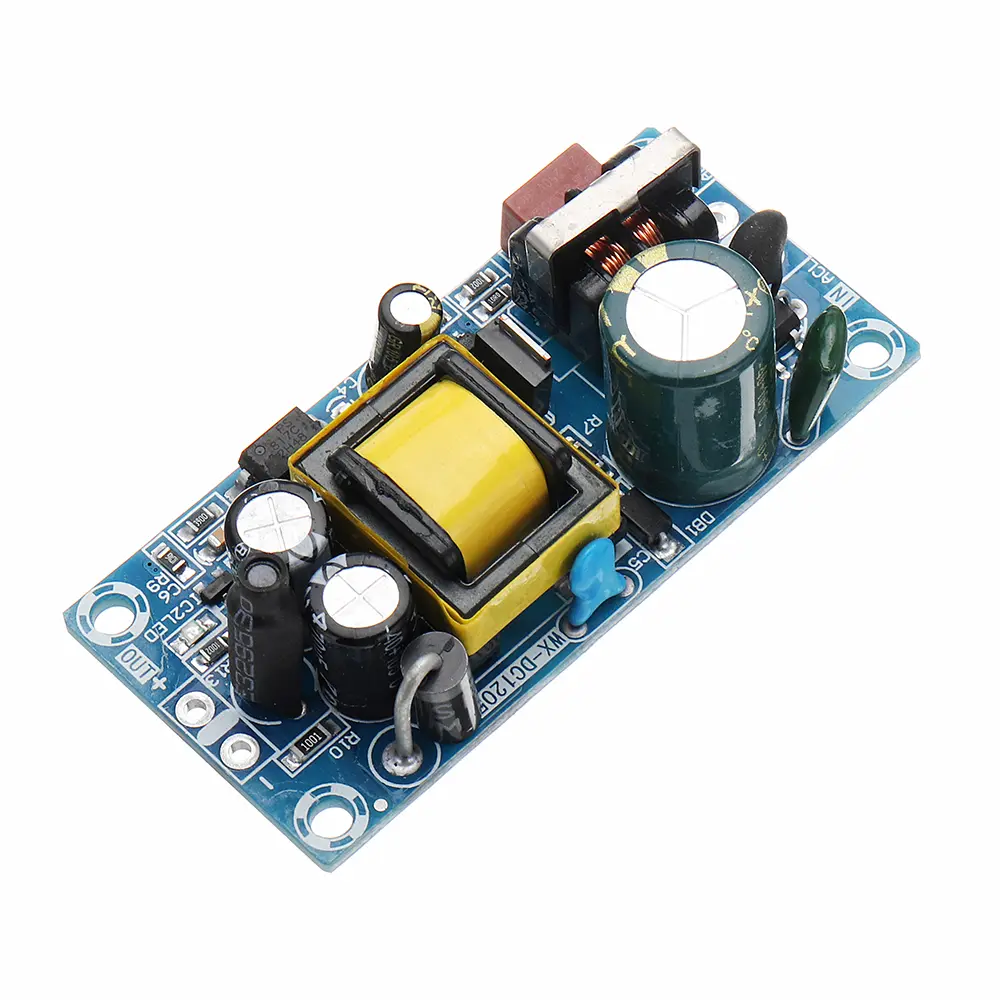 AC-DC Power Modules
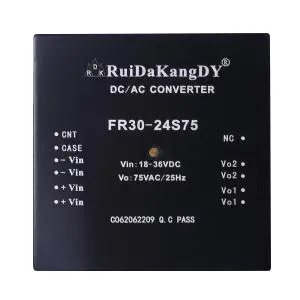 DC-AC Module(Inverter)
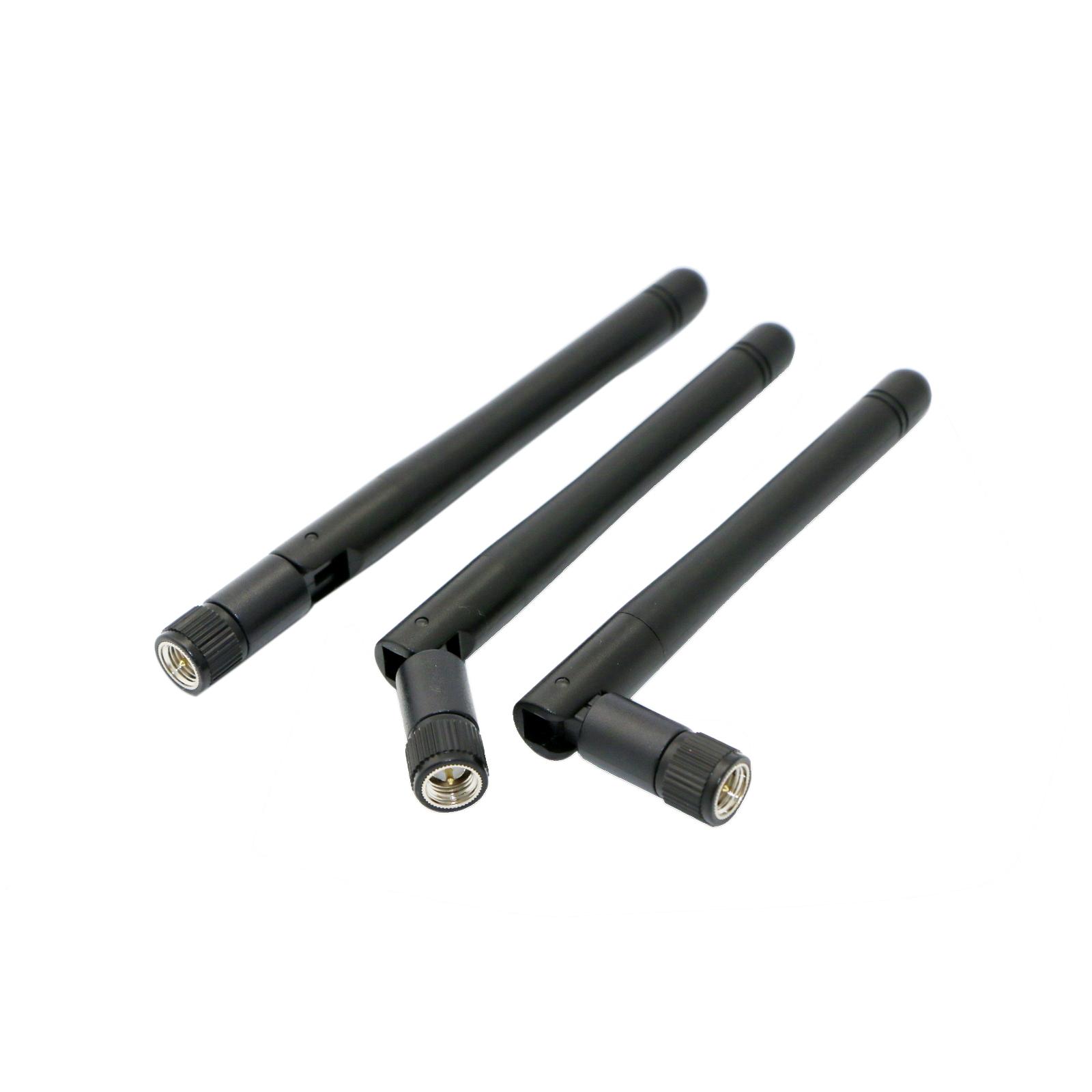 RF and Wireless
2024 PCB Industry Special Report II
2024 PCB Industry Special Report II
MacroeconomICs and Downstream Innovation Are Core Influencing Factors of the PCB Cycle
① Global Macroeconomics: The demand for the PCB industry is positively correlated with the macroeconomic environment. PCBs are fundamental components in the electronics industry, and electronic products have become ubiquitous consumer goods in daily life. By comparing the year-on-year growth rates of global Pcb Production value and global GDP, we find a significant positive correlation between the two.
② Industry Technological Breakthroughs: PCBs are already a highly mature product with little room for substantial technological innovation, making this factor a relatively minor influence. The term "PCB" first appeared in 1925; in the 1980s, suRFace mount technology gradually replaced through-hole mount technology as the mainstream; CAD software emerged and rapidly developed in 1984; the PCB industry matured in the 1990s; in 1993, Motorola applied for a BGA packaging patent, leading to the emergence of organic packaging substrates; in 1995, Panasonic developed HDI; by 2000, PCB line widths/spaces entered the 3.5-4.5mil range, and FPC emerged; in 2006, Any-Layer HDI appeared, and since then, there have been almost no major product innovations in PCB products.
③ Downstream Innovation and Growth: Key application areas of PCBs include PCs, mobile phones, communications, etc., and their innovative iterations directly drive PCB demand. The growth of the PCB industry at different stages has been driven by desktops in the 1990s, laptops in the 2000s, smartphones around 2010, and large-scale construction of 5G base stations since 2020.
III. One of the Influencing Factors of This Current Major Cycle – AI
Requirements of Traditional Servers for PCBs
Upgrades to server platforms necessitate increased PCB layer counts and reduced CCL dielectric losses. The applications of PCBs in servers mainly include accelerator boards, motherboards, power backplanes, hard drive backplanes, network cards, Riser cards, etc., characterized by high layer counts, high aspect ratios, high densities, and high transmission rates.
Increased PCB Layer Counts: With the evolution of server platforms, server PCBs continue to develop towards higher layer counts. Purely server platforms corresponding to PCIe 3.0 generally use 8-12-layer PCB motherboards; however, Whitley's PCIe 4.0 bus requires 12-16-layer PCBs; and for the future Eagle Stream platform using PCIe 5.0, PCB layer counts need to reach above 16-18 layers. According to Prismark data, the unit price of PCBs with 18 or more layers is approximately three times that of 12-16-layer PCBs.
Global Server Compound Annual Growth Rate of 8%
The global server market is expected to grow at a compound annual growth rate (CAGR) of nearly 8% from 2022 to 2027. According to IDC data, global server shipments in 2022 reached 14.95 million units, up 10.4% year-on-year. The global server market size in 2022 was 123billion,up20.0178 billion in 2027, corresponding to a CAGR of 7.7% from 2022 to 2027.