
 PCB
PCB FPC
FPC Rigid-Flex
 FR-4
FR-4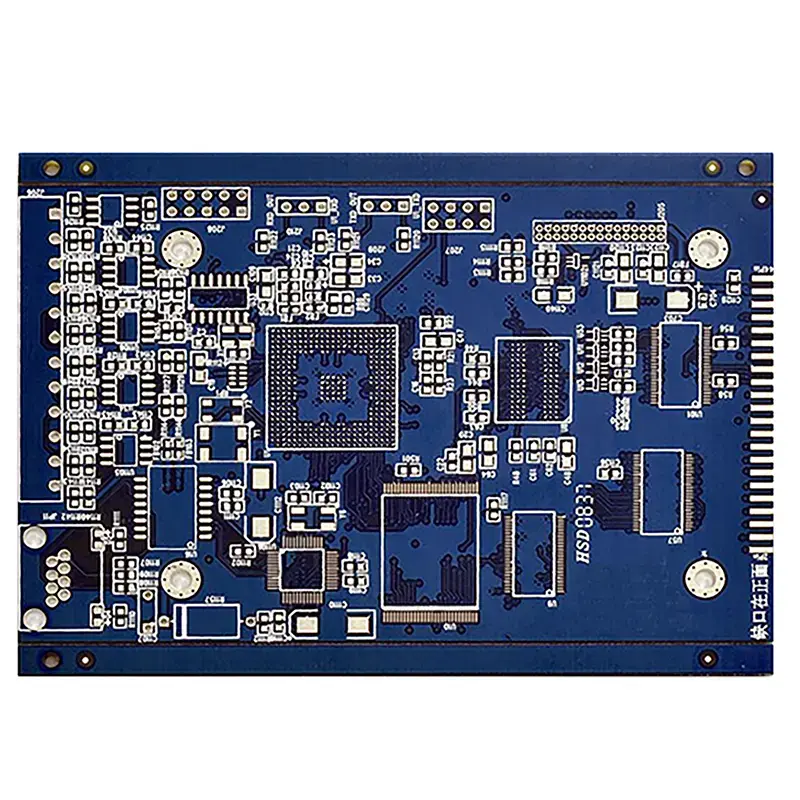 HDI PCB
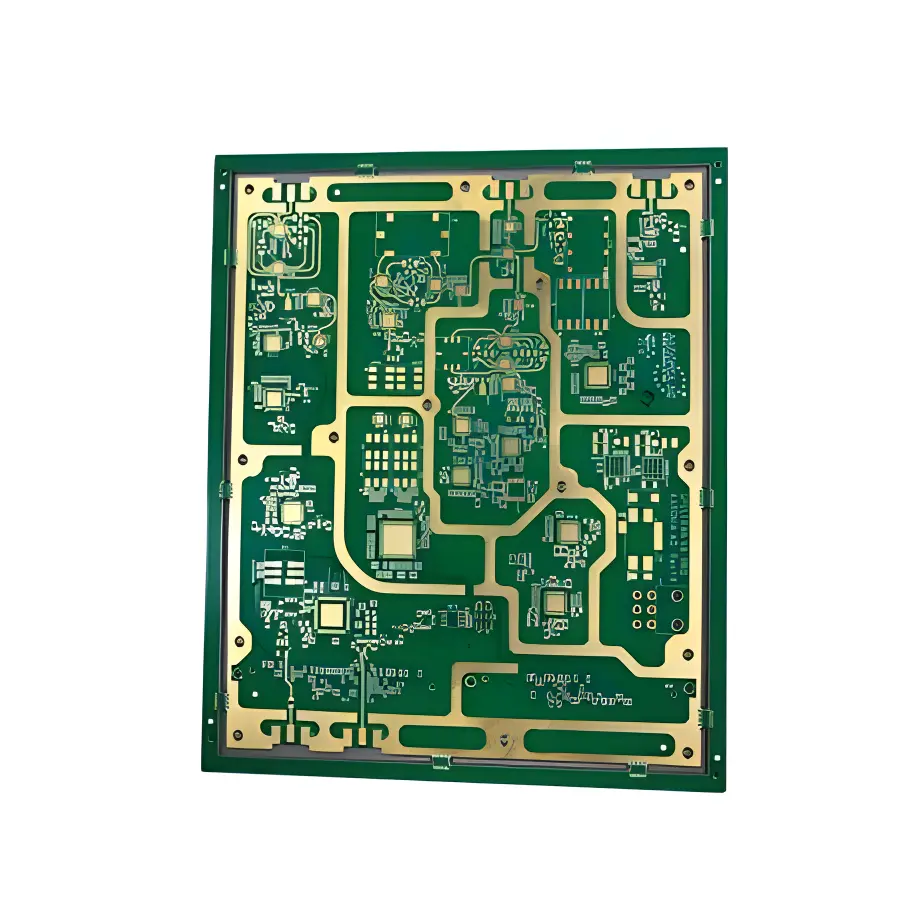 Rogers High-Frequency Board
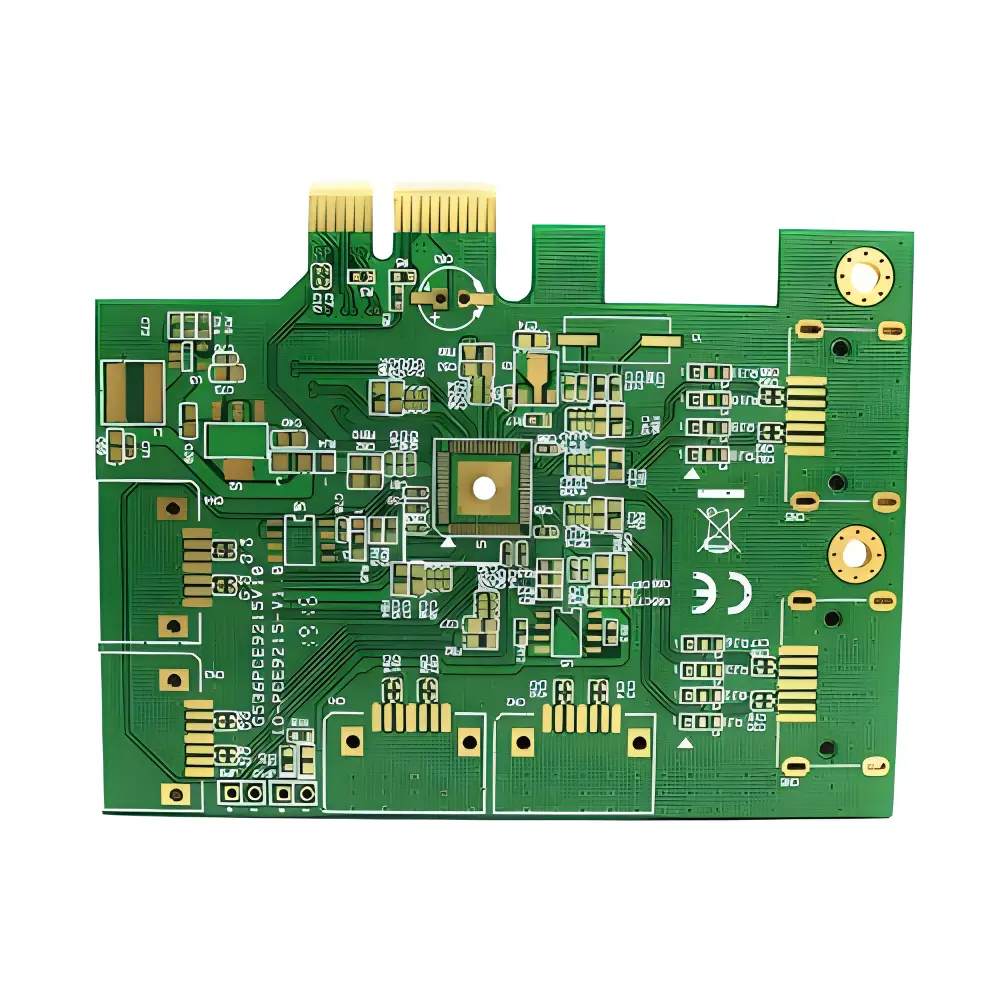 PTFE Teflon High-Frequency Board
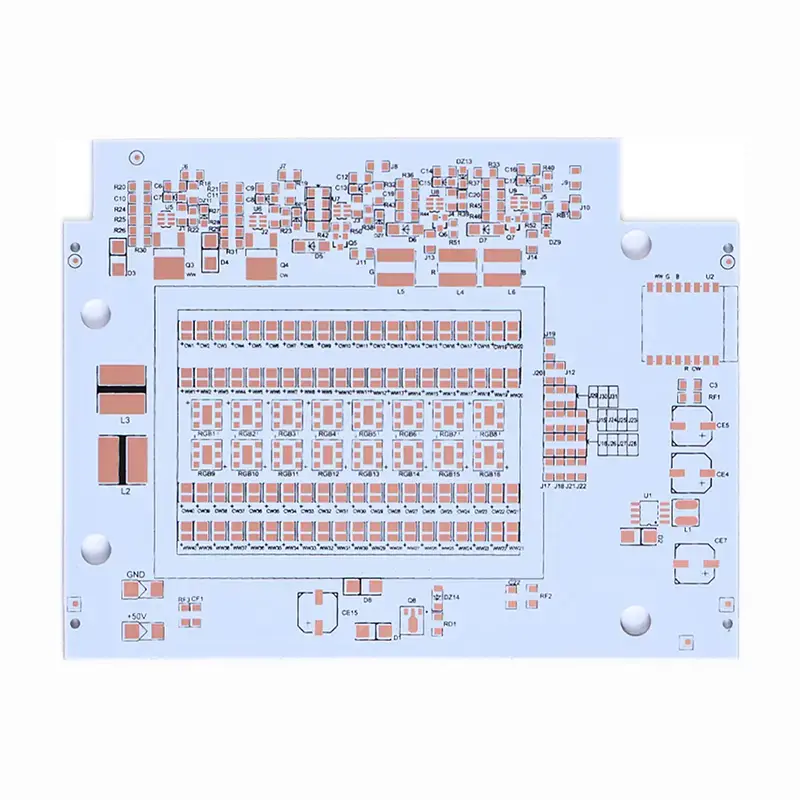 Aluminum
 Copper Core
 PCB Assembly
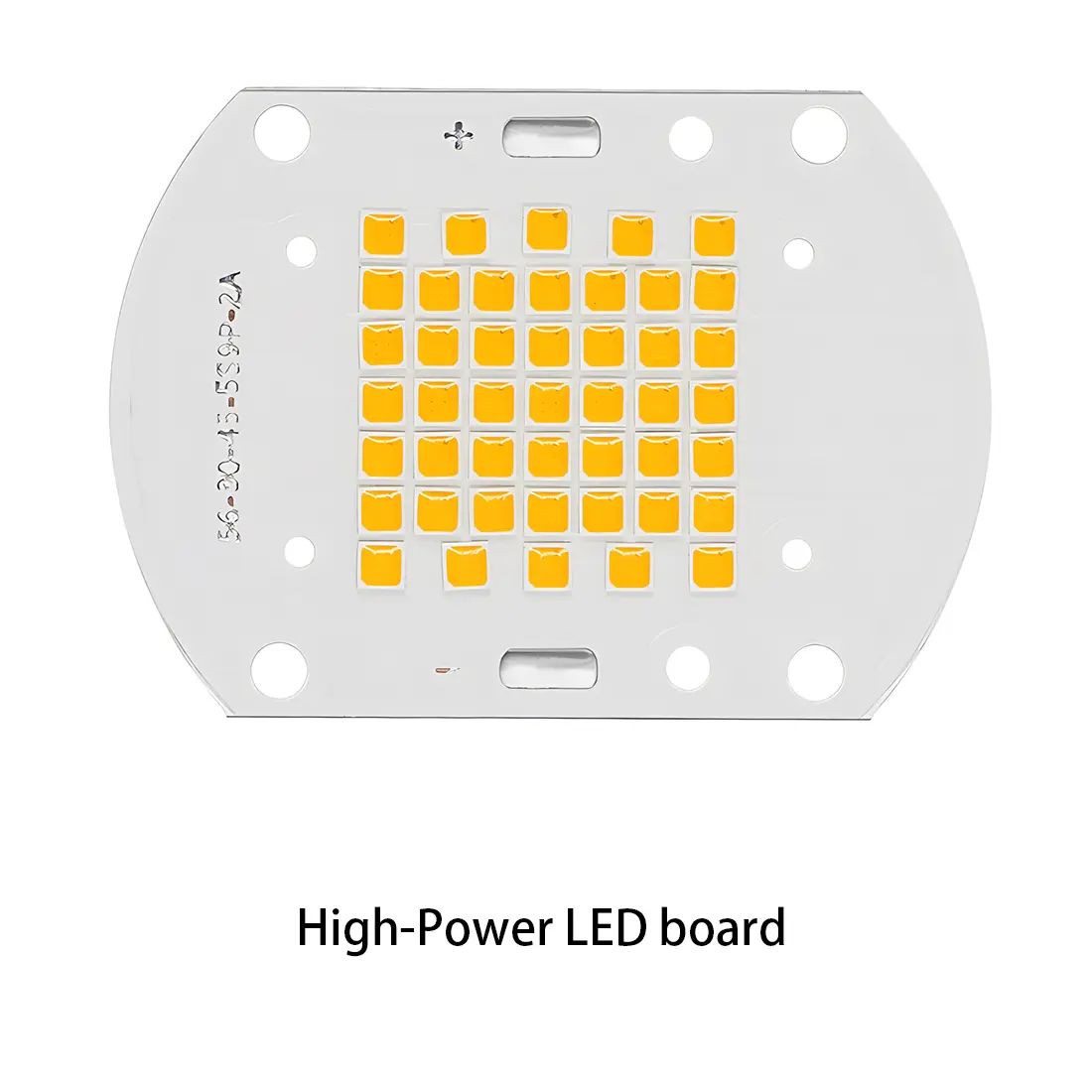 LED light PCBA
 Memory PCBA
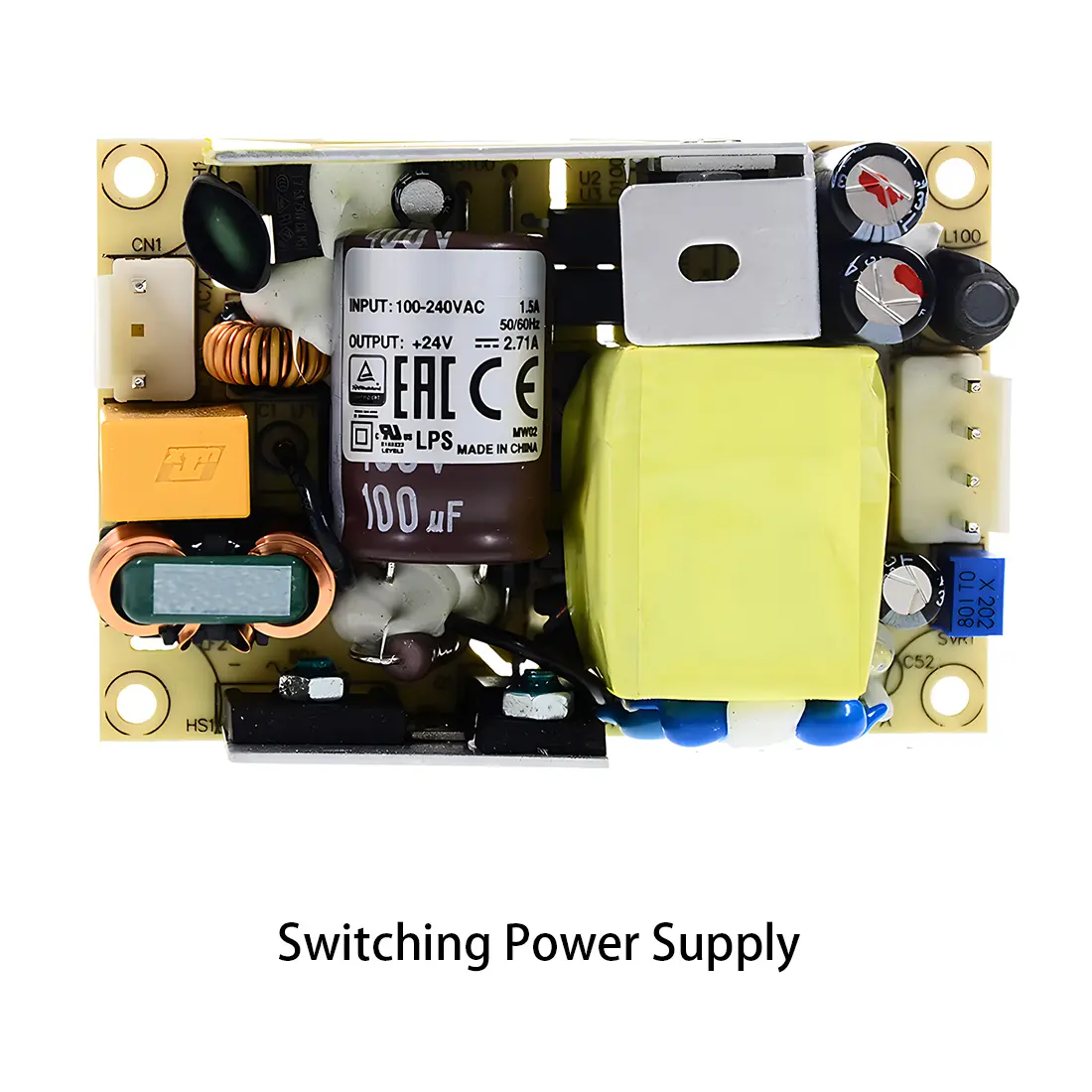 Power Supply PCBA
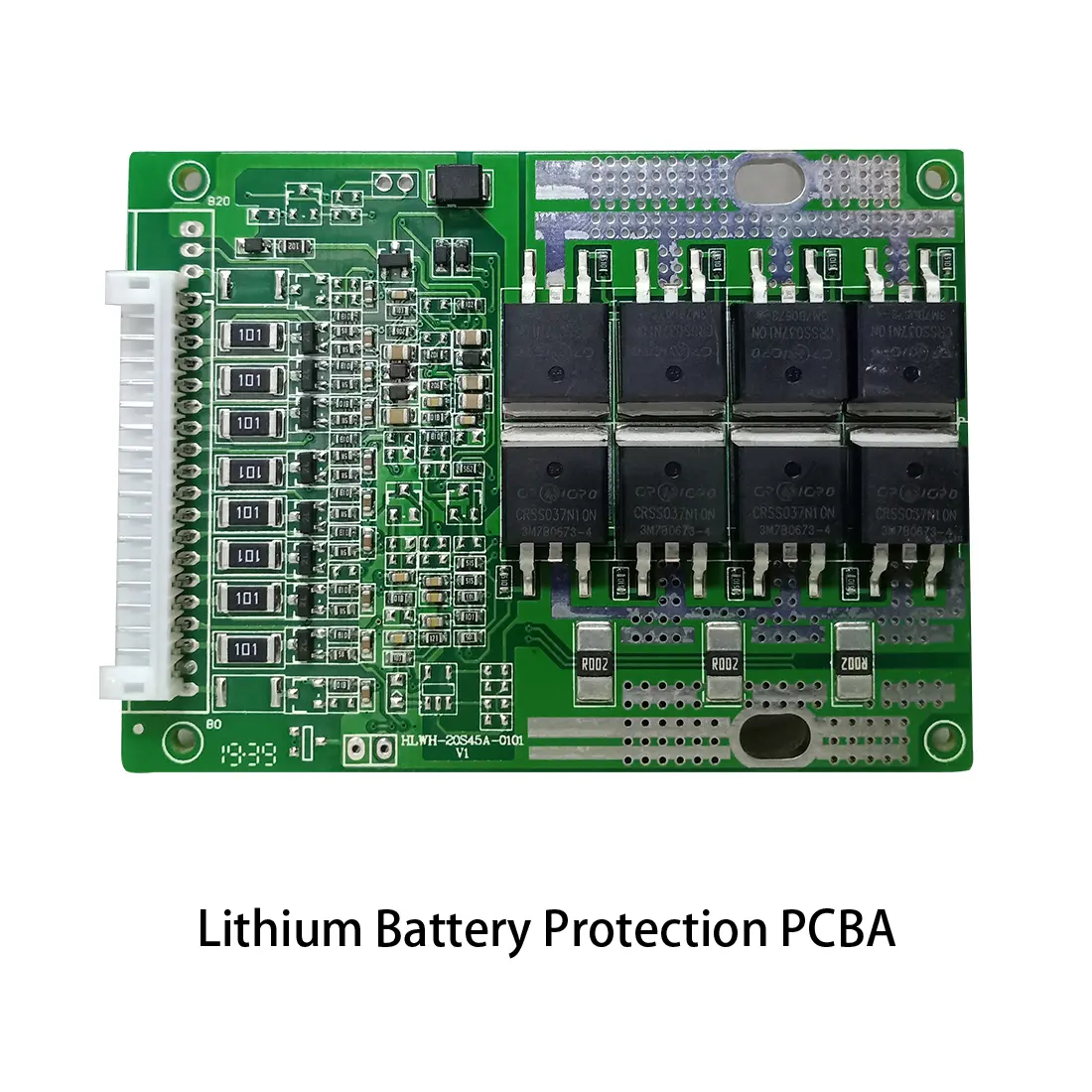 New Energey PCBA
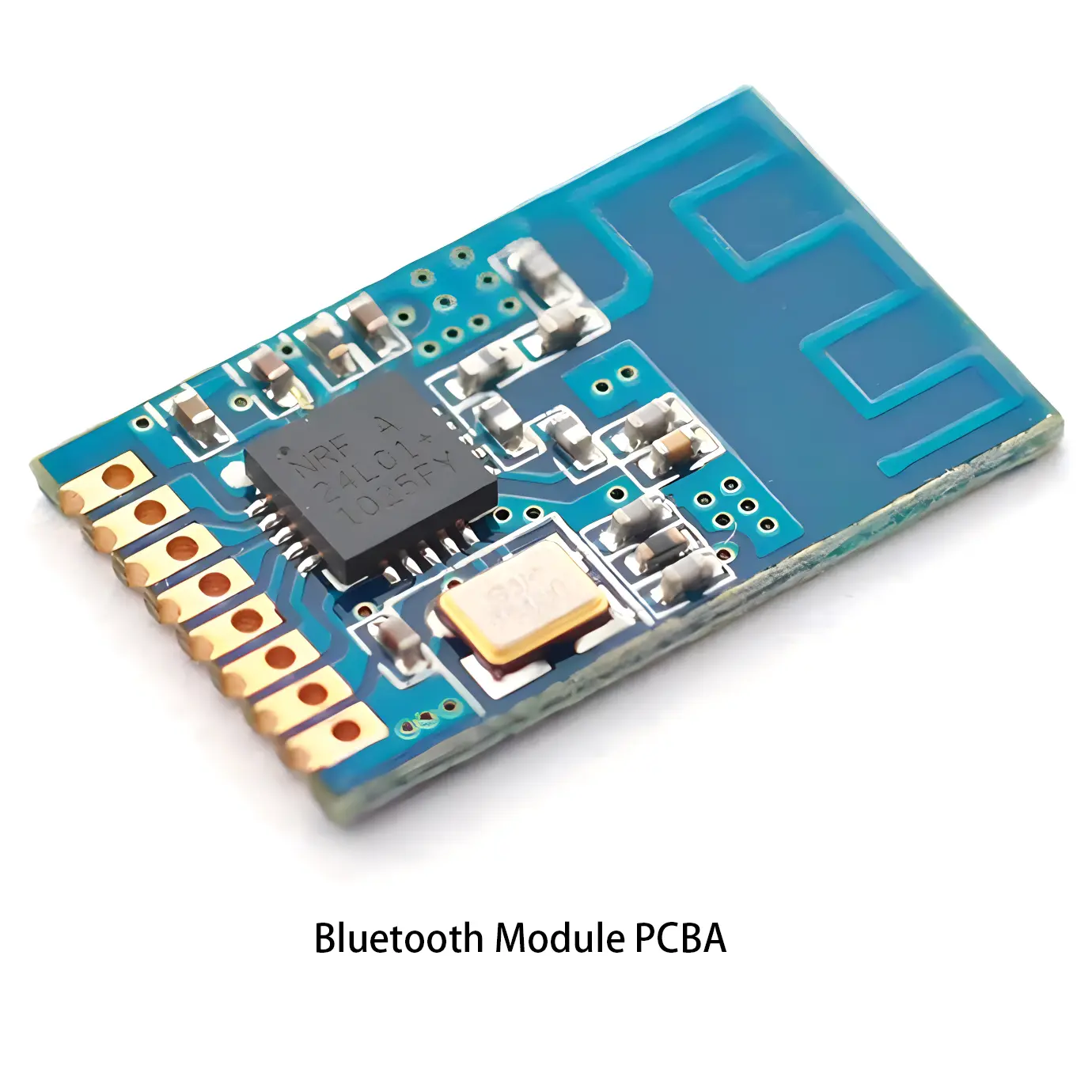 Communication PCBA
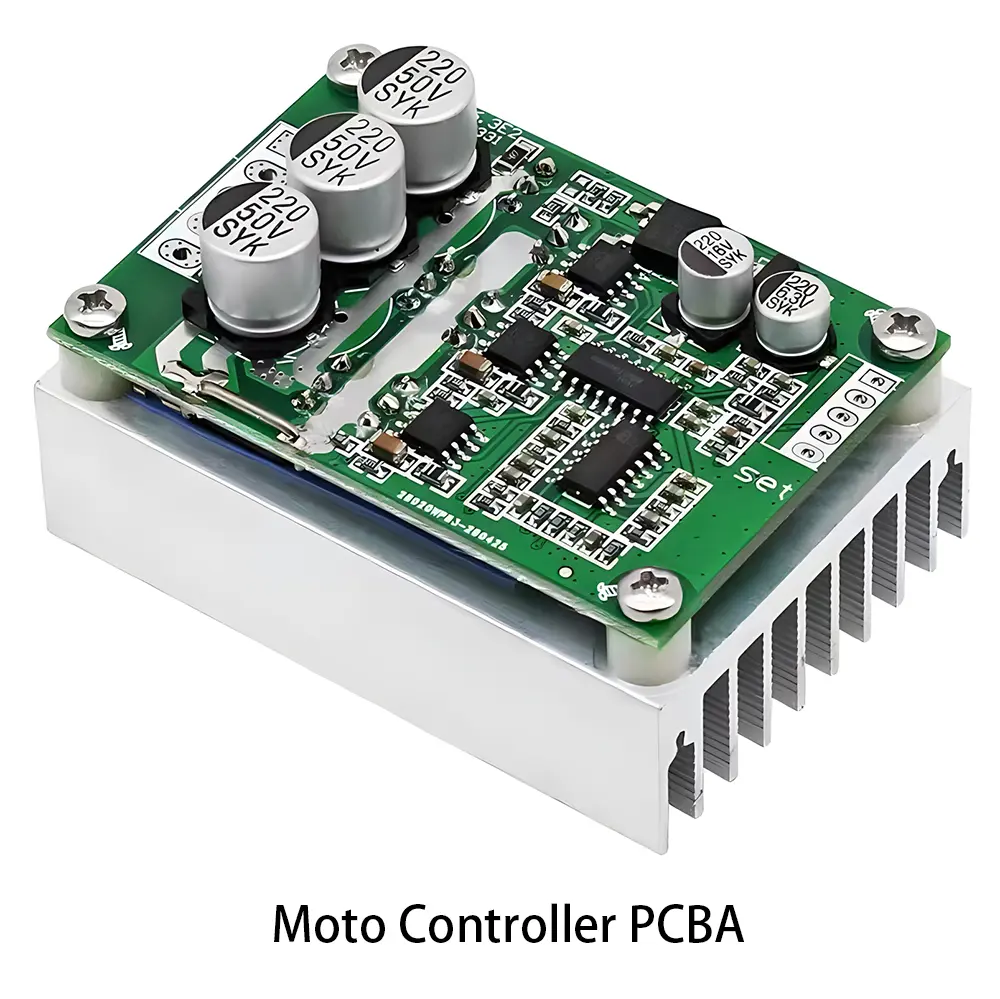 Industrial Control PCBA
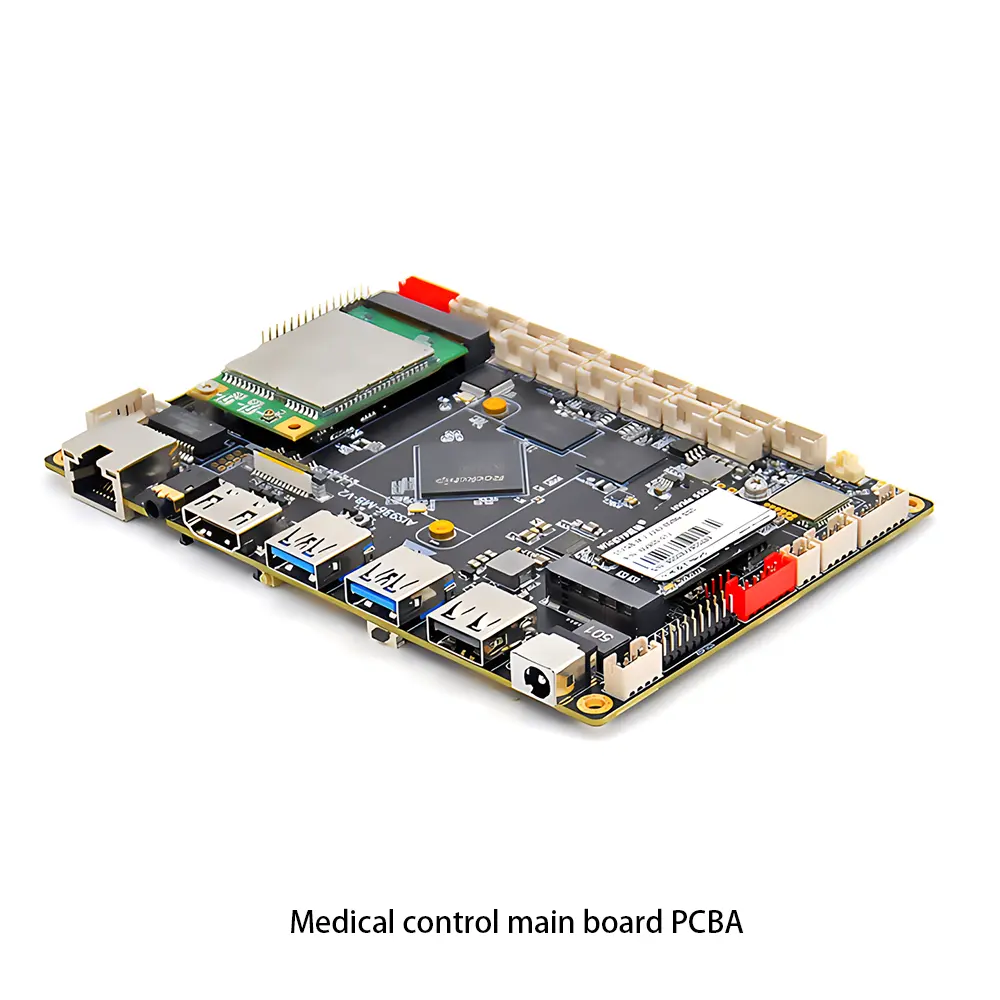 Medical Equipment PCBA
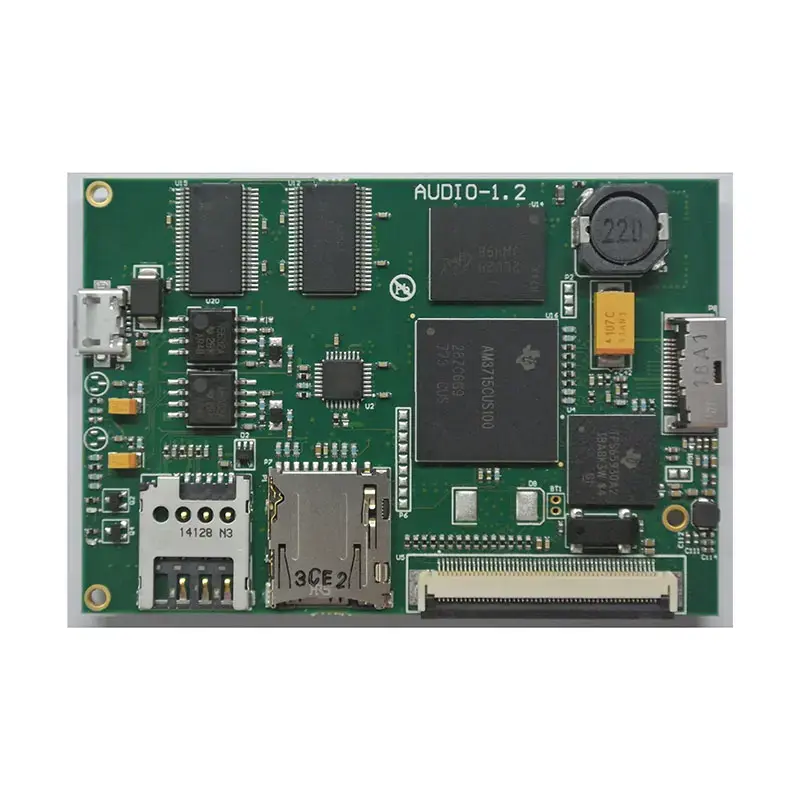 Testing Service
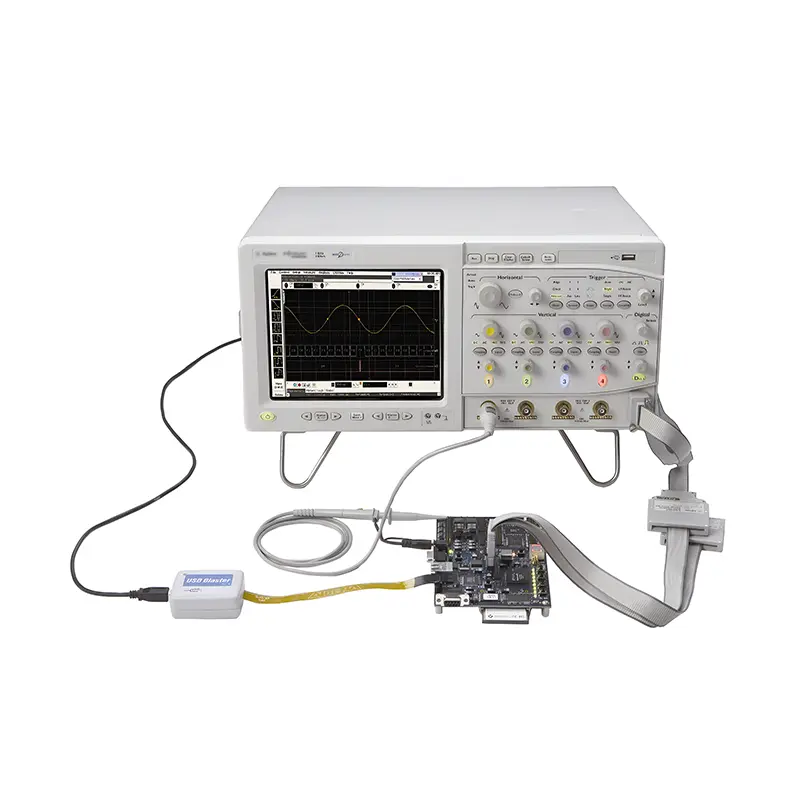 PCBA Testing Service
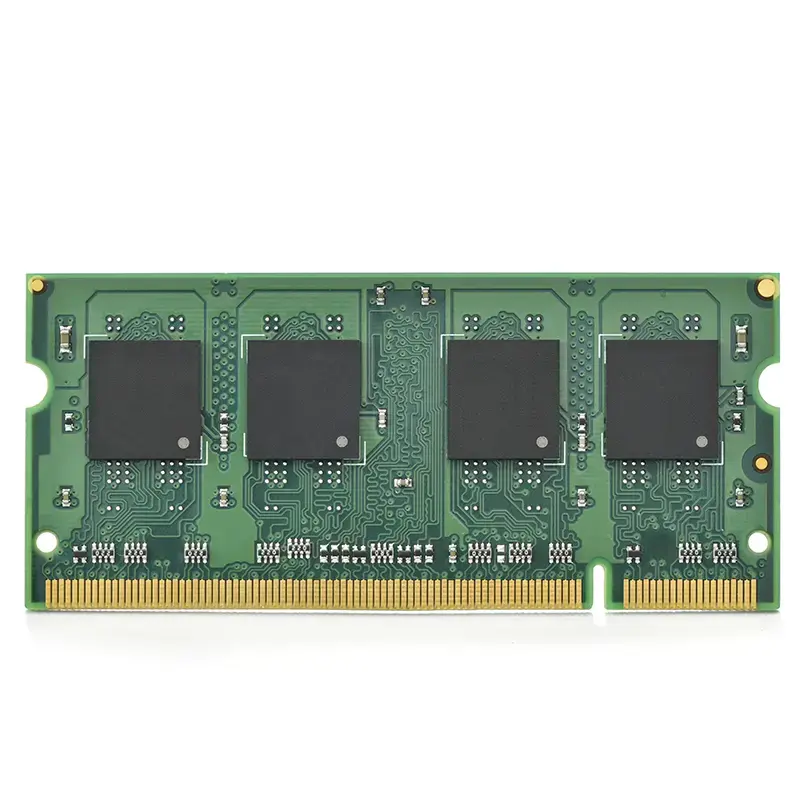 Certification Application
 RoHS Certification Application
 REACH Certification Application
 CE Certification Application
 FCC Certification Application
 CQC Certification Application
 UL Certification Application
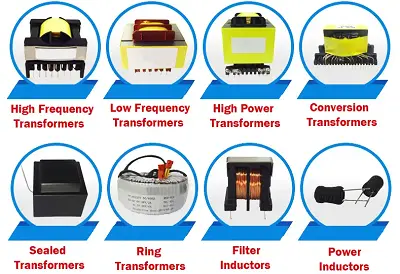 Transformers, Inductors
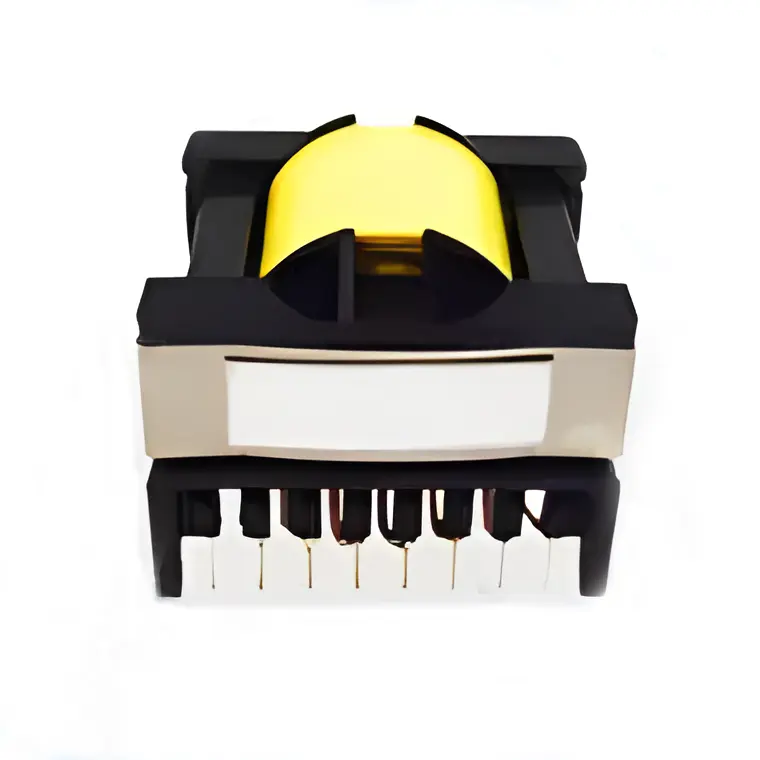 High Frequency Transformers
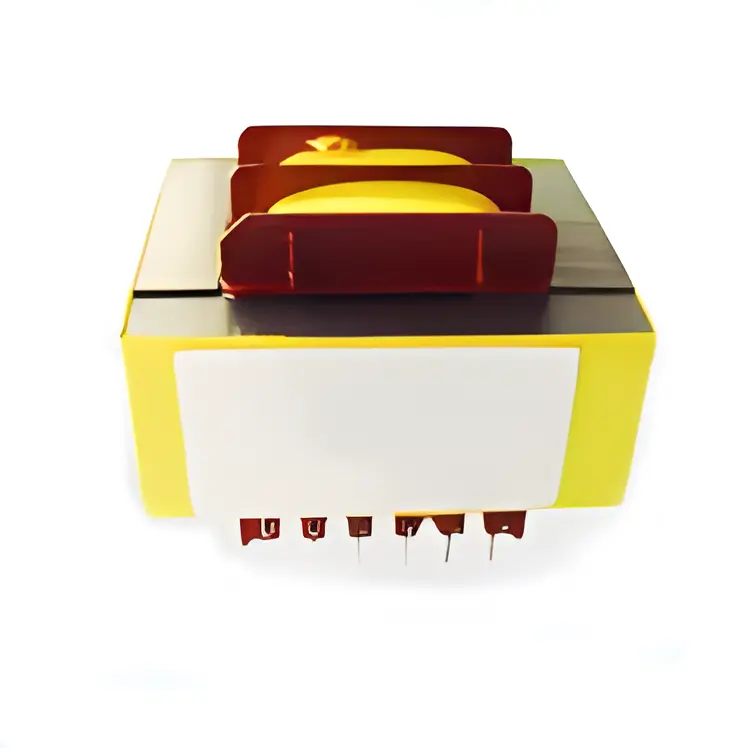 Low Frequency Transformers
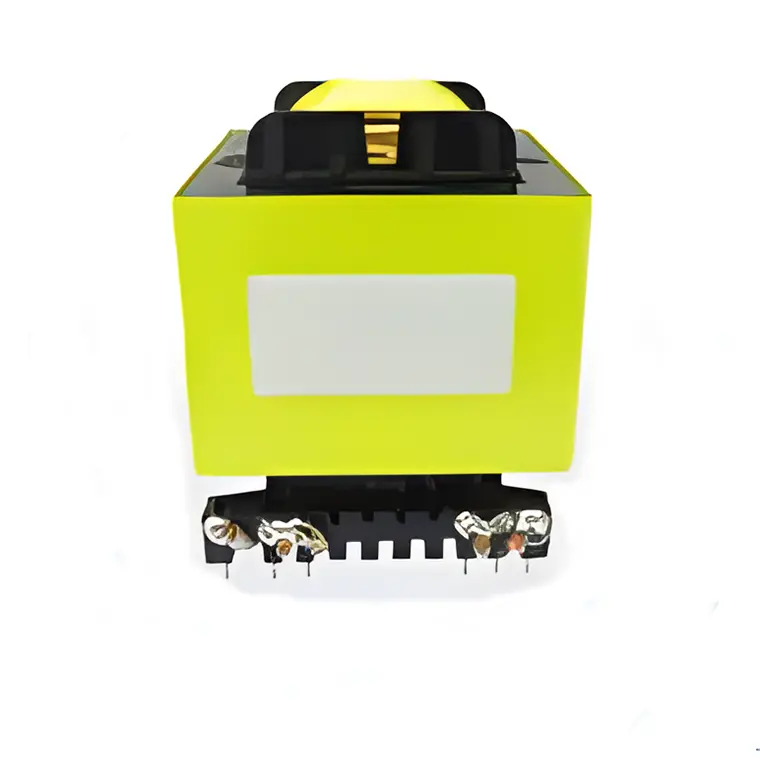 High Power Transformers
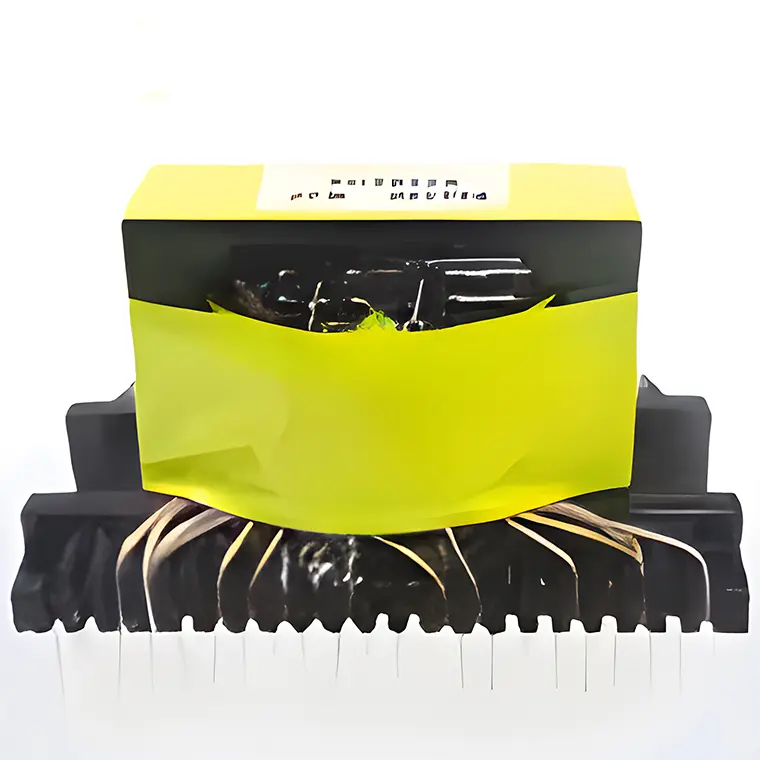 Conversion Transformers
 Sealed Transformers
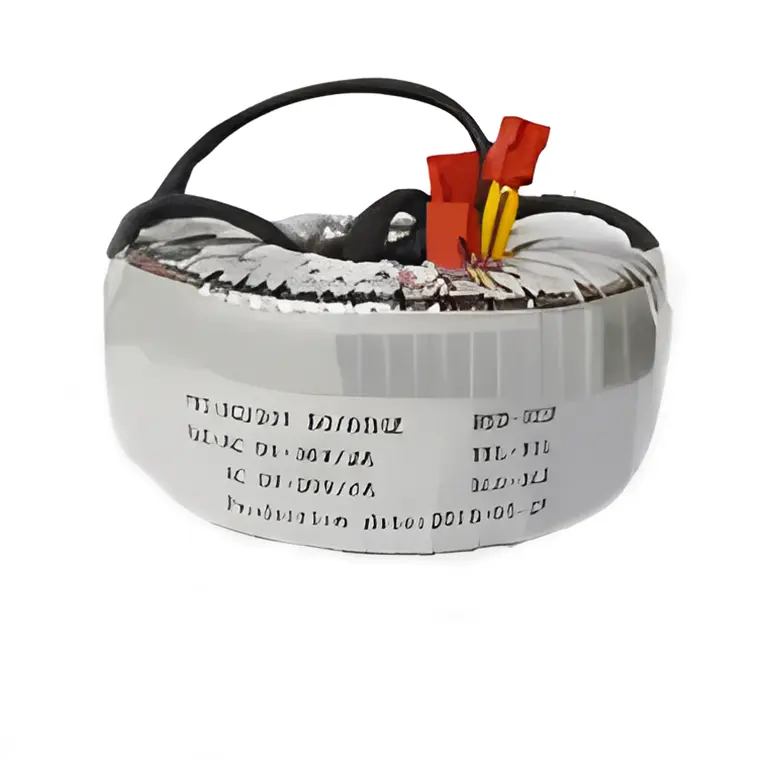 Ring Transformers
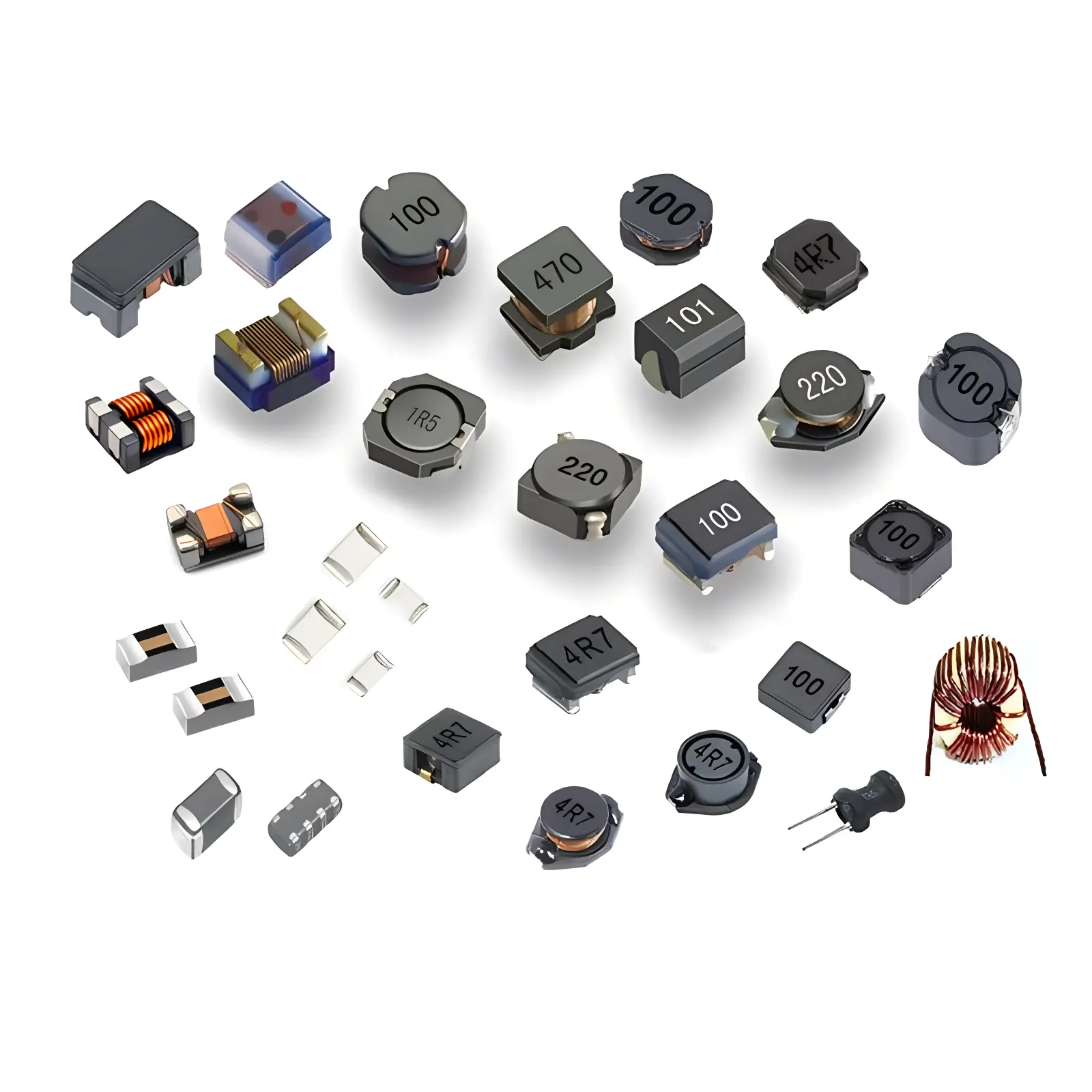 Inductors
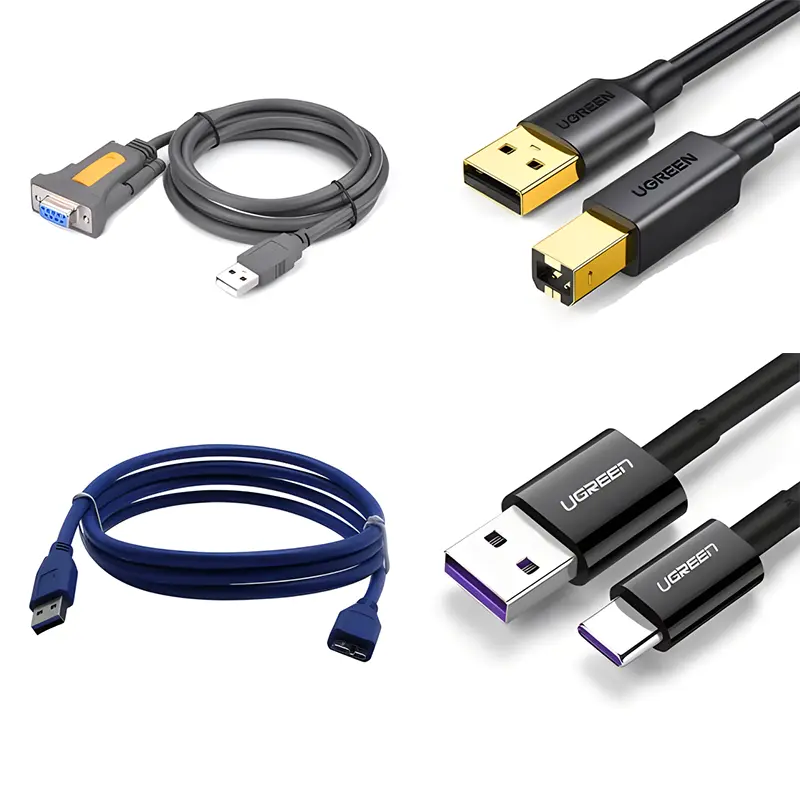 Wires,Cables Customized
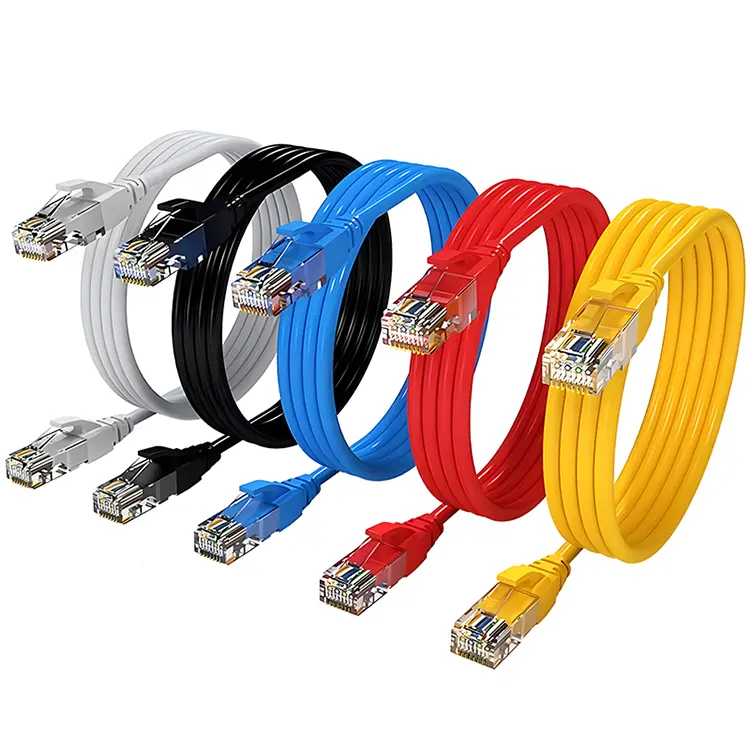 Network Cables
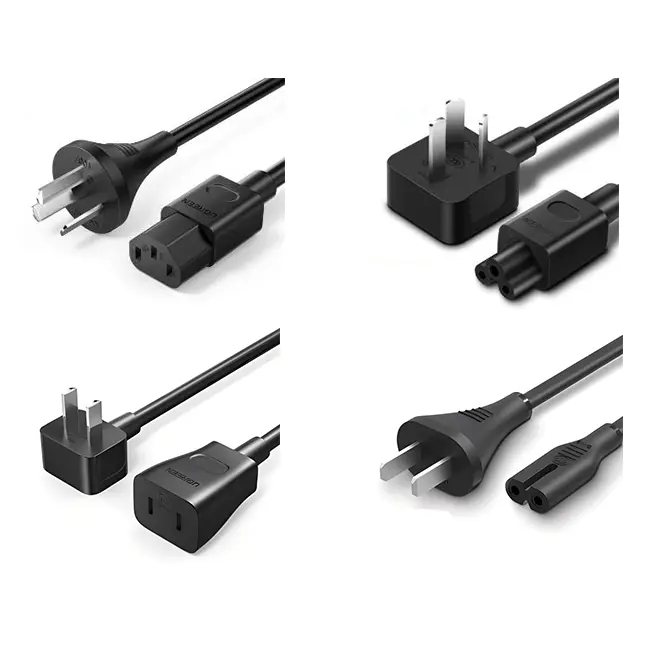 Power Cords
 Antenna Cables
 Coaxial Cables
 Net Position Indicator
 Solar AIS net position indicator
 Capacitors
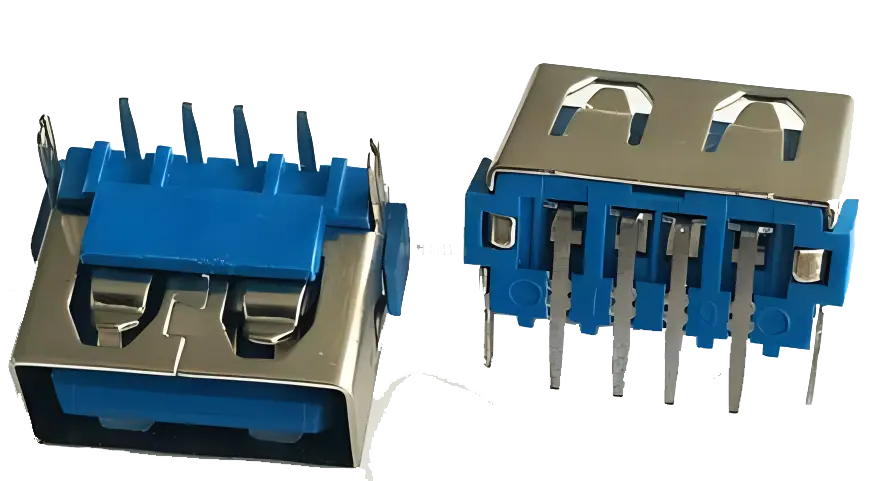 Connectors
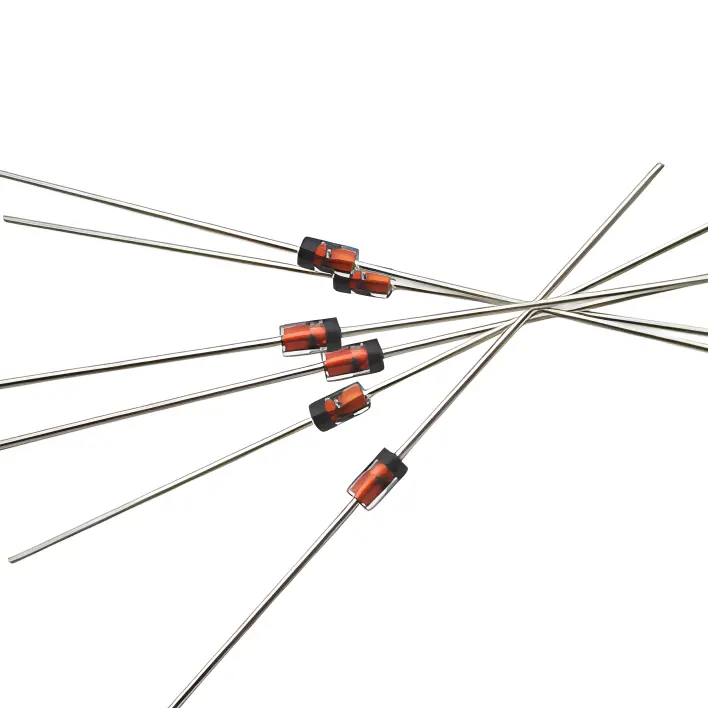 Diodes
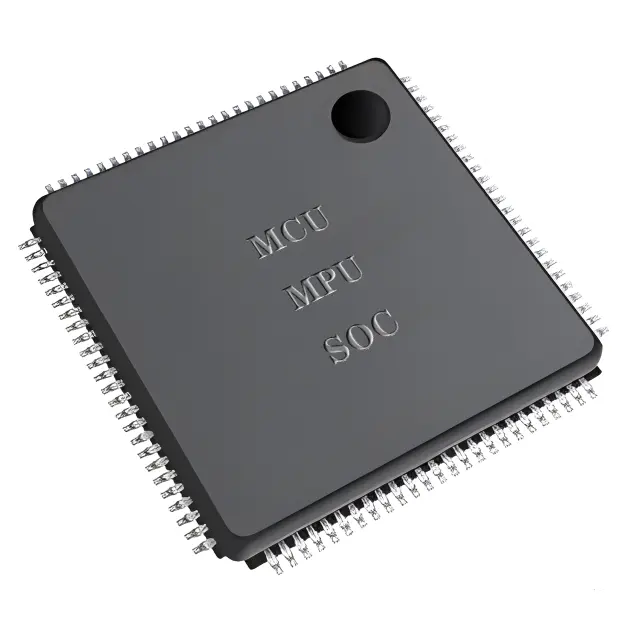 Embedded Processors & Controllers
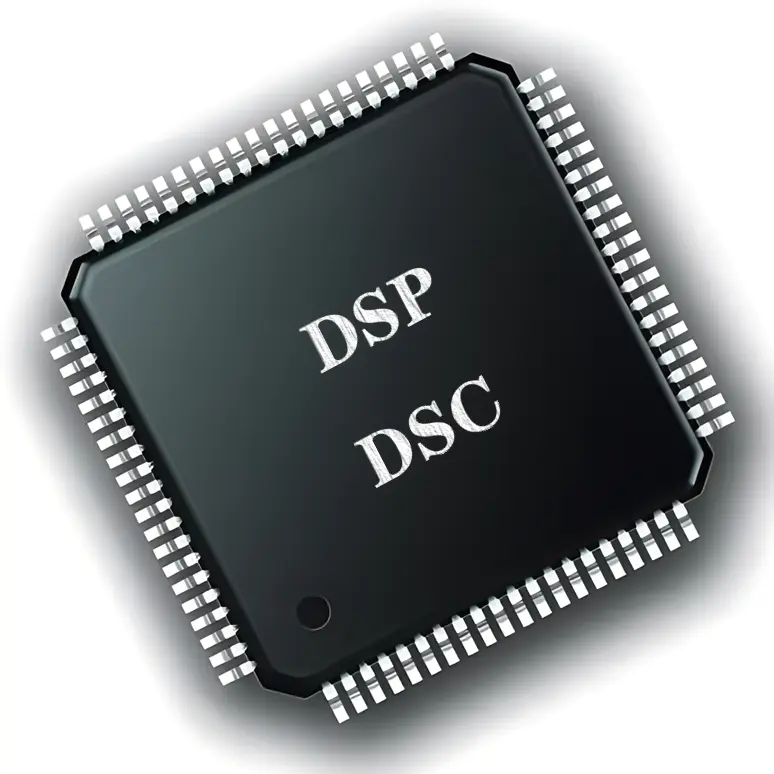 Digital Signal Processors (DSP/DSC)
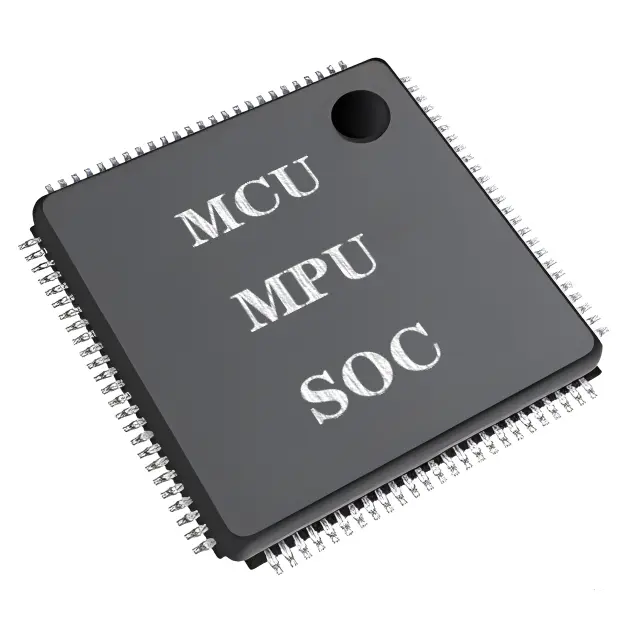 Microcontrollers (MCU/MPU/SOC)
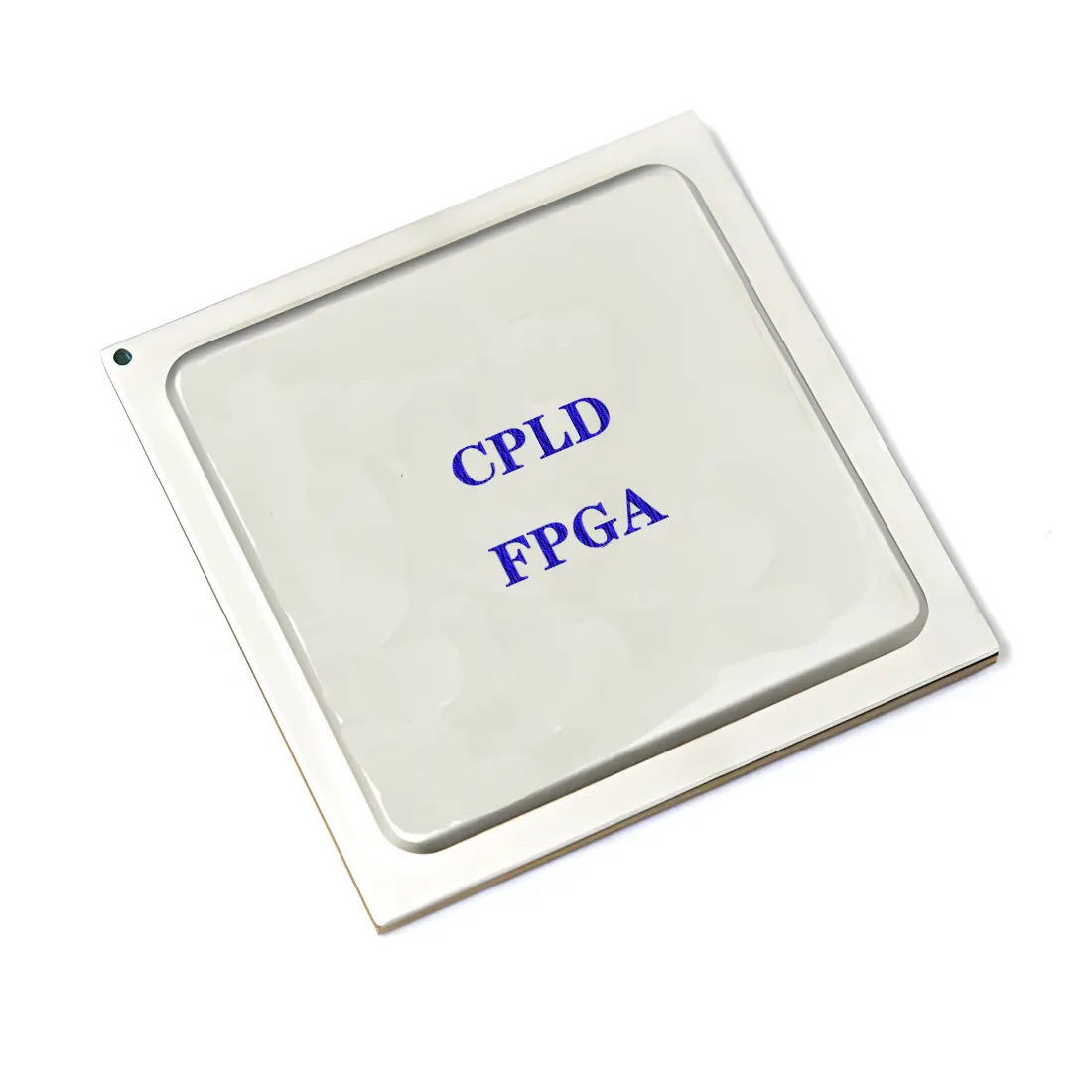 Programmable Logic Device(CPLD/FPGA)
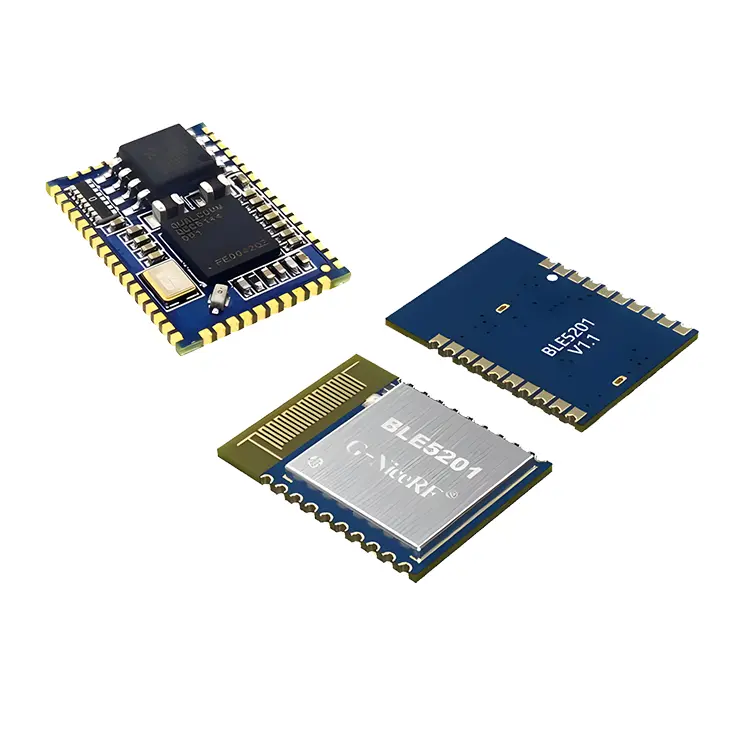 Communication Modules/IoT
 Resistors
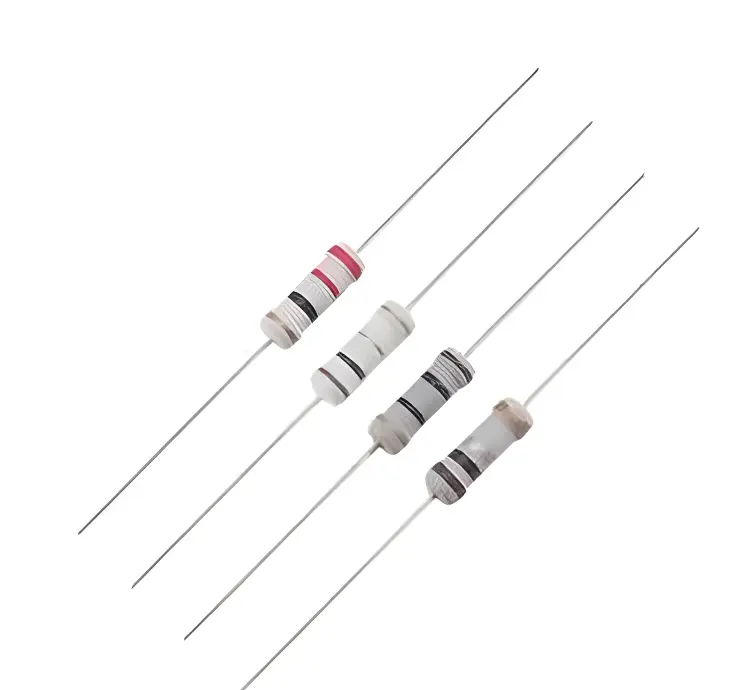 Through Hole Resistors
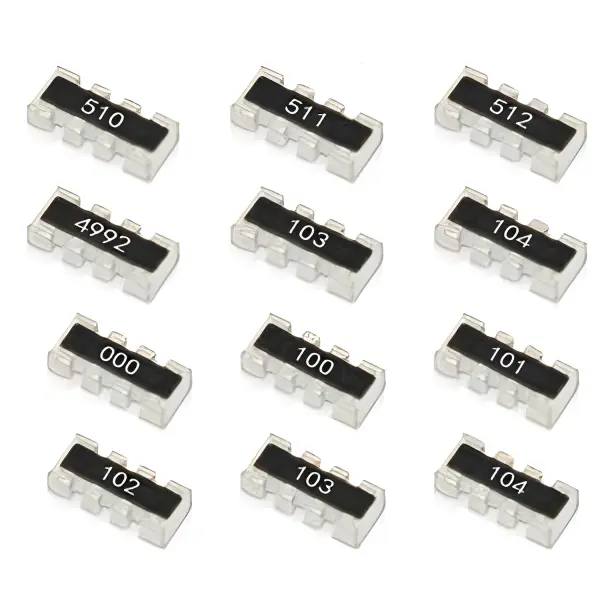 Resistor Networks, Arrays
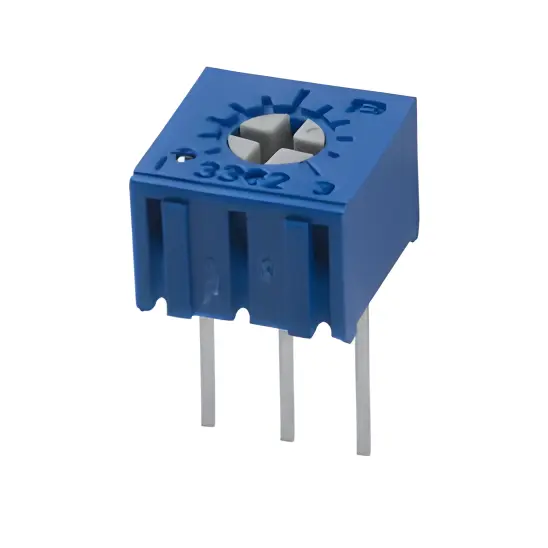 Potentiometers,Variable Resistors
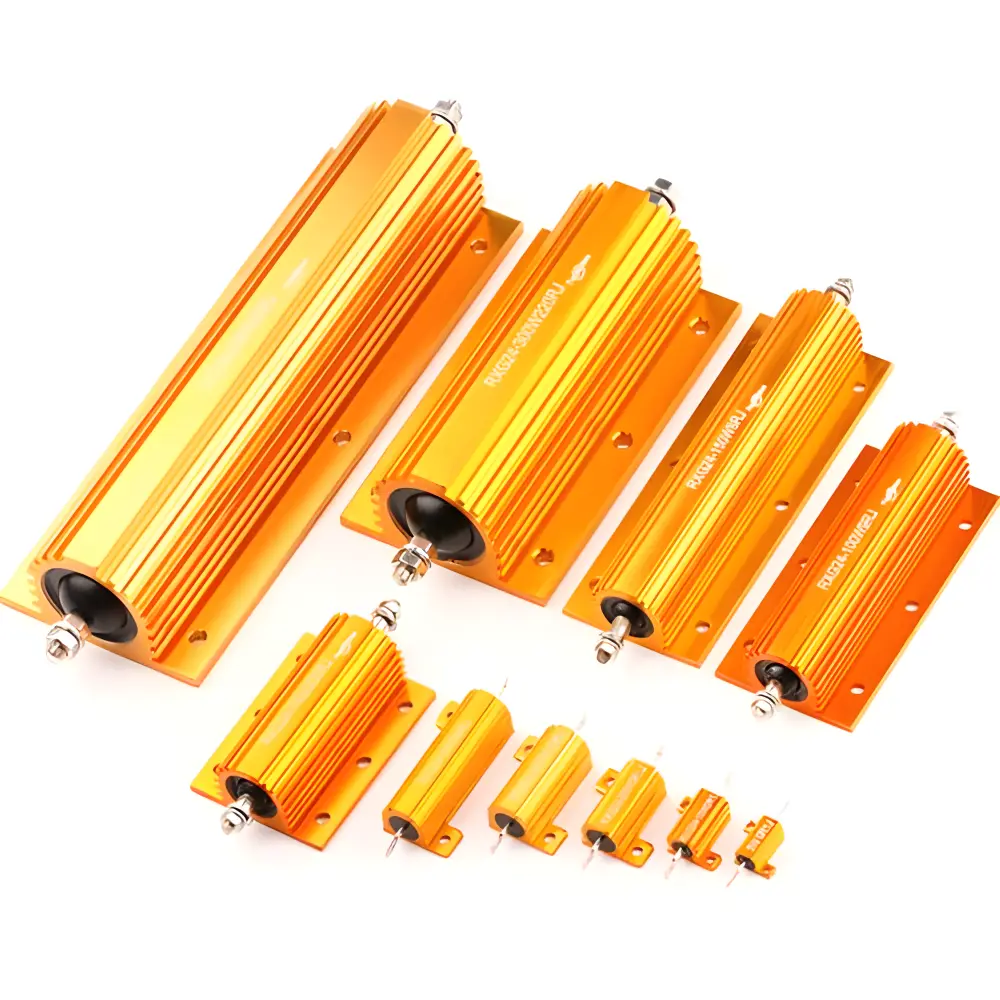 Aluminum Case,Porcelain Tube Resistance
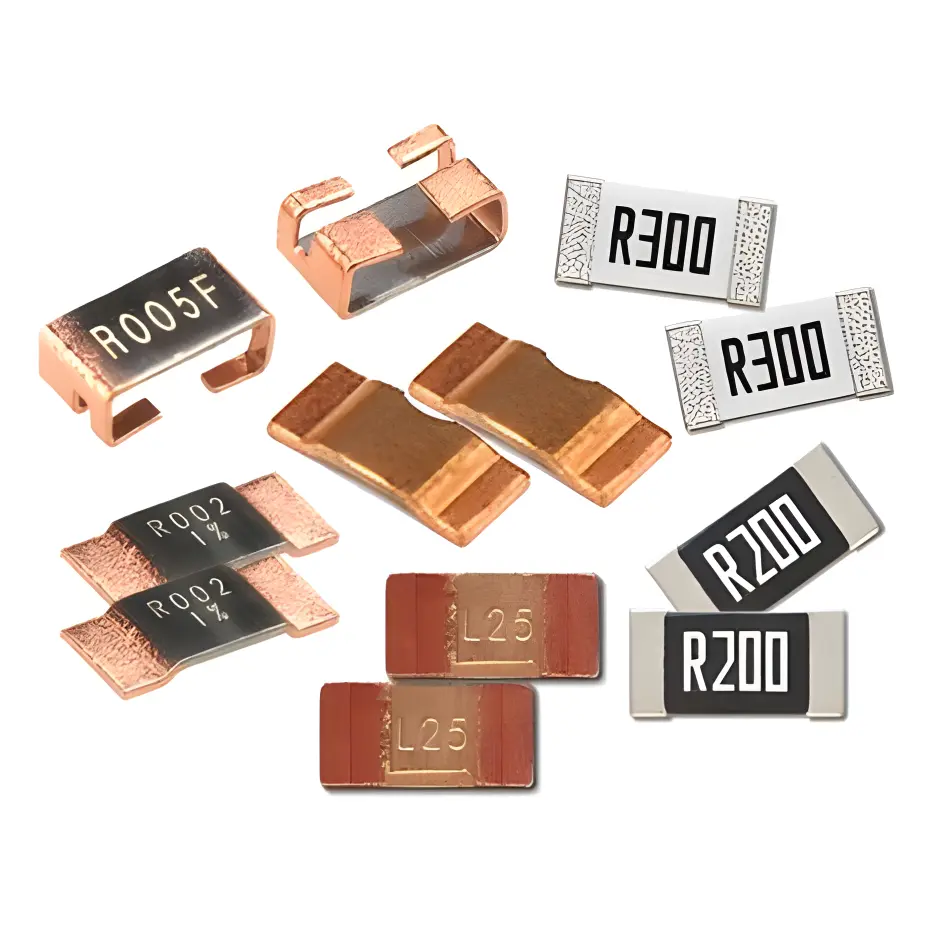 Current Sense Resistors,Shunt Resistors
 Switches
 Transistors
 Power Modules
 Isolated Power Modules
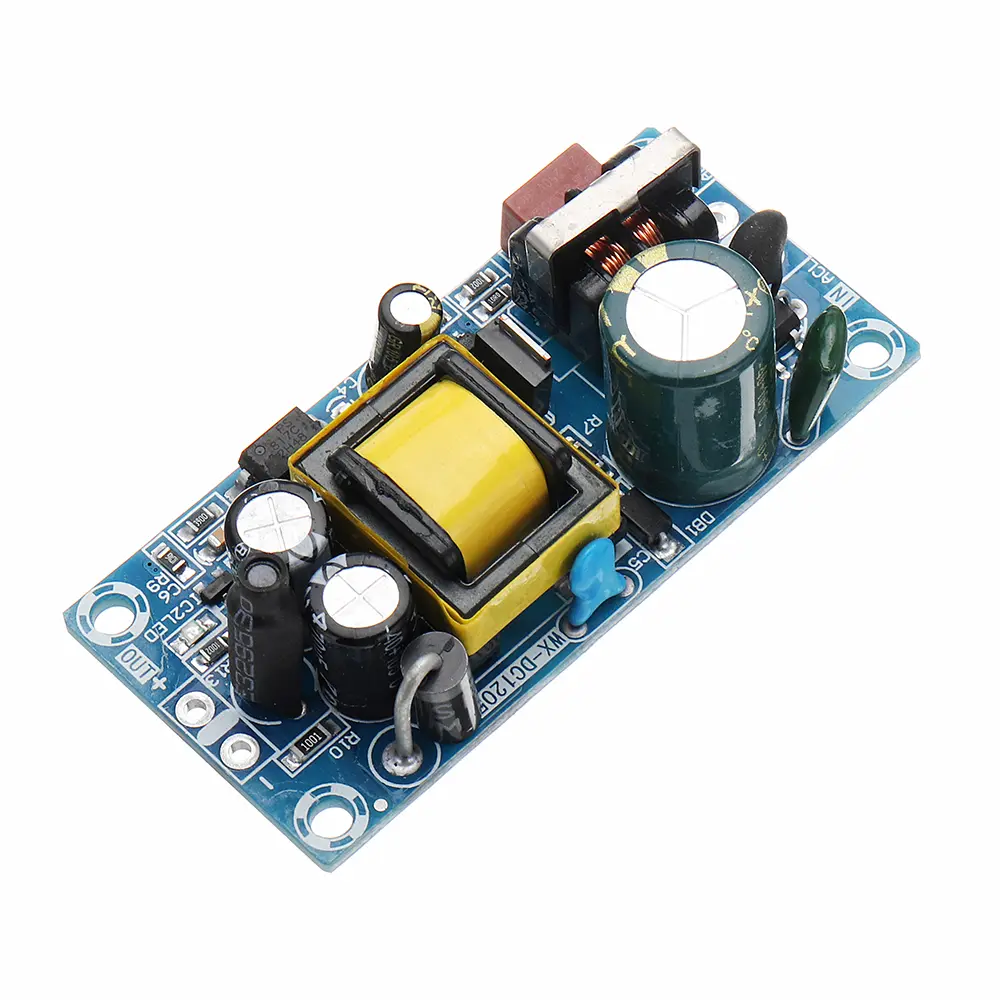 AC-DC Power Modules
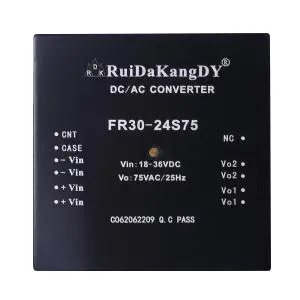 DC-AC Module(Inverter)
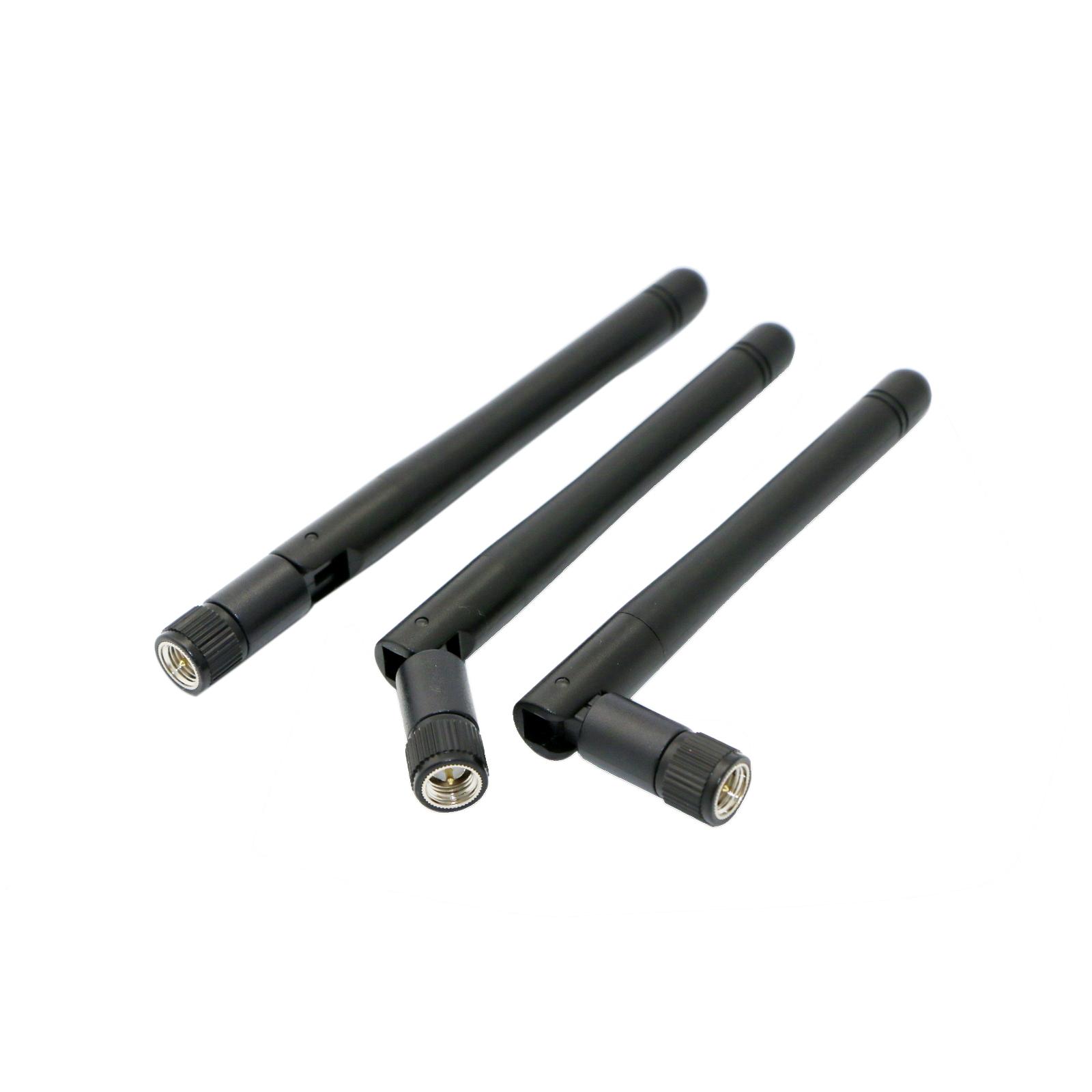 RF and Wireless
The Relationship between SMT Reflow Oven's Temperature Profile and Solder Paste Welding Reasons
I. Introduction
In the field of electronic manufacturing, the reflow oven is a crucial piece of equipment used to solder electronic components onto Circuit Boards. The temperature profile, which depicts the change in temperature inside the reflow oven over time, has a decisive impact on the quality of soldering. This article will elaborate on the variation process of the reflow oven's temperature profile and, through an in-depth analysis of each stage, assist readers in better understanding and controlling the welding process.
II. Overview of the Reflow Oven's Temperature Profile
The reflow oven's temperature profile typically comprises four main stages: preheat, soak, reflow, and cool-down. Each stage has specific temperature and time requirements to ensure the quality of soldering. Below, we will deSCRibe the variation process of these four stages one by one.
III. Preheat Stage
The preheat stage is the initial phase of the reflow oven's temperature profile and the foundation of the welding process. During this stage, the circuit board gradually enters the reflow oven, and the temperature begins to rise slowly.
-
Initial Heating
After the circuit board enters the reflow oven, it first comes into contact with the initial heating zone inside the oven. The temperature here is usually lower, aiming to gradually acclimate the circuit board and its components to the high-temperature environment, preventing sudden temperature changes from damaging the components. At this point, the temperature profile exhibits a gradual upward trend, with a relatively slow temperature rise rate. -
Moisture Evaporation
As the temperature gradually increases, the moisture on the circuit board begins to evaporate. This is an essential process because moisture can rapidly expand and generate steam pressure at high temperatures, potentially damaging components. Therefore, the preheat stage requires sufficient time to ensure complete evaporation of moisture. During this stage, the slope of the temperature profile may increase slightly, as more heat is required to accelerate moisture evaporation. -
Solvent Volatilization
In addition to moisture, the flux on the circuit board also contains certain solvent components. In the later stage of preheating, as the temperature further increases, these solvents also begin to volatilize. The primary role of flux is to assist solder in better wetting and flowing during the welding process. Therefore, during solvent volatilization, it is necessary to ensure that the active ingredients in the flux are not excessively consumed to guarantee welding quality. At this time, the slope of the temperature profile may increase to provide sufficient heat to accelerate solvent volatilization.
IV. Soak Stage
The soak stage is one of the crucial stages of the reflow oven's temperature profile, determining the quality of welding. During this stage, the circuit board remains at a constant temperature for a period of time to ensure that the solder completely melts and forms a firm connection with the components.
-
Solder Melting
When the temperature reaches the melting point of the solder, the solder begins to melt. This is an essential process as it determines the formation and connection strength of the welding points. In the early stage of the soak phase, the slope of the temperature profile may decrease or remain stable to ensure that the solder gradually melts at a constant temperature. -
Wetting and Diffusion
As the solder melts, it begins to wet and diffuse onto the pins of the components and the soldering pads on the circuit board. This process requires sufficient time to ensure that the solder flows fully and fills all gaps. In the middle and later stages of the soak phase, the slope of the temperature profile may remain stable or increase slightly to ensure that the solder continues to wet and diffuse at a constant temperature. -
Oxide Layer Removal
During the welding process, the oxide layers on the component pins and circuit board soldering pads may adversely affect the quality of welding. Therefore, in the later stage of the soak phase, it is necessary to ensure that the solder can adequately remove these oxide layers. This is usually achieved by adding reducing agents (such as active hydrogen). During this stage, the slope of the temperature profile may remain stable or decrease slightly to ensure that the reducing agent can fully function.
IV. Heat Retention Phase
The heat retention phase is one of the critical stages in the reflow oven temperature profile, determining the quality of the welding. During this phase, the circuit board is maintained at a constant temperature for a period of time to ensure that the solder is completely melted and forms a secure connection with the components.
-
Solder Melting
When the temperature reaches the melting point of the solder, the solder begins to melt. This is an essential process as it determines the formation and connection strength of the welding points. In the early stage of the heat retention phase, the slope of the oven temperature profile may decrease or remain stable to ensure that the solder gradually melts at a constant temperature. -
Wetting and Spreading
As the solder melts, it begins to wet and spread onto the pins of the components and the pads on the circuit board. This process requires sufficient time to ensure that the solder flows fully and fills all gaps. In the middle and later stages of the heat retention phase, the slope of the oven temperature profile may remain unchanged or slightly increase to ensure that the solder continues to wet and spread at a constant temperature. -
Oxide Layer Removal
During the welding process, the oxide layers on the pins of the components and the pads of the circuit board may adversely affect the welding quality. Therefore, in the later stage of the heat retention phase, it is necessary to ensure that the solder can adequately remove these oxide layers. This is usually achieved by adding reducing agents (such as active hydrogen). During this stage, the slope of the oven temperature profile may remain stable or slightly decrease to ensure that the reducing agent can fully function.
V. Reflow Phase
The reflow phase is another critical stage in the reflow oven temperature profile, determining the final shape and quality of the welding points. During this phase, the temperature reaches its peak and begins to gradually decrease, and the solder starts to solidify and form a secure connection.
-
Temperature Peak
In the early stage of the reflow phase, the temperature reaches its peak. This is the highest temperature point during the welding process and a crucial moment when the solder is completely melted. At this time, the slope of the oven temperature profile may increase sharply to reach the peak temperature. Then, as heat gradually transfers from the circuit board to other parts of the furnace chamber (such as the furnace walls and the bottom), the temperature begins to gradually decrease. -
Solder Solidification
As the temperature drops, the solder begins to gradually solidify. This is an important process as it determines the final shape and connection strength of the welding points. In the middle and later stages of the reflow phase, the slope of the oven temperature profile may gradually decrease or remain stable to ensure that the solder solidifies gradually at a constant temperature. During this stage, it is necessary to avoid excessively fast cooling rates to prevent welding defects such as cold soldering and cracks.
VI. Cooling Phase
The cooling phase is the final stage of the reflow oven temperature profile and the end of the welding process. During this phase, the circuit board gradually exits the high-temperature environment and naturally cools down to room temperature.
-
Natural Cooling
In the initial stage of the cooling phase, the circuit board is still at a relatively high temperature, requiring a gradual temperature drop to prevent components from being damaged or the board from deforming. During this time, the slope of the oven temperature profile may gradually decrease to provide sufficient cooling time for the circuit board to gradually cool down to room temperature. -
Residual Heat Dissipation
As the circuit board gradually cools down to room temperature, the residual heat inside it also begins to dissipate. This is a slow process that requires sufficient time to ensure that the circuit board is completely cooled down to room temperature to avoid problems in subsequent processing, such as deformation caused by thermal stress. During this stage, the slope of the oven temperature profile may remain stable or slightly decrease to provide enough cooling time for the circuit board to fully cool down to room temperature.
VII. Correlation between Solder Paste Welding Principle and Reflow Oven Temperature Profile
The principle of solder paste welding involves applying solder paste onto the circuit board and melting the solder under high temperatures to form an alloy compound with the surface of the connected devices, creating a secure connection during the cooling process. The changes in the reflow oven temperature profile directly affect the effectiveness of solder paste welding.
-
Firstly, during the preheating and heat retention phases, the slope of the oven temperature profile controls the evaporation rate of solvents in the solder paste and the degree of solder melting. Proper preheating and heat retention ensure that the solder fully melts and forms a good connection with the pads and component pins. Insufficient preheating or heat retention may result in incomplete melting or uneven flow of the solder, leading to reduced welding quality.
-
Secondly, during the reflow phase, the slope of the oven temperature profile determines the speed of solder melting and flow. An excessively steep slope that results in a rapid temperature rise may cause the solder to melt too quickly and produce splashes. Conversely, a too shallow slope that leads to a slow temperature rise may prevent the solder from fully melting or flowing evenly. Therefore, precise control of the temperature and time during the reflow phase is crucial for ensuring welding quality.
-
Finally, during the cooling phase, the slope of the oven temperature profile affects the solidification speed and welding quality of the solder joints. An appropriate cooling rate ensures rapid solidification and a secure connection of the solder joints. An excessively fast cooling rate may lead to defects such as cracks or deformation in the solder joints. Therefore, it is essential to reasonably control the temperature and time during the cooling phase to improve welding quality.