
 PCB
PCB FPC
FPC Rigid-Flex
 FR-4
FR-4 HDI PCB
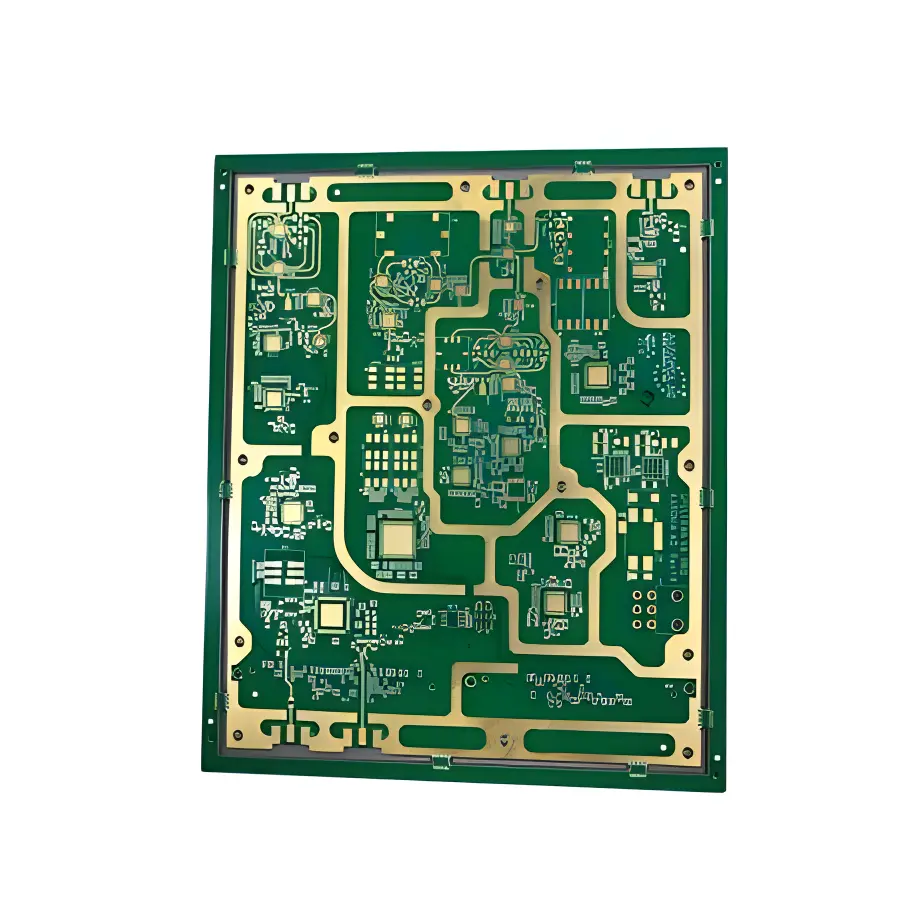 Rogers High-Frequency Board
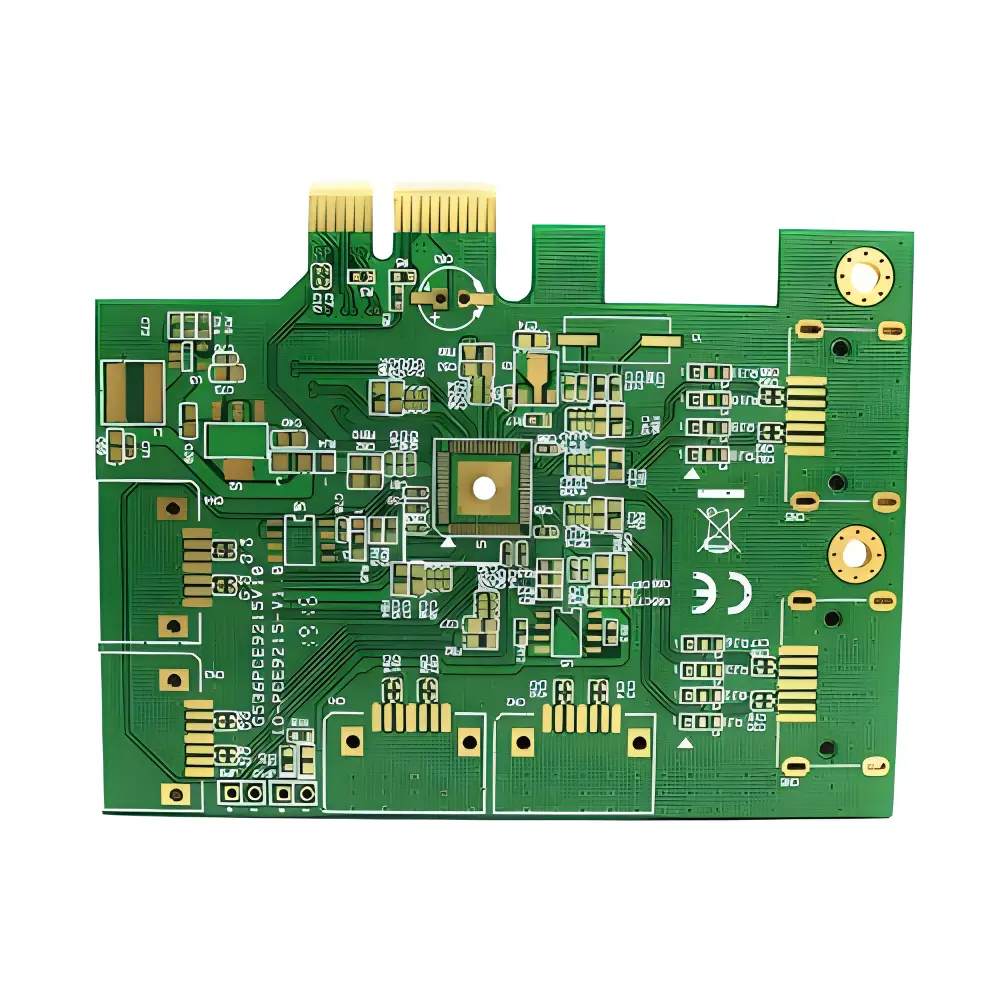 PTFE Teflon High-Frequency Board
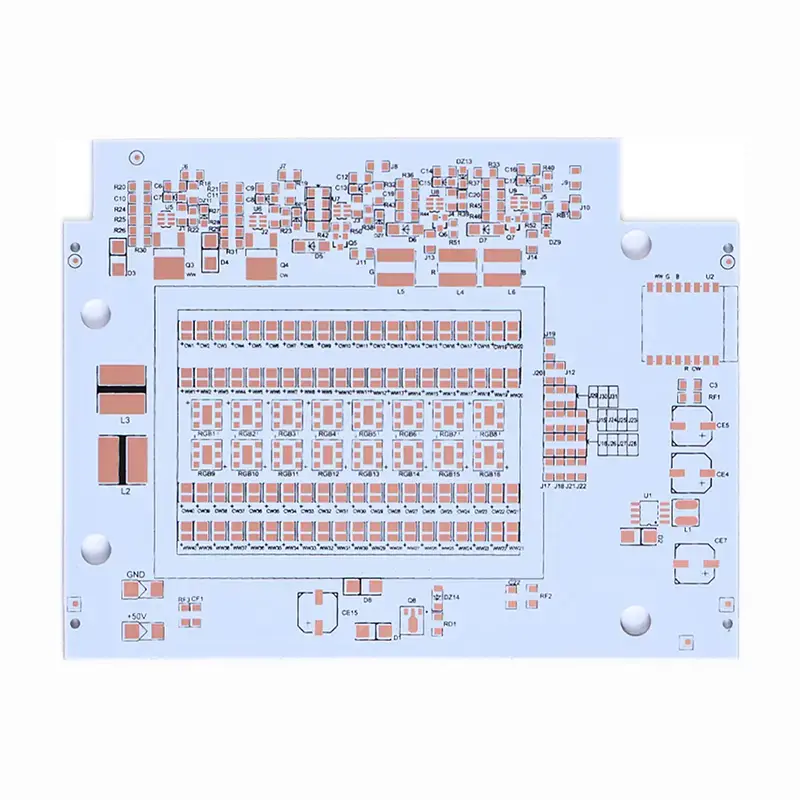 Aluminum
 Copper Core
 PCB Assembly
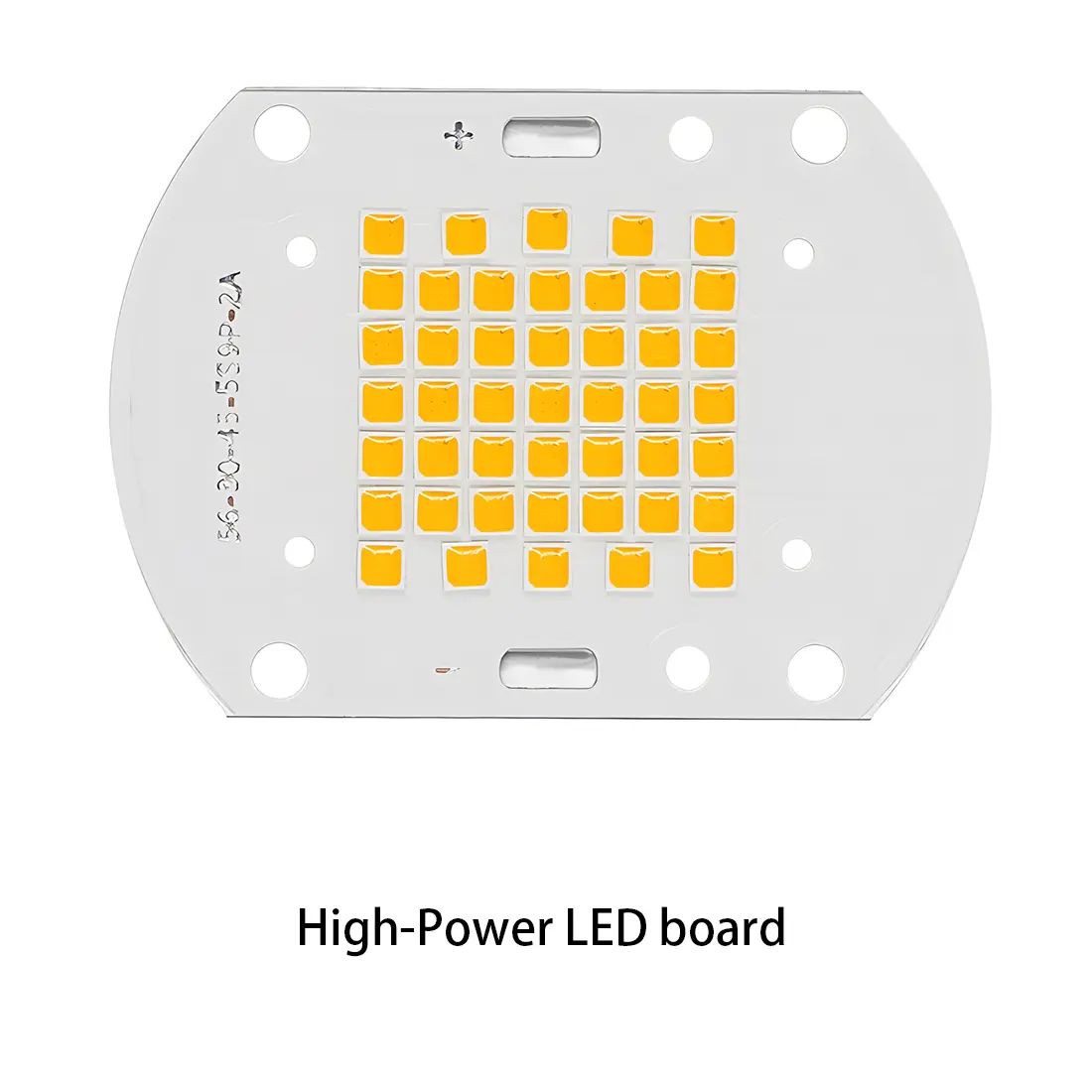 LED light PCBA
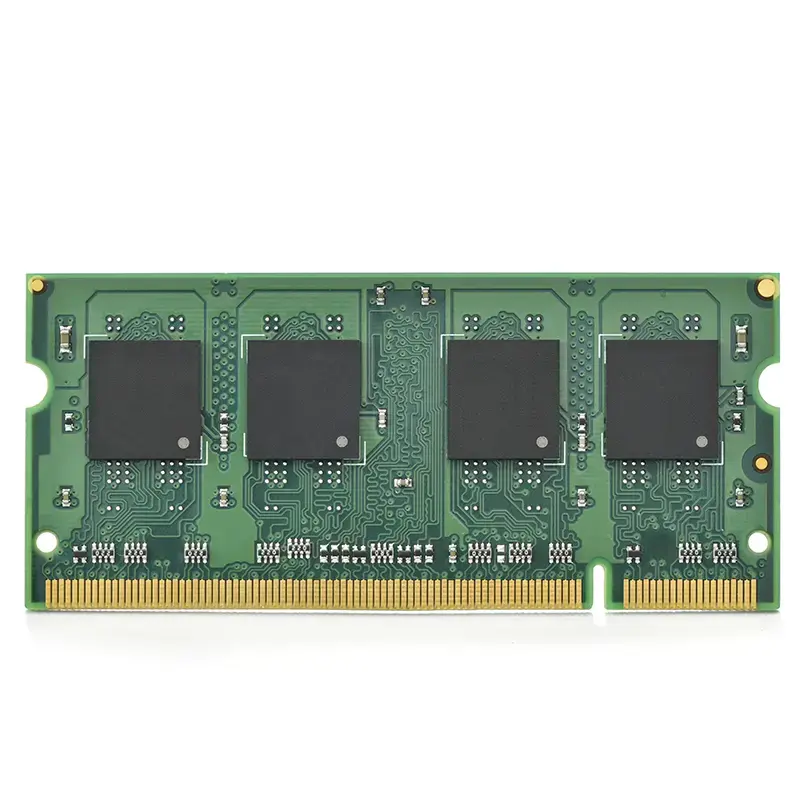
 Memory PCBA
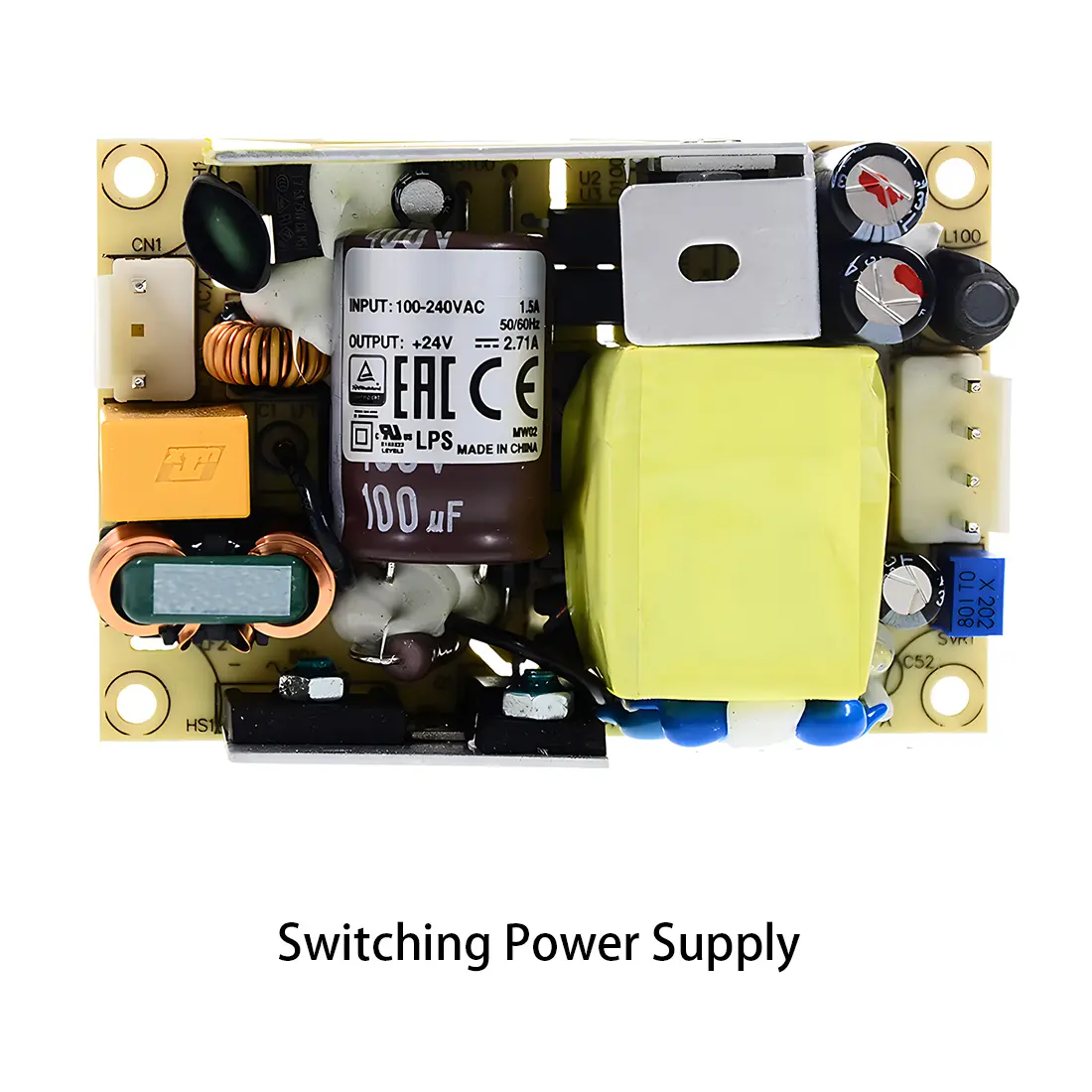 Power Supply PCBA
 New Energey PCBA
 Communication PCBA
 Industrial Control PCBA
 Medical Equipment PCBA
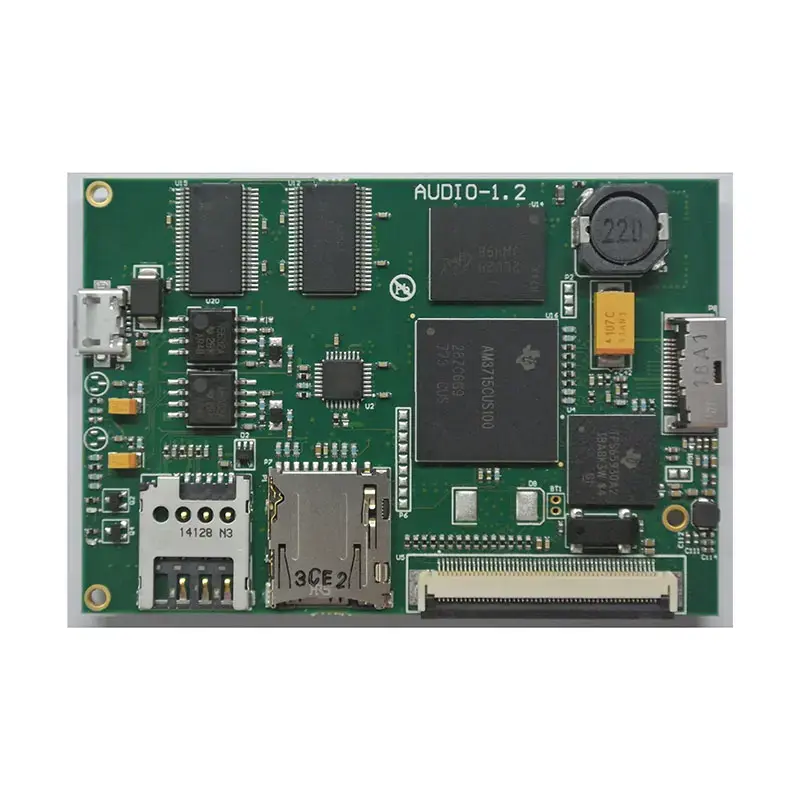 Testing Service
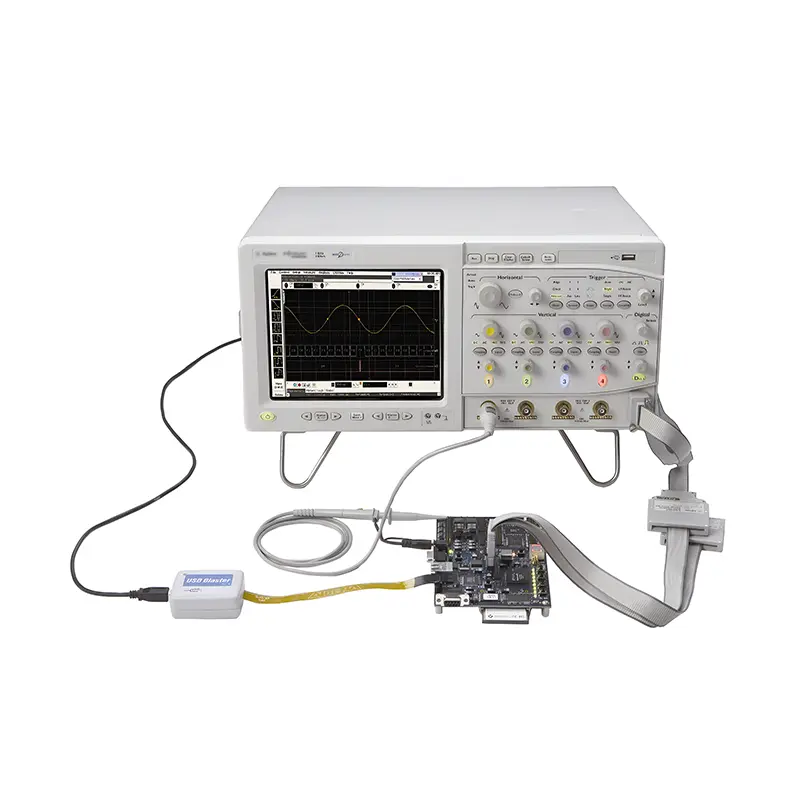 PCBA Testing Service
 Certification Application
 RoHS Certification Application
 REACH Certification Application
 CE Certification Application
 FCC Certification Application
 CQC Certification Application
 UL Certification Application
 Transformers, Inductors
 High Frequency Transformers
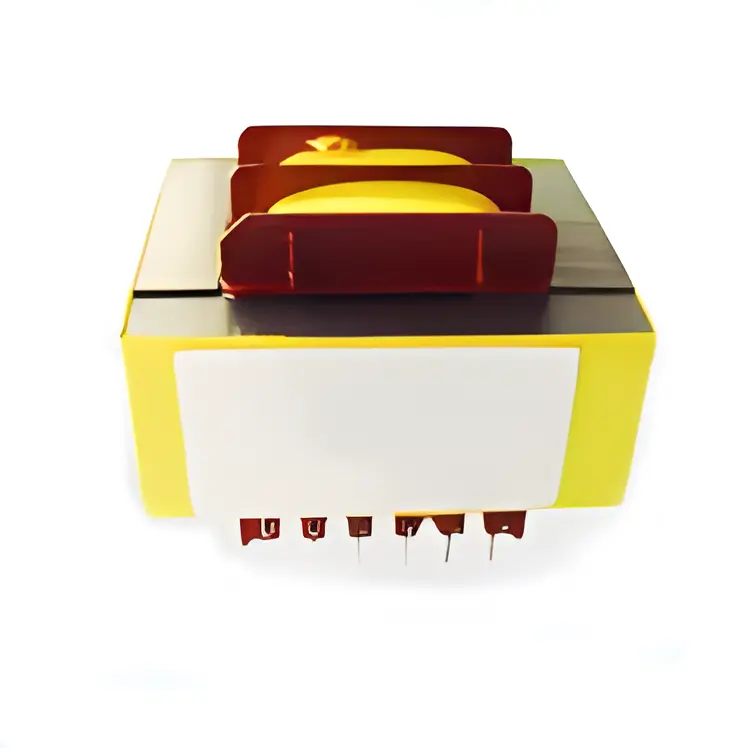 Low Frequency Transformers
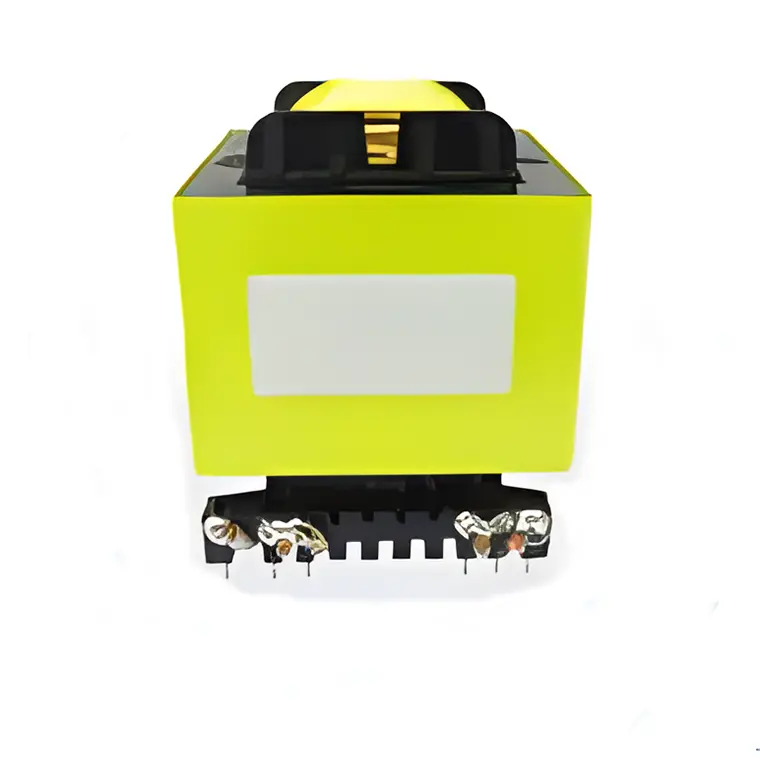 High Power Transformers
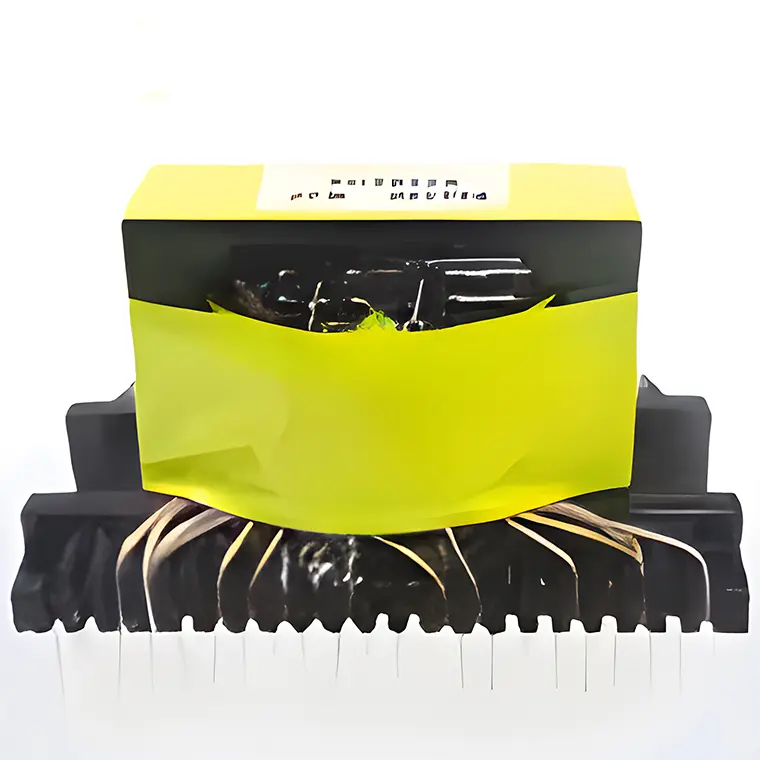 Conversion Transformers
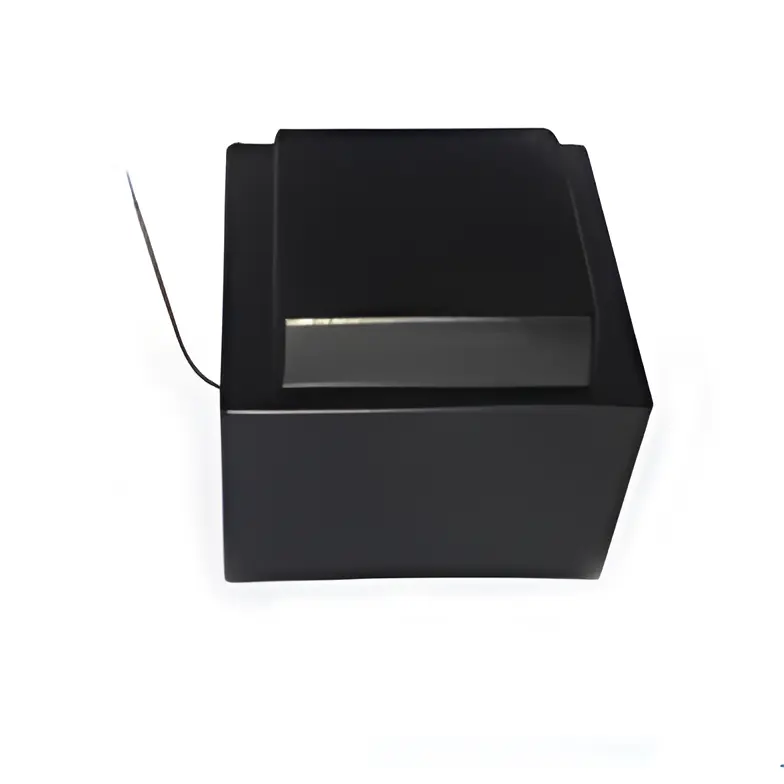 Sealed Transformers
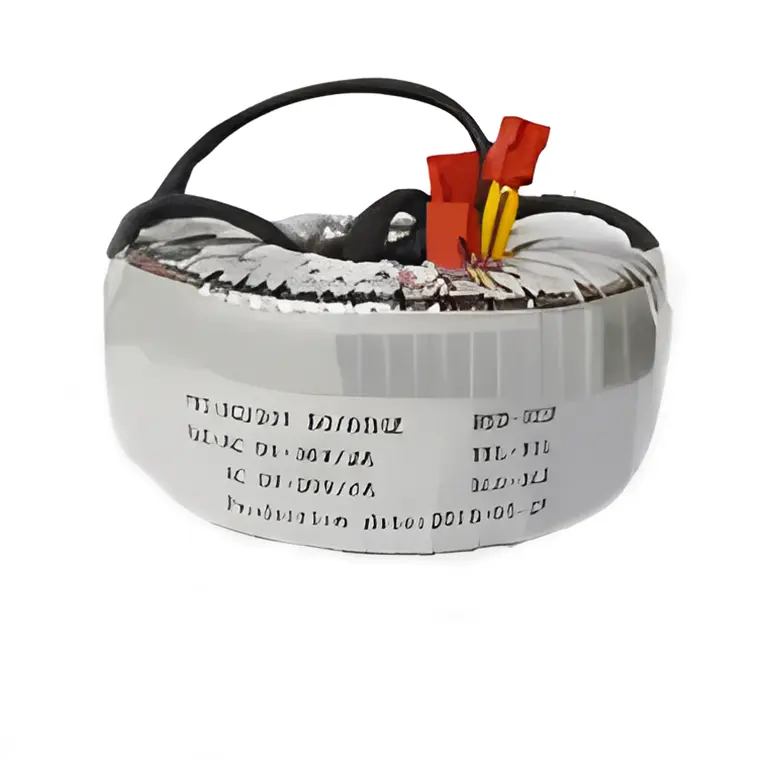 Ring Transformers
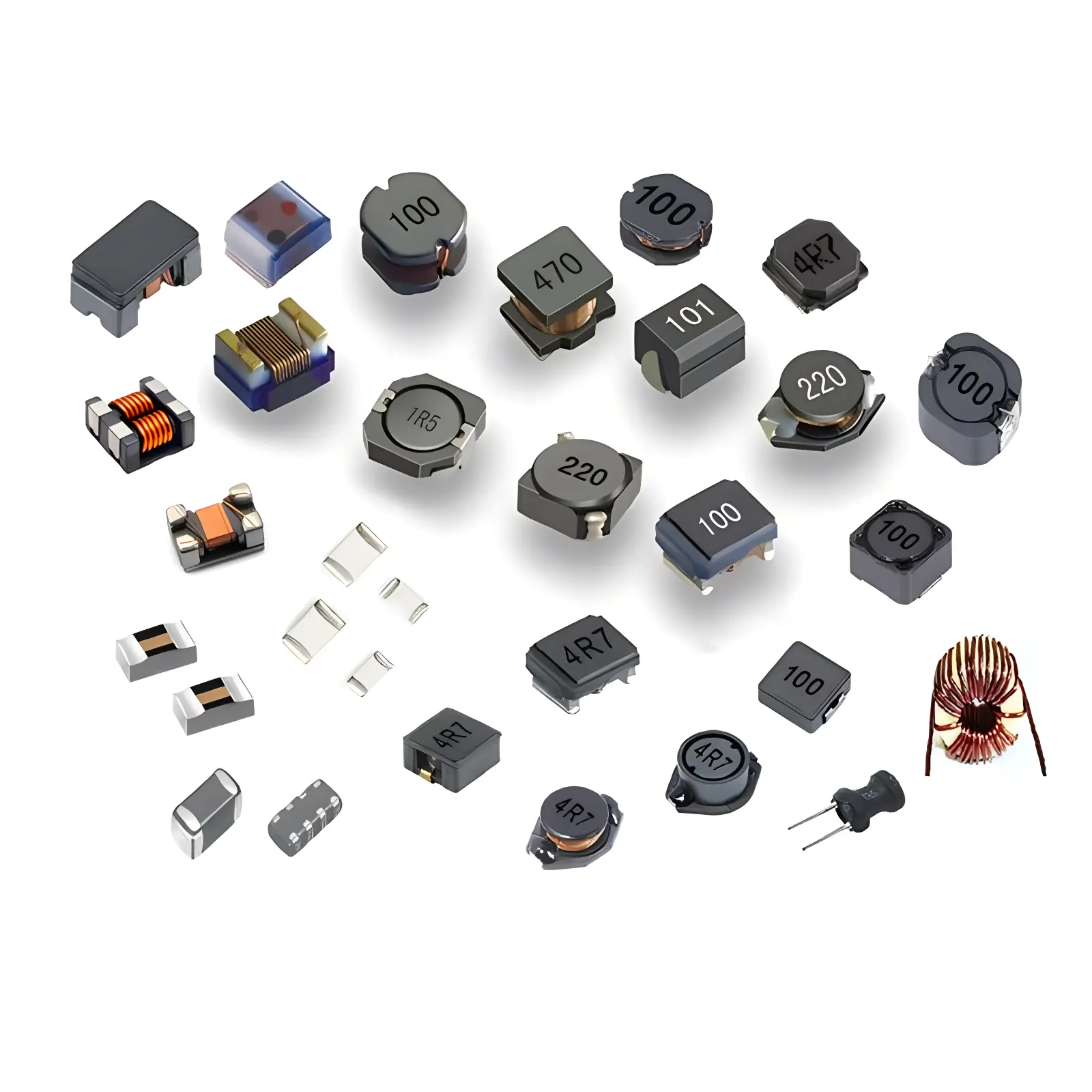 Inductors
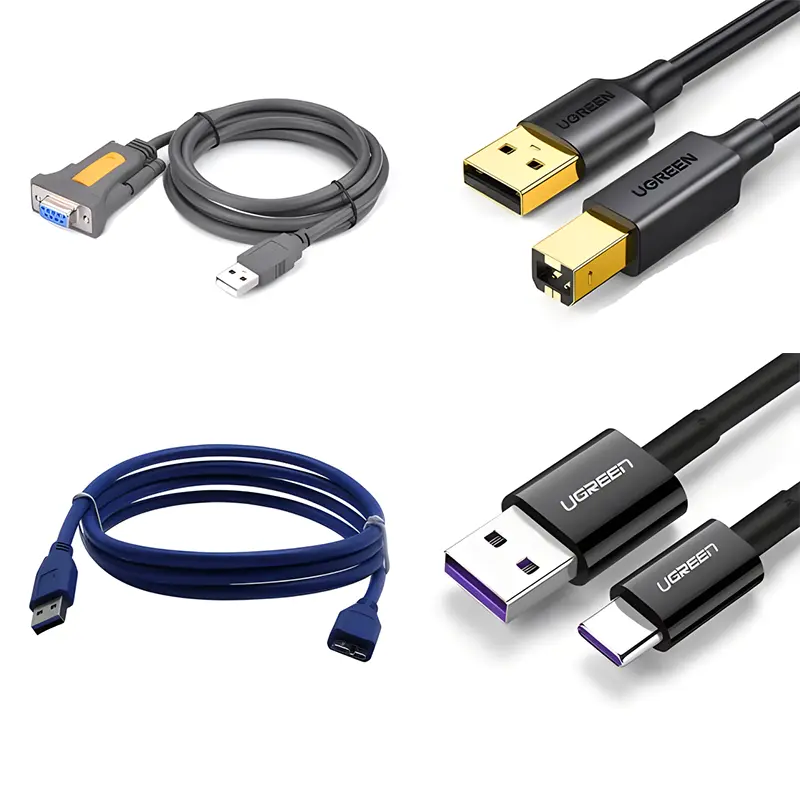 Wires,Cables Customized
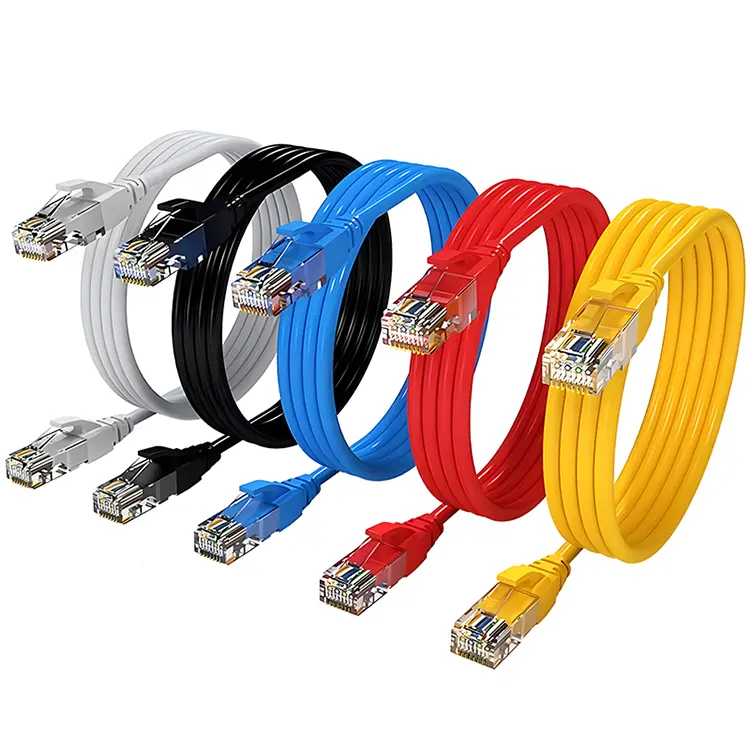 Network Cables
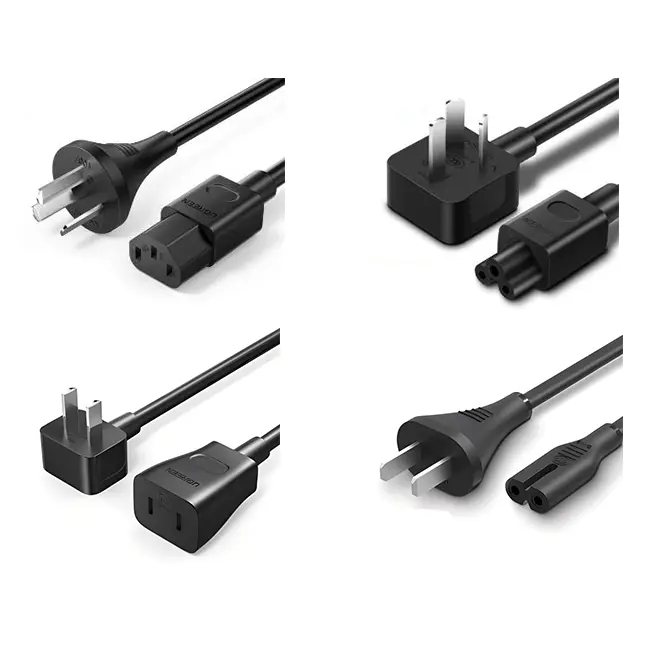 Power Cords
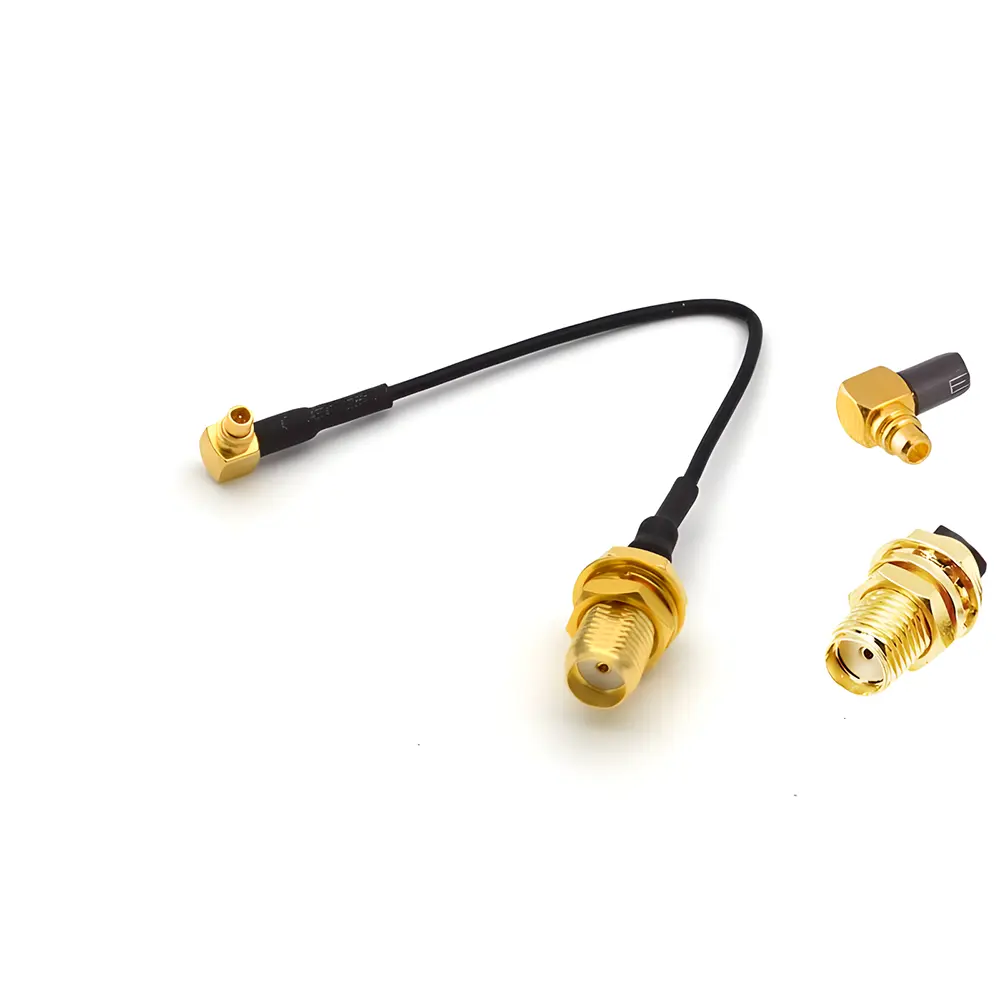 Antenna Cables
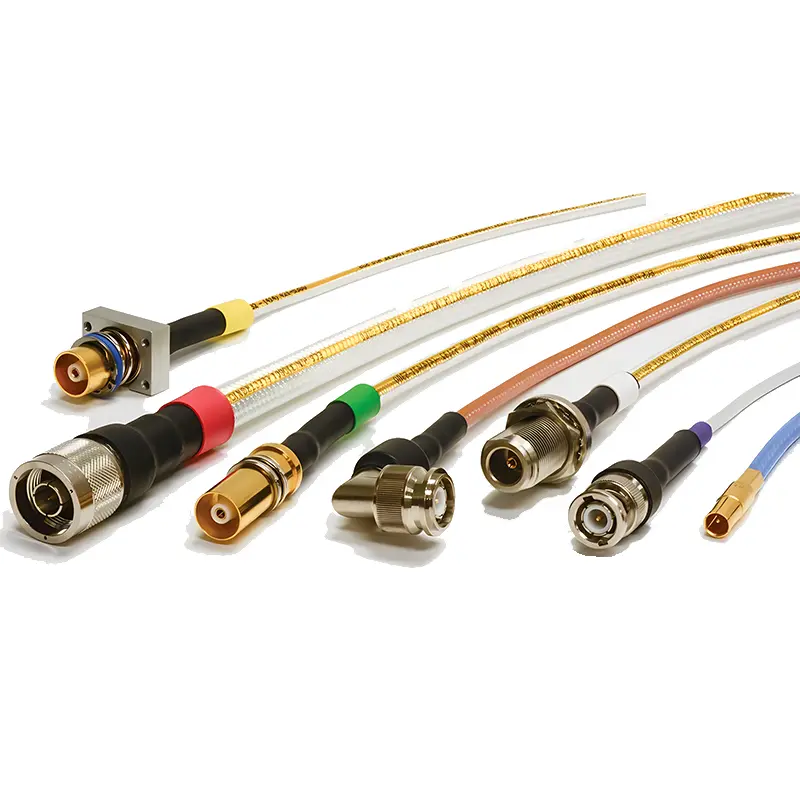 Coaxial Cables
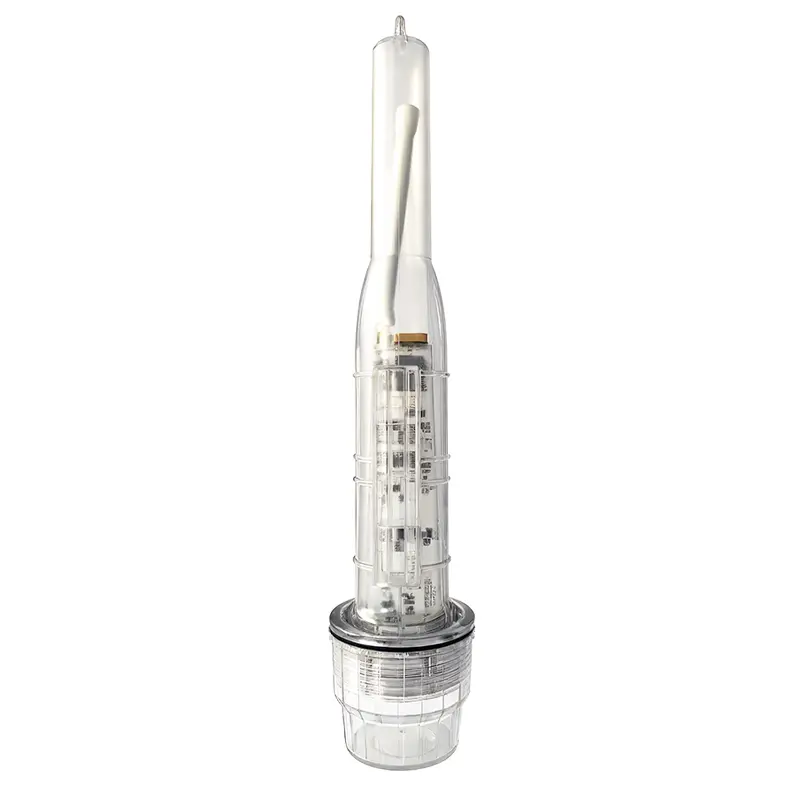 Net Position Indicator
 Solar AIS net position indicator
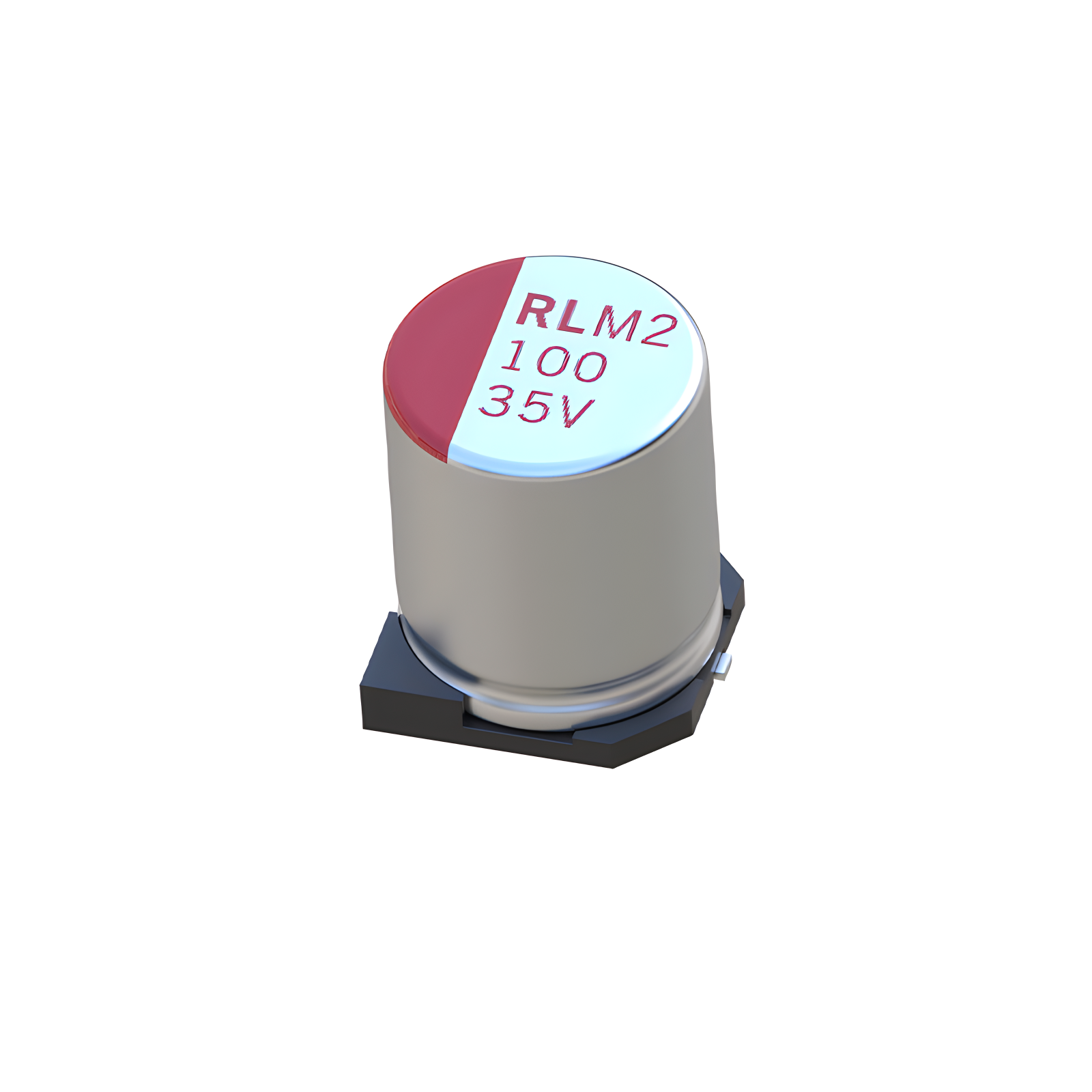 Capacitors
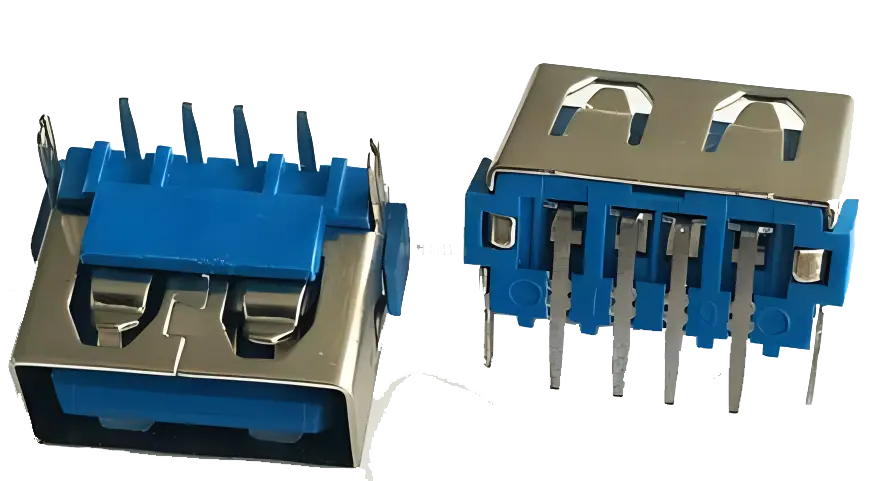 Connectors
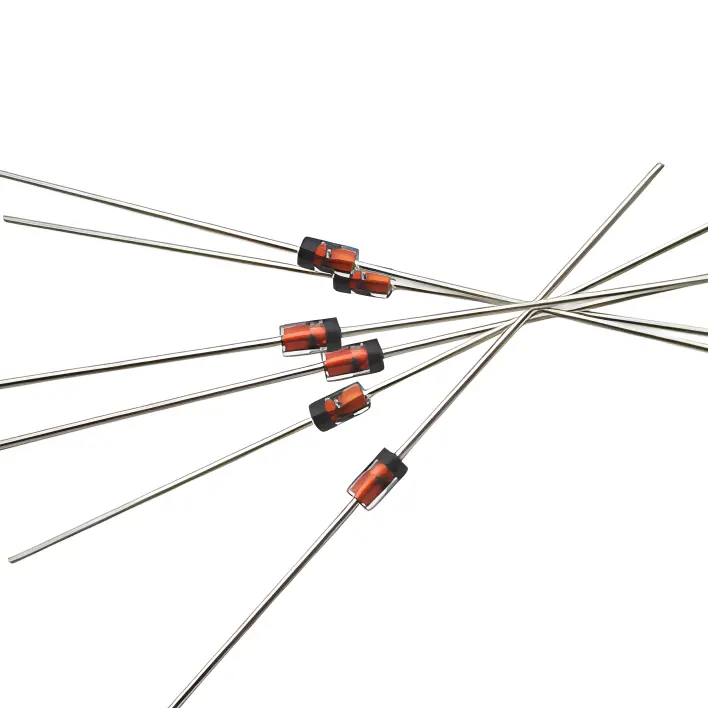 Diodes
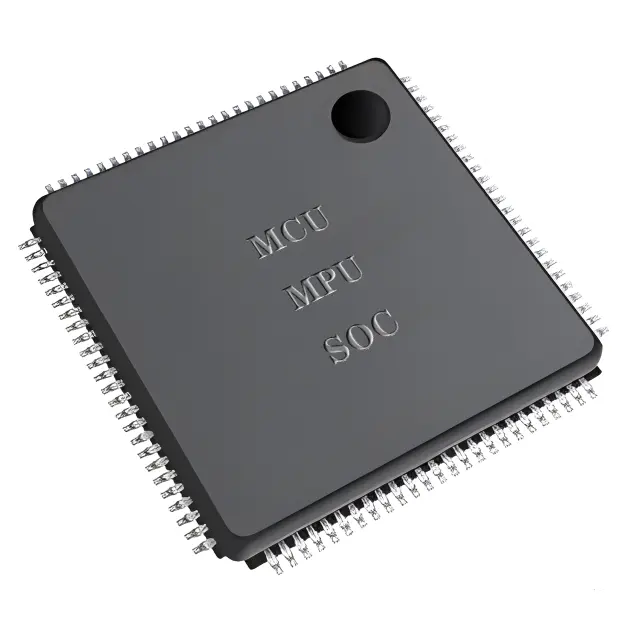 Embedded Processors & Controllers
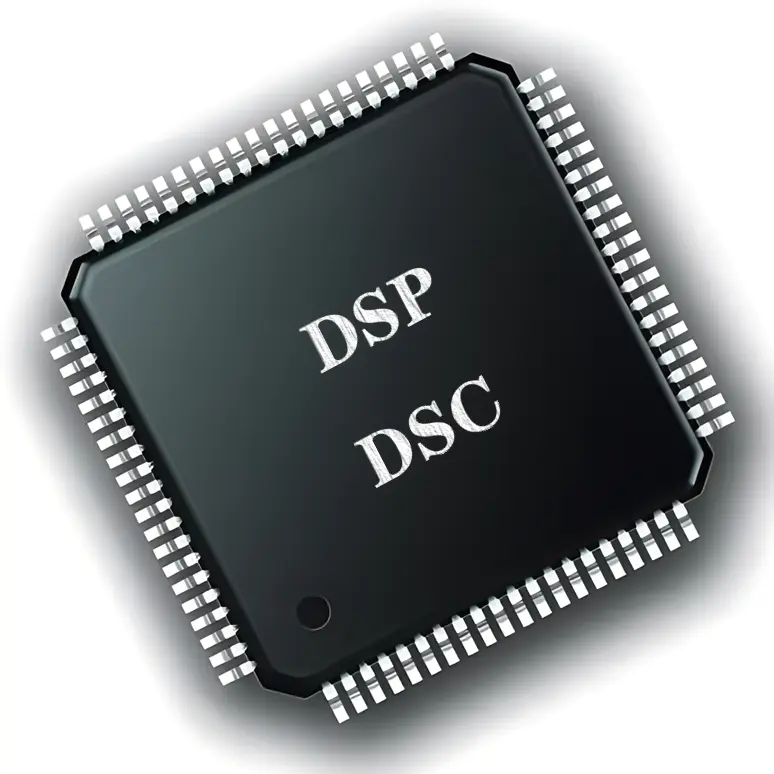 Digital Signal Processors (DSP/DSC)
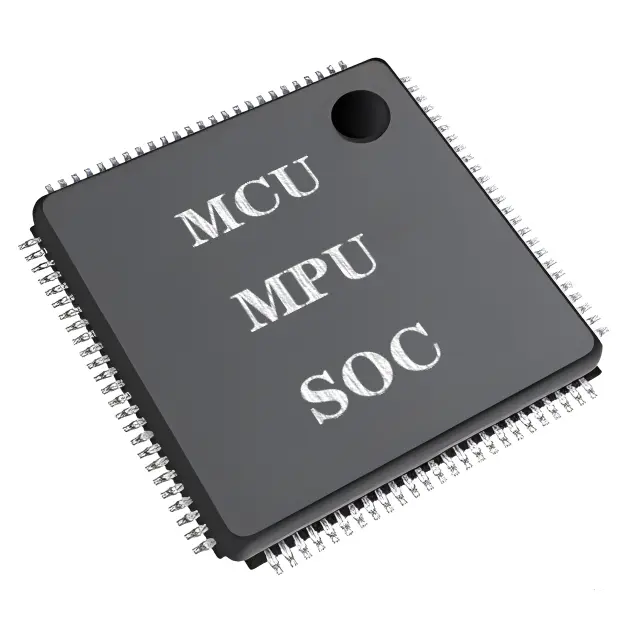 Microcontrollers (MCU/MPU/SOC)
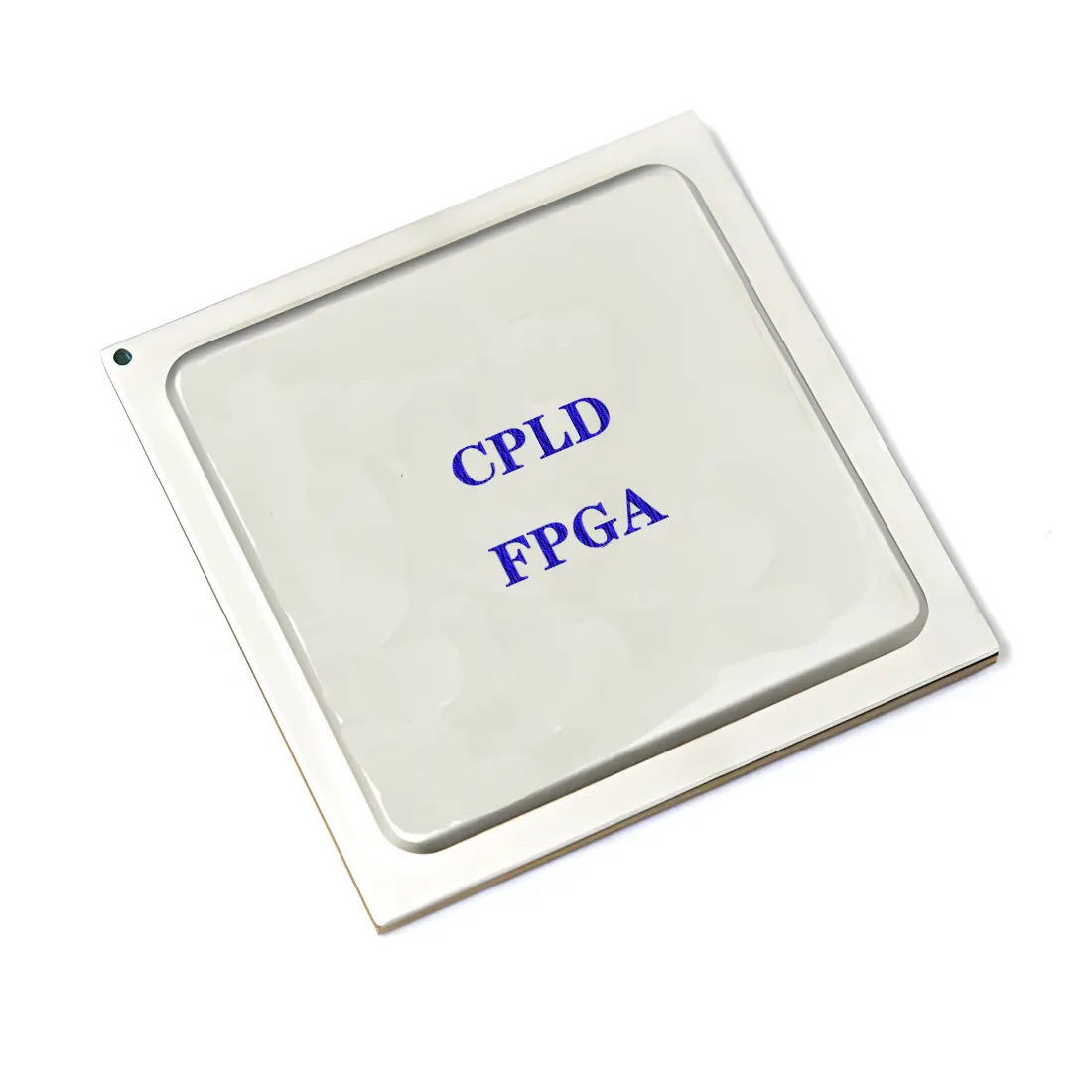 Programmable Logic Device(CPLD/FPGA)
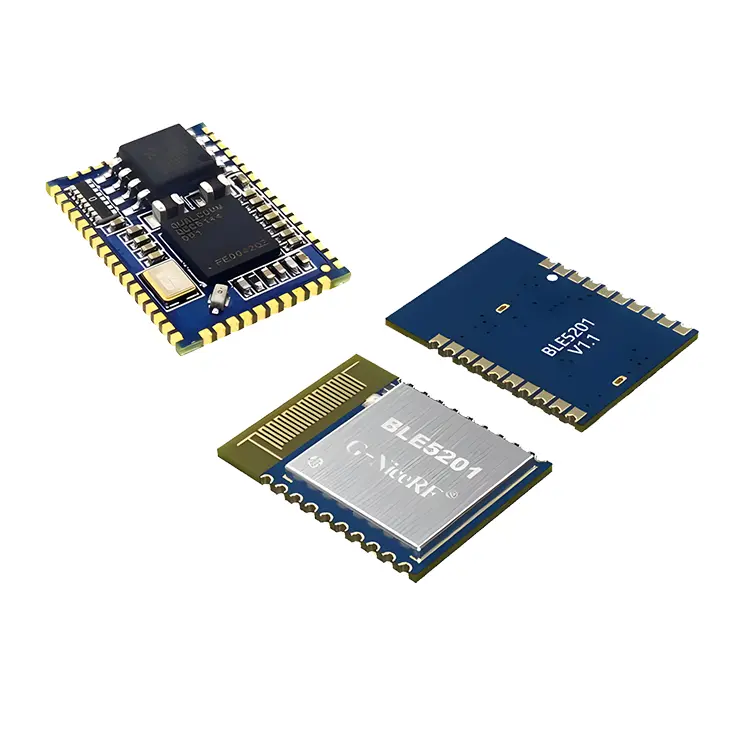 Communication Modules/IoT
 Resistors
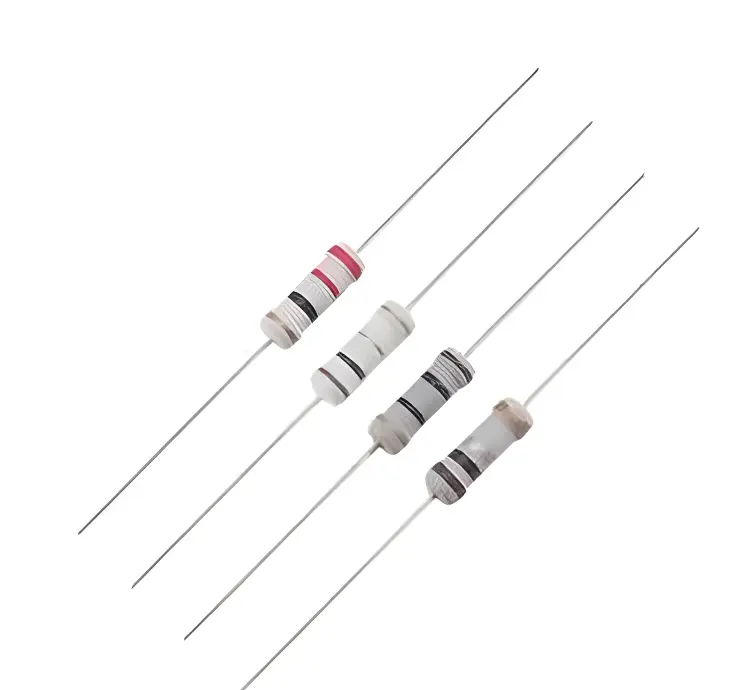 Through Hole Resistors
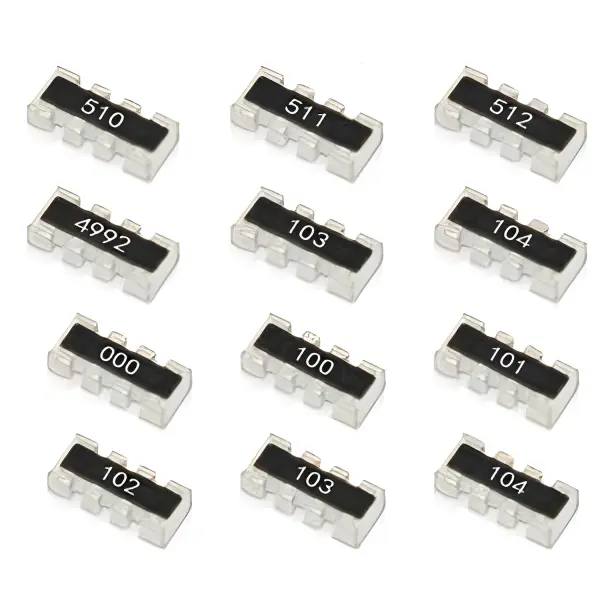 Resistor Networks, Arrays
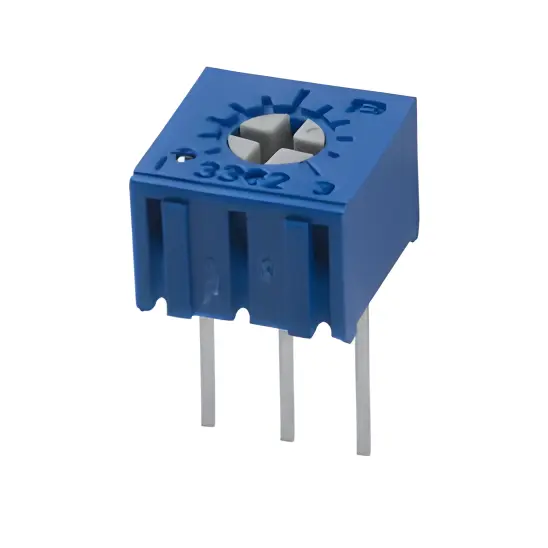 Potentiometers,Variable Resistors
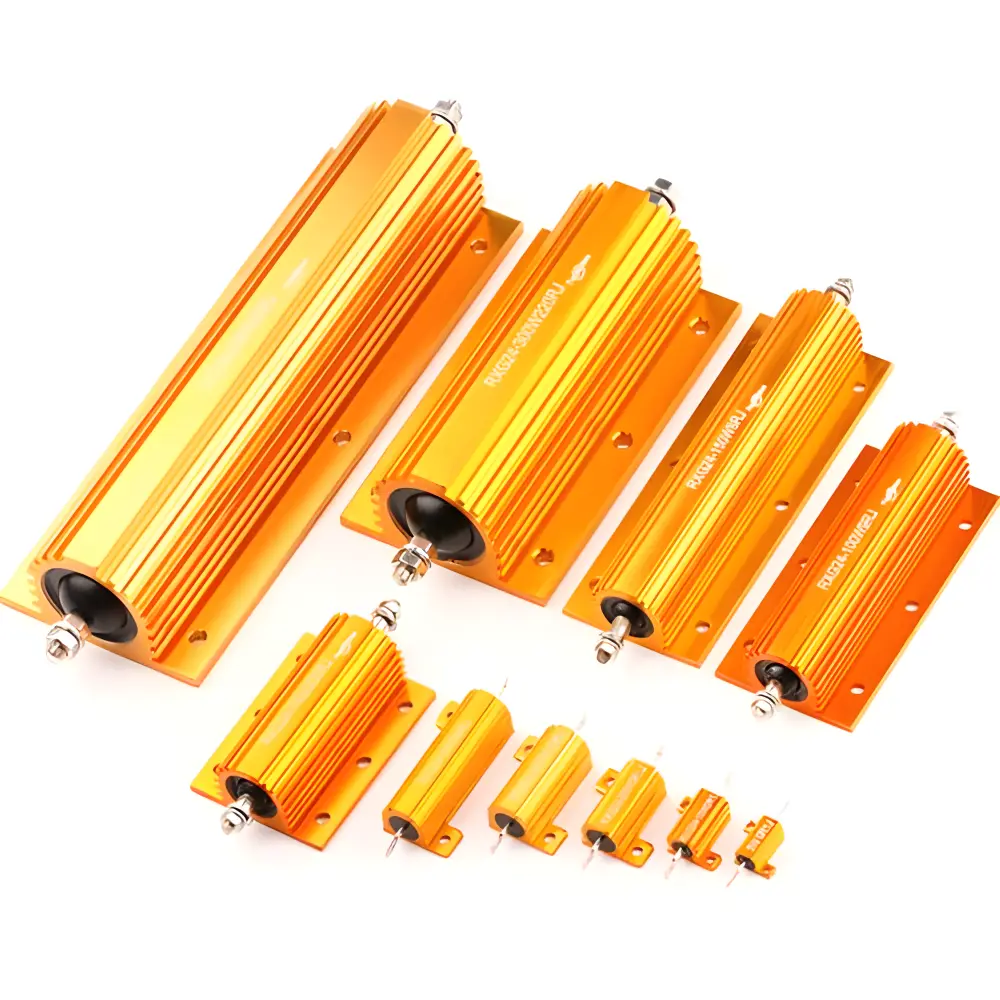 Aluminum Case,Porcelain Tube Resistance
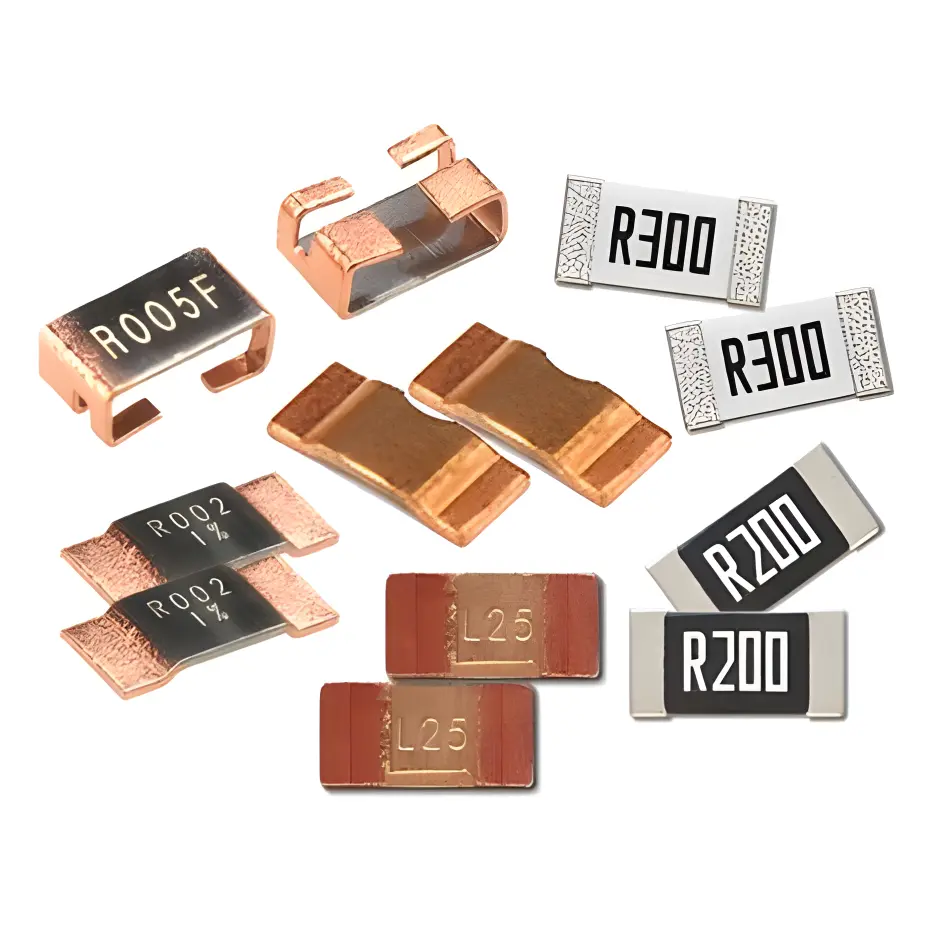 Current Sense Resistors,Shunt Resistors
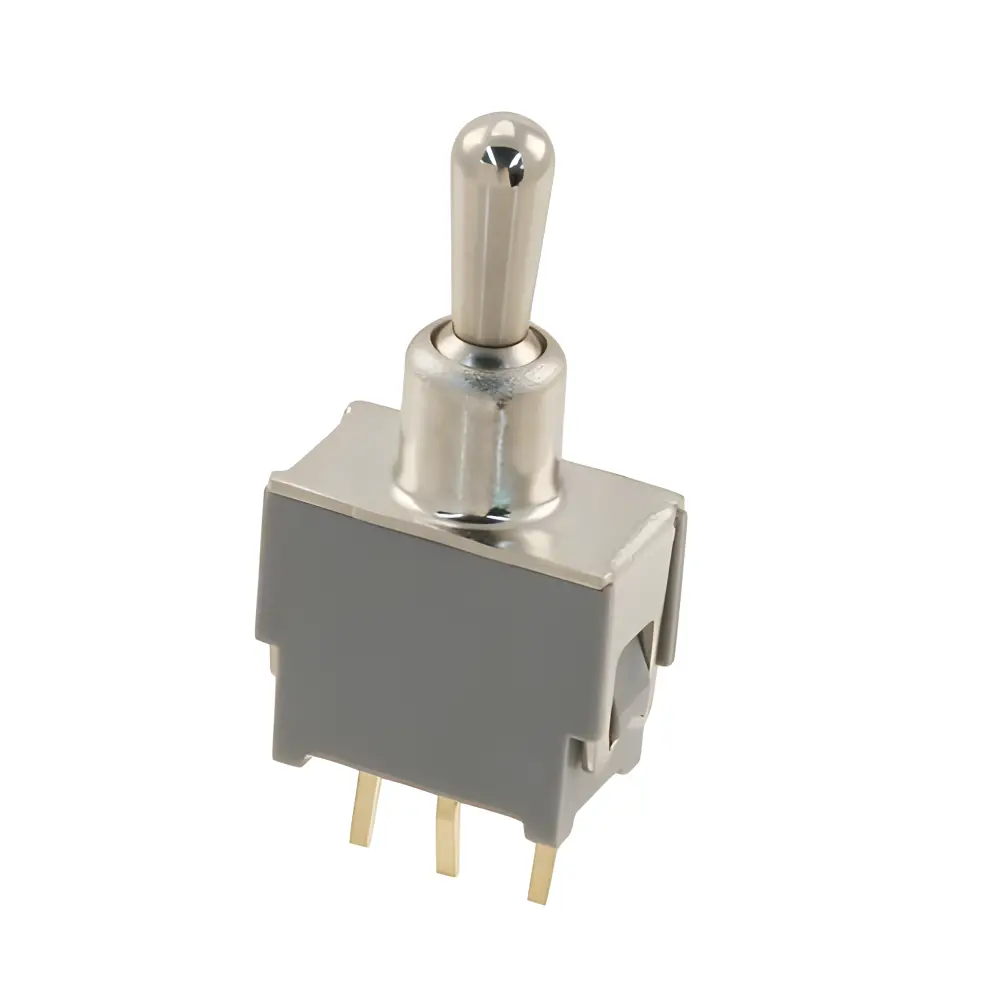 Switches
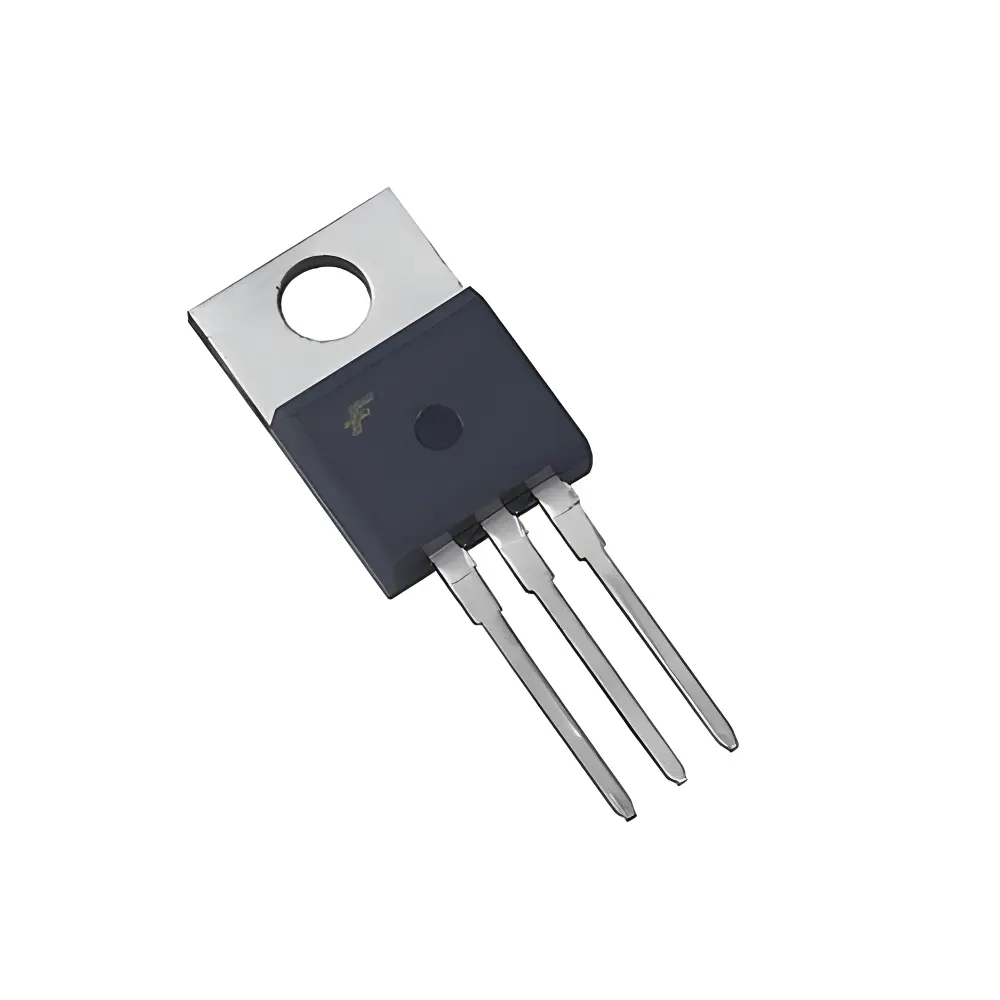 Transistors
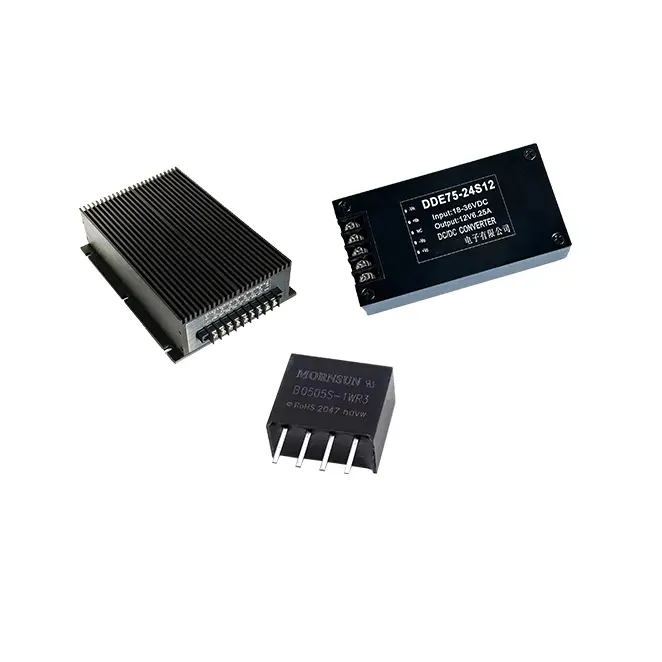 Power Modules
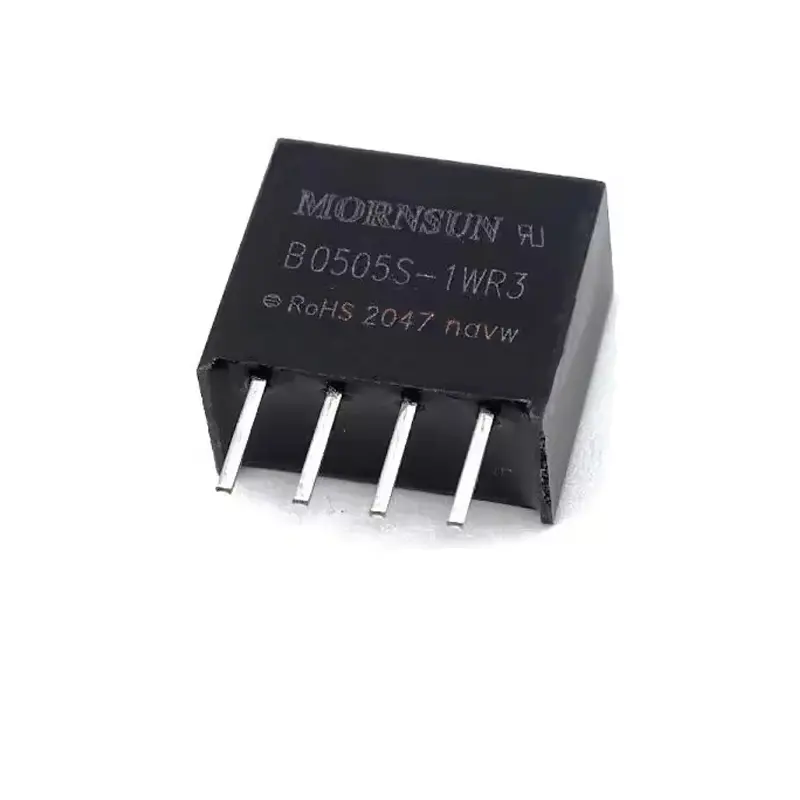 Isolated Power Modules
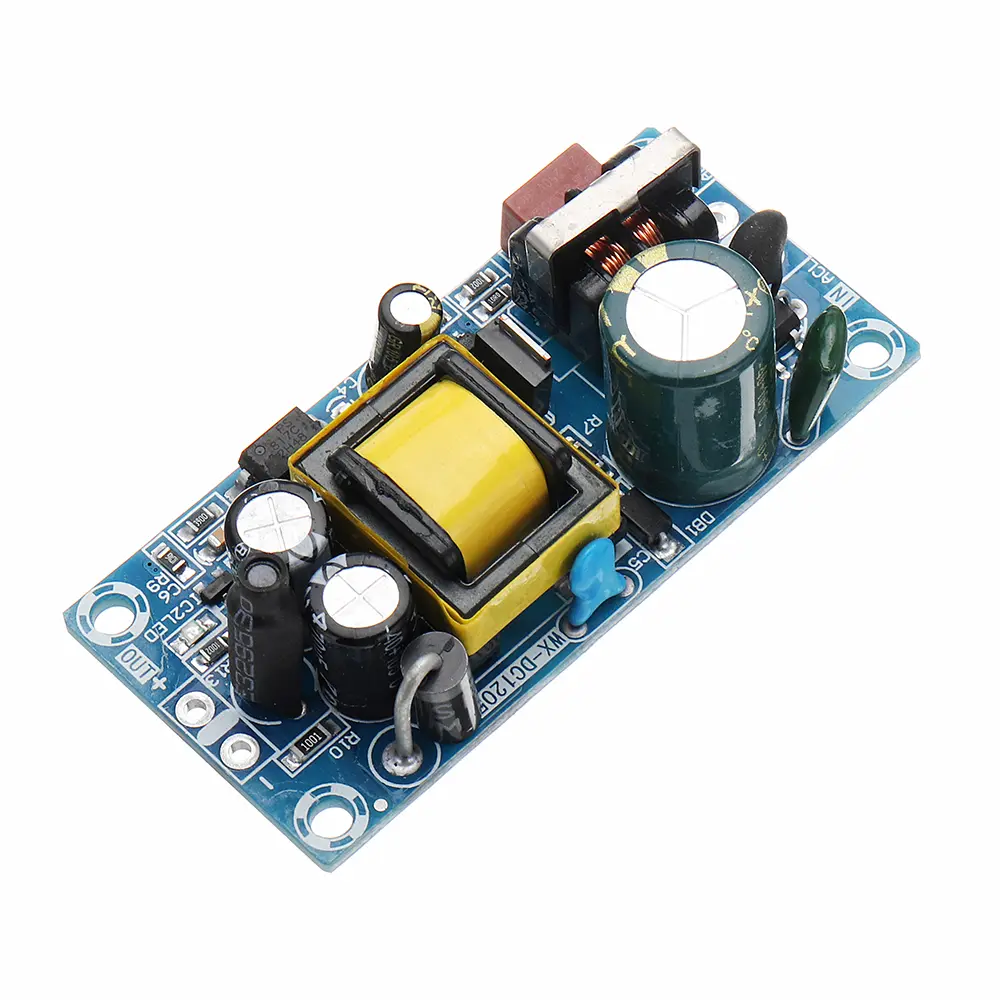 AC-DC Power Modules
 DC-AC Module(Inverter)
 RF and Wireless
The key points of process control of BGA in SMT production and assembly process
The key points of process control of BGA in SMT production and assembly process
BGABall Grid Array, a ball grid array packaging technology, is an important component of modern electronic manufacturing. Its control points in the production and assembly process of SMTSuRFace Mount Technology directly determine the quality and reliability of the product. This article will discuss the key control points of BGA in the SMT production assembly process based on the provided document information.
I. Selection and Application of Solder Paste
As the core material in the BGA soldering process, the selection and application of solder paste directly affect the soldering quality and reliability. Solder paste consists of metal powder particles and flux, in which the shape, size, and distribution of the metal powder particles have a significant impact on the formation of solder joints.
Selection of solder paste alloy: Common solder paste alloys include eutectic Sn63Pb37 and lead-free alloy SAC305, which contains 96.5% tin, 3.0% silver, and 0.5% copper. Choosing the right solder paste alloy requires decisions based on specific soldering needs and product reliability requirements.
Type of Flux: Flux plays a role in removing oxides and improving solder wettability during soldering. According to the cleaning process or surface resistance requirements, a compatible flux should be selected.
Paste viscosity and particle size: The viscosity and particle size of the paste are key factors that affect the quality of the print. The particle size should not exceed the quotient of the opening width divided by 4.2 to ensure good printing clarity and solder paste release.
Template thickness and hole design: The thickness and hole design of the template directly affect the deposition amount of solder paste and the formation of solder joints. For fine pitch BGA, thinner stencils and optimized via design are required to improve solder paste release and deposition. At the same time, pay attention to the cleaning and maintenance of the template to avoid solder paste leakage and contamination.
II. Component placement accuracy
The precision of BGA component placement is one of the key control points in the SMT production and assembly process. The precision of placement directly affects the quality of soldering and the reliability of the product.
Selection and adjustment of the placement machine: Based on the size and type of BGA components, select the appropriate placement machine and make necessary adjustments. The placement machine needs to have a high-precision vision system and stable suction nozzle holding ability to ensure accurate placement of components.
Calibration of the vision system: The vision system determines the X, Y coordinates and offset angle of the components before placement. Therefore, it is necessary to calibrate and maintain the vision system regularly to ensure its accuracy and stability.
Post-mounting processing: After the mounting is completed, avoid moving BGA components to avoid bridging between adjacent solder joints. At the same time, it is necessary to inspect and test the quality of the placement to ensure the accurate placement and soldering quality of the components.
III. Control of reflow soldering process
Reflow soldering is one of the key steps in the BGA soldering process. The quality of process control directly affects the welding quality and product reliability.
Temperature curve setting: Temperature curve is one of the key parameters in the reflow soldering process. A suitable temperature profile needs to be set according to the specific solder paste alloy and component type. At the same time, pay attention to the temperature and time control of each stage such as preheating, reflow soldering and cooling.
Atmosphere control: During the reflow soldering process, the atmosphere has a significant impact on the wettability of the solder. Reflow soldering in a nitrogen environment can improve the wettability of solder joints and reduce the formation of oxides. Therefore, it is necessary to monitor the oxygen content in the nitrogen environment to control it within the process limit.
Cooling rate control: The cooling rate also has a significant impact on the quality and reliability of solder joints. By controlling the cooling rate, defects such as voids and cracks in the solder joint can be reduced. At the same time, it is necessary to pay attention to avoid thermal shock damage to components caused by too fast cooling rate.
IV, cleaning and no-cleaning process selection
The selection of cleaning and no-cleaning processes depends on the specific type of solder paste, component type, and cleaning requirements.
Flux residues that need to be cleaned: For those flux residues that need to be cleaned, solvent cleaning, alkaline water cleaning, or cleanable deionized water cleaning can be used. During the cleaning process, it is necessary to pay attention to the difficulty of cleaning the bottom of the BGA and the high corrosivity of the residual flux.
Selection of no-clean solder paste: If no-clean solder paste is used, it is necessary to ensure that the residue of the solder paste does not damage the reliability and quality of the product. At the same time, the template needs to be cleaned to ensure good printing quality.