
 PCB
PCB FPC
FPC Rigid-Flex
 FR-4
FR-4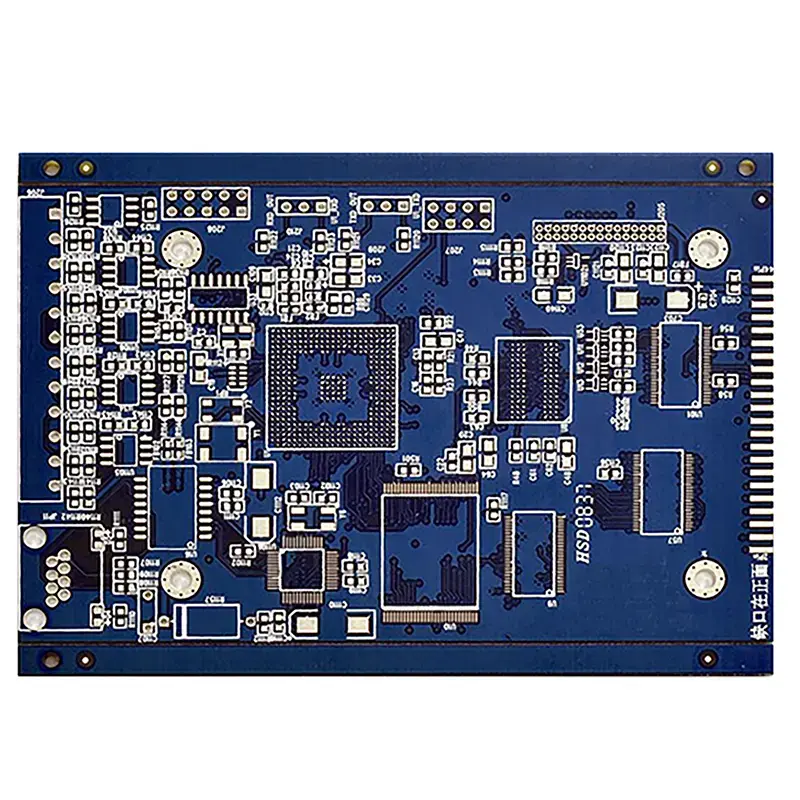 HDI PCB
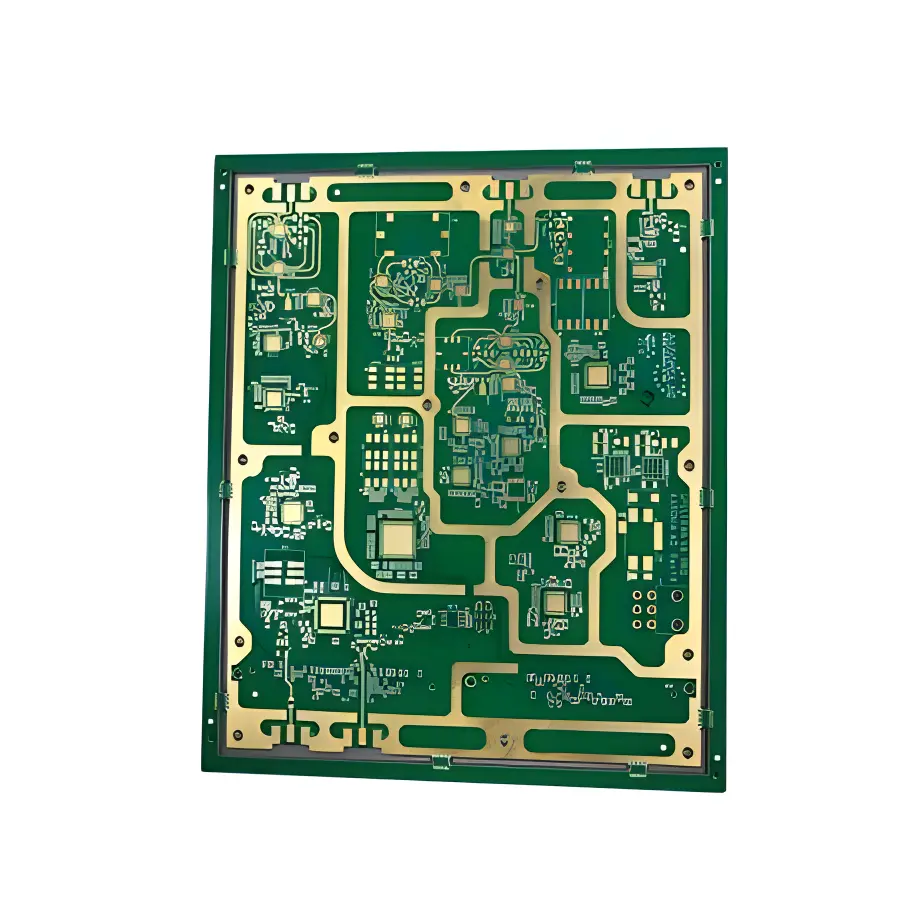 Rogers High-Frequency Board
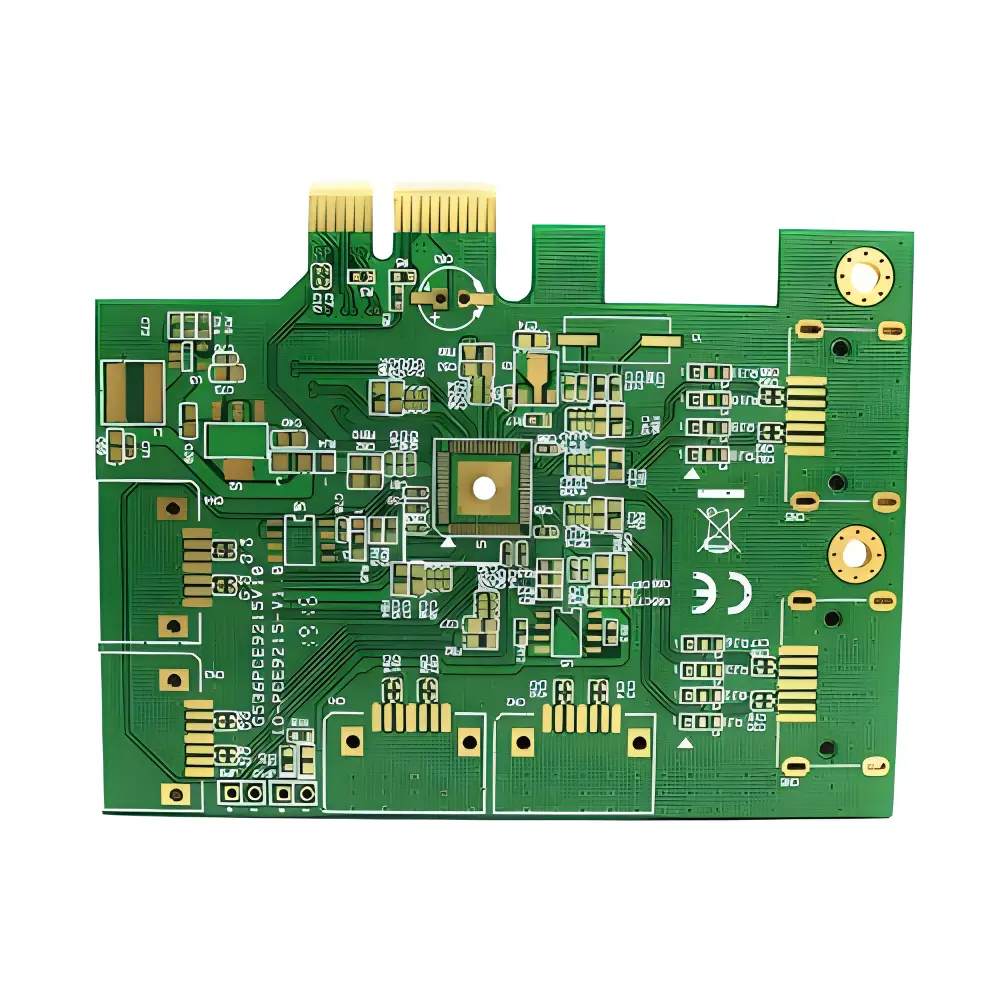 PTFE Teflon High-Frequency Board
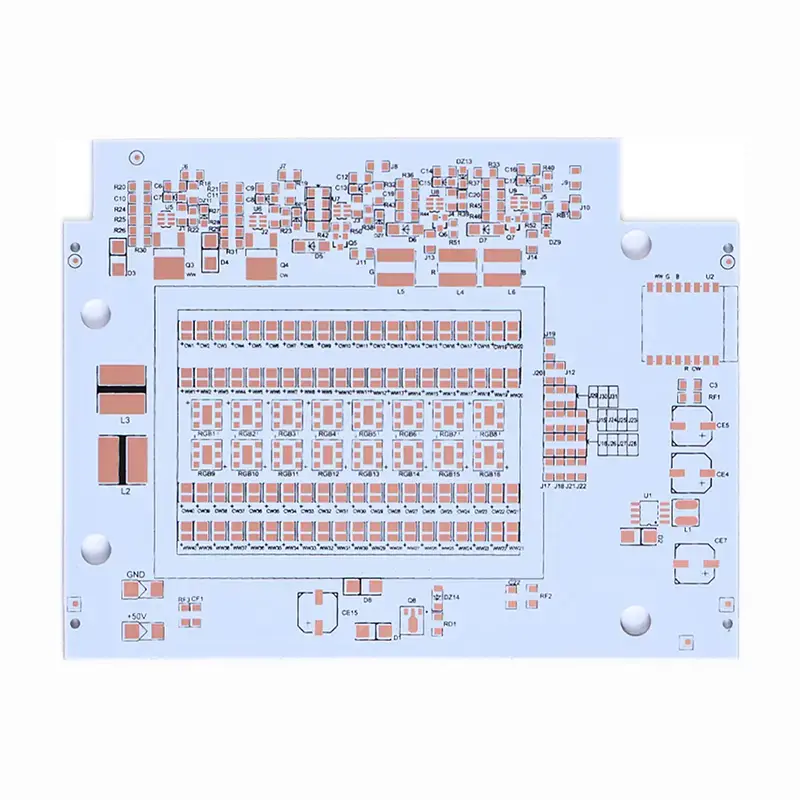 Aluminum
 Copper Core
 PCB Assembly
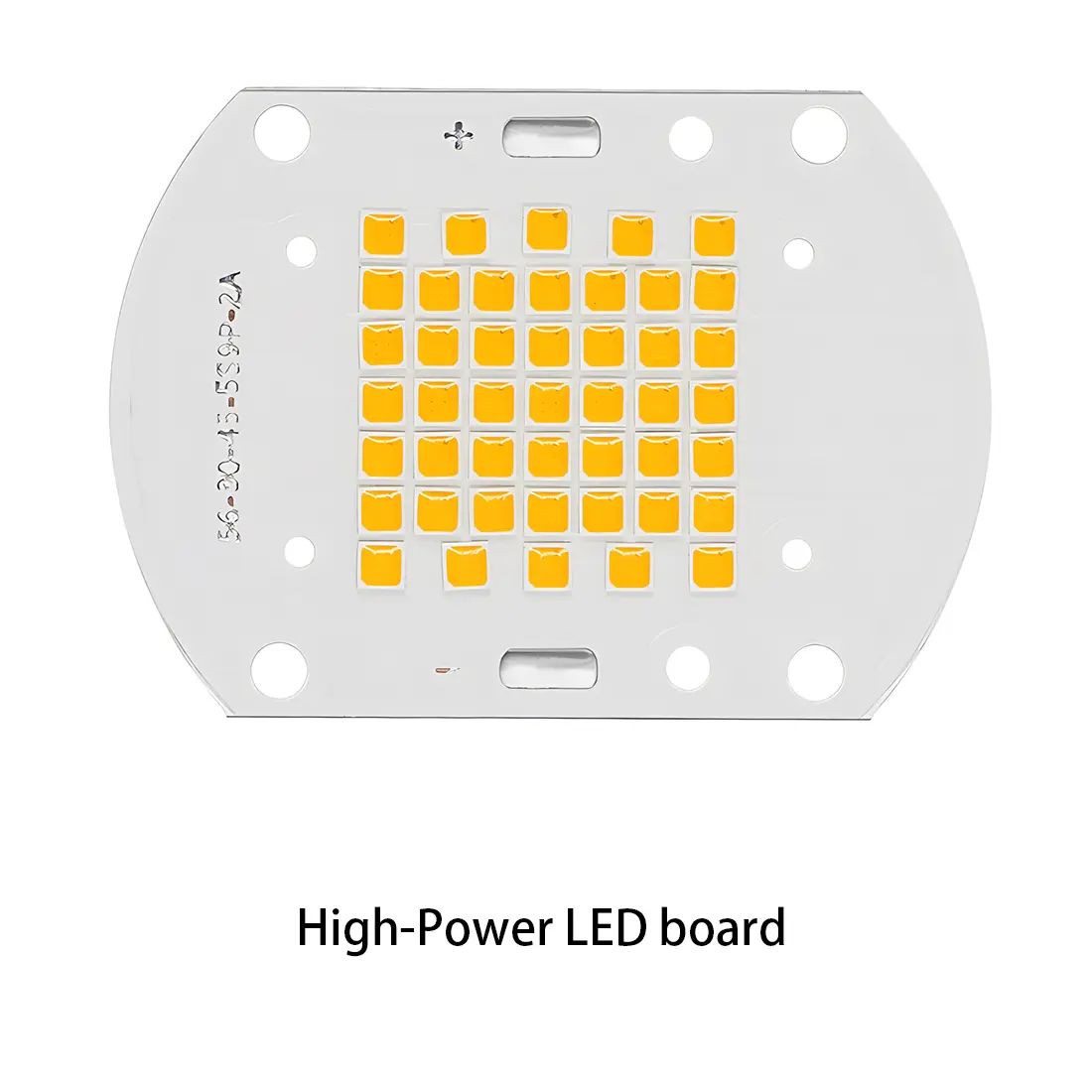 LED light PCBA
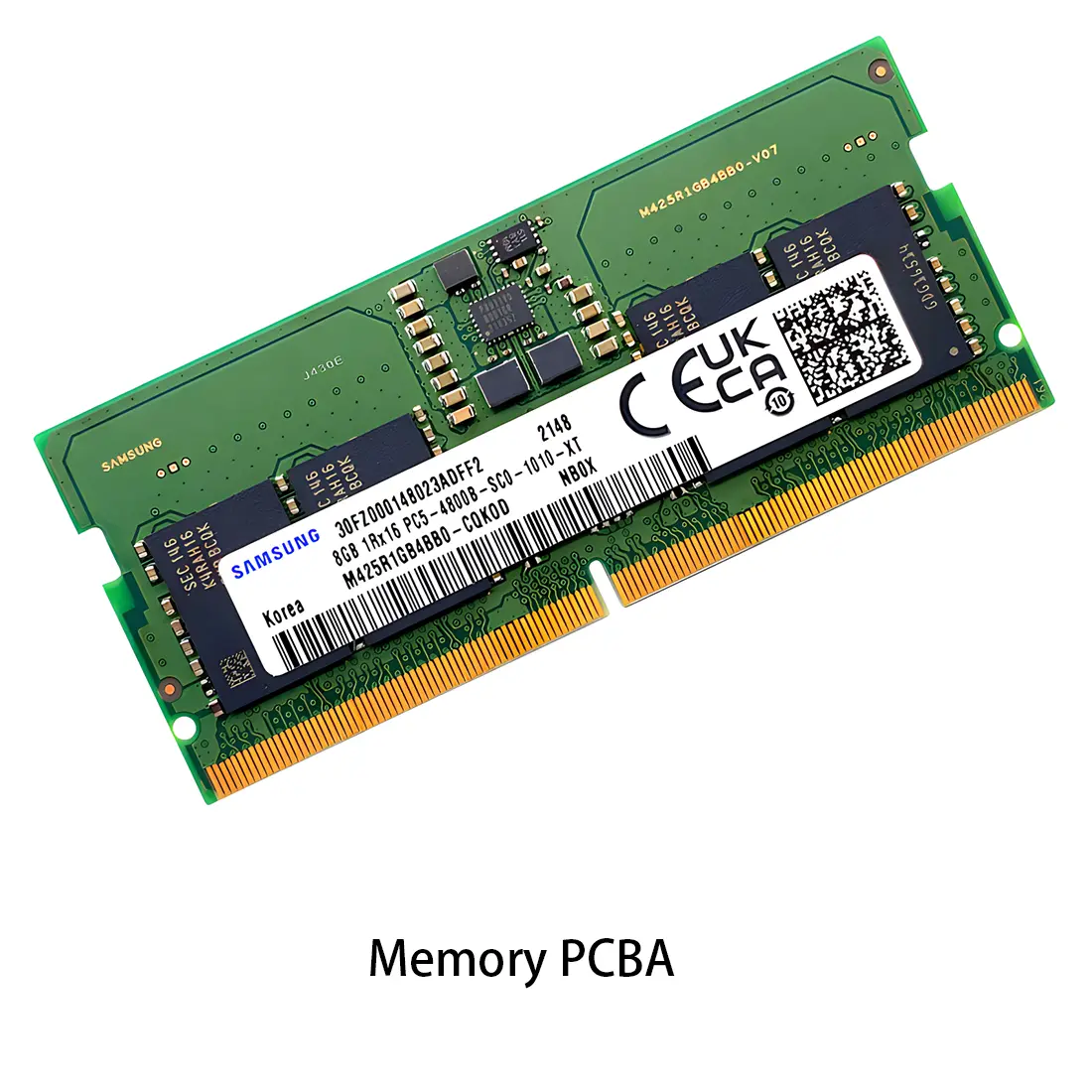 Memory PCBA
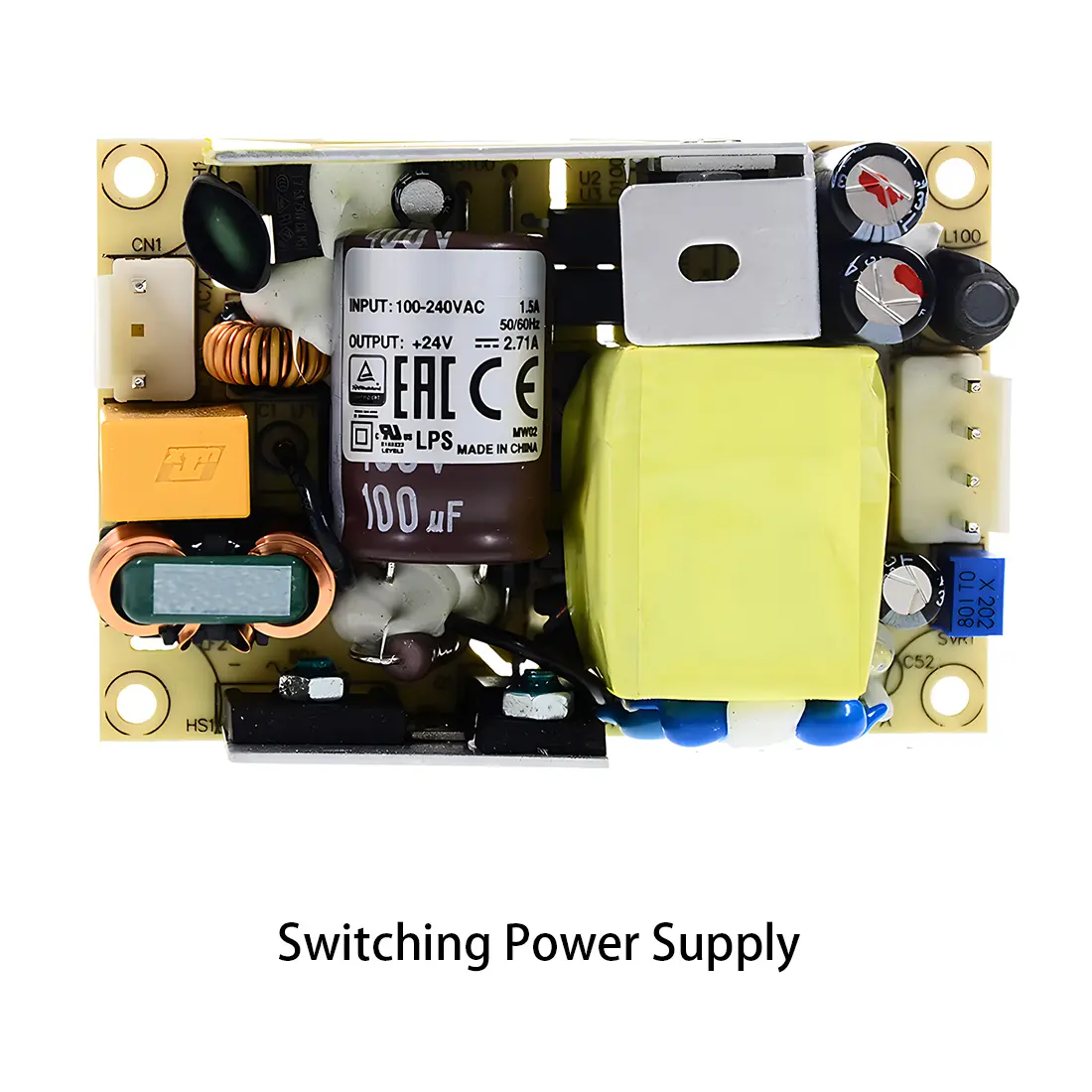 Power Supply PCBA
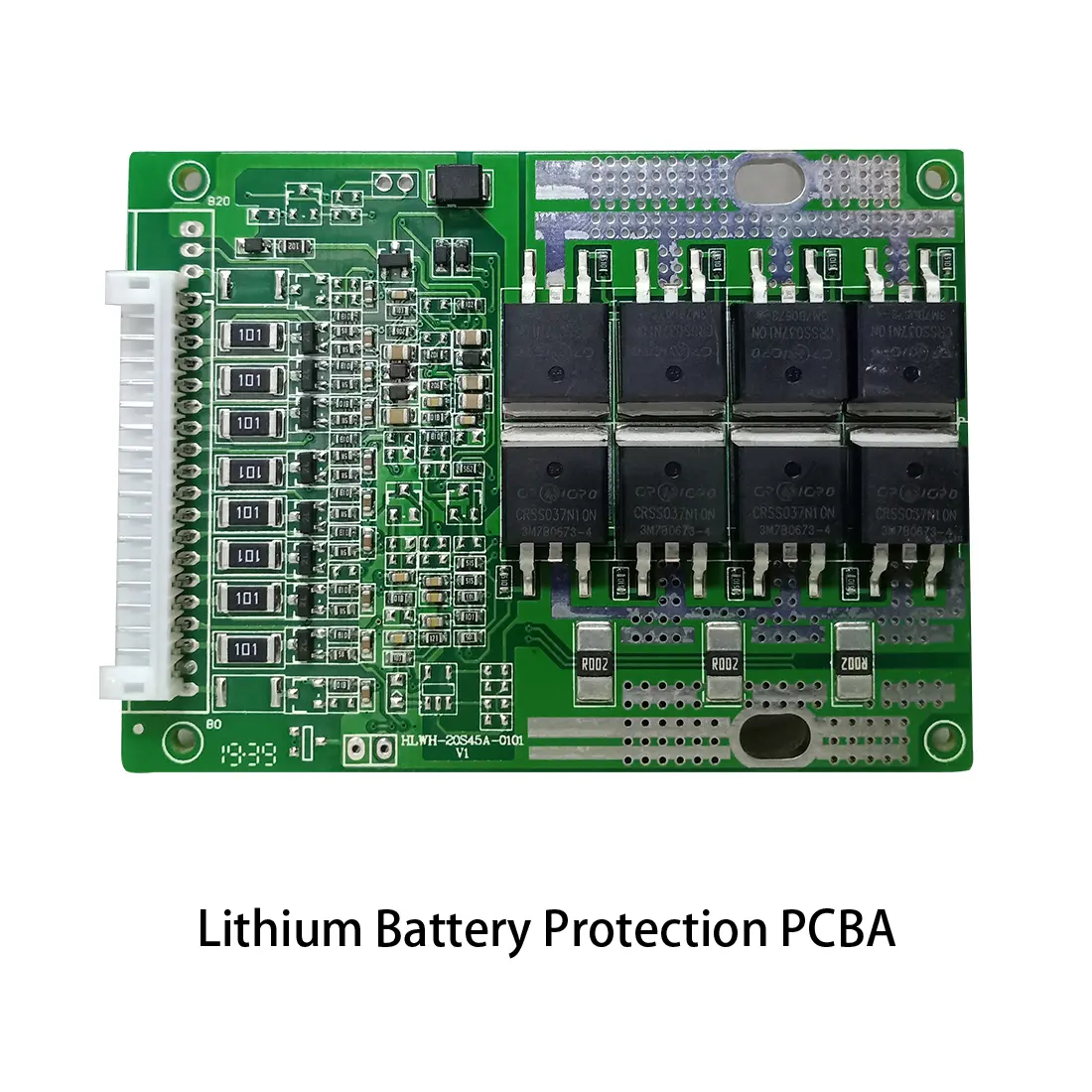 New Energey PCBA
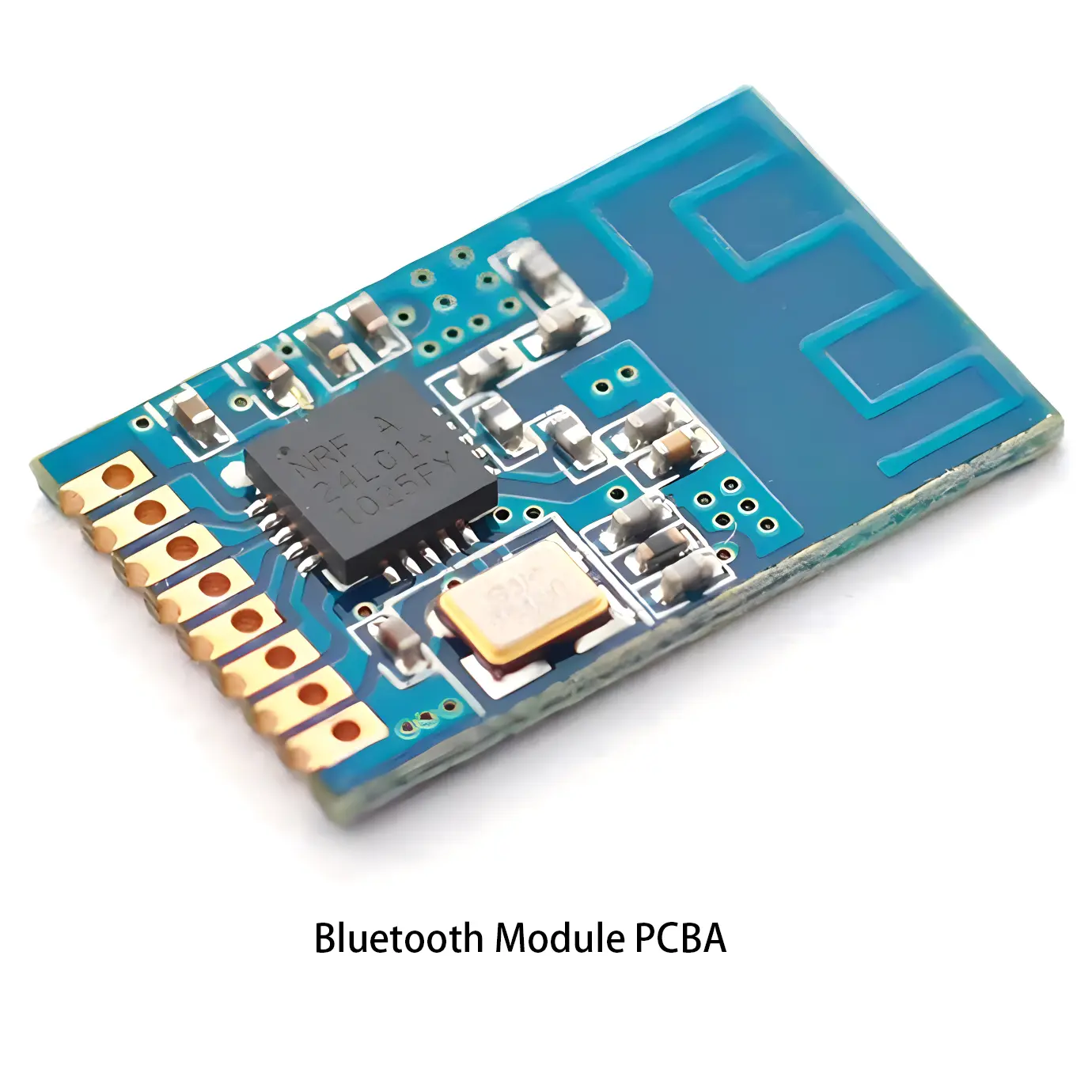 Communication PCBA
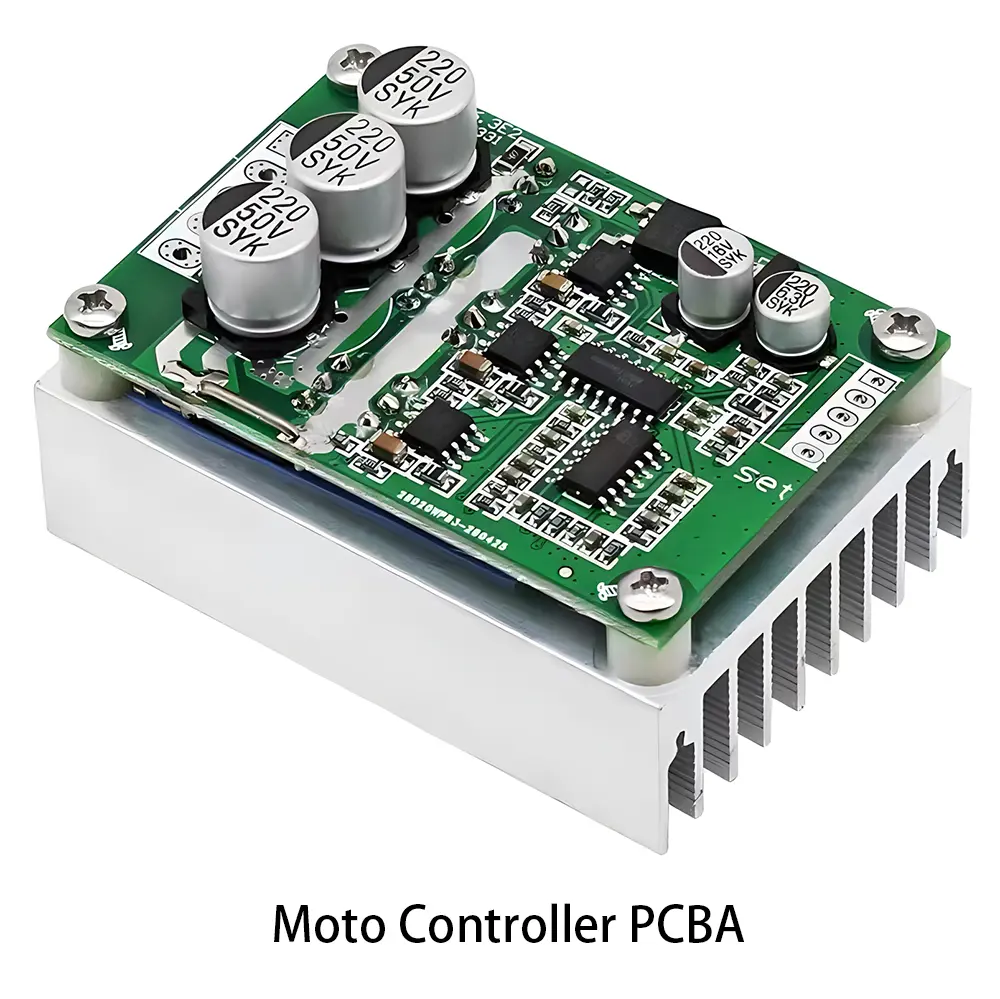 Industrial Control PCBA
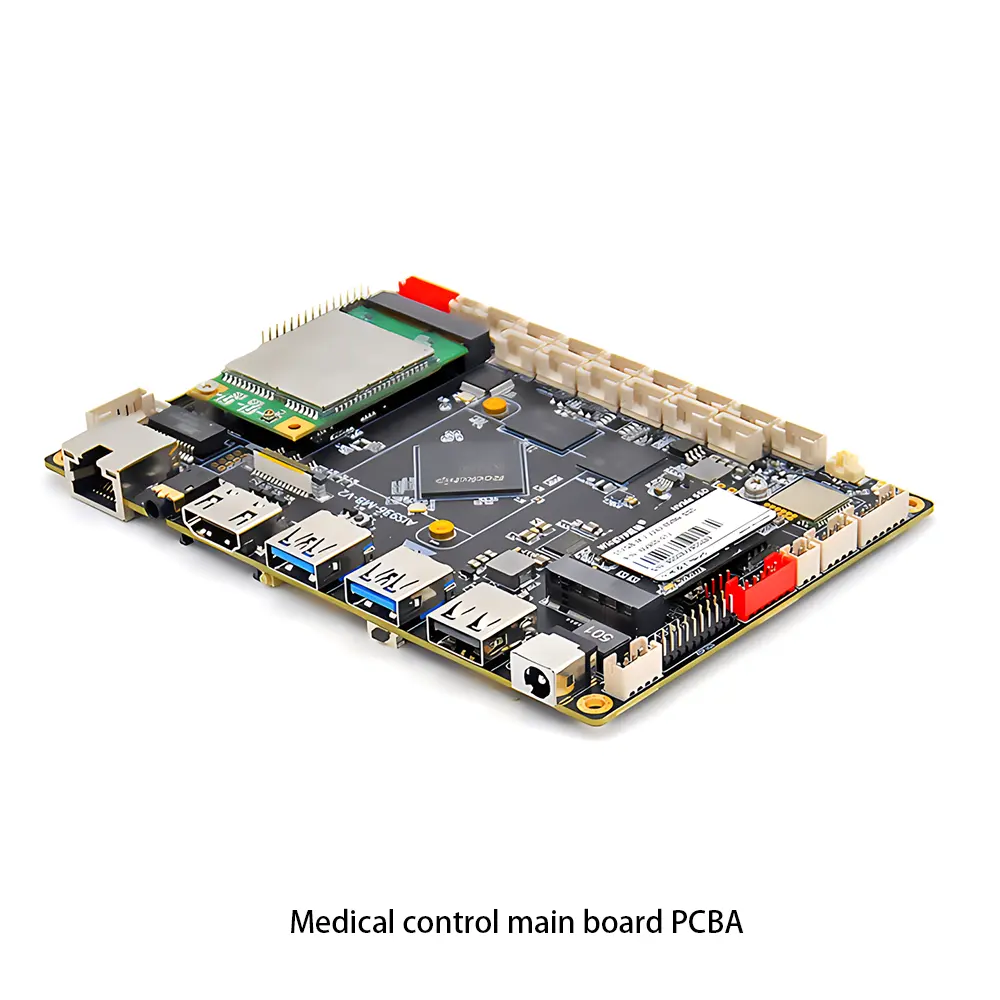 Medical Equipment PCBA
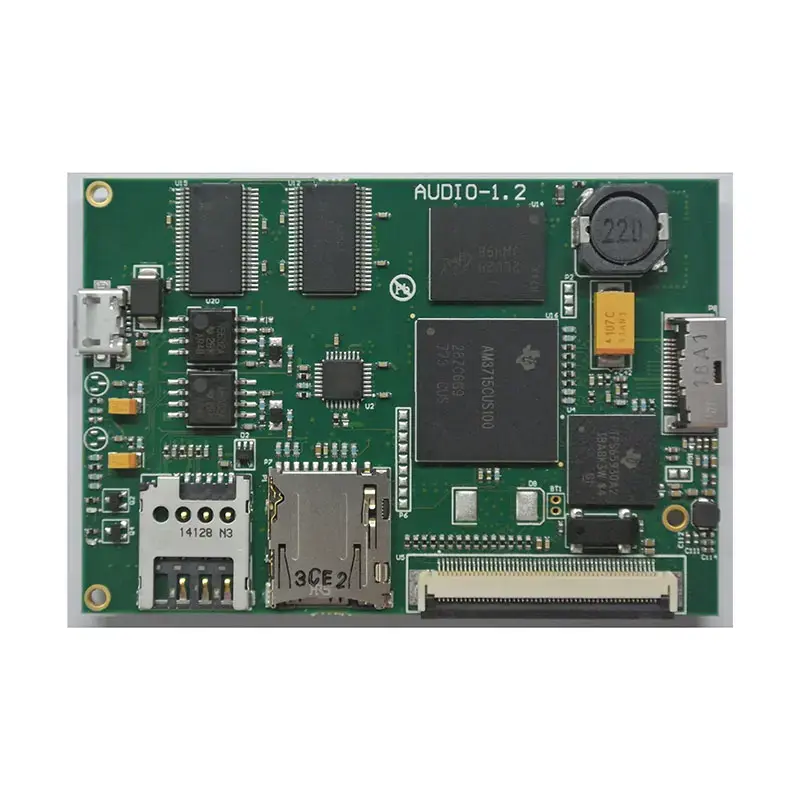 Testing Service
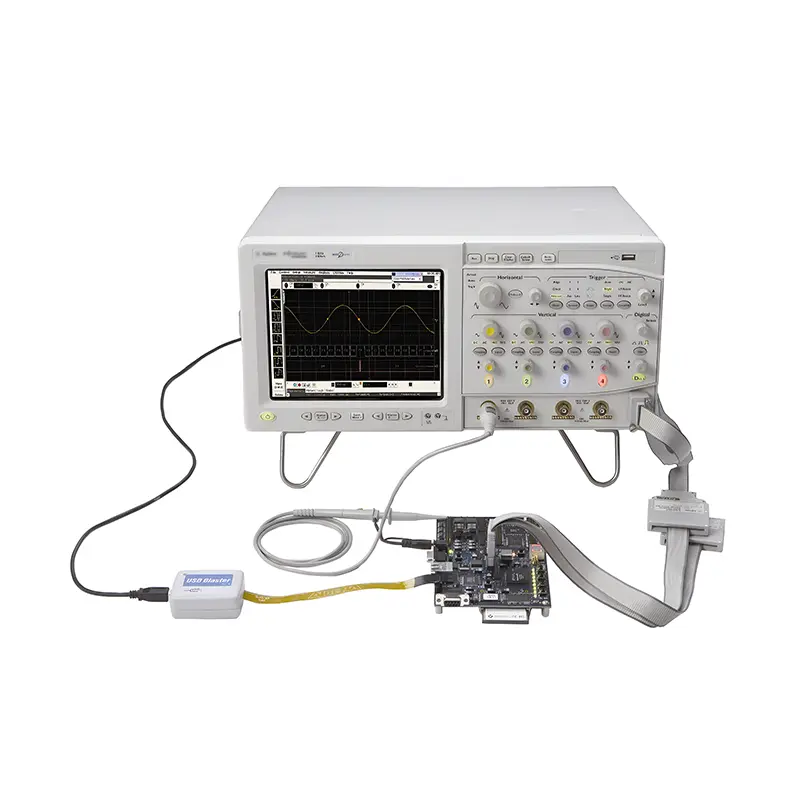 PCBA Testing Service
 Certification Application
 RoHS Certification Application
 REACH Certification Application
 CE Certification Application
 FCC Certification Application
 CQC Certification Application
 UL Certification Application
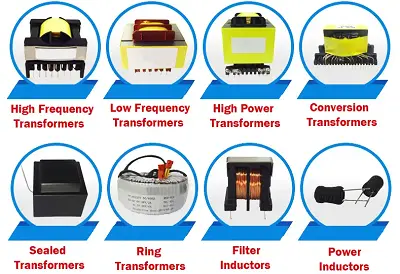 Transformers, Inductors
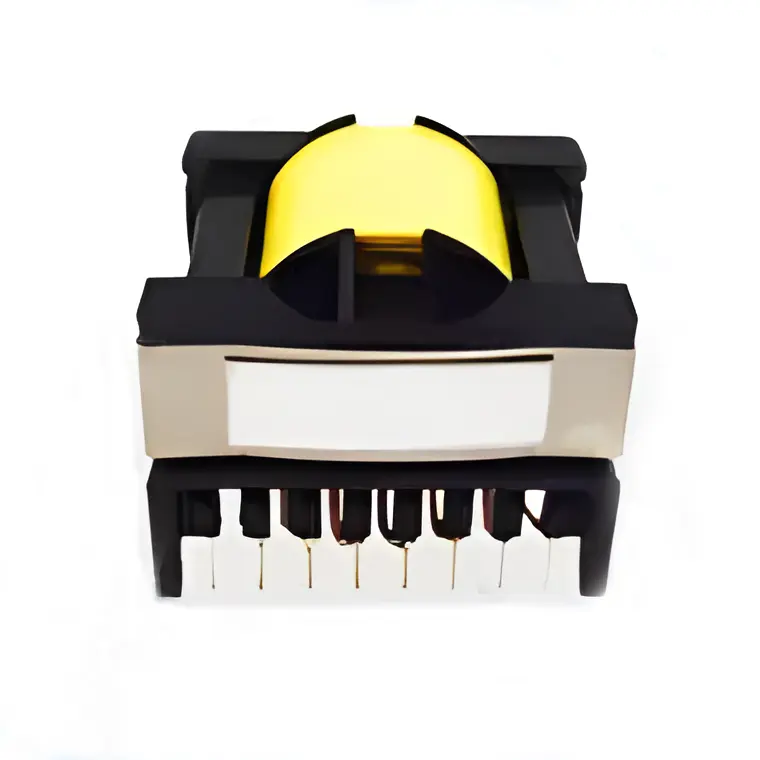 High Frequency Transformers
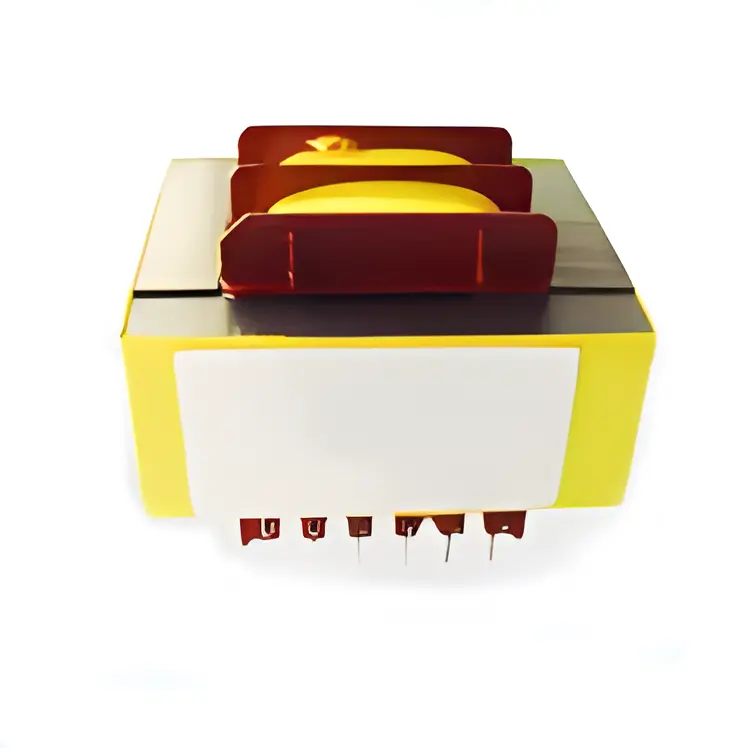 Low Frequency Transformers
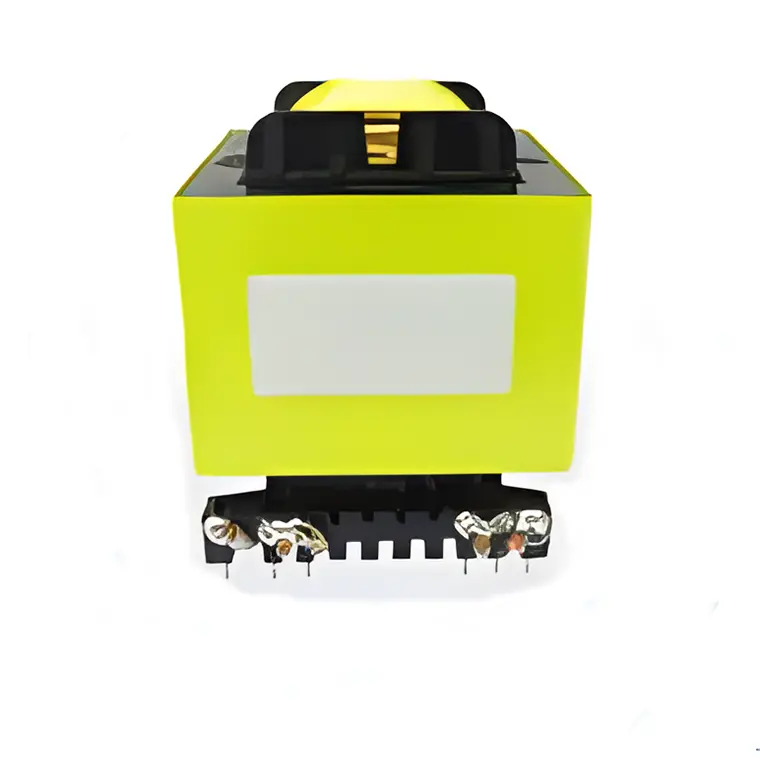 High Power Transformers
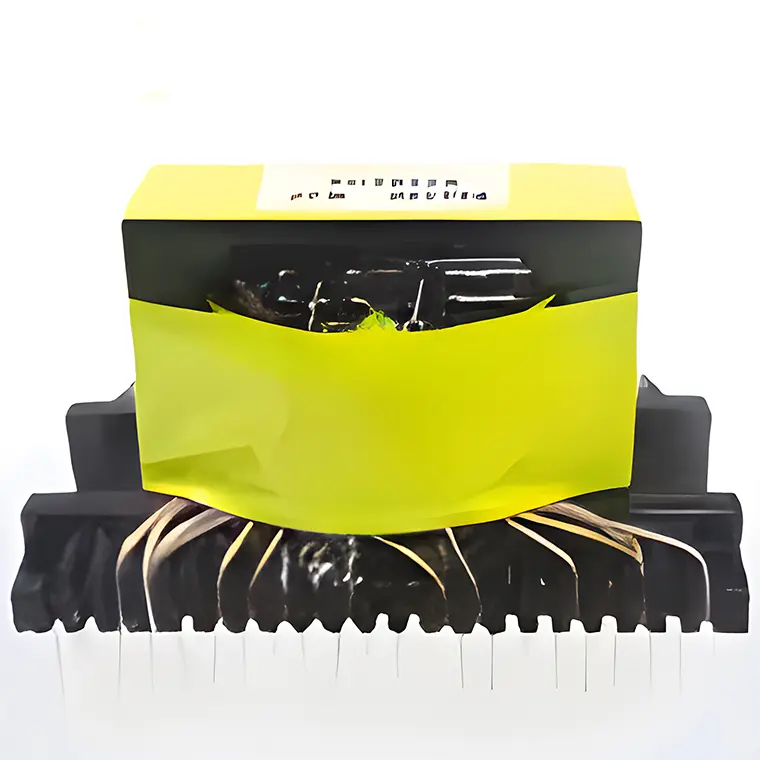 Conversion Transformers
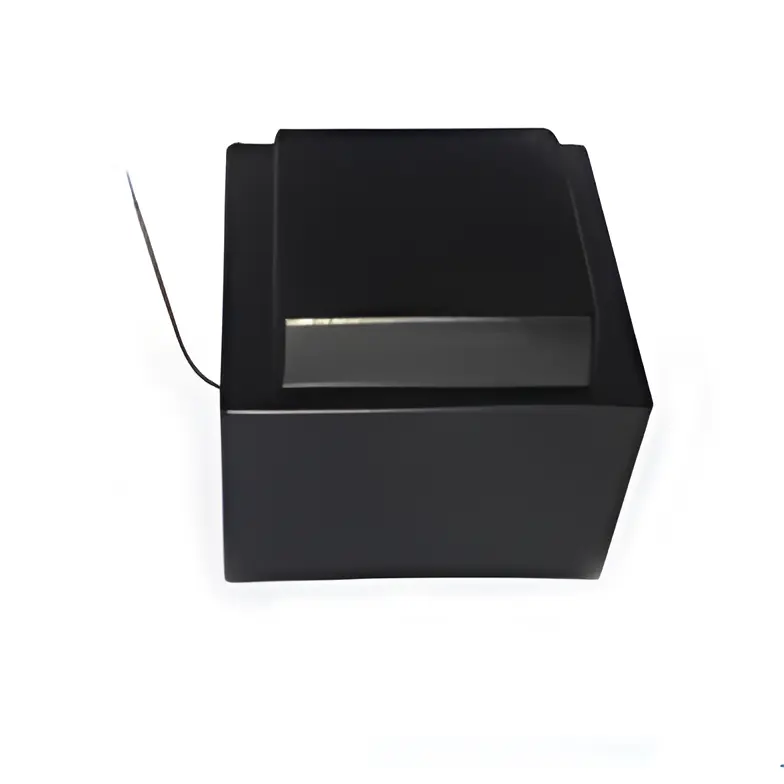 Sealed Transformers
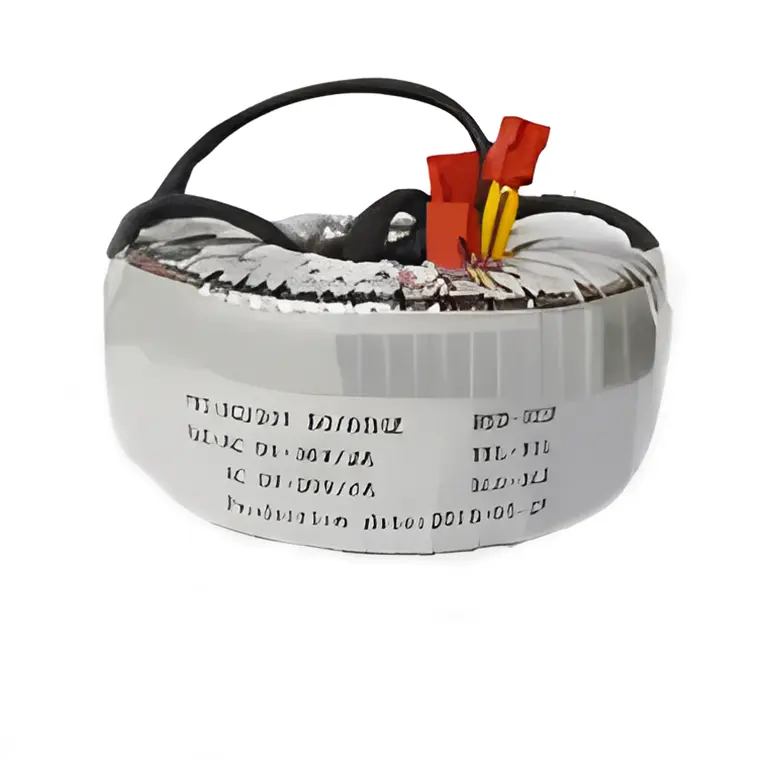 Ring Transformers
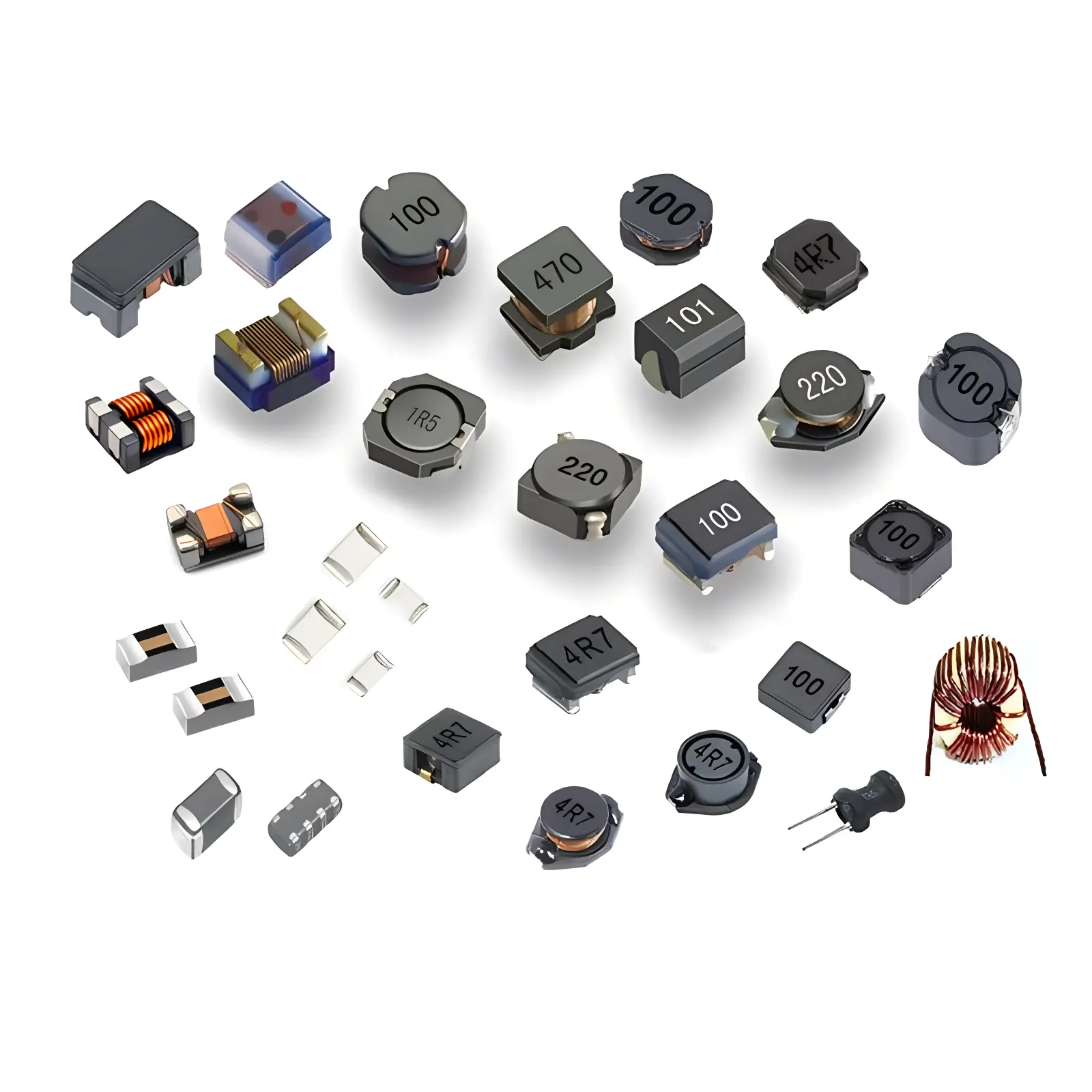 Inductors
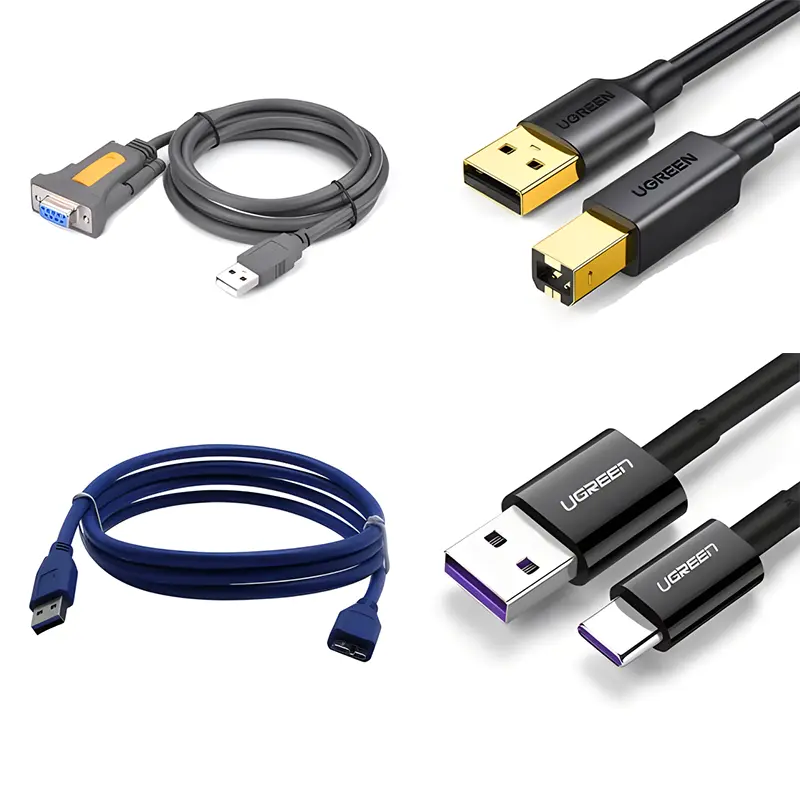 Wires,Cables Customized
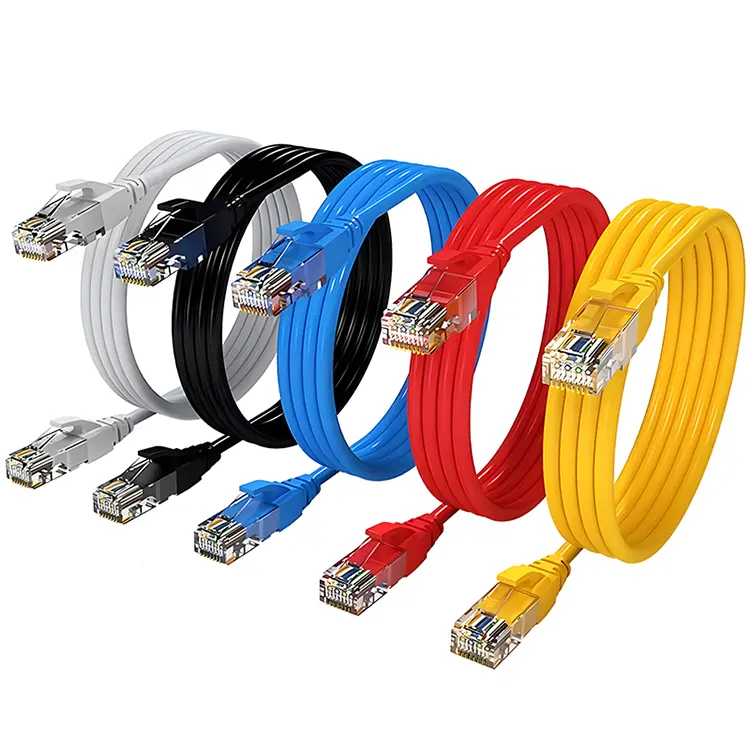 Network Cables
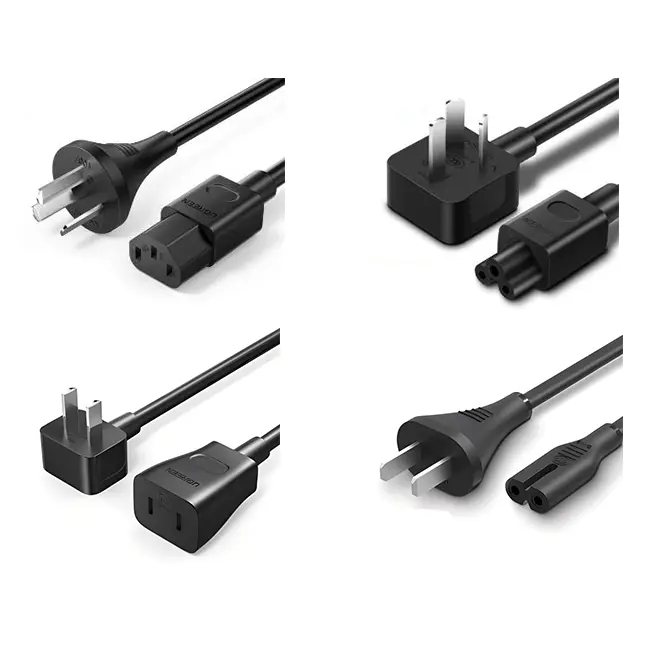 Power Cords
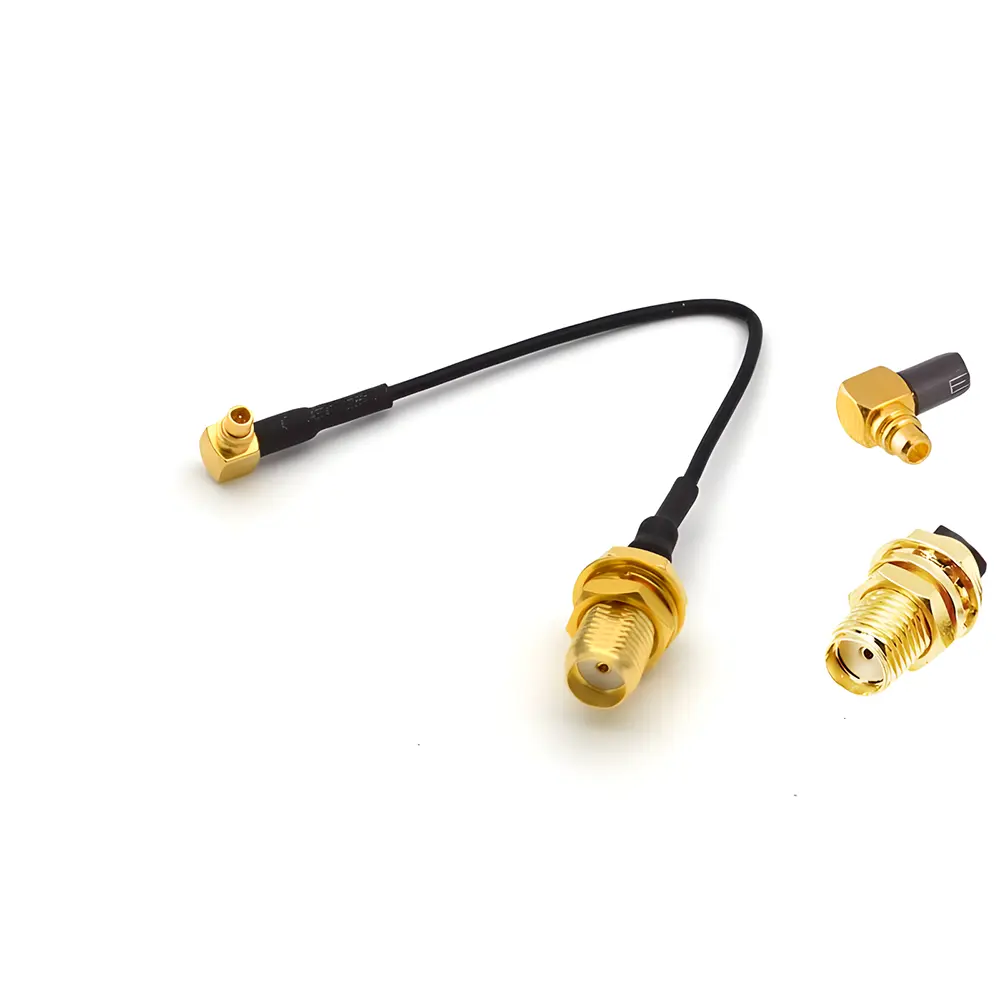 Antenna Cables
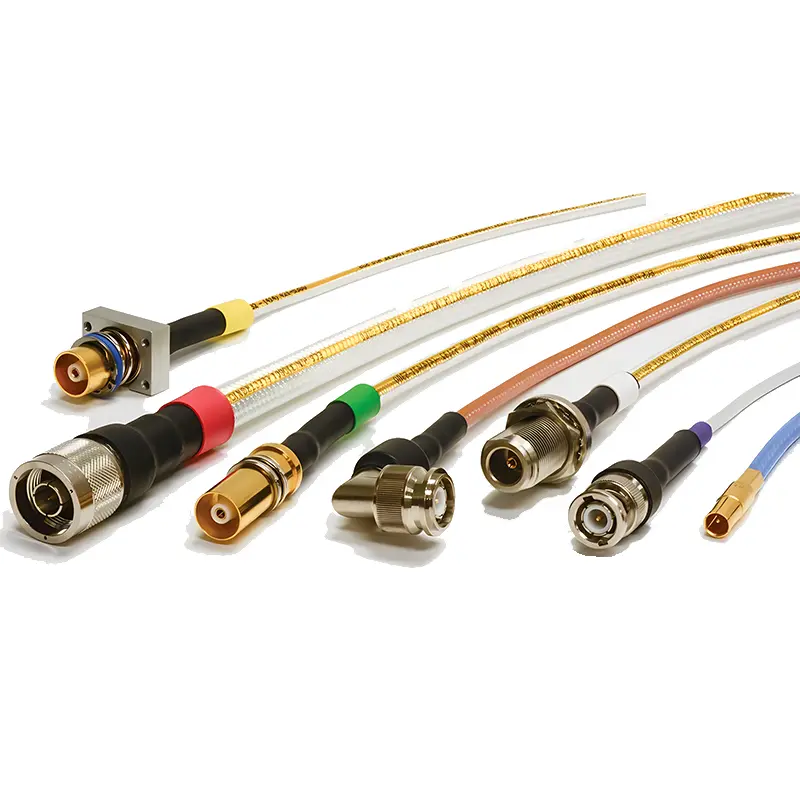 Coaxial Cables
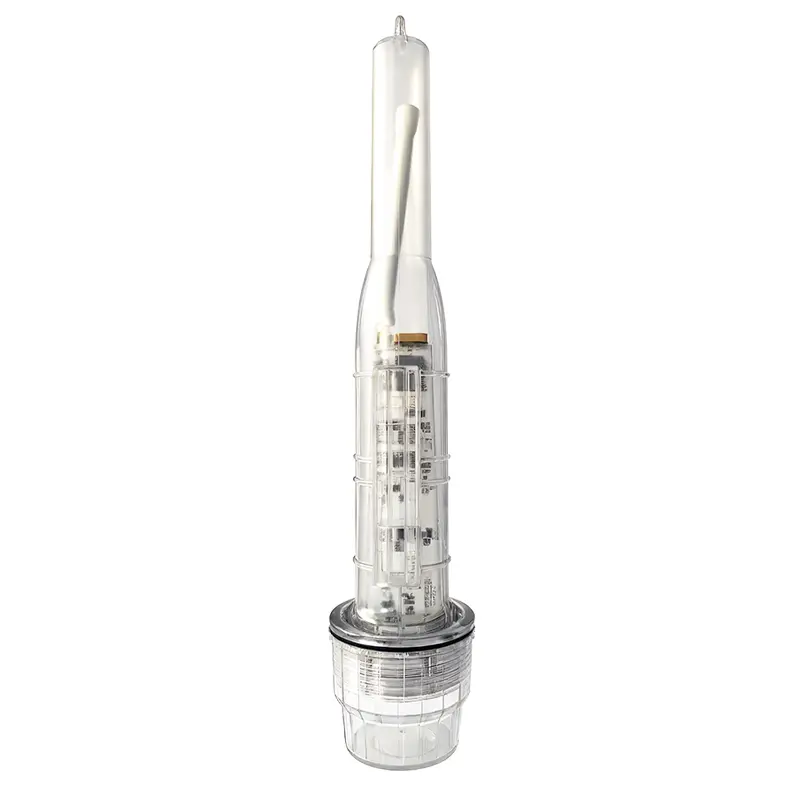 Net Position Indicator
 Solar AIS net position indicator
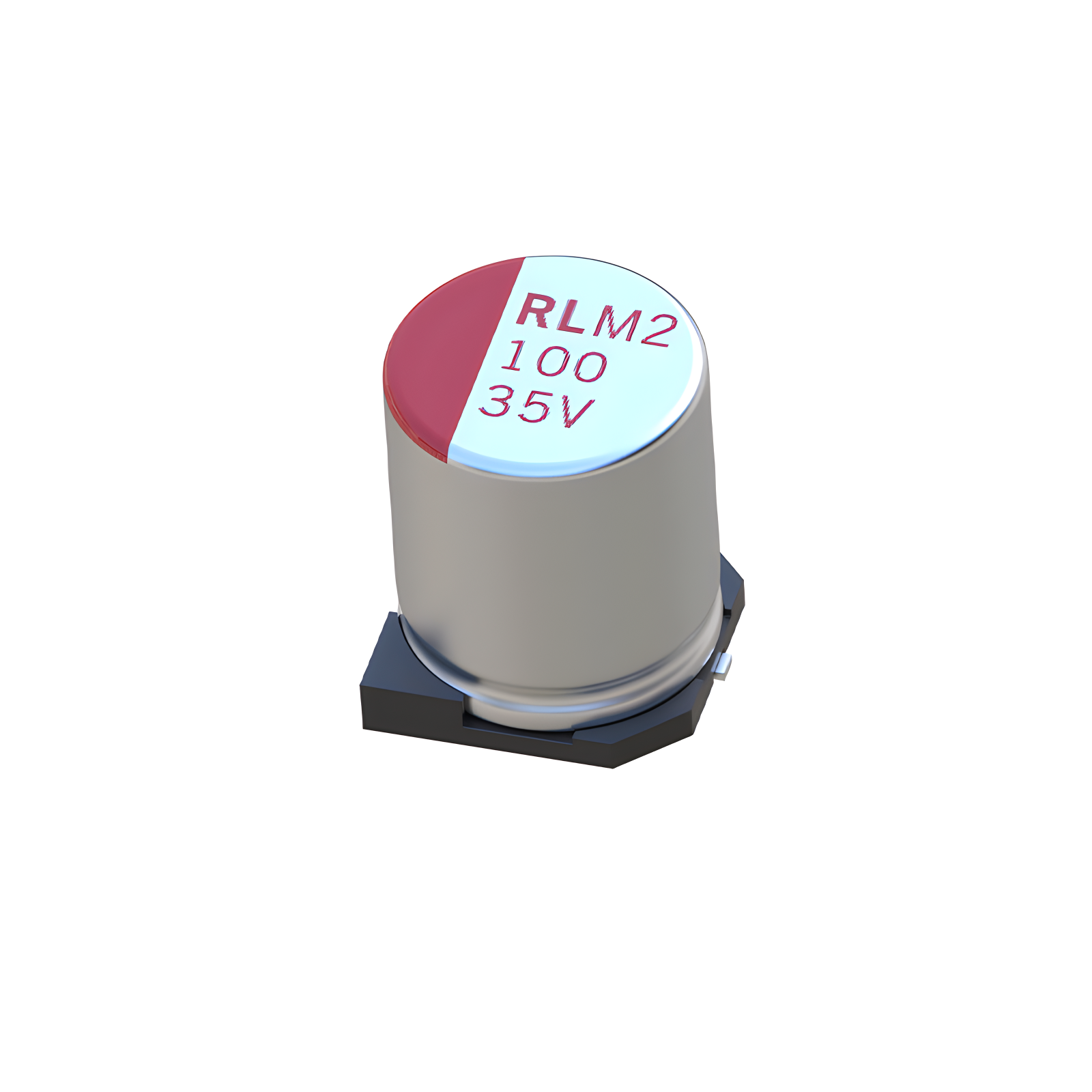 Capacitors
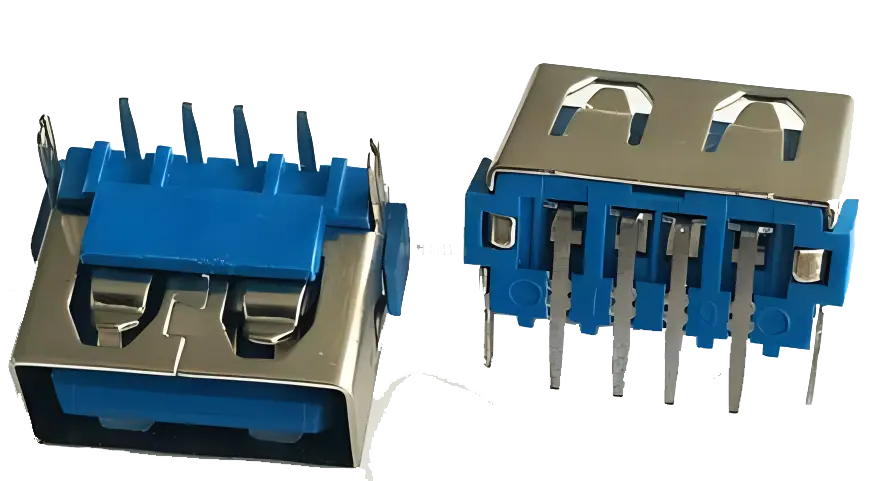 Connectors
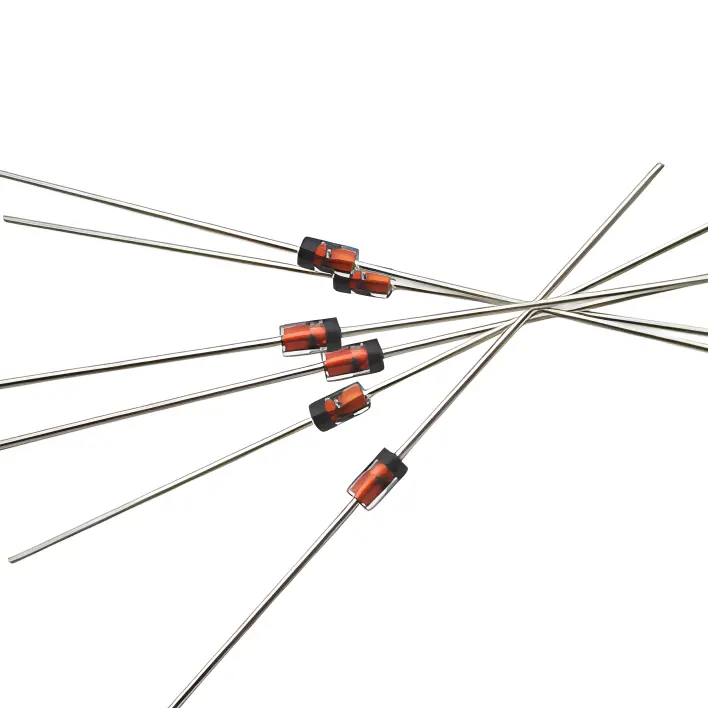 Diodes
 Embedded Processors & Controllers
 Digital Signal Processors (DSP/DSC)
 Microcontrollers (MCU/MPU/SOC)
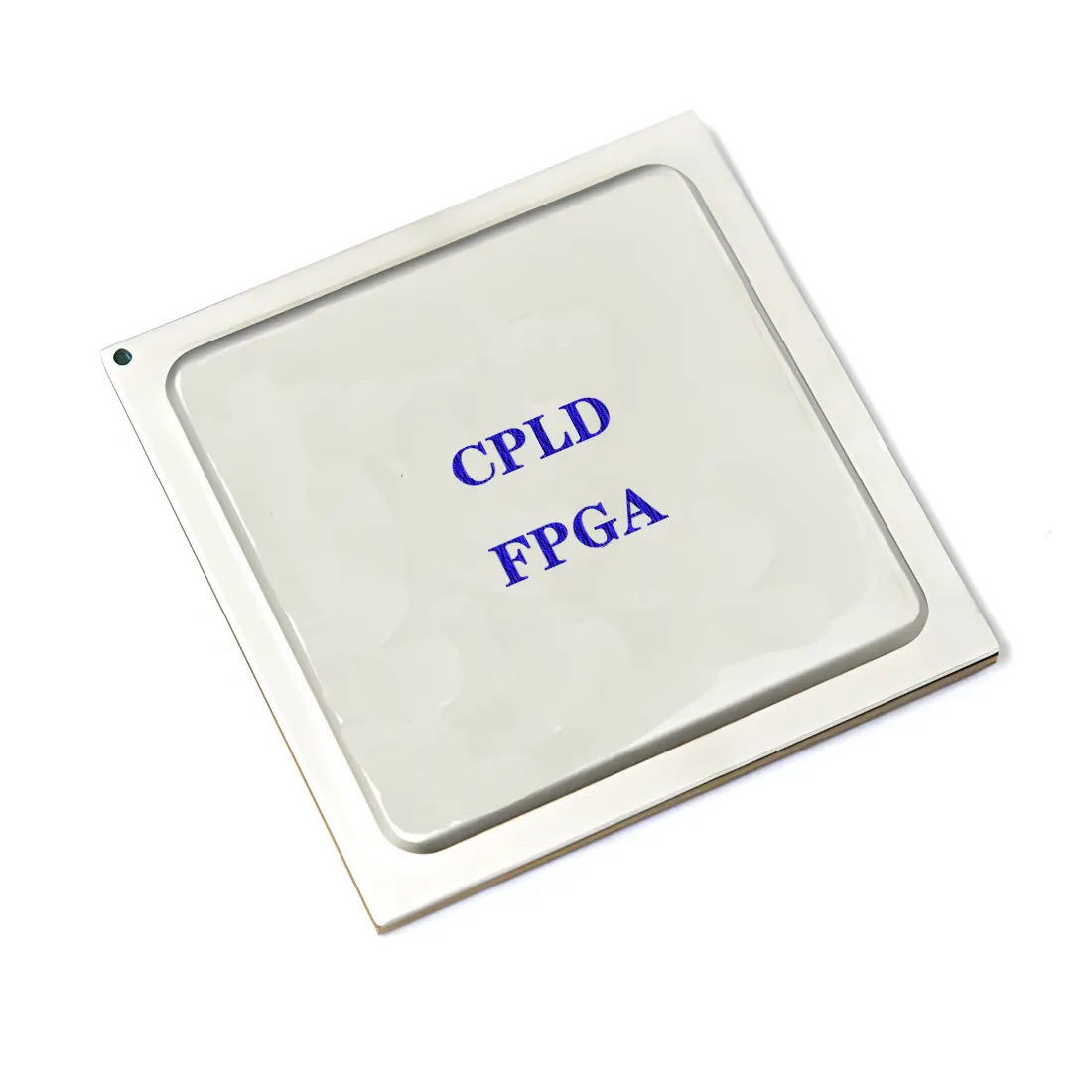 Programmable Logic Device(CPLD/FPGA)
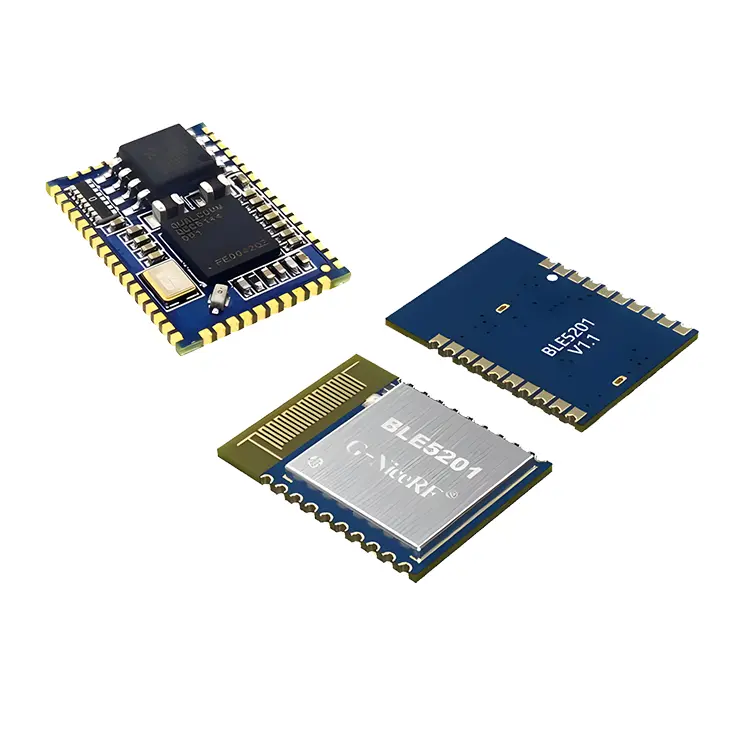 Communication Modules/IoT
 Resistors
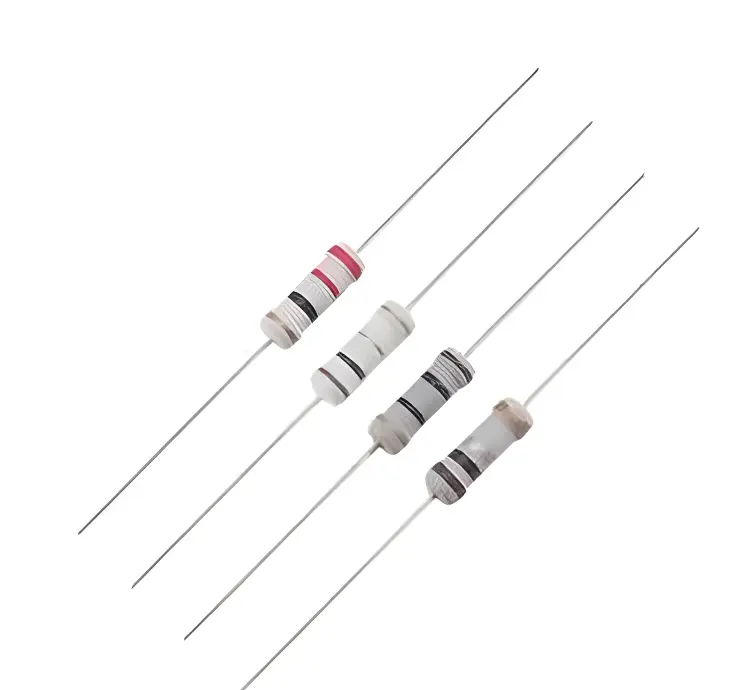 Through Hole Resistors
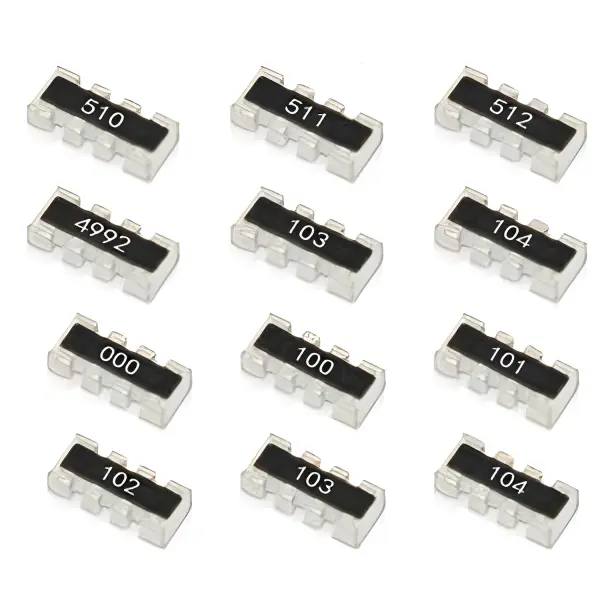 Resistor Networks, Arrays
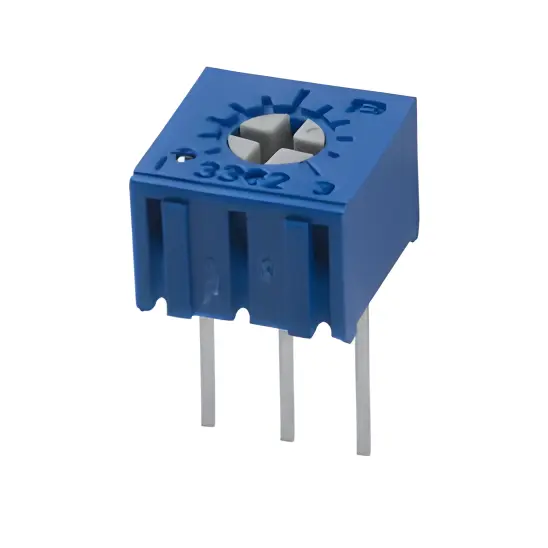 Potentiometers,Variable Resistors
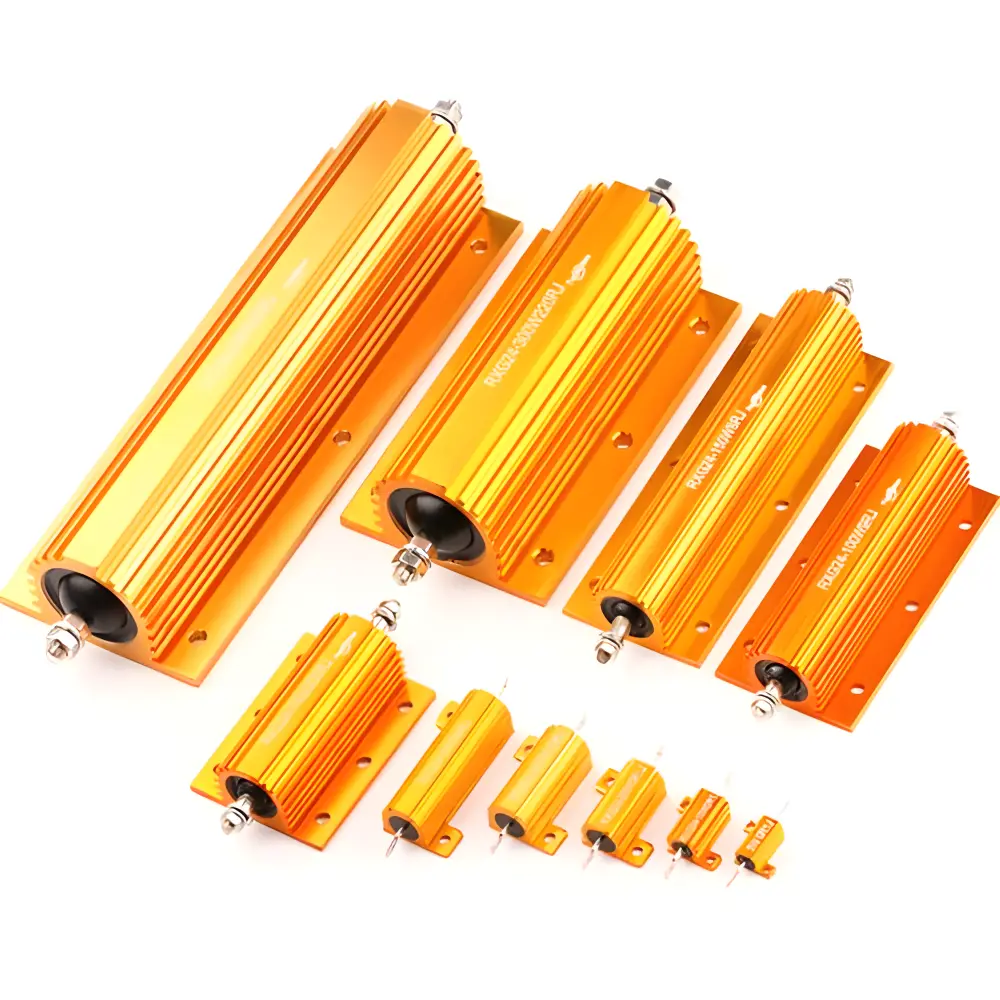 Aluminum Case,Porcelain Tube Resistance
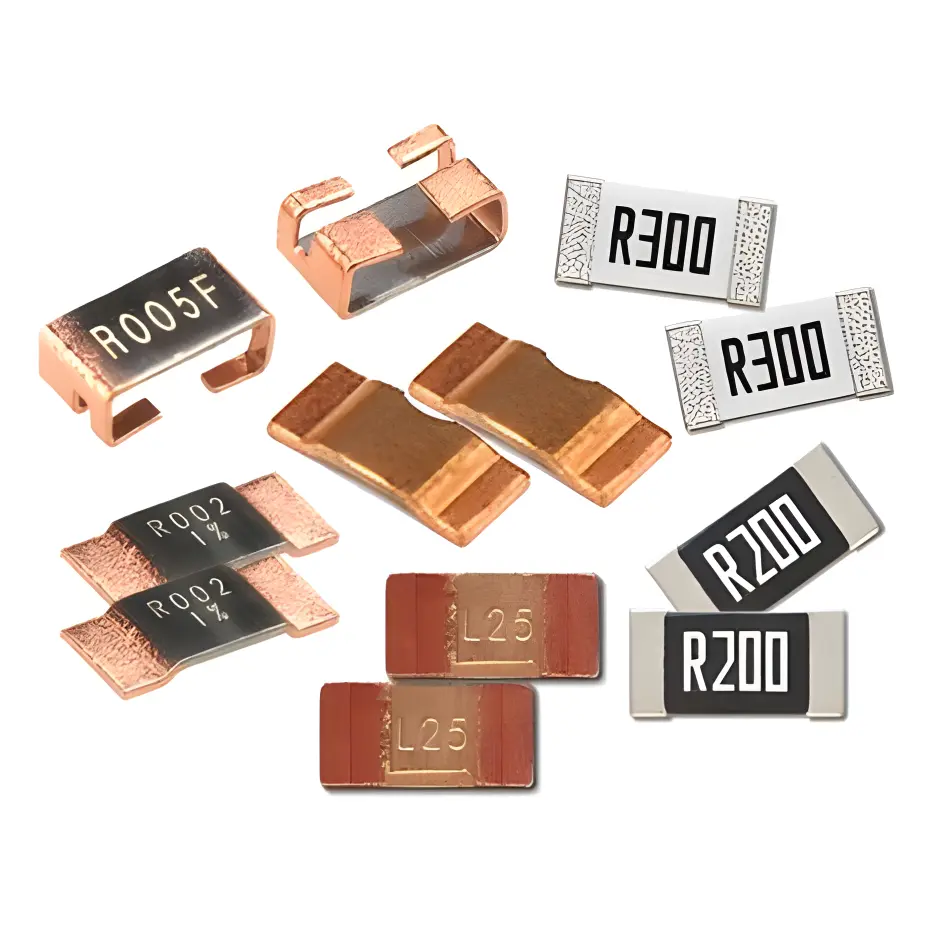 Current Sense Resistors,Shunt Resistors
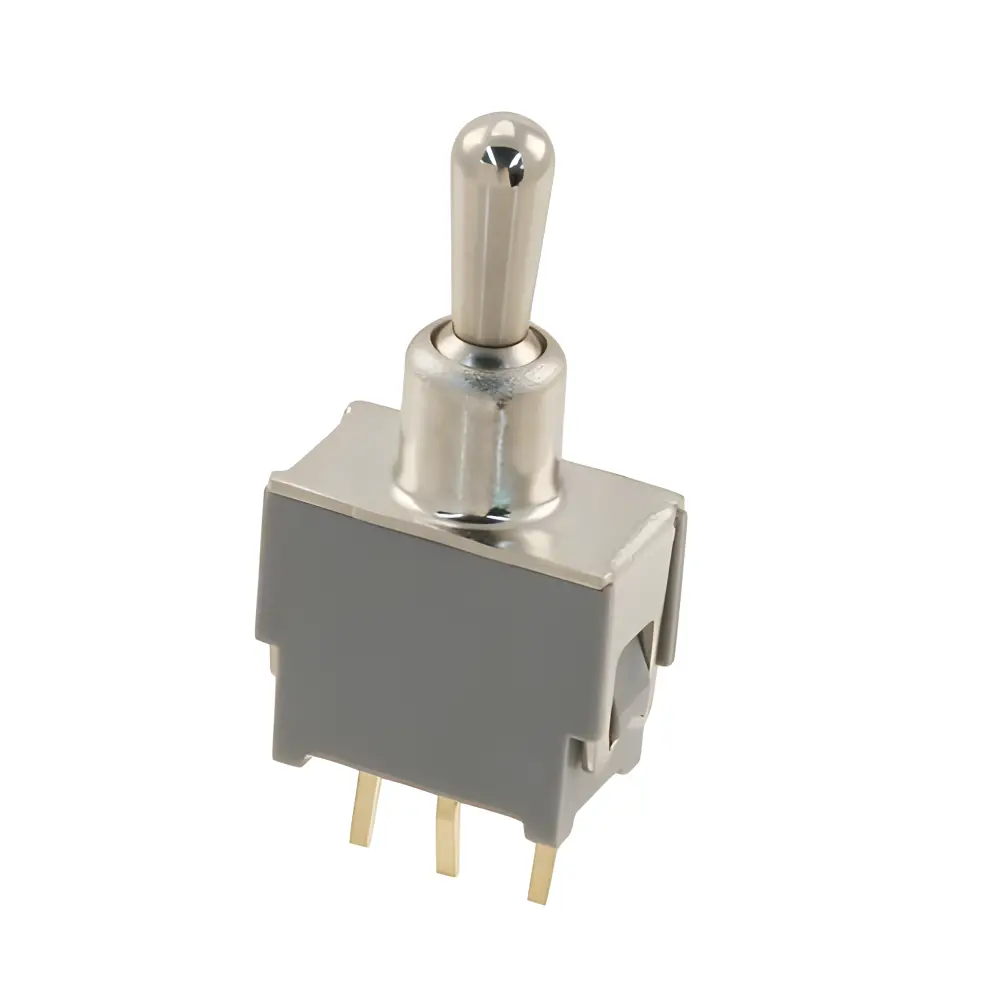 Switches
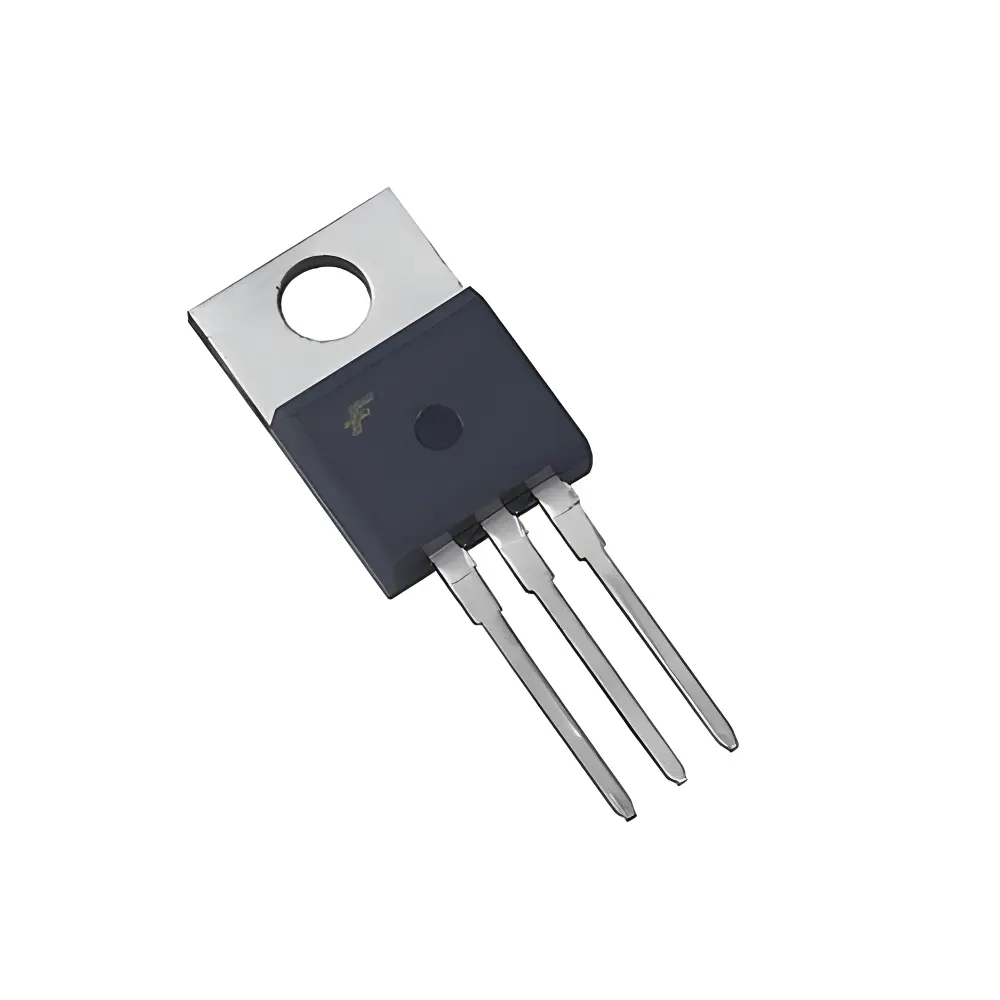 Transistors
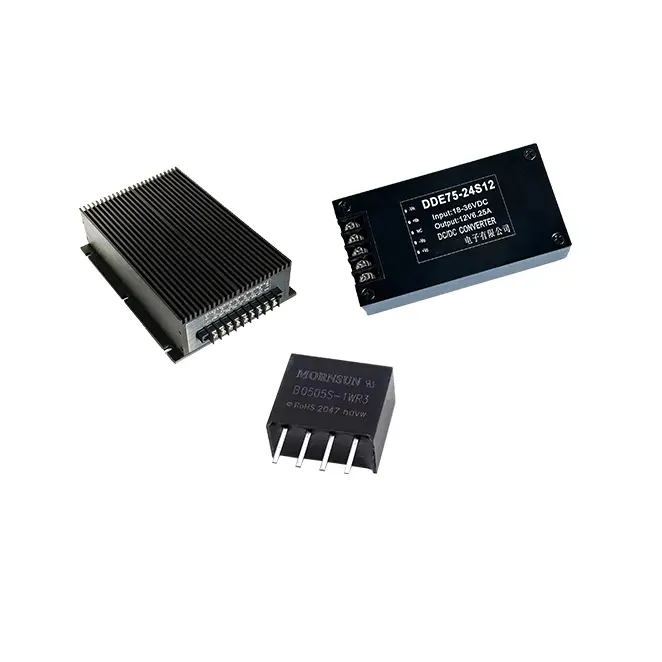 Power Modules
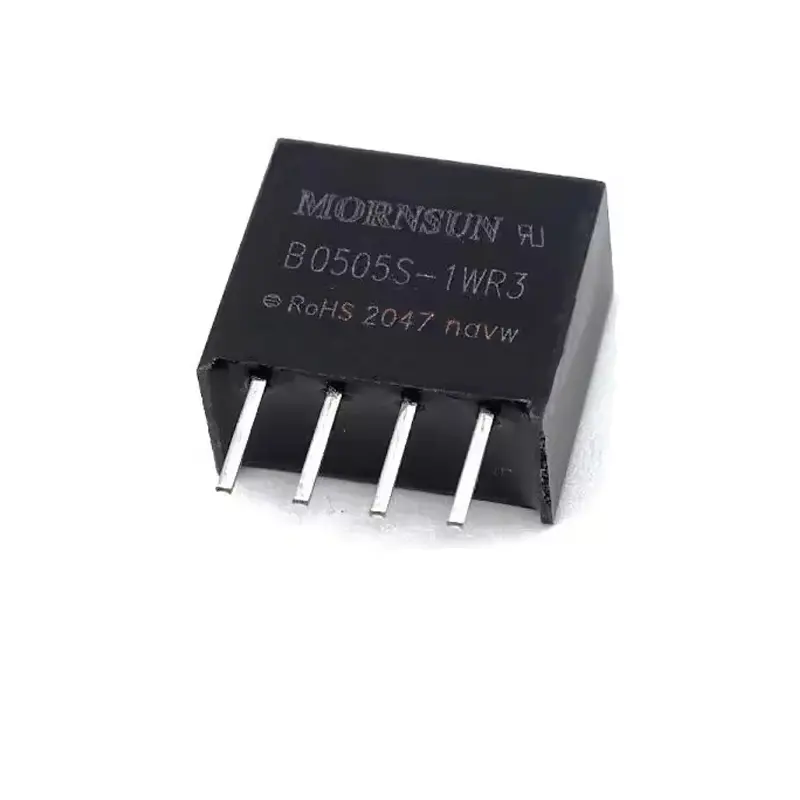 Isolated Power Modules
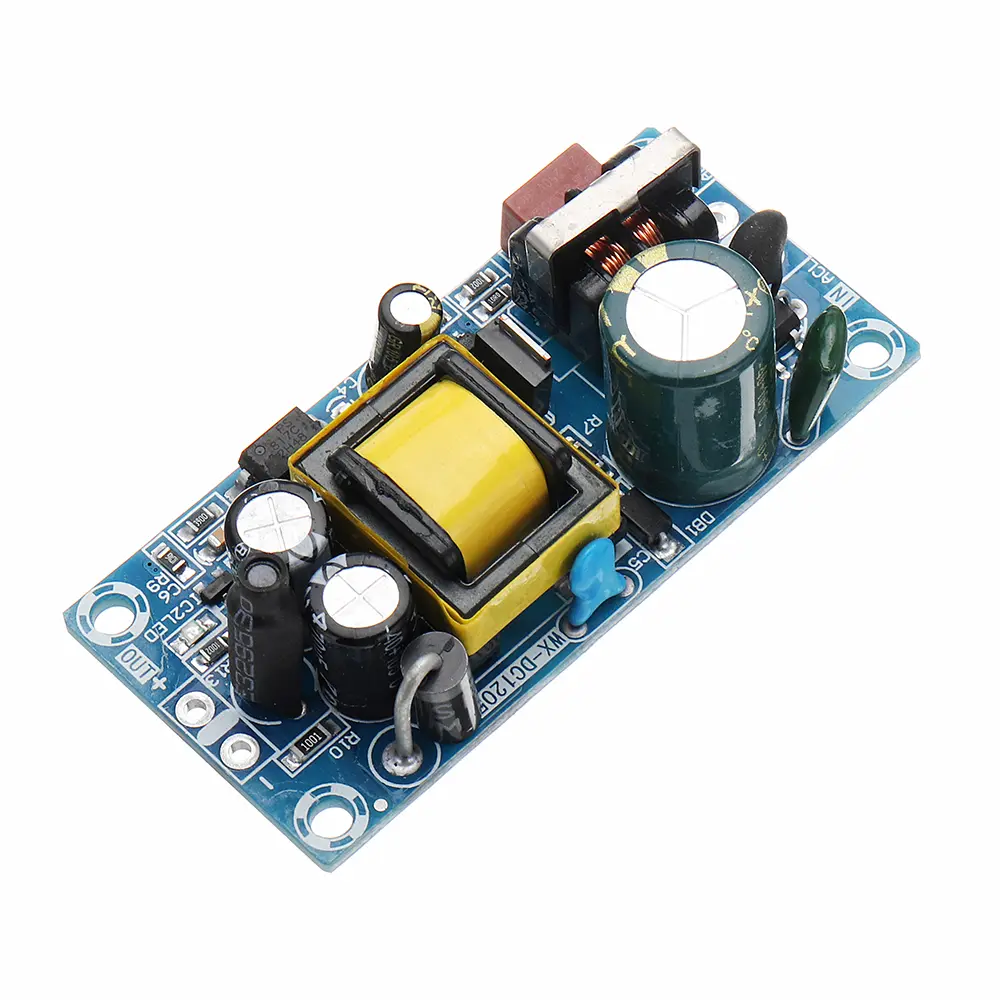 AC-DC Power Modules
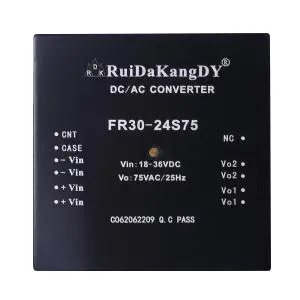 DC-AC Module(Inverter)
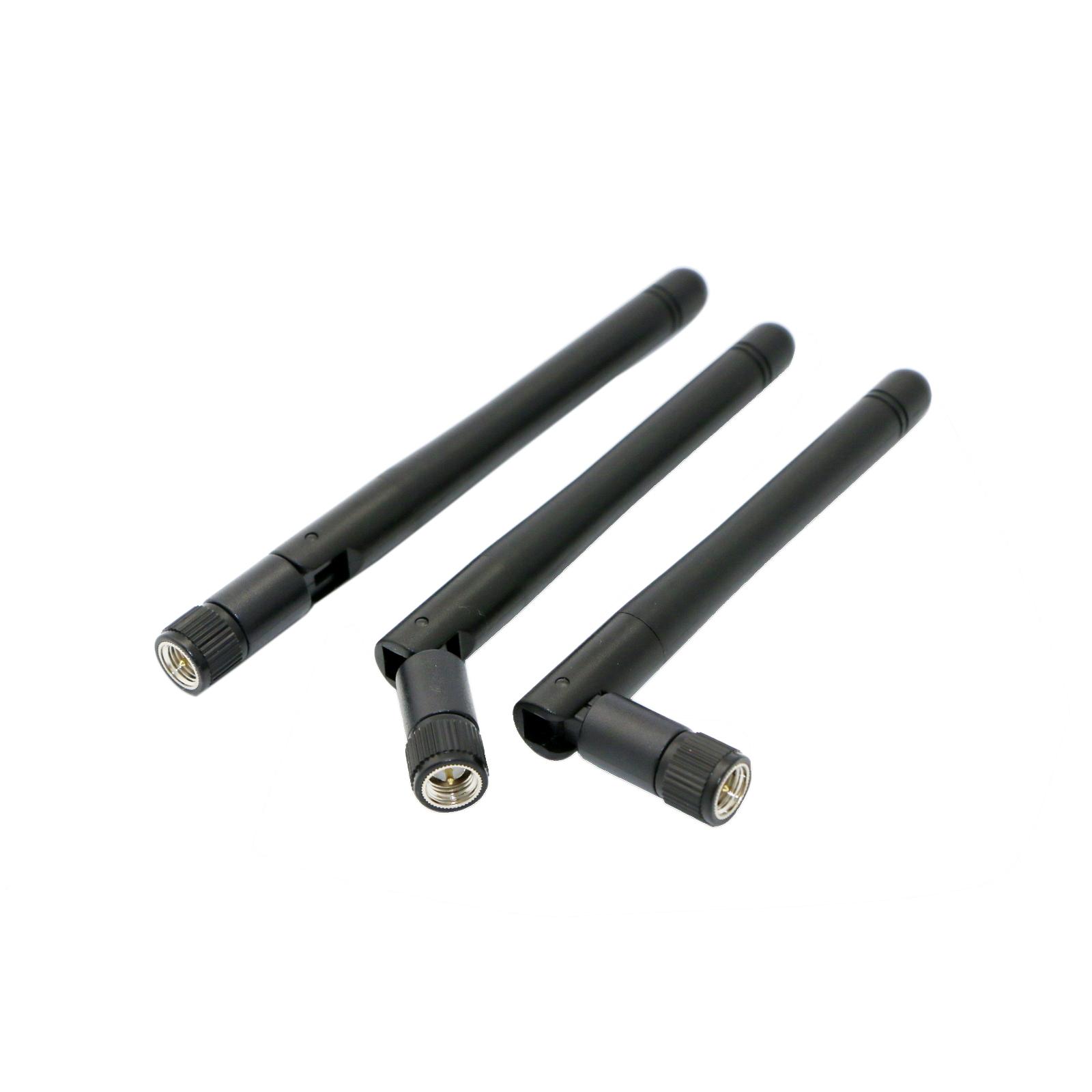 RF and Wireless
Tesla Unveils L5 Autonomous Driving with Robotaxi Cybercab
Tesla Unveils L5 Autonomous Driving with Robotaxi Cybercab, Expected to Enter Mass Production in 2026. The Optimus humanoid robot boasts high fluidity in movements and may undertake various tasks in the future. The mass production of Robotaxi and humanoid robots is expected to boost the demand for coMPUting power, cameras, and wireless inductive charging. The beneficiaries include Shiyun Circuit, Chenzhan Optoelectronics, Dongshan Precision, and Zhaowei Electric.
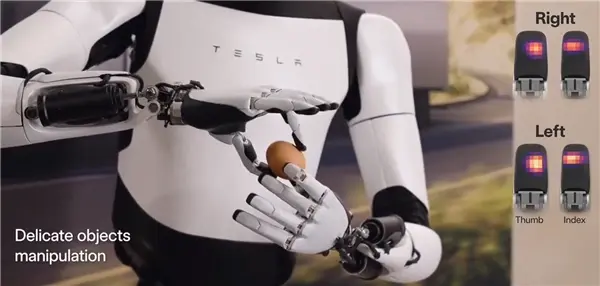
In its pursuit of L5 autonomous driving, Tesla has introduced the Cybercab, which is cost-effective and highly secure, along with a new vehicle type, the Robovan. L5 Autonomous Driving: The Cybercab features no steering wheel or pedals and relies on AI and a vision system for driving without human supervision. It significantly reduces costs and is anticipated to enter mass production in 2026. According to Tesla's press conference, unsupervised Full Self-Driving (FSD) will be launched in Texas and California in 2025, significantly enhancing the capabilities of Model 3/Y. Production of the Cybercab is expected to commence in 2026, with mass production costs falling below $30,000. Furthermore, operating costs are projected to decrease to 20 cents per mile. High Safety: The vision system responds swiftly and never fatigues. According to Tesla's press conference, Robotaxis equipped with FSD are approximately ten times safer than human-driven vehicles. New Vehicle Type: Robovan: Capable of carrying up to 20 people for both cargo and passenger transportation, with transportation costs as low as 5-10 cents per mile.
The Optimus humanoid robot is progressing smoothly, with enhanced movement fluidity and complexity, potentially enabling it to undertake multiple tasks in the future. According to Tesla's press conference, Optimus can peRForm actions such as dancing, mixing cocktails, and playing rock-paper-scissors, interacting naturally with people. Elon Musk suggests that future versions of Optimus could be used for tasks like caring for the elderly, grocery shopping, and walking dogs, with an estimated mass production cost of 20,000to30,000.
The demand for computing power, cameras, and wireless inductive charging is promising. Computing Power: Tesla employs the Dojo supercomputer system to process autonomous driving data, with a total computing power expected to exceed 100 Exa-Flops by October 2024. Tesla is also constructing a large computing center in Texas, with an anticipated power and cooling capacity of 500MW by the end of 2025. Approximately 50% of the computing power will be provided by Tesla's self-developed GPUs, while the remaining 50% will come from Nvidia and other manufacturers. Assuming all GPU computing power is provided by B200, with a TDP of 1000W, the demand will reach 500,000 units. The high demand for server computing power is expected to drive an increase in PCB shipments. Cameras and Wireless Inductive Charging: Both the Cybercab and Robovan rely on cameras to provide data for their vision systems and utilize wireless inductive charging technology. As subsequent Robotaxis enter mass production, upstream manufacturers stand to benefit significantly.